Subscribe
Share
Share
Embed
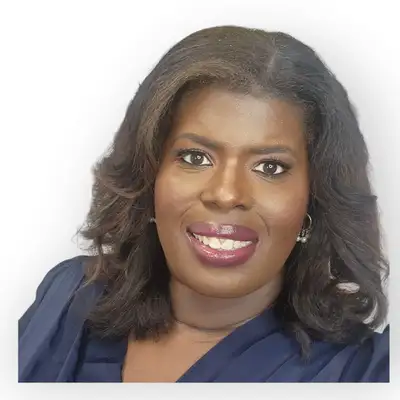
Passionate about modern feminist issues? Want to learn more about how today's political, academic, and cultural leaders strive for a future of universal equality and justice?
Join NOW in a podcast dedicated to intersectional feminist discussions in American society with leaders in entertainment, sports, politics, and science. From conversations on constitutional equality, to economic justice and reproductive rights, listeners will find new ways to learn, engage, and get empowered.
Listen for new episodes released every other Wednesday.
Bethany Brookshire [00:00:06]:
Hello everyone, and welcome to Feminism NOW, the podcast from the National Organization for Women. I'm senior producer Bethany Brookshire. We've all been around the last five years. 2020 to 2025 has been a wild ride. There was a pandemic, the Black Lives Matter movement. Now there's a second Trump term. Here with us. Through all of it, we was Christian F. Nunes. She began leading the National Organization for women in 2020 and officially was elected to national presidency in 2021 as the second black president of NOW. Christian made intersectionality the driving force of her presidency, launching NOW's Racial Justice Summit, the Bill of Rights for immigrant women and girls, and most recently, the Disrupt now campaign to promote women's equality and safety. And, of course, she started this podcast where we've talked with some of the biggest movers and shakers in the feminist movement. And so for our last episode of this season, we wanted to talk to our national president, Christian F. Nunes, about this show, the lessons she's learned, and what challenges feminism faces going forward. And while we're here, we would love to hear your thoughts on our podcast, how it's impacted your thoughts and maybe even your actions. Contact us at feminismnow@now.org and now it's time to talk with Christian. Hello, everyone. It's so weird to have me be the one saying, hello, everyone, but I'm so happy to be here today with Christian F. Nunes, the national president of the National Organization for Women. Christian, welcome to your own show.
Christian F. Nunes [00:01:42]:
Thank you so much, Bethany.
Bethany Brookshire [00:01:47]:
I'm so thrilled to have this opportunity to just kind of chat a little bit. It's the end of the season. It's also the end of your tenure. You are stepping down, and we're gonna miss you so much.
Christian F. Nunes [00:01:59]:
Thank you. I'm gonna miss working with you all. Y' all have been wonderful. This podcast has been such a, like, bright spot. You know, in my experience, we do our best, so.
Bethany Brookshire [00:02:11]:
But I think it's a great opportunity to kind of look back on the podcast and what it has been and kind of why it's such an important thing for now to take on. So I just wanted to start with that question. You have done so much as the president of the National Organization for Women. You launched a racial justice summit. You started the Disrupt now campaign. There were many, many initiatives, but you also decided to start this podcast. And a podcast is not a light lift. It's not super easy. Why did you end up thinking that a podcast would be a good way to go?
Christian F. Nunes [00:02:52]:
So I want to give credit where Credit's due. First. I will say this, though. I love podcasts. Like, so that's a big thing. And before the podcast, we were doing, like, these Instagram lives every once in a while, and people really liked it. And so my cons team, Scott Circle Communications, mentioned, like, hey, we think, you know, you would do great. Who hosting a podcast, it'll be a great way for us to. For you to end now to get its brand and name out there and. And get it and get the work you're doing out to more people. And I was like, yeah, because instantly, like, because I love podcasts and I love listening to wonderful episodes and help, especially the ones that very conversational. And I thought about it and I said, let's do it. And so we started that journey, and it's been a great journey. I think that we've really been able to have people understand what feminism is a lot more than before.
Bethany Brookshire [00:03:43]:
So, you know, you mentioned that you love podcasts, and I was wondering, you know, why do you think NOW specifically needed a podcast? Why is a podcast needed for feminism? And of course, there's many feminist podcasts out there. We are far from the only one. But. But why do you think that's really especially necessary?
Christian F. Nunes [00:04:02]:
So particularly for now? I think it's important for a couple reasons, like, NOW is like the oldest, largest feminist organization in the United States, right? It kind of was the first women's organization that really started. Started feminism right. In 1966. And through courses of time and different waves of feminism, more feminism organizations have come forth, different intersections of feminism groups have come forth. And although now is this legacy organization, everyone always, I felt like, saw NOW as this old, predominantly, like. And some truth to it, old, predominantly, like, white women's feminist organization. And they didn't think they could relate with now including some white women, right? Like, didn't feel like they could relate with now they feel like they're more progressive or they're more intersectional. And part of one of the goals I had as president was to make now multiracial and intergenerational, multicultural, inclusive, gender expansive. You know, that we are just including everyone with our allies, that we were just a full, like, intersectional organization that was gearing and fighting hard for women's advocacy, women's equality, and women's rights. And I think a lot of times people thought that they didn't have a place in NOW if they didn't fit this box, right? And I didn't fit the box because, like, I'm the second African American president, the first one is 1970. She served one year. Eileen Hernandez. 1970. 71. She was one of our co founders. And then here comes Christian Avnun in 2020. Right? That's a lot of time. Right. And no one's seeing their relation or being able to have that interconnection with racism and sexism and challenging those things, or being able to see that women of color exist in now, have roles, and now can be the face of now to help push forward the issues of all of us. And so, for me, I was like, we have to get out to other people so we can really let them know how these other issues intersect with feminism, how climate change intersects with femin feminism, how gun violence intersects with feminism, how not just intimate partner violence intersects, but economic justice. You know, just showing the intersections was so important. So people really understood why women's issues and women's equality and rights are so, so very important and how they touch all of our lives. Right. So this podcast was, like, the best catalyst to be able, like, to get us started, and then also to be the conduit to, like, reaching out to these various people who were curious. And then also I was really. I was really adamant about having my face on it because I wanted them to see a black woman that was hosting this podcast about feminism. I thought that was. That was just feminine as a whole. So. And I think it. It helped. I mean, like, we don't just have women listeners. We have men listeners. We have listeners of all different demographics. And I think that that is super important. And. And it's amazing how I run across people that I never thought would be listening to the podcast and can tell me that they listen to and follow the podcast, like, every time, every. For every episode. And I think that's what the goal was, and we've achieved that. And I think that's why it was so important for now to have that. So now can people know we're still here, still existing, and we're leading an intersectional way.
Bethany Brookshire [00:07:24]:
And podcasting also is wonderful because it gives you this personal kind of touch. Right. It's not just an email hitting your inbox or, you know, a statement or something. It's voices of real living people in your ears.
Christian F. Nunes [00:07:41]:
Absolutely. And I also appreciate that that's what we did in this podcast, too. Like, we reach out to people who are actually doing the work, right? Yeah, we were trying to guess we had some celebrity on here, but we were really just trying to reach out to people who are doing the work, and we wanted to introduce the World to other people who are out here doing the work. And I feel like we executed that very well and I'm very happy for that. And I also think the fact that we just have conversation and keep it real was very helpful too, because some things we talk about instead acknowledge are things that are hard to talk about. But we work very. It's very important that we told the truth.
Bethany Brookshire [00:08:15]:
As you mentioned, you know, we've had a lot of wonderful people on the show that are out there that are doing the work. They are in the trenches doing the work of feminism. And I was wondering what are some of the interviews that really stuck out to you? Were there any that like, you were still thinking about?
Christian F. Nunes [00:08:31]:
Yeah, you know, I have some favorites and I think it's because of like what the topic was. I'm going to talk about topic because I'm sorry, y' all have to forgive me because we've done a lot of names and I'm going to try to remember some of the names. I. But I think the one of the biggest ones I really liked is we did this one, I think it was Dr. Brittany. And we talked about missing murdered black women. And, and, and I felt like that was really important to talk about. And then we had another one where we had the representative from Oklahoma talk about missing and murdered Indigenous women. And I felt like that was really important to talk about. And then I really love Becky Kondkar talking about essentially the sex abusive prison pipeline and how women wind up with domestic violence, inter partner violence, you know, incarcerated for trying to save their lives and, you know, get rid of violent partners. That one was very powerful to me. I really enjoyed Azaleea Carlea from Legal Momentum.
Bethany Brookshire [00:09:33]:
Azaleea Carlea. Yeah.
Christian F. Nunes [00:09:35]:
Azaleea. Thank you. When we're talking about the cases and I felt like Azaleea did such a wonderful job just being real and authentic and telling the truth and making it relatable about some of the legal cases that we're seeing happen and why and how there's disproportionate injustice even happening and processing legal cases. I love my friend Saru Jarayaman talk with one fair wage and hers when she really talked about like the history of tip working and wages and a history of why we pay people so less and how that stems back to slavery and also how they're fighting for, you know, this economic justice for everyone, including incarcerated and disability and tip workers and all these, you know, seasonal workers and things like that, understanding that everyone deserves this right for economic justice. Right. So I love that one and the most recent one we did was one of my favorites, and that was one with Mikki Kendall. When we really talked about, like, the intersections of why this world's hostile right now with, you know, with gun violence and just a hostile environment for women to be living in right now. And I just love the episode as well, so. But I loved all the episodes. Let me just say that I enjoyed all my conversations, but some things about some of those just really, really, like, stuck out for me.
Bethany Brookshire [00:11:00]:
They're all your favorite children. Well, we will make sure to link all of those episodes in the show notes. So if people want to go back and hear some of those, because I know they were really impactful for me as well. And I actually wanted to ask as well, you know, as the head of the National Organization for Women, you know a lot about the state of feminism in the world. Like, you are. You are plugged in. You are very feminist, very. In the way that some people are very online, you are very feminist. And I was wondering, were there any interviews that you did for the show that really taught you something that surprised you, that made you be like, oh, I didn't know that.
Christian F. Nunes [00:11:42]:
I feel like I learned from everybody. I'm gonna be honest. Like, and that seems so cliche, but I really did. Like, I felt that everyone brought some, some information and knowledge that was so, so important. When we were talking with Latanya, Matt Fretz, with her book about everyday feminism, in her book, and you learn about. Everybody has a sense every day in their actions that you can relate to. Right. And you can learn from. And I feel like that's what all of our guests did is they exposed us to some things that helped made us go, you know, and, and kind of made us question how he saw things in our perspectives and how we would approach things before. So I think they all did a really great job of just truly helping you learn.
Bethany Brookshire [00:12:34]:
So I also wanted to ask, you know, we've had some pretty high flying women on this show. I mean, first of all, we have Christian F. Nunes on the show every single episode. I don't know if you've heard of her, but, like, she's kind of a big deal. But for example, the very first episode was actually an interview with Alyssa Milano.
Christian F. Nunes [00:12:55]:
Yes, Alyssa.
Bethany Brookshire [00:12:56]:
But we've also had speaker emerita Nancy Pelosi on the show. Yeah, we've had like journalism young superstar V. Spear on the show. I was wondering what. Was there anybody. Yes, Nikki Gilbert. And I was wondering, was there anyone that like, starstruck you just a Little or are you just not like that?
Christian F. Nunes [00:13:20]:
I have to be honest. I'm just not like that. Like, I'm like this person that believes everybody's equal. Right. Like, I have this sense. No, I'm just being honest. Like, I have this sense of, like, believing as human beings, we all have the same value. Right? So I. I have a hard time being starstruck by people. Like, well, they're just a person and they had this wonderful job. They could do these wonderful things and they are fabulous at it. And, you know, but I just. Being starstruck over another person is hard for me. Like, and don't think, don't get me wrong, I love their work. Right. Nikki Gilbert and our sorers. I remember when I first met her, I remember telling her, you know, I literally, like, just listen to your song the other day. And so it's just one of those things. I was like, oh, my God, I love this music. I'm still listening to this stuff, you know, So I just don't get jaw struck ever. I mean, I'm not seeing. There's some people I don't want to meet, but I think I just see already as, like, being. Having these gifts to do certain things and excelling in them. And I think we all have gifts to do certain things, and I prefer to, like, recognize everybody having the same value. And some people have different gifts, you know, than to think someone's more of a star.
Bethany Brookshire [00:14:35]:
Well, I think that's good, though, because I think that makes you a good podcast host as well as a good leader, because it means you're not afraid to just talk to somebody and get the real story out of them. Right? You're not gonna, you know, softball them or give them little sweet questions, you know, you want to have an actual real conversation. And I think that's a really important thing that a lot of. A lot of people don't necessarily think about when they think about meeting famous people, you know?
Christian F. Nunes [00:15:08]:
Yeah. I think it was more important for me to make sure that we were, like, getting information out in this podcast, you know, like, we were really talking about real things and how life intersects with this vision of equality and justice and how we can talk about this and make it relatable for people understand. Like, if you believe in this and support this and you true are a feminism and join us in this fight, you know, more so than just only doing for likability, so to say, I want to make sure that we are educating people and we're helping them come aware of what's really happening in this world every single day and how everyone can have a part in making change.
Bethany Brookshire [00:15:46]:
Yeah. You want to get beyond the canned statements.
Christian F. Nunes [00:15:50]:
Absolutely.
Bethany Brookshire [00:15:51]:
Right. And that can be a real challenge if you're too busy kind of being afraid of the person you're talking to or nervous around them. Right. You need to get past that. And you, as a host, you do such a good job putting people at ease.
Christian F. Nunes [00:16:06]:
Thank you.
Bethany Brookshire [00:16:06]:
And you know, asking the real questions and encouraging them to really say the things that people need to hear, honestly.
Christian F. Nunes [00:16:14]:
Absolutely. Thank you for that. But I agree, people, we need to hear the truth. There's too much of this place where we feel like we have to stay silent or not talk about it because of what might come and the consequences. But to me, there's more consequences that happen when we are not truthful than there is when we tell it.
Bethany Brookshire [00:16:34]:
Yeah, I think that that's an important thing to think about as well. You know, people, there are a lot of podcasts in this world that do big interviews with big important people. Why do you think this podcast matters?
Christian F. Nunes [00:16:50]:
This podcast matters because it really just normalizes experience with people and it talks about what people are really facing and it also talks and shares how people stood up and empower themselves to make change because they were not okay with issues. They were not okay with seeing this happen. They were not okay with seeing people starve or people struggle to, you know, move up and career wise or a gun violence or seeing people, women, not have equal rights like what the correct Alyssa. You know, I think that it is really showed how people use their agitation, their discomfort, motivate them for action, motivate them for change. And that's why feminism now was so important.
Bethany Brookshire [00:17:36]:
Well, speaking of action, it's my turn to do it now, listeners. We'll be right back. We're going to take a break for some action now.
Christian F. Nunes [00:17:48]:
Listeners. The time is approaching. We're gearing up for our NOW national conference. We're so thrilled to be both in person and online this year. And our in person portion will be in Las Vegas. Who said feminists can't have fun? We know we can have the most fun because it's fun. We can all share in. So join us this year at NOW National Conference. From July 11th to 13th, we will have inspiring speakers, we'll elect our national officers, and so much more. We love to see you there. So go to now.org and click on the banner that says Now National Conference to sign up. And before we get back to our interview, this is your other action Now. We're trying to reach a wide feminist audience, to bring together a movement that empowers all of us. And to do that, we need your help. So please share the show and maybe even rate us on your podcast app. It will help get the word out. It's a little action, but a big help to now. So now let's get back to the conversation.
Bethany Brookshire [00:19:06]:
So I did want to talk a little bit about the moment that we are in because your presidency has been eventful and not just because you're doing amazing work though you are. The world has gone a little bananas is what I'm saying. Not that it wasn't always bananas, but now it's real bananas.
Christian F. Nunes [00:19:24]:
Yeah, but I want to give credit to it wasn't just me. We have a national action center, the team, I call us small but mighty, who were managing like 13 people managing a national organization, and our vendors who supported us in the work, you know, and then we have our members on the ground who are the ones that are really truly committed to intersectional feminism, truly committed to anti racism, truly committed to helping in the communities. Have done some amazing work too. So, yes, I'm very proud of the work and my leadership in this, but I couldn't have done it by myself, you know, at all. So I just want to say that first and then to talk about what's happening now, you know. And, you know, I think some people would think it's a weird time for me to want to leave, like, but it doesn't mean I'm leaving the work. Like, I'm not at all stopping the work. But I do feel like my time at now, I feel like it's. My time has come, you know, Like, I, I'm ready, you know, and I have been and, and I think I've done what I needed to do in my place and I. Am I going to stop doing this work? Absolutely not. But I would love to see some younger leaders come in place because we need our Gen Z. We need our millennials to really help shape, you know, the new direction of feminism even more. We keep talking about fourth wave feminism, but we're, we're even merging and morphing from fourth. Fourth wave feminism to something even more. And we need lot the young leaders to really help us in this new generation of how we. We are. And I think they're bold, you know, I think they have the boldness we need to see in a feminism space. I think they have the grit, you know, too. And I'm not discounting the grit of anybody else, but I just think it's a place for us to, you know, shift to younger leaders. I love seeing younger leaders becoming more into the organization leadership, just not at the officer level, then the board level and the state level. Because I think that's what we're gonna need to really guide us into this next place, this next phase. Because right now women are under attack. We are under attack every single day.
Bethany Brookshire [00:21:46]:
And of course we, we talked about that a lot this season because the, the theme of the season was protecting women in a hostile world.
Christian F. Nunes [00:21:53]:
And, and we are in a hostile, hostile, hostile world.
Bethany Brookshire [00:21:58]:
It's so hostile. So I wanted to ask, like, what do you think has kind of been the most important attack on the rights of women? Kind of what has made this space the most hostile during your tenure? What do you think we have to deal with going forward?
Christian F. Nunes [00:22:14]:
Well, I think it's right now. I feel right now this administration has been the most hostile administration to women. Not just women, everybody. If you're not a cisgender, heterosexual, able bodied male, I feel like they're coming for you. They have showed us they're doing it and they continue to do it. Right. And, but for women it's really interesting because I feel like they're mismanipulating language and trying to disguise oppression and second class citizenship as protecting women. You hear them using that a lot. They're eliminating Gender Policy Council, but they're going to come up with something that protects women. Gender Policy Council was all about protecting women. It was, you know, we're going to eliminate research on women's bodies. We're going to eliminate research on us women. Take away these things. But we're going to protect you women. Oh, and by the way, we'll give you $5,000 to have a baby. Well, we're not going to pay for the next 18 years.
Bethany Brookshire [00:23:12]:
You know, like we want to protect women by inspecting the genitals of children before they play sports. Yes. Oh yes.
Christian F. Nunes [00:23:19]:
Oh yeah. Oh, definitely that. So we're going to sexually assault them and then for them to qualify to play sports and then try to say it's our protection. There's lots of manipulation. There's lots of different formations going out. There's lots of ways that we're seeing just a woman making decisions for herself, you know, and having the body sovereignty to do that, it's just being erased. And so when you are put on a list to try to erase you, erase your, your position where you're, erase your power, erase your authority, erase your presence and then they try to disguise it and manipulate it by saying they're protecting us. No, you're trying to make a second class citizens again. And I think that this is probably the most hostile I have really seen this country against women at this point in time. And, and I feel so bad for my nieces and my child and who in 2025 have less rights than I've had, you know, until this point.
Bethany Brookshire [00:24:19]:
So it's, it's interesting because a lot of this is kind of presenting, they are presenting it as like a backlash to these woke feminists who have gone too far. And, and you know, feminism itself kind of is subject to constant backlash and constant pushback. And I was wondering what, you know, you, you are the president of the National Organization for Women. Why do you think there is so much pushback to the concept that people should be equal regardless of their gender?
Christian F. Nunes [00:24:48]:
So this is really just about power and control. It's all about power and control. Right. If, you know, we hear a lot that they say, oh, they're against feminism because you know, women will take men's jobs. Well, if you don't qualify for the job, you shouldn't have in the first place. Right. But it's not really that that's what we const here are what these women don't. They hate men. And no, you know, we don't like patriarchy, but we don't hate men. Right. That's not part of feminism. That's not what feminism about. It's about equality. It's about everybody making the choice and having the right to live how they want to live, equally and safely in any aspect of their life. Right. I think it makes it harder for the feminist space because it's so much disinformation out there, it's confusing people. And I think when it comes down to it, they're only doing this because they want to be in power and they want control. So for a woman to be independent, for women to be self sufficient, it threatens them, you know, it threatens their feeling that they would lose power, that they would lose control.
Bethany Brookshire [00:25:56]:
And you know, and I know from mental health, that fear of a loss of control, that anxiety, the response to that is so often anger.
Christian F. Nunes [00:26:05]:
Absolutely.
Bethany Brookshire [00:26:06]:
And I also wanted to ask, you know, you've been having us carefully end each episode with a reason for hope. And we were talking about feminism and one of the things I've noticed is how often these attacks against feminism, they don't just attack feminism as a concept, they seek to divide us, they seek to divide feminists and their allies. They just seek to divide women from each other. And I was wondering, how do you think we can all be better feminists to each other?
Christian F. Nunes [00:26:39]:
Oh, my God. I love this question. I absolutely love this question. I think about it often, right? It's like one of those things. It's like, don't eat your young. Don't eat your young. Women are experiencing this. All women are experiencing it. It doesn't matter how much money you make. It doesn't matter your race, your nationality, your gender identity, you're disabled or not, it doesn't matter your religion. All women are under attack, all of us. And the truth is, most women I know want to be able to live safely. They don't want discrimination. This is most women. You don't really hear women saying, I want to be discriminated against. I've never heard it. Great. But the problem is, is that we got to stop feeling like some women feeling that their issues are more important than other feminists. Because this has been a problem, like, throughout history and movements, is you cannot prioritize your freedom. You cannot prioritize your equality. You cannot prioritize, you know, your value, because your life is giving you a sense of being entitled or of privilege. And the way we become better feminist is exactly this. Like, we have to stop thinking we are better at being feminist than others, that our priorities are better or more important than another feminist's priorities. We have to come to a place in feminism where we look at all oppression as oppression to all of us, that we look at all inequities as a problem for all of us that we look at. How do we share our advocacy to make sure that we are advocating for everyone? And it can't be a hierarchy of priority of issues in feminism. Everybody has value, and we have to be the ones that recognize it. We have to be the ones that stand up for each other. We have to be the ones that speak out for each other. We have to be the ones that support each other, regardless of our difference, regardless of our similarities. That's what this is about, right? It's not about being best friends. No. It's about understanding the issues, the challenges that women go through and the rights we have to have equality, the rights we have to have safety, the rights we have to live our lives the way we want to live our lives. And it's our choice, right? It's our choice. And so I think feminists can become better feminists when we start really, like, deep diving into that and we start really authentically using that in our actions toward each other. Our communications externally, our advocacy and totality. Like that's really what we could do.
Bethany Brookshire [00:29:44]:
Well, Christian, this has been amazing, delightful. Thank you so much. You are an inspiration to me. You are an inspiration to all of us. It's been an honor to work with you on this show and to see you shine.
Christian F. Nunes [00:29:56]:
Thank you. And it really has. I want to just really say this. It really has been an honor to lead the National Organization for Women for the past five years. And I'm thankful for the relationships that I have built. I'm thankful for the friends that I have made. I'm thankful for the interactions that I've had for everyone moving in that place of justice and equality.
Bethany Brookshire [00:30:25]:
Thank you so much for joining us on the podcast this week as we talk to Christian about her legacy and her hopes. And thank you for joining us in general as we talk about the issues that impact feminists across the country and around the world. The season is over, but it's not too late to share the show. Please like and subscribe as well to stay up to date on our future. You can also send us your thoughts and questions at feminismnow@now.org head to now.org to read up on NOW's core issues and our approach to advancing women's equality. Together we can make a difference. And usually I'd say, thanks for listening and we'll see you soon. But there's a little something that Christian always says at the end of all of her recordings. We've cut it until today, and today we want to make sure you hear it.
Christian F. Nunes [00:31:10]:
Christian, that is a wrap. That's a wrap.