Subscribe
Share
Share
Embed
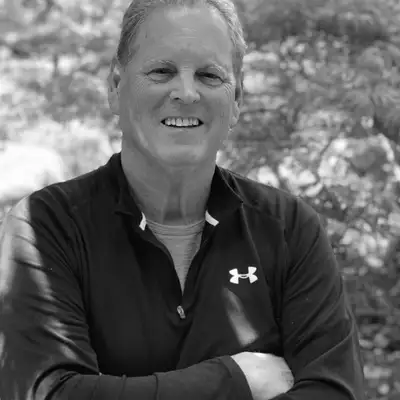
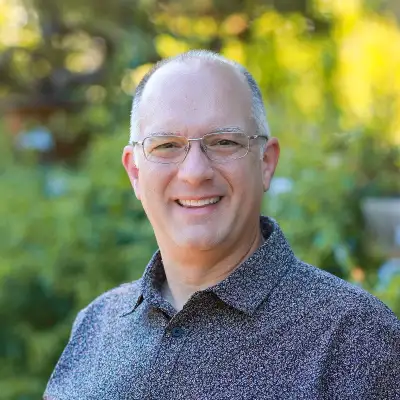
Mark Simon and Bob Marks revive their long-running cable TV show The Game, where they interview local leaders and talk widely about politics, business and sports.
Produced by Frank Bravo, BravoITC.com
00;00;26;04 - 00;00;48;15
Speaker 1
Welcome to the game. I'm Mark Simon and I'm Bob marks. Thank you for joining us. Before we introduce our guests, I want to let you know that Bob will be doing a live podcast for two hours after the polls closed on election night. So we hope you'll join us as we make our way through the ballot and understand what happened, and understand that it may be weeks before we find out what really happened.
00;00;48;18 - 00;01;17;26
Speaker 1
Also, a week from today, our podcast will feature a debate between Justin, Manolo and Mark Nogales, the two council members in North San Mateo County who are running for the San Mateo County Board of Supervisors. So please come by for both of those. Thank you for joining us. Now we are joined to do sort of an overview of the 2026 November 3rd election, where I think 18 days away from what used to be Election Day.
00;01;17;29 - 00;01;43;19
Speaker 1
Imagine ballots are pouring in some cases in Daly City pouring out of the post office. I don't know if you've heard that some of them were stolen. Apparently these were completed ballots, not ones that haven't been voted yet. Anyway, please welcome. Please join me in welcoming Julie Lin from the Central Labor Council. Hi, Julie. Charles Stone from and Stone Charles is a former mayor of Belmont and Hector Camacho.
00;01;43;21 - 00;02;07;17
Speaker 1
The was elected in June to be the county superintendent of schools. Be sworn in in January, I assume sometime around then. Welcome to all of you. Let's start with Julie. I know a lot of phone banking is taking place, and even precinct walking by the Central Labor Council and by your affiliate unions. What are you hearing about the the mood of voters in San Mateo County?
00;02;07;19 - 00;02;34;15
Speaker 2
So we're doing phone banking, precinct walking, text class, robocalls, digital ads. So we get a lot of mail pieces. We have a lot of things going on. We have a very diverse approach to communicating with our electorate, both our union members and the general public, at large conversations with the voters so they can sometimes be difficult to have, because who who let somebody knocking at the door with a handful of political lit come into their house.
00;02;34;20 - 00;02;56;17
Speaker 2
I know Hector and Charles, you're probably probably not opening the door to people like me, which I do not judge you for, and I completely understand. But when we're able to have those conversations with voters on the phones or at the doors, they've actually been positive. People are willing to engage with us. I don't know if that's because of the constituency that we represent, but people are engaged.
00;02;56;17 - 00;03;21;04
Speaker 2
They seem to have a lot of information at their fingertips that they are, maintaining they're able to have these different conversations on the candidates and the issues that we're supporting. So I think it's been positive, positive. I think people are paying attention. I think they're educated. And hopefully the message that we are sharing about the candidates and measures that have earned our support, are going to be carried through to November 3rd and beyond.
00;03;21;06 - 00;03;33;16
Speaker 1
Charles, we read all the time about anger, angry voters, unhappy about the economy, gas prices, grocery prices. Is any of that spilling into the local elections, you know, to California?
00;03;33;19 - 00;03;55;01
Speaker 3
I thought about that in preparation for the show today in California. I'm certain it is, depending on where you are. And I think it's on everyone's mind because we're reading about it. Vast swaths of San Mateo County are going to be affected by things like that. But then there are wars that are somewhat resistant to that and aren't feeling it yet.
00;03;55;04 - 00;04;11;20
Speaker 3
So I don't know that that's going to be as big a difference maker as people think it is. I certainly hear it trotted out in opposition to the various tax measures, but I, I have a fairly robust network of friends that I talk to, and I'm not hearing that from them yet.
00;04;11;26 - 00;04;16;04
Speaker 1
Yeah. How about you, Hector? What? What are you hearing about what's on people's minds?
00;04;16;06 - 00;04;32;10
Speaker 4
I'm looking at a lot of what's going on in the schools world. And, you know, people love their schools, and they love the idea of schools and children, and they want to support in whatever way they can. You know, you brought up the idea of angry voters. And, you know, when you're making the calls, sometimes you hear from those.
00;04;32;10 - 00;04;50;25
Speaker 4
But one of the things that I, I hear about a lot lately is angry candidates, folks that are on the ballot, you know, because they're aggrieved about something or they have something to say. And so that's been a really interesting thing to notice, which we didn't usually see in school elections and in bond measures and partial taxes. But that's what I'm hearing.
00;04;50;25 - 00;04;59;09
Speaker 4
But generally, as we see from kind of the results of of what's happened in the past, people will generally support school partial taxes and bonds.
00;04;59;11 - 00;05;02;02
Speaker 1
Yeah. Charles,
00;05;02;05 - 00;05;17;08
Speaker 5
As you talk to people around the county, traditionally in San Mateo County, education, transportation, housing have been the top issues. Is that still the case or are there other issues that creep in?
00;05;17;10 - 00;05;43;23
Speaker 3
Well, I think the price of gas is creeping in for anyone who drives a gas powered vehicle. For anyone who isn't making tech salaries, that is at this point, I think somewhere in their mind. So yes, I think it is to some extent not in the same way it would necessarily in other socio graphically, socioeconomically, demographically different areas, but it certainly is creeping in to some extent.
00;05;43;25 - 00;05;59;01
Speaker 3
And I, I, I don't drive a gas powered vehicle, but I look at the signs when I drive by, and it's just mystifying to me to see diesel. The price it is now, I can't imagine how a trucker is staying in business.
00;05;59;03 - 00;06;03;06
Speaker 1
Go ahead. Hector.
00;06;03;08 - 00;06;03;19
Speaker 1
Hector.
00;06;03;20 - 00;06;23;27
Speaker 4
Same question. Yeah, yeah. That our our educators are feeling it, and that's been something that's been going on. You know, for a continuous period of time. And so when we think about what it takes to keep folks in our schools, to keep our teachers, to keep our staff members in there, they're really feeling it right now. And so we're going to start to feel those over the course of the next several months, if they just as they decide whether they can afford to stay here.
00;06;24;01 - 00;06;40;04
Speaker 4
And so that's weighing on them as well. So when we think about how we support schools, it goes beyond just the classroom instruction. It goes to the pressures that families are facing overall, not only for their children in school, but my ability to work here in the school environment. So it's a very real thing. And I think that actually plays to our benefit.
00;06;40;04 - 00;06;45;04
Speaker 4
Right? Is these are the partial taxes at least are ways in which we can keep folks here.
00;06;45;06 - 00;07;16;24
Speaker 1
Julie, let me pose the same question slightly differently, which is you're dealing directly with with people who are in the workforce. The people we talk about who are struggling to make ends meet, are concerned about wage deflation. Is this the environment where some of these tax measures we've talked linked on this show about the sheer volume of of parcel tax and sales tax measures that are on the ballot for schools and for cities.
00;07;16;26 - 00;07;37;21
Speaker 1
Is this a year where you think those things might be in trouble? That certainly the environment seems to have energized the traditional tax opponents. They seem to be more involved. There's certainly more measures on the ballot. What do you think in terms of those specific measures? Are they in trouble? Are any of them in trouble?
00;07;37;23 - 00;08;07;29
Speaker 2
I think, as the gentleman had said, affordability is an issue for everyone on a variety of different levels. Affordability of housing, groceries, gas. For those of us that have the gas powered vehicles cost me like $130 to fill up my tank last week, which made me very sad in my soul. And then I had a back in my day conversation with my nine year old about how used to cost me $19 to fill up my car, and then she laughed at me and asked me for a candy bar so she didn't really care.
00;08;08;01 - 00;08;35;19
Speaker 2
But the tax measures are because everyone is struggling. Things are getting more expensive for a variety of different reasons. You're looking at, wars that Congress has not supported at tariffs that largely no one support. So costs are rising for a variety of different reasons in a variety of different ways. But for these tax measures, and to Hector's point about looking at parcel taxes and looking at bonds, it's what are people willing to invest in?
00;08;35;19 - 00;09;01;13
Speaker 2
Our workers are struggling to care for themselves and their families, but they're also worrying, are they going to be able to keep their jobs? So if the public wants to maintain public services, if they want to ensure that their streets and roads are up kept, that they will have fast emergency response, that they have somebody when they call 911 that's able to answer that.
00;09;01;13 - 00;09;25;10
Speaker 2
They have people to help run their children's recreational programs. Then they're going to have to choose to support these tax measures that are going to fund all of those things. So that is why for these different sales tax increases and the like, the Labor Council has supported all of them, not only because that supports individuals keeping their jobs, but that supports our communities keeping the fabric together, that makes them so strong.
00;09;25;12 - 00;09;39;04
Speaker 1
Okay, so labor supports them, but are all of them going to pass, Hector? I mean, are some of them you think controlling some of these parcel taxes that the schools have put up have a two thirds threshold? You know as well as I do. That's a very tough hill to climb.
00;09;39;07 - 00;09;55;22
Speaker 4
It's a tough hill, but we see that we continue to surpass it. And we're we're talking about numbers that are upwards of 68, 69, 70 plus percent. The one that did fail in June was for Redwood City. And, you know, you got to run a really strong campaign. But even with the campaign that they ran, they got 65% of the votes.
00;09;55;22 - 00;10;12;25
Speaker 4
So they were just short by they were really shy. And so to get anything two thirds and to get that high, that's pretty successful. And I think the other thing that the that at least the parcel tax is going have going for them is that these in the most cases, these are extensions of existing ones. So they can use the argument of we're not adding a new tax.
00;10;13;02 - 00;10;28;21
Speaker 4
They might be a little bit different in the rates, but it's like continue to invest in your school. So I appreciate what Julie just said. There is you're investing in your children. You're investing in your people. So I think that they're they're heading in that direction of being able to be successful. And when we do fall short, it's really just by a slight number.
00;10;28;21 - 00;10;30;25
Speaker 4
So we still got to get out there and campaign for them.
00;10;30;27 - 00;10;47;19
Speaker 1
Yeah, Charles, it's one of the things that's always struck me as odd is that you can pass a measure to build a school at 55%, but to occupy it with people who are going to teach the kids is a two thirds threshold. Doesn't that strike you as a little out of place?
00;10;47;21 - 00;11;07;28
Speaker 3
The whole system strikes me as as back ass word. I, you know, depending on who you talk to and what your political philosophy is, the idea that a specific tax should have to pass at a two thirds threshold, whereas a general tax has to pass at a 50% threshold, taking it, rather than just the school context.
00;11;08;00 - 00;11;30;13
Speaker 3
Is very strange to me. If I look a voter in the eye and say, I promise you I will use the money for X, it should be easier, not harder, to pass the tax. And there are those, including myself, who think that this was a stroke of evil genius by the Howard Jarvis Taxpayer Association types to make it much harder to pass taxes, because it's very easy to argue against the general tax.
00;11;30;14 - 00;11;56;06
Speaker 3
Hey, you don't even know what they're going to use the money for. It's much harder to argue against a specific tax when you tell the voter, I will spend it for X, and to increase the threshold and make the easier tax. The more palatable tax, harder to pass is is just asinine to me and and is partly responsible for the financial condition of the schools and the cities and why you see so many measures on the ballot.
00;11;56;08 - 00;12;19;07
Speaker 1
Hector does parcel taxes. One of the things that's interesting is they all mentioned teacher salaries as one of the things that are going to spend, you know, they provide a list. They're not legally obligated to uphold it. But certainly it's a promise to the voters, I assume, and perhaps I'm wrong, the keeping teachers, paying them something that keeps them here is one of the biggest challenges you face.
00;12;19;10 - 00;12;44;06
Speaker 4
It is, salaries overall for education workforce. You know, teachers are making about 70% of equally educated folks in the general workplace. And so that's that's a challenge that we face every day. I think these parcel taxes are pretty smart and that they're very specific, that none of these dollars will go towards administrator salaries or benefits. Right, because we want to really keep these dollars on the classroom with the student, with the people that are working most closely with students.
00;12;44;12 - 00;13;03;29
Speaker 4
And so, they're important considerations for voters and need to see that. And a lot of these, even though they're not required, a lot of the districts are going to have oversight committees for these parcel taxes. So it's not like it's just, you know, we are going to keep the money on this, on the students. But it's also like, and here's how we're going to show you that we are staying true to what we said that we're going to do.
00;13;03;29 - 00;13;07;10
Speaker 4
So they're not required in some cases to do that, but they are for some of these taxes.
00;13;07;13 - 00;13;28;09
Speaker 5
Julie, let's let's talk a little bit about the state ballot measures keeping on the tax question. Proposition 43 would essentially make it a lot tougher by requiring everybody to get two thirds. When they go to the polls, what's your sense about that measure?
00;13;28;12 - 00;13;49;27
Speaker 2
I can't speak to the likelihood of passage, but I think Charles made some incredible points as he has want to do. Charles Pistone, attorney at law. But looking at this, for example, this would impact Belmont's measure. Why? So these citizens initiative with a specific use would then, instead of being required to hit the majority threshold, require the two thirds, thereby making them more difficult to pass.
00;13;49;27 - 00;14;20;06
Speaker 2
So there is not really anything though I appreciate that Charles utilized asinine and back ass words, which was kick ass and his verbiage choice. But all of these different, these different attacks on what we have to do to ensure that our city services, our public services, our individuals are funded, that are predominantly led by the Howard Jarvis Taxpayers Association, raises a lot of red flags, as does any ballot measure that I see they're supporting.
00;14;20;06 - 00;14;39;17
Speaker 2
And that's something that's replicated amongst my friends and colleagues we look at. And we saw that with the more recent legislation making sure that on the ballot it says, who are your top, proponents and opponents like, oh, Howard Jarvis. Nope. So a lot it makes things easier. Right? Then you have less questions as to how you're going to vote.
00;14;39;19 - 00;14;57;16
Speaker 2
But the the higher threshold for the citizen proposed taxes just seems another way to try to eke away at public services and the ability of our electorate to decide what it wants to prioritize, and to make it more difficult to put that prioritization in practice. Yeah.
00;14;57;18 - 00;15;20;05
Speaker 5
Hector, there's another measure on the ballot, proposition three, which has been pushed by the education community, CTA and others. It's it's not a new tax. It's kind of making permanent a temporary tax that was passed in 2012. How important is it for schools to have that money? We're talking about a lot of money involved.
00;15;20;05 - 00;15;38;14
Speaker 4
They're critical and essentially existential. Prop, when it first passed in 2012, that was a really important part of when we switched to local control funding formula to really give districts the flexibility to meet the needs of their particular community. And it was extended again with prop 55 later on. This is one that's going to make it permanent.
00;15;38;14 - 00;15;59;17
Speaker 4
And this is critical to funding that we need because, the way our school finance system is and I could use Charles's lovely words, it also does not make sense. And so we rely on these dollars and we've seen that, you know, it's a very small slice of what we're talking about for only the highest of earners that will be investing in the workforce that they need down the line.
00;15;59;20 - 00;16;17;06
Speaker 4
So this is a really critical one. And I think the whole education community has gotten around, gotten behind it and will continue to get it. And I do feel like, again, that energy towards investing in young people is good. And notice I don't say schools because it really is an investment in young people and a future workforce. That's a critical thing.
00;16;17;06 - 00;16;21;19
Speaker 4
So if we keep selling this in the right way, we can get that permanent extension.
00;16;21;21 - 00;16;45;11
Speaker 5
Charles, once let me ask Charles is the the one that we've talked about the most and has gotten the most attention is proposition 40, known as the billionaires tax. It also has its companion measures, 41 and 42. What's your sense of how that's doing? And is it going to pass here in California?
00;16;45;13 - 00;17;16;21
Speaker 3
Based on the polling I've seen, I think it has a good chance of passing. But, you know, it's interesting that prominent, pragmatic, progressive Democrats like Gavin Newsom have taken a strong stand against it. I have complicated feelings on it, and I haven't decided how I'm going to vote on it yet. While I certainly think that that the enormous and grotesque wealth that's been assembled by what we used to call the 1%, is is something that needs to be shared in some way.
00;17;16;24 - 00;17;38;03
Speaker 3
I have a real policy wonk issue with doing that on a state by state basis. You create a tremendous disincentive for the wealthy to stay in California. And if you take the time to study the slice of the pie that the wealthy are already funding in California, it's a pretty large section. Whether we want to whether we want to acknowledge it or not, it is.
00;17;38;04 - 00;17;56;25
Speaker 3
And so my concern is if if we do this, it is a one time tax, but it will become tempting to do again. And if we continue doing it, which we often do in government, if a revenue source works, we like to find it and keep it for the reasons we talked about earlier. Do we drive the wealthy out of California?
00;17;56;25 - 00;18;19;17
Speaker 3
We've already seen it happening to some extent. I'd love to see this addressed at a national level. And I have absolutely zero hope that it will be under the current administration or any future administrations for that matter. It would take a particularly brave president and, Congress and Senate to attack something like this. That's where it needs to happen, though, in my policy mind.
00;18;19;18 - 00;18;30;03
Speaker 3
So that creates a real issue for me and how I vote for this. And I just haven't gotten there yet. That's part of the reason I turning my ballot in today.
00;18;30;06 - 00;18;52;27
Speaker 1
Well, the knock on it is, is I think there is some sentiment that that the the Uber wealthy don't seem to be paying their fair share. But the knock on 40 is that this isn't the way to go about it. When you talk about covered assets, it's not just income. It's a wide range of things, which is why prop 42 keeps talking about how they're attacking their retirement funds.
00;18;52;27 - 00;19;18;28
Speaker 1
Although nobody is. Prop 42 specifically forbids the taxing of the assets that is in prop 40. There's some interesting information I want to run by you guys. And then, Julie, I'd like you to talk about this. There are 215 billionaires in California. They provide 2% of the total income tax revenue for California, which, when you think about it, 200 people providing 2% of the state, that's a lot of money.
00;19;19;00 - 00;19;40;21
Speaker 1
I don't know if they're going to leave. I, I don't know if they can because one of the things that 40 anticipates is it taxes their businesses. It's harder to move your business out of state, although I guess some people have been known to do it. What is fascinating is to go through the spending by building a better California, which is the group that is mostly 40 and behind 41 and 42.
00;19;40;26 - 00;20;20;27
Speaker 1
It's Peter Thiel is under its cryptocurrency investor Chris Larson is basically Silicon Valley bazillion heirs and on top 40. They have spent so far $88.5 million against it, about 41. They have spent $58.3 million in support of it. And prop 42, the one we're seeing all the ads for. They spent almost $100 million in support of it. There's a level in which I think the dishonesty that's in the prop 42 campaign tell us that they're going to attack our retirement plan when this is not what it is.
00;20;21;00 - 00;20;35;21
Speaker 1
I wonder if it tilts people toward, you know, I wasn't going to vote for 40, but to heck with them. I'm sick of them doing this. I'm sick of the kind of money they're spending in the way they're trying to mislead us. So with that prelude to what are your thoughts?
00;20;35;23 - 00;20;58;21
Speaker 2
So you're telling me the billionaires are spending a lot of money to tell people not to tax the billionaires so that they can stay billionaires? That is nuts to me. So truly mind blowing. So yeah, in no way surprised by that. And the threats that these 2.210 billionaires in California, well, we don't get what we want. We're going to take our toys and go home.
00;20;58;24 - 00;21;30;11
Speaker 2
Great. See your point again, Mark. Your business assets are here. The things that cause you to become billionaires are steeped in California. So it's not like they can just pack up the sandbox and peace out inside of five minutes. So this one time tax that's collected over a couple of years, that is earmarked predominantly for health care, I think is really important to address the exigent circumstances created by the slash and burn Trump administration and all of the tax on our most vulnerable communities.
00;21;30;14 - 00;21;58;15
Speaker 2
So the money spent to defeat it by the people that want to stay, the 210 billionaires, I don't know if that's going to work. You get the electorate gets turned off when they get bombarded, particularly when they get bombarded with negativity. So we'll see. I think the claiming that they're going to go after your retirement is also kind of a ding on labor, because labor, big proponents of the measure and obviously retirement security is a big issue for us.
00;21;58;20 - 00;22;10;17
Speaker 2
But yeah, the billionaires threatening to leave, they make a thought a lot of threats because what they are focused on is protecting themselves and their assets and leaving the rest of us to, again, just go up in flames.
00;22;10;19 - 00;22;15;29
Speaker 1
I can almost hear you say, I can almost hear you saying, don't let the door hit you on the way out.
00;22;16;01 - 00;22;18;26
Speaker 2
In the ass. Because again, Charles said ass a lot.
00;22;19;01 - 00;22;21;08
Speaker 1
That's right. We're podcast. We can say that.
00;22;21;11 - 00;22;22;21
Speaker 5
Exactly.
00;22;22;24 - 00;22;42;16
Speaker 4
Yeah, yeah. Well, I was just going to add on the billionaire thing. I think, you know, those 200 plus billionaires, let's also talk about like, there's a huge difference between a billionaire and a multibillionaire. Right. And we're lumping them together as one. And I think about more like we're California. Right. Let's think we're Richter scale, right? A 6.0 earthquake is vastly different than a 7 or 8.0 earthquake.
00;22;42;16 - 00;23;04;17
Speaker 4
And I think that applies here, too, is we're talking about vast amounts of money. Not that I want to opine on, on, on this one particularly, but I think it's something that we have to clarify. Right. Is like there is a lot of money in this state and how much is it is going to, to Julie's point, investing in the people and the things that make this state run and allow them to earn that kind of money.
00;23;04;17 - 00;23;16;16
Speaker 4
And so, we have to contextualize this. So if we put it just that 200 plus billionaires, it's like, yeah, we're also talking multi billionaires. And 1 billion is very very different from two and is definitely different from 15 to $20 billion.
00;23;16;18 - 00;23;17;16
Speaker 1
But to me really.
00;23;17;18 - 00;23;30;18
Speaker 5
Sorry, sorry. Governor Newsom, the two candidates for governor Democrat, Republican along with the CTA, are opposed to this measure. Why do you think the CTA is opposed to it?
00;23;30;20 - 00;23;49;03
Speaker 4
Probably because they're it's a little unclear about how much of that. Well, I won't say it's unclear. There's no direct conversation about what portion of that goes into the into education funding itself. So if we're thinking about a huge tax and a huge pool of money, one of the challenges that we have in education already is that we've got categorical dollars.
00;23;49;03 - 00;24;01;07
Speaker 4
They're called. Right. We're just like one time funds and education needs funds, but the one time funds actually make our situation so much more difficult. We need some structural reforms in terms of how we finance schools and how we pay for them adequately.
00;24;01;09 - 00;24;21;15
Speaker 1
Do we really want to single out anybody, you know, Reagan, in a whole different era, used to say that nobody in America thinks they should pick on millionaires because every American thinks someday they might be one. Now, those of us who own a home in the Bay area know it being a millionaire, ain't it all is cracked up to be used to be.
00;24;21;16 - 00;24;43;06
Speaker 1
But, the question is, should we really be singling out any individual group and essentially taxing them solely, almost out of sort of resentment towards them? Charles, is this sort of misplaced anger about the system that has a lot of problems in imprecise, just billionaires?
00;24;43;08 - 00;25;03;09
Speaker 3
I mean, I answer it with, yes, but that seems boring. Yes. And, yes. And before I answer it, I want to put it in my annual plug for, you know, my life's work before I die is to get a proposition on the ballot to end the proposition system. I would like the legislature to do their job.
00;25;03;12 - 00;25;28;11
Speaker 3
I would like us to pay them correctly, to do their job. And I would like us to hold them accountable when they don't do their job. I think foisting legalese and tricky propositions onto the busy voter who's trying to figure out how they're going to make the mortgage payment or rent payment and get to their job and be a good citizen and read through all this stuff and understand it is kind of not the way the system is supposed to work.
00;25;28;11 - 00;25;40;06
Speaker 3
I understand why this direct democracy system evolved. I remember learning about hiring and Johnson and all of that. But I think if we if we could build this from the ground up, we wouldn't build it this way.
00;25;40;07 - 00;25;59;29
Speaker 1
So. Well, let's go. Let's go off on that rabbit hole for a second. Is the initiative system broken? I mean, if you look at what's on the ballot this time that are initiatives, they are largely put up by a special interest group, a well-funded one. They are not citizen initiatives in the purest sense. I mean, I guess you could argue for our 43, the Howard Jarvis people.
00;25;59;29 - 00;26;13;00
Speaker 1
It's a statewide organization. It's not corporate, but I guess they get a lot of corporate support. So is the initiative system broken? I think we know Charles answer to that. What do you think?
00;26;13;03 - 00;26;21;07
Speaker 2
I love our legislative partners, and I hope they're watching Charles, because you're going to get some nasty text messages and you're going to deserve them.
00;26;21;10 - 00;26;22;01
Speaker 6
Every day.
00;26;22;04 - 00;26;42;22
Speaker 2
Oh, half of them are from me. Sorry. But the the proposition system. Yeah. I think there are a lot of concerns that should be addressed and how things go about being put on the ballot. By whom? And to what end? But, let's let's try to go rather than going further down this Alice in Wonderland rabbit hole.
00;26;42;22 - 00;26;52;14
Speaker 2
So I do love a tangential Disney reference. Mark, can you remind me back to the track that we started on before Charles took our little diversion?
00;26;52;16 - 00;27;14;07
Speaker 1
Well, the question was, is it appropriate to single out a single group and hit them this way? You know that they do make a contribution to our economy. They could argue they provide jobs. They may not be union jobs, but I know you'll work on that as time goes by. But it's not like they're completely devoid of any value that they're providing to the state.
00;27;14;10 - 00;27;19;27
Speaker 1
They're doing things that matter, and they're providing a fair amount of income tax revenue. Or are.
00;27;19;28 - 00;27;32;10
Speaker 2
They providing a fair amount of tax revenue in comparison to what the rest of us are paying in taxes based on our income? Because my contention would be no. So looking at these go ahead.
00;27;32;17 - 00;27;33;18
Speaker 6
Well, the.
00;27;33;20 - 00;28;02;23
Speaker 1
The fact is what's wrong with pay equity and income. Equity or inequity has more to do than just with 215 billionaires. There's a huge bunch of reasons why it's that way, but it seems like people think and people are unhappy. I think there's a general consensus that that people sense, especially when it comes to CEO pay. You know, we've all grown tired of seeing a CEO get a $100 million bonus for a company that had a bad year.
00;28;02;25 - 00;28;13;12
Speaker 1
But but again, the question is, does it make sense? Is this the way to do this? Is there a more thoughtful way to do it, or is this the only way we're going to get it done?
00;28;13;14 - 00;28;47;19
Speaker 2
I think part of it is you have to look at where we are in the times, what the federal administration's approach has been, what vulnerable communities have been attacked, what resources we do and do not have to provide this critical public assistance. And so for these billionaires and arguments that. Oh, well, we shouldn't treat a particular group a particular way this one time up to 5% tax on somebody that to Hector's point could be a multi-billionaire versus what a 5% tax would be on one of us is in no way equitable.
00;28;47;19 - 00;29;22;03
Speaker 2
This is a drop in the bucket with their contention that we're going to leave. That is couch change for you. So there are a lot of factors coming into play and looking at, well, should we target one group in this instance? Yes. These people who have astronomical degrees of wealth that people like you and I cannot fathom should be made to pay more of their fair share to close whatever minuscule gaps this can allow us to fund for the rest of California.
00;29;22;04 - 00;29;37;22
Speaker 2
The other what was said like 2% of the revenue, the other 98% of the state, then, yeah, they can pay a little bit more and they can offset the cuts from the federal government that are costing people not only their livelihoods but their lives.
00;29;37;24 - 00;29;48;01
Speaker 1
It always reminds me of the line from the great movie All the King's Men. Willie stark says, we're going to soak the fat boys and spread it out thin. Yeah.
00;29;48;04 - 00;30;15;03
Speaker 5
Let me ask you guys, you know, the the argument that Governor Newsom and others make about this is that it will disadvantage California. And as Charles mentioned, he's not very hopeful, but that there we should look at a nationwide tax. Oh, it's the governor wrong in this. Is this going to disadvantage California?
00;30;15;05 - 00;30;38;10
Speaker 3
I don't think we know. I think we're about to find out if it passes Julie's point as well. Taking this is a drop in the bucket to many billionaires. That said, the the Uber rich people that I have met tend to look more carefully at their bottom line than anybody else I've ever met, which is fascinating. I don't I don't know is the answer, but I think you know my answer as to whether or not we need to look at this as a nation.
00;30;38;15 - 00;31;03;28
Speaker 3
The way that wealth is used now assets are used, stock options are used, or I'm sorry, stock holdings are used to borrow against how? Elon Musk purchases companies and has grotesque wealth without paying tax on it because it's not technically income. How people borrow against the Uber rich, borrow against their stock holdings and get away with things that that we can only dream of getting away with.
00;31;04;01 - 00;31;24;12
Speaker 3
I think that's something we need to take a hard look at, and I don't have any problem with someone getting ahead and becoming wealthy. I think this is the land of opportunity where that should happen. I am reminded of what my father told me about a p g and who started the Bank of America after the San Francisco earthquake so successfully.
00;31;24;15 - 00;31;45;22
Speaker 3
He he, at one point in his life, started giving away all his money because he said, I'm in danger of becoming too rich. I think these people are too rich. I don't know how better to put it. It is. It is grotesque beyond my wildest dreams as a young person to imagine people could become trillionaire, multi-billionaire heirs, I don't.
00;31;45;24 - 00;32;08;12
Speaker 3
I think Julia is right that the average person doesn't fathom what that number actually means. And it's easy to say, well, this is America. People should be as rich as they can get. But when you actually start looking at it. What is the value add of being a multi-billionaire versus a billionaire? I don't think that there's a strong argument for not taking some large portion of that.
00;32;08;13 - 00;32;35;11
Speaker 3
You know, 50% plus in taxes. Nobody's going to stop trying to earn because they're paying 50% of that next dollar in taxes. They're not going to say, well, forget it. I'm not going to start that next company. That's only going to make me 500 million instead of a billion. I don't think that's a thing. All of that said, I will die on the hill of this needs to be approached as a nation rather than on a state by state basis.
00;32;35;17 - 00;32;42;25
Speaker 3
And if it passes, I hope that we don't see any long term negative effects. I don't think anybody knows.
00;32;42;27 - 00;33;01;27
Speaker 1
Let's let's talk quickly, if we can, about some of the other statewide ballot measures, and then we want to move on to some local stuff. There's for the public funding of campaigns, any, any sense that you have about whether that's going to pass, whether that's going to be popular. It's it's not defined in any way how this is going to work.
00;33;02;00 - 00;33;22;02
Speaker 1
It's just the idea that it I guess it a signal to the legislature that they should put in place or we're actually it authorizes local governments and other entities to create a program of public funding of campaigns. Anybody have a strong feeling about Pro for.
00;33;22;05 - 00;33;24;08
Speaker 6
I, I.
00;33;24;10 - 00;33;45;12
Speaker 3
I'll say in general that I think publicly funded campaigns are a great way to level the playing field, except that, you know, they do it in a way in San Francisco, as I understand it, and I don't think it necessarily has. I think it's part of a much larger discussion. And it's, if anything, one suture on a gaping wound.
00;33;45;14 - 00;34;10;25
Speaker 3
In terms of campaign finance reform. Right. We've reached a point in this country where, the Supreme Court has said speech is money is speech, and you can't do anything about it. And the idea that people are spending, I don't remember what the spending on the last presidential election was, but if you add in everything, including, you know, independent expenditures, campaign expenditures, we've got to be $1 billion or more, right?
00;34;10;26 - 00;34;34;08
Speaker 3
And that's just insane. That should not be a thing. And it becomes a battle of who can spend the more money effectively rather than, what are these people believe? And do I want to vote for them? And I don't care what your political affiliation is, you should be bothered by that. We should be decision making, not off of who has the slicker commercial, but who has the better ideas and the better qualifications.
00;34;34;10 - 00;34;53;11
Speaker 1
Let's ask about prop 37, the home loan program, where we create a fund in which 17% of a down payment could be provided to people who meet certain income qualifications. They'd have to come up with the 3%. I guess the question is, should the state be getting into the home loan program business sector?
00;34;53;13 - 00;35;09;05
Speaker 4
Yes. And I think the one the way that this one structured is, is in a way that makes it make sense just to go back to prep for, for one other second, because I did used to be a civics teacher, and the prop four, I think is going to be one of those ones where those mailers actually, well, mailers are effective.
00;35;09;05 - 00;35;25;18
Speaker 4
We'll start with that. But that's where mailers are going to really help because it's such a low. Like people just don't know they're going to look to like, I know I've heard everything about 43. I've heard everything about this prop four. Oh, what is my dem. What does my dem mailer say? What is my labor Miller say. And they're just going to say I'm tracked with me.
00;35;25;18 - 00;35;44;05
Speaker 4
Right. So I think that we have to remember the influence of that when you have these really high, high message propositions on the ballot for those other ones, they're just going to look to the mailer. It's kind of my hunch on that one. But, yeah, if we think about the housing affordability thing, this is a real big deal.
00;35;44;12 - 00;36;00;16
Speaker 4
And if we're not trying something different, it's going to continue to drive our families out. And so the way that it's structured in terms of how it's paid back makes sense for a lot of people. And so I'm hearing really positive things. But this one could also be a little bit drowned out by the other big props on the ballot.
00;36;00;19 - 00;36;04;04
Speaker 1
Julie, your thoughts on foreign 37.
00;36;04;07 - 00;36;33;18
Speaker 2
So for I agree with Charles making campaigning more accessible and more open to individuals that don't have high dollar external resources to push their message through through shiny, shiny objects. And then for the prop 37, I'm interested because I looked into it to a degree. So looking at, they have to earn less than 200% of local area median income for median income.
00;36;33;18 - 00;36;58;13
Speaker 2
From what I was able to look up, that would be about sub 320 grand a year in San Mateo County. And they've got to come up. So just looking at a $1 million home, you are getting 17% assistance max and you need to come up with 30 grand. So it's going to be pretty difficult to raise your 30 K trying to make a living here on sub 320 grand.
00;36;58;17 - 00;37;28;17
Speaker 2
This is looking at a four person household but also the types of homes that are covered. So what really is the available stock that would qualify under this proposition. Because from what I'm reading it is has to be newly constructed or first sale conversions from nonresidential use, but subject to price cap. So how many individuals are going to qualify that can come up with these tens of thousands of dollars into whatever the controlled pool is of these homes?
00;37;28;17 - 00;37;38;24
Speaker 2
With an average home price in San Mateo County, that's like $1.9 million. So I'm not really sure what the practical application looks like of this in our county.
00;37;38;26 - 00;37;39;25
Speaker 4
Point 2 million.
00;37;40;01 - 00;37;42;12
Speaker 6
Yeah. There you go. Even worse. So go find.
00;37;42;12 - 00;37;46;08
Speaker 2
Me a, you know, $1 million house with my 30 grand in my pocket.
00;37;46;10 - 00;37;50;16
Speaker 5
Charles, you've been a leader in transportation in the county for quite a while.
00;37;50;21 - 00;38;24;21
Speaker 1
I'm sorry. Bob, let me let's just wrap up one more state measure because I, I see the latest newsletter from the Central Library Council was very strongly against prop 45, and I wanted to give Julie a chance to explain why what's known as sequel reform. There is a widespread, I believe, acceptance that Sequoia is abused by some people that is used to delay projects, that it's used to undermine projects, often by people who are already against the project and are using this as an excuse or a means by which to to to fight another fight and delay it.
00;38;24;22 - 00;38;45;25
Speaker 1
We we know about projects that are sometimes delayed by as much as five years because the process has been seen as becoming burdensome. But I was particularly interested that that the position that was stated in your newsletter is that it undermines jobs, it undermines wages. So talk about that a little bit, if you would.
00;38;45;27 - 00;38;46;11
Speaker 6
Sure.
00;38;46;12 - 00;39;22;01
Speaker 2
So this isn't school reform. It's an attempt to gut Sequoia. There are already some provisions in Sequoia that allow for streamlining processes on projects, but taking away the opportunity of the public to weigh in, taking away these environmental protections, taking away the incumbency on these developers to take the time to vet out with these different public and local jurisdictions as to what the environmental concerns may be on a project, also takes away the public voice and opportunities to raise the standards for labor protections, and for what kind of jobs these are going to be to build the projects.
00;39;22;01 - 00;39;44;08
Speaker 2
If you are just trying to ram them, few ram them through regardless of environmental implications, making the claims that this is going to be how you save money, but this is just developers pocketing any savings. It does nothing that actually impacts the cost of housing, the cost of materials, high interest rates, land costs, financing. None of that comes into play.
00;39;44;11 - 00;40;08;25
Speaker 2
So this is a power grab. And then the temp to silence communities, silence working people and take away from the types of quality employment that can be offered in, someplace where a large development is being built. It's an attempt to silence and to build profits for corporations on the backs of not just working people, but the communities in which these projects would be constructed.
00;40;08;27 - 00;40;10;27
Speaker 1
Vector looks like you agree with that.
00;40;10;29 - 00;40;28;19
Speaker 4
I do, you know, and that's again, going back to the classroom, like it's making sure that voters really know what's really behind all of this. And so a gutting of sequel is really a problem. Yes. Is it used in nefarious ways right now to to stall things? Yeah. But this is not the answer. And so that's kind of a personal opinion thing.
00;40;28;19 - 00;40;31;05
Speaker 4
So I appreciate how Julie's framing it.
00;40;31;07 - 00;40;42;22
Speaker 1
Charles. You you served on city councils. You've tried to approve projects. You've no doubt have seen them held up because of the kinds of abuses that people are complaining about, about Sequoia. What should take on this one?
00;40;42;25 - 00;41;12;09
Speaker 3
Well, I've also seen a high speed rail project that was, I think it's going to be ready around the time I'm dead. I remember correctly, I haven't decided how to vote on this one yet. I take Julie's position very seriously. Always for my health and safety. But I, I, having dealt with it at a face to face level, I've seen how SQL can be abused.
00;41;12;09 - 00;41;35;02
Speaker 3
I don't love this measure. I don't love this proposition. Excuse me. I'll say that much. I agree that this is not written the way I would have written it, and it doesn't do what I want to do. And there's already been some SQL reform which has been helpful and some carve outs. I had an interesting discussion with my daughter, who's 20, and goes to a prominent state university, and she came home and said, this is how I'm voting on everything.
00;41;35;02 - 00;41;52;03
Speaker 3
I want to go over with you, which was neat. That made me happy. She had talked about it in a class at college, and this was one where, you know, she was a definite no. And then I said, okay, I don't know how I'm voting on it, but have you considered this? And I started talking about some of the realistic effects of sequential.
00;41;52;03 - 00;42;10;10
Speaker 3
Hadn't thought about that. And she was going to go. Think it over. So I'll, I'll say, I'll say this. I don't think we're done with school reform and we shouldn't be done with school reform. This probably isn't the perfect proposition to continue that work.
00;42;10;13 - 00;42;11;27
Speaker 1
And give you a question. Yeah, yeah.
00;42;11;28 - 00;42;31;10
Speaker 5
Charles, back to you being a leader in transportation for many years. We've got the regional transit measure on the ballot, five county measure. How is the measure doing? And are you comfortable with the way the measure has been structured?
00;42;31;12 - 00;42;32;07
Speaker 3
Oh, gosh.
00;42;32;15 - 00;42;35;03
Speaker 1
Those are two questions.
00;42;35;05 - 00;42;37;19
Speaker 6
So I.
00;42;37;22 - 00;43;05;28
Speaker 3
Think I think that it will probably pass. I think it's not incorrect to say it would be catastrophic if it doesn't pass. I'm going to be voting no on it, though, and I'll tell you why. I have asked face to face Bart executives for their plan to make sure that this doesn't happen again in the future, how they're going to make changes to deal with ridership that may not fully come back after the pandemic.
00;43;06;04 - 00;43;34;15
Speaker 3
And the answer was, after drilling down, there was no plan. I have seen Bart failed to take accountability for inspector general findings that are shocking and appalling. I have seen Bart make continued questionable financial decisions and continually come back to the well or the trough, whatever analogy you want to use and frankly, feed at it a lot more than San Mateo County gets to region regional measure two, arm two.
00;43;34;17 - 00;43;52;29
Speaker 3
They fed more than we did, right? We could have had a second Dumbarton crossing at some point in one of the regional measures that got axed out in favor of a second Bart tube, even though the Dumbarton Southern crossing would be a lot cheaper. I have a lot of issues with, how that's been dealt with by Bart.
00;43;53;01 - 00;44;13;29
Speaker 3
I also know firsthand that Caltrain should have seen this coming, because I was sitting on the board screaming it at the top of my lungs when we were talking about measure R and passing major R, which was needed but wasn't going to be the end all be all in terms of operating electrified service. And San Francisco and Santa Clara ignored that at the time.
00;44;14;01 - 00;44;54;01
Speaker 3
They didn't want to talk about it. They didn't want to pay their fair share. In fact, they kept asking San Mateo County to pay their share for them. I, I think there needs to be serious conversation about how transit is paid for in the post pandemic world. For me, it's hard to support this measure, and I love my friends at Sam Trans, but when I see them spending a lot of money on a new headquarters and then at the same time saying we need to pass a tax measure that doesn't sit well with me, when I see what should have been a surplus because of measure w dry up, I have questions.
00;44;54;04 - 00;45;14;25
Speaker 3
And those questions, when I try to ask them, haven't been answered to my satisfaction. So, I'm in the weird position of having cognitive dissonance because I. I have to admit, if this doesn't pass, there's no ferry that's going to come by with a bunch of money and say, okay, transit in the Bay area, safe traffic is going to get worse.
00;45;14;28 - 00;45;37;07
Speaker 3
People are going to regret it. And at the same time, I, I can't get there, much like Julie and Hector can't get there on the sequel measure because of the sequel proposition. Because while some reform is needed, that's not the answer. This one doesn't treat San Mateo County fairly. And also the transit agencies haven't been fair. I don't think what the public and how they've managed themselves over the last couple of years.
00;45;37;14 - 00;45;39;27
Speaker 3
That's a short answer as I can give.
00;45;39;29 - 00;46;06;21
Speaker 1
There's a couple of questions, a couple of pieces of information. One is it's a five county district, which means it has to pass in all five counties or, or the totality of the five counties. So we can fail in, say, San Mateo County. But if it passes in the totality of the region, it passes, just for for the sake of this discussion, a 26% of the money generated in San Mateo County goes directly to Bart.
00;46;06;23 - 00;46;39;21
Speaker 1
7% of the money generated in San Mateo County goes to Muni. 10% of the money generated, I'm sorry, 24% of the money generated. San Mateo County goes to Caltrain, and the 36% goes to Sam Trans. And Charles is right. In terms of Sam Trans, I don't think they've laid out how they expect to spend the money. There's some general ideas, but unlike a lot of other measures, and for the sake of full disclosure, I worked at Caltrain and Sam Trans when we passed a couple of these measures, and we delineated in quite some detail what the money was going to go for.
00;46;39;26 - 00;47;03;08
Speaker 1
This seems to be a lot more open ended, which is another problematic. And Diane, someone and Diane Papin worked at length trying to get more oversight on behalf of San Mateo County. I know she made progress, but I think she ended up ultimately frustrated that there wasn't more accountability, particularly, as Charles pointed out by Bart and how they're going to spend our money.
00;47;03;10 - 00;47;07;25
Speaker 1
Julie, your thoughts on the regional measure?
00;47;07;27 - 00;47;30;05
Speaker 2
I think that there are some important concerns that have been raised, but I think those are, overshadowed by the intense need for this funding and the catastrophic impacts of its failure. So the Labor Council and the labor movement are in support, and it is something that we are also disseminating information on to the electorate.
00;47;30;07 - 00;47;55;29
Speaker 1
After, you may have a special perspective, because one of the things that clearly has been driving the deficits they had was the devastating loss in ridership because of the pandemic, not unlike what happened to our schools in terms of attendance, funding, all the issues. So, and there are those who say that if this thing doesn't pass, they're going to have to come back very quickly and ask for it again, and that this might be just as devastating as the.
00;47;56;02 - 00;47;57;20
Speaker 1
Was your reaction to that?
00;47;57;27 - 00;48;14;04
Speaker 4
Yeah. And I'm thinking like Susan Sarandon is flashing in my head. And you want to know why? It's because, you know, it was her in 2016 who's like, we need to blow this stuff up to see what what happens is, like, we blew it up and it didn't work. Right. So I'm about our team. That's what my concern is.
00;48;14;04 - 00;48;34;29
Speaker 4
It's like, yeah, we've got stuff we've got to figure out. But the alternative is going to hurt young people. It's going to hurt commuters. It's going to hurt everyone in ways just so that we can figure it out. That is disproportionate to people who need to rely on these transportation routes on their every day. Not to mention the students that rely on this as their way of getting around.
00;48;34;29 - 00;48;55;08
Speaker 4
With service already being cut. And we've been working really, really closely with Caltrain and Sam trams to really up ridership, particularly around young people, because whatever you start doing when you're young, you're going to be a lifelong user. So we've made real positive strides in our relationships with local, with local agencies like this, because we want ridership to increase.
00;48;55;08 - 00;49;06;01
Speaker 4
And that starts by getting them doing it young. So I don't think we can blow it up. Like, let's not Susan Sarandon, this thing, let's, let's, let's let's meet the moment right now and we'll figure it out.
00;49;06;03 - 00;49;26;26
Speaker 3
I if I could add one quick thing to that, that's absolutely correct to say. And at the same time, there's a part of me that wonders if blowing it up isn't what has to happen at some point. Because people don't get it. And I'm talking about writ large, not just this people don't understand the threat to democracy that exists right now.
00;49;26;28 - 00;50;01;07
Speaker 3
People don't understand what authoritarianism can, can bring. And so at a more general level, I, I agree with you, Hector, but I keep thinking the longer we go without something being catastrophically blown up like this, the harder it is, I think, to convince voters of what we keep saying. In other words, when you're so far away from something horrible like World War Two, people stop having the institutional memory and the touch point of a grandparent or something that had it in this, in this particular circumstance, you know, people don't remember you.
00;50;01;07 - 00;50;22;09
Speaker 3
And I remember what it was like, say, in 1998 to try to get up 101 just from San Mateo to to Millbrae could take 45 minutes an hour. Right. People don't remember that anymore. A lot of people, a lot of voters. So, you know, if it doesn't pass, I hope it gets real, real bad so that people understand the importance of transit.
00;50;22;09 - 00;50;43;29
Speaker 3
I'm serious. And we and we are forced to have a serious adult conversation about how best to go forward, how transit agencies will manage their money responsibly, how they will take accountability when they don't, and that what comes out of the ashes is better. But again, I'll I'll go out there on a limb and say, I if I were a betting man, if I were into the poly markets, I'd say this is going to pass.
00;50;44;05 - 00;50;51;15
Speaker 1
Well, I'm disappointed that you didn't make a reference, you know, because of Susan Sarandon to Gina Davis. But we'll have to go on that.
00;50;51;15 - 00;50;52;09
Speaker 6
One where.
00;50;52;09 - 00;50;56;17
Speaker 2
I'll go on by all his positivity. And that's what was distracting for you, Mark.
00;50;56;19 - 00;51;04;28
Speaker 3
Well, and now you've spoiled the surprise, which is that's actually a Hector and my Halloween costume together.
00;51;04;28 - 00;51;07;18
Speaker 6
But one to.
00;51;07;21 - 00;51;09;13
Speaker 2
Feel left out. And that's offensive.
00;51;09;18 - 00;51;12;02
Speaker 1
You just don't.
00;51;12;04 - 00;51;41;02
Speaker 5
Want to point out about, this measure is that while there's polling that's been done in San Mateo County and it obviously for the for the five counties, and it shows that passing by a modest margin. Margin. Silicon Valley poll that came out last week has it only 48%. And so that's not a good sign with an initiative.
00;51;41;03 - 00;51;42;24
Speaker 5
If you're below 50%.
00;51;42;25 - 00;51;46;20
Speaker 3
What's the what's the mo on that, Bob?
00;51;46;22 - 00;51;47;16
Speaker 5
What do you mean.
00;51;47;24 - 00;51;50;13
Speaker 3
The margin of their five.
00;51;50;15 - 00;51;54;15
Speaker 5
Yeah, it's probably in the three to 3 to 4 range.
00;51;54;16 - 00;51;55;23
Speaker 3
So it's right on the cusp.
00;51;55;27 - 00;52;20;22
Speaker 1
Yeah. That's because they have more direct experience with Bart. No I'm serious. When I worked there, they were very difficult to partner with in a range of ways that I could take up another half hour talking about, but I won't do that. Let's let's shift to some of the local races. I mentioned at the top of the show will be having a debate between just Manolo and Mark Nagel's.
00;52;20;25 - 00;52;24;18
Speaker 1
Julie, what's your take on that race?
00;52;24;21 - 00;52;50;00
Speaker 2
I think that, quite frankly, Mark has put up a heck of a lot better showing than folks initially thought he would be able to. Both the candidates are working very hard. They're out there hustling, they're raising money. They're getting their message out there, accruing endorsements. I know you had DJ on your show a couple of weeks back, and he had, a very wide margin that he anticipated between the candidates.
00;52;50;02 - 00;53;06;01
Speaker 2
I can't speak to that, but I think it will be I think it will be closer than we all might have initially anticipated, just given how much of the district is in Daly City and the fact that Justin's been elected there three times since 2016, Mark is Mark is punching high. So we'll see how it goes.
00;53;06;07 - 00;53;09;08
Speaker 1
Yeah. Vector your take on it.
00;53;09;11 - 00;53;14;17
Speaker 4
You know, we're not talking about the charter amendments, right. The county charter amendments.
00;53;14;17 - 00;53;14;27
Speaker 6
Which talks.
00;53;15;02 - 00;53;17;01
Speaker 1
We're talking about the supervisors arrangement.
00;53;17;03 - 00;53;31;24
Speaker 4
They're connected. Right. Is when you look at a district, it is 60, 63%, I think Daly City. And one of the measures that came to the independent commission recommended was splitting up Daly City. And I don't know, I don't want to say that that is like the answer to this, but I think this is what we're seeing, right?
00;53;31;26 - 00;53;42;27
Speaker 4
Is can a behemoth of a city in a district just dominate an area to the expense of the smaller areas around it? You know, we have to figure that out. But I'm with Julie, like, I don't know that.
00;53;43;01 - 00;53;46;05
Speaker 3
Do you guys know anybody else who ran in a race like that?
00;53;46;07 - 00;53;48;24
Speaker 1
Yeah. Just happens to be sitting on our show here.
00;53;48;25 - 00;53;49;11
Speaker 6
Yeah.
00;53;49;14 - 00;54;05;04
Speaker 1
A sliver of Belmont wasn't enough to overwhelm the advantage in San Mateo. In your race for supervisor. You know, I guess the question is, is, is are those kind of numbers just impossible to overcome? Charles.
00;54;05;06 - 00;54;05;29
Speaker 6
I don't.
00;54;06;05 - 00;54;29;18
Speaker 3
Claim to under I, I full disclosure, I Daly City was my first home from 0 to 5, but I don't claim to understand the politics of Daly City. I feel like it's the old joke about trying. Who understands California education funding? Two people. One of them went insane, and one of them is dead. Daly city is its own unique animal.
00;54;29;18 - 00;55;02;26
Speaker 3
It's not San Francisco. It's not San Mateo County. It's something different. I think everything Julie said is absolutely correct. I like Mark very much, but if you had asked me six months ago, does Mark have a chance to win, I would have said, no way. This is just Lynn's race. Mark has been a real surprise in terms of the support he's been able to garner, but more so the support he's been able to block right things that I thought would probably fall Justin's way, like the San Mateo County Democratic endorsement, did not.
00;55;02;27 - 00;55;29;02
Speaker 3
In fact, not only did he block it, he got that endorsement. And as Hector said, you know, when people don't know anything else, they they often look to the mailers. I my own personal philosophy. And I'd love to be able to have the time and energy and resources to study. It is, I think, the vast, overwhelming majority of voters just look at the ballot and then a much, much, much, much, much smaller percentage actually read the explanation on the ballot.
00;55;29;03 - 00;55;49;10
Speaker 3
Then a much, much, much, much smaller percentage read the ballot information guide and then a much, much, much, much smaller percentage actually looks at the mailers and the stuff we spend so much time and energy creating. I don't know. I think it's still Jocelyn's race, but, Mark has a real chance and it's going to be a lot.
00;55;49;11 - 00;56;07;05
Speaker 3
I will say that I'd be very surprised if the margin that Supervisor Canopy bandied about is anything near reality. I think that this is a race where there's going to be a four and one number and a five and another number, and that's pretty close in San Mateo County.
00;56;07;08 - 00;56;32;00
Speaker 1
Let me ask you, Hector, we're getting near the end of our list here. I'm sure you're relieved to hear that. It does seem like a number of school districts that the issue for the board that they're facing has to do with AP classes and Stem teaching, and whether or not it's applied in an unfair and inequitable way, that it's singling out certain students and excluding other students.
00;56;32;01 - 00;56;49;03
Speaker 1
Is it your sense that that's an issue that's starting to cut across district lines, and that you're seeing some school districts really start to wrestle with the question of, you know, are you singling out and and sort of giving some kids a greater advantage because they have the chance to take these advanced classes?
00;56;49;05 - 00;57;05;21
Speaker 4
It's interesting you mentioned that that way, Mark, because I'm only seeing that in one district, actually. The challenges that are facing districts across our county are much more financial related, thinking about things like declining enrollment. And so what you're seeing in Sequoia District is just that argument is if we detract, does that benefit all students or not?
00;57;05;21 - 00;57;32;04
Speaker 4
And there's a lot of data behind it. And the teachers have really led the way in trying to explain that story. But I think we're talking about some real fundamental issues here of schools are struggling, costs are going up tremendously quickly. Enrollment is declining, but the number of students and the needs that students have is actually increasing. So like while we win down 13% in enrollment over the last ten years, the number of students that are experiencing homelessness has gone up by 38%.
00;57;32;06 - 00;58;01;12
Speaker 4
Number of students special education has gone up about a quarter percent or 25%. Sorry. So the needs are getting more complex, and these school boards are going to be faced with some really interesting conversations while they have the right size schools. And it goes back to my earlier comment about who's running. You've got some angry people running for a school board, and I don't know that that's the best reasons to run for office, because when you get there, you get faced with the realities of the complexity of operating a school and managing all of those expectations.
00;58;01;14 - 00;58;10;10
Speaker 1
There's also the challenge of getting three votes on a five five member board, which some some angry people don't fully comprehend until they get up there on the dais.
00;58;10;12 - 00;58;10;20
Speaker 6
Yeah.
00;58;10;21 - 00;58;16;20
Speaker 4
I tell folks all the time, you're not helping your community. You're not helping your district. You're definitely not helping kids by being the four one vote every time.
00;58;16;22 - 00;58;26;05
Speaker 1
I mean, we're going to try and wrap up, and I want to ask each, each of you real quickly, are there any city council races that you're watching very closely? Charles?
00;58;26;08 - 00;58;31;12
Speaker 3
I'm interested to see by how much Lisa Diaz Nash wins.
00;58;31;15 - 00;58;32;25
Speaker 6
Yeah.
00;58;32;28 - 00;58;39;02
Speaker 1
She's running against the guy who's put up some great looking signs. I should say some signs are really kind of. Kind of nice to.
00;58;39;02 - 00;58;39;16
Speaker 6
See how.
00;58;39;16 - 00;58;41;06
Speaker 3
Comino appears to be voting for him.
00;58;41;07 - 00;58;42;04
Speaker 6
Yeah.
00;58;42;06 - 00;59;09;18
Speaker 3
I would also say the the other race that I'm looking at and I forgive me, I don't remember the district letter or numbers in San Mateo, but the the race where Adam and Dana and Dave Johnson are running is, is interesting. Five district five. That's right. Thank you. Julie, Dana has done a great job of kind of ignoring the noise and marching forward ahead and getting out there and running a traditional campaign of knocking on doors and working her her friend network.
00;59;09;22 - 00;59;33;06
Speaker 3
Adam has tremendous institutional support and incumbency on his side. And it'll I'm very interested in the results of that. I, I think, you know, the conventional wisdom is that Adam wins because he's an incumbent and there's more than one opponent when there's one more than one opponent. And then accumbens hasn't done anything really awful, generally, that divides the pie up in such a way that the incumbents name recognition helps.
00;59;33;11 - 00;59;37;11
Speaker 3
But we'll see. Nothing would shock me in that race.
00;59;37;13 - 00;59;42;16
Speaker 2
Julie San Mateo D3 Patel via Rob Newsome.
00;59;42;18 - 00;59;51;29
Speaker 1
Yeah, that's going to be an interesting one. She, she's a very effective campaigner. Seema Patel is. Seems to me. Hector.
00;59;52;01 - 00;59;55;07
Speaker 4
Don't forget Daly City. Sorry. That's what I do. I bring it back up to North County.
00;59;55;08 - 00;59;56;05
Speaker 6
You've got.
00;59;56;07 - 01;00;01;01
Speaker 4
You've got about 87 people running for three seats. But.
01;00;01;03 - 01;00;01;27
Speaker 6
It really.
01;00;02;03 - 01;00;21;05
Speaker 4
Interesting environment up here, and I think, I actually think ballot is not only ballot designation, but ballot location is going to is going to really play a factor in this one as well. And I think that three incumbents have the top three designations. So it's going to be a really interesting thing to watch how the endorsements fell in all of those pieces.
01;00;21;07 - 01;00;23;19
Speaker 4
And just to go back to school boards for a second.
01;00;23;22 - 01;00;24;10
Speaker 6
Yeah.
01;00;24;12 - 01;00;28;22
Speaker 4
79 seats open and only 19 of those are competitive.
01;00;28;24 - 01;00;30;11
Speaker 1
I know, that's heartbreaking.
01;00;30;14 - 01;00;50;02
Speaker 4
We have one district where not even enough people filed to run, so they're going to have to appoint someone. So, people got to pay paying attention to these races because they affect your property values. They affect your child outcomes. So hopefully we'll get another cycle in where more people are paying attention and trying to be a part of solutions for the problems we're facing.
01;00;50;04 - 01;01;10;27
Speaker 1
Thank you both Julie Lynn, Hector Camacho and Charleston. Thank you all three for joining us. Charles, Bob and I are going to make a few wrap up remarks. Try to try not to be intimidated by how smart all of you were, but thank you so much for being with us. And again, we'll be here on election night from 8 p.m. on, and hopefully you guys, you guys can join us.
01;01;10;28 - 01;01;19;28
Speaker 1
We've invited some of you and we will try and have fun on election night and parse the results such as we can. Thank you all three for being with us.
01;01;20;00 - 01;01;25;28
Speaker 6
Thank you Mark. Thank you Bob. Thanks.
01;01;26;01 - 01;01;53;01
Speaker 1
I got to tell you, Bob, with 40, 41 and 42 and even 43, my experience with voters in California is when you have these kind of competing measures, they just vote them all down. So I, I still have trouble believing that California's estate that's going to pass a billionaire tax. I just don't think that is as widespread a belief that it's the right way to do it.
01;01;53;01 - 01;01;58;12
Speaker 1
But I wouldn't be surprised if all the ones in the 40s end up losing.
01;01;58;14 - 01;02;31;19
Speaker 5
Yeah. You know, looking at the polling right now, the one that of the three that's winning by the largest margin is 42, as we talked about, there's a lot of money that's gone into that. And it would invalidate 40 if it passes. I agree with you. I think 40. There's just been too much out there against proposition 40, even though intuitively, I think we all agree that some people just have way too much money.
01;02;31;21 - 01;03;08;02
Speaker 5
The question is, should government enter into that and somehow penalize people to a much higher level than they are? So the discussion is going to go on, and I suspect as we move forward into 2028, that the idea of taxing the wealthy is going to pick up some steam as, as the economy. And inflation and all that continues the way it's been.
01;03;08;04 - 01;03;31;24
Speaker 1
Yeah. Well, prop three, which is we talked about is extending attacks, you could argue is already taxing the wealthy. But I think you're right that that the idea of income inequality inequity is not going away even if 40 loses. I think it helped raise the issue and maybe raise raise it in people's consciousness. So I think it's not going away.
01;03;31;26 - 01;03;51;04
Speaker 1
We had Kevin on Mullin, Congressman Kevin Mullin on our show, and he said, this is a way this ought to be attacked at a national level. But I tend to agree with Charles. It's inconceivable to me that something like that is ever going to make it through the process. Unless it takes years to do it, it's not going to happen quickly, that's for sure.
01;03;51;11 - 01;03;56;18
Speaker 1
Yeah. Any other things on the ballot that you want to make sure we talk about before we wrap up?
01;03;56;21 - 01;03;57;05
Speaker 6
No.
01;03;57;06 - 01;04;28;19
Speaker 5
I mean, you know, the one thing that struck me looking at the larger picture is how close these Senate races are out there. And seems to me right now and it's changes every week. The Republicans best shots are in Maine, Iowa and Alaska. All those races are within a point at the same time, Kansas. Which has voted Republican since the Stone age, that is also within a point.
01;04;28;19 - 01;05;04;03
Speaker 5
So, it's going to be it's going to be interesting that Michigan and Texas races are starting to narrow slightly. And just one thing that struck me in Texas, Paxton has already purchased $47 million worth of TV time for the last three weeks. At the same time, Colorado has purchased 5 million, and so it's much money. As calorie goes raised, he's running out of money, and the Republican money may play a factor in that race.
01;05;04;03 - 01;05;05;14
Speaker 5
Well we'll see.
01;05;05;17 - 01;05;28;14
Speaker 1
You know, it's an interesting question to me because with free media and social media, I wonder if the impact of a huge media by for advertising is blunted. Some maybe it doesn't have quite the cloud it used to. It's still the margin you're talking about in that particular race is massive, and it's hard to imagine that it's it's not an advantage to Pakistan.
01;05;28;14 - 01;05;53;19
Speaker 1
But but I do wonder if it isn't. It ain't what it used to be in terms of overwhelming somebody at that at that level. Because, you know, you turn on the TV and Rico's all over the place all the time. I'm sure you like like me, you're getting inundated with emails and text messages and social media postings from everybody under the sun who just seem to want just $1.
01;05;53;19 - 01;05;58;22
Speaker 1
And I'm suspicious that if I give them $1, they may want more.
01;05;58;25 - 01;06;20;10
Speaker 5
Yeah. I you know, I, I think about I heard a Republican strategist this week saying the message in Texas is that while Paxton may be a pile of crap. At least he's not a Democrat. Yeah, and that seems to be the message that we're looking at as as this thing closes.
01;06;20;16 - 01;06;39;24
Speaker 1
Well, I've always, you know, I think I mentioned on one of our shows, Texas is always going to be a mirage for the Democrats. You know what the question is that the salient question, it seems to me, is who shows up and what you're seeing. Was Charlie Cook who said it isn't going to be a blue wave, but it could be a Republican undertow.
01;06;39;25 - 01;06;40;05
Speaker 5
Right?
01;06;40;06 - 01;06;58;13
Speaker 1
Right. And the president is out trying to, you know, to gin up more enthusiasm. But I don't think it's working. And I think a lot of people are disappointed in, in what's happened with, with the president's administration. And they can't bring themselves to vote for a Democrat, but they can bring themselves to stay home.
01;06;58;14 - 01;07;25;06
Speaker 5
Yeah. I think in some of these races, it's going to come down to whether the Democrats and particularly the progressives, are able to generate a large group of new voters in this election. If they do, then we we may very well have a blue wave. I saw a poll that, right now amongst newly registered voters, Democrats have a 13% advantage.
01;07;25;08 - 01;07;37;18
Speaker 5
So to the extent in Michigan and Texas and some of the other states, they can generate new voters. We really could see, just a swamp of the Republicans.
01;07;37;20 - 01;07;55;00
Speaker 1
Yeah. Yeah. Well, I'm not sure. Note I want to remind everybody, as you see, with the crawl on the bottom of our screen, Bob and I will be doing this a live election night. We're going to have a ton of guests. Charles Stone and Julie Linda already agreed to come on and sort of our night long analysts.
01;07;55;01 - 01;08;14;16
Speaker 1
We'll get Hector on again. We're going to have a lot of people on Kevin Mullins coming on. Diane Pepin's agreed to come on, and we've got some other surprises we're cooking up. And then a week from today, we will have a joint appearance by Jessalyn Manolo and Mark Nogales in what is probably the most interesting race in the county.
01;08;14;18 - 01;08;24;01
Speaker 1
The race for the seat being vacated by David on the Board of Supervisors. So stick with us. Stay here at the game. And on that note, I'm Mark Simon.
01;08;24;02 - 01;08;25;06
Speaker 5
And I'm Bob marks.
01;08;25;07 - 01;08;27;14
Speaker 1
And thanks for joining us. We'll see you soon.