Subscribe
Share
Share
Embed
Produced by Dad is a podcast exploring the intersection of leadership, creativity, and family through conversations with remarkable people building meaningful lives.
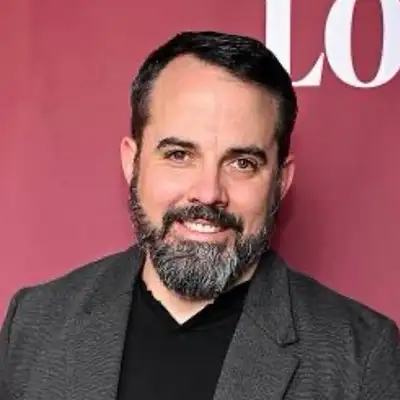
Hosted by producer, entrepreneur, master beekeeper, and dad Jeremiah Bennett, the show explores what it really takes to build something meaningful in work, in relationships, and in the communities we care about.
After more than two decades producing films, television, and brand storytelling, Jeremiah has spent his career helping others tell powerful stories. In Produced by Dad, those conversations expand beyond the screen to explore the ideas, experiences, and values that shape the lives we create.
The title reflects a simple idea. Life itself is a production, and each of us is shaping the story of the life we are living.
Each episode dives into leadership, creativity, entrepreneurship, personal growth, and the decisions that shape a life of purpose.
Because the most important thing any of us will ever produce is the life we build.
I'm Jeremiah Bennett. I spent my twenties selling shoes at Nordstrom and chasing a production career on the side. Then at 28, a Craigslist ad put me in television. Since then, I've produced stories for networks, international news, and some of the biggest brands in the world. Through all of it, one question keeps following me.
Jeremiah Bennett:What am I actually producing? Not just the work, the life taking shape around it. What are we building? What are we protecting? What do we hold sacred?
Jeremiah Bennett:And what are we still trying to get right? This show is about opening up those questions, not the highlight reel, the real version. I sit down with people who may look like they have everything figured out. Filmmakers, pastors, attorneys, entrepreneurs, leaders, and we talk about what they're really carrying, what they're really building, what they hold sacred, and what they're still trying to get right. Because no one has it together as it looks, and you're not as far behind as you feel.
Jeremiah Bennett:I'm Jeremiah Bennett, and this is Produced By Dad.
Nathan McGill:So we're here to chat it out, right? Let's go, man. So I'm
Jeremiah Bennett:here with Nathaniel Thomas McGill with Thirteen Oaks Creative, OG filmmaker who I've known for quite some time, but in the last year or so we really have developed more of a brotherhood and gotten to really share a lot of conversations. And so we're like, why don't we just chop some of those up today and see where it goes? So Nate, I'm just gonna let you kind of go in and tell me where it all kind of got started. We can start either at like you're three years old or we can start when you're like 30, wherever you want to go and tell me your story.
Nathan McGill:Way back when mom met dad. Yeah, no. Well, first of all, thanks for having me on the show. It's an honor. I love the concept of this podcast.
Nathan McGill:I mean, by dad is such a part of my life because I feel like the best thing that I ever made as an artist was my children and it took no talent whatsoever for that to happen. So it's funny how that works. You have the greatest works of art in your life took absolutely no training. It didn't take ten thousand hours. It took far less time to make my children.
Nathan McGill:So anyway, besides that, yeah, filmmaking goes back a long time for me, creative stuff goes back a long time for me, it actually started at home in my childhood. When I was young, my sister passed away. And it kind of painted a little bit of depression on the house. And I think that's part of the story that I don't really talk about a lot. It's much cooler to talk about the wins.
Nathan McGill:But since we're talking about parenting and family, I think I'll start here for a second just to say that I think that me trying to make my mom smile as a kid really was what turned me into a performer, a filmmaker, somebody who's cracking jokes, or picking up a guitar and trying to sing. It was really about entertaining for the main purpose of entertainment, which is to kind of distract a little bit from the horrible stuff that life can sometimes bring. In our instance, it was my parents losing a child, but they still had two other beautiful children. And then in a more direct way than just me being a performer and trying to make parents not just pay attention, but also just happier was also the fact that in 1986, my parents had no video recordings of my sister. And so it was the spark that led them to go buy the giant RCA video camcorder that I took and started immediately trying to recreate movies that I liked in our house with my brother.
Nathan McGill:And so we started making a lot of movies in the backyards and grew up with friends making movies on VHS tapes. And then after that VHS C and eight millimeters eight millimeter and tapes and going to film school and going to work for the church for a long time and directing shows and directing large speaking events. I was on the road with a lot of really cool Christian bands for like six years, Then partnered with a guy that I made movies with in high school, again, going back to childhood, partnered with him to create an entertainment company. Together we did 17 motion pictures, we did several TV projects. My partner is Vincent Vitorio of Life is My Movie Entertainment.
Nathan McGill:So we started that company. Company is still going today, still making stuff together today. Sold my partnership back in 2015. So I'm no longer a owner and partner in the company, but the company is very much alive thanks to Vinny. And so making stuff has been the whole life.
Nathan McGill:I'll tell you, when I turned 30, I met my wife. And that kind of changed the game because I had my eyes on LA like everybody else did back in those days. It was like, Oh, we're gonna make it, we're gonna move out to the West Coast. It's gonna be cool. And I think I had sold all of my stuff, and then met Christie and was like, I might hang around for a month or two, like, see where this goes.
Nathan McGill:And it went and I took a job working in marketing and hung out for a year. And I didn't think I would really be there very long. But no, this was the girl. And so we got married. And then three months later, one of the films that had been on a shelf sold to Warner Brothers, and I was right back to the races.
Nathan McGill:And she had no idea who she married. Because we were in a quiet season when we were dating and into our marriage. And then like three months in, it's like, wait, what just happened? He's like, yeah, babe, we just sold a movie and so I gotta go and we gotta do news. We gotta do all this press.
Nathan McGill:And then we raised like, I don't know, something like 1 and a half billion dollars like the next few months after that and when they're off making the next film. So anyway, that's the short story long version of my story. But in a nutshell, from the time that I was a kid on to now 45 year old man, pretty much been making content, making stuff of some kind the whole way through. So I think my first check professionally was in 1997. And so next year I've done this for thirty years.
Nathan McGill:Isn't that crazy? Yeah, I've been
Jeremiah Bennett:doing it for about two decades and yeah, it's hard to look back and you're like, wow, it doesn't even feel like it's been that long. So you said that you were trying to bring joy to your family in your early childhood. And with that, do you have first memories of some of the things that you did, whether it was like a little play for them or something you recorded?
Nathan McGill:I remember one of the things my dad tried to do to just get some joy was we all went to Disney for the first time. And so I do remember the home videos of us trying to re perform the Disney parade in my parents' living room. We were little, you know, we were kids. I was probably like, I don't know, maybe six or seven, you know, years old when we're talking about like, I was pretty young when she passed away. Think I was like five or six.
Nathan McGill:And while that sounds young to me now, like, because when something like that happens in your household, I think the psychological term is flashbulb memory. Like I can remember everything from the time I was five. And so, you know, I have some gaps in memory late in later years. But as far as childhood goes, I remember childhood, and I'm rather nostalgic about it, I think. But yeah, that was one of the first things we did.
Nathan McGill:But then we started to make movies like we started to come up with plots for things like, you know, it would be a pirate film, or it would be a recreation of Tim Burton's Batman, or it would be something like that. And we love Back to the Future and Star Wars and Indiana Jones. And if you were a kid of the 80s, like those were the things you aspired to, you know, you wanted to be Lucas and Spielberg and Coppola and all cats.
Jeremiah Bennett:So how does that kind of creating those that early trying to bring joy into like even how to shape your relationship with your own kids of what you have tried to bring in from their very first day, you know?
Nathan McGill:Yeah. Well, I think that, with my own children, I guess I have to tell you what I got wrong before I can tell you what I got right. Let's go. Is that okay? Well, and for others, I hope that they can kind of follow and track her.
Nathan McGill:I mean, it's called Produced By Dad and I am talking specifically pretty deep about being a producer and both being a father in this particular show here. But as a producer, the thing that I wasn't quite aware of at the time, into my 30 years old, and my identity is wrapped up in the world, in the word filmmaker. And I kind of needed it almost as a security blanket for my self worth. It was like, if I don't perform at a high enough level, that I don't feel like I'm worth anything as a person. And so the idea of being not just a filmmaker, but a real filmmaker, which real I think is a very dangerous word for us creatives, because it pushes us to these make believe finish lines.
Nathan McGill:And then we just keep moving the line. And so you make a first independent film. My first feature film was only feature in length. It was like an hour and a half really bad spy movie. Okay, what was it called?
Nathan McGill:It was called through the eyes of a spy.
Jeremiah Bennett:Okay,
Nathan McGill:yeah, it was pretty much I'm a gigantic James Bond nerd. So was the first thing I ever collected was the James Bond VHS tapes. People might not understand that no one knew what order those were in until you read the year on the back of the box. There was no internet that was gonna tell me what year these things came out. Like you went to the video store and you tried to collect the ones you could find.
Nathan McGill:And I don't even think there was a collector's box until later on. But anyway, I was very nerdy about it. So I kind of recreated made our own Bond movie with friends over the course of a year. And I used the high school editing systems to edit it all. And then at the time, because I was a young entrepreneur, I had airtime on a local television station, PSP channel twelve in Winder, Georgia, baby.
Nathan McGill:Thirty minutes was $60 And so I would go around sell commercials. We had our own little TV show called The Patio. It was my first business. And real to me was I was on air because there's no YouTube. Real to me was we made a movie and we're gonna air it.
Nathan McGill:And of course we did air it. And then I immediately got in trouble, because the music was totally copyrighted. So I was using like Beatles and all kinds of stuff. I mean, was a rockin' soundtrack. No rights whatsoever.
Nathan McGill:Epic soundtrack. The guys at the stage and had a real sit down conversation with me and went, what did we just put on TV? And I was like, I am 17 years old. I don't know. But that seems like it's your fault.
Nathan McGill:You know, so anyway, that being said, I don't even know where I was going with that story. But that was the first that was the first feature length film. And then the line would move. So it was like, okay, let's get a movie into blockbuster. And now nobody knows what that is.
Nathan McGill:So that's gonna make my point for me. The line moved, I'm not a real filmmaker till I get a movie in theaters. And it really just nationally. That was a tough one to accomplish. We did it.
Nathan McGill:And so a lot of the revenue that we recovered on our films was from physical media, DVDs, and cable on demand when people would rent the button and you could recoup your budgets that way. And then on into the streaming years, we got on Netflix, we got on Amazon, but all of a sudden, lucrative part of the business kind of went away and the status part of the business kind of stuck. And unfortunately, I wasn't the only one with this disease as an artist and filmmaker. And so I remember, never forget, like, for context, a good check from a cable on demand distributor might be $250,000 And so you could pay back your budget and pay a couple people you can roll into the next movie. Our first check from Netflix was for $15,000 And they had the movie for three years.
Nathan McGill:And there was not another check. That was it. That was the whole check. So you realize you were in like, really big trouble because the way the streamers approach the business was totally different. And at our level, like we just could not compete anymore.
Nathan McGill:And so it was like, we are totally screwed. And so that continued to happen. The status was we have a movie on Netflix, right? The bad news was you're gonna need a second job if you want to make this thing work. And instead of doing that, you know, you just try to overproduce try to, you know, spin more plates, try to try to make things work.
Nathan McGill:And, and that would have been fine. But I had done this thing, and I'd gotten married, and I had my own kids. And we had a movie that was out on tour. And it was and it became this thing that I wasn't quite I was at odds a little bit in my early part of my marriage and having kids because I had this tension between if I take away the filmmaker part, my whole identity crumbles. Right?
Nathan McGill:Right. And I but I also know that first Timothy five:eight says that if I don't provide for my family, I'm worse than an unbeliever. So that's horrible. And I can't do that either. So I have to both be an excellent filmmaker, an excellent provider.
Nathan McGill:I'm in the tension of the streaming wars coming on. And I'm flying around the country. I'm gone thirty days at a time. I'm just trying to kill it. And eventually I was putting in twenty hour days, seven days a week, just winning, winning barely because I mean, there's other ways I could have made a living is what I'm trying to say, right?
Nathan McGill:That with less stress. And that was never an option for me. Like failure was not an option. I don't believe in a no win scenario. Like I'm just trying to kill it because I guess I'm so afraid of failure that if I lose this filmmaker identity, I'm worthless as a person.
Nathan McGill:If I'm rejected by this culture, I'm no longer a part of something that I felt was meaningful. And meanwhile, I got a wife and kids over here. They're like, we don't care about all this crap we've accumulated. You know, and I did all the stupid things, man. Bought a big house, got some stupid cars.
Nathan McGill:And until the IRS came and told me I couldn't have those things anymore because I was way over leveraged. And that way of
Jeremiah Bennett:telling us about
Nathan McGill:I burned it down is what I'm trying to say is that twenty hour days, seven days a week, led into the appeal addiction, which led into me making stupid decisions, which led to the tax laws actually had changed and our CPA didn't actually notice how as a producer, you pay yourself on a draw sometimes and some things had changed rather, some big things had changed. And so it wasn't just me who got audited, it was, I got audited, my partner got audited, our investors got audited on one of the films. And while all of that worked out, the amount of money I had to pay them wasn't like insane, it was like $75,000 it was enough to bend me over because I was so overleveraged. So we ended up having to sell our house. My family moved into the basement of my parents' house.
Nathan McGill:I went to rehab and I was kind of at the bottom of my little make believe true Hollywood story and woke up and was like, well, now all I am is a husband and a dad. And I kind of sucked at that. I kind of have to look back and go, wow, in the name of providing, I made decisions because I needed the flash and I needed the image and I needed the approval that comes with being at a certain level as an artist. Needed the label Academy qualified filmmaker, right? Not Academy Award winning, by the way, not even nominated.
Nathan McGill:That's the only two real things people talk about. I added Academy qualified to the list just because I was qualified. I mean, we did it. Hey, man, we showed the film, we were in the race, we were in the early playoffs, that film is Academy qualified. But I think it sounds good for me.
Nathan McGill:I think other people have no clue what I'm talking about. Because it's an identity thing. So it's a safety blanket again. And so yeah, so I mean, hope this makes sense and some sort of coming together here. But my point is I had my eye on the wrong thing in the early years of my kid's life.
Nathan McGill:And so post rehab and getting it right, I really laid down my career at the foot of the cross and said, Okay, I don't care if I ever get behind a camera again. I'm going to help these drug addicts. I'm just gonna be down here. They got it worse than me. I mean, I went to get better off of a prescription pill thing and became a junkie just because that's what happens in the world of addiction.
Nathan McGill:But I was still pretty highly functioning. I still had projects. We were still editing something for ESPN while I was in rehab that my friends finished for me. The time I had ended the program, it was pretty much I walked out and said, You know what, I don't care if I'm ever behind a camera again. And luckily, I had an opportunity, a new job opportunity before I left rehab.
Nathan McGill:And that opportunity allowed me to come home as a father for the first time and go, Okay, let's put first things first. In rehab, you spend a lot of time in the Bible, a lot of time with Jesus, a lot of time getting your faith dialed in and right about the things that are really important. Like this is a false sense of self worth I have. What God says about me is really my true identity. You know, I'm accepted, I'm redeemed, I'm blessed, I'm saved.
Nathan McGill:I know how this story is gonna end, but I've been acting like I don't. And I've got this beautiful family. And honestly, I've kind of looked right past them. And I need to like, ironically enough, the name of our film company was Life is My Movie. And it turned out that movies were actually more of my life.
Nathan McGill:And so I had to actually flip it. And so I went to work for a really cool publishing company, media company, making podcasts, making cool stuff for a while just because I needed that nine to five. I needed to show my wife that I'm not running off on some other hair brained adventure. I'm just going to be a provider. I'm going to bring in money for our family.
Nathan McGill:We're going to buy a new house and a new town and find a new church. And I'm going to be dad. And that was the most enjoyable thing about these last seven years is that I got to watch my kids go from my oldest was about seven at the time that I came out of rehab, and now is going into high school next year. And so those years, I'm so glad that I went to work, that I calmed it down, that I shut down the movie career and the movie maker Nate, and I took some time to think about it. And so in that time I did write two retrospective memoirs, more for my counseling than anything else.
Nathan McGill:Journaling really helps. I just decided to publish mine because again, Stryver. And then every Halloween, I would make a short film with the girls and involve my kids in the thing I love, the filmmaking. And we would make a scary movie every Halloween. And we did that for almost every year the last few years until now they're a little older and they don't think it's cool anymore.
Nathan McGill:That is the short story long version of me pretty much.
Jeremiah Bennett:The different, the highs, the lows, like you said, it's very ironic that the name of the company was Life is My Movie.
Nathan McGill:Yeah, movies were my life.
Jeremiah Bennett:Yeah, it's wild. And, you know, it reminds me of, I heard there was this high ranking government official that would like be going to these conferences and they would chauffeur him in the SUVs, five star, four star hotel, his coffee was in a ceramic mug. And then when he left that position with the government, he walked into the conference, he had not been like chauffeured or anything. And he said, Hey, where's the coffee? And over there, there's a coffee machine was styled from cups.
Jeremiah Bennett:And so many times CEO, filmmaker, all these different things, we build our identity into these things are so fleeting. I do it. Like I said, you do it. Everyone does it and we think, but people are putting the position on a pedestal, not us individually in the core. And so then we come back to the basics of what actually is important and what is sacred.
Jeremiah Bennett:And so, yeah, think my next question is like, what do you hold sacred now?
Nathan McGill:Yeah, well, it's got to be time and it's got to be significance over everything else. So like, I think what is sacred is there's something that I could easily just say it's time with my family. However, time with your family is important, but you also have to avoid the addiction of comfort. Because where I did find myself at the end of those years was I was really enjoying all of my time with my kids and coaching basketball or not really coaching, but like just them playing basketball and coach them in the backyard and built a little half court and, doing things around the house with them. It's like, that's the good stuff.
Nathan McGill:But we were also cooking out a lot. We were hanging out on the weekends. We were going on vacation. I mean, my job by the end, I was vice president where I was and it was pretty good. And I kind of had the job figured out a few years into it.
Nathan McGill:So I was kind of going through the motions a little bit. And then we just started having a lot of things happen in our family. And we experienced a lot of grief because we lost uncles and Christy's grandmother. We lost, you know, when you come out of the world of recovery, you always lose people. And we have a podcast that we're doing now called Blockbuster Recovery in which we talk about this a lot, but I've lost 27 people.
Nathan McGill:And so there's a lot of this sitting on the couch grief a little bit where I'm eating Doritos, and there's a war being fought out there and I'm not really in it. And I thought for a while that making sure my kids were protected and safe and that I was okay was very important. And it was up until a point when significance overtakes time. And so I think as a man, and as a husband, your role is to call your family into an adventure a little bit and to say, now that you're old enough, and the child years are coming to like an end, and now we're really into adolescence, we need to get active, we need to do some things, because I have to show them what it looks like. They never met Dad filmmaker, they never really knew who I was and the things that I did.
Nathan McGill:They see some posters on the wall, and some old pictures with big cameras, and none of that means anything to them. So at that point, I kind of had a wake up call where I was like, you know what, it's been a good few years. We really had a lot of good family time and now I need to show these kids the really important things that I'm there for them. So here's the first example is not what you might think. First example was, I was in a men's group at church.
Nathan McGill:We go to Sugar Hill Church and the youth pastor walks in and he's like, Hey, I need some volunteers. And the room goes crickets because it's a room full of men. And I had just had this thing hit my heart where I knew my buddy was down there volunteering. I knew all of us men in the men group was sitting around talking about how we were real men, but something just in my head just went like, real men go volunteer and do something he doesn't wanna do. And I was like, that's who you are.
Nathan McGill:I just felt it in my chest, man. I might tear up a little bit. But it was like, hey, that's what real men do. And so I was like, okay, well, let's go do something that has no self interest at all. I don't even like it sometimes, you know, because it's just, I mean, you're dealing with kiddos, but then you start to fall in love with them.
Nathan McGill:And so I started off with tenth graders and now we've got eleventh graders and I'm down there with one of my best friends and it was a significant moment because I could have sent my kids into students ministry as they entered into middle and high school, or I could go with them. And going with them is a different story. The story I want to tell is dad volunteered. He worked his ass off, but then he also volunteered. Right.
Nathan McGill:Right? And so that's the story that I want them to tell. So now I'm writing the story that they're gonna tell about me. And the next thing was like, okay, well, if that's part of the story, then the next part of the story is, we're gonna go start a company, we're gonna go start doing stuff. I mean, I have all these tools, I know how to do this.
Nathan McGill:Let's show the girls that I know how to do this. So, as we're building the business, we'll talk about it, I'll ask their opinion about it, they'll get to be a part of it. That's exciting stuff for me.
Jeremiah Bennett:Yeah, and that's been a new journey in the last year that I've walked alongside you a little bit in some of those conversations as you have started it. And sometimes you're like, I don't know what's next, bro.
Nathan McGill:Well, the great thing about you is that me and you sat down about a year ago now. And I was just going through it. And I was like, I don't know, but I know I know this guy. Because I remembered you from movie years back in the day. And you've been pretty quiet on this show, but you have your own list of amazing things that you have done, sir.
Nathan McGill:Well, thank you. Yeah. And you're one of the guys that I knew that I could come to and you would understand because it was like, not many people have actually been where you and I have been. Not many people can say they worked on a hit reality show or just did amazing stuff and worked with all these gigantic clients and people and your work is very impressive. And I knew I could call you and you would get what I was going through.
Nathan McGill:I was like, hey, how's it feel? Like we had this big championship run and now we both have Joe jobs over here in media and cool jobs to say the least. But how are you doing? Yeah, no paparazzi. Yeah, no interview on every morning show, no radio show to wake up to like, yeah, that a kind of a you get a buzz out of that.
Nathan McGill:I mean, is a high as well. All that just that life.
Jeremiah Bennett:Yeah, I remember even, wow, ten, twelve years ago, like where your production documents were so important and that was when we actually still printed stuff, right? So we had to have like shredders in our hotel rooms because you don't wanna leave anything around.
Nathan McGill:Yeah, that's right. Yeah, what kind of a life that people are so interested, they'll dig through your trash. Like that's something that the normies out there, they don't understand that. You have to be in the producing film world a little bit. And I think it also goes holds true for CEOs and business leaders and brand managers and pastors and anybody who has got some sort of a following or an influence over a group of people that they love and they also find some of their identity in what you do.
Nathan McGill:So that's kind of the So what
Jeremiah Bennett:are some other practical, I mean, you've already said some very great practical things of the way you've just like dug in with your kids and your family. But like what are some more practical ways that you are digging in in this season of life to be that dad, to be that husband that you're willing to share.
Nathan McGill:Okay, you ready for a good dad story? Ready. All right, I don't know if I've told this one on podcast yet. So this might be, this is a good, this is a premiere right here. Okay.
Nathan McGill:Okay, we went down to family vacation on Jekyll Island, St. Simons Island. We rode over to Jekyll Island. If anybody's ever been in Jekyll Island, they know they got one Dairy Queen in a gas station. In that Dairy Queen, I ordered a specific order and the joker behind the counter did not get this order correct.
Nathan McGill:And so he went on to tell me that it was my fault that he messed up my order, which for, I've got a little bit of Georgia in me. I got a little bit of redneck in the background and I'm also of Irish descent. So I got pretty heated and I think I tried to peg this kid in the head with a blizzard because I didn't order no pecan cluster treat, bro. You know, I ordered what I ordered and you got it wrong and now you got a lip and so you're going about to eat this ice cream. My wife and kids were looking on at me at horror because what this kid experienced was pent up years of aggravation.
Nathan McGill:And it just came out on some poor kid that didn't understand the cultural story script that we're all living in, which is the customer is always right. He was just off script, you know. And I walked out of that and my wife, of course, looked at me and she was like, that's the way you decided to solve this problem is throwing ice cream at somebody? This is what I'm doing today. Yes.
Nathan McGill:Well, the way your wife looks at you can tell you a lot about the decisions that you've made. 100%. This was a wrong decision. So I came back home and I thought about what had just happened. And what had just happened is that I walked into the Dairy Queen believing that I was the main character.
Nathan McGill:And so did that kid. And one of us, me was wrong because I had swallowed the cultural story script that we all talk about. Right? It's like, no, no, you go to Chick fil A, and you have an experience a customer service experience. And it's amazing.
Nathan McGill:And those guys are cast members and they have lines and they have scripts and it's their pleasure to serve you and we have this experience that feels wonderful and we love to have that experience, drive out of the drive thru and then never think about that kid or those people ever again. Like that's what the culture asks us to do. Because it wants to treat us like the main character because it knows that if it treats us like the main character, we are going to pay people to treat us like the main character. Right? But wouldn't it be great if we decided that the golden rule was a thing and we were going to not just love others the way we want to be loved or treat others the way we want to be treated.
Nathan McGill:But we also wanted to think about others the way we wanted to be thought about. And when you think about others the way you want to be thought about, you got to unpack the fact that I like to be thought about really well. I want to be treated like Beyonce when I come into the room, you know, like I want the best customer experience you can give me. Because I don't know, I guess I've been told that that's what I deserve in some way. I mean, it's Scripture, so counter to Christian life.
Nathan McGill:And I think I was watching the Oscars not too long after our little spring break trip or before after and I just remember them giving, I think it was Robert Downey Jr. At the time won a supporting actor Oscar and I was like supporting actor. That's who we need to be not the main character. Oh, everybody talks about main character energy, we're going to have a better life if we're the supporting character, the supporting character is a person that treats everyone else like they're the main character. So when I walk in the Dairy Queen, and I treat that kid like he's the main character, I'm gonna have a better experience.
Nathan McGill:I'm gonna feel better about it. Talk to the people in the gas station. These are just normally like your everyday transactional relationships. But if we go in there with a little bit different attitude, we actually say hi to the guy behind the counter. They have a life going on.
Nathan McGill:They've got kids, they have that job for some specific reason. If you can kind of break them out of the story script that the customer service guy wrote, and find out who these real people are, you're gonna have real connections. And that makes for a better life. Now, same is true at home, right? Because when I walk in as dad, am I the main character?
Nathan McGill:And everybody needs to treat me and give me a cold beer out the fridge and we'll sit in this recliner and we're gonna watch Netflix. No, no, we need to come in, I'm never off. I have to walk in treat my wife like she's the main character. Do I get it right every day? Heck no.
Nathan McGill:But let my daughters talk like they're the main character. So I'm a better husband if I'm a supporting actor. I'm a better father if I'm a supporting actor. And so that's kind of the thing that I walked away with from that experience. But if I can carry that into my every day, and I know that, you know, employees, they're the main character, they're the reason why we're doing all that we're doing, you know, the customers, they're my main character, you know, so I'm supporting that.
Nathan McGill:That's literally the whole job of anything in service to make sure that they feel like the main character. But we are so hardwired to be selfish and be the main character and our egos tell us otherwise, that this takes a constant renewing of your mind in order to there. But from one old producer to another, I can say that this is the secret sauce of really good relationships and really good business relationships is to always treat somebody else like they're the main character. Just like you've asked me to be the guest on this podcast when you're a far more interesting person than me. Like you're allowing me to be the main character right now.
Nathan McGill:And I'm gonna say yes all day long, because I love it. But anyway, if we can treat others like we are, if we can play the role of a supporting character, we're going to get further faster with all of our other relationships. So after processing it after tossing this concrete
Jeremiah Bennett:thing, almost going to jail while on vacation. Did you end up going back to your wife or your daughters and saying,
Nathan McGill:Yeah, I'm sorry about that. Yeah, dad's stupid. Of course. Yeah, how did that? They get that speech a lot though.
Nathan McGill:Because I mean, it's not that I just did a one and done like I mess up constantly all the time. And I just, and I have to apologize. I think anytime you're working around other people, people are always gonna people, and so am I. And I even tell my kids, like when I'm teaching student ministry and I'm there with the other eleventh graders and we go around for prayer requests, Like literally two weeks ago, I'm like, Hey guys, if y'all just pray, I could stop cussing so much. It'd be great.
Nathan McGill:And they're like, You're the Bible leader. Like, Well, I'm a real person. And yes, I have a lot of insight into, the stories that God wrote and told and I'm learning them just along with you. And let me just tell you, in this building, it's a lot easier to act the part because we walked into the right scene. And when somehow we put on the right mask and all of a sudden we're ultra Christian, But you know, no outside of here, it's a little different.
Nathan McGill:And everybody's normal until you get to know them. And so our job is to get to know them and love them, no matter where they're at, and then try to tell them about Jesus. Yeah, it's
Jeremiah Bennett:a lot easier to be ice cube in a walk in freezer than it is to be the hot sun on a summer day. Well said. So what was your order that you were not the main character in with this Derek? I'm not now like I said, I'm just dying to know what like what was this special?
Nathan McGill:What was I trying to get? Yeah. Okay, let me see. I think it was just simply I think I just I like the Reese's. Blizzards.
Nathan McGill:I just want a Reese's Blizzard. It could have also been we do have like a order that my wife gets where she likes to get the cone dip chocolate mixed in just the regular vanilla ice cream. And that's not always on the menu depending on where you go. The best blizzard though, when Jurassic Park was doing their thirtieth anniversary and they had those Jurassic Park blizzards because that was peanut butter chocolate and ice cream. Like, I just wish they'd have that on the menu all the time.
Nathan McGill:My life would be much simpler.
Jeremiah Bennett:Well, we can't always have what we want.
Nathan McGill:We cannot, unfortunately. So now that
Jeremiah Bennett:we started talking about food, it's making me think about, so what do you have cooking? And I mean in two different ways. So we can go either way first. I mean, literally, are you cooking your grandma's apple pie? Putting something on the smoker?
Jeremiah Bennett:And then what just in life, what's that maybe that new project, that new creative thing?
Nathan McGill:Yeah, let's take it. Well, ironically enough. So last year, after me and you sat down, I kind of had some heart to heart with Jesus time at the beach and decided I was going to leave my current employer at the time and go start something of my own. And a couple days later was the July 4. And I had already talked to my friend Doug about cooking barbecue.
Nathan McGill:I volunteered when there was 60 people to cook for. Okay, by the time that this fourth of July thing rolled around, there was 200 people to cook for.
Jeremiah Bennett:That's a little different.
Nathan McGill:That's a little different. And I hadn't ever done that. So I called my buddy Blake, Blake barbecue. And he does a lot of stuff for our church. And I'm like, you're gonna have to walk me through this, but I'm doing it.
Nathan McGill:And so literally, we put, you know, a bunch of pork butt on smoker. Now I picked up after addiction, after post addiction, my new addiction became smoking barbecue. So I got the Traeger and then I started to graduate into more expensive Traeger's. You know, so barbecue kind of became my hobby over the last several years, but I'd never cook for this many people. But the short story long of it is that while I was cooking actual barbecue, this Fourth of July shindig, it's also when I was talking to my buddy Doug about like what I was going to do next.
Nathan McGill:And he was like, why don't you come out on the road with me for a minute and we'll, you know, figure out what you can do and with his business, and Doug's an amazing serial entrepreneur guy that you probably want to have on the show at some point. Like he's a really interesting guy. Sounds like a plan. Yeah, he's from the tech industry world and does a lot of great things in healthcare and home services. And anyway, he had several businesses that he needed marketing for and other companies were providing marketing for and he really wanted to bring it in house.
Nathan McGill:But if I was going to go start something, then maybe we go start that. And so that became, I prayed about it, thought about it. And I was like, this is kind of you're telling me I can either go start a business with no clients or I can start a business with five. I mean, I guess that makes us business partners because you're 100% of my revenue on day one, and that would be dumb for you not to be my partner. So let's go do this thing together.
Nathan McGill:And that to, that was a year ago. And in one year, man, the blessings, the opportunities, the projects, the podcasts, all the things that we've been able to do and work on has been pretty awesome. And then, God brought us some great people that help make a lot of the really cool stuff that we make. You can never do it alone. And so his conglomerate was called thirteen Oaks.
Nathan McGill:We said, let's just call it thirteen Oaks Creative. And we started that. So we literally are cooking on a brand new company that really helps brands and people build media platform. It's kind of probably the best way to put it today with everything in AI kind of coming in and also being a part of what we do. And then literally the barbecue got me there and continues to get me there.
Nathan McGill:So apparently this July 4, we've got 400 people coming. So I've got to really bring my buddy Blake in on this next one and bring his big old smoker and we're gonna do it together. Your smokers not low. I'm beyond Traeger at this point. For sure.
Nathan McGill:We're going big. He's got a gigantic, really cool, like propane tank that he had redone. It's on this big trailer. It's really cool. So hopefully he can actually bring it and we can do this thing.
Nathan McGill:But yeah, so barbecue has always been a big deal. And I just, I mean, I'm from the South, bro. Like it's all about barbecue. So do you have
Jeremiah Bennett:a certain type of wood? We're talking about Yeah,
Nathan McGill:I'm a hickory guy. I mean, hickory and oak. I mean, even though it's thirteen Oaks creative, I'm more Hickory when it comes to the actual point of view. But Oak's fine, Oak's fine.
Jeremiah Bennett:So coming live to you today, the creative agency has now been changed to Hickory. 13 Hickories created.
Nathan McGill:13 Hickories. Yeah, see how they apply. It doesn't go off the tongue as well.
Jeremiah Bennett:No, no, no, no.
Nathan McGill:Yes, stick with the oak. But, well, that's awesome.
Jeremiah Bennett:And sauce wise, what type of art?
Nathan McGill:Oh, that's good. Well, I like queso. I really love anything Lane's Barbecue is putting out on as far as seasoning goes. Love Meat Church as well. They put out some really good stuff.
Nathan McGill:And then the sauce is from Braswell. Okay. And it is the apple cinnamon. They have an apple cinnamon. You can usually find it at Publix, but it is also a Georgia based company.
Nathan McGill:Braswell, I think it's Braswell. Think I'm saying that right. But it is like an apple cinnamon barbecue sauce. And it is like my secret.
Jeremiah Bennett:A little sweet.
Nathan McGill:It's got a little apple tin in there. And if you put that sucker on some ribs, you're gonna win. I mean, it's just so good. That's my secret.
Jeremiah Bennett:I'm a Carolina.
Nathan McGill:I like Carolina too. And I get more of
Jeremiah Bennett:the mustard vinegar. But the right sweets Yeah. Wins every time like it has to be the right. So I'm gonna have to try some of that.
Nathan McGill:Yeah, I don't put a lot on my pulled pork. I just kind of keep it dry rub. I've done it so just a bunch of different ways to do it. But my dad talking about dads, I have a great father, by the way. And he taught me this very unconventional trick to get I was doing a lot of pork butt and of course, if you just do a pork butt, the question is, if anybody knows anything about barbecue, do you go fat side up or fat side down when you're cooking these things?
Nathan McGill:And we would go side to side and he would be cooking a butt and I would be doing a butt and his would come out like just white and beautiful and clear and tender. And I'm like, how in the world are you doing that? I'm watching the YouTube videos and I'm going fat up, letting it drip in. I'm going fat down trying to get it out. And I can't figure out how what are you doing?
Nathan McGill:He's just cutting it off. And I was picking it out at the end. And then he just cuts the whole fat off the top of it and smokes it that way. And I was like, well, I'll be like, didn't think that would work. Just takes all the grease out.
Nathan McGill:And I was like, that is a hack that no one I've seen, would do that because it almost feels sacrilegious.
Jeremiah Bennett:Yeah, I mean, I've heard and seeing where you trim it down to a certain amount because you don't want a certain He cuts it completely off.
Nathan McGill:Yeah, and if you smoke it at the right temp for a long period of time, you have to be going real low and real slow. It is tender and it is also beautiful and it also is better if you're the kind that cooks too much and wants to freeze it.
Jeremiah Bennett:How low do you go on something like that?
Nathan McGill:I'm usually two twenty Okay, so that's the job. And the Traeger is like two twenty Super Smoke, something like that. So I usually go pretty low. Now if I'm in a hurry, just do two seventy five and I don't wanna go any higher than $2.75 on pretty much anything. That's awesome.
Nathan McGill:Unless it's stakes or something. So
Jeremiah Bennett:we have talked
Nathan McGill:Yeah, a long time.
Jeremiah Bennett:Your life. We've taught just what it means to be a dad and how there's grace even when we make mistakes. Yeah, because none of us are perfect. Anything else you want to leave us with final thoughts?
Nathan McGill:Well, if we've got some young dads listening to the show, or older dads listening to the show or just parents in general, I just think that think we could just get really busy and we can get in our routines. And it's always good to break a routine. And you don't have to do anything crazy, but it's okay to take a vacation. You can't afford every once in a while. And it's okay to change some stuff around in your house every once in a while.
Nathan McGill:And just to get out just to break the everyday pattern because years go by and it seems like they just start to fly by at some point. The early years seem like they took forever, like when diapers and to five, six years old is like, God bless you, you're in there for a minute. But after that, they grow up so stinking fast. And I know everybody says that, but you really have to open your eyes and pay attention to it and be intentional about, your traditions and, you know, what you want to be a part of your family. So I think always having like stuff like we do waffles on Christmas or we do, Christie does a fantastic lasagna and we pull that on the birthdays.
Nathan McGill:You know, there's just things that are uniquely your family and it's okay to like dial as much of that stuff into your story than that you possibly can because you are manufacturing the memories for your children. And if you just go with the motion every single day and you get stuck in a rut or routine, or kids sports are telling you where to be and what to do all the time, You just gotta just break it up and try to make it as unique as you possibly can. Because one day they're gonna tell your story for you and you get to choose the kind of character you wanna be today.
Jeremiah Bennett:Awesome. Nate, thank you so much. It's been awesome just chatting, talking about now I'm hungry. Now I'm like, I need some barbecue.
Nathan McGill:Yeah, man. Let's go get some.
Jeremiah Bennett:For sure. Well, thanks everyone for listening to another episode of Produced By Dad. And we'll see you next week.
Nathan McGill:Starring Jeremiah Bennett. Starring Nathan McGill. Produced By Nathan McGill. Directed By Matthew Wong. Edited By Matthew Wong.
Nathan McGill:Studio photography By Emory Fordon. Intro edited By Grayson Arias. Intro cinematography By Grayson Arias.