Subscribe
Share
Share
Embed
Welcome to Defining Hospitality, the podcast focused on highlighting the most influential figures in the hospitality industry. In each episode we provide 1 on 1, in depth interviews with experts in the industry to learn what hospitality means to them. We feature expert advice on working in the industry, behind the scenes looks at some of your favorite brands, and in depth explorations of unique hospitality projects.
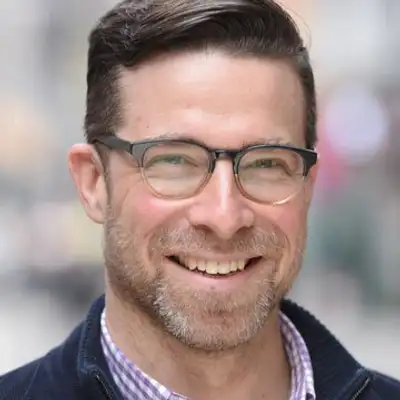
Defining Hospitality is hosted by Founder and CEO of Agency 967, Dan Ryan. With over 30 years of experience in hospitality, Dan brings his expertise and passion to each episode as he delves into the latest trends and challenges facing the industry.
Episodes are released every week on Wednesday mornings.
To listen to episodes, visit https://www.defininghospitality.live/ or subscribe to Defining Hospitality wherever you get your podcasts.
DH - Tanya Pratt
===
[00:00:00] What I do is inconsequential. Why I do what I do is I get to shorten people's journeys every day. What I love about our hospitality industry is that it's our mission to make people feel cared for while on their journeys. Together we'll explore what hospitality means in the built environment, in business, and in our daily lives.
I'm Dan Ryan, and this is Defining Hospitality.
This podcast is sponsored by Berman Fall Hospitality Group, a design-driven furniture manufacturer who specializes in custom case goods and seating for hotel guest rooms.
Dan Ryan: Today's guest is a product and technology executive, a team leader and a digital innovation strategy expert. She's consistently built and scaled enterprise solutions into market leading businesses. She is a seasoned professional in the hospitality, technology and product management industries. She's recently recognized as one of the top 25 extraordinary minds in hospitality, sales, marketing, and revenue. [00:01:00] She's worked with major companies like Fairmont and Delta Hotels and Resorts, currently she's the Global Vice President of Strategy and Product Management at Oracle Hospitality and still at heart, a girl that worked the front desk 30 years ago. Ladies and gentlemen, please welcome Tanya Pratt.
Welcome. Tanya.
Tanya Pratt: Thank you. You get me every time with that intro. I'm like, oh, who this, who's?
Dan Ryan: You know what's so funny? It's, I've done so many of these conversations and so many people say that because. It's really strange to hear someone else read your life accomplishments and milestones back to you, and it's just very surprising to all of them. And I, and I always say, usually I'll mess up a couple times and then we'll laugh then I'll start rerecording and I'll say, you, you know, that's all you, so it is in, it is weird when you hear it, but you've had quite a journey.
I mean, it's pretty awesome.
Tanya Pratt: Well, I think it's why, at least what it is for me. I don't know about the why others [00:02:00] reacted they do, but as you hear these things, you are the only person that knows what it took to get there, right? What it took to live that kind of a life. So at a lot of times, these things. Evoke memories, some amazing ones.
Some's like, well, I'm never gonna do that again. Some are like, I can't believe I survived that. So it's almost like watching your life in rewind a little bit when these things get called out and, and I think that's why we react to it. We're like, oh gosh, you're just, these memories came flooding back. So
Dan Ryan: yeah. It's, and it's hard. I mean, because in all that stuff that we do across our lives, it is also strange to hear it summarized to like 30
yeah,
Right. And that's shock to me. That's probably the most shocking. I was like, wait, there's more, there's more than
Tanya Pratt: there's gotta be Wait. If this was like, God forbid, a eulogy surely would be more than like 30 seconds.
Dan Ryan: Well, yes, but written and, and given a eu many a eulogy, [00:03:00] not too many, but a couple, um. That's one of the things to balance. It's like we have this flash pan of an existence in life, so much happens, but it's really just a snap. And to be able to distill all those great things is, um, and not miss anything.
It's a, it's a, it's very difficult. Very difficult.
Tanya Pratt: Thank you for that.
I
Dan Ryan: other than that, um, what does hospitality mean to you? I know, I love in the intro how it was at, at heart. You're a girl working the front desk from 30 years ago, but what, what do you love about hospitality? What keeps you here?
Tanya Pratt: I woke up with a, a thought this morning 'cause I, I wanted to, I thought it was such, uh, an intuitive and thoughtful question that I hadn't been asked before. And I think if I distill it down to exactly what that means to me and how I would define it, is that hospitality is a promise. It's a promise that's made and kept a thousand times in small moments over one, a guest journey when they're in a hotel over one's [00:04:00] career like me over those 30 years.
Right? And it's also a promise to all the different stakeholders that we have in the industry. So a promise to the guests that they will be welcome, that they will be cared for, that they're able to trust the experience from arrival to departure. Uh, a promise to employees that they will be respected and supported.
And it's a great industry to have a career in, uh, a promise to owners and brands and management companies that they've invested in the right industry, and one with a lot of integrity, accountability, and a long-term mindset. So to me, that's how I would define, define it as a commitment and a promise to feel valued and deliver consistent service and dependable outcomes.
Dan Ryan: I think that dependability and the service and kind of smoothing it out is a really great segue into one of the reasons why I'm excited to have you on. And, uh, speaking for Oracle Hospitality, I haven't had that many technology people [00:05:00] on the podcast. And to me, a, it's probably 'cause I just don't understand it. Um, but I'm very intrigued by it, especially as AI and, and the different softwares that are out there. Um, and I want to, I wanna learn more about that so it, it can help create those memories and those, and keep those promises that you mentioned, um, earlier. But I, I was just at this NEWH, hospitality or leadership conference in DC and Rado Ivanov, who was on this podcast a while ago from Marriott, um, he was up on stage and he, my te I wrote an article a substack about this and I'll, I'll put it in the link there. But he said, you know, technology is quote, ever hyped, right? And where it actually helps the most is at the points of friction. And he said, and everyone laughed, but I think it's really true. Technology helps with the tasks that people didn't really follow their passions into hospitality to do. So my [00:06:00] takeaway from that was, if the technology is right, it's freeing up all the stakeholders and all the, the team at the hotel to really on focus on frictionlessly, keeping those promises and delivering those promises.
And I think that I, I don't think, like, I've also heard that hotels in general are usually the last, and I still don't know why to adopt of different technologies to help smooth this process out. And I don't know if there's just a lot of legacy systems and things built on top of everything, but do you agree with that statement number one and number two, why is it that the, the common thinking is that hotels and typically as businesses are the last to adapt technology.
Tanya Pratt: Absolutely. I, I mean, I definitely agree and as somebody who was very early on, you know, a user of technology, even though I wouldn't have defined it as a technology, it was just a thing that [00:07:00] we were trained on where you press a couple of buttons and you find the reservation and you check against in and you, you know, try to search the room and then give them their key, uh, to somebody that was responsible for the, for defining what the technology is going to be.
That's going to be used across all those different customer touchpoint. And then this current role is really kind of pushing the boundaries of the solutions that we want to deliver to the industry so that service can be frictionless. And you're absolutely right. Uh, and the gentleman from Marriott, what he said is absolutely right as well.
It is an industry that is so heavily dependent on operations, right? Frontline operations. I always say we live and die by what operations can execute. Doesn't matter how good the idea is in the boardroom, it may be a brilliant strategy. If it's going to cause a lot of friction. It's going to, I don't know, make the reservation talk time long, or make the checking process too long.
It's just not going to work because the travelers are going to [00:08:00] object to, you know, taking 10 minutes to check something in. So, focus on the technology is to remove that friction, remove those pain points, remove the data silos that have the, that create the risk around the delivery of the guest service.
Dan Ryan: for you at Oracle Hospitality, are you finding the biggest opportunity or the biggest or best breakthroughs to help make that experience more frictionless so that the humans can focus more on the humans? Like what, what's a real success story that, that you, you could spread the gospel on right now from your experience?
Tanya Pratt: if you think about yourself as a traveler, right? You get to the hotel, it's 11 o'clock at night and they're like, oh, sorry, we don't have your reservation. So it starts with that. The experience starts with a check-in. So our solutions and creating a unified hospitality platform ensures that from the point the reservation is created to when the guest is showing up at the hotel, there's no break in data flow.
So that means that your room is [00:09:00] always going to be there and it's always going to be available when you get there. The next one is a check-in point. Oh, I'm so and so. I'm a loyalty member. Oh, really? We didn't know. So now the searching starts to happen. So everything that we do is around that. It's knowing who's coming in, when they're coming in, who they are, what their preferences are, so that the experience can be delivered based on who they are as an individual and how they would like to be recognized
Hmm.
When you use hotels.
Have a lot of technology that they need to use. I think the most recent discussion that I had with somebody, it was like 53 different solutions. So when there's 3 53 different solutions, each that has a little bit of data in it, and now you're standing at the front desk and that poor person is like, I need to go here for this and here for this, and here for this.
Your check-in becomes 10, 15 minutes long. And at 11 o'clock at night, after you've just gotten off of a plane, you just wanna get to your room. So for us, the focus is about unifying the data. 'cause when you unify the [00:10:00] data and you remove the silos, it means that. We know exactly who you are and we can meet you where you at at that point in time.
So everything that we do is about that. It's about unifying data, removing friction as it relates to trying to integrate to different solutions because that is where kind of the risk around missing the opportunity to deliver what you want is by really you're like a little bit of you is here and a little bit of you is here.
The hotels simply do not have enough, enough time, enough people to try to look in all these different places to collect the information about you in order to say, here's the room that you were looking for and that's the room that we're going to give you.
Dan Ryan: I'm a total Luddite. Like I can make my computer work and this podcast thing work, and I can do email, but let's just pretend there's a hotel. Let's say it's a 300 room hotel. It's been around forever. It has, I forget how many systems, you said 27. yeah.
A number.
Yeah.
Different [00:11:00] systems. They don't use Oracle hospitality. But you, you, your teams get a meeting with whoever the owner or the operator or the manager is, and you convince them to switch their, their suite or incorporate everything into, into Oracle hospitality. What's the before and after like? And without getting too like techie, 'cause I probably won't follow you, but try like, what is that experience like for that hotel and the people running that hotel?
The, from a before and after.
Tanya Pratt: so I'm gonna start by first asking you a question. Have you ever checked into a hotel where they have said to you, have you stayed with us before
and you had in fact stayed with them before?
Dan Ryan: Yes.
Tanya Pratt: Kind of annoying. You're like, yes, I have. You should actually know that now.
Dan Ryan: Well, the one that gets me that's more annoying is if I stay at someone that I have a, a frequent membership, like frequent traveler program with, whether
Yeah.
Or Hilton [00:12:00] Honors or the IHG one, I forget what that was called. I always have to give them my number, even though I know I booked it. I always, also, as a, as someone in our industry, I even, I always try to book the hotel.
I want to stay at
Yeah.
Hotel's website, not through an OTAA to help smooth that out. But b, I don't want them giving up the margin,
yeah,
and to me, I, and I don't know why I have to tell them my frequent guest number all the time, but anyway, that's
yeah.
Part for me at
Tanya Pratt: Okay. Very good. So I, I love this kind of a conversation 'cause we're gonna do a little bit of like hospitality tech 1 0 1. It's not gonna be technical. Remember I'm a girl from the, so I'm gonna talk about it from the business perspective. And I'm not gonna call out all 27 systems. I'm only gonna call about around two or three.
So you go on a website of a some hotel.com, right? Tanya's hotel.com. You make a reservation. That reservation is created in one system. That's not the system that's used to check you [00:13:00] in. So that reservation is sitting in one system. 'cause it has the rates, it has the inventory, it knows what the hotel wants to sell.
Then you sign up to a loyalty program. Your number now comes from a different system. That system, that loyalty system only cares like who you are. What's your address? Maybe wants to know your preferences. So you have a system that has created a reservation for you and a system that has your membership profile.
And then you have the property management system, which is what the hotel man used to manage the day to day operations. Check you in, check you out, give you a bill, uh, attach charges from outlets in the hotel. So the way that it flows is the reservation has been created. It needs to now flow down into the property management system, and it needs to take with it all the data that you entered at the time of reservation, including potentially what your loyalty number was.
If that integration between all these systems cannot accommodate all these [00:14:00] different data elements, it means that what flows down to the hotel is limited. It knows that you're coming in, but it doesn't know anything else about you. So I now need to go, oh, let me go into my loyalty system. And we've come a long way since these days, but in some places it's still like this.
Let me go into my loyalty system in search for Tanya Pratt. Oh, there she is. Let me take her loyalty number. I'm gonna put it on the reservation in the property management system. Okay. Oh, let me go look into the reservation system. Maybe they already gave me a credit card to guarantee, but it didn't flow.
So now there's all this busy work that needs to kick in. People need to copy data from one place to the next so that it ends up in what is their operational system of record, which is the property management system that checks you in. So that can work. Uh, and it works in a lot of places. There's a lot of people running lists and trying to reconcile.
It was like one of the first, second or third roles that I performed in, in my hotels years ago. [00:15:00] But then things get busy. So now you're a 300 room hotel, maybe you're getting a hundred rivals per day. Imagine you're getting a thousand arrivals per day. Imagine you are some ginormous casino hotel in Las Vegas.
There's no way you're like, look here, look here, look here. And that,
Dan Ryan: of 50 people deep waiting to check in
Tanya Pratt: exactly. Which is why you get, have you stayed with us before? Because you previous stay could be somewhere else. Right? Or are you a loyalty member? It's because your loyalty number is somewhere else. So what we've done is take those three, take the central reservation system that makes the reservation, takes the loyalty system that does, has a loyalty number.
Take the property management system, what we've already had, and combine it into one, which means, regardless of customer touchpoint, whether it's you're making a reservation or you're enrolling in a loyalty membership, or you're checking in, it's always the same. You only exist once. Instead of in the previous example, you're [00:16:00] essentially exist in three different places and somebody needs to put you together
Dan Ryan: And that's in the Tanya Hotel, the
yeah.
Room Tanya Hotel. But what if there's a portfolio of hotels?
Mm-hmm.
I guess you can only do one hotel at Like, what's the dream scenario for Oracle Hospitality? Is it getting every single individual hotel optimized, or does it branch out and like, have everything be more seamless for across a portfolio?
Tanya Pratt: Absolutely so we can support both. And we have quite a few customer that have hundreds of hotels, but Tanya Pratt, even if she stayed at 20 of those hotels, she only exists once. So when I check in to hotel number 21, they're like, oh, thank you know, welcome back. We know you haven't stayed with us. You've stayed at these other 12 hotels.
So you get recognition across the brand, not just for your own specific property. And some brands choose to operate that way. They welcome the guest regardless of where they've stayed in some other situations. There's a [00:17:00] sometimes a little bit of, uh, apprehension around kind of putting everything together.
'cause you know, you mentioned that you have owners and developers that are listening to you to this podcast. And sometimes if there's different owners that own different hotels, they're like, I don't want you looking at my guest. You know?
Mm-hmm. Unless they've enrolled into a loyalty program. But that, that's sort of, you know, just kind of something that happens.
So we can support, you exist once within, but multiple times for different hotel unless you enroll in a loyalty program and then you only exist once. But we can also offer recognition beyond a membership. Meaning you only exist once. You didn't have to sign up to any single Pro program, but we can still recognize you and the contribution and value that you deliver across all the hotels, not just an individual one, that's what Unified hospitality platform means.
Dan Ryan: okay, so on. And then on the unified hospitality platform too, is it also letting somebody know when you're running low on chicken breasts or bedsheets as well?
Tanya Pratt: Well, that's a [00:18:00] good idea. Not yet. We do have, so within our, uh, portfolio, so we have a symphony product, which is for restaurant management, uh, and then we'll have kind of inventory management there as well, which, yes, you can be, because one of the things that. The hotels discuss every single morning is, you know, how many chicken breasts do they have so that the restaurant doesn't oversell or catering doesn't have too many on their, on their banquet menu.
So those things are typ typically kind of kept a little bit separate, but definitely we want to consolidate more and more and more. That's really our vision, right? Help the hotels, declutter their giant technology, tech ecosystem of all these different applications. Put as many of those things into one so that they don't have to go to multiple, they don't have to manage multiple vendors.
They don't have to deal with, you know, all the friction as it relates to that, uh, lower their costs and really optimize their tech investment.
Dan Ryan: let's pretend I'm the owner of the, no, you can be the owner of the Tanya [00:19:00] Hotel. I don't want
Okay.
I don't wanna take your title.
Tanya Pratt: Okay. You can work for me. What, what do.
Dan Ryan: I'll work for you. So I'm the general manager of the Tanya Hotel, and we've just gone through this tech, I don't know what it'd be, rollover, integr integration, evolution,
Tanya Pratt: Transformation.
Dan Ryan: tech transformation.
Tanya Pratt: Yeah.
Dan Ryan: does that, 'cause the other thing I know is supplying ff and e to hotels,
Yeah.
Like the furniture fixtures and equipment. I can show what an ROI is after a renovation. As hard as a renovation can be, like, they'll get a bump. Um, the hotel will perform, the value will, will increase. How do you measure that going from that before to after?
Like, what are those KPIs that I, the general manager would notice far as increased? Efficiencies and better profitability in the hotel.
Tanya Pratt: Okay. Let me answer that one, but then I go when, I'll go back to the previous question you asked me, which is, is it true that the hotels are lost to invest in tech? Because I know I didn't answer it. I think that was a really good question, but let me do the.
Dan Ryan: [00:20:00] I I, okay. You didn't answer it, but you alluded to it because like, in my mind, you didn't say this, but I'm envisioning like this huge ball of spaghetti of systems that just aren't talking to each other because hotels have been bought and sold and traded and they're building legacy on legacy and then they're getting all these APIs.
I know what an API is, uh, to talk, to, talk to each other,
Yeah.
But event, but there has to be just, it, it's gotta be a lot of friction in there. So anyway,
Yes.
And after and why is it, is it true? And why are hotels laggards at doing these tech transformations?
Tanya Pratt: Okay. I'll start with the before and after. So there's a couple of different KPIs. One is speed of check-in, right? Did my speed of check-in actually decrease? And did I manage to move the needle on the guest satisfaction? Because one of the questions that gets asked always on the satisfac guest satisfaction survey post say, is, what was your arrival experience?
The second one, obviously didn't generate additional [00:21:00] revenue. So we have many, many different rate management options within Opera Cloud that allowed the hotels to monetize things beyond the guest room. So cots, cribs, command by the pool. It's a connecting room. You wanna charge more 'cause you're guaranteeing it instead of, you know, only upon arrival.
And then the third one is team members. Right. Team member satisfaction. Because we're getting As, as every other industry, but probably hospitality even more because for a lot of people, hospitality in some way, retail, restaurant hotels is the first job that they have. Because not
Dan Ryan: Yeah.
Tanya Pratt: is required.
Dan Ryan: you.
Tanya Pratt: Like me.
Exactly. And, uh, that were born of a digital age. They don't know the world before the internet, they will put up with less, they will not put up with slow, antiquated technology. And so they want everything on a mobile phone. And so the hotels have to give something to these team members to use, right?
Something that they're kind of used [00:22:00] to accustomed to. So onboarding time needs to go down, team member satisfaction needs to go up, which then hopefully reduces turnover because if people are frustrated in their job, if they're being yelled at by the guests, 'cause it took 15 minutes to check them in, they're gonna be like, surely there's better ways to, you know, pay my rent and buy my next concert ticket.
So they're gonna go with that.
Dan Ryan: Okay, so speed of check-in. Guest satisfaction, additional revenue down. Turnover up. If I'm the, as the manager of the, of your hotel, and say we get a year and a half in after the transformation, what am I noticing on the p and l?
Tanya Pratt: So on the p and l, you're noticing you can, our goal is always to be able to do more with less. So if the speed of check-in has gone down, gone up, meaning I can check in guess faster, it may mean I don't need as many people on shift
Dan Ryan: Oh,
Tanya Pratt: because they're always like, okay, I, I want the check-in to be within [00:23:00] four minutes.
Mm-hmm.
It's within four minutes and you have 10 people standing there, check, waiting to check in, you need more people to actually check them in, like more front desk, uh, members. But if you are able to do it faster. Now you can reduce actually your head count or have the people kind of go and roam the lobby.
The other one is because the solution is available on a mobile device, you can have what we call line busters. So people that go into the lobby and are like, oh, you're checking in. Let me help you.
Dan Ryan: Oh, so they can like help check in while
Okay.
There or, or, or preload what the person at the desk needs.
Tanya Pratt: correct. So we
cool.
Need to guess where they're at or being front desk less. So instead of always having to go and queue up at the front desk, because that is where the computer is with the screen that checks you in. How about you take Opera Cloud on a phone or a tablet and you are. Standing at the front door or you're saying to the VIP guests, I will accompany you to your suite or [00:24:00] check you in, or you are a VIP guest and you're the general manager wants to check you in in the restaurant while you're having lunch.
Stuff like that. So they're able to kind of review it. The other one is how much of my revenue is coming from things other than room packages. Other services, things beyond just kind of the daily rate that you were paying in the hotel room. So are you starting to see a mix? The second one is, um, guest satisfaction again, are you having, sorry, you asked about the, the p and l So let me kind of on that theme a little bit.
Dan Ryan: satisfaction could, I mean, in theory it's like marketing. You might not be able to tie it one-to-one to a guest returning, but it probably does
Yeah,
margins, right?
Tanya Pratt: so the other thing is like a cost of sale. Are you able to drive more direct bookings because you're able to offer things through your own website that [00:25:00] is, cannot be offered through other channels. So now you're driving more revenue or more bookings through your direct channels, which are gonna be your lowest cost of sale.
Dan Ryan: Cool. Um. Then going back to the original question, that ball of spaghetti
Yeah.
Is it true and why
Tanya Pratt: Yeah. a hundred percent true. And I've lived through it over many decades and I, I don't, here my theories are on it, is that sometimes the thought of doing everything prevents you from doing even just one thing. It's like me trying to spring clean my closet. I'm like, I can't.
Dan Ryan: me every day.
Tanya Pratt: Yeah, it's like going into your garage and it's like, I don't even know where to start.
Dan Ryan: Yeah.
Tanya Pratt: And when you have that big thing, you're like, oh my God, what do I do first? Okay. So that's, that's one thing. Two, and this is changing. This is changing, but it was certainly the case, uh, a couple of years ago. It is people that were in, let's say hotel, right? You're the general manager and you're like, I [00:26:00] remember the days when we could check people in on a piece of paper.
Everything was great. Do we really need this technology? But that, going back years and years, obviously there's, there's, uh, a realization how much technology can help you, which I love to see across the board at all leadership levels. There's that. Uh, the other thing that has changed is that solutions used to be very much managed or technology used to be very much managed by technology people.
So. Technology manager on properties somewhere, centrally some sort of a person in the tech space. What I'm seeing now and what I love and has been the ca, the trend over the last few years, there's more and more and more business people, business stakeholders that are at the table making these technology solutions.
So they're kind of driving things forward. The other reason, and probably has been the case for so long, is like you're [00:27:00] competing for the wallet. Am I going to change my boiler or am I gonna change that computer, right? Oh, I need new sheets. Oh, I need this. Oh, I need that. And that was the case when technologies were very, very expensive 'cause they were on premise.
So you needed a server, you needed to install things on it, you needed a person that's going to reboot that server and that kind of stuff. And so cloud technology and speak about upper cloud specifically, has brought technology closer to the masses. It's made it accessible to everybody. Because we provision it, we deploy it, we manage it.
You don't need this, you know, people or an entire infrastructure on property to now manage the tech. So because the initial investment is not as significant as it was before, 'cause it could be tens, hundreds of thousand dollars sometimes we're seeing the adoption pretty much like skyrocket. And it certainly had, we saw probably the fastest growth since the pandemic.[00:28:00]
That was really a huge catalyst for cloud technology adoption in hospitality because, you know, people left the industry and kind of never came back. And so owners, brands, general managers had to try to figure it out. And the easiest way to try to figure it out is get somebody else to do it.
Dan Ryan: yeah. I, I, I appreciate. The, you know, that choice of the boiler or the sheets, because this comes up a lot in what I do as far as on the ff and e side hotels, out of most or all, I, I don't know about all because commercial real estate is very broad, but they spend more on capital expenditures than most other, um, silos of commercial real estate. And in the sense that when you're facing a renovation or a boiler goes down like that, that can be a huge number and they renovate more frequently than others. And I wonder like when, when they do a renovation of a hotel or a boiler go down, boiler goes down, that's a [00:29:00] capital expenditure, right? For an asset that's kept on property in the past when they had their servers on there on property, that's a capital expenditure that depreciates over time. I wonder if from an accounting perspective is like, is the cloud something that can be, uh, an expense that you can just. Take every, every year. It doesn't depreciate on a schedule. It must be,
Yes.
Must be better from a tax advantage as well. Hmm,
Tanya Pratt: For sure. So this expenses mo, most of the, like they would pay ongoing support, which would be opex, but now it's 100% opex, right? It's, it's kind
of your expense and it's uh, it renews and whatnot. But it's why we saw a lot of times when these servers were on premise, because they're so expensive to replace, sometimes hotels wouldn't replace them long after the due date, which would cause degradation in service, right?
This thing would start going down. Now the system is offline. Now you're like, I can't track guests in all that stuff that goes along with it. So to be able to give them [00:30:00] stability, scalability, security, performance, and really take that worry. Out of their hands so they can just focus on being hoteliers instead of trying to be who inte, uh, technologists working in a hotel is, uh, is amazing.
Now they can take that technology, sort of analytical skillset and turn it into new innovation. Right? I have the foundational tech. I can now innovate on top of it.
Dan Ryan: And keeping those promises. But, and again, going back to Rado said at that thing, it's like the tasks, like most people, okay. Hospitality is a great first job experience. And I, I think you can take that experience and apply it to anything in your career and, and your life. Um, but the people who go to hospitality school and want to get into management and be a GM or a hotel developer, they start in there and they're, they're really following their passions.
They're not, they, they don't want to deal with all that tech stuff and all that friction. That's not why they're getting into hospitality. They wanna go in, like you [00:31:00] said in the beginning to help. Keep those promises and make experiences and, and, and deliver on those experiences. And I think technology, there's like this spectrum, like the, it's swinging back and forth and right now it's like all AI and no people and, and okay, that might work for some people, that might work for all people.
Like if they're in really late and they just don't wanna talk to anyone. But I still think and what if you can really free it up and free up that friction? You're allowing the people who really, it's their passion to be in hospitality, to, to focus on that interpersonal connection.
Tanya Pratt: But you know, one comment on that, and um, and this is sort of my story, but I know that it's not a unique story, is that. Growing up, I was a very, believe it or not very nerdy kid, that like loved science, math, everything. And so I followed my passion to school into science. It was like, I'm going to be a scientist, a researcher [00:32:00] doctor, or something like that.
Realizing after I graduated that, that was not my calling. Maybe it was a passion at that time, but it was not my calling. I fell into hospitality accidentally. 'cause I'm like, I need a summer job. And then by being exposed to it, I was like, this is my calling. I have found my people, I have found my joy it four years ago and somebody had asked me, you know, you're gonna go into hospitality.
I would've been like crazy. I mean. I'm a child of Eastern European immigrants. My parents as engineers would've been like, my daughter's not gonna work in a hotel. That would've been like, that's not what's gonna happen. But it's the, and I think it's never too late to sort of discover what you were meant to do.
And even those that maybe kind of fall a different path. I definitely look at kids now, the millennials, I have them in my household. I'm like, how do you know it's 17 what you wanna be it? It's certainly not the kind of the way that I, I went, [00:33:00] but it's um, I think when, you know, you know, and that's what happened to me.
And I think for anybody really, it's like, you may love it, you may not love it, but it's never too late.
Dan Ryan: Yeah. And I, and a question I wanted to ask you was how do you go from working the front desk to becoming this big VP at a technology company? Right.
Yeah.
What you, that little, little nugget you just gave there is that your initial passion was in science and technology. So you basically, you started there, then you really found your passion and hospitality, but then were able to like bridge the gap. Still doing the the techie stuff.
Tanya Pratt: Yeah. In the end they kind of found me, and I always say that I feel like I have the best job 'cause I get to straddle, right? I'm at the intersection of technology and business,
Hmm.
But it satisfies both sides of my brain, right? And so a, a lot of people kind of ask me, like, as you said, how did you get from this front desk to, to this?
And it's, [00:34:00] it's really just a, a whole bunch of saying yes to things that I didn't think that I could do. And I know it sounds really cheesy, a lot of people are like, you know, you'll know when you're ready. And for me, being ready, it's, it's not really a feeling, it's a choice. It's a choice. You make a choice that you're ready to.
If I was to like, look at how I was feeling at that moment in time, I'm like, oh my God, I'm gonna die and get fired. But it was like, no, no, no. I'm ready. I can make this work. So never really knowing how I was going to do it, just knowing that I was gonna do it. I don't know how, but I will. That's always kind of been my motto.
Dan Ryan: and you live in Quebec now? Correct
Tanya Pratt: Ontario in Toronto.
Dan Ryan: sorry. Oh my God. You said that and I forgot. Okay. You live in Ontario, in Toronto. So I, I wanted to ask Quebec because I wanted to say, but it works in Toronto too. Let's say you wake up on Saturday, you're going to [00:35:00] the bakery and you get a croissant and a coffee. I wanted to say croissant, that's why I wanted to tie Quebec in there. Okay.
Okay. Okay.
But you're sitting
Yeah.
Very crowded and it 18-year-old comes and sits down and asks if they can sit at the table with you. And then you start talking and they, and then they find out what you do and what your career path is.
And they, they were considering going into the hospitality industry at 18 years old. What would you say?
Tanya Pratt: First of all, I would be like, I love I'm, I am, uh, impressed that, you know, I think what I knew at 18 or what I thought about at 18 was like, where is the next rave? Like
Yes,
it was
Dan Ryan: was, I was, I was there with you looking for them.
Tanya Pratt: with me? Okay, very good. Right? Lemme get my glow sticks.
Dan Ryan: Yeah, exactly.
Tanya Pratt: Uh, so first of all, knowing, uh, the second one would be do it. Try it, [00:36:00] give yourself grace.
If that's not And I think that that is the, the sort of, as I said, born of a digital age in an instant gratification world that millennials have sort of been born into, sometimes can, can sort of manifest itself in a, I'm in a job for six months, what's my next? And I think you need to, you need to sit in discomfort and the grind in what it takes to actually get from front desk to where I'm at now.
Hmm.
You need to not feel that a job is beneath you. You need to, or a task, right? And you need to like work it, earn it, be comfortable with setbacks, be comfortable with feeling like you don't know what you're doing. And I think that's a [00:37:00] really hard thing for this generation that's coming up that has instant access to information.
Doesn't necessarily know, I mean, I make fun of my kids for this all the time, and they're like, stop talking about microfiche. I'm like, you don't know what a microfiche is?
Dan Ryan: Oh my God. I was talking about microfiche this weekend.
Yes.
Crazy. I
Okay. No.
Okay. I gotta share this.
Okay.
Was talking to my, of my kids and I'm like, when you, when you have to look up texts, if you're writing an essay, you, you guys miss out on the opportunity of fumbling through
Yes,
the library and like reading the spines of books or going to look for something on a microfiche and finding something else that you didn't know.
Like everything is instantly directed to you of exactly what you need.
Tanya Pratt: yes.
Dan Ryan: they're like, yeah, but I'm trying to write a paper. Like why do I need to know all that other stuff? And I'm like, Ugh. You're just like, you're missing out on that serendipity.
Tanya Pratt: Well, what, and what you're missing out on is the learnings that it gives you the [00:38:00] discomfort of getting on a bus, going to some sort of a public library, searching for the microfiche or a card catalog, and it's like, please go into basement three, aisle four, stack seven. And you get that and you're like, the book is gone.
then you gotta go back up.
Dan Ryan: else. Cool.
Tanya Pratt: Exactly. But for that, it's like perseverance, tenacity, patience, all these skills that you learn because you have to endure the grind of getting to the information you want, versus if you just Google it or chat GPT, and it's there when the time comes or when you are faced with a situation that requires patience and perseverance and grit, and not getting like super irritated and mad, or at least not publicly, it's a foreign feeling.
So that's why for me, you know, any 18-year-old that wants hospitality or frankly any industry, but hospitality is the one that I love the most, is like, you're gonna be okay, and it's not always gonna be perfect [00:39:00] and give yourself grace to figure it out.
Dan Ryan: Yeah. I, I also think just in understanding hotels and seeing like as these like cauldrons of entrepreneurism and business in the sense that they, hotels have so many, they have, they have a retail component, a food and beverage component, uh, a hotel, a management component, an account, a finance function. You can be in a hotel be a generalist, and if you're in with a good management team, you, you, and you can try all these different things. As a young person, it's a really good way to of maybe ignite a spark. like a, it's like a. An immersive microfiche in the sense that you can like, try out all these different things and be like, oh, I never thought I'd liked accounting.
And then you can kind of try doing the night audits and this and that. Um, but I also think as my kids are going on to college and what they want to study, I'm like, I, I, I'm like a big push for like [00:40:00] study something, creative study, humanities study being human. Because I think with the rise of technology, I think being human and having these human conversations and human interaction and human understanding is gonna be what separates you.
Uh, contrast that to being a coder five years ago or eight years ago where everyone said you need to do that. And I think that. Working in hospitality as well. You get to, you get to collide with every kind of person, every kind of emotion, every kind of, uh, interpersonal reaction. You, you, you understand the human condition much better working in that cauldron.
Tanya Pratt: Because it's in your face every single day, right? So you have to learn how to communicate. I think to me, that is the most important skill, and I gave the same advice to my my kids. It's like, go somewhere, learn something where you get to communicate either verbally or written. I know that chat, GPT can do it for you, [00:41:00] but learn how to write because that will help you learn how to think.
Dan Ryan: Hmm.
Tanya Pratt: And so able to influence others. Being the kind of a leader that creates other leaders, those are the skillset. Everything else, including some technical skills. Over time, we will see them get more and more commoditized
Hmm.
Because they will be a replacement. But empathy, communication, uh, being able to influence all those things are irreplaceable skills.
Those are the ones we need to absorb.
Dan Ryan: I totally agree with you and I, I wanna go back to that ball of spaghetti metaphor as well, because owner, any business, no matter how much revenue you're doing, it's all about managing your resources properly, right? It doesn't matter if there's 10 zeros or five or eight zeros, or six zeros or five zeros, it's it's all about limited capacity, right?
And, and how do you marshal and, and a profitable business? So, as a ho, if I, we go back to that ball of spaghetti, what would you say [00:42:00] to this owner who, the boiler's working,
Yeah.
Is fine. Maybe they just acquired it and they just did a renovation, but they didn't look at their, um, at the ball of technology spaghetti.
Mm-hmm.
Then, then they're like, Ugh, I just. It's too much. Again, it's like that, um, how do you eat an elephant? One bite at a time. How do you, how do you to that person who might be on the fence or how does your team talk to them who might be on the fence and start taking that one bite?
Tanya Pratt: So I, uh, we call that process discovery, right? And it's probably one of my favorite things to do, which is like really getting to know who they are as a business. What is their identity? Uh, who are they or who do they wanna be? Because the key is to try to stay true to themselves. So you kind of look at every single area of the hotel, front of the house, back of the house, and you deconstruct it.
Walk me through your day in the life for every single one of these individuals that either [00:43:00] interacts with a guest or does something back of the house that contributes to the, to the guest interaction. And then we kind of identify, you know, which, which one matters the most, or transforming which of these function will yield the biggest returns.
And then that's how you do 'em one at a time. So for some, yes, it's a ball of spaghetti, but maybe what is broken is their distribution. Right? It's manual. They're not getting all the information that they want about the gas. The example that I used previously, which is like, we don't know that you've stayed with us before because all that we get about you is just your first name and last name.
Maybe they are paying a lot for their distribution fees. For this channel, that channel, channel, they're paying a lot. And so if we optimize that and replace those solutions that currently support those processes, they will be immediately, their p and l will be immediately impacted because the number of reservations may say the same, but the cost of acquiring those reservations will go down.
Hmm.
So that's [00:44:00] one. Or another example could be sales, right? They're a hotel where 70% of their business comes from group business. Maybe they're huge in weddings there. There's some country club somewhere, or resort hotel, and it comes from weddings. And today there's multiple people running around with file folders and clipboards and all that kind of stuff.
We're like, oh, if we can optimize this. Meaning your salespeople are not spending that much time on administrative tasks. They're actually spending more time selling, or with the client. That's going to now give you more business so we can turn those opportunities into actual bookings. So it's really that.
It's like looking at things from a, where does your business come from? Like where does your money come from? Perspective, right?
Mm-hmm.
How much are you paying today to acquire that business? And then looking at each one of the processes and the people that are involved in those processes to really rank them, okay, let's do this and then this and this.
[00:45:00] Because yes, it is impossible to do everything at the same time. And sometimes you don't even need to replace everything because by only changing one or two, you can immediately create an impact.
Dan Ryan: thank you for that. So I also, I want to go back to your career as far as front desk to working at, at Fairmont and becoming a VP at Fairmont and that whole timeline.
Yeah.
Um, what do you think was the most pivotable, uh, pivotable pivotal from your hospitality experience that helped you and defined your path at Oracle? Like leading product and technology, leading product
Yeah,
teams?
Tanya Pratt: I am gonna get very specific, 'cause I remembered this was yesterday, it was
Awesome.
February 17th, 2006.
Dan Ryan: Oh wow.
Tanya Pratt: And here's the significance of that. Day. Day. So in January, 2005, I moved from revenue management distribution, so purely business side [00:46:00] into technology and, uh, to lead a project to change a central reservation system.
Because the CIO of the company at that time, that had come from outside the industry was like, if I'm gonna put the business through a transformation, let me get somebody that understands the business. So we still joke, he says that like, he plucked me out of obscurity and gave me a career in tech. But he is like, Hey, come and do it.
And I'm like, I'm not a technologist. Like I can barely reboot a printer. And he is like, no, no, no. I don't need you to, to code. There's people gonna be doing that. I need you to just like, help transform the business because you've been in their shoes. You know what it's going to take to do something like that.
And I'm like, no problem. Went through the project, everything was great. System went online. It was April, April 11th, which is tomorrow 2005. And I know that because I, the next day I went into the hospital and had my daughter
Dan Ryan: Oh wow. Okay. There we go. That's a good
Tanya Pratt: Yeah, It says a lot about her. She's like the product of of that [00:47:00] environment. Me working through the project while pregnant. Anyway, so now it's like almost a year later. The system goes down.
Dan Ryan: Oh,
Tanya Pratt: Uh, we're talking to like the technicians. How long is it gonna take? They're like about 18 hours. And so to put it into sort of like a way to understand, so this means that for 18 hours there's no new reservations being made.
There's 70 hotels around the world screaming, like, oh my god, billion, millions and millions of, of dollars of revenue. My job is to like basically operate a command center where the general managers from all these hotels can call in to identify the status. So it starts at like 10:00 PM and for the next 18 hours we're in an office.
Every people are like going home. Yeah, yeah, yeah. Get some sleep. The CIO at that time, he's like, I'm going home, right? He's like, I'm going home. I'll see you in the morning. I'm like, no problem. He's like, you got it. I'm like,
Dan Ryan: with everything fixed,
Tanya Pratt: correct. Meanwhile,
gonna,
the.
Dan Ryan: I'm gonna have a good night's sleep and you're not.
Tanya Pratt: It's now [00:48:00] like three o'clock in the morning and, um, I, I'm still there, like adrenaline has kicked in, right?
So it's like I'm not sleeping or anything like that. Uh, he comes back, he comes back three o'clock in the morning, comes back, sits in my office across from me, and for the next eight 11 hours continues to sit in my office across from me while I'm there, manning the, manning, the command center, the thoughts that are going through my head are what would happen if I just got up and left?
Like if I just quit, right? Because I don't know when this is going to be done. I don't know how I'm going to survive this. I don't know. Like I just need to stick to like what I know, right? Which is the hotel business side of things. This whole tech is like, I'm not meant for it. And so I'm, those are the thoughts going through my head, but I'm like, okay, not I, I'm just sitting there, sitting there, sitting there.
System comes back online. No problem. And so after that [00:49:00] moment I thought to myself, if I can survive this, I can survive anything.
Dan Ryan: Hmm.
Tanya Pratt: And that was the, yeah, because not leaving in that moment, what showed me what I'm like, how tough I am, I don't know. It sounds cheesy, but it's like what I can sort of survive.
'cause I honestly would be like, I'm gonna get up. I'm gonna get up and leave. Especially with this man sitting across from me, what makes the story even emotional? And I'm gonna end it with that before like start crying. It's now fast forward 15 years, 13. It's like 2019. We are having a retirement party for him.
And so everybody sort of gets up, tells a story, like tell a story about him. So I get up and I tell this story, right? And I say to him in front of everybody. The thoughts that were going through my head, right? The thoughts were like, I think I'm just gonna leave. What would happen if I [00:50:00] just left? And he turns to me and says, why do you think I came back?
Dan Ryan: Ah, because he didn't, he wanted, he would've held you in that chair until it was done.
Boy, Not because, he couldn't do it without me, but he saw something that I didn't before that moment, which is that I could do it. And so to me it, it's one thing to sort of like, you know, people always say, it's like, do you always know what you're capable of? You don't until you do it,
yeah.
Tanya Pratt: right?
You don't know. You can run this fast or jump this high or anything like that. But if I, the reason why I remembered that date is because that was the fork in the road.
Dan Ryan: I, I find that those times when, and they happen less and less as I get older, but there were plenty of times whether installing furniture in a hotel or having to figure out proposals and presentations and just pulling [00:51:00] all nighters and sleeping under my desk, working for myself or for others. Those are those crucible moments that I really, that I learned the most and I learned the most about that. I, I can get it done, number one. And number two, I don't like doing.
Yeah.
I'm like, okay, I need to hire someone to do that for me in the future. But I know I have experience and
It reminds me there was this, uh, Athenian, I think it was an Athenian Admiral like way back, and they were attacking something in Sicily and everyone, all the like marines or soldiers off board boarded off the boats onto the beach and. The admiral burned all the boats. Everyone was like, okay, you can't leave,
Yeah,
so get going.
So maybe that was his, his like tactic of burning the boats because you just had to get it done.
Tanya Pratt: absolutely. And that's, that's why, you know, for me and what I carry with me and have since that day is, um, [00:52:00] how can I also be that for somebody else?
Dan Ryan: and as you know, and talking, uh, going back to that 18-year-old, do you think that, generally speaking, are you seeing a lot of the young kids who want to do those all-nighters or who, who can Or is it like more of a worklife balance thing going on?
Tanya Pratt: yeah. You know, I, I didn't hear that terminology until I was like 40 worklife balance. I'm like, to me it's a blend. Um, yeah, but you know what, I actually love that about this generation. 'cause I feel like we, we did put up with a lot and we didn't necessarily need to, but it's like, that's what you get done.
That's what you do. 'cause we saw the generation before us that got one job and stayed in it for 50 years and that's kind of what you do. So I do like the fact how they challenge things. I think that's a good thing, right? Keep challenging, I think, um, keep challenging and pushing. That's kind of, sort of how we all evolve.
The, the work-life balance [00:53:00] thing is, I think when it comes to managing frontline staff, that's a tough thing. From what I'm hearing, like from friends that are still sort of doing that, there's a lot more of like, I'm not feeling well today. I'm not coming in and there's nothing wrong with it. It's absolutely right.
But when I was 18, I'm like, unless you were bleeding, it had to be in the er, you just gonna showed up to work. I was just, you know, it doesn't matter if you went, went out, you went home, had a shower and went to work. And so that's, um, but I, I love how they're pushing the envelope and challenging things and also challenging the generation that came before them to also think about things differently.
It, uh, but I think it, what's important for them to remember is that, you know, everybody, people always are like, oh my God, you know, you have this role that's perceived to be something. And it is, it's amazing. I'm like so fortunate to have it, but it's like, do you know what it took to get there? Are [00:54:00] you willing to put in the work that got me to this role?
Dan Ryan: So I love how you shared like e each generation reacting to the previous one. Right. What's interesting about, I'm reading, I'm rereading this book I read a while ago. It's about, it's called the Fourth Turning, and basically it says that history, even going back to the Athenian GE Admiral I was talking about, they go in 80 year cycles, right?
And then generation is about 20 years. So there's four 20 year cycles in each 80 year turning
Tanya Pratt: Yeah.
Dan Ryan: every turning there's like a major shakeup. So the last one was World War ii, and that was like the greatest generation that referred to all the people that fought in that. What's interesting is if you go forward from the people born before 1945, like 20 years before that, who were all fighting, and then you, you go forward, those four generations, the next he greatest generation or hero generation are those millennials [00:55:00] and I, and so, and it, and it, and it's repeatable back every eight years.
You can go back a thousand years and it's always, there's a hero generation, uh, I forget all the names of them, but it is, it is surprising, like the, the, the way that they grew up and all the. From, I don't know, just speaking as an American, right from, from like September 11th to the financial crisis, to COVID, to, you name it, you name it.
It's always been crisis after crisis after crisis, apparently that's the next hero generation. So I'm really happy you're working with so many of them.
Tanya Pratt: yeah, me too. I, I, uh, they definitely push me and challenge me and it's good. So I have it professionally kind of been and personally, but, um, I'm looking forward to what they're going to create. I keep saying, I'm like, listen, I. I need you guys to do well because we're leaving this world to you. Like somebody's gonna have to take care of us when we're eight [00:56:00] years old.
So
Dan Ryan: and your daughter born in 2006 is one of those hero generations as well. My kids are the next one. Right? So they were born in the, in the. They're just after. So I don't know what they're Gen Z, who knows, but they're not millennials, but apparently the millennials are the hero generation. So I just need to start thinking about that more.
And the book is really good. So I would recommend that, as you untangle all of these balls of spaghetti, Tanya, and your team, you and your team, and you're developing new products and defining all these solutions, and maybe just maybe those owners will be more inclined to buy or invest in this new cloud technology. Um, what's exciting you most about what you see in the future?
So if I think about the owners, right? If I was an owner, like what would I want? I would want disciplined operations, uh, thoughtful investment, consistent performance. And so [00:57:00] for us it's about continuing to create value for them. Through the investment that they already made, right? So it's not about, okay, write me another check.
We love that, but it's not, it's continuously delivering even greater value in out of the investment that they've already made in us. I see things kind of moving beyond the guest room, as I mentioned earlier, which is how do I create experiences for the guests and not just stays, right? How do I include components of the community around me?
How do I stay on top of, not even stay on top of, but just trying to keep up with the transformation that we're going through, uh, because of ai. How do we not dehumanize, hospitality, human de humanize, dehumanize, hospitality, whatever we want to call it, and really, really focused on. [00:58:00] Having hospitality continue to be something that owners want to invest in.
Yeah,
Tanya Pratt: That is my goal and my hope.
Dan Ryan: those are great goals. And um, again, I think that all the technology and all those systems, and once that ball of spaghetti gets untangled and you're these hotels, these places of business, these cauldrons of people, if you're able to free up the people who work there to interact with the people who are coming there, and really it frees them up to really lean into that human experience.
So I'm, that's my pro, that's my hope for technology is that it just helps us be more human with each other.
Tanya Pratt: Your hope is my promise.
Dan Ryan: Awesome. Well, so now we can be the yin and yang. I have hope, you have promise. Let's get it done. So I just wanna say thank you Tanya. If people wanna learn more about you or Oracle hospitality, what's a good way for them to get in touch?
Tanya Pratt: Yeah, you can find us on LinkedIn, Oracle Hospitality. Also [00:59:00] Tanya Pratt as well. I'm always happy to keep the conversation going.
Dan Ryan: Awesome. We'll be sure to put that in the show notes. Everyone. Uh, I'll put a link to that quote by Rado in the substack I wrote, because I think it really ties in perfectly here. Um, thank you for listening. Thank you for tuning in every week. If this changed your idea about technology or you know, someone who might benefit from an investment in technology in their property, please pass it along to them.
We grow a lot by word of mouth. Don't forget to like, subscribe, leave comments. It just all helps with all the distribution. you, Tanya. Thank you listeners. We'll catch you next
Tanya Pratt: Thank you, Dan.