Subscribe
Share
Share
Embed

Welcome to Skinside Out, where science meets beauty, the ultimate dermatology podcast! Dive deep into the fascinating world of skin health with expert insights, evidence-based discussions, and myth-busting truths. Each episode explores the medical, cosmetic, and surgical aspects of dermatology, while keeping you informed about trending skincare topics. Whether you’re a skincare enthusiast, medical professional, or just curious about how to achieve your best skin, Skinside Out is your go-to resource for staying informed and inspired.
Dr. Zain Husain, MD: [00:00:00] [00:00:15] Welcome to Skin Side Out where Science Meets Beauty. I'm Dr. Zane. I'm joining my colleagues [00:00:30] Pa Heather, as well as aesthetician Courtney. I. So we're really excited. This is our first podcast episode and it's been a long time in the making.
We've been thinking about this for a while and we're really excited to finally make it a reality. And just a little bit of [00:00:45] background on, you know, why we chose to do a podcast and why we named it Skin Side Out. So I really wanted a forum or a space where we could have conversations about skin health.
And how has intersections with physical and mental [00:01:00] health and allow us to live our best lives using evidence-based medicine. So that was kind of the philosophy behind that. And Skin Side Out just kind of shows how, you know, our skin just reflects our internal health and our wellbeing and [00:01:15] it's all interconnected and we really need to have, you know, everything aligned for good health and for good living.
Courtney Carroll, LE: Agreed.
Dr. Zain Husain, MD: I am kind of nervous. This is my first time doing, are you guys nervous?
Heather Murray, PA-C: I am so nervous. I think we'll knock it out. I think we'll be fine. Yeah.
Dr. Zain Husain, MD: Yeah. [00:01:30] Well, introvert in me is always nervous, but, um, hopefully we'll get through this. But, um, let's do some introductions as a icebreaker.
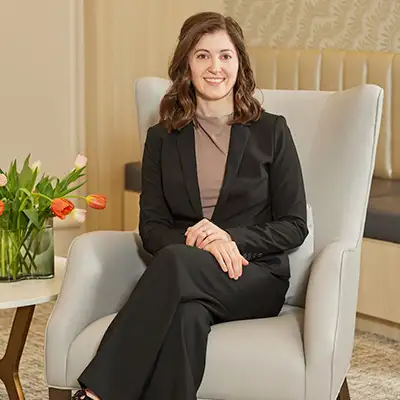
Heather Murray, PA-C: So I'm Heather. I'm a certified physician assistant. Um, I started out in primary care, um, actually moved out to Colorado [00:01:45] and started working in dermatology. So I'm in my fifth year of dermatology. Really kind of finding my niche, finding what I love. So I'm here for, for the ride. I'm so nervous though, but this is not something that I would classically do, but I'm here for it.
I forced her. Yes, I am here [00:02:00] to learn though. I'm excited to, you know, grow. Not only educate. You know, our listeners, but learn from you guys and grow as a team.
Courtney Carroll, LE: Heather is one of the smartest people I know, so I know she will do fine. Dr. Zane's Okay [00:02:15] too. my name's Courtney. I am a licensed aesthetician. Um, I got my start in dermatology as a medical assistant actually, and did that for a couple years before finding a love for cosmetics through chemical peels.
So I [00:02:30] decided to go back and get my aesthetics license and I've been doing that. For the past seven years now, I absolutely love it. Um, as someone that used to struggle with acne, it's really nice to see the changes that my patients experience once they, um, you know, have gone through treatments, they're happier, [00:02:45] more confident, and that just makes me super happy.
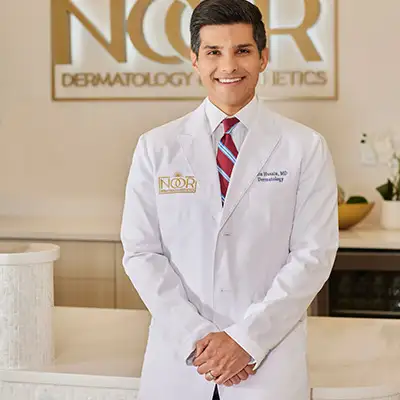
Dr. Zain Husain, MD: All right. And I'm Dr. Zane Hussein. I'm a board certified dermatologist, as well as a mos micrographic surgeon. I'm also fellowship trained in cosmetic dermatology, so I love doing it all. I love my [00:03:00] field and specialty. There's so much variety, um, and I'm just really happy to be a dermatologist. Um, so my path to becoming a dermatologist.
Start off from a young age, I knew I always wanted to be a doctor. Um, I didn't know I wanted to be a dermatologist until medical school. So I went to med [00:03:15] school, um, you know, in New Jersey where I grew up, um, at Rutgers. Um, then I did my dermatology training at Georgetown University and then did my MOS and cosmetics fellowship and at Mon Montefiore Albert Einstein, um, in New York.[00:03:30]
You know, I just love all the procedures I do, allowing myself to help my patients medically, surgically, cosmetically. So it's a lot of fun. Um, I am married, have three kids, three daughters, so they're the best
Courtney Carroll, LE: girl, dad. Yep. Totally [00:03:45]
Dr. Zain Husain, MD: love being a girl, dad. today we're gonna be diving into, um, like a year in review of 2024, um, as well as looking to see what's gonna stay in for 2025, um, and what's gonna be going.
So let's get started.
Courtney Carroll, LE: Korean skincare, [00:04:00] that was a huge trend we saw in 2024. Between, you know, the snail mucin, the different sunscreens. Um, it just really took over TikTok and I think really infiltrated a lot of my clients' lives for sure. Mm-hmm. [00:04:15] Um, the snail mucin was definitely one of the most popular products.
Yeah. Krx, KRX, I saw that everywhere. The amount of sunscreen influence it had to, yeah. Patients, um, really seemed to tap into that.
Heather Murray, PA-C: I think it just made skincare fun again and made it [00:04:30] trendy and people, you know, started to hop on board. And, you know, there are so many brands that, um, you know, came into play.
There's, you know, like we said, the co Rx with the snail mucin, there's. Peach and Lilly, um, beauty of Joon, so mm-hmm. You know, tons of different [00:04:45] brands that really hit the ground running and made a difference in the skin kill world.
Dr. Zain Husain, MD: Yeah. But there were some things about the Korean craze that I found to be a little, you know, not so helpful or healthy.
So one was the emphasis on perfection. Mm-hmm. [00:05:00] The glass skin, glass skin or less perfect skin perfection, which does not exist. Mm-hmm. it created an. Unattainable ideal for a lot of people, especially on social media. So that was one thing that I wasn't a huge fan. I'm more of an advocate for [00:05:15] healthy skin.
Yep. As opposed to like perfect skin. Exactly.
Courtney Carroll, LE: Yeah. I want the glass skin, meaning to hold purpose in like your hydration, your skin health. Mm-hmm. Your texture, texture that plumpness, um, not so much, you know, maybe your acne scars, which. I have Me too. [00:05:30] Um, you know, it's, it's not gonna be a total perfect slate of skin that you'll, you know,
Dr. Zain Husain, MD: have.
And the other thing, um, you know, a lot of these Korean skincare regimens were really extensive using Yeah. So many products. And not only is it expensive, [00:05:45] but you know, sometimes can irritate your skin. You dunno which product was causing irritation. So it just was a little excessive.
Courtney Carroll, LE: Yeah. At
Dr. Zain Husain, MD: times. But they do have great products.
Um, but you know. Isolation, but maybe having a 12 step regimen is not Yes. The best thing.
Courtney Carroll, LE: Yeah. Yeah. Definitely. [00:06:00] And I, I think kind of coming into our next point with, um, like the rise of like the skin influencers on TikTok. Mm-hmm. I think that shared a space with the Korean skincare. I. We saw a lot of people on TikTok who may or may not have been [00:06:15] qualified to be giving, you know, the right advice for people.
Um, and so I, you know, especially product recommendation wise, we, we saw a lot of people who bought products that may necessarily have not been the right product for them, just based off of who was [00:06:30] influencing them to, to purchase it.
Heather Murray, PA-C: TikTok is, you know, this billion dollar machine almost that, um, you know, you can get a lot of content to the right people, but how do we use that to become more savvy consumers?
But also how will that [00:06:45] change if TikTok does get banned? Yeah. We don't know.
Dr. Zain Husain, MD: Another big thing is, um, truth, right? Mm-hmm. So, you know, there's been the rise of misinformation, false data, and, you know, who are we listening to? So, TikTok gives. Like a voice to [00:07:00] anyone. Yeah. And whether they're qualified or not.
So I really think it's important to have forums where you have qualified individuals providing information based on science. Mm-hmm. And evidence and, you know, you're seeing like listening to like board certified dermatologists, [00:07:15] PhDs in chemistry, um, other, you know, people who are actually doing the science behind it Yeah.
Is really important. And not just some random. Teenager just, you know, giving his thoughts on a random product that he tried.
Courtney Carroll, LE: Yeah. And to add on that, what works for one [00:07:30] person is not gonna work for everyone. Mm-hmm. I mean, we see that with like glycolic acid. You might have your rosacea prone skin that doesn't tolerate glycolic acid as well as maybe your oily acne prone skin.
So I think, you know, a lot of these influencers have made it seem, [00:07:45] oh, everyone can use it. It's, you know, gonna help every, it worked for me. Yeah, it worked for me. It's gonna work for
Heather Murray, PA-C: you, but not.
Courtney Carroll, LE: It's not the case. Yeah. Yeah. I think it's important to really take into account your, you know, skin's condition and professionals can help with that.
Heather Murray, PA-C: that's a big part of why we wanted to start [00:08:00] this podcast. We want to educate more people on the, the truth and give them the correct information. We want to empower you. To make your, you know, your own choices and make informed decisions and advocate for yourself.
Courtney Carroll, LE: Yeah. [00:08:15] I mean, we still have fallen victim to it.
I mean, ice
Heather Murray, PA-C: cream, we have staff members that have bought every single eye cream that's on TikTok. Yeah. But, um, you know, we've done it, we've tried it, but we know what works and what doesn't. Yeah, yeah. Yeah.
Dr. Zain Husain, MD: I think [00:08:30] also this year, um, this past year, we saw a lot of diversity. Yep. Equality inclusion initiatives.
Mm-hmm. Body positivity. Mm-hmm. Yeah. Um, so I think that's been a huge, and we've seen that reflected in the skincare industry.
Courtney Carroll, LE: Yeah. Which I hope continues through [00:08:45] 2025. Yeah. Because, you know, as I've mentioned before, my struggles with acne. I think, um, you know, you walk around and for so long we felt so self-conscious about how we looked.
Um, oh, I have. Hyperpigmentation, I have acne, I have this mole. You know, it's, it's [00:09:00] something that I think everyone struggles with. Mm-hmm. And so it's nice to come to a point where we are more accepting of that as a, you know, society. Um, not everyone's gonna be perfect, I mean, get breakouts too, you know, so, um, it's just not attainable to, [00:09:15] to be perfectly clear all the time.
Yeah.
Heather Murray, PA-C: And just loving the skin that you're in. Mm-hmm. Yeah. And making you feel comfortable, you know. Boost your self-confidence.
Dr. Zain Husain, MD: Yeah. And as, especially as a person of color. Mm-hmm. Um, you know, seeing the spectrum of different skin types, um, being [00:09:30] portrayed in the media mm-hmm. And in Hollywood and just being really inclusive of that.
And then also realizing that they have sometimes different skin issues mm-hmm. Between different skin types. So, um, as a dermatologist, I try to also incorporate that in treatment plans. So. [00:09:45] You know, skin can be beautiful in any shade, and that's what I really want to emphasize.
Courtney Carroll, LE: Yeah, I think it's encouraging to see how many skincare brands and even devices now that are being brought out for.
All skin types because for so long it was very, [00:10:00] um, you know, exclusive. I think of our, like people of color. You have like your IPL, which is not indicated for skin types past three. Um, you know, even our sunscreens that were very zinc based and heavy. Mm-hmm. I mean, people who have any kind of, um, [00:10:15] melanin on their skin do not look good in that.
So it's very encouraging I think, to see more of that inclusion. Um, as far as the devices go and the skincare products.
Heather Murray, PA-C: And just like pimple
Courtney Carroll, LE: patches,
Heather Murray, PA-C: I mean, just those are becoming more trendy. It used [00:10:30] to be, you know, this thing where people didn't want to, other people to know that they had a pimple patch on, but now you know, the, there's stars, there's hearts, there's neon colors, and people are embracing it and owning it, and I love that.
That's
Dr. Zain Husain, MD: actually kind
Heather Murray, PA-C: of
Dr. Zain Husain, MD: cool.
Heather Murray, PA-C: Yeah.
Courtney Carroll, LE: Yeah. I think it's basically saying like, Hey, I'm [00:10:45] human. You know, like, I gotta out, so it's, it's gonna happen inevitable, and it's embracing it. I think
Dr. Zain Husain, MD: that's great.
Courtney Carroll, LE: Yeah, I like that.
Dr. Zain Husain, MD: All right. Collagen supplements.
Courtney Carroll, LE: That's a hot topic. Oh, big
Dr. Zain Husain, MD: time. Yeah. I have patients always asking me about
Courtney Carroll, LE: them.
Yeah. And what do you tell 'em? So
Dr. Zain Husain, MD: this is my [00:11:00] thoughts on it. All right. So collagen is a protein, right? So, you know, protein in our diet, we, you know, we take it in, we digest it, our gut breaks it down into smaller building blocks called amino acids, which get, you know, reabsorbed [00:11:15] and used to produce other proteins in the body.
Your body can't tell if it's coming from a collagen source or it's coming from a piece of chicken or steak, um, or pea protein. So my thoughts are is as long as you have. You know, an adequate [00:11:30] diet with proteins that have like these essential amino acids, you are fine. Um, it's basically just taking in a protein source.
Courtney Carroll, LE: Yeah.
Dr. Zain Husain, MD: Um, I know that there's studies that show like, oh, some small studies that have shown that there's improvement in skin texture [00:11:45] or quality or glow. Um, but these are small, you know, studies. They haven't been randomized or controlled. Um, so I really do think like, save your money. Mm-hmm. Um. Go for skincare, um, as well as procedures that we [00:12:00] know will help induce collagen.
It's not like if you're gonna eat collagen, you're gonna get more collagen in your skin. That's not how it works.
Heather Murray, PA-C: Yeah. There are some studies too that show, you know, the. Gastrointestinal or GI absorption of collagen. Um, especially these supplements don't [00:12:15] necessarily get it to where you're trying to get it to go.
Like the hair, skin, and nails. It's just not going to get delivered there. Same with topicals. Mm-hmm. I mean, topical collagen is just not getting absorbed appropriately to that level and to the depth that it needs to. It's a very large [00:12:30]
Dr. Zain Husain, MD: molecule. It's not gonna penetrate the skin. Yeah. Yeah. Yeah.
Courtney Carroll, LE: another trend I definitely saw was, um, the snatch jawline.
So Yes. Mm-hmm.
Heather Murray, PA-C: Everybody's big on that.
Courtney Carroll, LE: Yeah. All of the, the gua, the mouth taping. The, the mewing. The [00:12:45] mewing, which I still can't do. I have no, I can't idea. I have practiced so hard. Yeah. And I just
Heather Murray, PA-C: have
Courtney Carroll, LE: no
Heather Murray, PA-C: idea how to do it. I think with mouth taping, you know, there's. The reason people are kind of trying to jump on [00:13:00] mouth taping is because people say that if you're a mouth breather, you tend to have a recessed chin, um, kind of jaw line.
So meaning that your lower jaw is kind of pushed a little more inward on your face, and [00:13:15] if you mouth tape you're breathing through your nose and that somehow, you know, creates a more snatching jawline definition. Um. A better, I guess, chin profile, but especially for adults who are [00:13:30] doing this. To me, it doesn't make sense.
If you have a fully developed jawline bone structure, how are you able to manipulate that just by breathing through your mouth?
Dr. Zain Husain, MD: Yeah, I mean there are definitely treatments, um, [00:13:45] injectables, um, energy-based devices that can yeah, definitely help and there's data behind it, so. Save your money and your time and just, you know, go to a professional.
Yeah.
Heather Murray, PA-C: Yeah. And I think with Mewing, so for people who don't know what Mewing is, it's um, [00:14:00] a term that was actually, um, named after a British orthodontist called Dr. Mu. Um, he, I did not know that. I did not know that either. Something to do with like
Dr. Zain Husain, MD: cat meowing,
Heather Murray, PA-C: but the [00:14:15] people, so Dr. Mu and his son, Dr. Mu as well also were saying that.
If you were to press your tongue up against the roof of your mouth, it's supposed to create this snatched look. And you know, it's to me, I'm trying, it's a, I'm trying. Yeah, [00:14:30] it's a temporary fix, but, um, there are definitely better long term. Yeah. Snatch jaw line.
Courtney Carroll, LE: I know. Treatments and I just don't feel, yeah, I don't know.
I can't get the hang of it. Yeah.
Dr. Zain Husain, MD: All right. We'll have to practice off, off camera.
Courtney Carroll, LE: Yeah. [00:14:45] Gen Z's gonna come for us. Yeah.
Dr. Zain Husain, MD: All right. So now it's time to get into the skincare trends that are here to stay in 2025. Mm-hmm. So let's start off with collagen stimulation.
Courtney Carroll, LE: Yes. You might have heard the term collagen banking.
Um, that's been [00:15:00] kind of a hot term thrown around, so, and I think that's just insinuating. You know, building this collagen production, um, to maintain, you know, as we age and just, um, get the best benefit of our, you know youth, I guess. But, [00:15:15] um, one of the, you know, main things that we saw a little bit in 2024, I think coming into 2025 is the Biostimulatory.
Um. Such as Sculptra or Radius. So do you wanna, um, yeah, tell us a little bit about the science of that. Um,
Dr. Zain Husain, MD: these are [00:15:30] like awesome treatments that we do in the office. So sculptor and Radius are two different products that, um, basically induce your skin to produce collagen. So Sculptra is polylactic acid, um, and Radis is [00:15:45] calcium hydroxyl appetite.
Both of these are, you know, molecules that we're injecting into the skin, and it almost serves as a scaffold or stimulation mechanism to produce your collagen. The results are a lot longer lasting [00:16:00] than their traditional hyaluronic acid based fillers. We're not necessarily looking out for immediate volumization and lift like we do with other traditional fillers.
Um, but you also see improvement, um, not only in volumization over time, but you also notice [00:16:15] improvement in skin quality, texture, um, and you just get this youthful glow. Um, so this is kind of an exciting area. These products have been around for a while, but I think. With us trying to find more natural ways to stimulate [00:16:30] collagen.
Mm-hmm. Um, I think that this is a direction where the aesthetic industry is going for more natural, less overfilled results.
Courtney Carroll, LE: Mm-hmm. Yeah. And the cool part about these is. It's not just limited to the face, you know, you can treat neck, dec, [00:16:45] chest knees, the butt off the butt arms. I mean, it's, it's endless I feel like, um, which is really cool because I think a lot of times we tend to neglect those areas as we age, and those can be really telling factors.
Mm-hmm. Um, especially the hands in the [00:17:00] neck, um, you know, if we're not treating those.
Heather Murray, PA-C: Yeah. And I think we've seen too, you know, from a celebrity standpoint mm-hmm. The way that people are. Using these cosmetics. So like Demi Moore and Lindsay Lohan. Mm-hmm. They had, you know, talk about a blow up. Oh yeah.
Yeah. [00:17:15] They look amazing. Yeah. Yeah. There's a place for it.
Courtney Carroll, LE: Yeah. And nothing they've done screams. Filler or they just look refresh, they look refresh, they look so good.
Dr. Zain Husain, MD: And it's a great way to like start introducing like these regenerative like treatments, um, at younger ages.
[00:17:30] So like in our twenties, we start seeing evidence of fat loss and volume loss. Mm-hmm. Um, and that continues throughout our lives. So. Even with doing small amounts over time, we can really replenish some of this volume loss that is just intrinsically happening. Mm-hmm. [00:17:45] We're living, we're getting exposed to the environment.
We are losing volume. Mm-hmm. Just part of daily life and natural life.
Heather Murray, PA-C: Yeah. I think there's a term kind of floating around to biohacking.
Dr. Zain Husain, MD: Mm-hmm.
Heather Murray, PA-C: Um, just kind of slowing down that aging [00:18:00] process. Yeah. Kind of trying to. Age gracefully as much as we can.
Dr. Zain Husain, MD: Yeah. And I think that, you know, hopefully we'll do an episode on that because I think that we have a lot to talk about.
Yeah. Like and what can be effective. Yeah. Um, in that realm. Yeah. Yeah.
Heather Murray, PA-C: So another thing [00:18:15] that, um, can help stimulate collagen, um, energy based devices. Mm-hmm. So there are a ton on the market, but Courtney, what would you say is a good. Energy based
Courtney Carroll, LE: device. My personal favorite, um, is IPL. So IPL stands for Intense pulse [00:18:30] light.
Um, it's a device that we use. It's not actually technically a laser. Um, some people do kind of phase it into that category. It works kind of similarly, but, um, it basically uses this targeted light. It helps our rosacea patients. It [00:18:45] helps decrease redness and blood vessels. Mm-hmm. We use it for, um, sunspots and Freckling.
Um, and it also uses heat to basically stimulate collagen mm-hmm. In the skin. So it's not gonna be the procedure that will be my first, uh mm-hmm. [00:19:00] Go-to if someone's really lacking that collagen. But, um, it is something to use an adjunct. But I think the additional benefits of helping with. The blood vessels and mm-hmm.
The sun spots, signs of aging can really be beneficial and have that nice plump skin [00:19:15] after your sessions.
Heather Murray, PA-C: Yeah. Yeah. I think another energy based device too is microneedling. Mm-hmm. Um, so there's different types. There's standard microneedling, which, so microneedling is where, um, there's a device that uses needles to penetrate [00:19:30] the skin and kind of create these little micro channels or tunnels.
Um, that it in it of itself helps to kind of create this microtrauma and cause your body to think that it's been injured. It goes back in and heals itself, produces [00:19:45] that, you know, excess collagen or additional collagen. Um, but there's RF microneedling too, so radio frequency microneedling. And what happens with that is same kind of procedure, but when that, um, device is creating that channel, it [00:20:00] emits this radio frequency.
Deep within the skin and whoever is doing the procedure, whether it's your provider, um, can kind of tailor the depth of where that radio frequency wave is being [00:20:15] emitted. And that alone helps kind of stimulate collagen in and of itself and just makes the microneedling a more effective procedure.
Courtney Carroll, LE: And that helps a lot with like tightening too.
Absolutely. Like, you know, speaking with like the, the snatch jaw lines. Yeah. So we do that a lot kind of in that area and see really nice results. Yeah. [00:20:30] With that.
Dr. Zain Husain, MD: another area that, um, you know, we use, um, a lot of devices is fractional ablative as well as non-ablative lasers. Um, so these are typically seen as resurfacing lasers.
So let's kind of break it down. So [00:20:45] non-ablative lasers use wavelengths of light, um, that creates small channels, um, in the dermis. Um, the second layer of the skin and stimulates collagen synthesis through that heat, um, and light energy. Whereas ablative kind of targets the [00:21:00] water molecules on the surface of the skin and actually vaporizes that, um, top layer, you know, partially.
And that allows, um, collagen stimulation, tightening effects from the heat, um, and as well as also improving. [00:21:15] Tone, texture. Um, it really gets a nice cosmetic improvement. So both of these can help induce collagen synthesis in different ways. Um, obviously there's different, um, appropriate patients. We would use it on certain skin types, et cetera, but they're both [00:21:30] very powerful.
Courtney Carroll, LE: Yeah, we've, we've seen like, you know, real housewives, Tamara Judge, she just had her whole CO2. Everyone was like, oh my gosh, what'd she do? Amazing. Yeah, she looks great. Um, we actually just did Heather's Heather, her mom, not my mom, not mine. [00:21:45] Heather's mom came in. Doctor Zane did that. She's truly, yeah, she did amazing.
She looks great. She looks
Dr. Zain Husain, MD: really, really good.
Courtney Carroll, LE: Yeah, those results are just so nice. And again, I think just. Speaking to that energy base and not having to go like that filler route and then even the surgical [00:22:00] route, you know, I think so many people here mm-hmm. Facelift and kind of like jump to that, but there's so many different treatments out that can obtain that without having to go under the knife.
Dr. Zain Husain, MD: Yeah, absolutely. Um, and there are other technologies out there too, so, um, Fu mm-hmm. Highly focused [00:22:15] ultrasound, um, you know, other ultrasound technologies, mage, orage, heat. I mean, there's so many different devices out there. Mm-hmm. And we can obtain some really beautiful results with that.
Courtney Carroll, LE: Yeah. But with that being said, I think it's so important to make sure that [00:22:30] you have the right provider, because these.
Devices can be dangerous in the wrong hand. So settings are so important and knowing your client's skin, I mean, um, you know, like Dr. Zane mentioned, some of these devices aren't really indicated for darker [00:22:45] skin types. So making sure you're going to a provider that knows what they're doing, has training on that, a device and.
Um, you know, has been doing it for an extended amount of time is so important. Yeah. Yeah.
Dr. Zain Husain, MD: It's really scary. I mean, even as a fellowship trained cosmetic [00:23:00] dermatologist, I'm always very cautious because you know how much damage that these devices can do. Yeah. If done improperly. So it's so important to avoid these complications.
Also knowing how to treat the complications.
Courtney Carroll, LE: Yeah.
Dr. Zain Husain, MD: That's part of it as well. Mm-hmm. I tell my patients always seek out [00:23:15] expertise, that's what my. You know, mantras. Yeah. Yeah.
Heather Murray, PA-C: I think going along with that, you know, not every device is created equal to. Mm-hmm. Mm-hmm. And, you know, we have kind of tailored, choosing the best of the best of the lasers and what is most [00:23:30] effective.
But you know, there might be, you know, a procedure or a laser device that. Doesn't necessarily work as well as another one.
Courtney Carroll, LE: Laser hair removal is a great example of that. There's so many different devices. You have your diodes, your [00:23:45] IPL, you know, then you have like the more targeted 7 55. 10 65. Mm-hmm. That is so, yeah.
That is such a, um, that abstract term.
Dr. Zain Husain, MD: Yeah. All right. So let's switch gears a little bit. Let's talk about growth factors. Mm-hmm. Regenerative [00:24:00] medicine, PRP.
Courtney Carroll, LE: Yeah. I think, um. It's gonna be very fascinating to find what that research yields. Um, we've seen PRP being used. We use it, um, in, for the face. Um, it's.
What PRP is for [00:24:15] those who don't know, is plasma rich or platelet rich plasma. So we basically extract the blood through a blood draw in office and are able to separate the plasma, um, in a centrifuge. So we call it liquid gold because it comes in this beautiful gold color. It [00:24:30] is liquid gold, it's the fountain of youth.
Um, and then we use it, we can actually use it as a glide for microneedling. Um. We use it injections. Mm-hmm. We use it under the eyes very frequently. Um, you know, they've been using it in [00:24:45] orthopedics, in joint health as well. So it's, it's proved to be a very, um, multifaceted procedure, I think. Yeah.
Hair growth. Hair growth for hair
Dr. Zain Husain, MD: restoration. Huge.
Courtney Carroll, LE: Yeah. Yeah, that we've seen some really nice results with the, the PRP for the hair.
Dr. Zain Husain, MD: And the thing I love about [00:25:00] it is patients are not. Worried about anything foreign coming into their body. Yeah. It is part of their body. Mm-hmm. These growth factors are there.
So there's nothing, you know, foreign about it. So I think that's huge.
Courtney Carroll, LE: Yeah. Yeah. Yeah. We've seen a lot of growth [00:25:15] factors topically, um, in products, I think. Mm-hmm. So, um, you know, moving into. The injectable side of things I think will be really fascinating to, to follow that along. Um, we're seeing exosomes now.
Dr. Zain Husain, MD: Mm-hmm.
Courtney Carroll, LE: Which, um, you know, are [00:25:30] approved topically but not injectable yet. Um, but these exosomes are showing some promising, um, results as well. So I think that will be nice to kind of see into 2025, hopefully more research being shown to, um, get them approved in the us. [00:25:45]
Dr. Zain Husain, MD: Yeah. What about the, you know, the peptides, like, you know, everyone's talking about the salmon, sperm, topical.
Heather Murray, PA-C: Yeah, I think peptides, you know, have its place. Um, there's definitely, um, some research showing that it is biocompatible, [00:26:00] meaning that it's. Able to do its function mm-hmm. Without causing negative effects. So I do think it's, you know, something that's up and coming. For sure. I
Courtney Carroll, LE: have heard it burns.
Dr. Zain Husain, MD: Yeah. The injections, right?
The injections, yeah. Yeah.
Courtney Carroll, LE: I, I think people are going [00:26:15] over to, um, like Korea to, to get Oh, they're doing it here in the
Dr. Zain Husain, MD: us. Yeah. Oh yeah. That's
Courtney Carroll, LE: scary.
Heather Murray, PA-C: Yeah. I did not hear about the salmon sperm until today, so, oh, yeah. Yeah.
Dr. Zain Husain, MD: So I think it's all too new. I kind of wanna see. See more data [00:26:30] behind it. Yeah. Um, but yeah, it's kind of the rage right now.
Courtney Carroll, LE: Yeah. I think, you know, as mentioned earlier, just kind of, um, seeing us shy away from fillers hyaluronic acid fillers, which I think will always have their place in some capacity. Yeah. But I think [00:26:45] not jumping to them as your first line of Yeah. Um, correcting issues, you know, within the face. So. Um, another procedure I like, um, is red light therapies.
We love red light. Let's talk about that.
Heather Murray, PA-C: Red light is, [00:27:00] um, it's part of the visible spectrum. Um, it has the deepest penetration out of all light within the visible spectrum. Um, it, it helps with numerous things. I mean. Yes. Skin, it helps with acne, [00:27:15] wound healing, hair growth. Not only that, but um, it can help boost your energy, your mood, improve your sleep.
Mm-hmm. I mean, there are so many muscle recovery. Mm-hmm. There are just so many benefits. There's no ultraviolet [00:27:30] radiation. You're not gonna increase your risk of skin cancer. Mm-hmm. And so I think this is gonna be. Huge in 2025. And I
Courtney Carroll, LE: love Yeah. And the research there. Yeah. You know, it's study after study.
Heather Murray, PA-C: It's
Courtney Carroll, LE: amazing. Yeah. And it's
Dr. Zain Husain, MD: safe. Yeah. Um, and it is anti-inflammatory. I love pairing it [00:27:45] with procedures for improved recovery.
Courtney Carroll, LE: Yeah. Yeah. And after our most cases mm-hmm. Our most surgery cases, um, you know, for wound healing, I think it's worked wonders. Even
Heather Murray, PA-C: some of the growth factors are kind of activated or, um, stimulated by [00:28:00] red light therapy.
So using that in conjunction with some of the. Therapies, I think will be great. And you know, red light in and of itself, um, stimulates fibroblast. So that's gonna help increase your collagen alone.
Courtney Carroll, LE: Yeah. The, the care factor, [00:28:15] um, that is applied to the scalp and then the red light, um, being to activate those growth factors.
I mean, I think that is so. Sci-Fi is so cool. Yeah. We haven't really seen anything like that, so, yeah. Yeah, it's really cool. Yeah. I'm excited to see, um, where it [00:28:30] goes, but I think also keeping in mind that not, again, not all devices are made equally. Mm-hmm. Especially right now. There's a lot on the market that Yeah.
Do they work, do they not? Mm-hmm. So, you know, we're lucky enough to have a, a red light device in our office. Um, [00:28:45] but some of the, the at-home, which are obviously way more convenient. Um, I think just being mindful of Yeah. What capacity they're working at. Yeah. And
Heather Murray, PA-C: that diode versus LED. Yep. You know, there's definitely a difference in efficacy.
Courtney Carroll, LE: Yeah. I like the omnilux, um mm-hmm. Mask a [00:29:00] lot. Yeah. Um, just for the at-home convenience. Um, usually you'll find me in the office using our stuff. I mean, the one that
Dr. Zain Husain, MD: we use, we use it for a procedure called photodynamic therapy for our skin cancer patients. For like. Destroying precancerous growth and that's a pretty [00:29:15] heavy duty.
Yeah. Um, light, I'm sure that probably has more efficacy because it's just more powerful.
Heather Murray, PA-C: Yeah, yeah, yeah, for sure. So I think another, yeah, one last, um, you know, trend that we have seen [00:29:30] or hope to come in 2025 is customizable, um, skincare products and prescriptions. So, you know, I think there's a huge area for this, not one size fits, fits all.
I think there's [00:29:45] definitely different pro products that work for different people.
Courtney Carroll, LE: . We're seeing a lot with. You know, the compounded prescriptions, I mean, number one. With the way that our insurance unfortunately has yeah, been geared recently, it's hard to get a lot of these [00:30:00] prescriptions covered for patients.
Yeah. They end up spending more out of pocket, especially high deductible plans. So I think these customized like formulated prescriptions and even, um, you know, the co cosmoceuticals as we call them, um, are [00:30:15] gonna be very important in this next year.
Dr. Zain Husain, MD: Absolutely. And you know, like some ingredients are combined to augment the efficacy of another ingredient.
Yeah. So like the combination of glycolic acid with a retinol mm-hmm. For increased penetration. Mm-hmm. And [00:30:30] for improved. Um, tolerability, like these are kind of things that we're seeing. So like patients who may have not been able to tolerate particular ingredient in the past are able to now. So I love the customization that we have
Heather Murray, PA-C: and it's so surprising [00:30:45] how much more affordable it is compared to, um, you know, standard options.
I think especially from an insurance standpoint. Yeah.
Courtney Carroll, LE: I am a really big fan of simplifying my skincare [00:31:00] regimen. Yes. So I love these products that have, you know, two or three ingredients mm-hmm. In one. I think it just, it makes things so much easier and
Dr. Zain Husain, MD: improves compliance.
Courtney Carroll, LE: Yeah. Improves compliance for sure.
Saves you time. I mean, who wants to spend like 20 minutes in the morning? Yeah. We
Heather Murray, PA-C: [00:31:15] don't need this. Seven or eight steps. Skincare routine. Yeah.
Courtney Carroll, LE: Yeah, I agree. I think my patients would probably be surprised to learn. I keep it pretty basic. Yeah. Three or four. Yeah, that's, and that's good.
Dr. Zain Husain, MD: All right, so an enlightening discussion of, you know, the trends that we [00:31:30] hope to see in 2025.
Continue. Let's talk about what's out,
Courtney Carroll, LE: where to start. Start all the
Dr. Zain Husain, MD: do it yourself. Yeah. Treatments that we're seeing all over
Courtney Carroll, LE: is the do it yourself treatments at home. There is a [00:31:45] Reddit thread of people doing these procedures, even ordering like off-brand tox
Heather Murray, PA-C: and filler. It's startling. Yeah. The DIY sunscreens.
Yeah. How are you supposed to test? It's not [00:32:00] FDA regulated. Is it safe? Yeah. No.
Courtney Carroll, LE: The beef tallow. Yeah. If I see one more beef tall, don't start on that. It's just, yeah. You know, things like that are, are again, not regulated. I mean, these things are being made in people's [00:32:15] kitchens. Yeah. That skives me out.
Dr. Zain Husain, MD: And let's talk about procedures like the derma rollers like that is.
Infection night is right there. Like you're rolling this device on your face, potentially puncturing it, causing the scarring. Exactly. But also, [00:32:30] you know, transmitting like bacteria, viruses, fungi, especially if you have not cleaned it properly. And let's be honest, I don't think everyone's cleaning things properly.
Courtney Carroll, LE: Yeah, yeah. The at home chemical peels, I mean, um, it's crazy that you can buy such deep [00:32:45] peels online and it's really scary. Oh yeah. And I, I totally get. The cost aspect, I completely get that. However, if you mess up your skin, which we have seen time and time ago, we saw that, what was it, that patient, tca 30%.
TCA 30. She did
Dr. Zain Husain, MD: [00:33:00] got it from Amazon. She came in with like full burn. It was, it was horrible.
Courtney Carroll, LE: Yeah. You'll end up spending more money fixing that problem than if you had just seen someone, you know, a reputable before. Yeah.
Heather Murray, PA-C: I think too, like the laser hair removal devices at home, like, you [00:33:15] know, there's a place for them, I guess, but.
I think a lot of people tend to, you know, start there because maybe they're nervous or they're shy, or they're, they're kind of shameful to go into a dermatology office to get laser hair [00:33:30] removal. But trust me, we have seen it. Mm-hmm. We, you know, we do bikini, we do Brazilian, we do it all. So don't, don't feel shameful.
Come see us, see my whole office.
Dr. Zain Husain, MD: Not me. Not me, not me,
Heather Murray, PA-C: but yes. [00:33:45] Don't feel ashamed. Don't, don't, you know, we're all human. Yeah.
Courtney Carroll, LE: Um, unqualified providers also being a part of that. I mean, you see like a provider, like in Texas for example, estheticians who have no training and anatomy doing, [00:34:00] um, Botox and fillers,
Heather Murray, PA-C: laser hair removal can be dangerous.
Mm-hmm. And you know, it really does depend on the device that you're using and the. The person who's behind the device. Yeah.
Courtney Carroll, LE: Yeah, I agree. It's, it's, those lasers as mentioned before, can be so finicky and if you [00:34:15] don't know what you're doing, um, can really cause some serious damage. So. Sure. Um, that is hopefully gonna be left behind in 2024.
Yeah.
Heather Murray, PA-C: I think another thing that. Kind of going outta style in 2025 is skincare over consumption, which we've kind [00:34:30] of already touched on. Um, but, you know, keep it simple. Your skin is gonna love you better. Mm-hmm. It's gonna be happier. You don't wanna disrupt your skin barrier too much.
Dr. Zain Husain, MD: Yeah. And that whole concept of skin cycling, like you need to like disrupt the bear, then give it [00:34:45] time to repair, like.
That doesn't make any sense. Yeah. I mean, honestly use products that are tried and true work for your skin. Yeah. And use those consistently. You don't need to do anything crazy or fancy like that.
Courtney Carroll, LE: Yeah. And you know, even we had a patient today ask us [00:35:00] about the road skincare. Mm-hmm. Haley Beers, all the celebrity skincare lines.
Yeah. They really kill me and no hate to any of them, but I just feel like a lot of the products are nothing. Extraordinary. They're, I think a lot of celebrities are kind of pushing out [00:35:15] these skincare lines without much thought behind them. Mm-hmm. And they're selling because people, they have a brand.
Yeah. And people forget, and they're celebrities. Mm-hmm. They're celebrities. Yeah. They have access to, to the sculpture, the radius, the, the chemical peels, the microneedling. So a lot of [00:35:30] that skin is not just from their, their skincare line, you know, there's stuff going on behind the scenes. Yeah.
Dr. Zain Husain, MD: Yeah. It's not just skincare over consumption.
Also like. Overdoing procedures. Yeah. You know, like the fillers, like the overfilled. [00:35:45] Patient. Like we've all seen it, it looks horrible. Yeah, man. You know, those duck lips that, you know, walk in in the room before the rest of their body does. Yeah. Um, so, so I mean, I think it's moving in the other direction towards a more natural aesthetic.
Yeah. I [00:36:00] really don't think that, you know, the funny faces are going to be sustainable and, you know, people are getting creeped out by it.
Courtney Carroll, LE: I think what I have seen, and I think a lot of people would agree on this, is. It seems that people [00:36:15] are kind of blending together. Mm-hmm. So, you know, people kind of joke about the Kim Kardashian face mm-hmm.
But it's, it's to the point where, yeah, everyone looks very similar. Yeah. And I think the point of cosmetics that I love is it should really be an enhancement [00:36:30] to, to who you are. You should be able to keep. The, the things that make you, you. Yeah. Because that's what makes us human. That's what makes us special.
It makes us recognizable to our friends and family. And um, I think when you take away from that and you start creating this carbon copy of people Yeah. It [00:36:45] really blends robotic blends. Yeah. It blends that line of your true authenticity. Yeah. Um, so hopefully kind of the goal is to keep our, our true selves, you know, us and just enhance those things.
Absolutely. And I just
Dr. Zain Husain, MD: think that, you know, social media plays a [00:37:00] part in this like.
Courtney Carroll, LE: You
Dr. Zain Husain, MD: know, people are bombarded with images of what beauty ideals there should be. And you know, if you don't look like them, then you're not beautiful. And I think that's a terrible message, especially to be sending to our youth, especially our girls.
[00:37:15] I'm a girl dad. Yeah, I agree. Girls, I always think about this stuff. Yeah. And I wanna empower, especially women, like you don't have to look like everyone else on social media. And I do think that when women feel these. [00:37:30] Unrealistic expectations cast upon themselves. They seek out these treatments, and they inevitably start looking like the rest of the herd because that's what they're told is beautiful.
Courtney Carroll, LE: Oh, yeah. I, I feel like my first year in aesthetics, I went through that phase where I had access to pretty much everything. [00:37:45] Yeah. So, mm-hmm. I was doing filler probably every like, couple months, not even because I needed it, but just, oh, well, maybe I can get my cheeks a little higher. Mm-hmm. Maybe I can put my lips bigger.
And it would literally get to a period where I did not recognize myself. In any pictures. Mm-hmm. I feel like I look different every month [00:38:00] of the year. Yeah. Finally I was like, all right, we gotta stop this. Yeah. Like, let's give our skin a break. So I think, you know, just making sure that we're not, um, overdoing it especially too quickly.
Dr. Zain Husain, MD: More is not necessarily better. Yeah. And when I am seeing my cosmetic [00:38:15] patients in the office. Um, you know, when they're kind of pressuring me to do procedures that I'm not comfortable with and I'm not necessarily in line with philosophically with how, you know, a normal person necessarily should look, um, I back off.
[00:38:30] I'm like, I'm not the right provider for you. I would welcome you to seek other care, but I am not really going to. Tie myself to that patient because it's just not a comfortable position to be in. It's not authentic. And I [00:38:45] ultimately think that the patient's gonna ultimately regret it. So I don't wanna be a part of that.
Heather Murray, PA-C: Yeah. I think about this all the time. Our, so we are a pretty new practice. I mean, we are growing very quickly, but we opened what, October of [00:39:00] 2023. Mm-hmm. our very first patient. Um, I will always remember because the drastic changes that we made for her over the last what year? Almost year and a half.
Yeah. It was [00:39:15] very subtle. Nothing was drastic, um, or quick, I guess. Mm-hmm. But seeing the before and after, I think the
Dr. Zain Husain, MD: transformation has been incredible. Amazing. Yeah.
Heather Murray, PA-C: Yeah. Going from, you know, just. Maybe looking a little overdone or kind of [00:39:30] spocky to like really natural feeling, really self-confident. And I think that is huge.
Courtney Carroll, LE: I think it's like brought out her like inner beauty too. Yeah. I love that, that confidence. It's, it's really life changing, I think. And um, I love seeing that. I love me too. Yeah. I think that's [00:39:45] probably why we all got into this deal. Yeah.
Heather Murray, PA-C: Dr. Zane is. An artist. Yeah. Well that's
Courtney Carroll, LE: the other thing. You don't want these people to be like out on the street and looking like her, and you're like, oh yeah, because it's your name who did your filler.
Exactly. Oh, Dr. Zane. Like, well, I won't be going name. [00:40:00] Yeah.
Dr. Zain Husain, MD: I mean, I will say that I am more conservative. I like more of a natural Yeah. Look. Um, and that's kind of what I'm known for
Courtney Carroll, LE: and that's why he won't touch my lips, which is fine.[00:40:15]
It's funny.
Heather Murray, PA-C: with all of the natural remedies that we have coming into the foreground, I think people's desires to have that more natural look or, you know, product, [00:40:30] whatever it is.
I do think, um, that will trend to a more natural. Cosmetic side of things. Yeah. Yeah.
Dr. Zain Husain, MD: Well that was an enlightening discussion. Yeah, I think we hit a lot. So I think [00:40:45] that, you know, it's probably time to wrap up. Um, so I'm kind of excited for 2025. It seems like we're going towards a more natural, customized, um, approach to skincare and skin health.
[00:41:00] So I think that there's going to be a lot of exciting new, um, treatments, um, skincare and other evolutions that we're gonna encounter. So I'm super, super excited.
Courtney Carroll, LE: Me too. Yeah. Lots of fresh faces to see in 2025. Yeah. And that's always [00:41:15] exciting. Yeah. Yes.
Dr. Zain Husain, MD: Thanks for listening. Like, subscribe, um, and we are looking to seeing you at the next episode.