Subscribe
Share
Share
Embed
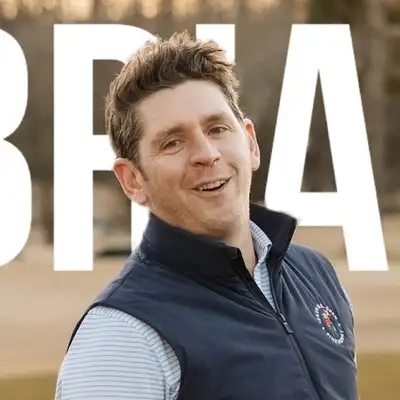
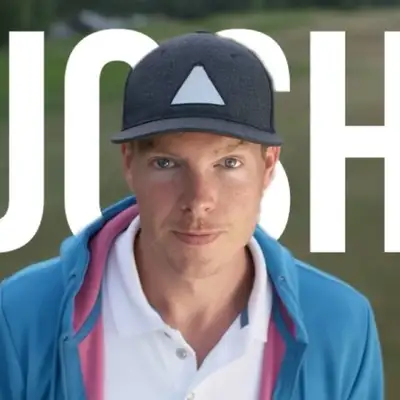
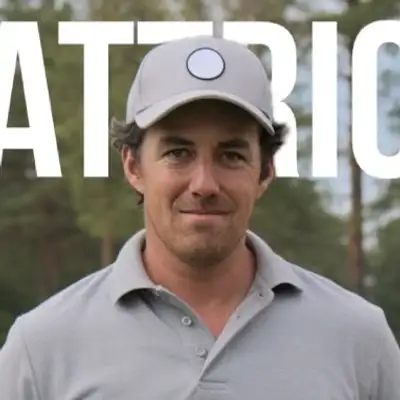
Golf Nuts is the golf worlds group chat; where golf culture, competition, and golf entertainment collide. Real takes, real debates, and zero corporate nonsense. We discuss the shots, the gear, the trends, and the moments every golfer knows / wants to know—whether you’re a scratch player or just here for the vibes. Where a perfect blend of real love for the game meets laid-back, entertaining YouTube golf vibes lives.
👍 Like what you hear? Hit that like button and let us know!
🔔 Don't miss out—subscribe for more episodes and stay in the loop!
📢 Share the love! Pass this episode along to your fellow golf enthusiasts.
💬 Got thoughts? Drop a comment and join the conversation!
🎁 Exciting news! We're unlocking giveaways at every milestone—stay tuned and be part of the fun!
Follow Golf Nuts Everywhere ⛳️
▶️ YouTube: https://youtube.com/@golfnutsofficial
📸 Instagram: https://www.instagram.com/golfnutsofficial
🐦 X (Twitter): https://x.com/golfnutsx
🌐 Official Site: https://golfnutsofficial.com
Hi, guys. Welcome. Welcome to another episode of Golf Nuts. If you've not subscribed yet, click that button because you could win a launch monitor. It's right there behind me.
Speaker 1:That's the Rapsodo MLM one. Once we hit 200 subscribers, that thing could be yours if you're one of the first 200 on YouTube and Instagram. Today, we're joined by Claude Pope, founder of Bald Head Blues. Most apparel founders start in fashion or retail. Claude started by carrying bags for CEOs at some of the most exclusive courses in America and turn that into a national golf brand.
Speaker 1:We have a jam packed episode today with PJ Championship coming up at Aeronimich and LiveGolf Virginia at its contrast. Claude joins us in the conversation and helps us pull back the curtain on player sponsorships, major course history, and more. Thanks for joining us Claude.
Speaker 2:Thank you for having me guys.
Speaker 3:With Claude jumping on today, I am honored to be able to call him not only a friend, but we grew up together and I am so excited to have him here with us today. So let's jump into it. Hey Claude, so as we jump in today, tell us a little bit about yourself. Like where'd you go to school? How'd you grow up?
Speaker 3:How'd you get into wanting to start your own fashion brand? So give us a little bit of background on you.
Speaker 2:Yeah, I went to the College of Charleston, grew up in North Carolina, spent a lot of time carrying golf bags at the ocean course at Kewa. Lived in Downtown Charleston, it was the best time of my life. I would highly recommend Charleston to anybody who's 25 years old. Then I went up to the Hamptons for a few summers at the Maidstone Club to caddy there. I ended up finding a really good connection to Cypress Point, Lived out in Monterey for two years, caddied at Cypress Point every day, got to play that course 75, 80 times.
Speaker 2:Then transitioned down to Southern California, Bel Air Country Club, West Hollywood and ultimately kinda knew that my time was running short carrying golf bags. I loved it, but when you're 28, 29 and you're seeing the 45 and 50 year old guys in the Caddy Shack, you kind of have that moment where you don't wanna be that guy. And spend a lot of time with a bunch of CEOs and a bunch of successful people that are in their 30s and 40s and I wanted to be the guy who somebody else carried my bag and not be on the other side of that. So I ended up moving back to Raleigh, North Carolina, which is home base for me and spent about a year and a half putting together a business plan for an apparel brand. And I was lucky growing up that Bald Head Island was our family spot.
Speaker 2:My folks own a grocery store on the island and a couple of restaurants and a catering company. So family business and I pitched it to my dad that there was no good apparel store on the island that was kind of selling the Bald Head Island lifestyle. I thought that the island was super cool and iconic and unique because it was a golf cart only island and I immediately knew that the golf cart had to be our logo. That was a pretty simple, easy layup for the logo And then we kinda looked at it with a surfboard on top with a beach chair with a lighthouse. We kinda looked at a bunch of different logo renditions and ultimately the golf cart surfboard kind of beach brand, golf brand spoke to me the best.
Speaker 2:From there on out, opened a retail store on the island, which then kind of transitioned to e commerce, which then transitioned to wholesale. And as of today, we've got 14 sales reps. I've got 16 employees. I own two retail stores. And I wouldn't say that we're a big brand, but we're definitely moderately sized and growing.
Speaker 2:And a lot of people love our logo. I think that it's truly authentic to the island. I think that if you like to wear color and you like to wear comfortable clothes and high performance gear, then you're our customer.
Speaker 3:That first shop back in the day, wasn't it in what was the old movie theater rental part of the grocery store?
Speaker 2:Yeah. So fifteen years ago, we used to have a movie like a blockbuster, right? Like you could rent movies And VHS and DVDs came along and then we had a Red Box that was out front that disputes DVDs. And so we took that space over and turned it into a retail store.
Speaker 4:Those are some great tracks that you looped on. I guess I'm wondering, you graduated undergrad, 'eight, right?
Speaker 2:No, I was actually 'six. 'twenty. Yeah, 2006 was graduation year. And when I graduated, 'six was still good, but then 'seven, I think it was like kind of the fall of 'seven when everything crashed. And being 23 without a job, was still kind of caddy at the ocean course.
Speaker 2:It was very disconcerting because I was applying, I probably applied to sixty, seventy, 80 jobs. I actually went to the PGA show in Florida that January with probably thirty, forty resumes and business cards. I just made up business cards for myself. I went around to every single major golf brand, Titleist, Taylor Made, Callaway, Ping, all the big brands, Easy Go. And I tried to network myself into an entry level job.
Speaker 2:And at the end of the PGA show and a couple weeks later I did a bunch of following ups and it's pretty sad. I was like, didn't get a job. I didn't even get a callback. And business degree, marketing degree, loved golf, loved the sport, high energy and nobody was hiring. It was just a tough time to find a job in the golf business.
Speaker 2:So to keep caddying was paying the bills and you get good exercise, you get to meet incredible people, you get to play all the golf courses. Playing is one of my favorite pastimes, so I wasn't gonna go catty somewhere that I didn't have good playing privileges.
Speaker 3:Well Claude, it sounds like you always had a pretty entrepreneurial mindset though, even the way that you just described how you were getting yourself out there at the PGA Tour show and other things, even though that didn't pan out, you had an entrepreneurial spirit. So how, when you came back from CAD ing, how did the idea go from an idea to actually implementing to starting a bald head island blues?
Speaker 2:Yeah, so I did get a job between caddying and when I launched the company and I was working for another golf company called T Links and I was a golf sales manager and we did golf experiences and golf travel and all that stuff. And so I was going to go work for this guy. His name's Zach, and I had a lot of respect for Zach and I hope he's still doing well. But at night at like 05:00 or 05:30 when I was kinda clicking off of that job, I was jumping back on my computer to email factories, to ask for fabric samples, to try to find suppliers for t shirts. At that point, I had no idea what the brand was gonna be.
Speaker 2:I was just interested in apparel. If you look at my closet, it's pretty stocked. And so I knew that I wanted to get into apparel, I knew that I wanted to try to start some brand. I'd also been inspired by a couple other people like Vineyard Vines, like I catied in Martha's Vineyard for two summers also in the 2002 and 2003. And so I got to see Ian and Chip, the guys that started Vineyard Vines, like kind of year three and year four for them.
Speaker 2:And that was really inspiring. And I was thinking, well, hey, if they can put Martha's Vineyard on the map, why couldn't I put Bald Head Island on the map? And I was kinda thinking, okay, they're selling fishing and sailing and being on the water. We're selling golf carts and going to the beach beach club and golf club and kinda marrying those two. So kind of that was some early inspiration.
Speaker 2:I also got to Caddy for Massimo at Bel Air Country Club probably five or six times right when he was starting G4. And I got one of the very first G4 gloves. They did a free give out at the Swinging Bridge. It's the member guest at Bel Air. And so I remember Massimo giving all a bunch of caddies blue golf gloves and I got one of those blue golf gloves and my whole hand turned blue.
Speaker 2:They hadn't figured out how to keep the dye from, the sweat and the dye from coming off on your hand. So I saw Massimo really early on in his quest at G4, that was inspirational. I actually met John O'Donnell too at Bellaire Country Club. He was a member who started Johnny O. So I kind of felt like I kept meeting these golf entrepreneurs and kind of kept seeing how they started their companies and hearing them and their story.
Speaker 2:It was, again, it's inspirational. And I'm thinking, man, if they can do it, why can't I do it? And Bald Head Island was my place and yeah, it just kinda grew from there.
Speaker 1:Why not us? It's like you got an MBA on the course from all these CEOs.
Speaker 2:Sure, but these guys were all early in their careers, right? Like it wasn't they were twelve years down the road making 100 mil a year in revenue. They were still year one or year two or year three. Things didn't always go right. Like, I mean, look at my hand, my hand was blue.
Speaker 2:They had to fix that. There's things you do along the journey and there's mistakes you make, there's things you do right, there's things that you kind of regret and you learn from those mistakes. If you knew the answer, if everybody knew the answers, everybody would be rich. If everybody knew the secret to marketing, everybody would be rich. So there is a lot of trial and error when you start a company and trying to find the things that work and the things that don't work and what do your customers relate to and what do they like best and listening to feedback and building and building and building.
Speaker 3:I always thought that you were one of the first guys who just had, yes, we're friends and we grew up together, but your quality of shirt that you've put out from the very beginning, I thought has really stood out. How did you even find your supplier to create the blend that you have?
Speaker 2:Yeah, so that's going to trade shows. There is a two time a year trade show, there's one in New York, there's one in Las Vegas, it's called the Apparel Sourcing Show. So it's everything manufacturing and that's after I started kinda going through the process of getting some samples made, I flew out to Vegas and I went to the Venetian, is where this show is, and then now it's at the Vegas Convention Center, but they have like hundreds and hundreds and hundreds of factories from all over the world, from China to Thailand to Indonesia to India. You'd be basically shot by the country of origin. So when they have it up, have a Made in USA, they have a made in Mexico, they've got a made in Peru.
Speaker 2:And I liked Peruvian cotton the best and I kinda started with a cotton blend, cotton spandex blend. And so our factory in Peru was somebody that I could relate to. They could speak English. That's a big thing when you're working with factories is the communications that you have with them. And also Peru is on, I wouldn't say they're on East Coast time, but I think they're only an hour behind their Central time.
Speaker 2:So Workday workflow is similar. When you work with China or anybody in Asia, you go to bed at 09:00 at night, we start our Workday at 09:00 in the morning. So there's a twelve hour flip. So Peru was easy with that. We had no tariffs at all with Peru, was all free trade.
Speaker 2:And so we had 0% tariff up until last year. Peru, I think has the best quality from all the factories we've worked with and all the people I've ever talked to, Peru seems to have the highest quality. I'd rather have the highest quality and a lower margin and make a really good first impression than to have a lower quality, a higher margin and could be a dicey fifty fifty first impression. You really only have one chance of getting a good first impression with somebody. So I've always defaulted to best of the best, highest quality, everything I can find and something that I'm proud of, know?
Speaker 4:Was it when you went to that PGA show or that trade show and you're seeing made in Mexico, made in China, made in Peru, what was the first time that you got a hint of, wow, this is bigger than Bald Head Island?
Speaker 2:Yeah, so you're going through samples, So each of these companies has a booth. It could be a 10 by 10 booth, it could be a 10 by 20 booth, and then they bring the best of the best, right? They bring all the brands that they make for because they're showing off, hey we make for Tommy Hilfiger, hey we make for Guess Jeans, hey we make for Peter Millar, hey we make for name your favorite top 100 brand in the world. And if they've ever made anything for those people, they're bringing those samples so that you can relate to those samples. So you're looking at them and you're like, hey, well, if I want to get into swimwear and they make for, I can't even say, Vibraquin, then hey, maybe they have a really good swimwear line.
Speaker 2:So you gotta kind of pick and choose your factories based on their strengths. So you don't wanna find a one stop shop that makes a little bit of everything because they're gonna make everything kind of crappy. You wanna find somebody that makes polos really damn good. You wanna find somebody who makes swimwear excellent. You wanna find somebody who makes pants and shorts top notch.
Speaker 2:So you kinda almost cherry pick their strengths based on what they tell you and what you see as a sample and what you feel on the fabric. You're touching and feeling that fabric, you're pulling it, you're stretching it. And then kind of follow-up questions to that is how much does it cost? How many pieces do you have to make? What's the minimum?
Speaker 2:Is it 200 pieces? Is it 2,000 pieces? Because you can cancel a lot of factories away right away because they have really, really high barriers to entry. And going through and you're like, Hey, what's your minimum? Okay, 6,000.
Speaker 2:All right, well, I'm out. I'm starting a company. I can't buy 6,000 units day one. So you kind of have to narrow it down by who can make it and how many pieces. And if they're willing to work with you, if you're willing to be a new client with them and grow your business with the factory.
Speaker 2:So that's a big piece of finding the right person to work with also.
Speaker 3:So hey Claude, so tell us what you're kind of envisioning with Bald Head Island Blues for the next five years. Where is this going?
Speaker 2:Yeah, that's a great question. So we are expanding in our corporate business. That's probably the area that's growing the most. So obviously we sell in my two retail stores, we sell online direct to consumer, we have wholesale accounts with golf and resort, but recently we have been getting an influx of banks, mortgage companies, real estate offices, car dealerships. I actually just hired a guy recently that's only gonna be doing next level corporate apparel deals.
Speaker 2:Corporate buys a lot more so the margins are a little bit smaller because they get a better deal on them. But when they're buying 200 shirts, 300, 400, 500, and in some cases thousands of shirts, one of our biggest new accounts has 3,700 employees. And so we have an exclusive with them to basically build a website, maintain the website, do all their customer service, fulfill all their staff and apparel uniforms and ship it out. So for me, I wanna keep going after people like that, people that have high volume, lots employees and keep growing our company on the corporate side for the next three to five years. I think that's where we're gonna see the biggest growth.
Speaker 2:And golf and wholesale is great too but corporate is definitely the thing that I like working with the most.
Speaker 3:Nuts member, member guys, we gotta be wearing Ballard Island Blues out there and get our country clubs to start being able to buy from them.
Speaker 2:Yeah, we sell to about two fifty golf courses.
Speaker 1:So actually on that subject, you've got you've got a pretty iconic looking logo. It's a lifestyle brand. How would you guys describe that? Because I mean these days, like Malbon, a bunch of these groups out there, like they're selling a style, like you are buying into being a group, you know, like part of this group of people that is cool enough to wear Malbon, right? Like what is the group of people that really you sell to, the lifestyle that you're selling with Bald Head Blues?
Speaker 2:Yeah. So I would call that like our target customer. Right? Like who who's our target target demo? Guys that look like us.
Speaker 2:Right? Like we're we're you guys probably a few years younger than me, but 35 to 45, 50 people with money, people who have disposable income, people who go on vacation, people who like to wear color, people who play a lot of golf, people who go out to dinner with their wives and bring their kids and their families. So we're going for the dad bod guys. The people that might not work out as much. I wouldn't say that we're a big fit, but we're a traditional fit, a classic fit.
Speaker 2:So yeah, I think the 35 to 50 is kind of our target demo. You also wanna find people that have disposable income that can buy a bunch of shirts and get into your programs and stuff. It's hard selling to 25 year olds. Just not quite ready to make those big boy purchases.
Speaker 1:You said dad bod, so do we drink enough beers? How many beers does it take to wear bald head?
Speaker 2:Well, it could be a couple beers, but I actually am more of a seltzer guy now. Low calories, hot day, actually White Claws. I kind of got the nickname White Clawd because I drink so many of those on the golf course. Yeah, I mean, yeah. Any day of the week, we can go crack open a couple of mangoes or black cherries.
Speaker 1:Oh, those mangoes are good. The actually, the mango high noon.
Speaker 2:Yeah. I like high noon too. I mean, that's it's actually harder to get here in The Carolinas because you gotta go to a liquor store to to buy a High Noon, whereas, you know, gas stations and grocery stores sell them sell White Claws White Claws.
Speaker 3:Sounds like a new sponsor. You should make a shirt and see if you can do a JV with them.
Speaker 2:Yeah. C C L A W D.
Speaker 1:100%.
Speaker 4:Yeah. That was just going back to you're in the, you're in the grocery store in the old, in the old video rental place. What was the hardest thing going from that one brick and mortar location to now, now you're selling to corporate, you've got, you've got enterprise accounts?
Speaker 2:Well, I mean, when you first start, you just want to have a little taste of success. You don't care what that is. You want to have confirmation that what you're doing is the right thing. You want to know people like it. You want to know people respond well to your product.
Speaker 2:So not hard once you kind of get a year or two down because then you have people coming to you and this is what happened with us. I had people walk into my store, they're Hey, I wish you'd sell to my club Chevy Chase, Maryland. I wish you'd sell to my club in Eastlake in Atlanta. I wish you'd sell to my club at Charlotte Country Club. So people would come up to me in year two and be like hey, I got a business.
Speaker 2:I sell real estate. Could you do some shirts with my logo on it? And so kinda hearing that four, five, six times, 10 times over the summer, I was like yeah, we could do that. And so that kinda gave me a little bit of confidence to go from just working at a retail store, owning and operating a retail store into now we can take a bigger leap into some corporate stuff and some business to business stuff and getting that confidence helps build the brand. Like if you have the confidence to go out and cold call somebody, or if you have the confidence to send them an email and follow-up, then I think that you kind of take those steps incrementally.
Speaker 3:What was the hardest thing you ever learned about, being able to grow this to a full real national distribution going from that small store to national? Was there anything that you really learned in that?
Speaker 2:Yeah, don't rush things. Yeah, that's probably the biggest thing that I've learned. Early it was just like, go, go, go, go, go. I wanna get some shorts, I wanna get some this, I wanna get some swimwear, I wanna get, I want, want, want. And really you gotta take a step back and just say, hey, I'm doing really well with pull ins.
Speaker 2:That's our bread and butter. I'm doing really well with quarter dips. So not rushing into the next product, not rushing into something that's not quite ready to be launched yet. And I had a pretty big mistake, probably year two or year three, my very first run of shorts. I made a run of shorts and it was like March and busy season for shorts is April, May, June, July, August.
Speaker 2:And so I'm thinking, gosh, I gotta get these shorts in. Gotta get these shorts in. And I was just not quite ready. And they came in like a half size small and wants booty guys don't want booty shorts. Right?
Speaker 2:I wear short
Speaker 4:I wear short shorts. Shorts.
Speaker 2:So it was little harder to sell them and in hindsight, I wish I would have been a month or two later getting them in and having them be perfect than brushing it and really trying to amp myself up to get the product in just to meet a deadline. Now I'd rather be a month or two late and have it be perfect because I can still sell it throughout the fall or next year if I have to. But if you rush something, that's your biggest mistake in this apparel game is trying to do something that is not quite ready.
Speaker 3:I actually bought a pair of those Claude and you had them discounted outside of the grocery store one year. And, yes, I was always confused. I was like, oh, man, did I just drink too much this summer? What happened? So
Speaker 2:yeah. Well, you were you were a lot skinnier back in those days, so you probably wore them just fine.
Speaker 3:Yeah. Back in the day. But remember, we all have those dad bods from the beers and transfusions that we said. So
Speaker 1:So we've gone pretty deep into kinda the history of you building this brand, like where it came from, you know, the grassroots, the lifestyle, the vision you have for the company. But I think anybody out there that's building a business, right, we've gotta figure out what mistakes to avoid and what better way to learn than to ask someone like you that's been through that. So, like, early on, what was maybe one or maybe the biggest mistake that you made that you overcame and, like, brought you here to today, something we all can learn from?
Speaker 2:Yeah. Well, I just touched on one of them with the shorts thing, so obviously don't rush it. That was probably financially the biggest mistake I made. I've opened up a couple other pop up stores, and I think that that's again trial and error. Right?
Speaker 2:So I've had two pop ups in Raleigh and both of them did okay. We didn't lose money, didn't make money, spent a lot of time and effort and energy building a retail store. But in our business, I feel like direct to consumer on e commerce is an easier play and I feel like wholesale is an easier play. So I'm probably not gonna be opening any more retail stores. The two stores that I have on Bald Head do great and we make money on those two stores.
Speaker 2:So trying to stay focused, stay focused on what I know we can do well, is wholesale, which is e commerce and just keep knowing what we're good at and keep focusing on that versus getting distracted by this new shiny object, getting distracted by this new shiny object and then trying to pursue one of those avenues. And like I said, they didn't do great, but they didn't do bad. We kinda had a couple months to do a pop up store in Raleigh probably five years ago and spent a lot of time and effort and energy and then you're like, wow, I made $2 after five months. You're like, that's a lot of work for $2. Just kinda knowing what you do the best and being able to be really good at that.
Speaker 1:We all can learn from being focused, but an interesting piece that you mentioned is you did do some trial and error and everybody's gotta test the waters, test markets, and figure out if that's the way to go. So while they may be mistakes in some ways, they're also helping you find where to focus, you know, every time you go down that path and you hit that wall. So that's that's really, really good point. Every brand out there, they all sponsor somebody on some tour somewhere to try to get, you know, their name out. Right?
Speaker 1:So I'm I'm assuming, and what I've heard is you've got quite a few people that you have sponsored on many tours over the years. Would love to hear your insights. Tell us a little bit about who they are, and, you know, we've got a few questions from, you know, behind the scenes that we would love to ask you.
Speaker 2:Yeah. Obviously, golf is my passion. So I like watching professional golf. I like watching PGA Tour. I like watching Liv.
Speaker 2:I know that people are gonna hear that and and vomit in their mouth, but I like watching LPGA. I like watching the father son. I like watching, you know, high level college golf. I like I just like watching golf. Like, I can't get enough golf.
Speaker 2:So when it came time to growing the brand organically and finding other opportunities to market our product, I think professional golf is exactly where we wanted to be. So over the last ten years, I think we sponsored either eight or nine guys that have played on the PGA Tour. We probably sponsored 10 guys on Korn Ferry Tour. We sponsored one guy on the Champions Tour. We sponsored two guys on LIV tour.
Speaker 2:And all of that kinda feeds into the story. And you get benefit from eyeballs and exposure on course. You get benefit from their social media. You get benefit if they play well on a Saturday or a Sunday. You get benefit when you're telling your brand story in front of a retail customer or a wholesale customer.
Speaker 2:It gives you credibility. People say, okay, well, if the best players in the world are wearing his brand and they like it and they play at a high level wearing it, then it's good enough for me also. So I think that I'd love to sponsor a Justin Thomas or name your favorite top 20 player in the world, Jordan Spieth. But for us, we're not quite big enough to have that kind of budget. So what we do is we try to look for guys that are 75 in the world to 125 in the world.
Speaker 2:That's a really good sweet spot for us and try to find somebody that might be on the Korn Ferry that's playing really well, scouting guys on Korn Ferry or finding guys that have PGA Tour status but maybe they don't have full status or maybe they have limited status or they have full status but they're ranked 117 in the world, stuff like that. Those are the guys that we can get a long term sponsorship with. And also they don't come with prima donna attitudes, they don't come with high expectations of pay. We can still afford those kind of guys. And it's really like, it's kind of like betting on horses.
Speaker 2:You're picking your guy and that's your horse. You hope that horse wins the Kentucky Derby, you hope that horse wins the Memorial or Bay Hill or one of the big PGA Tour events. And we've had guys that have competed in those events. We've had players that have played in every major except the Masters. I haven't had a guy in the Masters yet.
Speaker 2:But US Open, PGA Championship, Open Championship, we've had guys play in all those events. And it's really exhilarating as a brand owner to see them on TV or see them make a birdie or follow them on your phone. You're sitting there just refreshing, refreshing every ten or fifteen minutes if it's a Korn Ferry event, especially if they're in the lead or if they're playing really well. We've had some good success. We've had Joel Daben come off the Korn Ferry tour.
Speaker 2:I had him for his first two years on the PGA tour. He finished fourth at, I think it was the Wells Fargo Championship in Charlotte, played in the final group. All four hours were nationally televised. I think we had about 40,000 people come to our website that afternoon. It was incredible.
Speaker 2:I mean, we got hundreds of orders. I mean, was it was big enough where people were seeing the logo, is he wearing, you know, and and finding us and and converting because of that.
Speaker 1:Would it be fair to say that that one event paid for that sponsorship that you, you know, the amount that it cost to bring on Joel?
Speaker 2:Yeah, it didn't quite pay for it, but it was close. Yeah, I mean, I think we're paying Joel 20,000 a year for his first two years on the PGA tour And we might've made $12 or $14 that one day. And there's other events that he played well in that first two years. And actually Joel and I, we played together down in Sea Island. He's a super guy.
Speaker 2:I like Joel a lot. He's a family guy, funny as hell, really good golfer. And I just couldn't afford him. I mean, they came back to us after two years. They're like, okay, well, if you wanna re sign him, here's the number.
Speaker 2:And I was like, well, he's played better than we probably paid him for the first two years. So it was a very soft breakup if you wanna call it that. I wish him all the best in the world.
Speaker 4:What would you say to the casual golf fan or even the most diehard golf fan that doesn't understand the world that you're in day in and day out? What's the biggest misconception from a fan's perspective about sponsorship of a tour player?
Speaker 2:Well, think fans think that everybody on the PGA Tour makes millions of dollars, not hundreds of thousands of dollars on apparel deals, and that's simply not the case. There's a lot of guys that don't even have apparel deals. Like Tommy Fleetwood, he's number four in the world right now. He doesn't have a deal. He could wear whoever he wants.
Speaker 2:So JT I think JT might be Grayson, but
Speaker 3:Just left.
Speaker 2:Oh, did he? Okay. Think it People's just deals run out, right? So you sign a two year deal or a three year deal and it's X amount for those two or three years and they can always come back at the end of those two years or three years and say, I'm sorry, but bigger fish on the other line kind of thing. Or hey, I wanna start my own company.
Speaker 2:Like Justin Thomas, he's got enough money, he's got enough social media power, he's got the resources behind him, he could start a JT brand or he could start some other brand. Like look at John Mallinger. John Mallinger, you know who he is? He started Travis Mathies.
Speaker 1:Am I hearing a business proposal to JT?
Speaker 2:Yeah, JT Should
Speaker 1:we call JT right now and say, hey man, like Claude's gonna back you, your own brand, let's go.
Speaker 2:I actually, this is kind of funny. I reached out to Tiger Woods. I didn't get a respond back when he left Nike. I was like, Yeah, I could probably run a private label for him if I wanted to. But yeah, I don't know if he got that DM or not.
Speaker 2:Yeah, I'll stop being the president.
Speaker 1:But Justin will.
Speaker 2:Yeah, Justin could definitely do something. I mean, like I said, John Mallinger, nobody's ever heard of the guy. I kind of know who he is, but he started Travis Mathews. He was on the PGA tour for four, five, six years. Journeyman kind of guy, made enough money.
Speaker 2:He put in a million bucks into getting Travis Mathews. He probably exited for $60.70, 80,000,000. Made a lot more money on the apparel side than he ever did playing professional golf.
Speaker 1:I mean, that's Jordan right there. Jordan went in, and what made him, like, really, really wealthy wasn't just playing basketball. Was definitely what he did with Nike.
Speaker 2:Yeah. Jordan gets $250,000,000 a year just for his name, image, and likeliness for the for the Jordan brand.
Speaker 4:If you had to start over today, would you invest in somebody who's just making their start on the Korn Ferry with endless potential in front of them or a 33 year old who's been on tour for eight years?
Speaker 2:I think I'd rather go with the guy that's made it to the PGA Tour. He's proven that he's good enough to make the PGA Tour. I think that you might have a hot up and coming Korn Ferry guy, but they're still in the Korn Ferry. I'll take the PGA tour guy any day of the week over the Korn Ferry guy.
Speaker 1:Is sponsoring a Korn Ferry tour player that hasn't hit the big time, that's not a household name yet, you know, is that investing in them or is that gambling a bit?
Speaker 2:It's a little bit of both, right? We invest financially in terms of the apparel, the time, the effort, the energy, the embroidery, all that kind of stuff. But at the same time, it is a gamble because I'm hoping every week that they top 25, top 20 could win a tournament. I think we've had four wins on the Korn Ferry tour over the last ten years. So anytime that you can win, you're almost guaranteed to, to get to the PGA Tour the next year.
Speaker 3:Hey, Claude. So how do you even select your players? Like, is there a process you kinda talked about that 75 to one twenty five ranking, but is there more in-depth to it? Like, are you looking for that guy who's getting hot right now and you're hoping that you can create that relationship with them early on? How do you choose your guys?
Speaker 2:It's a combination of knowing agents too. I know probably eight or nine agents now and agents are selfishly always looking for their guys. So every year around November, December, I have a group of agents that always reach out to me, Hey, would you be interested in this guy? Hey, would you be interested in this guy? And honestly, we send out a lot of samples to guys that we end up never sponsoring.
Speaker 2:Either they didn't like it or it was too big or too small or somebody's paying them more money or whatever those reasons might be. I mean, we send out samples to a lot of guys and I'd say we get probably two or three guys a year. So we want somebody who wants us. We want somebody who loves the brand, we want somebody that's gonna be a great human being a good role model. We want somebody that is active on social media.
Speaker 2:So I could have signed Martin Trainer two years ago and he had PGA Tour status, but you know what? Martin Trainer has no social media. And I was like, how am I gonna spend this money on this guy? He doesn't even have an Instagram account. And I'm like, I'm not gonna pay him this amount of money just to have a guy on the PGA Tour wearing our stuff.
Speaker 2:And so I'm like, I pass on him. Right? So like there's certain things that come up that make you say yes or no when you're looking or evaluating a guy.
Speaker 3:I'm kind of the YouTube golf guy within the group here. Have you considered going down that rabbit hole and signing any YouTube golfers?
Speaker 2:Yeah. I mean, I've talked to a bunch of YouTube golfers. I know a bunch of YouTube golfers. YouTube golfers have a bigger platform in some cases than PGA Tour guys. They're more active online.
Speaker 2:They have the brand followings. They also want a lot more money. So I could sign a PGA Tour guy who's 100 in the world for $25. If I wanted to sign Joey Culp Cuts or Bob Does Sports Guys or Grant Orbit, those guys are now in the millions of dollars to get them to represent your brand. So yeah, you could sign a YouTube guy, but it would have to be somebody, again, that doesn't have 2,000,000 followers, 3,000,000 followers.
Speaker 2:You're gonna have to find the guy that's got 150,000 followers and that's kind of working their way up the ranks. It's almost like a Korn Ferry guy. You gotta kind of pick and choose your battles with who you can afford and you know, what you wanna accomplish by doing that.
Speaker 1:So it's basically about distribution, right? Like at the end of the day, no matter who you're sponsoring, whether it's a YouTube guy or a PGA Pro, Korn Ferry Pro, someone on Live even, you know, it's really what can that do for your distribution of your brand?
Speaker 2:Yeah. There's a return on investment. Right? There's all there's a ROI on everything. So you have to see something that that comes out of that investment.
Speaker 2:Right? Like, I'm not just throwing $20, $30 here, $20 here, $30 here and being like, all right, see you guys next year. And thanks for wearing my stuff. No, you've gotta be invested. You've gotta set up photo shoots.
Speaker 2:You've gotta set up social media content reels, you've gotta get them to give you a testimonial, you've gotta have them be active as well. And not only that, but you gotta have them play well. Like if you got a guy on Korn Ferry that's not playing well, I'm not gonna resign him again next year. Know? Like, it's there's a a level to all of that that factors into the equation.
Speaker 4:I got another riff on the the Korn Ferry versus PGA question. Is it more valuable to a brand to have a live player right now or a middle of the road PGA tour player?
Speaker 2:That's a good question. I guess it depends on which player on on live. Right? Like, you had John Rahm or Cameron Smith or, Dustin Johnson. Here's a good example.
Speaker 2:So Dustin Johnson wore a brand called Extracurricular for the last three years. They sponsored the four Aces. The guy started Extracurricular, came from another apparel brand and dumped a bunch of money into extracurricular. Anthony Kim wore them. And extracurricular's done.
Speaker 2:They have no money left. Are completely not bankrupt, but they are just not selling. You might be able to find their clearance stuff on their website right now, but they have pulled back all their wholesale, they pulled back all their marketing. They put their best foot forward and didn't make anything. So I mean, even Dustin Johnson, he's won I think four majors and he wasn't able to elevate them to a point where they were making millions and millions of dollars.
Speaker 2:And I love Dustin Johnson but he's also not super charismatic and he's not engaging in terms of being like a self promoter. He's just a cool dude. But I think if you had a guy on the PGA tour who is a middle of the road guy but he's engaging, he's active, I know this isn't middle of the road, but say hit the gala, Right? He's probably 60 in the world. But he's he is smiling.
Speaker 2:He is happy. He is a shot maker. He's left to right, right to left. Like, he's a little I'd I'd rather have Sahith right now than Dustin Johnson.
Speaker 1:He's got a great story. He's getting storyline. He's getting camera time.
Speaker 4:Arguably has the most interesting bag.
Speaker 2:Yeah. Yeah. For sure. Yeah. I mean, yeah.
Speaker 2:For again, I would love to have a guy that's top 50 in the world on the PGA Tour, you know, but you gotta I'm still at the point where I'm trying to get our guys that are 100 in the world down to 75 and so on and so on. I did have a chance, this was kinda I had two kind of big opportunities the last few years. I could have signed Wyndham Clark before he won the US Open. This was probably three and a half, four years ago and I kinda like turned my nose up at that. In hindsight, I'm kinda glad I didn't sign him because I think he's kinda become a villain on the PGA tour because of what happened at Oakmont.
Speaker 2:But I I could have signed Wyndham I think for 60,000 a year for three years and that was kinda like the high point of my budget so I could have done it. So that was one that I kind of missed out on. And then two years ago I had Aldridge Portieres agent reach out to me also and even though he's not like top 50 in the world, he's gonna be a superstar. That guy's gonna win 10 or 15 times on the PGA tour. He's gonna be really, really good.
Speaker 2:So he wanted 40,000 a year for three years, but he was still on the Korn Ferry. He hadn't won on the Korn Ferry. So it's a little risky to sign a Korn Ferry guy for that amount of money because he could break his arm tomorrow and be out the rest of the season, and then he just blew $40 and now he doesn't get to the PGA Tour. So if I knew he was gonna make the PGA Tour, that's a hindsight fifty fifty kind of thing. But, yeah, those two guys I I could've could've gotten brand deals with and for one reason or another chose not to.
Speaker 4:Moving along for our listeners, as you're hearing this, we're gonna be in a really interesting part of the golf season. It's about to show us two completely versions of itself. We've got one of the oldest traditions in sports, then one of the newest formats in golf, albeit moving towards a more old fashioned format of golf. That being the PGA Championship at Oronamiq and Live Golf Virginia at Robert Trent Jones. Same sport, same era, but it's completely different visions of what this game is supposed to be in an era that those visions are very much still in competition with one another.
Speaker 1:Yeah, a 100%. I mean, Live Golf Virginia at Robert Trent Jones Golf Club, that's got a crazy background to that course. It's not as old as you might think it is. I think it was, when was it founded? Like '90 Yeah.
Speaker 1:Just west of Washington DC, hosted four of the first, what, five or six Presidents' Cups? I think that's right.
Speaker 4:Yeah. '94, '96, 2000, and 2005.
Speaker 1:Yep. Yep. Which looks like USA won, USA won, USA won, and USA one. All four of them. Two.
Speaker 1:So Robert Trent Jones course was definitely designed for USA two wind. But Live Golf has taken over that that venue, so you're gonna see that on a pretty iconic course. And Robert Trent Jones senior, he's definitely considered one of the best, you know, or at least the the best modern era, you know, golf designers.
Speaker 2:So, yeah, two totally different kind of styles. You've got big and modern and long. Then you've got kinda tight, heavy fairway or heavy rough, really tight, fast greens, upside down tea cups for for the Ross style. And I think that I think Ironic is gonna play really, really hard this year. I think that the PGA tour, if they can set that course up right, it's gonna be brutally, brutally tough this year.
Speaker 2:And I think that that's kind of one of those events that you see the longer hitters play well in, the people that can bomb it down because if you're hitting out of the rough, I'd rather hit a sand wedge or a pitching wedge than a seven iron. So get it as close to the hole as you can off the tee, hope you hit a few fairways, have some wedges in your hand, and then you can do some scoring. Whereas the Robert Trent Jones course is more, I think it's on the Potomac River or it's on one of the rivers there around BC. So you're kind of thinking maybe more wind as a factor. You're thinking maybe water as a factor.
Speaker 2:You're thinking maybe some marshland as a factor, but everyone's gonna tune into the PGA championship. Not everyone's gonna tune into the LIV tour event. So, yeah, I mean, I guess we'll see what happens.
Speaker 1:Yeah. So I think what yeah. What yeah. Joaquin Neiman. Right?
Speaker 1:Am I saying that right? I can never never pronounce Jaco Joaquin Neiman won LIV Golf Virginia last year. So this is they're returning this year. And that's one of the weird things about LIV. Right?
Speaker 1:It's like these events these are the first times that these events are happening. So there's you can't really call back prior winners like we can with the PGA Championship at Oronamiq. You know, it's Oronamiq's a huge, huge venue. I mean, I think it was in the late eighteen hundreds, it was designed. Donald Ross being the the course designer, but he was sort of the go to guy for CB McDonald.
Speaker 1:Claude, you're you're in Pinehurst. Right? Didn't Ross design number two?
Speaker 2:It was Seth Rayner who worked with CB McDonald, Seth Raynor kind of protege under CD. And also Charles Banks, apprentice under CB McDonald too. And so Ross came over from Scotland. He was the head pro at Royal Dornek. And he came over to The US and started with Pinehurst and did 500 other golf courses.
Speaker 2:And they were contemporaries of each other, him and CB were, but I really think they ever collaborated on anything.
Speaker 1:Actually, check this out. If you guys wanna listen to another podcast other than Golf Nuts, go over to No Laying Up. They did a deep dive on CB McDonald, and it has some really, really interesting facts about early, early American golf, things I had no idea about prior to listening. And it's a two part series on no laying up. And really interestingly, Claude, this is this is neat.
Speaker 1:CB evidently went overseas in his early life, and it was he spent time, I think, was studying abroad in Saint Andrews where old Tom Morris was kind of the guy. So it was old Tom, young Tom, and a bunch of the, you know, kind of greats from back in the day in Ireland and I'm sorry, Scotland. And interestingly enough, Donald Ross was a Scottish immigrant and protege to old Tom Morris, which I think is where that connection started. And CB, when he came back from his study abroad time, like, wanted to bring golf to America. And this story is really, really, really interesting.
Speaker 1:But he also worked with Seth Raynor too.
Speaker 2:Yeah. So I think him and Seth were tight. I don't know if him and Ross were tight, but CB actually designed national golf links after some of his favorite courses in the English Isles. And so he spent a lot of time in The UK and kind of took some of those template holes like the Redan, like the Punch Bowl, the Baritz. All those were template holes from some of the famous English Isles courses also like North Berwick in Scotland.
Speaker 2:That was a big inspiration. And so I know that CB kinda almost took his favorite holes and recreated them at National Golf Links in Southampton. Look up Blowing Rock Country Club. It could be the only Ross Rayner collaboration ever done, and there's kind of competing histories there where there's articles in the Blowing Rock newspaper that Seth Rayner was in town building a course. There's also articles about Donald Ross being in town building a course, and the original Blowing Rock Country Club clubhouse burned to the ground.
Speaker 2:And so they don't have any of the original blueprints or any of the drawings that were done, and there's a few holes out there that feel like Ross holes, there's a few holes out there that feel like Raynor holes, and it actually could be the only collaboration between Ross and Raynor.
Speaker 1:You know, it could be a collaboration for sure because I'm reading that right now. It says reports have both Donald Ross and Seth Raynor working on the course in the early nineteen twenties, with a common story being that Ross added nine holes to an existing nine hole course. So that's interesting.
Speaker 3:So going into these tournaments, Claude, who do you have winning the PGA tournament PGA championship this year?
Speaker 2:Oh, that's a that's a good question. I mean, why would you not bet on Scottie Scheffler? I every if you bet a $100 on Scottie Scheffler every single week for the last three years, I think you're beating the S and P five hundred by about 40%. So would take Scottie Scheffler all day long. It's just like betting on Tiger in his heyday, right?
Speaker 2:They're not quite the same player, but I mean, Scottie Scheffler, he plays bad and he gets tied for thirteenth. That is his bad. The last three weeks he's had a really rough start on Thursday, and then if you look at Friday, Saturday, Sunday, he's blowing away the field by five or six shots even on those last three days and he's almost won the old Bob Hope, the one in La Quinta, almost won that one after being tied for seventy third on the first day. So I mean, I'm betting on Scottie Scheffer all day long, every tournament of the year until he proves me wrong.
Speaker 4:I was gonna say this is an opportunity for me to get just a shameless plug as a as a Justin Rose fanboy here. I I've got him winning a major this year.
Speaker 1:Alright. I okay. I'm gonna go with something a little different. I mean, he's flashed a lot over the last two years, Jake Knapp. I think he comes out of the gate, like, strong.
Speaker 1:That could be very interesting for me. I think you'd win a lot of money on it too if you bet on him, like, even just $10 right now.
Speaker 2:Yeah. Who do you have?
Speaker 3:I'm gonna say top five, but I've got Harris English coming in as a top five this year at the PGA championship and maybe making a good run for it.
Speaker 1:Alright guys, we're moving on to, I guess this is our fourth segment. We are gonna play a little game with Claude. He's the apparel guy in the room today, and we're gonna do something where it's a little bit of a hot seat for Claude. We're gonna name an apparel brand. He's gonna have to come back.
Speaker 1:First thing that comes to his mind, one word answer. Alright. Here we go. So Peter Mollar.
Speaker 2:Fox or a Wolf. Wolf. Excuse me.
Speaker 4:Grayson.
Speaker 2:Caddy.
Speaker 3:Travis Matthews. Slim cut. Melbourne. Streetwear. Baldhead Island Blues.
Speaker 2:Classic. Nike Golf. Tiger Woods. Not anymore. Adidas.
Speaker 2:Adidas? Well, soccer.
Speaker 3:Johnny O.
Speaker 2:Oversized. FootJoy. Super smooth. RLX. Modern.
Speaker 2:Puma. Ricky Fowler. G four. Rain gear. Kuse.
Speaker 2:The whale.
Speaker 3:Year old stomping grounds vineyard vines.
Speaker 2:Trying too hard. Okay. Under Armour. Steph Curry.
Speaker 4:Not even Jordan Spieth? Kevin Plank is rolling over right now somewhere in Baltimore. Lululemon
Speaker 1:Golf.
Speaker 2:That gold chain.
Speaker 3:Stitch.
Speaker 2:Nice guys, but, I feel like they're a golf company. Golf bags. Eastside Golf. Loud Prince.
Speaker 4:Bogey Boys.
Speaker 2:A candy cane.
Speaker 3:Brian's shirt on the pod today.
Speaker 1:Alright. Original Penguin.
Speaker 2:Yeah. Original Penguin. That's that's probably, I don't know, Cam Smith.
Speaker 1:How about extracurricular?
Speaker 2:Nose beers.
Speaker 1:Alright. Do you wanna do any more like do you wanna redo any of these just for fun? Like, if you have any, like, wild left field answers or you those are all pretty
Speaker 2:good stuff. My best stab at it.
Speaker 1:Alright. Yeah. Dude, I would if I was in your shoes, I would just overthink it all.
Speaker 4:Alright. Coming into our last segment here on the show, we're in the middle of a golf boom, nationally and internationally. That's why you have LIV, PGA Tour competing for eyeballs day to day basis. But, there's also within that, this apparel and fashion boom. It's being driven by younger players, by social media, by lifestyle culture.
Speaker 4:You have brands like Malvin, Johnny O. Talk a little bit within that arms race where Bald Head Blues fits and within that specifically, you said it yourself, you aim to do the traditional things the best way that you possibly can and there's a value of a quality product over meeting a deadline. In this world, where does Bald Head Blues fit in and is apparel the new equipment war?
Speaker 2:Yeah, that's a great question. So everybody has their own definition of success, right? So for me, I don't think we have to be a $100,000,000 company to be successful. We can be a really good $10,000,000 company and service our customers well, service our wholesale well, turn out orders on time and still be successful and still make money and still be happy doing it. For me, I don't have any outside investors.
Speaker 2:I'm 100% owned by myself. And so I don't have anybody that I have to impress. I don't have anybody that I have to send quarterly reports to. I think there's a good peace of mind of knowing that you're in control of your own destiny. And so I think as long as you can be happy with what you're doing and be proud of what you're doing and make money doing it, think that that's kind of your own definition of success.
Speaker 2:So we're a niche market. We're a beach brand and a golf brand within a whole variety of other brands. So we've done a really good job of collecting data on our customers. We have two retail stores. Every time somebody checks out, we're getting an email or a phone number.
Speaker 2:We remarket to them. They come into our funnel. They become long term customers. Again, you got one chance of making a good first impression. So we're on the approach of it's a marathon, not a sprint.
Speaker 2:So we're gonna keep doing what we do well. We're gonna keep producing those classics that I know we're gonna keep selling for the next eighty years. And we're gonna be one of those brands that just kinda keeps growing at a good pace and not having to take outside capital to accelerate that growth.
Speaker 1:Like, let let's talk about the industry as a whole, not just zooming in on bald head for a second. You know, we Pat made a good point, like, we're in the middle of what appears to be some sort of arms race between, you know, apparel brands. I mean, are thousands of apparel brands popping up, I feel like, left and right. And for a consumer, like, I'm a, unfortunately, a massive consumer. I just keep buying stuff.
Speaker 1:My wife told me to stop yesterday. But, know, for for someone like me, I'm looking there and I'm like, okay. Well, what is happening out there? Why are there so many brands? And what should I actually pay attention to?
Speaker 1:Like, is that actually an arms race out there? Are these brands profitable if there's thousands of them? There's only so many consumers. Right?
Speaker 2:Look. There golf golf clubs are at max capacity. There's waiting lists at every private club. Golf is in a better place now than it ever has been in the last fifty years. So I think that there is room for a lot of brands.
Speaker 2:I mean, again, it's social Darwinism. If you suck and your stuff sucks and you're not doing a good job servicing your customers, you're gonna fail. If you have a good product, you have a good story, I think we have a great story. I think we're very authentic to our story and I think that people appreciate that. I think that's why they buy our stuff is they know either me or my company or the island and they relate to that and it tells a story.
Speaker 2:So every good brand has to tell a story. There's a lot of brands that don't tell a story and those are the ones that are gonna kinda fall to the wayside over the next three or four years. And so people relate to that story and they gravitate to that story and that's why they become customers.
Speaker 3:So Claude, as you're kind of looking at the landscape right now and all of the different brands that we've talked about today, You've got Primo joggers, you've got everybody's making hoodies right now, you've got the athleisure polos. Is there any one of these trends that you see starting to already die off or what will make it in the next couple years, which one will die off?
Speaker 2:Yeah, that's a great question also. So just being at the PGA show a few weeks ago, this is kind of an interesting twist, right? So golf fashion in the last ten years has really gone to tech and polyester and spandex and thin and stretchy. I can't tell you I had more people this year asking me for cotton products. So I think everything's a cycle, right?
Speaker 2:We end up selling four or five golf clubs that only wanted our cotton stuff. We don't do a ton of cotton, we have probably five or six polos, five or six hoodies that are cotton, five or six of these crew decks that are cotton. Just trends, they always kind of come and they go, right? So I think camo is going out. I think that people are kind of pushing that one to the side.
Speaker 2:I think joggers probably pushing that one to the side. I mean, there's certain things that are gonna kinda come and go over the course of the next three to five years, but I do think cotton's gonna make a comeback. I think that hoodies are still in the uprise. I think we're gonna see hoodies do well for the next two to three years. And not saying that people aren't gonna buy poly spandex golf shirts, but I do think that there's more material that are coming out that are softer, drier, thinner that are cotton that that can play out really, really well in the golf spaces also.
Speaker 1:Agree with the hoodie statement, especially the, like, thinner hoodies, the the ones that you can wear even in the summer. You know? Just almost u UPF protection type things. Like, I'm all about those. They they layer well.
Speaker 1:I run hot anyway. So
Speaker 2:Yep. Yep. And I like I was saying, five pocket jeans, think, are also kinda really five pocket golf pants. Right? They look like jeans.
Speaker 2:But I think those are really, really popular. I think those are gonna stick around at least for the next three or four years, and I think that you're gonna see a lot more brands, and you are already making those type of pants.
Speaker 1:That's really interesting. So I do think there is like some sort of a war going on within, you know, this maybe it's not a war, maybe it's a bubble, Right? Because there's so many brands coming out. And like you said, Claude, like, some of them will survive and some of them just aren't, and some trends are cyclical and some of them are just gonna die. So this is gonna be interesting to see what sticks around in our closets for sure.
Speaker 1:Alright, guys. That's it for Golf Nuts episode number eight. We loved having Claude on. Lots of insights from the the retail space. So, Claude, where can people find you?
Speaker 1:Where can they find Bald Head Blues? You know, I'm gonna be searching the Internet and, probably walking home with at least a polo. I gotta see what that cotton's all about.
Speaker 2:Yeah. Thank you, guys for having me. First of all, it's been a a real pleasure being on your show today. Brian, I need to send you a shirt because that thing is, it's blinding me over here on my side. You don't even have to buy it.
Speaker 2:I'll I'll get you one complimentary. But, find us on on all the major socials. Right? We're on Instagram. We're on TikTok baldheadblues, baldheadblues.com.
Speaker 2:Birdie 20 is your coupon code. That's, 20% off and free shipping. We're we're doing that for the next couple months. Probably tell, US Open, hit us up. Hit me up anytime you want.
Speaker 2:DM us. I'm always available.
Speaker 4:And you can follow Golf Nuts official on Instagram and other social media channels as well as YouTube. Like, subscribe, and comment.
Speaker 3:And remember, first 200, subscribers, we're gonna give away that launch monitor. And, Claude, I'm gonna have to come see you at Pinehurst.
Speaker 2:We'll see you soon.
Speaker 1:Yeah. We're gonna we're gonna close this out by throwing down the gauntlet. Okay? We're gonna do a two v two with Claude and Pinehurst. Mhmm.
Speaker 1:You know, we're gonna put something on the line. How about that?
Speaker 2:Yeah. I I welcome it. I love the action.
Speaker 1:Awesome, guys. Well, thanks, Golf Nuts. I'm Brian. We've got host Josh, Pat, and our guest, Claude. Thanks for tuning in, and we'll see you next time.