Subscribe
Share
Share
Embed


Cheers & Tiers welcomes you into a circle of design leaders whose bonds were forged during iconic AIGA design leadership retreats and conferences. These gatherings were more than just strategic sessions with the nation’s chapter leaders—they were moments of shared growth, laughter, and camaraderie that shaped careers and lives, blending organizational development with celebratory toasts and even the occasional human pyramid.
Fellow design leaders Erik and Rachel as they reconnect with friends about shared experiences, memorable lessons, and transformative moments gleaned that defined this extraordinary group. Join us as we honor the relationships and memories that continue to shape design and leadership today.
Chapter two.
Brien Thompson:I'm Erik Cargill.
Rachel Elnar:And I'm Rachel Elnar. And this is Cheers and Tiers
Erik Cargill:Design Leadership Tales Retold.
Rachel Elnar:Hey, Erik.
Erik Cargill:Hey, Rachel. Nice to see you again.
Rachel Elnar:It's good to see you. You are definitely going to know who these two are.
Erik Cargill:Lay it on me.
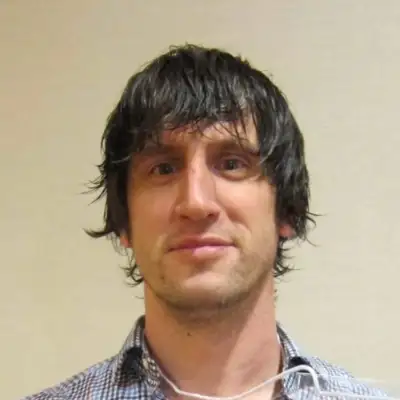
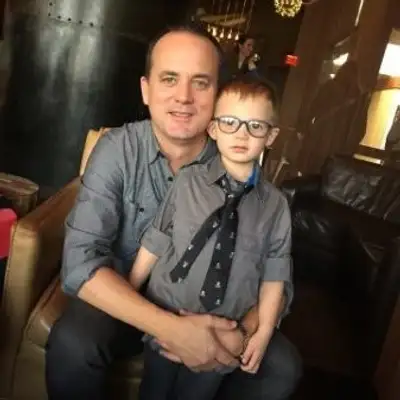
Rachel Elnar:We've got Seattle's design community fixtures who've been deeply involved in AIG for decades. Brien's a recruitment and development expert who's basically connected to everyone in the Seattle design scene at some point. He's been championing the design community in AIGA for years, focusing on relationships first and placement second. And Terry's the principal at TMarks Design. He builds what he calls living brand systems, not static guidelines, but frameworks that actually help teams move faster and create work that matters.
Rachel Elnar:So, yeah, these two people have been building and shaping the Seattle design community and AIGA for decades. So please help me welcome Thompson and Terry Marks.
Erik Cargill:Hey. Welcome you guys.
Brien Thompson:Thank you. Thanks, Erik.
Rachel Elnar:Yeah. Of course. Thanks for coming on to the podcast. I'm so excited to have you both talking to you. I think we're gonna close season two with both of you.
Rachel Elnar:So you are the finale of season two, which I'm really excited about.
Terry Marks:No pressure. We're vetting cleanup. We'll try to leave you with a cliffhanger. Sorry. I'm talking already.
Terry Marks:Perfect.
Rachel Elnar:Alright. So like I mentioned, you guys have been in Seattle design community for a very long time. But for those who don't know you, I was wondering if you can talk a little bit about your chapter experience, how you got into AIGA.
Terry Marks:I got involved with AIGA, and the reasons probably could be pinpointed to a couple different things, but I'm gonna, I'm gonna name check Jesse Doquillo. He was a partner at StudioMD along with, Randy Lim and Glenn Mitsui. And at that time, in about a six month span, I had been mistaken for Glenn Mitsui, another short Asian guy, like four times in about four months. And I didn't even know who he was. And I ran into a guy named Jesse Doquillo, who was AIGA president at some AIGA party.
Terry Marks:And I wasn't a member, but I had met those guys and they kinda, they took me under their wing and I was new to town, which was great. And he asked me to be part of AIGA and I wasn't even an AIGA member. I thought, okay, I I had massive impostor syndrome. I'm untrained as a designer. I'm self taught, and, it was really a wonderful way to learn about the community because I was representing a program of AIGA called the Link program that works with students from, many different high schools in the Seattle area.
Terry Marks:Along with Glenn and Paula Wong, I helped start that thing, I think, one years ago now. And Wow. It it is it sits under the umbrella, the five zero one c three umbrella of AIGA Seattle. So, we felt we needed to have some sort of liaison and that was me, but I ended up just becoming part of the board. And, yeah, it was great.
Brien Thompson:And it's great to have Terry here because my AIGA start has a lot to do with Terry. Way back in our 30s, maybe 20s, I'm not even sure, we used just bounce around. Like high ten years ago. I had ten years ago, yeah. So we used to just bounce around town and often we'd end up at social settings or events and I would just be, you know, along for the ride and meeting all these designers not knowing what AIG was.
Brien Thompson:And before I knew it, most of my friends were, you know, designers. And there was a day, gosh, 1999, Terry was like, hey, we're all gonna go down to Vegas. You should come. And once again, this is gonna sound silly, but no connection to AIGA. But I went to the national conference and at Vegas and because all my friends were gonna be there and it would just be a Vegas weekend.
Brien Thompson:And as they do at national conferences, or at least back then, they'd have a big vendor area. And I would just spend my time kind of walking through that when people were doing other things. And one of the tables was a recruiting firm. And I was just kind of waste, you know, spending my time. She's like, are you?
Brien Thompson:I've met Laura Zak, or I knew Laura Zak. And she was at a table and she's like, what have been up to? And I was like, well, I'm interested in getting back into design. And I've been out of it for a long time. And she goes, well, you should come and talk to us.
Brien Thompson:I was like, well, okay. What does that I need to know what that meant. And after that event, I did end up meeting with Laura and the team at a recruiting firm called Creative Assets. And they're like, wow, you you should work here. You know, you know, a lot of the design community and once again, didn't know what a creative recruiting firm was.
Brien Thompson:And from that, you know, got a job there, placed designers in jobs. I didn't even know that existed. And I've been doing that ever since. And so that kind of was my springboard into my career. And then all along hanging out with Terry, we just end up going to events here on Seattle and taking it from there.
Brien Thompson:And then that got me into volunteering at AIG events.
Terry Marks:If I remember correctly, I thought you have to go to the national conference because it is so much fun. But it's more fun when you get to go to the parties. And Brien not being part not being a professional designer, I thought, dude, you don't wanna pay for this. I mean, because you're gonna sit in these kind of esoteric design discussions. And so to get him into the parties, I might go to jail for this.
Terry Marks:We got a cab and we went to Kinko's and we scanned my badge. And then I got on Photoshop and I built him a badge and we printed it out and stuck it in a thing so he could go to all the parties. Is it is this the way it happened?
Brien Thompson:Yeah. Never been mentioned before in public. But yeah, got me into parties and, you know, wedding crashes before there was wedding crashes kind of thing. And But yeah, Mel. I'm proud
Erik Cargill:of you.
Brien Thompson:I love it. I love it.
Erik Cargill:We won't tell anybody at National. That's fine.
Rachel Elnar:Denise is calling right now, actually.
Brien Thompson:We're giving you the talks. Yeah.
Erik Cargill:It seems like a common theme that everybody talks about, and I know I mentioned this before, so if you're listening, I'm just repeating myself or whatever. You know, how people get involved in AIGA. It's it's sort of a it's sort of a, oh, what is this over here? And then somebody pulls you in, you know, and then and then you become hooked on it, and then you go to great parties and and crash great parties. And so what was the first leadership retreat that either of you went to?
Erik Cargill:Do you remember?
Terry Marks:Brien?
Brien Thompson:I might need some help with this as far as the timeline. I believe I went to I mean, there's Miami. There's, I believe, Boston. Is that the one? And then Omaha.
Brien Thompson:And is there ever one in Pittsburgh?
Erik Cargill:Yes. Okay. Yes. So
Brien Thompson:which one of those first?
Erik Cargill:I've got the list right here. So let's see, there's Pittsburgh in 2005, Miami 2007, 2006 was San Francisco.
Brien Thompson:Oh, which was that too? Okay.
Erik Cargill:And then 2008 was Omaha, which is, we all know is legendary.
Brien Thompson:Yes. So that, I'd say, I guess on that timeline, Pittsburgh, unless there was one in New York before that? Anyway.
Erik Cargill:No. Okay. No, there was, You know what? I'm looking at this list. New York is not on here for a leadership retreat.
Rachel Elnar:Yeah. Yeah.
Brien Thompson:You might have been national. I had national leadership
Rachel Elnar:Could be. You get those mixed up all the time.
Erik Cargill:Yeah. I mean, I imagine those blend together nicely. So for me Pittsburgh, yeah.
Terry Marks:Pittsburgh's a fun town. That's great. For me, it was Nashville and I think that was 1961 probably. Just kidding.
Erik Cargill:You're right. That was the
Terry Marks:I remember going there, and this is the time where if you weren't in New York, San Francisco, or Seattle, you couldn't get anything but just a regular cup of coffee, and the beers were, you know, the big band beer, big brand beers. You get Anheuser Busch or maybe a Coors. And so, it was really it's like, oh my gosh. It was really weird being in Nashville at the time. It's changed massively.
Terry Marks:But I had laryngitis because I was trying to finish everything before I went and, you know, I was young, didn't matter. I just didn't sleep, got everything done. I lost my voice and I'm in, I'm in line to go to some thing and I don't know anybody, a couple of people from our chapter. And so I'm trying to talk to the person next to me and I'm just barely squeaking out anything. And there's someone behind me, you know, I introduced myself to the person in front and I turned around and person behind me, I said, and what's your name?
Terry Marks:And he just kinda looked at me blankly and said, Michael Beirut. And went, oh my god. Of course. You're Michael Beirut. I'm so embarrassed.
Terry Marks:I couldn't really talk. Yeah. It was a mess.
Rachel Elnar:Not everyone knows Michael Bayroot. That's okay if you don't know him. Hope you didn't know him.
Erik Cargill:At the time.
Rachel Elnar:At the time, it's not like that was Charlize Theron or someone. I mean, you know?
Terry Marks:I wish it was Charlize Theron. No offense, Michael, but please.
Rachel Elnar:Amazing. Well, that's great. I'm glad that you guys got a lot of leadership retreats in your pocket. Do you have any memories of those retreats? Oh, yeah.
Rachel Elnar:Terry's already laughing.
Terry Marks:No, I'm laughing because I was talking with Jeff Barlow, also a Seattle person, and he said he was at an AIGA retreat, and he got into the elevator in the morning. And it you could just you know, people were still off gassing whatever they imbibe from the night before. And Why? Somebody and, you everyone's hungover and someone walks in the, elevator and says, oh my goodness. Which a in AIGA stands for alcohol?
Terry Marks:And Jeff said, evidently, both of them. So plenty of stories from leadership retreats. And it's funny, Brien and I have known each other probably since the mid eighties. We had mutual friends in college. We went to the same college and we didn't get to know each other until we had painting class together.
Terry Marks:And I was putting on my navy blue coveralls because I didn't wanna screw up my clothes. And as they zipped it up, I looked up and, oh, no, mine was olive drab. And Brien is zipping up his navy blue coveralls. It's kind of the same thing. We're like, oh my god, there's my friend.
Terry Marks:And we got to know each other pretty well. And, you probably took art classes in college and it's almost impossible to switch from whatever you had before to walk into painting and assume the brain space you need to paint. And, you know, two or three hour class, you're staring at the canvas for like an hour doing nothing. And so we would do things like steal the flatbed hand truck and, like, run around the art building because we're just bored out of our minds,
Erik Cargill:just can't get there.
Terry Marks:And, I mean, Brien and I, we both moved to Seattle around the right the same time. And so we would pal around, like you said, we'd go to the AIGA things or whatever's going on. And, we started traveling together internationally. And, you know, of course, we went to Hawaii, we went to Hong Kong and Taipei and Bali twice. We went to Costa Rica and Cuba.
Terry Marks:I mean, we know each other pretty well. And we like I said, we spend a lot of time together. But it's funny because, we never were in AIGA at the same time. Like, when he was getting into AIGA, I was rolling off the board. And Oh, wow.
Terry Marks:Actually say that if I hadn't, I probably would have been too busy, and I would have never met my wife. And, like, 2006, you were saying you were going to something. That's the year I got married, and, I mean, my life completely changed. And now I'm back in it somehow, and it it's really good.
Rachel Elnar:And so, Brien, you're not involved with AIGA. Right? Because Terry's back in.
Brien Thompson:Yeah. We take turns. Yes. Exactly.
Terry Marks:We're actually the same person. Are you? Yes.
Brien Thompson:That's that gorilla suit you were talking about earlier. Mhmm.
Rachel Elnar:Ah. You need to get into that gorilla suit because I don't know anything about it.
Terry Marks:Really? Yes. Okay. It's actually a Bigfoot
Rachel Elnar:costume. Oh, it's a Bigfoot. Oh, it is. Okay.
Terry Marks:Yeah. And because I am so tall. Yeah. Yes, Scott. It's okay.
Terry Marks:Nothing like a five foot seven Bigfoot.
Rachel Elnar:Makes sense. Does that have to do with the stories of the leadership retreat or were you only Bigfoot for chapter events?
Terry Marks:Not at all. It has to do with some work I did for a client, Russell Investments, and we're doing some things on myth. And as part of this whole thing, I had to find a Bigfoot costume, and I did. So I just remembered a couple of years ago, it was in a box, and I started doing photography with a friend of mine who's a a DP. It's kind of our the thing we do to make ourselves not so bored.
Terry Marks:I laughed when you said if we had it asked if we had any stories from the leadership retreats and I think I slept so very little, I left like, I don't even remember we're just up for four days and it was so much fun. Then I could get up at six and exercise for an hour to try to like wash away the effects of the night before. And, you know, I can go on three or four hours and I'd always get sick or lose my voice when I got home because I didn't want to miss anything. Was that you were talking, Brien, about how you got into AIG and it was about meeting people and you're saying the same thing, Erik, and it is relational and that's when it's nest, I think, because if it's just about something you're pursuing or trying to put something on your resume, it's pretty hollow and that that's true of anything. But the people you met, were always the thing that the national, the leadership retreats, the board retreats were so much fun because you would meet so many people who were not necessarily just like minded, but the Venn diagram overlap was pretty big.
Terry Marks:And people tended to bring their best. Right? And it was just if we're in Phoenix and going to Tales And West and people are doing karaoke on the tour bus in and out, you know, it was it's just fun. Everyone's having a blast and it was a guaranteed good time.
Rachel Elnar:Yeah. Oh, I love that. Brien, do you have any memories of?
Brien Thompson:Yeah, I'm kind of echoing Terry, but, you know, it's that combination of you're at the leadership retreat and there's some, you know, nuggets of information that you're gathering to kind of bring home. And, but it's the offline events that really, you know, solidify those relationships, that stuff relationships I still have. And these are years ago. And yeah, a little bit of just in passing, but you remember those days and, you know, the nuts and bolts of it, you know, there was some good, you know, board information coming out of those offline events, you know, I was a sponsorship director of Seattle and for many years, and it was nice to hear how other chapters were tackling that challenging change in the AIGA programming as far as how to go about finding sponsors. So that was very helpful and that often that was, you know, the after hours type of connections.
Brien Thompson:So, yeah. But yeah, there wasn't a lot of sleep. I do remember that. Yeah.
Rachel Elnar:I heard Pittsburgh was quite epic.
Brien Thompson:It was, it was. I mean, I think, you know, when Erik had said, Omaha really had, you know, a real good energy to it. You know, I don't even, I can't even put my finger on it, but, you know, it just seemed like there's a lot of memories from that week.
Erik Cargill:Did you two meet in Omaha, Rachel? You and Brien, did you meet there?
Rachel Elnar:Yes, ish. You did?
Terry Marks:Okay. Yeah.
Erik Cargill:Ish, yeah. I understand how that goes.
Rachel Elnar:What happened was, I mean, we didn't have any phones or anything like that, but I came home with such a withdrawal for that energy that I went through the printed list. They give you a folder. Yeah. In this folder, it gave you it was a list of everybody who was in there. Plus there was some sort of like Myers Briggs, homework for us to do.
Rachel Elnar:Brien, I don't know if you remember that. Yeah, we had to do some Myers Briggs homework for a session, and then the list of everybody was in that folder. And so when I got home, I just went through the list. I invited everyone to Facebook, and that's how I know who I met at Omaha or not, because it was the first foray into Facebook for most of the people.
Brien Thompson:Yeah.
Rachel Elnar:Yeah.
Terry Marks:Was that your first, second, third board retreat?
Rachel Elnar:That was my first. I was already on the board for two years, and then I went on that retreat, and then I didn't go to Portland the next one. So
Terry Marks:When I was on the board, I think they were on the order of 700 plus members in Seattle. And there was such a war chest financially that we had that the select people who went to the leadership retreat, AIGA Seattle paid their way. They paid for their hotel and flight. And was that the case for you as well?
Rachel Elnar:For everybody. Everyone had to take care of their hotel and flight, but the registration fee was taken care of from National.
Terry Marks:Oh, that's great.
Rachel Elnar:Yeah, it was great. How many of you went, Terry, so from Seattle? Everybody, every chapter gets a certain number of board members who Right. Can go,
Terry Marks:I think from our board, it was usually at least four, maybe up to six, depending. Oh, wow. Okay. And sometimes we'd we'd go, like, instance, a woman named Jenna Kleisch, she and I got bumped, when we're going to, I think it was Cincinnati. And we're like, oh no.
Terry Marks:But they gave us a flight two hours later. And as a nod to the fact that we got bumped, we flew first class. And so we just had a wonderful time and we got to be just fast friends. I mean, she just, I mean, I'm almost embarrassed to say that's twenty years ago, and she just texted me yesterday, and now we're still friends. And that's the case with people, like Brien was saying, throughout the country when I'm in town that I know that AIGA friends are there.
Terry Marks:We usually get together for a coffee or a beer or something and say hello because that stuff is pretty meaningful.
Erik Cargill:Yeah. It's always easy to start a conversation when I say that I'm from Seattle And, you know, somebody will will ask me, do you know Terry? Do you know Brian? Yes. Yes.
Terry Marks:I They're dead now.
Erik Cargill:Brien Brien was actually so I moved here in 2006. Well, sort of. Lived outside of Seattle in 2006, but I contacted Brien and met with him at a coffee shop in Seattle. He was the first person I met, first of all, in all of Seattle and within the design industry because I was trying to break into it. I had just moved from Kansas City.
Erik Cargill:So, yeah, he was very helpful and still is.
Brien Thompson:I remember that in probably a lot of creatives can relate to this. My parents did not know what I did for a living and for years, you know, no matter how many times I would mention what I do. And one day my dad who has passed came up to me or called me and said, Hey, I got someone you want to meet. And he does what you do. And I was just like, Okay.
Brien Thompson:And that could have went so many different directions, really. I mean, I had no idea what that meant. And that's kind of how Erik and I connected. I always remember that because I was like, Hey, my dad was right. I was like, He hit it.
Brien Thompson:He actually did one. I was like, Oh, this is awesome. All the stars aligned. So that's my memory of kind of first meeting Erik, is that connection.
Erik Cargill:So Brien's dad was the pastor at my parents' church in Shelton, Washington.
Terry Marks:What? That's mind bending. That's so cool.
Rachel Elnar:My gosh,
Terry Marks:Brien, when your dad said, I I there's someone you have to meet, and he does what you do, were you thinking, does this guy do, like, caricatures at the fair? Does he do balloon animals? I mean, who is this It
Brien Thompson:truly could have went so many different directions, you know, you know, cause I've had that, you know, that, you know, had come up before, and I was just like, oh, know, they're, you know, they're, I don't know what, like trying to fill in the blanks, but, you know, they do something totally different than what I do.
Terry Marks:Yeah. My Well, design does mean a lot of things. Sorry, Eric.
Erik Cargill:No. No. No. That's fine. But, you know, to that point, Terry, my parents for for years after college would ask for some of my art for Christmas.
Erik Cargill:We want some of your art for Christmas. And every time, I would be scrambling to put something together that, you know, for them because, you know, you know, just a bad painting or or something. You know? I didn't want to, I didn't wanna burst their bubble.
Terry Marks:You you are a good son.
Erik Cargill:Now they they're hung up around the house, so every time I go visit, I just oh, yeah. That's fantastic. And my brother, my I have two younger brothers. Two younger sisters too, but, on my mom's side. But, my youngest my younger brother is a phenomenal artist, and his stuff is right next to mine.
Erik Cargill:And he reminds me Oh, every time. He's a yeah. Anyway.
Terry Marks:My my mother never asked for any of my art. Never on the fridge. What I would get from my mom is, you're so smart. You could have been a doctor. That's all I would get.
Terry Marks:And it was only something negative. Right? But she loved me, but it would be like we'd be in the van. It'd be quiet. I'm with my sister and her kids.
Terry Marks:And out of the blue, she would say, thank god you're a boy because you would have made such a hideous girl. I'm like, what?
Rachel Elnar:Where'd that come from? Like, thirty seconds, mom? What?
Erik Cargill:I love it.
Rachel Elnar:Oh, my.
Erik Cargill:Just love it. That that reminds me of that joke that, you know, the father and his son on on an airplane, and the captain gets over the loudspeaker asking if there's a doctor. And the dad turns to the son and says, you know, you noticed he didn't ask for a graphic designer. I butchered that joke, but, you know, but that's that one's pretty funny.
Terry Marks:Well, conversely, I can safely say I've never killed anyone by having a bad day at work. So There you go.
Brien Thompson:Love it. So,
Terry Marks:Brien, do you feel like maybe this is really an elaborate, ornate way to wrangle that you back into the fold somehow to help us at AIGA Seattle? Because it is. Yes. It's an intervention.
Erik Cargill:It's an intervention, and we need sponsors. We. Sorry. They. They need You can hear you.
Erik Cargill:AIGA Seattle needs sponsors. That's what I hear.
Brien Thompson:Well, I was sponsorship director for many years. So, you know, I do have that in my resume, I guess. Yeah, I mean, I think that Rachel came up a few months ago for Reality Check, our, you know, ongoing Reality Check, and that had been the first time I kind of been able to kind of get out and connect with AIG in a little bit. So that was fun to see everyone again.
Terry Marks:Yeah. Thanks for coming out and lending your expertise. I mean, were scrambling. That was such a interesting, set of hoops to get through to use that location. But, it was really wonderful, Rachel, to have you and, Dave Miller and that other fellow that you might have heard of, John Naida.
Terry Marks:Yeah. And just fill in
Brien Thompson:the blanks. Reality check is, recent grads not even just recent grads, but portfolio review, basically, and kind of a check-in with people who look at portfolios every day and just get a reality as far as how they're going about their approach.
Rachel Elnar:Yeah, and I heard it's a long running series, right?
Brien Thompson:Yeah. It might have been one of my first events that I went and checked out at one time, many years ago.
Terry Marks:Oh, it's been, yeah, twenty plus years.
Rachel Elnar:Wow. -Yeah. It's a great way to serve the community. And Brien, I was so happy and surprised to see you there. I'm like, Oh, a familiar face.
Rachel Elnar:This is great.
Brien Thompson:It was good to see everyone. And it's a really great way to stay connected and give back, you know, and get people pointed in the right direction, or a little bit more pointed in the right direction.
Rachel Elnar:Are you going to say something, Terry?
Terry Marks:No, I'm just smiling.
Rachel Elnar:Okay. So Eric got a question from our previous guests to ask you, Terry. Erik, do you remember what you wrote down?
Erik Cargill:Refresh my memory.
Brien Thompson:Yeah.
Erik Cargill:I think I've been to too many AIGA events.
Rachel Elnar:Ask Terry about STDs.
Erik Cargill:S? Oh, right.
Rachel Elnar:That's
Brien Thompson:right. Yes. We're supposed to What ask could you about
Terry Marks:that stand for?
Erik Cargill:STDs and, what's the word I'm looking for? Stock photography.
Terry Marks:Rachel, do you know anything about this?
Rachel Elnar:No. I just heard a little bit about it from our last podcast episode. I had no clue.
Terry Marks:Who was that? Who who was the guest?
Rachel Elnar:Amy and Naylen Levine.
Terry Marks:Oh. Oh, okay. Yeah. Okay. That makes sense.
Terry Marks:I had mentioned, shooting some things with the Bigfoot costume. A friend of mine, Doug Costetter, who is he's a director of photography. He used to be that if you I went over to his place when we were still single, we were watching a baseball game, and a commercial came on. He's like, well, I shot that commercial. It's like, you're kidding.
Terry Marks:You know, it's Visine or something like that. And the next one comes on, it's scrubbing bubbles, and he shot that. Then advertising ate itself. Right? And he is even though he's a cinematographer, he's a guy who has just I've never met anyone who has better laser vision for a story.
Terry Marks:I've never met a writer or editor who gets there faster because he could Most movies he doesn't like because he figures out what's going on before, like ten minutes in. He just has that brain. And he's actually the older brother of the first intern I ever had. And we met after college and he said, hey, if you ever have anything, let me know. And so I sent him this script that just kind of popped in my head.
Terry Marks:So we started doing a series of short films and one of them, Brien knows the story a 100 times over. I'm sure he's he he you know? Because before stock photos you you may not be old enough, Rachel, to remember. Stock photos enough. Were terrible.
Terry Marks:Just terrible. And so you'd always do a photoshoot because it was impossible to get anything that wasn't embarrassing. A gentleman named Mel Curtis, great shooter, just atmospheric, very textural. There's always something visceral about his photography. I was gonna talk to him about, shooting a project for him.
Terry Marks:He says, come on over and we're gonna get lunch. Can you come twenty minutes early? So I did. And he had, like, a psych wall and a stool, and he says, do you mind sitting for a couple minutes? Just it's I'm gonna pitch this thing.
Terry Marks:I thought, well, if it goes anywhere, no one's gonna use it. No one's gonna see it. So I signed my name and got my $40 check. Didn't cover lunch. And in the early days of Fotodisc, it became one of the top five selling photo CDs for, like, five years.
Rachel Elnar:Fotodisc. I can't remember.
Terry Marks:So my face showed up on everything, everything. And still have a folder and it's, you know, couple 100 things people took photos or cut out of magazines or screenshot. My face was on the Apple website. It was on the Marriott website. It was on the AOL homepage for impotence for senior health info.
Terry Marks:I was like 30. Okay. And so I'm like, this, what is going on? And, of course, you know, it's copyright free, so I don't really have much recourse, and I certainly can't. So I I made a video of how it affected my life, like, fifty years hence.
Terry Marks:And so it was just a bit of a goof. Yeah.
Rachel Elnar:Oh, I love that.
Terry Marks:I'll send you a link later.
Rachel Elnar:Think I got a teeny tiny link from Erik. Maybe.
Erik Cargill:Oh, the video.
Rachel Elnar:Yeah, the video, because I didn't know what they were talking about. So the reference helps, so thank you so much. So let's talk about current day. What have you gathered or gotten from either leadership retreats or from your leadership experience from the chapter?
Brien Thompson:Well, for me, I have a creative staffing firm, and a lot of that is design. And so I place designers. So a big part of almost all the, at least how I've positioned my business is relationships. And so be it locally or nationally, it's always been that connecting point for my relationships. There was a time years ago where I used to work one week a year in San Francisco, I mean one week a month in San Francisco.
Brien Thompson:And so I would just come fly down and just pick up my life from Seattle and plop it in San Francisco. And I do AIG San Francisco events and meet up with people that I met at national or leadership retreats. And that'd be my connective tissue in that city. And so that's how I went about working in other cities. And to this day, I can pretty much connect the dots to me placing individuals in jobs at some point where we met in an event or met somewhere in the past via AIGA.
Brien Thompson:So to me, it's a real center of how I even go about my business or even why I'm in business. So it's a big part of my life, you know, just relationships.
Rachel Elnar:Relationships are so important, especially in in the in the world that you are. In terms of the events that you go to, was it only AIGA events? Or how did you how did you find people to source for these jobs?
Brien Thompson:Your creative is a large umbrella. So I would do ad federation events as well. I was on the board of UXPA, which is a UX community. And so, you know, little bit of that, but a big part of being a recruiter, think we talked offline Rachel about this is like, when I started recruiting, I would do an interview and often people are new to town and or you're just trying to get established. One of the first things I would do is like, hey, you gotta go to, you gotta get connected to AIGA.
Brien Thompson:You know, you gotta go to an event. And the good news would be they at least know one person at that event. They're not going cold. Like I'll be there. It really was a great way for them to network.
Brien Thompson:Or when I first started on the board, I was a volunteer director. Any like, especially recent grads, like, hey, if you really want to help your job search, volunteer. You know, A, you get into the event probably free, and B, you have a way of meeting people. And so that was like a springboard for me, just volunteering and just being at the events. Know, AIG was probably the number one thing, but I would do ad federation events from time to time.
Brien Thompson:And there's other little fringe meetups as well.
Terry Marks:Brien, I'm gonna echo what you said. Relationship is the lingua franca of anything. What's that adage? Just people don't care how much you know until they know how much you care. And it sounds like someone's grandma said it, but it holds water.
Terry Marks:Being able to see someone, face to face, there's something that happens differently than even doing what we're doing right now. I mean, sometimes a phone call is better than this because we don't have the interface and all the stuff kind of distracting us. And, anything I've done in design, I mean, for for two minutes, I I might have, like, shown up in design magazines. You might remember design magazines. And got to judge a bunch of different stuff and it was like being a famous plumber, It's like other plumbers might know who you are, but because of AIGA, one, I did get over my impostor syndrome, being somewhat of a self taught designer and learning the business as I did it.
Terry Marks:But there was a moment where, and it was really largely the AIGA network. I was asked to speak all over the country. I mean, it was like a couple dozen times a year, at least for two or three years. And it was, again, those relationships, you know, the people that you met at the leadership retreats. Oh, we'd love to have you come out.
Terry Marks:And it was just so much fun. It was so great and you know you learn a lot and in doing that speaking thing, some people are terrified of it and a lot of people wouldn't believe that you know I was super super self conscious growing out and people think I'm just this out of control extrovert. It's really a gear that I learned because especially with speaking is that it's not about you. It is so not about you. It's what you bring.
Terry Marks:I mean, the same thing in a business situation. What needs to be asked, what needs to be said, what needs to get done here and those are really good skills to learn and it's because of AIGA not only do we have this massive network of so many people who are smarter than us, more talented than us. It allows you, one, to get over yourself and and to learn some things. Working on the board right now in AIG Seattle, there's a fellow named Erik. I don't know if you've met him.
Terry Marks:One of the things we've talked about is we don't have all the answers, but together, we probably know someone who does. And I think that's a valuable, valuable thing.
Erik Cargill:You know? And that and that adage, you know, also helps lift you up a little bit. It's like, oh, I don't I don't have to have all the answers. Okay. Cool.
Erik Cargill:And you're not expecting me to have all the answers. Cool. But we'll find them together.
Terry Marks:Yeah. And I think we're seeing that happen in real time. We had a AI event this week and, it sold out, know, we had 50 slots and, it was, it was great. And weirdly, we even had some sponsors, and it went really well. And right after the event and the next morning people are saying thank you, they're asking questions and saying how do I sign up for AIGA, how do I become a member and those are good things to say because it's I love hearing that.
Terry Marks:Not that it means money, but that means we have stronger community. Because if we don't have community, we have nothing. Right?
Rachel Elnar:Right. Right. What I love is that you built a community based off of a professional development event, right? We all need professional development right now, especially in the world of AI. Some people have been asked to use it.
Rachel Elnar:Some people are afraid of it. And so the fact that you brought it to the surface and you had some training and had a discussion, I think it helps everybody for sure.
Terry Marks:Yeah, I think so. It's going to be something that obviously, the question of what does the creative world, professional creative world look like? It's an ongoing question that there's a different answer every day because it's emergent. And that's okay.
Rachel Elnar:And how was the event? I mean, did you learn a lot?
Terry Marks:Me personally, I think I did learn some things. It corroborated a lot of things that you might experience on your own. They were talking about a group process and what does it look like when they have five different people building an app. So they did a for instance of something that they actually did. And I I I think there were some things my head was nodding.
Terry Marks:It's like, oh, fantastic. This is what I thought. And some other thoughts that they had that were really helpful and some other things because someone had there were some great questions at the end. Two women had some fantastic questions. Once it asked, so if does this really help you work faster?
Terry Marks:And they said, absolutely. It helps us work faster. And she said, what do you do with your extra time? And everybody was just on like, wow. I'd love to hear this.
Terry Marks:And he said, well, of course we just don't go home early. We just do more work. And it was like, wah wah. I mean, but that's the fact of it, right? I mean, it used to be in our profession, people would ask, are you busy?
Terry Marks:That was the first question out of their mouth, as if busy was good, because you can be busy doing the wrong things, things you hate that aren't your expertise, and you can be busy not making a dime. I think it's a bad question. And to be busy doing the right things, that's a huge blessing because then you're in the space of learning and really delivering something of value.
Rachel Elnar:So Terry, you've been away for a while. Obviously, you've been away. Brien has jumped in. I mean, both of you guys taking turns here. But you've come back to start a chapter or to help start a chapter.
Rachel Elnar:How is this different than when you were involved with AIGA at a chapter level before?
Terry Marks:That's a great question. When I was asked to be part of AIGA, originally, it's because Jesse Daquillo said you should be part of the board. K. And I'm not even a member, which is you can be the liaison for LINK. And like Brien, I ended up doing sponsorship.
Terry Marks:I mean, the first thing I did as a board member, aside from creating that connection, that that connection between the link program and the AI GAC on board, we had a design competition, and it was not uncommon for local chapters to have design competition and then have a full color book of all the awardees, honorable mansions, and the whole thing. And the story was that someone, whoever was heading it up, had an agreement with a local commercial printer to print the book. 10,000 copies, 350 pages.
Rachel Elnar:Wow. And
Terry Marks:it turned out that that was not the case. And so the board was like, we don't know what to do. Everyone wants their award book. And so I thought, okay, this is a problem. So I called someone at the printer that I knew.
Terry Marks:I ended up meeting with the vice president of marketing. I took him out to lunch. Well, I talked to somebody who was one higher up and got nothing. So I called my friends and said, who's the guy? Who's the man or woman in charge of this?
Terry Marks:So I took them out to lunch. And again, like Brien said, it was relational. We got to know each other. We knew we had mutual friends. Their reasons for wanting to be involved with AIGA were evident, self evident, being a commercial printer at the time.
Terry Marks:So as vice president, he agreed with some minimized specifications to print the books. And it it just yeah.
Rachel Elnar:Oh, I amazing.
Terry Marks:Yeah. And it that's kind of serendipitous thing continued to happen. And it was always relational. The woman who was doing the, community outreach at the time, came across something one of her friend's children ran into because they were chronically ill, were in the hospital and they would hand out an activity book for chronically ill children and it was not wonderfully illustrated and some of the children they would encounter, would have to undergo chemotherapy. They would lose their hair and would have things like drawing of a child with no hair and Ziploc bag stapled to the page saying, you know, when you lose your hair, can put it in the Ziploc and it get a little bit heartbreaking.
Terry Marks:And so she had a wonderful idea to create a activity book for chronically ill children that was guided by therapists, child therapists. And because of our connection as AIGA, we were able to get all the printing donated. We split the printing among five different printers. We got the paper at 20% of cost, and we did 10,100 page full color books that we were able to just give out to children in the area. And then it became its own nonprofit, which still exists today.
Rachel Elnar:Wow. That's quite a story.
Erik Cargill:That's a fantastic story. I haven't heard that story. That's that's incredible.
Terry Marks:Well, I just made it up right now. No. It's it no.
Rachel Elnar:So you're planning on doing things like that now with the new chapter?
Terry Marks:Well, with the new chapter, the the most important thing and, Brien, this is why, yeah, we wanna talk to you. It it is about relationship and, creating a community in a time of question. Everyone it used to be that you really got jobs by who you knew, and, hopefully, that might still be the way. That's how I get every meaningful client is because someone said you need to talk to to Terry. But sometimes the the job hunt is using AI to create something to be thrown into a black hole of AI and never hearing anything back.
Terry Marks:And I heard I've heard this story so many times. I'm not looking for a job, but I turned out I bought LinkedIn professional. I I just so I understood, I applied for 14 jobs in about a month. And I heard never an interview. I heard back from one person saying, we're not going to fill this position.
Terry Marks:And yeah, I understand how that feels. It's futility. It is futility and there has to be a better way because the idea of something being relational, I think that's the only way one we learn, we change and hopefully, find our way.
Rachel Elnar:Yeah. In my lifetime of AIG, I've never had to look for a job. This is my first time. So it's a little tough because in the past I would get pulled in by somebody I knew. So yeah, it was through AIG.
Rachel Elnar:Or when I was running my design firm, 70% of our work came in through our relationships through AIG. So in this world of, in this era of AI, I don't know if the relationships are still going to matter. My guess is yes, even more so. But I'm not sure. I mean, Brien, maybe you can speak to a little bit of what the job market is going through with this AI craziness.
Brien Thompson:Yeah, and I think it's hard to distinguish which part is AI and which part is just other economic influences. Would say since COVID, the market has been really challenging and for different reasons. I think organizations or groups have gone through that in the same timeline. I said I was on the board of UXPA and shoot, you know, we really had a hard time, you know, staying afloat during that time just because there wasn't events. And at the heart of it, events or programming is what brings about those organizations.
Brien Thompson:Like the reason you belong to a group is be part of the group and events is the best way of doing that historically. And so I think it's been a tough time all around and there's always market action reaction, action reaction. On top of it. You have AI now influencing it. So what I tell candidates who are looking is, you know, you know, some of it can be AI some of it could just be a lot of very talented people who also are in the market because some very talented people were laid off last year, maybe even the beginning of this year.
Brien Thompson:And so that's a part of it. Tried to look back at 2000, 2001, 02/2008 when there was really big drops in the market and how we came out of that and for reference points. And so I, you know, not that they're similar, but I try to find those reference points. And I think to Terry's point, you know, one of the things I run into is people or candidates looking for work as self reflecting in that point, you know, as far as like they applied 15 times, maybe a 100 times, maybe 200 times and not heard back. And then they start to kind of noodle on their portfolio or their resume too much because they think that's what didn't get them the call or the interview.
Brien Thompson:And what I say to them is not the best news to share, it's just like, it's not you, it's the market. And it's just work. The good news I can tell people is like, I would say 2025, 2026, things started to improve. This year is better, much better than last year. And I don't know where the true worst time was.
Brien Thompson:It was like 2024, '25 maybe in my vantage point. And I do think things are improving. It's baby steps, but it's improving. So it's just budgets coming back, people spending. I mean, know, I don't know if it's all AI or COVID related, but people spending changed.
Brien Thompson:And when people spending changes, that changes businesses and when businesses change that affects employment. So there's a lot of ripples involved. And so I don't know if that helped, you know, shed any light on it, that's what I see.
Terry Marks:Yeah. I I in my own purview, it feels like when the election happened in 2024, contracts we I we had lined up. They said, oh, they're going through, and then they just kept not happening. And finally, about eight months in in 2025, people said, yeah, that's just not gonna go. And it the spending, the market is so largely a fear index.
Terry Marks:Okay. People hunker down. And it does feel like things are easing up because you can't just hunker down forever. You have to do something. And so it feels like the wheels are moving a little bit.
Rachel Elnar:Yeah, that's good. Especially for an industry. I mean, an industry, I'm not really sure where it's going, but, yeah, I'm holding on. Hopefully it does improve.
Terry Marks:Well, historically, I mean, in the recession, I did a bunch of research and companies that continued to market and do the things that bring business, once recovery started to happen, their profits were 250% higher than entities that didn't do anything. And so there's a real reason to be active and and to take calculated risks in that. So, Brien, you're the expert in the room with getting a job. So if someone is senior, if someone is looking for something, instead of just throwing resumes all day long at Indeed and through LinkedIn, what should they be doing? What advice would you give someone?
Brien Thompson:What I mentioned earlier, the one advice is making sure not to beat yourself up too much. You know, you know, that doesn't help them get into the job. It just kind of helps them with sanity, you know, in their job search. And then I would just say, you know, go about it differently. You know, half of it is just knowing that we're in a challenging market.
Brien Thompson:And so if you know that, it's not the best news to hear, but then you kind of adjust and you kind of, you start targeting your search a little bit different. I don't think applying to you know, postings is, know, random might be a little biased, but I don't think, you know, just, you know, replying to a posting is the way to go because of the way the model is set up. You know, you're gonna see because anyone can apply. So then often there's gonna be a junior recruiter looking at that. And they're gonna, you know, if there's a one posting, you're looking into hundreds, maybe a thousand applicants, you know, and will your resume even see the light of day?
Brien Thompson:So that gets me back to why I formed my business is relationships. You know, it's just like, you gotta have a relationship. So then you kind of, you know, craft that as like, okay, how do I get a relationship? And so that changes your approach a little bit. You know, it's just like, I need to find a way to get a relationship.
Brien Thompson:Sometimes you can do it via LinkedIn. You can do it versus, you know, you can do it via community and get involved in your community, you know, ARGA, other meetups, what have you, you know, getting some face to face time. Even if you're kind of commiserating with other people, you know, it can be helpful in that regard. And then, you know, if there's certain jobs you want, just, you know, figuring out a way to make that connection outside of the portal of resumes is my best advice. There are a lot of just bots and or not human touch approaches to the first wave of applicants, I just think if you can bypass that the best.
Brien Thompson:And somebody like myself, that's how I operate. So if you can find a recruiting firm, you know, wherever city you're in, you know, that you can have a built personal relationship with, you're going to be that much closer to success.
Rachel Elnar:Yeah, super helpful. It's amazing that we covered past, present, and future on this podcast episode all in an hour.
Erik Cargill:Yeah. Nicely done. Nicely done.
Brien Thompson:Can I do a
Terry Marks:great pitch for what we have coming up with the ad?
Rachel Elnar:Please. Yeah. Let's talk about it.
Terry Marks:We have an event coming up called Pivot, Finding Your Future, and it's gonna be a stage for people to say, you know, I love design. This is what I do, but I also love this other thing. And I turned my career into x. I mean, we know people who have started to design furniture and make it by hand. We've become organic farmers, and it goes on.
Terry Marks:And so we're gonna highlight that. It's about design thinking in a broader sense.
Rachel Elnar:I love that. When is that?
Terry Marks:Is it May, Erik? It's May. Yeah. Yeah.
Rachel Elnar:Great. I have to have this podcast edited and out by May. Got it.
Terry Marks:It's great. Yeah. Maybe we'll stream it for once. We have all the stuff.
Erik Cargill:But Yeah. Oh. Or if it comes out after, oh, that was last month.
Terry Marks:Keep coming.
Rachel Elnar:That's really exciting. And I just have to say, I think, Brien, you kind of pivoted as well, right?
Brien Thompson:Yeah, I think they always say, you you don't really go to school to become a recruiter. You know, it kind of just finds you or you find it. And yeah, you know, based on this whole podcast, like, really did start from AIGA and just those relationships that formed my career, which then formed my business. Yeah. So yeah, it's a real good testimony of just meeting people and being connected and forming something from that.
Rachel Elnar:Awesome. I'm so excited and so happy, to be connected with you two. I mean, I've known you for quite a while. I'll I, okay. So I've met Brien almost twenty years ago.
Rachel Elnar:That's crazy to even say that out loud. I mean, these relationships, I met Brien over one weekend in Omaha. And yet I still recognize him twenty years later. It's just mind blowing.
Terry Marks:That's because there's a painting of him in an attic getting older, and he hasn't aged himself. So
Rachel Elnar:That is true.
Brien Thompson:But to that point, Rachel, like, there could be something that came up where I just want let's say it's a national, you know, brand that I'm working with, and it's just and I'll see that someone's working at that, but maybe in another city, but I met them at an AIG event, could be twenty years ago, and I'll be like, hey, you know, I'll just a quick link in kind of like, hey, and just that connecting point, just there's credibility with that and just kind of just great memories and those people always, I mean, it's a big give back. I mean, that's kind of what, you know, my phase of AIG now is just like giving back, you know, and helping out people so people help you out.
Rachel Elnar:Same, yeah. And I'm so grateful to know you guys. So thank you so much for being on the podcast.
Erik Cargill:Thank you, guys.
Terry Marks:Thank you for for having us on. That's it's an honor.
Rachel Elnar:Yeah. It's been great.
Erik Cargill:Absolutely.
Rachel Elnar:We didn't get right into STDs, but we talked a little bit about it. All good.
Terry Marks:Here. I don't think anyone's really eager to get into STDs.
Erik Cargill:I mean, we were STD adjacent.
Brien Thompson:Right?
Terry Marks:Everyone feels uncomfortable and just smiles.
Erik Cargill:Perhaps I've said too much.
Rachel Elnar:That's great. Thank you again, guys.
Terry Marks:Thank you.
Rachel Elnar:Appreciate it.
Erik Cargill:Thank you, guys.
Rachel Elnar:Cheers and Tiers. We'll be back next time with more Design Leadership Tales Retold.
Erik Cargill:Please subscribe, rate, review, and share this podcast with your creative community, design leaders, and friends.
Rachel Elnar:Cheers and Tiers Design Leadership Tales Retold is a production of chapter two and hosted by us, Rachel Elnar and Erik Cargill. This episode was produced and edited by Rachel Elnar. Podcast graphics by Erik Cargill. Animation by Verso Design and Megato Design.
Erik Cargill:The theme music track is Loose Ends by Silver Ships Plastic Oceans. Follow cheers and tears on Apple, Spotify, or YouTube podcasts, or wherever you get your audio and video podcasts. Subscribe to our email list at cheers and tears dot com so you don't miss an episode.