Subscribe
Share
Share
Embed
Welcome to Defining Hospitality, the podcast focused on highlighting the most influential figures in the hospitality industry. In each episode we provide 1 on 1, in depth interviews with experts in the industry to learn what hospitality means to them. We feature expert advice on working in the industry, behind the scenes looks at some of your favorite brands, and in depth explorations of unique hospitality projects.
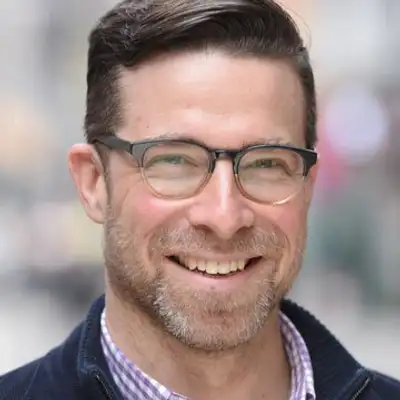
Defining Hospitality is hosted by Founder and CEO of Agency 967, Dan Ryan. With over 30 years of experience in hospitality, Dan brings his expertise and passion to each episode as he delves into the latest trends and challenges facing the industry.
Episodes are released every week on Wednesday mornings.
To listen to episodes, visit https://www.defininghospitality.live/ or subscribe to Defining Hospitality wherever you get your podcasts.
DH - Larah Moravek
===
[00:00:00] What I do is inconsequential. Why I do what I do is I get to shorten people's journeys every day. What I love about our hospitality industry is that it's our mission to make people feel cared for while on their journeys. Together we'll explore what hospitality means in the built environment, in business, and in our daily lives.
I'm Dan Ryan, and this is Defining Hospitality.
This podcast is sponsored by Berman Fall Hospitality Group, a design-driven furniture manufacturer who specializes in custom case goods and seating for hotel guest rooms.
Dan Ryan: Today's guest is a seasoned professional who specializes in hospitality interior design. Throughout her career, she's worked at the likes of Clodagh Design and Yabu Pushelberg, just to name a couple. She's also an entrepreneur and founded her own company, which focuses on both interior design and branding within the hospitality vertical.
She's a founding partner at Dutch East Design. Ladies and gentlemen, Larah [00:01:00] Moravek. Welcome, Larah.
Larah Moravek: Thank you. Thank you for having me.
Dan Ryan: You're very welcome. I know I've been wanting, we've been wanting to do this for a long time. I want the listeners to know that you are part two because we did talk to Dieter early on, and you and Dieter are Dutch East Design with your team, and I also want everyone to know. That this is one of my proudest achievements.
You know, I love shortening people's journeys, uh, and connecting people, but I don't remember how many years ago we were, I was meeting with Ave Bradley, somewhere in Hell's Kitchen, and Dieter had just done some work or was doing some work with her at the Kimpton Journeyman in milwaukee. And so I was gonna meet with her and him, and then we've been friends for a really long time.
So then I was like, Hmm, maybe I should invite Larah too. And then you [00:02:00] arrived and then you indeed are hit it off. Married baby again. One of my proudest achievements ever. So thank you for coming more than anything. I just wanted to share that with the whole world because it, that lights me up more than anything is connecting people.
And now we have new life because of it.
Larah Moravek: we do. So thank you.
Dan Ryan: and also I just want everyone to know, like we've had Thanksgivings together. Like we all lived in New York. That was such a cool group of folks, like in New York City and now since COVID, many of us have moved up to Connecticut and Westchester, but we're still like, we're still close.
Yeah. It's a, it's such a nice little group. Um, and, and true friends for so long. So I'm just
Larah Moravek: grounding as you navigate, and it's really nice to see those people in whether periphery or not, that they're kind of on the same journey.
Dan Ryan: it's just nice to kind of go through life right Through all the wins, the losses, the, the joys and, [00:03:00] and everything. Like we, we've all been through so much together and it's just, I'm so glad that you, I know 'cause. I'm just so glad that you're here doing this with me now and sharing your story with our, with our listeners.
And also, you know, it's just cool because another thing, there are many businesses, not many, but there are a handful in our bus in our world of husband and wife duos. And I know that there's, you know, benefits and challenges. Like, I can't imagine, I actually, I'm not gonna say me, Alexa could never imagine working with me day to day.
Like I think she would rather go on a long walk off a short bridge or a short pier. Um, but you guys make it work and it's just, it's really awesome. And, um, thank you. So thank you for being here.
Larah Moravek: It's great to be here.
Dan Ryan: Before we get into all the things that we want to cover and learn about Dutch East and all of the uniqueness that you bring to the, to the world, to our world, um, what does hospitality mean to [00:04:00] you?
Like why, why you could have done anything gone anywhere, but you. You've pa chosen this career and now started a business and had a successful business and working on great projects. Like what keeps you here? What, what is it about hospitality that you love?
Larah Moravek: I was thinking about this minutes before, we got on. I was like, why do I do what I do? And, um, I mean, as of now, in this moment, I'd say I do what I do because it really, it's a service. And I definitely feel like we are in a position to steward, um, human experiences. And I see a lot of that in like a non-visual way.
Even though what we do is very visual and tactile, but when I mean non-visual, it's what you take away from it. It's like an, an emotion, a feeling that may stay with you for a lifetime. Um, so that's what I do what I do. I wanna just create positive experiences, allow people to gather in the community be part of that like [00:05:00] human condition in the built environment.
Um, think design and. And in hospitality, like it's this weird mix of magic and precision and like that I, um, just definitely play nod to my mom and dad. Like my mom was this free spirit. You couldn't contain her. Um, she was like a circle. And then my dad was an engineer, civil engineer, pragmatic, precise.
And he was a square. And I feel like I get to do what I do that. That inter like that intersection?
Dan Ryan: that's amazing. I have goosebumps right now because as I, you know, I, as I hear that magic and precision. I know your mom and dad and I've never met your mom, but I've met, I have met your dad before he, he came over for Thanksgiving once as well. And um, but when I look at your career [00:06:00] also, so I know, thank you for sharing that about your mom and dad.
But also like, when I think of magic, I think of Coldagh, like she's mystical magic. And when I think of precision, Yabu Pushel, like, they're so precise and, and, and delicate but strong in their design. So it's actually, that's freaking awesome magic and precision. So is Dieter more magic or precise? Like where are you guys in that yin and yang?
Larah Moravek: think we're both, but we are very different magic, right?
Dan Ryan: Tell me about that.
Larah Moravek: I mean, just, just simply very different. So it, it works and it doesn't work, right? Like it causes conflict, but conflict is good and, and disruption, right?
Hmm.
And then on the other end of the spectrum, having us be so different, I think that helps, right? Living living to, you know, and creating a life together, both in business and life.
Dan Ryan: I love this magic and precision. It's [00:07:00] so And Clodagh is
Larah Moravek: so magic.
Dan Ryan: She is so magic. My dog, Clodagh, she's amazing. She's like this wizard woman.
Larah Moravek: she is, and it's all, and this is the other thing that I guess I'm getting more in touch with too. 'cause from my parents and you know, she wasn't formerly trained Clodagh. Right? It's all on instinct and it's
true art form. And, And, I feel like I have lot of how when I design and I'm in it, it's like very instinctual, very immediate, just comes from all over. then to execute it, you need the utmost precision. Right? Um, and I remember, 'cause Clodagh was my first job, um, we moved, Um, after 9/11 and at my interview she was like, Larah, I have one question for you. I said, okay. I said, what's your zodiac sign?
Dan Ryan: what is your Zodiac sign?
Larah Moravek: Scorpio.
Dan Ryan: Oh, wow. Okay. I don't know what that means, but I like scorpions [00:08:00] going.
Larah Moravek: And, and she's like, okay, you're in. It's fine. Um, and then, yeah, I mean, and then as I went on in my career when I came to Yabu Pushelberg, I mean, the amount of, um, mentorship and skill that I was able to hone there and experience was, um, yeah. It, it, it allowed me to jump off and then go on my own.
Dan Ryan: I'm gonna keep going with this magic and precision because there's a really good tension between them and they both kind of feed into each other and inspire each other. Right. Especially in the creative process. Uh, doing cus I do like whatever custom furniture I have found, and I've talked about this a couple times, a couple times.
I've only spoken to a handful of branding agencies on this podcast recently, and I feel like the whole idea of branding, like having a proper branding agency and a branding lens that helps [00:09:00] make decisions for everything before embarking on a project is really important. I find in custom sometimes when you're doing the approval process and you're kind of stuck where something's not just right.
When the branding is really, really thought out, the words and the the hard boundaries of what's not right about it, become much easier to describe. Yes. because it's almost like a decision making tool
If the branding is done well. So in the past 10 years, I've seen a rise of a lot of branding agencies getting involved much earlier on independent hotel projects and also the larger brands.
You know, depending on the ownership of what, what part of the matrix they are branding is much more thought of now. Um, it's interesting because not that many, there are a handful of design firms that have a branding component to it, but does [00:10:00] that feed into that metaphor I'm hearing of magic and precision and precision.
Larah Moravek: I think so. I mean, I think just naturally who I am as a designer and what I wanna bring to the table, it's about storytelling, right?
Hmm.
The life we lead is the stories we tell and the stories we live. And if I can use the expertise I have and, and share it in a story that my audience or client can understand and connect with, I'm gonna, it's gonna be much. Easier. Easier. And I'll get their full confidence and commitment to come on that journey with me. Right. And so I do think storytelling and narrative driven design is critical. It's not just something poof that you out of the air. You're really, you have a project, you're understanding the context.
You immerse yourself in the neighborhood, you [00:11:00] know what it needs, what it doesn't need, or responding to um, and celebrating things that you may not want to celebrate. I just think it's really important to have that, those, we call them tenants when we design, like we create tenants, um, to establish a foundation.
And it's all about, sometimes you need more structure to be more creative. Right. And I think some of the most. Beautiful and, um, inspiring solutions come out of restriction,
Dan Ryan: I find that as well, and especially like, uh, like just speaking about a project, there are owners or developers who give their. Team of consultants, a budget to work with within, and then there are others who don't. And I understand why you might not want to give a budget [00:12:00] because you'd, especially unlike that luxury lifestyle, upper scale, because you don't want to be bound by anything.
But I also think even for me as a manufacturer, when I know what the budget is for a room and then I know what your vision is, it's so much easier for us to be like, Hey, what's most important to you? Okay, can we amplify this and dilute this? And like focus on what's most important. And sometimes the thing that's most important to you might not even be the furniture.
It could be like, it could be like the view or the drapery or the light, the lighting controls. Like who knows? But those questions need to be asked when we have constraints. What do you think about that?
Larah Moravek: I think it's critical. I mean, we always try to start our process where we establish a functional brief, and that's quite, um, dry maybe, but it's, you know, outlining program target market operations, um, brands, any, any, um, [00:13:00] any other parameters that is basically data or very, um, established, driven. And from that, then we create,
Dan Ryan: So in essence, you're, you're doing the quote boring stuff to establish boundaries and those, the perimeter, and then you can push and pull as much as you like. Within that, and I know you keep saying storytelling, storytelling and this idea of magic and precision. How, but you also, earlier you said, you know, you want to be a steward, or it's through stewardship that you bring these projects to life.
How does, tell me more about stewardship, like what does that mean to you as a steward of a project?
Larah Moravek: Yeah, I guess that means to me that I basically hold space, I hold space and I hold a platform for what needs to happen to happen and to guide where hopefully, uh, the client, you know, has hired us to [00:14:00] do and put confidence in us to lead the design narrative based on all these tenants and functional brief, to leave doors open, right?
For all the intense coordination with all the different technical consultants and. And more artistic consultants. Um, so it's, it's really to, we take projects on, they're not our projects. We, we are stewards of them. We have them for a time, we offer, you know, our design and other capabilities to it, and then it has its life after us.
Right. That's when it, when those doors open, when the project's done, its own thing.
Dan Ryan: when you start on a project, well actually let's use this project we just worked on together, the tapestry, Chattanooga.
Larah Moravek: Mm-hmm.
Dan Ryan: So this is an existing old, what was it, you, what was it before or originally it was a bank building originally in Chattanooga.
Okay. And so you see this space, you interact with this [00:15:00] space that's giving you some pretty immediate constraints, right? 'cause you're, you're, it's an old brick building. Um, as you approach that and then you're stewarding this with your client, how do you establish what's first as far as like the brand or the space?
Like how is there a, if you were to put the brand. Or the vision you're trying to do, the branding and then like the constraints of the space on that particular project. Which one was kind of like heavier on a, if they, if you put them on a scale and how do you approach that?
Larah Moravek: I think for that particular project, I would say, The building itself took precedence. Right? That told the story, that told us what we could do, what we could take away, what we could add. 'cause it is, you know, an adaptive reuse and histor. We had historical constraints of what we had to keep and not keep. and that blending, I think is pretty nuanced, but that's something we really pride ourselves on. I mean, we've done quite a few [00:16:00] hotels, um, with adaptive reuse and it's really a much, quite a labor of love for us and something we really enjoy doing. Getting into that
mesh.
Dan Ryan: Okay. So if that's giving you a, a big constraint as far as the existing building and the history behind it, and it, that kind of lays a pretty, not a clear path, but like there's a, there's a way you have to go and approach this project. One of the things that I always like learning about are contingencies on development projects,
And when you're doing an adaptive reuse, there's always surprises or, or gremlins that you couldn't, the project could have never considered on that particular one.
Were there any really big surprises that you could share that you were, were not expected? And how do you, when that happens, that's a whole other constraint. How do you deal with that?
Larah Moravek: I am trying to think of big ones that came out as we were through design or NCA, not anything [00:17:00] atypical like the, the, the main contenders we knew about on the onset. So we worked with that as we developed the design. But when small site, like smaller site issues come up that are in conflict to our design, I'm pretty efficient with, with balancing out. We still, what still holds to our original design intent and what can we get rid of? And I'm just gonna make the decision, quite quickly, um, as to which way we need to go and construction administration on that point. It is grueling, but it is so important. Um, and just wish between design ownership, um, and the contractor there was a little better. I think that's still a bit of a gap within the process of what we do that needs a lot more attention and [00:18:00] support,
Dan Ryan: It is interesting. I was talking to someone this week, I don't remember who it was. It's been a long week, but they're a designer and they were saying that the bulk, the bulk of the fee and the bulk of the work, like the, which is if you're to, from an owner's perspective, the bulk of the value you bring to the, if you were to take your pie a fee, the bulk of the value an owner might see is in that schematic design, design documentation, like designing the entire place.
Mm-hmm. But this other designer I was speaking to, I can't remember who it was. But they were saying when it gets to ca it's really important, but the fee is like,
Yep.
Yeah. Not as, not as like, um, commensurate with the beginning part. Right.
Right?
But, but what I'm hearing from you that's really interesting is it's very, um, it's even more important because that's all the details of, of the, the precision and the execution at the end.
Larah Moravek: [00:19:00] Yes. And so I've slowly been learning over the years, um, through peers, um, through firsthand experience how we need to juggle that, um, and what, what caps parameters we need to put on our ca services and fees. because we go, we go full force. We give everything. We, we, we, I feel like the most part, we act as coordinating interior designers with all the consultants.
And, um, it's something that definitely needs to be reeled in and, um, established amongst all parties on a project to make it and efficient and have the precision still uphold.
Dan Ryan: I, I just never heard that. Before that, 'cause I guess maybe people are onto the next project or other designers are onto the next project, you know, okay, they gotta do this. And then cons, [00:20:00] construction administration is almost an afterthought. Can you, on any project from your experience, is there a, can you share a story of where that ca and like what specifically you really focused in on that made a huge different difference in the outcome of the project?
Larah Moravek: By nature of being a designer, we are very keen observers. Nothing gets back by us. So for example, on, I would say Hotel Marcel, um, that was a, another adaptive reuse of a Marcel Breuer building and this, the construction administration on that. Um, we found anomalies as we went through the guest rooms, um, and the room types.
And we had to pivot a bit and adjust things, um, during the rollout. So it's that kind of thing can be instrumental, uh, once a project opens.
Dan Ryan: And that's [00:21:00] another one where balancing magic and precision really come in handy. 'cause I was walked around by Bruce, the developer there, and he was showing me. The existing grid, like it's a brutalist building, right? So there's this whole grid, internal, like up in the ceilings on the walls, and then how everything got to that ratio from what you were doing, like carpets, tiles, lightings, spacing, everything was, the rooms were in within this, everything related to this.
Who was the original architect?
Uh, Breyer, Breyer, yeah. So everything related or to his original grid. And that's super constraining, but it's really awesome. And it's also the first passive house rated, um, hotel in North America or the United States. I don't remember.
Larah Moravek: the branding for both the hotel as well as the, um, f and b venue. And they have very different personalities. But when we first took it on, you [00:22:00] know, and brand, were like, how are we gonna make this work?
How are the rooms gonna work? And because of this five foot module, and with, with our like planning experience and our know-how we made these rooms possible and it, and, and the design, then because of that constraint, the design basically spoke for itself, how the rooms had to be designed.
Dan Ryan: And in effect, almost like that, that constraint was almost the steward that provided the outcome. Huh. Um, some owners wanna separate chirk and state between design and branding.
Larah Moravek: Mm-hmm.
Dan Ryan: Um, obviously you would like to do both, but what are some objections that you would hear to having you do both? Like what's a, what's a negative perception from an owner that you would hear?
And then the ones that do say, okay, we trust you implicitly. Go do both. Like what, what's the positives like. From, from from the [00:23:00] owner's perspective.
Larah Moravek: to be honest, from an owner, I've never heard a negative.
Dan Ryan: Oh, wow. Okay.
Larah Moravek: positive, they're bountiful and it's just, there's no. There's no disconnect. There's no, like valley, you have to cross, oh, branding thought it was this, oh, interior size this, how are we gonna mesh 'em? Or you step backwards and you kind of have to step yourself back into a corner to make the design work for the branding or vice versa.
So, um, and then there are all those projects where branding and interiors are two separate entities, but they really collaborate and work well together.
Hmm,
more often than not, I feel like we get onboarded first, even though we're much, we're onboarded much more later in the process. And because of our narrative driven approach, it, it really establishes, um, that initial foundation for the project, whether we do the branding or not.
Dan Ryan: I wanna go back to that idea of, or that deliverable you do the functional brief.
Larah Moravek: Mm-hmm.
Dan Ryan: [00:24:00] Did you guys coin that? I've not heard of that. Okay.
Larah Moravek: know, to be honest, Dieter may have coined it.
Dan Ryan: Oh, cool. We could put give, we'll give him a trademark. We'll give him a, a register. Okay, good. So the functional, with that functional brief, and it's getting all the, it's, it's establishing the sandbox and the borders and the boundaries. Um, how long does that typically take? And then before you publish it, what other stakeholder do you get other stakeholders input in that or you have, you absorbed all the stakeholders, everything, and then you do your functional brief and then present it to the other stakeholders in the project.
Larah Moravek: Each project is different. Um, we just, were kicking off our project where, each uh, party at the table has a very different intent. we basically act somewhat as a steward and a, um, how do you say it? Like a peacemaker of sorts, right? Because we have [00:25:00] to, this is it like we digest, digest, digest, observe, listen, listen, listen.
What are they really saying? What do they really want? What do I really see from like 10 different parties wanting something? And then we have to come away and distill it and be like, I hear you all. This is the critical, um, components, and now we're designing.
Dan Ryan: I love that because I think one of my superpowers when there's a lot of people around the table, and usually it involves a problem, is hearing what's unsaid and not just hearing what's unsaid. But then I call it entering the danger. It's like, address the elephant in the room right now because. I just, why do you think no one ever wants to address the elephant in the room?
To me, that is just the most mind blowing thing. It just saves so much time. Just call it out.
Larah Moravek: I mean, I'm similar to you that way. I will ask the hard [00:26:00] question. I will ask questions that people don't wanna hear, or clients don't wanna hear or fight for our team. And it's like, you know what, someone I, I have no problem doing it because why not? Because once we, once we get the out, then we can move on.
Dan Ryan: Yeah. I don't know why people don't do it. It just makes everything so much better and yeah, usually there's, there could be costs associated with it, but I'd rather know what those costs are and how they get allocated and be able to sleep well that night.
Larah Moravek: Luckily, other things have kept me up as of recent,
Dan Ryan: What's keeping you up at night these days?
Larah Moravek: Nothing so much design related, I'll just say.
Hey, everybody. We've been doing this podcast for over three years now, and one of the themes that consistently comes up is sustainability, and I'm just really proud to announce that our sponsor, Berman Fall Hospitality Group is the first within our hospitality industry to switch to sustainable and recyclable packaging, eliminating the use of styrofoam.[00:27:00]
Please check out their impact page in the show notes for more info.
Dan Ryan: You moved, you moved to New York after September 11th from Tech, from Texas.
Larah Moravek: uh, I moved from Austin and it was right before, sorry,
Dan Ryan: Oh, just before. Oh, so you got here just before.
Larah Moravek: In
August
Dan Ryan: you went to UT Austin, then you came here and then were you, you were studying design? Yeah.
Larah Moravek: Uh, no. I was studying, um, biomedical science.
Dan Ryan: Oh, that's right. I remember. So that's again, here we go. Precision and magic. Boom. I forgot about that part. Okay. So what made the change from biomedical science to
yeah,
design
yeah.
You wanted more magic and less, less precision?
Larah Moravek: I think science is very magic.
Dan Ryan: There's many people that would disagree with you these days.
Larah Moravek: I wanted to be a pediatric surgeon, so I was studying biomedical science and I was [00:28:00] that route. Um, and I started working in the emergency room and, and volunteering. And then it was like, hit me like a lightning storm.
I was like, I cannot be a pediatric surgeon. I'm a very, I wear my heart on my sleeve. I'm very expressive. Um, I cannot do this, um, properly or to the, to the level that would be required to make sure I do the best for my patients and for myself. so then I started noticing like how I felt in the space and I was like, you know what? Space light environment affects our mental wellbeing. can change experiences, it can change what you feel you can, um, fulfill. And so I said, you know what? can't, maybe I'm not up for a pediatric surgeon, but maybe I can craft [00:29:00] and built environments that last, um, that have a lasting positive experience on people's lives. So I switched to interiors.
Dan Ryan: that's amazing. That's like, that's so different. But wow. Congratulations for you for having all that self-awareness and being able to guess, out.
Larah Moravek: I guess it's good. You know, my first job out was with Clodagh and, you know, so much of her, um, what fuels her, you know, about she was, you know, she was beyond her time back then. Um. What she brought to the table and what was critical, how to design, what to be sensitive to is, is all spoke to me like very naturally. she's so awesome. Singular, and also a singular name. Just one name. I, I wanna just be Dan forever. You could just be Larah. That should be our life goal.
yeah.
Dan Ryan: when you moved to New York before September 11th, were you working right in the, in the ER right away?
Larah Moravek: [00:30:00] no. That took place. I had to switch degrees and switch completely and, you know, I had, it took longer because of that. Like a lot of, the classes and structure I was doing was, was not gonna. Was not gonna leap over to interior design. So yeah, I, I moved to New York already in design,
Dan Ryan: Oh, got it. Okay.
Larah Moravek: studying design.
Dan Ryan: fast forward, you're, you learn so much. You meet this great, I don't know, cadre of amazing designers and people working under Clodagh and that team who, some of whom were still friends with,
Larah Moravek: Yeah.
Dan Ryan: you move on to Yabu Pushelberg. So you go from that magical cauldron of I, of I of Newton wing of bat, and then, and then you, uh, go a little bit further downtown in Yabu Pushelberg and all the amazing projects and products that they've designed. And, um, what was the biggest difference in [00:31:00] adjustment of going from magic to precision?
Larah Moravek: I think the biggest leap to Yabu Pushelberg and it, um, was the rigor and accountability.
Of course, it was a larger studio. Um, there was more on the team. Um, I first started out, you know, the team leaders held everyone accountable. It just was, and just learning from George and Glenn. Very different things, but so important, um, lifelong teachings I still carry.
Um, and then just allowing me to be in the room. And it was just like everyone, everyone can be at the table. Everyone has a say and. Just, I had such great experience. Like I traveled the world, you know, I went all over solo. It was pretty incredible. But it was the rigor and accountability. I mean, it was, [00:32:00] it was, um, my mentorship and then I chose, you know, I spent I think six and a half years there,
Yeah.
Then it got too much.
Right.
And, um, I had a lot of life changes personally at that time. And I said, I'm stopping. Like I packed up my New York apartment. What I had, I, I, walked away and I went traveling for six to eight months in Asia on my own.
Dan Ryan: Oh, I remember that. Yeah. Wow.
Larah Moravek: didn't think I was gonna come back.
Dan Ryan: And you did?
Larah Moravek: I did come back because I was in Vietnam and I had an old client reach out to me, and say, Hey, getting a new brownstone.
Can you help us with this? I was like, I don't, you know, I'm in Vietnam. I'm on a very different
Dan Ryan: Yeah,
Larah Moravek: I ended up coming back and I was in a bit of shock for I'd say a good while, but, um, and then I [00:33:00] started my own company on my own, and then slowly I started getting acclimated to the world back here and, and then found Dutch East Design and, and then
Dan Ryan: And then I introduced you to,
Larah Moravek: the,
yep.
Dan Ryan: you're welcome.
Larah Moravek: but at that meeting, I had a, I will say for the record, as we are recording. What you shared with me was different as as, as the invitation to come.
Dan Ryan: Of course, I'm not saying I wanna, I wanted you to meet Ave. Yeah, that's how I got you there. But I really wanted you to meet Dieter,
Larah Moravek: yes, yes.
Dan Ryan: so that was really fantastic. I'm glad to have been there. I had to trick you into coming out for drinks.
Larah Moravek: Yes.
Dan Ryan: I think it's really remarkable how, whether you changed your course of study or decided to go to Southeast Asia or starting your own business or.
Addressing the elephant in the room, [00:34:00] right? There's this, it's a, it's a, a tremendous amount of self-awareness and courage to be able to, to be able to do that. And really, like, some of those are like huge life changes, right? I mean, it's Right. Packing up your apartment and moving to Southeast Asia by yourself and traveling around, that's amazing.
Larah Moravek: I mean don't get me. I was scared, but I wasn't not gonna do it because I'm scared.
Dan Ryan: Well, exactly. So that, and that goes into like a lot of the challenges and also the rewards that, that we have just in life. And as you took your entrepreneurial step and came back to work on this brownstone, um, and then starting companies, and then starting dutches, like what are some of the most rewarding and challenging aspects of leading your teams now because.
I, I love how you were saying that it was rigor and accountability at, at, at Yabu Pushelberg from not just George and Glenn, but your team and everyone was at [00:35:00] the table. Um, and then also you had all your magical experience with Clodagh, um, and all those awesome people and, and the who are now in this like diaspora of new things happening.
But what's been, what, what are those challenges and rewards of leading it, leading your own team or teams over the years?
Larah Moravek: leading your own team. I think some of, some, one of the things I learned, um, at Yabu Pushelberg is you always want to try and train those around you to replace you. And, um, I'm quite an open book, maybe sometimes too much, but I'm, I do. I think in leading, it's important to be very transparent with the team, um, with all components of a project. um, [00:36:00] and also the thing is, is, um, laid back, but I require rigor and sometimes that's difficult, so that I, I think that's both. reward and a challenge for me as a business owner and then also for my team. Right. It can, it's something I'm still learning, but I also think it's a strength.
Dan Ryan: I love the idea of like, we're always trying to mentor, make space for our teams and even other people that are, we're not working with. But just to the idea of replacing yourself, it's scary, but it's also necessary, right?
Because we want to kind of pay it forward to those who showed us the ropes in the beginning. So that must be really rewarding to you. How, well, tell me about that.
Larah Moravek: I really love the process. And so more than once the project's done, so for me, the process with the team is what, for me is the most fulfilling about problem solving, you know, editing, um, we're editors, [00:37:00] we're problem solvers. And seeing how, I can, uh, develop a rapport with certain team members and understand their personalities and be able to respond to them and cue into them differently, that is what's very rewarding to me.
And to see them grow and expand and then come back and shock me you know, uh, uh, build on these skills that in a matter of time it's like imploding. That is so rewarding to be able to witness.
Dan Ryan: Hopefully this will come out in April, but April is earth month. And you did bring up the Marcel. And as far as being a zero emission property, an adaptive reuse, first passive house, um, fully electric, you mentioned the f and b experience there also, I want everyone to know, Bruce showed me, it was also very surprising that even in this really great restaurant, it was an [00:38:00] induction stove, like an electric stove.
Mm-hmm.
I, I would think that at a normal, at most restaurants, it's gas burners and everything else, but the chef there worked with this and only wanted to work with that. 'cause it fit a hundred percent in, with this, even the shuttles that go to the train station
Yep.
Up into, up into the village green in New Haven.
They, they're all, everything is electric. So, and I know that sustainability, uh, is kind of not as important these days in the eyes of like the government. But it is still important to all of us that are involved in building these hotels.
And I know that particularly with you, but for us also, um, how do you bring in that idea of sustainability and, and guest experience in your hospitality projects?
Even now, if a owner might not care about it,
Larah Moravek: couple things. It can't be an afterthought and so. Being able to design a hotel, Marcel is [00:39:00] eyeopening. So what we do now, it, it doesn't, if, if an owner's not so keen on it as, as a, as a, as a key mark for them to, you know, um, we do it no matter what. So I'm
you'll put it in.
Caught. We're cognizant of, you know, materials we use, fabrics we use, um, as best we can.
I know it's getting quite and confusing. Um, we do what we can with what we know, right?
Mm.
And, um, to have clients like Bruce and Kramer Becker, I mean, they're pioneers. It's like, I just wish, uh, more owners and developers could see that it can be done. And it's not, as you say, this white elephant in the room, that it's just not possible.
Dan Ryan: Yeah. And I, in, in my conversations with Bruce over the years, you know, he's a real visionary on that [00:40:00] front. And one of the things that he said that struck me was, um, in all commercial real estate, hotels more than any other verticals, spend more on capital expenditures.
Hmm.
I mean, maybe not like oil refinery plants or other, but on, on, on the whole, like every room has its own hvac typically.
Um, every room is unique and different and guests beat things up. So you have to on the FF and e, but also on the systems hotels spend more on CapEx than most other commercial, um, real estate assets. And by virtue of that, he thinks, he believes, not thinks, he strongly believes that if the entire hotel industry or hospitality industry said, you know what?
We want to pick a goal, be zero emission. Um, in the next 15 years, he thinks that it could happen because they're replacing all those systems anyway. And when Hotel Marcel, [00:41:00] or even a few years before, a lot of the systems that they put in there, A, you couldn't find B, were super expensive. But now the market does want them.
They, they're not that much more expensive. And I remember there was a story, like all of the lighting in there was all powered by Cat five, right.
Larah Moravek: It's power over ethernet. Yeah.
Dan Ryan: Power over ethernet, which is crazy. And it's super, it's lower voltage than like a, I'm, I'm out over my skis here. I don't know anything about this one.
Larah Moravek: DC rather than ac.
Dan Ryan: it's DC but it's even less, Yeah. power usage than like a LED Right.
Than like an LED bulb. And also because it's Cat five and like you, anyone can kind of install it. You don't need electricians to do it. So you actually save a lot on labor costs to Well,
so that's one side of the spectrum, like him, the visionary, right? And then on the other side, you have a traditional hotel developer where they'll say, oh, well, you know, that was a once in a [00:42:00] lifetime project and blah, blah, blah.
And he did it. But then I go to, I go to all the sustainability panels and. It doesn't cost more, it's just, it's setting out with a different intention at the beginning of the project. And that's probably in your functional brief, whether it costs more or not. You're probably addressing that in there. Does that have a place in your functional brief?
Larah Moravek: It does. On the projects like HO Hotel Projects, we'll ask the questions and also if it's an adaptive reuse, you know, the historical, considerations and if anything can be reused or salvaged and then reused. it
just, it depends.
Dan Ryan: But then I also, for me as Berman Falk, doing custom cases and seating, we changed our packaging material for our guestroom furniture like a year and a half or two years ago and got rid of all hard polystyrene foam. And we are just doing two projects in San Francisco now, and we do it on every project.
It doesn't even cost more. And that's just the way we do it and anyone can do it. But on [00:43:00] this one project, the Huntington Hotel, um, I just learned that we did. 1, 7 40 seven's worth from tip to tail of hard poly styrofoam was diverted from a landfill, right? So we use all this honeycomb corrugated stuff and I, this other one, this Hyatt centric in San Francisco, I don't know what the number is, but it's actually, it was like 20 dump trucks worth of hard, poly styrofoam wasn't used.
Larah Moravek: Wow.
Dan Ryan: I think what's interesting is as you and your competitors and just other designers are going, and it doesn't take that much effort, and I remember, I would always say like sustainability, it's, you know, it's like when we had, remember when TV was just TV or televis and then it turned into HD tv
Larah Moravek: Yeah.
Dan Ryan: and now we just call it TV again.
It's the same thing like we've changed our supply chain. We change like our thing, our, our materials don't off-gas. We don't. But that's just the new process. So now like, [00:44:00] it's like the whole, the whole data. Yeah. We've upped the game. The tide has come in for everything, and now it's, it's changed. But I do think that there is an intention that needs to be established at the very beginning of, of a process.
Larah Moravek: Yes. For
I,
think so. It has to be at the beginning, not at, not at the end, or an afterthought. It has to be right there. Front and center.
Dan Ryan: So there's Coda, Yabu Pushelburg, Roman Williams, they've all been really good at licensing their products that they've designed and getting it out there. Um, and I, I know it's a challenge to kind of catalog all that and get it there and then figure out a way to make it.
And have you been looking into that and what are challenges that you see and Yeah.
Larah Moravek: It's something we really are like excited about and want to do more of. Um, just again, to get a part of we design out to be accessible to more, to more of the [00:45:00] world out there. Um, I mean, we've done a, we've done a little bit. It's, it's, very difficult and challenging, but thus far we've had a, I designed a RUG collection, um, a flat weave and handcuffed, Jamie Stern.
Dan Ryan: Oh, cool. Oh, I remember that. Yeah. You had all those parties. Okay, cool.
Larah Moravek: So we've done that. And then there was a chair collection as well with them. Um, and so we're, we're in the works now, developing another rug collection. I've, and I've been looking into doing a tile collection, but it is something, again, in another medium, right? Like. Just like an artist, there's different mediums and I feel like what we do is this sculptural art in the built environment. And if we can take it to other mediums, um, that are smaller scale, um, and that can be experienced differently, that's something that we love to do.
Dan Ryan: again, a magical experience for me is we developed that [00:46:00] first collection of spa Furniture. Bob, Bob and I with Clodagh remember it. It was like a we, do you remember that?
Larah Moravek: yes,
Dan Ryan: what's interesting and just doing that, like we designed 27 SKUs or Coda did, and we had them made and we went out to Asia together, the roof view them in the factory. And that was a hoot. And uh, yeah, it was so cool to spend like a week with her in, in Shanghai. Um, that must have been 2004 five.
That was a while ago, huh. Um, and the amount of energy had she had was so crazy even then. But what's insane is we did furniture and there were 27 skews and really three of them really took off like a little mushroom. Stool on casters for like, um, pedicures, uh, a massage bed that we didn't even make. It was Oak Works wound up making that, I think.
And then lockers and I forget the name of the locker company that made it, but there were these special lockers and those three things out of the 27 really, really took off. And it was kind of a bummer, but [00:47:00] whatever we learned a lot. But I think that, uh, the textile, like whether it's wall covering fabric, rugs, I think that's a really good way to do it because it doesn't take up that much space.
They're not that heavy. They roll them up. Right. So like from an inventory management, um, and shipping, it's, it's easy. And like problem resolution, it's much easier than doing it with furniture. Have you found that, like, I know some people have been really successful with lighting, um, but I feel like that the textile side of things is the way to go when doing that.
Larah Moravek: I'd be interested in all of it, be honest. It just, um, But I think in terms of when you speak of actual space that it takes up, uh, yes, textile would be much less and problem solving be
much less, but yeah.
Dan Ryan: so you've had this incredible journey, these incredible mentors, this lovely family, a great team. What's exciting you most as you look to the [00:48:00] future?
Larah Moravek: I would say upping our game, like, um, expanding, um,
I,
we, you know, I have, I have family in Europe, dieters got family all over the world in Australia, but at some point, and we would love to open a, a studio in Europe. Right. And then doing, yeah, doing some more licensing, doing, uh,
Okay.
Adaptive reuse, but really just solidifying. Who we are and I guess getting, 'cause we are small, right? But getting, more of confidence in owners and developers when, when they say, actually we, we do want someone new. We don't want this such well known brand name, but there's talent everywhere. And I want that leap to happen for, for our studio and for all the other studios out there that I respect [00:49:00] so much. we want, we want the small ones to, to shine.
Dan Ryan: and I would say going back to that developer spectrum as well,
Larah Moravek: Mm-hmm.
Dan Ryan: there's a spectrum on. Precision. Right? And usually the larger the firm, the more precise the process and documentation is usually.
Mm-hmm.
And that that's the perception. Right? And I, and I can speak to it from experience as well and it's a usual thing, but what I will say is, working with you two and your team, the amount of precision that you two bring to the table from just my own experience working with you, it's like, it's unbelievable.
It's like you get a huge firm packed in a little package.
Larah Moravek: like, that's another thing we're very proud of. Like, we hear this with our documentation and our coordination and our specifications. Like, oh, those are really [00:50:00] dense.
Dan Ryan: totally. And.
Larah Moravek: I mean, it, it's, it's, it's, it's the guideline, it's the map to build.
Dan Ryan: Well, okay, so let's go back to Tapestry Chattanooga. Let's go back to the very beginning with your functional brief to your final documentation set. Does it all tick and tie? Tell us how.
Larah Moravek: like when we go and we sometimes, once a project's done, we do like a team regroup. Um, and once Chattanooga opened, actually Dieter took our team there to walk the site. Um, and they weren't there for the beginning, but it was important to see how it ended and to reflect back. And for that one, when we looked at our initial concepts to what was built, pretty neck on neck.
Dan Ryan: Yeah. Awesome. Um, Laura, this has been awesome and I just appreciate how thoughtful and [00:51:00] sincere you are. I miss that a lot. So it's warmer now.
Larah Moravek: Well, thank you for opening the door for us to find our way Yes.
Dan Ryan: And if people wanted to learn more about you or Dutches, what's a good way for them to connect?
Larah Moravek: websites, LinkedIn and Instagram, even though we should be much more, um,
I know we can all do better with our social media.
But, uh, website's great. Just yeah. Reach out to us. We're here. We want to collaborate. love what we do, and we just wanna share, um, in creating something amazing for people to gather and to be in.
Dan Ryan: Wonderful. And be like, Dieter, get the Instagram up.
Larah Moravek: Yeah. I know
Dan Ryan: seriously, I appreciate you. Thank you. Thank you, thank you. And also thank you to all of our listeners. Be sure to check out the substack because we are gonna have those before and afters. I haven't done that yet, so that's help.
Thank you for helping me evolve here. [00:52:00] Um, and then we'll also in the YouTube. We'll try and throw in some photos as well, so if you're watching, you'll get to see. But we have links to everything. We'll have links to all of Larah and Dieter's stuff and also Dutch East. So thank you all. Don't forget to like, subscribe, leave comments.
It helps spread the word and helps keeping us talking to amazing people like this every week. Thank you.
Larah Moravek: Thank you, Dan.