Subscribe
Share
Share
Embed
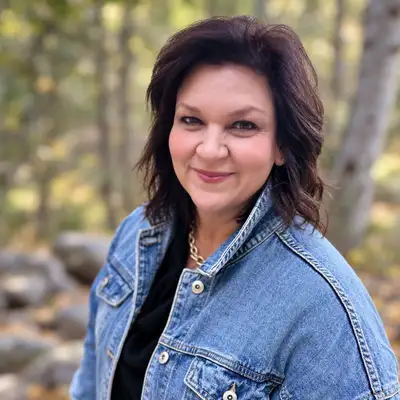
Rebuilt After 40 with Rebecca Sodek is a mindset and personal growth podcast for women over 40 rebuilding their lives, strengthening self-trust, and deciding what comes next.
You can love your life and still want parts of it to change. You can be capable, dependable, and the person everyone counts on and still wonder, “What do I want now?”
Rebecca is a health coach focused on leadership and mindset, a business owner, and a mom of three. After losing 135 pounds, building a business on all of it, and navigating divorce, she knows what it means to question the life you’ve built - and take responsibility for what you build next. She’s still rebuilding, too.
Through candid conversations about confidence, boundaries, relationships, grief, and identity beyond the roles you fill, Rebecca explores how to trust yourself, challenge limiting beliefs, and lead yourself well through midlife transitions.
Whether you’re facing a major life change or ready to stop putting what you want last, expect personal stories, practical mindset shifts, and questions that stay with you after the episode ends.
You don’t start over. You rebuild.
Follow Rebuilt After 40 with Rebecca Sodek on your favorite podcast app.
Get your free Rebuilt Mindset guide at https://rebuiltafter40podcast.com.
Do I vacuum or dust first? I can look that up. I want to ask my mom. It's been nine years
since I lost her and I still miss being able to ask for something that small. Her opinion,
her voice, the way she do things like Christmas decorating and birthday parties. She was just
so good at everything she touched. Think about someone you love having in your life. Someone
you can call without needing a reason. So much of what we love about them happens in
men's ordinary conversations. I miss those with my mom. There's something else I want to tell you
about losing her. Something I wish I'd handled differently. When I knew she was going to die,
I started pulling away. I loved her. I was scared. Creating distance was how I tried to control how
much it would hurt. I wonder if you recognize that in your own world. Wanting to be close,
then pulling back when it starts to feel like too much. What does protecting yourself from pain end
up costing? That's what I want to talk about today. I'm Rebecca Sodec. This is Rebuilt After 40.
Nine years later, her absence is familiar. I still wish she were part of all the things. And there
are ways that I still feel really connected to her and butterflies are one of them. And I kid you
not right before I hit record on this episode, a butterfly flew right by my window, right in front
of me. And that is validation to me that I am doing the right thing here. When I see them,
I think of her. And that connection feels very real to me. I also believe that my son was sent
by her and God to us. And that's really personal to me. And that's how I experience that
connection. My mom always wanted little girls and growing up we would go after dinner on a walk.
And she called it window shopping. We lived between a residential street and a commercial street.
And one night we would walk the residential street. And one night we would walk the commercial
street. And when we'd walk the residential street, she wanted to go window shopping too
because it was night and you can see people's houses. People want to still see in your house,
right? And I thought that was funny. And then we would go on the commercial side
and she'd go window shopping. And there's this little small boutique and they had the cutest
outfits with smock dresses and bows and all the ways that she used to dress me when I was a
little girl. And she would tell me that if I had a little boy that she'd send him back.
It was like, oh my gosh, mom, like really? Well, she would not have sent this one back.
She would have scooped him up and I would have never gotten him back.
My girls would have had some competition. I can imagine how much she would have
loved him and I wish I could see it. That's part of missing her too. Enjoying him and
wishing she knew him. Feeling connected to her and still wanting her here, I don't need
to make one of those feelings cancel the other. Time has also given me a clear
understanding of how I responded when I knew I was going to lose her. Her cancer had come back
for the third time and I believed it would be the last time and I was right. I started
grieving while she was still alive and I pulled away. Looking back, I can see that I was trying
to control how much it would hurt. I couldn't control whether I lost her. I tried to control
the loss by creating some distance before it happened and I wish I'd done that differently.
I loved her. I was already missing her and she was still here. Looking back, I wish I'd let
myself be closer. Not that we were un-close. We were close and I was there every second,
but it was like the knowing that she was going to die and then in the hospital I reconnected with
that and I wish I would have let myself be closer in that time before I knew the end was there.
Even knowing how much it was going to hurt and that's really hard to say. I'm telling you
because I can love my mom deeply and still wish I'd handle part of that time differently.
Pretending otherwise wouldn't help me understand what I do when I'm afraid.
That's something that I understand much more clearly now. It also gives me a question I can
use in my life today. Where am I protecting myself from pain in a way that keeps me from being present
for something I love? That's a leadership question. It asks something of me now.
When I find myself pulling away, will I notice? Will I tell someone what's happening?
Will I ask for help before I've decided I have to handle it alone?
I can't go back and change that time with my mom. There are people in my life today
I want to be present for. I couldn't keep my mom from dying.
I couldn't keep my mom from dying. Pulling away couldn't give me that control.
What it affected was how present I could be while she was still here.
That's the part I want to pay attention to now.
Your experience may be very different from mine.
A relationship ended when you still wanted to work on it. A job you cared about disappeared.
Your health changed and suddenly your plans had to change too.
There may be someone who is still alive, but the relationship you hope to have with them isn't
available. Those experiences aren't the same as losing my mom. They aren't the same as
each other either. What you may recognize is how hard you're working to keep something from hurting
and how much of your attention that takes. What do you do when you can't make something turn out
the way you want it? I pulled away. For you it might be staying so busy that there's not
a quiet moment to think or going back to the same conversation hoping this time the other person will
say something that makes it okay. Maybe you've stopped making plans because the last thing
you cared about didn't work out. Think about your own situation for a minute.
What are you doing to protect yourself and is it helping you?
Sometimes distance is exactly what you need. A boundary can be a great decision.
I'm asking you to look at whether you are choosing what helps or reacting in a way you haven't stopped
to look at. There's a difference between deciding you need some space and disappearing from people
you wish you felt close to. You're the one who has to look at what's happening in your own life.
Here's the question that helped me. What needs care and what needs a decision?
If I'm hurting that deserves care. If I've stopped returning calls from someone I love
there's also something I can do about that. I can say I know I've been distant, I'm having a hard time
and I don't really know how to talk about it yet. That's a conversation I could choose to have.
I wouldn't need a perfect explanation before I picked up the phone. For someone else
the decision might be making an appointment, asking for advice or changing an arrangement or an agreement
that no longer works. The step depends on what you're facing. What have you been waiting for
before you let yourself take that step? An apology? Someone changing their mind?
An explanation that finally makes sense to you? Do you need to feel like yourself again first?
I understand wanting those things. Some of them may be outside of your control though.
If the next part of your life depends on someone else doing something differently
where does that leave you today? Look at what you could decide with the information you have now.
Getting support may be the decision. Taking time to understand your options may be the decision.
Moving forward can take preparation. Giving the preparation a purpose
what do you need to learn, arrange or ask for? You know how to learn. You know how to find resources.
You know how to make arrangements. Those abilities belong in the parts of your life where you need
help too. Being capable doesn't mean this should be easy for you. It means you have abilities
you can use and you're allowed to use them to take care of yourself. You don't have to wait until
everyone else is okay. Looking back at my mom's illness, I wish I'd stayed closer.
Regret brings me back to what I wish I'd done. I want it to help me recognize the next time
when I could do something differently. Someone I care about calls, a conversation gets uncomfortable,
I feel the urge to withdraw. Will I notice what I'm doing while there's still a chance to choose?
That's where what I've learned can matter. Think about something you wish you'd handled
differently. What do you understand now that you didn't understand then? Is there a choice
in your life today where the understanding could help? There may be someone you want to reach out to,
something you need to say, a pattern you're beginning to recognize before you repeat it.
You don't have to punish yourself to take that seriously. Use what you know.
For me, thinking about my mom brings me back to presence. The value of having someone in your life,
being able to call, asking ordinary questions, sharing something that happened without needing
to explain why it mattered. I missed that with her. I want to appreciate it with the people
who are here. That doesn't mean I'm suddenly good at staying present in everything that becomes
difficult. I still need to notice what I'm doing. Am I listening? Have I pulled away without saying
why? Am I trying to manage the outcome instead of having the conversation? What would help me
respond more thoughtfully? Those are questions I can use. They bring leadership into the parts of my life
where it's easy to assume I should already know what to do. I can't choose whether losing her
hurts. I can make choices about how I live while I miss her. Some days leading myself well means
asking for support. Other days, it means noticing I'm avoiding something important
and taking a step toward it. The grief doesn't have to disappear before I can do either of those
things. You may still be dealing with something that changes what's possible for you. That deserves
some real attention. Your health, your finances, and responsibilities belong inside of those
conversations that you have with yourself. So does what you want to be a part of.
Who do you want to spend time with? What work matters to you? Is there something you've stopped
doing that you miss? Choose something specific that you can consider what it would take.
You're allowed to want a good life while you're still sad about part of it. You don't need to feel
guilty for enjoying a day because someone you love isn't here to enjoy it with you.
I miss my mom. I still want to enjoy my children. I want to do work I care about and experience
things I haven't done before. Missing her is part of that life.
Here's what I'd like you to try after this episode. Choose one day, one situation
that you've been struggling to respond to. You don't have to choose the most painful thing
in your life. I want to make that very clear. Choose something that you're ready to look more
into though. And first I want you to ask yourself this. What am I trying to control? Name it.
Is it somebody else's response or something that's already happened?
Whether you'll ever feel disappointed again. Then ask this. How is that affecting what I do?
Are you withdrawing or over committing? Maybe you're continuing a conversation that isn't giving you
anything new and it's just another three-hour loop. Maybe you're putting something you want on hold.
Look at the details before you judge yourself. And then finally, what needs care and what needs
a decision. Just choose one response. Ask for support. Get the information. Make the call. Set
the boundary. Give someone your attention. There may be a small step available that changes how
you participate in that even though it doesn't change what happened. Decide what that step
is and when you'll take it. I lost my mom nine years ago. I've lived a whole lot of life since then.
I still wish I could ask her what she thinks. Christmas decorating brings her to mind with
so many emotions. So do butterflies. So does looking at my son and imagining her
scooping him up. I'm grateful for that connection. I wish she was here. There are things I would do
differently if I had the chance. The chance I have now is with the people who are here.
I want to answer the call. Pay attention. Say what I mean instead of pulling away
and hoping someone understands. I'm still learning how to do that when I'm afraid.
That's what I mean by leading myself well. The understanding has to reach the way I live.
For you, there may be a call to make or an appointment to schedule. Something that you need
to say. There may be a decision you've been waiting for someone else to make easier.
What did you recognize while we're talking? Stay with that for a minute.
What will you do with it after you turn this off?
Choose one step and decide when you'll take it. You may still feel sad when you make the call
or unsure when you ask for help or afraid when you begin. Give yourself the support to do it with
those feelings there. Something important is happening in your life. You deserve to be a part
of deciding what comes next. Before you go, I'd love to hear what this brought up for you.
Leave me a voice message on SpeakPipe. The link is in the show notes. Ask a question. Tell me what
you're recognizing in yourself or share the step you're choosing to take. For this episode, I'd love
to know what have you been trying to control and what's one choice that's still yours.
You don't need to make it sound good. You don't need to have it figured out. Just tell me where you are.
My free guide, the Rebuilt Mindset, is also linked in the show notes if you'd like somewhere to
keep working through these questions. If someone came to mind while you listened today,
send her this episode. You might say, I thought of you. I'm here if you want to talk.
Sharing this part of my life matters to me. I wish I'd stayed closer to my mom when I was scared of
losing her. Saying that here won't change it. I hope it helps you notice a moment in your own life
while you still have a choice about what happens next. Before you turn this off,
name the step you're going to take. Who will you call? What will you ask for?
What have you realized needs your attention? You may still be hurting when you take that step.
Let someone support you if you need it. I still miss my mom. I always will.
I want what I've learned from loving her and losing her to change how I show up for the people in my
life today. Whatever you recognized in your own life today, give it your attention. You still
have choices that matter. If you've listened to all three episodes, we've asked a lot to look
at what you've been calling fine to question whether you still want what you've worked so hard for.
To consider how you respond when life changes without you having a choice.
There's something underneath all of it that I want to talk about next. When things get difficult,
what do you automatically take responsibility for? Who makes the arrangements? Who notices
what everybody needs? Who tries to make sure nobody is upset? Is that usually you?
I am the adult child of an alcoholic. That's part of my life I want us to spend time with.
I want us to look at what we learn to do and how we become good at it and what happens
when we keep doing it without asking whether it's still our responsibility.
Your upbringing may have looked different from mine. You may still recognize being the person who
steps in before anybody asks. Here's what I want you to notice between now and the next episode.
When did being the one who could handle it become the one who had to?
Episode four is called What I Carried When It Was Never Mine. It comes out November 8th.
Until then, notice the next time you step in before anybody asks. What are you afraid
What are you afraid would happen if you didn't? I'm Rebecca Sodec. You don't start over. You rebuild.