Subscribe
Share
Share
Embed
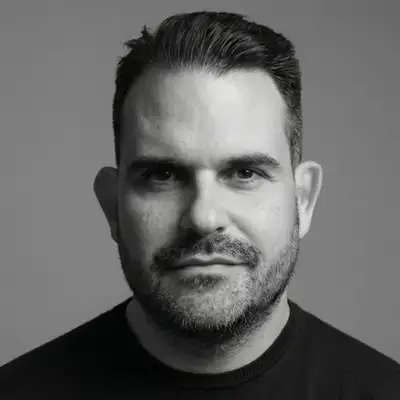
In this episode, host Chris Maffeo talks to Andrew Borenzweig, founder of Beverly High Rye, who shares his journey of creating a modern, luxury-focused American whiskey that breaks away from traditional frontier or rustic imagery. Inspired by the elegance of Beverly Hills, Andrew crafted a whiskey that blends rye’s bold spice with bourbon’s smoothness, presented in sleek, decanter-style bottles. He initially concentrated on securing placements in prestigious California venues—such as Nobu, Mastro’s, Cipriani, and the Beverly Wilshire Four Seasons—to build brand credibility and visibility. This strategic on-trade focus laid a strong foundation before carefully expanding into off-trade channels like select Pavilions stores. Throughout the episode, Andrew emphasizes the importance of brand authenticity, founder-led advocacy, and a California-centric rollout as key drivers of Beverly High Rye’s success. Additionally, he touches on leveraging top on-trade outlet groups to facilitate potential international expansion, referencing Nobu Tokyo’s interest in the brand. Timestamps:00:00 Introduction and Podcast Overview00:29 Guest Introduction: Andrew Bornenzweig00:58 The Inspiration Behind Beverly High Rye02:30 Marketing and Brand Positioning06:44 Expanding to New Markets11:05 Product Portfolio and Collaborations17:21 On-Trade vs. Off-Trade Strategies24:50 Final Thoughts and Advice for Brand Owners
In this episode, host Chris Maffeo talks to Andrew Borenzweig, founder of Beverly High Rye, who shares his journey of creating a modern, luxury-focused American whiskey that breaks away from traditional frontier or rustic imagery.
Inspired by the elegance of Beverly Hills, Andrew crafted a whiskey that blends rye’s bold spice with bourbon’s smoothness, presented in sleek, decanter-style bottles.
He initially concentrated on securing placements in prestigious California venues—such as Nobu, Mastro’s, Cipriani, and the Beverly Wilshire Four Seasons—to build brand credibility and visibility.
This strategic on-trade focus laid a strong foundation before carefully expanding into off-trade channels like select Pavilions stores.
Throughout the episode, Andrew emphasizes the importance of brand authenticity, founder-led advocacy, and a California-centric rollout as key drivers of Beverly High Rye’s success. Additionally, he touches on leveraging top on-trade outlet groups to facilitate potential international expansion, referencing Nobu Tokyo’s interest in the brand.
Timestamps:
00:00 Introduction and Podcast Overview
00:29 Guest Introduction: Andrew Bornenzweig
00:58 The Inspiration Behind Beverly High Rye
02:30 Marketing and Brand Positioning
06:44 Expanding to New Markets
11:05 Product Portfolio and Collaborations
17:21 On-Trade vs. Off-Trade Strategies
24:50 Final Thoughts and Advice for Brand Owners
The MAFFEO DRINKS Podcast is a leading drinks business podcast delivering actionable insights for drinks leadership.
For founders, directors, distributor MDs, and hospitality leaders navigating the tension between bottom-up reality and top-down expectations.
20+ years building brands across 30+ markets. Each episode features drinks builders: founders, distributors, commercial directors, sharing how the drinks industry actually works. Not the conference version. Honest conversations.
Insights come from sitting at the bar.
Beyond episodes: advisory for leadership teams, subscription with episode deep dives and principles to navigate your own reality.
Beer, wine, spirits, Low and non-alcoholic.
Bottom-up Insights & Episode Deep Dives at https://maffeodrinks.com
Hey, drinks builder. This is Chris Maffeo, and you're listening to the Maffeo Drinks podcast. Today, we are reaching listeners in over 100 countries, and I'm grateful you're one of them. Before we dive in, a quick reminder that while the show is free, our paid Substack subscribers get early access to episodes, full transcripts, and exclusive deep dive newsletters. Check it out at mafayordrinks.substack.com.
Chris Maffeo:Now let's get into today's conversation.
Chris Maffeo:Hi, Andrew. Welcome to the Muffer Drinks podcast. That's a pleasure for me to have you. I've been seeing you on LinkedIn and Instagram and all the social media. You're one of those that are always popping up and I'm happy to see photos of.
Chris Maffeo:I I love your consistency in execution, especially what I see in the on trade. It's very aspirational. So let's start with a few questions. So, like, give us a very short overview of why the Beverly and the name and the product and what it is.
Andrew Borenzweig:Perfect. Yeah. We'd love to. So, you know, being born and raised in LA, wanted to kinda bring a touch of my own personal inspiration, and also bring a touch of luxury to American whiskey. I think, when you look at the landscape, a lot of American whiskeys are going to have, an ethos that's primarily, you know, frontier, western, country dominated, and I felt like there was room to, just really bring a fresh, modern touch of luxury to the category.
Andrew Borenzweig:And to me, Beverly is the ultimate representation of that. It's something that, you know, kind of gives you that aspirational lifestyle really across the globe. Right? And if you see our bottles, we took sort of an art art deco style inspiration, decanter style bottle to give it that kind of old Hollywood feel.
Chris Maffeo:It looks like a twenties kind of Beverly Hills and feel. You know? It gets really Exactly.
Andrew Borenzweig:Yeah. Yeah. The idea is kind of, you know, you're hanging out at the Beverly Hills Hotel, sunset hour, enjoying a nice glass of whiskey. Which one should it be? Of course, Beverly High Ride.
Andrew Borenzweig:Right?
Chris Maffeo:Fantastic. And so why did you choose the High Ride as a name? What's the backstory for that?
Andrew Borenzweig:Yeah. Definitely. So, I mean, again, a lot of this is is gonna be my own personal preference. You know, I've I've been working in the whiskey whiskey industry for my whole adult life over that time. I've tasted a lot of whiskeys.
Andrew Borenzweig:And, for me, I really fell in love with rye. Right? I think rye is very bold, very complex, very intriguing. But that being said, Rye is a much smaller category compared to bourbon. And I think, you know, some of the the downside of Rye or at least the perceived downside is that it can be a little bit rough, a little bit coarse, and I think sometimes that can intimidate intimidate people.
Andrew Borenzweig:Right? So for us, the idea was really to harness all of those great things about rye, that bold spicy flavor, but give it some of that rich, smooth character associated with bourbon So then it's just a little bit more inviting than a traditional rye without compromising that bold spicy flavor that, of course, you're gonna be looking for.
Chris Maffeo:I I really like what you are conveying as a message and what you do in execution because I'm talking a lot about commercial proposition or how do you translate the brand positioning into a commercial proposition for bars and restaurants specifically for the entree to start with the bottom up. And I really love the bottle fits so perfectly the outlets that you are showing, you know, as a listing on Instagram and on social media and so on. So it's really clear if the Beverly High Rye was an outlet, that's what it would be. And then when I see that on the page, then I was like, wow. Beautiful.
Chris Maffeo:This is really what I'm talking about. And it's nice to see it from somebody. As a brand owner, it's really conveyed a message.
Andrew Borenzweig:Yeah, absolutely. And I think, you know, there are kind of two pieces of this. You know, I think story is very important in having that kind of authenticity. You know, of course, bringing that into every interaction and every tasting, every meeting, I think that goes a long way. But at the same time, you know, you wanna design a product that to kinda speak for itself, convey, you know, that sense of, fit without me being there to tell the full story.
Andrew Borenzweig:Right? And I think exactly like you're saying, you know, when you look at the bottle, you look at the the packaging, you taste the liquid, you can kinda just see, okay. You know, I think and this has been our experience. A lot of our managers will taste it and see, okay. I can see exactly where this is gonna go on the back bar, and I can see exactly how this is gonna fit, in our program and kinda fill fill a niche as well.
Chris Maffeo:And and when you started, I mean, without, let's say, disclosing internal strategy, but what was that like a gap from what you heard from the trade in terms of like a luxurious kind of whiskey that was specifically on the rye side of things, but also like in more general on the American whiskey landscape. Was this something that people understood right away the gap that it was filling or was it more, like, harder to explain and do some groundwork on getting those listings?
Andrew Borenzweig:Honestly, I think it's it resonated pretty quickly, which, I mean, we're we're very fortunate for that. And I think, you know, when you look at the landscape of American whiskey generally, you know, there just there really is that gap. And, again, having, spent some time working in the industry, it just it became pretty apparent. And, you know, I think, especially here in LA targeting the types of outlets that we've we've targeted, whether that be, you know, Beverly Wilshire, Nobu, Mastroz, Cipriani. It's just, it's just been very seamless and very frictionless.
Andrew Borenzweig:And, you know, I mean, most importantly, their guests have been really gravitating towards it. And, of course, that's that's always gonna be the most important thing to keep everybody happy.
Chris Maffeo:I mean, you said fortunate, but probably. There was quite a lot of homework that was done before that.
Andrew Borenzweig:Yeah. Yeah, definitely. And I think a lot of that informs the bottle design. Much as the flavor profile was influenced by what I like to drink, of course, there was a lot of R and D that went into that and, you know, a lot of samples going out into the market and, you know, just doing a lot of testing, making sure that everything, you know, everything that went into the product is gonna be perfect. And I think once you nail the products and you sort of start to find that fit, everything just becomes, much more seamless.
Andrew Borenzweig:And, and then you can kind of just keep hammering what what's working. Right?
Chris Maffeo:Interesting. One of the things I'm talking about is this, target occasion and really focusing on an occasion. And I saw in your communication on your website, obviously there's a lot of, neat serve on the rocks, but also cocktail. Did you discover by, let's say learning by doing a particular way that was mostly enjoyed, or really depends on the outlet or there's a cocktail there's a signature cocktail thing that really resonates with the bottle and and the product or not?
Andrew Borenzweig:I think from a positioning standpoint, first and foremost, it has to be a great sipping whiskey. Right? And I and that was always our focus. Right? We were doing recipe development, making sure that it's gonna be great.
Andrew Borenzweig:But at the same time, I think having that versatility to, you know, enjoying meat on the rocks in a great cocktail is super important. And realistically, especially on train, you know, most most consumers that you know, most people dine at Nobu are probably gonna be enjoying it in a cocktail. Right? And I think that's generally true. Usually, in the classics, they're always gonna be the most successful.
Andrew Borenzweig:Right? Here in The States, it's gonna be an old fashioned, far and away, the most popular cocktail with using American whiskey. We've had a lot of success in Manhattan's, full of mariades, and, you know, of course, there are so many programs, so many amazing bartenders, bar managers who, have made totally unique cocktails, which have gotten very well to you. So, I mean, I think, you know, when looking at off trade, I find that consumers typically are looking to enjoy it neat on its own when they're, you know, when they're at home, unwinding after a day of work. That seems to be, you know, the primary way people are enjoying it.
Andrew Borenzweig:But I think it's a it's a mix, and it's good to, you know, it's good to have that versatility and be able to, do both well.
Chris Maffeo:So the cocktail plays like the liquid on lip foot in the door to get people to discover it. Otherwise, probably they wouldn't pick it up as a choice of from the back bar, but then if it's on a program on the cocktail, then they discover that, and then they say, okay. Actually, I'd really like it, and then I can go and buy it.
Andrew Borenzweig:Exactly. They try it in the cocktail. They see it in the menu. They're they love the cocktail. They're curious to learn more.
Andrew Borenzweig:And I think especially when you're brand new, you know, you can lean on cocktail menu placements. You can really try to build great relationships with staff, try to get bartenders to recommend it if somebody orders classic old fashioned at the bar. You know, hopefully have them recommend Beverly Hi Rye for that. And I think that for me, building those relationships has been the most important thing. And obviously having limited resources and me really being the only person in the field for the most part, You know, I've really focused on a small select number of outlets.
Andrew Borenzweig:Right? Really primarily just in Southern California, although we're starting to expand to Japan and Tennessee and other markets as well. But, you know, building building those real relationships over you know, with consistency over a long period of time, to hopefully earn those recommendations as well. And that's been super important for me.
Chris Maffeo:I mean, there's a couple of things to discuss there, like the, you know, the way to export. But like from what I understood, you are primarily Southern California focused for now. Yeah. Exactly. And this is resonating with what I talk about, like the winning the home turf kind of thing now.
Chris Maffeo:It would it would look weird if you something called the Beverly High Rye wouldn't be listed in in LA.
Andrew Borenzweig:Yeah. Absolutely. Absolutely. And I think, you know, for me, the the most important metric of success is reorders. Right?
Andrew Borenzweig:What does that turnover look like? You know, sure, it's great to get sell a case into a bar, but are are people actually drinking it? You know? Is it actually moving? And at the end of the day, that kind of real traction is what is gonna build the business over time.
Andrew Borenzweig:Right? And I think, you know, for me, I'd I'd always rather go deep as opposed to going wide. But that being said, while focusing on outlets that do have the potential to scale. Right? You know, names like, you know, Nobu, Four Seasons, that are that are known all across the world that have, you know, outlets all across the world.
Andrew Borenzweig:And when it is time for us to grow, then we sort of have these channels as a built in platform. Right?
Chris Maffeo:This is another things that I'm discussing with a lot of guests. There's one thing with the independent outlets in the on trade, then there's groups and chains and on the premium end of, obviously, when you start. It sounds like that can be the foot in the door for you for expansion. Like, was that the reason why you started Japan? Because I'm I'm seeing a connection noble noble with Japan.
Andrew Borenzweig:Yeah. Absolutely. So, I mean, you know, Japan really did come exactly through Nobu Tokyo. You know, Nobu Tokyo wanted to bring it in after, I think, you know, seeing what we have been doing here in, at Nobu in California and New York. And, fortunately, they introduced us to one of their favorite importers, distributors, and, we made it happen.
Andrew Borenzweig:So we just launched in Japan in September, and, it's been it's been amazing. I mean, the, cocktail culture out there is really something else and, been twice in the last three, four months now, and it's just been, it's been incredible. It's been incredible.
Chris Maffeo:A lot of people contact me for this is that the focus that I'm talking about, it doesn't mean that you cannot grasp opportunities, you know, it's just that you need to be mindful of not spreading yourself to think now when you said it's better to go deep than wide. What I always say is that if it brings credentials to the brand, then it's worth pursuing it. Otherwise, you're just basically shipping pallets here and there, and then you you just
Andrew Borenzweig:Which is tempting. Which is tempting. Right? It's very tempting to you know, I mean, when you think, especially as a, you know, as a CEO or founder, it's very tempting to say, next year we can ship a pallet to this market, a pallet to this market. Unless you really are going to be in the market building bottom up, right, building those relationships, At the end of the day, when you look back a year later, you know, are are are you have you moved through that palette?
Andrew Borenzweig:Are you gonna be selling another palette to that market? And I
Chris Maffeo:think just being
Andrew Borenzweig:realistic with the resources that you have, it just makes much more sense to keep that focus, you know, keep it tight and exactly, go deep as opposed to going wide. But I do think the Japan opportunity has been interesting in a lot of ways. You know, I think it it definitely adds a dimension to the brand. Right? I think it gives it a global feel.
Andrew Borenzweig:And I think there's so many you know, for the types of outlets that we've had success at, there are so many of those in Japan. Right? So I think, you know, for example, we're at Aman Tokyo. Right? We're in Nobu Tokyo.
Andrew Borenzweig:Soon, we'll be at Ritz Carlton in Tokyo. It has a lot of amazing sort of smaller craft cocktail bars. And, you know, for us, that's very exciting.
Chris Maffeo:Wow. Wow. And I guess this is also like this kind of, like, iterations and feedback loop sort of thing now, because then maybe, you know, by then entering the REITs in Tokyo, you may end up again into building the credentials into the same chain back in California. And then it becomes this kind of snowball effect.
Andrew Borenzweig:Very reciprocal. Exactly.
Chris Maffeo:Yeah. Yeah. And let's talk a little bit about the SKUs that you have in now because, I mean, the barely high rise domain from what I understood, the main kinda like the flagship product. But I've seen on the website and on your communication that you also have other SKUs. So how do they play?
Chris Maffeo:What's your portfolio strategy, so to say?
Andrew Borenzweig:Definitely. So Beverly High Rise, our core expression, again, very versatile. You know, if we, if we have a cocktail, you know, opportunity to be in a cocktail on the menu, it's almost always gonna be Beverly High Rye. You know, and and I think that's because of the flavor profile. It's also because of the price point.
Andrew Borenzweig:Right? It retails for about $60 a model in The US, $60.65. Then we have the reserve, which is gonna be our barrel strength, blend, also a blend of bourbon and rye, sixty forty bourbon to rye. So it's gonna be richer, sweeter, drinks more like a bourbon. And, you know, at that proof, this is a great one to just sip neat, sip slowly.
Andrew Borenzweig:Also makes a great high proof old fashioned. So, you know, if we are doing r and d on a cocktail, usually, I'll suggest for Beverly High Rye, you know, Manhattan, you know, some sort of Manhattan or play on a Manhattan or a Boulevardier, Sazerac tend to be the best fits, whereas the Reserve, I think, just really sings in an old fashioned. And, they're very complimentary in that in that sense.
Chris Maffeo:I've seen also some other interesting thing. I don't know if you call them collaborations or limited edition. I've seen something you've done for the Beverly Wheelchair and for other for other kind of outlets and clients. How does that play? Because I guess these venues are very demanding now.
Chris Maffeo:So there is this trend about localizing and about having their own sort of range. So how does that play into the overall portfolio of of yours?
Andrew Borenzweig:Yeah. Great question. So we've done a couple exclusive additions, which are basically gonna be special cast, you unique special cast finished expressions on Beverly High Ride for different hotels. So we did one for Beverly Wilshire, which is the Four Seasons Hotel here in Beverly Hills, very iconic property. We did a Ruby Port cast finish for them last year, and we just released an orange wine cast finish expression at Beverly High Ride for Disney's Grand Californian Hotel here in Orange County, actually, just about a month ago.
Andrew Borenzweig:So, you know, I think, of course, for for the hotels, they really always want to deliver a special experience for their guests. Right? And I think having a really unique product, is something that, you know, impresses on guests, and it's something you can only find there. Right? And I think it's beneficial in so many different ways.
Andrew Borenzweig:It really gets the staff excited. Right? It's something that they can be proud of. And, you know, a lot of these conversations have started out as sort of, hey. Can we do a, you know, a a barrel pick, for example?
Andrew Borenzweig:But, you know, for us going that extra mile, doing the special cask finish and and selecting a cask finish that's going to have a flavor profile that, you know, is gonna resonate well with the the hotel's guests, It's it's just been it's been very, very successful for us. And I think very mutually beneficial.
Chris Maffeo:No. That's beautiful. This is something that I was discussing, for example, with Georgie Bell in one of the previous episodes from the hard cuts. You know, the fact that, I mean, for example, they do it for the distilleries that do that do single barrels from certain distilleries. And I feel these special editions or exclusive editions, they bring kind of refreshed look, can feel and taste profile to the core SKU now.
Chris Maffeo:So what I hear here is that like you bring something for a specific client again, like feedback loop to each other now, because then you play with an SKU that is only exclusive in an outlet, in a hotel or in a bar, in a restaurant. Then being the name there, like you actually into the main SKU that you can then use also in retail and so on. So I I really love
Andrew Borenzweig:Exactly. This idea. Yeah. No. Absolutely.
Andrew Borenzweig:And the goal is always to really bring the spotlight back to our core expressions. Right? So doing these kind of exclusives, it's an amazing way to, you know, build build a relationship when, obviously, you know, done in California. You know, it's El Beverly Wilshire, two
Ben Branson:of the
Andrew Borenzweig:most, prominent properties certainly here in California, but, you know, known known worldwide. And, you know, that that exposure, of course, is going to, you know, bring bring eyeballs to to our brand and hopefully bring people to our signature product. You know, like you say, you know, pick up a bottle, bring it home. And, you know, that's that's that's absolutely been the sort of feedback loop that we've been looking for. And, you know, with Beverly High Rye and and the reserve too.
Andrew Borenzweig:Right? The the goal is really for these to be your go to daily drinkers. Right? And we've been very mindful of, you know, not not necessarily leaning too hard on limited editions, you know, not not going crazy expanding our portfolio and really keeping that focus on our signature bourbon ride blends, building those. But these hotel collaborations have been the exception because of exactly what you're saying.
Andrew Borenzweig:It just brings great exposure, and it really just helps on these relationships at the end of the day.
Chris Maffeo:Nice. And I'm discussing a lot with other guests also the fact that kind of like the cross pollination between categories now. I mean, I love the fact that you're bringing, you know, bourbon and rye together in different kind of ratios. And do you also see kind of like a cross pollination between whiskey and other categories? I mean, like the trending tequila or the mezcals and of, you know, in the especially in California.
Chris Maffeo:Do you see from an occasion perspective to, you know, to bridge between these categories? Or is it a very category specific, like it's American whiskey and that's it?
Andrew Borenzweig:I would say, it's primarily American whiskey. Right? But, mean, it's funny. I actually literally, no joke, had a dream last night that we did an an an anejo cast finish on Beverly Hot Rye. So maybe there's something there.
Andrew Borenzweig:But, yeah, I think I think keeping it to the bourbon ride blend is gonna be our focus. Right? We did do a limited edition American Single Malt, and, you know, American Single Malt was just ratified as an official category by the CTB, just last week. And, you know, I think that's a very exciting frontier. So we did a you know, the distillery we partnered with Cedar Ridge.
Andrew Borenzweig:They've got an amazing single malt called the quintessential. Murphy, our mad their master distiller has been putting out these amazing special releases. And earlier this year, we we thought it'd be awesome to do a collaboration, the quintessential edition of the Beverly, finished in a Monteiro cherry and French oak as sort of just a a onetime limited, very special release. And that's been that's been awesome. I mean, I'm per personally not nearly as familiar with American single malt, and I think that is a very exciting new frontier within American whiskey that, you know, who knows?
Andrew Borenzweig:You know, if you're some some years down the line, maybe we'll we'll start to explore. But but, yeah, I think in the meantime, the bourbon rye blend, Beverly High Rye, Beverly Reserve, those are gonna be our our signatures.
Chris Maffeo:Nice. And what about in terms of off trade? I mean, we spoke a lot about the on trade and we touched on the off trade, but specifically in The US, it's a very important channel on the retail and so forth. But how do you play? How do you, let's say, split yourself, let's say, between on and off in terms of this groundwork and this bottom up hustling?
Andrew Borenzweig:Yeah. That's a great question. That's a balance that I'm still I'm still trying to trying to work out. Right? But, I mean, we we first launched Beverly High Ride about two and a half years ago, and the strategy has been really to build the brand on trade.
Andrew Borenzweig:Right? So to focus on being at these, you know, prominent popular bars, restaurants, hotels, and really get our our target customer, their guests Sure. Exposed to the product in an exciting way, through those channels. And and throughout that time, we've also been focused on building the brand with PR. We've been in Forbes, also Bloomberg several times and, you know, trying to really bring the brand to a wider set of eyeballs that way while keeping our market focus very, very tight.
Andrew Borenzweig:Right? But we've actually just, we rolled out a pavilions earlier in this fall. That's our biggest retail opportunity today. 25 stores here in Southern California. And it's definitely been an adjustment, you know, making sure that we're servicing all of those accounts properly.
Andrew Borenzweig:Right? And it's a very different format from the entree, you know, doing in store tastings all the time, you know, getting their customers exposed to it. Liquid to lips, you know, bottom up. It's still the same fundamental strategy, but, very different channel. And, you know, I think after about you know, after two, two and half years building the brand over all this time, we're starting to get to the point where a lot of people are familiar with it.
Andrew Borenzweig:They've tried it before. They've seen it on Instagram. They've they've heard of somebody talk about it. And, you know, honestly, I think exercising that patience to wait until this point to start to really branch out on the in the off trade has been beneficial. Right?
Andrew Borenzweig:Because at the end of the day, you you need that pull through. And as a new brand, off premise especially, you know, there are only so many ways that you can expose your product to customers in the store. Right? Again, staff recommendations, in store tastings, or the staff are recommending it. And, you know, it's it's definitely a challenge, but I think, you know, once you have that brand awareness, right, hopefully, you already have a loyal following and people who are gonna be coming in and pulling it off the shelf, which makes your life a lot easier, obviously.
Chris Maffeo:Of course. And do you see this kinda, like, spillover effect between on and off in you know, when you have such a geographic focus in the listings, do you see this kind of, or can you track it somehow? Or do you see even just a kind of like a qualitative research like this spillover between on trade buyers buying it, enjoying it in an old fashioned in a noble, so to say, and then going into a store and buying it? Or is it more like to kind of like separate path to the bottle?
Andrew Borenzweig:I I to view it more holistically where I think, you know, when you're you're focused on a market, you know, I of course, entree for us has been the the most important piece of that. But also, you know, what what activations are you doing in that market? Are you doing digital advertising in that market? And I think that all comes together to build that brand awareness that hopefully is sending somebody to the store to pick up a bottle. But for me, that last piece of it, going to the store to pick up a bottle, is almost like the final conversion.
Andrew Borenzweig:Right? And I think all of these other channels have to come together in order to really get people to to to that point. Right? So I think it's really focusing on, you know, executing in in multiple channels to build the brand in a specific area. And then, you know, hopefully, over time, that leads to picking it up off premise.
Andrew Borenzweig:And I think, fortunately, you we're we're we're definitely we're definitely starting to see that pick up.
Chris Maffeo:No. That's beautiful. I've I've been always an on trade guy. You know? I I never really like off trade.
Chris Maffeo:Let's say big retailers, you know, I don't like to go and park the car and take a trolley and walk the aisle and get lost. But I've changed my mind. I coined this term like bottom up trade, regardless if it's on or off, but it's where you can actually build the brand and where you can have a conversation. And there is an intermediary between the consumer or the buyer, the shopper and the bottle. So whether it's a clerk in a shop or a bartender in a bar, you know, if there's someone that can actually tell that story on your behalf, whether it's you doing the sampling or what it's legal, but you know, otherwise it's designated people, you know, that's where it matters now.
Chris Maffeo:And what it sounds like is that, you know, you are putting the digital amplification, so to say, within that game. It's the bottom of trade and the whole ecosystem that goes around it. And it could be a digital ads or an Instagram adverts that basically maybe those people have never really enjoyed it in the Nobus and the Four Seasons, but then they get it, they get prompted and they get prompted at the right time, and then they may start buying it in the off trade before they actually ever tried a cocktail in a bar.
Andrew Borenzweig:I think that's a great point. And one other thing I would say is I think, you know, so much of this comes down to people. Right? And if you have somebody who is a clerk at Pavilions or a a bartender at Cipriani, if they're eager to, you know, hear your story, try your product, and they're they're somebody who's open to having a relationship with you. It it actually doesn't even really matter where it is, what type of outlet it is.
Andrew Borenzweig:For me, the focus is always on working at outlets that have those types of people, right, who are open to, who are open to building a relationship with you and really focusing efforts towards those those people and and those places.
Chris Maffeo:One of the things that we discuss a lot is the not spreading yourself to fame. And very often I see that owners, they have a very big appetite for off trade because they feel it can unlock so much volume all of a sudden. But ultimately, with these huge ranges of retail, often I was discussing it with I think it was with Nick from Mangrove in the previous episode, you know, sometimes we notice that a bar is actually selling as much as a retailer. Of course, with the full potential of 200 stores, it's a lot of volume, but then by outlets, it's actually not that much, but the effort it takes, even from a financial point of view of getting the listing, putting the stock forward and getting paid after six months. What's your take on this and what's your advice to other people in your in your shoes?
Andrew Borenzweig:I think it's it comes down to push versus pull to an extent. Right? Because I think the the impulse to push out, let's say, a pallet to a big box retailer, it's very tempting. Just like, I think, you know, the the temptation to push out a pallet to a new market that you don't really plan to spend a whole lot of time in is also very tempting. Right?
Andrew Borenzweig:Because it's it's revenue, it's sales coming in the door, and and, obviously, there's always a lot of pressure for that. But I think at the end of the day, the pull is the most important. Right? I mean, if you ship to I don't If you open up 50 different 50 different stores at a big box retailer and product doesn't move, then you just burn that bridge. And, you know, yeah, you you got that one, you know, big order.
Andrew Borenzweig:But, you know, for me, if that's not if that if that's not gonna lead to recurring sales, then I'd rather work with a bar, who's gonna be introducing their guests to it. Right? Where we can, we can activate, use it as a platform to really build the brand and, you know, and also earn recurring sales that way. So, you know, I think that's that's that's tough. And I think, for me, just exercising patience in the off off premise is the the most important thing.
Andrew Borenzweig:Right? Really making sure that you're confident that your brand has the awareness and it's gonna be you're gonna be able to generate enough pull on your own, to make that partnership a success.
Chris Maffeo:Yeah. Yeah. It feels a lot like driving the car now. Like, get confident at low speeds that you can maneuver the car before you increase the speeds. You know?
Chris Maffeo:Like, it's a
Andrew Borenzweig:you know? Exactly. Yeah. Yeah. Exactly.
Andrew Borenzweig:And I mean, especially, you know, if you're used to, you know, if you're used to the off trade, even just starting to focus on the off trade is such a big transition. And then, you know, you could be opening up 25, 50, a 100 stores at a time. Right? And, you know, even if you have a a reasonably large team, that's still very overwhelming to manage. So a 100%, I think patience is the name of the game.
Andrew Borenzweig:I think building the brand, in an organic way is the name of the game, and I think, that that always pays off in the end.
Chris Maffeo:Great. So I want to leave you some space to to let us know how can people find you and get in touch with you and if you have any advice to leave to your fellow? I mean, there's a lot of brand owners in your shoes listening to the podcast, so the stage is yours.
Andrew Borenzweig:I would just say it's a it's a huge huge world, huge market out there, and it's it's very challenging. I think for me, you know, the most rewarding thing is always finding great people to work with, of create, of course, create special experiences using your products with, but also, people that you can just genuinely, enjoy working with, be friends with, and those people are out there. And I think once you find them, just always make sure to focus on that. And I think that leads to great results for the brand. It also helps to fight some of the the burnout that you can find when you feel like you're just always running into the same brick wall over and over again.
Andrew Borenzweig:I try to remind myself that all the time. And if you'd like to follow me on LinkedIn, my name is Andrew Bornswag, and our Instagram is at Beverly HiRi.
Chris Maffeo:Fantastic. So thank you so much, Andrew. It was a great pleasure to finally meet you and get to speak to you, and, we keep in touch.
Andrew Borenzweig:Likewise. Thanks so much, Chris. Appreciate you having me on.
Chris Maffeo:That's a wrap on today's episode. If this insights helps you, take a moment to leave us a quick review. It really helps other drinks builders find the show. And speaking of sharing, pass these insights along to another drinks builder who needs to hear this. Wanna get next week's episode right now?
Chris Maffeo:Head over to mafaredrinks.substack.com where paid subscribers get episodes a week early plus full transcript and deep dive analysis. Until next time, remember that brands are built bottom up.