Subscribe
Share
Share
Embed
Welcome to Lioness Women, a space for faith-fueled women to connect with their purpose and amplify their voices. These Lioness Conversations highlight purpose-driven women who share how their faith in Christ shapes their leadership, courage, and calling. 🦁
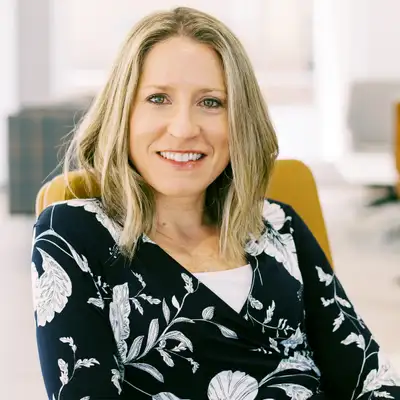
Hosted by Jen Porter, leadership and empowerment coach, this podcast shines a light on women who are leading with wisdom, strength, and grace — in boardrooms, businesses, ministries, and movements around the world.
Through raw, inspiring conversations, we explore how women of faith are building legacies, overcoming fear, and transforming their industries with bold vision and unshakable belief. If you’re ready to rise higher, lead with purpose, and stay rooted in Christ — this is your community.
Faith-Based Leadership | Christian Women | Women of Faith | Christian Podcast for Women | Kingdom Leadership | Spiritual Growth | Eternal Impact
Jen Porter (00:00)
Hey, Lioness, welcome to the show, Lioness Conversations, where we help women be brave, to lead with confidence and joy, and to find your path to the most meaningful work of your life. I'm your host, Jen Porter, leadership and empowerment coach for ambitious and heart-centered women who are ready to change the world. You can find out more at jenportercoach.com. You can be part of the Lioness community where we help
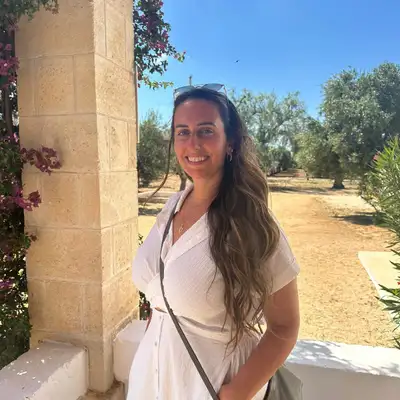
women be brave together. So come join us. Today I have the privilege of introducing you to Maya Shaposhnik Cadena After building successful companies in event production and wellness consulting, Maya is now focused on disrupting the pet care space. She's the founder of Vetted, a pet tech company that rewards and connects parents for prioritizing their pets' well-being.
Maya's driving mission remains the same, empowering people and teams to build a more impactful and compassionate world. Maya, welcome to the show.
Maya Shaposhnik Cadena (01:06)
Thank you so much, Jen. I'm so happy to be here.
Jen Porter (01:09)
Me too. I'm so excited for this conversation. So you're a founder many times over. How did you become an entrepreneur?
Maya Shaposhnik Cadena (01:18)
Yeah, so I think there's a big question whether it's like nature versus nurture. And I actually believe it's both. I definitely think you can be born with like tremendous leadership abilities, but you go through things in life where you, you're basically at a pivotal point and you decide if you want to go right or left. And for me, I had a few of those moments in my life. both my parents are entrepreneurs, so I definitely saw it in my home. It was like a natural conversation.
amongst us. And then I decided to do the army when I was 18 years old. And that really just like changed my entire trajectory. So joined the army and they put me in a crazy position. They had me as like a infantry instructor for like thousands of male soldiers. And I was like the only female in the room. And so, you know, many times I asked my officers and I was like, are you sure that I can do this? Like I'm 18 or 19, like
A lot of the men were a lot older than me. They were in reserves. They were in their thirties or forties. And so they said, Maya, we know you can do it. Like we wouldn't put you in a place we don't think you can accomplish and really succeed. And so that level of confidence, it just changed my entire life. And it made me understand how much potential I have. And so it just changed me to thinking like, what can I do in my life to reach my maximum potential? And that's how being an entrepreneur came about.
Jen Porter (02:42)
That's incredible. So I'm so curious now about your childhood. So what did you imagine you would be doing as an adult when you were a kid?
Maya Shaposhnik Cadena (02:54)
It's a great question. So, and I still want to do it. It's a full disclosure. My dream was always to be a politician. So yes, I still want to do it. I just believe that there's a few different ways to get to those like positions of power and have the network and the connections and the know-how and the worldliness around it. And so for me, it was either I would go into politics really young and kind of, you know, climb up the ladder year over year.
or I would become a very successful entrepreneur, see the world, know all these people all over the world, and then be able to go into politics. So I chose the latter.
Jen Porter (03:31)
deliberate decision.
Maya Shaposhnik Cadena (03:33)
Yes, I've, I literally, when I was six years old, like did a whole project on how I want to be a politician. And I still have the same exact dream 30 years later.
Jen Porter (03:44)
Okay,
okay, what was happening at six years old that was causing you to wake up to that?
Maya Shaposhnik Cadena (03:51)
I think that's where the nature versus nurture conversation comes in. And I think I was born with it. Just like, you know how when you look at a bookstore, right? And you're like looking at the front page of books, there is a natural tendency that you're attracted to. There's something on like which book you decide to read. So for me, it was always about like autobiographies on politicians, always, immediately. And I was like that as a child and I'm still like that today. Like I read a lot of books.
I still read, I do read like more now on the entrepreneurship side because I feel so deeply about it, but it's really about leadership and impact and challenges and how people overcome those challenges.
Jen Porter (04:30)
Wow, so was anybody in your family in politics? Nobody.
Maya Shaposhnik Cadena (04:34)
No one, no.
They thought it was a phase and it would pass, now they're so aware that that's just not the reality.
Jen Porter (04:39)
You
Well, so a friend of mine, Diana Maldonado has what's called the Candidate School. And she helps particularly women find their way into public office. So if you ever think that that would help you at some point, I'd love to connect you with her. She is amazing. And so then what was it about the Army? Did you come from a military background in your family?
Maya Shaposhnik Cadena (05:07)
Well, I'm Israeli, so everybody does the military by mandatory service. So my parents, of course, did their service. But I think for me, I was born and raised in the States, but I moved back and forth. lived almost every year in Israel for about three months a year. So I really solidified my identity, both being American and Israeli. I always felt that the place I felt the most myself is at the airport.
Jen Porter (05:13)
Thank you.
Maya Shaposhnik Cadena (05:37)
I know that that sounds funny, but like when I'm at the American airport, I feel like, I'm so Israeli because, know, like more cultural, know, like I, I'm like pushing forward, like trying like more Middle Eastern, know, like less politically correct. And then when I'm in Israel, they're always like, you must be American. Like you're standing in line so nicely and all that. So it's funny. I always felt like I felt the most at home at the airport.
Jen Porter (06:02)
Interesting.
So you saw that service from, because it is mandatory in Israel and it you consider serving here in the States.
Maya Shaposhnik Cadena (06:05)
But no, I...
I served actually in Israel, but I served in a dual role, which was very meaningful for me. So we have a lot of, we have a beautiful relationship with the U.S. military and we do a lot of joint trainings together. So because I was a dual citizen, I had the privilege of being able to train whenever the U.S. Army or the Marines would come to Israel, because I only did ground forces. I didn't do air or sea.
When they came to Israel, I got to do like a joint training where they would teach us their tactical experience and then we would teach them ours. And then it was just like, I was like the middle person between the two. So I felt, I felt that it was one of the most meaningful things I could do in my life.
Jen Porter (06:56)
So you served for how long in Israel?
Maya Shaposhnik Cadena (06:59)
I did the mandatory service, which is two years, and then I did reserves whenever they called me. So that was about five years of reserves. Yeah.
Jen Porter (07:05)
Wow.
And then, so you live there full time at that stage.
Maya Shaposhnik Cadena (07:12)
Yeah, I moved to
Israel, yeah, from the States. When I was 17, I moved to Israel to do the army. I got recruited right when I turned 18. I served two years. I actually met my husband in the army, which was great. Yes, I was 19 when we met. So we call ourselves army sweethearts. Yeah, so very thankful I made that journey or I wouldn't have met him. There's no way I
Jen Porter (07:30)
Hahaha
Maya Shaposhnik Cadena (07:36)
He's from Ecuador, a Jewish boy from Ecuador. There's no way we would have met anywhere else. Yeah. And then we stayed here for, until I was about 25, 26. So I was here for eight, nine years.
Jen Porter (07:40)
Yeah.
And when you say here, you're talking Israel.
Maya Shaposhnik Cadena (07:52)
Yeah, I'm in Israel. actually flew this morning. So I'm taking this call with you. Yes, it's nighttime here, but I was like, I'm not. When you said you were traveling, I was like, uh-huh, uh-huh, uh-huh. So that's why I'm saying here, because I'm currently here. ⁓ but I wanted so bad to do this podcast with you that nothing was going to reschedule.
Jen Porter (07:55)
No kidding.
I have no idea.
You
Okay.
⁓
I'm so glad. Thanks, Maya. So then when did you join the US Army?
Maya Shaposhnik Cadena (08:15)
course.
I didn't do the US Army, I only did the IDF, but it was in a joint role. So I always wore IDF uniforms, so I served in the IDF, but I had like a special job because I'm American and I'm Israeli, I was able to basically do like the trainings on bases whenever the US Marines or US Army would come to Israel, they would stop over. We have like these joint...
Jen Porter (08:32)
Mm-hmm.
Maya Shaposhnik Cadena (08:43)
like trainings that we do. One of them is the most famous one is called Cobra. It's like a very large training. happens, I think it's every couple of years. And so the, would bring a tremendous amount of U S army or U S Marine. Sometimes we had different branches, but they would come here and they would do the trainings with the Israeli soldiers. And we would basically just share all of the information, like in this type of terrain, we use these types of techniques.
And in this type of terrain, we do different things. And these are the types of weapons and armored personnel carriers and the tactics. And it was amazing to be able to do that. And so I served like really in between the two.
Jen Porter (09:23)
I it's, I don't know how rare it is, but in my world, it would have been very rare at 18 to have a leadership role like you had. And I know that happens in the military. mean, you get some of the best training and development from being in a system and an organization like that. what did you learn about yourself in those years where you were leading beyond what your, at least your perceived capacity at that point?
Maya Shaposhnik Cadena (09:53)
Definitely. So first I learned that I am very good at like taking, like energetically basically owning the room. Like people, like they followed me. So I had an ability to speak in public and to see that people would actually listen and follow me. And even if we had, there was one case, I'll never forget. This was very like a story, a life-changing story for me.
But there was somebody who was in his 40s and he didn't want to listen to an 18, 19 year old girl telling him what to do, even though I was responsible for them at that time. So he started smoking in the room as a way to push my buttons to see how I would react. So I immediately told him, you have to put it out, the cigarette. And he said, what are you going to do about it? And I said, OK, you're going to go outside. You're going to be all alone. You're going to have to do this course again. You're not going to see your family for another week.
That's up to you. You have two choices to make. You put out the cigarette and you accept that we're together in this, or you go outside and you have another week that you have to stay here all by yourself. And when all the guys saw how much confidence I had and I could look him straight in the eye and tell him that, and obviously do it in a way that's still respectful, but definitely creating boundaries and the age difference and being male, female, like all of those things, all those factors were there.
Jen Porter (11:08)
Mm-hmm.
Maya Shaposhnik Cadena (11:14)
him being successful as a business, me not even having a business yet, like just being a soldier, you know, just out of high school. So all of a sudden everybody respected me so much and he actually became a good friend of mine after, because he said, wow. Exactly. Yeah. And so I, that type of those types of boundary setting, I can't tell you how much they helped me in entrepreneurship, especially because, and it's unfortunate to say this,
Jen Porter (11:28)
And that's what the effect can do.
Maya Shaposhnik Cadena (11:43)
Like as a woman entrepreneur, there's almost none of us. And especially with investors, you don't know how hard I try to get women investors. Like I look for them because I would love to have more diversity in my investors. honestly, it's, it's almost impossible. And I feel like I'm putting all my effort doing it. So I'm most of the time surrounded by more of like, you know, a male dominant investor board or advisory board. And so that has changed my life. Like that experience.
Jen Porter (11:46)
Hmm.
Yeah.
Wow, it's interesting to hear you talk about the feeling like you're the only one, because that is who I'm interviewing, right? That's who I'm featuring on the podcast. And I'm thinking, wow, this is probably a more important platform than I realized to be able to showcase the work that women are doing. And I'm thinking of a woman who was on who is an investor in women's businesses.
And it's like, wow, it probably does feel really lonely in that world because you're not necessarily talking to one another every day. Is that true?
Maya Shaposhnik Cadena (12:48)
Yeah, there's a handful of us. Like I have a lot of entrepreneur friends and majority, want to say like 80 plus percent of them are male and they're phenomenal. I'm not saying anything against that. I'm just saying that I try, I'm the one looking like I'm not just passively waiting for more female entrepreneurs to enter my network. Like I'm actively looking for them and it's like 20 % of my network. So yeah, I think.
Jen Porter (13:00)
Mm-hmm. Yeah.
Interesting. Mind if
you, side note, have you done a TED talk?
Maya Shaposhnik Cadena (13:18)
No, I'd love to do one.
Jen Porter (13:20)
Yeah, I know a couple people who've done one and I'm just thinking it certainly opens up people understanding who you are and what you're doing and as you know the chance to get your message out but I think it also opens up the connections that you make through
realizing there's so many others out there and being able to showcase that too and say, hey, check this out. If somebody says, tell me what you do. Hey, check this out. ⁓ So that comes to mind too. So I want to, let's talk about Vetted because people are going to be really interested in what it is you're doing today, even though you've got these other businesses that you've done in the past, which are super interesting too. But tell us about Vetted. Where did it start?
Maya Shaposhnik Cadena (13:44)
See you later.
Jen Porter (14:02)
And what's your vision for this platform?
Maya Shaposhnik Cadena (14:07)
Great. So Vedit is a mobile app that rewards you for all of your at-home care you give your pets. So we basically gamified everything you're doing at home. You can walk your dog and log it in. You can read articles and you get all these care coins. Every time you do a task, you get care coins. In the app, you get badges. You have quests and challenges.
All of it is gamified and rewarding. Every single thing you do gets you Cara coins. And then you get all these Cara coins and you compete on leaderboards either with like the general vetted community or you can actually personalize leaderboards and filter it to like friends and family that have pets. And you can be like, you know, like, why aren't you walking your dog? Like, why aren't you doing this? Like I'm beating you either. Like you can positively motivate one another to do better.
And then you have all these care coins, the leaderboard, great, what do you do with the care coins? You then use our marketplace and you can go onto the marketplace to either spoil you or your pet. So you can buy yourself a free Starbucks and be like, I've been such a good pet parent, I'm gonna spoil myself with my care coins and get a free coffee. Or you can say, know what, pet food has just been so expensive and the prices are just going up. I actually wanna use my care coins to lower my pet care costs every month. And that's how you use the app.
Jen Porter (15:28)
Wow, that's incredible. I I love the ramification of it. So it reminds me a little bit. There's no real, like, I think you're doing it in such a unique way, for sure when it comes to pets and pet care and rewarding pet parents, but also helping parents take care of their little ones really well.
because it's a little bit of a mystery, right? We rely so much on vet clinics, which who wants to go to a vet clinic often, but I think you're doing it in really unique way. But I think about something like Peloton, where you've got a community, you know, it's an inspiring platform where you kind of high five each other and there's a leaderboard and you want to make.
you kind of want to go a little bit harder because you want to be with the other people who are working really hard at the same time. And I love the idea of being rewarded for going on walks.
Maya Shaposhnik Cadena (16:20)
Exactly. And you should see how many people build habits around it. Like it's beautiful thing to see. mean, just a few weeks ago, our backend crashed. It was like a mistake. Like we had an extra period in there or something and the backend crashed and it was like emergency at bed. Everyone was trying to figure out what's going on. We got dozens of messages, not just through support, but they found us on Instagram, TikTok. They started writing us.
Jen Porter (16:24)
Okay.
Maya Shaposhnik Cadena (16:47)
my app won't load, my app won't load. And the biggest feedback we got was I'm finally like having a habit with walking my dog and I don't want to break the habit. Please like fix the app. And it was so powerful for me to read that feedback because I felt like, wow, like people are really using this and it's helping them do more. And obviously it's healthier for their pets, but it's also healthier for them. You know, there's just like such a win-win in that model.
Jen Porter (16:59)
Wow.
Totally.
Maya Shaposhnik Cadena (17:16)
And I think people need to feel like they're already doing so much work for their pets. They need to feel like there's some kind of reward because at the end of the day, like, you know, if you're more like in the healthcare world, it's more like compliance. Like it doesn't feel sexy. It feels like a to-do list task, a burden, right? It doesn't feel fun and easy and simple and rewarding. And so that's really the angle we got.
Jen Porter (17:42)
Yeah.
Maya Shaposhnik Cadena (17:45)
I just wanted to say about what you said before, which was great to hear, was like the mission, the reason I even did this in the first place was because there is a complete black hole, complete, like nobody knows what to do with their pets, like how they should actually take care of them on the day to day. And if you ask them like, how are you taking care of your pets? Like what's healthcare? What does it look like for you? They'll say going to the vet once or twice a year. Like that's it.
Jen Porter (18:08)
Hmm.
Maya Shaposhnik Cadena (18:13)
But we all know, everybody knows the stats that pets age seven to 10 years for every one human year. Everybody knows that. So think about going to the human doctor once every decade and saying, I don't do anything in between. Like I don't care about my diet. I don't brush my teeth. I don't cut my nails. I don't take showers. Like once you understand that, once you make that like comparable in your mind, you understand why there's so many issues in healthcare for pets.
Jen Porter (18:20)
Yeah.
Maya Shaposhnik Cadena (18:42)
and that like you could have prevented so many of those things, but nobody in the space is empowering you, the pet parent. And that was my focus. Like how do I empower the pet parent to give the highest standard of care to their pets?
Jen Porter (18:58)
So good. tell me about your pet. What was his or her name?
Maya Shaposhnik Cadena (19:04)
So his name is Shore, like seashore.
Jen Porter (19:06)
Sure, yeah, tell us about sure. ⁓
Maya Shaposhnik Cadena (19:09)
He's delicious. He's a French
Bulldog. Yes, he has lots of rolls. I love him so much. He's such a gift. My husband actually got him for me after I lost my dad. So it was like such a beautiful, like beautiful thing in my life. And I'm always going to be thankful for this dog because he like, you know, helped me build a routine and get out of the house. And like when I cried because I missed my dad so much, he would come and just lay next to me, you know.
There's such a beautiful bond with animals. I mean, we domesticated them to be our best friends, literally, and that's what they are. And so, Shor has been just like, I knew when I got a Frenchie, I knew that there were gonna be health issues, but what he inspired me because of all those vet visits, I would go in and I would say, okay, what can I do to prevent this?
Like if he has severe allergies, okay, because he's a French bulldog and it's a breed related thing, fine. But I don't want to come in every two, three months and spend thousands of dollars and not sleep for nights because he's having an allergic reaction. Like how can I prevent it? And that's when I started learning how much you could do. And it was a little overwhelming, which is why we wanted to gamify the app and make it like more rewards based. So psychologically,
You don't feel that it's a burden or a to-do list, but you always have an opportunity to do better, always. And that's what we did.
Jen Porter (20:37)
That's incredible.
So I'm a huge proponent of empowering ourselves in all the ways, but in health specifically. And it's harder, I think it's harder with pets because we don't speak the same language.
And there's not specialists that we can go to who, it's like our healthcare system. You go for a particular issue, they give you something and you leave. It's not like, let's look at your lifestyle, let's look at your environment, let's look at the systems and your hereditary stuff. So I'm so curious, what did you learn about how you could have prevented some of the
stuff that Shor was going through.
Maya Shaposhnik Cadena (21:26)
Yeah, so there's so many things. So for example, when you have a dog with allergies, the allergy manifests in many different ways. So one way is their eyes, right? Where they have kind of these runny eyes and like there's kind of like, like a drip coming out of the eye, right? And so then they get a dry eye and they start itching the eye and that's how they get an ulcer. Cause they actually like when they itch and it's dry, they're basically scratching, right? And they get an ulcer. So.
That's allergy related. Like the problem isn't the ulcer. The problem, the underlying problem is the allergy. So lubricating their eyes is a huge win. If you just lubricate it, you didn't even have to do it every day. You could do it every couple of days, but the second you see that his eyes start to get like reddish and they have like that, immediately you just lubricate the eye, right? And you do it for a couple of drops, a couple of days. takes you 30 seconds, maybe.
and you're preventing an ulcer. I've never had an ulcer since then, like, because I just lubricate his eye. And then another way is like there are hotspots on the body, like the allergy manifests in like these rashes. But if you groom them, if you bathe them, like for example, Shore has very severe allergies. So I know that if I bathe him at least once every seven days, he doesn't get them. They just go away. The hotspot doesn't develop. Like the, doesn't like bubble.
Jen Porter (22:29)
Yeah.
Maya Shaposhnik Cadena (22:47)
you know, it doesn't get to that phase. So I groom him once a week, religiously, no matter what, every seven days he's getting a bath. And I have their special shampoos you use that like clean out all of the allergens that are stuck to their fur, which is why they're getting those reactions, especially when they're environmental. So there's so many things you can do for your pet. And I speak to pet parents on my walks, like I always stop and I talk to people, you know, our dogs play.
And I like, they'll tell me things that their dog's going through. I'm like, oh, did you know you could do this? You could do that. And they're like, no, how come my vet didn't tell me? And I'm like, that's the thing. That's the problem. The problem is that in our mind, there is an assumption that the vet should teach us everything, but that's not sustainable. The vet sees 30 patients a day and the vet doesn't have the tools, the skill, the time.
the bandwidth, any of that to actually teach you. And so you need, there needs to be something that's dealing with the lifestyle post the vet appointment and really empowering people so that they can do what's best for their pets.
Jen Porter (23:56)
Well, I love this example that you're giving about Shor because I'm thinking about it. If you're on the app, you're being rewarded for giving that bath every seven days, right? You're being potentially rewarded for using the proper products, right? The right shampoo and conditioner. You know, maybe there's a...
a setting where you for with a lubrication you're like hey I did this and then we all know that there's something in our brains that there's like a dopamine hit when we get to check a box right and so so what would that be like I'm just so that the listener can understand how it would feel to be on the app can tell us more about what that experience would be like like if it's sure
Maya Shaposhnik Cadena (24:26)
exactly. Yeah.
Yeah, for sure. like one of our biggest tools, we have these AI health scans that we built. They're propriety owned by vetted. So for example, let's say, you know, you're walking your dog and like they do number two and the number two doesn't look good. You could use in the app, Dr. Poop, where you just take a picture of it. It scans it and it tells you it's 98 % accurate. It will tell you whether or not the $300 vet visit is warranted or you should just keep walking and relax. Everything's okay.
And so in those cases, like you taking the picture, you getting the answer, you afterwards, you're getting rewards. So you're getting money like inside your like little piggy bank in the app. All of that stuff is really, really empowering you to do things alone. Now let's say that it didn't look good, right? Let's say that the number two didn't look good. The app identified something. It's not going to tell you what it is because we really try to stay away.
from telemedicine diagnosing and prescription, we're owning the lifestyle category. So at that point, we would then pass it off to, we would recommend you a veterinarian in your area, or we would recommend you to do a telehealth visit depending where you are in the United States. And like that way you would be able to like get the information in that way, rather than, you know, like being on your own and dealing with everything by yourself. And all those actions constantly just get you rewarded in the app.
Jen Porter (26:03)
Okay, do you actually get rewarded for picking up the poop?
Maya Shaposhnik Cadena (26:06)
Um, yes, there's like, there's a badge called Tidy. Yeah, Tidy Duty.
Jen Porter (26:12)
Really?
Maya Shaposhnik Cadena (26:14)
Yeah, so it's really good.
Jen Porter (26:15)
I'm telling
you, that would probably be a good thing for a lot of people. Maybe even me, because it does feel like a chore every time. ⁓
Maya Shaposhnik Cadena (26:24)
I
totally get it. You know the dog, that's why we picked the dog walking as like our main focus in the app because for us it was like what's something that feels kind of like a chore that you do every single day and you're not getting anything from it and we realized like that biggest thing is actually dog walking. So we tried to really focus on that and then Dr. Poop is like a feature within the dog walk or it's a standalone feature.
Jen Porter (26:45)
Yeah.
Maya Shaposhnik Cadena (26:52)
where you're worried you'd just take a picture and you'd show us. But the idea is like if you go to our website, the slogan on the website says, you already spoil your dog, you might as well get rewarded for it. Yeah.
Jen Porter (27:04)
Uh huh.
Yeah. I love it. I love it. It's funny because, you know, my husband and I, have a dog and a cat and we walk our dog. We don't just open the door and let him out. We literally walk the dog, which is actually a terrible habit. He won't poop in the yard. You know, he has to go on a walk now, but we'll walk him a few times a day and we talk about his poop every day.
Maya Shaposhnik Cadena (27:30)
Exactly.
Jen Porter (27:30)
because
it's such a sign of health, right? It's like, is he okay? Is he good? Did he go? Does he have what he needs? And so it'd be cool to be rewarded for that. I love what you're talking about too, because I'm thinking about two kind of categories where one is being more informed and having the tools to be able to take care of these little ones that we love so much, but also,
I'm thinking about there are people that I know that got pets because it's going to force them to go for a walk. They need, they need that. And I'm thinking about, you know, people that want to lose weight, want to get healthier, want to have more stamina and being able to walk. And so I could see how cool that would be to have that supportive app to be able to say, I did this thing. Like it, you know, it may not seem like
Maya Shaposhnik Cadena (28:04)
for sure.
Jen Porter (28:27)
a lot but when you have formed that habit and now you're healthier you're probably losing weight if you're actually moving your body that often you're you're going to see the physical impact of that and so to be rewarded for that and to be taking better care of your pet I think would be a win-win-win.
Maya Shaposhnik Cadena (28:49)
Exactly. And I'm so happy you said win, win, win, because there's a there's always like a third player in the space. It's not just the pet and the pet parent. It's also the vet. The vet is happy because they're finally like seeing cases where, you know, 60 % plus of pets right now have diabetes. Every single thing. Yes, I know. It's crazy. Yes. Every single thing that happens in the human health care world happens in the pet care world. 10 years later is just
Jen Porter (29:08)
now.
Maya Shaposhnik Cadena (29:18)
a fact. Like you look at the trends in human health care, it takes five to 10 years and it hits on in the pet care space. So like now one of the drugs that everybody's talking about with pet care is Ozempic for pets. Literally. Yes, I want you understand it.
Jen Porter (29:32)
my goodness. Okay, so the pets need to
do the exercise too. Like literally pets need more exercise.
Maya Shaposhnik Cadena (29:39)
Yes.
Yes. No, no, no. It's a, mean, think about it like they're animals, right? They were outside, they were doing different things. We domesticated them. We changed a lot of their like genetic breeding and all that stuff, right? Okay. That's all fine and fair. However, like we're feeding them, you know, we're feeding them. We're not sure about the quantities we need to feed them. They're having a lot of hip issues. They're having diabetes. They need insulin shots. I mean,
the list of like all the things that could happen go up and the amount that you can prevent is so high that if you just spent a week in a vet ER, you would see how bad it is and you would understand how big the problem is. But when you hear the vets, like I was shadowing in an ER clinic for many months before I started vetted and I would hear the ER vets talking to each other and talking to the technicians and nurses and they would be like,
so frustrating. Like this could have been prevented, you know, and now they're paying 10 grand and now they have financial issues and now the pet suffering and now the parents are suffering and I'm just sitting there and I'm like, how, how could it be prevented? Tell me. And they're like, well, this is a problem with obesity. You know, like if only they did this or the ulcer in the eye, which happened to me, I had my dog had an ulcer and I told him like, you know, he almost lost his eye. It was so scary. He had to at one point the antibiotic didn't work that they had to
I might butcher this because it's very medical, but they basically took his blood and made an anti-serum dose from his own blood to keep his eye. It was crazy, crazy medical advancement. I was sitting there, I was like eight grand or something for that appointment. And I was telling them like, listen, like, how could this happen? Like I'm doing so much. And they said, you know, he has severe allergies. You need to bathe him more. And I said, I bathe him every two weeks. And they said, your friend, she needs more. Like, look what's happening to him.
try once a week. And just through that, I was able to get like, you know, never have an ulcer again. And I think people are just desperate to know what to do and have a credible partner. And so that's one of the reasons I called the company Vetted because I like the play on words, right? Like the concept of vet care and everything, that's great. But Vetted, like it's also something credible that you could rely on, that a partner for you.
right? That somebody is basically vetting all the information for you and helping you get to that like ultimate, you know, healthcare journey.
Jen Porter (32:12)
So tell me more about the experience on the app when it comes to care. if, say, so our bogey had severe rash on his belly, mostly his belly, but it would go some other places, but that was the biggest problem, it would always come back. And he's on a hypoallergenic food, which he's doing really well on.
but you still don't know. You don't know what's causing all this. But if I were to go on the app, what access would I have to information, steps to try, would there be somebody online that's asking me questions to help me in my specific case?
Maya Shaposhnik Cadena (32:55)
Yes, so the answer is yes. The whole concept of the app is to personalize your journey as much as possible. So that's our goal, like from a product perspective. In order to personalize, we need data. We need to understand, right? You're telling me this so I know, but in an app, when you're not talking to a person face to face, you need to like gather that data. So for example, we'll do quizzes in the app where you'll answer five questions to quizzes. Like we'll ask you,
Does your pet have any of these conditions and one of them will be allergy and then maybe you'll click allergy and we'll put food or environmental and you'll say I think it's food because he's doing well on this hypoallergenic diet and then we'll say great have you noticed any of these conditions and one of them will say rash and then you'll say yes Definitely saw a rash right and then we'll say how often does the rash come and then you'll give us more information and at the end of the quiz you will get rewarded for giving us that information and for
like being a good pet parent on top of it, but you will also get like a list of products that will prevent these things from happening that can lower the chances of these things happening. So for example, like duoxo, which is one of the best shampoo products for pets that is proven, like it has anti-fungal and antibacterial protection, it basically takes the allergen off of their fur, their hair, so that they're not getting those rashes, right? And if you don't have time to bathe them,
we'll show you not only the shampoo, but we'll show you the mousse, where you can add the mousse to the area that's irritated or a little like wet pad with that's kind of soaked in the material where you can just use for their paws or wherever the area is. So the more information we get, and that's why we try to, as a game, there's so many opportunities to do it. Quizzes, we'll do trivia nights where you get to do like fun trivias in the app, but you're learning, right? The whole experience is education.
And we on the back end then tag your account as like, okay, she has a pet who has allergies. It manifests in rashes. It happens every X amount of time. Start to send her articles and videos and quick tips and products that can solve this specific problem. And my goal is over time to create a community in the app, right? So like one of the features in the app that I love so much is in the dog walking, there's a community feature where you can turn
on your like visible to others toggle and you can actually see pet parents on your walk and you can like chat with them. Like you see their little like emojis walking around and you can meet with them. You can do play dates with them. Sometimes I imagine a world where there's human dates coming out of it even, you know, but like you basically then get to chat with other pet parents. My idea is like to make it around breed specific, region specific, like, you know,
Jen Porter (35:25)
Cut.
Maya Shaposhnik Cadena (35:42)
health specific issues so that pet parents like me that I live with allergies, I know so much about allergies, I can speak to you and say, hey, maybe try these two or three things. And all of a sudden you're like, wow, this thing actually worked. Like my dog is living a much better life and I don't need to go to the vet and it's solved between the two of us, right?
Jen Porter (36:03)
So I'm trying to understand the community piece a little bit more. there, I mean, people have a wealth of experiences, knowledge, and a lot of people want to be helpful. Not everybody, but some people really, really do. So is the community such that they could chime in, like somebody could introduce a question, anybody in the community could chime in, or you could turn those things off if you really don't want to be a part of a community or don't.
Maya Shaposhnik Cadena (36:06)
Mm-hmm.
Jen Porter (36:31)
want to be the go-to person for allergies.
Maya Shaposhnik Cadena (36:33)
Yeah, so there's right now what we have in the app and there's what we're building towards, right? So right now the only community aspect we really have in the app is on the dog walk. When you click the toggle that you want to be visible to others, you can actually see pet parents that are using the app in your park, like in your area, in your neighborhood. And then you could decide if you want to chat them or not. So that's the only current piece. The piece I'm speaking about is like, we want to create basically these like, I guess you would call them like boards.
right? Where you have like boards on different conversations and people could chime in and say, I tried this, I tried that. We wouldn't filter that information. We would create an environment where you could speak, but you would use the app. Like when you feel, okay, I actually like this piece of advice. Like you would be able to use the app to say, like, show me some articles about this topic or show me like some products around solving this, this issue. And the app would basically then say, these are the things we've vetted.
These are the things that we believe in. You should use them and see how it works for you.
Jen Porter (37:35)
I'm gonna make a joke here, but do you have you gonna have a board in the future that's like I'm open to dating? So that you can drop the human to human connection.
Maya Shaposhnik Cadena (37:42)
awesome.
I mean,
honestly, look, I've been with my husband for so long. So for me, I'm out of this world, but I definitely can see these amazing relationships happening. Like when I walk my dog, I meet so many great people just because our dogs want to play. And I'm like, I'm Maya. And then they tell me their name and I'm like, where do you live? And they're like, just down there. So like, obviously now every time we see each other, we always say hi, because we know each other and our dogs play. Right. So I think beautiful relationships, whether they're like,
Jen Porter (37:58)
Yep.
Maya Shaposhnik Cadena (38:14)
you know, more intimate relationships or friends or colleagues or just neighbors, like great thing can happen from the app. I wouldn't say that's our star focus, but I definitely could see that, you know, it kind of manifests that way where it's like Pet Parents Miami who want to meet single pet parents Miami, you know, and they want to meet.
Jen Porter (38:21)
you
you
You might have
romance stories that come out of your app. You never know.
Maya Shaposhnik Cadena (38:34)
I would love that. That would make me happy.
Maybe, you it would be probably breeding stories like two Frenchies. Yeah, because that happens to me. I mean, I get stopped all the time. Like, wow, your Frenchie so beautiful. I have a Frenchie. Would you consider breeding yours? And then I'm like, didn't you see he doesn't have balls? That's it. It's over. He's not having children. Yeah.
Jen Porter (38:42)
⁓ hi.
See ours does, so ours
does, but he is, we're not gonna let him breed, you know. But yeah, same thing. Yeah.
Maya Shaposhnik Cadena (39:03)
I need to be on top of that because he's
got to try. It's his nature to want to try.
Jen Porter (39:09)
Tell us about the what it's a little bit more about what it's like to be a founder. What season are you in with this business and what are some of the challenges that you're forging ahead with?
Maya Shaposhnik Cadena (39:22)
So being a founder is like...
I was gonna make a joke, but I wasn't sure. I'll make it anyway. I was gonna say it's like being in pain and enjoying every second of it. That's basically what it is. No, but it's like playing whack-a-mole at the highest level, right? It's like all these things pop up at the exact same time and you need to figure out which one to hit first, prioritize constantly on top, top, top priorities of things, and it just doesn't stop.
It doesn't matter if it's a weekend or it's nighttime or it's you're on vacation. Like the things will just pop up and you just have to have incredible resilience and persistence and tenacity to just go forward. So for me, that's what being an entrepreneur is, is like stamina and, and just like focusing on the mission and the goal and not really all the things that are happening on the way, because then you'll just be so exhausted. And it's so hard to like constantly.
play whack-a-mole every single day of your life. But I also feel like with all of that, when you do take one moment to just look at what you've done, just one moment, like I know a lot of entrepreneurs have a hard time even realizing their successes. It's like, wow, like you can't believe how much you've done and how much you've accomplished and how much growth there has been. Like for you on a personal level, a professional level,
you know, the, the skill sets you have, the people you empower around you, your investors, your advisory board, you know, the, users, the customers that are using the app and have a new lifestyle companies that are finally able to showcase their incredible products in a way that makes sense and is timely. mean, there's so much impact around being an entrepreneur. So for me, I would say like, I call it the grind. A lot of people ask me, how's it going? And I'm like, the grind is real.
Like it's a real thing. I'm just grinding constantly, but I love it. I'm addicted to it, you know? I wouldn't be doing it, but I do.
Jen Porter (41:16)
Yeah.
What is
the grind right now? Every season's a little bit different.
Maya Shaposhnik Cadena (41:26)
Yeah, so we just launched the product almost end of August. So it's pretty new in the market. We've been getting a lot of users, a lot of organic referrals, which is great. Like that's how you know people are talking about it and sharing it with others. Our engagement numbers are two to three times average for lifestyle apps. So we're feeling very good about engagement and like we did double down on it, like in the last month, plus or minus.
We made a strategic decision to not pour money on acquisition, but to actually tweak engagement even more. So double down on the features of dog walking, for example. So instead of you just logging it, now you can log a past walk. Like if you forgot to log it and you want, but you want to keep the habit, you can log a pass walk. You just don't get as many care coins cause it's not verifiable. Like your, your, your walk that's like done live.
Then you can also see all your past walks and over time we're going to rate the walks longest, fastest, most calories. you're going to be able to, it's tracking you. Yeah. When you're doing the walk.
Jen Porter (42:26)
it's tracking you.
your time
and the route that you're taking.
Maya Shaposhnik Cadena (42:32)
Yes, it shows you the time, shows you the route on a map. It's similar to Strava. If you've seen the Strava app, yeah. And over time, I definitely see us integrating with like the other health fitness apps for humans. So when you log it in, like you just mentioned it, you doing exercise, you losing weight, that you get credit in other platforms as well for doing that activity.
Jen Porter (42:52)
that'd be cool.
Yeah, is Garmin one that's on your radar? Yeah, yeah, we use that.
Maya Shaposhnik Cadena (42:56)
Definitely,
Yeah. So Garmin and Strava, and then obviously you have like the Apple watch, you know, with like your rings and your steps and all that good stuff. So, so yeah, that's basically, you know, our focus right now is like acquisition and engagement. And then one of the big things I'm working on as the CEO is the fundraising side. So for me, there's like a very clear goal of what I need to raise.
in order for us to get to our series A round, which is slated for mid to end of next year. So in order for us to hit those goals, we'll able to have a successful round. I need to fundraise to give us the burn, like the amount of months we need in order to hit those goals. And so that's what I've been doing the last, I would say right after Labor Day I started. And it's been more challenging than it has in the past. I have had some traction, but
Jen Porter (43:29)
Okay.
Maya Shaposhnik Cadena (43:50)
not to the extent that I've had in the past and with a better product with more success. So it says a lot about the car.
Jen Porter (43:56)
Yeah. So what's happening? So
first of all, how are you fundraising?
Maya Shaposhnik Cadena (44:03)
It's a great question. the first way to do it, in my opinion, is always to go first through your personal network. Like you kind of map out your network and you think about like, okay, who would be a good fit? Like first identify what type of investor would be a good fit for you. So in our case right now, because it's like a seed round, but it's not traditional VC seed rounds because we are a company that's been around for a few years and we've had other products and services before we found
this product that we believe is like the home run. So we've been focused on angel investors and family offices. Those are like our two categories of investors. And so when you do that, you really then look at your network and you say, okay, who would be a great angel investor? In our case, who likes direct to consumer business? Who likes a tech component? Who likes pet care? Right? And like you ask yourself those questions and then you start just having meetings with people. So I just set like, you know,
I think at this point I've had probably 90 meetings since Labor Day. just, yeah, I have a list. I go through my list and I reach out and I get the meeting set and I pitch them the idea where we are, what we need to get to our goals. And then they'll tell me, like I'm interested or I'm not interested. And if they are or aren't interested, no matter what the answer is, I always ask them if they know anyone in their networks that they think they could connect me with. And that way it just opens up.
Jen Porter (45:06)
Wow.
Maya Shaposhnik Cadena (45:31)
a lot of different networks to me and allows me to kind of go through the motion of like finding the right individuals.
Jen Porter (45:38)
Mm-hmm. Mm-hmm. And what you mentioned before we jumped on that it's a challenging, it's a challenging time, a challenging year, and that you're hearing that from other founders as well. So what's different about 2025?
Maya Shaposhnik Cadena (45:54)
Yeah, so, you know, I, because I was a professional fundraiser for five years and I really love it, like I get a lot of energy from it. It doesn't scare me. It doesn't overwhelm me. It doesn't, you know, exhaust me the opposite. It actually fuels me. So I felt like, okay, you know, I'm fundraising. Like it is what it is. And I can fundraise all year round. Like I don't, I don't need to fundraise in one specific time. I love fundraising. However, what I'm noticing is that there's just so much like
uncertainty around what's going to happen like in the next month, two months, quarter, like there's just this uncertainty cloud kind of hovering. And it's not that people don't have money or that they, you know, or they're just not sure that they want to invest in anything risky, which a startup is risky. And that's a fact that I would never ever tell someone it's not because I'm telling them what's on the table, high risk, high reward.
and they have to decide if they want that and they can diversify their own portfolio. So I just think it's a time where there's a lot of uncertainty and that uncertainty is preventing people from doing like more like non-traditional or riskier investments.
Jen Porter (47:06)
Hmm. And what do you, what's your prediction about when that will change?
Maya Shaposhnik Cadena (47:13)
Yeah, I mean, that's a great question. I mean, I definitely think in 2026, it will change. I do think it will go up. I think that there's just been a lot of questions in the world with different world wars that have happened and like a president changing. like, just it and it doesn't matter what side you're on or what side you're not on. It's just a feeling of uncertainty. There's actually an economic term for it. It's slipping my mind right now, but
The definition of the economic term is like, think it's called animal spirits, actually. I need to check so everyone double check online. basically the concept behind it is that there can actually be a downturn in an economy without jobs going down and all that stuff. If people feel scared or uncertain, they will withdraw money from the bank or they won't put money in the bank or they won't make investments because of a feeling.
Jen Porter (47:45)
really?
Maya Shaposhnik Cadena (48:10)
And I think that's why it's called animal spirits. And that actually can set a downturn or it can set like a change in like, and everybody's thinking they're thinking it alone, but they're not. It's a feeling in the general space. And so people act on that feeling. And so that's what I'm thinking is happening now, but I do believe that in 2026, there will be like, I do believe it's going to go up and you're going to see people saying, okay, we need to take chances if we want to grow in the world. Like we can't just hide at home and like,
you know, close all the doors and just sit here and wait. So that's, but I'm always an optimist. So maybe it will take a little longer.
Jen Porter (48:47)
Yeah,
and when you get your Series A, what does that do for you?
Maya Shaposhnik Cadena (48:51)
So yeah, series A for us is like the beginning of our growth. I call it like an early growth round. But basically, you know, in a nutshell, what they're looking for in the series A round for us, we'd want to raise between 10 and 15 million by then would be the idea that the business model, the core foundations of the business model are proven. And for us in our line of business, there's three pillars basically of the business. One pillar is acquisition, which is like
How many users do you have and how much does it cost you to acquire the user? Is it a reasonable price that your business will one day make money, right? So that's my first pillar. My second pillar is engagement metrics. Do people actually use the app? Great, you acquired users, they downloaded and they signed up, let's say, but have they gone in once and never gone on again? So you're not really bringing value because you're losing all your users.
Jen Porter (49:25)
and
Maya Shaposhnik Cadena (49:46)
So they want to make sure there's not a lot of holes in the ship, right? That's how we call engagement. So we're, getting them to come back into the app and use it consistently. And then the third aspect of it is revenue, because when you have acquisition and you have engagement metrics, revenue, I don't want to say easily, but yes, like rationally it follows because now businesses look at your company and say, wow, you have users and they're using the app on a daily basis. I would love to have an audience with this user.
And then they pay us to be on our platform. They pay us to sponsor quizzes and showcase their products that are targeted for those specific issues. And they pay us to be able to even like, you know, do conversions of our coins in their stores. so that those are like the three main pillars. And obviously in revenue, you have another pillar, which is the consumer themselves that they get to the point where they use the app. It's bringing them enough value that you start to offer them things that maybe they'd want to pay for.
Jen Porter (50:30)
Uh-huh.
Maya Shaposhnik Cadena (50:44)
Rather than just the free version. So you offer them different things and you start to open that channel That's what we need to do to get to series a and then series a you basically get a nice amount of money and you just like the way I call it is you basically throw gas like on the fire, right and then the fire kind of grows like
Jen Porter (51:04)
Yeah, so you have to be at the right position to then put the gas on it for it to grow in the way you want it to. Well, tell us about your team, because you're not doing this by yourself. You've built a whole team and a board. What does that look like for you?
Maya Shaposhnik Cadena (51:08)
Exactly.
Yeah, so very, very lucky with my team. I have an amazing, amazing right hand. Her name is Kimmy Woodworth. She's the SVP of marketing at Vetted, but she does way more than that. I really see her as a future CEO. tell her that all the time. And I actually, I don't just say it, I actually bring her to a lot of things where sometimes the CEO would just want to be by themselves, but I bring her just to be there because I'm like, Kimmy.
one day you're gonna be a CEO, you're gonna have this dilemma, I need you in the room, not for you to say anything, because I'm managing the whole conversation and it's my decision and everything, but for you to watch and to hear it and to understand what would you do? Like you can already practice now while we're together. So she gives me so much and I feel like it's really important for me to support her career, empower her and help her also get to her dreams that.
I believe in her a hundred percent. So she really leads the acquisition side. And now that I'm fundraising, she's been really like an internal CEO in the company. So she's also managing the other departments, like making sure, putting out fires constantly basically. But, and then me and her connect all the time because we're working like that. And then we have like our product team, our developing team. So they're working on the developers do like more of the technical side of it, right? The coding and like the creation of, of different features.
Whereas the product team thinks through the strategy behind the feature and like really understands like what's not, what do we need to do in order to engage the user? and then that kind of shares with the marketing team because like product and marketing have an overlap between them. So like life cycle relationships with our customers, they have both the marketing side where you acquire them, but they also have the engagement side where they're using it. So.
One of our star players there is Peter. Peter has an amazing career. He came from Fetch. Do you know the rewards app?
Jen Porter (53:13)
I don't.
Maya Shaposhnik Cadena (53:13)
No,
it's huge now. think they're like 30 to 50 million users, but basically their app is just like everything you purchase, you take a picture of your receipt and you get rewarded for it, for doing that activity. And then they use that data for like, you know, trends and data, all the different great things. So he was at fetch from zero users to, you know, millions of users. And then he came to us and really believes in the business and puts his heart and soul into it and manages all the engagement sites.
Jen Porter (53:42)
and then you're bored.
Maya Shaposhnik Cadena (53:44)
Yeah, so I have a board and an advisory board. Board is more legal for me, right? Like more fiduciary duties and legal, we'll sit, we'll like go deep into like the numbers, et cetera. But my advisory board, which a lot of times join some of my board meetings, they are like the doers. Like, and I really believe in this. Some founders I speak to don't believe in this at all. I had a debate with a good friend last week about it. He's like, forget it. Boards and advisory boards like.
It's time to time consuming. I told him like, listen, it's time consuming, but if you invest in the right people, they invest so significantly in your business. So I feel very lucky with my advisory board. And if you go on the vetted LinkedIn, you can actually see we showcase each advisor. So you can see who they are, but they will open doors for us with investors. They will sit on the engagement metrics. If they come from the product world, they'll sit with like the head of product.
the product team, the developers and say, okay, we need to prioritize differently, no new features, let's focus on like two or three problems and tweak them. They will connect us with B2B partners. So they will basically help open revenue streams for us. And it goes on and on and on. And I have a very high expectation of them. They have a high expectation of me. So I feel it works both ways.
Jen Porter (55:05)
What advice do you have about building teams?
Maya Shaposhnik Cadena (55:08)
That's a great question. I think I could do a better job. I will just say that because I do feel like I feel that in the army, I did a much better, I feel as an entrepreneur because in the army, you don't really have a choice. Like nobody can leave, you know? So yeah, so like the grind is real, but nobody can leave. Whereas with the early stage company, everyone can leave, you know, like you have free will to do whatever you want. And
Jen Porter (55:23)
Yeah. ⁓
Maya Shaposhnik Cadena (55:35)
I think it's really hard to have the stamina of an early stage company. I have employees that 99 % of my employees that were at vetted and are no longer with us. I have a very deep relationship with them until today. Like we left on good terms. Everything's fine between us and I support them in all their endeavors. But I see a pattern and I ask myself a lot, what could I do as a leader to help them?
And the pattern is that they get exhausted. Like they get to the point where they need stability, right? And they're just like, Maya, like I need a job that pays me a lot more. Like I need a job where like, I know that I'm building something and I'm not going to change it in two weeks. Cause the, the market pulled me that it doesn't like it. Now I have to change everything I just did. Like I need a job with less of a roller coaster.
Jen Porter (56:26)
Yeah.
Maya Shaposhnik Cadena (56:30)
And that has been really hard for me to manage is like, how do you identify people, especially if they haven't been in this, right? Like if they're younger, newer in their career, or they just made a pivot into more of the startup world, how do you identify people that have the stamina and how do you protect them as much as you can without like babying them or being too intense? You know, so I would say I have a lot to learn. I don't want to say I'm like the best at this because I don't feel that. ⁓
Jen Porter (56:51)
Mm-hmm.
Mm-hmm.
Maya Shaposhnik Cadena (56:58)
But I do feel like everything I do, even if it's hard decisions like letting people go and having those discussions, I always do it with kindness and clarity. I'm just honest with them about where I am and why I had to make this decision. And 90 plus percent of the time they understand and they're like, I would make the same decision if I were you.
Jen Porter (57:07)
Yeah.
Wow. Well, I you're really passionate about building teams and taking care of your teams. Do you hire based on values?
Maya Shaposhnik Cadena (57:29)
That's a great question. I wouldn't, so it came up recently, one month ago, my previous like business operations manager that we had an amazing relationship and I talked to her every day still. She came up with this idea of actually like putting down like, you know, a couple core values that we have. But I would tell you like, rather than just like focusing on maybe words, there's like two very specific things to me.
that I know whether someone's gonna be a good cultural fit in the company or not. And those two things are the following. Number one, growth mindset. Like if you don't have a growth mindset, you won't survive a month because we have to change. We cannot sit and wait. We don't have runway. Like people have to get it. I have to pay their salaries. We don't have runway. So if I'm sitting...
Jen Porter (58:16)
Yeah.
Maya Shaposhnik Cadena (58:22)
thinking about the decisions I want to make, by the time I want to make the decision, the company shuts down. I don't have that luxury. And so you have to have people that have a growth mindset to say, what can I learn from here? What, wow, what can I squeeze from this lemon? Right? Like how can I grow from this opportunity? How can I make sure it doesn't happen again? I'll be much faster and quicker because I failed and who cares that I failed? It's all good. It's natural, but let's move on. But if they're stuck in it,
Jen Porter (58:38)
Yep.
Maya Shaposhnik Cadena (58:52)
It's just, it's not going to work. So that's my first one. And then the second one is really like honest and clear and direct communication. Like people that have a hard time communicating and I'm speaking, yes, more senior roles because I work with more senior individuals. So I think like more lower entry, mid entry positions, it's different. And you, you learn about yourself, like how to communicate in an environment and to speak to your manager and be honest with them about what's going on.
Jen Porter (58:54)
Yeah.
Maya Shaposhnik Cadena (59:20)
But for me, it's like, again, it's this concept of like, just let's go. whatever it is, just say it to me like it is. No hard feelings. Nothing will be personal. This is a business. Kimmy always says this. We're not solving brain cancer. Like everyone relax. We're not solving brain cancer. Just say whatever you think. Great. I learned from you. You don't agree with the strategy. Why? Tell me how you would do it. What would you do in this case?
Now, obviously I know if someone's telling me from the engagement department how they would do things, I know that they're thinking about it only from the engagement perspective. don't know what I know. They don't have the big picture of the company, so they cannot make that decision. But I listen and then I ask myself, should I tweak the strategy here? Because I just found new information that I didn't know. And so I really need that honest, clear and direct communication.
Jen Porter (1:00:11)
Mm-hmm. Mm-hmm. Those are good. Those are good foundations.
Maya Shaposhnik Cadena (1:00:17)
Yeah, those are my two like red lines. Like I can tell immediately if I have an interview with someone and they're like really focused on their failures and they see it in a way that's like down or negative or this. I'm like, there's no way I can work with you because I just don't see life like that. Like I, the worst things that can happen to you in life. And I still believe that through that, there's an incredible growth curve.
Jen Porter (1:00:33)
Mm-hmm.
Absolutely, yeah, yeah. What advice would you have for women who are thinking about becoming a founder? I find, and talk with women all the time who have these dreams inside of them, but it feels scary to take that leap from the stability of the paycheck really is what it is. They may hate what they're doing, but making that leap can feel harder. But there's something inside of them
they're passionate about it, it won't leave them. What advice would you have for somebody that's pondering stepping into the founder world?
Maya Shaposhnik Cadena (1:01:15)
My advice is Nike's advice, just do it. Don't have analysis paralysis, just do it. Obviously, financially you need to figure it out. I do feel that I'm more of a privileged entrepreneur because I have a husband and my husband makes a salary and I know I have some level of stability through his salary. And I do want to say that because I do meet female entrepreneurs that are single and I think that's much harder than me.
Jen Porter (1:01:18)
Yeah.
Maya Shaposhnik Cadena (1:01:43)
I do feel like I need to call that out, right? That I have a partner who's not an entrepreneur. I mean, he is and he has had businesses, but what he's doing now, and we've had this discussion. I literally, we have a discussion where I'm like, you shouldn't go to entrepreneurship now because I'm very unstable in the business right now realm. And I need to, like, I don't have stability to offer us. So let me lean on you for stability.
And then, you one day maybe we'll switch turns, you know, and then he can lean on me or maybe we can be in a position that both of us do it at the same time. So I would say just do it. And obviously there's the financial piece that you do need to think about. And you do need to think about how you're willing to change your lifestyle for a period of time. Like as a founder, you know, for me, I didn't take a salary for almost three years, not $1 from the company.
Jen Porter (1:02:14)
Yeah.
Maya Shaposhnik Cadena (1:02:31)
And if I could go back, would change that. would never do that again. I think that was a big mistake actually to do it. I think it's different if you have like a bootstrapped business, then you'll decide whatever you want. It's different. But when you have more of a startup and you look at like hockey stick growth and you're paying everyone around you, like you should get payment. It's just not going to ever be market rate. Like that's not what happened. So you just need to be like, I'm eating out less, I'm traveling less.
Jen Porter (1:02:54)
Mm-hmm.
Maya Shaposhnik Cadena (1:02:59)
I'm kind of using whatever savings I have, like you create your own red lines, but you just do it. You just don't think about it. If that's what you want, you cut your lifestyle and you do it.
Jen Porter (1:03:01)
Yeah.
Yeah.
You know, when I started, so this was eight years ago, I was laid off from my job. I was super passionate about coaching because of how it had changed my life. And I wanted to do that for other people. was in a coaching program, not knowing what I was going to do with it. I had no aspirations of becoming an entrepreneur. But when I got that, when I was laid off, I decided to go for it because I thought there's no better time to do it than now.
and I had a little bit of a severance and so that was my runway, but I was single. And what I did, and I can't say this was like super strategic, it just felt like, well, I better do this in order to like make this happen. But I gave up my very expensive apartment in the DC area. I found a friend to live with at like dirt cheap. She was so generous with,
letting me stay with her while I got the business off the ground, I reduced my expenses dramatically in order to give myself the best shot of making this work because I couldn't go from, you know, the lifestyle that I had then to immediately, you know, starting from scratch a business and expect to have that kind of revenue right away. And that was a big
Maya Shaposhnik Cadena (1:04:14)
Exactly.
Jen Porter (1:04:28)
I mean, it worked, you know, and it didn't do it alone because I was, other people were willing to help me out and that was a huge blessing.
Maya Shaposhnik Cadena (1:04:37)
Exactly. And I just want to add Jen that you were willing to ask.
Jen Porter (1:04:41)
Mm-hmm.
Maya Shaposhnik Cadena (1:04:42)
There we go. That's what
I'm talking about growth mindset, right? Like if you are in a position where you're like, okay, good things are going to come from this, like I'm going to learn, I'm going to get there. Everything's going to be great. I'm going to push. It's going to be hard, but I'm, but hard is good. It's going to be okay. Like if you have those types of thoughts running in your brain, what you're actually doing is you're opening a lot of opportunities that for other people, they're closed because they don't even think about it. So they're not even asking those questions. So they're acting differently.
And the fact that you asked your friend, hey, I'm starting an entrepreneur lifestyle. Can I like stay with you? And she was like, for sure, I want to support you. So I'm willing to do it for dirt cheap, et cetera. It wouldn't have happened if you didn't ask. And that's actually what I feel is like my secret sauce. Like I'm always asking people to help me. And I never seeing it as like, can't do it alone. I don't have those thoughts.
Jen Porter (1:05:33)
Hmm.
Maya Shaposhnik Cadena (1:05:40)
come to me. Like my only thought is like we live in a world with other humans, we need each other to survive and to succeed. And if and I want people to ask me, but I would be a hypocrite if I didn't ask them.
Jen Porter (1:05:42)
Yeah.
Yeah, yeah, I call that the cycle of generosity, where we're always giving of what we do have and we're receiving of what we don't. And it's just the cycle because we need one another and we all have things that other people can benefit from that's easy for us to give away. And there's always things that we need that other people have that, you know, usually people wanna do it, like people that we wanna be in relationship actually delight in being able to help us.
Maya Shaposhnik Cadena (1:06:21)
for sure, mean, the best feeling is helping someone else. Like there's no, so for me, yeah. So for me, it's just the question is more around, can I, you know, shut down that voice that's maybe more negative. Can I shut it down and just go out there and ask for support? And every time I've done that, it's been positive.
Jen Porter (1:06:24)
Mm-hmm.
Agreed, agreed. We're so afraid of rejection. know, like people saying no, and there might be some along the way, but it's amazing what happens and what opens up. And for me on my journey, it has always fueled me. It's fueled me to have those kinds of conversations because people lean in and then it feels like, my gosh, you know, if I hadn't asked this amazing opportunity would not have opened up. So it's a good thing to just do it.
Maya Shaposhnik Cadena (1:07:17)
I'm with you.
Jen Porter (1:07:18)
What an amazing journey you've been on. I love this product that you've created. I'm going to jump on Vetted myself. So let's talk about how people can find you. So I know that you've got the website which is Vetted. Pet Health? What is it? Vetted?
Maya Shaposhnik Cadena (1:07:33)
Yes, vettedpethealth.com.
Jen Porter (1:07:35)
vetted, pethealth.com, and then on the app, how would we find it? Is it just Vetted
Maya Shaposhnik Cadena (1:07:42)
So you would also put Vetted Pet because there are some vetted recruitment companies, I believe, that have apps. So you would put vetted pet on either App Store or on Google Play. And then you'd be able to download the app. And you'd be able to go through a very quick onboarding and then start your first walk. That's the first action we want you to have on the app. And then you can find me directly on LinkedIn.
Jen Porter (1:07:48)
Yeah.
Yeah.
Maya Shaposhnik Cadena (1:08:07)
Maya Shaposhnik Cadena you can look on LinkedIn. I answer all my messages. It takes me sometimes a week to respond, but if anybody needs any help or want to talk or get advice or anything I can do, just reach out on LinkedIn and I'm happy to.
Jen Porter (1:08:23)
I love that. I love when people are so generous with, you know, just communication back and forth and engagement. get on the app, people, because it sounds like it's really fun. I'm going to get on it. And I love that it's about pet health, human health, also mental health in a sense, because you have the tools to help you take care of your pet, which always feels good because people want.
to do what's best, in some cases better for their, they take better care of their pets than they do themselves. And then also just getting out and enjoying being outside, know, and it's such a motivating factor to do that. And then also I want people to be thinking about if they have ideas for you about partnerships, if there are businesses that would love to connect with Vetted, and again, that's V-E-T-T-E-D.
that at VETTED, you know, feel free to share those with Maya because there are a lot of, you know, great companies with great products that would love to be part of this platform. So, am I, is that fair to say that you're open to those? Yeah.
Maya Shaposhnik Cadena (1:09:25)
Thank you so much. Yeah,
no, that's perfect. Yeah. I mean, we're always looking for partners that want to showcase their products and services on the app. And then for our users, we also love your feedback. So please, if you feel like you want us to build something, you can always write me on LinkedIn. You could write our support. You could write us on our like Instagram or TikTok handles. Like we love hearing from users and I read every single feedback that comes in.
Jen Porter (1:09:51)
Okay, and CATS is coming in 2026, right?
Maya Shaposhnik Cadena (1:09:56)
Yes, we'll be working on our cat products soon enough. Yes.
Jen Porter (1:09:58)
Okay, okay,
awesome. Such a joy to get to talk to you, Maya. Thank you so much for your time. And until the next episode, the lioness in me sees the lioness in you.