Subscribe
Share
Share
Embed
In episode 071, I sit down with Morten Stengaard, Co-Founder and CEO of Bemakers, to discuss the challenges and strategies of expanding into international markets. We delve into the complexities of distribution, the importance of local market engagement, and Bemakers' innovative approach to streamlining direct and indirect beverage distribution. Morten shares valuable insights on brand building, consumer engagement, and navigating the drinks industry's intricate ecosystem.N.B. If you are interested in Bemakers, mention the MAFFEO DRINKS Podcast to receive a 50% discount on the Setup fee.https://bemakers.com/ Time Stamps00:00 Introduction 00:54 Challenges in Local Distribution03:08 Expanding to International Markets04:28 Founding Beemakers: A New Approach06:23 Building Demand in New Markets07:57 The Importance of Local Market Engagement10:22 Strategies for Effective Brand Building13:56 Leveraging Direct-to-Consumer Channels37:03 Final Thoughts and Contact InformationAbout The Host: Chris MaffeoAbout The Guest: Morten Stengaard
In episode 071, I sit down with Morten Stengaard, Co-Founder and CEO of Bemakers, to discuss the challenges and strategies of expanding into international markets.
We delve into the complexities of distribution, the importance of local market engagement, and Bemakers' innovative approach to streamlining direct and indirect beverage distribution.
Morten shares valuable insights on brand building, consumer engagement, and navigating the drinks industry's intricate ecosystem.
N.B. If you are interested in Bemakers, mention the MAFFEO DRINKS Podcast to receive a 50% discount on the Setup fee.
https://bemakers.com/
Time Stamps
00:00 Introduction
00:54 Challenges in Local Distribution
03:08 Expanding to International Markets
04:28 Founding Beemakers: A New Approach
06:23 Building Demand in New Markets
07:57 The Importance of Local Market Engagement
10:22 Strategies for Effective Brand Building
13:56 Leveraging Direct-to-Consumer Channels
37:03 Final Thoughts and Contact Information
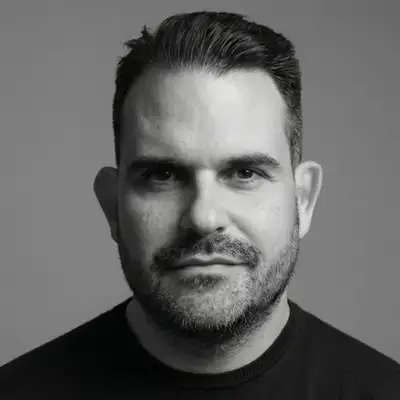
About The Host: Chris Maffeo
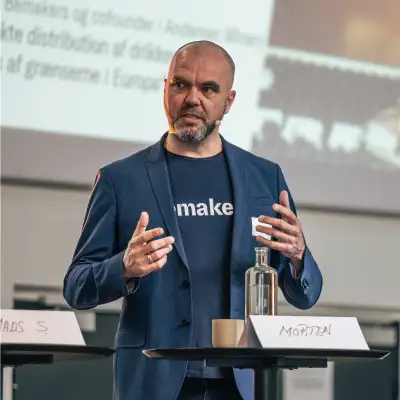
About The Guest: Morten Stengaard
The MAFFEO DRINKS Podcast is a leading drinks business podcast delivering actionable insights for drinks leadership.
For founders, directors, distributor MDs, and hospitality leaders navigating the tension between bottom-up reality and top-down expectations.
20+ years building brands across 30+ markets. Each episode features drinks builders: founders, distributors, commercial directors, sharing how the drinks industry actually works. Not the conference version. Honest conversations.
Insights come from sitting at the bar.
Beyond episodes: advisory for leadership teams, subscription with episode deep dives and principles to navigate your own reality.
Beer, wine, spirits, Low and non-alcoholic.
Bottom-up Insights & Episode Deep Dives at https://maffeodrinks.com
Welcome to the Mafeo Jinx Podcast, I m your host Chris Mafeo. In episode 71 I sit down with Morten Stengerd, Co Founder and CEO of Bee Makers, to discuss the challenges and strategies of expanding into international markets. We delve into the complexities of distribution, the importance of local market engagement and the innovative approach of bee makers to streamline direct and indirect beverage distribution. Morten shares valuable insights on brand building, consumer engagement and how to navigate the intricate ecosystem of the drinks industry. I hope you will enjoy our chat.
Chris Maffeo:A small ask that means a lot to me. If you enjoy this podcast, take the time to leave a review on Spotify or Apple podcasts. You will find the detailed transcript of this episode on mafjordrinks.com where it gets pre released twenty four hours before other platforms. What were the challenges that you find, which leads to the other part of your, the other hats that you have with V makers? You know, what were the challenges of, in distribution in, in actually finding the right partner to approach these guys?
Morten Stengaard:So when we started out in Denmark, it was relatively easy to find the right restaurants, set up meetings. If they, like the products, they taste them. If they liked it, then we could, sell the products to them and they could serve them. I mean, so it was relatively uncomplicated because we were there in the local market. We were already handling distribution ourselves.
Morten Stengaard:I mean, we could literally drive two boxes of wine to the local restaurant. And I mean, it's not that complicated. And especially when you're building a new brand or a new category like ours, it's very hard to find distributors that will actually take the brand and work with it. So as an example, even in Denmark, we thought initially, let's try to talk to the local distributors. And there was one or a few that were interested in having the conversation because we had already opened up a few of the Michelin star restaurants at that point, so they found it interesting to have a conversation.
Morten Stengaard:But we could also see that, I mean, they couldn't really meet the ambition that we had for the brand. So if they were suggesting we can probably sell X bottles next year, and then we were looking at each other and say, okay, but we could easily sell four or five X. So there was really, you know, they were very reluctant to take on the brand and to put their hands down and commit. And we saw, of course, that it was relatively easy for us to come into a restaurant or to a wine shop, tell our story, tell about these premium sparkling fruit wines from the Nordics, all made from Nordic root beer, and then they would try it. And if they liked it, they would buy it and we could ship it.
Morten Stengaard:In Denmark, it worked well and we built our home market by ourselves, both off trade and on trade, and also a significant direct to consumer e commerce channel, as well as having visitors in the winery. So all of that worked quite easily in our home market and we could gradually build it ourselves. But then we saw that as soon as we wanted to cross borders, we wanted to expand into Norway, to Sweden, to Germany, you know, around the globe. Then there was a completely different game because if you go into a market, then you need to handle and pay excise duties in the local market. You need to pay VAT, there's recycling fees on some product, you need to handle the actual shipping, logistics payments, etc.
Morten Stengaard:And that's obviously why everyone more or less in the industry works with local importers and distributors. And we did the same thing. We tried to find a distributor, for example, in Norway. So in Norway, we literally grouped meetings with 10 restaurants in Oslo, the capital of Norway, went up there, had them taste the products. And before we were done with the tastings, we had the first four or five potential orders.
Morten Stengaard:But we didn't have any distributor. We didn't have any importer. And then we couldn't really fulfil the orders. Then we had to find an importer and we managed to find a good one that had heard that we were in town. So we managed to set that up and get started.
Morten Stengaard:But that also led us to see or led me to see that if we had the distribution in place, the ability to distribute directly to the restaurants, Then we could just have gone there, have done the tasting exactly as we were doing in our home market, and then have shipped the products from the winery. Back to what you just said, and that's what led to the idea of founding a direct beverage distribution company, which became Makers. And the idea with B Makers is to allow brands to build bottom up because I very much, as you Chris, believe in that approach. Enter a market, start building yourself. Don't think that anyone can do it better than you because usually that's not the case.
Morten Stengaard:So with bean makers we built this direct beverage distribution company where our brand partners can sign up and then they can start distributing in a number of European countries.
Chris Maffeo:Let's dive into this because this is very interesting. So you you mentioned that great example now, and, you know, like, guess it happens the same in other countries. So, like, you know, going to Oslo or it could be Stockholm or, you know, like this would be one of the things that I always discuss is about, you know, like while you are building demand nowadays is not anymore as, you know, a hundred years ago when, you know, my great grandfather was was a wholesaler, you know, like the the the product, you know, people see it on social media. People will see, okay, in Copenhagen, there is this winery. You know, I would love to get a bottle.
Chris Maffeo:So that that is the easy link to get into the market. And then you get five chefs in Stockholm and three in Berlin and two in Oslo, you know, in the product. No. And then of course, I would assume that that is the actual issue for going broad instead of, you know, narrow and deep, no, of many brand owners, because then all of a sudden you've got, okay, like I got one importer to serve these people. I got another importer to sell these people.
Chris Maffeo:And then all of a sudden before, you know, you've got like seven, eight markets and you haven't even cracked, you know, your home turf. That creates that, that, that issue. So I'm interested to know, like, to give a real example of Anderson winery as a brand that works with be makers now in that sense. So like when, when you go into Leicester, for example, or another, another city that you may think, you know, how does that facilitate building from the bottom up into the on trade of another city in another country?
Morten Stengaard:Yeah. Yeah. So, Stockholm is is a is a great example. When Andersson Winery entered Stockholm, one of my cofounders, Franz, who's in charge of the sales, we went to Stockholm, booked meetings with, I think, eight or 10 restaurants again over a three day period. Then we shipped sample bottles up to our hotel in Stockholm.
Morten Stengaard:With B Makers, we could handle all of the excise duties and the actual shipping and everything so that it was completely done after the book, so to say. And then we could go around and visit the restaurants, do the tastings, talk to the sommeliers and tell our story exactly as we would do when we started up back in Denmark with the Michelin star restaurants or the top restaurants here in Denmark. And then you build this relationship directly with the sommeliers or with the owners of the restaurants. And just as importantly, you get a lot of feedback as to what works in this market because as you know very well, Chris, the the markets are not, necessarily the same. A top restaurant in Sweden doesn't necessarily have the same focus as a top restaurant in Denmark or in Berlin or in Paris for that matter.
Morten Stengaard:So it's important to understand what drives them. In Sweden, for example, we've seen that a lot of the better restaurants are even more focused on fruit wines and other alternative wines than than even what we've seen in in Copenhagen, Denmark. And that's obviously one of the things we can then use when we go after the next restaurants and the next again, that we have a better understanding of the local market and what drives the conversations in the restaurants and with their customers. And just as importantly, when there's then, you know, interest in the restaurant and they're saying, listen, I could I could easily see how this sparkling rhubarb wine would work with my upcoming menu, then via bee makers, we could ship the wines directly from the winery to the restaurant in Stockholm in two to three days, and then we could handle all of the excise duties and all the paperwork or bee makers would do that. So for Anderson Winery, it allows them to sell directly to restaurants in other countries and ship directly from the winery without having all of the hassle of having to stock the products with a traditional importer and convincing them to stock the product so that you could deliver to the restaurant.
Morten Stengaard:It basically allows us to go into only a few select restaurants in Stockholm, for example, to start with, and then just slowly start building demand. And then next quarter, you go and visit again and visit some new restaurants, visit some of your existing restaurants, and that comes back to the conversation from before about having new products, you know, collections for spring and for fall because then you have something relevant to come back with. So you don't mess with with this model, you don't necessarily need to have people employed on the ground that are there twenty four seven. You could easily come to Stockholm three, four days every quarter and then do your work, visit the restaurants, get some FaceTime and the rest of it you can handle by email, by video conversations. You can even send tasting bottles up, have a video tasting with somebody.
Morten Stengaard:So, you know, the days where you had to be present and come by once every week to to continue to have the relationship, I think they are over. Even the sommeliers and the bartenders don't have time for that anymore. Mhmm. And you can easily manage these relationships from abroad.
Chris Maffeo:Wow. This is very fascinating. It's just like a SWAT team entering the, you know, the country with a few cases. They got their weapons, you know, shipped beforehand and they get into the game. Now when we started chatting, interesting thing for me was that you are taking the bottom up approach to its core, no, because it's okay.
Chris Maffeo:Like I didn't, you know, like a lot of people are complaining about the drinks ecosystem. No, it's like, okay, it's difficult to work with importers. It's difficult to work with wholesalers and so on. What I like about what you're saying is that regardless if you go with an importer or with a wholesaler, or if we go with a solution like be makers is, you know, like in a, in a more direct way, you still have to do that groundwork anyway, you know? Yeah.
Chris Maffeo:Because this is one of the big misconceptions about our industry now that, you know, they may see, okay, bee makers is, it's something for people that want to do it by themselves, but you know, I prefer to do it with an importer. So they discard that kind of solution because they think that then the importer is going to do the the work of those people that they were doing the tasting and so on. But that actually doesn't really happen because, you know, like there there are many layers of people that are involved into the ecosystem. And if you don't build the demand and you try to convert that demand in that city, like it it you you go back to the situation that you had in what you were explaining in Copenhagen. Then, you know, then there is a misalignment in the expectations about volume or about what you can do, Heals and, you know, the skill set of the sales team of the wholesaler or of the importer.
Chris Maffeo:So it's very interesting to hear this approach because it cuts, you know, like one of the layers, so to say in, in which people are struggling and then they're saying like, okay, like actually, no, I'm, I'm shipping to an importer because that's my only way to get into that particular country. Yeah. But, and, and then they end up in having the wrong importer because they have to do it very quickly. They need to appoint it super quickly. And then all of a sudden they get stuck whether there is an exclusivity or not, they get stuck into a a sick relationship.
Chris Maffeo:It's a little bit like, you know, if somebody wants to get married in a, in a rush now, and then you, you know, you may get lucky for the husband or wife, or you may get stuck and, you know, lead to a divorce after, after a few months of marriage.
Morten Stengaard:And I think there's a lot of different points in this whole value chain. I try to always understand the incentives of the wholesalers, of the importers, of the distributors. And it's clear for a brand like Andersen, I mean, it it's an uphill battle to getting that started in a new market. I know that as a producer because I've done it myself in multiple markets. So you cannot, as a producer or as a brand owner, expect that a good distributor will take you in and do that work because you own the brand, so you have the rights to the brand in the long term.
Morten Stengaard:But if someone is to build your brand in a new market and they know per definition that they'll most likely not have it for the long term. They'll they'll do it for the short term. So then you cannot expect them to put the same resources into building the branch. We work with around 200 brands in B Makers, what we see is that they can start up a new market. And then when they have the first key customers in place, they've started to build the brand, get a little bit of attention.
Morten Stengaard:Then one, they can go out and contact distributors because then it's more likely that a distributor will actually want to work with them because they already have some sort of a presence in the market. But also, in addition to contacting distributors, they also often have distributors contact them because now suddenly they have seen that they are in a few of the nicer bars. They are on social media because they might have built their own D2C e commerce channel via B Makers, or they might have launched on Amazon or via one of the channels that we allow them to work in. And then suddenly they start getting attention from distribution. And so it's really a win win for the brand because they get started, but also for the distributor because if a distributor takes over one of these brands, then there's already something to build on instead of having to start from scratch.
Morten Stengaard:So it's basically this from zero to one, and that's why I love when you're talking about how to sell the first bottle and the first case, because it's exactly this we see here that no distributor would ever take you in if you haven't done some of the groundwork yourself. To your point about stocking your product with the wrong distributor, I mean, again, when when you think about the the incentive of the distribution, then they are often likely to take as little as possible because they want to see that it actually starts moving before they buy more. But with B Makers, some of our US brand partners, for example, or we're also working with one of the biggest distilleries out of India, They are using our warehouses in Europe to stock their product, and then they can very easily and rapidly supply a distributor in a European country or a restaurant or even a consumer. So to us, it doesn't really matter who they're selling to, but they use our fulfilment centres to have their products readily available in Germany, in Denmark, in Sweden and so on. And that also means that a distributor doesn't necessarily need to take a big chance on buying multiple pallets from the brand because they can start with lower quantities and then see that the product start rotating.
Morten Stengaard:We're trying to take the risk out of it also for the distribution in a way. That's how I like to see it at least, and that's what we hear. That's the feedback we are getting from our partners.
Chris Maffeo:And that's yeah. And that's very cool to hear because, you know, like, it's one of the topics that are very dear to me is that, you know, the the you know, seeing the drinks industry as an ecosystem, ecosystem, no? No? Because Because it's it's not about finding the the solution to kinda like bypass parties. It's more like if the way I see the the ecosystem is that if if everybody adds value to the chain, that's why it's called value chain, then it makes sense.
Chris Maffeo:But then if you are taking away value or not adding any value, then why should I pay you that that stake? No. So for me, you know, like I'm, I'm very much welcoming, know, the direct to consumer, the importing, the wholesaling, you know, because if everybody has their own way, then all of a sudden, you know, one person is doing a little bit more of a demand building. Another one is actually capturing that demand. Another one is building and capturing at the same time, you know, like if all are playing, you know, it's very nice to work all together on this, But then the issue, and I guess that was your drive, was to basically like not having to wait for that importer because it's like, okay, if I have ten, fifteen restaurants in Stockholm or in Oslo or in Helsinki that want my product, why the hell, you know, like I cannot ship it to them.
Chris Maffeo:And just because I was given the name of five importers and none of them are interested or they're not answering, or they may have other products already in the range with exclusivity and they cannot do it. So how can I do that? And also what I like about this is the fact that it does a lot of misconception about this, you know, bottom up at top down, no, in in the sense that the logistic is actually top down, but the brand building must happen bottom up. So the issue many, many times is that people misunderstand this and because they think that the logistic is happening top down, which it is, then they think that the brand building should happen top down through the importer, through the wholesaler, down to the bar. It's not like this anymore because you know, with social media, with websites, with podcasts, like you are building the demand already wider than you can actually serve.
Chris Maffeo:So if you if you don't manage to capture that, you know, it's it it becomes very challenging.
Morten Stengaard:When you're building your brand body, building demand, then you also need to have either have distribution in place in the markets that you're building in, or you need to have basically a bottom up distribution platform. Right? And that's how I like to think about what we do with B Maker, that we basically empower the brand owners to have more control and to move faster. It's all about going out and building that demand. That's where it starts.
Morten Stengaard:But as we saw ourselves with the Arnason Winery brand when entering Norway, I mean, if you don't have distribution, then you literally cannot supply those customs. So it doesn't make sense to build demand if you don't have your supply chain or your distribution under control because then you would literally have to ship bottles up there without paying excise duties and and that's illegal as as we know. So it doesn't really make sense to me to build demand if you don't have distribution in place, but it's very difficult to find a good distributor if demand is not there. So it's a little bit of a chicken and a
Chris Maffeo:Exactly. Exactly.
Morten Stengaard:Situation that we just try to solve by saying, hey, wouldn't it be wonderful if you could self distribute all over Europe? And then when you are going and you have the first demand in place, then you can decide to work with a distributor instead of doing it yourself. Or if you have a distributor in the market and you wanna take it in house, then you can take your distribution back and do it yourself. But it doesn't have to be static, and it doesn't have to be either or. With the Andersen brand, for example, we have a wonderful distribution partner in Switzerland that we're working with.
Morten Stengaard:So that's a traditional distributor that imports the products, sell them. We go there once in a while, help build demand as we all know it. But Sweden, in contrast, everything is done direct without a distributor sitting in between. So it doesn't have to be either or, and it can also easily change over time. You can start building directly and then move to a distributor, or as we have done recently in Norway, start working with a distributor and then take it back in house to continue building.
Morten Stengaard:And that's what I think will happen in the future that the value chain will be much more diverse and there'll be more options for working in different markets and different channels at the same time.
Chris Maffeo:It's very interesting what you're saying because, I mean, I see it even here in Prague, for example, you know, some bars, you know, like I see some bottles of brands that I have contacts from, you know, like from the podcast or from LinkedIn and so on. And then sometimes I take a photo and I say, oh, wow, you know, like I didn't know you were here in Prague. It's like, I didn't know either because sometimes, you know, that part of the good demand building that, you know, a bartender that may be used to work in, I don't know, London or New York, the invisible hand of distribution will find its way to that back bar, you know, somehow, then whether it's like sneaked in the country or not. But what I like about this is that, you know, like in how to really build this bottom up demand and top down shipments in a nice way so that, you know, you can actually make the most of what works for you as you rightfully said. It really depends on the market and depends, it depends on the connection that you have, because one other point that we didn't mention is that there is also another misconception in the industry that you can avoid being in the markets.
Chris Maffeo:No? So the thing is that if you don't have the money or the time to be in the market, you have to pay someone else to be in that market for you because, know, demand doesn't really happen by the holy spirit.
Morten Stengaard:The
Chris Maffeo:thing is that you need to build the width of demand by doing podcasts and articles and PR and social media and so on. But then you also need to be present into the market now. And when I discussed this in other episodes, you know, like I was discussing with David Wood, the wholesaler in The UK, you know, we were talking about, you know, the importance, for example, of the founder of the brand to travel to that market and show their face and being visible now. So if you cannot do that, then you need to have like those kind of situation like, you know, brand ambassadors and so on. But then at the same time, there is also a need for either a budget, you know, either a AMP or time.
Chris Maffeo:And, you know, and I discussed this the same, you know, like with, for example, with Mikko Koskeinen from, Kyure distillery in, in Finland, you know, like one of the founders went to Chicago and moved there for a while. He moved to Berlin for a while to really be present into the market now. And then what you were saying before, you know, you doesn't matter if you do it as a commuter, you know, I also, I also was commuting when I was living in Copenhagen, you know, like I was living there like Monday to Thursday, but you know, you can do it weekly. You can do it quarterly. You can do it monthly, but you need to have a plan that works for you and works for your brand, and you need to have a solution that enables you to have the product available when you need it.
Morten Stengaard:I think you have a you have a very, very important point in that demand doesn't build itself. So just by having distribution in places such as B makers or if you're working with a a distributor, I mean, you still need to build demand. You need to be there in the market somehow, And and that's what we say to also to all of the brand partners we work with that, yes, we can facilitate that you can have your products available in Denmark, Norway, Sweden, Germany, France, Netherlands, Austria, etcetera. We can do that. We can make sure that we you can reach consumers.
Morten Stengaard:You can reach on trade, off trade via multiple channels. Absolutely, we can do that. But that doesn't ensure that the consumer or the sommelier or the bartender actually buys your product. That you have to do. And there's no one better than the founder or the founding team or the brand owner to build that demand and to tell that story.
Morten Stengaard:So in that sense, V Makers is not any different from working with a traditional distributor in that sense, but it's so important that that the brand owners understand that they need to be there. Either it's their own time or, you know, they have to pay someone to spend their time on actually going out and building demand.
Chris Maffeo:Yeah. I agree. And I and I mean, and I was I was smiling because it it came back the paragon of the of the gym, you that it's very dear to me because I'm I I I need to sign up to the gym again. And, you know, like that, you know, basically, you are taking the people to the gym in another country. Like, the membership is there.
Chris Maffeo:You know, this is the door. I know I took you to the counter. Now you got towels and sneakers, but now you have to go in and train yourself. So then you may want to have a personal trainer in that gym, or you may want to train by yourself in that gym in the other country. But, you know, I took you here and I cannot do it for you.
Chris Maffeo:You know, like now it's it's your muscles, you know, like I I cannot I cannot do biceps on your behalf. So whether you wanna do it by yourself because you are trained because you have already won in your home turf. So you know how to do push ups and, you know, and use machinery or you want to have a, you know, you are a newbie and you want to have a personal trainer telling you how to use the equipment in the gym. But nevertheless, you know, now you are at the gym and now no excuses. You have to enter and train.
Morten Stengaard:That's a brilliant analogy. And that's also what we see with the partners that we work with that are most successful. They are usually the ones that have understand what it takes to build a brand and actually to build demand. We've come across some great distilleries that make great product, but that doesn't doesn't really want to go out and do the sales part, do the brand building, go and visit customers. And that usually doesn't work.
Morten Stengaard:What works is if you have someone that has tried it before, either working for one of the big players in the industry so they know what it what it means to build a brand, build demand, or if it's someone that has worked in a different industry with the same thing, that you're building a brand, building demand. They are usually the most successful ones with the platform and the partner like Beemakers, but I think also in general terms, I think they're also the most successful ones working with the traditional distributors, because it doesn't come by itself. I mean, it's hard work. You need to get out there every day. You need to push your customers forward.
Morten Stengaard:You need to build the brand. There are so many things you need to do to make it fly. And if you don't understand that, and if you're not ready to do the work, I mean, then the likelihood of failing is just so much higher in my opinion.
Chris Maffeo:What I like about, you know, what you're saying is that, you know, you need to be able to bring the, let's say, the home thinking abroad, because I think a lot of brands that I talk to do wrong is that they focus on the path of least resistance. No. So they say, okay, like I'm selling in, my own country. My wholesalers don't get it. My customers, you know, bars and restaurants don't get it.
Chris Maffeo:So I'm focusing on, you know, another country because I see a nice short term opportunity and I managed to get into that country. And then they start to, you know, rather than approaching the challenge in their hometown and home turf, you know, they see the grass greener on the other side, but then, you know, winter is coming anyway to that loan, you know, and the grass is gonna get is gonna get bad anyway. Again, it's a little bit like the gym example. Now I'm I'm very passionate because I will, I will go to train today. And when you want to buy a lot of like fancy gears from, you know, like cool brands and you want to have the best shorts and the best sneakers and, you know, looking good at the gym.
Chris Maffeo:But, you know, instead of actually going like in and say like, you know, I could bloody go and train, you know, like whatever you have, like with your old sweatpants and it doesn't really matter. Nobody's looking at you. You're not that good looking yet anyway. So like nobody's going to focus on how cool your, t shirts are in, in that gym, you know, go and train at the gym. And don't blame the gym that is too hot and the gym that is not open at 5AM when you want it to go because they open at seven and at eight, you're already starting to work and, and it's the fault of the gym owner and, you know, and all finding all these excuses now, because as you said, like, nope, nobody's going to love your brand like you do, but also nobody is going to see it so relevant as your people in that country, you know, like, so if you are a Danish winery, if you don't succeed in Denmark, you know, it's useless to try and pitch other countries trying to be, to bypass the challenge now because like a win in Denmark, because that's where you are relevant.
Chris Maffeo:That's when, you know, people will understand what you're doing. You are local. You are much easier to be shipped. You have faster reactions. You can go there.
Chris Maffeo:They can, you can bring them to visit the winery, you know, which is obviously more challenging when you have to buy a flight or a train ticket from, from abroad to those people. So, you know, we're there and then go into the export market with those precious learnings of what has worked and what hasn't worked. And then you adjust it to what you were rightfully saying about the example of Stockholm or Oslo, you know, like there may be some SKUs that perform better in that place because from a taste profile, they love those fruits or those vegetables a bit more. It could be more attention to drinking, you know, to the pairing than in your home country. But those are the potato 20% part or the 80%, which is, you know, actually going there, building demand, converting the demand, and and sustaining that that demand.
Morten Stengaard:And we've at least seen with Andersson, but also with all of the brands we work with, that we always recommend that people focus on their whole market first. I usually say three or four times more expensive to sell a bottle abroad than at home. Just for the good reasons that you mentioned here, I mean, it's simply easier to go down the street and visit a restaurant or a liquor store or have a consumer visiting for your winery or your distillery. And so selling at home is much more easy. And there's there's no good reason for going abroad until you have your home market under control.
Morten Stengaard:And all the learnings you have at home, you can apply to some extent exactly as you say in export market. And then you have the ability, of course, because that's the positive thing that it's never been easier to build your brands with social media and so on. And we always recommend that start with starting with d to c, basically setting up an e commerce platform so that you can sell, for example, to consumers and brands on Germany and so on. And then in most markets or some markets, you can do social media, start building a little bit of interest, see how that actually works, and you can ship directly from one of our warehouses or from your own facility when you have an order, and then you slowly start building demand in a new market directly towards consumers. And then the beauty of it is that when you then start approaching on trade or even off trade, then you have some relevance already, And they're usually the first people that see all these ads that you put up on Instagram and Facebook because they are, yeah, they're of course interested in wine and spirit.
Morten Stengaard:You can get this little snowball rolling in a new market and and using all of the experiences that you have from your home market. We also usually see that it's easier to start with one new export market instead of just blasting it out all over Europe. You might choose to open up ecommerce all over Europe, but then, you know, it's not like demands then just starts picking up. Then you need to start building demands. And if you're using social media, for example, then it's pretty clear that you get the most bang for the box if you focus on one country or one region.
Morten Stengaard:So focus narrow to start driving demand and to have people see your brand multiple times. And then obviously, you combine that social media direct to consumer brand building with actually going to Berlin, for example, and visiting restaurants, then you slowly start getting some of the same traction that you already have in your home market that you have then spent years building and learning and so on. And then what we see is that you can often do it faster because you are leveraging the the experience you you have from your home market and doing the things that work there and then twisting it slightly. Could be that you focus slightly on on different products or slightly different buying profile, but, you know, as you say, 80% of it is probably what you have at home already. And then you just modify it slowly to, to be successful.
Chris Maffeo:Yeah. No, that's, that's super precious advice because also what I liked about this thing with the D2C is also that you can get a better understanding of those consumers, like on kind of what does it, you know, what sells, you know, like, and then all of a sudden there's like, okay, 80% of my sales are this particular SKU. Yep. Know, or, or maybe if they're interested, you send them a form, you know, to answer some questions for you. And then you all of a sudden you've got 10 people, you know, answering question.
Chris Maffeo:There is always this thing with big data and, know, like, oh, no big data is nice, but also like small data is also nice. You can start with this qualitative feedback and then you scale it down to a bigger research if needed, you know. But you know, in the beginning, you know, you also look like, you know, much better the market, you know, like if you, if you've got those 10 consumer that are buying, then when you have the conversation with the importer or with those bars, you know, you can ask them where would they like to have that bottle, you know, and drink that bottle in that country. And, you know, they basically would act as your ambassadors and your insights, you know, providers. And, you know, like in, you know, it's, it's this small iterations that I see more and more helping with brand building, you know, with any category and any things.
Chris Maffeo:I mean, I see it myself with my own podcast and so on, you know, like it's, it's this small trial and errors that actually make, make the most of the brand building exercise, you know, before, you know, focusing on the issues and everything that we discussed.
Morten Stengaard:And I think also looking back, we started Arnarson Winery almost ten years ago. Obviously, we didn't know all of this from the start. I mean, we just thought it would be cool to build something based on Danish fruits and berries and build a premium premium wine brand. But then you learn along the way and you figure out that, okay, this location here is very interesting, or if we move over here, we can do something. But the point is really, if you don't get started, then you don't get those learnings, you know, and it doesn't come overnight, and you cannot sit there and analyze everything upfront even if you have the most data and the biggest models and all that crap.
Morten Stengaard:I mean, you need to get out there in the market and meet real customers and talk to them. You constantly talk, which I like, about going to the bar, talking to the bartender, see how people consume the products, what are they drinking, etcetera, etcetera. And that it just resonates so well. And that's where I think most brand builders really need to start, you know, get started because if you don't get started, then you you don't learn anything, and you need to get out there to to learn something. You cannot just hide inside the distillery or the winery, even though you like to produce your precious product.
Morten Stengaard:I mean, you need to get out there.
Chris Maffeo:Exactly. You know, that's, that's, that's great. So let's, I think it was a super interesting conversation. I want to give you some space to leave your, details on, you know, how can people contact you and find out more about Andersson Winery and and and Bee Makers. Should they be interested in any sort of cooperation with you?
Morten Stengaard:Yeah. Absolutely. So Andersson Winery, can look up at the anderssonwinery.com. Same for Beemakers, beemakers.com on Dine. And then, obviously, I'm available on LinkedIn and and so are the with my two companies.
Morten Stengaard:And I'm more than happy to to, you know, exchange ideas. If there's anything I can help with, I'm generally flexible. So just hit me up on LinkedIn and I usually reply quite fast.
Chris Maffeo:Fantastic. Fantastic. So thanks a lot, Morten. It was a great pleasure and lots of insights also from myself to embed into my my own methodologies. So thanks a lot for your, for your contribution.
Morten Stengaard:Brilliant. Thank you, Chris. It's a pleasure to, to be here.
Chris Maffeo:Thank you. That's all for today. Remember that this is a two part episode seventy and seventy one. So feel free to listen to both. One last thing, if you enjoy this podcast, please leave a review, share it with friends and remember that brands are built bottom up.