Subscribe
Share
Share
Embed
Welcome to the Amplify Good Podcast, brought to you by Anthem Creative. We’ve spent the last decade helping hundreds of nonprofits build stronger brands, launch engaging campaigns that raise millions, and navigate how to tell their story in a rapidly changing digital world.
In this podcast we share what we’ve learned along the way and feature conversations with expert guests on the leading edge of nonprofit marketing tackling topics like leadership, storytelling, exponential technology, strategy, fundraising, and how to navigate change to amplify impact and become more human.
Welcome to the Amplify Good Podcast, a podcast for nonprofit leaders brought to you by Anthem
Creative. We've spent the last decade helping hundreds of nonprofits build stronger brands,
launching gauging campaigns that raise millions and navigate how to tell their story in a rapidly
changing digital world. Now, on this podcast, we share what we've learned along the way, but we
also feature conversations with expert guests who are on the leading edge of nonprofit marketing. We
tackle topics like leadership, storytelling, exponential technology, strategy, fundraising and
everything in between and focus on how to navigate change in order to amplify impact and
ultimately to become more human.
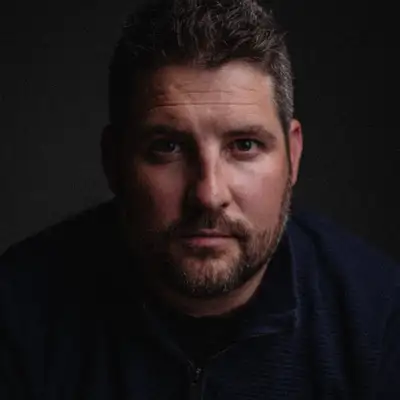
Welcome back to amplify. Good. All right. Get your notepads ready. We've got Brady Josephson on the
podcast today. Brady's the former VP of innovation and optimization at next after he spent the last
five years as the head of innovation and VP marketing at charity water, and now is taking on a
new challenge as the chief marketing officer at World Vision Canada, we dive right into the deep end
on all things innovation and brand and where the industry is going. We take a look at his
brave framework and how to evaluate your organization and what he's focusing on in his
first 90 days of the CMO. One of the largest organizations in the world. So, um. Strap yourselves
in. This is just one gold mine after another. I'm so excited for this conversation. Brady
Joseph said, welcome to the podcast. I am stoked I just told you beforehand I was up at 2:00 in the
morning thinking about this interview. Um, yeah. I've just been really excited to have this
conversation. You and I met, I don't know, like ten ish years ago. And I'll be honest, there was a
moment we were speaking at the same conference. I don't even know if you remember this, but the
control network was having a conference with all of their international relief and development
organizations, and I had done my session. And then, you know, you're kind of as a speaker looking
around, do I want to just go chill or do I want to take in another session? And then I'm like, who's
this Brady Josephson guy? And he's talking about fundraising optimization? And I was kind of like
early in, you know, this work that we're doing with anthem. And so I remember just kind of sitting in
the background and, you know, kind of going, all right, what's this guy going to teach me? And you
blew my mind, dude. Like, I this was my first real exposure. And I'm almost ashamed to say that
to this world of digital fundraising optimization. And, you know, you probably did this presentation a
thousand times through your your time at next after, which is where you were at the time. But you
would click through. And I remember, like sitting in the audience and you would bring up a
screenshot of a donation page and then you would say, okay, here's one treatment, and then here's the
test. And which one do you think converted more? And you know, me looking through the the lens of
of design and creative, which is our world. You know, I think I got every single one wrong. And it
wasn't just that like these were micro optimizations. I just remember like the tests and
I'm sure you like cherry picked the juicy ones, right, to put into the presentation. But I just
remember sitting there and, you know, you clicking and then the numbers would pop up and it was like
this one had a, you know, 78% increase in conversion by removing, you know, the design
elements and just going long form text. And I think that was like the beginning of me, you know,
first of all, being a Brady Josephson fanboy, but also second of all, like really taking this world
of of digital fundraising seriously and understanding the power of optimization. So, um, you
ran your own, you know, fundraising shop and agency for a number of years. Um, then we're at next after
for a season and then head of innovation, VP marketing at charity water for the last season
and now freshly anointed into the CMO role of World Vision Canada. My old stomping
ground. So right. So pumped to have you here, man. Excited to get into all of this. And, uh, yeah, We're
going to get into some, some, some deep waters together. That's awesome. Well, thanks for having me.
You know, I'm lucky enough to have learned a lot from a lot of people and love the opportunity to
share some of what I've learned and what I'm learning. And it makes it even sweeter to do it
with a fellow Canadian than someone I've known for years. So thanks for having me on. Yeah, and
welcome back to Canada, my friend. Yeah, yeah. Feels good. After, you know, how many years in Texas were
you? Uh, two in Texas and four in Nashville. So six total in the US. Nice bit of culture shock coming
home or not quite. Um, not culture shock, I mean, different, I mean, culture welcome. I don't know
what the opposite of shock is. It was. It was nice. You know, we we, um, our time in Texas wasn't the
best. It was during Covid. Our time in Nashville was great, but we just thought it was the right
thing for our family. And we're excited to be back in the motherland. Yeah. Welcome home. Yeah. Um. All
right, let's get into it. Uh, innovation. So obviously, your time at Charity water went from VP
marketing to head of innovation. Now, I mentioned this beforehand, but like the joke for us, often
internally is like, everybody wants to be like charity water. And I was saying like, I think 80%
of our client discovery calls are intakes. At some point they mention charity water and reference
them. And so charity water is kind of always since the beginning been this like gold standard for,
you know, brand and communications and innovation in the sector. And so I'd love to just like learn
from a bit of your time there and your experience like what is it about charity water that sets it
apart from other organizations in the way that it approaches innovation, the way that it is
constantly pushed, the envelope, you know, for what, two decades now? Almost. So we'd love to just get a
feel for that. And then let's talk innovation more generally. Yeah, sure. Well, I can't take credit for
any of that. That charity water uh, developed. That's you know, why I wanted to go work there. And
when they, when they reached out, I thought it was honestly a spam. I was like, nah, they don't they
don't want me to come, come work there. Um, but luckily it was it was meant for me. And I had the,
the fortune to be there for just about five years and, you know, really build off what what was done.
You know, so much of the charity water brand and rep again was built long before I ever, I ever got
there in, you know, my, my tenure there was during a real tumultuous time not just for charity water
but charities overall. And I think when you go through tougher times or leaner times, it does
expose more of like who you really are and what you really are. And so in a lot of ways, I think I
got to see charity water and work with the team in kind of its most pure state in some ways,
because we didn't start with a lot of success and went through a lot of challenges. So to to be in
that environment and yet still see so many of the ingredients and things that makes charity water
so incredibly special and something that folks like you and I look up to for years and, uh, you
know, still look to today, is it was really, really special. And, um, you know, I say this to everyone is
like, don't just copy charity water. Like, that's the charity water thing you can do. Actually, it's
like find another. Oh the irony. Yeah. Total irony is like, that's actually would never be how
charity water would come to be. Charity water. You know, um, a lot of the innovation comes from
associative thinking. So years ago, a guy named Clayton Christensen wrote a white paper on the
innovator's DNA, and they looked at the most innovative CEOs and the ingredients that made
them innovative and not just innovative, but their stock price and and kind of see it in the market
because people can have cool ideas, but if it doesn't mean anything to the market, how valuable
is it really? And they had these different ingredients and they were all really about
curiosity from one form of another, you know, questioning, observing, networking, experimenting
and associating. Those are kind of the five key skills that they found. And associating is really
translating and connecting dots from disparate ecosystems or markets into your own. So, you know,
one of the best ways to innovate is truly get out of the nonprofit space, go to a Realtors
conference, go to something that's going on in SaaS. Uh, if you're in fundraising, see what they're
doing in enterprise B2B. You know, like. Then connect the dots yourself. So like one of the
biggest criticisms I have of our space is the content that we're producing. And training is so
kind of tired to be honest. You know, and I've been on the circuit. I've seen it. It hasn't changed
tons. Yeah. And one of the best things that we can do is like get a foundation. Yes, but then get out
of the walls, go learn somewhere else and connect the dots yourself. And that's something that I
think Charity water has, has done excellently. And really, um, you know, had a big part of who they are
in their DNA from their founder not having a background at all. You know, in nonprofit, he's a
club promoter. And I think that that mentality exists of kind of like, yeah, we're going to look
at what people do, but honestly, we care more about the bleeding edge of tech or brands and learn
from them and apply it to our space. And I think that's a great lesson. Yeah. One of my responses
when clients say like, oh, we want to be like charity water. I'm like, you realize, like Scott's
first hire was a creative director, like, you know, so he he from the very beginning has taken this
completely different tack and an approach to it as well. And so it's like you want a world class,
you know, brand that innovates and breaks through the way that they do, but then you're not willing
to make the investment into brand in the same way. Right. Like, you can't you can't have it both ways.
And so I think, you know, the charity water team in a lot of respects has has paved the way. I love
that note though. Like if you want to be like charity water, don't try and emulate what charity
water is doing. And I think that that's such good advice to like go look outside the sector. And
that's not unique to charity water either. Like I love the fundraise up founding story as well of
like, you know, someone from the tech space looking at e-commerce and being really frustrated with
the state of online giving and going, why is it that, you know, the organizations doing the most
important work on the planet are 15 years behind the e-commerce space that are trying to sell
trinkets on Shopify? And can we bring some of those best practices into the fundraising world?
So I love like, that's often the spark and the seed of innovation, which which is so good. Um, yeah.
Let's talk about innovation, maybe more generally. And, you know, any any lessons from charity? Water.
Um, that would apply. I would love to hear those as well. But, you know, I keep I keep quoting Ray
Kurzweil on the podcast here because I think so much of his thinking is really like, he's one of
those people that I think is important to listen to right now. And if if you know, the audience
isn't familiar with Ray Kurzweil, he's, you know, a technologist, but he's been making predictions
about the future for like 40 years now, and someone just tallied it up and his success rate
in predictions and to like scary accuracies about 86%. And so he's predicted
like when are we going to hit AGI? When are we like, you know, he's um, funny enough, he's the guy
that created the Kurzweil um, keyboard. So like everything from, like innovating in music and
other tech, you know, kind of spaces. But now he's best known for his his kind of predictions and,
you know, as this savant who can see the future. And I just heard him a couple of weeks ago say
that we are condensing 100 years of innovation into the next ten. And I think that even is
generous. And some people are now saying it's probably like three. The next we're going to
condense 100 years of innovation into the next three. What does that mean for a nonprofit
organization to enter into like, because we're in the first inning of this reality, and how
should an organization that's maybe an older, more established legacy organization be approaching
this next ten years when we're seeing this acceleration and condensing of innovation without
necessarily having a similar DNA to charity water, where innovation is just in their their bones and
something that's part of the culture. Yeah. I mean, there's a lot in there. Um, I think the, the thing
for all of us, like the innovation has to be rooted in the business challenge that we exist to
solve. If it sits on an island disconnected, then what's the point? You know, innovation has to be
rooted. And so a lot of the great innovations can be accidental or like it wasn't the thing that
they thought was going to work. But it's the pursuit of those breakthrough ideas, which is
really important. Um, but it's tied to solving a real problem. And too often when nonprofits sit
down, they're like, we we don't have enough fundraising or we don't have enough donors. And
like, that is a organizational problem to solve. That's not innovation. Innovation is solving
problems in the lives of customers. Like, what are the pain points that people actually have? You
know, um, a breakthrough innovation for charity water was the 100% model, which which is
controversial in the space, but it was solving a problem in the minds of many customers who didn't
give to nonprofits who go, oh, overhead. They don't understand it. They still don't and want to know,
are you going to do what you say with my money? And so Charity water just said, we'll promise you
that every penny you give in this way will go to water projects only, and we'll fundraise for our
staff costs separately. That's a problem in the minds of customers that they addressed. Too often
we think about innovation is we're going to have this new landing page or this new message. And
it's like, how is that really solving problems in their lives, you know? So I think that's important
to root it in the business challenges and in the customers in their lives. If you're not tied to
the business or tied to the customer's lives, then it's not going to be meaningful or material. So
that's important. And then I think there's two camps we'll often talk about, like capital I
innovation, which is like the 100% model or the big stuff that often gets covered. And then
there's small innovation, which is more like optimization and improvement. And both are rooted
in the idea of, you know, continually testing, trying getting better. And there's a risk
tolerance to each, you know, capital innovation is really hard to do. Um, it's often expensive and
hugely risky. You know, charity water. We launched an experience lab where it was, uh, 7000 square
foot. Retail location took two years to build. It was expensive. I won't say how much. Um, and it was
really a vision that Scott had initially. And the problem he was solving is like, what do you do
with your kids? Or, like, how do you interact with a global crisis that's all the way over there
without hopping on a plane, which is still problematic. And so is providing entertainment
something for parents to do and solving a real logistical problem to expose people. And then on
the charity water side, it was great. We've unbelievable. They're unbelievable at storytelling,
using technology immersive and knew that for years. So that was like a big capital eye, you know,
innovation. And then there's small innovation which is really more optimization. So yeah, we
found a video that was just our former creative director going for a walk for water with a young
girl. And it was from an old video, and our team clipped it and said, hey, let's try it on paid. Who
knows? Uh, it's three minutes long. Not a lot of editing performed super, super well. So we ran it
more and tried to unpack why it worked. And then we said, there's something in here, and then kind
of recreated it in a different shot when we went to the field again. And that performed really well
as well. And so then we said, okay, now we're on to something. And so we tweaked the version, had a
different person who walked in a different location. So we ended up with 4 or 5 different Net
versions and then cut different intros and things like that, but it's kind of that curiosity always
improve. Look for data and insights. That's the small eye. And then the big eyes, those really big
kind of risky swings. And you need a combination of each. You know it's the small eyes can't lead
you to the big breakthroughs often. And the big guys, if you miss, uh, it's it's pretty detrimental.
So I'll often talk about risk portfolios and how to have a balanced approach, you know, to
innovation, because too much of one or too much of the other won't lead to success. Yeah, yeah,
innovation seems inherently risky. And I think that's one of the the challenges. Like, actually,
when I was at World Vision, they had an innovation fund. And, you know, once a quarter I don't know if
they still do this, but in my time there, every quarter they would open up submissions. And
anybody within the organization could submit proposals to the innovation fund. And it was kind
of like a, you know, like a Shark Tank vibe without the in-person presentation. But they would review
the proposals, they would shortlist the ones that they felt had merit. And they were always tied,
Like you said, to some sort of, you know, business challenge or goal and there were criteria for
what would get funded. I think I had three innovation proposals funded in the the time that
I was there. And it was this opportunity to source innovation and ideas from every aspect,
every department, every level of the organization as well. And I think, you know, that kind of
practice, they put I think it was 1% of the total budget towards innovation, so it's a fraction of
it. But there was always this understanding like this is on the fringes. This is like, yeah, you know,
potentially risky. These weren't necessarily, you know, capital innovations as, as you would say. But
these are things that could break open new channels or, you know, give access to new markets
or explore opportunities that maybe have never been done with very limited risk within a sandbox
that's carefully defined as well. And so I liked that approach to innovation. I thought that was
one of the most unique things I've seen, and I don't know of any other organizations that that
do that. Um, talk to me about experimentation like obviously from your time at next after like you
and next after publishes its experiments and library of experiments and so like what's the
relationship between innovation and experimentation? Um, so let's define
experimentation because I think that gets mixed up a lot or testing. So when I talk about
experimentation or testing, the banner to me is testing. And then there's a continuum of things
you try, hey, we're just going to try this out. Spaghetti to wall, see what works. It's fine.
There's pilots. Right. These are contained uh, often geographic or channels. But you're not running an
A and a B, you're just doing something new, but in a more contained environment to see how it
performs. And then there's real experimentation, which is holdouts incremental or a B testing
where it's a lot more scientific in nature. And those are kind of three. You can go even deeper on
that. But like three different tools in the world of testing and all all are valid in different
ways depending on what you're trying to learn, but regardless of the tool along the testing
continuum. It has to be rooted again in a really good hypothesis. That's that's mistake number one.
And it's so, so so basic. But a really good hypothesis has to be rooted in an observation out
in the world and then tied to a business outcome. Those two things are often lacking. It's often
like oh we need to get more donors. So let's run this test on our landing page so we get more
donors. So like that's okay. But the observation engine, which is a curiosity thing of like what's
going on in the world? What are you seeing in the data? What are you learning from supporters to
formulate a hypothesis and then making sure that you're mapping the experiments or the tests to
the key business outcomes that are material. Otherwise you spend so much time like red button
versus blue button. Who cares? Are you learning anything? Is that material to the business? And
that's where so much of early optimization was because it was like, oh my gosh, we can test
everything. And once you go through that. And I was so again, so lucky to learn from people and have
so many experiments at next after you realize you hit diminishing returns on that form of
experimentation. So then you have to do things more like holdout or longitudinal test or
incremental measurement, which are different ways to get different data on bigger swings. But again,
the whole thing is rooted in the biggest risk we have is just doing the same stuff or not trying
or not innovating. That's where we are today, and that's why we aren't seeing success in our space,
because we're so stuck in our ways. And pilots is a secret word. Or experimentation or testing can
be a bit of an unlock because it de-risk things a little bit. We're just going to test it, you know,
we're just going. To. Take yeah, let's run a pilot. And so if you can kind of get your foot in the
door that way to try some things, it's a great way to to learn and then stack learning on each other
that hopefully lead to, you know, success over time. Are you? I don't know if you're familiar with
Salim, Ishmael and exponential organizations and the work that he's done. They're very much in the
corporate, you know, kind of fortune 500 world. And he's, you know, an advisor to some of the largest
companies on the planet. But I heard him talk about something very recently. It's very much in
this world of like AI disruption and this idea that AI is coming to disrupt a lot of industries
and companies, but the larger the organization is, the more difficult it is to adapt and to innovate
and to change. And so those are often the organizations that they're they're failing with
their AI implementations in a lot of ways. And I think there's been some data that supports that. I
think it's upwards of 70% of, you know, AI implementation and rollout in large fortune 500
companies are failing because they have too much infrastructure that is in conflict or intention
with it. And so those, you know, they end up being these micro, you know, kind of use cases that don't
actually move the needle in terms of the actual business goals. And so, you know, Salim, he had
written a book initially called Exponential Organizations. He's now rewritten the book for the
AI era. And his whole premise and thesis that I think is really interesting, and I haven't thought
through yet how this applies to the nonprofit sector and what it would look like. So, you know,
I'd love to jam on this with you a little bit. But he talks about dispatching a team to the fringes
of an organization and tasking them with disrupting the business. And basically, it's so
you're not putting any of the core function of the business at risk. But what you're doing is
you're creating this task force, this group of, you know, mercenaries that you're sending to the
fringes of the organization and you're tasking them with completely thinking about the
way that the business does what it does and thinking it through completely differently, not
just through the lens of innovation, but really disruption. And the idea is, you know, disruption is
coming, so you might as well disrupt your own company before you wait for a competitor to come
and do the disruption. The interesting, you know, progression that he talks about is taking one
particular workflow or one particular use case that is not catastrophic in terms of the
organization. And then taking that to the fringes and figuring out how do you use AI and
other emerging technologies to disrupt it and then build it and then slowly implement it back
in and then go to another use case, or take another workflow and work your way up the ladder
in terms of significance and importance. And over time, with that methodology, you can actually fully
transform the organization without putting it at risk along the way. So curious to hear your
thoughts on that approach. And what would that maybe look like for a world vision or a large
organization? Yeah, sounds like a great approach. You know, the incremental steps I when I hear it,
I'm like, man, that sounds difficult to do. Uh, honestly like to have that discipline and
patience and resourcing to allow that to kind of slowly happen. I think the thing that that I've
learned too, especially in the last two years, is the rate of change is so great. It's hard to
keep up. And so to have this like long view that's like incremental. And then we're going to do this.
Even the concept of roadmaps and strategic plans like needs a complete overhaul in how we think
about it. Because the world is spinning so fast. And like our team is implementing a lot of really
cool AI solutions on the product side. And they were doing a demo at our all staff and was just
saying, like, look, Figma is going to release something next week and we'll be back on Figma.
You know, this week we're off Figma because they don't have this feature like the the rate of
change is is going so fast. And so for us as an org. To your point, large orgs typically do
struggle because, um, a body of humans is slower than a single human. So individual staff are ready
to move and then you go the team, it's a little slower, the departments, even the division and then
the org. And so how do you equip the individuals so they don't get left behind without waiting for
the whole org? That is the trick. An AI presents so many risks. Security, job. You know that
institutions that are trying to protect risk in some ways, rightfully so, just cannot keep up. So
it's a huge challenge. I think we're all trying to figure it out. And I like the incremental approach.
What you're describing sounds a little too slow even. And so I feel like, you know, if you're going
to have any chance, you got to increase the risk and speed threshold a bit. But starting with one
thing, like for us, our product team makes tons of sense, you know, how do we code, how do we design,
how do we develop, how do we QA all the sense in the world? And then you can move out to like our
data team and analysis makes sense. And then copyright, you know, you can incrementally move
through functions maybe as opposed to parts of the business. But I like that approach for sure.
Mhm. Yeah I just heard yesterday that Microsoft assigned a team, I think it was 1000 engineers and
developers to build an AI product, and it took six months and by the time they were ready to deploy
it it was obsolete. Yeah. And like just think of the investment in the amount of energy and time
and resources that goes into something like that. So it is like it's a really like challenging time.
And that example of like, okay, we're doing this now, but next week Figma is going to roll out
something new and then we're going to go back to there. And I think that's part of why even this
podcast exists is like as the pace of things continues to accelerate, as we condense innovation
and, you know, the the how you keep up and stay on top of it becomes almost impossible like it is.
I want to I want to be able to have these conversations and wrestle with it out in the open
and bring on, you know, voices like yours. And I think you said something to me in a conversation
we had a couple of weeks ago. Um, you know, you went to a conference and most of the people speaking
were like nonprofit adjacent. They were consultants. They were people that are not inside
of an organization. And, you know, the need to balance those voices out. And so I love your
perspective as someone who's like, sitting in that role of CMO and like, you're actually turning the
knobs and dials and seeing the impact of it. And like wrestling with innovation, seeing the cost of
it. And I think that's such an important perspective. And I want to make sure that we have
more of these conversations on the podcast so that we can, you know, hopefully be a place where
people can come and be really current and and hear from people that are in the trenches as
practitioners who are seeing what's working and, you know, able to offer insights along the way.
Well, you know, what's key there honestly, is like, again, understanding the business and the drivers
of the business. I think the the older I get and I got some gray hairs now, the more I realized I
didn't really understand the drivers of the business. I kind of understood some of the metrics
and some of the activities, but to actually understand the thing that's propelling the
business does take a different way of thinking about things, asking different questions, looking
at data differently. Because if you can uncover what a driver with scale truly is, and then you
orient the business around it, that gets a lot simpler. And I think tons of nonprofits honestly
don't know the driver, right? We're doing a bunch of stuff. We're not entirely sure what is really
driving. So we got to keep doing it all because we're scared to cut it, you know, or the thing that
you think's a driver, you pull that out and it's actually no big deal, you know. So it finding the
driver is is so key. And then that's what you can build around and innovate around. And you know, as
a quote from Jeff Bezos around innovation. And he talks about don't try to predict the future or
what will be different, build around what will be the same. You know. So for Amazon, it's like our
customers are going to want more personalization or less, or you're going to want your stuff faster
or slower. Yeah. Do you want an easier checkout experience or more complicated? And in our world
too. Like do you want to know more about how your donation is making a difference or less? Do you
want an easier giving experience or not? You know, like there are some of those core things that we
can know about donors and charitable giving. Those are great things to build around. So even if the
AI tools fluctuate, if it's grounded in where we believe or know human behavior is rooted and
where it's going, you're at least on the right direction. And then you can't. You won't get as
sucked sideways or left or right or up or down with the shiny things, you know, new tool, new
platform, if it's rooted in something bigger. And I think that's often what's lacking. And what
consultants often miss to write is they come in with the shiny and, oh, we'll improve this metric
and this metric. But at the core, the business needs some real figuring out and some overhaul,
and it's really difficult for outside people to get in there, which is partly why I've been so
excited to be brand side for the past five years. And in this role, because you can get into things
in a way that's really hard from the outside. Yeah, yeah, I think that like that's so interesting. The
like what's going to be the same? What isn't going to change? I think one of the like things we're
like planting in the ground as a flag is this idea that like fundraising at its core is a human
activity. It is a human behavior. And yes, you can use tools, you know, and technology to
optimize and, you know, do personalization at scale and all of these little things. But at its core,
like our conviction is that the organizations that use technology and leverage it effectively
to become more human are ultimately going to be the ones that you know that win in the end. And I
think that part of fundraising to me needs to remain front and center. And I think, you know,
there are, like you said, there are some aspects of fundraising that have been the same for hundreds
of years, and they will continue to be the same. And so I think rather, and maybe this is an
important and helpful reframe is rather than thinking of like everything's changing,
everything's changing to go back to like, okay, what is not changing? What are the fundamental
aspects of the work that we do, like human dignity and value? Poverty is evil. You know, suffering is
wrong and, you know, needless suffering and death can be prevented. And we have a collective
responsibility. We just dropped an episode this morning with Andy Harrington, and he was talking
about that collective consciousness. He was even, you know, like he was talking specifically as, you
know, a guy from the UK coming to Canada and saying like this, this kind of DNA and backbone of
of the Canadian mindset of like, no, we mobilize when when the world needs us, when the world needs
help, when people are suffering, we show up and we step in the gap. And I think that reframe of like,
okay, it can feel like everything's changing, but where can we anchor ourselves and focus on the
things that aren't? And how do you prioritize against that? You know, like one of the things that
that we do and one of my favorite things as an agency that we do are these one day strategy
sprints where, you know, we'll get a leadership team or a marketing team in the room, and we go
through this, this framework. And, you know, one of the core principles of of our sprint that we've
pulled from Greg McGowan's work on essentialism is this idea that if everything's a priority,
nothing's a priority. Yeah, yeah, yeah. And so how do we look at the activities and the things that are
changing and how we're trying to innovate through that lens of like, okay. And I love how you keep
camping out on this. Like what is the business goal and what are the organizational Objectives
and what are the outcomes that we're pursuing. And then what are the few things that are going
to most profoundly move the needle towards that goal and objective, and how do we stay really
disciplined and selective on what those are? And I think that's where testing and experimentation
and innovation comes in as well, because you don't always know with certainty what the things are
that are going to move the needle. But if you can narrow it down to a list of, you know, 3 to 5
activities or hypotheses, then you can start testing those out. That's where the pilots become
helpful. I think that's even where, you know, the exponential organization model of like, well, let's
go try and build a team that's going to disrupt that side of what we're doing so that we can
solve that challenge. And I think that, yeah, that's a helpful reframe for me. I'm kind of just having
an epiphany out loud here, but I, I love that idea of what's not changing and how can we prioritize
around those things. Yeah. I mean, even just thinking about five year increments and, you know,
I'll often ask like, hey, marketers, if if you just scrap the annual plan, just forget about 12 month
plan. Like all you have to do is deliver maximum value. Three years from now, you would build a
totally different plan than what you're executing. Everyone would like if you don't have that. And so
it's like, okay, we'll now do that. Like we're doing it wrong. We're so beholden on this annual
planning cycle and breaking down into quarters. And we miss the bigger thing of like our mission
is not going to be solved, unfortunately, the next three years. So why are we operating on like such
a minute timescale? And if you expand the horizon that you're working on, all these things come back
into play. All these things come back into view. But if you're just operating quarter to quarter,
year to year, even even two years, sometimes if you're really trying to do big brand media,
creative influence culture stuff, it's like two year plus horizon, like what org is
committing to like a three year marketing plan? Legitimately. Nobody. That's why we're not moving
the needle. So it's just Some of these things that we really have to wrestle with and say it's not
working, so let's do something different. Can you repeat that, Brady? Just because I think what you
said. Like I want to clip that for ourselves too and like put it on the wall. But the question that
you ask like what do you need to be doing three years from now in order to deliver maximum value
and just go do that now? Like tap like double click on that a little bit. Yeah. So instead of, you
know, building an annual plan, if you went to marketers or clients and just said, forget about
the next two years, you don't have to deliver any results in year one or year two. All you have to
do is deliver the absolute maximum benefit in year three. You know, like that's when we're going
to measure the stuff and do the real report card. Which isn't to say you don't have milestones and
checks along the way, but like the annual did we meet our goal? It's a three year goal. That's all
you're working towards and said like that's where your job, your bonus, your compensation is on three
year. Forget about everything else. I just think everything would be different in how we go about
our work. You know, thinking about these campaigns that we got to do hydrogen. See, now we need the
revenue now. We we would just think about things much differently and things like long form or
episodic or documentary or RL activations or these expensive things. In a year you stretch them
out and plan over two. They're not that expensive. You know. Yeah. You have. Amortizing. Us up.
Interesting. I love that framework. Okay. You're challenging a lot of my assumptions here, which is
great. Like, our our sprint is really zeroed in on that 12 months, but it's like okay. Talk to me
about the three year goal and objective. And then what do you have to do in the next 12 months to
build momentum towards that? But yeah, you. Have to break it down for sure. It's just. Yeah. Absent what
you're trying to work towards on the three horizon and that being the priority. Mhm. It's
really hard to do really significant meaningful stuff. I love that. All right let's shift gears a
little bit Brady. What's what still matters. Like in the world we're heading into. Like what what
still matters. Because I think Sometimes, you know, I'm like, you know, consuming this firehose of like,
AI content and what's happening and the robots are coming and all that stuff. And it's hard to
anchor yourself. And we've already talked about like, okay, well, what's not changing but like maybe
ground me a little bit. Like as you're approaching your role at World Vision, like what's what's the
stuff that still matters, um, in the world that we're heading into and like, maybe even using that
three year framework like three years from now, what's still going to matter? Yeah, the short
answer, the thing that I think of right here is brand, you know, like not your look and feel and
your style guide, you know, and not just the totality of experiences, although that's important
but brand meaning the position that you hold in someone's mind or the mental availability of like,
who you are and what you stand for. And can you be recalled at the time when someone is inspired to
give? Um, that is always going to be meaningful. And so in the more like academic marketing world,
these these things called category entry points. You know, that's like when we go to buy or when we
go to donate, and we are more likely to buy from brands that we remember that we think of. And so
we have these things like emails or direct mail appeals or campaigns that are forcing category
entry points. They're not natural in the mind of the consumer, and that's fine. But there's all
these moments right where you're you're watching a game and you hear a story about a player who
overcame some obscure disease and you feel compelled to give to that disease. Like, there's no
brand. There's no, like, marketing plan to to account for that. They either think of you because
you're connected to that cause or not, you know. And so that's where the value of brand is. And as
we think about the world and where it's going, so many people are already giving completely without
you donor advise funds you can give through AI search without ever visiting your website, like
through employee giving. Like the giving landscape is fractured more than ever. And so in that
landscape, one theory that I have, and I think a lot of people would agree, is being top of mind
and being known for something is super, super important. It always has been. But increasingly
it's important. Especially when the funnel is basically broken or it's split where you can hear
about an organization and give to it in an instant, unlike you could in the past, where you'd
have to hear about them, and then you'd have to wait until you got an appeal. Or like, we can just
shorten the funnel and cycle in ways today that just were unfathomable even ten years ago. And it
just puts more and more emphasis on the brand and being known for something. The position that you
have. Um. Yeah. We keep using the phrase brand is the last defensible moat in the world that we're
heading into. Yeah. Um, actually, when we chatted last week, you said brand is the new funnel. And,
like, unpack that for me a little bit. What what what does that mean? Like and practically what
what does that represent in terms of the way that we approach and think about this? Yeah. Well, I
can't take credit for the quotes from the CMO at coach. And they were just talking about how they,
um, really reinvented the brand to be more connected to culture. It's a similar playbook to
like New Balance and how they really kind of came back from a lot of down cycles and really
connecting to culture. And just this idea of, if you want to be carried in culture, there's no
amount of value proposition or direct response work that can really allow people to carry you
into their communities. You have to create a brand that people want to be associated with, see
themselves in. And so a lot of the brand work has to be rooted in community, in identity and culture.
And if we can touch into those things more than demographics and direct response, not that that's
not valuable, but you have to play at that intersection so people carry you into those
places where it's hard to earn that permission and market to. And so when you do that, it's
through brand. But that then brings revenue. Donors, fundraisers, word of mouth, you know, and it can be
a bit squishy. But again, if you ask marketers like, hey, that three years from now Question. Almost
everyone would say, I want to, you know, build a brand that's word of mouth and resonant and
position. They just don't have the time or money to actually do it and are so focused on the short
term. So it's that concept again of not just brand at that intersection of community, identity and
culture, but anyone can give to you at any point, no matter how they hear from you. You know, which
means value. There's more direct ROI on brand today than before. So I think it's a combination
of those things of like how people interact with brands. But then also how easy is it to to
transact once you learn about a brand? Mhm. Yeah. I think one of the challenges to that has been like
how do you quantify it. And you know we often get that pushback. Right. Because like we live in the
world of branding and brand and you know, not just your visual identity, but also how does that
translate into your campaigns. And like your, you know, your brand promise and how do people carry
that around with them? And how does this, this story get told and spread organically and
naturally within, you know, culture and communities? And, um, you know, that that's always been something
that we've gotten some pushback against because it's like, well, how do I measure that? How do I
report to my board? Or how do I report to, you know, my VP on an investment in brand? And if you're not
thinking in three year time horizons, and if you're not, you know, like looking at the right
metrics and data along the way, then, you know, it can easily become something that that goes
to the to the back burner and gets de-emphasized to like. So I think that's one of the challenges.
That's why I'm like loving these conversations too, because I think just about every episode that
we've recorded so far, that's been a theme is like the value and importance of of brand and, and, you
know, like what you just said. I think it's also, you know, the trend towards major and mid-tier
donors is becoming more important to more valuable to organizations. I think that's also key.
Like, you know, I know we're, um, you know, have a mutual friend in Jeff Colby, and we just released
an episode with him a couple of weeks ago. And what they're doing at Well Funded. And, you know, he
dropped a stat that blew my mind that, you know, about 80% of philanthropic giving can be
correlated to organizations that have strong brand positions. And so that's exactly it. Like
when you've got, you know, a wealthy entrepreneur who has a liquidity event or an exit, and all of a
sudden they've got a tax burden, they need an organization that they're going to give a
substantial amount to. You know, you you need to be occupying real estate in their mind as, as a
positive choice and option for them in order for the capital to flow in that direction. Um, maybe,
maybe just, like, humor me for a second and let's get nerdy for, like, a little bit. But what does
this mean in a world where I just heard the Cloudflare report that 53% of all web traffic to
HTML websites in 2026 so far is a gentle or bot driven. And
so, you know, we've crossed a threshold now where more than half the traffic to HTML websites is
non-human. Um, couple that with something I heard last week that now 68% of Google searches are
what they call zero click searches, which means 68% of Google searches don't result in a click on
a link. People are looking at the AI summary and getting their information that way, and making
decisions on that basis, and then not clicking through on a Google search. And so what does that
mean for the landscape of digital fundraising? What does that mean for this whole conversation
around brand and and how do we navigate it? Yeah, I think the opportunity is to to simplify things
because I think we've way over complicated things, you know, and like, how do we know that brands
working? First question are you growing? If the answer is no then you know it's not
working to to the level. Now you might be underinvested. That was a big part of the charity
water story, where we were kind of saying, this is working. It's just underfunded. And that's where I
think a lot of nonprofits sit is like, this can work or this can scale. We just can't get the
capital, which is a slightly different problem. But like, are you growing or not? And ultimately, for me,
in marketing here or any marketing role that I would take in the world of nonprofit. I want and
demand revenue responsibility because it's the only way for me to show value that marketing is
working. So if you're in a marketing role and you're not having revenue, I think that makes it
very difficult because now you were talking about, you know, earned media and impressions and maybe
it's contributing. But if your end scorecard is revenue and I mean at the highest level. So like I
oversee mass fundraising at charity water and mass fundraising here because in our space, it's
really weird to have major gifts. You can have one customer come in and drop a million and hey, it
looks good. And it's like, no, under the hood, we're still not looking good. So on mass fundraising one,
you build around donors volume, not revenue. It's a terrible metric to optimize for average gift
garbage. Hmm. Very misleading, not helpful. So you really need to focus on number of donors and
especially the life cycle. How many new donors? If you're not acquiring net new donors, you're not
going to grow. And that's not just me saying this. This is like industry, not just industry, but like
marketing research for years saying like non buyers are the pathway to growth. Somehow we've
convinced ourselves that we can grow by focusing on the small, loyal core, and it just has not
materialized at any place that I've been. And what you see in the research is focusing on growth
actually brings loyalty along with it. So that's one thing to focus on that. And the measuring
stick is just are we raising more money. You know, like that's why we're investing in brand. If we're
investing in brand year over year and we're not growing. All right, then we're not doing our job.
You know, brands not working for us. But we get so focused on like, did we did we move this metric
this month, you know, are we on the right track. And again, because we can't really measure that stuff
as well as we can before cookie opt ins are like 60%. So you're using sample data. It forces us to
step back and think more holistically of like, what are the things that really move the needle
for the business? That's what marketing exists to do. That's what we should be measured against. Love
it. Talk to me about the brave framework. I want to get practical here, kind of at the end and, you
know, with the time we have left. We'd love to just hear you unpack it. You would send me a link to
the tool that you'd built. I've been playing with it. Would love to, you know, throw that out there,
unpack it a little bit, and we'll we'll link it in the show notes as well so that people can go
access the tool themselves. But talk to me about brave. I know, like as you're thinking about your
role as CMO here at World Vision, um, how are you bringing the brave framework into the work that
you're doing? And you know what? What can organizations learn from it? Yeah, I'll try to go.
I'll try to go quick. People at World Vision are probably sick of it already. I've been using it a
lot, but it's it's origin is a growth framework that I do not come up with the main three levers
of growth acquisition, monetization and retention. Those are the three ways. Those are the three
levers that you can pull. Um, I added brand to it because of the things that we've talked about. I
think it actually is a growth lever, not just in the long term, but even on a performance side, when
we started measuring our TV investment at charity water through an incremental way. We saw that TV
was the second cheapest way. We were driving donors on donor acquisition impossible to see in
any other methodology. But once you take an incremental view, which is saying if we did
nothing, how much would we raise? And then you rebuild attribution not on any platform, but
neutral brick by brick. It's a very different way about thinking about performance, and it is the
way that we need to think about performance today. So there's brand. That's where you start with
that's the biggest lever for the longest term. And it lifts all boats. Retention, acquisition and
value brand being known for something clearly in the market will lift all the other levers. Then
you move to retention. That's the guardrail for acquisition. If you can't keep donors around, if
you're not providing a great experience, if you don't have a good value proposition, then it makes
acquisition very, very difficult. So especially in a subscription model, which I've spent most of my
career in, retention is the main lever of LTV, which is lifetime value, which is the main metric
that you use to then do acquisition. So then you can figure out, okay, if we have this type of LTV.
Here's how much we can spend or invest in acquisition. So your retention is the guardrail.
And that's really where the bulk of growth comes from is in acquisition. But if you don't have a
brand acquisition is super hard and expensive. And if you don't have any retention, you can waste
that. So that's acquisition. And then one of the biggest upside things is value or value expansion.
Once you have donors this is cross sales upsells, additional single gift legacy giving, peer to peer
fundraising, all these other opportunities that you can inspire and invite people to do once
they're kind of engaged, connected, and already voted with their wallet once. Um, which is probably
like undervalued in some ways, not like a retention play, but like a value expansion play.
Legacy giving is a huge one where tons of people are interested in legacy giving, even at younger
ages, but we don't really talk about it because we won't realize the revenue for 20, 30, 40 years,
right? So that's like the base lever, like, hey, these are the four levers. And as you think about
your plan, where are you investing your time? Uh, and actually think about constrained resources.
Ten units. Allocate them across those four levers. Um, most organizations spend too much on retention
and not nearly enough on brand or acquisition, I would say. So even just kind of starting in that
loose framework, I think helps you say, okay, here's where we're going to invest and spend our time.
And then your annual plan, your quarterly plan, your three year plan. You can measure that up and
say, are we really spending 40% of our time building brand? No. So we're not even spending our
resources towards the biggest lever or acquisition or whatever it is. So it's a bit of a
strategy and it's a bit of a check of if you're investing in the right lever. Yeah. We were talking
last week about just this podcast and what we want to talk about. And you, you said, how spicy do
you want me to get? And I was like, bring it, bring it, Brady. And like you kind of said, you know, all
right. And um, one of the comments you made was like, yeah, retention is overrated. And I think, you
know, that's that's going to ruffle feathers. But I think having a framework like this, the brave
framework and looking at it and even just the whole like dialog we've had about brands so far.
And looking at that as like this long term lever. I love the idea and the metaphor that like brand
is the rising tide. It lifts all boats. And, you know, I think what I'm hearing you say is like, if
there are two things that you're going to really optimize for right now, like brand and acquisition
and because essentially like but but they're all they're all interdependent too, right? Like
acquisition without brand is expensive and ineffective and acquisition without retention and
expansion like and value growth on the back end of that, you know, doesn't doesn't really work
either. And so I love the, the interconnected like four levers and things that, that you can focus on.
And so um, the tools is fantastic. Just it's simple. I love that too. Like it's just really, really easy.
You kind of go through, you put your allocation in. Maybe what I would encourage listeners to do is
like, listen to this conversation and then go take the tool. And in light of what Brady and I have
been bantering about here on brand and some of these, you know, comments, um, Go through it with
your organization and kind of do your allocation around, you know, brand retention, acquisition and
value. And then, you know, take a look at your strategy and your annual plan and reevaluate it
through the lens of of the allocation here. And like you said, you know, if if brand is really the
big lever that moves the needle in the long term, how much of your annual plan and strategy is
anchored to brand, and do you need to adapt it and pivot it to make a deeper investment into brand?
And I think, you know, I keep referencing this too. But like, you know, you mentioned charity water.
Don't look at the charitable sector for all of your inspiration and innovation. Look at what
other organizations and corporations are doing too. And there's this huge trend. And you know, Nick,
who's behind the camera here is probably tired of hearing me talk about this. But, you know, like this
trend of companies becoming media companies, you know, like, like fortune 500 companies, large
corporations becoming media companies. They understand the role, the value of building brand,
building worlds, building ecosystems, and, you know, long form, Story driven brand
content. They're investing like stupid amounts of resources in that. And in a lot of ways, they're
betting the future of their companies on that trend. And so I think like looking to those things
and understanding the value of of brand and, you know, being willing to make that kind of long term
investment and looking at it, um, but with the right evaluations in place too. So that's amazing.
We'll, we'll link the, uh, the brave. What do you call it? The brave framework. Yeah. Ease.
Experimentation. It's the methodology that underpins it all. That's why it's not just brave.
Yeah, yeah, I love it. Brave. So we'll link it below. You can go access that as well. So, uh, Brady, last
question for you. Actually, I got two more. You know, I I'd love to hear, practically speaking, like
you're coming in World Vision. You know, it's a large organization. There's a lot of moving pieces.
You're coming in as a CMO. Um, first 90 days, you're like, what, three weeks into the role now? What are
your priorities? What's on your checklist? Like what rocks are you flipping over and looking
under? What metrics are on your dashboard that you're paying attention to, and what are you
hoping to accomplish? Man, it's hard to answer the question. I think I'm six months, six weeks in, so a
little bit more than three weeks, but still, um, each week I was saying today feels like it's like
one step forward, two step back or two steps forward, two steps back. I'm not sure. Um, in
thinking about this question, I think trying to keep things really simple, not just here, but in in
life and in marketing, I think that's a big role, especially in leadership, is it's so complex. If
you start complex, by the time it kind of makes its way through, the organ trickles down, it's only
going to get more complex. So on the simple side, I think there's three things that I'm really trying
to do. One is deeply understand the business. And I don't just mean our programmatic work around the
world, which is unparalleled and unbelievable. I do need to know that. But really, when it comes to the
drivers again of like, what's really driving revenue and how do we measure it, how are we
structured, what's the margin, what's the income to cost ratio or the LTV to CCaC? Like, what are the
real foundational business questions? If you do not understand the business, it will be impossible
to market it. And I've made that mistake before. I think a lot of people make that mistake truly of
like, do you really understand the business, the panels, the not like you really got to get in
there. So really, really trying to understand the business, which is hard. It's a huge complex, you
know, business. Which for creatives and marketers is like often just like, I want to do something
cool, like, let me build something that's going to make people feel something. And, you know, I want to
move people to tears with our storytelling. But it's like, if you don't understand the backbone of
the business and like you just said, and you know, like people might be glazing over now going, what
do you mean, cocktail TV? Like what? I need to know that as a marketer or as a as a brand person or
creative. But I think you're absolutely right. Yeah. And part of that would be the audience and the
brand as well. Right. Of like, what is the brand that's part of the business and who's our
customer or the audience? That's a key part of the business too. So I use the word business pretty
broadly there. Yep. Um, really get to know the team. You know, it's a pretty large team and I'm trying
to get to know everyone. It's hard in a remote world, but really know who they are. You know, I
built a little CRM on on cloud to capture all the details that I can reference and, um, try to be as
human and also just try to scale my brain a little bit and not just, you know, their function,
but who they are, and try to get a sense of skill and capabilities and ask a lot of questions of my
managers of like, hey, what do you think about so-and-so? Not in a gossipy way, but just like I
trust you to help me get to up to speed with our team and where we're at. So really getting to know
the team and cross-functional team. Like, I work really hard to build relationships with the
financial team, um, both here and in other roles, because I ask for money a lot. And so I need to
make sure that they know. And that's another reason to know the business. Like, I care about the
business. I don't want money just because I want to spend it and do cool stuff and be on TV. I care
about growing the business, um, and care what you care about. And so like, what are those
cross-functional relationships that are really important? And as a marketer, it's often the
finance that is, uh, undervalued. And so I really value that one and then earn trust and
credibility. You know, I think there's a window there where you can really, um, especially at a big
team, you don't have many interactions with people. And so you got to make sure that when you do have
interactions, you're just instilling a sense of like, all right, this guy's not an idiot. He kind of
knows. Hopefully you know what he's doing without being too arrogant or cocky. And I think, uh, I've
probably made that mistake in the past. You know, there's a balance of of humility and confidence
that you need to have. But if there are ways and for me, you know, speaking or presenting or using
research is a way that I've been able to kind of earn some credibility. And so making sure I don't
force that. But when there's opportunities to kind of, hey, let me share some of, you know, my thinking
and research, I think that goes a long way. And just asking so many questions and not just like
generic questions, I think you can tell a lot about what types of questions people ask. You know,
so in interviews, I leave tons of time. What questions do you have for me? It's way more
formative to hear what questions people ask. And so for me, I'm just trying to ask what are
hopefully really good questions along those lines. Help me understand the team, help me understand
the business, and then help me earn some some trust and credibility. I think those are not super
tactical, but those are like the buckets. And honestly, I'm not even in the metrics super that
much. You know, when we get into annual planning, I'll dive a lot more into our OKRs and our KPIs.
But right now it's really those those three buckets more than anything, because I can't
influence the business a ton on a quarter. I can a lot on a year, and even more so on three years. And
so I'm trying to take more of that view if I can. Love it. Love it. Last question. Um, and this is
becoming the question I'm asking all of our guests more out of curiosity too. But like, what
are the top three characteristics of an organization that is like absolutely crushing it
three years from now from your perspective? Uh oh, man, that's a great question. One.
Uh, I'd say deeply rooted in in audience and not demographic, but that community identity and
culture piece, you know, of, like, who are our people? And are we creating a brand and content and
marketing that lets them see themselves in us? And so the shift is a little bit away from who you
help and what you do, and more who your supporters are in light of that. It's a slight shift, but when
you look at brands like Charity Water or Sick Kids or whatever, it's a lot more about identity
reflection than it is mission value proposition. So I think that's a winning thing tied to brand. I
think risk appetite is is a huge one. Like, are you willing to to take risks, to try things. Allocate
a 1% innovation fund or take 5% and throw it at the wall. Do whatever and build that into a
culture. Uh, because if you are not willing to try in this day and age, you're just going to be
completely, you know, left behind. Um, and then three, I would say still, uh, really focused
on the players on the field from how you set up your teams. So even with, you know, AI and the tools
that we have at our disposal, too many organizations are built around folks like me, you
know, in the C-suite or the admins or finance. And really, what makes or break your org is the
frontline fundraisers, the marketers, the channel owners, the product owners like they are what
makes or breaks your success. So you have to create the strategies, the tools for
them, not for you. And that's so easy to get wrong. I think that's the only way to kind of succeed in
the future is create that type of culture and environment. Love it. Brady. You're a
beauty, my friend. I like I could talk to you for hours about this. Let's leave it at that for now.
Um, I'd love to do, like, I don't know, like a one year milestone and, like, come back a year from now.
We'll have you on the. I hope I. Make it on again. Yeah. There you go. Um, I'm pretty confident, um, that
that's going to be a reality. Like, obviously, you know, there's there's a term amongst, you know,
World Vision alumni, like, you know, you kind of bleed orange after you've been at World Vision. I
continue to bleed orange. Love the work of the organization. You know, hearing you say, like, I'm
just passionate about seeing the organization grow. It's pretty easy to get excited. Um, I hope
you have a chance to get to the field soon with World Vision. I, you know, had the privilege of
seeing their work in Haiti and Burundi, Rwanda, Ethiopia and, you know, like you're you're not
wrong. Like it's unparalleled. It's incredible. And, you know, and maybe I'll say this as my like my
biggest frustration while I was at World Vision was the delta. The difference between what I saw
on the ground in the field, the depth, the nuance, the grittiness, the the
authenticity and how beautiful and holistic it was and how that then got translated through the
marketing machine and the risk management to something that felt so safe and sanitized and
polished. And I think, like, I'm just I'm so excited to have you sitting in that role and, you know,
bringing your genius and expertise to the work that World Vision is doing, because I can't think
of a better person. Brady. Appreciate you. I hope our paths cross many, many times in the years to
come here and excited to track along with what you're doing. If anybody listening wanted to track
along with you, what's the best place to go do that? I mean, you can follow along with our work,
World Vision, and then you can find me on on LinkedIn. I'm not posting a ton these days, but
hopefully I'll get back when I have a little bit more time and space. But when you do, it's worth
paying attention to. Yeah, I hope so. Awesome. Appreciate you, my friend. Thank you Graham. Thanks
for listening to the Amplify Good podcast. And hey, if you found this episode valuable, would you
share it with someone that you think would benefit from it? And don't forget to subscribe so
that you don't miss an episode. It would also mean the world to me if you would drop us a review on
whatever platform you're listening on, so that we can reach a wider audience. Thanks again for
listening, and we'll see you next time.