Subscribe
Share
Share
Embed
Welcome to RevOps 500 where we invite the world’s top marketers to answer the tough questions facing growing companies. Join us as we dive deep into the world of RevOps. We’ll be learning strategies and expertise from first-hand experiences.
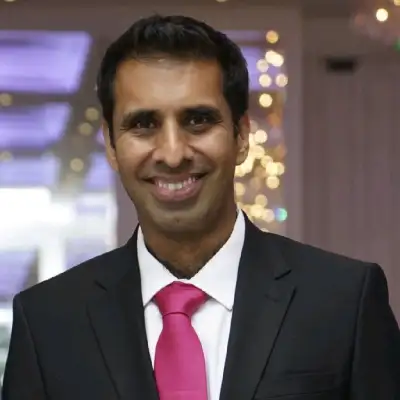
Hey everyone, Sajil Kreshi here with another episode of RevOps 500. I'm really stoked today because
we're talking to Lisa Conrad, the head of school and all things Park School of Buffalo.
Lisa, welcome to the show. Thank you, Sajil. I'm so happy to be here. So Lisa, let's just get right
into it. What is your biggest mistake? My biggest mistake is not a professional one,
but it led me to this professional field that I'm in. So I say that my biggest mistake...
selling our house when we did. And I'll get to that in a second.
I was going to I was on this track as an educator that you are generally on when you're going to
school. in Western New York and you're going to the UBs and the Buff States and the Canisiuses.
I was at UB for my undergrad and then I was there for my graduate as well as my teacher
certification. You are placed in public school settings and it's very, you know,
it's kind of sterile, like the steps that you go through and the things that you're told. And one
of the things that you think when you are a novice educator is you're going to get into a public
school district, you're going to get tenure, and then that's your life. And I did that and I got a
job right away. I got tenure. I did everything the way that I was supposed to.
And we sold our house also because we were like, okay, this seems like this is the time that we
should be doing this. I got tenure in this job. I'm going to be here. We want to expand our family.
This was our starter home. Let's get out of here. So we sell the house. And not long after, my
position was cut from that school because the district was undergoing a huge financial crisis and
had to cut actually 45 teachers.
that was devastating for me because i thought everything was going to be laid out and and mapped
right that led me to park because i got a job at park after being cut from there and i can talk
about what that looked like on the professional side of things that mistake led to this and i am so
thankful for that okay so just really clear like you know you were in a public school district as
an educator then you know you had everything going on the right path the career path was fine all
of a sudden your career takes a detour and now you have to go work in an independent school like a
private school yes and i never saw coming you never saw coming you never had any intention of
working in a private school or anything like that just be a teacher freedom 55 retire all that kind
of that was all that was all and you sold your house and you got knocked into a different life
because your job was you know you got laid off and then your job and then you and at the time i
mean obviously you know you probably didn't think oh this is the best thing that ever happened to
me but now you're saying that it was it was a really good thing that happened why how i mean what's
like you take take me through why that was the best thing or a good thing in long term And I just
want to go back to like why it was a bad thing, because I am going to end up talking more about how
it ended up being a good thing. It was a bad thing because of just like real estate in Western New
York and that selling of that house. We never really were settled. And I still don't always feel
like we are. But when we have those feelings as a family, I'm like, man, if we never would have
sold that house, we would have just been in a different position like with with our. equity in a
home with our like with the way that the market is in the area where we live like it just would
have provided for a little bit more a lot more like flexibility with a change now versus then i
hated that we sold the house so like that's the mistake that's the one thing that i think of what
it brought again was this new world of independent education Because while I lived in Western New
York my whole life, I never heard of this school. And I knew what private schools were, but I
really only knew them from a Catholic school setting. What does a private Catholic school look
like? I knew nothing about independent education or progressive education. So the setback and then
the fact that you sold your house, obviously there's financial implications to those things. And
now you're knocked into this world. How did you... i mean what what happened i mean you know you're
starting a family and all this kind of stuff and now you know you've got no income coming that you
had coming in guaranteed income now where where does the independent school come in where does the
whole journey start what's what was that all about Because I actually remember it in 2012 during
this week. So let's say we're in like those opening meetings. And I remember being nervous here,
starting here. And from the very first day of opening meetings, a teacher came up to me,
introduced themselves, asked me if I was the new Spanish teacher here and complimented my necklace.
And I bring that up because I'm like, man, that wasn't. that never happened in that sterile setting
of being in a auditorium with 300 other faculty members who really don't care to know you at least
not in my experience everyone is there to work and do their job and that's really it and this was
this felt different from the beginning
and the time you know in that opening meeting week i will never forget like the way that people
spoke to each other and the way they spoke about one another or about their students or about what
they had taken the summer to plan to get ready for i just was never in an environment like that and
from the beginning i would tell my family i think i might want to stay here like after that i
remember after that first month i was like i think i might want to stay here and it was like what
why this is not what you have studied to do this is not what you've been like sort of programmed to
do how what what are you talking about lisa but i would talk about these amazing qualities of of a
teacher that existed at an independent school the way that the students would interact like not
clicky not like oh you know you're in fifth grade so you can only be with fifth graders like it
wasn't like that plus this beautiful campus i was like i think i think we need to reevaluate what
our path is in life and maybe stay here that is so interesting so you know like You have this thing
happen, it changes, and it's all for the better in the long term,
I guess. Let's talk about the difference between an independent school and a public school.
Obviously, on this podcast, we typically talk about business and capitalism and reducing friction
in a customer buying process, stuff like that. Do you feel like... In an independent school,
you have a greater flexibility to do things that you wouldn't otherwise?
Is that kind of a thing? Yes, you absolutely do. You have greater autonomy as an educator in an
independent school. There are so many perks by way of how you teach, what you teach, the way you
teach, the way you work with others. All of that, yes. On the business side of things,
it is very different than being in a public school. And that is a hard pill to swallow for some
people. Because if you don't have enrollment in a private school and you don't have fundraising,
you don't have money from your donors, where are you getting money from? Right. So it's not
something that is like state funded. You know, you don't have state funded programs or federally
funded programs in an independent school the way you might in a public school. And so some would
say you got, you know, you all have to work differently in order to maintain your student body and
also attract new ones because that's revenue. Bodies are revenue.
Like let's, you know, let's face that. Yeah, and so let's talk about that a little bit because
you're somebody who I've seen talk to parents or teachers or staff about curriculum in a subject.
It doesn't matter if it's math or English or music. And then within five minutes, I've seen you
change gears to talking about something in marketing or fundraising or, you know. brick color at a
facility or something like this those are very very different sorts of conversations you know and
how does a spanish teacher how does someone who starts as a spanish teacher then be morphed into
this person who can have these 10 different conversations, but 10 totally different off-the-wall
topics and speak those languages. What's that journey all about? That's a great question. I do
think this particular school is really, really special at allowing people to find themselves.
So I think that that was always something that... held like i i can pivot and i do have different
interests i love to talk about education and curriculum but i also love to fundraise and i love to
meet people and i love to talk to them outside of the classroom in certain settings you're not
allowed that or you're not afforded the ability to be able to do all of those things and I'm lucky
that here I can I'm actually trying to encourage other educators I'm like I know you have a passion
for more than just x so have you ever thought about what that could look like five years from now
do you ever see yourself doing something else because here you can you can do that I know it's It
feels at times like a lot because you are spinning and sort of doing these different things.
But I find it very fulfilling. But has it ever like, have you ever kind of felt like maybe you've
pivoted too far from like, what's your main, what's your main strength is?
Or is it more just, you know, no, you're just, you're just doing the job. I don't,
I don't find that because I believe now after finding myself here.
I believe that my main strength is above anything else, people. And I do think that I can,
you know, be with different people. I think I can talk with different people. I think I can teach
different people. Like I think that the people part is the core. And so whether I'm teaching or
talking about marketing or fundraising or being introduced to somebody, like it's always about the
people. And so I've never gone away from that. so is it like is it what you're saying like you know
you have if you have like a curiosity in people and what they and what they maybe what they're
talking about or what their expertise are what they're bringing to the table what they're
interested in from there you can pick up you what what they're what they're interested in and you
can kind of speak their language a bit is that is that i think so i do and and i think actually
like A way that I found that was during the admissions process at PARC.
So I was a teacher here for two, three years. In going into my fourth year,
the admissions director approached me and asked if I wanted to work during the summer as an
admissions associate because her associate was going to be abroad for the summer because of her
husband's job. so they asked me if i wanted a summer job here doing that and i loved it because i
loved meeting the different people and kind of right right away like getting a read on who they
were what they were looking for maybe how i'd have to sort of pivot how i talked about park or my
approach to meet the needs i just found it so like it was so fun i loved doing it well you know
that's kind of the the shtick isn't it when most good salespeople they actually don't sell they
just they just listen and the people will talk about themselves or their dreams aspirations
problems solutions and then you just kind of and as you said you know you you kind of listen and
then you react to what's being told to you you kind of take what the defense is giving you to use
like a basketball term Yes. And do you know, do you, I don't, I don't know if other people feel
this way, but I, I find that because I sell something that I love,
it doesn't feel like sales. Just like you said, it's something I love. It's something I believe in.
So it doesn't feel like I'm so a lot of times, like if I've had to buy a car or a mattress or a
couch, I always walk away being like, do they. Do they love what they do? Because you have to sell
that. Like, do you believe so much in that? Because I know what it's like. And if I didn't believe
in it, if I didn't love it, I don't know if I could do it. yeah so let's let's talk about that so
you know some some principals you know like they're they're like the like the head of schools
they're like the founder of the school right and they and of course they believe in it because you
know they put the very first bricks in the ground and they're the ones who were groundbreaking it's
their it's their baby so to speak park has been around for over a hundred years right the school
has been around for a century i mean so most of the story you i mean you're you're a relatively new
character in that story right so do you feel though like that all principals really were head of
schools do they do they need to have that skill set of selling like like literal selling to
families to kids or is it more just selling a selling a curriculum and that's it what do you think
of the job description i think you have to sell the school all parts of it you have to sell you
have to be comfortable selling the school even if you're selling the curriculum you're still
selling it by meeting people who are looking at park even if like you are a complete academic and
that's where you are comfortable If you want to be a successful head of school at an independent
private school, you have to be comfortable selling all parts of the school. And I always felt that
way, but I never said it out loud because I didn't have the confidence in myself to say that
because I was new to headship and whatnot. I have a colleague, Dr.
Keith Rome, who was the... head of school at another school in buffalo for a long time opened up a
not-for-profit came back to do an interim job at that head of at that school as a head of school
so i trust what he says because i know he has a long career in headship specifically in western new
york and maybe after the first year or two of us working together he told me you know what is
different about you than other heads of school that i have worked with since the 90s and you know
why you are going to have more success you enjoy selling the school and sometimes a head of school
thinks that that means you you know, kind of sit back and you write and you communicate that way,
or you deal with things only at the highest level, but they're wrong. They really need to love and
breathe and sell this school to have complete success. So like,
you know, and about that. So obviously the selling process has changed probably over the, over the
time that you've seen in your career, maybe in the beginning it was his phone calls. It was just
walk-ins then maybe his website. Now, It could be something else. How has the selling process or
even the buying process for families changed over the time that you've been in this head of school
role? That's a great question. I think that what has definitely changed is the outside world from a
school. You can't just focus on what happens here. You have to think about what is going on in the
world and then how is that going to affect whether a family makes a decision to come to your
school. And PARC, specifically, is a school of over 100 years that is a progressive school,
a little bit more, like we're talking in the past, in the past 100 years, known for a school that
is very autonomous with their education. I don't want to lose that,
but I also need to consider, and I need everyone, the alumni, the faculty,
the staff, I need them to consider that we are living in a pretty chaotic time or a time that feels
chaotic and unstructured to many people or like there are no rules and people can do what they
want. I don't think that there's a market for people wanting that for their kids. I think that
people are hungry for some structure in what feels like an unstructured world.
So you just have to, you know, think about those factors that could affect someone's decision.
on whether or not they're going to invest for their child okay so the outside world is a is a
factor you know things are chaotic there's technology shifts economy shifts political unrest you
know those sorts of uncontrollable factors that come through like the buying process itself like
people will come to a school that's 100 years old with some sort of preconceived notions right of
how it's supposed to be or what it's going to be and maybe there's obviously it's not a new school
so there's a reputation around what the what that what that brand is so how do you i mean do you
there's positive connotations on a brand and there's negative connotations on a brand like say you
know there's there's a big restaurant with a big yellow m i mean the the positive connotation is
that it's fast the negative connotation is we kind of know but so what When you're talking about
this school to people who have these preconceived notions from third party websites or marketing or
families, current, previous, whatever, do you address them head on?
Do you address them as they come in? How do you work through those things? I think that that is all
case by case. But I think every year that goes by that I'm in this position or that even
personally, I get a little bit older. I get more confident with addressing things head on.
So maybe in my more novice years as an educator, I would have never felt as comfortable as I do now
telling somebody, you know, if they have a preconceived notion that because this is a private
school and because you pay, we do everything and we fix everything and we teach everything and we
coach everything and we do it all. That is not the case. Because without your support and
partnership, we can't be successful. Like we have to have trust, understanding, and we have to
support each other for the best interest of your child. We can do all we want here with our
technology policies. But if they go home and you're not supporting it and you're not following it,
we're not going to have success. I probably wouldn't have been comfortable saying that before.
But I think that I am much more comfortable and confident addressing something like that.
Again, not only as somebody who's grown in this role, but also as an adult myself and as a parent
myself. Yeah, so it is hard, isn't it? When you are younger in your career,
there's a higher need of pleasing everybody and kind of just staying,
making sure there's no rocking of the boat, so to speak. Don't want to burn any bridges, that kind
of stuff. as you mature, you get more solid footing on yourself. You know, you're more willing to,
you know, to have the argument at the all way stop and say, you know, I was here first. Is that,
is that kind of how it is? Or am I reading that right? Yes. But, you know, I also will add,
like, I just want to emphasize that even with that, like, I agree with that, but with the maturity
doesn't, you know, doesn't, I would also tell people, it doesn't mean you have to be
confrontational. You can keep your voice calm. You can, you know, state your point. You don't have
to be confrontational, but you can be confident in what. in what you believe in what you're saying
it's a shame isn't it that when you're younger you just don't have that confidence that you wish
maybe you had like 20 years into the future yeah they you know youth is wasted on the young right
they don't have the they have the wrong kind of nerve yes yes that is a great point yeah so i mean
like so i was you know here's something i was going to ask you i said look you know People have
reputations about schools. I'm sure at Park School, there must be some sort of outsider's view of
it, what it's like and whatever. And they might say, oh, at Park, it's like people just walk around
all day. They don't really sit in the classroom. Would you ever consider putting out some sort of
marketing material, if it's digital, print, whatever, that just addresses all of those stereotypes?
Of course. I do that, but I do that verbally constantly.
And I do think that that is a Buffalo thing. Obviously, I have no other experience other than
living here and being here. But I very much think it is a Buffalo and Western New York thing that,
you know, once you heard something and then maybe you were in a group somewhere, now that's what
you have in your head. And what you're talking about happened 25 years ago, right? Like people
talked about how it was a school with a lot of green space and a pond. So it must not be a school
that has academic rigor. Because it was known 20 years ago, 25 years ago as not.
Well, it has changed immensely. And let me tell you all the reasons why. That happens all the time.
Okay. So you kind of face it as head on as you possibly can and get it that way.
So now let's talk a little bit of technology. You run a school.
technology is changing all the time. You know, we have to use those two letters, AI and all those
sorts of things. What is like, what is like the, I mean, obviously, you know, most people talk
about from a parent or a family's perspective. How about from an organizational perspective? Like
what, what, what are those, what are those discussions like internally with the staff about using
AI, adapting it for like operationally in the school and the different departments? What,
what can you, What can you elaborate on about that? I think that first and foremost,
any educator who is passionate and fulfilled in their career of being an educator hears that kids
can type something in and then it'll just spit it back for them quickly. Their immediate reaction
is not going to be happy. They're going to be scared and fearful and anxious about that.
i think at the heart of everything we have people here at this school teachers who strongly believe
in critical thinking and are scared that introducing a tool like that to kids of this age is going
to prohibit them from thinking critically i did contact a well-respected parent in the community
who has background in ai and software development and all that and i said like i do need to put a
formal policy and procedure together for ai at park because it feels like you know like a question
came up at the end of the year last year by a student and their family about using a recording
device in class and could they use this recording device that is an ai device that would then spit
back the lesson so that when they are at home working with their parent the parent can kind of like
understand the gist of what went on in the class so that the parent can help the student and I
understand that that's you're you're being a great parent who wants to do that for your child the
teachers sitting around the table as I presented that to them I mean I wanted to be I wanted to
crawl into a hole because they were giving me daggers because they were like How does that help our
student? It helps the parent. It doesn't help the student. And we are trained to worry about the
student. And we do. And we want to give the student skills, though, so that the student can go home
and talk to their parent about what went on in class. And then the parent can help. But how is this
giving them tools? And we had this big discussion. I was like, we have to have a policy. on it and
so that's in the works so policy making on the on the delivery or like the student use of ai right
how about internally from like the like the staff themselves like say if it's faculty i mean i mean
how how do they prep with ai is there any policy on those things is it like or is it something they
did it's just on a case-by-case basis or is there's a school have like a like an ai rollout on
their own that they're using internally, like a certain LLM and certain tools that they're setting
up, or is that still kind of in the infancy stages? It's still in the infancy stages. We don't have
a policy specific to faculty and staff about what they're using or how they're using.
I did see in some of the applications for teachers that we had hired for now.
you know they were actually like forthcoming with it like it was like well if you you know ask me
to develop an elective this is what it would look like and with a little help from gemini i did you
know do this and i appreciate your honesty and but that didn't sit with that didn't sit well with
some of our teachers i will say they're like yeah i appreciate the honesty too but like i want you
to think about it i i wanted you to come up with this on your own because this is what we stand for
these are our principles here at park that's so interesting like and it's such a unique contrast
from what what i see and you know what even other people probably listening here,
aside as my mom and dad listening, I mean, they probably say the same thing. Like in our, in our
world, what we've seen AI do is like through the use of AI agents and things like that, we have
less and less tabs open in our browsers. Like we're, we're operating through maybe one or two
browsers over the tab only. Like we just ask Claude, like, you know, I have the accounting system
connected to Claude. I have the marketing data is in Claude, the CRM, the. my emails i asked them
what emails are important the people i talk to at work with all the messaging apps they're all
connected in the club and i don't have to open up 10 different applications anymore but now but and
if i if i work any other way people would say that i'm like i'm an acoustic guitar and electric
guitar world i mean that's just not going to work right what you're saying though is that in in at
the in the education industry you know there's like almost like a little bit of a pushback it's
still not there's still kind of like this guided apprehension towards ai and how it's going to
impact not just the student experience but also even how the faculty use it and how they look at
what another who are using it absolutely it's so interesting absolutely and like do and do you feel
like in in your mind what is the what is the what is the ideal application for ai inside of like a
school and not so much with students but like within the in the faculty like is is there places
where you feel like at park right now like they they could really benefit from technology like that
adapting technology like that i'd have to really think about that a little bit further because
we've had the greatest retention rate in a decade going into this school year We've had the highest
enrollment in a decade in this coming up. We have had the lowest attrition.
Well, highest retention, lowest attrition. We've had the highest net tuition. We've had the highest
revenue in fundraising that we've had in a decade. So all of these things that move the school in
such a positive direction. Never is there a reason that someone is questioning like educationally
what we are or aren't doing in AI or with AI and why it's going to affect them not coming here or
maybe leaving to go somewhere else. So I'd have to think about like, okay, what is then ideal that
we should or we shouldn't be doing because if it was something that was right in front of me and
affecting the school right now in such a negative way i would address it and i think because it's
we actually see you know we see more people who are coming through asking about technology policies
but wanting us to not have technology like do you take away the phones do you have one-to-one
ipads do you have one-to-one chromebooks because i want my kid to have that so that's what i see
more of from littles like from someone looking in lower school to middle all the way to upper so
it's like this so you feel and maybe that's the thing too right the the renaissance of going away
from technology and maybe more experiential experiences like you know it could be you know in the
corporate world it's like in-person events or in-person meetups and stuff like that education is
more of an in-person it's more like a working with your hands like cursive and writing and things
like that as opposed to like typing and using technology you feel like people who are looking for
an independent school are maybe actually looking at looking at maybe like a more touchy-feely sort
of experience versus like a digital one like i do think that in and again in my experience of what
i'm seeing i do think that i think that there is a push going in that direction whereas Seven,
eight years ago, that same thing, when I worked in admissions, people coming and asking if we had
the one-to-one iPad program or the one-to-one notebook or Chromebook, that's what they wanted.
And now, no, I find that it is drawn in the other direction. So,
of course, if you're... If these families who you're trying to serve,
if they're trying to push away the technology, obviously as an organization, you have to think
twice as well about how much do you actually want to bring it into your own operation because you
want to complement what you're delivering to your constituents, your dependents. That's
interesting. I never thought of it that way. I know. That is interesting. And so like,
okay, let's talk the future now. Let's say like, five, 10 years in the future? Where is Lisa Conrad
headed and where is Park headed? I mean, with Park, we'll start there.
I don't believe that there is any, in Western New York, I don't believe that there is any direct
competition for a school like Park because we are the only school that is an independent school
that was founded on progressive education that's pre-K through 12th grade and Montessori. It's not
faith-based. right like it's co-ed there is nothing there's not one other school that is like
that versus an all boys private high school there's multiple of those and all girls private high
school there's multiple of those so for park like we have to keep going in a positive direction
with all the things that i mentioned with enrollment and net tuition and fundraising because we
have something really special here and we got to keep going we're we're in the process of building
and raising money to build a performing arts center We have to look at that could quite possibly be
the last new building that goes up on this campus just because of space, right?
Like that would be the last space that we have to do that. So then what does that look like in
terms of rehabbing other buildings here? You know, all that is into the future.
For me, you know, I don't ever want to be somebody that gets is like.
complacent because I don't you know like I'm not and so I'm always thinking about like well what
else do I like what else do I like to do or what else do I think I'm good at and I do always go
back to the people part I know that that's my compass and I do love park as you know so I've
thought about like what does it look like if I am you know then moving on to the next challenging
phase of working in an independent school which can be fundraising it can be donor related It can
be admissions like those are those are challenging pieces, but I welcome that.
And I think like I'd like to do that eventually. Interesting.
So so that's the segue is to like, you know, into into less ahead of school and more like of a kind
of like a president's president sort of thing where it's more like fundraising,
alumni, communications, networking, those sorts of things. i think so but also not because that is
like a fee like i want to do that for park okay i also think that park is in a pretty unique
situation where you know we don't have these historic classes of hundreds of kids graduating so you
have a smaller group of kids that graduate and then they go on to do amazing things,
but not just here. They're all over the country. They're all over the world. So keeping in good
relations with them is challenging, right? And it's difficult, but I like that.
And I believe in that because I believe you have to steward those people so that they can give back
and keep Park going for another hundred years. You know, but I think you do have to do a little bit
more when it comes to that because just geographically people are all over. And it's not easy to
just have like an alumni night, you know, downtown because we have so many people all over the
place. So how would you do something like that? I mean, like, you know, if you're alumni or your
stakeholders are not able to meet in person, I mean, do you do virtual ones? How do you stay
connected to them? I mean, we have really enhanced our communication with our alumni.
But I think in-person meetings from someone who has passion for the school and who can also report
on all the good things, doing that in person is much more beneficial. And so that's what I envision
having to happen. And it's not that it's not happening now. I just would imagine it. to happen on a
more frequent scale and you know that that would be my dream yeah and that would be that could be a
lot of work because you know there's people everywhere right you have to travel you have to like
make these meetups and everything and the the the great amount of work comes also that you can't
just be doing that everything else has to be running smoothly your academic program has to be top
tier your campus has to be in excellent shape your faculty has to not be leaving every year because
they're unhappy or they don't believe in the mission you have to have good enrollment all that has
to be happening for you then you to be able to go and steward your past people or your past parents
of people or friends of park yeah and like and then the kids have to stay out of the news for the
wrong reasons i mean there's so many things yeah how do you I was going to think about the pressure
part of like, how do you, how do you sell something? So, you know, like it's very dynamic because
it's never, it's not the same, but, you know, it could be, it could be one thing today. Then all of
a sudden tomorrow, something totally out of control changes your product and how your product is
perceived in the market.
How do you, I mean, have you ever thought about that? Like, you know, what that would look like? I
mean, it's a terrible fear. It is a terrible fear.
And I am also like an honest person. And even when I am selling park to a potential family or when
I'm talking about park, I do always say. People here are not perfect. Kids are not perfect.
They are going to make mistakes. It's just that here you have more of an opportunity to connect
with them about why that was a mistake and now what they need to do going forward. Whereas when
you're in a school with hundreds more, you just don't have the manpower. And so what do you do? You
resort to using punitive, you know, consequences like a detention or an afterschool.
Like those things happen, I think, because like you have no other option here. Like,
you know, I'm not letting you off for doing this thing that was incorrect, but I really need you to
understand why that behavior is not going to be okay here and why that behavior is not good for you
either. And if you keep making that mistake, well, then we have to reevaluate like you don't really
align with the mission and we might have to say goodbye. But I also don't think like you need to be
written off right away. Like it's an opportunity for you to grow. So I always tell. people that i'm
i'm up front with like yes i sound like this place is the greatest place which it is and i love but
nothing is perfect yeah and like i mean look the opportunity to grow from from a mistake right i
mean like even what you said about the you know you sold your house and then that and then that was
one mistake and then you know you they knocked you into this world of independent schools right so
you know it's kind of growing from you know different kind of mistake it's obviously not an illegal
one that you made No, but it's like, it's also like, okay, you have to, you have to maybe like grow
from that, see the opportunity in something like that. And now what are you going to do with it?
Lisa, where can people learn more about you or getting contact with you or about PARC if they want
to learn more? oh my gosh, they could go to our website, theparkschool.org. They could visit us on
social media. We're on Instagram, Facebook, LinkedIn. And you can always call the school and ask
for me. I never say no to conversations. And that's another thing. Like I think that as a
successful head of school, you do have to be approachable and you do have to be relatable to
people. And if you are always saying no, I don't know. I don't know how much success you will have.
So let's let's talk about that. I mean, like just just one more question because it was a really
interesting answer. So I mean, what I mean, is is there a limit to all this? I mean, you know,
you've got like, like you said, there's there's there's students, there's faculty, there's alumni.
I mean, you know, how many times do you get an email sent to you that you have to read or you have
to entertain? When when does when does it end? Where is there?
Is there like a limit to all that stuff? I think that I have learned that you also you can be
approachable, relatable, you can communicate, but you can also delegate things like you can hear
what the person is requesting and then you can delegate it. I have found that there will be people
who try to take advantage of that and texting ahead of school at 10 o'clock on a Sunday night.
masking that it's a crisis or an emergency but it's really an issue with a calendar you can say
like this isn't an issue that needs to be addressed right now and i'm happy to talk with you about
it but tomorrow because it's not a crisis i've been able to do that and i don't know i other than
that like i said i I think that if you follow what I'm saying in terms of my experience in being a
successful head of school, you also absolutely need a great support system.
And you really can't do all those things if you don't have a good support system. And mine is my
husband, my kids, my parents, my sister, like they have always been there to.
support me, listen to me when I'm having a bad day, or really just be an outlet when I need a break
from all of this. And if a head of school at an independent school where you do wear many hats,
if you don't have that, the road is going to be very, very challenging.
At least I get tired of thinking about it.
So this was a lot of fun. I really appreciate you. lifting up the hood under what it's like to be
ahead of school you know it's not this is not something i know a whole lot about so it was very
very this was fun it's very entertaining so i appreciate you coming on and jamming with us about it
today thank you i'm so happy to be your guest thank you well everyone this has been another episode
of robots 500 please like comment and subscribe and thanks again lisa okay thank you