Subscribe
Share
Share
Embed
Welcome to RevOps 500 where we invite the world’s top marketers to answer the tough questions facing growing companies. Join us as we dive deep into the world of RevOps. We’ll be learning strategies and expertise from first-hand experiences.
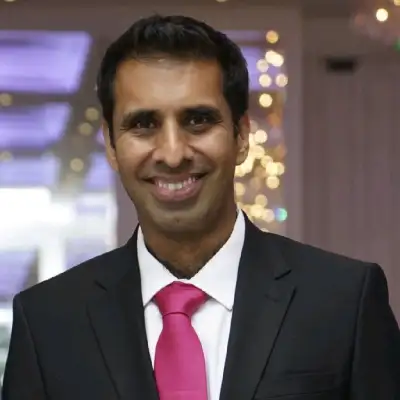
Hey everyone, Sanjeev Qureshi here with another episode of RevOps 500. Today, I am super stoked to
be talking to the RevOps guru at Hubstar. Hannah Creswell, welcome to RevOps 500.
Thanks for having me. So Hannah, let's get right into it. What is your biggest mistake? Okay,
so I've mulled over this quite a lot in prep for this and watched a few of the last episodes and
some really interesting answers from some of the other speakers as well. So let's keep it career
-based, right? We don't want to go off on that tangent. So for me, I think the biggest mistake I've
made, and I've made this mistake a lot, is building systems.
And because I've built the right system, assuming people are going to use it. So I think when I was
in my early career, I was a lot more focused on the technical elements of RevOps.
So building the right automation, building a really slick watertight process,
launching it off and that was it. It just didn't get used at all. And over and over again,
I think adoption has been one of the things I struggled with early on. So yes,
the systems were robust, but if they're not being used, if the tools and the processes aren't being
adopted, then it doesn't matter. So now, definitely, I've learned from that. And I'm really more
thinking about the human element of RevOps, that behavioural change element,
the psychology, the usability, because actually, as I say, if no one's using the process,
there's no point in even being there. So that's, for me, been one of my biggest learnings
throughout the career. not just about the building and the architecture, but really about that
behavior change, the training, the adoption, making people see the value so then they can use it.
It works for them. And then in turn, it works for the business. Okay. So Hannah, you said a lot
there. So obviously the, it sounds like what happened was you, you would build these great, these
great. Well, like houses, it's called big houses, right? They have everything you want, all the
bells and whistles, the granite countertops, the great kitchens, the huge washrooms,
bedrooms, everything. But they were in like a place that nobody wanted to live and nobody wanted to
stay. It wasn't like a home for them, right? Yes, exactly. So how do you do it now then?
Obviously, you're an architect of grand reputation, right? So how do you... how do you get people
to how do you build these great things and get people to use them what's the trick to get people to
actually use these processes so i think for me it's like there's elements throughout the whole
cycle but let's start at the beginning building as a team so rather than building in isolation what
i think the problem is how i would solve it it's actually working i hate this term but cross
-functioning so bringing everybody together and just having a conversation From the top to the
bottom, so not just leadership, but, you know, the end users very much so. How is this working day
to day right now? What are the gaps? What do you want to solve and what do leadership want to see?
And what's that kind of area in the middle there? Building the process from those discussions.
So really understanding it at all angles and taking suggestions and solutions from those end users
as well. because I think if you build something together adoption is way higher straight away
rather than oh by the way I've built this and now you've got to use it we've crafted this we've
built this as a team it works for everybody so if people feel invested in that way they're way more
likely to use it so that would be the first bit and then when it comes to launch I think training
is really important but not just training and showing someone how to use this in a technical way
here's the process here's step one two and three but actually starting with the objective
demonstrating the outcome and selling the value all the way through you have to be a salesperson
sometimes to get that adoption so it's like this is why we're doing this here's the reason you're
you're going to get these benefits you're going to see you know higher conversion rates from sales
you're going to get more pipeline if you do it this way we're going to get visibility and you'll
see all of your you know activities and your dashboard and this is going to be a tool to help you
so selling that all the way through showing people the value so then they're like oh okay i need to
use that because i want that i want to do that i don't want to get left behind i want those results
so doing that and also being flexible i think and adjusting so when you do that and also once it's
live because you know best laid plans and then actually in reality maybe things don't work in the
way you expected or people find scenarios that you never even dreamed of so then changing it,
taking that feedback and letting them be organic, ever-changing kind of processes that can grow
with the business and be flexible. So you've got the process, but they can flex. They're not super,
super rigid. So I guess they would be the three elements that I really start to focus on now to
make sure that that adoption is higher. Okay, so the main one you said was working as a team and
getting buy-in from people while the thing is being built versus being in isolation. But what
about the other side? I'm just playing devil's advocate here. People say that a camel is a horse
designed by committee, right? So, I mean, like, you know, you're the architect.
You kind of know how to build these things. Isn't this situation where it's like trying to get five
people to eat at the same restaurant on a Friday evening? One person wants Chinese, one person
wants Indian, one person wants traditional British food or American food. How do you get everybody
to buy in and say, okay, we're going to all decide on... this thing and this is the way that we're
going to build it how do you get that alignment yeah it's hard and i would say you don't always
achieve 100 alignment but i think what you've got to aim for is the majority and making people feel
on board feel included But there is a point where you have to say, okay, no, we can't do that.
That's a terrible idea. And knowing the difference and saying it in a certain way, you're probably
not going to say that to somebody. But, you know, explaining the alternatives, winning them round,
again, trying to like sell that idea to them. And I think sometimes if you ask for input,
even if you don't use it. If people have given input, they will feel more invested, even if you're
not going to use every single idea because you should say you just can't. But if there's elements
in there and you can draw on those things and people feel like they've had some input and you will
use elements, then I think that that's really important. Okay, so talking to people, make them feel
heard. And that works at Hubstar because I know most places, if you just ask for someone's opinion
and you don't use it, they're like, why didn't you use my opinion? This is how dare you. It works.
It actually works over there. I'd say it works most of the time. I wouldn't say all the time, no.
I'm not going to say it's perfect. We haven't got it all first, no way. There's definitely still
arguments about the way that things should be done. Healthy arguments, you know, challenge and
should we do it that way, which I think is really good. And yeah, I think we try and make decisions
with input, but maybe not by committee. I think that is a fine line.
Getting input, getting feedback. but then being the filter for it so understanding on in a holistic
way as well because if two people have got opposing opinions you need to understand the why and
then which is not valid but which has got the most weight and which applies to the situation right
now and then you know i think you can feedback on the feedback as well right so if someone comes to
something and you decide you're not going to do it giving a reason why not just letting it kind of
disappear into the ether it's like these are the decisions i've made and this is why and appreciate
your input we're not going to go down that track right now when you know give it giving them the
details so then they do feel like it's been considered not just thrown to the side okay so now how
does how does the role of authority play in all of that like let's say for example the sales team
and the sales manager they're okay with what hannah is deciding to do and marketing is to uh the
ceo says no chance in heck i don't want to do it this way what happens then you know does authority
play have in your career not just in one place and in general does authority play a career in this
career a role in how these decisions get implemented now sometimes and i think again not just at
hubstar i think across a lot of successful organizations like you have a semi-flat management
structure in terms of people can can you know work together and propose and recommend but at the
end of the day the further up you go the buck does stop and i think sometimes that's healthy in
organizations because as you say by committee like if no one's got authority if no one's got that
final decision then it can be very chaotic so i think it is important for that authority and also
that responsibility you know if they make a bad decision well okay then they're responsible for it
so i think that that's important so yeah i guess to answer the question authority always does play
a role um but i think that that can be can be useful and i think if i get a no i always have to
think about why like have i not put together a very strong business case are there other priorities
that i'm maybe not even aware of in totally different departments that need the money or you know
the resources all the time and that's usually explained back to me at least at Hubstar so then I
can understand the context and say okay we can't do this right now but let's revisit in six months
time once that other big project in the other part of the business that I don't even know about is
concluded so I think there's a balance there between like proposing recommending being your area of
expertise but then also sometimes you especially in like I'm very in the commercial team so Sales,
customer success and marketing, I've got a lot of visibility and I understand what's going on, but
other more technical sides of the business, I just don't, I don't know what's happening. So then
the CEO gives me that visibility and then I can understand the priorities of the full business and
where my piece slots in. Okay, so it's keeping an open line,
just having communication, a CEO who's willing to be transparent, that all... Makes a difference.
Okay. Now let's talk about building in isolation versus building in a team. Just,
just for you, what, what is more fun? I mean, you know, in the early part of your career, you said
you're building in isolation, you're just, you're tinkering, you're building all these amazing
systems, dashboards, automation technology, and you just roll it out, cut the ribbon. Here's this
beautiful thing that I've built. Now it's, well, I'm not using that. I don't know how to use it.
It's too much. And then you have to like sell people. I'm using it. Now you, you build with a group
of people. Is it, is it, which one is more enjoyable just to you?
They're probably enjoyable at different points. I'd say there's probably a pleasure in coming up
with a really cool idea, seeing it come to life. Oh, look at this unique thing that I've made. Like
that's, that's fun. That's cool. But actually in terms of the wider impact,
if you've made this thing that nobody wants or is going to use, or is going to add no value and
then just triples up and dies, then that's not very fun. so i think there's probably different
elements i mean like sometimes people use and this is more like i used to do a lot of running and
they people say that there's like types of fun and there's type two fun so like the type one fun is
like you know eating pizza and going out and drinking beer and like doing laying on the sofa yeah
great fun and then type two fun it's like doing the really hard thing so like running a marathon
training for and running a marathon like at the time it's not fun but actually that sense of
achievement afterwards is the type two fun it's like okay it's great like i've really enjoyed it
and it's like i love doing that even if you asked me at the time maybe i said i loved it so i think
maybe it's a little bit like that it's like building this thing in isolation can be cool and it's
like oh look at this big shiny toy that I've made but then it kind of just it's more instant
gratification I suppose but sometimes asking the hard questions going through that committee
process and the friction and sometimes it is there and doing that can be harder but then actually
seeing a tool being adopted a process adopted it helping people and making the business move
forward is a lot more gratifying in the long term because it's something that really works. So
building with a group is, would you say type two fun and building on your own is type one fun,
pizza and ice cream and burgers and alcohol. Which one is which? Let's just...
No, yeah, I would agree. I think, yeah, just instant gratification, building a tool that you want,
but no one else does. I'll get it done quickly. It will be a bit easier and it will be really...
fun but doesn't work in the long run versus sometimes it is a bit harder to do it the other way but
it does work so yeah that's the that's the marathon version yeah i guess i guess too much type one
fun and building crm systems would be hazardous to one's health just like too much pizza football
games probably would be too right yeah 100 if you're always building stuff that isn't helping the
business then you're probably not going to last very long either so you've got up that focus yeah
but like how how do you do that like i i don't in our in our world we go into so many you know crm
portals we don't have the name is your blue ones orange ones whatever but and it always feels like
nobody's really using them the way that the software companies themselves have envisioned everybody
using the adaptation is not a hundred percent like say for example they might be using the crm
manager and or like the marketing one but they don't use the ai tool or not using the data
cleansing and things aren't integrated into it how do you like adaptation in in crms is typically
never like as good as what it could be but it sounds like you know you found something where you
got people actually using the thing. And even when new people come in, they learn the thing, they
understand how to drive the car. I mean, that's a pretty big deal, Hannah, because most people
don't have that. Don't quote me that we've got adoption solved. We don't. We have the problems too,
for sure. Adoption's not always there, especially with new initiatives. I actually launched a new
tool recently and adoption's been there. really low so I'm looking at why is it something that we
actually just didn't need did I see the shiny object I think oh that looks cool let's bring it in
maybe we didn't actually need it have I not trained enough is it too much of a learning curve so
I'm undergoing that process now to understand why is it something that do we drop it which that
might happen fair enough do we do more training do we change the use case slightly like I need to
uncover that so it's definitely Still happening. But I also like to look back.
So when I came into Hubstar in the business, we were in a different place with the CRM. So when I
look back and look from where we were four years ago to now, I'm like, no, OK, like we're much
better. Adoption is way higher. We're doing things in a much more sophisticated, joined up, process
orientated way. So there's always levels. You can always be better. You're never going to get to
100%. It's just, yeah, kind of like swimming to the Maldives from the UK, right?
You're never going to make it. You know, you can enjoy the. you can try you can do the best you can
yeah yeah do the best you can and whoever you get to is wherever you get to but it's it's still
like it seems like you're oversimplifying because it seems like so hard like to get people you know
people do build a shiny object all the time and say well how do you get people to use it and why
should they use it now all of a sudden you tell them oh the way you've done it for the last six
months is it going to change then they say oh again why i don't want to change this and i don't
want to do it i'm being pessimistic i guess but it seems like you've it wasn't something right if
you've cracked the code and it's it's been what four plus years i think since you've been at
hubstar so you know it's you must have cracked the code people must like what you're doing touch
wood and you've got you've got something going there if you look back on the time yeah you can say
okay there's been there's been incremental improvements it is a lot of your job building and then
training selling uh getting people to use it then policing is that kind of part of it too enforcing
or I wouldn't use the term policing and enforcing because I think that comes across, I think that
has negative connotations. Yeah, I think that then you're actually met with a lot of resistance. I
don't want to be like, I'm not doing that just because you say. So I think, again, it's like
working in a really collaborative way. Like, I'm here to help you. I'm the person that knows the
CRM. So what do you struggle with? You know, what do you need help? Just a new word, you know, like
a discovery call with a kind of prospect in that sales process. I'm selling myself my role. Like,
what? what do you need what challenges are you having what's hard how can i help solve that what
solutions can i bring to you so definitely trying to work in that way and then there is obviously a
thread of like let's say enforcement in terms of you know we need to we need to do it this way we
can't all just freestyle but again bringing it back to why like can we work together to get the
pipeline up today because we're doing some budgeting and we need to understand what the forecast is
okay well that makes sense so it's not just because i need to do it because i have to it's like oh
yeah okay or can we update what happened at this recent event because we need to know how many
leads we got because are we going to do the event next year so that's like building into the
decision so people can understand the higher business impact and there's reasons that we're asking
them to do this not just because that's what you did yeah exactly so building it building it
through that way and to answer the previous question is my role a lot of training and enablement
yes my role is a lot of sales enablement so i run our sales enablement sessions now we do a weekly
sales enablement session and there are a mixture of lots of different stuff and it's not always me
presenting i just like curate it so like we'll get People in from different departments, marketing
products, sometimes sales reps and things as well. And sometimes me with process stuff. So I think
that that is really, really important in RevOps. To do the training, the presentation,
the communication, getting feedback, that constant loop with the sales marketing RevOps. just the
commercial team really working as a single department with their own pockets and responsibilities
but all talking and working together um so i'm very much like not a behind the scenes person i try
and talk to everybody all the time and you know be there to to help to answer to support come to a
lot of their meetings and stuff so i can be as finger on the pulse as possible yeah that's you make
a good point there because a lot of times people think of the like the rev ops person or the rev
ops manager as someone who is basically hubspot or salesforce whatever crm support yeah and they
say oh i can't see this deal like this deal is missing this data can you fix it for me it's more
like a it's like an internal support person as opposed to somebody who is out front with the sales
team with the marketing team and maybe even someone who has who's like who's who's able to create
uh you know support in both in both organizations to say okay hey you know like so maybe if hannah
is out for a week or two or on vacation or whatever and then you know like someone else can at
least continue to you know advance the plot you know move the move the projects forward even when
you're not around and kind of be your eyes and ears when you're not there on both sides is that
something that maybe It sounds like you build in public a lot more than most rev ops people do. Is
that maybe something that you've learned over time that needs to happen or how did you get that
skill? Yeah, that's a good question. My background is actually agency. So yeah,
so being agency, obviously I'm now client side, but before I was a HubSpot agency and then prior to
that, just like a more general sales and marketing agency. So in agency, you have to be super
visible. because you're working for the clients they want to know what's going on and when and why
so maybe that has fostered that skill so now i treat my like my team my sales people my marketing
people as my clients in a way it's like i'm selling myself to them i'm providing them providing
them support but also like in a and i think another point that you made like is RevOps like
tactical implementation or is it a strategic function and I think it's absolutely got the potential
to be a huge strategic strategic function and I think it always depends on the organization right
how they see that role and depends on the person you've got or the team you've got also it's just
me in Hubstar that's doing RevOps I'm the only CRM admin I'm the admin for most of our tech stack
and stuff so other people support for sure especially in the marketing team but it it's just me
it's not like i've got several people like doing a load of admin and stuff so i've tried hard to
position it as a more strategic role you know adding real business value i'm not a sales and
marketing admin person like if stuff's not done i try hard to push back and get the team to do
their own like data entry and fixing sometimes i'll do it so i just need it but i try not to be oh
Hannah's gonna fix all the deals and that's going to be three days of me just like typing stuff in
because I feel like I can add a lot more value than that actually um and if each salesperson
individually does it and just keeps it up to date that's going to take them you know 15 minutes
each rather than a big a big chunk of time and maybe if we were a larger team and we had more like
of an exec you know like support level We may have someone like a sales and marketing admin that
would take on some of that role. Although I think now with AI, stuff like that's actually going to
be less and less needed as well, because some of that really heavy lifting admin. I mean, when I
started my career, when you used to do like data research, there was nothing like seeing info and
Apollo and you used to just have to Google it and type it into a spreadsheet. So, I mean, thinking
of doing that now is mad. You just do it in seconds. So I think more and more stuff's going to
become a lighter lift on the admin side. Okay, so let's talk about everybody's two favorite TV
letter word after TV, AI. Okay, so how will AI change the RevOps role in your opinion?
What are you doing now? What are you being asked to do? Who is being responsible for it?
Can you talk a little bit about that? Yeah, I think it's already changed it. hugely and i think
it's just going to get more and more i spoke recently on linkedin about this idea of a touchless
crm um and when's that going to come into place and then hubspot uh unbound this year actually
announced that they're doing a self-updating crm like that's going to be their next big launch so
you know it's here i did a poll saying when's it going to come in i think it was less than 12
months and then 12 to 12 months to three years three to five five or more and it was actually less
than 30 days so it's like it's moving so quickly more than we could really ever predict so it's
already changed it a lot and i think it will continue to change it but for me i think it's positive
because ai is a huge robots function ai right now needs prompting engineering setting up right
guiding it i see as an amplification right so whatever you're doing doing it will 10x it for you so
that's the way i try and and use it and also set it up for the team so building agents that are pre
-prompted so people can just dive in and use that agent or getting agents i've been working a lot
because we're hubspot using the um agentic builder in hubspot which is fantastic and was uncredited
for a little while so i had a field building loads and loads of stuff but now it is credited so
i've had to scale back a little bit but yeah there's so much you can do the the thing i love about
ai and i think is amazing for sales and marketing is the quality of data analysis because being
able to understand reams of nodes has always been a challenge and now ai can ingest that and you
get like the breeze summary so that's like one example simple example of it but there's so much
more you can do with it so we've done things like build a pipeline agent that reads through all of
the pipeline or the deal notes and says this is where the deal's at this is like the status this is
some things that maybe you've like missed or you know and pulls up to the surface we do a churn
agent as well so existing customer comps Being able to read through all of that,
how healthy are they? How likely are they to churn? So I see huge opportunities to create tools
like that, create use cases for AI and apply them to the business. If we're talking more like
someone who is doing the more kind of junior level updating spreadsheets and building reports,
I think those roles will change. We won't need people to just do the admin.
It's going to have to be more strategic, more strategic. Right. So, and then that's what, that's
what I think is happening too. I think, you know, just like what you're saying, you see a lot of
like solution architecture type of work that is out there now for, for people who can connect,
who can do things like build agents, get the most out of AI for a business. That's what the robots
function is being asked of now. Right. Is that something that that's also being asked of you to
just majority doing was it, was it. How did it come about? Was it something that you wanted to
adapt on your own unilaterally? Or was it the team said, Hannah, we need to be on the forefront of
this stuff. Can you help us? What was the initial conversations like? Yeah, so a mix.
I think we've got a couple of salespeople who are super AI forward. We actually, one of our
salespeople did sales enablement yesterday and spoke about AI for sales, how they're using AI right
now. I learned so much like in terms of the things that they're doing. We have an AI notetaker.
They're pulling that into Claude, looking at all of the transcripts, pulling out things that they
would have noticed, pulling out trends. We've got a long sales cycle. Who can remember 10 meetings
over 12 months? Exactly what was said. AI can actually do that for you and just prompting it.
They've got all the transcripts and bringing that information to the fore. So there's a few
salespeople that are really adopting it. My VP is also who I report to, who's VP of Growth.
She's really forward with AI and wants us to do more and more. So I've got that support from above
and also that push from above to try and to learn and do. So we've definitely like done a lot of
experiments. I wouldn't say we're extremely mature in terms of our AI adoption.
And that's where we want to get to in 27, I would say, to be more cohesive. So share that
knowledge, which is also what AI is really good at, pooling that knowledge. So working more in like
shared projects, for example, so rather than us all having our own chats, like let's work in a
shared project to be more cohesive and learn from our agents, our AIs learn from each other and can
pull that memory and also do things like, so we, we're trying to build like an AI brain at the
moment that can pull all of our like brand guidelines, brand knowledge,
positioning. previous RSPs, previous proposals.
Yeah, exactly. It's calling all of that together. We have a bit, some few markdown files and things
like that, but it's a bit ad hoc. So I think again, with that maturity, we want to pull it is the
official like knowledge bank, which all of our kind of AI tools draw from. We have an owner,
which will probably be me or the VP or a mixture in terms of they decide, okay, this was a great
proposal and that's the standard we want that goes in. okay that rfp maybe we didn't win that one
and we've said some things that weren't quite right okay we just won't put that in so you know
having that barrier of things that we want the ai to pull from and learn from and being very
specific with that how would you build the ai brain if that's in 2027 what what is like the what
are the tools what's the strategy what's in the brain you know how would you do it Yeah,
so I think some of it's going to be just marked down. Some of it would just be like documents.
We're talking about the best mechanism at the moment because like with like projects and agents,
you can obviously give it source data. So do we just use that like in tool or do we have somewhere
that we can connect somewhere like a SharePoint site or something that it becomes a repository that
we can connect to? So I don't think we've quite decided the answer at the moment to that one. i
think the speed as well right now like our mini brain that's not fully formed but it's starting
it's just like markdown which gives us some context and start so people can move but i think we
could get a little bit smarter with that and a bit slicker got it Hannah,
you're a pretty interesting person. You have all this experience and you're not the typical RevOps
person. I remember when we did the prep call, I was thinking, how does somebody who is a top
student in fine art get into something so statistical and quantitative,
I guess, as RevOps? What's that story? Yeah. yes in fine art was my bachelor's um that's right yeah
yeah which i just loved and i'm a creative person i still like practice art in my spare time we
still like me and my partner go to galleries all the time and stuff so we it's still something i
very much enjoy so that yeah that's what i did for for my undergrad and absolutely loved it like it
was just some of the best years ever so much fun um and to be honest when i left university i was
like oh what i'm gonna do um yeah yeah and it wasn't like oh i'm gonna become a rev ops person
wasn't a thing so um so I worked in a pub for about a year that was fun for a while and then I was
like okay I need to get like a proper job so I got a telemarketing job it was nine to five which
was appealing weekends off great bit more money than I've been on lovely I thought yeah I'll give
that a go and I just loved it I just really loved sales and if we go before my undergrad because
that's what I ended up doing but when I was like doing you know back at secondary school and even
college it was like I always had two sides to my personality so my my mum is she was a teacher and
an artist so she's a very creative person but my dad was in R&D and like a food scientist chemist
so very like a very scientific person and I had that scientific side as well and I loved science at
school and I actually did some when I did my AS levels I did physics and chemistry as well so it
was a big big mix and I ended up going to art for like my undergrad I always had the two sides and
I always remember going to like careers support and stuff when i was very young i don't know what
to do because i really like science and i really like art like what brings those two together yeah
and they would always say what about art restoration i don't do that i don't do art restoration no
that was the only answer i ever got no one ever said to me marketing now i think marketing brings
those two worlds together it's extremely analytical but it's also extremely creative you can do
like creative briefs creative solutions working with people like you know doing like presentations,
branding, design, et cetera, and all of those things, even like just creative campaigns, those
ideas. But then it's also very analytical because, you know, you're working with figures, you've
got to do your reporting, you've got to understand your ROI, you can build, you know, technical
systems and workflows and things like that. So I think it brings those two things together really,
really nicely, which is always really where I wanted to be, a role that's both creative and
technical, which hopefully is where I've landed somewhere in the middle. It's funny you bring up
marketing because people don't think about that. I don't know if it's something even in schools,
but they don't think of marketing as a very analytical or quantitative discipline business.
I think finance and accounting is all numbers and stuff like that. But marketing is probably more
so, right? Because, you know, there's market research. There's like probabilities. There's
forecasts. There's, like you said, reports, you know, building reports that people can actually
read and understand. It's not just like a financial statement. That's it. And I remember when I
went into my market research class way back when, 3,000 years ago, first one in school, they said,
this is going to be the most analytical thing that you study in business school, not finance or
accounting. I actually, I don't remember anything else from university, but I remember that. So I
think you're onto something when you say that marketing is really that, is that discipline that
people who are half creative, half scientists can. can go in so that's the story that's the story
okay that's yeah that's how i landed on it fine art to rev ops okay and kind of by accident it
definitely wasn't a decided path it just happened but it worked out well so yeah what most great
stories do are usually accidents right doors being closed on you and otherwise being opened up yeah
exactly so hannah where can people learn more about you or hubstar where can they connect with you
to learn more yeah so hubstar if you go to hubstar.com that's our website you'll find everything
about us there what we do um and then for me find me on linkedin it's hannah cresswell and yeah i
love to connect with people chat about sales marketing robots all of it so yeah well hannah this
has been a lot of fun i i i typically typically we don't have people who are able to survive and
thrive in an organization as long as as you have in uh in the rev ops function you know and i think
you being out in the front and learning how to build in public and build with people was probably
the the c is kind of the secret sauce so you know thanks for sharing it with us thanks for coming
on it's been a it's been a blast it's been great lovely chatting with you thanks so much for having
me uh this has been another episode of ramos 500 everybody thanks for listening