Subscribe
Share
Share
Embed
What happens when a VC and a CEO come together?
– They nerd out about all things revenue. And they don’t always agree.
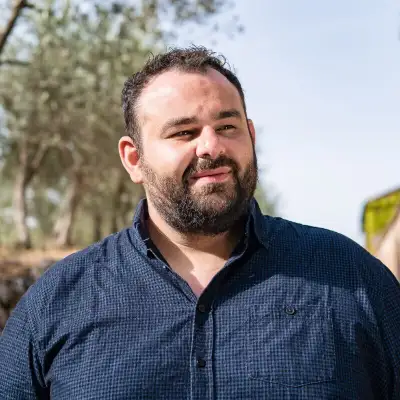
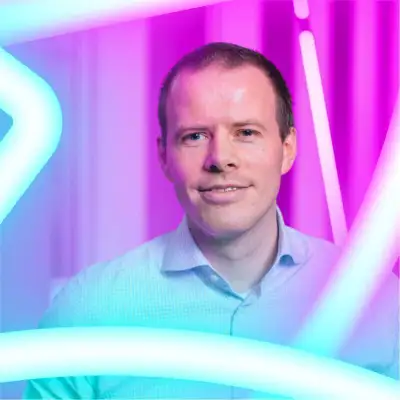
Raul Porojan of Project A Ventures and Toni Hohlbein of Growblocks are the Super Revenue Brothers. In every episode they dissect and debate current issues in B2B SaaS, and offer solutions on how to solve them
No matter if you’re an early-stage startup or a scaling unicorn – you’ll always learn something new.
RevBros - When Founders Choose Business Over Unicorns
===
Introduction
---
[00:00:00]
Toni: building a good business, doesn't always mean, building a unicorn
If you're a founder and you feel you can't get to the unicorn status, or maybe you just lost faith in this being the right thing for you. They start to operate differently that they start to want to run a good business. And it's so funny to me that.
Those two things are not the same.
Raul: Toni, why is food so amazing in Copenhagen or Denmark? We were just talking about the fact that I've had some of the best food in my life in Denmark. Why is that?
Toni: I think it is because people have great taste here. and I think the other reason is Denmark is kind of a rich country, like financially rich in comparison to other parts of Europe, for sure. Maybe not in comparison to other parts of Nordics, but definitely in comparison to parts of Europe. and I think what that brings with it is a lot of, disposable income.
That means a great deal for people that come here and then want to, cook here [00:01:00] and serve food to people, which then generates this whole ecosystem of really great places to eat. And I think for the last five or six years, you had basically two restaurants in town being either number one or number two on the world.
so you have currently geranium. that's a crazy place. I've never been there, but it's crazy. And then forgot the other one I've been to the other place. Noma Exactly. Been to the other one. when you have restaurants like that, they obviously have lots of,
apprentice chefs that come there, cook for a little bit and then go somewhere else. And like, this has just spawned a crazy ecosystem here. also been to the Alchemist, which is a crazy restaurant.
Raul: Yeah, that one really interests me.
Toni: Crazy restaurant. Is it a restaurant? I'm not sure, but you also get really great food.
Right. and, kind of that whole ecosystem, I think has spawned just, hundreds of really great restaurants. And then The taste of people living here is don't want to say high, but it's just so critical, that really only good restaurants survive. So, and I think that is [00:02:00] creating this ecosystem that you have here on food.
Startups and SaaS Ecosystem
---
Raul: That's a good reason also to move to Copenhagen, but you were talking about just the ecosystem thing right now, which is also a very prevalent thing in startups. So that's a great transition there. And as someone who has built startups before and is now building something new, Toni, what it is we want to talk about today?
Toni: one thing that I stumbled over, and it took a couple of months to form in my head. when you kind of look at the trend in SaaS, there was this whole growth at all costs. That was over. And then some people were proclaiming, Hey, now we do profitable, efficient growth.
And like, what is that actually? And it felt always a little bit phony, honestly.
The Shift from Metrics to Building Good Businesses
---
Toni: me now talking to a bunch of founders and CROs and, folks in that kind of hemisphere of organizations, I think what's starting to happen is, I am sensing that more and more folks don't think about building their go to market or their companies in the way of, Oh, let's tweak, you know, let's do this thing and then, you know, improve churn, or let's do this thing and an improved cat [00:03:00] payback, or, you know, I think they stopped thinking about doing stuff to optimize metrics.
And they've actually moved towards basically saying, screw all of that stuff, all of the things that, you know, Raul and Toni keep talking about screw that, and actually just focus on building a good business. I just start making some solid business decisions. And then what they're seeing is like, oh, wow, look at this churn improved, CAC Payback improved, kind of maybe we're about to go profitable here, even with the organization.
Like, I think there's a switch happening that goes away from optimizing metrics for metrics sake. to building a good business for a couple of other reasons we're going to get into that lead to good metrics. and I think this is a much more interesting and honest and real direction that a lot of, founders of us, so to speak, kind of moving towards than some of the synthetic stuff that happened previously.
Raul: So does that mean that [00:04:00] metrics don't mean anything anymore that are we, are we basically, have we wasted our whole lives as people who could care about that, or do they just mean something else now?
Toni: No, I think metrics are back to where metrics belong. and what I mean with that is, it's a little bit like putting the cart in front of the horse. It should be the other way around, right? Kind of a metric should be a measure of, of something, and not the goal in itself, right? And when you talk to VCs, in many cases, and I think some of them are even waking up to this as well, but in many cases, metrics become this.
the own, you know, self fulfilling reason and prophecy of why you should be optimizing metrics. It's like, when you have those metrics, you will get more money. Right. But really, if you really think about like not the current vintage of, of investors and like, you know, series A, B, C and so forth, If you think about where this originally came from, right.
Kind of investors [00:05:00] actually back in the day. And this for us means the last 10, 15 years, maybe.
Investor Expectations vs. Founder Realities
---
Toni: and probably also before that, I don't know the story of that part, but basically genuinely, they're looking for good companies, like good businesses, right. That they want to put money in and then see returns on a scale, whatever.
and then they were like, Ooh, geez. It's really difficult to figure out which business is good, right? Let's just try and find, some hints in the businesses that we think are good. And let's try and apply those findings to figure out, you know, what the other businesses that we're looking at, if they're also good and what they came up with, metrics.
and the most high level metrics that could come up with were almost the best ones, right? Because CAC Payback, oh, wow, we can do this for B2C. We can do it for B2B. We can do it across, like it doesn't matter. Like that, you know, that's a number that can help us. LTV to Keck, same thing. Cool. We can use like a couple of those things, basically, that [00:06:00] they started using.
And I think what then happened later on is, because you start focusing on a metric, sometimes the metric itself becomes useless. There's some kind of a thing around this. I forgot what it was. and I don't think we have reached that state, but what we have reached is that some people are realizing, Hey.
I understand that you want to see those metrics, but that doesn't necessarily mean that we're building a good business. And I think people are starting to think in a little bit of a different direction. so again, I think metrics. You know, our back to where they belong. it should be something you're monitoring your, hopefully they're going in the right direction by you doing the right things.
and the right things, you know, that can be still be inspired of, of what role in Toni I've been telling you for the last year or so. but still it should start from a good business decision that then leading, to good metric.
Raul: So it's funny you use that example. I think what you're referring to is actually from quantum mechanics or quantum physics, which is the observer effect. which is the particles behave differently when you [00:07:00] observe them. by the way, the last talk I gave at the last PACON before I left project A was actually the physics of sales.
And, that's when we also recorded a podcast that day. So I can use that knowledge. It will make me look much smarter than I am, but what does that mean now? How do we figure out what's a good company? do we just go back to fundamental analysis of Ben Graham and Warren Buffett, intelligent investor types, or is there going to be something new that they're going to look at?
Toni: So I don't want to solve this problem for investors. that's not currently my issue. but I think what I'm kind of picking up from some of those folks that I'm talking to is a little bit of the realization that what they want to do and the reason why they're getting up in the morning is about building a good company.
and some of that realization is I think starting to collide a little bit with what investors think is a good company. and I think that misalignment, I think it's really interesting. It's [00:08:00] dangerous to talk about it. Like, you know, maybe I'm raising money right now and maybe, you know, if someone listens to this, like, you know, okay, this is how Toni think, but there's some interesting misalignment.
I think that that is worth exploring. and that is that building a good business, doesn't always mean, building a unicorn and, you know, that might also happen. but it doesn't have to, right? And this is where I think it's not an explicit contract where kind of right in, and we're going to be a unicorn between investors and founders, but it is certainly being discussed.
It's part of the evaluation, whether or not they're going to invest and so forth. It's part of their business model, frankly, right? If they don't have any outlier assets. Their business is not going to work out and they're going to go bankrupt. Right. I mean, and it works a little bit differently with these VCs, but that's basically kind of what this is about.
Right.
Navigating the Unicorn Path
---
Toni: So if you invest in someone and suddenly they're saying like, you know what, actually I realized, I would be happy with just a 50 million exit. [00:09:00] that basically kills the business case for VCs. And I think that's the difficulty to navigate because it's, Those two things sometimes can be at odds, right?
and let me give you an example. in order to continue on your unicorn path, whether you're on or out doesn't matter, but usually what it means, it means you will need to raise additional funds. It usually that's what it means, because you can't keep this clip of growth up by trying to be profitable.
It's just not going to work, especially if you're in a land grab situation. If you're in a competitive situation, someone else will outcompete you, you know, be the winner in the market and walk away with the biggest premium, right? raising more funds, burning all of this money, optimizing those metrics.
It might actually not be the same as building a good business. a solid business that maybe is profitable, maybe is doing some things that are optimizing on the cash side versus the growth side or optimizing on, the health of the business side versus optimizing each [00:10:00] individual metric that you think kind of investors are looking at.
Right. And I think this is this. I don't know where we're going to land with this and maybe kind of, you have a good prompt for me to kind of go here, but that gap, is starting to show and what I think is interesting and or dangerous is I don't think everyone, in the CEO seat is necessarily sharing that some of that thinking might've changed for them with the boardroom or even the rest of the team and so forth.
Right. So from that little, you know, kernel of misalignment. I think there are more fractures coming out of this that actually kind of have more and more of an impact. some people listening to this being a CEO, they might be like, yep, I'm kind of sometimes thinking about this. Some people listening to this that are CROs, They might be wondering, it's like, wait, you know, maybe this explains how my CEO has been thinking and behaving recently, because maybe they're going a little bit in a different direction.
Right. But if you're misaligned on such a fundamental level, I think for this to be unspoken can result in a lot of [00:11:00] issues, basically down the line.
The Misalignment Between Founders and Investors
---
Raul: So I actually don't think that this is an unwelcome thing for VCs, to be honest.
Toni: Why is that?
Raul: of course VCs are in the business of doing kind of like potential unicorn investments. Yes, that is the model. Although the way that they go about that can be quite different. And, there's also, I would say they don't not all go as extreme maybe as, as you were talking about.
but yes, that, that's kind of like make, make a lot of bets and hope some of them work out big. However, I think that VCs like founders. And executives within founding teams who make up their own mind about what good is.
Toni: Hmm.
Raul: I think in the absence of a lot of that knowledge and in the absence of kind of like the experienced founders or like founders who have kind of the, the guts to, to do that and make up their own minds about their own way, they will step in and tell them like a framework.
And they might do so from the beginning because Unless you have something better, and [00:12:00] unless you do have a better idea, the VC is going to tell you, yes, we're looking for LTV over CAC, right? or the other way around. But I do think that, yes, there are some VCs that's all they look for, and maybe they have their frameworks and their junior analysts, and they go by a table.
And if you don't fit those criteria, you're not investable. Yes, those exist. But I also think that there are those that kind of are looking for people who shape their own reality and who shape kind of their own way that they're looking at things. And, at the end of the day, Even VCs, because they're smart people, even if they act a little bit cheap, like sometimes in that they all follow their same frameworks, they know kind of how to look at a company sometimes and be like, well, this company is making money and it's going to be a great company.
It might go about it a different way and it might not reach 2 billion, but it might reach 500 million or it might reach 250. now. The earlier that they kind of think that that's not going to be a unicorn, the less the chances that they're going to invest. So it is sometimes something that you can, as you talked about, like you, you have to kind of like go out with the ambition.
And I think a lot of founders [00:13:00] do that to build a unicorn. But then as you go about your way, you figure out that actually this is what we're doing and this is how we're doing it. And I'm kind of rejecting your approach of the KPIs and the way you're thinking about that. And I don't think that VCs necessarily have a problem with that, to be honest.
Toni: So by the way, my commentary is not at all about the aptitude or the skill of VCs, what I'm pointing out is, ultimately you're looking at two businesses that are doing business together, like that's what it is. Right. and each of these businesses obviously should have the right actors in place in order to execute the purpose of the business in the right.
We're getting very theoretical here, but what I'm trying to say is, I think the premise of working together of those two businesses might be starting to be challenged a little bit. I think that's, what I'm trying to say.
And I totally understand as an investor that, Hey, I, you know, for this thing to work out, like, yes, you know, in Europe, it doesn't need to be unicorn all the time, you know, if it's 500 million, that's a great exit in Europe, by [00:14:00] the way, But the point still is you're looking for the outliers, you're looking for the people that within five to seven years want to get to this point and then basically liquidate and then refuel the whole, the whole ecosystem with that, with that cash, right?
but also that requires that you have a couple of bets that could go to this point. And that requires that you have ideally all of those bads being all in on like wanting to get there, right? The more people you have in your portfolio that are saying this initially, and then eventually saying, you know what, actually, maybe I just want to build a good business.
I think it's a different way of, you know, one, one opportunity for you to reach that outlier status to die away. Right. and that doesn't mean the business shuts down, but you know, that's, that's what I'm trying to say is like the business will continue. And maybe as an exit, maybe not, but whatever you see is not interested in is like a dividend kind of business, right?
That's not what they're interested in. Right. and I think that, the interaction of those two interests, and business [00:15:00] models, I think that's. I'm interested to see kind of where this goes and how this develops, to be honest, right. Because it's, it's just difficult for the industry.
And once it becomes difficult for the industry, you will just have fewer people in the street being able to, dish out cash, which will have like all kinds of other kinds of implications, but I think that's actually the problem that I'm, on the macro side seeing, and then on the individual side, it's like.
Balancing Ambitions and Realities
---
Toni: If you're a founder and you feel you can't get to the unicorn status, or maybe you just lost faith in this being the right thing for you. you know, I see this happening more and more and they start to operate differently that they start to want to run a good business. And it's so funny to me that.
Those two things are not the same. doing a good business is doing the best for your business is not the same as what investors that have like an equity stake, you know, 20, 30%, like probably usually not, but like, you know, a large portion of the equity will be taken up by one or more investors and they don't actually have the same interest.
Right. And at [00:16:00] the end of the day, I think that's hilarious is one thing, but it is posing a question for VCs and how, what they want to navigate. And it's posing kind of a weird question for founders and how they want to navigate this.
Raul: I do think it is quite an honest exchange though, because at the moment of investment you're investing into me and I'm the founder we both have to, at that moment in time, want for the same thing.
Toni: yes,
Raul: So our aspiration should be, we're building this huge thing. Now, obviously
at the same time that we're doing that, we're both smart people, you on your end as an investor might be thinking, well, I'm going to give you, you're telling me I'm going to give you all the support of going to be a unicorn while, but you also know that once I show signals that that's not going to be the case, you're going to kind of like.
Let me do my own thing quite, quite quickly. And you're going to shift your focus elsewhere. You're not going to tell me that in verbally, but you're going to think that just as well as I, as a founder will be thinking, yes, I want to build a unicorn, but once I see that we can do it, [00:17:00] I will still want to build a nice business and take out 20, 30, 10, 5 million for me for myself, because that will be good for me.
So I don't think it's necessarily kind of a principal agent problem that we, I'm kind of lying to your face and you're lying to my face. It is that we both have plan Bs. And it's just that those plan B's have become more graspable now. And more and more people are realizing that I don't think that is a bad thing.
like if you want to go into a marriage, you might want to prenup if we go into a business, relationship like that. It's in the back of our minds that it might also not work out and maybe it's at some point going to be better that we figure out how to deal with that rather than kind of leaving it unspoken in the air, but I don't think that it would be kind of like on or dishonest
Toni: To be super clear, right. It's also not what I am trying to say. I think, I think that is shitty behavior. Let's just kind of call this out right kind of there you kind of transacting between doing two businesses and one is dishonest about it And I think that that is that is I don't think it's illegal, but that's not okay, right?
Kind of, [00:18:00] that's also not how it should be. I think maybe just to kind of simplify it down. So what you just said, they're very like, Oh no, I think this is a normal thing. I think from a founders and CEO perspective, I don't think that this is a normal thing. I don't, I don't think that they're like, okay, this is not going to work out to be a unicorn here.
Let's kind of build this company in a different direction, sensible, good business, still could be a decent outcome, life changing outcome for founders. but not for anyone else. I don't think that that's a, that's clear for everyone that that is an option. What I think is happening though, is that more and more people are waking up to that being an option, right?
And I think if there's anything that's kind of different between what you and I are saying, it's like, you're saying that this is always on the table. And I think not many people, you know, from the outset, you know, even see this being part of the table, right? I think there's also, by the way, good advice personally.
like when you see this is not going in the direction that you want it to, it's actually better, I think, for everyone involved to, try and, you know, be [00:19:00] clear about how your priorities change, be clear with the board, be clear with your team. That will have a couple of ripple effects on, you know, how you need to incentivize.
Maybe you can't even do this. Maybe the board is going to tell you, no, we rather going to look for another CEO. Right. there might be kind of different other things that come from this. but it's the healthier way than, trying to avoid this conversation, I would say, and I think this is if anyone is taking anything away from the rambling that we're kind of doing here, and it's usually mostly on my part here is.
There's this other option on the table. I seen more and more people waking up to the realization that, that in fact is there, which they weren't aware of before. And I'm seeing some more people kind of going this direction, funnily enough, as a result, end up building more, you know, better businesses if you will.
Right. Which is kind of a whole conundrum by itself.
Raul: Yeah. And operationally, I have seen both cases. So I agree with the fact that it's important to know that that's an option, but it's also quite good [00:20:00] to blend it out as you're building the business
Toni: Yeah. Burning the
Raul: I've seen both things. Yes. Yes. Burning the boats or doing like the, this always thing where you're, putting wax in your ear.
So you don't hear the siren thing. Right. But what I'm referring to here is, both things can happen. I've seen both where there's founders that kind of maybe should have realized that they are not going to be a unicorn, but they still believe so hard and run so hard into that direction that they're kind of.
Burning everything and, burning everything to the ground for the goal and the purpose of becoming a unicorn. That at some point the door closes to them still becoming a nice. Kind of 5 million company to them. All right. Or like a 20 million company to them because maybe they take shitty terms. Maybe they go out there and raise a bridge round or whatever.
maybe they liquidate some of their assets to kind of like pay for their own life while the company's really running low, whatever happens. So it can be that you're at some point closing that door on [00:21:00] yourself to becoming a nice, great company. but it can also be the other way around that you're closing the door on becoming a unicorn when you start out only looking to become a nice company.
And I think that's also the same mistake, right? So I think what's a good way to go about it and it's difficult in practice,what's a good way to go about it is we both start with the same goal, which is building a unicorn. We keep an eye out for what this thing can be and what it's, what it can be come into.
And at some point when we realized there is no way of getting this to a unicorn anymore, we kind of change modes, but then maybe we go back to it again. And I've also seen this where businesses kind of had. Lowered their expectations. And then for example, something like COVID happens, and then that is a whole paradigm shift to industries.
And people look at a 600 million valuation all of a sudden, where it previously was like 150, two years ago. So, I think this is really the difficulty and I don't have one answer of how to navigate that, but I know that there's all kinds of mistakes that can happen. You can [00:22:00] close the door on becoming unicorn by not starting out to be one and not running hard enough.
You can close the door on becoming a nice profitable business for you to have life changing money By running too hard in the direction of becoming a unicorn.
Conclusion and Final Thoughts
---
Toni: Man, so by the way, I think it was a fun conversation, you know, at least from my perspective, I'm not sure what everyone else listening kind of thinks about this,And I think this is where our, like different perspectives from VC and founder and CEO perspective kind of come in really cool spot actually.
And we are exploring this area. I don't think there's anyone writing about this or necessarily trying to prove a point, but I think, you know, us exploring that is pretty cool. And I hope people are taking something away from this, right? It's a little bit like. Burn your boats, but maybe keep a couple around, you know,
Raul: Yeah,
Toni: and, otherwise, no, I hope, I hope people, you know, can something tangible away from this.
And, thanks. Thanks for Raul for exploring this topic and, thanks everyone else for listening. Have a good one. Bye bye.