Subscribe
Share
Share
Embed
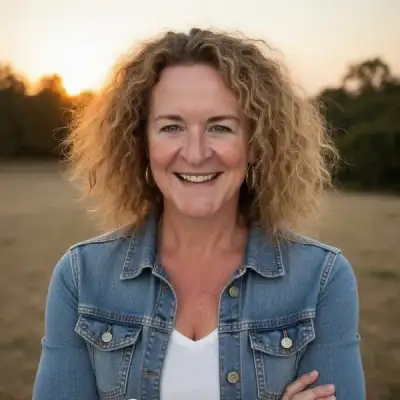

The Peri & Pause Podcast is for women in midlife who know something in their body has changed—but haven’t been given real answers, or have been left overwhelmed by conflicting information.
Hosted by Jamie Gallagher, DNP, FNP-C, MSCP, a nurse practitioner specializing in perimenopause and menopause care, the show explores hormones, metabolism, mental health, sleep, sex, weight changes, and chronic conditions through an evidence-based, deeply practical lens. We unpack the physiology of midlife alongside the lived experience of women navigating careers, relationships, finances, and identity during this transition.
Every woman deserves this conversation—and the clarity, language, and confidence to advocate for better care.
Because “Your Labs Are Normal” Is Not the Whole Story.
[00:00:18] Jamie Gallagher DNP, FNP-C, MSCP: Welcome back to Pering. Pause, the podcast. This is the second in our series of Meet the Nurse practitioner series. Um, today we have nurse practitioner extraordinaire Nancy Chen. I love her so much. Thank you so much for being a part of our team.
I can't wait to introduce you to her, um, and have her share her experience, um, becoming a nurse practitioner and. How she segued into midlife women's health, along with a fantastic educational history in exercise, physiology and all the things. So I kind of wanna just jump right in.
[00:00:49] Nancy Chen MSN, FNP-C: First time. Really excited.
[00:00:51] Jamie Gallagher DNP, FNP-C, MSCP: All excited to,
[00:00:52] Nancy Chen MSN, FNP-C: yeah.
[00:00:53] Jamie Gallagher DNP, FNP-C, MSCP: You got outta high school, you went to Meredith College
[00:00:55] Nancy Chen MSN, FNP-C: mm-hmm.
[00:00:56] Jamie Gallagher DNP, FNP-C, MSCP: For exercise physiology. Talk, talk about that.
[00:00:58] Nancy Chen MSN, FNP-C: I went to Meredith. I had no idea what I was gonna do. I just knew I was gonna go to college and Nice. That was, that was the thing after, um, high school and I chose a number of.
Medical, I guess directions, but then landed on exercise physiology it was really nice 'cause I just understood the human body a bit better on a kinesiology level and then on a cellular level. But then I didn't know what I wanted do after college. So actually became a personal trainer Nice.
Many, many years. And then I trained a number of nurses who. Was like, oh, you'd make a good nurse. You should think about it. So I was like, well, I like to take care of people and I love personal training, but I wanted a little bit more challenged. Mm-hmm. So I entered nursing school. I went back to school, being become a nurse.
And um, when I graduated I went straight into critical care. And critical care.
[00:01:58] Jamie Gallagher DNP, FNP-C, MSCP: Sounds familiar.
[00:01:59] Nancy Chen MSN, FNP-C: Yeah, I know. I was like, why are these things are preventative? Yes. There must be a way to fix it. Yep. Must be a way to address it. Yeah, because there's a lot of recurrent, redundant chronic disease states that are really exacerbated by the time they see me.
And it's the. I don't have a primary care and I'm scared of going to medicine and the education piece.
[00:02:23] Jamie Gallagher DNP, FNP-C, MSCP: you're such a big educator. If I would say what I've seen your, your strengths are, which we talk about this. You know, it, it Pering falls all the time about it's easy to write a prescription 'cause you know what the, the woman needs on a cellular level.
But the bigger part of treatment, in my opinion, that is so helpful and therapeutic is the education piece and teaching a woman what is happening. Mm-hmm. To her body, which is so comforting for a lot of them. Those first time patients that come in and they leave. It's just like, you can feel the relief.
Mm-hmm. The shoulders come down. It's like, oh gosh, this all makes sense now. But yeah, so you're right. You took the education piece and kind of, kind of ran with it. Yeah. And what could you do to prevent mm-hmm. Women, people in general ending up in critical care with preventive, um, conditions. So at that point, when did you decide to be a nurse practitioner?
[00:03:15] Nancy Chen MSN, FNP-C: Oh, well, I was like, probably less than a year in, and I was like, I'm gonna go back to school.
[00:03:19] Jamie Gallagher DNP, FNP-C, MSCP: Right?
[00:03:20] Nancy Chen MSN, FNP-C: Like, I need to go back to school, be become a nurse practitioner. Um. And so entered that journey, took some years and came out and I was working in like acute urgent care setting.
[00:03:35] Jamie Gallagher DNP, FNP-C, MSCP: Yeah.
[00:03:35] Nancy Chen MSN, FNP-C: Right in the pandemic.
[00:03:37] Jamie Gallagher DNP, FNP-C, MSCP: Yeah.
[00:03:37] Nancy Chen MSN, FNP-C: So I would say everyone came outta the woodworks mm-hmm. With all the things. Mm-hmm. And you're like, wow, you haven't had medication for six months. But obviously in an acute, urgent care setting, seeing primary care related things is different. 'cause it's like, yeah. They're like right before they need to go to the er.
Yeah. So you do what you can, but once again, you're maximized by an urgent care time. 10 minute appointment. 15 minute appointment.
[00:04:02] Jamie Gallagher DNP, FNP-C, MSCP: Yeah.
[00:04:03] Nancy Chen MSN, FNP-C: And you still gotta take care of the acute thing they came in for, but you found all these things. Yeah. So that is a different type of setting. 'cause you don't even know if they're gonna follow up, but you do as much as you can.
But once again, it's like, okay, well maybe I need to go in a different setting to provide this. More awesome care.
[00:04:22] Jamie Gallagher DNP, FNP-C, MSCP: Yeah.
[00:04:22] Nancy Chen MSN, FNP-C: And so I, you know, went into like a traditional primary care setting and took care of two day old to 98-year-old. Yeah. And did everything under the moon there. Chronic care management annual wellness, um, the, I was still the sick care.
You know, you have an awesome team and you are like, I'm rock and rolling. I'm expanding all my, my skillset. And then once again, you're like, it's 15 minute appointment.
[00:04:52] Jamie Gallagher DNP, FNP-C, MSCP: Mm-hmm.
[00:04:53] Nancy Chen MSN, FNP-C: We need to talk about this. And
[00:04:55] Jamie Gallagher DNP, FNP-C, MSCP: yeah.
[00:04:56] Nancy Chen MSN, FNP-C: My midlife lady's coming in.
[00:04:57] Jamie Gallagher DNP, FNP-C, MSCP: Mm-hmm. Absolutely. And then you say, come back in three months.
Come back in two months. Right. For another 15 minute visit. Right. And our physiology and the change of our physiology deserves so much more than 15 minutes.
[00:05:09] Nancy Chen MSN, FNP-C: Yeah. It's like you see the patients and that, but you're in this crunched window.
[00:05:14] Jamie Gallagher DNP, FNP-C, MSCP: Yes.
[00:05:14] Nancy Chen MSN, FNP-C: Because that's how it's run.
[00:05:16] Jamie Gallagher DNP, FNP-C, MSCP: Right. And that's where healthcare providers mm-hmm. Moral injury occurs. And moral injury being. You know, you could have done better, but you were limited by time. Mm-hmm. And then you have to spread it out. Spread it out, spread it out to answer to admin, to answer to all the powers behind.
[00:05:31] Nancy Chen MSN, FNP-C: Right.
[00:05:31] Jamie Gallagher DNP, FNP-C, MSCP: Your interaction with that patient sitting in front of you.
Mm-hmm. So that, um, you, you do your best. Right. And you leave feeling like a million bucks some days. Right. Other days you're like, ah, you think about that person in the middle of the night, you're like, oh, I need to,
[00:05:44] Nancy Chen MSN, FNP-C: mm-hmm.
[00:05:45] Jamie Gallagher DNP, FNP-C, MSCP: I, I need to do this next time. I need to do this. But, um, yeah. So at that point, um.
When you were feeling that way, talk about your segue into a more specialized
[00:05:56] Nancy Chen MSN, FNP-C: Oh
[00:05:57] Jamie Gallagher DNP, FNP-C, MSCP: Care.
[00:05:58] Nancy Chen MSN, FNP-C: you know, I'd see the, you know, people come back for their routine or maybe their annual and you're like, oh, so and so and so did not, not an eventful visit last year. Wonderful. It'll probably be pretty similar.
Love to catch up, things like that. And you see so and so, and it's not like. It was many years later. It was just like maybe six months or a year later. Um, and you connected, made a really good relationship. And then they're just like, I am losing my mind and I'm having marital troubles. Mm-hmm. I'm having, why is my glucose going up, Nancy?
Why is my col I don't understand. And I didn't understand either. Yeah. So I'm like, you know, you, you tell, well, we just have to buckle down. Watch worked or eating exercise. Yeah.
[00:06:46] Jamie Gallagher DNP, FNP-C, MSCP: Blah, blah, blah,
[00:06:47] Nancy Chen MSN, FNP-C: blah. Sleep better, stress less,
[00:06:48] Jamie Gallagher DNP, FNP-C, MSCP: you know, stuff that doesn't work.
[00:06:49] Nancy Chen MSN, FNP-C: Yeah. 'cause we try to stress, we try to, you know, we try to not stress out anyways, but you know, there's a lot on our plate with the matriarchs of society.
So just kind of like they're asking for help, but I just couldn't tie, I was like, I have a web of all these things that are happening suddenly in the thirties and forties.
[00:07:10] Jamie Gallagher DNP, FNP-C, MSCP: Yeah.
[00:07:11] Nancy Chen MSN, FNP-C: I don't know how to pull in together. I was like, I don't have enough training for some reason, and I keep getting the same answers.
Yeah. I, I, it was like driving me mad. I would just like actually not go to sleep like, well, what about blah, blah, blah, blah, blah. She must, oh, I don't, I don't know. I'm not doing any, I'm not doing enough. That's what I'm not doing enough. Yes. And so moral
[00:07:30] Jamie Gallagher DNP, FNP-C, MSCP: injury. Moral injury
[00:07:32] Nancy Chen MSN, FNP-C: every
[00:07:32] Jamie Gallagher DNP, FNP-C, MSCP: day.
[00:07:32] Nancy Chen MSN, FNP-C: So I, and then of course, like I think after my second kid at 38 and I was like.
You know, the Zoloft is doing good, but not good enough 'cause
[00:07:44] Jamie Gallagher DNP, FNP-C, MSCP: mm-hmm.
[00:07:46] Nancy Chen MSN, FNP-C: I'm, I'm like really like burnt out work or something. I have like very little patience, like very little. Mm-hmm. And. I just felt cloudy. Like Yeah. I was just swimming in clouds.
[00:07:58] Jamie Gallagher DNP, FNP-C, MSCP: Yeah. And you couldn't figure yourself out. Yeah. Or talk yourself out of it, or you just kind of push through while back here.
It's just clicking. Like what? Yeah. What's missing? I don't feel like myself tho those words that just tumble out of midlife women's mouths.
[00:08:11] Nancy Chen MSN, FNP-C: Gosh, you can't imagine you're like provider and you're talking to someone. Mm-hmm. And you're just like, I forgot what I was talking to you about. 'cause I was thinking about the next thing.
[00:08:19] Jamie Gallagher DNP, FNP-C, MSCP: Yes.
[00:08:19] Nancy Chen MSN, FNP-C: And then you just keep moving on and you're just like. Oh, that was, that was weird. You know, you're like, oh, it must be just, you know, you're gaslighting or something. You're like, I must be experiencing blah, blah, blah. And then, I mean, I think this is like during the pandemic pandemic time too, that I thought about, oh, perimenopause.
Like in general, just thinking about the word, but didn't come back until like full circle, until I was going through my personal things and I was like, yeah. Perimenopause. Hmm. And I was like, how many ladies have I dismissed? Yes. I was like
[00:08:52] Jamie Gallagher DNP, FNP-C, MSCP: that feeling.
[00:08:53] Nancy Chen MSN, FNP-C: I'm so sorry. And
[00:08:55] Jamie Gallagher DNP, FNP-C, MSCP: so, yeah, I would say to have grace with yourself on that, you know, we use the word dismiss, but when you.
There's no education about it. Right. It's not a focus or wasn't. Now it's taken a sharp left in a really good way or Right. Whichever one's the better way. Yeah. Right. Um, yeah. You can have some grace with yourself as a practitioner once you once you know. Right. But yes, that makes you better going forward.
[00:09:18] Nancy Chen MSN, FNP-C: Mm-hmm.
[00:09:18] Jamie Gallagher DNP, FNP-C, MSCP: Thinking about, like, same thing with me. I was thinking about all these women, I'm like, oh my gosh, I remember this woman complaining of this. I remember this woman talking about this, you know, when I worked here. Mm-hmm. And so on and so forth. And then it became so. So crystal clear. Right. And that gap in care has just been absolutely tremendous.
But I'm loving seeing it close.
[00:09:40] Nancy Chen MSN, FNP-C: I know. Yes. Yeah. That's why I was like, oh, we're just driven by hormones every day. I'm driven by hormones. I'm just gonna end up living 40 years past my ovarian function. So
[00:09:51] Jamie Gallagher DNP, FNP-C, MSCP: then what do we do? Right.
[00:09:52] Nancy Chen MSN, FNP-C: Right. Because it's like I was at what I, I used the analogy I was like, is like the thing of our bodies like cars.
[00:09:59] Jamie Gallagher DNP, FNP-C, MSCP: Yeah.
[00:10:00] Nancy Chen MSN, FNP-C: Where our oil change.
[00:10:01] Jamie Gallagher DNP, FNP-C, MSCP: Yeah.
[00:10:02] Nancy Chen MSN, FNP-C: Oh, right. Like what are we gonna do during that car? Like inspection.
[00:10:06] Jamie Gallagher DNP, FNP-C, MSCP: Yeah. What else needs to be done?
[00:10:07] Nancy Chen MSN, FNP-C: Right. And so yeah, that, that really pushed me kind of thinking more like I have to go in that direction. Yeah. I
[00:10:15] Jamie Gallagher DNP, FNP-C, MSCP: to,
[00:10:16] Nancy Chen MSN, FNP-C: I have to, it just doesn't feel complete. And I just feel like all I learned was here's reproduction and then here is menopause, but no in between.
And I was like, this is. This is like where we have to dive into.
[00:10:32] Jamie Gallagher DNP, FNP-C, MSCP: Mm-hmm.
[00:10:33] Nancy Chen MSN, FNP-C: So. Yeah, absolutely. Started my search of I need to find,
[00:10:37] Jamie Gallagher DNP, FNP-C, MSCP: understand that. Absolutely. And it had to be self-talk 'cause there was nothing out there over the last few years to get solid information. Going back to the fact that, you know, you had a later in life child, I have a lot of women that have, most recently I did have a woman come in and I said, have you thought that you went from postpartum to an early perimenopause?
She's like, yes. I feel like that. Is that real? Mm-hmm. Absolutely. It's real, right? You're having children in your late thirties, early forties. Um. That's a lot. That's a lot with ovarian reserve. Just total body function. There's research ongoing right now, reproductive endocrinology that is addressing that because talk about women who never feel like themselves ever again.
Yeah. After having, you know, a wonderful pregnancy, you know, they're, they have their new baby who's becoming a toddler and they're just like, I cannot make things work the way they used to work.
[00:11:26] Nancy Chen MSN, FNP-C: Right.
[00:11:27] Jamie Gallagher DNP, FNP-C, MSCP: Um, and it all is not lost. Truly. It, that is definitely treatable. So, so you. Became interested in menopause and then all of a sudden you and I were sitting across from each other.
[00:11:39] Nancy Chen MSN, FNP-C: I know. I was like, is this real?
[00:11:41] Default_2026-04-02_1: Yeah.
[00:11:41] Nancy Chen MSN, FNP-C: Love. And so I, you know, it, yeah. It's, it's been such a cool journey and, you know, I love, I love learning about this every day. Yeah.
[00:11:51] Jamie Gallagher DNP, FNP-C, MSCP: What, ever since you started working with perimenopause, what would you say, think about something like the aha moment there that just kind of continued to build your
[00:11:59] Nancy Chen MSN, FNP-C: mm-hmm.
[00:12:00] Jamie Gallagher DNP, FNP-C, MSCP: You know, toolbox of, of.
[00:12:02] Nancy Chen MSN, FNP-C: I mean like, I just was like, oh yeah, hey, hormones, how is this like really, when I say, you know, it guides us. It's like, oh, it's like a chronic neuroendocrine deficiency or chronic neuroendocrine change that you just can't catch up with.
[00:12:17] Jamie Gallagher DNP, FNP-C, MSCP: Yeah.
[00:12:17] Nancy Chen MSN, FNP-C: And it affects every part of your cell.
So I think that is cool. So that's neat to understand and we should understand how that. If your brain can't light up and optimally like fire, well no. Part of your brain's gonna talk to the rest of you in the way you think it's supposed to talk to you. And so I think understanding that as a provider is like, oh man, okay, well if I was in traditional care or wherever the care, I'm like, you know what?
I don't have that. I'm sorry. I don't have that background understanding. I under, I I hear you. Maybe let's. Discuss, like, should we have another visit and do more, more exploration on my own education on this topic? Or should we, you know, have you go into a space that that's, that's what they mainly manage.
[00:13:09] Jamie Gallagher DNP, FNP-C, MSCP: Yeah.
[00:13:10] Nancy Chen MSN, FNP-C: Um,
[00:13:10] Jamie Gallagher DNP, FNP-C, MSCP: and that has not existed for a long time. Who do you refer to for perimenopause and menopause?
[00:13:15] Nancy Chen MSN, FNP-C: Right.
[00:13:15] Jamie Gallagher DNP, FNP-C, MSCP: Us of course. But like, truly, when you think back, it's like, where do we go? And again, a lot of, you know. We as women think, oh, it's our reproduction and it's our hormones. It must be, um, gynecology.
But that's again, it's a different, um, subspecialty and to expect gynecologists to know everything about cardiovascular, neuro, all that stuff, um, on top of all they already do, which is tremendous, is, is unreasonable. But we could always, there are subspecialists within that who love that, and I think that's awesome.
what do you see that women need most from you At an initial visit? Yeah. Like what is your common theme that you see often?
[00:15:30] Nancy Chen MSN, FNP-C: They just wanna, they just wanna be heard. They just wanna be like, I, I just wanna be validated. I wanna, I wanna have the space to like just say, tell you how I'm feeling.
And I don't wanna be told the standardized recommendations that I'm already doing.
[00:15:48] Jamie Gallagher DNP, FNP-C, MSCP: Right.
[00:15:48] Nancy Chen MSN, FNP-C: But, and you know, I had to understand like when we say. When we tell, when we used to tell patients, like in in other settings, like, Hey, you just maybe need to limit those calories or exercise harder or get more sleep or things.
It's saying you're not doing enough. Yeah. And absolutely I think that's what they're hearing. But when you have only a few minutes to be wrap up that visit, that's probably what you're gonna say. And some don't have time or maybe want to, but can't. And so. It's kind of like, Hey, we should redirect and guide you in this other direction.
[00:16:21] Jamie Gallagher DNP, FNP-C, MSCP: Yeah.
What's your favorite thing about our patients? About the, about caring for midlife women? What's your favorite?
[00:16:29] Nancy Chen MSN, FNP-C: Like giving them hope.
[00:16:30] Jamie Gallagher DNP, FNP-C, MSCP: Mm-hmm.
[00:16:30] Nancy Chen MSN, FNP-C: Hope like
[00:16:31] Jamie Gallagher DNP, FNP-C, MSCP: And then when they come back to you,
[00:16:32] Nancy Chen MSN, FNP-C: yeah. Oh,
[00:16:33] Jamie Gallagher DNP, FNP-C, MSCP: it's the come back for the follow up. This just like
[00:16:35] Default_2026-04-02_1: it.
[00:16:35] Nancy Chen MSN, FNP-C: It is. Oh, it's golden. Yeah.
[00:16:36] Jamie Gallagher DNP, FNP-C, MSCP: So golden.
[00:16:37] Nancy Chen MSN, FNP-C: I mean, I try not set myself up where I'm like, I'm gonna hit it outta the ball. That's what it sounds like. I try to hit it outta the ballpark.
[00:16:42] Jamie Gallagher DNP, FNP-C, MSCP: Expectation management.
[00:16:43] Nancy Chen MSN, FNP-C: Yes.
[00:16:43] Jamie Gallagher DNP, FNP-C, MSCP: But you know,
[00:16:44] Nancy Chen MSN, FNP-C: sometimes I'm like, when they come back and they're like, I feel like myself. I'm like.
That means I, because I explain what that means. Like initially when you say, I don't feel like myself because millions of ladies are saying that.
[00:16:56] Jamie Gallagher DNP, FNP-C, MSCP: Yeah.
[00:16:56] Nancy Chen MSN, FNP-C: And
[00:16:56] Jamie Gallagher DNP, FNP-C, MSCP: just an, an ability to characterize exactly what that
[00:16:59] Nancy Chen MSN, FNP-C: is. Yeah. And I'm like, Hey, look, we supported your little house foundationally your cells lit up running correctly with their little powerhouse because hormone, the brain, the brain's talking.
Right?
[00:17:10] Jamie Gallagher DNP, FNP-C, MSCP: Yes.
[00:17:10] Nancy Chen MSN, FNP-C: And so, and then on top of that, you know, you're like, I feel like I want to, I feel the benefits of activity and
[00:17:17] Jamie Gallagher DNP, FNP-C, MSCP: Yeah.
[00:17:17] Nancy Chen MSN, FNP-C: Dietary modifications. Yes. Awesome. And then on top of that, it's like chronic disease states. Whatever meds you on, you're on. Please continue taking it just probably will work better with you.
[00:17:27] Jamie Gallagher DNP, FNP-C, MSCP: Yeah.
[00:17:28] Nancy Chen MSN, FNP-C: Um, and then it's like the supplements, the vitamins, they need to go, some, they need to know how to work too,
[00:17:34] Jamie Gallagher DNP, FNP-C, MSCP: right?
[00:17:34] Nancy Chen MSN, FNP-C: And then if you do a GLP or GLP, G-I-P-G-I-P, like it kind of runs in that kind of like
[00:17:41] Jamie Gallagher DNP, FNP-C, MSCP: yep.
[00:17:41] Nancy Chen MSN, FNP-C: Direction. And then you're like, oh, I'm spending time with my family. I feel good with that. I'm spending time with myself.
Work is going really well. I'm just able to like
[00:17:51] Jamie Gallagher DNP, FNP-C, MSCP: mm-hmm.
[00:17:52] Nancy Chen MSN, FNP-C: Be in this space. Yeah. And it's like a, a reaching self-actualization for us as midlife females. So I say stress is gonna come and hit us from the outside, but our armors protected. So we can kind of be like triage, like, okay, this goes here, this goes here, don't worry about this.
This is gonna be fine. And that's, that's a moving target for sure. No,
[00:18:11] Jamie Gallagher DNP, FNP-C, MSCP: absolutely.
[00:18:11] Nancy Chen MSN, FNP-C: Impairment. Oh my
[00:18:12] Jamie Gallagher DNP, FNP-C, MSCP: gosh. Yeah.
[00:18:13] Nancy Chen MSN, FNP-C: Yeah. And so, but it's like when I'm. At least getting it near to that, that makes me kind of like, yes.
[00:18:20] Jamie Gallagher DNP, FNP-C, MSCP: Yeah. This is, we're getting somewhere.
[00:18:21] Nancy Chen MSN, FNP-C: Yeah. Yeah. So that's, that's my thing. My patients know I like talk about the house and so Yes,
[00:18:27] Jamie Gallagher DNP, FNP-C, MSCP: absolutely.
How can you, you can't be hanging up shingles and windows when there's nothing on the base. Right, right.
[00:18:33] Nancy Chen MSN, FNP-C: Pretty much.
[00:18:34] Jamie Gallagher DNP, FNP-C, MSCP: Um, since focusing on midlife women, what is something maybe you've changed your mind about, um, in healthcare or, or approaches to certain things?
[00:18:46] Nancy Chen MSN, FNP-C: That's a great question. I think, I think I just, I'm, I'm always trying to get the understanding and education to my, my ladies that maybe they seem.
Like in the public eye. Irrational, but they're not. Mm-hmm.
[00:19:07] Jamie Gallagher DNP, FNP-C, MSCP: Right.
[00:19:07] Nancy Chen MSN, FNP-C: They're not.
[00:19:08] Jamie Gallagher DNP, FNP-C, MSCP: Yes. Thank you for that validation. I needed that today.
[00:19:11] Nancy Chen MSN, FNP-C: Like they're, I'm sorry. They're going through a lot in their brain. They're literally holding it together. And so it's like, you know when we kind of put labels on someone like, oh, they're being a such and such.
Yeah. And I'm just like, you know, like that lady got mad at the orange and threw it down at the grocery store. Like she's just having a bad day. She's having a little hormone fluctuations like. Like, leave her alone. Like, just walk away. You know? I mean, I'm not gonna go by and give her a card because she's not gonna know who I, who I am, but
[00:19:40] Jamie Gallagher DNP, FNP-C, MSCP: Right.
[00:19:40] Nancy Chen MSN, FNP-C: I just think like, just that, that's your lady who's just had it.
[00:19:45] Jamie Gallagher DNP, FNP-C, MSCP: Yeah.
[00:19:45] Nancy Chen MSN, FNP-C: And so to not just judge her immediately and be like, oh yeah, she is. Mm-hmm. Gonna be so horrible at this. You know, it's just
[00:19:55] Jamie Gallagher DNP, FNP-C, MSCP: Exactly. You do not know what any, what anyone's experiencing regardless who age. Male, female, but at the same time, like trying to make all the, the parts tick and pieces fit.
As a midlife woman, sometimes it is overwhelming when you are doing what you've always done and it just doesn't work. Mm-hmm. Um, but I think we've even had, um. Our administrative staff comment on the mood change from sitting in the lobby prior to the first visit. Mm-hmm. To coming out of our room an hour later and just being like, just that little ounce of hope.
Mm-hmm. And there's something that can be done. Yeah. Backing up, like what you were talking about, expectation management, which is so, so important because I do have women that will say, come back and be like, I'm doing better, but I'm not. My neighbor. Mm-hmm. She is like, this is a game changer. I'm like, it's again, a moving target.
Mm-hmm. We look at all of you.
[00:20:50] Nancy Chen MSN, FNP-C: Right.
[00:20:50] Jamie Gallagher DNP, FNP-C, MSCP: Um, so we love hitting the bullseye first. Okay. Right. Um, but we will never stop working to make it better. Right. During the chaos that is perimenopause. Right. Until we get so many women are like, is this ever going to get better? You know, the surges and drops and surges of, and drops of our own estrogen that affect our brain.
Mm-hmm. Our brain wants a steady state of something. You know, and it's up, down, up, down. That's why when you wake up in the morning, I had a patient say to me, she said, I looked over to my husband and said, Hey, you wake up feeling like the same every day. And he looked over. So trapped probably, and looked at her and said, yeah, why?
And I, we just both laughed together. 'cause it's just like, you wake up and I'm like, oh my God, I feel awful. I'm so tired.
[00:21:33] Nancy Chen MSN, FNP-C: Right.
[00:21:33] Jamie Gallagher DNP, FNP-C, MSCP: Nothing's changed. You wake up the next day, you're like, bing, I have, I have all this energy. Right? Like it's, it's crazy. But again, it's this chaos. Your estrogen high, your estrogen's low.
You had a luteal out of phase event. Now your estrogen's 700 today. It was 30 yesterday.
[00:21:47] Nancy Chen MSN, FNP-C: Right? Right. Yeah.
[00:21:48] Jamie Gallagher DNP, FNP-C, MSCP: So.
[00:21:49] Nancy Chen MSN, FNP-C: I always said, I'm like, perimenopause, we're gonna be chasing this target.
[00:21:53] Jamie Gallagher DNP, FNP-C, MSCP: Yeah.
[00:21:54] Nancy Chen MSN, FNP-C: Until,
[00:21:55] Jamie Gallagher DNP, FNP-C, MSCP: for a little while it
[00:21:56] Nancy Chen MSN, FNP-C: does settle. Settle. It settles like we're even some years after post, like, we'll, we'll get there.
Yeah. And so I think just understanding that, that's like the grace, like understand like give yourself grace. Like we we're in a, we're in a all or nothing society.
[00:22:11] Jamie Gallagher DNP, FNP-C, MSCP: Yeah.
[00:22:12] Nancy Chen MSN, FNP-C: It's not all or nothing.
[00:22:13] Jamie Gallagher DNP, FNP-C, MSCP: Yeah.
[00:22:13] Nancy Chen MSN, FNP-C: It really isn't. And so it's just like, hey. Today's, today's the, I didn't get that. It's the week. It's something happening hormonally.
Mm-hmm. Maybe life is happening. Yeah. Hey, did you have surgery? Man, that's gonna throw our hormone plan out for like, for some weeks and we will readjust. Just like understanding. And I think most of my patients are really good about like, oh, okay, this thing's happening. I don't need to panic.
[00:22:37] Jamie Gallagher DNP, FNP-C, MSCP: Yeah.
[00:22:38] Nancy Chen MSN, FNP-C: I just need to
[00:22:39] Jamie Gallagher DNP, FNP-C, MSCP: Yes.
[00:22:40] Nancy Chen MSN, FNP-C: Make sure I come into my appointment. Absolutely. Talk like, right. And that's the
[00:22:43] Jamie Gallagher DNP, FNP-C, MSCP: gift you have given them. So thanks for that.
[00:22:46] Nancy Chen MSN, FNP-C: Yeah. Yeah. And so I try to give Yeah, good, um, thorough education initially.
[00:22:51] Jamie Gallagher DNP, FNP-C, MSCP: Yeah.
[00:22:52] Nancy Chen MSN, FNP-C: I wanna take care of the whole midlife lady and, but I may not be able to complete it. The fir and you maybe take a few visits for me to do that.
Yeah. And, um, sometimes I'm able to do that after a couple of visits, which is great. But Yeah. On, but you're, as you mentioned. The expectation piece on the response. Um, it's a biological response. Yeah. Even if you have six other females that's coming to see us Yeah. And your family, they're not gonna respond the same way you're responding.
[00:23:24] Jamie Gallagher DNP, FNP-C, MSCP: Right.
[00:23:24] Nancy Chen MSN, FNP-C: And so it's just also like, hey, this is my own unique journey.
[00:23:31] Jamie Gallagher DNP, FNP-C, MSCP: Yes.
[00:23:31] Nancy Chen MSN, FNP-C: And I'm going to just take some time to understand that.
[00:23:37] Jamie Gallagher DNP, FNP-C, MSCP: Yep.
[00:23:37] Nancy Chen MSN, FNP-C: Because yes, you do have to pay attention around this time. I know, I know. We, we took for granted our twenties, like we're running high on our estrogen, progesterone, testosterone.
It's great, you know, and so, but now we're on kind of on this other, other side where it's a wild roller coaster.
[00:23:55] Jamie Gallagher DNP, FNP-C, MSCP: Yeah.
[00:23:55] Nancy Chen MSN, FNP-C: But things are heading downhill with random, like peaks and drops and we just. Have to give ourself grace.
[00:24:04] Jamie Gallagher DNP, FNP-C, MSCP: Yep. Absolutely. Yeah. And hope others do as well.
[00:24:06] Nancy Chen MSN, FNP-C: Yeah.
[00:24:06] Jamie Gallagher DNP, FNP-C, MSCP: Not we can force it.
[00:24:07] Nancy Chen MSN, FNP-C: Yeah.
Good. And find the right people. Find find your right tribe, right. Like
[00:24:11] Jamie Gallagher DNP, FNP-C, MSCP: Yeah, absolutely.
[00:24:12] Nancy Chen MSN, FNP-C: You know, like I, I, yes. I don't go see your traditional care person, still all your specialists and work kind of the other piece that tries to tie in.
[00:24:22] Jamie Gallagher DNP, FNP-C, MSCP: Yes.
[00:24:23] Nancy Chen MSN, FNP-C: Some loose ends, right? Yeah. And so. Um, we don't replace other people.
It just, you know.
[00:24:29] Jamie Gallagher DNP, FNP-C, MSCP: Right.
[00:24:29] Nancy Chen MSN, FNP-C: We're, we're, we're part of your team.
[00:24:31] Jamie Gallagher DNP, FNP-C, MSCP: We're part of this Absolutely.
[00:24:32] Nancy Chen MSN, FNP-C: You know,
[00:24:33] Default_2026-04-02_1: loop
[00:24:33] Jamie Gallagher DNP, FNP-C, MSCP: and part of, um, the base because I find, um, a lot of women come to us with the, what I call the menopause medication or perimenopause medication. Cocktail. They have their statins, their antidepressants, their.
Heartburn meds. Mm-hmm. You know, maybe a little side busbar. A side. Mm-hmm. Xanax, I mean, just multiple, uh, meds. And then probably seven or eight, yeah. Supplements. And I have women, they're like, can I get off of these supplements? I'm like, let's talk. Let's look at all of you. Let's do good labs. Let's look at all of you.
What are you taking these for and why?
[00:25:04] Nancy Chen MSN, FNP-C: Right.
[00:25:05] Jamie Gallagher DNP, FNP-C, MSCP: You know, what can we reduce here and get that base going to where you have your hormones? As supported and as stable as we could possibly get them through the chaos and then after.
[00:25:17] Nancy Chen MSN, FNP-C: Right.
[00:25:17] Jamie Gallagher DNP, FNP-C, MSCP: See what shakes out, um, and then treat that accordingly.
[00:25:21] Nancy Chen MSN, FNP-C: Yeah, yeah. No, that's the whole woman, right?
[00:25:25] Jamie Gallagher DNP, FNP-C, MSCP: Yeah,
[00:25:25] Nancy Chen MSN, FNP-C: absolutely. Right. We're, we're gonna always need some. A little bit of modification, but
[00:25:31] Jamie Gallagher DNP, FNP-C, MSCP: yeah.
[00:25:31] Nancy Chen MSN, FNP-C: Um, we find the right regimen eventually.
[00:25:34] Jamie Gallagher DNP, FNP-C, MSCP: Yeah.
[00:25:35] Nancy Chen MSN, FNP-C: So, yeah.
[00:25:35] Jamie Gallagher DNP, FNP-C, MSCP: What, we'll wrap this up, but I just wanna know what, if you could talk to a group of midlife women right now, what is the one thing you would say to them right now?
[00:25:44] Nancy Chen MSN, FNP-C: Okay. Well, uh, it's validated all the things you're going through.
[00:25:48] Jamie Gallagher DNP, FNP-C, MSCP: Yes. You are never wrong when you're explaining what you're experiencing, right?
[00:25:51] Nancy Chen MSN, FNP-C: Never. You are not, you're not the only one. A few people are like, I'm ashamed. I'm feeling like this. I'm not enough. I have to ask for help. I never take medication.
I'm like, no, don't. Don't like put yourself in the bubble of like, you're by yourself and you're not gonna get help. And this is forever. It's not forever. There's, there's people willing to hear you out. Um, we have a robust Facebook group that. Thank you. Like really supports us the perim pause crew. Yeah. Um, but yeah, you're all, all the things you're going through are real, and yes, it's impacting your cell, your cells down to a cellular level.
Like you're doing enough in the gym, you're doing enough with your activ, your activities, the way you're eating.
[00:26:36] Jamie Gallagher DNP, FNP-C, MSCP: Yeah. This is a missing piece.
[00:26:37] Nancy Chen MSN, FNP-C: Yeah. Mm-hmm. Yeah. Just, you know, schedule time to come talk to us.
[00:26:41] Jamie Gallagher DNP, FNP-C, MSCP: Absolutely.
[00:26:42] Nancy Chen MSN, FNP-C: If your provider can't, that's okay. They just can't, don't have the time. Then, you know, come talk to us.
'cause we have the space. I mean, you walk in our space, it's probably the most peaceful medical facility they'll come into. You always leave. I
[00:26:54] Jamie Gallagher DNP, FNP-C, MSCP: love that.
[00:26:54] Nancy Chen MSN, FNP-C: You'll always leave feeling like, oh gosh, I'll let my baggage, I tell my patients like, leave your baggage here 'cause all my crystals are gonna absorb it.
That's right. So I don't take it home. I promise you I won't take your baggage home. Yeah. So, yeah. Awesome. So, yeah, so I think just like like there's a, there's a place for us Yep.
[00:27:12] Jamie Gallagher DNP, FNP-C, MSCP: Place for
[00:27:13] Nancy Chen MSN, FNP-C: you. And we understand
[00:27:14] Jamie Gallagher DNP, FNP-C, MSCP: all of you belong here.
[00:27:15] Nancy Chen MSN, FNP-C: Yeah, exactly.
[00:27:16] Jamie Gallagher DNP, FNP-C, MSCP: Yeah. Thank you so much, Nancy. Yeah. I appreciate this talk and you sharing about yourself.
So hopefully our viewers will feel like they know you better. Thank you for your time, Nancy, and thank you so much for listening, and we will see you with our third of our Meet the Nurse Practitioner series soon.
Thanks for listening. If this episode helped you feel more informed or less alone, please subscribe. Leave a review and share it with another woman who needs this information. You can also follow us on social media for more education and updates at facebook.com/perry and Paw and Instagram at Perry. And pause.
Until next time, take good care of yourself. The information shared on the Pering Post Podcast is intended for informational and educational purposes only, and should not be considered medical advice, diagnosis, or treatment.