Subscribe
Share
Share
Embed
The top CPG podcast in the world, highlighting stories from founders, buyer spotlights, highly practical industry insights - all to give you a better chance at success.
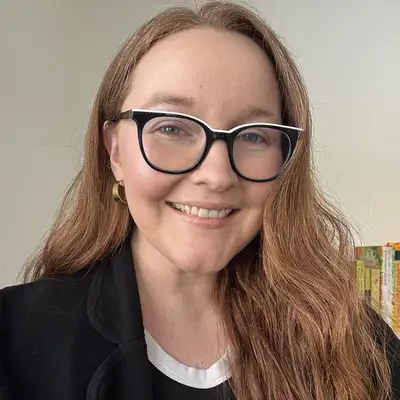
Melissa Bermudez
The best analogy is thinking about like coffee beans. If you can go to the grocery store, buy coffee beans or just the pre ground stuff and if you like coffee at all, you never would buy the pre ground stuff. And it's the same thing with flour. It's not just that flour was ground like a year or two ago, it's also that they're taking out so much of the nutrients and that's like white flour is truly like a nutritionless white powder that to the body acts just like sugar. Whereas if you're taking a wheat seed fresh milling it first off, it has a ton of flavor. And so we like to say our muffins, if we made them with regular store bought whole wheat flour, they would taste like cardboard. You wouldn't want to eat them.
00:50
Melissa Bermudez
They taste good because the flour is fresh and there's tons of protein, fiber, healthy fats, vitamins, minerals in wheat seeds.
01:02
Caitlin Bricker
Hey everybody, this is Caitlin Bricker, Managing Editor at Startup CPG. We are back with another founder feature. Today I'm sitting down with Melissa Bermudez, founder of Unrefined Foods frozen muffins made with 100% stone milled whole grains and real fruits and veggies. Melissa worked in finance and big ag before landing at her kitchen counter with three kids under three making stone milled wheat muffins and realizing she needed to scale what was working for her family. We're diving into why fresh milled flour tastes completely different than shelf bought whole wheat. Her video showing the shocking amount of added sugar and competing muffins, why she chose frozen over fresh as a way to change the food system and her direct farmer relationship. Sourcing organic and regenerative wheat when only 2% of US wheat production is organic.
01:50
Caitlin Bricker
Take a second to think about how many frozen muffin brands you've seen in the freezer aisle. For me, it's not many, if at all when I'm in the grocery store. I think Melissa is really onto something and this is a brand that you should watch in my opinion. We hear from founders on this podcast every week. If you're a brand and want to get new opportunities right in your inbox, text CPG to 833-605-7002. That's 833-605-7002 and we'll get you hooked up. As always, enjoy. Hey everybody. Welcome back to the startup CPG podcast. This is Caitlin and today I'm here with Melissa Bermudez, founder of Unrefined Foods. Melissa, welcome to the Show.
02:38
Melissa Bermudez
Hey, Caitlin. So excited to be here.
02:40
Caitlin Bricker
I just saw you recently at one of our Boston founder socials. It's always nice to connect with people who are building in CPG in New England. I feel like it's not a really happening place for cpg, but we find each other somehow.
02:54
Melissa Bermudez
Yeah. No, there's some good examples in our area, too, of brands growing, like Spindrift and One Mighty Mill. But, yes, it's always a fun community.
03:02
Caitlin Bricker
So what are you building? What is Unrefined Foods?
03:05
Melissa Bermudez
Yeah. So we make frozen muffins with 100% stone melt whole grains and real fruits and veggies.
03:11
Caitlin Bricker
I am very excited about your brand. People probably know this already about me if they've been listening. I am a mom as well, so I am always looking for a little shortcut in my life. That's going to save me some time, but it's also going to be tasty and nourishing. And you are checking off all the boxes for that. Exactly.
03:29
Melissa Bermudez
Yeah. That is 1,000% why we're here. We know families need packaged food, but a lot of the options that exist just don't make the cut.
03:39
Caitlin Bricker
It's so unbelievably true. And you are the first frozen muffin brand that I have interviewed. And quite frankly, I don't really see frozen muffin brands at all. Ever. I could probably name one. I'm not going to name it now because this is your time.
03:55
Melissa Bermudez
Thank you. Yes. I know of 1. I knew of 0 when I started this, and I would say it creates its own challenges on the grocery side with parents, though, it's a really familiar concept. I think so many moms are so used to freezing food like bread or meat or baked goods, they bake themselves. And that's what I was doing and why I was like, the freezer is the place to be for high quality, convenient food. And we're just trying to make it more accessible for folks.
04:23
Caitlin Bricker
There's so much that I want to unpack with you on this episode, but before we go into what you're doing now, can you tell us what you were doing before you started building Unrefined Foods?
04:32
Melissa Bermudez
Yes. I have had kind of a meandering career when you look on paper, but it truly has felt like it's built to this moment, which is fun. I started my career investment banking. I worked for JP Morgan for a few years and then moved to a hedge fund. And that's how I came back to Boston. Went to business school, and business school was actually when I Got a lot more interested in rural economics. It sounds random, but it was actually like I've always been interested in our economy and how it works, which is how I ended up in finance and I started working for a company called Walden Local Meat, which is also based here in New England. And that is also where I got like just introduced to agriculture as an industry and food as an industry of like this.
05:14
Melissa Bermudez
The our food system in my opinion is tied to every societal issue of our time, like whether it's climate change or health crises or economic inequality. The really fun part of working for a meat company is my father in law is a rancher. Actually my husband grew up on a bison ranch. So that was like a direct line to speaking to an OG grass fed rancher and like really truly practicing regenerative practices. So yeah, I did Walton Local Meat and then actually also ended up in the big ag side of things, which I can talk about.
05:45
Melissa Bermudez
But having both those perspectives of like our local food system and then really the food system, feeding the planet is really what led me to focusing on a wheat based company, but also my own lived experience as a mom and what we just talked about, the struggles of feeding a family.
06:01
Caitlin Bricker
I never thought about wheat before until I started really looking at the brands in the startup CPG community. You are one of three brands who are really focusing on wheat because for so long now we've been focusing on gluten free. But now wheat really is coming back into the spotlight for all of its nutritional benefits. Which before I used to be like, why the hell would I get whole wheat bread? Or why would I ever order a whole wheat bagel at a muffin or at a cafe? Why would I get a whole wheat muffin? Why would I do any of these things?
06:36
Melissa Bermudez
Like gross, totally, it doesn't taste good. Yes.
06:39
Caitlin Bricker
And now I'm like, oh, I get it now.
06:42
Melissa Bermudez
Yeah, I'm so glad to hear you say that.
06:44
Caitlin Bricker
It's very interesting to see this resurgence with wheat. And what is the common thread between all three of you is that you are very passionate about this ingredient and you know your stuff. So tell us why are you so passionate about wheat? Give us all the details.
07:03
Melissa Bermudez
Well, when I see you next, I'll give you this flower power stickers and I will have a flower power T shirt scene. Because no, I think there are so many factors at play here. My personal interest and it's many. But probably just like as a mom trying to feed my kids fresh milled flour from like a full wheat seed that is ground fresh, do Nothing to it. It tastes amazing and it has a ton of nutrition. I think the best analogy is thinking about like coffee beans. If you can go to the grocery store, buy coffee beans or just the pre ground stuff. And if you like coffee at all, you never would buy the pre ground stuff. And it's the same thing with flour.
07:42
Melissa Bermudez
It's not just that flour was ground like a year or two ago, it's also that they're taking out so much of the nutrients and that's like white flour is truly like a nutritionless white powder that to the body acts just like sugar. Whereas if you're taking a wheat seed fresh milling it, first off, it has a ton of flavor. And so we like to say our muffins, if we made them with regular store bought whole wheat flour, they would taste like cardboard. You wouldn't want to eat them. They taste good because the flour is fresh and there's tons of protein, fiber, healthy fats, vitamins, minerals in wheat seeds. And so personally I was never really interested in gluten free. I didn't need it in my diet.
08:22
Melissa Bermudez
But when I would look at gluten free products and the ingredients lists, first off, in a lot of cases there's almond flour, which like for little kids in schools is an impossibility. Or second off, there's flowers that are like, what is this? Like, I don't know what this is. Whereas like again, wheat seeds, it's just like truly the original superfood. I mean, wheat is something that we like as a society developed around. There's a reason in Gladiator it's the first scene is a wheat field.
08:48
Caitlin Bricker
I have a confession to make. I've never seen Gladiator, but I know like the classic scenes that I've seen on the Internet before, it's just like not my style. But I'll go looking for the wheat scene.
09:00
Melissa Bermudez
I first met four months ago. I had never seen it and my husband was like, we're watching it, Melissa. You need to watch this movie. And that it started and were both like, oh my God, wheat, it's everywhere. So it was like, yeah, it's a cool moment.
09:14
Caitlin Bricker
You touched on this. But you worked in Big Ag. Did that help inspire the path that you are on now with Unrefined Foods? Totally.
09:23
Melissa Bermudez
Yeah. So the thing I did not realize until I worked in big agriculture was 60% of our cropland is three crops. It's corn, soybeans and wheat. And in a lot of states like Kansas, especially like a lot of counties, it's like, 98% of farmland is corn and soybeans. And we really don't eat the corn and soybeans. Like, it's mostly, first off, like, ethanol. It's like, around 50% of the corn market is, like, going to industrial purposes. And ethanol production is, like, a huge part of that. And then, like, a lot of it's exported. And so I think there's this perception across consumers. Like, if I buy organic strawberries, I can change our food system. And it's like, no, that is not. I mean, yes, that is important.
10:09
Melissa Bermudez
And, like, when you think about the vast swaths of farmland in this country, which have, like, there's a lot of issues in the way we are currently industrially farming in this country. Like, the crops to think about are corn, soybeans, and wheat is the most produced commodity that we actually eat. And also of wheat, only, like, 2% of wheat production is organic. So all that to say in big agriculture. What I was doing was directly working to finance farmers. And my main realization, like, two things. First off, like, wonderful people. Like, I love Midwesterners. I married one. And, like, they just care about their families. They care about living and creating beautiful lives for them. They also are environmentalists at heart. Like, they really care about stewarding the land they're farming on.
10:57
Melissa Bermudez
And they're just trying to survive in the system that this whole industrial food system has built. And I just really realized, like, wow, there's really not a lot of winners in this system. And so when I think about what we're doing from a mission perspective, trying to create alternative markets for farmers to avoid the commodity system is, like, a huge part of that and why we're so focused on direct farmer relationships and sourcing organic and regenerative wheat.
11:22
Caitlin Bricker
I love to hear about a direct farmer relationship because we are so far removed from our food. I mean, we are buying things that are in packages. Sometimes you can't even recognize the ingredients that are in your food when you go to eat it. It's in a bar, it's in a paste, it's in what have you. Totally. And then to hear brands like you that are establishing those relationships and nurturing them and really understanding where your ingredients are coming from, it's very enlightening. I think it's very admirable because it's not the easy way out. It seems like it would be more complicated to nourish those relationships and establish them than to not.
12:02
Melissa Bermudez
Yeah, no, I totally agree. I would say, like, first off, it's kind of quote unquote easy because there's really not robust supply chains around stone milled wheat. So for us to build that supply chain, we have to have the connection one hand and on the other hand, like back to your point. I am a parent living in the real world and I need packaged food and I want to feel good about the ingredients that are in it. And it's really important how those ingredients are produced. As a person who cares about the impact our food system has on the world, so that's really what we're trying to create access to for parents too. It's like, yeah, I can buy all the organic strawberries I want and I need something to feed my family right now while everyone is screaming.
12:45
Caitlin Bricker
Absolutely. And I think you are raising a very good point and I think probably a polarizing concern for people who can afford to live these purist type lifestyles where they're only cooking everything from scratch at home, they're not buying things in packages. I wish I had that life, but I don't. It probably never will be my life. So I do the best that I can, especially now that I'm a mom too. My time that I had before, I don't even know what I used to do with free time because I don't have it anymore. I totally know what you mean. Yes, you do know what I mean. Because you are creating something for people just like me and my daughter.
13:24
Melissa Bermudez
Yeah.
13:25
Caitlin Bricker
And what you're doing for parents is so cool, so incredible and it's working. And I just wish more people would understand what you're doing and hear about your brand because it really is a groundbreaking brand in my opinion. So tell me more about that instance in your mind where you thought, okay, I'm doing this, I am going to make a brand. And it's going to be muffins. We're going to freeze them. And here it is. This is what we're doing.
13:51
Melissa Bermudez
So yeah, that was quite a process for me. So Farmers Business Network, where I was before starting Unrefined Foods, like I mentioned, was a great experience. The best part about that was also just like the life I was able to lead at that time. I surprisingly ended up with three kids under three because I had a two and a half year old when I had twins. And I have to say, like, with my firstborn, I was really good. My mom's a dietitian and I like really had a good sense of like, these are whole Foods, like the purest lifestyle. We were just talking about, like, I think my first child would snack on sourdough crust and like roasted carrots. Also, he is a unicorn valve. Then we had the twins.
14:31
Melissa Bermudez
And when we started packing lunches for school for their daycare, I was just like loading in all sorts of crap just so they would have stuff to fill their stomachs because I just had no time to do anything. And again, three children were screaming every morning. And the one thing that would make me feel good in the mornings, what I thought at the time were these huge batches of frozen muffins made with my stone milled wheat that I would put in their lunchboxes. They ate them every day. Also, we have a like amazing neighbor who gives us so much zucchini in the summertime.
15:05
Caitlin Bricker
Perfect.
15:06
Melissa Bermudez
And it was one day I was standing at my KitchenAid shredding the zucchini that I was like, oh my God. I think this is the idea. Because I stepped back a sec. The work I was in, I did want to do something else and I did want flexibility in what I was going to do next. And I really did want to start my own business. So that was like really the spark. Like I think it is muffetts with this stone milled wheat, the commodity I keep talking about all the time to anyone who will listen to me. So yeah, that was like really the spark almost two years ago, which is crazy.
15:38
Caitlin Bricker
Wow. Okay. I have one child, three children, is just beyond my comprehension. Adding twins.
15:46
Melissa Bermudez
Yeah, we're so fun.
15:48
Caitlin Bricker
Oh my God. So you really do get it. You get that the time saving is something that we need. You get that the whole food ingredients is something that we need. Yeah. So why frozen? Why not a fresh muffin?
16:01
Melissa Bermudez
Yeah. Well, I will say I kind of ask myself this every day because it would be a lot easier. Like, as I'm sure you know, anything shelf stableish, which like a fresh muffin isn't, but it kind of acts like a shelf stable product. From a bakery perspective, so many bakery muffins, like, they have to have like at minimum five day shelf life. Our muffins have about a two day shelf life. And the reason is because they're not packed with sugar. I think your listeners would know, like sugar is a preservative. Like most bakery muffins, it's usually the first ingredient, if not definitely the second. There's a ton of oil too. And they're just like a different ingredients profile.
16:43
Melissa Bermudez
And for us, like, we really wanted to create this homemade style muffin and very quickly realized with our own testing, like, there is no way this is going to last. Have the shelf life that a bakery buyer is going to want. So yeah, we just focus on making a really delicious, high quality muffin with really good ingredients and one that is moist that people are not used to experiencing. Don't like talking about that word moist, but like that's always the feedback we get. And that just wouldn't happen in the bakery case. And then I will add too, just from customer feedback perspective. We hear all the time. So our format, it's four individually packaged muffins inside a box. It's meant to be like an uncrustable. Like you can take it from the freezer, throw it into a kid's lunchbox, it's ready by snack time.
17:32
Melissa Bermudez
Or they're also parent friendly too. Like parents can heat them up at home, they're super flexible and that sort of like, oh, I can just take it from the freezer whenever I want as the parent. Like that gives them a lot of agency where I know, I've heard from a lot of parents that muffins in the bakery case they sometimes want but then like the shelf life, the expiration date will be sooner than they wish it would be. So yes, operationally it's tough, but I do ultimately think like it's the way we do what we're trying to do.
18:01
Caitlin Bricker
And I really want to understand your perspective. I mean I understand it, but I want everyone who's listening to understand your perspective. You and I have talked about this. You feel like the freezer aisle is how we're going to change the food system. So can you talk more about that with us?
18:17
Melissa Bermudez
Totally. I mean I think most people are well aware of like the pushback to ultra processed Foods. And I think the only real way we have changed to product quality and ingredient quality is by using another preservative, which is the freezer. So I'm super bullish on the frozen section generally to deliver what customers are looking for today. Generally for our entire grain system. Like a big reason flour evolved the way it did to take out a lot of the good stuff, which includes oils in the wheat seed that can make flour go rancid over time. Like all those changes happened pre 1900, definitely before the advent of any of the changes in our food system. Now of like more like larger trucking and freight and moving things around the country. And then of course our entire cold storage system.
19:09
Melissa Bermudez
If anyone by the way is interested in our cold storage system, I highly recommend the book Frostbite. It's like the most interesting non fiction book I've ever read. She goes to like all these cold storage facilities in our country and around the world and like really understanding like how did we build up this frozen ecosystem that is truly like so new in our built environment. So all that to say like, I think that as a technology it's really interesting to consider like how this can change delivery of high quality ingredients and convenience too. Like I said, I think parents are really on top of like how do I as a parent use the freezer to supplement my day to day. But I do think there's a catch up process in the retailers to like meet parents where they are now.
19:55
Caitlin Bricker
I would assume so because even now I'm seeing bars and other products that I typically wouldn't have seen in the refrigerated section. Now taking up that coveted space in the refrigerator, I can only assume it's the same deal for the frozen section. Very intrigued about this book. I love a good nonfiction book. Personally.
20:15
Melissa Bermudez
It's a podcast too. I can't stop talking about that book. And I read it also almost two years ago, so highly recommend it.
20:20
Caitlin Bricker
I love that it's sticking with you. I do totally agree with you that there is just this revival of frozen food right now. I mean, I can give you a very simple example of something in my household that we use frozen verse fresh pretty much constantly. Several nights a week we are using frozen broccoli. We got the dinosaur sized bag from Costco and it's frozen and it stays in the freezer. We don't have to worry about the broccoli crowns becoming soggy or just like wilted in the refrigerator. And they're pre cut. So not only is it saving me money because I'm not buying fresh, but I'm also saving time because I'm not having to stand there and cut my broccoli up and make crowns and make little small pieces.
21:06
Caitlin Bricker
All I have to do is literally frozen broccoli into the pan and saute it and it tastes just as good as fresh. And all the nutritional content is still there. Yeah, it's totally carrying over to what you're doing too. Because I could go and make myself muffins right now if I wanted to, but I have to carry that mental load that, you know, you and I both carry being moms. It's just this checklist in the back of your mind constantly. And that's added too when it comes to meal prep. Now I have to think about am I going to do a food delivery? Do I have time to go to the grocery store? What muffins Am I going to make.
21:43
Melissa Bermudez
I know. Yeah. Like, where am I even gonna look for a recipe? Who's gonna source me? Like, a good, high quality, healthy recipe?
21:49
Caitlin Bricker
Totally. You are doing something really cool for parents and something really cool for the frozen section. I really did not intend for that to be a pun since we're talking about the frozen section, but it just worked out that way.
22:03
Melissa Bermudez
I didn't even notice it till you said something. How much I talk about freezer puns.
22:08
Caitlin Bricker
I'm very curious because for me, we mentioned this already. I'm not seeing frozen muffins in the frozen aisle. It's not something I've looked for before. It's not something that I have necessarily tracked or clocked in the frozen section before. I always think bakery when I think muffins. So how are you getting your consumers and your potential and current retailers to help educate the consumer and themselves about moving those eyes and those bodies over to the freezer section to find your product?
22:39
Melissa Bermudez
It's such a good question because I think about it a lot because my, like, main question, basically, when I talk to any CPG founder I meet about is how you cadence marketing and distribution. Because as a frozen brand, like, the call to action is not. You heard about us, now come to our website and order. We are actually working on making that happen, but that's not our primary growth channel. And so what we've really been focused on is, okay, what's happening in the store, which for us, we've been able to test in a few different stores, like placement. The more bakery items like pie crusts or buy breakfast or sometimes if breakfast is small, like just a random placement. And we far and away do the best in breakfast. And I really think what's happening there is people are going to get their waffles.
23:26
Melissa Bermudez
And seeing our muffins and buying both, I really do think we're a category expander without other marketing happening. And then I will say I know for sure. When we drive traffic to a store or when people learn about us, about 50% of our target demographic doesn't shop frozen breakfast. And so that's what's been really important to us, is finding the right distribution so that we can start to more efficiently get the word outside of the store. Because I think it's like usually 70 to 80% of customers lists are fully formed before they get to the grocery store. Like, we need to make it on the list. And that is where we really do care about a marketing push. But we're also really trying to figure out like how and when? Because we are still working on that distribution.
24:11
Melissa Bermudez
But yeah, part of the reason you and I just spoke recently is because we really are working on growing our distribution ahead of back to school season. We're really regionally focused here around Massachusetts and broader New England for that reason. So, yeah, that's how we've thought about it generally. But, yes, marketing is going to be a big thing for us forever.
24:29
Caitlin Bricker
And I'm glad you're talking about marketing because I have to draw attention to a video that you put up. It must have been months ago at this point. And it stuck with me.
24:39
Melissa Bermudez
Okay.
24:39
Caitlin Bricker
It was you putting a visual of added sugar with the muffin. Yeah. Was it maple syrup that you were using?
24:47
Melissa Bermudez
It was just maple syrup. Not even just powdered sugar.
24:50
Caitlin Bricker
You were like, this is what X amount of grams of added sugar looks like. If were to put this in our muffin. And it felt like it was just an endless supply of maple syrup.
25:02
Melissa Bermudez
It's crazy. Yeah. No, it's bananas. I mean, I think it's like between 20 to 60 grams of added sugar I see in muffins sometimes. It's crazy. I have read kids, on average eat two to three times the recommended amount of sugar per day. And so we are really focused on, like, we use maple syrup and we use enough to make it sweet. But I definitely hear from some people. I try not to be vindictive in any of my content. That's never the goal. But I did have a woman that, like, almost made me cry at a demo one time for basically spitting out the muffin. And I was like, what? I've never had that reaction ever. This was one person, and she's like, that needs so much more sugar.
25:43
Melissa Bermudez
And I was like, you're welcome to make it more sweet, but I'm sorry, like, I don't want to make that decision for you. That's our goal. Like, you can always slather it with honey. That's totally an option. So, yeah. Then I was like, all right, maybe this is a moment for some education.
25:59
Caitlin Bricker
And you're providing the foundation there. Just like you said. If you want to sweeten it up, add a little bit of, like, honey butter or something on it. Go for it. But you've got a good foundation there.
26:09
Melissa Bermudez
Yes. I'm glad it stuck with you, though, because, yeah, Instagram is a whole other conversation.
26:13
Caitlin Bricker
That video absolutely stuck with me. I think I will always stop for an added sugar video because it's mind blowing.
26:20
Melissa Bermudez
It is.
26:20
Caitlin Bricker
How much added sugar is in our food and I think, don't quote me on this, but I'm pretty sure that the daily recommendation for grown adults, women, I believe it's 24 grams of added sugar per day. And I think men, it's 26 or 28. That adds up fast.
26:37
Melissa Bermudez
Oh, a hundred percent. Yeah. No, it's not a lot. And like, if you're eating processed Foods, honestly, frozen Foods is a way to get a lot of added sugar in because they add more sugar to make cold food taste sweet. That's been something we've had to think about for a lot of the kids who just pound these frozen.
26:55
Caitlin Bricker
Right.
26:56
Melissa Bermudez
Your average mom is not eating them frozen.
26:58
Caitlin Bricker
Wow. All right. Well, it has been so great talking to you about this. I'm excited for the future of Unrefined Foods. I feel like it's very bright for you. I think we're going to be seeing you hopefully everywhere in a lot of frozen aisles. So before all that happens, let's get the eyes on your brand. Can you tell us your website and your socials?
27:19
Melissa Bermudez
Yeah. Well, thanks for the kind words, Caitlin. We really hope to accomplish that, too. We are@unrefined foods.com and on Instagram unrefinedfoodsco. And you can also follow me on LinkedIn. My name's Melissa Bermudez.
27:33
Caitlin Bricker
Perfect. Well, I'm sure I'll catch you again soon. We are definitely going to be ramping it up with the Boston events, so hopefully I'll see you again very soon.
27:42
Melissa Bermudez
Yes. Thank you.
27:43
Caitlin Bricker
See you later, everybody. CPG BFFs. We've now arrived together at the end of another episode of the Startup CPG Podcast. As you may know, we're not just the top globally ranked CPG podcast. We're a community of tens of thousands of CPG founders and experts. And you should join us if you haven't already. Head to startup cpg.com to sign up. You'll get an invite to our Slack community, hear about events near you, and get access to opportunities that connect you with buyers, investors and other brands. It's free. So what are you waiting for? I'll see you in Slack and in real life. Thanks for listening.