Subscribe
Share
Share
Embed
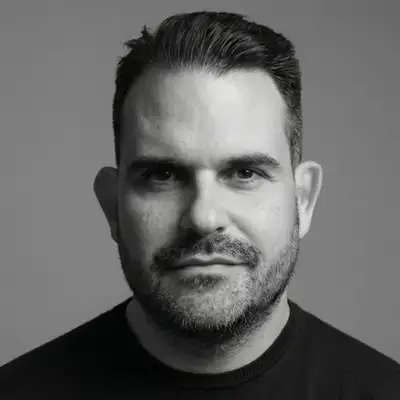
In this episode, I spoke to Nick Guerrieri, founder of Chelly, who shares how he crafted a modernized limoncello out of Arizona—a place few associate with classic Italian citrus liqueurs.By reducing sugar and viscosity, Chelly repositions limoncello from a narrow digestif to a spirit capable of starring in cocktails or being served neatly.Nick’s strategy relies on grassroots sampling at liquor stores and festivals, weaving a genuine “behind-the-scenes” brand narrative on social media, and balancing on-trade listings with hands-on retail demos.Distinctive branding elements, like his signature lemon shirt and recipe lookbooks, help Chelly stand out.Over five years, Chelly has built momentum by focusing on direct consumer feedback, turning local pride in Arizona’s citrus heritage into a marketing edge, and carefully expanding bar menu placements and off-trade distribution.Timestamps:00:00 Introduction and Podcast Overview00:29 Meet Nick Guerrieri: The Limoncello Innovator01:21 Crafting a Modernized Limoncello02:05 Consumer Reactions and Market Penetration03:06 Marketing Strategies and Visual Branding06:42 On-Trade vs. Off-trade Sales Tactics14:22 Sampling and Direct Consumer Feedback22:45 The Importance of Small Wins and Persistence26:30 Final Thoughts and Farewell
The MAFFEO DRINKS Podcast is a leading drinks business podcast delivering actionable insights for drinks leadership.
For founders, directors, distributor MDs, and hospitality leaders navigating the tension between bottom-up reality and top-down expectations.
20+ years building brands across 30+ markets. Each episode features drinks builders: founders, distributors, commercial directors, sharing how the drinks industry actually works. Not the conference version. Honest conversations.
Insights come from sitting at the bar.
Beyond episodes: advisory for leadership teams, subscription with episode deep dives and principles to navigate your own reality.
Beer, wine, spirits, Low and non-alcoholic.
Bottom-up Insights & Episode Deep Dives at https://maffeodrinks.com
Hey, drinks builder. This is Chris Maffeo, and you're listening to the Maffeo Drinks podcast. Today, we are reaching listeners in over 100 countries, and I'm grateful you're one of them. Before we dive in, a quick reminder that while the show is free, our paid Substack subscribers get early access to episodes, full transcripts, and exclusive deep dive newsletters. Check it out at mafayordrinks.substack.com.
Chris Maffeo:Now let's get into today's conversation. Hi, Nick. Welcome to the Maffei Drinks podcast. How are doing?
Nick Guerrieri:I'm doing great, Chris. How about yourself?
Chris Maffeo:I have a bit of a strange voice today because I had no voice, but, it will be it will be fine in the end. It's a nice time zone difference. You're in, in Phoenix, Arizona. I'm in Prague and it's, it's nice to, to finally have you. I mean, we've been interacting a lot on Instagram and, you know, on social media for a couple of years.
Chris Maffeo:I've been following your journey, and I think, know, like, I really I really want to deep dive in in in in what you're doing. And especially I mean, the big thing for me is is the consistency that you're having into building the brand really from the bottom up, you know, on really going out there and the sampling and so on and so on. Today, I want to give these insights to the listeners if you are if you're happy to share some some some tricks and some findings and insights for for founders like you that are really, like, kinda, like, feeling a little bit lost sometimes and say, like, you know, I really need to get out there and and and and do it. So let's, let's start. So tell tell us about your, your product in a very short, short way.
Nick Guerrieri:Awesome. Well, first, Chris, just wanna appreciate the opportunity of being a part of this, and I'm honored to be on this week's episode. I've been following you for a long time as well, and always preach to people too. That bottom up is how you do this. So I'm practicing what you're preaching all the time.
Nick Guerrieri:So I appreciate you having me. We distill and craft a modernized lemoncello. Lemoncello is something that's been around for over a hundred years started in Italy. It is normally considered a digestif in a, in a liqueur. And what we are creating is a modernized version of that.
Nick Guerrieri:So there's less sugar. It's less viscous. And it's something that can be used in a variety of ways as either a modifier or a base spirit. So we're, we're pitching an authentic Italian story about how this recipe has, has gone through generations of my family, and now we're pitching it in a new light that lemoncello hasn't been, offered before to customers.
Chris Maffeo:Fantastic. Fantastic. That's, that's a story I can relate to as a as an Italian. And and so what, you know, what was the first reaction? Because, I mean, of course, like, you don't think of Limoncello when you think of Arizona.
Chris Maffeo:No? So what what what how how do consumer and trade, you know, react to to to this product?
Nick Guerrieri:So the reaction has been really, really strong. We've been at this now for five years. Everyone knows here in Arizona that citrus plays a big part into our everyday lives. It's actually one of the five C's of Arizona. When Arizona was founded, these were like the five pillars of the economy.
Nick Guerrieri:Cotton, cattle, climate, citrus, copper. But, everyone always says to us, Hey, if you need more lemons, I have some in my backyard. We always get tons and tons of people are always offering free lemons to make their lemoncellos. So, the reaction has been great. Citrus is a big part of what we do.
Nick Guerrieri:Our oranges and lemons around, you know, seasonal times. There's, there's literally boxes of these just sometimes out in people's driveway that they need to make some more space in their, their backyard.
Chris Maffeo:Wow. That's very interesting. And, and I'm always talking about the target occasion, the consumption occasion now, because you mentioned that the traditional way of course is the after dinner digestive kind of experience, but you are bringing this kind of like modernized occasion to the table now. So how did you get them to understand this new way?
Nick Guerrieri:Yeah, great question. So that's what we're still after till this day. So a lot of what we do is educating the consumer and what we do by that is we sample a lot liquor stores specifically. It's more of a intimate one on one conversation with the person who's getting sampled. So telling them about the story, telling them about, you know, what they can do with this product, how versatile it is.
Nick Guerrieri:And if they're already aware of Limoncello, it's more of re educating them about how ours can be different. So right. You have two different components of someone who's already familiar with Limoncello and retraining them of how ours is different. And then someone who has no idea what Limoncello is. And so having each component, having a different story of how it can relate to them in their everyday use cases of how they're drinking their spirits and whatnot.
Nick Guerrieri:But having the one on one conversation with them and, and not only, you know, customers get inundated with words and marketing and things like that. So we also rely heavily on visuals. So something different is we actually create like cocktail lookbooks of different ways that they can enjoy our product. And we even break it down to, they don't want to look through a large cocktail book. We even have little recipe cards for them.
Nick Guerrieri:So whether they're interested in buying at that moment, they even take it home for inspiration or it's another piece of market material for them next time to stop into a store that they're like, oh yeah, Chelly, I want to make that martini or Cosmo or etcetera. So, having those one on one intimate conversations with customers and educating them on how our lemon cello can be used and how it's different than traditional sense has been crucial in our success so far.
Chris Maffeo:Wow. And talking about visuals, remember like your, your famous shirt with lemons. Love it. When I see it on Instagram, was like, I need to get one of those.
Nick Guerrieri:I actually, I was, I didn't know if this was just video or audio. And so I was actually debating on wearing that or not, but it's funny you asked that is actually one of the small things where you can make a difference into a customer remembering you or your brand. I remember I was looking for little subtle ways in order to stick out and I found this cool, fun lemon shirt And you'd be surprised how many people remember me walking out on the street or at a festival. And they remember like, Hey, you're the lemon shirt guy. I remember you.
Nick Guerrieri:And so I even have people at festivals buy the shirt off of me. So I'm even thinking there's some, there's some merch opportunity that, that we need to capitalize on. So I'm just, I'm honestly kind of shocked how many people like the shirts.
Chris Maffeo:That's so great. And and I mean, what I what I love is I've been following your journey for for a couple of years now. The relentless focus on execution. Now I remember, you know, like I see you in the car with the cartons on Instagram and I see you like really, really going, for it now. And the fact that you are really pushing the, the, the home turf loss.
Chris Maffeo:So if I understood correctly, you're only selling in, in Arizona for now.
Nick Guerrieri:So right now we're just focusing on, on one ski, one location, and really just trying to focus on executing and building out the, the success model before we can move to other states. And to your point about really focusing on execution and sharing the story, I think something that can be missing today is really the behind the scenes of what it actually takes to build a drinks brand. And I think that's why you've been so successful opening up these stories about what it actually takes in order to go from zero to one. And so what we try to do is open up that story and to show people what it takes about the delivering of the product, the creation of the product, how we're selling, how we're promoting the product, right? We don't have the same resources as some of these big houses.
Nick Guerrieri:So for us to open it up and show them, this is what it takes. The customers have shown that they really appreciate that transparency. And so they want to support the local smaller guys, if you will. And they're able to champion that story somehow in their own lives. And they're able to then relate in a way where they're sharing with their friends and family about, Hey, I met so and so they're building this brand.
Nick Guerrieri:I love what they're about. I like their values and, you know, let's, let's grab a bottle or send it out to a gift for a family member. I mean, we get that all the time and people either send emails or messages about how, you know, they heard about us with us all at a festival and they tell their friends and family about us. So we definitely value transparency and showing what it actually takes to, to build a dream span, kind of like what you're doing with yourself and what we're sharing today.
Chris Maffeo:Fantastic. And so what is the share you're selling? Is it like more like skewed to the on trade or to the off trade?
Nick Guerrieri:I would say we primarily focus these days on the on premise. So something that we found is that, you know, there's not a lot of people looking exactly for a Lemoncello. So we use liquor stores more as an intimate one on one setting to educate the customer on Lemoncello and how ours is different and how they can use it. But in a more scalable way, use on trade as a way to introduce the brand to more people without us having to, I guess be hand to hand combat. Right.
Nick Guerrieri:I've probably have sold to our first couple thousand customers. Hand to hand combat is kind of what I call it. Whereas if we can get a menu placement at a bar, it self markets itself. They're getting exposure to the name because it's, you know, the brand name's on the menu. They can see it live in an occasion of where they could possibly have it at another bar or at home.
Nick Guerrieri:So that primarily in that category, we can talk a little bit more about, I know that's something you preach on is finding the category that fits with your product, but we found a specific drink in a category that really resonates with customers. And so we're able to use that category of drink and see where is that presented the most and what type of restaurants and bars. So we're able to then be more strategic and again, focus on execution. Whereas, you know, we're no, we're not going to probably successful in a dive bar, you know, the, the financials and the competition of what you're going against. They don't value high quality liquid as much say as a high end cocktail bar or a five star Michelin restaurant.
Chris Maffeo:And so basically like on, on the menu, if I understand correctly, so they are, they are riding Shelly on the menu. And that's
Nick Guerrieri:the thing about building and nurturing that relationship is that if you're not, I guess, in touch with the person making that, they're just gonna throw on whatever they they wanna throw on there. Whereas if you're building that relationship and you're able to kind of give them some, some pointers or feedback of, Hey, we'd love to be able to have our brand named as this. Again, it doesn't happen all the time. At the end of the day, is up to them, but if they do allow brand names on there, we try to get Celi, modernized, Limoncello, as we think those are the three crucial, I guess, points to what we actually offer. So again, it's more marketing on our end.
Nick Guerrieri:It tells the customer exactly what it is. And again, we want to put in the modernized word because most people ask, well, why is it modernized? And then we can go into how it's different than Limoncellos. So the menu placements are key as, you know, any, every drinks founder will say,
Chris Maffeo:mean, the cocktail, the cocktail menu is the key, but also what's interesting for me is that I, I see how it works in, in other categories as well. Campari, for example, it's a brand name, but it's sold almost a category on its own. So nobody really knows what a bitter is. If you have any groin, then it was always be like, even if they don't mention name, sometimes they fall onto mentioning Campari because they don't even think that there is another way of calling it. No?
Chris Maffeo:So they say like a sweet vermouth, Campari and gin. They don't put the name of the gin. They don't put the name of the vermouth, but they put Campari. And so what I'm, what I was thinking about when you were talking is if you, at some point will manage to actually get Shelly as a name of a brand and category, then it would be a winner because actually you don't even have to push it, you know, like it will be actually automatically considered by bartenders.
Nick Guerrieri:Exactly. And to your point, right, what Aperol did with spritzes, when you see Aperol, typically you you see people immediately think of a spritz. And so they own that. It's almost like they created the the the spritz category. And so talking more about the category that, that we're trying to fit in is just a rift on that.
Nick Guerrieri:Using social media also has been a big bonus for us in terms of learning how customers are behaving and reacting to different types of drinks and categories and something over the last couple of years that has gotten millions and millions of views is a Lemoncello Spritz. And it's something that's less bitter than an Aperol Spritz for those who want something a little less aggressive in that sense, where we come in and pitch it out of the chili spritz. There's a lot of, you know, Mediterranean style cuisines that keep popping up in the Arizona scene. And so we really use them as anchors of, pitch. You're not selling an Aperol spritz.
Nick Guerrieri:Here's something called a Chelly spritz. It's a lemon cello spritz. It's all over TikTok. It's light. It's delicious.
Nick Guerrieri:It looks great. And so that's really the category that we've been pushing and we've had some success so far with that.
Chris Maffeo:That's nice. And it brings back to the focusing on one cocktail in this example, but also on the, this kind of aperitif occasion to really make an impact and explain people how to use it. Because sometimes that's the problem. They get a, they get a bottle and then they don't know what to do with it. And then, you know, they just like put it in their cabinets and, and that's it.
Chris Maffeo:And it stays there for forty years.
Nick Guerrieri:Exactly. And and that's one of the things is that you try not to overcomplicate what you can do with the product. And I think that's why obviously with base spirits, right, most of the customers know what to do with the vodka or whiskey or gin, etcetera. But when you come out with something niche and you're trying to retrain a customer's brain that, Hey, it's not a digestif. It can be used as this trying to find that category that it, it makes the least amount of work for that customer.
Nick Guerrieri:Right? Because we have a cocktail book, we have all these recipes, but a customer only has a couple of split seconds of what they're going to choose or what they're going to want. Right. And they're most of the time going to choose the most easy, straightforward thing because they're making thousands of decisions a day. When you kind of get behind the psychology of the customer is finding what are the easiest low hanging fruit ways that we can pitch our product in where they're doing the least amount of work because they don't want to.
Nick Guerrieri:And I'm talking more in generalizations and in scalable terms, they're not gonna read every single ingredient list on a drink menu. They're not gonna learn about what makes them modernize the Marcello. If it's something that they realize they noticed on the menu and they've already had experience with it, a good experience, they're gonna order that in a, in a quicker fashion.
Chris Maffeo:I agree. If you think about the, the most, let's say scalable brands or like the, let's say the most successful, at least like lately, it's also the replicability of it. No. Why has Negroni taken over so much? Because it's easy to make.
Chris Maffeo:I mean, third, one third, one third, it's easy. So people don't have to think that much about it. It's easy for restaurants that are short staffed. I have a diagram. I have one of my frameworks that I use for how skilled the bartender in the venue is.
Chris Maffeo:And then, you know, many times the restaurant doesn't even have a bartender. That's listening here in Europe, you know, like in The US, I mean, old, you know, cocktails so widespread, but if you take Europe many times the waiter is making coffee and spritz and gin and tonics. So if you make it easy for them to make and pour and, you know, chuck some ice and that's it. It's, you know, they even think of upselling it now, but if they know already, I've got five tables to serve. This drink is super complicated.
Chris Maffeo:I hope they don't ask for it. And if they ask for it, then I may say, we ran out of it. Building on your point about the psychological aspect of you made their life easier. And then they're more likely to recommend it, to sell it, to, to do it. And, and obviously, I mean, if you if they even make good margins on it, then it's
Nick Guerrieri:even better. And to your point about not overcomplicating it, with the cocktail book and the recipes, like you said, right, you have a diagram of level of complexity split up our cocktails and even on our website and things like that, based on just the ease of making it. So specifically when we give buyers our cocktail lookbook, that's mainly what that's used for. So they're gonna be more well versed in the drinks world and have a catalog. So we're kind of building a catalog for them.
Nick Guerrieri:And how we do it is we segment it in different types of channels and venues, right? So dive bar is a category in there that has a lot more simple things, right? A beer and a shot of this. Whereas you go down a couple more categories into cocktail bar, you're going to have riffs on like the bee's knees and, things like that, right? Where there's six, seven steps in a cocktail, but just showing the variety of how many different forms and ways that we can be served is important for that type of buyer we're pitching to because they appreciate that.
Nick Guerrieri:And they understand that. However, always pitching that to an everyday customer, just going to a liquor store can be a bit mush. So we tailor it towards the area we're in, how well versed are there and their spirits journey, if you will, and just showing them basic things. So a lot of the times we're saying any flavored soda water, pour it on ice and do a shot of jelly. It's a masterpiece.
Nick Guerrieri:It tastes delicious. And so those are easy, actionable things that they can take home and they'll go ahead and buy a Topo Chico or right then at the store and grab a bottle of jelly because it's something that's super easy and straightforward. So adjusting and tailoring to what type of venue we're at, what type of customers are coming in. We tailor our story and how we're pitching our drink depending on, on those situations.
Chris Maffeo:Yeah. Let's dive into this, the off trade sampling. I love when you see you in, I don't know if it's a total wine or this kind of big stores where I see you. I love how you put your, you know, your phone or camera behind you and you are showcasing the, the actual sampling in action. So how, how does it work in, in that sense?
Chris Maffeo:So first of all, are these stores happy to, to have you on and help in rotating the product or is it tough to get a spot there? How, how does it work in the kind of like behind the scene?
Nick Guerrieri:People in Arizona really have an affinity towards local products. So we use what's in our tool belt. So when we're pitching to buyers, getting in on off trade, on trade, we're relying heavily on our storytelling, the authentic story that no one else can copy. We're talking about how we're using lemons from local farmers here. We're talking about how, you know, our distilleries right down the street from here and things like that.
Nick Guerrieri:And so that really builds relatable pieces of, Hey, we're just not a big conglomerate brand, you know, coming from another state. This isn't in your backyard and we're trying to, ship your customers something that's delicious and it's something they can take pride in that, Arizonians are currently making. To speaking about your talking about the videos of showing the samplings that just speaks more to the transparency and the behind the scenes of how we're building this thing. Not only does it increase more eyeballs on our brand, right? Distributions, everything.
Nick Guerrieri:And being that we're only in Arizona, it's a way for us to promote not only our story and our brand, but also again, authenticity of, Hey, we're just like you. And we're out here. This is how we're spreading the word. We're out there grassroots, building bottom up, if you will. And so that's really the key to this is building it bottom up and talking to customers, getting their feedback.
Nick Guerrieri:And it's great because our tagline is dangerously delicious. And that wasn't anything that we thought of. There was two common things and adjectives that kept coming up when a customer tried our product and it was dangerous and it was, this is delicious. And so when we were thinking about it and, and something that separates us as well as we're very data driven. So when we're at these samplings, we have our sampling sheets, you know, what's their gender, their age, what are the comments they had?
Nick Guerrieri:And after reviewing all of this information, these two words kept popping up. And so when we were brainstorming, were thinking, Hey, what if we just combine the two words dangerously delicious? And then next thing you know, we trademarked it. That was our tagline and customers having a loving expense, but that speaks to the importance of sampling and talking with customers and, and, you know, consumers in the market. They're giving you direct feedback on whether they accept your product, your messaging, etcetera, etcetera.
Nick Guerrieri:And you can use that to continue to reiterate your messaging, your products, anything like that. It's it's it's one of the best effective ways and you're just getting direct feedback from your customers.
Chris Maffeo:Wow. I love this because it's especially like, it's one of the things that I also do a lot is doing this kind of like small experiments, know? And if, if you wish that's exactly how brands are built bottom up came up. I started writing it just as a nice way to close. I was just like in my flow of writing and I just do that.
Chris Maffeo:And then I, I noticed people started referencing that now. Oh, brands are built bottom up as Chris Maffei was saying. And then, you know, you go like one, two or three, four people. And then all sudden, it's like, okay, there's something there in, in pushing this kind of like bottom up framework and narrative now. So it's, it's very interesting.
Chris Maffeo:Sometimes we are stuck into the office thinking now it's like, oh, let me think of a tagline. What could be cool rather than actually you've got it there. It came from, from these people and same applies. I'm sure for cocktails. Now you may have thought about whatever, like an another drink and then the, the, the, the spritz comes in and then people are seeing how easy it is to make.
Chris Maffeo:And then all of a sudden it becomes your, your flagship kind of cocktail that you're pushing, just because the direct feedback and listening and continuous, you know, iterations and improvements that, that make that, that happen. I came up with the bottom up trade now instead of talking on and off is basically like the trade where you you can do the storytelling. There is someone between you and the bottle, whether it's a bartender, waiter, a clerk. And it's very important. We tend to forget.
Chris Maffeo:And I mean, I was the first guilty one. I'm forgetting it because I'm a big, you know, bar lover and restaurant lover. So I was always brands are building on trade. They're building on trade. No, they're not.
Chris Maffeo:I mean, if you take a non trade outlet in the middle of nowhere in Arizona, where the waits are, they don't even ask which brand you want. But then if you go into a smaller store or it doesn't have to even have to be small, it can be total wine, but with a trained clerk that can actually navigate the consumer, it makes a lot of difference on, on this. So what role does that play compared to on trade in terms of sampling in,
Nick Guerrieri:So with off trade, something that we really appreciate again, and, and some of the examples of getting our tagline and things like that and getting the direct feedback is it's a more intimate space rather than on trade. On trade has some difficulties within itself. Mean, both sides do. But on trade normally, you know, there's ten, fifteen, 20 plus employees. There's a lot of turnover, things like that.
Nick Guerrieri:Whereas we found that the off trade is a little more stable in terms of the managers there and some of the clerks, and you're able to have a more quieter, you know, a quieter environment in order to, you know, even do the staff trainings and things like that. So we've found that off trade is really where we get most of our direct customer feedback because we're the ones that are pitching it. However, on trade, it's more about, there's an intermediary of the bartenders. So customers ordering off the menu, they're serving it. And then us then talking to the restaurant or the bartender beverage director about, Hey, how's it going?
Nick Guerrieri:Things like that. Right. So you're always going to have this, I guess, telephone, if you will, or filter of you're getting the feedback through the restaurant zone, which is still very important, but each one serves its own purpose in terms of, you know, on one channel, we're getting direct feedback to us. Whereas the other one, we're getting it from the restaurant, which are both important, but there's different ways that, and you know, levels of, I guess understanding what they're trying to tell us and things like that.
Chris Maffeo:And are there specific chains in which you are more likely to do that? Like, how, how does it work in Arizona? You can do wet sampling. And is there only certain chains that let you do the sampling or is it like more widespread and how do you select where, where it's worth, worth, worth going?
Nick Guerrieri:Total wine is our big main chain that we're in and we sampled at all the stores in our state. And so it is a wet sampling state. So if you have a liquor store license, you can sample. There are some variety varieties in terms of if you have an S license or not, meaning that the brands themselves don't have to book it. You just have to have an opening space in your store and you can sample.
Nick Guerrieri:But places like total wine are, you know, they're a lot bigger, so they need to have more things in order. So you have to book it, make sure there's an open slot. And so we use total wine primarily as our direct feedback loop in terms of how's this marketing messaging, how is pitching this type of drink in this area. And so there's some further things under the hood as well that we look at in terms of where is this total wine located. If it's gonna be located where, you know, higher income individuals are gonna be that we might pitch it with other, you know, products within a cocktail.
Nick Guerrieri:And there's probably might be a little more steps in it because right, the more products and other liquids are in a cocktail, it's going to be more expensive. Whereas if you're in a lower income area, you're going to be pitching more of the simple, cheaper options, like mix it with a flavored soda, water, etcetera. So really looking at those, I guess smaller things, if you will, can make a big impact of how successful you are with these samplings. And then also to the time of day and when you're doing it right, you want to be in there when foot traffic is, is high. You know, you don't want to be in there and, and, you know, stand there for three hours and you only sample two or three people.
Nick Guerrieri:You want to be there when people are going in before their parties on Thursday, Friday, Saturdays. And so, you know, being able to get in front of more people and not only with liquor stores, we've been able to have opportunities with local festivals where we can get in front of anywhere from a couple thousand to even sponsoring festivals of a north of a 100,000 people. So we use all these opportunities to try out different things, different messaging and things like that.
Chris Maffeo:Wow. And do you also analyze like where you are listed in OnTrade around those stores to try to connect the two things. If they're more likely to have it sampled already in the entree. Do you, do you notice that has it happened to you that people you're trying to sample to, they actually know the brand already from, from an entree, the trial? Yeah,
Nick Guerrieri:that definitely happens. I kind of think of that as the, the barefoot wines method where they were going to charity events in a certain area of where their liquor stores were, and they found a hidden gem of, you know, Hey, if we get into a liquor store in this neighborhood and there's a charity event around there and we sponsor and send free product, their sales got boosted in that specific store in that area. So, I guess it's harder to intentionally directly do that if you will, but within a certain amount of radius, can focus on a strategy like that. But we've, we've had a lot of people stay near a cluster of restaurants where we're on the menu and they see us on, you know, at a total wine and we're sampling at the table and they're like, Hey, I, you know, I had your drink and a and a chili spritz over there. So again, it's all the small wins.
Nick Guerrieri:At the end of the day, you're just trying to stack small wins every single day to, you know, I always think of it. You're you're you're in a, incline plane and you have a boulder and you're just trying to continually push that boulder up the, up the plane. And you're just trying to get it to that tipping point. And once you get there, you know, hopefully everything's all right, but essentially it's just stacking those small wins every single day, whether it's getting that good customer feedback or that new drink idea or anything, you know, or even just posting the samplings, right? It's all the small things.
Nick Guerrieri:All we're doing every day is just testing out different hypotheses about, you know, different ways that we can pitch it, different areas that where it might be successful. And so, again, we're just out here experimenting as much as we can. And and at the end of the day, we're just not, not afraid to fail because the end of failing, you're you're always learning. So we've we always have that growth mindset going into every opportunity that presents itself.
Chris Maffeo:Yeah. That's beautiful. That's beautiful. And it's very I mean, I almost had a shiver on my back when, when you were saying that because I feel so much, you know, it's, it's fantastic when you get that kind of feedback. Now, a funny story.
Chris Maffeo:I was at BCB and I was in a hotel and back home in Berlin and I, I still have my name tag on. And there's like this guy in the left, like, and he looks at me and then he smiles. And then I smile back and then he says brands are built bottom up. And I was like, no way. And I was like, yeah.
Chris Maffeo:Yeah. I'm a big I'm a big lift. And he was a sales guy working for one of the big players in Germany. He's like, yeah, listen to your podcast and so on. So, and I'm like, what are the chances?
Chris Maffeo:You know, they bump into a guy in the, in the lift, in a hotel. Exactly. But these are the things when, of course it's not by chance because I mean, it's a niche podcast. It's niche people. I mean, it's not random people that listen to this.
Chris Maffeo:So I feel the same thing that for you, when you, you play the net for to be on the cocktail menu in that bar, and then you get someone that actually remembers that they had the drink, you know, with a positive experience And maybe well, they say, no. Actually, I don't need to try because I know it very well, and maybe I've got a couple of bottles in the in the carts already. You know? And then it's like, wow. How do you ensure that that story is happy?
Chris Maffeo:Because the big issue in off trade is always rotation. How do you avoid kind of like dusty bottles on, on the shelf? How do you ensure that there is that continuous rotation? So then, you know, those guys are actually happy to see you again and, and and advocate for your
Nick Guerrieri:for your products. So depending on which channel. So if you're talking about off trade, right, any liquor stores, we do sampling, sampling, sampling. So anytime it it gets maybe a little stale in a in a certain season, we sample we sample. As I was talking about earlier, we pride ourselves in keeping stats and data in terms of where we're doing well, why we're not doing well.
Nick Guerrieri:So we have a really high sampling rate. It's around the mid forties. So if we're sampling 10 people, we're selling around over four bottles for every 10 we sample. So we know if we extrapolate that out and we can just get in as many samples as we can at that store's location, we can make them happy again. Right.
Nick Guerrieri:Including everything else about getting the customer within our flywheel. We have some other, you know, of being able to get them to remember to repeat buy and things like that on the more entree to keep them happy is really about, and this goes for both is really just showing up, showing your face, saying hi, having a cocktail there. You know, even if you, you know, maybe don't have the funds to do that at every restaurant is simply just showing up. How can I help you? How can I support?
Nick Guerrieri:A lot of this industry really is just about showing up and they really appreciate that because there's a lot of, you know, reps out there that just go there to dump off product and just have it do whatever. But if you continually show up and have, and be thorough and persistent, they really appreciate that. And they'll go through hell and back for you and your brand. If you show that on a consistent basis. So that'll be my answer for both of those.
Nick Guerrieri:Again, just showing up, but in a, in a more practical sense, specifically for off trade is sampling and sampling. I've done personally over 200 samplings myself. And, I just think it's really important and crucial. I get people who wanna start drink brand all the time, ask me, you know, what it's like. And first I tell them to subscribe to, you know, the Maffeo podcast.
Nick Guerrieri:But secondly, tell them you're gonna be on their feet sampling and doing hand to hand combat, sharing your story. And if that's not something you can fall in love with and and appreciate and loved, and, you know, maybe it's not the right route for you, but I know for us and for me, that's something I really enjoy. And that's why I've been in the business for so long is because of the, the human connection and the relationships you're able to build and use a beverage to be that intermediary of, of connection with, with other people.
Chris Maffeo:You know, that's a fantastic way to wrap, to wrap up the, the chat that we had. I mean, it's, I, I feel your energy is, you know, it's the first time we speak on the phone and, you know, feeling the, the, the vibe it's feeling the passion is, is, is fantastic because it, it, it takes time and it takes guts now. And if you can't afford it at least afford it with your time. Time is money as we say, but you know, like if you can have a, you know, a hostess or a steward or something, I mean, you go there yourself. I mean, like that there's no other way, to do it now.
Chris Maffeo:And when it takes working weekends and it takes, whatever it takes, but to get it off the ground, I mean, to push that ball that you were referring to earlier, that's how you have to do it now. It's either money or time and either you buy a service or you are that service now. And, and it's important to repeat it ourselves. Those small wins that you mentioned earlier, you know, they are the ones that actually get you going and give you that small thing that, that, that says like, Hey, like, you know, tomorrow I'll do it again kind of thing. So let me give you some time to, you know, to let people know how to find you and Shelly and on all the social media and so on.
Chris Maffeo:And if you have any other thoughts, feel free to, to, to shoot. Awesome.
Nick Guerrieri:So, yeah, if anyone wants to get in touch with me personally, probably best through LinkedIn and that's Nick Guerreri, would be through LinkedIn. And then if they wanna check out the brand and, you know, potentially get try out some product, try out drinkjelly.com. And that's also our Instagram handle as well. And if you reach out on the Instagram handle, I see all of those. And I guess the last thoughts here as well is like Chris was saying, it's really all about the small wins and that's what builds momentum.
Nick Guerrieri:And you just want to continually build the small wins to build that momentum. And, and to your point, Chris, what you're saying earlier about, you know, that the gentleman at the hotel telling you about the bottoms up and knowing that he, that he listened, those go such a long way and it's some of the best feeling and how that relates to us is, you know, we're successful at one bar. It does really well. And, you know, we, I go into a pitch into a new restaurant and some of the whole bartenders that used to work there already are familiar with their product. And just then allowing that product to come in there and seamlessly get on the menu placement.
Nick Guerrieri:Cause they already had such a great experience is some of the best feeling in the world of them loving and already knowing your products because of the time and effort that you put in previously and building and, and making, you know, the accounts and clients happy. So again, to all the listeners out there, I would just say, keep your head down. You know, it's a very, very long journey and, keep it locked in and tuned into the Maffeo podcast.
Chris Maffeo:Fantastic. Well, thanks a lot, Mick. It was a, it was a great pleasure and I will see you sometime maybe next year. I want to get back to The States. I haven't been in a while and maybe a taste of the cocktail or something like that.
Chris Maffeo:We'll, we'll bump into each other. We we'll have a drink together.
Nick Guerrieri:Sounds great. Again, thank you for the opportunity of being on the podcast, and, hopefully, your your listeners got some today.
Chris Maffeo:Fantastic. Ciao, Nick. That's a wrap on today's episode. If these insights helps you, take a moment to leave us a quick review. It really helps other drinks builders find the show.
Chris Maffeo:And speaking of sharing, pass these insights along to another drinks builder who needs to hear this. Wanna get next week's episode right now? Head over to mafaredrinks.substack.com where paid subscribers get episodes a week early plus full transcript and deep dive analysis. Until next time, remember that brands are built bottom up.