Subscribe
Share
Share
Embed
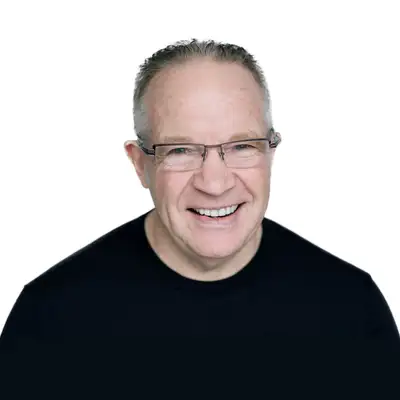
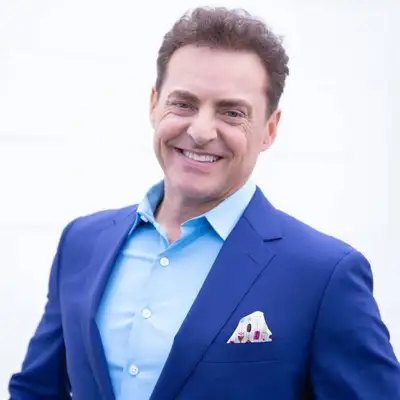
Join the eternally curious, interested, and interesting hosts, Mike Koenigs of the SuperPower Accelerator and Dan Sullivan of Strategic Coach®, to amplify your capabilities, value, status, and authority on the Capability Amplifier podcast. Ever episode focuses on a new mindset, shortcut or deep thinking exercise that will improve your performance and lifespan. Learn more at: https://www.CapabilityAmplifier.com
Michael Rozbruch [00:00:00]:
It's very difficult, in my opinion, to recruit outside and then try to train them on all your intellectual property. So it's so much easier and so much fun having somebody already in the business that you can elevate to that, to that position. I like people to say, I don't want to hear the word no when it comes to trying to fix a problem. And Isaac is that guy. Isaac would never say no, we can't do that. I would. Isaac would say, yes, let's find a solution to it. And that's the kind of person that you want.
Isaac Park [00:00:29]:
He just has to tell me the bare bones outcome, I'm able to get it done. And I think that relationship he's now giving me, the freedom.
Michael Rozbruch [00:00:38]:
Business is messy. Good is good enough and you're going to screw it up. Just go in with that, you'll be fine.
Mike Koenigs [00:00:45]:
Today's episode isn't about CRM software. This is a masterclass in how experienced mentors can partner with tech implementers to create, leverage, scale their impact and build recurring revenue without doing more one on one work.
Isaac Park [00:01:12]:
Hey.
Michael Rozbruch [00:01:13]:
Hey.
Mike Koenigs [00:01:13]:
Welcome to another episode of Capability Amplifier. I'm Mike Koenigs. This is my very good friend I've known for a long time, Michael Rosbrook and Isaac Parks. So we're going to talk today. It's something that I think you're going to absolutely love. So what if everything you've learned in 25 years of building businesses, the mistakes, the systems, the hard won wisdom, could be packaged into a tool that helps thousands of people while you sleep? And what if the key wasn't just technology, but finding the right partner who could translate your genius into automation? Now my guests have cracked this code. Michael Rosbrook spent 16 years building a text resolution firm from his dining room table with a 5 in 1 fax machine into a $23 million company with over 100 employees? Now he's trained over 14,000 tax professionals. He spent over $200,000 customizing Microsoft Dynamics back in 2008 because nothing existed to automate his marketing.
Mike Koenigs [00:02:14]:
And then he met Isaac Park, a digital marketing and automation specialist, who said, michael, everything you spent 200 grand building, I can help you give that to your entire industry. So that's when autodrive CRM, the nation's only marketing CRM, which is built specifically for tax resolution professionals, was born. And one client grew from a million dollars to 1.7 million in a single year after implementing it. But today's episode isn't about CRM software. This is a masterclass in how Experienced mentors can partner with tech implementers to create leverage, scale their impact and build recurring revenue without doing more one on work. So with. Let's get this party started, shall we? First of all, thanks for being here. It's been a blast.
Michael Rozbruch [00:03:01]:
Yeah, thanks Mike, for having us. We're excited about this podcast.
Mike Koenigs [00:03:05]:
Yeah, that's, it's been, been great. So we've had the good fortune of working together the past three years where we really got to get in deep. Been working on content marketing systems and I think the way I want to set this up, because your backstories, both of your backstories are really interesting. But for you, Michael, let's go back to 1998. So you're sitting on the side of the 405 in LA, you just got fired, you're trying to figure out how you're going to make your mortgage payment. And then what made you decide that you were going to turn that into a business, an opportunity, and just change things up completely?
Michael Rozbruch [00:03:41]:
That's a great question. So I was actually, I was a C Span nerd at the time and I was watching C Span a couple months prior and the ordinary Americans were getting up in front of the TV cameras. It was a Senate finance televised hearing and they were all complaining on how the IRS ruined their lives, padlock their businesses. I mean, ruined people, all because they owed money to the irs. These weren't fair people. They didn't have, you know, accounts in the Cayman Islands or offshore. This was not tax evasion. You know, a negative life altering event took place in their lives, forcing the filing and the paying of taxes on the back burner.
Michael Rozbruch [00:04:22]:
And I just made a decision at that time in my car sitting there saying, you know what? I love the David versus Goliath fight. I love, you know, everyone deserves a second chance. And I decided, you know what? I'm going to help people that owe the irs. And that's when I decided to put out a shingle and decided to do tax resolution. Right.
Mike Koenigs [00:04:42]:
Okay. So I'm curious and this ends up bridging you to Isaac, but what was the moment you realized you had IP intellectual property worth sharing? And what was in your head about how you could help other tax professionals? Because first you built the business, you launched it, you figured out the secrets and obviously you got things going and then you turned into basically a guru.
Michael Rozbruch [00:05:05]:
Yeah, well, I, when I had my tax resolution business and it was not fun at the beginning, it was, it was, it was hard. We actually went into a lot of debt to get the company off the ground. But the point is, I sat in every seat, I answered the phones, I collected the money, I resolved the cases, I talked to the clients, I did everything. And during those 16 years, I studied and became proficient at direct response marketing. And I turned the direct response marketing I learned specifically designed for tax resolution because that's what I needed to do. So I had all these lead magnets, special reports, engagement letters, everything. That was all these follow up sequences. You know, I was generating all these leads at the time, didn't know how to follow up with them automatically.
Michael Rozbruch [00:05:57]:
There was no automation. And I knew, I knew I needed automation and I had all this intellectual property. And we started coaching. You know, I exited that business in 2014 to create raw strategies with my lovely wife and business partner Rosalind, who's actually the brains and the beauty behind the operation, and she happens to be
Mike Koenigs [00:06:19]:
in the room with us.
Michael Rozbruch [00:06:21]:
And decided that I wanted to coach and mentor other tax professionals to do what I did because I would go to these industry events every year and every year I was doing better and better and better. And a lot of my peers and colleagues were stuck.
Isaac Park [00:06:39]:
Right.
Michael Rozbruch [00:06:39]:
They were great technicians, but they didn't know the market math.
Mike Koenigs [00:06:43]:
It's great. So ultimately, I mean, you saw the opportunity inside the opportunity. And that leads us to you, Isaac, because you started working with Michael in 2016 and you've been handling marketing websites, the tech CRM, anything that touches tech. But when did you realize that there was an opportunity to create a scalable product here, you know, basically a business within a business within a business, and then create leverage that, you know, Michael's too close to this.
Isaac Park [00:07:12]:
Yeah. I mean, you know, one thing is that Michael is a marketing genius, especially in his industry. So it makes my life easier because he understands. Actually, I learned most of my marketing from Michael. Right. I was just the one that implemented some of his principles. So that was always fun to help grow his business. But as his business grew, more and more of Ross Strategy's members needed technical help.
Michael Rozbruch [00:07:40]:
Right.
Isaac Park [00:07:41]:
Because what, what's happened over the years is marketing has become more and more digital. Right. That's not to say that offline marketing doesn't work, but we do a lot of automation in his business. And as his membership grew, one of the main questions we got was which CRM do we use? And we spent actually a lot of time helping, you know, I was helping some of his members and we would, you know, get them set up with all kinds of CRNs. Right. And some were just email senders.
Michael Rozbruch [00:08:12]:
Right.
Isaac Park [00:08:12]:
So I can use automated drip sequences. I'm not talking about text messaging, I'm just talking about replying back to an opt in. And so as we played around with different tools there was a lot of frustration. Right. Because it would never do what my Arnold truly teaches. Right. Sure we got some of it done, but it was nowhere where we would really make this, you know, all in one software. So we would have to, you know, I would spend hours trying to just set up one customer or member and it would just take forever.
Isaac Park [00:08:45]:
And that's when you know, as we tested, right. We went to some of your highest members and we would onboard them to Zazifix CRM and it kind of worked, but it wasn't scalable. And then we kind of got together and said, hey, what if we can really put our heads down and take a lot of his principles, his ip, his knowledge and put all our energy into building a custom CRM for the tax resolution industry.
Michael Rozbruch [00:09:12]:
Yeah. Specifically designed for them.
Mike Koenigs [00:09:14]:
Yeah. So that leads me to a little follow up question which is I've never met a business partner who wouldn't love to find a way to leverage their ip, create some sort of a subscription or software business and create leverage and also help more people. So for a business owner who have similar expertise, you know, their guru class are super successful. They figured out their own systems but maybe they're too close to it to figure out how do I create a leverageable system. So they need a tech partner just like you. What are the qualities that you have that they should look for? And I'm going to ask Michael the same question.
Isaac Park [00:09:54]:
Oh, so you want me to start?
Mike Koenigs [00:09:56]:
I'm going to start with you.
Isaac Park [00:09:57]:
Okay.
Michael Rozbruch [00:09:57]:
Okay.
Mike Koenigs [00:09:59]:
Why are you so great for this purchase ship?
Isaac Park [00:10:03]:
You know, I think just willing to learn, we're willing to learn from the expert. And then I think, I think I'm a big problem solver. I like to solve, you know, Michael's problems but also his members problems and then I just know how to Google stuff. Nowadays we have AI so our lives are easier. But I grew up in a tech background where I was always interested in computers, learning how to fix computers. But that translated into essentially solving business problems which then, you know, the more I'm able to solve Michael's problems, the more he trusts me. And you know, from there I think I'm able to build upon what he teaches into his business but also his members and that really made my life easier.
Mike Koenigs [00:10:51]:
Yeah. So I'm here in systemization, leverage and optimizing. Plus here's what I really heard, you've spent a lot of time in the dirt in his business and with his customers. So you knew the conversation was going on. So. And one thing I noticed about you, nothing gets by you. If I had to have a right hand person on let's say a military field, I want a guy just like you. Nothing gets past here.
Mike Koenigs [00:11:19]:
So for you, Michael, first of all, how do you find a guy like Isaac and what are from your point of view, the best qualities? And what would you say to a founder who's like, I gotta find a guy just like that?
Michael Rozbruch [00:11:35]:
Yeah, I would say that you probably already have somebody like that already in your business. The best partnership or the best person to do this in your business is somebody who may be already there, who has the tech background. So it's very difficult in my opinion to recruit outside and then try to train them on all your intellectual property. So it's so much easier and so much fun having somebody already in the business that you can elevate to that position. And one of the things I loved about Isaac from the get go is I don't want people to say yes just to be a yes man. I like people to say I don't want to hear the word no when it comes to trying to fix a problem. And Isaac is that guy. Isaac would never say no, we can't do that.
Michael Rozbruch [00:12:25]:
Isaac would say yes, let's find a solution to it. And he's a hard worker, very hard worker. He works as those years before we entered into the partnership, he was working as if it was his business to begin with. And that's the kind of person that you want.
Mike Koenigs [00:12:41]:
I love that. So next let's just talk about the partnership and how you work together because this is another thing that a lot of founders might not know how to tech speak the right amount of tech and try to over control versus mentor and also provide freedom. But you've got domain expertise, Michael. Isaac's got automation and endlessly curious deep problem solving skills. Doesn't say no and then spent time in the thick of things with the customers. So let's talk about finding and structuring and making like how do you guys work? Like what's the conversation like? What's it like a day or a
Michael Rozbruch [00:13:26]:
week in the life of Isaac's pretty much a self starter. But if we have an issue that needs to be solved, I'm not a meetings kind of guy. I hate meetings. As a matter of fact, when we have meetings in my office, I want everyone to stand up I don't want to have like a 30 minute sit down and blah, blah, blah, blah, blah. I can't do that. I don't have the patience for that. So we'll have him, you know, I'll come into his office, he'll come into my office and usually five or 10 minutes, we either whiteboard something or we'll talk it out and we'll come up with at least a framework to get it going.
Mike Koenigs [00:14:02]:
Okay. So for you, Isaac, you have to interpret what he means, what he said, and make that real. What's your approach to listening? Gathering the data and then making it up and making it real so it can go to market. Because everything you guys touch needs to start generating revenue too. And you've got a reputation to uphold. I mean, there's a whole brand behind this.
Isaac Park [00:14:26]:
Yeah, yeah, that's a really good question. I think first and foremost, you know, I think Michael has, he invests in himself a lot, right. And so a lot of times he has the big picture and he's able to communicate the outcome and then I'm able to fill in the details with the technology. Right. With our CRMs, our order forms, membership activation. And so the thing I've been doing for the past 10 years since working with Michael is that I understand that he's the authority. So I submit to that authority and I, and with that attitude, I'm not competing with Michael. And so I'm just always willing to listen first.
Isaac Park [00:15:12]:
And, and over the years I've built his trust and now he just has to tell me the bare bones outcome, I'm able to get it done. And I think that relationship, he's now giving me the freedom, you know, whether it comes to holding masterminds, we're doing a launch, it doesn't matter what it is. I know the outcome of each thing and I try to get the best outcome. And he doesn't care too much about, I mean he is very detailed oriented, but he trusts me enough where I have the freedom to execute it the way I need to execute it.
Michael Rozbruch [00:15:46]:
And during this time too, Isaac would be part. We used to have a, a high level platinum mastermind where we met in person three times a year. Right. And Isaac would, would run the tech for the mastermind, but he also heard everyone's hot seat, everyone's challenge, everyone's problem. And we would bring Isaac to all our in person events and our virtual events. So he knew exactly what the pain points were of my members.
Mike Koenigs [00:16:14]:
Yeah. So what I really hear is first of all, understanding each other's. Swim lanes. And you're Isaac. Not in a spot where you're trying to be the guru or compete, but when I watch you two interact, you have a real conversation. But, like, nah, I don't agree with that. Like, you don't butt heads, but you speak the truth fast, so there's no time wasted. And the other thing is just being in the trenches with the customers all the time.
Mike Koenigs [00:16:44]:
That early exposure and being able to interpret the need and problem solve and create a solution.
Isaac Park [00:16:48]:
Yeah. Yeah. So, I mean, the other thing that's really great with working with Michael is that now that he's trust me enough when I provide some feedback, he's really there to take into consideration. He's not always like, I'm always.
Michael Rozbruch [00:17:03]:
Right now.
Isaac Park [00:17:04]:
Yeah. He takes my feedback all the time. And he's not afraid. This is the best part with marketing. He's not afraid to test things out. Yes. So that allows me the freedom to get different tools. Right.
Isaac Park [00:17:13]:
I'll run things by him. And then he just says, all right, let's test it out or let's put some money in it.
Michael Rozbruch [00:17:18]:
And, yeah, we have a monthly budget for testing or. Or learning or learning forward or failing or whatever you want to call it.
Isaac Park [00:17:24]:
Yeah.
Michael Rozbruch [00:17:24]:
But it's very important to earmark a budget for testing every model.
Mike Koenigs [00:17:28]:
Yeah, no, that's. That is great. And. And, you know, we've known each other going on what I think is probably 14 years at this moment, because we probably met each other first at a Dan Kennedy event.
Michael Rozbruch [00:17:39]:
Yes.
Mike Koenigs [00:17:39]:
And then we've both been in Genius Network for a long time. And I've watched this. You and Rosalind, your business partner. Yeah. Are very, very committed to not just business growth, but total development, too.
Michael Rozbruch [00:17:54]:
Yeah, absolutely. Roslyn is. Rosalind's the force behind that. She's finding, you know, other conferences and seminars to go to strictly for personal development. Sometimes I don't want to go, to be honest, but I'll get. I'll get dragged. And at the end I'll say, wow, that was pretty good.
Mike Koenigs [00:18:13]:
It's great. Yeah. Well, you know how to pull out the gold and then make it real and make it valuable to someone else. I mean, you're always market making. That's one thing for sure. All right, next one is, let's talk about picking the niche, finding an opportunity. So you've got a distinction that might not make matter so much to what I'd say the broad audience. But it's like you said, most tax professionals think they have a CRM.
Mike Koenigs [00:18:38]:
They really have a case management system, not a true marketing CRM. And well, they have generic CRMs
Michael Rozbruch [00:18:49]:
that don't do what they should be doing, especially if you're in the tax resolution business.
Isaac Park [00:18:54]:
Yeah.
Mike Koenigs [00:18:54]:
Which translates into you took all of this ip, all these marketing things, proven campaigns, you packaged them up with the automation. That's effectively how you found the niche here and created massive value. So part of the lesson that I'm trying to express is from an outsider's point of view, it's like, okay, where do I find the niche and the opportunity if I were going to replicate what you're doing? But the other part is, where's the biggest value here? Through your lens and through your customer's lens.
Isaac Park [00:19:31]:
I think first of all is you have to come with the heart of, like, Michael is in the business of seeing his members succeed. And because that's the passion, that's the fire that provides a lot of just ideas. Right. And as we were testing, right. So we went to his platinum in person meetings and we would hear all the time, how do you, how do you automate this? How do you, how do you pull
Michael Rozbruch [00:19:58]:
different, how do you follow up?
Isaac Park [00:19:59]:
How do you follow up? And we had the answers. But the answers many times require five to ten different softwares.
Michael Rozbruch [00:20:06]:
Right.
Isaac Park [00:20:06]:
One for texting, one for email, follow one for survey, one for automate automations. Right. And then even if you purchase, even if a business owner purchases these 10 products, then they need a tech person like me to implement.
Michael Rozbruch [00:20:20]:
To implement and to have it talk to each other.
Isaac Park [00:20:23]:
Right? Right. So the opportunity was, okay, how do we scale this? Because it's not easy finding a technical person. Right. So we've built this platform so that it's scalable. It doesn't require me to necessarily serve individual clients. 1.
Michael Rozbruch [00:20:40]:
And this platform we built is, I wish I had it back in 2008, 2009, when I spent $200,000 customizing Microsoft Dynamics 2.0 to do everything I needed it to do. We have that now and it's available to anyone in the tax resolution industry for a fraction of what I spent.
Mike Koenigs [00:21:05]:
Right on. So that leads me to another opportunity that I think is translatable to any business, which is what's the biggest lie? Tax pros. Your customers tell themselves about why they're not growing faster. And of course, it's the same lie everyone tells themselves.
Michael Rozbruch [00:21:20]:
Yeah, I don't. The lie is I'm not getting weeds or I'm not, you know, the reason. Look, when I have coaching calls with our members, we get on the call. And the call goes like this, Michael, the marketing isn't working. And what we find through the call is when we peel back the layers of the onion is the marketing is working, but they're not following up with the leads they already have. And the other piece is they're not converting them into a paying client because they are not proficient enough yet on the close on the consultation.
Mike Koenigs [00:21:55]:
So it's follow up. And the closing conversation is the scripting and the psychology and the systems. All right, so now I'm going to go back to you, Isaac, because the two of you, you've got a couple decades between you and you're a millennial. And we had a conversation yesterday about shopping as a millennial and Gen Z have a very different buying behavior and when you decide to trust something. So I think this is another important thing, is just talk about how you shop, how you buy, how you review, how you make decisions, and what are the lessons and the distinctions that you observe between. I'm technically right on the cusp of boomer. Gen X, you're obviously a boomer. So what's different about us and what can you tell Gen Z about what you've learned as someone in between and spent so much time being mentored?
Isaac Park [00:22:52]:
Got it. Yeah. So the aha moment for me was as I was learning from Michael these principles to follow up, and he's extremely passionate about following up with leads but also closing them, I realized that that's not only happening in the tax resolution space or even the tax space, it's happening all around us. And so as I was just, you know, living my life, I. I got married a few years back and I was shopping for wedding venues. I found out that very few of them will follow up with you. Some of them won't even answer the phone.
Michael Rozbruch [00:23:24]:
It's a big ticket item.
Isaac Park [00:23:25]:
These are huge ticket items. Yeah. Several tens of thousands. The same is true with plumbing companies. Right. Electricians. I realized that the people or the business I decide to do business with are the businesses that follow up with me because then I feel like they actually care as opposed to the moment I'm off the phone and they never reach back. I'm not doing business with them.
Michael Rozbruch [00:23:50]:
If you're a professional practice owner, I don't care if you're a lawyer, a dentist, a tax resolution pro, an accountant. You got to realize you're in the retail business. You're in the retail business. You may not think that way because you don't have a brick and mortar store selling plumbing supplies, but the reason I say that is, is that the cons you have to deal with the psychology of the consumer and that's retail.
Mike Koenigs [00:24:13]:
Yeah. Yeah. Well, that leads me then to one of the mechanics in here, and that is you've got your 180 day philosophy, your fortune is in the file. Follow up. And you've optimized for decades a specific number of touch points that you've been able to scientifically prove have the highest conversion rate over a period of time.
Michael Rozbruch [00:24:35]:
Right.
Mike Koenigs [00:24:35]:
What is it? How many touch points, how often? So there's a cascade in. Yes. And then of course, you've automated that.
Michael Rozbruch [00:24:41]:
Yes.
Mike Koenigs [00:24:42]:
What is this magical form?
Michael Rozbruch [00:24:44]:
So people that in the tax resolution business, people that you've had consultations with, they booked a call, you took them through what I call my one call close. You've had the consultation and for whatever reason they didn't retain you on the spot. Either you're on the phone or they're in person. What I learned when I had my own tax resolution business is that if there were 11 touch points over the next 180 days, 2/3 of them, 67% of them, retained me. Why? Because I stayed in touch with text messages, phone calls, emails, direct mail. There were 11 touch points over 180 days. And when you do that, you will get the business, or 2/3 of it.
Mike Koenigs [00:25:30]:
Yep. And anything that you want to add on from an automation point of view, because obviously that was something he practiced. You had to optimize it inside your CRM and be able to replicate it so it could be used over and over again. Are there any takeaways or lessons that you think are significant?
Isaac Park [00:25:50]:
I think my life is easier because Michael already had the proven methodology, so to speak, in the system, so it was easy for me to implement it. But again, it goes back to being passionate to solving problems, but also providing as much value as possible. Direct mail is actually huge in this industry and so we want to continue to make our software better and better. And so we're actually exploring the option of actually automating direct mail, which most CRMs will not do. And so when a prospect's information is on autodrive and they're going through the sequence, it will actually pull their address. And without you having to manually mail it or have a front office staff mail it, we can now automate it, which was not. Is available. Yeah.
Michael Rozbruch [00:26:42]:
And he thinks six months ago, so. Right, right.
Mike Koenigs [00:26:45]:
Yeah. Yep. Thank God for AI and all these tools systems. Okay, so another thing that you're, you're really, really good at you've got a massive amount of social proof. You've been great about that. If you look on your websites, you just see how many people you've helped. But there's a few people. As we prepared for the work we've been doing that you've been interviewing, we gathered some really testimonials.
Mike Koenigs [00:27:07]:
One of them is Toph Sheldon and he is a beta tester. Initially he had no systems, no CRM. He implemented the system. So walk us through the timeline and the increase just by using all these templates and these systems and automations he built.
Michael Rozbruch [00:27:26]:
Yeah. So Tope's a CPA, as I am. He's a CPA in Ohio. He's been in our world for probably 10 years. Smart guy. Smart, very smart guy. But he didn't have the follow up system. He was getting leads, he's on the radio, he's doing paid search, he's getting all these leads.
Michael Rozbruch [00:27:48]:
He wasn't doing terrible. He was doing, you know, he was already doing six figures, like 4, 5, $600,000. But I could tell he was unhappy. He was unhappy. He had a large family, he wasn't converting the leads that he was spending money on. And we picked him as our first beta for AutoDrive and we spent a lot of time with him. Isaac spent a lot of time with him on the implementation, the integration, and now he's going to do $1.8 million in 2025. And he said, mike, I can do a lot more than that.
Michael Rozbruch [00:28:27]:
I just don't have the staff to work all the cases. So he can actually. Autodrive has been a game changer, biblical because he can see his pipeline on one screen and double his business. Yeah. He could see all the opportunities. He can see people. He wakes up in the morning, there's people booked on his calendar because autodrive is working in the background.
Mike Koenigs [00:28:46]:
Yeah.
Michael Rozbruch [00:28:46]:
So he's a happy camper.
Isaac Park [00:28:47]:
Yeah. One thing I remember is he would come to these meetings and he would show his numbers and Michael would get so frustrated that he's not following up and what was quick, beat him up.
Michael Rozbruch [00:28:58]:
I would say that you could be doing so much better just by following. You don't need to spend the dime more on marketing, just follow up with the lead you have.
Isaac Park [00:29:05]:
Yeah. You could feel, feel the passion, feel the fire. And so what's really cool is that in at that moment, Michael not only knew the power of follow up, but he knew the potential. He actually knew Toph's potential more than Toph, because Toph didn't know like What? Like, how. How am I gonna. I was so frustrated with the guy. Like I said, I knew he could do a lot better. Right.
Isaac Park [00:29:26]:
But Toph, like you said, he's very smart, but he's also pretty technical too. So it was a very pleasurable experience for me to work with someone who's actively marketing. Right. He's actively marketing and he's quick to learn. He gave me a ton of feedback.
Michael Rozbruch [00:29:42]:
Right.
Isaac Park [00:29:42]:
And then we just went back and forth. And now it's such a great software. Shout out to TOF as well, right? Yep. That teamwork. Right. Michael knew there was so much more in his business, and then I was able to take that, put it into a software, work directly with this. And, you know, Michael gave me permission. He was like, all right, let's help Toph.
Isaac Park [00:30:03]:
And that was game changer.
Michael Rozbruch [00:30:04]:
That was game changer. And that was the. I mean, that was the proof, the first social proof that Auto Drive is a kick ass, you know, CRM software.
Isaac Park [00:30:14]:
You're marketing in this resolution. You need this.
Michael Rozbruch [00:30:17]:
Yeah, there's, there's no. I mean, we're not. Now, I consider us in a category of one. Yeah.
Isaac Park [00:30:23]:
Yeah.
Michael Rozbruch [00:30:23]:
When it comes to tax resolution.
Mike Koenigs [00:30:25]:
Yep. Well, and the fact that you could go in and own a system with decades of IP and active customers because up until recently, you didn't allow people to buy the software. They had to be in your coaching. Which leads me to the fact that you've trained thousands of people through ROS strategies, you've done a lot of training, and then now you've combined this and your model shifted. Because again, prior to this, no one could buy the product unless you're in the coaching. Part of that was you had to make sure people were invested in themselves and you had to make sure that this was scalable and had proof that it worked. So what advice, first of all, would you have to someone who a, wants to leverage their systems and training? But more importantly, what advice would you give to other coaches, consults, advisors who are trading time for money? They haven't figured out how to systemize this in partnership. What kind of insights can you give?
Michael Rozbruch [00:31:33]:
Well, number one is those professional practice owners probably don't realize all the valuable IP they already have. Either it's sitting in their head or it's already on paper or in the, in the computer or whatever. They don't put a value on it. They don't realize how valuable it is because it's easy to them. You know, it's, it's, it's human nature, first nature. To them. So number one is, I would say, really take a look at your IP and start valuing it. And number two is find someone already in your company that you can entrust to automate these systems.
Michael Rozbruch [00:32:08]:
Either. Either they're SOP, Standard Operating procedures, or if you're a coach or, you know, for dentists or realtors or chiropractors or lawyers or what have you, you probably already know a lot more than you think you know.
Mike Koenigs [00:32:23]:
And then from your point of view, something that we were chatting about, and we've. We've seen it like, Michael committed himself to achieving financial freedom by learning how to become a great marketer. You're really good at filling a room, creating campaigns, and then you partnered up with someone technical. But what's your observation from the technical person's point of view, looking at the marketer and the importance and value of that?
Isaac Park [00:32:48]:
Yeah, I think what was special for me was when I started working with Michael, I didn't really know about this industry, tax resolution industry. So at first I was like, wait, people will pay thousands of dollars when they owe money to the irs? How are they forced to pay thousands of dollars to the professional? So I was like, oh, no, this is a weird industry. I don't know if it's real, Right. But when it became true was when I saw the success of his members.
Michael Rozbruch [00:33:17]:
Right.
Isaac Park [00:33:17]:
When I see the success of his members, then I see, oh, wow, not only is this an important industry, but people can make a lot of money in this industry. And so, you know, one of the things that Michael does is he always practices what he preaches. Right. So if you call Michael's office, someone picks up the phone, Right. If Michael has a marketing campaign, he pisses people off. He says, good, I'm doing my job. Right. So he practices what he preaches.
Isaac Park [00:33:46]:
And so it allows me to really put the energy to what I feel is real. Right. I see the success of his members. And we believe that this software is going to help expedite that. But that allows a technician like me to, you know, the energy that I'm putting into is something I believe, but also Michael firmly believes. Right. And I think that's a very good energy. Right?
Michael Rozbruch [00:34:13]:
Absolutely.
Mike Koenigs [00:34:14]:
That's great. So that leads us to. And we've spent days together now. There's so many opportunities right now, especially with AI, and there's so many opportunities to, like, build more stuff.
Michael Rozbruch [00:34:27]:
Yeah.
Mike Koenigs [00:34:28]:
So how do you determine. I'm going to ask you this question first, Isaac. Like, what do you. When do you decide what to build versus what to leave alone? And how do you determine what has the most value to your customer base? So, you know, how do you partner up and make these determinations both from a technical point of view, an implementation point of view, a marketing point of view?
Michael Rozbruch [00:34:52]:
All right, well, I'll start. So every qualified lead is golden. Every qualified lead is worth a minimum of 5,000 to 8,500 to the practitioner. So I start there. If a qualified lead is worth that much, you better make darn sure that you are doing everything in your power to close that client. Number one is they need the help. They wouldn't have called you or reached out to you in the first place if they didn't need help. Number two is you like them as a human being and you know you can help them.
Michael Rozbruch [00:35:24]:
And number three is you're doing them a disservice if you don't get retained by them. You have a moral obligation to help that person if you're in this business. That's. That's number one. And I was going somewhere else with that and I kind of thought, well,
Mike Koenigs [00:35:40]:
on to you, because you're on the other side. You have to decide. You have to have a conversation, sometimes a hard conversation with Michael saying, not yet or not now.
Isaac Park [00:35:48]:
Right, right, right.
Mike Koenigs [00:35:49]:
And him questions about where the value is. And then you're looking at it. You've got only so many hours in a day.
Isaac Park [00:35:56]:
Right.
Mike Koenigs [00:35:56]:
You got to create leverage without creating more pain and support issues.
Isaac Park [00:36:00]:
Yeah, I think it's, it's so basic. But you have to listen to your customers because like so many times the issue was CRM. So many times it was follow up. But how? And I remember when we first heard it, like, Michael probably came to me saying, how do we build something like this? And I'm like, there's no way, you know, I can't do it. Right. And then eventually I hear the same problem. Right. How do you fix the CRM issue? This follow.
Isaac Park [00:36:30]:
I went to Michael and he probably looked for other ways to do it and he couldn't figure it out. I think the moment we both believe that's an essential problem for our members, we were able to put our joint effort energy in it. And the moment we believe that's possible, then we knew, oh, this is going to be.
Michael Rozbruch [00:36:51]:
Yeah. And I think how we decide or how Isaac's going to decide on what to roll out and what not to is think about our member, think about our customers bank account, what's going to impact their livelihood the most? So the profit in the tax Resolution business is in how efficient they are resolving the cases. Think about if you have a case that's lingering in your inventory in your office for a year, two years. First of all, you don't know what's going on, because they shouldn't be lingering that long. Number two, is that one of the other things we were talking about rolling out at one point, not now, is an inventory system for the practitioner? In other words, how many people are in the bucket of tax preparation? Because most tax resolution clients have four to seven years of unfiled returns. And you can't do a settlement with the irs. The IRS won't talk to you until you're in compliance with the filing. So how many people are in that category? What's the inventory? How many people are going in, coming out? What's the ending inventory? That's just an example of managing the inventory.
Michael Rozbruch [00:37:58]:
So we're talking about looking at that at some point.
Mike Koenigs [00:38:01]:
Yeah. So basically, your tool becomes not just a CRM, but an opportunity finder as well.
Isaac Park [00:38:06]:
Okay.
Mike Koenigs [00:38:06]:
Yep. That makes tons of sense. All right, next one, let's just look at the. At the future. And I look at this through a couple lenses. One of them is directly for your customers. The other one is for you as a business. And then to someone else saying, I want exactly what you guys are doing.
Mike Koenigs [00:38:23]:
I want to do this. I want to build tools and systems that can become subscription software that have a life beyond. How do I serve more people with more impact? So what's your vision for the next two to three years? You talked about inventory, and then there's also the speed. And then we all have AI competition coming up, so you're really riding the wave right now. Implementing, integrating more and more AI into the system, because that speeds up, it lowers costs, it increases value. But what's your vision? What do you see?
Michael Rozbruch [00:39:01]:
Well, after spending the three days with you, Mike, and seeing what's possible with AI, we're going to be implementing and integrating a lot more of that AI into our software, into autodrive, because we feel that we can be way ahead of the pack on any type of CRM, utilizing AI and actually using AI to help our customers get more business. I mean, that's really the. When it comes down to it, that's what we're looking at doing.
Mike Koenigs [00:39:40]:
Okay.
Isaac Park [00:39:41]:
Yeah.
Mike Koenigs [00:39:41]:
How about you?
Isaac Park [00:39:42]:
I mean, so they say with AI, like, solo millionaires are going to go through the roof. Right. And I think similarly, we want autodrive to really empower every single tax professional out there to just be way more profitable and you know what I see in the future is just continuing to invest in your education and invest in AI solutions, softwares, AI experts, so that you can continue to grow. Because I think as a millennial, I'm like, where is this world going? It's printing down partly. AI is the greatest thing, but it may be our downfall. But I think you always say to ride the wave, right. So every business owner needs to know AI. Right.
Isaac Park [00:40:33]:
Everyone is using ChatGPT and in this industry we want AutoDrive to be a default. Yeah, yeah, yeah.
Mike Koenigs [00:40:40]:
Yep. You're the equivalent of intel inside. Yeah, that's the. So my last big question for you would be, Let's say you could Talk to your 5 ago year old self or your 10 ago year old self and you were starting auto drive back then, knowing what you know now already, what would your advice be about anything? Like what, what would speed you up, get you there faster? That, and hearing this from both of you, from both points of view, I think is going to be super important and valuable.
Michael Rozbruch [00:41:24]:
I would probably say that if you have an idea that solves a problem, that solves a big problem for your customers, work on developing the solution to that sooner than you think you should. I think that would be my advice. I mean, if AI and everything existed 10 years ago like it is today, I think we'd be sitting pretty. Yeah. Yeah.
Mike Koenigs [00:41:54]:
How about you? What's your advice to your five or ten year old? I go self. Yeah.
Isaac Park [00:41:59]:
Five year old self. Not that far. No. But I think the advice I would give myself is just freaking do it and then continue to grow in, in your knowledge with tech. Don't be afraid and just learn, learn, learn. Make mistakes too. Don't be afraid of making mistakes. And then, you know, I, I think Michael always likes to say money loves speed.
Isaac Park [00:42:24]:
Money like speed. Yeah, yeah, yeah, yeah.
Mike Koenigs [00:42:27]:
Well, that and, and what? One of the big takeaways I heard is you've always got a budget to test. Yeah. That's also in. It's giving yourself permission to make mistakes.
Isaac Park [00:42:37]:
Yeah.
Mike Koenigs [00:42:37]:
And you're going to make in your pleasures. Yeah, yeah.
Michael Rozbruch [00:42:40]:
Business is messy, good is good enough. And you're going to screw it up. It's just going with that, you'll be fine.
Mike Koenigs [00:42:47]:
Yeah. All right, so that leads me to. We've got a couple different pathways here. So for tax resolution pros who are watching, listening to this for you, if you want to see how this system works, one of the things that they put together is an opportunity to go in deeper, get a demo and see what it does behind the scenes. That's at autodrivecrm.com story but is there any, anything else that you'd like to say to a professional in the business who wants to use like what are your magic words that you want to say to them about learning more and digging in deeper?
Michael Rozbruch [00:43:30]:
You know, I would, I would just say that number one is you can do it. You, you, you can do it. You're probably a lot smarter than I am. You know, you're, you're probably great at the technical part when I, not the technology, I'm talking the technical part is, which is the education. Resolving the case. Okay. That's actually the easiest part of the tax resolution business is resolving tax resolution cases. The more difficult part is getting the client.
Mike Koenigs [00:44:00]:
Yeah.
Michael Rozbruch [00:44:02]:
And we have. The solution is for, to get the client and actually follow up with the client or prospect and convert that prospect into a paying client.
Mike Koenigs [00:44:13]:
How about you?
Isaac Park [00:44:14]:
I think everyone knows this. If you're familiar with the Rossman. There is no one in this industry that loves the marketing and sales like this man here. Michael is known to be the marketing guru and sales guru. You can get the technical training, you can yada, yada. But he always loves to say that if you're in the tax resolution business, you're in the marketing business or tax resolution services. Yeah. And I don't think there's a man out there, woman out there that loves the marketing in this industry more than Michael.
Isaac Park [00:44:48]:
And, and for me as a technician to work with, that makes again my life easier. But then this is a powerhouse. That's why autodrive is going to be the best. Oh, yeah.
Michael Rozbruch [00:44:59]:
Without this guy, autodrive wouldn't exist.
Isaac Park [00:45:02]:
Right. But without this guy, autodrive said. But I think that's the cohesion.
Mike Koenigs [00:45:06]:
Yeah.
Isaac Park [00:45:07]:
And that's, that's where the superpower, that's our main. That's where, you know, and then this +AI. We're going to take all the industry.
Michael Rozbruch [00:45:14]:
Yeah. I mean, Auto Drive is already, I mean it's, it's an AI based platform to begin with.
Isaac Park [00:45:19]:
Right.
Michael Rozbruch [00:45:20]:
And we're adding AI. We're leveraging AI Every single week. We're looking at something else to add.
Mike Koenigs [00:45:26]:
Yeah, yeah. No, this is, this is a great story and I, first of all, I love being involved in it on the sidelines, supporting you. It's just a total blast. And we have to give Roslyn a
Isaac Park [00:45:38]:
huge shout out here.
Mike Koenigs [00:45:39]:
Well, Ros, off camera, she's just been
Isaac Park [00:45:41]:
like, yeah, we're pleasure.
Michael Rozbruch [00:45:43]:
Without Roslyn, I wouldn't be here either.
Isaac Park [00:45:45]:
Yeah, yeah, yeah.
Mike Koenigs [00:45:46]:
No, it's great. It's great to see this partnership, but also really a multi generational partnership, active. I'm a firm believer that the more mentorship apprenticeships that exist in a business environment, the stronger our economy is going to be. We need this for educational environment. We need it for this country. What you are doing is representative of what works best. So I just want to give you big hats off to doing the real work, which is partnerships that matter and partnerships that create meaning along the way. Thank you, Michael.
Mike Koenigs [00:46:20]:
Yeah. All right. So, well, with that, your job is just to head over to autodrivecrm.com story. That's where you can get some more information. Get to know these guys, follow their stuff. Even if you're not in the business, keep your eyes on them. They're just cool people who really what you, what you met here is who they are. They're just good human beings who do the work.
Mike Koenigs [00:46:43]:
And it's awesome to work with people who are committed to working hard. And then the last one is, if you enjoyed this, you think someone younger or older who could benefit from this program, we'll forward this episode to them and of course, like and comment all that stuff. But in the meantime, we want to wish you a very happy, better part of your day, your week, your month, and your year. And we'll say goodbye. All right?
Isaac Park [00:47:05]:
All right. So thank you having us.
Mike Koenigs [00:47:06]:
Thanks for watching, thanks for listening and we'll see you in the next episode.
Isaac Park [00:47:09]:
Bye. Bye.
Mike Koenigs [00:47:10]:
Bye.
Michael Rozbruch [00:47:10]:
Bye.