Subscribe
Share
Share
Embed
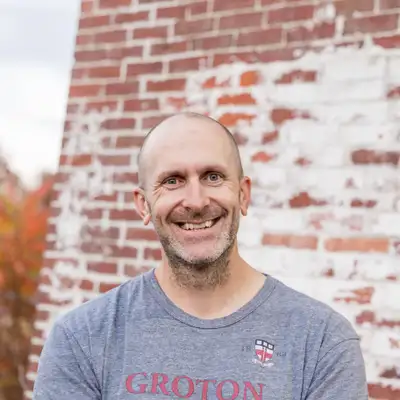
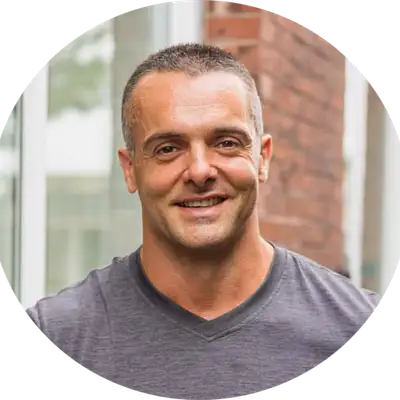
Most people don’t need more motivation. They need a different approach. Hosted by Gary Donia and Peter Brouillard, Different Life draws on years of experience helping people navigate pain, movement, recovery, and performance — but the conversation goes far beyond health alone.
We talk about:
• Strength training as a life skill
• Back pain, mobility, and injury recovery
• Pelvic floor health and durability
• Sleep, stress, hormones, and energy
• Performance and longevity over 40
• Discipline, habits, and identity shifts
• Parenting and modeling health
• Relationship-based healthcare
We discuss these not as isolated topics, but as part of a bigger question: What does it look like to live differently, not just try to live better?
If you feel stuck in patterns that no longer fit who you want to become, this show is for you. Because better often keeps you in the same cycles. Different changes your trajectory.
Gary Donia (00:01.002)
Welcome back to different life, Peter. What's up, buddy? Welcome back. Welcome back. So somebody said something to me earlier today and I wonder if other people think this is true. She said, you're being too nice to Peter on the podcast. was, I love that observation. Is that like, so clearly she listened to the old podcast. So people, well, or maybe she knows me in person. She knows you in person. So people who listen to this, who don't watch us in the clinic. Yeah.
In the clinic, you hate me. That's not true. Yeah. I dare you. You're a bit of a dick. I'm appalled. And then on this. think I'm pretty nice. This is the two hours of week that you actually give me your attention where you're not actively making fun of me all the time. So here's, well, so then there is, therein lies the dilemma. Do I just start being on the podcast? Do I just start being more of an a-hole?
Or your version of being funny or in the clinic is like, it's gotta start being nicer. You know what mean?
No. this needs to stay. You slurp into the. This needs to how it is. then, yeah, no, you don't, change anything. That's great. You just have different versions of yourself. She made me like, I was like, what, what are you talking about? have one. She you're like a whole different person on the podcast than you are like to towards Peter. Then you are like in real life. Do know why? Like, what do you think? How do you think you're different? I don't think I'm different. I disagree. Cause you're, cause you're analytical, thoughtful, conversational.
I do that all the time in the clinic. Yeah, but you don't you don't visually. This is ridiculous. how other people see it. I think that everybody else is mean to you in our clinic and that I actually stand up for you quite a bit. Okay, you are the culture center of those who are mean to me. Just so you're aware. I taught him how to do it. Yeah. And now I yell at them when they do it. Yeah, I'm aware. And then you're like, wait a minute, that was a little too far. Yeah, I keep an eye on it because it can't get out of hand. It can't. You know, then what are we doing? Plus that's like my thing.
Gary Donia (02:02.094)
They can't be stealing my stuff. Okay, so on a well, we'll work. We'll see. We'll see if I change anything or not. But I would appreciate it. appreciate if you did not. right. No problem. On one of our recent episodes, we talked about peptides. Whether or not it was a placebo or Yeah, what we were doing with it. Yeah, we're doing with it. It continues. don't know. We'll see. Yeah. So that got me thinking around because that's a little bit trendy right now. You know, we are trying. That's why we brought it up.
A lot of people are talking about it. So we thought, okay, let's talk about it and see what we can get from it. And then I was like, well, there's other things that I think are also trendy or at least that I see a lot when I'm on social media or just in conversation and people have questions about it. They talk about it. I know you're interested in some of these things. And I was like, that might be an interesting way to expand that conversation is to say, okay, well, what else is currently trendy in the media right now? And is there any legitimacy to any of those things?
Right? Is this things that people should try to do if they can, if they have access to it or if they're, have the financial means for it. you wasting your time or not? Yeah. Or are you simply just wasting your time or are you just better off like, you know, in the end, like exercise, eat well, sleep. I mean, yes. So, so my question, so I guess what I'd like to do is, is go through these and you know more about them than I do. I have some input on all of them, but.
You do some of them, some of them you don't do, I don't think, or maybe you do. And let's see what we can get out of it. So maybe what are some other tools in the toolkit that people get some benefit out of? Yeah, if they have, if, you know, they can access it, right? Or I mean, some of these things anybody can access. It doesn't cost anything, you know? So, you know, the first one obviously does, it would involve either owning one of these things or going to a place that does it, but cold plunges, right? So.
I see cold plunges over there in TV commercials now, just like commercial, they're not actually advertising cold plunges. They're just in a cold plunge. know, it's a part of commercials. Yeah, it's part of commercials. It's part of like being a healthy active adult according to commercials. Correct. The media. Yes. So, and I know that you've done, you know, this, your own version of this in the past. We've talked about it a little bit in the past as well. so is there any validity to this? Is this just something that like, cause, cause I'll be honest when I look at like people doing a cold plunge, I'm like,
Gary Donia (04:25.698)
That just seems stupid. Yeah. What are you doing? What are you doing? Like, are torturing yourself? There's gotta, there has to be a better way to get that desired outcome. So what is the desired outcome? What are people trying to achieve by doing a cold plunge? Is there a better way to do that? Or is this the only way to do that? And you know, so what is, what is behind it? It's one of those things that is in the health and wellness like sphere, right? So it's on commercials and then people look at it they see these like, you know, buff, like women and men.
doing the thing. should do that. do that. But I think a lot of people probably have no idea why they're even doing it. No, they're just doing it. Yeah. like, let's steal man. It can be fun with friends. It can improve your overall like resilience ability to do something hard because to be totally honest, getting in like 40 degree water is not fun. It's pretty brutal. It sucks. It's kind of painful, right? It's mentally difficult. All the reasons why I don't want to do it. The lazy guy.
So maybe a little bit of like mental resilience you get to build. It seems so there's also this other thing too where like maybe you build a little bit of like thermal effect of brown fat or maybe a little bit of extra metabolic effect of brown fat, which
Brown fat is something that you can build if you go, if you live in a cold climate or if you're exposed to cold on regular basis. Right, they like study this with like Eskimos or something, right? Like they have, they carry more brown fat like between their shoulder blades or some place like that. And it's a higher metabolic rate. more muscle and so on and so forth. And shivering or being cold is one of the ways that you can accumulate more brown fat. It's a body's adaptive response. Just like more muscle is an adaptive response to exercise, right? Yeah.
it's been you know, maybe there's some like immune function benefit. so there's, there's, there's some data will show there's an immune improvement, your overall immune system is improved. Maybe maybe there's a little bit of like, again, the resiliency of all of the things we're probably going to talk about today, is probably the least bang for your buck. It's like one of those like, you know, if you have the access to do it, do it, but it's certain it certainly should not I don't think
Gary Donia (06:33.442)
be a part of the protocol because it's integral to your long-term health. Does it provide some ancillary benefits? Yes. Is it going to change your life? Probably not. It's kind of one of those things that's like a stress exposure, right? But there's other ways to stress your There's many other ways in life. For the acute stress you're talking about. Yeah, like that idea. chronic versus acute stress. Chronic stress we hate. This acute, small dose exposure to stress can cause the body to respond in a positive way.
and improve. can achieve that without getting into cold water. Yeah. You know, some of the stuff, maybe not the ground fat thing, but some of the idea of exposing yourself to stress can be done in different ways. And then so that's, so I'd say that's the, that's the thing in the health and wellness realm. It's also used athletically. It's used like in strength and conditioning rooms. It's used with like college teams. It's used with a lot of kids because it's promoted to recover. Right? So have this health and wellness arc, have this recovery arc.
and the students and the people who use it oftentimes use it highly incorrectly. going to say, I think that you hit it wrong almost all of the time. really bad. And my understanding- It's actually like, has a negative component to like athletes when it's done wrong. Right. And I think I'll let you explain maybe why it's done wrong. My interpretation of this is like, they do something really hard, whether it's a workout or a competition, right? Specifically the workout. And then they get in the cold bath after. Is that-
the right way to do that or? yes and no. So there's nuance. what does cold plunge do to your muscles? it overall like systemically whole body wide, will take away the inflammatory response or reduce the inflammatory response, especially if you stay in there long enough. What are you trying to do with training? Like what is training? Like training whether it be like, so baseball for instance, like you're training your muscles to do a thing, right? You're training this adaptive response, your body will improve over time because you've done some damage to the tissue, strength and conditioning, same thing.
You literally want the body to have a low-lying inflammatory response to the localized tissue that was trained and if you choose right away like within like the next like four hours to go into a cold plunge like for instance like right after training which is pretty typical. You blunt that effect. You just simply like reduce the overall effect of training in the first place.
Gary Donia (08:47.79)
So I don't wanna say it negates it, but it severely diminishes it, right? It was similar to taking Advil or something right after a hard workout. You don't wanna do that. You don't wanna do that because, and I think this is a hard concept for people to understand because what they've been taught through, again, media, social media, inflammation equals bad.
information equals bad. Yeah, you just hear the word and you know it's bad. Yeah, like if I can reduce inflammation, that's good. That's a good thing. And so in this case, in these cases where you're purposely creating some level low level of inflammation, your body that's a normal part. want it to happen. You want that to happen. That's normal. It's healthy. It's how your body will get stronger or flex whatever it is, your bones get stronger, your ligaments get stronger. It's all like the whole process of inflammation is mostly a good thing. It's only when inflammation spirals out of
control. Last long time, last long time that becomes back or if it's systemic, like at organic or organ level or some other place. Right. so I think like, you know, to your point is that you don't want to do this like immediately after although I think after like maybe, I think the way I would differentiate or the way I've talked to my kids about it, maybe I'm telling them the wrong thing is like, so after a hard workout, where you're in the gym, you're lifting heavy weights, you're doing whatever you're trying to get stronger, you definitely don't want to do it, you know, with within that certain window, right?
But after a competition, like say you just played a football game and you really took a beating. That's probably the time to do it because that kind of inflammation that comes from playing the actual competition is inflammation that you might want to dampen Because it could be like injury that's accumulating too quickly. You want to dampen some of that. So look, I'd also say that there is more kind of nuance on the maybe you do it right after training. So for instance, like let's say your son
had a really hard training day, like on the ice, really hard, body was beat up. And then he has to perform at a very high level the next day, he has like a game that's important or something like that. Well, it is better that he feels his possible, like that he feels as best as possible prior to and leading up to that game. Versus like getting the- Getting the training effect, like you'd rather that one instance that he feels better so he can perform as opposed to getting the training effect. So that's the only difference that I would say when you would use it like that. Sure, so as an anti-inflammatory,
Gary Donia (10:57.422)
probably like a good thing, you know, like in terms of cold plunges themselves. It can help. It helps. That's why it helps with recovery, right? Because you feel better quicker, right? Because you stopped a low lying and inflammatory response, right? But you also stop the adaptive response. So it's like, which one are you looking for? But as a fad from a pure health perspective, yeah, maybe as a health trend, maybe from like a D to an A, yeah, see, it's a yeah, it's like, it's like, okay, it's, it's fine. If you could do it, fine. You're not hurting yourself. Don't change your life to do cold plunges. Okay.
All right, moving on. This one I love, because I kind of don't even know what it means. Okay. don't know what you're gonna say. I'm a healthcare professional. Yeah. And I do I generally know, but I couldn't tell you right off the top of my head, the ranges that this applies to. Okay. Zone two cardio. Yeah. What is that? What do think it means? So my understanding, and maybe this is totally wrong. if you're listening and you're one of my clients,
I promise I'm not a moron. do know how to help you get better, but I'm not a zone two cardio expert. My understanding is that you're in some version of like your max heart rate for like an extended period of time. So if your max heart rate is like some percentage of your max heart rate equals zone two, like zone one would be a lower heart rate. then zone two is like hanging out. Yeah. Zone two is a little bit faster. And then zone three, guess would be faster zone four. Maybe you're dead.
I don't know. No, it goes up to zone like six. my God. There's six zones. So many zones. That feels like overkill. Yeah. Like let's narrow this down to like three zones. It generally has to do with heart rate and which, which then also has to do with effort, right? Like the higher your effort, the higher your heart rate. Yeah. And then so those zones, there are these like kind of like areas that like you're training within. So do know what zone two is? So I don't know the exact numbers. However, I can give you some generalities. so it's
it has to do with more the quality of how it feels. it's like, so instead of tracking heart rate, right. It's like right now, no problem. Our heart is at rest basically. Right. Yeah. Zone two, you're able to sustain essentially indefinitely as long as you have a fuel supply, as long as you're like tissues are like good enough, right. Like they have enough resilience. We're not going to get hurt. You can stay at zone two, like on a bike for instance, just pedal like a comfortable, cause when I do that, you tell me I'm not going fast enough. Yeah. Cause you want it.
Gary Donia (13:16.066)
That's ridiculous. But the zone two lunatics are telling me that that's perfect. should just stay there. Yeah. So the reason why people love zone two is because especially endurance athletes, think of it as like, think of your zone two as the base of the pyramid. If your cardio is a pyramid, the base should be zone two in the sense that like you should have a huge capacity for endurance. You should be able
That's also where my carbohydrates are, my food. Zone two in carbs. I actually love the base of all these pyramids. I don't have to work that hard and I get to eat carbs. So paradoxically, the lower on the pyramid of your cardio that you are, the more fat you're burning. The higher you are, the more carbs. So it should be inverse. yes. Interesting. So I looked it up just so we could give some actual thing. It said your heart rate sits around 60 to
to 70 % of max heart rate. And I think most people. That doesn't mean a lot to most people though. Like nobody knows what that means, like what their max heart rate is. So I think the quality is better understood. Like if you're going for a walk with your friend, it's probably not zone two if you have some fitness. Zone two would be like a very brisk walk or a very mild jog. Yeah, conversational With your friend, you can still talk and you don't feel breathless, right? But every once in a while, maybe you got to do one of those. Right. But it's not bad.
They said like a simple formula basically is 180 minus your age would get you into zone two. Yeah, no, those are okay. Yeah, sure. And then because normally max heart rate is 220 minus your age. You know, I don't like those. Those are kind of like BMI. They don't really just purely based on age. And I like it more like because for instance, right, you can have an extremely unfit person that could barely do anything like but their heart rate skyrockets, right? Their heart rate's like 150 going for a walk because they're so unfit. Yeah.
I mean, that's technically like zone three or zone four. And it's like, okay, like what are we talking about? know, like, so just it's whatever the activity is that you are in that allows you to still have a conversation that you can do for a very long period of time. The idea is that you build up a very good base of cardiovascular efficiency over time. Is your bike riding that you do on the weekend, mostly zone two? It's probably zone two. It probably rides the light of zone two or three. Yeah. I knew you wouldn't be able to admit that you were just sitting in zone two.
Gary Donia (15:36.078)
Because that's too Gary, you know that I work. Because that's too lazy. You know I can't just sit in zone two. I have to at least be in zone three. Amy, this is what you're used to, This is the Gary? That wasn't the person who said it. It was your person that said it. Yeah. yeah. I forgot already.
But yeah, so yeah, you wouldn't be comfortable in zone two because you wouldn't have felt like Because I feel like I'm not working You didn't work hard enough, yeah. I gotta be at least somewhat breathless. My legs have to be burning a little bit. Yeah, I'm the opposite of that. I think I'm in zone two cardio right now. Yeah, that's not true. Just from talking. Just from talking. Oh my God. Okay, so is there actual, so there is validity to more fat loss, it's burning more fat. How long do you have to do Yeah, that's some bullshit.
It burns more fat because you can do it for longer. Technically, it's burning fat while you're doing it more than like if you're sprinting. It doesn't really matter. In the end, how many calories are you burning? Why do you think it became such a thing? Is it because it's just less hard to do? people associate. mean, easier on your joints or like all this stuff. know what I mean? Nobody. Nobody will say it. That's true. But psychologically, zone two is far easier. It's just, mean, come on. Who does conditioning? Conditioning is hard as shit. It feels like death. It's horrible. Right. It's awful.
That's why very little people do it. Yeah. Big fan. Big don't you guy. I might get a t-shirt. So here's my opinion. Okay. Regardless of what the data says, my opinion is that from a fitness perspective, if you want the best bang for your buck and you can like deal with it, like resiliency, you can just get on there and suffer. Like the really high level, like pushing hard as shit for like four minutes or five minutes on a bike or whatever cardio of your choice, where you are totally like totally breathless. You have to stop by the end.
maybe if you do like two of those, you you get through probably 12, like 15 minutes of that. Boy, you can be done, right? Like that is you are toast by the end and you got a real high stimulus of like cardiovascular, know, cardiovascular stimulus. Then like the equivalent of like 45 minutes on an elliptical. Yeah, like I said, it's a much more efficient way. So much more efficient. do like fitness versus having... I am lazy. I like efficiency. Yeah, sure. I'll suffer for efficiency. is it. Once again.
Gary Donia (17:46.51)
I've proven it over and over again. It's, you know what it is? It's, it's, it's time laziness. I don't like, I do not like to take that. That's for stuff to take a long period of time. So it's like, what is the easiest way to do the thing and get the most benefits? That's what lazy, that's like what lazy people do. You look for like most efficient way to do the thing. It's not that you, yeah. Anyway, that's a whole, we go back and listen to that episode. Yeah, you're a lazy person, but that's okay. That's why you're successful. Yeah. Me too. Yeah. I think that I think for some people too,
the idea of having to get on a treadmill for an hour or a bike for an hour to be in zone two is daunting in the sense that like, don't have time for And so then they just don't do it. Whereas what you're saying is you can accomplish a similar outcome and maybe even better by just doing this over the course of maybe 10 minutes and you push really hard. And there's ways to do that. We do a lot of Tabata training with our clients where they work real hard for 45 seconds. They take 15 seconds off and they do that over the course of about 10 to 12 minutes.
And that's a really good way to do it. Sometimes you have people, we have people like hop on an air bike and do like some kind of interval, like different sprints. You can do the same thing on a treadmill. You can do some sprint intervals. You know, what, if you're able to obviously safely do that. So yeah, there's a way, there's more efficient way to achieve a similar outcome. And that the idea, I think, I think the reason it became a trend.
is because people are telling you that you're burning more fat. It's been like that forever. It's just like the low fat praise of the nineties. It's like this idea that still lingers. People view fat as the problem. you know what I mean? If you're heavy, if you're on the heavy, like, like I weigh a little too much right now. Fat, so to speak, is not my problem. My problem is I'm doing all like the other things, you know, wrong. Yes.
You know what mean? it's your extra fat is a symptom of your behavior. Yes. If I got on to just do a whole bunch of zone two cardio, I'm not all of us that are gonna like lose weight. Now I'm not disparaging zone two. But when people hear that, think they think that's the key. That's the exit. It's not. Like that's the alpha amputee. It's definitely not. Zone two is a tool that a lot of like endurance athletes use and they absolutely should. We're talking about this from the perspective of like general health and wellness. Yeah. Zone two is not all of the thing. Right. For sure. For sure. Okay. So do something else.
Gary Donia (19:56.994)
In summary, it's okay. You could do it, but there's probably a more efficient way to get it done. Okay, let's move on to wearables. This is everywhere, right? So you have the Aura ring, right? We have the Apple watch. We have the whoop strap. Yeah, so have rings, wristbands, watches. You also have like chestbands where they can track your heart rate and metrics and things like that. You wanna know my general take on it? What do you got? It's just, he's just... Well, one.
The only reason all this stuff exists is because these companies want to get into healthcare because there's trillions and trillions of dollars into healthcare. These things are just entry, they're like a gateway drug. They're getting us to wear it so that they can get all the data. And then once they have the data, they can figure out how to use that data to sell it, to monetize it long-term. It will be connected to your doctor's office. And I think there can be some good from this down the road. But in the end, that's what they're really trying to do. They're using us as guinea pigs to figure out how they can get all this healthcare data that they can then
repackage and sell to all these companies, right? That's one. Two, it's just too much freaking information. And you're relying on this thing to tell you, I recovered this much and I like did this much and I slept this much. And it's like, I think for most people, it just becomes like, they're so hyper-focused on that, that it actually makes it worse. That they end up sleeping worse because as they wake up in the middle of the night, they're like, my God, my like whoop is not gonna show that I recovered fully tomorrow. You know, and then they start to stress over it.
It's like how much you have to look at your heart rate. Why do you have to look at your HRV every day? Do you really need to know that? You get anxiety around your own like whether you're doing good or bad. Yeah, it feels like it's just too much information for most people. Have you ever won one? I think maybe for a high level athlete, like someone like LeBron James maybe or whoever, right? Where they really want this data to optimize like training. Maybe, maybe. I don't know. I don't know about it. Yeah. I mean, I have an Apple Watch.
I barely ever look at that data. gonna say, does it do it automatically too? Yeah, think it's happening right now. I'm sure Tim Cook is probably looking at my heart rate variability as we speak. Got that fucking blizzard. Yeah, this guy. Okay, so you never look at that. You don't understand. So no, in general I'm not interested because it's like, I don't want to hyper-focus on that type of thing. think it's, for me, I think it would have a counter effect. I think it could create more like,
Gary Donia (22:18.286)
I don't know, anxiety if you're not really an anxious person. like I think, and I think for a lot of people it can be that. It's so much, know, it's just so much. Do we all need that kind of information? Yep. Yep. Okay. What are your thoughts? So my take is I generally agree with you. I don't really have an opinion on the healthcare thing. I think that you're probably right along that end. It's not really a conspiracy. It's just, if there's money to be made, let's get after it, right? I think there could be some benefit long-term in the sense that like, like we can eventually wear a device.
where instead of needing to go to the doctor's office to get your blood pressure, it's just always measuring. I love that. Where they get data all of the time so that they're not just in the moment taking the one measurement. that seems good. I think that's good and it's really valuable. I'm not saying what they're doing is a bad thing. I'm just saying that's the purpose of this. In the long run, that's the purpose. And it's become this other thing that's, again, in the health and wellness sphere.
So I couldn't agree more. I have had a personal experience with it. I had an ORHA ring for one month exactly. And I took it off because I found exactly that was happening. I can't help myself. I'm a big optimizer. So as soon as I have information to tell me a thing, well, I'm going to try and change it. Well, what I noticed is I had a lot of anxiety and hyper focusing around the metrics and then tinkering with how I could improve them. But boy, my
general experience like in life was way worse because of the thing. I, you know, I've worked out forever. I have such an intuition of how my body feels when I should stop, when I should like, you know, continue to go. And this was kind of like, the ring was actually like, because it'll tell you the things like, you should have a rest day or your intensity today should be this or it should be that upon how you're arrested. And I've never done it that way. And it was like telling me that something that was counterintuitive to like what my intuition was. Yeah.
like I would, well, I feel fine today, but my ring's telling me a thing. And so I back off and I was like, eventually I just, I was like, I cannot do this anymore. This is awful. This is way worse experience in life. Now, then I will also say that if you're the type of person where it can genuinely help you analyze the data and then change your behavior, then I think that that's a really positive thing. Like, so for instance, if you're a bad sleeper, you didn't know that you put on a ring.
Gary Donia (24:25.974)
It tells you I don't think you would know that just by being tired all the have no idea. Some people are not intuitive with their health, dude, right? But let's say they put on the ring, they get bad sleep, and they start to notice, well, here are the reasons why. It gives you insights as to things you can do. Maybe if you change, you genuinely change some of these behavioral patterns. Maybe you start to move more. Maybe you start to sleep better. Well, then that's clearly a positive thing. I didn't have that personal experience. And I think probably less people get positive effect out of it than get a negative effect, if I were to guess.
I was just trying to look up my health data on my phone to see. Apparently I shut it off a long time ago. Yeah, I was hoping it would still just be there, but it was making me have to go through the whole thing to log into it. So clearly I had enough at some point and I was like, please go away. Because I do remember looking at it for a while. was looking at things like HR, which I...
Again, I don't fully even understand HRV is probably another one we could put on this, right? Everyone's like hyper-focused on HRV. because of the wearables. Yes. the wearables are now telling you about the HRV. If you don't have the perfect HRV, it's like, my God, like what are we going to do? Like, know, what do have to do to get my perfect HRV? It's like, down. Just train real hard and your HRV will get better. Just do mostly the right things and you don't need the wearable to tell you that. Correct. You know, so they look cool. You want to wear it because it looks nice. But I think from a pure...
And on the other side of this, or another point to this, is that we know that they're not extraordinarily reliable either. In terms of, think, measuring your heart rate, they can be reliable, but doing some of the things like it's measuring your calories that you burn on an exercise or some of these other things, they're not super great for that. It's estimating most of this. It's getting better at things like blood pressure, and I think some of them can even do some blood sugar stuff now, and it's getting better at that, but again, it's not.
It's not the same as like a blood draw and so I think people can over rely on the data to as as gospel and it's it's not quite there yet from a technology perspective and getting closer wearables for the right person I think can be very valuable and I think for most people probably a net negative experience. Yeah, okay moving on Hormonal optimization, right? So we'll call it testosterone or estrogen will stick to the okay to those two, right? that's like the big ones, right? So so for men there's I mean
Gary Donia (26:39.276)
I listen to sports radio all day long. Do you really? But like, you know, in the car, you know, like when I'm not, guess all day long was, but when I'm well lately, none of it because it was bothering me. So I'm now I'm listening to, I also got audible and I'm listening to mastery right now, which is by the way, very good. prior to that, lots of sports radio, all that's ever on for commercials.
is like, do you have low T? Just targeting men. I'm like, well, I think I do. Do you have these symptoms? I think I do. I think have all of those. Thank you very much. So that's probably why I stopped listening. I was like, they're talking to me. Uh, but I know for women too, they're being bombarded on the other side about, you know, uh, you know, menopause and estrogen and all of the other stuff. And, uh, you know, you know, way more about this in general, but is this generally like a good trend? I actually believe this to be probably a good trend. Um, because
As you've explained to me, and I probably believe it because you've committed to me over the years, my understanding for this in general is that most doctors historically were just undereducated as to this. And they still are. And they still are. therefore, patients, us, we're not getting, this wasn't even something people were looking at when we would show up with certain symptoms, right? So it wasn't even on the table. If I have pain everywhere, they just default to giving me like pain medicine.
rather than being like, well, maybe you're- What's the underlying cause of Yeah, what's the underlying cause? And so I feel like this is probably a good trend because it was probably an area that's just misunderstood and not researched enough. And now that it's becoming that, it's becoming more readily available and also less stigmatized. But what are your thoughts on this? I mean, look, all of the cells in our body have receptors for our hormones, right? So-
What does that mean? you don't think I've ever started the sentence that way, listen, listen, listen to me. All of our, know, you know, Gary, all of ourselves have receptors. Oh, oh yes, Peter. Clearly, obviously I think about that every day. Right. And so not actually, I mean, I'm aware of that. The last time I've ever thought about that was never. Do you know that?
Gary Donia (28:54.252)
Okay, here's why. You ready? Yeah, the big reveal. Yeah. Because when a hormone attaches to that receptor, it has an effect on the cell. And then the cell expresses its trait and it you know, and then that has an effect on the body. And so if you have more or less of that hormone in your body, then you're to have more or less expression of what your body can do. So let's use that as an example. Like we'll say testosterone, for instance, right? Yeah. Like a man can't be fertile without testosterone. You just can't do it. Right. So if you have none,
then you can't have kids. And then the other is also true if you have a normal rate, you can be very fertile. There are plenty of reasons why that may not be true, but testosterone has an effect on that. The same with hair. So if you have more testosterone and you have male pattern baldness in your genes, then that will actually make
that male pattern baldness accelerate earlier in your life. And if you have less of it. I must have a ton of testosterone. When you were younger. I am full of it. Maybe not now, right? But I guess so guess the point is, is look, as we get older, for most of us, not all of us, our hormones will start to decline much like everything else in our bodies, right? And so if your hormones start to decline in the health and wellness sphere, we're like, well, why if it's safe, right? And the reason why there was a huge stigma in the past is associated
with certain types of cancers, Those studies have largely been shown to not be the case, right? And so if you can normalize your hormones to have them at a normal level, not a like very high level, not abuse them, then the processes that those hormones act on in your body will just stay level for much longer. And then so, you know, look, our bodies run a certain way on purpose, you feel better when your body works better. You feel more like yourself. There's a reason why like women say when they lose their estrogen,
They're becoming somebody else. They're like a different person now because you literally are like hormones affect your personality and your body. They have an effect on your mind and your body, right? So I don't think people realize the, how much hormones actually so unbelievably, unbelievably important. Your personality, your personality for sure. Right. It's not just like muscles.
Gary Donia (31:06.894)
or for testosterone. Yeah. Or like on the commercials, it's basically all about erections. Yeah, for Like it's literally like all of the time. That's what people are interested in. More testosterone equals like better sexual health. Yeah, that's all they do. But it's so multifactorial. And that's part of it. Yeah, for sure. Yeah, it's not the only thing. And it has wide ranging implications. think for both men and women, estrogen and testosterone, like pain, like diffuse like pain throughout your body can be tied to, in some cases, back to hormonal stuff.
So if you so estrogen is like lubrication for the joints, if you have less of it, your joints can feel more brittle and dry, which is why women who start to go through through menopause can start to feel more wide ranging like pain in their joints, because their joints just aren't working as well as it used to. Like that's an example, right? You have less estrogen, doesn't work, your joints don't work as well. If you have more, all of a sudden like, oh, I have less pain, I start to feel better. Right. And so so wide ranging implications. In general, the way that I think about medicine is if
the benefits outweigh the side effects, it's a personal choice, do you think that for you that these benefits would have a net positive impact on your life? Well then we should have the opportunity to make that choice. Right. I think one thing to consider too, and I think maybe with all the clinics that have popped up, at least for men, I'll speak more to that because I'm a little bit more familiar with that.
I think for some people they're skipping a step. Like, they're going so, so for instance, we've had this conversation before. First, you have to do all of the things right. Yeah. Like you need to extra, all the things we talk about on almost every episode, you need to be, you know, moving your body, like exercising, strength training. You need to be sleeping well, you need to be eating well, you need to be hydrating well. If you're doing all of those things and your testosterone is still a problem, well, then you're probably a candidate for that.
If you're doing all of that wrong, if you're drinking too much, like alcohol, if you're sleeping really poorly, that can artificially tank your testosterone. alcohol will destroy your testosterone. So you could go get tested and it comes back as low T and you just start taking testosterone, but you're still doing all of the wrong things. You're probably not going to have the greatest of outcomes. That's bad. You don't want to do that. Yeah. So I couldn't agree more. There's so many lifestyle choices that we have control over that if we could get under control.
Gary Donia (33:29.986)
we can make sure that like, okay, we're doing these things right and my body still isn't doing what I would like as I get older. Okay, well then what are these other opportunities like and have to make myself feel a little bit better? Both mentally and physically. So in general, the ones we've mentioned, I feel like this one. I think this is a very high level one for people that start to get into the 30s, like 40s and 50s that can help your quality of life over a few extra decades beyond maybe like what it would start to feel better.
All right. And we're go to our last one, which is this idea of like functional fitness or functional training. I think to us, this has been around forever because this is kind of like what physical therapists do. Right. But I have noticed like an uptick of this sort of branding, if you will, on social media and other places, right. around this like trend of functional training, performance training, like, you know, whatever you want to call it. It feels in many cases that it's a lot like strength training. How is it different? And is this.
Is this something that most people should do? When you see it advertised, is the banner? What do they show people doing? That's what I'm saying. doesn't really look a lot. I think the ones that I see, especially on social media, it's just rebranded. it because people are looking for functional fitness? I think it's this idea of an aging population. Some people are getting older. You don't want to lose the ability to get up off the floor or go up and down stairs. All that stuff. Being able to make like...
handle your body in space, right? So they're, I think they're branding it as like something other than like moving your body and getting stronger and calling, giving it like this, this title and this name. And somehow it's also going to make you live longer. It's a longevity kind of thing. And so instead of just saying like strength training, mobility training, whatever, I think it's just like under this umbrella of like functional training. I mean, is that your understanding of generally like what it is? So functional training to me is using your body in space, like, like not
not utilizing machines or not utilizing things that limit your stability. So if I were to go do a leg press, like a leg press for those who don't know, is you lay down kind of in this contraption, you put your feet on a platform, you put some weights on the side, and then you push the platform back and forth. Yeah, it's easy. It makes me look super strong. Totally. Because I could put a lot of weight You can do a fraudulent amount of weight on it, right? Yeah.
Gary Donia (35:51.534)
but I'm like a gym bro at that point. That's right. What's up fellas. It's like the bodybuilding shit, right? So this is so a plan of fitness and gyms like that are the opposite of functional training because it's all machines. that, so just using that as an example, like when do we ever do that in real life? Like press? yeah, do we ever? Never. It's like we never do that unless like something falls like in a movie or something, there's a tree and it falls and it lands on you and you have to push it off.
Machines are great at building muscle mass and getting you strong, but they do not translate at all to like strength in real life. Because you're never in a machine that stabilizes it for you when you just get to be strong. So give an example then of something that would be like a functional. Yeah, well, so then you're thinking like, well, what are the muscles that are used in leg press? Well, it's like mostly your legs is your glutes, hamstrings and quads. And when you do like a squat, for instance, is a pretty like
considered like equal version to a leg press in terms of the muscles that are being used. A squat is the same thing except you have to now stabilize your body under that load. then beyond like, you know, compound lifts like squats, deadlifts, bench press, things like that, and even more like functional movements would be single leg movements, right? It's less stable, you have to balance all of your stabilizer muscles are involved with like keeping you up and balancing and so on and so forth.
you're much less strong and you're not going to build as much muscle with functional training, but it makes you more capable in real life because now you have better balance and strength like when you need to react. So it's just a different style. So the more stable you are and the more strength that you can throw through an exercise, technically the more muscle and the stronger you can get in that particular movement. And then the more unstable, the more functional you can make a movement.
the more transferable to real life it becomes. So that's a lot of what we do in here. For instance, I've seen some pretty bulky, muscular, strong dudes who have trouble getting up off the floor. Yeah, totally, and they're tight as shit. Yeah, because they're so tight and they lack the mobility to move and to get themselves into a position where they can go. And stability, just because they're strong. But if I put them on the leg press, they could do like a thousand pounds. but it's not transferable. But it's not transferable.
Gary Donia (38:00.792)
So you like to think of like a squat, obviously, is like getting up and down from a chair, like a lunge would be similar to getting up and down from like the ground, like when you're doing that stuff. And so those are like examples of functional movement, functional training, where you can obviously still add load to those things to continue to gain strength, gain muscle, but allow you to, you know, allow your joints to move full through full ranges of motion and build strength through the whole range of motion, just through small things. Like for instance, just doing a bicep curl.
would not be functional training per se. I mean, it trains the muscle of your biceps, but in real life, besides bringing a coffee mug maybe to You don't really do that. And besides, it doesn't require a lot of strength. It's not to say you can't do a biceps curl. It's just that that's not the most functional. In my opinion, functional training mostly has to do with legs and core because that's how we move our body around in the world.
in the, you know, like shoulder health, like, know, your shoulder mobility and things like that. So it's like it's stability mobility, like things like, you know, a Jefferson curl, which is where you just basically like curl your spine as you like, like almost like a toe touch, like not trying to keep a perfectly straight back like that to me is functional training because that's how most people move. You know, before you go to pick up a sock, you don't sit there and be like, okay, I'm gonna like hinge at my hips and all this.
crap that how you naturally in real life often tell people what to do like that's how you're supposed to move like no you're not like that's not how we're designed to move there's a reason the spine curves the way it does like we can move like that if we train it the right way so those are all examples of like good functional training this one too I believe this is I like I like the fact that people are getting more into this kind of training and a little bit away from like just like lift heavy things and try to muscular yeah even you someone someone who's like very strong and has a lot of you carry a lot of muscle you work hard on that
you still train very functionally. have really good mobility. I train with no machines. Right, no machines and you can do all the, like you can move through big ranges of motion. Your body's not limited by the muscle mass that you carry. a lot of guys are. you can have a lot of muscle and be very mobile. You just have to be able to train it. Machines don't do that for you. So I do, I like this one. So in review, I think there was five, if I remember. So cold plan, yeah. Yeah, it's okay. Maybe. Yeah, it has some benefit, but nothing crazy. Yeah.
Gary Donia (40:19.32)
We did wearables. Probably the same kind of thing. Probably worse than good. Functional training we just covered. Probably the best one out of all In terms of keeping your body fit and healthy. Hormone replacement. It's a good tool for people who are low and who are feeling bad. A lot of primary care don't really understand this, but make sure that you also are finding somebody that's reputable. Don't just go after online clinics if you don't know who they are for sure. And then zone two cardio.
Yeah, zone two cardio, which forgot which I had to lean out of camera to to go look at this. Yeah, I was like, what is the last one? Zone two cardio is fine. It has a function. It's just time inefficient. If you really love zone two cardio, please keep doing it. It's just not the BL end all especially when it comes to weight loss. All right. Very good. Cool. Thank you, Peter. All right, buddy.