Subscribe
Share
Share
Embed

Some Goodness is hosted by Richard Ellis, a seasoned sales leader passionate about inviting top business minds to share their wisdom. Each episode is only 15-20 minutes, perfect for your commute or workout.
[00:00:00] Richard Ellis: Most leaders treat relationships as a soft skill, but a 2026 Forbes Human Resources Council article calls relational capital a vital strategic resource, noting that leaders who deliberately cultivate broad trust-based networks see better cross-functional collaboration, faster decision cycles, and more resilient teams.
[00:00:22] Richard Ellis: Today, we get into why relationship capital is a real asset, why most B2B leaders under-invest in it, and what it takes to build a network that compounds the way money does. Welcome to Some Goodness, where we engage seasoned business leaders and experts to share practical guidance and tips to help new and future leaders maximize their impact.
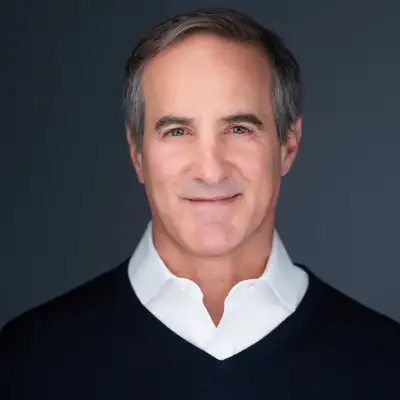
[00:00:42] Richard Ellis: My guest today is Eddie Arriola. Eddie founded Apollo Bank in Miami in 2009, served as its chairman and CEO until its acquisition by Seacoast Bank in 2022, and now sits on Seacoast's board of directors. He's also a CEO and board advisor to companies [00:01:00] across the US, a former presidential appointee to the Inter-American Foundation, and the author of It's All About Relationships: Mastering the Art of Relational Leadership.
[00:01:11] Richard Ellis: Well, Eddie, welcome.
[00:01:12] Eddy Arriola: Awesome, Richard. Thank you.
[00:01:14] Richard Ellis: I'm looking forward to diving in with you. Uh, you recently published a book on relationships.
[00:01:19] Eddy Arriola: Yeah.
[00:01:19] Richard Ellis: I think, uh, you know, that's one area that we could all benefit from, and so excited to get some insights from you today.
[00:01:26] Eddy Arriola: Yeah. Well, I did write a book about relationships, but I wanna stress this isn't like marriage counsel or that sort of...
[00:01:32] Eddy Arriola: This is relationships in the professional environment- Yes ... and, you know, how you grow your business and, and lead through relationships, so. Although- But, but some of the things do translate it into personal stuff, but, but I- Yeah ... this is, uh, this is not a, a marriage advice, uh, podcast today.
[00:01:46] Richard Ellis: Right. Right. But I was gonna say that I was looking at some of your framework, and I'm like, "Hey, I could apply that with my wife."
[00:01:51] Richard Ellis: Yeah. Uh Yeah.
[00:01:52] Eddy Arriola: Yeah. It's all people.
[00:01:53] Richard Ellis: Let's, let, let's kinda start at the high level. Um, you know, when we were talking earlier, you said that when you look back at your [00:02:00] career, the really good things that happened, happened through other people a- and some of the misses happened when the relationship wasn't quite there.
[00:02:08] Richard Ellis: You know, w-when, when was it that it kinda dawned on you that, you know, relationships are, are just so key in business a-and maybe, you know, as your, your book states, it's an asset that, uh, many leaders underuse?
[00:02:20] Eddy Arriola: Yeah. Well, the f- you know, the title of the book is, "It's All About Relationships," and that's resonated with people because so many of us have used that a zillion times.
[00:02:28] Eddy Arriola: We've heard that expression over and over and over. And so, you know, I, I always had that idea, but, uh, I'd started a business, Apollo Bank, had an exit in October of 2022, and, and although I, I stayed on as sort of, uh, an executive, I, I really had a lot more time. I didn't have that much responsibility. And I just had a, you know, point of reflection of like, "How did I get here?
[00:02:49] Eddy Arriola: What do I wanna do next? And what are-- Well, what are my, some of my personal assets?" And, um, I, I was pretty honest with myself, or I got to a point where I was pretty honest, where it was, hey, I, I, [00:03:00] I had these points of success not because I had the smartest idea or not because I had this black box in the, in the, you know, in my garage that I pull out and, and release some magic.
[00:03:10] Eddy Arriola: Um, I really got things done through people. And, and when I started to reflect even on the things that didn't go right in my life and, and especially, you know, professionally, but, but, but personally as well Uh, it was because I didn't have the r- right relationships. I didn't have someone to help me, someone to fall back on, and it just kept coming up over and over and over.
[00:03:30] Eddy Arriola: And as I started to have, uh, more time, and I'm on the board of, you know, s- several companies, some publicly traded, some privately traded, and I do CEO board advisory, those are the issues that kept coming up. It wasn't strategy, it wasn't finance, it was people and relationships and successes and failures, uh, revolve...
[00:03:48] Eddy Arriola: And, and frustrations revolved around relationships with other people. So that was kinda like the, the dawning moment, and I wanted just to take a deep dive in- into the topic.
[00:03:57] Richard Ellis: And once you became aware of that, [00:04:00] did you find yourself being a little bit more intentional in terms of looking for those, uh, right relationships, developing those right relationships?
[00:04:07] Eddy Arriola: Yeah. I mean, so I've always had a framework in... Uh, looking back, I've always had a framework, and I realize it kind of was my superpower- Okay ... uh, without it, without it being really conscious. And I'm like, oh, wait a... You know, I, I'm talking to Richard, and Richard's having this, you know, this, this roadblock.
[00:04:22] Eddy Arriola: Why isn't he doing this thing and that thing? Okay. And then I tell you, and you're like, "Oh, I didn't, I didn't know to do that," or, "I've never done that. I've never had success doing that." And I realize, ah, somewhere over the course of time, I've just had success using these tools that I either learned or that I've developed, and I wanted to find a way to, to teach these tools and sort of articulate them.
[00:04:41] Eddy Arriola: Um, but it, but it was... I'd, I'd look back and be like, ah, th- you know, this little tactic or this strategy was super helpful in, in helping me achieve what I wanted to achieve.
[00:04:50] Richard Ellis: Right. We'll, we'll often talk about the unconscious competence.
[00:04:54] Eddy Arriola: Yeah. That's
[00:04:54] Richard Ellis: a great term. Right? Uh, you know, you just kinda knew almost intuitively, you know, how to do things [00:05:00] a- and you framed these things in a certain way and, and of course, you know, now it's manifested this, this great framework, which I do wanna get in and touch on here in a minute.
[00:05:08] Richard Ellis: But let's start a little bit before that in terms of the difference between relationships versus, like, just being charming versus networking, because I think a lot of that gets confused, especially in a sales context. You know, "Hey- That's right ... you gotta be a relationship guy. You gotta- Yeah ... you know, build trust and build relationship."
[00:05:27] Richard Ellis: But- Yeah ... I think you draw some unique lines between, you know, being charming versus developing relationships.
[00:05:33] Eddy Arriola: Yeah. I- right. As salespeople and s- and sales organizations, we, we get kind of lazy by saying, "Oh, that's a relationship guy." A- actually, now that I say that out loud, it's usually the people that really don't understand sales and marketing that say like, "Oh, that's the relationship guy."
[00:05:46] Eddy Arriola: Okay. And they're saying because it's, you know, he's charming or he's good with people. People that are g- that are really good at relationships just so happen are really good with people. Mm. But doesn't necessarily mean that they're good with all people. And when you think about, oh, the sales guy, like, oh, that's the guy that [00:06:00] walks into a restaurant and says hi to everybody or he's, he's really charming, that doesn't necessarily mean that's the most successful business development or salesperson.
[00:06:07] Eddy Arriola: It's usually the one that has a deep understanding of, of the customer, the people they're interacting with, and can go sort of a- across lines of, either across departments. They'll go into a, a presentation and understand how to talk to an IT person, as well as a sourcing person, as well as sort of the, the end user.
[00:06:24] Eddy Arriola: Yeah. And they're able to really connect and understand where that person's coming from. What's the important issue with that individual? I- is it price? Is it for the long-term relationship and, and sort of taking a, a, a long-term view? Is it that they're worried about, "Hey, I just don't wanna get fired and, and, and I have fear"?
[00:06:39] Eddy Arriola: So I, I really found is the individuals that are really good at relationships just understand oth- o- other people, and they go out of their way to be like, "I'm, I'm just gonna take a minute, and I'm gonna try to figure out what's going on with this other human being, and then I'm gonna- Right ... speak to that," as opposed to being like, "Hey, great shirt.
[00:06:53] Eddy Arriola: Nice hat," you know? And, and, and we mistake that, and that's where we get lost.
[00:06:56] Richard Ellis: Do you also find that it's also the ability [00:07:00] to kind of tailor your approach to meet the other person where they are? I mean, everybody's kinda, you know, some are more process-oriented, some are more blue sky visionary thinking, and just kinda really recognizing, you know, where they're coming from and, and meeting, meeting them where they are in, in terms of that, that relationship.
[00:07:17] Eddy Arriola: Oh, oh, you, you nailed it. I believe it's the people that, again, and I, and I use an expression sort of the take a beat, just take a minute and be like, "What's going on with this person?" You know, you go to the- Yeah ... American Airlines counter and you want that upgrade, charming usually doesn't work. But it's like, all right, everybody's yelling at this woman.
[00:07:33] Eddy Arriola: Can I just sort of be like, "Hey, I know everybody's yelling at you. I'm just coming to you with another request. But do you mind just looking at the l- I just wanna see where I am-" Right ... bec- you know? And just- Sure ... try to put yourself in, in, in that person's shoes. And, and other times it is, you know, you walk up, "Hey, great shirt," you know, "Go Dodgers."
[00:07:49] Eddy Arriola: And, and the guy's like, "Hey, yeah, come on in," you know. "You can skip the line." And it's really sort of a- assessing, you know, the situation and realizing we're all human, but we're all different. There's different types of humans, and, and we're going through different things in our [00:08:00] life. And again, you know, being able to, to understand what's going on with that person at that particular time and what their pressures or incentives are.
[00:08:07] Richard Ellis: Got it. I think that's a good lead into your framework 'cause you've kinda built out, I think it's five, five steps in the framework. Yeah. Good. Let's, let's start at the high level of what that framework is and those- Yeah ... those five, and maybe we can touch on a couple components.
[00:08:19] Eddy Arriola: Well, a- as we were talking about, as I had this moment of reflection of where have I had success and realizing, oh, wait, not everyone has it.
[00:08:27] Eddy Arriola: And there's, again, this misperception of, oh, he's good with people, it's because he's charming or, or funny. And that, that's, that's not what it is. And I started like, how do I articulate, how do I teach this to someone else? And so I started to really think about all the different sort of tools I've used and what's really important.
[00:08:46] Eddy Arriola: And so I sort of coined this term, it's called CARPE, C-A-R-P-E. Each of those letters stands for something, which I'll touch on briefly. But the idea, as you know, carpe diem, you know, seize the day, and I'm like, "Seize the relationship." Like [00:09:00] this is, this is what, uh, business growth is about, uh, business sales, business development.
[00:09:05] Eddy Arriola: It's you have to seize the relationship. Very few companies that I've come across, and I even struggle, it's because they have, like, the best product. There's... It, it... Things are so competitive. It's like everybody has a really, really, really, really g- all your competitors have really, really, really good products, and maybe there's a subtle difference in your product.
[00:09:21] Eddy Arriola: But it's gotta be a bunch of these other little value add. Uh, it's because you have a great, you know, back office that delivers. So but, but it's really about a relationship that you build around. So I wanted to have a framework that I can teach this to people in sort of steps, and also realizing you're not always at the...
[00:09:38] Eddy Arriola: There's, you know, sometimes you're, you're at day one of a relationship Other times you're at year five and there's a change, and you have to have sort of this cycle to realize, you know, where you are and where to spend your time and effort and, and energy.
[00:09:50] Richard Ellis: That's great. I, I, you know, i- if you know me, you know I love process, right?
[00:09:54] Richard Ellis: Yeah. And I love checklists, and I love frameworks, you know, just because I think it provides just kinda [00:10:00] tactical guidance on how to implement a new idea, learn a new skill, right?
[00:10:04] Eddy Arriola: Yeah. You actually nailed it, 'cause I was working with one CEO who's a, a tech CEO, PhD, brilliant technology guy, not very good with people, and he was struggling with his, his board of directors, with his management team.
[00:10:16] Eddy Arriola: You know, he would get sales. He's like, "Well, I'm the best sales guy in my company because I go into a, into the meeting and, and I always close it." And like, yeah, you close it 'cause you have all the authority, and you can you, you can give the pricing concessions and that sort of thing. And you are brilliant.
[00:10:29] Eddy Arriola: I mean, you do, you do understand the technology issues and the customer issues. And he's like, "I can't do what you do," you know, talking to me. He goes, "Because it comes easy to you, like it's natural for you." That's when it dawned on me. I'm like, "Well, it may be easier for me, but it's not easy. I, I have a process.
[00:10:44] Eddy Arriola: Let me walk you-" Right ... "through the process." When I sit with someone, I'm super deliberate, and that's a, you know, a lot of this is, you know, being deliberate. And so, like the... Not to go into all of it. I'll, I'll hit on, on two different components. First one, you know, I say is to connect. And, and I'm sure you, you, you've been in a [00:11:00] room, you know, with a boardroom, and there's a bunch of people, and people will be like, "Hey, Richard, you know, you're, you're in Dallas.
[00:11:05] Eddy Arriola: Oh, go Cowboys." And, and the guy will just keep talking about the Cowboys and realize, wait, there's five other people in the room that didn't watch the game, don't care. Right. They happen to live in Dallas, but they're actually Packers or Steelers fans or whatever, and they miss out on that connection.
[00:11:17] Eddy Arriola: They're not really reading the room. And it's, um, what's the point where we can really connect, and that you have a unique perspective. And, you know, and, and that's a whole process. I have a, a series of tools in there where you really find that point of, oh, you and I have this, this thing that we can talk about, and I un- really understand where you're coming from.
[00:11:34] Eddy Arriola: I'm just not viewing you as some dude from Dallas that I assume likes the, the Cowboys. And then the other key part is, you know, bumping along the CARPE, uh, the, the CARPE letters. I, I really believe like, uh, prioritization. So the P stands for prioritization is-
[00:11:47] Richard Ellis: Yeah ...
[00:11:47] Eddy Arriola: you can't do it all. Y- we all have a zillion people in our lives, and if you're in, in, in business development and sales, there's so many people that you have to, you know, work through, is really prioritizing, and, and that [00:12:00] means how you manage your calendar, who you reach out to.
[00:12:02] Eddy Arriola: What I found a lot of the prioritization issues were not around, "Oh, I don't have time in my calendar," it's, "I don't wanna have the tough conversation." Right. "I'm scared of rejection. It's easier for me to call my buddy Jim and invite him to lunch and talk about the, the upcoming deal as opposed to talk to the person who doesn't have a decision, uh, uh, decision-making authority in, in this process, but is a big influencer."
[00:12:24] Eddy Arriola: Right. "And she, you know, and she doesn't like to go to lunch, and I gotta sit with her in her cube while she, her back is to me and she's on my computer, but I have to really understand where she's coming from." So I, I found a lot the, people were avoiding th- their priorities because it was just harder. Um- Right
[00:12:40] Eddy Arriola: so again, you know, and teaching that, and again, to go back to your point, you know, I, I believe all sales is a process. One l- one step logically follows another, and, and I, I think relationship building is, uh, is very similar.
[00:12:51] Richard Ellis: For sure. For sure. Well, and you know, you hit on the P 'cause, uh, a- as I was reading through that and thinking about prioritization, couple [00:13:00] things came to mind.
[00:13:00] Richard Ellis: One was you have to be intentional about it, right? That's right. That's right.
[00:13:04] Eddy Arriola: Uh,
[00:13:04] Richard Ellis: you just can't be ad hoc and, you know, because you will go to your comfort zone. Yeah. You will go to the easier conversations or the more fun relationships- That's right ... and you'll be missing out on, on others. And then the other, uh, the other aspect that, that hit me that, that I could probably do a better job in is thinking inwardly.
[00:13:23] Richard Ellis: You know- Yes ... what relationships are gonna develop you as well, and I think we talked early on in our podcasts on an episode with Al Monserrat about mentors, uh- Yes ... and being mentees, et cetera, and prioritizing time for your mentor and for you to be developed so that you can then benefit others and have more to offer o- others.
[00:13:44] Richard Ellis: So there's kind of a two-way street of
[00:13:45] Eddy Arriola: prioritization.
[00:13:46] Richard Ellis: That's right.
[00:13:46] Eddy Arriola: Yeah. Mentor, I mean, uh, I, I listened to Al's, um, podcast, and I love that part about mentors. And you know, one of the things, and, and I'm sure you've come across, there are formal mentors in life. You know, a, a boss, a [00:14:00] teacher, you know, maybe an, an aunt or an uncle.
[00:14:02] Eddy Arriola: Um, but I, I have mentors in my life that If I told them that they were a mentor to me, they'd be surpris- And I'll, I'll tell you, you know, one of the blurbs on the back of the book sort of recommending the book and, and, and me was, or is, uh, a guy by the name of Coach Jim Larranaga, who's a head basketball coach at the University of Miami and George Mason and took two teams to the NCAAs.
[00:14:23] Eddy Arriola: And I've known him for about 10 years, and we like each other, and we've spent time together. And when I reached out to him and I'm like, "Hey, I'd like for you to read this book, and if you're comfortable with it, I'd like for you to give a review and, and a blurb." I was anxious to ask him, and he was like, "Just so honored."
[00:14:36] Eddy Arriola: And, and he was like, "Why? Why me? Like, you can get a bunch of people." And I'm like, "You're like a mentor to me." And he's like, "But I, I can't belie- like, I never coached you. I never..." I go, "But every time we have a conversation, I walk away with a series of notes." And he's actually a huge reader. And I'm like, "This book influenced me, and that book influenced me."
[00:14:54] Eddy Arriola: And he would refer some of his... As you know, e- every college sports team, there's the superstars and... [00:15:00] But there's always, like, four or five walk-ons at the end of the ta- that they're just there as a practice dummy, you know, like, uh, bodies to- Right ... like, you know, to get banged up. And he would always send those kids to me to interview 'em.
[00:15:09] Eddy Arriola: He's like, "Hey, these guys, they're not gonna make it to the NBA. They're not gonna m- they, you know, they're not gonna play basketball in Europe. You know, can you help 'em so they can get jobs in the real world?" And that sort of thing. And I'm like, "And, and that made me better. And, and so without you, you know, us formally sitting down, and I'm not one of your players, but in my mind, y- you've been a mentor to me."
[00:15:26] Eddy Arriola: And so I, I encourage people, it doesn't have to be a formal thing. It can be one-off, but that when you get that opportunity, you're just taking those gold nuggets and living up to the best version of you so, so that- Yeah ... you honor that person.
[00:15:38] Richard Ellis: That's great. Yeah. Well, and, and then that gives you an opportunity to kind of think about those that, uh, you would consider a mentor to yourself, how and, and where do they provide value?
[00:15:48] Richard Ellis: Yeah. And then, you know, flip it around and say, "Am I providing that kind of value to others," right? And so- Yeah ... kind of give you a little bit of a self-assessment or a litmus test or, or just give you a guidepost in terms of- Yeah ... you know, [00:16:00] how can you be a better mentor and leader to others.
[00:16:02] Eddy Arriola: Well, so I'll tell you, one of the things that I, I ta- you know, talk to, well, I was gonna say young people, but really anybody.
[00:16:08] Eddy Arriola: And they're like I, I don't provide any value to that guy. You know, where, what am I giving to him? And I said, "The best thing you can do is be a good listener and a good student and follow up." Because, you know, I... There's been a lot of guys ... I, I've had dozens of people that call me and be like, "Hey, I'm thinking about starting a bank.
[00:16:26] Eddy Arriola: Can we sit for lunch?" I'm like, "Of course. I'd love to do that." And I sit, and they do all the talking. And when I'm like, "Oh, wait, I, I have an idea," and they shoot my idea down, or they don't follow up, and they just talk. So I'm like, what actually would've been helpful to me, what, was just to talk about the process and, and because then I have a reflective moment to be like, oh, when I started, I, you know, this worked for me, and that didn't work for me.
[00:16:47] Eddy Arriola: And there, there's actually value in just being a good student and then following up saying, "Thank you for this. It really helped me. This is how I implemented." And I'm like, oh, okay, that's, that's good feedback in that when I teach [00:17:00] people, you know, this subject, it resonates, and I can use that going forward.
[00:17:04] Eddy Arriola: So you don't necessarily have to be like, you know I'm asking you for advice and I need to give you a lead or a bottle of champagne or get you into a great restaurant or whatever you think the value is. A lot of times just being a really good student and honoring that person.
[00:17:17] Richard Ellis: Yeah. That's great. Well, I wanted to take advantage of some of your, um, experience and, and insights from the banking world.
[00:17:24] Richard Ellis: Yeah. So, you know, my firm predominantly focuses on B2B, but- Yeah ... uh, in banking, yes, you have the B2B component, but you also have strong, you know, B2C, and we think about, you know, your community banks, et cetera, and, and developing relationships with your banker- Yep ... and, and vice versa. So what, what are some takeaways just over the years a- and with your experience that it might be some relationship muscle that's underdeveloped i- i- in the B2B world that we can- Yeah
[00:17:52] Richard Ellis: kinda learn from i- in the banking world?
[00:17:54] Eddy Arriola: Yeah. So it, um... So the last, whatever, 20 years have been [00:18:00] in, in this banking world, and specifically community banking where even i- even if you're calling on a company, it really is a one-on-one relation. You're dealing with a business owner or the, or the CEO, and you're dealing with the shot caller most of the time, and I love that.
[00:18:12] Eddy Arriola: But my background is really in a business where I was calling on Fortune 500 companies and, and dealing with, you know, 12 people in a room, which is really, really hard, where you're like the marketing manager and the IT person, the sourcing person. So that's really my training, and that's h- where sort of like, you know, I cut my teeth and that, and those skills really helped me coming over to the one-on-one world and realizing how you connect with other people in a room.
[00:18:36] Eddy Arriola: 'Cause wh- what I found with bankers is that they're, they may be really good with one-on-one, but they're not good at really understanding, you know, all the different needs. And, and when the owner of a company brought in their CFO or they brought in their, their, their business partner or what have you, they didn't know how to sort of manage this multi-person sort of sales process.
[00:18:53] Eddy Arriola: But as it relates to, to banking and sort of the, the general sales side is really connecting with, with, with someone one-on-one [00:19:00] and sort of customizing your, I'll, I'll call it your pitch, but I, I, I don't, I, I don't r- guess really li- like that word. But sort of perfecting that, that conversation of, again, this is a unique human being.
[00:19:10] Eddy Arriola: What's going on with this person? What are the issues? And as it relates to banking, a lot of the issues are usually around, uh, you know, guarantees, terms, how they... What I found a lot of times when we're dealing with loans, you may be dealing with a shot caller, but they, they have other influences, and I talk about this in my book, where like everyone has a boss.
[00:19:29] Eddy Arriola: Even a, you know, a business owner, 'cause they're like, "I've gotta go home to my spouse and tell them, 'Oh, by the way, I'm expanding the business, but I'm gonna make a personal guarantee on this loan.' And, and, and that's an issue for, for our relationship at home." Or I'd see over and over, we talk to people and they own the business and run the business, and we get to, you know, some of the you know, working out the terms, and they're like, "Oh, but I, I didn't mention, but I have a 10% partner."
[00:19:52] Eddy Arriola: "Well, who's that 10% partner?" "Oh, it's Sally, and she moved to Arkansas." And like, "Well, we need her consent, uh, before we sign these loan documents." Like, [00:20:00] you know, you're encumbering the business, and she has a s- And they're like, "Well, I haven't talked to Sally in, you know, in 10 years." And so- Right ... like, "Well, you better talk to Sally, and this is how we're gonna cope."
[00:20:08] Eddy Arriola: And so really understanding, you know, again, where this person is coming from, where are their issues. And I'd see that over and over, especially with, with partnership issues in small businesses. So- Yeah ... dig, dig a little deeper. You know- Yeah ... just, just scratch, you know, keep digging a little deeper and you're gonna get the right information.
[00:20:22] Richard Ellis: Yeah, I think that's smart. I wanted to think about ways, and we're, we're kinda near the end of our episode here, to just, you know, give some practical advice. Some of our listeners out there think of it as a, a CEO, CRO listening in that, that they might be able to apply, you know, this next quarter, for example.
[00:20:37] Richard Ellis: And, and one of the things I was thinking about your framework, I, I know- Yeah ... it's kind of a cycle and a loop. Yeah. And the E is for evaluate, and evaluating. I, I thought that might be kind of a nice way for people to think about starting to see where they are, you know, as a leader and just say, "Hey, evaluate your relationships or the status."
[00:20:55] Richard Ellis: What do you think about that idea in terms of a practical takeaway-
[00:20:59] Eddy Arriola: Yeah ... and what would you add? [00:21:00] I love that. It just so happens that it, it's CARPET because it, it, it spells out a really cool word that you can, you know, seize the relationship, seize the day. But it is, you know, you can almost start anywhere, and at, and at different relationships you start at different points.
[00:21:12] Eddy Arriola: But I do encourage people to evaluate, and one of the questions I ask is, you know, "What relationships aren't serving you right now? What are just taking up- Yeah ... too much of your time?" And what I found a lot was one of the barriers to people is loyalty. So like, "Jack's my longtime h- my first client. He's the guy that got me here.
[00:21:30] Eddy Arriola: You know, he was the one that, because I got that deal, I got promoted," and, and that sort of thing. But when you go to the conference and you're always hanging out with Jack and Jack's no longer the decision maker, is it keeping you from, you know, from other people? Are there other ways, you know, to do that?
[00:21:45] Eddy Arriola: Or Jack maybe he, he may have been the, your most important client, but he's retiring in two years. You don't want the c- uh, your client to retire you. It... where they say, "Well, that was Jack's guy. We're bringing in..." And that definitely happened to me, especially in, in my old company where we had long-standing re- [00:22:00] uh, relationships and then there would be a, a management change- Wow
[00:22:03] Eddy Arriola: and we'd just, and we'd just be pushed out because you're with the other guy, and yeah, you had great relationship and they had a, a picture o- o- of you vacationing together on their desk. Right. But we packed up that, that photo and it's in a box and it's, and it's being shipped out the door, and you're going with it.
[00:22:19] Eddy Arriola: And so it- Right ... really evaluate, you know, where you wanna go, who are the decision makers today, and who are the decision makers tomorrow. And just really, you know, you really wanna be reflective and, uh, and not just, you know, be busy, busy,
[00:22:31] Richard Ellis: busy. Yeah. Well, uh, that, that's given me kind of, uh, uh, 'cause I thought about it when I was reading through your book.
[00:22:36] Richard Ellis: Right. Uh, haven't put it into practice, but just- Right ... you, you kinda emphasizing, you know, you don't wanna be, you know, Jack's guy or single-threaded- In- ... uh, in an account- That's right ... and things like that. So that gives me, uh, renewed motivation to go back and, and do that evaluation step across our relationships.
[00:22:51] Richard Ellis: Yeah.
[00:22:51] Eddy Arriola: That's
[00:22:52] Richard Ellis: great. Uh, and then that can lead to then prioritization of, you know- That's right ... your time and all that good stuff, right? Yeah. Well, really good. Love it. Uh, I, I think, you [00:23:00] know, as we kinda talked about, uh, developing healthy relationships a- and just the, the provocative idea that, you know, it's a super asset that in many cases is underutilized i- is a great way to think about it.
[00:23:13] Richard Ellis: Uh, I think there's- Yeah ... a real opportunity for us as leaders to, to dig in and take it to the next level. So excited for everybody else to enjoy your book as well.
[00:23:21] Eddy Arriola: Thank you.
[00:23:21] Richard Ellis: As we wrap up today, the title of our podcast is Some Goodness 'cause we love to just share- Yeah ... goodness. So outside of your book and, uh, you know, your career, what's some goodness that, uh, you've experienced lately you would like to share with us?
[00:23:33] Eddy Arriola: I'll say it, it actually is related to the book 'cause that's been sort of, uh, even though it's, it, it was just published and I worked on it for, you know, a year or two before, it's really been sort of a in the works, uh, you know, I'll say arguably all my life. The best thing that's happened to me was being able to launch a book and in the back there's, you know, acknowledgments, and almost in every book there's always acknowledgments.
[00:23:54] Eddy Arriola: In my book I put some of my teachers throughout my life from my- Oh ... sixth grade teacher to, [00:24:00] uh, the old principal at my high school and, and just there was like five or six different teachers that were in the book, and they were there, and they wouldn't have known that I wrote this book. And the day it was published, I either called them if I had their number or sent them a text and I'm like, "I wrote this book.
[00:24:15] Eddy Arriola: It came out today. You're in the acknowledgments. I either wanna deliver a hand copy to you or, or mail it," if they weren't around. And every single person freaked out. And I'm like, "Teachers matter." You know, boo- books exist and success exists because, you know, someone else helped get you here, especially when you're young and you didn't know.
[00:24:32] Richard Ellis: Right.
[00:24:32] Eddy Arriola: And so, uh, reaching out to someone with... The, you know, the greatest reward was I reached out to my sixth grade teacher, and I somehow came up with her phone number, couldn't even find her email, and I sent her a text. And I go, "Is this Mary Albanese? This is Eddie Arreola. I was in your class in sixth and seventh grade.
[00:24:50] Eddy Arriola: I just wrote a book," and I took a picture of it, "And you're... I list you in the acknowledgments. If it's okay, I would like to send you a copy." And she goes, "If this is the Eddie Arreola that I [00:25:00] remember, this is the Mary Albanese, uh, that, that taught you. I'd be honored." And, and I, I c- 'cause we were texting, I couldn't see her smile, but I knew it was there.
[00:25:09] Eddy Arriola: Right. And it was such a warm feeling. You could tell. And the, and, and I was the only person in the world. I was, I was home alone, and I... And like, it was such a warm feeling. So that was, um, if, the, you know, I think a takeaway if someone's listening is you are where you are because s- someone else helped pave the way.
[00:25:23] Eddy Arriola: Go back into the, into the way back machine and just reach out and be, "Hey man, I, I was thinking of you today. I, you know-"
[00:25:29] Richard Ellis: Yeah. "...
[00:25:30] Eddy Arriola: I did this." You will light someone up, and I'm telling you, you're gonna get something. You're gonna feel great because you're gonna know that you made that person's day and, and that's magic.
[00:25:38] Richard Ellis: That's, that's wonderful, and I'm sure every one of them were just super honored and you- Yeah ... just made their day when they got that text or that phone call.
[00:25:45] Eddy Arriola: Yeah. So, uh- Oh, it fe- it felt so ma- And a couple of people, I g- I g- I hand gave it to them. Oh, okay. And they said, "I can't believe it. I can't believe it.
[00:25:52] Eddy Arriola: I can't bel-" And it was just their one little name in the back of a book.
[00:25:55] Richard Ellis: Yeah.
[00:25:56] Eddy Arriola: And they were so touched.
[00:25:57] Richard Ellis: So cool. So good. Well, [00:26:00] thank you so much for being here. Uh- It was fantastic ... always a pleasure chatting with you, and I look forward to- This is great ... uh, us recording another episode soon.
[00:26:07] Eddy Arriola: Looking forward to it
[00:26:12] Announcer: Some Goodness is a creation of Revenue Innovations. Visit us at revenueinnovations.com and subscribe to our newsletter