Subscribe
Share
Share
Embed
Most GTM content covers the same ground. GTM Uncensored finds the operators actually in the seat and digs into what's true in today's GTM, not what sounds good.
Every guest is currently building a company, leading a revenue team, or running a GTM function inside a real business. During the show, Adam and Dale push the envelope until the real story comes out.
The show goes where most content won't: The motions that determine whether a company stays in business, or goes under.
GTM Uncensored is built for B2B revenue leaders at $5M–$100M ARR who are accountable to a number and need a real-world playbook, not philosophy.
Every episode ends with a Monday Morning Move. One specific action you can take this week, and a series of Uncensored Questions where listeners get unfiltered answers from people who've actually been there.
What we cover: Pipeline & GTM motion, post-sale architecture, CS & retention, NRR/GRR mechanics, RevOps, AI in the revenue org, executive branding, and more.
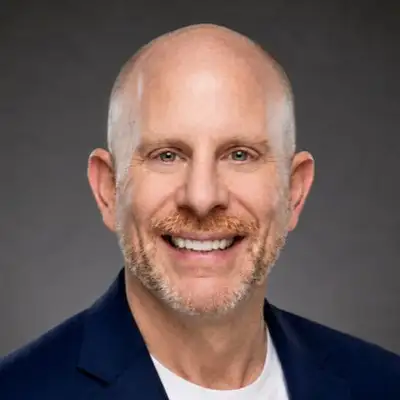
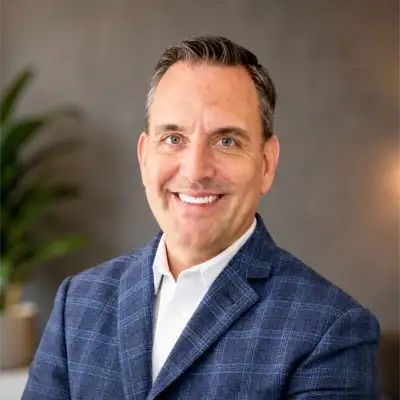
Your hosts: Adam Jay and Dale Zwizinski are co-founders of Revenue Reimagined. They didn't build a consulting firm. They flipped the fractional CRO model because strategy without execution doesn't move the needle. The questions they ask on air are the same ones they're solving inside real companies right now.
GTM Uncensored is the GTM conversations nobody else is having.
Tas Bober (00:00):
You want to know how your buyers are really interacting with the page? Watch your session recordings like they're Netflix in the morning. Drink your coffee and watch them rage click on your website and get pissed off because something isn't loading. You know those tabbed blocks? We love those on SaaS websites. You know why? Oh, we're eliminating the scroll. We'll put everything in little tabs and they can click the little tabs and the copy will change. 2,000 sessions, one of my clients, all her value props were in that tab block. Not a single person, not one had clicked on a single other tab. As much information on outside on the page as possible. Do not hide any information. Do not do any tabs.
Adam Jay (00:41):
Tas, welcome to the show. I am going to drop you right into a scenario and I want your take. So here we go. Blissful Sugar Metrics. You know that company. We've all heard of them, right? They're a $22 million ARR SaaS company and they closed quarter three with their pipeline down 18% quarter over quarter. Click volume didn't drop. Ad spend didn't change. 340K across Google, LinkedIn still drove the same 40,000 clicks. Their VP of marketing pulled the heat maps and found that visitors were scrolling right past the demo CTA to go down to an FAQ buried at the bottom of the page and then left without ever filling out anything. Nobody in the room could tell the CEO whether the page had failed, whether the buyer had made up their mind on a Slack thread three weeks before the ad ever loaded, and the board wants an answer by the next call.
(01:31):
The page needs more testing is not the answer. You've built an entire practice on the bet that the page is still where the decision lives and dies. The board wants to know if that still holds. What are we telling them? Oh,
Tas Bober (01:45):
Okay. So the first thing is I will question the board, which most people aren't going to do lately.
Adam Jay (01:52):
I love it. No, that's one of our favorite answers. Keep going. Tell us next question.
Dale Zwizinski (01:57):
That is what I told Adam when we were building our new podcast structuring. He's like, "You would question the board after blah, blah, blah." I'm like, "Yeah, you hired me for a reason." Yes.
Tas Bober (02:06):
And the reason I can do this is because this is exactly the conversation that I have had with over 50 companies. And they come to me and they say, "Hey, our click volume's great. Traffic is great. The page isn't converting. I can't report decreasing numbers anymore. What am I doing wrong?" And so I said, "Okay, before I answer that question, can you answer a couple of questions for me?" I said, "Yeah, absolutely. Okay. Number one, what's your average sales cycle like?" And they're like, "Oh, about 90 days is the average that I hear." Okay. How often are you reporting to the board, to your CEO? Oh, monthly. Sometimes weekly. Okay. All right. Weekly
Adam Jay (02:50):
Change on a 90-day sales cycle. Let's keep going here. I like it. I'm here for
Tas Bober (02:54):
It. Yes. You're here. Yeah. You see where I'm going with this? Oh
Adam Jay (02:57):
Yeah,
Tas Bober (02:58):
I love
Adam Jay (02:58):
It.
Tas Bober (02:59):
And then what's your average deal size? 30,000 is probably the minimum we would take. Oh, okay. All right. Interesting. Okay. When you are shopping for pants, do you make the pants purchase on the first visit? Oh, no. I'm like, how many things are sitting in your Amazon cart right now? Oh, like five. Oh, okay. Let me ask you this. When you are putting things in your cart, do you have all the information to make an informed decision? Yeah, probably. Okay, cool. Why aren't you purchasing? Oh, well, do I really need it? It's not that urgent. Yeah. I'm like, okay, tomorrow, if your favorite pants rip, would you buy the pants? Yeah, I would. Okay. So now we're going to tell the story and do the same thing with the board. If your sales cycle is over 90 days, if your average deal size is 50, but at minimum you would take a 30,000, you have not shown the product, you have not given them a pricing, even a starting range.
(04:04):
We cannot expect them to make a decision on the first visit or even the 30th. And the reason is there's lots of reports out there, right? Hockey Stack, DreamData, they all have done these. I mean, even Gardner, what's the average buying cycle? It takes 211 days for a buyer to even engage with you. The higher the ACV, the more touchpoints you need. 76 touchpoints is the average to close the deal. We are not going to close on the first visit or the 76. What we can do is look at it in buckets of three. So you as a marketer, when you are reporting, you're going to do three types of reporting. We always go conversions, that middle bucket. The problem with that is that it's like telling part of the story. If you went to my seven-year-old and you said, and Cinderella got into a pumpkin that turned into a carriage, she's going to be like, okay.
(05:01):
You would not tell just one part of the story. What happens before, what happens after is the context. So I put measurement in three buckets. The first is the pre-conversion bucket, which is how are they consuming the information on the page? If 70% of B2B research, bio research is done before they ever engage with you, that's what you're going to focus on is are you aiding them in that research from that heat map data that you pulled and you saw 15%, 20% going down to the FAQs and then leaving? What is so peculiar and interesting in the FAQs that they're concerned about? It could be an integration, it could be a migration, depending on how complex the systems are. And in one of the examples that I did with Snagit, the tech company, which is probably where you got this example from, we noticed out of 2000 sessions, 165 clicks were on the fourth FAQ of that page.
(06:01):
And the fourth FAQ - That's
Adam Jay (06:03):
Fascinating to me because everyone, and I'm sorry to interrupt you, but everyone thinks, and even when I was building our GTM on SensorWebs, I'm like, oh, FAQs are just for SEO. No one's looking at FAQs.
Tas Bober (06:14):
Yeah. And the irony being we had an anchor nav, so they would come to the page, immediately click on the FAQ, not the testimonials, which my assumption was they care about peer reviews the most. No, they don't. They care about FAQs. They go directly to the FAQs because they think they're going to bypass all the marketing bullshit and they're going to get the answers that they need. They go to the FAQ section. We saw on the fourth FAQ had 15% of all the clicks. We're like, okay, what's going on there? The question was, hey, this is a lifetime license. If I purchase it and change devices, what happens? So we're like, oh, okay. So we moved that, we made it its own block, and we did some cute marketing copy. It was like a license that goes with you no matter your device, location, whatever.
(06:59):
Then we saw purchases increase by 265%. They bypassed the free trial. It was their pants have ripped moment that they needed. It was like, eh, I'm just going to buy this. It's no harm. I'm going to have it forever. So we had things like that happen where I feel like conversion data would've never told you that. If you just saw conversion data, you'd be like, oh, okay, I'm going to optimize for more conversions. I'm just going to make a guess as to what drove the conversion. I'm going to change the button color. You are optimizing based on the wrong data. You're optimizing probably too late because a conversion is a lagging indicator, not a leading one if 70% of the buying journey is already done by then. So that's what I always say is we're going to look at it in three buckets, the pre-conversion bucket.
(07:47):
Am I supplying them with the information that they need to justify either engaging with me or justify the purchase? The conversion data itself, okay, they're filling out the forms now, they're booking the calls. What does that look like? Are they abandoning? Am I asking too many questions? What's happening at that friction point? Am I putting positive friction in? If you go to my website right now and try to fill out a form to talk to me, I ask an astronomical amount of questions, which people are like, wow, you are the CRO person. I'm like, yeah, it's called positive friction because any chump off the LinkedIn streets isn't going to be able to answer half the questions I have on there. They're going to give up because they're going to be like, this is too specific. And then the third is the post-conversions. What are the quality of the conversions that are coming in?
(08:31):
Are your deals moving faster? If it was 90 days before, is it 85 days now? Yes, you will get lower conversion amount, volume, but they're going to be better in the long run. So every discovery call, I'm like, when they start off with, "Hey, our pages are 0.13% conversion rate. Can you get it to a 0.50?" And I'm like, "First of all, that's a 400% increase, just FYI. Second of all, I'm going to show you other ways to measure success of this that isn't so B2C heavy." I feel like Old Navy can maybe run some campaigns and do some testing, but even they understand the importance of how long it takes before you make that purchase. But we don't. We're just like, yep, okay, you want to see our product? Fill out the damn form. Fill it out. You don't get to see our product without it.
(09:19):
And it's like, imagine if Amazon's like, put it in your cart, put your credit card number in, then we'll show you the product. Oh
Adam Jay (09:25):
My God.
Tas Bober (09:26):
Imagine that. But we do it in B2B all the time and we're like, yep, that's good. It works.
Dale Zwizinski (09:31):
I think the challenge is we always treat B2B different than B2C. However, when we're the purchaser, when we're on the other side, we don't want the same experience. But for some reason when we are on the other side and we're selling something, we think that we have to hold everything back. We need all the data. We are still selling. It's like 2010 and they need us and they don't need us, which leads me into a question that I've been thinking about as we were prepping for this podcast. A lot of research is out there, you could talk about Bain or SimilarWeb, where a lot of people, I think Bain said something like 85% of B2B buyers only seriously consider after they've not only looked been at your website, but also talked to other people. It had nothing to do with your website. So if the buyer's basically deciding before they ever see an ad, what's the benefit of the landing page at that point?
Tas Bober (10:26):
I think the first question, because I'm going to question you now, Dale, is, and I just had this conversation yesterday, so I'm not sure if you are familiar with Anthony Pierre, Fletch PMM, they do positioning and homepages. So Anthony, he just had this yesterday where he told me he's made his website an Amazon homepage. He put this post out. And I said, "Well, do you have any data as to what the before is like before you understand how people are consuming it after?" And he's like, "No, only anecdotally because they always come on the sales calls and like, how much do you cost? And what's your process and what are the deliverables when it is literally on the homepage?" So the first thing in my head was, so then they're not reading the homepage. And so the question wasn't what's on the homepage that needs changed.
(11:16):
It's more why aren't buyers or users reading websites? Outside of the lack of attention and LLMs, and we can talk about all of that. I think ultimately we as buyers, we are desensitized because it has been the way for so long. Someone, I don't know who approved this, and we allowed it to happen, decided that mystery is the game to play. It's a B2B.
Dale Zwizinski (11:44):
Every marketer.
Tas Bober (11:45):
We're like the F boys of the marketing world. We're just playing with the feelings. We think we're hiding band mystery. We're just like, we come back, we leave them alone, then we're back. It's just like dating in my 20s is terrible. Just a bunch of toxic things one after the other. And someone approved this, and I think it's because buyers are desensitized. When you think of a good website where you come in and they're actually giving you information, it's such a delightful surprise. You're like, wow, check this out guys. You're sharing it with every friend. Look at this. It's amazing. They're just giving us base information. They show pricing. And we're like, oh my God, amazing. Amazing. They show pricing. That should be table stakes. And I think ultimately that's the question we should be asking is why are they not reading it? How do we then communicate that you should be reading these pages?
(12:36):
With landing pages specifically, we get a lot of traffic. I think the nice part about the ad side of it and the platforms is that you can direct almost specific traffic to these pages, but the buyer almost expects something ridiculous once they hit the page. It's either going to the homepage or it's going to this squeeze page where they're trapped and they can't do anything other than fill out the form. They're like, "This is how I'm going to die." They hold you a gunpoint to put in your information. And I think ultimately it's, can I delight the buyer and actually supply them and earn the ask? So I always tell my clients, I'm like, "We're going to earn the ask." I talk about how I met my husband 12 years ago on Tinder. I swiped right, he swiped right. Ultimately, we both had the same goal.
(13:20):
Maybe we'll meet someone nice, maybe you'll become serious. We'll have the house, the suburbs, the kids, whatever. But if he within the first conversation said, let's get married, I'd ghost his ass so quickly. I would've never had this life. I would've lived a parallel life. But again, in B2B, we just make the proposal with very little information. And I use the example in my post today where I said, you type in accounting software. It's my favorite example. Type in accounting software, you'll see a few people come up. Not to throw shade at Oracle, love you Oracle, but they've used the same landing page for the last five years and they've changed it a little bit. They've changed it to now AI-powered accounting software. So you type in accounting software, there's a few. The text is this small. The form is that big. They've done some feature dumping and they said, oh, you want to see the product, fill out the form.
(14:08):
And to me, I'm looking at the buyer's perspective and it's like the only form of leverage in that situation is their information and you're asking for it before you've ever provided them enough value or understanding to want to give that to you.
Dale Zwizinski (14:22):
So this has been decades of time now. When do we say this is ridiculous and we don't do it this way anymore? We work with a lot of fractional CMOs and we still see some of this process. We still see some of the old way of thinking they need to gate this and they need to gate that and all this other stuff. You do the
Tas Bober (14:40):
Outcome. Yeah. Every
Dale Zwizinski (14:42):
Day. It's all about can you provide value? And I think there's two parts that you were talking about. I think the scrolling process and the attention deficit that we have in everything that we do. But also a lot of landing pages and websites aren't very digestible. Can you make the data digestible in 3.5 seconds? Because if not, people are just bouncing off it.
Tas Bober (15:07):
Yeah. And I think it's catching them by surprise, and it's quite simple to catch them by surprise, which is to just give them information that matches the ad. You run an ad for pants, you go to a page that has pants.That's the expectation. We don't do that. We run an ad for, oh, this interactive demo software. And then they're taken to the homepage and they have to go digging and trying to find the same product where it's like, we don't do that message match thing. The platforms are sick of it. They'll deem you non-compliant and just not sure your ads at all. So there are things like that where we're trying to do that. I think the challenge with the industry in general, and this was my problem too when I was in-house, which is I just didn't question it. I was in dinosaur B2B, that's what I call it.
(15:57):
And then I moved into tech B2B, like B2B SaaS. And I was like, wow, things are moving so fast. And it's like, hey, this is the best practice. I'm like, okay. And I think that's the problem is that there are a bunch of us going, okay, and we're not realizing that this is a terrible user experience. The point at which I realized that was I was in-house at Tealium as head of digital and website. I had a budget for paid media, but also for vendors and tools. And at the same time, running campaigns to sell Tealium, the CDP, to other marketers. I'm responsible for that. But on the buying side, I was trying to pitch buying ZoomInfo Form Enrich for the website. It was a $50,000 investment. Even though it was my budget, I still had to get approval to use my own budget for that purchase.
(16:50):
I was in contact with ZoomInfo, with the reps, and my business case slide deck that I've now carried to every company that I've gone to and then just rebranded in their colors to make it seem like I did it. The little circus we do. I had five or six slides on there. I can even pull it up. I still have the deck. And it said, number one, this is the problem that we're facing. You want me to increase conversion rates? Our forms are astronomically long. It would help us to shorten the form. And to support my argument, I went and got agnostic data across the internet with fog behavioral models. I was pulling in these charts and HubSpot examples of when they shortened the forms. I supplied them with a lot of data that was like, I'm not making this shit up. Other people in the industry also think this way.
(17:46):
Here's some agnostic proof that it isn't just me wanting to buy this shiny new purse for myself. It actually will have purpose for us. So I had this agnostic slide with data to support it. Okay, I've convinced you now. Here's what implementation is going to look like. We have a few options. Option one, we can remain the same. At best, I can tell you, every two weeks I can finagle and test one or two things and try to get our conversion rate up. But ultimately, if you don't want to give up any of these sales fields or these form fields, then we can go to option two. We can do a progressive form fill, but that requires the user to actually come back. We can't control that. So I can't do that. Number three, we get a tool like FormEnrich where it only asks for the email address and then any other important information, it either enriches or if it doesn't have, it'll pop those up and then the user can fill those out.
(18:42):
And we don't have form overwhelm. Here's some data to support that. Here's what each one costs, short-term and long-term. And then if you were to approve this, here's the timeline and implementation and the resources that I would need, including the approvals and stakeholders. That's it. That's the slide that got me a $50,000 approval in-house at my company. But it took me a month to put that deck together because I couldn't find any of that information on the ZoomInfo website. I had to talk to the rep incessantly to try to get pricing. Then I was pissed because - Well,
Adam Jay (19:21):
That's just ZoomInfo.
Tas Bober (19:22):
Yeah.
Adam Jay (19:23):
I'll happily throw the shade.
Tas Bober (19:25):
Yeah. And so I had to go back and forth. I had to get that. I had to get what implementation. I had to get all the tools. I had to talk to my dev. I had to go do all of those things. It took me a month to put together a six-page slide deck and then finally get approvals. Imagine if the website or landing page just had this information. One, I wouldn't even need to put a slide deck up. I would just pull up the page and be like, "Here, walk my boss through it." Or copy, paste, copy, paste, copy, paste. Then we have the audacity to complain about 90-day sales cycles when it takes our champions 30 days to put a damn slide deck together with basic ass information that Amazon product pages would give us in an instant. I
Adam Jay (20:01):
Agree with you. Whole separate conversation. And I think we're starting to get better. One of the things that I do with a lot of my clients, so our engagements are a little unique. We not only come in as embedded, but we tend to own the tech spend. So HubSpot hates negotiating with me, for example, because we're the partner and I'm also the signer and I know exactly what can be done. Oftentimes we'll have to fight for budget approval, but one of the things that we teach people to do is the proper way to build a business case using your conversational intelligence tools, cloud design, whatever you need to where it shouldn't take you 30 days. Most people don't know how, but the problem is, to your point, if you as the seller aren't enabling me to build the proper business case, I can't help you.
(20:46):
And we try to do that for our clients as well. It's like, listen, every company likely has their own internal form. I'm thinking of a client that we're working with now and they have a very specific way to structure their business case. But when we went to purchase Attention, for example, which is a conversational intelligence tool, I had Attention give me their business case. I then used AI to put it into the proper format of the company's business case and business case done in two minutes because Attention was able to get me the business case in 36 seconds. Here's something I keep seeing with sales teams I work with. Generic sequences don't work anymore. We've all gotten so good at turning out the noise that even your own buyers are ignoring you. The problem isn't your reps. It's that your sequences are static and your signals are somewhere else entirely.
(21:31):
That's why our clients use Nooks. And the thing that stuck with me is that their sequences actually stay fresh because the signals update them automatically. Right buyer, right moment, with no manual babysitting. If your outbound feels like it's shouting into a void, go check them out at nooks.ai/bridgethegap. Let's shift gears a little bit and talk about consumption versus conversion. Yeah.
(21:58):
So you told, I believe it was October of 25, you told ClearVoice last fall that conversions are a lagging indicator, that the form fill is basically "the last thing that happens and not the thing that matters." In that same conversation, you told the story of a client whose buried FAQ turned into its own driver with conversions that went up over a staggering 250%. If consumption is genuinely the metric that counts, why on God's green earth does every marketing dashboard still highlight right up there on the top, conversion? I
Tas Bober (22:33):
Know I'm kind of still championing this incessantly, obviously. You quoted October 2025, "I've been beating this drum for three years." Similar to Anthony beating the drum of features matter more than outcomes. We've just been doing this and evangelizing it. And then company by company trying to change that. And I think it's because we spent so much time in-house not asking the right questions or not being enabled to report on things differently. So I think that's the part where I come in and I'm like, "Hey, here's all this agnostic data. I'm not making this shit up. This is agnostic data to support my argument." Okay. Then the next question is, well then how do I report this up? And I give them the ability to say, okay, these are what your slide decks need to look like going forward with your reporting metrics. You're going to do that pre-conversion bucket.
(23:27):
Okay, we may not have gotten 300 conversions this month. In fact, it might have gone down, but here's what we're going to look at. And these are the ways I used to report internally, which is our paid programs are spending $90,000 a month on them. Our conversions are lower, but here's the full story, right? Rapunzel let down her hair. Why the hell is she? Why does she have long hair? Why is she in a tower? Okay. I'm going to tell you the context of what happened with Rapunzel before. And so here are the things that I do. Yes, from the ad platforms, these are the ads we ran, the campaigns we ran. Here's the click, the traffic. We have confirmed that the traffic is good traffic. I think that's the biggest thing. So many companies, and the minute we run an audit on their paid, it's like people from Kenya and their market is like North America.
(24:15):
That shit happens all the time. So that's always the smoking gun we find is the traffic's wrong. So once we come into there, I mean, I was in-house pre-AI, and so I had to do a lot of this shit manually. We are so lucky that we have AI now to expedite some of these things. At the same time, cautious that they can make things up. Going back to that business case example you told me where you're going to run it through yada yada. Literally what I will do is run a business case through AI, be like, "Here's a deck I did with Tealium. Now do the same thing for this client that I'm trying to build a business case for." And if it doesn't find pricing on the internet, it says, "Oh, it's probably around 30 to 50." And my clients will be like, "No." I'm like, "But this is what your buyers are seeing." So anyway, but we do the pre-metric.
(25:04):
We come in, we look at ICP density on the page. So if you do have some kind of account level identification tool, you have an ABM tool, it should be able to tell you, okay, are these the right accounts coming in? The ad platforms can report up to a certain amount. No fully. It's a 40 to 50% accuracy, which is supposed to be, again, industry standard and good. What are metrics of good? So of the 40, 50%, are you hitting? I mean, I remember in the beginning when we did the count, it was 33% ICP density. My paid partner and I every Tuesday would go through, look at the accounts, manually hit the exclusions, and we got it from 33% to 66% ICP density. So you're going to be looking at those metrics and saying, "Hey, CMO, board, whatever, we're running these paid campaigns. Directionally, it is improving.
(25:55):
Here are the positive indicators of success. The pre-conversion, we're getting good traffic. We're hitting our market. We are hitting them at an X frequency if we require frequency to be a little bit higher. This is how often we're changing. Here are the tests that are in play. Here's the ICP density is increasing by X amount. Okay, of the conversions, from the conversions that are coming in, our conversions are lower, but that's good because now we're having more meaningful conversations. We have more of our target ICP who are submitting forms. Hey, and also then the post-conversion bucket, we have talked to sales. Sales is saying that they're having more quality conversations based on the Gong recordings and us running it through AI for the analysis. We are seeing that they're moving a lot faster. We're at an 85-day versus 90-day sales isn't bombarded. Now we understand that these are the accounts that are coming in.
(26:47):
We are running, retargeting our ABM focused campaigns on these accounts. Everything gets easier because we are dealing with a lower volume rather than them sifting through and saying, "Hey, marketing is sending us shit." Okay. No
Adam Jay (26:59):
One would ever say that. Yeah.
Tas Bober (27:01):
Who would ever say that to us? That's how we're reporting is what that looks like. And I always say, give them the argument. Serve it back to them. Our average deal cycle is 90 days. I'm going to report on our campaign performance and consumption metrics up until we hit that 90-day point. And then rotating every quarter, we're going to actually talk about what we're looking at pipeline-wise, what we're looking at in terms of closed deals. It's hard, but that's the way you would enable them to report up to the board. And I mean, there have been tons of companies that have been bought in. I've worked with big companies, small companies, and we run evergreen landing pages. You never have to turn them off. We're not doing the cash grab, fill out this form, get this report, whatever. I'm talking about evergreen landing pages that are sitting there in this little ecosystem educating your buyer, stripping out all the bullshit, like the awards and the latest integration and the latest product launch and all that shit.
(28:00):
We're going to enable the marketers to have this little sandbox where they can play with the messaging, they can talk about stuff and bring data to support that. Hey, we ran these four headlines over the last month. This one seems to be doing best. This is the feature or the product and solution theme that is tending to perform the best. These are the things. So then when you come into these reporting meetings, you're saying, yeah, I can't force a buyer to make a conversion, but what I can do is work on the messaging, bring you the data points of all these tests that we're doing. It's still showing movement in these accounts and how they're consuming the information because that's what they need to do. They need to do the research in order to come and eventually convert. And
Dale Zwizinski (28:44):
I think that one of the most important things you were saying there was you have to start with a baseline. You can have tons of measurements, but if you don't know where you started, you don't know where you're going. And I think it's challenging probably in the ads space and our space. We're always trying to figure out what your baseline is. We hear a lot, we want more top of funnel. We want more leads. It's like, what does more mean? And just because you want more, something else you said is really interesting is the qualification of them. Do you want a hundred leads that will convert five or do you want 10 leads that are convert five? It's the same number. It's just a lot less work. It's more accurate. And then if you can scale from 10 to 20 and now you're getting 10 off of 20, the math will be much more conducive.
(29:30):
Then you're talking about repeatability, scalability, and momentum. And I think there's a lot of places, especially in the marketing and paid advertising world where it takes a bit of time to get the motion running and get that engine running. But if you can show momentum and start measuring at a baseline and go forward, I think that's super important. I
Tas Bober (29:49):
Think what we forget too, and the CMOs even forget even though they were in the weeds at one point, boards, they just don't know enough. But understand Finding that a rising tide lifts all boats. So we are always in this stupid game of, well, how much should LinkedIn drive specifically? And it's one of those things where I've seen people turn paid campaigns off because they're like, "Well, our direct conversions have gone up, so we don't need paid anymore." And they turn off paid and then direct faults. But how many times in your own buying, if I'm doing ZoomInfo research, again, back to the form and rich example, and I'm trying to get some information, I can't find that landing page that I came to in the beginning through the paid campaign. So what am I going to do? At this point, I've earned mindshare where I've understood, okay, I'm evaluating ZoomInfo.
(30:45):
Oh, I got to go back to ZoomInfo. I'm just going to go to their main website. I'm not going to be like ZoomInfo paid landing page. No one's doing that. So they just go to ZoomInfo website and they're like, okay, I got the approval from my boss to finally talk to ZoomInfo. She's like, yeah, love the evaluation. Go talk to these three vendors that you shortlisted. Cool. I'll go direct to their website and I'll say, Hey, I want to talk, yada, yada. Heard about you from, I don't know, search, social, everywhere. Especially if you're retargeting them across channels. It could be from anywhere. You're relying on their memory. They're doing 45 different projects a week. They're not thinking about just you.
Dale Zwizinski (31:21):
I'm curious how you feel about attribution. I'm curious how you work with clients and figure out the best way to attribute, because obviously you need to validate or hypothesize the ROI, but you talked about 76 touchpoints. Where's the attribution? Marketing wants to take it, sales wants to take it, CS wants it. How do you do the attribution in today's world?
Tas Bober (31:46):
Have you had Pranav, CEO of Paramark on your podcast? You should. He spoke at Drive. I love his take on attribution, but he talks a lot about correlation and causation. It's interesting because a lot of the attribution companies are like, "We're going to give you attribution down to the specific channel." And he's like, "Let's talk about math for a second. Let's talk about statistics and how that works on a basic principle. You want to understand the impact of a specific channel across your go-to-market. What you're going to do is you have two options. You can either cut the channel for a while and see its impact across the board, which most companies are not going to want to do. Or what you could do is increase spend. It has to be a significant amount to see a surge. You increase LinkedIn, maybe you're doing 30.
(32:39):
Screw it. Let's try to do double. Does it have a higher impact? And obviously there's law of diminishing returns. You can try to do incremental increase and stuff too. He talks about all of those things. That's kind of how I see it. So we did this experiment with Calendly where Calendly was spending 500K a month on paid and 300 of that was on brand. And we're like, "Hey, FYI, you're a household name. People know who Calendly is. You don't need to do that. Well, we need to probably defend ourselves against HubSpot's meeting scheduler and Google." I'm like, "Yeah, perhaps."
Dale Zwizinski (33:20):
But that's not brand at that point. That's different than brand.
Tas Bober (33:24):
That's
Dale Zwizinski (33:24):
Different.
Tas Bober (33:24):
Yeah. You
Dale Zwizinski (33:24):
Just said brand, you've established your brand. If someone's just figuring out, I need a calendar event or not, I need to buy HubSpot to get a calendar event.
Tas Bober (33:33):
Right.
(33:33):
Yeah. So we told him, well, this is going to be terrible for your paid partners, but just try it for a couple of months, just kill the 300K. Put it towards something else or just hold onto it. You can always resurge. They did, nothing changed. Zero changed. And we probably saved a couple rounds of layoffs with that. They probably lost the budget, to be honest. But those are the types of experiments that he talks about doing. And so I always tell my clients, I'm like, you have two options. You can throttle and see or you can cut and see. It just depends on how much risk you want to put into it. One comes, you have the chance of putting in more and not really getting more and seeing whether it actually has an impact. And I always talk about see what its impact is on your main website too.
(34:21):
So when we come into deciding whether paid programs are doing a good job, that pre-conversion is so important. I talked about the ICP density portion. You want to see, are people actually visiting the site? Are they truly our ICP? Is our targeting good? Just getting those basics down, people don't do that. They don't do that. They see the traffic numbers, they like the dopamine hit. It's like putting a selfie on LinkedIn and you're like, wow, I got 600 reactions. Well, yeah. I mean, you're cute. Obviously you did.
Dale Zwizinski (34:52):
Adam only gets two or three reactions on his selfies.
Adam Jay (34:55):
Listen, I take what I could get. Take what I could get. Let's shift gears. Let's go to what we call the triple M task, which is the Monday morning move. So I'm going to share a practical takeaway that our listeners can use Monday morning. And I want to know what you'd add, change, push back on, or very rarely it happens where someone's like, dude, you're spot on. Usually.
Dale Zwizinski (35:16):
Actually, you've been pretty good lately.
Adam Jay (35:18):
Let's not get ahead of ourselves you all. All right, so here's what you could do. I want you to pull your last 90 days of heat map and/or session recording data on your highest spend landing page. Find the single element visitors interact with most that is not your primary CTA. Probably a buried FAQ, a pricing toggle, comparison table, any of the above. Pull that element out. Give it its own standalone section higher on the page above the fold without touching the CTA, the headline, or anything else around it. Run it for two weeks. Track the scroll depth in the demo request, not the form fills. If the number doesn't move, the problem isn't your page copy. Your buyer already decided before they showed up and no landing page is going to fix that. The real find isn't a design problem. It's proof of whether your team actually understands where your buyer spends their attention before they ever come to you.
Tas Bober (36:13):
Okay. There are parts of that I agree with. Okay. So the first thing is yes, you do not need any fancy tools to test. So you don't need to go out and purchase an Optimizely or anything else to run two tests at the same time. You can do it faster and things like that. Fine. Okay. I love to get that out of the way because I get that question daily. What tools do I need? And then you're having to go through this approval process to get the tool. Don't do that. You can do a time-based test like Adam had mentioned, which is you pick a single thing to change and you run it for a couple of weeks. Cool. Okay? That's good. If for whatever reason, there's some indication on the page like we did with the Snagit where we saw the fourth FAQ had an overwhelming amount of clicks on there.
(36:56):
Conversion data would never give you that. And you want to put that higher on the page. It does not have to be above the fold. So that's the number one thing. If you look at any of the landing pages that I've built, they're all very, very long. And people are like, wow, that's so counterintuitive. Yes, a lot of my things that I put into practice are very counterintuitive. They are long pages because I'm earning the ask. It's okay. What you're going to do though is give them the ability to access that block very quickly. If comparison matters to them, they're seeing in the FAQ, how does HubSpot compare to Salesforce? It's an easy example. And you want to do more of a comparison block, and I'm not talking about the check mark X thing. We'll just say a better way to do that. You want that block.
(37:44):
What you're going to do is put it in the Anchor Nav for the ability for the user to jump there very quickly. Why HubSpot over Salesforce? Salesforce versus HubSpot, whatever. And then they're able to jump to the next - Oh, it's
Adam Jay (37:57):
Definitely HubSpot over Salesforce, but I'm
Tas Bober (37:59):
Going to go ask. Okay. So you can put it up on the page higher than the FAQs. Just give them the ability to get there very quickly. I just want you to understand that if you trust your buyers to make 30,000, $50,000 purchases, you can trust them to navigate a website effectively. Okay? They're not stupid. Treat them like adults. You don't have to shove everything above the fold. Honestly, that can be overwhelming. That's why Anthony and I argue because I'm like, I know what you're trying to do. You're trying to shove everything above the fold. I get it. But there's also the way buyers consume information online. How do you read a website? You do a Z pattern or an F pattern. These things exist. The science behind how we consume information exists. We don't just put everything on -
Dale Zwizinski (38:46):
Well, you need to provide value all the way down. So if they don't see value in the beginning, you don't get the next part of the
Tas Bober (38:52):
Page. Each block earns the right to read the next block kind of thing. So then you give them the ability to jump around if they want to. Here's the thing, if we were all the same, we'd all consume the same. We wouldn't be sitting here having this conversation. Just like parenting. If there was one way to parent, there'd be one book and we'd be done with it. There's no single way. So you
Adam Jay (39:12):
Have to understand. If you find that book that works, by the way, please - Send it to people. And I have a good kid, but please send it my way because there's days that I just feel like I saw
Tas Bober (39:21):
It. And I think those intricacies matter too in your ICP. Calendly selling to marketers is going to be so different than one of my clients men selling to InfoSec leaders who we interviewed and they were like, "If you don't give me enough detail on there, I leave." I mean, they're ridiculous. They look like product documentation. My landing page is there. It's very technical. It's very wordy, but that's the kind of thing where you have to cater to who that audience is. So yes, the consumption data, absolutely. Look at that, see how they're consuming. That's what you're going to do to earn the ask. So it could be many things. If you see that they're worried about the FAQs, you can also rotate FAQs. So you can put different ones there. You want to really verify like, "Hey, we're seeing," maybe not overwhelming on this FAQ, but we're seeing it on this FAQ.
(40:16):
Am I right in the signal? Move the order of the FAQ and in two weeks see whether that FAQ is still getting the number of interactions it is. Or is it just simply that's where they landed and they clicked? You can confirm some of these hypotheses simply from watching them. The other thing is, you know how we have winter and those places that are surveys and stuff? Great. I've filled out many of those. I love to sound smart. So I'm like, yeah, this is probably the right answer. You want to know how your buyers are really interacting with the page? Watch your session recordings like they're Netflix in the morning. Drink your coffee and watch them rage click on your website and get pissed off because something isn't loading. I'll tell you just a few things where consumption data help me increase conversions eventually. It better the copy in the page.
(41:04):
We talk about the Snagit one already. The second one, you know those tabbed blocks? We love those on SaaS websites. You know why? Oh, we're eliminating the scroll. We'll put everything in little tabs and they can click the little tabs and the copy will change. 2,000 sessions, one of my clients, all her value props were in that tab block. Not a single person, not one had clicked on a single other tab. As much information on outside on the page as possible. Do not hide any information. Do not do any tabs. Another thing, people don't click on videos. But if you put an expectation of, hey, it's a 30-second video, they tend to take it up more. But at the same time, still doesn't perform as well as product imagery or an interactive demo.
Adam Jay (41:48):
Yeah, we learned that the hard way a while ago. We paid a good amount of money to do a video for our homepage and no one clicked it once. We have a video in the background now because it's a cool background, but no one's listening to your video. No one cares.
Tas Bober (42:01):
And I write on LinkedIn a lot, so I always tell people you can't write the same way for every platform or every mode. The mode and the method needs to match. On a landing page, they're not in there to. People are like, "Oh, people watch long-form video all the time." Yeah, on YouTube when they're ready, when they have the mind frame of, "I'm going to go to YouTube and learn about Claude. Okay, I'll sit and watch a 45-minute video. Love is blind. I'm watching the whole damn thing. I'm on Reddit giving my criticism. SaaS landing page, maybe not. What are they looking at? ICP, InfoSec, they're not skimmers. They're reading because they want to catch you in a lie. Marketers, oh my God, that's such good copy. I love it. Oh my God, that's amazing.
Dale Zwizinski (42:48):
They think they have the best copy.
Tas Bober (42:50):
Yeah. Yeah. So that's the kind of frame that you need to put yourself in and then understand, is my buyer too busy to watch this 30-minute video I've put on here? Can I give them the cliff notes of watching the video? It's funny because one of my clients is like, well, I always say, put what they can expect after they fill out the form. Well, a form's based on logic. Cool. Tell them what the logic is. Like, what? I'm like, yeah, tell them if I fill this out. Hey, you'll fill out the form and one of two things is going to happen. One, if you are in this bucket, you will be routed to a salesperson right away. If you are in this bucket, we're going to redirect you to a webinar because you can probably get all your questions answered there. We're happy to answer any questions after that.
(43:33):
And they're like, what? I'm like, they're going to find out anyway. You might as well be upfront with them and tell them where they're going. They did it. Give them a starting range. You're going to give me a complex pricing bullshit. Give them a starting range. You know the bottom dollar of what you're going to
Dale Zwizinski (43:49):
Accept. You're going to sell for. 100%. 100%.
Tas Bober (43:52):
I shared some results with this round table I did in this manufacturing marketing committee or whatever conference thing. But it was my client reporting back to me and saying, Hey, what I noticed was people were coming to this landing page and then going to the main website and then converting there. Our ICP quality has gone up this much. Our pipeline quality has gone up this much. And she was ecstatic and she was sharing all these charts with me like, look at this. We took off a comparison chart on one of my other client's pages and we just made it more of a story format where we talked about, and we put it in the language of the buyer. Hey, but doesn't Lupio have this too? That was the question in each thing. And then she went from a 0.13% meetings booked to 3.16% meetings booked.
Adam Jay (44:42):
That is a pretty impressive list.
Tas Bober (44:45):
Yeah. So it's stuff like that. And guess what? None of that would've been achieved with conversion data alone. So did I convince you guys or no?
Adam Jay (44:52):
What a perfect ending. I mean, I was always convinced. I think you laid out the case, but I think that there's not one single metric. And I think conversion data, similar to attribution, which is a whole separate podcast, is the biggest vanity metric that we like to say, oh, this is the single most important thing, and it is not. You have to look at things holistically. You have to look at the complete picture. And most importantly, the one thing, my biggest takeaway, you got to know your audience. We can't assume because we're writing for SaaS, we're writing for InfoSec, we're writing for marketers, we're writing for plumber. You got to know your audience. Tass, where can people learn more about who you are, what you do? Obviously LinkedIn, but there's got to be a really cool website out there that tells the story.
Tas Bober (45:38):
Yeah. So LinkedIn's the best place because I put out a ton of content there. I also have a free resource hub with all of these landing page hot takes. You can look. It's searchable, you can look at it, it's free. You can find me on thescrollab.com. So you can find a bunch of resources there, articles that break this down, things you can show your boss and be like, "Look, it's not me. It's this lady with her crazy, crazy ideas and data that she's tested with 50 companies and been able to return." So things like that where it can really help and aid you in that. But if you also just want to have fun, I post a lot of fun content on LinkedIn as well, like B2B parodies, and I make fun a lot of the B2B buying journey and who we'd report to and stuff like that.
(46:22):
So if you just need a place to vent, come find me. I also have two podcasts. My God, so many CTAs. This is against my principle of one primary CTA. I have Notorious B2B that I co-host with Tim Davidson.
Adam Jay (46:34):
Love the name. Love Tim.
Tas Bober (46:36):
Thank you. We do B2B news, but we make it fun. So you're not just reading a TechCrunch article and feeling like you want to die inside. And then number two is the marketer's exit because so many in-house marketers are curious about what it's like on the other side. We talk to you about behind the scenes of the business, ups, downs, terrible shit, only the bad shit because misery loves company. And so you can see if it's for you or you want to start a side gig because you can't put all your eggs in one basket anymore. So I have a lot going
Adam Jay (47:03):
On. 100%. 100%. Tass, thank you so much for joining the show.
Tas Bober (47:06):
Thank
Dale Zwizinski (47:06):
You.
Tas Bober (47:07):
Of course. Thank you for having me.