Subscribe
Share
Share
Embed
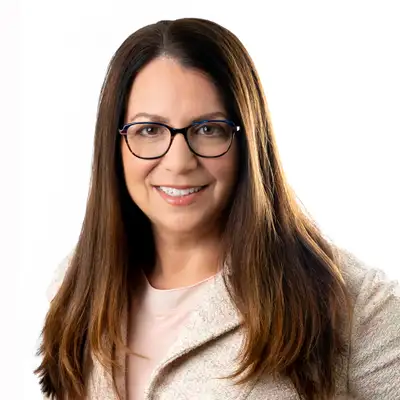
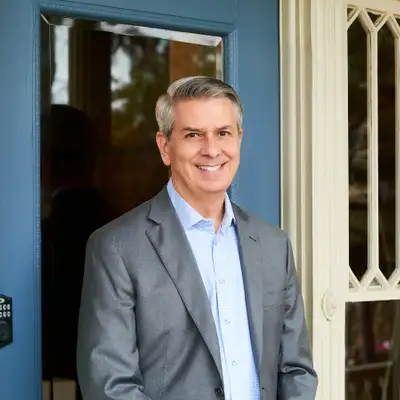
The Failure Gap podcast is hosted by Julie Williamson, Ph.D., the CEO and a Managing Partner at Karrikins Group, a Denver-based, global-serving business consultancy. Julie delves into the critical space between agreement and alignment - where even the best ideas falter without decisive action. Through candid conversations with a diverse mix of leaders, this podcast explores both the successes and failures that shape the journey of leadership. Featuring visionary leaders from companies of all sizes, from billion-dollar giants to mid-market innovators, to scrappy start-ups, The Failure Gap uncovers the real-life challenges of transforming ideas into impactful outcomes. Tune in to learn how top leaders bridge the gap and drive meaningful progress in their organizations.
Julie Williamson, Ph.D. (00:01.675)
Hello and welcome to the Failure Gap where we talk with leaders about closing the space between agreement and alignment. We love talking with interesting people and today we're joined by Sergio Rodriguez. Sergio is the president and CEO of The Hector and Gloria Lopez Foundation. The foundation has a mission to provide scholarships and persistent support to students from Texas who are first in their family to pursue their baccalaureate degree. Since its first year of grant making in 2022,
The foundation has granted over 47 million to first-generation students with a goal of creating thousands of educated, economically mobile students to be the future leaders of Texas. In the fall of 2026, the foundation will have 360 scholarship students in 14 different universities in Texas. We'll put more information about the foundation in the show notes, and I encourage you to check it out. They're doing phenomenal work. In his role as the CEO of the foundation,
Sergio manages the endowment and provides the philanthropic and grant-making leadership to his staff of 12 team members. Sergio, welcome to the Failure Gap.
Sergio Rodriguez (01:05.27)
Hi, Julie. It's good to be here.
Julie Williamson, Ph.D. (01:07.369)
It's so great to be here. I've been really looking forward to this conversation. You and I have known each other a very long time and I'm so excited for where you are in your life right now, but it is very different from where you and I were when we first met so many years ago. And I would love for you to share with our listeners a little bit about your journey to leadership and to becoming the CEO and president of the foundation.
Sergio Rodriguez (01:23.662)
That's right.
Sergio Rodriguez (01:31.736)
Sure, sure. Thank you, Julie. Well, you're right. It has been a long time since you and I first met. And I'll talk about that. But one of the things that I used to hear is that everyone has three careers in them. And I think that's true for some people, not for everyone. But it certainly was true in my case. And I literally started out as an architect, a bricks and mortar architect.
Then made a transition into technology and worked in information systems for 20 years. And now, as you mentioned, I'm a president and CEO of a large philanthropic organization with almost $300 million in assets. But I'll tell you a little bit about how I got there because all three of those sound highly unrelated, but truly in a way they all led ultimately to where I am now.
I will say that when I started off in college at Princeton, I thought I was going to be an architect. I majored in architecture, never wavered. Started to feel maybe near the end of my degree that maybe this was not the life I would be made for professionally for many years. But by the time I graduated, I started to look for work and it was easiest to do that.
I found a job at the US Holocaust Memorial Museum in Washington as it was being constructed on the mall and essentially worked for the museum as an employee helping to oversee contractors, helping to oversee the architects. And I enjoyed it it was great, but I also knew this is probably not my future. And so after the building went live, went up, I...
then made the ultimate pivot, which was business school. And truly, I always think MBA programs are great pivot points for people who have done something but now want to move away from that. And it gives you that credential to really do that. So I went to the University of Michigan to the Ross School of Business in the early 90s and graduated in 95 with my MBA.
Sergio Rodriguez (03:55.966)
And during that time, I had some exposure to information systems and starting to see what technology was like. And this is, this is pre, really almost pre-internet. If you think about 93 to 95, the internet was not a widespread commercial tool. so when I graduated, I took a job in Denver, Colorado, where I got to meet you, Julie, working for American Management Systems and
Julie Williamson, Ph.D. (04:21.663)
Yay!
Sergio Rodriguez (04:24.398)
I would be remiss if I didn't mention that while I was there and working with you that you were truly a mentor to me, someone who I, as my team leader and project manager, I looked up to and saw how someone who was near my age was presenting themselves with executives, working with clients directly. And I always looked at you and said, these are the...
behaviors that I want to emulate and be like. thank you, Julie. I'm just going to say that right now. Well, it's true. And for 20 years, I worked my way up as a business analyst, up to a vice president and account executive. And ultimately, that company became CGI. And I enjoyed it and had a chance to
Julie Williamson, Ph.D. (05:01.653)
Thank you. That's so kind of you to say.
Sergio Rodriguez (05:22.602)
learn many skills, which I actually use today, including just sort of the people skills involved with managing clients. I now manage high level relationships with university leaders and other leaders, financial management, legal management, project management, all of those things were critical skills that I learned during those 20 years. And then
And then this is kind of where the story takes a turn. I am from Texas originally, from South Texas. I grew up in Austin, but my roots are in the ranching country of South Texas. And my aunt and uncle, who I have been very close to, Hector and Gloria Lopez, asked me in the late 2000s to move back from the DC area and be closer to them.
at their time in South Texas, they were in their eighties, starting to think about what was going to happen after they passed and they had no children. So I made that move to Austin, of finished my career with CGI here and really started to help them with their estate planning. They were quiet, private people, but with a very large estate.
They had close to 35,000 acres of ranch land in about 12 different ranches, but they had also set aside a significant amount of money and they had talked for many years about higher education. So as I started to work with them on estate planning and especially my aunt, we got all of their wishes put onto paper.
I highly recommend you do estate planning before you're in your 80s. It's generally not the best time to do it. But not having kids, I understood the position they were in. And so I probably starting in 2014, about 11 or 12 years ago now, I left my job, my corporate job, and my uncle had just passed away rather suddenly. And I took over the ranching work.
Julie Williamson, Ph.D. (07:22.433)
Yeah, for sure. Right.
Sergio Rodriguez (07:48.104)
that they used to do, putting my head really around what the assets were like. And in large part, they made their money in oil and gas, not an area I had spent a lot of time in. And then I was able during that period between the time that my uncle passed and my aunt passed to learn not only about what their assets were, but to think about their wishes in creating this
The Hector and Gloria Lopez Foundation and helping send kids to college. And so I had seven years until a time my aunt passed away in 2021 to do that. And it was a wonderful period of spending time with her every week, but also visiting with other philanthropists, seeing what had been done, visiting with universities, but without the pressure of having to make a...
a large donation or a large gift decision under pressure. So it all worked out very well in the end. And so I now run a team of 12 people based here in Austin, and we give out between, say, $13 to $15 million per year in student support.
Julie Williamson, Ph.D. (09:06.273)
What a phenomenal story, Sergio. And I think there are so many moments along the way that people can relate to that you came out of college having invested a lot of time in a degree that then maybe you weren't 100 % sure that that was right. You had the opportunity to flex those skills a little bit and then decide you wanted to have a broader business experience. And then going from that to your career at AMS and then CGI.
And now really leaning into the idea of how do we do philanthropy in this particular space that your aunt and uncle were really passionate about, just higher education and bringing their vision to life about how they can continue to contribute through their estate long after they're gone with you as the custodian of that. So what a wonderful story to share and also a great example of not having everything figured out in your twenties, it can work out fine.
Sergio Rodriguez (09:42.638)
you
Sergio Rodriguez (09:53.71)
you
Sergio Rodriguez (10:02.392)
Yeah, that's right. You don't know when the opportunity is going to come, and you need to be ready for it.
Julie Williamson, Ph.D. (10:05.439)
Yeah. Yeah. Yeah. Yeah. And I think that's something else that it sounds like you've done along the way is you've said yes to things. So, you know, when your aunt and uncle asked you to come and help them, you said yes. And that was a pretty significant turn away from CGI and AMS where you'd spent decades. And to go and have that, I'm going to call it an adventure. I'm sure there might be other words you might use. yeah.
Sergio Rodriguez (10:29.147)
Mm hmm. It was an open ended adventure. That's right.
Julie Williamson, Ph.D. (10:35.261)
Yeah, yeah, like choose your own adventure. Remember those books when we were kids, choose your own adventure. Yeah, yeah, and you turn to page 61 or whatever it was and you have this outcome now where you are the CEO and president of this amazing foundation. So thank you for sharing that background and I'd encourage all of our listeners just to keep in mind that staying open to possibilities and continuing to explore and continuing to grow and change as you advance in your career is really
Sergio Rodriguez (10:38.894)
That's right. Yes. Yes.
Julie Williamson, Ph.D. (11:03.231)
the way I think to find these really special opportunities when they come.
Sergio Rodriguez (11:08.189)
That's right. That's right.
Julie Williamson, Ph.D. (11:09.683)
Yeah. Well, let's dive in and talk a little bit about this space between agreement and alignment, because I think that certainly we see a lot of this in consulting, and you spent a couple of decades in consulting. And we also see it in philanthropy, where a lot of people say, you know, I really, I agree that I should, you know, do these these sorts of things, but it's very hard to get mobilized around what it takes to actually put a foundation together and bring it to life.
Sergio Rodriguez (11:22.286)
Yeah, that's right.
Julie Williamson, Ph.D. (11:36.276)
And I would also just mention there's a lot of agreement around estate planning. Yes, we should do estate planning. And for whatever reason, a lot of people don't do it. And I appreciate your call to action. Get it done before you're in your 80s. Yeah, but let's pick your own adventure in this conversation. And I would love to hear from you any examples that you have of where you've seen either for yourself or for a team, this idea of being kind of stuck. And we agree it's a good idea, but
Sergio Rodriguez (11:55.374)
Thank you.
Julie Williamson, Ph.D. (12:05.938)
How do we get it done? Like how do we move it to action? And what are some of the things that you've noticed about that?
Sergio Rodriguez (12:12.003)
Sure. So one of the unique experiences I had in starting the foundation with my aunt is that I was there really from the inception. I mean, when she and I and the attorney sat in a room drafting the formation documents and deciding what it would look like and hearing my aunt's thoughts on it. But again, she was now in her late 80s when this was happening.
And so I really had an unprecedented view of what it was like to do this and to start with essentially a blank sheet of paper. And one of the things that that included when you start a formate, when you form any kind of legal organization is choosing who the board is going to be. And so of course, my aunt said, well, you're on the board. And then we talked about others who would be on the board.
And when you're at that point in your life, you think about your legacy and who you want to be. you have to select young, let's face it, you have to select some younger people. And at her age, nearing 90, they tended to be family members. So we picked some family members that we both felt were good stewards and good exemplars of the kind of
benefits that higher education can bring to you. But then when my aunt passed away and I started really running this board, it was maybe not as easy as I thought to bring everyone along with me. And among other things, I had now two cousins who were sitting on the board with me. They were both older, probably somewhere between 15 and 30 years older than I am. And so my first thought was,
Okay, I'm already coming into this with a family dynamic, right? They look at me as the young kid that they probably saw, you know, running around with his diapers on when I was two years old. So I had to sort of work with them. And even though I knew them well, sitting in a room together and making major financial decisions is an entirely different thing. And so I really had to think about
Julie Williamson, Ph.D. (14:21.035)
Yeah.
Sergio Rodriguez (14:37.442)
How do we position ourselves? How are we going to make multimillion dollar grant decisions or investment decisions on the team and the resources that we need to do our job? And I will just tell you, it's human nature when you are not a ultra high net worth individual to really bulk when you see
six-figure, seven-figure numbers, and you have a decision to make about those numbers. So I had to really think about how do I move them along with me? How do I not get ahead of them? Because I'm doing this every day, and I tell this to my team all the time. We work on our tremendous scholarship work every day.
our board members come in once a quarter and they don't have the benefit of that. So we, I always have to think, how do we slow down? How do we bring them up, up to speed and not go and not try to push things too far, too fast and not get really the result that we, that we would like. So I really spent a lot of time thinking about that. I increased the size of the board. I added some non-family board members to bring
some objectivity to the room that helped, you that was non-family dynamic that put everyone on their best behavior. But I also just thought about what are the things that I need to do as a good board president to make sure we are all working together, that we're building trust and that we're moving forward the way my aunt would have wanted.
Julie Williamson, Ph.D. (16:32.351)
Yeah, it sounds like your consulting skills probably have served you well in some of this work.
Sergio Rodriguez (16:37.87)
Mr.
Yeah, I think that's right. You know, one of the things that we get to do as consultants is deal with clients who are at various stages of expertise and of their career, you know, in their position. They might have been there for two months or they might have been there for 20 years. And being able to zoom back and forth and know when you're talking to someone that you're reaching them where they are.
is definitely a great consultant skill that you learn.
Julie Williamson, Ph.D. (17:15.285)
Yeah, yeah. And I really appreciate your call out with working with the board. And I think this is true in business too. We do quite a bit of work with family owned businesses that when you're in it every day, you can move at a different speed and have a different vision of the decisions that need to be made. But you have an obligation to engage the board in a way that helps them to be a part of those decisions. And that can be.
Sergio Rodriguez (17:40.334)
So,
Julie Williamson, Ph.D. (17:41.876)
Easy, again, easy to agree, yeah, we need to do that and hard in the moment to slow down and meet them where they are and bring them along. I'm curious when you think about working with the board or helping your team to understand how to do that, are there any tips or tricks you have around making sure that you are showing up in that board space with the right energy and the right information?
to help them to engage once a quarter instead of every day.
Sergio Rodriguez (18:13.18)
Sure. So while I don't think a board should be involved every day, I also think once a quarter may not be often enough as well. And so what I try to do is reach out a couple of times between board meetings to each board member individually.
Julie Williamson, Ph.D. (18:19.936)
Yeah.
Sergio Rodriguez (18:33.582)
Whether it's if they're local, it could be a lunch. If not, it could just be a 45 minute catch up phone call. But in that catch up phone call, you're hitting on some of the things that we're looking at at the foundation. And it just it helps. It helps set the stage for the next board meeting when you can have those touch points, when you can build an interpersonal relationship that's not
always with a group of 15 people sitting in a room. So fairly easy with my cousins, although they weren't people who I talked to on a regular basis. They're second cousins in one case. And I have now sort of built up a relationship there. With the other non-family board members, it is definitely easier. I should mention, too, we have
a variety of experience on boards with our folks, some who had never been on a board and some who had 20 years of experience and are attorneys. So we really had to bring a group together. But I would say, they say things move at the speed of trust. And I think that that's 100 % right. If you can keep a line of communication open,
Julie Williamson, Ph.D. (19:44.416)
Hmm.
Sergio Rodriguez (19:59.754)
I also send emails to the board when important things come up between meetings just so there's no surprises, so they feel like they're being informed, and also to get their input. I I want to hear now what their concerns are, not necessarily wait for the next board meeting.
Julie Williamson, Ph.D. (20:19.809)
Yeah, you know, I love how you're investing time and energy in building transparency. And that's, as we know, supports trust, right? So it gives people the sense that you are actively engaged and interested in making sure that they are well informed. And I think that is something that we often know we should do, but it can be hard as a leader sometimes to spend the time and energy on it. And so I think this is a failure gap for leaders, right? You're like, yeah, I should do that, but it's...
Sergio Rodriguez (20:43.172)
Yeah.
Julie Williamson, Ph.D. (20:49.339)
I've got so many other things to do today. it, yeah, yeah. Absolutely. And at Karrikins Group, we talk about the importance of clarity and connection when it comes to driving alignment. That if you can help people to have the level of clarity that they need, which happens over time, not in one big data dump that they get, you know, when they walk into a meeting and feel connected to the business or the philanthropy or the work that you're doing.
Sergio Rodriguez (20:52.222)
It feels like a soft skill, right? It feels like a soft skill, but it is an important soft skill.
Julie Williamson, Ph.D. (21:19.039)
I think that really helps people to feel like they're a part of those decisions in a more meaningful way. Yeah. Easy to say, hard to do. And it sounds like one of the things that you've done for yourself is just built a discipline around making the time to reach out regularly. And also you mentioned a little bit more ad hoc, but as things come up. So if something happens that you feel like they need to know about, you tell them. You don't just think about telling them.
Sergio Rodriguez (21:24.948)
That's right. That's right.
Sergio Rodriguez (21:45.695)
Yeah, that's right. And I'll also mention one of the ways we have brought them along too is finding as many opportunities for them to meet our scholarship students as we can in person. Because I'm no surprise here, it's not as fun to work with students when you're in your office all day on spreadsheets or thinking about what kind of supports can we offer. It is much more gratifying and you really understand the work.
Julie Williamson, Ph.D. (21:56.705)
Mm.
Sergio Rodriguez (22:14.562)
When you get to meet the students, when you get to talk to their families, when you hear their personal challenges, it makes your investment seem like a no-brainer in all cases. And so anytime we have a student dinner, anytime we have an orientation, or even our leadership summit, we have a three or four day leadership summit here in Austin every year, we try to bring the board members in so that they can see the work.
up close and personal and not just feel like they're sitting in a large boardroom making decisions that are distantly related to their everyday office.
Julie Williamson, Ph.D. (22:54.793)
Yeah, so keeping them connected to the impact that they're having. Yeah, yeah. Well, you know, speaking of the students, let's zoom down from the board into the real experience and the impact that you're having at that level. I think one of the most challenging things to overcome when it comes to college or university or a baccalaureate degree is when you're a first generation and other people in your family haven't had that experience necessarily.
Sergio Rodriguez (22:58.358)
Absolutely.
Julie Williamson, Ph.D. (23:23.519)
I'm curious when you think about the students and the families that you've talked to and you've worked with, again, it's easy to agree it would be great to go to college. It can be very, very difficult to make it happen, both practically, but also I think there's a mindset or sometimes a group or family dynamic around it that makes it really challenging. And I'm curious as you've worked with families and students over the last few years, what have you seen that makes the people who
Sergio Rodriguez (23:32.942)
Okay.
Julie Williamson, Ph.D. (23:52.137)
are able to get into alignment and get it done and get to college, what helps them through that process?
Sergio Rodriguez (23:59.384)
Yeah, it's really interesting to see families who I meet at orientations, for example, grappling with the college decision. I think this is even before today, right now there's a lot of questioning of the value of higher education that you see in the news. And that's a whole different stream right now.
What we have seen from some of our LOPUS scholar parents is we wanted, I did not, a parent would come to us and say, I did not go to college, but this is something we've always wanted for our own children. And we did everything we could to support them without having those navigational skills. Their child got into a university and then they got the financial aid letter.
that told the family what their expected family contribution would be. And that number frequently was out of reach because they had other kids, they had other expenses, inflation, all the things that we all know about. And so, so often they were having to say no after having done all that work, after having encouraged their children from the day they were born to go to college and get beyond
where they were educationally, and then to have to say no once you receive your acceptance letter because what they've offered you is not something we can live with. That's heartbreaking, first of all. And it's difficult too because often what we see with first-gen students is an aversion to loans. They don't always want to be
in debt, they don't necessarily understand the difference between healthy debt and unhealthy debt. And of course, there's an amount of loans we're all I think we're comfortable with and that number has gotten bigger and bigger as as tuitions rise. So it is it is incredibly gratifying to to be that person who comes in and says, don't worry about it, we're going to cover your child's education. And
Sergio Rodriguez (26:20.162)
I won't go into it right on this answer, but we cover an amazing amount of things for our scholarship students that we wanted to do above and beyond what used to be called a full ride scholarships. We just think that there are so many other aspects of education, including leadership building and including things like study abroad that really can shape and transform
a student for the rest of their life.
Julie Williamson, Ph.D. (26:52.309)
Yeah, and even if tuition is a full ride, there's still so many expenses like food and lodging and transportation and things like that that I think can be a hurdle for especially first generation students.
Sergio Rodriguez (27:07.202)
Yes, yes. It's amazing how many students or how many students were affected even from probably the time of COVID on who had to drop out of school because of a $100 automobile fix that they couldn't afford or parking tickets on campus. Parking tickets that put a hold on their ability to re-register for classes. And these parking tickets, again, probably
Julie Williamson, Ph.D. (27:25.195)
Mm.
Sergio Rodriguez (27:36.942)
may have totaled $80 or $120. But that's $100 that these students don't have. And all of a sudden, you were getting dropouts for those really mundane reasons. So yes, the things that can stop students in their tracks are often really little things and things the university may have even been doing inadvertently. So we have definitely been
Definitely included emergency funds for those things that happen because they like to say every student is one flat tire away from not showing up for the rest of the semester.
Julie Williamson, Ph.D. (28:17.845)
Yeah, yeah, that's amazing. And I think bridging that financial gap is so helpful. It sounds like also some of the things that you do in terms of orientation and helping the students to get their feet under them also helps to bridge some of the perhaps knowledge gaps around even things like how do you register for class? How do you get involved in housing? How do you show up for these things if you don't have a model ahead of you? Is there?
Anything that you can think about relative to helping students bridge that gap and get really fully involved in the student life that they may not have just had exposure to.
Sergio Rodriguez (28:59.004)
Yeah, so this is a tricky area for universities. I was fortunate to go to a small university where things were fairly
obvious. We didn't have 50,000 students. So it was fairly clear where you had to go and you had roommates who would also be sharing that experience with you. But you can be at a very large university and it can be hard to figure out where do I plug in? Where do I get this question answered? So one of the things that we have done as part of our scholarship process is that we pay for a resource, a student success,
resource who works for the partner university. And their job is to make sure that that cohort of Lopez scholars, say it's 15 students, for their four years, that they are availing themselves of all the services that the university provides and that we pay for. Because it's very typical for a student, and especially first gen students, to
not go to the Career Center to look at internships, to not go to see an office, go to a professor during office hours when they struggled with a midterm exam or failed a midterm exam. Those are things that often are shameful, right? I mean, you're about to go talk to professor and you failed their exam. You're about to go to a Career Center and have a mock interview.
things that I wouldn't want to do today myself. having a near peer resource who helps these students by showing them that these are actually fairly easy things to do, talking to them about what the benefit is of what they'll get, showing them that the people on campus are all there to help them succeed.
Julie Williamson, Ph.D. (30:36.673)
Right!
Sergio Rodriguez (31:00.462)
Those things have gone a tremendously long way in helping our students.
Julie Williamson, Ph.D. (31:06.261)
Yeah, filling in those knowledge gaps, I think is so crucial as students try to navigate what can feel overwhelming, especially at a big university. Yeah, yeah. Sergio, do you have a favorite student success story or example that you like to share with people about someone who really has gone from, you know, potentially thinking about, gosh, I don't know if this, I don't know if this can work for me to being able to make it happen.
Sergio Rodriguez (31:16.216)
That's right. That's right.
Sergio Rodriguez (31:36.531)
You know, we have a few students, and I will also preface this by saying we are just hitting our first four-year cohort next month in May. So thank you. So we will start to have a lot more graduates, but we've had a few. And even before I kind of get to a graduate, have there's a student we have in San Antonio who was
Julie Williamson, Ph.D. (31:44.799)
Congratulations. That's very exciting.
Sergio Rodriguez (32:03.266)
brought in as a Lopez scholar. And she was a single mom with probably a two or three-year-old daughter when she started with us. We were not sure exactly all the kinds of support that she was going to need, but we do provide for child care. We provide health insurance and a host of other things as part of our scholarship.
The thing that amazed me about her is she was just so determined to succeed. She actually had a job for 30 hours a week off campus. And we already provide a living stipend. So we tried to make clear to her that she did not have to do those 30 hours. We would cover those salary dollars and still provide for her. She was so
And this is an interesting thing about our students who are often low income. What she heard was, you're going to give me a living stipend. So if you give me a living stipend and I work my 30 hours, I'm going to have two income sources. And at first, we were very wary of what she's going to do with that, because 30 hours is not our ideal full-time student. They're all full-time students.
Julie Williamson, Ph.D. (33:16.865)
Hmm.
Sergio Rodriguez (33:31.53)
amazingly, 4.0, double majoring, actually trying to figure out how to take advantage of more things, and wants to go on to do law and ultimately maybe advocacy around education policy. But what amazed me is just that, first of all, I should preface this by saying our students
are not cherry picked the way many scholarship programs work. We do not pick highest GPA, SAT scores, ACT scores, interviews. We have an intentionally random program that selects from a pool of students, a large eligible pool who have been brought into that university and recently accepted. the fact that when I see students succeed, and I know that we have not gone out of our way to pick
the most likely to succeed. It's incredible. But when you see her and you see that she's got a daughter on top of that, who she's a great mother to, it really makes you think about, how good am I with managing my time? Did somebody can do that?
Julie Williamson, Ph.D. (34:46.569)
Yeah, right. Yeah. And it shows a lot of grit and determination. Right. And I think, yeah, I love that story. Thank you for sharing that. I think it's really a great example of the kinds of people that your foundation is making education available to. And they are taking advantage of it and they're putting it to use and they're going to go out and do great things in the world.
Sergio Rodriguez (34:53.121)
Absolutely.
Sergio Rodriguez (35:09.794)
Yeah, absolutely. 100%.
Julie Williamson, Ph.D. (35:11.807)
Yeah, yeah. Well, I'm curious if you as you think about for yourself, you know, this idea of moving from agreeing that something sounds like a good idea and actually getting it done. You've stepped into a whole new world with philanthropy and you've stepped into a whole new world as the president of the board or the CEO of the foundation. I those are two different roles. And for yourself, if somebody was saying to you, gosh, I'm thinking about making a big change in my career.
Is there anything that you would encourage them to think about as they contemplate making a big change like that? I think you had a calling and purpose behind what you were doing that it sounds like was very important to you. And that might be one of the things for someone to look for. But anything else that you would say to help somebody get over the hump of feeling like I'd like to do that, but it seems like it's a little bit out of reach or it feels really hard to get aligned and get it done.
Sergio Rodriguez (36:09.236)
Sure, sure. Well, one of the examples that comes to mind is, you know, one of the things that I did in that seven years between the time my uncle passed and then my aunt passed is when I found out I was going to be the president of the board, the first thing I thought to myself is I have zero board experience. How am I?
How am I going to make up that gap so that I'm credible, so that I know what I'm doing when I have to start running this? And so I started to look into some of the nonprofits in Austin that have education in their mission and talking to the leaders there, kind of understanding what my options were. And in some cases, I did some volunteering for those organizations first to get a
sort of an on the ground look at what they do. little by little, what I would say is I sort of worked my way up from very small sort of community board, almost a working board really, up to a larger board, more revenue, more requirements for development.
Also getting different roles opportunities there, first, you know, whether it was treasurer or running a development committee or being vice chair. And then kind of moving my way up even outside of just community boards. I'm a trustee at a university here as well, which is infinitely helpful in letting me see what some of the challenges are that universities are dealing with from the inside.
And so a lot of times I talk to people who are interested in philanthropy. Even on my team, I talk to people about what does that board experience look like? And I encourage them to go out and start small, start with a volunteering job. Or sometimes there's a community advisory board associated with a major board here in town.
Sergio Rodriguez (38:33.326)
And it's a good place to see what it's like, to try to get your feet wet. I know when I started, I felt like I didn't know Robert's Rules of Order. And if I didn't know that, that I was going to look like an idiot. And then you go to a board meeting and you start to look around and you think, OK, no one's speaking in parliamentary terms here. They're just speaking as humans. But you have to work your way up.
Julie Williamson, Ph.D. (38:44.341)
Hmm.
Julie Williamson, Ph.D. (38:47.841)
Yeah.
Julie Williamson, Ph.D. (38:54.849)
All right.
Sergio Rodriguez (39:00.462)
And I think if you're going to make a move like that, it's nice to sample a little bit without maybe making a 12-year commitment. It's nice to sort of see what it may be like and then working your way up the chain.
Julie Williamson, Ph.D. (39:10.709)
Right.
Julie Williamson, Ph.D. (39:17.685)
Yeah, yeah, I think that's very true. So people are contemplating something like that, getting a little bit of experience and growing it into something that they can then apply in a much larger scale helps. Again, we talk about that knowledge gap with your students, I think for professionals as well. Filling in the knowledge gap can go a long way to closing the failure gap, getting you to move from just agreeing that something sounds like a good idea to really knowing the steps you need to take to get there. Yeah, yeah.
Sergio Rodriguez (39:43.492)
That's right. That's right.
Julie Williamson, Ph.D. (39:45.952)
Sergio, this has been a great conversation. We've covered a lot of ground going all the way back to your roots and thinking a little bit about when you're working with a board, what that can look like. I appreciate your call out that you had to work with board members who were older than you. And what does that feel like? I think a lot of times in business, we can be in that situation too, where we get put in a leadership role and we have to figure out how to navigate the dynamics of having team members with different levels of experience from us.
And I really appreciate your call out to stay in contact, to be transparent, to keep people up to speed on what's happening so that they're prepared to lean into the big decisions when the time comes. I think that's something that it's easy to lose sight of in the day to day, how very important that can be when you need to bring people along with you who are not involved in the work day to day. And you you are a consultant long enough to be in and out of a lot of matrixed organizations in business.
Sergio Rodriguez (40:41.961)
Okay. Okay.
Julie Williamson, Ph.D. (40:42.175)
And I think that is an example of right of where we see that dynamic play out often that we know a colleague someplace else in the company is going to have to be involved in the decision. And we haven't done the groundwork to keep them up to speed and to build their trust. And then we expect them to engage in a big decision with us, you know, just in a meeting one day and it doesn't go as planned, right? Yeah. Yeah. So I think that's a great takeaway. Go ahead.
Sergio Rodriguez (41:04.759)
Right, that's right. That's right. That's right. Yeah. Noah, I was going to say, you're reminding me, too, of another, I wear two hats, as you pointed out. I'm both the president of the board and the CEO of the foundation. The CEO is my day-to-day job. Being board chair or board president is my job at the board.
And that was how my aunt wanted it. And it's not terribly unusual to have that. But it does make you think, it keeps me constantly on my toes when I'm in a board meeting of what role am I playing here? Because I do need to be a good steward of the assets that my aunt left and try to make sure I'm telling the board what I think we should do.
At the same time, I need to put myself in their shoes and see what questions I would have if somebody brought this proposal to me and said, we would like you to sign off on this. So I would never say the roles conflict, but I do have to think about what hat I'm wearing when I'm speaking.
Julie Williamson, Ph.D. (42:22.165)
Yeah, absolutely. And I think it does translate really well into business where you have people who, for example, run a P &L, but they also have to be aware of the enterprise level goals. And they're trying to thread that needle, right? And say, which hat am I putting on to make this decision that I'm being asked to make? Is it to serve what my business line needs, or does it really serve the enterprise goals as a whole? And that's a very difficult thing to do.
I appreciate you calling out the need to be very intentional and purposeful about thinking that through in the moment. You have to do it real time, which is hard. Yeah. Yeah, not easy, not easy. Well, I appreciate all that you've shared with us here, Sergio. I know our listeners are going to get a lot out of it, and it's been great to hear about what the foundation is doing. Again, we'll put some information about that in our show notes so that people can check it out and learn.
Sergio Rodriguez (42:57.162)
That's right. That's right.
Sergio Rodriguez (43:11.534)
So.
Julie Williamson, Ph.D. (43:16.523)
The Hector and Gloria Lopez Foundation. Sergio, before we sign off, we ask all of our guests just a roundup question about if you could get a group of people, whether it's your family, your business, your team, your board, whatever group of people in the world, get them aligned to doing something together, what would that be? And this is a dream along with me question to how would you want to change the world?
Sergio Rodriguez (43:41.11)
You know, I think if we could all take a step back from some of the the politics and the rhetoric that's happening right now and agree that that being educated is always a good thing. And it's not always around. We talked about economic mobility and there's a lot of focus now on ROI for for a degree. but an education goes beyond that. And I think if we could all take a look, take a step back.
And think of what an education does for us that doesn't just go into our pocket in the form of salary. The way it makes you contribute as a community member, the way it improves your personal health outcomes because you're smarter about what needs to be part of your exercise or diet regimen. What makes you intellectually curious? mean, all of those things are provided for
by higher education. And it's not that you can't get those otherwise, but you learn a very specific skill set around just being curious and being knowledgeable and being a collaborator, someone who can work, who can work with people. And those things happen in universities today. I see
the university experience not only through our scholars, but through my own daughters. It's very different than what I would call the very independent college experience that I had. So there are definitely real world skills that are being learned all the time in universities. And I hope people realize that universities are a force for good. And we can always can and should.
question how they're doing their work and could it be done better? But overall, I think we just need to think about how higher education has played an amazing role in this country.
Julie Williamson, Ph.D. (45:52.255)
Yeah, yeah, I love that. And thank you for that call to action to remember that there's a lot of value to be had in the educational experience in a lot of different forms. So let's try and get people aligned to that as we go forward a little outside of the rhetoric and into the reality of it. Sergio at Kerikin's group, like to say to go fast, go alone to go far, go together and to go far fast, get aligned. And it sounds like you are.
Sergio Rodriguez (46:10.193)
Yep.
Sergio Rodriguez (46:18.473)
Okay, yeah.
Julie Williamson, Ph.D. (46:19.509)
Going far fast with your board and your staff and with the amazing students that you are sponsoring to pursue their baccalaureate degrees. Thank you for all that you're doing in the world and a big shout out to your aunt and uncle, Hector and Gloria Lopez for the legacy that they have left behind. It truly is special and unique and I'm excited to see where you take it over the next couple of decades. So thank you for sharing your experiences with us.
Sergio Rodriguez (46:46.591)
Thank you, Julie. This was a pleasure.
Julie Williamson, Ph.D. (46:48.757)
Yeah, great to have you. And again, for everybody, check out the show notes. If you enjoyed this episode, be sure to like it, share it, and pass it along. And we'll see you next time on the Failure Gap.