Subscribe
Share
Share
Embed
The top CPG podcast in the world, highlighting stories from founders, buyer spotlights, highly practical industry insights - all to give you a better chance at success.
Rana Taghdisi Argenio
At the early stages. These companies are inherently risky. Like as a venture investor, yes, we are buying a share of a company, but we're really actually buying an option on a future outcome. Because the reality is most of these businesses don't make it to exit. I wish they would take advantage of smaller exits, but most of the time they don't make it to exit. And so in our own portfolio constructions as early stage investors, and again, speaking more generally, you're looking at 15 to 20 companies. You're betting one or more of those companies returning 10 to 100x to offset the losses from those that don't make it. So if we've raised, for example, $50 million and I'm targeting 3x returns, again for the simplicity of math, I need to return $150 million to my investors.
01:02
Rana Taghdisi Argenio
Each of those checks on the smaller size are somewhere 2 to 5 million dollars. And so you have to really have an outstanding outcome for that math to work.
01:13
Hannah Dittman
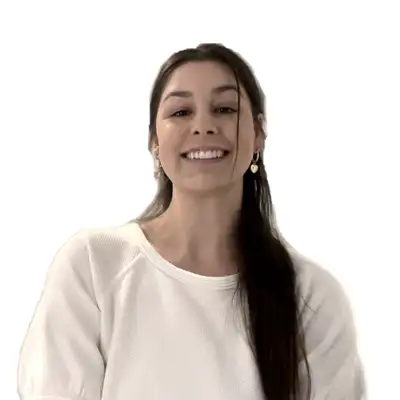
Hey everybody. I'm Hannah Dittman, operations and finance host of the Startup CPG podcast. And today I'm joined by Rana Argenio from Pallete Ventures. Rana brings a rare full stack perspective to consumer investing, spanning finance, operating roles, founding and at Pallete Ventures, she backs emerging consumer brands with a sharp fundamentals driven lens and a deep academic understanding of the broader consumer ecosystem. She's a big picture thinker with incredibly thoughtful insights, but also someone who's grounded in the details, especially when it comes to what actually makes a business work. On top of that, she's known for being incredibly generous with her time and bringing in a high level of empathy to the founder journey. In this episode we unpack key lessons learned across her career, what really matters in diligence and how to think about founder investor fit from both sides of the table.
02:03
Hannah Dittman
We also get into what great founders look like, how to evaluate your gross margin in a meaningful way, and the core KPIs that actually drive strong consumer businesses. If you're building fundraising or looking to level up your understanding of what great really looks like in today's market, this one is packed with practical, thoughtful insights. Enjoy. Hey everybody. Welcome back to the Startup CPG podcast. This is Hannah and today I am so thrilled to be here with Rana Argenio of Pallete Ventures. Rana, welcome to the show.
02:36
Rana Taghdisi Argenio
Hi. Thank you for having me.
02:38
Hannah Dittman
Thank you for being here. I'd love to start out with a brief background of your career and the path that led you to Pallete.
02:45
Rana Taghdisi Argenio
Sure, absolutely. So I did my undergraduate at Wharton around the same time that Allbirds, Warby Parker, all of those were brewing. I remember taking the first kind of on campus consumer surveys. Tucked that in the back of my head. And like any good Wharton student went on to work investment banking. I joined Goldman Sachs within their consumer, retail and healthcare team on the debt side of the business. It's actually where I crossed paths with my partner Nina for the first time who also joined Goldman at that time. And I think given the nature of 2010, it was a lot of restructurings. Businesses failing at large. Gave me an insight of kind of the pitfalls that consumer businesses need to avoid from the earliest stages.
03:26
Rana Taghdisi Argenio
And left Goldman, went to business school and then took over a legacy manufacturing business where a US based manufacturer of luxury bed, bath and table linens where all the fabrics are woven overseas. Everything's made on demand locally in the US and sold through a network of 1200 plus partners ranging from independent retailers to department stores to hospitality and interior design trade. So it was really a crash course on the unsexy side of consumer wholesale manufacturing supply chain. And at the same time I was keeping an eye on the permeation of kind of like the direct to consumer brands as they entered into the home space. Right. It was like Casper Parachute Brooklinen and was fascinated by the fact that they were bringing brand awareness to a no pun intended, sleepy category. But ultimately kind of sitting on top of a vertically integrated supply chain.
04:20
Rana Taghdisi Argenio
Like I didn't find anything truly direct about the business model. So I ended up launching a pure play direct to consumer brand again self funded and bootstrapped, taking advantage of that vertically integrated supply chain behind me and was selling kind of the same sheet sets that would retail at $2,500 through a Neiman Marcus at a competitive price point to those other brands again bootstrap. So looking at first order profitability, looking at natural retention, business grew profitably. But iOS 14 happened and kind of brand shifted to betting on lifetime value versus first order profitability. That same time I was immersed into the early stage consumer ecosystem that had developed in New York City just through natural collaborations and partnerships with other brands.
05:08
Rana Taghdisi Argenio
Kept hearing kind of frustrations from founders from raising from the tech in general SVCs and we sometimes refer to them as the tech tourists that came into consumer. When direct to consumer brands were reporting metrics like SaaS companies not recognizing that economies of scale doesn't fix everything in a consumer business margins don't infinitely grow and I don't know, having sat on different sides of the ecosystem from like Goldman to Manufacturing to direct to consumer had this perspective of consumer markets are unique, they're fragmented, there's not one winner takes all. So if you build these businesses capital from like a capital efficient perspective from the onset, there's multiple opportunities for exits at different stages and sizes where it doesn't have to be a billion dollars or zero inst. There's opportunities in between. And started angel investing.
05:55
Rana Taghdisi Argenio
And throughout this period my path and Nina's path kept intersecting where she had also launched a venture backed directed consumer startup. We were living across the street from one another in New York City almost looking at like distant co founders and angel investing and naturally progressed to this path where we decided to launch Pala where we saw this white space in the market.
06:15
Hannah Dittman
What a masterclass. And kind of the ebbs and flows and the shifts that have happened in the consumer landscape from the investor perspective especially I think really well said and sheds a lot of color I think too on the mindset that a lot of consumer investors of today are looking at the market with and the lenses. You know history is such an interesting thing in any industry and ours is no different. The history of how things have unfolded I think matter a lot. I'd love to learn a little bit more about Pallete and get an understanding of your guys's positioning, your mandate, your criteria and stage and focus.
06:52
Rana Taghdisi Argenio
Absolutely. So Pallete is we like to call ourselves an operator, LED and operator backed fund because were looking to really fill that white space. We had invested as angels, Nina had raised from angels. But ultimately recognizing that the 10 to $15,000 checks that angels were funding wasn't going to move the financial needle very far very quickly for most companies. And having a little bit more of that institutional rigor and kind of discipline would benefit those early stage companies. So we are an early stage fund focused on pre seed through series A. But sweet spot really being seed stage companies investing in the behavior shifts that really define where we're spending our time, attention and dollars. And particularly we're excited in those innovations that make the everyday healthier, happier and more accessible for everyone.
07:42
Rana Taghdisi Argenio
Whether it be a physical product, a digital solution or a service. And we look along the supply chain because sometimes it's not the consumer facing brand that's addressing that pain point, but somewhere along the supply chain that we can really address it at scale. We invest 100,000 to $500,000 checks. We're really collaborators in rounds. We intentionally want to sit outside the boardroom leaning in on that founder to founder support. We always like to say we're a WhatsApp message away. A lot of our conversations with our founders happen on WhatsApp at 8 to 10pm when kind of their wheels are turning after business hours have shut down. And yeah, it's leaning with that human capital that we wish that we had around when were building.
08:23
Rana Taghdisi Argenio
And we're supported by a strong team of venture partners and fellow operators that are either investors in the fund or just kind of our friends and peers for the past 10 years for more sector level expertise where it falls outside of our domain of experience.
08:40
Hannah Dittman
I love the allyship and the thoughtfulness that you've crafted, your positioning and your fund around and the intimate knowledge that you have of what it really takes from a partnership standpoint to add value and to be a good fit for another founder. I think that's a big differentiation and I think I'm sure a lot of the founders listening are eager and wishing that they have in their 8 to 10pm it's no easy feat as you know. I'd love to kind of dive into a little bit more about what makes a good partner. When you're thinking about the ideal founder investor relationship, obviously you're shedding a little color on what the day to day is like, but what should founders really be looking for as they're thinking on bringing an investment partner into their business?
09:25
Rana Taghdisi Argenio
Yeah, absolutely. I think I like to think about like bringing on a venture partner is like entering into this like 10 to 12 year marriage where you don't have an option of divorce. And a lot of times you're bringing on those venture partners before you have a fully kind of hashed out product business model, not even like a consistent revenue stream. And I wish more founders viewed their investors as partners, as thought partnerships and filled their cap table with people who have expertise that could help them along the way, being really an extension of that team. A lot of times in speaking with founders, again I bootstrapped and I'm a big advocate for that because I think there's certain points in time where it makes sense to take venture just given the expectations of our business model overall.
10:15
Rana Taghdisi Argenio
But I think some of the questions that founders should be asking their investors is, you know, getting to know their fund dynamics. What is your aum? What is the fund size? That's kind of a measure of what their exit expectations are. A fund that has $50 million and is looking for 3 to 5x returns is very different than a fund that has a billion dollars and is looking for that same return profile. How many portfolio companies are in each fund and what is the cadence of raising subsequent funds and how many companies are they basically supporting at any point in time?
10:50
Rana Taghdisi Argenio
Is your relationship with kind of an associate or is it with the partner themselves who has the ability to drive decisions through and who's consistently going to be there versus someone who's at the risk of le do they have other portfolio companies that are directly or indirectly competitive to you and where do they have experience in helping those businesses to exit? But I think also I'd push your investors to not only make introductions to successful founders in their portfolio, but also those that failed. Like get the truth on where that investor is when things turn sour. It's easy to be supportive when everything's up and to the right, but a lot of times investors ghost when a portfolio company isn't performing in the way that they expected. We're always very generous with introductions.
11:39
Rana Taghdisi Argenio
Again, I think having been in that founder seat and still wearing that operator hat, we're like who can we introduce you to? But I think you should push to see who would you introduce me to in the next 48 hours and get a sense of how they're going to roll up their sleeves. Because I think you should expect more than just a financial check and bringing someone onto your cap table. And then there's the whole dynamic of future fundraising needs and whether there's kind of a follow on strategy or reserves and getting a clear perspective of what that looks like for funds that have a reserve strategy and can follow on into subsequent rounds. What milestones are they looking for? Because I think they're signaling risk of a fund typically follows on doesn't follow on in your company.
12:21
Rana Taghdisi Argenio
You want to know why we at Pallete we're a small first time fund. We don't have that follow on strategy and so push funds like us in terms of how we support and substitute subsequent fundraising rounds. Who would we introduce you to? Who do we think are good follow on investors and how do we play a role in supporting you in those future fundraising needs?
12:40
Hannah Dittman
Rana, so well said and so thoughtfully articulated and thought through in that answer, I'd love to just double click on a few things you said and drive the so what? Or the explanation a little further. When you're talking about returning a fund, you're talking about making sure you understand the AUM and things like that. Can you explain for us a little bit more what actually happens in tangible terms or why that matters or what insight that knowing those numbers or knowing those things really gives you as a founder?
13:13
Rana Taghdisi Argenio
So at the early stages These companies are inherently risky. Like as a venture investor, yes, we are buying a share of a company, but we're really actually buying an option on a future outcome. Because the reality is most of these businesses don't make it to exit. I wish they would take advantage of smaller exits, but most of the time they don't make it to exit. And so in our own portfolio constructions as early stage investors, and again, speaking more generally, you're looking at 15 to 20 companies. You're betting one or more of those companies returning 10 to 100x to offset the losses from those that don't make it. So if we raise, for example, $50 million and I'm targeting 3x returns, again for the simplicity of math, I need to return $150 million to my investors.
14:07
Rana Taghdisi Argenio
Each of those checks on the smaller size are somewhere 2 to 5 million dollars. And so you have to really have an outstanding outcome for that math to work. And so that's what investors are really betting on. Look, there's always other sources of capital to support early stage companies and that's where like Angel Network, valuable family offices that have more patient timelines are really valuable. And if your profitable debt financing becomes interesting, that's super helpful.
14:34
Hannah Dittman
And I think breaking down that math is really insightful. For founders that, you know, the investment side isn't their career, this isn't something they're thinking about or maybe fully understand. And when you put that in practical terms for a founder fundraising, you know, the things that they should be then thinking through is okay, if you believe that you're looking at company evaluation with the expectation that one of these children needs to be a 10x or I'm going to need to get to a certain dollar amount for you to be able to return your fund or a portion of your fund in a way that makes sense for you. What does that mean for me and this investment and the goalposts that I need to achieve and how does that actually work?
15:17
Hannah Dittman
As me as the operator, you're essentially giving a founder a mission in a way. And I think the founder has to feel like, of course, I'm sure they're aligned with that mission because having a giant exit sounds so nice to everyone. But I think the reality of like what that actually takes and what that means for your day to day, for your personal life, for your business, for the products that you're going to need to launch, the channels that you're going to need to enter, the amount of customers that you're going to need to acquire, I think Asking all of those really tangible questions to yourself and feeling like you're set up for success, not failure, and it's also a path that you want to run as a founder too, are all really thoughtful, important things to be thinking about in a fundraise process.
16:01
Hannah Dittman
And I think you explained that in a really insightful way.
16:04
Rana Taghdisi Argenio
Consumer sectors are interesting because there's strategic and financial buyers that have appetite at different stages and sizes. Again, as long as businesses have like profitable unit economics and rational capital structures. I think in the past the issue was that companies raised too much and grew to size where they outgrew that kind of exit universe and then on top of it they were vastly unprofitable and so inherently didn't have any underlying value. There were some acquisitions that happened of these massive companies that were operating unprofitably, but they ultimately ended up being failures because it's hard to steer ship at that scale when it's just been built incorrectly from the onset. And so I think us, and as well as a lot of the other early stage consumer investors are taking a different perspective.
16:54
Rana Taghdisi Argenio
And fund sizes, there's a bunch of smaller fund sizes that are able to take advantage of businesses that can exit at the sub $500 million outcome where it still generates really strong venture returns as a result of kind of less capital going into the business throughout that growth period.
17:12
Hannah Dittman
Super well said. And yes, I think like that's what you're alluding to earlier and what many people describe as the tech model, you know, where it's really revenue driven and it's all about ARR and getting the revenue super great. And when you're thinking about a D2C brand that you know, gets to like 200, 300 million plus of revenue, but isn't thinking through the long term impact of what that actually means? And what's that revenue worth if you don't have an EBITDA multiple tied to it or things like that. So really well explained. I'd love to think through some reflections on your career. You've obviously had some great perspective across a broad time in consumer from the operator side, from the investor side, from the ancillary business side.
17:54
Hannah Dittman
What lessons learned or key things do you wish other operators knew that you've kind of gathered into your arsenal over the years?
18:03
Rana Taghdisi Argenio
I've taken a number of like pivots in my career and I think at each unique point maybe it didn't make sense. But then kind of I look back now and the seat that I'm fortunate to occupy now is like this thread that ties them all together. And so I look back at my time at Goldman and it was this like masterclass in professional discipline, right? In my 20s, I was entering into one of the more rigorous institutions out there and you learn time management and you learn fast and make a mistake only once and carrying yourself at a different level. Then I went into manufacturing. Real unsexy. It wasn't about polished decks or boardroom, but rather around working capital and resourcefulness and like steering a cruise ship. So it's like heavy, it's slow moving and it's a completely different animal.
18:50
Rana Taghdisi Argenio
And then going into a bootstrap startup, it's really about survival, like learning how to fail fast, iterate under pressure, and those are all takeaways that I think puts me in a position now where I'm like, okay, every step has been this learning opportunity, but also gives me a lot of empathy. And it's this toolkit that you get to lean on at different points in time. And kind of I put myself back in the founder operator shoes where like, I still have the battle wounds from that as anyone who sat in that seat. It's not always an easy ride, but I think I regularly look to founders and I'm like, build a cap table that are extensions of your team. At the same time, go slow, but go fast. Right? Like, don't accelerate on things that don't make sense.
19:34
Rana Taghdisi Argenio
Get the learnings and then add fuel to the fire at that point. I like to say that isolation is like this enemy of progress. Like, don't operate in a silo, ask for help early versus explaining failures late. There's more empathy around than you anticipate and that you would assume. And then like leverage those network effects, like find where you can learn from others failures and misses. Like bypass those common pitfalls on hiring, fundraising, distribution, supply chain. Like, people are always willing to lend their time and their ear to help people that are kind of a little bit behind them because again, they know what it feels like to have gone through that. And it's a big reason why we structure Pallete the way that we did.
20:18
Rana Taghdisi Argenio
Like, we found that there's this almost unnecessary Chinese wall that sits between a portfolio and the LP base. Whereas that LP base is this huge source of experience and networks that we want to leverage and streamline that relationship and matchmaking process. Because as a founder, you're busy, you don't necessarily always have time for networking. But can we be that matchmaker through our networks and help make those right introductions for you?
20:47
Hannah Dittman
So beautifully said and I think such impactful words of wisdom in a lot of that and a great reminder on some important pieces of knowledge. I think having more empathy around than you think. I think that's so especially true in cpg. You know, the people who are in CPG aren't necessarily all in here for the money or for the glitz and the glamour, whatever it is. Most people gravitate towards CPG because they have a really strong passion for people and creativity and problem solving and products and impacting people's lives in a positive way. At the end of the day, when you like boil everything down to the widgets, that's what we're all doing. We're trying to bring people joy or fix a problem or, you know, that's really the driving force behind the industry.
21:34
Hannah Dittman
And I think that shows up most often in people's personalities that have gravitated towards this field and you're clearly one of them. But yeah, I think asking for help, I rarely find a door slammed in someone's face. In the consumer world, people are so helpful and kind and have a lot of knowledge. It's a very anecdotally learned business in some cases as well because everything is so bespoke and unique to whatever you're working on. A lot of ways to learn from other people out there, specifically focusing on fundraising. You know, if you were mentoring me through a fundraising process right now or coaching me through it, what pieces of advice would you have for me?
22:16
Hannah Dittman
Or where do you feel like founders misstep or miss some information that would be really helpful for them to understand or to approach the process that would drive more success.
22:26
Rana Taghdisi Argenio
It's like, don't solve for price, solve for partner. Like I think no one wants to be diluted down, but ultimately you're inviting these investors onto your cap table. It's a relationship, it's a long term. Like if that investor is value, add to it's worth the additional points of dilution. In this environment, capital is not as readily available as it once was and expectations for being able to raise are higher than ever. And so as you go out to race, don't just think about your short term 6 month needs, but instead solve for Runway. Solve for 24 to 30 months. Like that period between a seed round and a series A has extended and add in that additional buffer. It's never the three week process that anyone anticipates.
23:17
Rana Taghdisi Argenio
And at the same time you have a full time job of building and operating your business and fundraising is a time suck. Like as Much as you don't want it to be, it is a distraction from what you're doing. I think relationship building with your investors is important, but also do it on a cadence where again it's not a distraction from your daily job of operation and they don't get bored of hearing from you with minor updates. Instead you're highlighting the big milestones and building that anticipation for when it is time for you to raise. But I think more than anything is like focusing on the metrics that matter. Like if you are building a solid business, fundraising won't be difficult. Look at what investors are seeking for in your business.
24:03
Rana Taghdisi Argenio
It's that month over month growth proving that your product is pulling users in. It's the repeat purchases that's validating this habit formation and brand loyalty. Looking at unit economics early again, unit economics in the early days are not perfect, but at least you have a mindset towards where they need to be and you're consistently improving on it. So looking at a contribution margin based LTV to cac where the business model works. But also there's a payback period that makes managing cash Runway much more digestible and helps investors realize that you're not perpetually leaning on external funding sources as a crush for your business to operate on a daily basis.
24:50
Hannah Dittman
So thoughtful and so helpful. You know you're touching on a lot of these business pillars that get unearthed in diligence in our areas that investors focus on as they're evaluating brands. When you think through your own diligence process and expectations, obviously scoring high on a lot of these metrics matters. But what makes a company or a brand or a pitch stand out and what are the big buckets you're really focused on in diving into in a diligence process that gets you excited and builds conviction in a brand?
25:22
Rana Taghdisi Argenio
Sure. So I think taking a step back in terms of what our diligence process is like as a fund, we're very thesis led again. We spend time thinking about where this consumer is spending their time, attention dollars, where's the market opportunities that we want to invest in. And so typically when we're making a call, we've done that homework. We're not saying how big is this market? But instead the question is really like why are you the best one to go build this business? Like what is the problem that won't let you sleep and why are you going out to build this? And once we've taken that initial call, a lot of that test is around like founder market fit and happy to double click on that too. But then we spend time looking at the business model.
26:05
Rana Taghdisi Argenio
A lot of our more institutional LPs as well as our later stage kind of investor peers, the growth investor, the private equity investors almost tell us that we take this growth like approach towards seed stage investing. Because I think there's this art of VC meets the science of business where you're looking for the actual gears of the machine, the unit economics. Does this work even at the current level? And again, assuming there's economies of scale that help improve that over time, what does your working capital cycle look like? Where is the supply chain? And then after doing that work, kind of reach this consensus of like, are we bought in? Like, do we want to continue diligence?
26:47
Rana Taghdisi Argenio
In which case we hop on the phone again with the founder and the founding team and again double click on that founder market bid and address any questions that we have. Because there always will be questions. Nothing's perfect at this stage, but really, how are you thinking about the future and then kind of doing reference checks on those founders? Sometimes we have the opportunity of having known the founder over the past 10 years and this is startup two or three, or maybe we've been tracking them for the past 12 months. But a lot of times these processes move quickly and we only have the benefit of, you know, a few weeks. And so how do your peers and colleagues, former employers and employees, think about you? Because I think talent, hiring and retention is a huge driver of how these businesses ultimately scale.
27:31
Rana Taghdisi Argenio
But I think in terms of like that founder market fit, which is really important at the C stage, again, nothing is firm, the product's not in its final state, the business model's not in its final state. Go to market is still being tested. There's a couple of things that we click on of like one, like, are you just chasing a trend or are you leading a shift? Like, what are these consumer shifts? Like, have you identified a friction point or constraint that others are overlooking? Is that pain point like keeping you up at night? Have you found a way to really address it? And then in the age that we're now, where it's never been, frankly, cheaper to build a business? Like, do you have evidence of trying?
28:13
Rana Taghdisi Argenio
Like, instead of saying we plan to build X, we want founders that have said, okay, we launched this mvp, we showed proof of demand, we iterated on it and we improved engagement by X, where it shows that you're resourceful and you're willing to roll up your sleeves and prove that you can act fast. Again, there's those day zero unit Economics. And then lastly like a defensibility, like consumer, yes, a big part of its brand. But we like to look at something that we call a multi layered mode first and foremost. What's that hard mode? Is it a proprietary data loop? Is it a technology capability? Is it a complex distribution advantage? Is it a manufacturing mode? Is it an ingredient innovation?
28:55
Rana Taghdisi Argenio
What is it that creates stickiness for your product and kind of accelerates economies of scale but also diminishes cost of acquisition over time? I think the beauty of direct to consumer even today is this direct customer relationship that the large legacy brands don't have. They built on the shelves of retail. They were never directly talking to their consumers. Like how is that direct customer relationship helping you de risk new product interjections, channel expansion, geographic expansion. Like how are you using that data to inform your data decisions and then the brand itself. I don't think you can operate in consumer without a brand like does that have lasting power? Again, is it a brand that's built for a short term trend or is it something that we can look to over the next 20, 30 years as existing? It has a reason for being very.
29:47
Hannah Dittman
Helpful color and makes a ton of sense. All the different aspects of a business that you're thinking through as you're mentally evaluating long term longevity and success and trajectory of the business and all the things that need to be in place and going right for that to happen. You know, you're talking and touching on founder market fit and founder evaluation as part of the diligence process. I'd love to briefly touch on how you're thinking about what makes a really strong founder and maybe even through an example of a founder you've worked with or something from your portfolio. Would love to understand in as clear of a way as possible of what signals strong founder market fit and what signals a competent, capable founder to you.
30:28
Rana Taghdisi Argenio
Yeah, so I think there's different types of founders, right? I think there's like technical builders and then there is almost like these visionary storytellers. And it's not that one's better than another. It's just a matter of where their strength and weaknesses are and who they need to surround themselves with. Were a firm believer in kind of past experience. Like do they have this like secret or earned insight from their previous life that best positions them. Again, there's a reason investors like supporting like repeat founders because again there's those battle wounds that you learn from. I mentioned earlier this obsession with a problem like I want to know why you're doing this like if you're telling me market opportunity, is that a problem that's really itching you enough or is it something that you really lived with?
31:13
Rana Taghdisi Argenio
There's like a painful friction without you that you just can't not address. We get excited when we see founders who are radically resourceful. Where day one at Pre Seed, they're not talking to me about hiring a coo, a cmo, a cfo, but rather they want to hack the system. They want to hack hiring and acquisition, distribution and growth. They're not looking to just outsource all of that to other people. Again, that's not mutually exclusive with the founder that needs to have this talent magnetism because you can't build in isolation, but like the ability to sell their vision to find, hire, retain and really mobilize that top tier talent. And I would say maybe the most important is like an intellectual honesty and self awareness, knowing what their strengths and weaknesses are, ability to admit when something isn't working.
32:07
Rana Taghdisi Argenio
And like when something isn't working, explain and understand like why it was a failed experiment as opposed to just saying it was a bad month because I don't think you can learn until you break that really apart. Yeah.
32:18
Hannah Dittman
That post mortem mindset I think is so important. And not being scared, of course, Obviously, always trying to make things go right, but not being scared when things go wrong and instead trying to understand and improve with those learnings. I think there's hiccups in every business and there's challenges, especially at the earliest stages. You're figuring so many things out. So I think getting to that next level takes a lot of unpacking what's going on in a business and really understanding it versus being scared of it or avoiding it. Well, Rana, you've had such great insights. There's so many things going on in your mind that I feel like I wish we could just write a book and publish it out there for all the founders listening in. But I'd love to pull a question from our Slack channel for you to answer.
33:05
Hannah Dittman
As you know, startup CPG has the largest Slack community in the industry with now over 35,000 members. I'd love to pull a question directly from our channel and have you answer it as a case study for any founder that might have a similar question. Today's question is how can I figure out what gross margin targets are for my company?
33:23
Rana Taghdisi Argenio
Sure. So I think there's a number of resources available to you. I mean today with AI, you can hop into any of the platforms. It gives you a pretty good idea But I think I double click on that further. Like I think AI has replaced a lot of the like high level statistics platforms reports that you used to go look through. But I think I'd spend time with your manufacturers, understand from them again they've worked with a number of brands, both small and large and get a sense of what are the gross margins you actually need to succeed given the distribution channels that you need to enter into. I talk with founders that have built in your category, especially those who have gotten to scale because they've gone through a lot of those that distribution roadmap.
34:06
Rana Taghdisi Argenio
A lot of founders kind of start out day one focusing on margin they need for direct to consumer to work. But then if you look to go into retail and build an omnichannel platform, you're giving up a lot of that margin to retailers and you have to make sure that you have enough padding for your business to continue to work. These days acquisition costs are not as low as they once were and so you have to account for that again early days you don't necessarily know what your lifetime value and repeat rates are in order to make a bet on that. So like optimizing for first order profitability. But I think there's a lot of resources out there these days that make it easier than ever to understand kind of what a start point is.
34:45
Rana Taghdisi Argenio
But also don't be afraid to iterate and do price testing on your website in the early days when you are smaller and see do you have the ability to command a higher margin versus discounting yourself early on.
34:57
Hannah Dittman
Really well said and I think hugely important piece of advice to talk to your manufacturing partners. I think people often forget that's an extension of their team or shy away from the resourcefulness that your supply chain can offer. But their incentives are super aligned with yours. Like if you win, they win too. And I think the best coos that you speak with later stage companies will beat the drum over and over again about how important it is to be a team member with your supply chain and really a true thought partner with your manufacturing partners. And I love that piece of advice here. I think a novel way to think through solving a problem that you wouldn't necessarily associate immediately going to your manufacturing partners for some thought partnership on but very helpful.
35:43
Rana Taghdisi Argenio
Yeah because I think you can look at like SEC filings and everything right. But like those businesses are at scale and so as manufacturing partners can give you some strong insights of like obviously at like lower order quantities, what are your margins and then with scale where can you expect those to go a realistic expectation. A lot of founders sometimes think that margins will expand indefinitely and I think those manufacturing partners are like the best source of wisdom that. That 10xing your order volume, what does that actually do to your margin over time?
36:14
Hannah Dittman
Yep, for sure. And they'll lay it out for you with the economies of scale and I think they especially if you've gotten into partnership with the right people, they can be really helpful in getting you additional information on outside of your just your brand as well. Well Ronna, this has been such an amazing chat. You're so eloquent, so intelligent, have so much founder understanding and empathy. I love the thoughtful approach to investing you have and the way that you're looking at the ecosystem broadly and within your own firm. For any founder that might want to get in touch with you, think they might be a good fit or want to continue the conversation, where can they find you or what's the best way for them to get in contact?
36:52
Hannah Dittman
And second part of my question, do you have any advice or opportunities for those interested in joining your team or investing in general?
37:00
Rana Taghdisi Argenio
Sure, absolutely. They can feel free to reach out to both Nina and I at nr@palletevc.com we are a scrappy team of two. So again, we have a lot of that founder empathy in terms of those that want to join us. We regularly have interns that want to support us, that want to get involved in the investing and they really operate as extensions of our team. We include them on deal flow calls and diligence. When were fundraising we gave them a clear view into that. Again, I don't think there's anything more helpful than people being able to roll up their sleeves in a real world environment. So again, feel free to reach out to nralettevc.com awesome.
37:40
Hannah Dittman
Well, thank you so much for the stellar chat today. We really appreciate your time and all of your insights and it was awesome getting to speak with you.
37:48
Rana Taghdisi Argenio
Thank you again, Hannah.
37:51
Hannah Dittman
Well friends, we've now arrived together at the end of another episode of the Startup CPG podcast, the top globally ranked podcast in cpg. And if you love this podcast, you'll love our Slack community even more. Here at Startup cpg, we're a community of brands and experts and you should join. Sign up @startupcpg.com you'll then get an invite to our online Slack community of over 35,000 All Star CPG members, hear about amazing events near you and all our special opportunities to get you in front of buyers, investors, brands and more. It's a free community. So what are you waiting for? I'll catch you on the next episode and I'll see you on the slack.