Subscribe
Share
Share
Embed
What’s Up, Wake covers the people, places, restaurants, and events of Wake County, North Carolina. Through conversations with local personalities from business owners to town staff and influencers to volunteers, we’ll take a closer look at what makes Wake County an outstanding place to live. Presented by Cherokee Media Group, the publishers of local lifestyle magazines Cary Magazine, Wake Living, and Main & Broad, What’s Up, Wake covers news and happenings in Raleigh, Cary, Morrisville, Apex, Holly Springs, Fuquay-Varina, and Wake Forest.
39 Whats Up Wake - Hydrate IV
===
[00:00:00]
Melissa: Sneezes sniffles and stomach bugs. Oh my tis the season for germs and I know I, for 1:00 AM always looking for ways to fight off getting sick, not to mention the constant exhaustion of being a busy mom.
I also unfortunately suffer from occasional migraines, and I know after many years of journaling [00:01:00] my symptoms that one of my biggest triggers is dehydration. That's one reason why I've been curious about the fairly new, at least new to me concept of IV hydration therapy. So today I'm going straight to the source with someone who knows a thing or two about keeping people refreshed.
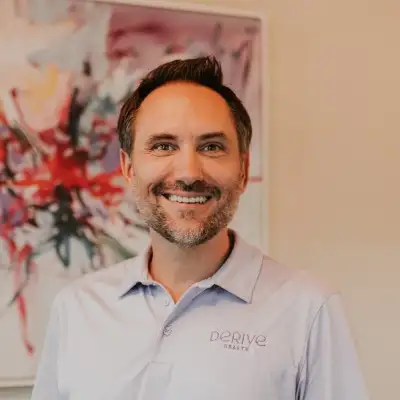
While some might turn to coffee or sports drinks when they're feeling run down, Dr. Jonathan Lee takes hydration to a whole new level at his IV drip clinic, hydrate medical from boosting energy to helping people recover. After a long week, they put wellness directly into the veins of the community. One IV bag at a time.
I'm excited to dive into the science, the stories, and maybe even the secrets behind the drip with Dr. Leak. Welcome.
Jonathan Leake: Thank you. Thanks for having us.
Melissa: Thank you for coming. I, I am very curious about your background as a doctor, particularly you [00:02:00] being a doctor. You can go so many different paths. Sure. How did, how did your.
Career lead to IV hydration.
Jonathan Leake: Yeah. So I'm a board certified emergency medicine physician, so er doctor. Okay. That's kind of, most people call it. Mm-hmm. Um, I've practiced emergency medicine for 20 years now, um, and was full-time in that for 13 years, but really have primarily working on, you know, IV hydration now.
And so, you know, what we saw in the emergency department is we were always taking care of people when they were sick, when they were run down. You know, taking care of them at their worst. Um, and so I wanted to kind of try to find somewhere that we could help people feel better and just be healthier, you know, and kind of help promote their health and wellness.
So we weren't just always taking care of 'em when they were sick and run down. Yeah. And so my business partner, Keith and I, um, you know, started to kind of look into some options of how we could help people live healthier lives. And this IV hydration thing was just starting then. You know, this was 11 years ago 2014, um, when we were first.
Started this.
Melissa: I didn't even think it's been around that long. Yeah.
Jonathan Leake: And it was really just focused on hangovers. Then, you know, there was a hangover [00:03:00] heaven in Vegas mm-hmm. And a place in Miami and one of Chicago, but you know, really wasn't only four or five places in the United States at that time. And so we kind of looked at some of that and, and you know, we knew that it was helpful for, for hangover, but we wanted something to kind of help people that were, you know, athletic and trying to perform help.
Boost immunity help people recover from flu and viral illness faster. Mm-hmm. And so we really kind of dove into the medical literature to kind of try to find like, what could we give people in these IV drips, you know, that could actually help them be healthier overall. And so we ended up kind of creating all these custom cocktails and opened our first Hydrate medical in 2014 to kind of boost health and wellness.
And then it's just kind of grown from there as we've seen such great success with people feeling better and continue to, you know, have more and more interest in it.
Melissa: Are you guys just in North Carolina or are you beyond North Carolina now?
Jonathan Leake: Yeah, we have one location in South Carolina, in Fort Mill, South Carolina.
So still kind of Metro Charlotte, but um, yeah, primarily not c Yeah. So you
Melissa: started in Charlotte, right? Right. Yeah. Okay.
Jonathan Leake: Yeah, so we started in Charlotte and then we opened our second location to Lake Norman, kind of just north of Charlotte. Mm-hmm. Um, and then Raleigh was actually our [00:04:00] third location. Oh.
And then it's kind of expanded from there. 21, 22. We really grew a lot. Went from three clinics to seven clinics, and then we just opened our ninth clinic in Mooresville, North Carolina.
Melissa: Oh, congratulations. Yeah,
Jonathan Leake: thank you. But we're we really love our Raleigh and Carey clinics. They're just super, um, exciting to have it here as well.
Melissa: I will say I, um, I went for the first time the other day Yeah. To try it out because I, when I asked you to come. I, I like to have an idea of what things look like and, and the experience too. And it really did give me a much more, um, I, a closer idea of what I'm talking about when I'm, when I'm interviewing you, I kind of liken it to going to the spa.
Mm-hmm. And I'm not much of a spa person. Um, don't really like massages. Okay. Might get a facial if somebody gives me a gift card, hint, hint. Um, but this was [00:05:00] just a relaxing place to sit for an hour. Of course, still looking at my phone. Should have brought a book, but it's about an hour. You go in, you sit and they, they put an IV directly just like you would at an emergency room.
Right. Um, and doesn't hurt. And it's just relaxing. And you're thinking what is even happening? Yeah. You know, the one I chose was the immune. Bag. So it was what? Vitamin C and d and zinc and just giving my body an extra boost to Yeah. Fight off this six season that we're in now.
Sure. Um, how, how would you explain though, IV hydration therapy to somebody who's never heard of it?
Jonathan Leake: Yeah, so you know, really the goal with IV hydration therapy is to get a hundred percent absorption. And so, you know, when we're giving something directly in the iv, you're getting all of it. You know, when you take things by mouth or even if you did an just a direct injection, like an intramuscular shot of something, you only absorb so much of it.
And so the nice thing with IV is that you really know that you're [00:06:00] getting everything that's going in. And so, you know, the way we've customized the drips is to kind of focus on different ailments, whether it's kind of fatigue and you're looking for an energy boost, or you're looking for more of an immune boost, or you're looking to kind of improve your skin health.
Um, athletics, those sort of things. And so, you know, when you're doing the immune boost, it's really focusing on giving your body everything it needs to kind of boost the immune system. So like you talked about the B vitamins, you know, which help the cells kind of function. Mm-hmm. Vitamin C, which really know is a powerful antioxidant and, and really help support the immune system as well.
Zinc, which has really been shown to have some strong antiviral qualities. And so really important this time of year, um, as we're starting to see these viruses, you know, start to pop up already. Yay. Yeah. And so like you said, I mean it's, you know, we really wanted to have this kind of medical spa balance, you know, and so while we meet all the medical, you know, grade requirements that would be needed, we employ almost exclusively emergency medicine nurses.
So you really have super skilled nurses that are taking care of you. Mm-hmm. There's a nurse practitioner available to see you as well, and so, you know. Through all that. It's really about putting together the safety. But then I also want you to feel very, very comfortable and [00:07:00] have, you know, I, I believe that kind of the relaxing and kind of feeling settled in is kind of part of that process of feeling better a little bit, right?
Like, we don't take enough time for ourselves. And so it's a neat place to just kind of relax and settle and
Melissa: Yeah. So yeah. Sit still for a little bit. Yeah. Yeah. It, it really did feel like a zen environment. Um, so that, that part was actually very nice and I, I didn't, I didn't really know what to expect, but, um.
But yeah, you're, and I, I kind of thought, oh, you're gonna be sitting with like the medical curtains and, you know, separating you and you're not, you're in your own space. Mm-hmm. I think a couple of the spaces have, have maybe two chairs in it, but it's, it is a relaxing thing to do. Um, one thing I read about on your website was something about NAD.
Plus treatment. Am I even saying that right?
Jonathan Leake: Yeah. NAD plus. What is,
Melissa: what is that?
Jonathan Leake: So, NAD plus is really interesting. It's basically an activated form of vitamin B three, but it's a critical component in how your body cells make energy and we're actually learning more and more about NAD [00:08:00] plus and really learning that actually kind of protects cells from aging as well.
It's an important part of the aging process. Oh, I
Melissa: should have gotten that back. That in my bag. And helps
Jonathan Leake: with mental clarity and stuff as well. Mm-hmm. And so it's interesting. Research was first coming out in the 1970s, um, you know, really looking at NAD plus and we're finding great results, but then, you know, everybody got interested in some other things and so that research kind of trailed off.
But it's really making a big comeback now as we're finding it has a huge component of anti-aging and protecting cell health, but also improving mental clarity and sharpness. And so it's great. Like if you're feeling burnout, fatigue, um, n ad plus, oh, that's the one I need, add a lot. Yeah, it's, it's super helpful for all of those things.
Melissa: Okay. So when, when you go. You ask for, um, like I said, I asked for the immune bag. There was maybe like a headache bag or something like that. Mm-hmm. Um hangover, like you mentioned, but then you can add. Supplements to that treatment? Um, just for what, an extra boost or something? Yeah,
Jonathan Leake: absolutely. So I mean, [00:09:00] everything's kind of customizable, so, you know, maybe you're like, oh, I want to boost my immune system, but also I'd like to improve my skin a little bit.
Mm-hmm. And so, mm-hmm. Great. We can add some extra glutathione, which really helps kinda detoxify and kind of brighten the skin a little bit. Um, you know, you already talked about the brain boosting with NAD plus and anti agent with. Plus. So maybe we get a vitamin drip and then, um, sometimes we'll add an 80 plus shot, which is just a quick, you know, shot to kind of get that boost.
Mm-hmm. Um, then ad plus infusions do take about two hours, two or three hours to um, infuse a little bit of a longer infusion. You have to obviously have a little bit more time for that. Okay. Um, but we do offer subcutaneous injections of that now, which. Is a great way to get a quick boost of NAD plus.
Mm-hmm. But yeah, it's, you know, it's about kind of picking what's your core reason for being there. And the nurse is great at kind of helping guide you through that of, you know, hey, you're preparing for a CrossFit competition or a marathon, or you're trying to get over to this viral illness. Let's kind of start with the right drip on that.
And then it's, you know, oh, well I also want to add a little bit more immune boost, or I want to add a little bit more brain health and we can kind of help customize it a little bit like that. And then we have medicines for nausea, headache. You know, um, upset stomach, those [00:10:00] sort of things as well that we can kind of mm-hmm.
Add if there's something specific that you're going after.
Melissa: And you kind of touched on this briefly, but with athletes mm-hmm. I didn't even think about how that could be really, um, very helpful because with dehydration comes so many things that will prevent an athlete from working at their highest potential cramps.
Um certainly not running as fast or mm-hmm. You know, performing very high. So what, what do you suggest for athletes in terms of coming?
Jonathan Leake: Yeah. So, you know, first is for athletic performance, hydration is key, you know? Mm-hmm. And so, and, and most athletes that are really serious about, you know, exercising or working out, kind of know how to monitor their hydration and really kind of push that.
Um, but if they feel like they're getting behind or need an extra boost as to preparing for, you know, a race or a competition, you know, certainly just. The hydration alone can be very helpful. Mm-hmm. Um, the vitamins are also very, very important. You know, just kinda helping support muscle health and muscle recovery.
Um, but you know, also in [00:11:00] recovery, so if you go and run, you know, a a, a marathon or, you know, run along race or you know, do a Spartan race or something that's really kind of taxing on your body, you get this big buildup of lactate and that's what kind of causes all this muscle soreness and achiness and kind of slows you down for that week afterwards.
And so doing an IV drip. Then can be really helpful too, you know, kind of after the race to kind of help wash out that lactic acid, you know, let the muscles recover a little bit faster, kinda give them all the nutrients they need to help recover. And then we also include amino acids in the um, infusion.
So that's really kind of the core to building proteins. Mm-hmm. And so as a muscle is preparing for a competition or recovering from it, the amino acids really kind of help boost that as well.
Melissa: And on the flip side, it. You guys have a lot of, um, people come in from hangovers. Mm-hmm. I came on a Monday morning.
Yeah. And I was telling you when you came in that, um. There were a few people in line behind me to check in that were asking for the hangover bag. Um, but it sounds like that's kind of similar to an athlete, the type [00:12:00] of supplements and vitamins that an athlete would need. Am am I right in saying that?
Jonathan Leake: You know, it is, and you know, really some of these things are the core ingredients that we need. You know, the IV hydration with a electrolytes are kinda helpful for everything. Mm. Mm-hmm. Um, the basic B vitamins, you know, those are really kind of involved in your overall cell health. So whether you're recovering from a hangover or from a race, you know, it's, it, it's kind of what your body needs.
Yeah. Um, but then, you know, kind of just to. Dial in a little bit, I guess, and say like, you know, how are we specifically targeting a hangover? Really a lot of a hangover is kinda the buildup of some of the toxic toxins that are developed as your body metabolizes alcohol. And so really with that drip, we're going after some of those toxins.
So something like glutathione that really helps bind into some of those toxins and eliminate it. We also give NAC or N in that, which kinda helps boost the liver health. So. We're kind of tuning your liver up to kinda help metabolize a little bit as well. Um, so just kind of focus and dialing in on kinda helping you recover.
But you know, in the middle of football season that we are here now, it's like, you know, people are pushing hard all weekend watching games and partying and kind of having a big weekend. Mm-hmm. And so Mondays can be really busy this time of year with people kind of recovering and trying to [00:13:00] start their week off energized.
Right.
Melissa: Yeah. And coming up on the holidays, I would expect that to continue all the way, and like I said, six seasons. So this is probably your busiest. Time of year, I would assume. Yeah.
Jonathan Leake: November, December, January always kind of take off because you just kind of get this perfect storm of, you know, football viral illness.
Mm-hmm. You know, holiday parties. Mm-hmm. Yeah. You know, all kind of coming together. [00:14:00]
Melissa: One thing I'm wondering is about, well, you, the health benefits that you can feel right away or see right away, what kinds of benefits can people realistically expect after. One treatment versus after several.
Jonathan Leake: Sure. [00:15:00] So we give a couple phases.
You know, the first thing is that you're getting the IV hydration and you've sat and relaxed for a little bit. And so most people notice after the drip that they just feel a little bit more energized, a little bit brighter. Mm-hmm. Um, you know, and certainly that, you know, will. Kick in within an hour after the infusion.
But most people, as they're kind of getting up are like, Ooh, I feel a little bit better already. And then the second phase is about two or three hours later, your body will start to put some of those vitamins to use. And so you'll start to feel maybe a little bit more energy, a little more clarity, and then really that next morning, you know, kind of go to sleep and you wake up the next morning and you're like, oh, okay, I actually do feel a little brighter and a little more hydrated.
And really kind of notice most of those benefits. If you were to just do one drip and then kind of go on with your normal life, you know, you may notice that those effects last anywhere from three to 10 days. You know that you're kind of feeling a little bit better. Um, and then may kind of. Aid. Um, but you know, as people kind of incorporate this into their normal health routine, you know, and just like you were saying, some people might incorporate spa or massage, you know Yeah.
Into their normal health routine. You know, kind of see that the effects are lasting longer and longer. And so, you know, our, our frequent customers maybe are coming once a month, you know, um, the most frequently would be [00:16:00] like once every two weeks, um, to kind of get, you know, making this part of their general health routine.
And then, you know, they're noticing things that their skin feels brighter, you know, that they're like. Um, kind of noticing that they just kind of have better energy, more mental clarity, um, aren't fatiguing as easily. And those sort of things are often what people report Immune boost as well. We see some people with chronic illness as well.
Um, I know we were talking a little bit off here about pots, which is kind of a disease where people are prone to heart racing and passing out and really can be helped with IV hydration. And so, you know, some of these clients we see with chronic illness may come a little bit more frequently to just kind of boost their hydration and overall wellness as well.
Melissa: I can imagine that that. Finding something like a hydration, um, clinic. Has been a life changer for people with chronic illness.
Jonathan Leake: It's been so touching to see, you know, that's been one of the coolest things mm-hmm. About having hydrate medical is to see the effects that we've been able to have on people's lives, you know, where they were really suffering before maybe they had to go to the ER to get IV fluids, you know, or you know, really, I have to go to [00:17:00] an infusion.
I know people with migraines. I mentioned
Melissa: I get occasional migraines, but I know people that suffer from it far more often than I do. And they would have to, yeah. Go to the hospital to get IVs right. To, to get over that hump.
Jonathan Leake: Yeah. And you're waiting, you know, maybe a couple hours, you know, you're in the ER for a couple hours at it's loud and noisy, and then you're gonna get a thousand dollars bill, you know?
Yeah, yeah. First coming and spending 150 to, you know, $200 for an IV hydration drip. And, um, you know, we have a lot of the same things, right? We're giving you the electrolytes, the magnesium, um, the toal, these medicines that kind of help with your headache. Um, so yeah, we've, we've really seen some pretty profound changes in, in people's lives, you know, that are suffering with chronic illness or headaches and those sort of things as well.
Melissa: Are there any misconceptions that people might have about. IV hydration therapy.
Jonathan Leake: Yeah, I think that, you know, one of the biggest problems that we're seeing, and this varies little bit state to state, is just kind of the lack of regulation. And so, um, you know, people will sometimes just kind of pop up one of these things, you know, I think the classic story is like, you know, some gym moner that decides he's gonna start offering IVs in the back.
You know, [00:18:00] one of the rooms I in his gym and, you know, how is that kind of. Being monitored and regulated. And so I think if you're looking at IV hydration, really kind of dig into like, what's the medical team and what's the background, you know, if this team that's taking care of me, um, because, you know, we're a fully licensed medical clinic.
I mean, we could practice any type of medicine we wanted, but this is what we're choosing, you know, to do. And so we really approach it that way. We're meeting and exceeding all standards. You know, I'm a physician. We have nurse practitioners that are involved in ER nurses. Yeah, it was an
Melissa: actual nurse. That gave me my iv.
Jonathan Leake: Right. So kind of setting those standards very, very high. Not
Melissa: a, not a gym rat in the back room.
Jonathan Leake: Exactly. Exactly. So just being, you know, this is a medical procedure and so obviously mm-hmm. You wanna make sure that it's being safely done. And then I think that, you know what we often get well, like, why can't I just take a multivitamin or just drink water?
And, and those are great things for kind of like your daily routine, but you know, really sometimes you get a little bit behind or you need an extra boost. Um, and, you know, getting a bag of fluid is like drinking a gallon of water, which is really, really hard to do. And so it's like a, a nice way to kind of boost your.
Recovery and wellness.
Melissa: Are there any [00:19:00] people that should not do this?
Jonathan Leake: Yeah, I think people with severe chronic medical illness, you know, certainly need a closer evaluation and we can do that. Mm-hmm. Again, we have nurse practitioners that see everybody for their first visit and kind of, you know, talk through your health records and those sort of things and screen, but you know, if you have congestive heart failure, you know.
Chronic swelling in your legs because of fluid overload, you know, have kidney problems, things like that. You'd wanna avoid this just because, you know, your body's not really gonna be able to process the fluid and vitamins very well. Um, but for most people it's very safe and effective.
Melissa: If you could design your own signature drip, what do you, what would you put in it?
Jonathan Leake: Yeah, so I usually start with the athlete just because I love getting the amino acids and mm-hmm. You know, all the B vitamins and everything in there as well. And then I usually double the vitamin C and then add extra glutathione as well. And I feel like that combination really kind of gives, you know, my muscles and my body everything it needs to kind of like, you know, be.
Um, healthy and recover. Um, but then kind helps boost my immunity a little bit and helps [00:20:00] detoxify a little bit as well. Yeah, that sounds like, like that the secret
Melissa: drip right there, like Exactly, because it sounds like the athlete one does kind of cover, cover the basis.
Jonathan Leake: It does, you know, because I mean, you just think about you're really pushing your body, so we're kind of giving you everything back that your body needs.
And you know, part of this is it can also boost overall cell health, which is boosting immunity and everything at the same time.
Melissa: Have you ever had any odd requests from. A customer,
Jonathan Leake: you know, I think that sometimes people, you know, take a deep dive into kind of alternative medicine and they'll, you know, be asking for an infusion of something that we just can't offer.
You know, I think that mm-hmm. Missile toe is a, is one that we've gotten a couple times where I guess in, oh, what's that? So I guess in Europe there's um, some infusions of missile toe that's been seen in the kind of parallel some cancer treatments.
Melissa: Actual missile toe. Yeah. So it's a missile
Jonathan Leake: toe that they kind of extract from and then create, you know, something that you can inject.
Ah. Um, and so it's not available here in the United States, but that was, you know, the first time I heard that was kind of like, you know, like you were saying, like, like, you want this plant. I'm gonna Google that. Yeah. Right. Um, so I think so that
Melissa: in [00:21:00] Europe people are using that and so yeah. You've had some people ask for it here, kind
Jonathan Leake: of come across it in the ask about it.
Wow. Yeah. So that's been kind of interesting. Um, but yeah, I think that that's, you know, basically the highlight where someone will find something. Kind of strange or interesting online that they ask about, that isn't really available here, or maybe not proven safe. We always kind of really try to weigh this balance between safe and effective, right?
And so I don't wanna give you something that might be harmful or might be risky, you know, for you. Yeah. So as we designed these trips, we really went into like, Hey, what can be really helpful to your body with very, very minimal or no risk, right? Mm-hmm. And so we usually kind of stay away from those infusions that might carry our higher risk, um,
Melissa: How do you balance? Being a doctor and being a business owner, because to me it seems like. Two totally different minds. Mm-hmm. Mindsets that you have to, that you have to have.
Jonathan Leake: Yeah. It's really interesting. You know, in medical school they don't really teach us anything about, you know, business or mm-hmm.
You managing, um, a business at all. And so it's [00:22:00] been a really big learning curve, you know, to kind of come from practicing an emergency department where I just show up to work, you know, see patients, and then go home and didn't have to think about any of that to really thinking about, you know, how do we hire people and, you know.
How do we build a culture and keep our team happy? Mm-hmm. And so, you know, I really early on did just a ton of reading and research and talked, you know, developed some mentors, you know, that were running businesses and just trying to learn from them. But you know, I think that the biggest thing we found is just how important culture is, you know, and really kind of building this team that we want to feel cared for.
And you know, we want 'em to feel like they're part of the hydrate medical family. And then that passes on to our clients. You know, if they're happy and they feel part of something, then they're gonna take. Better care of our clients. And so kind of going in with that mentality of like taking good care of our team and good care of our people has really just kind of paid huge dividends, you know, in, in allowing us to grow.
I think because our clients see it, you know, and then they're reporting like, man, my team was awesome, the nurse was really great. That took care of me. Mm-hmm. Um, so I think that's been really neat to see. And then otherwise, you know, a lot of it is just a big math problem and, you know, I'm pretty decent at math, but it's just, you know, great to [00:23:00] kind of dig through the numbers and I like, you know, doing spreadsheets and numbers and kind of really figuring out, you know, how to make that all work.
So I think part of it is a little bit of. Kind of the system based, um, kind of problem solving. Right. You know, like if you come to me in the ER and say something's hurting, I'm kind of going through your systems and trying to figure out what's working and what's not and to help you. That is true with the problem
Melissa: solving.
Yeah. Yeah. Piece. But, and I'm also kind of thinking as you're talking that with a doctor. You mentioned long hours, but also with a business owner, you never know when your phone's gonna ring, right? Yeah. That something's going on. So you really always kind of have to be on.
Jonathan Leake: Yeah. And you know, the nice thing about emergency medicine is shift work.
And so it gave me the time, you know, upfront to be able to kind of start the business. And when Keith and I started, I mean it was either here I working in the clinic, um, by ourselves and so we would work evening and nights in the ER to be able to kind of do that. So, you know, show up work in the clinic.
Go do my ER shift, you know, come back. Okay. And so we were able to keep costs very low, you know, when we opened until we kind of grew and then we were able to hire nurses mm-hmm. And kind of, you know, grow it from that way. But, um, it's, are you
Melissa: [00:24:00] still working in the er?
Jonathan Leake: I do about three shifts a month now.
Yeah. Oh, so just a little bit.
Melissa: Okay. For some reason I just convinced myself that you weren't doing that anymore and you were, you know, full-time into this. But you're right, you really do have your own. 'cause you can't be in nine places at once. Right. Um, and especially spread out in so many different towns and cities.
Um, you really do have, have to know that you have a, a team that you can count on at each one.
Jonathan Leake: Absolutely, yeah. And really building this strong leadership group, you know? Mm-hmm. We have a manager at each clinic and now we have kind of these regional managers that are kind of over them. And then we have Candace, who's kind of our VP of operations and kind of helps keep all that, you know, running smoothly.
Mm-hmm. And helps with hiring and, and then a business director Wes, who kinda helps with business development and a great. Marketing team with Social Ape. And so it's bringing all those kind of parts together, I think. And so, you know, I, I can kind of trust those people right. To kind of do their, their role.
Mm-hmm. And then it lets me kind of focus on the bigger picture, which is great. And on the medicine side, which is really, really nice to be part of too. [00:25:00]
Melissa: So you guys have nine clinics. Mm-hmm. Spread all around. What are your future goals for the business?
Jonathan Leake: Yeah, you know, I think that we found our growth path, which has worked really well, is kind of finding where the needs are.
And so we usually find that based off a, a clinic. So we opened Raleigh and then, you know, after Raleigh was open for about a year, we saw that. 10 to 15% of our business was coming from Cary. So we were like, well, let's go ahead and open a location in C. Um, and, and so we kind of continue with that path, you know?
And so, you know, I think next kind of North Raleigh's really interesting to us. We're seeing a lot of clients coming from that area. Um, or Lake Norman Clinic, which is on the south end of Lake Norman, north of Charlotte, was really busy. And so we opened Mooresville, which was about 20 minutes north of that.
Mm-hmm. And so kind of just stepping out from kind of these cores. Um, we have a clinic in Asheville, um, that's getting busier. And so kind of, you know, we'll kind of see where the next, you know. Footprint is off of that. Okay. So that's worked really well. And then it also works great 'cause you have kind of a core team there, right?
Mm-hmm. That's like already kind of developed. Hey, the nurses are here in Raleigh, they're doing a great job. We've got a good team. Okay, now we can take some of them and open carry, right? And kind [00:26:00] of grow that. And so, um, that kind of, I, I think kind of stepping off of one clinic to the next has worked really well for us.
Melissa: Is it true that you are a pilot?
Jonathan Leake: Yes. Yeah. Actually, actually flew to Raleigh from you Really? Yesterday. Did you? Yeah. Oh, wow. Yeah, so we have a, um, serious airplane. It's just a, um, single engine. Mm-hmm. Propeller plane. But, um, my wife one,
Melissa: you're not gonna catch me in, but go ahead. No,
Jonathan Leake: super fun. Yeah. My wife.
Got her pilot's license first and she Yeah. Did she really? And so she was flying and I was like, well, this looks really cool. I think I wanna follow in her footstep. So, wow. I followed behind her. And so we're both instrument rated pilots now, and we have a little serious airplane that we fly mostly around the southeast, but we flew all the way to Maine, um, a couple weeks ago.
Yeah. Which is super cool. Cool. So how did
Melissa: she get into wanting to do that? It was
Jonathan Leake: kind of a goal that she had had. For a long time, Uhhuh, and she was really interested and she's a ob, GYN actually, um Okay. A physician. And she just kind of thought it would be a, a neat hobby, something to get into.
Mm-hmm. And so, um, she kind of had decided when she paid off her student loans, that's was gonna be what she got into. And so she started doing it and it's,
Melissa: it's been [00:27:00] fun. That's cool. Yeah.
Jonathan Leake: And it's great for the clinic.
Melissa: That's not something that I would see in my future, but very, very cool for me to admire.
Right from a distance.
Jonathan Leake: Yeah. That's a fun way to get around the Carolinas for sure.
Melissa: Definitely. And a lot faster. You get to beat the, the Charlotte traffic. Absolutely. And the Raleigh traffic.
Jonathan Leake: Yeah. 28 minute flight from, is it? Yeah, from Concord to Raleigh. Yeah.
Melissa: Wow. Yeah. Wow. That now that is cool. I'm glad I asked you about it.
I, um, when I was getting my ivy drip the other day, I just. I was telling the nurse that I was gonna be interviewing you, and she was like, yeah, ask him about being a pilot.
Jonathan Leake: Oh, that's cool. That's great.
Melissa: So that, that's cool. Where can we learn more about Hydrate Medical and. Especially including locations and any specials.
'cause you guys also run specials too, that I noticed. Yeah. So, so where can we find more about that? So
Jonathan Leake: we're on social media just as hydrate medical, and so you can find us on Instagram. Mm-hmm. And, um, Facebook. And that's a great place to watch for specials. You know, we kind of post a lot of our interesting, you know, exciting events or specials as they come up.
[00:28:00] Um, al also hydrate medical.com. It's a great website. You can book right there. Mm-hmm. Which is really nice. You can see all the locations, read about 'em, read about us. And then you know, I think one of the most exciting things that we're doing right now is kinda these brain booster days. And so, um, two to three days a month, um, we're running a special where we do half off of NAD.
So, um, instead of being 125 to $150, it's like 60 to $75 to do an NAD injection. And so a great way to try that out. And so if you're kind of follow us on social or watching on the website, you'll be able to see when those days are. And, um, I will definitely, it can be a great way to, to pop in. Yeah.
Melissa: Yeah.
That's the one I I am gonna try next.
Jonathan Leake: Yeah. Mm-hmm. Brain booster days, what is the time to hit it? For sure.
Melissa: Thank you so much for being here. Thank, thank you for flying here. Yeah, no, I'm having, I think you're my first guest that has flown in to see us. Oh, that's good. Exciting. Right? So thank you so much for being here and, and helping us learn more about hydration therapy.
Jonathan Leake: Thanks for having us. Yeah, we're excited.
[00:29:00]