Subscribe
Share
Share
Embed
The Future of Selling is the go-to podcast for sales professionals looking to sharpen their skills and stay ahead in the competitive world of B2B sales. Each episode features expert interviews, real-world case studies, and actionable tips to help you navigate the complex B2B buyer's journey. Whether you're dealing with long sales cycles, multiple decision-makers, or rapidly changing technologies, we’ve got you covered. Tune in to discover the latest trends, best practices, and proven strategies for closing more deals and building lasting relationships in the B2B space. Perfect for sales leaders, account managers, and anyone aiming to master the art of B2B selling.
Future Of Selling (00:01.71)
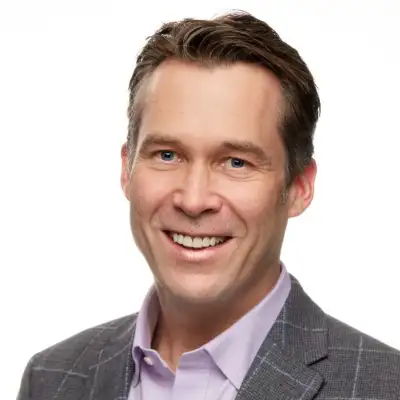
Hey, welcome to the Future of Selling podcast. Appreciate everyone being on today and giving us a good listen. My name is Rick Smith. I'm the Chief Customer Officer at Conquer. Conquer is a sales enablement platform and we work with some of the largest enterprise companies in the world. We also live directly inside of Salesforce. So on the podcast today, we're going to talk to Ron Carson. Ron has 25 years plus of experience in B2B marketing. So really excited to have him on the call today. He served as CMO at Terradotta and he's an executive CMO member at Pavilion, which is kind of a, I looked that up when I think about that, kind of a think tank for CMOs is kind of what I gathered. And he's also the CEO at Thirdside. And really that's where Ron and I met and got engaged with one another.
work together for a while now. So Ron, man, welcome to the podcast. Appreciate you being on today.
Ron Carson (01:04.736)
Thanks. It's awesome to be here. You know I like talking about this stuff, so it should be good.
Future Of Selling (01:09.392)
I know you do. But before we get going, I always like to kind of throw out a few fun facts, right? Just because I want people to know you a little bit, you know, maybe kind of like I know you as a person and if they're listening to it, just to know you're a human, you're a good guy. So a few fun facts that we looked up. So one, I didn't know this, you didn't tell me this obviously, but we found that you were a finalist as CMO of the year in 2023. I mean, that's...
That's pretty impressive. So how do you become a finalist CMO of the year?
Ron Carson (01:45.48)
That is not a question I was expecting on this podcast.
Future Of Selling (01:51.184)
All right, well, I mean, I assume that's a big honor though. You're kind of proud of that and all those kinds of things.
Ron Carson (01:58.766)
Yeah, it was good. were, you know, at the time it was, I think in the softer part of the economy. So we were getting an awful lot done with limited resources and, you know, we were fortunate enough, good team to have the metrics to back it up. So it worked out well.
Future Of Selling (02:12.528)
Yeah, that's cool. That's cool. Well, so impressive, very, very impressive again. You are, you're actually joining us today from a swim meet is what I've understood. So you're there to swim meet with your son and how old's your son? Tell us a little bit about that.
Ron Carson (02:29.742)
He's 22. He swims at Rollins College. It's his final year. This is the final meet. So we are in Ocala, Florida, preparing to go sit on the pool deck for a few days and then cheer them on. So we're really looking forward to that. It's been quite a journey for him.
Future Of Selling (02:38.541)
cool.
Future Of Selling (02:45.37)
Yeah, yeah, awesome. And I think I understood your daughter was into swimming as well and maybe did that in college. that the case?
Ron Carson (02:54.158)
She did, she swam competitively at University of Richmond. they, yeah, they had a very successful A10 conference last year. So she graduated a year before my son and she's off preparing for med school now. So proud of her as well.
Future Of Selling (03:10.832)
Okay, good deal, good deal. So I've got, know, there's a book called The Speed of Trust and it talks about this a little bit about this balance of competency and character. And so as I was kind of thinking about those two things, I thought, wow, CMO of the year, competence is definitely there. ahead, you know, taking this podcast from your son's swim meet the character. mean, just, just really, that's a really cool balance. So I appreciate that. You also wrote an article that was titled, How to Prevent Churn.
with a simple phone call, which was picked up by Forbes, or maybe you wrote that specifically for Forbes, okay? so what kind of led you to that?
Ron Carson (03:52.454)
The whole premise of Third Side and got to this through various hard lessons in sales and marketing. If you want to understand what's going on in the minds of your customers, whether the ones you're trying to sell to, which we'll be talking about today, are the ones you have, you just have to ask. It's the whole just ask mentality or philosophy. It seems obvious, and I think a lot of us think we do ask and we do understand, but not really.
always blind spots lurking out there. And if you just take the time to pick up the phone, have a conversation, you can actually learn an awful lot. And it's different than all of the investments we're making in telemetry data of applications or surveys or predictive analytics to determine who's in what kind of condition. Often just picking up the phone and having a conversation with another human can uncover an awful lot of good information and build relationships.
Future Of Selling (04:47.1)
Yeah, yeah, I agree. I was looking through the a little bit on the article and doing a bit of research and a couple of things that stood out was regularly scheduled conversations, proactive engagement, building trust through direct interaction. And I've always been, you know, I've been in client success and this, this, this, you know, technology for quite a while now. And that's always one of the things I've leaned into is you've got to get these things scheduled, right? It can't just be, I mean, if you're, if you're
If you've got this approach of ad hoc conversations and ad hoc meetings, mean, ad hoc is good, right? Add that to it and pick up like you're saying, pick up the phone, have the conversation. But man, you've got to get these regularly scheduled conversations in place. Otherwise, time goes by and you just lose connection. And then one of the other things I've picked up, kind of I think really a theme of yours, is human connections as a key differentiator. So maybe unpack that just a little bit.
for me if you don't mind. love the sound of that and I think I know what you're talking about, but unpack that just a bit.
Ron Carson (05:47.79)
Well, I've started to touch on this a little bit already. The more companies invest in all of these tools to understand what's going on with their customers at scale, quote unquote, we're investing in all of these things to understand them better while simultaneously distancing ourselves from
Future Of Selling (06:04.592)
That's interesting,
Ron Carson (06:06.398)
and it, the metrics and the analytics and those kinds of things give you a good insight as to what is going on. They don't give you why it's going on. And that's really the difference. And when you understand the why, I think one of my other posts was whatever happened to start with why, if you understand the why you can, build that relationship, affect positive change, whether they be a future customer, current customer, heck, even a former customer.
Future Of Selling (06:35.728)
Right, gotcha, gotcha. Okay, well tell us a little bit about Third Side. I obviously I know about it, but just for our audience, what is Third Side? What do you guys do? And just give us a brief description.
Ron Carson (06:49.036)
Yeah, we specialize in delivering the customer insights that our customers can't otherwise get to by having those in-depth conversations with their customers, future customers, former customers. We bring a level of expertise, from a sales and marketing perspective. It's not a mechanical or academic research approach where we consider ourselves to be our customers' partner in problem solving. You want to know something more better, more deeply.
That's where we help out. Productized, we'll sell that as a win-loss service. So let's go deep and understand why you win, why you lose. We can also dig into the customer journey as it's happening to make sure those customers are going to renew. But often we get brought in when those conversations didn't happen proactively, they weren't regularly scheduled and the customers have turned.
Future Of Selling (07:40.176)
Yeah, yeah. Gotcha, gotcha. So, and Third Side has been around now for 15 years, I believe. Is that correct? Okay. Gotcha. Why do you think it's so... So, I mean, I've been around sales for a long time in a couple of different roles, CEO, COO, CMO, our CRO, and now Chief Customer Officer. Why do you think the win-loss reviews are so important for sales teams? What makes that so effective?
Ron Carson (07:47.542)
Yes, it's been a while.
Ron Carson (08:09.444)
so many reasons. Is this where I get to get on my soapbox? There's a number of different reasons, right? So if we just start with the health of the data in your CRM, I don't know how many companies you've worked with. I didn't count on your LinkedIn profile, but you know CRM data is not pristine in most cases. There's flaws, discrepancies, data missing. That's even worse when you're looking at this segment of the CRM where you're trying to get
Future Of Selling (08:11.856)
Man, get on the soapbox, get on, you're the man.
Ron Carson (08:39.074)
win-loss data? Why did we win? Why do we lose? A bunch of different reasons for that. First off, customers aren't probably telling you everything you need to know. So we'll get into that, I'm sure, during this session. But also, how easy is it for the sales rep to just select whatever from the drop-down list? Because you want to categorize these things, right? So that you can get an assessment of what are you doing better. It's awfully easy to pick price or product, competition or other. But when you get a
report out of Salesforce that lists those things in pie chart, histogram, whatever it might be, it's not actionable. Worse than not actionable, it could be wrong. We've had examples where 75 % of the losses that we got fed by a client were attributed to price. If they had started to change their price based on that information, they would have made a huge mistake because their interviews revealed price had nothing to do with it. It had everything to do with
Future Of Selling (09:13.476)
Yeah, yeah, gotcha.
Ron Carson (09:36.835)
Lack of differentiation, sales not doing proper discovery.
Future Of Selling (09:41.392)
Well, and you know, that's an interesting point you make. I mean, you talk about the data and the CRM and whether it's accurate, whether it's inaccurate. And the other thing is I think about there is even if I'm a seller and I put in the best information I know, right, the very best, most complete information I know, I'm still only seeing that from my point of view. I can only see what I can see through my two eyes and through my perception. That doesn't mean that I understand the entire, you
kind of the entire situation. So I could see that being an important piece of that as well.
Ron Carson (10:14.936)
Yeah, and I don't mean to, I wasn't intending to throw the sales reps under the bus. Quite frankly, the customers are probably not giving them full information anyways. If they do take the time to ask, well, tell us how we fall short. it was price. Just easy to move on. It was price, not your fault. Someone was cheaper. That way it's, it's not you, it's me. It's just easy.
Future Of Selling (10:34.126)
Right. Yeah. Gotcha. So what do you guys see as something you guys have done? I know you've done a lot of a lot of these win loss reviews for us, right? And you work with a lot of other companies. So other than other than, it's didn't have the right features or the price. What are some of the, you know, maybe top two or three things you've discovered as being, you know, a problem in the sales cycle or in the in the client lifecycle? Or maybe it's too diverse, you know,
Ron Carson (11:00.728)
Yeah.
Future Of Selling (11:03.45)
to do two or three, I don't know.
Ron Carson (11:04.888)
There's always blind spots and it's been everything from we were hired by product people to, I was vice versa. We were hired by sales to assess shortcomings in product and when lost only to find out the sales team were jerks. The blind spots. And we've had the opposite happen as well. The biggest thing we've found and I pulled this together for a presentation I gave at Pavilion last year. In.
Future Of Selling (11:18.776)
Okay. Yeah.
Ron Carson (11:32.238)
65 % of the losses we've ever interviewed, 65%, the primary loss reason was sales did not do enough discovery.
Future Of Selling (11:43.834)
to six.
Ron Carson (11:44.054)
Like talk about something if you knew that you could affect positive change in your own practice or in your organization, just knowing that your customers were wishing you would ask more questions. Super powerful. The door is open for you to do more of that and essentially close more business if you do that better. I understand that there's pressure to close, to move on. Maybe you're doing too much digging. It feels inappropriate.
Future Of Selling (12:00.868)
Right? Yeah.
Ron Carson (12:10.754)
But having that feedback that the customers are literally inviting you to ask more questions, extremely powerful.
Future Of Selling (12:15.182)
Right. Yeah, it's an interesting point, right? 65 % want more discovery because you're correct. I think there's a hesitation there. I know in the sales hooks I've worked for and even being in that situation at times, you feel like, my gosh, I'm asking so many questions. I'm over-asking, right? And they're going to become exhausted from the questions. your stats are saying, no, no, no, this is what customers want. This is what companies want, individuals.
one of the more discovery.
Ron Carson (12:44.952)
Yeah, yeah, the door is open for sales, I think, to do that better, understand the situation better, because then that sets them up for success from understanding the needs to the rest of the process, the rest of the conversation is addressing those needs. The next thing we heard was that, well, they gave me a demo, but it was canned. That's not sufficient table stakes anymore. Now the demo needs to be aligned with the needs, wants, and interests that the customer, hopefully, has told you because you asked them.
Future Of Selling (13:12.752)
Right. Any nuances around kind of the discovery process itself that you're finding? I should all this be in, I mean, is a great discovery process all in one session? Is it across multiple sessions? Any nuances to that kind of 65 % that you guys have come across?
Ron Carson (13:28.934)
I think it depends on the nature of the sale. Some of them are shorter sales cycle, more transactional than a 12 month long sales process for an enterprise software. So it can vary.
Future Of Selling (13:40.858)
Yeah, okay, got it. So you guys are doing, so you do a lot on the sales side, you do a lot on the client side. And again, we've got some of the reports ourselves and they're fabulous. are just tons of information. From your perspective, should, if somebody gets a win loss report like this, what should, how do they execute?
Ron Carson (14:04.44)
On the individual reports, there's a couple of different ways. We have some clients, I think you guys were one of them, that the reports get circulated even amongst the sales team, but also amongst the C-suite. Know that a data point is not just a data point, but it does give you an opportunity to dive deep into what that customer experienced. For the sales rep, it's literally a 360-degree review. Here's how the things you are doing are perceived, or for product, for that matter. So out of every report, there's a nugget for every single department to pull from.
usually. When we get a number of those interviews done, so each one of those is what 15 to 20 pages, when we get a number of those done, we like to summarize that for our clients, whether that be the online dashboard or the presentation we prepare to summarize those themes, those insights. And at that point, we're delivering enough, here are the themes we're seeing, here's who is experiencing it, here's exactly what they said to back that up. So if we're coming to you with
Future Of Selling (14:42.33)
Yeah.
Ron Carson (15:03.15)
potentially controversial findings that are to affect change that might not be popular internally, the proof is there. So you guys can look at it and assess, yeah, we really do need to do something about that.
Future Of Selling (15:14.242)
I it. Have you seen, you worked with companies that did a really good job with this application piece? Like you said, the reports are pretty lengthy, right? And by lengthy, I think a better word is they're robust. There's a ton of useful information in there. So I get that report, but how do I actually, what do I do to take action on that? I mean, you read through it, I see it. mean, from your perspective, clients that you've worked with,
Who's been the best at taking action on that and what exactly did they do?
Ron Carson (15:49.368)
I don't know if I should name names, but let me give a couple of examples. There was one customer we worked with when we started with them, pricing was there, was actually their Achilles heel, but it wasn't expense. It wasn't the magnitude of the price. It was the pricing structure. It was a solution that was geared towards a lot of people using it more and more over time, right? You want that adoption, you want to become sticky, but every seat cost more. And so,
Future Of Selling (15:51.056)
I have to name names. Yeah, yeah, yeah.
Future Of Selling (16:02.809)
Okay.
Ron Carson (16:19.214)
The customer success made it more expensive, but it was such they couldn't predict the cost in the second year, the third year. So it made it really hard to justify signing on to a three-year contract. They changed that, gave customers the predictability and the scalability they wanted, and it actually became a competitive differentiator for them. Yeah, so that was kind of an interesting one.
Future Of Selling (16:38.437)
Wow.
Ron Carson (16:41.362)
There was another one where the contracting process was the deal breaker, The sales reps did all their work. They did the discovery. They aligned the demo. They listened to the needs, all that kind of stuff. And then the finance people got involved. It became such an arduous process there that the customers just, all right, we'll move on to our number two choice.
Future Of Selling (16:55.6)
No, okay.
Future Of Selling (17:04.048)
Gotcha, okay. Are you guys seeing, so a couple of good examples. Are you guys seeing, I mean, when you look at the sales side of things versus the client side of things, what are some of the differences that you might discover there? I mean, there's probably a top two or three, which you kind of already talked about on the sales side. What about the client side? What are some of the things that you guys have discovered?
Ron Carson (17:24.462)
What do you mean by interviewing customers? Oh, oh.
Future Of Selling (17:26.756)
Yeah, interviewing customers, right? Whether, yeah, yeah, yeah.
Ron Carson (17:31.406)
There it's an interesting opportunity to kind of look into the customer journey. So there's the, not the buyer's journey at this point, but the actual what's going on from post-sale to hopefully renewal. There's what your company would like it to be, wants it to be, expects it to be, right? It's the consultants came in and mapped out the customer journey for you and it looks awesome. Then there's the reality. And every point of interaction is a chance to either,
follow through and deliver on the expectations and improve that relationship or strengthen it. Or the opposite, where you actually create frustration and friction and disappointment on the relationship. And that's ultimately what leads to churn impact. So we learn, for example, things like the handoff from sales to implementation is a common pitfall that people have.
Future Of Selling (18:01.829)
Right.
Ron Carson (18:24.266)
Support is another blind spot that popped up. Everybody, I think, on support every now and then. But even the best laid out metrics internally, right? You have those SLAs of escalation in a support environment. That may be great internally and everybody's meeting their escalation goals or their SLAs, but the customer is experiencing, well, there's a day, well, there's another day. Now it's three days and I still don't have this resolved. Meanwhile, the dashboards internally are showing, we're doing everything right.
Future Of Selling (18:29.264)
True that.
Ron Carson (18:54.284)
It's an example of the conversation still uncover the blind spots.
Future Of Selling (18:57.786)
Yeah, yeah, got it, got it. So what are some mistakes that you see from either sales teams or client teams, right? As far as, know, they get to the win-loss data in hand. And I mean, what are some of the mistakes they might make with that data? What are some of the things they shouldn't do once they have that information?
Ron Carson (19:21.094)
I think it's important to remember that when you're doing this kind of research, it's not an exercise to place blame or to point fingers. It really is meant to try to help people improve. We do find things that maybe didn't go well, but nobody's out there trying to do a bad job. Nobody's out there intentionally not doing discovery. Nobody's intentionally not resolving support tickets. But if you don't ask, if you...
Don't go to the customer's understand, well, how is this working from your perspective? It's happening and you don't know it. So, trying to bring that back to what are the mistakes we've seen made. It's not asking in the first place, frankly.
Future Of Selling (20:04.61)
Okay, just not asking the right questions or asking for the win-loss review in general.
Ron Carson (20:11.02)
Just not, yeah, just not taking the time to do that review to ask those questions. Obviously I'm biased. I think a third party should be doing it for all the reasons you and I have ever talked about. But even doing it internally is better than not doing it at all.
Future Of Selling (20:27.664)
Yeah, got it. Yeah, you know, that's an interesting aspect. If someone is working with a company like yours and they're doing, you know, kind of third party win loss reviews, should they still be doing their own internally? I is it okay for those to run side by side or what's the best way to execute?
Ron Carson (20:48.844)
I'd prefer not. My advice would be based on what we have experienced. Once the customer has given feedback, they're done. They think they've checked that box. So if our client goes and gets some feedback, even if it's just superficial, the sales are going, hey, let's talk a little bit more about that. By the time we get to them weeks or even months later, I already gave that information. I'm not spending any more time on it. So it can actually work against you because.
Future Of Selling (20:50.318)
Okay, okay. Yeah.
Future Of Selling (21:00.314)
Okay.
Ron Carson (21:17.046)
I can guarantee you, can I guarantee you? Maybe we edit that out. We're gonna get more, we're gonna get more information out of them than your internal people can. We can go deeper on all the stuff your people did, plus we can go deeper on competitive intelligence, deeper on pricing, deeper on everything.
Future Of Selling (21:19.14)
Yeah, you want, you can, for the most part, yes.
Future Of Selling (21:28.271)
Okay.
Future Of Selling (21:37.744)
Yeah, got it. Is there, you know, is when I'm thinking about execution on this, right? So we've got, you know, however many, you know, a client you might be working with, a company you might be working with, they get X number of reports over a quarter's time. it make sense to, you know, review those on a, I mean, I know you would review them as they come in, but should you review them quarterly as well? there any rhythm to this that you've seen other, you know, some of your clients work that,
that makes the most sense, where they get the most information.
Ron Carson (22:10.892)
Yeah, I think the best way to do it is to take those individual reports and circulate them around and ingest those. But then quarterly, get that summary from a company like us where we've looked at it, here are the themes we're seeing, here's how it changed from last quarter. We told you things last quarter, you made some changes, here's how it's affecting things this quarter. Let us do the legwork to pull those summaries together. That's a reasonable cadence to.
take in the information, effect change, and see the results.
Future Of Selling (22:43.608)
Okay, perfect, AI is everywhere now, right? Almost every, and I think probably every podcast we have, we talk about AI and its impact on whatever the topic is that day. So how do you see AI impacting win-loss reviews as we move forward?
Ron Carson (23:04.482)
That's an interesting one. There's Gong and all of those things out there that are listening in on sales calls and profiling this and profiling that. And that's all good, but there's still, those are based on the premise that the person in the conversation is asking the right questions and handling the conversation properly. There might be, but it's still not capturing what's going on in the mind of the customer. So they do an awful lot of good. I do think overall,
I'm in the camp that says AI is going to be a tool we need to learn, kind of like an Excel spreadsheet, to make us more efficient. We experiment with it a little bit at ThirdSide, but from what we've observed, it still tends to hallucinate more than I'd want to be betting my business on.
Future Of Selling (23:53.52)
Okay, got it, got it. So from your point of view, it's an efficiency play, it's a productivity play, but it doesn't replace the conversations that you guys are having.
Ron Carson (24:04.654)
No, there may be come a time. So in my mind, our differentiator is we can do things like we're doing, you and I are doing right now. We're having a conversation, we're talking, we're going back and forth. There might be a time in the future where we get turned into avatars and people are talking to avatars. And then, you know, personally, I think I'm in trouble then.
Future Of Selling (24:27.365)
Right.
Future Of Selling (24:31.173)
Right.
Ron Carson (24:32.044)
But I've seen some of those things lately and we're not there yet. They're a little creepy. If you're familiar with Max Headroom, they're kind of like that.
Future Of Selling (24:39.92)
Yep. You and I, but well, we're at a certain age to probably remember Max Headroom. Gotcha. Okay.
Ron Carson (24:50.222)
Yeah, they do ask good questions, right? I think they can help spur thinking and give you ideas. I think they're good for that, like a sounding board. And even the AI was good in the demo I sat through of coming up with the questions. It asked the questions, but that's where it got creepy.
Future Of Selling (25:06.0)
Right, right, gotcha. Yeah, I kind of almost see AI as kind of, you I always use it to try to give me the 60 to 70 % solution, just like you're talking about, right? What are the questions I should ask about this, you know, about this specific topic? It always gives me some good things to think about. I normally don't go, you know, oh yeah, this is it, 100%, got it. I'll always go in and update it, make changes, things like that. But it can be a good starter, it seems like at least, yeah.
Ron Carson (25:34.242)
Yeah. And I think for the sales audience out there, I think it is a fantastic technology to help streamline some of that work, preparing for a call, the follow-up to a call. I think that's all great ways to use it.
Future Of Selling (25:50.96)
Got it, okay. If I'm a sales leader, right? And yeah, I'm brand new sales leader, just you got my sales team and I'm wanting to implement a win, kind of this win loss process. Other than just, you if I'm not ready to reach out to you yet and say, yeah, so number one, call third I'm with you, I'm with you. But let's say I'm not ready to make that step yet.
Ron Carson (26:08.622)
you
Ron Carson (26:16.014)
Yeah.
Future Of Selling (26:16.974)
And I, but I do want to start something internally because I know it's, I know it's, you know, critically important. What are the steps someone should take?
Ron Carson (26:24.546)
Yeah, before I forget, let me mention there is a PDF we have in the resource library on the thirdside.com website that can actually walk through some of those things to do and things to don't do. Yeah, it should be helpful because not everybody has the budget or feels the sense of urgency. So it's helpful. So a couple of things. You have to be prepared to listen. So ask the questions.
Future Of Selling (26:32.205)
Okay.
Future Of Selling (26:36.428)
beautiful. Yeah.
Ron Carson (26:54.348)
Be prepared to listen and I don't want to say shut the heck up, but listen. The time for trying to address objections has passed.
So the reluctance of your customer to talk to anyone in your company again is they're worried of exactly that. Here's the objection I had. Here's how you didn't win. but what about, don't do that. No, no, no, no. Listen, take it in. Otherwise they'll climb up and it's over. That's one of the biggest ones. The other one is, pardon me, I'm sorry. I hope we can edit that out.
Future Of Selling (27:18.724)
Right.
Future Of Selling (27:29.998)
Are you good?
Ron Carson (27:34.392)
Finding the right people to conduct the interviews. More so than function, it's more of a personality trait I think you're looking for. Someone who's comfortable asking probing questions and listening, probing questions and listening. This isn't, it's not necessarily an SDR by training. It's not necessarily a salesperson. It's not necessarily product marketing. Everybody comes with their own baggage and my baby's ugly kind of concerns. But it's finding that,
person or persons that can have that candid conversation, here may be squirmy, uncomfortable feedback and take it all in and disseminate it throughout the organization. We've seen people delegate it down to the junior person on the team and their win loss report as an Excel spreadsheet with sentence fragment responses in different cells. That's highly insufficient.
It's not an exercise in question, answer, question, answer. It's got to be a conversation.
Future Of Selling (28:35.056)
Okay, gotcha. So as you were describing that, was thinking about something. I've been a part of organizations where a win-loss review was completely internal, right? They didn't necessarily, they may have a brief conversation, but completely internal. Is there any value in that, that win-loss review? mean, if it's just an internal review of, hey, what worked, what didn't work, here's the outcome. Is there any value in that at all, or should it always include?
a with the prospect as well. I'm assuming that that's always the preference, but I guess my question is there any value in a win-loss review that doesn't include the voice of that company?
Ron Carson (29:18.094)
I'm sure the teams can sit back and say, well, what could we have done better? And I'm sure some self-reflection people around the table can do that. But I think then you run the risk then of some overbearing or louder personalities or most senior titles around the table potentially skewing the group think. So it's valuable to do that self-reflection, but you're missing like the key point of.
our data point, which is the customer's perspective.
Future Of Selling (29:49.53)
Got it, got it, okay, cool. So probably some value but not tons of value in that approach is what I'm picking up.
Ron Carson (29:57.994)
Yeah, I'd be... be... It's better than nothing, but I'd be cautious.
Future Of Selling (30:03.088)
Right, okay, good deal. So good to know about the PDF that you mentioned just a minute ago. We'll put that in the show notes, a link to that, is that okay? We put that in the show notes. Okay, good deal. Okay, perfect. So as we think about win-loss reviews, whether it's on the sales side, client side, what else would you want to put out there and say, okay, you got to know about this and you know.
Ron Carson (30:13.164)
Yeah, that's great. No form required.
Future Of Selling (30:31.489)
Maybe something I haven't asked yet that that is kind of a burning a burning item for you
Ron Carson (30:37.254)
I think once you adopt the practice, we're going to go ask the just ask philosophy. As long as you don't get defensive and make the customer feel comfortable that they're not about to get upsold or you're to try to revive a dead sales process or any of those other thing, any of those other no-nos, the more comfortable they get, the more open you can be in the kinds of questions you ask.
So you can take it in all kinds of different directions. So when we do it, every single interview we do it as custom. So we can go in directions of content marketing strategy. What are the hot topics on your mind? Who have you seen do a good marketing campaign? What got you to click? Who was it? What other competitors have you seen in this space, whether you talk to them or not? Who's doing things you think are interesting? There's no limit to where you can go.
but you have to establish that level of trust that you're not about to ambush them with a, sign here then. That'll just ruin the conversation. For me, that's the biggest thing. Just ask. You can ask them anything once you get them comfortable in an environment where they can safely answer questions without fear of upsell.
Future Of Selling (31:55.664)
How do you get them comfortable in that situation? Like if it were me, I might feel a bit apprehensive at first. What's the magic in making someone feel comfortable and like they can trust you and they can open up?
Ron Carson (32:10.678)
I could tell you but then I'd have to kill you.
Future Of Selling (32:12.726)
Alright, well I don't want that to happen, so alright. That's the magic.
Ron Carson (32:16.885)
It comes down to...
I think you, so my advice, people are gonna go do this on their own, my advice would be to build up. I think you give that disclaimer at the front that says, this isn't meant to be a sales pitch. So nothing I ask you is intended to try to change your opinion. I'd lay that on pretty thick. I'd refer to that a couple more times in the conversation. And I'd even go so far as to say, a couple of these questions are gonna sound like I'm doing exactly that.
but I promise that's not the case. That should help give them warning that those awkward feeling questions are coming, but that they're coming from a place of sincerity of looking for knowledge.
Future Of Selling (33:05.255)
Okay, got it. So we used to call that back in the day kind of pre-teaching. I don't know if that's really the right term, but just letting people know, hey, there may be a couple of questions that I asked you that may feel uncomfortable and that's completely fine. give them permission not to answer if they decide not to. So, got it. Perfect. Okay, good deal.
Ron Carson (33:19.469)
Yeah.
Future Of Selling (33:28.526)
So I know we got to go because I know you're at a swim meet. So I to give you, want to get you back to what you're doing. Appreciate the time. But before we go, let's kind of think about, let's think about two or three key takeaways. If someone is listening to the podcast today and they're like, you know what, this whole win loss review, this sounds really important. We're not doing it. What are two or three key takeaways that you'd want to leave someone with that, for them to move forward with?
Ron Carson (33:57.678)
First is just saddle up and just ask. That's a huge first step, taking the time to actually go ask. Number two, everything I said about this is not the time to try to sell. You have to stay away from that. The other thing, little nugget I'd throw out there is consider including your no decisions.
Future Of Selling (34:14.832)
Okay, yeah.
Ron Carson (34:27.328)
in the list as well. Those things that have been languishing in the pipeline for a long time that have, you know, the buying group keeps changing, people keep shifting, whatever's causing it to drag on. Often there's things in there that either it shouldn't be in the pipeline in the first place. We've seen that happen. The other thing that can do is, we see this happen, not every week, but it's not uncommon.
they'll actually tell us what needs to happen to overcome those objections. So you can actually take them from a no decision to a closed one based on the intelligence of that conversation. Because it's just another way of highlighting, maybe there wasn't enough discovery, maybe it's the wrong positioning, you're hitting the wrong value proposition for our scenario. It's not always ROI. And you feed that back into the sales reps. And when we're doing it, we can say, so is that okay if we tell our client that that's what they need to come back to you with? yeah, yeah.
Future Of Selling (35:00.912)
Hmm.
Future Of Selling (35:26.562)
yeah. That's beautiful. And probably all the more reason, right? To have someone like you, like your company do these. Because if I'm somebody internal to whatever company it is, right? And I'm from my sales team and I'm doing the interview, I'm probably just not going to get that same amount of information. mean, it's just not going to happen, right? So all the more reason to work with someone like yourself. So here are the three takes.
takeaways that I had. Just saddle up and just ask. That's the first one. And I think that's a really good one because there's always that hesitancy of what I'm going to hear. Do I really want to hear the truth here? But we do because feedback exists whether we hear it or not. And my point of view is I would just always rather hear it. If there's feedback there, give it to us. Let us know. And then I think the next one is
I'm to add to that one a little bit is to, to, realize this is not a blame blame game internally. Right. So we're, doing this to learn, we're doing this to get better. So you've got to be focused on that continuous improvement process. Not that, I'm trying to find the bad guy. You know, that's gotta be the internal attitude. and then number two was it's not a time to try to sell, you know, don't, don't try to, get their objectives and try to now overcome them. Because if you do that, you shut them down. And then, and I love your third one.
Don't just think about the wins and the losses, or losses for reason, but think about no decision, where they just kind of go quiet. Because there's a big opportunity there to, one, learn, but also maybe you're back in the game at some point. So that's great. Cool, good deal. So if they want to get a of you, hold of Third Side, just thirdside.com, I believe is, is that correct? Okay.
Ron Carson (37:11.618)
Yep, absolutely.
Ron Carson (37:22.348)
Yep, Thirdside.com or Ron at Thirdside.com. That's my email. I'm going to stop short of giving my cell phone.
Future Of Selling (37:26.02)
Okay. Good deal. Good deal. Good deal. All right. Well, thanks so much for being with us today. We appreciate it. Great information, great takeaways, and you have a good time at the Swim Meet.
Ron Carson (37:38.963)
Thanks very much. Looking forward to it. Thanks for having me. It was fun.
Future Of Selling (37:41.744)
Yeah, absolutely. Thank you, sir. Talk to you soon. Bye-bye.