Subscribe
Share
Share
Embed
Punchy, actionable insights and tips to make the life of the team leader a breeze.
[00:00:00] Pia: When change hits, the conversations can become negative or even sometimes non-existent as everyone processes in their own way. So how can you create safety, be genuinely interested, but also support your team members to be solution focused rather than problem centric? We discuss how three questions will provide a great solution. I'm Pia.
[00:00:24] Dan: And I'm Dan, and this is Sqaudify Connects. Regularly. Communicating with the team during periods of change is essential, and creating conversation to help individuals through that grief curve and to embrace the changes is a powerful leadership skill. By delving into the problems of the situation, we can find ourselves somewhat bogged down in time consuming conversations in which it's difficult to see progress. Using solution-focused questions that we've seen before help you to guide the conversation to action options and even greater acceptance sense.
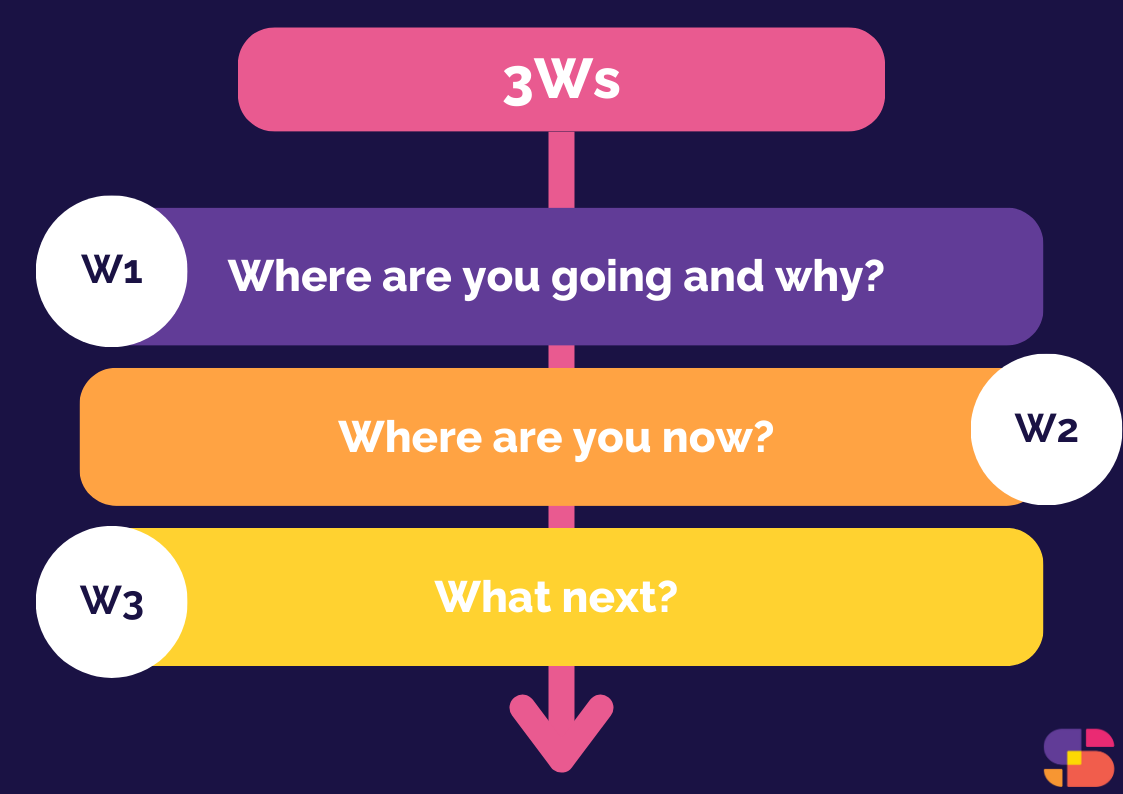
[00:00:58] Pia: So, as we said, we've looked at these questions before. They're called the three wss, which is looking at what you're trying to achieve, what's happening now, and what's next. But we put a little twist to them to help start and guide the conversations that are anchored in the future, not in the past.
[00:01:19] Dan: So first W one, what's your goal right now? This can be actually tweaked to what are you focusing on? What's your aim this week And W two? What's happening for you at the moment? What are the challenges and what are the opportunities? And finally, W three. What are some of the options that you have? What could you choose to actually move forward on?
[00:01:41] Pia: And the nature of these questions helps the coach, the person asking the question, and the coachee, the person that you're having a conversation with, keep their thinking focused more in that prefrontal cortex, remember from what we talked about in the neuroscience, rather than in a threat response, which is in the limbic brain, it opens up more options and helps us to see ways that could be taken forward.
[00:02:07] Dan: So this week find an opportunity to try these questions out with a member of your team or someone you work with. You know, it may be a spontaneous conversation or a plan one. Make sure you really listen to the answers and try your W one questions first and observe how the conversation goes from there.
[00:02:25] Pia: Knowing what to say in difficult times means that sometimes we can just miss an opportunity asking questions, opens the conversation up, and then it's easier to start. We've been looking at change as something that may be happening in your organization or to you or your team, but what happens when you are tasked with creating it yourself?
[00:02:47] Pia: how do you best get change to happen? That is next week's installment.