Subscribe
Share
Share
Embed
The top CPG podcast in the world, highlighting stories from founders, buyer spotlights, highly practical industry insights - all to give you a better chance at success.
Lara Tiro
So many entrepreneurs, they fall in love with their product. And I get it right? I've done that. I've been there. And when they go to market and they don't understand that cost structure or their supply chain ecosystem, I call it the Pac man. Because everyone needs a piece of the pie and so that gap will catch up to you. So you got to know your numbers and if you don't, you can't price properly, you can't negotiate, you can't scale without bleeding the money. I know, I'm like, I feel like a parrot. But it is what, like, it has to be said. I mean, the product has to taste delicious and it has to make sense as a business, otherwise it's a hobby. But those things have to be true.
00:49
Adam Yee
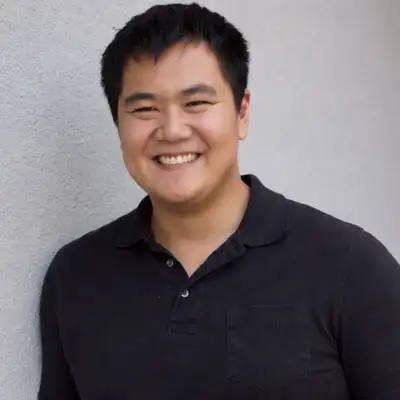
Hey everyone, this is Adam Yee, food scientist and podcast host of Startup CPG's new podcast section, R&D RADIO, where we interview food scientists and product developers and what they do and how they can help you build your CPG business. Today I'm interviewing Lara Tiro from RebelCPG. A food scientist with over 20 years of helping food businesses build products that are profitable, compliant and ready to scale. She has supported brands and processors in baking frozen foods, refrigerated products, plant proteins and other value added food categories. Lara is known for her practical leadership approach and strategic clarity, helping businesses avoid costly missteps as they scale. In addition to her advisory work, she serves as a mentor and advisor within accelerated education programs supporting founders and processors with guidance on product development, packaging, labeling, commercialization, and go to market readiness.
01:43
Adam Yee
What I really liked about this episode was Lara's framework for developing and maintaining sustainable food business. She calls it her PB&J framework. You'll also learn a lot of things about raspberries and frogs and a new ingredient shaking up the sauce industry. Enjoy this episode with Lara. You're going to learn a lot. Welcome back to R&D RADIO. I'm your host, Adam Yee and today I am talking to Lara Tiro from RebelCPG. Welcome on the show, Lara.
02:13
Lara Tiro
Hi, Adam. Nice to be here. I'm happy to be here. And talked about my company, my consulting company, RebelCPG.
02:22
Adam Yee
Yes. And we've met through podcasting, I would say. Right. I have a podcast. You have a podcast? Who doesn't have a podcast these days?
02:28
Lara Tiro
Well, we like to call it a foodcast.
02:32
Adam Yee
Okay, why is that?
02:33
Lara Tiro
Because all we talk about is food and food science and food tech, anything food. So it's a different type of podcast? Yes, a foodcast, I guess.
02:41
Adam Yee
Mine Is too.
02:41
Lara Tiro
Yeah, I'm creating a niche for us.
02:44
Adam Yee
Yeah, of course, definitely. But this is more about a podcast, about your business. So with RebelCPG, you are a consulting firm. You're on the product development directory. When people find you, we kind of want to see if there's, you know, some synergies behind that. So that's why I love this podcast because I get to talk to just really awesome personalities that you can't get through a spreadsheet. Right, true.
03:05
Lara Tiro
Agreed.
03:06
Adam Yee
Yes. So I'd love to start this podcast with just a general consensus of who are you and how do you get started in product development? Lara.
03:14
Lara Tiro
What a long winded answer I have. But I make it short and sweet. So my name is Lara Tiro. I'm a food scientist. I'm a founder of RebelCPG. We're a commercialization innovation agency. And as Adam mentioned, I have a co host a podcast called Munching on Molecules where Christine Farkas and I get to geek out about food science culinary innovation with some very passionate builders and entrepreneurs, innovators in this industry. Adam was on episode 28, the guy with the podcast voice. Yes, I remember podcast voice Adam Yee. But yeah, so we've been having so much fun. And so the. How did I get started in product development? Like a lot of our food product development professionals and innovation professionals in this space, it's not linear, it's very long winded.
03:59
Lara Tiro
But my love of food started even before I knew food science was a career. Like, I think a lot of us, you know, were glued to the Food Network, Alton Brown's Good Eats, unwrap those shows. I was obsessed with how things were made. Not just how it tasted good, but why did it taste good. So when I was accepted at the University of British Columbia in 2000, I started as a double major in science and art. And my roommate at that time, Kathleen, was like, all day you talk about food and obsess about food and beverages. So why aren't you in food science? I'm like, what the heck is food science? So that was the nudge I needed. I switched faculties. I landed in this program. At this time, they had a program called Food Market Analysis.
04:40
Lara Tiro
So it was a combination of food science and economics. They don't have that anymore. It's a master program, a Master's of sciences program. So it was a combination that really shaped how I think thought about this industry. Because, you know, it's not enough to, like, make something great and taste delicious, inspire and delight, but it has to make Business sense. Right. Which is why I chose. Okay. I got a major in economics, or at least understand the basics. Right. And, you know, when I started in the industry, my first foot in that industry was not glamorous. A lot of the jobs available at that time was quality assurance, food safety, and haccp. I really loved it. So I spent my first job grading organic eggs at this tiny local farm. I drove a golf cart.
05:22
Lara Tiro
I had a dog named Toto who ran with me. And then the night shifts, I was working for a raspberry farm, a processing plant. They made jams. Oh, they process all the raspberries, made them into jams, and sent it to one of the big guys. But, yeah, I was processing or helping with pest control, haccp, Making sure that I was working alongside the cfia, Canadian Food Inspection Agency Inspector. But, yeah, so I built my career in food safety and quality, and then that was the foundation. That foundation is everything. Right. It doesn't get celebrated enough because it's what really keeps those products and shelves and brands out of recall. And then I eventually moved into product development for a commercial bakery, and that's where it all began. And, yeah, then I started my consulting company, RebelCPG, in 2021.
06:09
Lara Tiro
So, yes, been 20 years working in the food manufacturing industry, just working with a lot of food entrepreneurs, building incredible products. And when they hit that wall and trying to scale up, that's where I come in. That's where I love helping and supporting.
06:26
Adam Yee
Love that. To track a little bit on that, you mentioned working with eggs and raspberries, which, you know, is a commodity. Right. And I'd love to get a little bit of a snapshot of that, because I think a lot of us in especially in kind of the CPG space, we don't really focus on buying, like, you know, the raw commodities or we don't really think about it. I'd love to understand, like, just the amount of work it goes into, like making sure these eggs or raspberries are of good quality. So to say.
06:51
Lara Tiro
Yeah, I mean, I'm honestly okay with the raspberries at that time. They had. It was very early on. The raspberries get poured on the line. It goes through what's called a shaker table. So it shakes out all those twigs. The frogs. There'll be frogs on the line.
07:05
Adam Yee
Frogs, really?
07:06
Lara Tiro
Because it's coming straight from the farm.
07:08
Adam Yee
How big are these frogs?
07:09
Lara Tiro
Oh, they're. They're tiny little tree frogs or tree frogs. Yeah. So it's juke harvest season is when this plant operates because it's coming straight from the raspberry harvest season. And they come in these like, plastic tubs, so they get dumped onto the shaker tables. The shaker tables shake it off, and then you see the little frogs coming out. And then there's these ladies on the line grading. But, you know, at that time, they just installed a laser eye sorter. So it was able to grade the raspberries according to different types of grades, you know, depending whether the A, B, or C. I don't remember if it's. That's for raspberries, but for potatoes for sure. So, yeah, so it goes through graded through that, and then it gets cleaned and washed, what's called a tsunami ecolab wash. And then it gets.
07:52
Lara Tiro
Goes through the whole process, making it into jam. I don't want to spend too much time on that. But that's like on the commodity side of things, right. It. It goes through the grading process here in Canada. It's a little bit different than the US but than the United States. But yeah, every. Most commodities get graded. Yeah. And if they don't hit grade, then typically that's what you don't see in the supermarket. You get those misfit vegetables and fruits.
08:17
Adam Yee
Yeah. I think someone told me, like, baby carrots, for instance, is a great example of like, misfit carrots that get grounded up into like these crunchy, delicious snacks. I have recently, I've been doing this over the years, but replace like my salty chips and snacks with baby carrots, because I really like the crunch, for instance. But that's actually an ugly vegetable innovation that I don't think anyone, not a lot of people know about. Right?
08:38
Lara Tiro
That is true, actually. Yes. That's the other passion of mine is a lot of these vegetables because they don't make grade. And even during the harvest, a lot of these fruits and vegetables get 20% of it don't hit the grade. So it's left out on the field. So there's so much opportunity in white space to make use of. We'll talk about titan trends, but like, you know, food waste and food repurpose. There's so much cool opportunity when it comes to upcycling food. Like, what can you do with this waste that's out on the field that don't hit grade? There's some cool things that you can put use in food, in finished products.
09:14
Adam Yee
Yeah, 100%. Yeah. And I think with the commodity angle of this, I think more people do it than people realize. Right. Like, you know, you mentioned eggs. Right. And I Don't know if you ever, like, grown or, like, had friends with chickens or have chickens, but sometimes they make eggs that are kind of weirdly shaped. Right. And you never see those in the grocery store, but those do get processed, right?
09:31
Lara Tiro
Yeah. I mean, yeah, there's jumbo eggs or extra jumbo. There's large. Yeah. I buy my eggs from a farmer here, and I always get excited when I get two yolks in the egg. I'm like, yes,.
09:43
Adam Yee
Love that. Lara, I'm just curious, for your business, then, what do you generally specialize in? Or what have you noticed most entrepreneurs come to you with what type of problem?
09:51
Lara Tiro
Yeah. So at the very core of what I do is bridging that gap between that great recipe and that retail product. So I really specialize the concept to commercialization. It's the commercialization part that I love. Like, I love that messy middle. I love boots on the ground during a pilot trial, first production runs, getting the brands ready for that so they have their benchtop formula ready. But how do you optimize it for a contract manufacturer or for a line? Say, maybe it's working in the commissary kitchen. At the moment you're selling at a farmer's market, but you really want to scale up and grow. You're getting the sales. You proved out product market fit. Now you have to scale up. So that's what I love doing, especially on the formulation side of things. Packaging and labeling compliance and then even process, like yourself.
10:39
Lara Tiro
I used to work at a granola manufacturing facility. Was a contract manufacturing? Yes, yes. We learned a lot about slabs, cold slab and enrollment. Yes.
10:51
Adam Yee
And you're in Canada, right?
10:52
Lara Tiro
I'm in Canada, yeah.
10:53
Adam Yee
Yeah. Because the guys I worked for were also Canadian as well. French Canadian, specifically. So I just find it funny, all this bar manufacturing. Canada.
11:01
Lara Tiro
Yeah. I don't know why, but for some reason we're up here, we love our bars, so. Yes. So talking about bars and equipment, I'm a bit of an equipment geek. Like, I love VFF vertical form fillers, unifax, HVP map packaging. And so those are the kinds of things that really excite me. And so that's what I love working with my clients is understanding those equipment or even process lines or steps that help your product scale, because that's really half of the battle of scale up. Right. And then my second love is teaching. So I always teach my clients, and I also teach accelerators and incubator groups is that they need to master. Here's my thing. I'm playing around with this, Adam. It's called PB and js. So the P. The pb. This is what I tell them.
11:44
Lara Tiro
You need to learn your PB and J's. The P is the product, of course, the packaging, the pricing and the process. And then the B, you look at it with the lens of the brand, the buyer, and then baseline, which is essentially compliance. So, and then. So that's your P's and your B's, because, yes, product is essential. Right. And, you know, when you're moving from commissary manufacturing, a lot of the formulas I've seen is recipes. It's teaspoons. It's a pinch of salt. It's like, use the orange scoop. I'm like, oh, gosh, does not cut the orange scoop.
12:19
Adam Yee
The orange scoop. I've never heard of that term.
12:21
Lara Tiro
Oh, the orange scoop. Yes.
12:22
Adam Yee
Interesting. All right.
12:24
Lara Tiro
Yes. You have to convert it to weights. You have to calculate by percentage. Right. Because cups don't account for the density. Like, it's a huge difference when you're moving from one facility to another. And then, you know, that packaging P part, it's not just a pretty label. Right. The packaging is a container, contains, it protects, you know, it also ensures shelf life, communication, and consumer utility, like, all at once. So I think that's the other underappreciated part of the piece is the packaging. Because it. It. You have to run it in parallel when you're working on your product, your formulation. And when I was working at the little potato company, potatoes are very sensitive to light. We really invested in the packaging and making sure that really helps the product, you know, not just, like, from a formulation point of view, but, again, commodity.
13:11
Lara Tiro
Right. Really helping ensure that integrity.
13:14
Adam Yee
Yeah. You know, you gave me a funny story about, like, packaging. Right. Like, some people give me, like, oh, we should do a shelf life. Is like, is this the final packaging you're going to use? It's like, you need to give me the packaging before we consider a shelf life test. Because if you have a different package, it's going to be all for not. Right. Because different plastics have different, you know, oxygen barriers. Different metals have different moisture barriers. There's just tons of things with the packaging that's, like, inherently important for storage. Right?
13:38
Lara Tiro
Yeah. You could run a whole masterclass. Packaging 101, really. Right. I mean, I went to Bemis University out in Wisconsin. If you ever get the chance, Adam, you should go to Bemis.
13:49
Adam Yee
Bemis.
13:50
Lara Tiro
Yeah, Bemis. So they're a film manufacturer, packaging manufacturer, and they host. I don't know if they do it still, but I'm sure they do. It's education classes on packaging. Bemis University in Wisconsin. I learned so much from the team there. And they even have a pilot plant so you can run your packaging, you can run map there. You can run all kinds of different laminates and film seat equipment. Geek. I love it.
14:12
Adam Yee
Wisconsin has a really good bar manufacturing course too.
14:15
Lara Tiro
Oh, that's right. At the University of Wisconsin, the food science. Yeah. They also have a candy. Is it candy confectionary one.
14:22
Adam Yee
A lot of universities have really good courses, you know, you never know. Right. Like, it's so weird. Like, Pennsylvania has an ice cream course.
14:28
Lara Tiro
Yeah.
14:28
Adam Yee
There's just so many different unique courses out there in the world. So I love this. I love talking about, like, kind of this really interesting, you know, scale up issues that a lot of these founders, you know, just don't know. Right, yeah, we just, we have our own inherent knowledge. But like, when you have people who, you know, make something out of their kitchen and they want to scale it up, there's just so much that goes into it.
14:49
Lara Tiro
Right, Yeah, I agree. Talk about the PBS and J's. And I was listening to Brian Chow's episode. I am also a disciple of Stage Gate. Stage Gate, side note, it was created by a Canadian, Dr. Robert Cooper in the 80s. But I love it because, you know what? Yes, you said corporate, but we need structure because we're moving so fast. We're pivoting, we're experimenting. It makes sense to have structure. So I love that structure. You know, I always think that you need some sort of a kill, go hold checkpoint. And then essentially it's a way to manage risk. Right. Whether or not you want to proceed further on your next stage. And, okay, there's less risk, there's less uncertainty. So, you know, when a client comes to me, I have to figure out, okay, do you need to fill your project brief?
15:38
Lara Tiro
Because that helps me get structured on what it is, what kind of support you need from me. And if not me, then maybe someone else. You know, we're all here in this industry to help it grow 100%.
15:50
Adam Yee
I'd love to hear some examples of, like, whether Stage Gate or a really interesting problem that you were able to solve. Do you have a story of a product you worked on?
15:59
Lara Tiro
Yeah, one project that really sticks to me is the work that I did with Megan. So she's the founder of Wholesome Yum. She's a health care worker. So she's a nurse mom of two and she's Vancouver island raised, she's a foodie. She came to me with an idea that she'd been making this product at home and she knew it was good, it was tasty, all of her friends and family were loving it. But she wanted to turn this home kitchen recipe into something commercially scalable and food safe. So it was a completely different challenge because it was baby food. Right. It was frozen. She was cooking beets down and making it into frozen pucks. So the first thing I said, okay, we need a project brief because we need to spend some time on what your end goal is. Right.
16:42
Lara Tiro
Like those PBS and J's again. So even before we touch on that formula or like looking at a co man, what are your gaps and needs? You know, what are your must haves, what are the non negotiable? What does success look like? And then from there we worked at formulation, systematically scaling some of those ingredients because she was sourcing like from a grocery store, which is fine. Which is fine. For benchtop, I'm okay with that.
17:07
Adam Yee
Happens all the time. It's just you can't scale with that.
17:10
Lara Tiro
Right, exactly. You just have to ensure that you are aware of industrial suppliers or industrial farms can buy it from. Right. But then like with scale up, you have to ensure that you're also not losing the taste and the texture profile that you fall in love with on the benchtop. Right. So also making sure that's nutritionally sound. So you know, using a program like Flavor Studio, putting the recipes together, putting it into an nf, a nutrition facts panel, an ingredient statement. And also the most important thing is shelf life. Right. How does, if it's frozen, does the packaging that we've picked out, does it prevent any ice crystals? Does it survive temperature variation? She was going to start a D2C so like let's drop that master case from a two story building. Will those pucks break? Right.
17:56
Lara Tiro
I'm going to drive it in my car in a cooler bag in the middle of summer. Is there enough dry ice in the packaging for the product to still be viable and still safe? Because that's the most important thing. It's baby food, right? Yeah.
18:08
Adam Yee
For baby food specifically.
18:09
Lara Tiro
Yeah, exactly. Never straight line. There's always surprises. I tell them, you know, and then that ingredients always behave differently at scale. No matter what. Like whatever you're doing, your little oven might not work like a rationale or like a bigger oven and you know, the texture changes. So be okay with that. It's not failure, it's process. So those are the kinds of Puzzles I love. And like I think you've said this before, done is better than perfect. You know, that's. It's a thing. It truly with an innovation and product development, you have to be open to your formula changing. When you scale right there' something is going to go awry. I not say wrong, but that means it's going to go right.
18:47
Adam Yee
It's going to change. Yeah. I mean, this is something I've actually been saying more and more often, especially with people who are just starting out is like your product is going to change as you scale up and it's something I like to build an early in. Because these are just the trade offs you have to do. Right. Especially there's so many trade offs you have to do with scaling a product that you just have to like. As long as you're like comfortable with the change, I think it really does help you manage your business a little bit better.
19:11
Lara Tiro
Exactly. And you know, since then, if you look up wholesomeyum, ca Megan has pivoted and that's okay too. Right. Because these are startup founders. You're proving your product market fit. You're proving whether or not it scales. And what I'm more proud of is she's developed this solid foundation. Right. Formulation, discipline, process documentation, food safe. I'm like, if you can ensure food save. I'm like a happy camper. And so I'm just so excited what she's building next. She's great. This beautiful beet pancake mix that's so gorgeous. And so like, to me, the best thing that came out of this whole project is that she has this finished product in store. And honestly, that's what makes those spreadsheets worth it. Right? I love it. As you can see, that's what gets me going. That's what gets me up in the morning. Sparks.
20:02
Lara Tiro
Joy and the J in the pb And J is joy.
20:06
Adam Yee
Wow. Yeah. I was expecting like, where's the J part of this? I love that.
20:09
Lara Tiro
Yeah, the J is joy. You got to have fun. If it's not like getting you out of bed and you're like, oh, I can't do this anymore, that's a sign.
20:17
Adam Yee
That's true. I agree. 100% Agree.
20:19
Lara Tiro
So there's the little J. It's a small J.
20:22
Adam Yee
Every job I quit is because I didn't have that joy.
20:25
Lara Tiro
Exactly. We have one life to live. That is it. So it's got to bring joy.
20:30
Adam Yee
Love that. So you mentioned a lot of really great, you know, acronyms, tactics and stories. I love to Hear, like, just some general advice you give entrepreneurs. And I know we sprinkle a lot in this interview, but I'd love to hear some of, like, the common facts and questions that you get asked when it comes to scaling their product.
20:47
Lara Tiro
Okay. It is not about formula. It's not about taste. It's about cogs. Cogs, cost of goods sold. I always like to say, get cozy with cogs. It's not sexy, but it's honest. You know, so many entrepreneurs, they fall in love with their product. And I get it. Right? I've done that. I've been there. And when they go to market and they don't understand that cost structure or their supply chain ecosystem, I call it the Pac Man. Because everyone needs a piece of the pie, right? There's this Pac man. And so that gap will catch up to you. So you gotta know your numbers.
21:22
Adam Yee
Yep. Know your numbers.
21:23
Lara Tiro
Yes. Know your numbers. And if you don't, you can't price properly. You can negotiate, you can't scale without bleeding the money. I know, I'm like, I feel like a parent. But it is what, like, it has to be said. I mean, the product has to taste delicious and it has to make sense as a business, otherwise it's a hobby. But those things have to be true. And you know what, cogs, it connects to that bigger picture. Right. You're doing the homework upfront. You're doing the work. You're doing your backup napkin mask, and you're encouraging for things to happen, like earlier in the process. So when it's cheaper to make and it's cheaper to make those mistakes or things that can go wrong so that when you go further down the road, those painful and expensive changes, like, it's less. Right.
22:08
Adam Yee
That's true.
22:09
Lara Tiro
Yeah, it happens. But it's less of a big pain in the butt.
22:13
Adam Yee
Yeah. I think I hear this, like, kind of dismissive excuse, like really common is that it'll be cheaper when we scale. It's kind of the most interesting excuse I get whenever I say, like, do you know your numbers? And then it's like, yeah, it's expensive now, but it'll be cheaper when we scale. I was like, yes, but also no, because you're also going to spend a lot more actually making the product right. Just upfront money. Right. And then correct. It's just a really, like knowing those numbers and understanding just how cash flow works in a food business, I've been noticing, is more and more important in your business.
22:45
Lara Tiro
Yeah. And then if you want to get into retail, those Margins are super tight and then there's other different trade marketing stuff that you have to pay for. So yes, as you scale, those costs are going to come in. It's not part of cogs, but it'll still be part of your business. So take into account some of the chargebacks, the retailer, you know, even like dealing with logistics and shipping out your product. There's so many things that you need to account for, I guess.
23:12
Adam Yee
How do you tie that into a technical expertise, so to say. Right. I do think, I feel like a lot of the brands like do understand or like try their best to understand the numbers. But how does a food scientist help with that, do you think?
23:24
Lara Tiro
Makes you more aware of the cogs. Right. So you have to be aware cogs meaning ingredients or raw materials, your packaging and your direct labor or if you're working with a contract manufacturer, the tolling. So if you're able to understand what the costing us is later on in the process, like with regards to the supply chain, then you can pull those levers with ingredients, you can negotiate with your ingredients higher, you can negotiate with your packaging supplier and then you can negotiate with your contract manufacturer. Right. So understand that margin that you're going to be playing at retail translates to the margin for you.
23:59
Adam Yee
Do you feel like a food scientist or consultant like you helps with that process?
24:03
Lara Tiro
I think I'm a bit of a unicorn. I don't know, I mean you could.
24:07
Adam Yee
Just be unique in that aspect, right?
24:09
Lara Tiro
Honestly, I just like what I tell my these prospective clients. I don't just formulate, I think about your business, a sustainable, long path towards growth. So when you're on shelf, that's great, but you gotta turn, right? You gotta see those volumes, you gotta turn. And the only reason like I see this differently is because I work for startups. I've not just worked for one, I've worked for multiple. And I've worn so many hats when it's like four people. And so I'm not just innovation, I'm also working with marketing, I'm also working with sales, I'm working on GS1, you know, getting those UPCs down, understanding, talking to the retailers. So I get it.
24:47
Lara Tiro
Like what I bring is not just technical but also the number side of things because I always tell my prospective clients it has to be a business, it has to make sense. Yes. You have this beautiful idea. If you pour a lot of money in it, we can make it taste delicious. Anything can be delicious, but it has to sell and resell, get those turns going, get that velocity moving, otherwise, you know, you're going to lose that shelf space to someone else.
25:16
Adam Yee
It's true. It's a very competitive space. Right. And you know, I resonate with that. Obviously. I've done a lot of small business stuff as well. But, you know, a lot of food scientists, we vary in skills. Right. And I think sometimes some are better at the more technical side. Right. And some are better at the more business side. I think that's very important when choosing a, you know, consultant to really figure that out. Like, what side do you want? And some can be. Some problems are more different than others. Right.
25:39
Lara Tiro
Yeah, correct. I will have to say what I don't do is confectionery. I got a guy who I refer all my formulation confectionery work to. But yeah. So, like, what I love is the commercialization side. Right. Because that's really close to the numbers. That's when I ensure that your formula is there ready for scale up.
25:56
Adam Yee
Love that. Yeah. Funny enough, I don't do baby food because I've had a traumatic experience.
26:00
Lara Tiro
It scares me.
26:02
Adam Yee
Yeah. People don't underestimate, like, how hard it is. I would say let's shift over to now trends. You know, you mentioned we had to schedule this interview, like this week, but you mentioned, like next week you're going to like, the sauce conference and Which I find really interesting. Right. Like, and, you know, food scientists go to all these really specialized conference, from dairies to fats to microbes.
26:21
Lara Tiro
Yeah.
26:21
Adam Yee
So, you know, I think these give you like a, an advantage in understanding. Like, what are these, like, nerds talking about? Specifically sauce. Really talking about. Right. You know, that's to set you up. What is a trend in terms of ingredients that you keep on seeing that you think other people aren't seeing?
26:37
Lara Tiro
So a hydrocolloid essentially forms a gel in the presence of water. Like, I think about it, like, it sucks up all the water and it really. You see it in dressings because it also helps with the emulsion. So xanthan gum is a hydrocolloid. The most well known one and the best use, I think is xanthan. But there's some really cool things coming up. There's tamarind seed, which I have just seen in, oh, a few dressings. Apparently it has great dispersion. It works well in sheer. Yeah. So this is what we're gonna geek out at the conference. So clean label. It doesn't have the X. But I'm like, no, it's just Xanthan gum has been used in everything and it's amazing. But yeah. So tamarind seed gum. I'm excited to learn more. So I think that's gonna be on the conference side.
27:24
Lara Tiro
And like you said, I think it's important, you know, ask when you're working with a consultant or you're wanting to work with a consultant, ask what they specialize in and ask about some of the conferences that they've been in because that's how we ensure that we are up to date in the industry. You know, there's IFT that's coming up in Chicago, the Institute of Food Technologists, which is amazing. You mentioned there was a dairy conference a couple weeks ago. Yeah. I'll report back, Adam, on any up and coming things with Xanthum.
27:51
Adam Yee
I mean, well, I think Tamara Suit is. I actually haven't heard of that, actually. So thanks for aligning the audience on that. Well, that gets me to a great question about what do you specialize in?
28:01
Lara Tiro
Yeah. So everything. Not confectionery and beverage like beverages. So if there is something, because I don't have a facility like our friend Travis, like Rachel, I work in my home kitchen in my home office.
28:14
Adam Yee
Yeah, Rachel actually has an office.
28:15
Lara Tiro
That's right. But I do have like benchtop product equipment. So anything that requires a full on scale up, like a retort, I mean, I have a Thermomix, so that's fine. I can use that for hot fill, so that's fine. But like anything that requires larger scale equipment, you know, I would recommend that you work with a contract manufacturer and I go there to the facility and work with you. But not confectionery. I got someone who I can refer you to and he's amazing.
28:42
Adam Yee
Love it.
28:42
Lara Tiro
But I wanted to say so on the ingredient side, on this conference, I'm helping support a Canadian company called sbi. They came up with a fat replacer. It's a dietary fiber and it's supposed to replace palm oil, the substitute for palm oil and fat. But it's super amazing. We're going to be at the tabletop show and I'm supporting this ingredient in terms of launching it. So super innovative too. The process is really different.
29:07
Adam Yee
There's always these really interesting kind of avenues when it comes to, you know, can we turn protein to a sugar, can we turn fiber into a fat? Right. So I think we're going to see a lot more of that in the probably in the coming years. I would say ingredient innovation is always interesting because you never know where they're coming from once they like pop it's like, oh, of course that does make sense. But you never know in hindsight, actually. Or like, yeah. So I think that's super cool that you go to these types of conferences. Very specific conferences. It's amazing. Kind of this underworld of food science, so to say. You just don't know. Even no one's an expert. That's why we rely on others.
29:42
Lara Tiro
Correct.
29:42
Adam Yee
I'd love to just give this opportunity to just say where we can find you and where we can, like, listen to more of your stuff. I know you have a podcast for it.
29:51
Lara Tiro
Yeah. Well, thank you for the time. Yeah, you can find me@rebelcbg.com or, you know, connect with me on LinkedIn. I'm a big, prolific LinkedIn. I post once a week. No, not really prolific. Or, you know, come find us on munching on molecules. Wherever you get your podcast, Apple, YouTube, Spotify, Christine would love to have you along for the ride. We publish once a week. And if you're a food entrepreneur who's ready to stop guessing and start building and scaling, let's talk. I'm here for you. And if not, I can send you to someone else because we're all here to support each other. Like, I want to grow this CPG space.
30:26
Adam Yee
Yep, same with me. And it's great to have you on board, Lara. So have a great rest of your day.
30:31
Lara Tiro
You too, Adam. Bye.
30:33
Adam Yee
Bye. Thank you for listening to Stardust CBG's R&D RADIO. I hope you guys enjoyed this conversation. We've now arrived together at the end of another episode of the Startup CPG podcast. I'm proud to be part of the team that's part of the top globally ranked podcast in cpg. As you may know, we're not just a podcast, we're a community of brands and experts and you should join. You can sign up @startupcbg.com and you'll then get invited to our online Slack community and be informed on great guests and amazing networking opportunities to get you in front of buyers, investors, brands, and more. Thank you for listening and have a great day.