Subscribe
Share
Share
Embed
In this episode of The Real Retirement Show, hosts Yasmin and Kathleen welcome Polly Chandler, a leadership development and transition coach. They explore Polly's journey from academia to coaching, highlighting how she helps individuals navigate major life transitions by leveraging their strengths. Polly shares her innovative approaches, including the use of the StrengthsFinder tool and her concept of a 'Hope Journal,' to inspire people to discover their true calling and find joy and purpose....
In this episode of The Real Retirement Show, hosts Yasmin and Kathleen welcome Polly Chandler, a leadership development and transition coach. They explore Polly's journey from academia to coaching, highlighting how she helps individuals navigate major life transitions by leveraging their strengths. Polly shares her innovative approaches, including the use of the StrengthsFinder tool and her concept of a 'Hope Journal,' to inspire people to discover their true calling and find joy and purpose. The conversation delves into topics such as addressing career transitions, finding hope, combating fears, and realizing one's potential using a strengths-based approach.
00:00 Overcoming Roadblocks and Finding Purpose
01:27 Welcome to The Real Retirement Show
02:10 Introducing Polly Chandler: A Journey of Reinvention
04:25 Polly's Transition from Academia to Coaching
09:02 The Hope Journal: Finding Hope and Purpose
14:08 Strengths-Based Approach to Life Transitions
22:31 Exploring Strengths and Individualization
23:04 Coaching Through Transitions
23:39 Energy and Alignment
24:20 Understanding and Utilizing Strengths
26:53 Navigating Roadblocks and Comparisons
31:43 The Role of Community and Mentorship
32:35 Optimism, Hope, and Action Plans
39:04 Finding Your Tribe and Passion
42:27 Final Thoughts and Anchors
About Polly Chandler
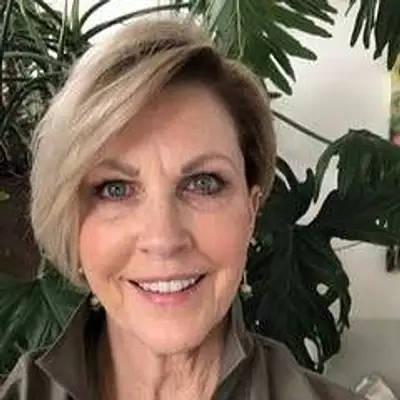
Polly Chandler is a Leadership Development and Transition Coach for Polly Chandler Coaching. This career path evolved from an intentional decision to focus on what energizes her most: coaching, mentoring and training facilitation. Her previous career was in higher education where she served as the Chair of the Department of Management and Director of the MBA in Sustainability at Antioch University New England.
Polly now coaches individuals and trains teams in many sectors. She is particularly interested in helping people to navigate personal and professional transitions. Her speciality areas are strengths based leadership development, post career reinvention, and serving people and the planet.
Website: http://pollychandlercoaching.com
LinkedIn:https://www.linkedin.com/in/pchandler1
Real Retirement Video Podcast: Real Retirement - YouTube
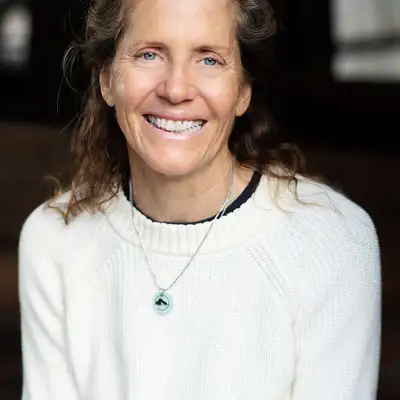
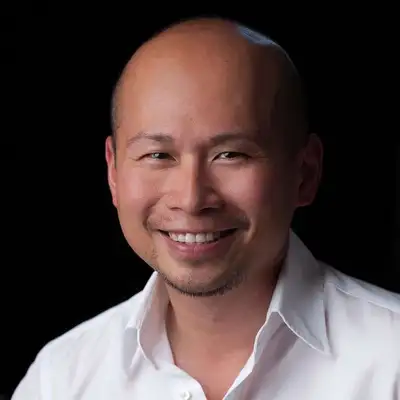
Welcome to "Real Retirement," a groundbreaking podcast where your hosts, Yasmin Nguyen and Kathleen Mundy, delve into the multifaceted world of retirement beyond the numbers. This isn't your typical retirement discussion; it's a vibrant journey into what retirement truly means in today's world.
Each episode of "Real Retirement" brings you compelling conversations with guests who bring a wealth of expertise and authentic retirement life experiences. Our goal? To inspire and educate our listeners to approach retirement with intentionality and a broader perspective.
But "Real Retirement" is more than just a podcast. It's a community for those navigating the uncharted waters of retirement, whether you're just starting to plan or are already on this deeply personal journey. We explore a wide array of topics, including:
What sets "Real Retirement" apart? It's our commitment to authenticity. We bring you real stories from real retirees, discussing real challenges, surprises, joys, heartaches, and the myriad emotions that come with retirement. From addressing family dynamics to confronting identity shifts, we tackle the issues that truly matter to retirees.
Join Yasmin and Kathleen as they journey through the honest and often unspoken aspects of retirement. "Real Retirement" isn't just about ending a career; it's about beginning a new, exciting chapter of life with all its complexities and joys. Tune in and be part of a conversation that redefines retirement in the most real way possible.
Polly Chandler: If you don't run
into that roadblock, you're
probably aren't stretching
yourself quite enough.
Right?
So sometimes people, they latch
onto an idea quick.
And one of the reasons in big
transitions, particularly a
career ending kind of transition
where doors open or not, is that
they get so much advice, right?
You should do this, you should
try that, you should do this,
you should do that.
And before you know it, their
lens has gone from wide open to,
okay, so I guess I should be
this.
But it maybe wasn't what they
were called to do.
Maybe it wasn't what they were
longing to do.
So helping people to think back
around things that, like what
did, when you were in your
forties, what did you say?
When I retire, I wanna be sure I
do X.
What was the seed of that?
And for a lot of people, it's
travel.
Okay?
So, all right, so you're gonna
travel, but you're not gonna
travel 365 days a year for the
rest of your life, probably So.
Let's think about what else,
right?
And I often find that if you can
shift that to a purpose
conversation around what brings
you joy, what brings you hope,
where have you felt stirred in
your very soul?
You can start changing people's
lenses around what's possible.
Yasmin Nguyen: Welcome back to
The Real Retirement Show.
My name is Yasmin.
Here with my co-host Kathleen.
Whether you're retired or
thinking about retirement, we
delve into the multifaceted
world of retirement beyond the
finances.
This isn't your typical
retirement discussion.
It's a vibrant journey into what
retirement truly means in
today's world.
We bring you real stories from
real retirees and experts
discussing real challenges,
surprises, joys, heartaches, and
the myriad of emotions that come
with retirement.
From addressing family dynamics
to mental and physical health,
to finding purpose, we tackle
the issues that truly matter to
retirees and those thinking
about retirement.
Today we have the privilege of
welcoming someone whose work,
wisdom and personal journey will
inspire anyone navigating a
major life transition.
Whether you're stepping into
retirement, reinventing your
career, or simply searching for
what's next, Polly Chandler is a
leadership development and
transition coach.
The founder of Polly Chandler
coaching her path to coaching
emerged from an intentional,
heartfelt decision to focus on
what energized her most
coaching, mentoring, and
training.
Prior to launching her own
practice, Polly served as chair
of the Department of Management
and director of the MBA in
sustainability at Antioch
University, new England.
Bringing together leadership,
purpose and service to the
planet in everything she did.
Today, Polly coaches,
individuals and teams across
many sectors specializing in
strengths-based leadership
development, post-care
reinvention, and helping people
align their lives and work with
what truly matters to them.
But Polly's story isn't just
about credentials, it's about
courageous living.
After stepping away from higher
education, she and her husband
embarked on a 10 month road trip
in a camper traveling across the
country in search for something
deeper.
Signs of hope I.
That journey and the stories she
created along the way in what
became Her Hope Journal
transformed her life and fueled
a new purpose.
One rooted in creativity
service, and helping others
navigate their own crossroads
with clarity and confidence.
Today, we'll explore Polly's.
Reinvention journey, how
strengths-based coaching can be
a powerful guide through life's
transition and the lessons she's
learned about her hope, purpose,
and creating a life of deeper
meaning.
Polly, it's such an honor to
have you here.
Welcome.
Polly Chandler: It is an honor
to be with all of you too.
Thank you for asking me.
This is really fun.
Kathleen Mundy: If I wasn't
intimidated before, I certainly
am now.
Polly, I'm so proud to meet you
and share this time with you,
thank you so much for being a
guest.
Yasmin Nguyen: Polly, you have
such a powerful story of
personal reinvention from
leading an MBA program in higher
education to becoming a
leadership and transition coach.
If you could take us back to
that moment when you realized
that it was time for a change,
and what was stirring inside
you.
Polly Chandler: It's a great
question.
we were living in New Hampshire
at the time, I think what was
stirring in me was a longing.
But I couldn't put my finger on
it.
was something longing inside of
me.
I loved my students.
I loved the faculty.
I loved the work that we were
doing.
I had become what they called
the field trip Queen and I did a
ton of service work with my
students where I would identify
an organization that needed help
and then I would bring my
students out to work on it as
part of their master's projects.
So it was really invigorating.
I felt like I was making a
difference, but I Felt like
something was missing.
and anybody who's been in
academia knows that teaching is
only usually about 40% of the
time you spend, there's an awful
lot of other that can fill up
your time.
and it was the other that was
leaving me just kind of, Hmm.
What else?
What's missing about this?
So, I actually began this
journey with a log.
And I kept a log of what was
energizing me and what was
draining me.
And I wrote in that log just
about every day, and I would get
this list, and I did it for
almost three months.
And I was just curious what's
gonna show up here?
What's the pattern?
boy did the pattern get clearer
and clearer with each day.
What I loved most of all.
Was teaching and mentoring
students and faculty,
particularly in times of
transition.
And what was draining me was a
lot of academia administration
stuff.
and so I just kept thinking
about it and then I started
looking for careers where I
could do more coaching and
mentoring and facilitation with
people in transition.
And I started doing information
interviews with coaches.
and people internally and
external coaches, people who had
their own businesses.
And eventually I was like, I
think that's what I wanna do.
And so I took this giant leap of
leaving a full-time job with
benefits in a town that I loved
with friends, and my husband and
I, took the big leap and, we, we
came to California.
Kathleen Mundy: Wow, that
reminds me of something that I
read about you and it was, the
question you asked children when
they, what do they wanna be when
they grow up?
And it sounds like you had a
wonderful opportunity to
experiment along the way.
We'd like to hear more about
that.
Polly Chandler: Yeah, so I've
been an educator all my life and
I've had the absolute joy of
working with anything from
preschoolers to graduate
students.
and I think it was all those
students all along the way that
I learned from around different
ways of you can look at your
life.
And so I think I've even
reinvented maybe 10, 12 times.
I'm kind of like that.
Generation, they say now where
most people in this current
generation are gonna reinvent 10
to 15 times.
Well, I was an early bird.
I was really reinventing
multiple times along the way.
And each time I felt like I got
a little closer to what it was I
was longing for.
and each time I took one little
step closer to what included
more heart and connection with
people rather than content.
An element of spirituality, and
a desire to be in a career where
I could be energized and
peaceful and calm at the same
time.
So this duality I was looking
for.
So that was really the journey
from.
Craziness of a preschool science
classroom middle school science,
to, teaching science teachers to
teaching at the university at
Antioch.
teaching earth systems to
business people.
each step was a little bit
closer to what actually became
my graduate work, which was on
servant leadership.
How can I serve other people?
Yasmin Nguyen: Wow.
Polly, your journey just
resonates so much with me.
the courage, the inspiration,
and I may have shared with our
audience that I took a similar
journey to explore and learn
about joy, and I understand that
your journey was, the intention
was to look for signs of hope.
And I was curious, what were you
hoping, to find out on the road
about yourself, about the world
when you set off on this, this
adventure with your husband?
Polly Chandler: so it was a time
when there wasn't a lot of hope
in our country, and people were
disillusioned and disengaged,
and I just was wondering, well,
brings people hope when they're
in that place?
how do we pivot?
How do we turn?
And so when we were heading off
on this road trip, to tour the
national and state parks of the
country, I started by asking
people in the campgrounds and
things, and people would look at
me with this blank stare.
Like, what?
I'm like, I was just curious
what brings you hope in the
world?
I got very few responses and
most of them were like, well, I
don't have a lot of hope right
now.
And I was like, anything you've
been doing today in this
beautiful park that brought you
hope?
Oh, maybe a little bit.
You know, it was, we had a
really great day at the beach or
something, but people couldn't
articulate it.
So then I had to shift my
project.
me, looking for hope, right?
I wasn't gonna hear it from
other people because they
weren't ready to talk about it
at this point.
And so everywhere I went, you
know, once you put your eyes on
something, you start seeing it
more.
place I went, I started looking
for quotes about hope.
I filled this book with quotes
about hope.
All right?
And I just have been continuing
to fill it and to continue to
add to it.
And there's probably a book in
here, but I haven't felt
inspired to write a book yet.
as Emily Dickinson wrote, hope
is the things with feathers
that's nested in your soul.
Kathleen Mundy: Well, that
inspires me to delve a little
deeper in that.
if you, found that it was a
little difficult to describe or
have people describe hope to
you, how can you transition or
help people transition with hope
and creativity in stepping into
their next chapter?
Polly Chandler: That's a great
story.
I was coaching somebody just
this week and he is on the
precipice of deciding to retire
and ale.
His company and he's afraid.
He's afraid of what's gonna be
next, and he's almost frozen
with.
Anxiety about it.
and he's had some, the younger
generation told him to stop
talking so much, stop telling
Yasmin Nguyen: Yes.
Polly Chandler: we don't wanna
hear that stuff anymore.
And he's brilliant.
I mean, the man is brilliant.
and so yesterday when we were
talking, he was sharing some of
his story and I played it back
to him and said, this is an
incredible story.
you see all the ways that you
have to open up in new ways for
the future?
And he was like, what?
And so I walked through each of
the steps for him and said, this
was just an incredible pivot
moment in your life.
You've done transitions before,
you can do it again.
And he was just like, and all of
a sudden, this very buttoned up
guy, the tears start coming down
his cheek.
And he's like, he said, oh, I'm
a bit of a crier.
And I said, that's all right.
My husband calls me the cry
coach.
I was like, don't worry about
it.
We can take it.
I can hold it for you.
And he said, this is the first
time I've felt hopeful in the
last three years.
And I was like, just by helping
him to see where he had the
fortitude inside of him, knew
how to do transition.
He'd just forgotten that.
I pointed it out to him way back
to when he first started his
business in the, when he was 20
some years old, he was just
like, oh my God, I can do this.
And that was just a great
moment.
So I think that's what this Hope
Journal has taught me is
sometimes we lose hope because
we've lost track of where our
greatest strength and wisdom is.
Kathleen Mundy: Well, that
story's gonna give hope to a lot
of people.
Polly Chandler: I hope so.
Yasmin Nguyen: Well, Polly, you
mentioned strengths.
That's something that, we
initially connected on learning
more about the strengths finder
and tools and really tapping
into what energizes us.
And I'm curious to learn a
little bit more about, the
strengths approach, but also for
you what, you have discovered
energizes you, in addition to
teaching that, connects with
strengths to help, uh, you
navigate your reinvention?
Polly Chandler: Yeah, so I am
gonna start with what is
StrengthsFinder?
Because some people might not
know what that tool is, and this
is a tool that comes from a huge
body of research around what are
all the talents in the world and
what would shift in the world if
people had a tool to help them
access and strategically
leverage their greatest
strengths.
And so there's an assessment
called Strengths Finder that was
designed to answer that very
question, and there's ongoing
research about what shifts in
people's lives, their homes,
their communities, their faith
groups, their workplaces, when
they take a strengths based
approach.
just wired for a strengths-based
approach.
Everything I've done has been
about.
What are my strengths, Polly?
What do you wanna do more of?
Right?
And so I have learned to use the
tool.
I was certified in it.
I got my coaching certificate,
and then I was looking for some
tools that would really help
give people hope quickly when
they were in times of
transition, because people can
be a little down.
And what I found was that by
empowering them with
reconnecting with their greatest
talents.
And learning how to activate
them more strategically, they
were better able to navigate the
transitions that they were in.
Whether that was, my kids are
leaving home to, I need a new
career to, I'm about to retire,
but I don't even like the word
and I don't know what I wanna do
next.
Any one of those places.
But by people being able to name
and claim and then strategically
aim their strengths, it opened
up all kinds of doors for them.
Yasmin Nguyen: I remember
Kathleen, we, you and I, when we
got together sometime last year,
we all printed up our strengths
finder.
You, me and Robert as well it
was such a powerful experience
for us to not only learn about
ourselves, but each other too.
Kathleen Mundy: Mm-hmm.
you know, Yasmin, took my first
strength finder test, if I can
call it that, assessment,
probably 15 years ago.
And I was in business at the
time, and, as I was reading the
report, I thought, oh my gosh.
This now makes so much sense to
me and I know how I can put
together a team that supports me
and my business where I need it,
it also gave me the confidence
that I was on a track that was
going to be fulfilling for me
because that, that it showed as
one of my strengths.
So it was really empowering.
It just exactly what you said,
it really empowers you to see
your future and I think kind of.
It a little senses of where
you're going, and are you gonna
feel comfortable in that
position.
Yasmin, as he said, we all took
it together again a year ago.
And, it does change a little bit
because as you evolve, your
strengths I think do as well.
So, I'm.
supportive of the whole process
because I think it's just one of
those tools that everyone
should, utilize to find out the
talents they have, and how they
can move forward in whatever
their future holds.
Polly Chandler: Yeah.
Yasmin Nguyen: Poll.
I love that this has been a tool
that's been around for a long
time and the applications of it
has been in our careers, and I
love how you are also taking the
perspective of how do I help
those navigating this transition
into retirement where.
They might be re-exploring what
their purpose is or what they
want to do and how to use this
to help them with that
transition.
And I'm curious, in what ways
have you really adapted this,
approach and tool to helping
navigate that specific type of
transition?
Polly Chandler: Sure.
I think it's a really good point
and, I think my story, I'll use
me as an example.
when I got my strengths results,
I was like, this sure sounds
like me.
when I started thinking about it
and how might I use it and
incorporate it into my business,
I was like, oh gosh, I just
really don't like marketing and
all the branding part of
building a business.
It's not my sweet spot.
I then looked at my number one
strength.
Which is relator, which is
people that like one-on-one
conversations.
And I was like, oh, I don't have
to go do all that marketing
branding stuff.
I'm gonna go talk one-on-one to
people, right?
I'm gonna connect with people
once we connect, I can build
trust, I can build hope, I can
build connection, that's where
my sweet spot is, right?
And that's how I've built my
whole business.
Is by smaller, more intimate
conversations.
The other thing is my second
strength is a strength that is
very much around connecting with
purpose, a sense of purpose, and
I was like, whoa.
there's a strength to anchor a
business, right?
Helping other people to think
about what is their sense of
purpose.
Now, purpose is like passion.
It's a word that puts the brakes
on people so fast.
They're like, oh, I don't know
what my purpose or passion is.
Right?
But if you wind it back and
connect it to other strengths.
It helps us to point around
well, what is that purpose?
What is that sense of purpose
that's gonna give you the most
energy, the most joy, the most
resiliency in a fast changing
world?
I.
Yasmin Nguyen: Is there a
certain way that you help
clients think about their
strengths or, as some people say
their strengths and their
weakness, what is the frame or
the context in which you help
them really understand what's
possible given the insights from
a tool like this or approach
like this?
Polly Chandler: Yeah, so I think
the way that I have found most
helpful is storytelling.
so I don't wanna just tell
people what the strengths are.
What the way I have found most
helpful is I give people a
little taste of this strength.
Let's say their number one
strength is, what's yours,
Yasmin?
What's your number one strength?
Do you remember
Yasmin Nguyen: Um, let's see,
uh, let me think.
I, I've got, I don't know if I
have them in the right order.
Oh, futurist, futuristic,
individualist,
individualization, strategic, I
have to look it up, but those
are the ones.
Polly Chandler: start with
futuristic.
You and I share that one in our
top 10, The way I would get
stories going is futuristic is a
strength of people who generally
like to think strategically
about three, five years out.
What's gonna be different in
three to five years.
They're not people who like to
hear all the backstory.
They don't ask, how did that
happen?
What worked, what didn't?
What got in the way?
They're more like, where are we
going?
How are we gonna get there?
So Yasmin, can you tell me a
story?
Of where you've used futuristic
lately.
Kathleen Mundy: Oh boy.
Yasmin Nguyen: Kathleen's oh,
how much time do we have here?
Kathleen Mundy: have enough
time.
You really don't.
I could
Yasmin Nguyen: Well.
Kathleen Mundy: exactly where he
is used it because he uses it
every day.
And one of the things that
Yasmin and I have in common is
that's my, one of my strengths.
So we're kind of.
know, we're in a canoe.
We're both paddling and
sometimes he starts going in a
direct, I can't keep up, I can't
paddle fast enough to keep up to
this guy.
yes, there's quite a bit of age
difference, but I'm gonna put
that aside even still.
When he sees something in the
future, Yasmin, I hope it's okay
if I speak on your
Yasmin Nguyen: Oh yeah,
Kathleen Mundy: Okay.
When he has a vision, we're both
visionaries as well.
When he has a vision, he will
work tirelessly in order to
succeed in perfecting a
methodology to enable that
vision to its fruition.
So he'll go through brick walls,
he'll stay up all night working.
He will do whatever it takes to
get that vision applicable to
the people that need it.
Am I right?
Yasmin Nguyen: Yeah, you're spot
on.
I found my top five.
Okay.
Number one is strategic.
So I'm strategic about the
futurist.
Otherwise I'd be just be
dreaming about it all the time.
Then futuristic is two, ideation
is three.
So I'm constantly coming up with
ideas that will drive towards
that, and then it's the achiever
in me that stays up all freaking
night, all day long.
And then individualization,
which is then adapting it to the
unique.
appreciating the uniqueness of
all different aspects then, is
that, does that.
Polly Chandler: Yeah, that makes
a lot of sense.
But what, particularly in your
question around like, how do I
use it?
See what's really easy to start
talking about ourselves when
we've got these anchors of our
strengths.
These great stories are what
give me insights on how to coach
people, right?
So particularly during times of
transition where they're like,
well, I have absolutely no idea
what I wanna do next.
If they have futuristic, tell me
about a time when you did, When
you cast a vision, how did you
get there?
What did you do?
How did you make it happen?
And all of a sudden we start
activating that strength again.
That was kind of in gridlock and
saying, I can't.
And I was like, oh, I remember
how to do this.
Open up the strength, and then
the energy flows right in.
Yasmin Nguyen: Hmm.
Speaking of energy, you could
tell when once you land on that
and you're aligned with it,
there's so much energy and
passion and clarity and that
drives your purpose.
Versus sometimes when you're the
opposite, when you're not
aligned or you're not clear,
Polly Chandler: Yeah, and that's
really what I like about the
assessment.
energy, like how much you like
to do something, and two, your
performance, how good are you at
it.
one lens and it's that dual lens
that gives people the sense of
empowerment of, I wanna do this,
I wanna have more great days, I
wanna have a sense of purpose.
I wanna finish the day going,
let's do it again.
Kathleen Mundy: I think that far
too often we put ourselves in a
box because we're so unsure
about what our best.
Strength, Until we do a strength
finder, we are not appreciating
what our strengths might be and
how others could benefit using
them to the benefit of what they
need.
one of the things that I
discovered was that it gave
release, it gave you a way to
really acknowledge.
you have to offer and remove all
that egotistical I'm wonderful
kind of effect, but really get
to the core of it and saying,
okay, if this is one of my
strengths, if this is what I've
got to offer, if I can help
someone, as you have, utilize
that to rebuild it, their
reinvention plan.
I think that's an art in and of
itself.
then I think you deserve to have
the accolades that comes along
with being a good coach and
helping people with that
transition and the mentorship.
I love the fact that once you
know what your strengths are,
you have the ability to pat
yourself on the back and say,
yes, I, I am good at that.
I feel great in that space.
Polly Chandler: Yeah, I think
that's really true and I think,
a strengths-based approach of
coaching.
Is it just, you know, when you
hear it, it's like, oh.
Oh, you know, it kind of, it
perks you up a little bit
because it is playing to your
greatest talents.
And the new thing about
strengths is that they started
forming when you were a
teenager.
somewhere back in the 12 to 15
were the seeds of these.
And then over time and
opportunity, exposure,
experience, they got to be
bigger and bigger muscles until
they were your greatest talents.
And so here you are at this
point saying exactly, probably.
The roots of all of what you
just said are rooted in the
talents that maybe go back to
childhood.
One of my favorite activities is
to ask people when they read
their strength, where's the
first time you saw that?
Where do you look back in your
memory that was the first time
you were doing that thing?
Kathleen Mundy: Wow.
That's a really good question.
I have to think about that.
so when you talk about your teen
years, how do you help someone
when they get to the point I.
when they are going through a
transition that they might
think, well, it's too late to do
something like this.
I don't know how to reinvent,
and maybe I'm, maybe I don't
have what it takes, and I'm
getting to the point where other
people are saying, oh, don't do
it.
that might not work out.
How do you help people who run
into that kind of roadblock?
Polly Chandler: Well, I kinda
have a different take on that,
which
Kathleen Mundy: Perfect.
Polly Chandler: If you don't run
into that roadblock, you're
probably aren't stretching
yourself quite enough.
Right?
So sometimes people, they latch
onto an idea quick.
And one of the reasons in big
transitions, particularly a
career ending kind of transition
where doors open or not, is that
they get so much advice, right?
You should do this, you should
try that, you should do this,
you should do that.
And before you know it, their
lens has gone from wide open to,
okay, so I guess I should be
this.
But it maybe wasn't what they
were called to do.
Maybe it wasn't what they were
longing to do.
So helping people to think back
around things that, like what
did, when you were in your
forties, what did you say?
When I retire, I wanna be sure I
do X.
What was the seed of that?
And for a lot of people, it's
travel.
Okay?
So, all right, so you're gonna
travel, but you're not gonna
travel 365 days a year for the
rest of your life, probably So.
Let's think about what else,
right?
And I often find that if you can
shift that to a purpose
conversation around what brings
you joy, what brings you hope,
where have you felt stirred in
your very soul?
You can start changing people's
lenses around what's possible.
Kathleen Mundy: Hmm.
I love that.
Yasmin Nguyen: Yeah, Polly it
sometimes when we're in a place
where we don't know, we're
unclear.
I have noticed that sometimes we
tend to look outwards and use
the C word, which is compare.
And I'm curious what your
thoughts are the idea of
comparison as it relates to
strengths.
Like, so-and-so's so good at
this, but I'm not, how do you
look at that?
and be supportive in getting
that clarity.
Polly Chandler: Well, I think
comparisons can be good.
I'm a huge fan of doing
information interviews during a
time of transition, going out
and talking to people who are
doing what you wanna do and
Yasmin Nguyen: I.
Polly Chandler: Really wanna do
that.
Well, that's okay.
Go talk to them.
But be sure you ask them what
they like about it, what they
dislike about it.
been their steepest learning
curve?
How much time do they work?
What's their life work balance
like?
Ask, find out what it's really
like, right?
So that inquiry process is
really important.
The other thing is that
sometimes one of our greatest
strengths can get in the way,
right?
60 to 70% of our weaknesses is
when one of our greatest
strengths is turned up too loud.
It is taking up the room, right?
And so what I spend a lot of
time when people are doing
comparison or stuck is figuring
out which strength is really in
what we call the basement.
It's in that weakness side of
the strength it's getting in the
way.
It's preventing them from move
forward and figuring out which
strengths helped me pivot, which
one will help me get around that
and come out with fresh eyes, a
broader lens again.
So I think navigating how to
utilize your strengths to
navigate spaces that might feel
uncomfortable learning which
ones are your energizers, which
are the ones that's gonna pull
you forward or point you in new
directions.
That kind of dialect I find
fascinating.
And when you get talking to
people, it really happens when
people start recognizing what I
call their rescue strength.
This is the strength I go to
when I get stuck and I can find
my way forward again.
Kathleen Mundy: I, sorry, but
I'm going to jump in here
because.
Polly Chandler: Because.
Kathleen Mundy: I don't know how
you do that alone, Polly.
I don't know how you would do
this alone.
know, we talked a little bit
about the fact that we've had
our, results and we know what
our strengths are, but when you
put it as articulately as you
have how you utilize one to
promote or balance the other.
I don't think you can do that
without some guidance and some
coaching.
I really don't.
As much as we've tried and I've
tried to look deeply into those,
the different attributes that
each strength might provide in
order for me to have a balanced
outlook or anyone, it's someone
like you that needs to help
mentor them through it.
So, bravo,
Polly Chandler: Well, and I
think we need each other, and I
work for a small firm called
Third Half Advisors, and we
really believe in the value of.
Creating communities to have
those dialogues through
workshops or online or retreats.
And so those dialogues are
really rich.
And so we don't do it alone.
We learn from each other.
And reinvention is a learning
journey.
And learner is one of the top
strengths in the world.
And so if we can tap into that
and learn from each other, I
think that's a great way to keep
navigating through whatever
comes our way.
Yasmin Nguyen: You mentioned
Polly Chandler: I'm a little
overly optimistic at times,
Kathleen Mundy: Not at all.
Yasmin Nguyen: No.
Polly Chandler: but I was
looking at this journal and I
just wanna bring this.
Quote in at this juncture,
because I think this is kind of
the, a stuck spot.
I see people in transitions
talking about optimism a little
bit, Well, you know, I'm
relatively optimistic and, David
Orr, who was a professor, in the
Midwest, wrote optimism, leans
back, puts its feet up and wears
a confident look.
Knowing the deck is stacked.
And then he writes.
But hope a verb with its shirt
sleeve pulled up.
I love that.
I
Kathleen Mundy: love that.
Polly Chandler: You know, and so
this is an easy work, this to be
reinventing and to go through
big transitions.
We could be optimistic, put our
feet up.
And hope that it happens, or we
could activate that hope and
make it a verb.
Pull up our sleeves, activate
our strengths, and work together
to find ways forward.
Kathleen Mundy: Well, I, again,
Paula, you're providing so much
information, so much depth, and
it makes me question how people
can move into transition and
avoid taking a real strong look
at themselves and where they've
been, as you said, look in the
past, which I think has great
value, but don't live in it and
don't study it to that extent,
that it's gonna alter what
you're doing in the future, but
just to understand what it
taught you and move forward.
But I, I, I.
I don't know what to say.
I'm really, really, really
impressed with our conversation
today, and I know that he's
gonna edit this, so that's
really great.
I wanna know, I wanna know
Polly, how do you do an action
plan for this process that
you're going through?
What's the first step that you
do take?
Polly Chandler: so I think we
have to get people to a place
where they're willing to change.
So Bill McKibbon wrote, hope is
a willingness to change, right?
And I think that is a, it is a
really good reminder.
And so what I love about the
work I do, whether I'm sitting
next to someone or on Zoom, I
have this like kind of inner.
Insight about this all.
Now, having done StrengthsFinder
for over almost 12 years now, I
get, I can start to see when the
sparkle comes, right?
And all of a sudden there's a
little bit of, I used to tell my
students, don't move forward
until you feel the flutter
factor and I can, all of a
sudden you get it.
I can sense that they've en
entered into this flutter
energy.
Something's looking different in
them when they show up the next
week.
And I was like, huh.
Okay.
I think we are ready to start
moving into action, we have to
do the exploration first.
And it's that exploring your
talents, a little bit and
thinking about what's possible.
And I think, back to that
sabbatical where we took that
big camping trip, that road
trip, it allowed me to wonder
and wander.
And that was really what I
needed to do in order to go back
to life and say, what is it I
wanna do?
Most of all, what's calling you?
Most of all, and I took, I
mentioned this story to Yasmin.
I was, we were standing on this
bluff overlooking the desert.
And, you know, there's these
national park signage and things
and there was a sign and I was
like, oh, I wonder what that
sign says.
Always curious.
I walked over to it and I was
like, I looked at the sign and
it said, used to be a view of
this valley, and it was lush and
it was, this is what this valley
looked like.
But now because of the smog
coming from LA, you can no
longer see the valley.
Floor.
I was just like, it blew me
away.
I was like, we've got a crisis
on our hand.
And so when we got back to New
Hampshire, before we moved to
California, I was like, going
back to my original degree in
environmental education.
This planet needs help.
I got called to a sense of
purpose and it was just like a
prick that hit me.
And so I enrolled in Antioch
University as a student, and I
was like, I'm gonna do this.
I'm gonna go back and make a
difference.
this climate thing is moving
faster than I ever expected.
and so I took my first classes
and it was pretty familiar.
I was like, oh, this is good.
This is fun to be back in this
space.
And then I took a class.
In Team Dynamics, and I was
like, oh, I think I'm missing
the point here.
went down to the admissions
office that day, this was my
first week of classes, and I
said, I think I'm in the wrong
degree.
And she was like, what do you
mean?
I said, if I really wanna change
the conversation about the
future of this planet.
I don't need to be just talking
to people at parks and in
schools and things.
I need to be talking to people
who have positional ways to
influence what's gonna happen.
I need to get a leadership
degree.
And so my whole kind of focus
switched to how do we support
people thinking in leadership
roles.
Right.
And that could be in a small
nonprofit, it could be in a
community government, it could
be leaders in families, or it
could be corporate.
But I was like.
We get to get these people
talking about the planet and
people and so how I evolved
into, I'd say about 60% of my
client base is people who have
either worked in the fields of
planet and people or are
currently working in that field.
It could be, I have clients with
the national parks, I have
clients with the state parks.
Environmental nonprofits
environment, social justice,
nonprofits, and then
corporations that are interested
in finding balance of people and
planet.
that's become my sweet spot.
Yasmin Nguyen: I could see how
energizing it is for you to be
in alignment with your passion
and, your strengths
Polly Chandler: And it took me a
while to get there.
So when I first started as
coaching, I'd take anybody, I
hate to say it, I was a friend
of, a friend of mine, says I was
the bottom feeder of coaches,
right?
I, so I would work with
absolutely anybody and over
time.
And the transitions that I've
been in over the last 10 to 12
years, myself, as I grow older,
I'm realizing that I wanna spend
more time as a coach with people
who are advocating for people
and justice and the planet.
And
Yasmin Nguyen: Mm.
Polly Chandler: I kind of have
landed as my sweet spot.
Kathleen Mundy: You know, it
made me think, Yasmin and I have
gone through that same process,
not that, and I don't think
you're a bottom feeder at all.
That's not the case.
But I think that, whenever
you're trying to find your tribe
and the people that speak the
same language, you have to meet
a lot of people.
And you really have to, look at.
Polly Chandler: At
Kathleen Mundy: What makes this
a whole process, and I'm in
this, so I need to find what
works for me and for us, and
we've definitely gone through
that process, in the last two
years.
I think it's really important to
be honest with yourself and give
yourself permission to take that
journey and find out who your
tribe is, what your tribe is all
about, and where they're going.
Because I think that's really
important to know what their
future is, but in comparison to
what you want yours to be.
Polly Chandler: Yeah.
And I think that's the courage.
So many people in transitions
right now are starting up their
own businesses,
Kathleen Mundy: Mm-hmm.
Polly Chandler: and they're
starting up businesses because
they know they have a talent in
something that they've been
doing for a while and they wanna
share it or do whatever.
think the real courageous
moment.
Is that when you recognize that
the talent that you have has
transferability other people
than who you've always been
working with?
When cracks open that new venue
for
Kathleen Mundy: Yeah.
Polly Chandler: mean, one of the
venues I discovered that I
didn't even know was there was a
whole venue of people in the
spirituality field, And them
thinking about their strengths,
and I was like, huh.
That's a little bit seed that's
been waiting to grow and bloom
inside of me.
And so I think if we are open to
just being okay, I need to start
my business and then I need to
find my people I will be able to
serve people better if I'm with
my people.
Yasmin Nguyen: Wow.
Polly, I feel like we could talk
for another couple hours here.
you have such rich wisdom
experience and your presence is
so enriching and so for those
who are Interested in learning
more about you, maybe connecting
with you as well too.
What's the best way to find you
and to learn more about you and
your work?
Polly Chandler: Sure.
So my website is Poly Chandler
Coaching.
On that website, there is a ways
to contact me, and there's also
a 30 minute complimentary
coaching session.
I'm all about letting people try
it on, see if it's a fit.
It might not be a fit today, but
it might be in the future, but I
like to give people an
opportunity to say, huh, would
that be like?
I can't even imagine.
Yasmin Nguyen: All the
possibilities waiting.
Yeah.
Kathleen Mundy: Well,
Yasmin Nguyen: Um,
Kathleen Mundy: I can imagine.
Yasmin Nguyen: any final
thoughts as we wrap up our
conversation today?
I.
Polly Chandler: I think I'll
finish by just saying that when
you're in a transition, be sure
you have good anchors around you
and things that ground you.
And that might be.
Good people, good friends, or it
might be as I mentioned in,
before we started, you know,
images.
So I have images in my office
that anchor me.
The two of these watercolors are
by my mother when she was living
in Nova Scotia.
And then on the left is this,
map of the boundary waters canoe
area in northern Minnesota.
One of my heart places, right?
And then behind me is a little
cluster of things that are, you
know, icons from other people in
my life.
when I get stuck knowing that
I've got these anchors of these
great relationships in my life
that are, feeding me, even
though they may not be here, it
just kind of me, do this, I can
do this, and I totally believe
other people can too.
Yasmin Nguyen: Thank you so
much, Polly, for being one of my
anchors as well, to be able to
share this experience with you
and, enrich our audience with
your experience and your wisdom.
Kathleen Mundy: It is been so
inspirational.
as I said earlier, on the onset,
I was impressed, incredibly so
and humbled, but, and now I feel
inspiration is the word I should
use.
Polly Chandler: Maybe a little
hopeful.
Kathleen Mundy: Oh, absolutely.
Polly Chandler: I
Kathleen Mundy: I.
Yasmin Nguyen: Lots of help.
Polly Chandler: thank you.
Yasmin Nguyen: Thank you for
taking the time to join us
today.
If you enjoyed this episode or
found it valuable, please
subscribe, follow and leave a
comment or view on your favorite
platform.
If you have friends, clients, or
loved ones who are retired or
thinking about retirement, we
invite you to share this show
with them.
Check out this show notes with
links to resources mentioned in
this
episode@realretirementshow.com.
Remember, retirement is a joyful
journey we get to experience
together.
Join us next week for another
real retirement conversation.