Subscribe
Share
Share
Embed
What happens when a VC and a CEO come together?
– They nerd out about all things revenue. And they don’t always agree.
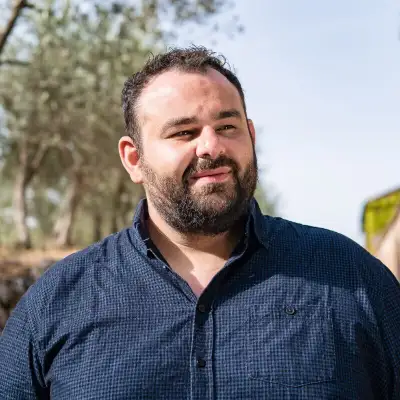
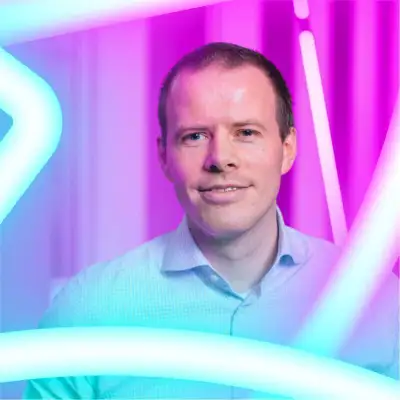
Raul Porojan of Project A Ventures and Toni Hohlbein of Growblocks are the Super Revenue Brothers. In every episode they dissect and debate current issues in B2B SaaS, and offer solutions on how to solve them
No matter if you’re an early-stage startup or a scaling unicorn – you’ll always learn something new.
RevBros - Inbound, Outbound, Prisonbound
===
Introduction
---
[00:00:00]
Raul: It's probably not gonna land you in jail, but I'm pretty sure extortion and actually locking people into a room with you, is gonna get you there.
the way that that happened, by the way, it was kind of a physical location thing, and it was two salespeople, being like, Hey, I'm really not happy that you pulled back on the contract here.
let's get this done. Either we're gonna walk out of this room and having punched each other in the face, or we're gonna have a contract.
Toni: That's why Zoom was invented. You know, people talk about all kinds of other reasons. No, no, no. That's why we have Zoom now. You know? That's the problem we are solving.
So, Raul, I heard you were in Utrecht? I don't, I'm even not sure how to say this in English. What did you do there Raul? Please, please enlighten us.
Raul: It is a wild story. You might have seen that already. I played Magic The Gathering, which is a strategy game, kind of like a collectible card game. You might actually know that. I'm surprised
Toni: Many people know it.
Raul: on that, on LinkedIn. A lot of people know it or have played it many more than, than I knew.
And, I have been playing that for [00:01:00] most of my life, quite competitively. I played a bit less. Once I finished my studies, and I started working and everything, so I focused a bit more on work. But before that, I actually. Played kind of semi-professionally. I was traveling around the world, like to the US Asia.
first time I was in Asia, Kuala Lumpur was playing kind of like a World cup for magic and then to Hawaii where they, they paid the flight and everything when I was 18, 19 years old. So that was really interesting There was kind of a, let's call it for the sake of this argument, a European championship last weekend happening like just a couple days ago in, Utrecht, which is like 20 minutes from Amsterdam.
it was an open tournament, 1600 players, played in that tournament. And, I prepared for a couple days and, ended up winning the whole thing, which was really cool. so first of all, For the sake of this argument, again, like I'm kind of the European champion of magic, at least for now.
There's like two of these this year. so at least for six months, that's what I am. And it also qualified me for the World Championship later this year [00:02:00] in, June in Las Vegas, which, that I'm really looking forward to. and I have been playing some of these events earlier when I was like 20, 25, but, not in a while.
Toni: So when you're listening right now and you're like, ah, you know, I don't really need this go to market consulting thing that Raul does, so go to market advisory thing that Toni does, but I actually really need some insights on, on how to play Magic The Gathering better. You know, Raul is your guy, I think What, what is it?
Like a hundred, a hundred euro an hour, 300 euro an hour to teach you magic the gathering or your kid. Or your kid probably for that is a discount. But, you know, feel, feel free to hit Raul up. probably, can learn a lot.
Raul: Please do. So again, I was surprised by how many people are actually playing it. And not to dwell on that too long, but I actually think it's a great idea for a kid to play something, not necessarily this, but could be chess, could be actually in my mind, could also be poker. But that is a bit difficult to be responsible with.
I also played poker very early on, by the way, like 15, 16, which is actually illegal in Germany. But, that helped me a [00:03:00] lot with my strategic thinking and math and all that stuff.
Toni: So sidetracked. People are talking like Pokemon for smaller kids. I, I'm not a Pokemon fan. I want to kind of have my kids like two boys. They should be playing magic the gathering. But like, how old should they be before they start this thing?
Raul: So I think the game can be played anywhere from like seven or eight years old. Like some of the artwork is a bit gory, but not too bad. Like they kind of dwell it down. And I started playing at eight or nine. and what was really interesting for me at the time, and what I think my mother really,
Pushed there at the time was that the cards were in English mostly, and it really motivated me to learn English. So I was basically fluent in English at eight or nine just because I wanted to understand the cards because I had that inner drive for that. And that translated later to, basically for the rest of my school career, always having a, a plus in, in English.
and,
Toni: There you go.
Raul: if that's already a reason enough for a lot of people.
Toni: So that's the episode. Thank you very much, everyone, kind of thanks. Thanks for
Raul: everyone for tuning in.
Toni: [00:04:00] So, next episode.
The Deel and Rippling Espionage Case
---
Toni: Right now what we are talking about today is, I think it's hilarious, but it's also a little bit scary. You might have heard the story, if you're part of the whole LinkedIn ecosystem already, or echo chamber rather.
apparently Deel and Rippling, both of those are HR providers, HR vendors, massive companies like Deel is now, I don't know, 800 million in AR or something like this. And Rippling is, I don't know, 500. and what did you know Deel do? apparently they allegedly, I guess because there's now a lawsuit like Rippling is suing, Deel over this, allegedly.
Deel placed a sales rep in the Rippling organization, who then, sent information back to his contact, at Deel. On things that, you know, included competitive deals where Rippling was, poaching, Deel customers or where they were both competing for the same, newbiz deal.
he was sending information back, like pricing. so the Deel team knew how to undercut, et [00:05:00] cetera, et cetera, et cetera.so how did they find this out? they grew suspicious at some point. and they set up a trap, kind of like a false flag kind of thing.basically they figured out that,
the information was then handed over by this person to Deel. and it all came to a head when they then, confronted the employee with it, who took his laptop, ran into a bathroom and locked the door
Raul: Did that happen?
Toni: Quickly. Yeah, that happened apparently to quickly delete all kind of evidence, which is, you know, way too late anyway.the contrarian view. On this, right? It's like friends, hey, listen, this kind of thing happens more often than you think. Really what's going on is, Rippling is failing to push against Deel. Deel is about to go public. They're putting out this lawsuit in order to delay them going public. it's all a strategic thing.
Usually when this happens, there's, you know, nothing like this. This is really just to kind of, put a, thing in the wheel. of a Deel going [00:06:00] public at the same. So I think there are a couple of different perspectives to this thing, but I think it is pretty funny. I think it's pretty funny.
so first of all, kudos to the whole Deel team. I think there's like 2000, 3000 employees. It's a massive company. Kudos to them that no one spilled the beans on that. It's like, Hey, actually we have a spy and Rippling, kudos to that number one. So that kind of tells you a little bit of how many people were actually involved.
But then number two, I don't believe that this was like a rogue operation of like, you know, someone doing this. I don't believe, I think this was, this was a top down thing. I think someone decided that that was gonna happen. And just Imagine how that meeting with all the executives, like C-level, imagine how that meeting had, you know, went.
It's like, oh, so we have this idea. We are taking John here. John is a great guy and you know, we can loop him in, we can trust him, and then we are gonna place him in the other organization. Then he's gonna send us information, is everyone in [00:07:00] favor, you know? Then the eyes have it, you know, let's go, let's do that.
It's sounds so insane, but something like that literally must have happened for this to get to this point.
Raul: This is wild man. This is like some mafia type soprano, mole and rat shit with, with, there is a rat in the organization. it's funny actually, we chatted yesterday, on WhatsApp about doing this episode, this topic today, and then I watched this movie called Red Sparrow, which is also kind of a Russian spy movie.
so I'm all in that topic right now, but, I also would be really curious to how did this really happen? And maybe we'll find out more because I can see alternate stories too.
Corporate Espionage: Real-Life Stories
---
Raul: I know for example of one like this, in this case, I won't name a name, but. There is, two quite prominent competitors in Berlin and, in the, unicorn, realm.
So quite big ones too, but they're kind of in the same
Toni: Oh, I mean there are so many different options here now, Raul. you're really,
Raul: there, there's, there's a
Toni: it really broad.
Raul: There's a couple actually, and there's two big ones in that area. [00:08:00] And what happened there was that I know one person who went from one company to the other in a legitimate fashion.
So they just left their old team. They were disgruntled 'cause basically they didn't get promoted. And whatever the,I'm, I'm not happy. I'm leaving, right? So I'm going from company A to company B and start working at company B. All legit, like no scheming, no anything. What ends up happening was that.
I then also really miss my old team. my old boss was also nice, but we didn't get along. he meets me for lunch and we get talking and we kind of make up, I meet the old team for birthdays and all that stuff. So my social circle is still with the old people.
I basically hang around with them two, three times in the week and I, they just kind of get me talking, And I tell them more and more about things that maybe I shouldn't tell them about.at some point the head of that department realizes we could instrumentalize that guy without him even noticing.
what ended up happening here is that that employee who went to competitor B [00:09:00] was. Just being a bit too open without actually meaning anything bad. they were just way too open. More than they should have been, feeling like they were kind of in a safe environment and at some point was taken advantage of, which led to basically the same outcome as in like, he was just spilling all the beans, the new strategies they're going to market there. Oh, we just changed the pricing. We just changed the CRM. We just hired a new, CRO, we wanna fill in that role and whatever. And they were always up to date on everything. but there was no ill will on the employee side.
And, uh, nobody could be, could be harmed for anything really at the end of the day. And I think the employee had a little bit of trouble, but, I think they achieved the same thing without having to have kind of the scheming,
Toni: I think. I mean, this one sounds a little bit more benign to me, right? apparently this guy at, Rippling, the Deel mole basically, he was searching the CRM or the notes more than 20 times a day for mentioning of Deel, like the competitor basically kind of that, you know, he was working for.
And then, finding all of those records and sending, information over that is way more [00:10:00] specific and transactional than this story here, which sounds a little bit like someone wanted to, someone also liked the attention they were getting, by having this information.
Right. So it's a, I think in, like in espionage terms that would be called rather like a useful fool or something like this. Right. I think that's how they're called versus the first one. This was a planted asset, you know,
Raul: Okay. This, it's suspicious that you're so familiar with like spy language, Toni, but guess I should rather not get into it more.
Toni: Hey, man, from East Germany. I live close to the clinical broker. You know, it's like, it's, you know, I know all of these stories.
Gray Areas
---
Toni: No, but, you know what, what we were kind of discussing this, and by the way, the, for this inbound outbound prison brown, episode here, you know, another thing that also came up for me, what is a little bit, you know, basically kind of all the tactics, the go to market tactics, a little bit in the gray area, actually, one other item I have is.
And at the time, this was not gray area at all. It was completely white, white space area. So I was working for the social media company and we were obviously trying to figure out who has a social media manager who is like an online [00:11:00] presence, on Facebook and so forth. And, what the founders did, they built a little app, and back in, back in the day and Facebook, you could, give a page
permission to, see all the other pages that you're kind of liking, right? And you could even go so far and give the page per permission to scan your friends' likes of pages, right? That was totally okay. It was a totally fine thing. we did that with every employee in the company, they connected their account to this, and we were able to map out the whole social media space and rank it by how many likes and worked through this was fantastic.
however, that same technology then in, 2016. Got, got taken to the next level, with, a company called Cambridge Analytica. if you still remember that incident, right? But Trump, and also Brexit and, and so forth. They basically used the same loophole, which is pretty crazy actually. Kind of you connect to this thing and then give access
on behalf of your friends to their data, which [00:12:00] is like super weird when you think about it. and they were able to build like some, games, some online apps. Basically you kind of then connected to this. You had to click, you know, consent to all of that data being shared. and then from that they were able to create,
Those, social graph profiles and were able to influence elections basically. Right. that's what happened there. And then once this came out, this whole thing was shut down. It was kind of an absolute no-no to do. but back in the day, kind of when we used it for like very legitimate reasons, actually, kind of this list building exercise.
that was totally fine. But, eventually that tactic kind of broke away and became more of a blacklist than a gray area. It's like one of those examples where, founders are getting creative on how to get some of those things going
And some of them, end up in the wrong side of the court, I guess. but, you know,one of those examples did you have like a couple of others actually kind of in this space?
Raul: Yeah. And, and from, from all kinds of directions I can tell. You wanna, this goes more into the kind of hard espionage thing.when I worked at [00:13:00] Treatwell, which you might be familiar with, which was then later sold and now became the big group Treatwell. But at the time every country there was one, or even two or three, different kinds of companies doing the same thing. And I remember that I had a lot of weird calls at the time I was basically under the CRO, as a junior person, but mostly like rev ops, you would call it. And, I had a lot of weird calls from people with weird accents, but at different times and coming from different numbers.
basically offering me money for information. And I told that to the company at the time. Right. I, I, but like really attractive sums for someone who just started working like, three, four months ago. To this day. I don't know exactly what was behind that, but I know for sure that, for example, they asked me, Hey, would you be, they framed it in a way that they were kind of like, you know, these consulting agencies, these market research agencies.
But I, for sure they weren't, but they were out specifically for my lead list. 'cause I was the one managing those. I was kind of like, as a rev ops person, I was administering all the leads. They were asking me for [00:14:00] territories. They were asking me for, like who is doing what. and you could use that.
The data would I have sold it to them? you could have used that to poach employees. 'cause you, they also wanted to know like, how are we doing and how is the market performing and everything. you could also use that to kind of get into existing deals and snatch them from Treatwell before, and they were offering me like five to 10 K for an Excel.
So they were like, Hey, if you can give us some data and a little interview, we're, we're a consulting agency for someone who wants to enter the market. we'll give you five to 10 K depending on how, how specific you are.
Funnily enough, three months later, Treatwell was acquired, and I'm still to this day pretty sure that it was one of the competitors, trying to kind of like, defeat treatwell before having to buy them.
Toni: Crazy. I mean, so I think everyone's getting hit up by those research agencies. I've never taken a call actually, but yeah, I mean, it's so easy to turn this around and try and extract information from you as a company in, super shady ways. Actually, now that I think it's kind of not a bad idea almost, you know?
Raul: [00:15:00] so I have to differentiate here. So I have had calls with legit research
Toni: No, no, I know, I know. It's like that the those exists, by the way, but it's, it's kind of a very, you know, soft way in, almost Right.
Raul: So I don't think those guys were actual, legit, research agencies and, what they wanted to do. I don't think another research agency would like that was like legit, like industry espionage, basically offering people money to buy, lead lists.
Toni: If we're going kind of in a little bit this direction, there's a couple of other lawsuits going on right now of, well, actually no, I take this back. It's not a lawsuit, but We recently learned that Apollo and a couple of other teams were kicked off LinkedIn, right, because of them basically scraping LinkedIn data.
something that is a big no-no, you know, violates the terms of service. you know, clearly. Everyone is still speculating why this specifically happened. I think it's pretty clear they scrape LinkedIn data. It's like, it's pretty, it's pretty straightforward. And there's also the, the, you know, in terms of service very clearly says you can't do that.
It's like it's verboten, you aren't allowed to do it. And I [00:16:00] think they now decided to crack down on some of these things. I think recently there was even another one, like growth machine or something like this where the same thing also happened, right? And I think kind of some of those things will continue.
but why am I thinking about this? So. I think, you know, while we built, you know, at Falcon, kind of this lead list using Facebook and our employees' data basically, and their friends' data, I think this is like a very common thing. I was just talking to a founder the other day who also, was scraping, some other companies, not competitor, but like a, like an industry kind of thing that kind of is important for him, was scraping them to kind of get information on, you know, who is, who is interested in that.
I wanna really be unspecific here, but in the industry kind of information, right? and then using this data, and I don't think you broke any laws. I think it's totally kind of above board. but then using this data in order to build out lead lists, right? So it's like, it's really the, a little bit more smarter way to go about, this whole, Hey, there's a signal, like, you know, there's signals [00:17:00] that you can get from some a, BX vendors.
Like if you're really smart about your industry. You can find lists in quote unquote signals that might be, way more important than someone changes their jobs or someone, putting up a job post for some, role or something like this. And I'll give you another example. what we did also in the social media company, we could see from our customers.
So we had obviously their channels connected. And we could see, from which app they were posting their posts. Right. And we were obviously posting posts, stuff for them. so, if they didn't use us, we could see whom else they were using, which was fantastic. that gave us a churn signal.
Like the, the biggest competitor was just from. The, the Twitter app or the, the Facebook app, basically when someone's on the phone is just kind of publishing from there. And then suddenly it's like we saw Hootsuite popping up, or we saw someone else popping up. It's like, okay, let's give these people a call because maybe they're trialing with someone else right now.
And, I don't think we've broke any rules there, but it's, you know, some people don't think [00:18:00] about going this extra mile, figuring out where to get some signals from. Then use them, right? Kind of use them for their own advantages. I don't think this is espionage or anything like this, but it's, it's, I think the espionage side is just the, you know, taking this approach onto a whole different level almost.
Right.
Raul: So, and, and here's, I think this, this topic is. Weird, but also kind of like mysterious and also exciting. But here's why this is so interesting to me because having seen all these companies from within, I kind of have this funny comedy idea in my mind of how these things came to be because I've seen situations where people just stumble into prison basically.
or, no, no, no. Let, let me rephrase that. People didn't stumble into prison, but almost prison or like highly gray territory. I think a lot more people actually are in gray areas or doing things in this startup world, than they realize. And it's partly due to obviously like you need to really go fast and you really need to push the [00:19:00] envelope and try new things.
but also this. Inherent bias to action We don't need to talk to a lawyer. We don't need to figure this out. just get it out there and then, we will iterate. But there are some things where iteration is not really getting you there because, the act in itself will actually land you in prison, hence the title of the episode, prison Bone.
And what's comedic to me is that a lot of times, and I don't know if this is the case here in this Deel example. It's not really malevolent. Like people don't start out, they don't even know that they're doing something. And, I've seen so many things where starting from, we all know this in Germany, but Europe to some extent anyways, just the GDPR laws and like, uh, things that you have to confine yourself to and like rules and regulations and, what data you can store.
And I have seen. Dozens of companies storing data about their customers that they're technically not allowed to do. So, And, and using CRMs that are not set up in that way. By the way, also using CRMs in [00:20:00] countries that are not really allowed to do so, for example. but that is a different topic, like where can you use A CRM and, and connect that data to somewhere like, where's that data stored?
Those are all topics nobody gives a shit about, but they can actually land you in high trouble. or, and this is the biggest classic, I've had. So part of the things that I, I do a bit less now, but part of the things that I did a lot at Project A and I still like to do is also actually actual sales coaching.
I really enjoy that. I think I'm also quite okay at it, which is like sitting down with people and giving them advice on how to do the call and everything. And so what companies at Project A would sometimes do is they'll be like, Hey, Raul, can you give us a little bit of feedback on these calls we registered?
Like we what? You what? Yeah. Yeah. We registered these calls in, in like Gong or other.ai, which I really like that tool. I was like, you're not just allowed to do that. You can't just record people in, at least in Germany, and especially share that with a third person from a different company just like that.
And I told them, they like, wait, what? You [00:21:00] can't what, but this is my call. Yeah, but this is, this is a call that you can't just do that now. None of those people landed in jail. But those are like things that people just do. Right.
Jailbound Tactics
---
Toni: but, things that I've seen that actually could have landed people in jail in the early days, well, at least for my. Kind of stories in the early days of Berlin, startup ecosphere, let's say 2012, 2013, 2014, the Groupon, auto scout, area, the, ferando was just becoming big, area.
Raul: And rocket internet was still a thing kind of timeframe, right? sales was kind of wild westy, right? People were just, stealing Deels from each other, like looking up each other's, Salesforce, Deels and just. Transitioning them to themselves and then closing them. what people tried was wild.
Nowadays it's kind of a cultural shift too. It was, it was even kind of normal back then, but then also what they did customer facing. So I've, I know salespeople personally quite [00:22:00] well, who. Locked customers into rooms with them and basically told them, I'm gonna beat you up if you don't, if you don't sign this contract.
I haven't seen this, but I, I, I've heard these stories and, and confirmed stories. I've heard confirmed stories of people. Now this is probably not gonna land you in jail, but you could call it kind of like bribery, corruption, whatever. closing deals with, hookers and blow, like inviting,
company officials to prostitutes and drugs and strip clubs and closing deals that way. Now that's, maybe a little more of a shady area. It's probably not gonna land you in jail, but I'm pretty sure extortion and actually locking people into a room with you, is gonna get you there.
the way that that happened, by the way, just to give a couple more sentences there, is, it was kind of a physical location thing, and it was two salespeople, one of them quite chunky and, and strong, being like, Hey, You've been fucking with us for like two months now. and, I'm really not happy that you pulled back on the contract here.
let's get this done. And, there is no other option either we're [00:23:00] gonna walk out of this room and having punched each other in the face, or, either we're gonna have a fight or we're gonna have a contract. And the customer basically said, okay. Like, I prefer the contract.
Toni: That is insane.
Raul: That is insane.
Toni: that's why Zoom was invented. You know, people talk about all kinds of other reasons. No, no, no. That's why we have Zoom now. You know? That's the problem we are solving.
Raul: I imagine the same thing here is like, Toni, either we're gonna have a fight or we're gonna have a contract, and you're like, click I'm out. That's it. Problem solved.
Toni: No, I dunno. It's Yeah, I, I'm just kind of thinking if I have another example in this area, but, I don't actually think so there's like stuff that reps did internally, but I think that doesn't fit here. But, no. Yeah, it's usually, it's usually list building.
then we have the Deel thing, we have the scraping thing from Apollo, right? We have the beating up thing, which is, I think
Raul: That is wild. Eh, I mean, one more, which again is not illegal, but still quite hilarious. so there are several occasions which I'll put [00:24:00] into one, but it's basically like using your bodily charms to get clients and, um, and the.
Toni: Specifically, I'm sure.
Raul: No, no, unfortunately, that's not where I'm, where I'm, that's not my forte, not my, USP, but, I know of a salesperson and, I think he probably, and he, it's a, he, uh, 'cause typically that you would think that it's a, it's a woman or whatever, like that's, but it's, it's a guy and he must have slept with a round.
30, 35 kind of clients, to, to get contracts signed. quite a good looking guy, former model at the time. he just found out after a while that, it was kind of enjoyable to him too, that, he could get contracts signed that way and he would just, go out there, meet people on fairs, have drinks with them.
Go back to the hotel bar, do that once a week and after the end of the year, he was one of the top salespeople. I've also heard of many women doing that. but that is less open. Like the guy is very egregious because he was very open about that. Like he was like, everybody knew.
Nobody was like, like, don't [00:25:00] do that 'cause you can do whatever you want. these things happen too. Not illegal, but still kind of shady.
Toni: I don't think I have a one up on this. I think I'm out of ammunition.
Conclusion: Your Own Moral Compass
---
Raul: I think let's keep it at that. I think there are some more things that would be stories in of itself. So maybe at some point, we'll make kind of a bit more of a story thing. But I quite enjoyed, the tidbits here and there, like Berlin especially used to be a rough patch. And what I can tell you is that the. Groupon School of Thought, the Rocket Internet School of Thought also leaned that way. it was obviously the wild times and it was the laws and everything, but it was also that the school of thought was whatever it takes to get the thing done. it was a very marshal way of thinking.
It was, sales is war, right? You have to go out there and conquer and all that stuff. And, everyone who was in that war just had to do whatever was needed to get the thing done. it was also quite hilarious by the way.
Toni: No, for sure. And I think some of that ethos is probably not even a bad idea, like trying to do everything by the book. I think It's gonna slow you down. I genuinely believe that. [00:26:00] Right. but I think if you start going a little bit in this direction, which I think is fair in some regards, you just need to make sure you have an okay moral compass.
oh, now we're crossing a line. now we're going over into the other side. And I think then at least late is there, you need to make an active decision on this, right? But, You know, let's not consult people on how to break the law. I don't think that's gonna help us either.
But, uh, everyone, I hope, I hope you enjoyed the episode, some of those war stories, some of those stories here, and, um, yeah. Thank you Raul and, see you everyone, next time. Have a good one. Bye-bye.
Raul: Bye bye.