Subscribe
Share
Share
Embed
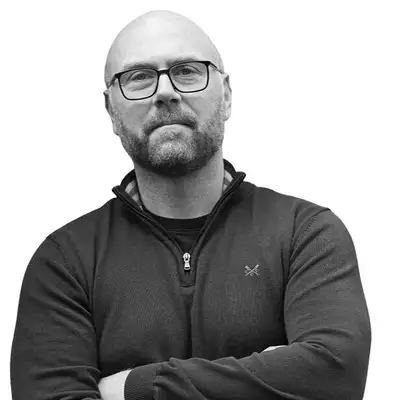
In this episode of The Real Retirement Show, our special guest is Dan Haylett, a UK-based financial partner at TFP Financial Planning. Dan specializes in retirement planning that goes beyond spreadsheets, focusing on the human side of this major life transition. Dan shares his personal journey from a high-pressure career to a fulfilling role where he helps individuals over 50 navigate emotional and behavioral aspects of retirement. We discuss the evolving landscape of retirement, including ch...
In this episode of The Real Retirement Show, our special guest is Dan Haylett, a UK-based financial partner at TFP Financial Planning. Dan specializes in retirement planning that goes beyond spreadsheets, focusing on the human side of this major life transition. Dan shares his personal journey from a high-pressure career to a fulfilling role where he helps individuals over 50 navigate emotional and behavioral aspects of retirement. We discuss the evolving landscape of retirement, including challenges like redefining purpose, identity, relationships, and spending money. Dan's innovative methods, including sketches and the Humans vs. Retirement podcast, provide valuable insights into breaking outdated norms and designing a fulfilling retired life. The episode offers valuable insights for both retirees and financial planners looking to incorporate more holistic, human-focused strategies in their work.
00:00 Introduction to a Different Kind of Financial Advisor
01:02 Welcome to The Real Retirement Show
02:07 Meet Dan Haylett: Financial Planner and Podcast Host
03:47 Dan's Personal Journey and Career Shift
06:32 Holistic Approach to Financial Planning
12:43 Challenges in Retirement Spending
16:29 Reframing Money as Memories and Experiences
23:09 Dan's Confidence and Continuous Learning
26:44 Builder's House Analogy
27:30 Discovering Carl Richards
28:11 The Power of Sketching
28:40 Healthspan vs Lifespan
29:25 Go-Go, Slow-Go, No-Go Years
31:17 Impact on Business and Clients
33:33 Referrals and Client Engagement
35:42 State of the Financial Industry
39:45 Embracing Uncertainty in Financial Planning
42:59 Advising with Purpose and Identity
43:45 Advice for Advisors
44:58 Future Projects and Innovations
46:56 Humans vs Retirement Podcast
50:15 Final Thoughts and Farewell
About Dan Haylett
Our guest is someone who is passionate about challenging the outdated narratives around retirement and helping people truly thrive in their second half.
Dan Haylett, a financial planner and the Head of Growth at TFP Financial Planning in the UK. Dan specializes in financial planning, retirement planning, and life planning for individuals over 50. Beyond numbers and spreadsheets, he’s deeply invested in the human side of retirement, guiding people through the emotional and behavioral aspects of this major life transition. Dan is also the host of the podcast The Humans vs. Retirement, where he explores the psychological shifts, challenges, and opportunities that come with stepping into retirement. With a background in the asset-management industry and a mission to help 1 million people redefine their retirement experience, Dan brings a wealth of insight, experience, and inspiration to the conversation.
Resources
The Skill of Spending Money in Retirement
https://artisanal-composer-7982.kit.com/f1ce297731
Give Your Money Away With A Warm Heart, Not A Cold Hand!
https://www.humansvsretirement.com/post/give-your-money-away-with-a-warm-heart-not-a-cold-hand
Healthspan & Lifespan
https://youtu.be/HeoSDEs5e0Y?si=DHbYAewtkSdmmSHE
The 3 Phases of The Second Half of Our Lives
https://humansvsretirement.myshopify.com/products/the-3-phases-of-the-second-half-of-our-lives
Podcast | Humans vs Retirement
https://www.humansvsretirement.com/podcast
Dan Haylett | LinkedIn
https://www.linkedin.com/in/dan-haylett-retirement-coach/
YouTube | Humans vs Retirement
https://www.humansvsretirement.com/youtube
Real Retirement Video Podcast: Real Retirement - YouTube
Welcome to "Real Retirement," a groundbreaking podcast where your hosts, Yasmin Nguyen and Kathleen Mundy, delve into the multifaceted world of retirement beyond the numbers. This isn't your typical retirement discussion; it's a vibrant journey into what retirement truly means in today's world.
Each episode of "Real Retirement" brings you compelling conversations with guests who bring a wealth of expertise and authentic retirement life experiences. Our goal? To inspire and educate our listeners to approach retirement with intentionality and a broader perspective.
But "Real Retirement" is more than just a podcast. It's a community for those navigating the uncharted waters of retirement, whether you're just starting to plan or are already on this deeply personal journey. We explore a wide array of topics, including:
What sets "Real Retirement" apart? It's our commitment to authenticity. We bring you real stories from real retirees, discussing real challenges, surprises, joys, heartaches, and the myriad emotions that come with retirement. From addressing family dynamics to confronting identity shifts, we tackle the issues that truly matter to retirees.
Join Yasmin and Kathleen as they journey through the honest and often unspoken aspects of retirement. "Real Retirement" isn't just about ending a career; it's about beginning a new, exciting chapter of life with all its complexities and joys. Tune in and be part of a conversation that redefines retirement in the most real way possible.
Dan Haylett: you are not leaving
money on the table.
You are leaving memories and
experiences on the table.
reframing these subjects in a mo
much more emotive way has been
the biggest game changer for me.
So forget this whole income
planning.
I talk about retirement memory
planning.
So what memories do you wanna
create with your money?
Who do you wanna make them with
and how can we fund them?
think about the wonderful
concept of memory dividends that
I talk to a lot of people about,
made famous by a number of
people.
But Bill Perkins Die with Zero
book talks about this a lot,
this kind of concept that
spending your money or memories
gives you dividends for life,
right?
You recall.
What you've done with friends
and family, and it brings you
joy and happiness in later life.
So I think it's really important
to reframe how we start thinking
about this, and thinking about
how we spend our money and get
it out of money language, out of
financial language, and Into
real life, and that's been
pretty transformational for
people.
When we start talking,
Yasmin Nguyen: Welcome back to
The Real Retirement Show.
My name is Yasmin.
Here with my co-host Kathleen.
Whether you're retired or
thinking about retirement, we
delve into the multifaceted
world of retirement beyond the
finances.
This isn't your typical
retirement discussion.
It's a vibrant journey into what
retirement truly means in
today's world.
We bring you real stories from
real retirees and experts
discussing real challenges,
surprises, joys, heartaches, and
the myriad of emotions that come
with retirement.
From addressing family dynamics
to mental and physical health,
to finding purpose, we tackle
the issues that truly matter to
retirees and those thinking
about retirement.
Today we're diving deep into the
evolving landscape of
retirement, rethinking purpose,
identity, relationship, and how
we spend our time, money, and
energy in this next stage of
life.
Our guest is someone who is
passionate about challenging the
outdated narratives around
retirement and helping people
truly thrive in their second
half.
Joining us today is Dan Haylett,
a financial partner and the head
of growth at TFP Financial
Planning.
In the uk.
Dan specializes in financial
planning, retirement planning,
and life planning for
individuals over 50.
Beyond numbers and spreadsheets.
He's deeply invested in the
human side of retirement,
guiding people through the
emotional and behavioral aspects
of this major life transition.
Dan also hosts the podcasts, the
Humans versus Retirement, where
he explores the psychological
shifts, challenges and
opportunities that come with
stepping into retirement.
With a background in the asset
management industry and a
mission to help 1 million people
redefine their retirement
experience, Dan brings a wealth
of insights, experience, and
inspiration to the conversation.
Get ready for a thought
provoking discussion about
breaking free from outdated
norms and designing a life you
truly love in retirement.
Let's dive in.
Dan.
Welcome to the show.
Dan Haylett: Yasmin, it's such a
pleasure to join you and I'm
thrilled to be on this side of
the mic.
this is wonderful for me.
Yasmin Nguyen: Oh, well, Dan,
you know, it's hard to believe
that it's only been recently
that we've met and I've really
admired your work and your
insights, and especially your
sketches that you've shared
online.
And I feel like even though
we've only known each other for
a brief amount of time, we both
live and serve by a similar
playbook.
Dan Haylett: Yeah, listen, that
first conversation we had and
the interaction we've had on
LinkedIn has been brilliant.
And yeah, we've definitely got a
lot in common.
and yeah, can't wait to have
this conversation and talk about
all things retirement.
Yasmin Nguyen: Well, Dan, for
those of us who haven't gotten a
chance to get to know you, would
you share a little bit about
your story and what led you to
incorporate a more holistic
approach to your work and also
your life?
Dan Haylett: I could probably
spend half an hour about the
backstory.
I won't go into that.
So we, we wanna get into the
juicy stuff.
But, I think my kind of story
that led me to here was really,
I.
Quite a deep personal one where,
I had, some quite significant
challenges, mental health
challenges in my mid thirties,
which caused me to question life
question, what I was doing.
dig down into, why am I doing
what I'm doing?
it was very, I wouldn't say it
was money driven.
I was very much shackled to a
high earning, high pressured,
career that had little purpose,
that satisfied me in very little
ways.
That was actually probably doing
more harm than good to my
family.
And all culminated in, in these
kind of mental health challenges
I had whi, which.
made me just reassess.
So I say to people now, I
retired at 35.
That the emotional, challenges,
the things that I faced and the
things I tried to do around
purpose and identity and
relationships and time and
money.
I carry through into the work
that I do, and I'm sure we get
onto that was something I went
through quite early at 35.
So I retired from corporate
world at 35 really discover, or
really tried to discover what I
wanted to do with my life.
where could I add value, where
could I make an impact?
What would give me a real good
sense to pull back the duvet, to
put a smile on my face, and to
do something I truly love.
And it's led me, to, to doing
this really, six, seven years
ago.
I joined TFP, brought into the
business as a director and
shareholder.
and really in my time at in
Asset Management, I traveled the
length and breadth of the uk.
Speaking with and working with
other financial advisors.
And throughout that kind of 10,
12 year period of doing that, I,
I really molded my thought.
I never really thought I would
become a financial planner,
right?
It wasn't the thing.
But, when the opportunity came
and I really sat down and
thought about what that could
deliver to me as a person, and
of the experiences of the good,
the bad, and the ugly of
financial advisory businesses
had a real clear thought process
about what I wanted to do and
how I wanted to do it.
And it really all molded into my
own emotional journey with money
and how I then wanted to help
other people's transitions from
a full-time career that maybe
they weren't necessarily in love
with, and into a different phase
of their life, one with more joy
and happiness.
from the get go, Yasmin, I dug
deep into kind of the emotional
and behavioral aspects of money,
knowing it was much more than
spreadsheets and bar charts.
Yasmin Nguyen: Yeah, Dan, that's
been a really powerful personal
journey that's really inspired
you to channel that outwards to
help others, and I'm.
Curious, is there a particular
philosophy that, that you follow
to introduce a more
well-rounded, balanced approach
to both the money and the
non-financial side based on just
your journey, but also the
wisdom that you've gained?
Dan Haylett: Yeah, I try not to
be afraid of it.
I lead with it.
So I think what I've, what I
decided to do really early on
almost be upfront and go, This
is what I believe I.
you may not know it yet, but I
know money and finances is an
emotional lightning rod for all
of this stuff.
You may be coming here to talk
about your pension funds or your
cash flow or your tax situation,
but I know that's a smokescreen
for who am I, who do I want to
be?
I'm not saying it's not
important, I just know there are
other important things.
and I really went to lead with
that.
Really early on my outward
language, of the, the mission
around the podcast, the sketches
and all of that stuff, is to say
to people, this is me.
you know what you're getting
into.
You know that you're not gonna
be working with a typical
financial advisor.
You know that we're gonna be
talking about more than just
spreadsheets.
In fact, that's led to wonderful
people I work with, right?
I don't have to sit there and
necessarily convince them that
this is the right way.
They've already consumed a load
of my stuff and they know what
roughly, that they're signing up
for from that perspective.
I suppose one of the things for
me is not shying away with who I
am and what I want to deliver,
being upfront with it really
early on in terms of, I know
that these are the challenges
that you will face.
Yes, money might be one of them,
but let me tell you your purpose
and your identity and your
relationships and your time and
the fact that you've gotta start
spending this thing is gonna be
really difficult.
I could produce the best
financial, most robust financial
plan in the world, the most
optimized asset allocation
investment portfolio.
And it will all be worthless if
we don't do this thing over here
because you're not gonna be able
to, you don't know what you're
gonna retire to.
You dunno what you're gonna
retire with and you dunno how
you're gonna spend your money.
so all of this is worthless.
So let's make it worthwhile.
Let's make your money worthwhile
and let's discuss those things
upfront, because they're gonna
give us the foundations to
creating a wonderful.
Financial plan that encompasses
all of the other things to do
with the retirement transition.
Yasmin Nguyen: Wow.
for those who haven't gotten a
chance to experience your
brilliant content that's out
there, what would you say are
some of the common themes that
you, you talk about?
Dan Haylett: Yeah.
To be Yasmin, you mentioned, I
think you know, it's, it's
interesting when.
People like us talk to each
other.
That sounds really bad.
People like us, like this new
age, planners.
But I think there's a common
thread to this, right?
And it's a personal thread that
I found, and also been, ratified
by people like you that are
doing this as well.
And the things are.
Purpose, identity,
relationships, time and spending
money.
we can add health into that
Yasmin Nguyen: Okay.
Dan Haylett: well.
But I think health kind of goes
in there somewhere.
but they are the things that I
think sit outside of a typical
I.
estate, cashflow, investment
portfolio type plan.
And yes, spending money is
nothing to do with money, by the
way.
Like nothing.
maybe your income strategy is to
do with spending, but actually
spending the thing that's
emotional, behavioral when
everything, and maybe we can dig
into that.
But yeah, they're the five
things that I think everybody
needs to focus on, and there's a
pattern to those five things.
And if you don't, if one of them
is outer kilter or not in
alignment, it's really
noticeable.
Really noticeable for people
that I work with.
When that goes out with kilter
or they have, or they come to
me, haven't worked on a couple
of them, you can really see how
that's playing on their mind and
how it may not be allowing them
to be free to enjoy their time.
Yasmin Nguyen: Speaking of
clients, how has the response
been?
for those who perhaps have been
along around for a while with
more of a traditional financial
planning expectation, how has
this been introducing it to them
as well as those who may be
coming in the door who've
already experienced your.
Your content and know what to
expect.
I'm just curious what the range
of, response has been from your
clients.
Dan Haylett: Yeah, I suppose
I've been pretty fortunate in
that I haven't really had the
baggage bit to deal with and I
know that's really tough for a
lot of people.
I think one of the big.
issues with many financial
planners adopting this, is that,
well, I've served these clients
for so many years, I've now
gotta go back and tell them what
I've been doing is like not good
enough, or I'm, I dunno what,
but like I've got this other
thing.
And so I've been really
fortunate in that I've taken on
the vast majority of new clients
in this business.
I didn't really have that many,
established clients.
work with.
So I've been able to go at this
full on and not have to convince
people that there's been one or
two.
and it's, there's been more than
one or two, but there's been a
few.
and again, the ones that I've
had, I tried two things, right?
I tried the softly approach and
it didn't work.
it just, it doesn't land.
When I've done it with
preexisting clients, I've just
gone hard in and gone and just
been upfront like the, you've
done it this way.
we're doing it this way.
because, and I lead with
challenges, out of purpose and
identity and relationships and
time and spending money.
Can you name me some challenges
that you've had and when they
come back with these loads of
challenges, it's oh, okay.
Do you get it now?
your financial plan has been
great and robust, but you are
telling me that you're feeling a
bit lost.
You're telling me that you're
not really comfortable spending
that amount of money.
This is why we're gonna revisit
this to make sure that you know
that we can take advantage of
your numbers,
Yasmin Nguyen: Dan, have you
noticed any common challenges
that keep resurfacing as you've
had these conversations?
Dan Haylett: yet spending money
I, I want to work with people
that have a level of wealth,
right?
and that's nothing, by the way,
full disclosure, we charge fixed
fees.
our desire to deal with people
with wealth has nothing to do
with ripping a percentage fee
from their assets.
It's all to do with their
situation, who I feel I can help
the best.
when I say wealth, they're not,
this is not massive wealth, but
this is enough
Yasmin Nguyen: Yeah.
Dan Haylett: going, I know that
I've got a level of wealth that
should see me okay, and I should
be able to enjoy it, but there's
enough challenges on the other
side to go, will it last and can
I really enjoy it?
And all of that stuff.
The, I think out of that, the
biggest challenge I see with
people is being able to release
their shackles, being able to,
get over everything that they've
been taught in their life about
saving money.
Everything that's been hardwired
into them about the security of
having a pot of money behind
them, and then get them to
actually spend the thing down.
On the things that they love.
That is a real challenge.
And there is, I think a, there
is a chronic underspending
problem in retirement because
there's so many unknowns that
cause fear that then cause
doubt, that then cause other
questions and people just don't
spend enough money.
And they spend it.
They don't spend it at the
detriment of their joy and
happiness.
They've got so many things that
they'd love to do, and these
aren't massive things, Yasmin,
either, right?
These are not like cruises
around the world.
This is, can I give my
grandchildren or children X, Y,
Z to help them?
And you're not talking hundreds
of thousands.
You're talking.
10 grand, 20 grand.
can I, can we buy this new car?
Can we, these are, they're not
massive things, but they just
feel shackled to actually spend
it so alien to people, to
decumulate to spend capital when
it's not coming back in and
having that safety net.
So the vast majority of people I
work with, I think that's their.
That's their biggest challenge,
But it's only the biggest
challenge by a fraction because
I think the others are really
difficult too.
But that would be the one for
me.
Yasmin Nguyen: There's
definitely a lot of challenges
for that particular challenge.
Dan, is there a particular
approach that you take to help
someone make that shift?
and is there a story of someone
that's had a breakthrough from
you helping them, be able to
really step into some joyful
spending?
Dan Haylett: Yeah, there's
several things.
I, it kind, it led me to write a
white paper.
So I've got the skill of
spending money, white paper.
which I'm sure we can add as a
download to the
Yasmin Nguyen: Yeah.
Dan Haylett: if anyone's
interested, but, Yeah, I think,
as I said, I think spending
money's a skill, right?
So we need to learn the skill
and there are a couple of things
that we can absolutely do to
help ourselves learn this skill.
one of those is to understand
some truths, so cut through the
noise and understand some
truths.
And the great thing now is this
modern retirement that
everyone's going into has
probably got 20 to 30 years
worth of data to support
spending patterns.
The truth is that people aren't
spending.
So if we show them this truth,
right?
You, yeah, it's tough, but this
is the outcomes of what's going
on.
And saying that, by the way, on
average people only spend about
30% of their starting net
wealth.
They're leaving money on the
table.
14% of people on average are
drawing down capital.
Everyone else is either drawing
down the return of the
investment or less.
a and then about reframing the
language, asmi.
So what I try and say with
people is, you are not leaving
money on the table.
You are leaving memories and
experiences on the table.
You are actually upping the.
potential of regret in your
life.
That's what you are.
You're upping the potential of
regret and then you're leaving
memories and experiences on the
table.
Reframing these ways, in a much
more mo reframing these subjects
in a mo much more emotive way
has been the biggest game
changer for me.
When I talk about memories and
experiences, I also talk about,
we're not turning your
investments into income, we're
turning your money into
memories.
So forget this whole income
planning.
I talk about retirement memory
planning.
So what memories do you wanna
create with your money?
Not, how much income can I,
it's, that's an who knows,
right?
who knows, but.
What memories do you wanna make?
Who do you wanna make them with
and how can we fund them?
think about the wonderful
concept of memory dividends that
I talk to a lot of people about,
made famous by a number of
people.
But Bill Perkins Die with Zero
book talks about this a lot,
this kind of concept that
spending your money or memories
gives you dividends for life,
right?
You recall.
What you've done with friends
and family, and it brings you
joy and happiness in later life.
So I think it's really important
to reframe how we start thinking
about this, and thinking about
how we spend our money and get
it out of money language, out of
financial language, and into.
Into real life, and that's been
pretty transformational for
people.
When we start talking, about
that, give our money meaning,
give it a name, it buckets.
Say, grandchildren's holiday,
safari holiday, or Tom's college
fund or, 60th birthday cruise,
right?
Money needs meaning if it's
numbers.
the one thing I did learn
really, which was
transformational, was where
numbers and stories sit in our
brain.
numbers sit on the wrong side of
our brain.
They sit on the side of our
brain that we don't quite
believe.
We challenge and we're very
skeptical of, and we're wary of.
So if we're constantly at that
side of our brain with our
retirement plans, I don't think
we're ever gonna fully let go.
We need to develop stories, we
need to develop ways to make,
give our money, meaning, and
yeah, it's had a massive impact.
And actually, do you know what,
it's really had an impact.
And there's a particular example
and it's money and goods, which
I think is really interesting in
a way that, They have absolutely
brought forward their spending.
and they read an article I
wrote.
good couple years ago, which was
entitled, giving Your Money Away
with a Warm Heart, not a cold
hand.
And there were various different
versions of that particular
thing, but this kind of thing
around leaving your money to the
end to give to your kids.
again, I provide the research
and evidence, right?
The average age of someone
inherit in money's 57 or
something stupid like that.
56.
they're probably set, what do
they want it at that point for?
They really took on board this
kind of money, meaning,
memories, joy of giving, joy of
spending.
they went and brought a dog.
supported their family with
house purchases and it all ended
up with them actually giving
away jewelry.
and she, the wife, the wife
actually had this piece of
really, sentimental jewelry that
was her mom's.
And she was gonna, basically, it
was in her will to leave it to
her daughter, and they just got
in such a mindset of seeing joy
and happiness in giving and
using and doing all this stuff
that she said.
I actually give it to my
daughter now.
She said, I won't wear it.
My daughter loves it.
She'll wear it.
And they started crying and
breaking down in the office
about how just unlocking the
shackles of.
This kind of like giving
mentality this kind of joyful
mentality allowed them to see
this stuff while they were doing
it.
So my thing here is not always
about the money, right?
This is unlocking what's really
important to people and
understanding they can do these
things now.
They don't have to wait until
some date that they're never
gonna see or never see the
impact of what they're doing.
Yasmin Nguyen: Wow.
I love that.
you're totally speaking my
language.
You said the word joy, like Many
times.
And each time I'm like, yep, I
get it.
But, and it's, I think it's
brilliant that you are
reframing, spending and money as
the vehicle for meaning for
memories.
And that in many ways that, that
money is like an agent of joy,
right?
Where you are helping them
discover all these
possibilities.
And I imagine that's why.
Having, these deeper
conversations with clients
reveal what some of their
underlying desires, regrets, and
other areas in which you can
make that connection or that
dot, connect the dots to help
support them through the
financial piece I.
Dan Haylett: Yeah, a absolutely.
And it's really interesting,
right?
I think it's one of those things
where.
And this is just, this is a bit
gut feel, but it's baked in a
little bit of real life that
I've had, but I think.
clients won't necessarily thank
us the hard work and deep work
that we have to do they realize
the impact and that impact might
be a few years away.
So I've almost had conversations
along the lines of, I get it
now, Dan, like that kind of two
years down the line.
It's oh, I get why we talked
about that, or I understand why
we, so I think, thing I will say
is that the thing I've learned
is I don't expect transformation
after one conversation.
I don't expect them to turn
around and go, oh, I get it now.
I'm a new person.
I've got new purpose.
It takes a while.
It's a journey for everybody.
But what I do know and what I do
guarantee, for me anyway,
personally, is one day this will
click, there'll be a thing where
they'll be like, ah, get it.
I understand it.
and it's been built up.
I get why we've been having
these conversations.
It's built up to this day, and
now I feel better to go and do
the thing.
and that's connecting the dots
on the journey.
And I think that's why as
financial planning
professionals, as.
Coaching professionals, as
lifestyle planning
professionals.
this is about embracing
ourselves as guides, not
mechanics, right?
we have to be guides on a
journey and we have to walk life
with them on this journey and
support them on it because it's
full of unknowns, right?
We have to be, we have to
embrace uncertainty we need our
clients to embrace that, as
well.
and I think.
That's just a key element for me
is to go, look, this is an
ongoing process full of unknowns
and uncertainty, but I'm gonna
be here for you and we're gonna
make it as joyful and as
impactful, as po as possible.
along the way
Yasmin Nguyen: Dan, how did you
develop the confidence, the
experience, the insights to step
into this role of a guide for
your clients?
Dan Haylett: Yeah, it's a great
question.
I think.
I think I've always, from a kid,
Yasmin, I've had inbuilt
confidence that probably goes
way beyond my knowledge and
experience.
So I think, I think I'm all
right now, but I've always been
pretty confident and I've always
had a belief and I think
through, I had a really bad
period of my career, that lasted
for three or four years, but
before that, I've al I've always
believed in my voice.
I've always believed in, my
opinion.
I've always believed in my
ability to communicate and talk
to people.
And that's how I got to where I
got to.
And and I was pretty successful
in sport when I was a, when I
was a kid.
And, and I got there because of
my communication skills and my
ability to influence, people
along the way.
and so I think.
it, the confidence comes from a
bit like, the iceberg analogy,
right?
people don't see the work you
put in underneath this, right?
They see the podcast
conversation for an hour.
They see the sketch, they see
the content, but that's been
developed over the last seven
years.
I have done, I have read more
books in the last six years than
I've read in my 45 years of
life, right?
I've read.
Book after book.
I've listened to podcast.
After podcast.
I've had conversation after
conversation late at night with
people, staying up to speak to
people in America, in Australia,
in South Africa, and think to
just.
Kind of get this understanding,
constant reevaluation of
conversations I have with
people.
and we talked about AI earlier,
before we hit record.
But the ability to record these
conversations and analyze this
stuff now to see, what does that
mean and where did I quite go
wrong?
And, that learning growth
mentality, I've always had that,
and I think it's just served me
really well.
But yeah, I think, people don't
necessarily understand the kind
of the work that goes beneath.
To have that confidence that you
need to produce this stuff.
but it's, I think it's when you
walk life with clients, Yasmin,
you see it, right?
if I see more than one person go
through something, I think
that's a pattern.
So I might as well talk about
it, right?
If more than one person's done
it, I think we should, get that
conversation out there and do it
with confidence.
Otherwise, people won't believe
you.
Yasmin Nguyen: Yeah, you've
certainly made a significant
investment in yourself and your
personal growth and then that
provides the opportunity for you
to be able to really make a
contribution.
I.
To, your clients, but also the
general, population as well
that's learning about this.
and you mentioned sketches.
I'd like to dive a little bit
deeper into this, brilliant
approach that you've used to
help communicate some common
concepts that, that people are
navigating.
Can you share a little bit more
about the ideas behind your
sketches and perhaps with, share
with us maybe a couple of
sketches that, you found
extremely useful in
communicating with.
Clients and people.
Dan Haylett: Yeah, this get, it
happened by accident in, in
that, in, in my first, not my
first meeting, but in my first
kind of, number of meetings that
I had, thinking about explaining
these concepts to, to people
that actually are bright.
And clever, but I thought were
bright and cleverer than what
they were.
So you're explaining these
concepts of people that and
what, just very quickly on this
one, I work with a lot of people
in asset management.
My background was in asset
management and a lot of my
friends and have become clients
and a lot of people that I've
never known have become clients.
These are people that work with
money.
work yet.
They didn't seem to get it.
Like when it comes to their own
stuff like it, it's a bit like
a, I call it like a builder's
house, right?
Quite often when you go around a
builder's house, it's not
complete.
It's not finished.
'cause they're working on
everybody else's houses.
And it's the same with people
with their personal finance.
I.
I'm explaining these, this stuff
to people.
I'm explaining about longevity,
I'm explaining about health
span, I'm explaining about,
leaving memories on the table
and I'm explaining about how,
retirement is more of a human
problem than it is a, a math
problem and all of this stuff.
And they're nodding things.
And I'm like, look, it's like
this.
And you get the flip chart up
and you just draw something and
then they go, oh yeah, no, I get
that.
And I'm like, oh.
So you didn't get the words, but
you get the picture.
and and then someone said to me,
have you come across Carl
Richards?
I was like, no.
Who's Carl Richards?
I'd literally just started, so I
then Read Carl's stuff, looked
at his sketches and thought,
actually, this is a really
interesting way to communicate.
Googled other people.
So there's lots of people that
sketch in different industries
and professions, and as a way to
communicate, reached out to
Carl, become, really good
friends with him and have talked
to him a lot and then just
developed this.
I was like, actually, if there's
a concept that I think needs to
be explained more than once, I'm
gonna sketch about it.
If I think I can make an impact,
IE my sketches, I want to hit,
hit them between the eyes and
go, oh, really?
so yeah, that's where it's come
from.
And now whenever my first
thought about content, whenever
I get an idea or a client says
something, my first thought is,
can I sketch that?
can I sketch it to give them.
Another way of consuming it.
And can I sketch it so I can get
it out into the world?
That might cause some thoughts
around how this topic is.
Yasmin Nguyen: if you could,
introduce one of them that maybe
you can describe, So maybe an
example then.
Dan Haylett: Okay.
I think what the, there's,
there's two that I'm gonna
quickly touch on.
One is healthspan versus
lifespan.
this drawing basically has a
blue line that says this is your
lifespan, and it then has a,
like a red line that's going
from left back down to right and
said, actually, look, you are,
you are gonna be healthy less
than you're gonna be alive.
this concept of spending your
money whilst time and health is
on your side and not planning
for this kind of constant spend
throughout a hundred year life
going, you know the stats say in
the UK that healthy life
expectancy is 62 years old,
right?
So you might spend 10, 15 years
of your life in.
In bad health.
In health, not necessarily, but
in health, that is gonna prevent
you from doing things.
so we should take advantage of
the fact that, and we should
know that your health span is
gonna fall.
and then the main one for me,
actually, one of the first ones
that I drew was I.
The go, no, go slow.
Go years or go, no go.
Go slow.
No go.
Years.
And I've changed that to like
exploring nesting and
reflecting, but it's these
blocks of spending, so it's
kinda actually you've got a 10
year window of opportunity.
Block one and it should be
higher.
And that's your go-go exploring
years.
You then drop down to your
nesting slow, slowing down
years, and you drop down again
into your reflecting.
later life, no-go years.
And that's had a massive Im, I
know that has been printed out
and stuck on people's fridges,
et cetera.
It's had a big impact because it
really helps people start to
frame in their head actually
that.
Retirement is one, isn't one
great big timeframe.
It does go in different ways.
Time is different as we progress
through, and we need to make
sure we take advantage of those
first blocks there, and it holds
people accountable to going, I
do it now?
Should I do it now?
Should I do it now?
so I, off the back of that, I
created another sketch, this
kind of what are you waiting
for?
So it's this kind of net worth
line that goes, keeps going up
and up, followed by a what are
you waiting for in a coffin at
the end, right?
It's what were you waiting for?
tomorrow a week.
at some point it's gonna end.
and It's just getting people to
wake up and do this.
So yeah, that's, it's been a big
thing for me and I'm thrilled
that some other advisors are
reaching out and using these
sketches and et cetera.
'cause I think it's, it's a
great way to get some concept in
front of people and just start a
different way of talking about
this.
Yasmin Nguyen: What a powerful
tool to communicate some of
these topics and, I'll make sure
that we.
We post some links in the show
notes so that people can get a
chance to actually see those
sketches, that you've referenced
and the other sketches that
you've put together.
Dan I'm curious, as you've had
these deeper conversations with
clients about their lives, about
joy, about memories and re you
know, things that can really
bring fulfillment, how has that
impacted your business?
Dan Haylett: Yeah, I like
tremendously.
I think, pe people that work
here, Are, I think more engaged
in the process that you know
that this is not just a business
that processes numbers.
This is a business that deals
with humans That kind of
transcends through everybody in
the business, whether you are
doing adminis tasks or you're
doing power planning work, or
you're crunching some numbers or
you're sitting in front of
clients.
dealing with humans and we
should always have a human first
approach to all of that work
that we're doing.
and so it's definitely made
people.
about this very differently.
So it's had a tremendous impact
on the business.
it's also had a tremendous
impact on the type of clients
that we work with.
it's, I can say hand on heart
that the Im, the impact that we
have with our clients.
compared to what it was when I
first joined, we were having an
impact then is so much more
meaningful, so much more
gratifying, and so much more
impactful that it just energizes
everybody to go again and go
again.
yeah, it's had a, it is had a
massive impact on the business.
and constantly want to grow this
right.
that what we're doing now and
how we're doing it.
In its infancy, right?
we're constantly looking and
thinking, so the business
maintains its growth mindset
based on the challenges that
we're trying to face.
It's not just a, doing advice
and standing still and
stagnating, which is quite
boring.
It's got the energy in it to be
able to think about how we
develop this going forward.
Yasmin Nguyen: I imagine with
the impact that you're making
and the fulfillment you're
getting from the advisor side,
but also on the.
Client side, you're deepening
the level of trust.
And I think that might even,
lead into some potential
referrals or even, retaining
clients too.
Dan Haylett: Yeah, look, I, one
thing that's really nice,
actually on that, that the
referral, is coming.
Really quickly.
So I think typically, and so we
never ask and we never actually
base our numbers on referrals,
right?
any new client targets that we
wanna make in the business has a
zero referral thing, right?
It like.
should never ask or expect any
of our clients to do our work
for us.
That's a big thing for me.
I base all of the work I do on
getting new clients coming to us
because they've searched us out
or seen us, but we do get a
really decent amount of
referrals because we just
concentrate on the client with
no agenda.
Let's just concentrate on them.
This is not a by the way, we
need to wow our clients, so they
give us two of their mates.
That's.
You're never gonna get it right
if you do it that way.
but one thing I have absolutely
noticed over the last three or
four years is that I'm getting a
lot more referrals after one
conversation.
Like the, you're not having to
do the whole journey, deliver
advice, and then go, oh, this
has been great.
You are having one conversation.
Where you are talking about
maybe two, you're talking about
them.
I get people to stand up and
write stuff on a flip chart.
I get people to, really start
com opening up and thinking
about it.
I get couples to talk pretty
early on, really impactful,
upfront conversations, and I get
referral they're like, oh, like
I'm, friend needs to come see
you.
Like they need this, So that's
been massively impactful.
it's not, it's very much that
first experience they get and
again, that all the science
around human beings is baked
into that, right?
The first experience and the
last experience is the things
that we remember.
The things in the middle are a
little bit, don't really know
what's going on, because I'm
trying to deliver huge amounts
of value upfront and focus on
them, seems like they're going,
this is a, this is unbelievable
transformation.
transformative after one
conversation, and then referrals
are coming quicker.
Yasmin Nguyen: Dan, with all
this potential upside, I'm
curious, where do you see the
state of the industry as it
relates to the adoption of more
of the holistic non-financial
planning aspects?
Dan Haylett: Yeah, I, look, I
think it is, I think it's binary
in the, in the uk There is a, an
aging.
Advisor workforce.
I think the average age of an
advisor is in its sixties.
in their sixties, I should say.
and got, they've built really
cushy businesses.
They've built businesses that,
that they don't wanna disrupt.
they know it's not being done
right.
They know that, this kind of
like hardly any service for a
big whacking, great percentage
fee is amazing for them.
Not great for the client, but
they don't wanna rock the boat
'cause they're five years away
from exiting the whole thing.
So I think there's, and whilst
that bias towards that group of
people exists, I think it's
gonna be a slow burn.
But on the other end of the
scale, and this isn't
necessarily an age thing, you've
just got new people entering the
profession that are grabbing
this earlier on, which I love to
see.
they understand that this is the
way and the only way to deliver
it.
this isn't a balanced approach
between financial advice, life
planning, and coaching.
This is an integrated, blended
approach that you need to
deliver.
This all.
Now, you might wanna employ or
outsource specific retirement
coaching elements or that, but
you need the whole thing under
your roof.
You need the whole capability.
and that's where I see the most
interesting transition
happening.
People are doing this from the
word go and developing amazing,
wonderful businesses, but whilst
the bulk of clients and stuff
sits up here.
They're just not gonna change.
And gut instinct and a little
bit of my fear says clients
might need to change hands one
or two times to get the
experience they deserve.
There's huge amounts of
consolidation going on by these
big consolidators that are not
really delivering this either.
They're paying lip service'cause
it sounds like marketing.
and they're getting swallowed
up.
I think it might be where
clients then go, actually.
This thing over here.
So that's why I'm so passionate
about getting the message out
there.
I, I don't, I can't work with
everybody in a one-to-one basis.
If I can impact hundreds,
thousands of people where they
actually sit up, take note and
go, I need to speak to someone
like Dan that lives near me or
speak that's brilliant.
them to get out of where they
are and into a place that's
delivering this stuff.
So adoption up here, over here,
but limited amount of people
adopting it, I think will only
grow, might grow at a slower
pace than we all want until the
dinosaurs exit.
Yasmin Nguyen: Yeah.
What do you see as, the barriers
or what gets in the way of
advisors really embracing this
approach and what's missing in
order for them to really
incorporate this?
Dan Haylett: Yeah, again, I
think, I've got lots of friends.
the pond.
and I think the CFP curriculum
is embracing retirement or
retire like coaching and
behavioral finance.
it a lot more, I think there's
whole dedicated syllabuses and
chapters to this.
So I welcome this right in here
in the uk.
Like it's still a very like
textbook driven, numbers led
transactional advice led
qualification, right?
So in order to become a
financial advisor.
over here there are three
routes, excuse me, that you go
down none of those routes really
integrate any type of coaching,
communication behavioral advice.
and you have to kinda go search
that out yourself.
So you really need to wanna do
it.
to go search it out.
I think the true transition
comes and transformation comes
when it's forced upon people to
have this as part of their
skillset.
Yasmin Nguyen: Yeah.
I see.
Hey, I remember in our previous
conversation you said something
that really, caught my attention
and you, I believe you said
something that the minute that a
financial plan is created that
it's wrong or something like
that.
can you like elaborate on that
comment?
Dan Haylett: think it comes back
to this, this embrace
uncertainty thing that I said, a
financial plan is trying to
predict the future.
I.
I dunno about you, but I'm
actually pretty rubbish at that.
I've never been able to get it
right.
and I think that's one of the
big things I see is where I
start working with clients
who've worked with a financial
advisor or planner before and
they've developed a plan and the
language they come and use with
us is language of certainty,
right?
It's kinda this investment
return is built in.
And not gonna get that.
Oh, aren't I right?
No.
the, so a financial plan is a
snapshot in time that is wrong.
The moment the client leaves the
office, because it is full of
future assumptions that are so
challenging to get anywhere near
right.
Inflation, investment returns,
longevity, health span, keep
naming it, spending.
Children, grandchildren, house
repairs, car breaking down.
just keep, just keep going.
There's, so it's a, it's a big
picture tool that allows us to
create a sense of direction.
But it is not certainty.
the more truthful we are with
the people we sit in front of,
the better equipped they will be
to deal with uncertainty when it
comes their way.
'cause there is one guarantee
and the guarantee that is, that
something will hit you in the
face that you don't know has
been coming.
and so we need to make sure that
they're prepared for those
moments.
and.
That's I say it.
It's yeah.
We could have the best financial
plan.
We could talk about your, what
you want to do.
I'll give you a quick example.
wonderful couple.
They had a really great
retirement plan in terms of what
they were gonna do with their
time.
I.
were, key members of an amateur
soccer club over here, a good
amateur, like a
semi-professional type soccer
club.
And they were on the board and
they were high up, and they
were, that was their, they
wanted to get more involved with
local soccer and give back to
the community.
Very quickly that turned round
because the whole football club
got sold and got and they were
like, oh my God.
what's happened now?
our, all of our time was gonna
be based on giving back and
running kids soccer and doing
all of this stuff, and they
both, the couple loved it.
They both loved it.
They had to like, they were
like, what's going on here now?
They have since pivoted.
They breed Irish Wolf Hounds.
Now they had three Irish Wolf
Hounds.
They, so like everything changed
within, and that happened six
weeks after he retired.
I.
So the whole thing about their
time, it just like this
financial plan about how what
they were spending their money
on had to basically be
completely torn up and started
again within six weeks of it
being created.
there is no certainty.
Yasmin Nguyen: yeah.
It's, the plan is a snapshot as
to what is, and it's a
projection of what could be.
But the reality is that life
and, changes and we experience
so many different things, and as
a guide with your clients,
that's why it's important to be
able to understand what else is
going on in their lives in order
to make some of those
adjustments for them.
Dan Haylett: Yeah, and that's
why I love talking about
purpose, identity, relationships
and that stuff because although
they might change, if we're
gonna give ourselves like
statements of guide guidance,
like this kind of what is my
purpose?
Who am I?
These things have more longevity
to them than.
Financial projections or
numbers.
And if you've got those guiding
statements and those guiding
principles, then you can
navigate the numbers to suit in
with who you are, what you want
to do, who's in your social
circles, how you wanna spend
your time, and who you wanna
spend it with.
They can be pretty consistent.
They can give you the
foundations to a really
meaningful retirement.
You might just have to adapt the
way you fund it and the way you
experience it, depending on what
goes on.
Yasmin Nguyen: Yeah.
Dan, for an advisor who is
intrigued by this conversation,
who's looking to incorporate
more, life planning,
non-financial aspects of this
conversation with their clients,
what advice would you give them?
I.
Dan Haylett: be curious.
Be open.
Have a growth mindset.
Google, speak to people like
you.
Bob Lara's, retirement Coaches
Association, George Kinder's.
wonderful work on his, life
planning, registered life
planner designation, search
people out, talk to them, read
about this stuff.
You've wrote a wonderful book.
There's many books you know
about this and be open and
curious to learn and don't be
afraid because what I will say
is.
I can't guarantee much, I do try
and guarantee is that this is
what clients need.
This is what the public need,
and they are absolutely coming
round to the fact that they need
this.
there are people sitting in
front of me because I do what I
do, and because I'm not just a
number crunching financial
advisor.
So don't be afraid.
Put yourself out there.
Be bold and be brave.
Yasmin Nguyen: So it's great
tips.
Dan, what's next for you in this
space?
Any upcoming projects,
innovations, things that you're
excited about?
Dan Haylett: too many.
The brain swells my, my, my
notes section on my iPhone.
I think if someone saw that,
Yasmin, I'll be sectioned.
I mean it, look,
Yasmin Nguyen: I.
Dan Haylett: wild and chaotic.
yeah, so I'm trying to actually,
I.
I feel like I'm, I embrace all
the work.
I'm embracing all the work that
I've done.
So hone in on the sketches, hone
in on the podcast, and think
about now I.
Instead of doing more, think
about taking what I've got and
how can I get that in more
hands.
That's now my, I think there's
enough content to last my
lifetime right now.
I've got ideas about more, but I
think what I'm gonna do is find
ways to get it out there.
hence one of the things I've
done was the sketch store, and
I've got a physical hard copy
sketchbook that, that I've been
hum, humbled enough that people
have started to buy and use in
their client meetings.
I'm thinking about ways to try
and help people develop
sketching as a communication
tool.
how can we do that?
and then really getting the
podcast out into, in, into more
ears thinking about putting this
all together in a way to present
this, all these frameworks and
sketches and ideas that I've
had, how can I condense that
down in, into something
meaningful to deliver to both
the public and advisors.
That has the biggest impact and
how can they take that forward?
you've been very gracious to
share a couple of wonderful
ideas with me that you've had.
So sometimes it's nice to hear
other people's opinion.
I'm so in this, I forget what
that might be sometimes.
yeah, I think, I think a series
around the sketches, and how to
use them to communicate,
particular concepts with clients
is something that I'm definitely
thinking about over the next few
months.
Yasmin Nguyen: that's so
exciting.
You've got so many innovative
and creative and impactful,
things that's happening here.
You mentioned podcasts.
Can you share with us a little
bit about your humans versus
retirement podcasts and what's
the focus on that particular
program?
I.
Dan Haylett: Yeah.
the, what started off just over
two years ago as something, as a
passion project I had, I called
in the favor of six.
I.
Reasonably close friends who
were also pretty decent names,
but I thought I'd make it to six
and that would, I'd have six
wonderful conversations.
I'd have some content to deliver
some client to, to clients.
I'd learn a bit and then fast
forward two years, I'm now
episode 78 and a hundred
thousand downloads.
it's just gathered itself some
pace in it.
And really what I wanted to do
was having an environment to
speak to amazing people, doing
amazing work through different,
avenues of kind of profession
and get these conversations out
there because I don't think
enough conversations were being
had, And in a way that can be
consumed.
I'd done some research and it
was like, there's more people
listening to podcasts and not as
many people reading blogs and
people are more open to
listening to stuff on train
journeys and car journeys.
I'm a feet first kind of guy and
I thought, you know what, let's
just hit record and see where it
goes.
And Yeah, it is tackling all
those issues.
It's tackling, I've had a sleep
expert on, I've had people that
specialize in fitness for over
fifties.
I've had behavioral finance
people, economists, coaches.
I've had real clients on there.
I've had three amazing episodes
with clients that have been,
just sharing their story, which
I, that's probably, I've had the
biggest, feedback from, and,
yeah.
it's just an avenue, selfishly,
it's an avenue for me to learn
from amazing people.
And then it just so happens that
it's in the big, wide world and
people are listening to it and
it's having an impact on them.
yeah, it's been a wonderful
couple of years.
Yasmin Nguyen: Wow.
So in addition to your podcast,
where can our listeners connect
with you and also learn more
about your work?
Dan Haylett: Yeah, so LinkedIn
is the main place I come off,
Twitter, stroke X at some point
this year because it was like,
mentally doing me in.
So I was like, I'm not on there
anymore.
so LinkedIn is the main place,
humans versus retirement
website, humans vs
retirement.com.
that's where.
You can have a look at,
everything, my newsletter.
So I do a weekly newsletter,
which I'm delighted to say I'm
now on edition 50, so I've
almost been doing it for a year.
I've had a few weeks off, but,
every now and again.
where I try and share some
pretty, I try and share an
exclusive thought.
So just, keep something back for
people that are really
appreciating, the work.
and then, yeah, the podcast is
available on all players and I'm
on YouTube doing some video as
well.
yeah, search, search it all out,
connect up, reach out.
I'm so open to having one-to-one
conversations with anybody that
feels they'd like deeper
conversation about how I do it,
what I do, and if they feel like
they can learn anything from me,
I'd be, hugely open to speaking
to anybody and helping them out
on their journey.
Yasmin Nguyen: that's how we
connected was you shared this
brilliant, sketch and I
commented, and next thing you
know, we were on, a call
together.
I'll be sure to make sure, that
we, list all those different
ways to connect with you in the
show notes as well, so that.
That, people can, reach out to
you.
Dan, any final thoughts after
this?
Just really thought provoking
conversation.
Dan Haylett: yeah.
Look again, For any members of
the public that, are listening,
I would have a as much of a For
your purpose and your identity
and your relationships and your
time as much as you have a plan
for your, investments.
and don't underestimate the work
that you have to do.
you are.
You are having to unwind
potentially 20, 30 years of
experiences and behaviors to do
something new.
This is a big transition and
people write about it and talk
about it for a reason.
'cause it's a hugely a motive
transition.
so be prepared to put some work
in and you will be handsomely
rewarded for that work that you
do put in.
and similarly for any advisors
listening, the real impact lies
in this work.
I've done both.
The real impact lies in this
work.
Be brave, be bold, be curious.
it.
Your clients will thank you for
it.
and there is so many people that
are doing this work that really
want to help other people learn
and grow from this'cause we
understand how much, impact that
it has.
yeah, don't be afraid of it and
embrace it.
Yasmin Nguyen: Dan, I thank you
for it.
I thank you for all the wisdom,
all the, valuable insights, the
care, everything that you're
doing.
you're really paving a path for
many others and modeling this
for I think what could be
extraordinarily meaningful way
to make a difference in people's
lives.
So thank you so much for sharing
that and also being here with,
me today.
Dan Haylett: It is been a
pleasure, Yasmin, I'm right back
at you as well, yeah, can't wait
to carry on our conversations
and thank you for having me on.
Yasmin Nguyen: Thank you for
taking the time to join us
today.
If you enjoyed this episode or
found it valuable, please
subscribe, follow and leave a
comment or view on your favorite
platform.
If you have friends, clients, or
loved ones who are retired or
thinking about retirement, we
invite you to share this show
with them.
Check out this show notes with
links to resources mentioned in
this
episode@realretirementshow.com.
Remember, retirement is a joyful
journey we get to experience
together.
Join us next week for another
real retirement conversation.