Subscribe
Share
Share
Embed
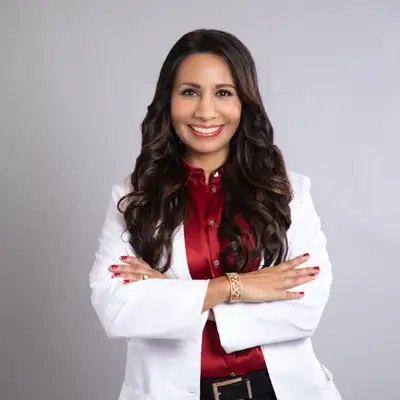
hol+ with Dr. Taz MD is redefining modern medicine through a comprehensive, evidence-based holistic approach; integrating functional medicine, integrative medicine, and time-tested healing systems to treat the whole human, not just symptoms.
Hosted by Dr. Tasneem Bhatia (Dr. Taz), triple board-certified physician in integrative, functional, and holistic medicine, bestselling Penguin Random House author, and founder of hol+; a comprehensive evidence-based holistic medicine platform with clinics in Atlanta, New York City, and Los Angeles, and virtual care available nationwide.
At the heart of hol+ is a revolutionary framework: the Five Body Map- physical, mental, emotional, energetic, and social/community bodies that create whole health. This whole-human approach connects hormone imbalances, gut dysfunction, microinflammation, cortisol dysregulation, metabolic disease, autoimmune conditions, perimenopause, and stress-driven illness to the full spectrum of who we are; body, mind, and spirit.
Each episode explores Dr. Taz’s original clinical frameworks ;The Cortisol Loop, Microinflammation, and The Invisible Load alongside conversations with leading experts, celebrities, and thought leaders including Sophie Grégoire Trudeau, Katherine Schwarzenegger, Cameron Mathison, Carol Alt, Jane Seymour, Tamsen Fadal, and Kris Carr.
Topics include hormone health, gut health, GLP-1 and metabolic therapy, thyroid dysfunction, weight loss, inflammation, autoimmune disease, mental and emotional wellness, energetic health, and the future of holistic medicine.
This is the show where science and spirit converge- driving health, happiness, relationships, and family ecosystems.
Want to go deeper? Join Dr. Taz’s private community, the hol+ Circle ; medicine beyond the exam room. (holplus.co/circle)
A 2025 Webby Award honoree, recognized alongside the Mel Robbins Podcast in the 29th Annual Webby Awards, hol+ is built on the foundation of Super Woman Wellness, which surpassed 1 million downloads over 8 years.
This is medicine beyond the exam room. Welcome to hol+
[00:00:00] Dr. Erika Schwartz: Healthcare is broken. I did conventional medicine for 15 years [00:00:05] of my life.
[00:00:05] Dr. Taz: Mm-hmm.
[00:00:06] Dr. Erika Schwartz: And then I walked away and I said, I'm not helping anybody [00:00:10] in the your er. I was helping, I know people life and death, but you are [00:00:15] never gonna see a life in death situation in your [00:00:20] life that can be handled in reality. So why are we acting like [00:00:25] everything's life and death?
[00:00:25] Dr. Taz: Millions of women are struggling with hormone imbalances, [00:00:30] burnout, and exhaustion. Yet most are told their labs are normal. What if the [00:00:35] real problem isn't just hormones, but how the entire medical system [00:00:40] misunderstands women's biology?
[00:00:42] Dr. Erika Schwartz: The moment the hormones are not in balance. You [00:00:45] start having problems.
[00:00:46] Dr. Erika Schwartz: The American College of Obstetrics and Gynecology and the North American [00:00:50] Menopause Society came out and said, hormones are bad for you. They're gonna kill you. They're [00:00:55] gonna increase your risk of cancer, so we're gonna stop them.
[00:00:58] Dr. Taz: Mm.
[00:00:58] Dr. Erika Schwartz: And they stopped [00:01:00] giving women hormones
[00:01:01] Dr. Taz: At all ages.
[00:01:03] Dr. Erika Schwartz: At all ages. Well, birth control pills, [00:01:05] for some obscure reason, did not go into this.
[00:01:07] Dr. Taz: Mm.
[00:01:08] Dr. Erika Schwartz: The study did [00:01:10] not look at bioidentical hormones. They looked at conjugated, equine, [00:01:15] estrogen, Premarin, prempro. And they had nothing to do with that. Right. And the [00:01:20] study was on women who are more than 10 years post menopause. They [00:01:25] had preexisting conditions. That study was flawed from the beginning. It had [00:01:30] nothing to do with the people that you were trying to help.
[00:01:33] Dr. Erika Schwartz: The fallout was [00:01:35] tremendous. Instantly, 7 million women stopped taking [00:01:40] hormones. Women lost their minds. What happened was you sent them faster [00:01:45] into chronic illnesses and they become roadkill,
[00:01:47] Dr. Taz: right?
[00:01:48] Dr. Erika Schwartz: Literally, and it's [00:01:50] been a horrible, horrible situation.
[00:01:52] Dr. Taz: My guest today, Dr. Erica Schwartz, is one [00:01:55] of the most trusted voices in integrative and preventive medicine.
[00:01:58] Dr. Taz: For more than three [00:02:00] decades, she's been helping women take charge of their health through personalized evidence-based hormone [00:02:05] care that connects the dots between metabolism, aging, [00:02:10] stress, and emotional wellbeing. She is also the author of several bestselling [00:02:15] books, including the Newly revised 2025 edition of Don't Let Your Doctor Kill You.
[00:02:19] Dr. Taz: [00:02:20] A Powerful Guide to Navigating Modern Healthcare and advocating for yourself in a [00:02:25] system that often overlooks women's needs Today, while unpack what's [00:02:30] really driving the hormone crisis, why women's symptoms are so often dismissed, and [00:02:35] what the preventive medicine looks like in midlife and beyond. This [00:02:40] episode is sponsored by Whole Plus, a holistic health platform built around education, [00:02:45] personalization, and integrative care.
[00:02:47] Dr. Taz: Whole plus blends holistic, integrative [00:02:50] and functional medicine clinics with learning resources like blogs, YouTube videos, and [00:02:55] of course, this podcast. So you're not just treated, you're informed. The [00:03:00] platform also includes holistic health quizzes and a curated wellness shop helping you make choices [00:03:05] that support your body at the root level.
[00:03:07] Dr. Taz: Whole Plus is holistic [00:03:10] healthcare designed for real life. Visit
[00:03:12] Dr. Erika Schwartz: us@wholeplus.co to learn [00:03:15] more about the platform. Again, that's HOL ps.co.
[00:03:19] Dr. Taz: [00:03:20] All right, we're starting out. We've already been deep in conversation. And Dr. Schwartz, you [00:03:25] guys, I think you were the first hormone book I read. I do. I think I used to carry that thing around [00:03:30] when I was in the throes of my own personal hormone crisis when I was going through med [00:03:35] school and residency and then started working the er.
[00:03:37] Dr. Taz: And people were telling me I was anxious and I was depressed, and [00:03:40] I was stressed, and here's a medication for this and a medication for that. And I think in [00:03:45] that journey of trying to get answers, I found your book.
[00:03:48] Dr. Erika Schwartz: Thank you. I'm so [00:03:50] happy you did
[00:03:50] Dr. Taz: them. How long ago that was?
[00:03:52] Dr. Erika Schwartz: Well, that was the first version of it.
[00:03:53] Dr. Erika Schwartz: So it was 2002. [00:03:55]
[00:03:55] Dr. Taz: Yes. It
[00:03:55] Dr. Erika Schwartz: came out right before the Women's Health Initiative
[00:03:58] Dr. Taz: thousand and two. And I was [00:04:00] freshly out. Where was I? I was in residency. Yeah. Yeah, that's where I was. So [00:04:05] anyhow, so that book. Set me on a course of discovery. Thank you. And trying to get answers. [00:04:10] I'm so happy. And for the first time in my life I understood bioidentical progesterone and what [00:04:15] that was.
[00:04:15] Dr. Taz: I think I started it and it was a big piece of the overall right puzzle for me. Amazing. [00:04:20] Trying to, trying to turn things around. Mm-hmm. And then I know we met later in New York. Yes. Much, much [00:04:25] later in New York when I was trying to figure out kind of like,
[00:04:27] Dr. Erika Schwartz: and I tried to convert you [00:04:30] to work with me.
[00:04:30] Dr. Taz: Well then COVID happened.
[00:04:31] Dr. Taz: Right? Right. And so I think I put a stop on any kind of scaling or growth [00:04:35] or expansion or anything like that. But I love New York and I've admired your work for so [00:04:40] long and I'm so thrilled to have you on the show such, oh my
[00:04:44] Dr. Erika Schwartz: God.
[00:04:44] Dr. Taz: I [00:04:45] like, I was telling people, and this is not a lie, like if you need inspiration, look that [00:04:50] way, you know, you are, you've been ahead of us, you've been running this race alone for a long [00:04:55] time.
[00:04:55] Dr. Taz: I need
[00:04:55] Dr. Erika Schwartz: you.
[00:04:56] Dr. Taz: And we were just talking about that we need each other. We were just talking about the importance of [00:05:00] collaboration. Yes. Because if we're really gonna start a movement or. Put a, you know, poke some holes in those [00:05:05] things.
[00:05:05] Dr. Erika Schwartz: Yes.
[00:05:05] Dr. Taz: It can't be a lone ranger, no situation. Right.
[00:05:08] Dr. Erika Schwartz: And we're trained, [00:05:10] actually, we're trained to isolate ourselves.
[00:05:12] Dr. Erika Schwartz: Yeah. And to just focus on the patient, on whatever we're doing [00:05:15] so that we don't collaborate. So we don't really become unified in [00:05:20] our messages. We're trained to compete against each other. We're trained to do a lot of competitive things. So Competitive. [00:05:25] Yeah. That's not good. For the outcome.
[00:05:28] Dr. Taz: How long have you been in medicine?[00:05:30]
[00:05:30] Dr. Erika Schwartz: 40. Well, I graduated medical school in 1975. Oh, my, before you [00:05:35] were born? My,
[00:05:35] Dr. Taz: I was three. I was born, I was three years old.
[00:05:38] Dr. Erika Schwartz: Well, I'm 75. [00:05:40] Wow. Of course. So,
[00:05:41] Dr. Taz: I mean, look at this. I, I mean, I know those of you who are listening may not be [00:05:45] able to see her, but for everybody else who's on YouTube or socials, like, she's amazing.
[00:05:49] Dr. Taz: When you [00:05:50] talk about like health and vitality and energy, you are who I'd like to be at 75. I [00:05:55] hope I can be there. Yeah.
[00:05:55] Dr. Erika Schwartz: Well, I hope I give you everything I have so you can carry the [00:06:00] torch. Because unless you know, I, I mean we have so much we acquire as we get older. [00:06:05]
[00:06:05] Dr. Taz: Yeah.
[00:06:05] Dr. Erika Schwartz: And unless we share it, you know, if we're sitting in a [00:06:10] corner and just doing it on our own, you're not.
[00:06:13] Dr. Erika Schwartz: Growing. Right. You're not [00:06:15] helping anybody grow.
[00:06:15] Dr. Taz: Right.
[00:06:16] Dr. Erika Schwartz: So everything I have, I share.
[00:06:18] Dr. Taz: Well, I am fascinated by [00:06:20] both your medical journey and the impact you've had on medicine. So we need to talk about that. I'm [00:06:25] also, uh, you know, so impressed with your personal journey and just the basics of staying healthy and alive and [00:06:30] vibrant as you move into, you know, like your post 40 era.
[00:06:34] Dr. Taz: Right. Which [00:06:35] is where many people get confronted with different
[00:06:37] Dr. Erika Schwartz: mm-hmm.
[00:06:37] Dr. Taz: Different issues and different diseases. But let's go [00:06:40] back, let's go back to medicine and what your journey has been like. You've been at the forefront [00:06:45] of the hormone revolution. You were the original pioneer. I don't care what anybody [00:06:50] else says out there.
It's
[00:06:51] Dr. Erika Schwartz: true. True. I don't think anybody
[00:06:51] Dr. Taz: would, and
[00:06:52] Dr. Erika Schwartz: they'll
[00:06:53] Dr. Taz: say no. Yeah. Well, [00:06:55] I was looking for information and I know your space and you know, I know you're rolling in that space. So [00:07:00] what, what have you been screaming from the rooftops for 40 [00:07:05] years? That people finally get.
[00:07:08] Dr. Erika Schwartz: Yeah.
[00:07:08] Dr. Taz: And I'm gonna flip the [00:07:10] question.
[00:07:10] Dr. Taz: What have you also been screaming from the rooftops for 40 years? [00:07:15] That we still are not getting right?
[00:07:16] Dr. Erika Schwartz: Well, you getting it? So we have to like kind of [00:07:20] go back. I mean, yeah, because this is home. You are home, [00:07:25] you are like part of the next, you know, the next level movement [00:07:30]
[00:07:30] Dr. Taz: grow. I
[00:07:30] Dr. Erika Schwartz: feel that responsibility.
[00:07:31] Dr. Erika Schwartz: Well, I will give you everything I have. I feel it.
[00:07:34] Dr. Taz: You know,
[00:07:34] Dr. Erika Schwartz: because [00:07:35] what I've been screaming, you know, the hormone thing was just like kind of a [00:07:40] sidebar. I, I mean it was the timing of the hormone solution.
[00:07:42] Dr. Taz: Mm-hmm.
[00:07:43] Dr. Erika Schwartz: That made it like number two on [00:07:45] Amazon. It was like a big, big seller because of the women's health initiative.
[00:07:49] Dr. Taz: Right.
[00:07:49] Dr. Erika Schwartz: But it [00:07:50] wasn't intentional. So I feel like I'm a messenger, you know, like the universe used [00:07:55] me as a vehicle because I was doing that and what I was talking about and the [00:08:00] hormone solution was about. How hormones impact us from [00:08:05] puberty until the end. Oh, wow. And so, and I took area like, you know, [00:08:10] 20, you know, teens, twenties, thirties, forties, fifties, et cetera.
[00:08:13] Dr. Erika Schwartz: And it was like I [00:08:15] was talking Chinese, I don't know. Mm-hmm. Maybe Chinese would've helped me. They might've helped. They
[00:08:19] Dr. Taz: would've [00:08:20] helped you. They believe in that too. Chinese,
[00:08:21] Dr. Erika Schwartz: they believe in
[00:08:22] Dr. Taz: Chinese
[00:08:22] Dr. Erika Schwartz: medicine. Believes in Chinese medicine. Oh yes. Yeah. [00:08:25] The point was that healthcare is broken. [00:08:30] And I am a conventional doctor, as you know.
[00:08:33] Dr. Erika Schwartz: I ran a trauma center. [00:08:35] I'm a board certified internist, critical care. I did [00:08:40] conventional medicine for 15 years of my life.
[00:08:42] Dr. Taz: Wow. Mm-hmm.
[00:08:43] Dr. Erika Schwartz: And then I walked away and I [00:08:45] said, I'm not helping anybody in the your er. I was helping. I know [00:08:50] people life and death, but you're never gonna see a life in death [00:08:55] situation in your life.
[00:08:57] Dr. Erika Schwartz: That can be handled in [00:09:00] reality. So why are we acting like everything's life and death?
[00:09:02] Dr. Taz: Right.
[00:09:03] Dr. Erika Schwartz: Crazy. Right.
[00:09:04] Dr. Taz: [00:09:05] Totally.
[00:09:05] Dr. Erika Schwartz: And then I realized that medical school, medical [00:09:10] education, and sadly it's the same now as 50 years ago.
[00:09:14] Dr. Taz: That's [00:09:15] what makes me so mad.
[00:09:16] Dr. Erika Schwartz: I know, but you know what? No. A rm, and I'm [00:09:20] not trying to plug
[00:09:21] Dr. Taz: right
[00:09:21] Dr. Erika Schwartz: for the plug for it, but a RM is actually [00:09:25] changing that.
[00:09:25] Dr. Erika Schwartz: Mm-hmm. So they're more and more like we were at this, um, than Scottsdale [00:09:30] at this. Uh,
[00:09:30] Dr. Taz: a RM by the way, is a, how would you describe A four M was this
[00:09:33] Dr. Erika Schwartz: American Academy of [00:09:35] Anti-Aging Medicine, which is like the leaders in longevity and training. They provide a [00:09:40] lot of training for the providers,
[00:09:42] Dr. Taz: right?
[00:09:42] Dr. Erika Schwartz: They, they, you know, doctors, [00:09:45] um, nurses, nurse practitioners, PAs, um, [00:09:50] naturopath, anything who's in the health professions.
[00:09:54] Dr. Erika Schwartz: [00:09:55] Gets support from them and they're really cutting edge and they actually [00:10:00] saw the hormone situation on day one. They endorsed, you know [00:10:05] what we call bioidentical hormones. They were called natural hormones,
[00:10:07] Dr. Taz: and they were kind of the first organized. [00:10:10] Is that correct? Yeah. That's kind of the first organized institution.
[00:10:12] Dr. Taz: I
[00:10:12] Dr. Erika Schwartz: think so. I think so.
[00:10:13] Dr. Taz: To really embrace this idea around [00:10:15] hormones. Mm-hmm. We've had a lot of terms since we've had integrative medicine, which again, I did the fellowship in,
[00:10:19] Dr. Erika Schwartz: [00:10:20] right.
[00:10:20] Dr. Taz: We have functional medicine, we have what else is out there? Lifestyle medicine. [00:10:25] Yeah. We have all these other, like subcategory, antiaging, longevity.
[00:10:29] Dr. Taz: Longevity, [00:10:30] you know,
[00:10:30] Dr. Erika Schwartz: but that's all the same. And I think it's only serving to confuse people. Totally. Yeah. [00:10:35] And I think the way I say it, and you know what I call it prevention.
[00:10:38] Dr. Taz: Yeah.
[00:10:38] Dr. Erika Schwartz: Because prevention [00:10:40] fits perfectly between conventional medicine, like when you're [00:10:45] really sick and you're in the hospital and you need medical, acute medical care, which the [00:10:50] conventional system's still good at,
[00:10:51] Dr. Taz: right.
[00:10:52] Dr. Erika Schwartz: Or fairly good, not as good as it used to be. [00:10:55] And the alternative, which is really focusing on [00:11:00] Chinese medicine,
[00:11:01] Dr. Taz: Ayurveda,
[00:11:02] Dr. Erika Schwartz: Ayurveda, nutrition, all these other things. Exactly. So [00:11:05] between them sits, prevent. And I've been a firm [00:11:10] believer that prevention's the way to go. So hormones turned out to be an important [00:11:15] part of it.
[00:11:15] Dr. Taz: Absolutely.
[00:11:16] Dr. Erika Schwartz: Like the foundation of it.
[00:11:17] Dr. Taz: How did you stumble on hormones as being such a [00:11:20] critical piece of this puzzle?
[00:11:21] Dr. Erika Schwartz: Well,
[00:11:21] Dr. Taz: and by the way, I, I say prevention, but I call it [00:11:25] holistic so that people know where
[00:11:26] Dr. Erika Schwartz: anything you wanted
[00:11:26] Dr. Taz: recall bringing it all together essentially. I think. [00:11:30] I
[00:11:30] Dr. Erika Schwartz: think so,
[00:11:30] Dr. Taz: but, but to me, when we think holistically about hormones or preventively about [00:11:35] hormones.
[00:11:36] Dr. Taz: They impact every system of the body. It is not about reproduction. It is not [00:11:40] about menopause. Correct. And those are the only two conversations you maybe puberty every now and then you [00:11:45] might hear a blip about, but still not an in-depth conversation by any means. So how [00:11:50] did you stumble into this conversation?
[00:11:52] Dr. Erika Schwartz: You know, there was no conversation when I stumbled. That's
[00:11:54] Dr. Taz: the first [00:11:55] point. She's like, this is a party of one. A party
[00:11:58] Dr. Erika Schwartz: of
[00:11:58] Dr. Taz: one. So it
[00:11:59] Dr. Erika Schwartz: was easy to [00:12:00] like. Debated.
[00:12:01] Dr. Taz: Right.
[00:12:01] Dr. Erika Schwartz: But the thing is, you know, patient came in and she was in [00:12:05] menopause and I was treating everybody with Prempro because we had Prempro already.
[00:12:09] Dr. Erika Schwartz: Right. [00:12:10] Premarin and Provera, right? Yep. And she was doing fine, but she wasn't doing as well as she should have [00:12:15] been doing. And she came in and she said, oh, you know, she had been [00:12:20] seeing a doctor who was trained somewhere else in California, and this [00:12:25] doctor had written a prescription for her to go to a compounding pharmacy in California.
[00:12:29] Dr. Taz: Mm-hmm.
[00:12:29] Dr. Erika Schwartz: [00:12:30] And this is what the script was. And she gave me her prescription. So I looked at it [00:12:35] and I'm like, I've never seen anything like this. Yeah. Estradiol, progesterone, [00:12:40] testosterone, DHEA. I was like, what is this? [00:12:45] So she said, I feel great.
[00:12:46] Dr. Taz: Wow.
[00:12:47] Dr. Erika Schwartz: So I was like, okay. So like everything [00:12:50] has to be personal, right.
[00:12:51] Dr. Erika Schwartz: So. I wrote the prescription, I send it [00:12:55] to God only knows where. 'cause in those days you had paper prescription. So I gave her the prescription. She [00:13:00] went And then two years later, three years later, [00:13:05] um, I wake up and I'm in menopause.
[00:13:07] Dr. Taz: Mm.
[00:13:08] Dr. Erika Schwartz: And I have [00:13:10] hot flashes, I have night sweats. I have like my mood swings.
[00:13:13] Dr. Erika Schwartz: I never had a mood swing [00:13:15] in my life until then. Or maybe about boys. Yeah. But that's it.
[00:13:19] Dr. Taz: Always mood swing [00:13:20] about boys is anyhow,
[00:13:21] Dr. Erika Schwartz: nothing else. Nothing really serious. Right, right. So I'm like, what [00:13:25] is wrong with me? So I start taking Prempro, 'cause I'm giving Prempro, right. [00:13:30] And I start bleeding like a stock pig, literally.[00:13:35]
[00:13:35] Dr. Erika Schwartz: So I'm like, this is not right. So I remember the patient [00:13:40] and I called the pharmacy. So I'm now going through her chart and I called [00:13:45] the pharmacy and I say to him, can you send to me what I ordered for her?
[00:13:49] Dr. Taz: Mm mm-hmm. [00:13:50]
[00:13:50] Dr. Erika Schwartz: So he sends it to me. And there was like. [00:13:55] Powders, creams drops, some things have to be [00:14:00] refrigerated.
[00:14:00] Dr. Erika Schwartz: You need literally a PhD in biochemistry to be able to do [00:14:05] this. Understand that. Oh
[00:14:05] Dr. Taz: boy.
[00:14:05] Dr. Erika Schwartz: So I take out a notebook 'cause I was scientist. Yeah. Supposedly.
[00:14:09] Dr. Taz: Yeah. [00:14:10]
[00:14:10] Dr. Erika Schwartz: And I start writing and I start doing. Within a week I feel [00:14:15] like myself. So I'm like, okay. I also, so I said to, so I called [00:14:20] the guy and I said to him, listen, can you send me all the scientific documentation behind [00:14:25] this?
[00:14:25] Dr. Erika Schwartz: 'cause estradiol, we know we make it progesterone, we know we make it [00:14:30] testosterone, we know we make it DHA, we know we make it. So it's not like it's drugs. Right. This is like what [00:14:35] our body makes.
[00:14:35] Dr. Taz: Right.
[00:14:36] Dr. Erika Schwartz: Clearly not. In my case, it wasn't making it 'cause I was menopausal. [00:14:40] So, and I was early menopause too.
[00:14:43] Dr. Taz: Right,
[00:14:43] Dr. Erika Schwartz: right.
[00:14:43] Dr. Taz: How old were you? Do you remember?
[00:14:44] Dr. Erika Schwartz: [00:14:45] 46.
[00:14:45] Dr. Taz: 46. So you kind of young.
[00:14:46] Dr. Erika Schwartz: Yeah. Well it was after breakup. [00:14:50] How funny is always Yeah. Them in in
[00:14:52] Dr. Taz: emotional, the emotional
[00:14:54] Dr. Erika Schwartz: [00:14:55] heads. Exactly.
[00:14:55] Dr. Taz: Hit the pituitary. I've been talking about
[00:14:57] Dr. Erika Schwartz: those. Yeah, exactly. So I, [00:15:00] um. Call him up. And I said, okay, well I feel great. I had gone to the library.
[00:15:04] Dr. Erika Schwartz: 'cause [00:15:05] remember we didn't have internet. We didn't have anything in 1996 and [00:15:10] 95, 96 at this point. Yeah. We didn't have any of that. So I go to the library, I do the [00:15:15] research. I'm, you know, doing what I've been taught to do and looks great. [00:15:20] And I say to him, listen, is there any, I have a lot of patients who would benefit from this.
[00:15:24] Dr. Erika Schwartz: Can [00:15:25] you do this for me? And, um, but it's like [00:15:30] $300 a month.
[00:15:30] Dr. Taz: Mm-hmm.
[00:15:31] Dr. Erika Schwartz: And he doesn't take any insurance. Mm-hmm. And that's a lot of money in, in those [00:15:35] days. Right. So, uh, he says, well, I don't need you or your patients. And he [00:15:40] did me the biggest favor because I had to figure it out on my own. [00:15:45]
[00:15:45] Dr. Taz: Right.
[00:15:45] Dr. Erika Schwartz: So I didn't even know what a compounding pharmacy was.
[00:15:48] Dr. Erika Schwartz: I had never heard of it.
[00:15:49] Dr. Taz: Wow.
[00:15:49] Dr. Erika Schwartz: I mean, they [00:15:50] don't teach you that in medical school. No. Yeah. No, they tell you they're bad. As a matter of fact,
[00:15:53] Dr. Taz: we're trained to believe that they're [00:15:55] bad.
[00:15:55] Dr. Erika Schwartz: That's right.
[00:15:55] Dr. Taz: And what you get is not. What we order is not necessarily what the patient
[00:15:59] Dr. Erika Schwartz: gets. Right. It's not [00:16:00] the quality.
[00:16:00] Dr. Taz: Right.
[00:16:01] Dr. Erika Schwartz: Which is totally wrong and erroneous and [00:16:05] bad for us.
[00:16:05] Dr. Taz: Right.
[00:16:06] Dr. Erika Schwartz: Really. So anyway,
[00:16:07] Dr. Taz: I mean, hang on. Not to interrupt, but like old [00:16:10] medicine used to go in and everything was custom formulated.
[00:16:13] Dr. Erika Schwartz: No kidding,
[00:16:14] Dr. Taz: right? Yeah. [00:16:15] Remember like you go in Chinese medicines the same way you get a totally custom formulation
[00:16:19] Dr. Erika Schwartz: Exactly.
[00:16:19] Dr. Taz: Of herbs and [00:16:20] things like that. Yeah. You don't get just these like standard doses
[00:16:23] Dr. Erika Schwartz: and all that other stuff. No. It's offensive [00:16:25] that you are saying that.
[00:16:26] Dr. Taz: Right?
[00:16:26] Dr. Erika Schwartz: The way medicine was practiced for [00:16:30] hundreds, if not thousands of years is wrong.
[00:16:32] Dr. Taz: Right.
[00:16:32] Dr. Erika Schwartz: Because you have a [00:16:35] standardized, pseudo standardized, let's say pharmaceutical that's [00:16:40] going to be given to you regardless of what your size is, what your age [00:16:45] is.
[00:16:45] Dr. Erika Schwartz: If you're a man, a woman, a child, right. It doesn't matter. Right? You just take it Anyway. So back to that. [00:16:50] So I, uh. The guy gets rid of me. So I have to find a [00:16:55] compounding pharmacy where my practice is in New York and I find one and [00:17:00] I spent three years in the guy's lab putting [00:17:05] together ways to do it.
Hmm.
[00:17:07] Dr. Erika Schwartz: That would actually [00:17:10] be user friendly. And you wouldn't have to like
[00:17:13] Dr. Taz: mix all this stuff up. Yeah.
[00:17:14] Dr. Erika Schwartz: Right. If [00:17:15] you didn't need the, you know, the biochemistry part,
[00:17:17] Dr. Taz: mixing the house is blowing up 'cause you're mixing up hormones here, [00:17:20] you know, so.
[00:17:20] Dr. Erika Schwartz: Right. Exactly. And it's like crazy. So anyway, so I do it and the [00:17:25] rest is history.
[00:17:25] Dr. Taz: Amazing.
[00:17:26] Dr. Erika Schwartz: We start, I started the first compounding pharmacy in New York [00:17:30] State, like in Western state. So you
[00:17:31] Dr. Taz: started a compounding pharmacy?
[00:17:33] Dr. Erika Schwartz: Yes. I didn't know
[00:17:33] Dr. Taz: that.
[00:17:34] Dr. Erika Schwartz: Well, it was [00:17:35] called the Natural Hormone Pharmacy that was be before bioidentical hormones. Oh. In [00:17:40] 2002.
[00:17:40] Dr. Taz: Okay.
[00:17:42] Dr. Erika Schwartz: Then I wrote the, the hormone solution.
[00:17:44] Dr. Taz: Right.
[00:17:44] Dr. Erika Schwartz: And [00:17:45] then we were teaching doctors in the city. Like from Cornell and [00:17:50] from N nyu. Mm-hmm. And from Presbyterian. And we were teaching them how to use [00:17:55] the hormones. Mm-hmm. And showing them how the molecular structure
[00:17:58] Dr. Taz: mm-hmm.
[00:17:59] Dr. Erika Schwartz: Of [00:18:00] bioidentical hormones. Natural hormones. Identical, human identical hormones [00:18:05] is was different from
[00:18:06] Dr. Taz: a Prempro
[00:18:07] Dr. Erika Schwartz: or the Prempro.
[00:18:08] Dr. Erika Schwartz: Right? And we were saying, [00:18:10] I was saying, listen, they can't be acting the same in your body if [00:18:15] they look differently.
[00:18:15] Dr. Taz: Right.
[00:18:16] Dr. Erika Schwartz: As in class effect, right?
[00:18:18] Dr. Taz: Mm-hmm.
[00:18:18] Dr. Erika Schwartz: Well, [00:18:20] unfortunately, the conventional medical establishment decided because they got so scared after the Women's [00:18:25] Health Initiative, which is another story, they got so scared and they didn't want [00:18:30] anybody to know anything about it, about the truth about it.
[00:18:33] Dr. Erika Schwartz: So what they did [00:18:35] is they decided that there was class effect, that all estrogens behaved the same, [00:18:40] all progestogen behave the same. So what they did is they tortured women.
[00:18:44] Dr. Taz: [00:18:45] Mm.
[00:18:45] Dr. Erika Schwartz: They started the torture of women and they told doctors that they shouldn't be giving women [00:18:50] hormones.
[00:18:50] Dr. Taz: Right.
[00:18:50] Dr. Erika Schwartz: Which is the worst thing.
[00:18:52] Dr. Erika Schwartz: Whole, well, at least today it's, you know, the bill.
[00:18:54] Dr. Taz: It's different [00:18:55] today, but like a whole generation of women. Yeah. Basically.
[00:18:58] Dr. Erika Schwartz: And still
[00:18:58] Dr. Taz: suffered and [00:19:00] kind of bear the burden of chronic disease.
[00:19:01] Dr. Erika Schwartz: Yep.
[00:19:02] Dr. Taz: Due to the lack of hormones. Right. Right.
[00:19:04] Dr. Erika Schwartz: Exactly.
[00:19:04] Dr. Taz: And so [00:19:05] that's something that I know you've been so passionate and an advocate about trying to change that [00:19:10] conversation and that discourse.
[00:19:11] Dr. Taz: Let's go to the Women's Health Initiative. 'cause a lot of our conversation is framed around [00:19:15] hormones. What to use, when to use what's safe, what's not safe. Right. But let's go back to the [00:19:20] Women's health initiative. 'cause it's still within sort of the DNA of our, of our culture in [00:19:25] terms of like hormones.
[00:19:26] Dr. Taz: You know, like what's happening here?
[00:19:28] Dr. Erika Schwartz: You still hear it?
[00:19:29] Dr. Taz: Yep.
[00:19:29] Dr. Erika Schwartz: All the [00:19:30] time are still saying,
[00:19:31] Dr. Taz: yeah.
[00:19:31] Dr. Erika Schwartz: Oh, hormones cause cancer. I don't want breast cancer. I'm afraid of [00:19:35] hormones.
[00:19:35] Dr. Taz: Right.
[00:19:35] Dr. Erika Schwartz: But that's all because the education is lacking. Like I said, a [00:19:40] medical education in medical school is the same as 50 years ago.
[00:19:44] Dr. Erika Schwartz: Right. So, but [00:19:45] 50 years ago. They were giving hormones.
[00:19:47] Dr. Taz: Yeah.
[00:19:48] Dr. Erika Schwartz: You know, they were giving bioidentical [00:19:50] hormones.
[00:19:50] Dr. Taz: Right.
[00:19:50] Dr. Erika Schwartz: But it took, in 2011, I was at the International Menopause Society in [00:19:55] Rome, and the data that was presented there from all over the world [00:20:00] said there was no class effect. Meaning the birth control [00:20:05] pills and estradiol are not the same.
Mm-hmm.
[00:20:08] Dr. Erika Schwartz: They don't behave the same.
[00:20:09] Dr. Taz: Mm-hmm. [00:20:10]
[00:20:10] Dr. Erika Schwartz: We've been screaming it for, like I said, from the, from the roofs. They're not the [00:20:15] same. They behave differently. So why would you give them the burden [00:20:20] of the negativity of the non-human identical hormones?
[00:20:24] Dr. Taz: Right. [00:20:25]
[00:20:25] Dr. Erika Schwartz: Good question.
[00:20:26] Dr. Taz: So let's go. So birth control.
[00:20:28] Dr. Erika Schwartz: Mm-hmm.
[00:20:28] Dr. Taz: The estradiol and birth control [00:20:30] pills.
[00:20:30] Dr. Erika Schwartz: Right.
[00:20:30] Dr. Taz: Bioidentical or not bioidentical.
[00:20:32] Dr. Erika Schwartz: Birth control pill? No, of course not. It's [00:20:35] not bioidentical. And I've been saying it's another thing screaming, right? [00:20:40] Birth control pills put women in menopausal hormonal states. So if you measure
[00:20:44] Dr. Taz: [00:20:45] right,
[00:20:45] Dr. Erika Schwartz: the hormones, a 16-year-old who is on birth control pills, they have [00:20:50] the same estradiol level as a menopausal woman, think of what that's doing to their [00:20:55] body.
[00:20:55] Dr. Taz: Absolutely. So why, why do we not [00:21:00] see that? And why do we not practice differently when it [00:21:05] comes to hormone in our teenagers and young women in their twenties, maybe even early [00:21:10] thirties? Mm-hmm. And then when we get to women in their forties and fifties, why are we so parked [00:21:15] in, you know, birth control for hormone regulation?
[00:21:17] Dr. Taz: You've got PCOS, you've got endometriosis, you've got [00:21:20] whatever, here's your birth control. Right? No conversation around what that means. Mm-hmm. [00:21:25] Hit late forties, mid forties, early forties, I should say, whatever, early forties [00:21:30] through your fifties hormone replacement therapy. Here are your two options.[00:21:35]
[00:21:35] Dr. Taz: Bioidentical hormones don't need to be a part of this. Custom compounding does not need to be a part of this. [00:21:40] What's the fallout for these two groups of people?
[00:21:42] Dr. Erika Schwartz: Horrible. Horrible. It's [00:21:45] really bad because hormones, like you said, are the fabric [00:21:50] of who we are and when our hormones are. I balance, we're young.[00:21:55]
[00:21:55] Dr. Erika Schwartz: We don't have wrinkles. We are fertile. Our hair looks [00:22:00] great.
[00:22:00] Dr. Taz: Mm-hmm.
[00:22:00] Dr. Erika Schwartz: Our body does well. We recover from staying up all [00:22:05] night very easily. Mm-hmm. We can eat garbage and feel better. It's [00:22:10] very easy because our hormones help us.
[00:22:12] Dr. Taz: Right.
[00:22:13] Dr. Erika Schwartz: The moment that hormones [00:22:15] start going outta balance, whether it is when after pregnancy, [00:22:20] you know, like you said, PCOS.
[00:22:22] Dr. Erika Schwartz: Puberty, then [00:22:25] perimenopause, menopause. The moment the hormones are not in balance, you start having [00:22:30] problems and you're going towards diseases of aging.
[00:22:33] Dr. Taz: Hmm.
[00:22:34] Dr. Erika Schwartz: [00:22:35] Osteoporosis, Alzheimer's, cancers, cardiovascular disease, [00:22:40] all of these things occur when your hormones are leaving you. [00:22:45] So why would you ever not put the hormones back in?
[00:22:49] Dr. Erika Schwartz: [00:22:50] But what hormones you're putting back in is crucial. And that's where my screaming started. It
[00:22:54] Dr. Taz: [00:22:55] started the Women's Health Initiative, 2001.
[00:22:58] Dr. Erika Schwartz: 2002.
[00:22:59] Dr. Taz: 2002. [00:23:00]
[00:23:00] Dr. Erika Schwartz: And it was ended in 2002 abruptly.
[00:23:04] Dr. Taz: And what did that [00:23:05] tell us about hormones and what did it do to our practice when it comes to [00:23:10] women's and teen and girls' health?
[00:23:12] Dr. Erika Schwartz: It didn't touch women's, I mean [00:23:15] young girls.
[00:23:15] Dr. Taz: Mm-hmm.
[00:23:16] Dr. Erika Schwartz: That study. So let's tell the truth about the study. [00:23:20] So that study was sponsored by Wyeth Pharmaceuticals and Upjohn. [00:23:25] They gave a hundred million dollars or whatever to the academic [00:23:30] institutions that were the enters were the study. The study
[00:23:32] Dr. Taz: was being done.
[00:23:33] Dr. Erika Schwartz: Was done.
[00:23:34] Dr. Taz: Okay. A hundred [00:23:35] million dollars
[00:23:35] Dr. Erika Schwartz: at least, if not more. And they also gave them the free hormones, right. [00:23:40] Whatever those are the hormone, imposters, whatever we call them anyway. [00:23:45] And five years into the study turns out that the [00:23:50] interim, like the interim data, showed that there might be an [00:23:55] increase risk of cancer and of thrombotic episode like blood clots.[00:24:00]
[00:24:00] Dr. Erika Schwartz: And because the government, 'cause it was supposed to be a government [00:24:05] study, the government didn't want to know who sponsored the study. [00:24:10] Government, you think it's kind of our tax money.
[00:24:12] Dr. Taz: Right? Right.
[00:24:13] Dr. Erika Schwartz: But it wasn't our tax money [00:24:15] or maybe part of it. It was, but definitely not the, uh, major part. [00:24:20] So the government got really scared and they got together [00:24:25] with every, you know, the principal investigators and they stopped the study.[00:24:30]
[00:24:30] Dr. Erika Schwartz: And the American College of Obstetrics and Gynecology and the North American Menopause [00:24:35] Society, which were the only like, I guess, ways to [00:24:40] get any information out.
[00:24:41] Dr. Taz: Right.
[00:24:42] Dr. Erika Schwartz: Came out and said, hormones are bad for you. They're gonna [00:24:45] kill you. They're gonna increase your risk of cancer, so we're gonna stop them.
[00:24:49] Dr. Taz: [00:24:50] Mm.
[00:24:50] Dr. Erika Schwartz: And they stopped giving women hormones.
[00:24:52] Dr. Taz: At all ages.
[00:24:54] Dr. Erika Schwartz: At all ages. Yeah. [00:24:55] Well, birth control pills for some obscure reason did not go into this.
[00:24:59] Dr. Taz: Mm. [00:25:00]
[00:25:00] Dr. Erika Schwartz: The study did not look at bioidentical hormones. They looked at [00:25:05] conjugated, equine, estrogen, Premarin, prempro. And they had nothing to [00:25:10] do with that, right? And the study was on women who are more than 10 years post [00:25:15] menopause.
[00:25:16] Dr. Erika Schwartz: They had pre-existing conditions. That study was [00:25:20] flawed from the beginning. It had nothing to do with the people that you were trying to study, [00:25:25] that you were trying to help,
[00:25:26] Dr. Taz: right?
[00:25:26] Dr. Erika Schwartz: Because you're trying to help really,
[00:25:28] Dr. Taz: right?
[00:25:28] Dr. Erika Schwartz: These studies should help. [00:25:30] So the fallout was tremendous. Instantly 7 [00:25:35] million women stopped taking hormones.
[00:25:37] Dr. Erika Schwartz: Now think about what happens when you [00:25:40] stop suddenly hormones. You go into ffl, you know?
[00:25:43] Dr. Taz: Full fledged. Yeah,
[00:25:43] Dr. Erika Schwartz: full fledged,
[00:25:44] Dr. Taz: yeah.
[00:25:44] Dr. Erika Schwartz: [00:25:45] Hot flashes, night sweats. Women lost their minds. And you know, when women get [00:25:50] older, if they don't take hormones, if they're not well balanced, [00:25:55] everything falls apart. Chronic illnesses.
[00:25:57] Dr. Erika Schwartz: So. What happened was you [00:26:00] sent them faster into chronic illnesses and they become roadkill.
[00:26:04] Dr. Taz: Right. [00:26:05]
[00:26:05] Dr. Erika Schwartz: Literally.
[00:26:05] Dr. Taz: Oh.
[00:26:06] Dr. Erika Schwartz: And it's been a horrible, horrible situation, but [00:26:10] nobody wanted to talk about it. And whenever like there was [00:26:15] any opportunity to talk about it,
[00:26:17] Dr. Taz: you were shut down.
[00:26:18] Dr. Erika Schwartz: You were shut down. Yep. And you were [00:26:20] considered a pariah because you are risking women's lives.
[00:26:24] Dr. Erika Schwartz: Mm-hmm. I [00:26:25] can't tell you how many women came into my office over the years because the hormone solution did well,
[00:26:29] Dr. Taz: [00:26:30] right?
[00:26:30] Dr. Erika Schwartz: Because women were looking for answers.
[00:26:32] Dr. Taz: They were looking for a solution.
[00:26:33] Dr. Erika Schwartz: Right. There was a solution.
[00:26:34] Dr. Taz: I was, I was [00:26:35] in the mix.
[00:26:35] Dr. Erika Schwartz: Right?
[00:26:36] Dr. Taz: Yeah.
[00:26:36] Dr. Erika Schwartz: So they came and. They, [00:26:40] everybody did well, and I could tell you now, 30, almost 30 years later, it's like [00:26:45] 25.
[00:26:45] Dr. Erika Schwartz: 20, yeah. 23 years. Yeah. 23 years later. I have patients who have [00:26:50] been with me for 30 years.
[00:26:51] Dr. Taz: Yeah.
[00:26:51] Dr. Erika Schwartz: Nobody gets cancer. Nobody has Alzheimer's in [00:26:55] my practice, nobody has osteo. I mean, they may get osteopenia, but the thing [00:27:00] is, why are my patients doing so much better? 'cause [00:27:05] they're on hormones the whole time.
[00:27:06] Dr. Taz: Mm.
[00:27:06] Dr. Erika Schwartz: Of course, we added exercise, stress [00:27:10] management, life, lifestyle medicine, which became so important to me because they were doing [00:27:15] well.
[00:27:15] Dr. Taz: Right.
[00:27:15] Dr. Erika Schwartz: But there was always room for better.
[00:27:17] Dr. Taz: Right.
[00:27:17] Dr. Erika Schwartz: And then we brought in better, but now [00:27:20] we're
[00:27:20] Dr. Taz: seeing, okay. So now, so okay. You're, you're out there. You're talking about [00:27:25] hormones, you're trying to, in the context of the Women's Health Initiative, trying to educate people [00:27:30] on hormones, do you get a lot of backlash?
[00:27:31] Dr. Erika Schwartz: Nope. Because you know what's good,
[00:27:34] Dr. Taz: [00:27:35] what
[00:27:35] Dr. Erika Schwartz: you try to ignore. So I was among the ones who was ignored.
[00:27:39] Dr. Taz: [00:27:40] Mm.
[00:27:40] Dr. Erika Schwartz: Except for when I came out and started talking.
[00:27:43] Dr. Taz: So you were under the radar basically. [00:27:45]
[00:27:45] Dr. Erika Schwartz: Mm-hmm.
[00:27:45] Dr. Taz: Right. Which is a space that I tried to embrace for a period of time. All of, but you don't like all of us to be [00:27:50] in that space for very
[00:27:50] Dr. Erika Schwartz: long?
[00:27:51] Dr. Erika Schwartz: Well, not anymore because I have the knowledge. Right. I have the experience, I [00:27:55] have the proof, I know the data.
[00:27:57] Dr. Taz: Right.
[00:27:58] Dr. Erika Schwartz: As far as I'm concerned. So in [00:28:00] 2008, I wrote an article for the Medical Clinics of North America, which is a medical journal.
[00:28:04] Dr. Taz: Mm-hmm. [00:28:05]
[00:28:05] Dr. Erika Schwartz: And it was a white paper on hormones. Mm-hmm. But it just barely touched [00:28:10] on natural human identical hormones.
[00:28:13] Dr. Erika Schwartz: Mm-hmm. Because that's all they let me [00:28:15] do. And then we had a webinar that had 900 OBGYNs on [00:28:20] it because OB GYN was women's health.
[00:28:22] Dr. Taz: Right.
[00:28:22] Dr. Erika Schwartz: And I spoke to, I spoke at Harvard. I [00:28:25] mean, they were welcoming to a certain degree, but they always tried to [00:28:30] block anything coming out. So. The guy who was [00:28:35] the head of the O-B-G-Y-N department at Harvard, who now is retired, but is [00:28:40] the, um, editor in chief of the journal menopause.
[00:28:44] Dr. Erika Schwartz: Mm-hmm. [00:28:45] Was very supportive and very nice to me, and said, you have to write for [00:28:50] menopause. I never got to write for menopause, but he was very supportive. [00:28:55] Trying to keep me, like you said,
[00:28:58] Dr. Taz: in Yeah,
[00:28:58] Dr. Erika Schwartz: in, in, in [00:29:00] line. In, in, you know. Mm-hmm. They invited me to speak at the North America Menopause [00:29:05] Society, but it was like all
[00:29:06] Dr. Taz: mm-hmm.
[00:29:07] Dr. Erika Schwartz: You know, like, well, kind of, not really.
[00:29:09] Dr. Taz: Right, [00:29:10]
[00:29:10] Dr. Erika Schwartz: because they didn't hear what I was talking about.
[00:29:13] Dr. Taz: Mm.
[00:29:13] Dr. Erika Schwartz: They didn't wanna hear what I was talking [00:29:15] about.
[00:29:15] Dr. Taz: What's the block? Why, why is I have ex So the sa here's the sad [00:29:20] part of the story, and I'm gonna be truthful and honest here, you know. 30 [00:29:25] years later, I write the 25, whatever that math is, I write the hormone shift, which came out in [00:29:30] 2023.
[00:29:30] Dr. Taz: It was all about a holistic approach to hormone balancing, which you're very much [00:29:35] in line with, right? Yes, sure. Um, it was [00:29:40] categorically side bared
[00:29:41] Dr. Erika Schwartz: of course
[00:29:43] Dr. Taz: by, and I have some [00:29:45] OBGYNs I love. So I hope I don't offend anybody, but by Yeah, you do. It doesn't matter anymore by some of the [00:29:50] major voices in the OBGYN community.
[00:29:51] Dr. Taz: Mm-hmm. To the point that I was not included in different [00:29:55] events around menopause and perimenopause of course, and launches and things like that. Of course [00:30:00] feelings aren't heard. It is what it is. I'm used to this, I've been called everything since the beginning, so nothing new. [00:30:05] Right. But what is the fear or the walk with you [00:30:10] now?
[00:30:10] Dr. Taz: With me, we have a gap between us. It's the same. What's going on?
[00:30:14] Dr. Erika Schwartz: I'll tell you what I [00:30:15] think is going on. Okay. And I don't know what's really going on, but I tell you what I think. I [00:30:20] think that we're going against. The [00:30:25] conventional way of thinking. The conventional [00:30:30] education. Right. We're talking about compounding and I know there was an article that was [00:30:35] written in menopause by this boothy in [00:30:40] early two thousands that actually tried to trash [00:30:45] compounding.
[00:30:45] Dr. Erika Schwartz: Yeah. And me Yeah. And, and some, and other doctors,
[00:30:48] Dr. Taz: well, you'll see a spike. Right. Right. You'll [00:30:50] see like nothing, nothing, nothing. And all of a sudden you'll see like a barrage of compounding iss not safe. Right. [00:30:55] FDI coming down on compounding, this is happening with compounding
[00:30:58] Dr. Erika Schwartz: and Right. So what it [00:31:00] came from was that there was this, uh, outbreak of, [00:31:05] um, fungal meningitis
[00:31:08] Dr. Taz: mm-hmm.
[00:31:09] Dr. Erika Schwartz: In [00:31:10] Massachusetts from a co, from a compounding mar [00:31:15] pharmacy.
[00:31:15] Dr. Taz: Mm-hmm.
[00:31:15] Dr. Erika Schwartz: Product from a compounding Margaret pharmacy that was injected in the spinal.
[00:31:19] Dr. Taz: Hmm. [00:31:20]
[00:31:20] Dr. Erika Schwartz: Cord, which has nothing to do with what we're talking about. Right. Which is creams that [00:31:25] you put on your skin.
[00:31:25] Dr. Taz: Right.
[00:31:26] Dr. Erika Schwartz: That I mean, anyway, and that was a one thing [00:31:30] that was blown so outta proportion and made like the big thing.
[00:31:34] Dr. Erika Schwartz: [00:31:35] Compounding does not pay for medical school education.
[00:31:38] Dr. Taz: Right.
[00:31:39] Dr. Erika Schwartz: Does not [00:31:40] pay for consulting. Jobs for academics. Does not [00:31:45] pay for the studies because they don't have the money [00:31:50] because they're actually working with something your body makes. Ironically, the [00:31:55] part I still don't understand is how did we get FDA approval for estradiol?[00:32:00]
[00:32:00] Dr. Erika Schwartz: Mm. Esra divigel, ami, you know, the patch? [00:32:05] How did that come about? Mm-hmm. That came about around 2020. Right?
[00:32:09] Dr. Taz: [00:32:10] Mm-hmm.
[00:32:10] Dr. Erika Schwartz: How did that happen? All of a sudden there is, and now the [00:32:15] GLP ones, right, which are peptides, which our body makes. How [00:32:20] did they get FDA approval? Mm-hmm. So it's very interesting when you see how this [00:32:25] unfolds.
[00:32:25] Dr. Erika Schwartz: Mm. And I think that unfortunately we are speakers of the [00:32:30] truth.
[00:32:30] Dr. Taz: Mm.
[00:32:30] Dr. Erika Schwartz: And speakers of the truth are not welcome when money is [00:32:35] the root desire, outcome. [00:32:40] And when patients are not cared for.
[00:32:42] Dr. Taz: Right.
[00:32:42] Dr. Erika Schwartz: When the patient gets lost. And you [00:32:45] know, we've talked about patient-centric medicine for decades. We don't [00:32:50] practice, we do no.
[00:32:51] Dr. Erika Schwartz: But conventional medicine, no. Does not practice [00:32:55] patient-centered medicine.
[00:32:55] Dr. Taz: No.
[00:32:56] Dr. Erika Schwartz: Nobody cares about the patient. And add to that [00:33:00] being a woman. Forget it. You're never gonna get anything.
[00:33:03] Dr. Taz: Add color to that now.
[00:33:04] Dr. Erika Schwartz: Oh my God. [00:33:05] Add anything.
[00:33:05] Dr. Taz: Just add a few layers of color. Yeah. And it just goes down and down and down, down,
[00:33:08] Dr. Erika Schwartz: completely
[00:33:09] Dr. Taz: down, you know?
[00:33:09] Dr. Erika Schwartz: So, [00:33:10] and to say that there is improvement. It's to totally understate.
[00:33:14] Dr. Taz: Yeah. [00:33:15] I used to get, you know, I've been invited to sit in different meetings and rooms. I'm sure you have [00:33:20] too. And when they talk about patient-centric care, you know where the conversation usually is, how [00:33:25] do we make it more efficient? How do we make things faster?
[00:33:28] Dr. Taz: How do we make [00:33:30] things quicker? You know, or more technologically savvy. Now with the conversation with [00:33:35] ai, I did an episode in which I was like, AI is great as a helper. Companion [00:33:40] AI cannot replace. The personalization of medicine, it can't, no. You know, [00:33:45] you need to have that interaction to decide what that personalization needs to look [00:33:50] like, no matter how many robots you're gonna program in the future, you know?
[00:33:53] Dr. Erika Schwartz: Right.
[00:33:53] Dr. Taz: So it's just like [00:33:55] the idea of patient-centric care. You know, even from a business strategy, when you talk [00:34:00] to like people in the, you know, business space, like the whole idea of [00:34:05] sitting and spending time with a patient and learning their story and pulling out the [00:34:10] details, formulating a plan that's customized and personalized to them is like too hard.[00:34:15]
[00:34:15] Dr. Taz: It's not worth the savvy. You're not gonna money not worth the energy. How you gonna money? You make money. Mm-hmm. Not [00:34:20] scalable. These are all the terms. Mm-hmm. I have heard over time, and you know what it did, I can
[00:34:24] Dr. Erika Schwartz: vouch [00:34:25] for that one.
[00:34:25] Dr. Taz: It made me super stubborn.
[00:34:26] Dr. Erika Schwartz: Of course, of course.
[00:34:28] Dr. Taz: Did you say no to me right [00:34:30] now because I'm about to show you something totally d different Exactly know so, [00:34:35] absolutely.
[00:34:35] Dr. Taz: But
[00:34:35] Dr. Erika Schwartz: anyhow, that's why wrote the released Don't let Your Doctor Kill you. Yes. 'cause after [00:34:40] COVID, right?
[00:34:41] Dr. Taz: Yeah.
[00:34:41] Dr. Erika Schwartz: After COVID, which was a [00:34:45] fiasco and the proof of how the conventional medical system doesn't work. [00:34:50] Not even going to politics. Right. I'm just saying that right.
[00:34:53] Dr. Taz: Yeah.
[00:34:54] Dr. Erika Schwartz: So that [00:34:55] was horrible. So I brought in, um, COVID and I also talked about AI [00:35:00] and how, to me, AI is the glimmer of hope because [00:35:05] AI can do all protocol based, algorithm based.
[00:35:09] Dr. Erika Schwartz: [00:35:10] Procedures, anything. Right? So, which gives the doctor
[00:35:14] Dr. Taz: more
[00:35:14] Dr. Erika Schwartz: [00:35:15] bandwidth. More bandwidth to know the patient.
[00:35:17] Dr. Taz: Mm. What a great way to look at it.
[00:35:19] Dr. Erika Schwartz: Right. So [00:35:20] I don't like always try to see the positives. Right.
[00:35:22] Dr. Taz: No, that's amazing because, and then [00:35:25] going back to sort of the isolation from the conventional communities, whether it's OB, GYN, or [00:35:30] academia or whoever it is, you know, if they could breathe for a [00:35:35] second and think creatively and more, have more flexibility when it [00:35:40] comes to how you approach a patient.
[00:35:42] Dr. Taz: They'd be on our, on our side, of course they would be in [00:35:45] our camp, but they have no time or energy for that either. [00:35:50] Right? No, no. You know, so that's the empathy part that I have, you know, towards the profession and [00:35:55] towards our colleagues in these different disciplines.
[00:35:57] Dr. Erika Schwartz: I think it's kind of you, but I have to [00:36:00] tell you that there's research since the [00:36:05] eighties from Johns Hopkins, so not.
[00:36:08] Dr. Erika Schwartz: A [00:36:10] non-academic, non-conventional, but totally conventional. Yeah. That shows [00:36:15] that medical mistakes are caused by physician. Arrogance.
[00:36:19] Dr. Taz: [00:36:20] Arrogance.
[00:36:20] Dr. Erika Schwartz: Arrogance. So when you are giving your sympathy, which I totally am [00:36:25] sympathetic, she's
[00:36:25] Dr. Taz: like, stop.
[00:36:27] Dr. Erika Schwartz: We need to put it into perspective. Right. And tell [00:36:30] the truth. Even at Johns Hopkins, they know [00:36:35] they came with the research.
[00:36:37] Dr. Taz: If you're listening to this and thinking, [00:36:40] I know something is often my body, but I don't know where to start. [00:36:45] This is for you. That's why I created the circle. The circle is my [00:36:50] private community where I and my team focus on understanding your body from hormones [00:36:55] and stress to metabolic health and longevity with real life guidance that you can [00:37:00] actually use.
[00:37:01] Dr. Taz: This is about clarity and consistency and support [00:37:05] beyond the exam room and maybe outside of all the different appointments and experts that [00:37:10] you've been running around to. You can try the circle with a one month trial using the [00:37:15] promo code podcast@wholeplus.co back slash circle. Again, [00:37:20] that's whole plus to ho lpls.co/circle.[00:37:25]
[00:37:25] Dr. Taz: All right, let's jump back into the episode.
[00:37:28] Dr. Erika Schwartz: Medical errors are still the [00:37:30] number three cause of death. Mm-hmm. In the United States.
[00:37:33] Dr. Taz: Mm-hmm.
[00:37:33] Dr. Erika Schwartz: COVID moved that a [00:37:35] little bit, but then now back to that.
[00:37:37] Dr. Taz: Right.
[00:37:37] Dr. Erika Schwartz: So. We're not training our [00:37:40] doctors. Right. We are at A four M. We are in our world, but in [00:37:45] the conventional world, there's no training.
[00:37:47] Dr. Erika Schwartz: Well, it's the same. [00:37:50] Nobody tells you not to be arrogant. Nobody tells you to be grateful. Nobody [00:37:55] tells you to be humble. You think you get that MD after your name,
[00:37:59] Dr. Taz: you're
[00:37:59] Dr. Erika Schwartz: the shit. [00:38:00] You're the, you're hot. Right? Right. Exactly. And you're not. Mm-hmm. You have the same body functions as [00:38:05] anybody else, and everybody has the same body function, so why can't we learn [00:38:10] to respect each other?
[00:38:11] Dr. Erika Schwartz: Mm-hmm. And to treat people with respect. Because if you are gonna be [00:38:15] a doctor, and I think of myself as a healer.
[00:38:18] Dr. Taz: Mm-hmm.
[00:38:18] Dr. Erika Schwartz: Because otherwise I wouldn't be [00:38:20] doing it.
[00:38:20] Dr. Taz: Mm-hmm.
[00:38:21] Dr. Erika Schwartz: Then you wanna be kind.
[00:38:23] Dr. Taz: Right.
[00:38:24] Dr. Erika Schwartz: And the [00:38:25] information you have from all the studies and all the data that's constantly coming out [00:38:30] should be used to move from relative risk, which is what we're [00:38:35] talking about.
[00:38:35] Dr. Erika Schwartz: To absolute risk, which nobody talks about, which
[00:38:38] Dr. Taz: is you. Okay. Define those. [00:38:40] Define both of those for people listening today. Sure. 'cause they're probably like, [00:38:45] how do I sift through the tons of information coming at me? There's so much noise in the [00:38:50] wellness space. Yep. There's so much noise in the hormone space
[00:38:52] Dr. Erika Schwartz: and longevity now
[00:38:53] Dr. Taz: E every [00:38:55] space.
[00:38:55] Dr. Taz: Mm-hmm. Right. It's like clunky. Yeah. It's just, it's too much. Mm-hmm. You know? So how [00:39:00] can we help somebody watching or listening to us today understand the difference between relative [00:39:05] risk and absolute risk so that they can have these terms deeply imprinted in their brain as they're [00:39:10] taking in information from many different sources.
[00:39:13] Dr. Erika Schwartz: So relative risk is [00:39:15] the only way scientific data can be provided. Right? [00:39:20] Studies, all the studies that we come up with that are [00:39:25] published, they're about relative risk because. Absolute risk is the risk [00:39:30] that you have or I have for that particular whatever it is that we're [00:39:35] looking at. And we're only looking at one variable.
[00:39:38] Dr. Taz: Mm-hmm.
[00:39:38] Dr. Erika Schwartz: We're not looking at the [00:39:40] multitude of variables involved. So unless you [00:39:45] know the patient and you know the person sitting in front of you, you will [00:39:50] never be able to take care of them properly because you're thinking relative risk.
[00:39:54] Dr. Taz: Right. [00:39:55]
[00:39:55] Dr. Erika Schwartz: And I'll give you an example. This woman who came to [00:40:00] see me, a highly educated, brilliant woman and had an [00:40:05] ovarian cyst, went to a gynecologist who was specialized in [00:40:10] oncology.
[00:40:10] Dr. Erika Schwartz: She was in her fifties and he looked in at the [00:40:15] cyst and he said to her, oh, you have a 6% chance of getting [00:40:20] ovarian can of that being cancer. She went flying out of her, his [00:40:25] office called me up and said, I'm having the surgery tomorrow.
[00:40:28] Dr. Taz: Mm-hmm.
[00:40:29] Dr. Erika Schwartz: So I said, wait, [00:40:30] and this is a smart woman who knew math too.
[00:40:32] Dr. Erika Schwartz: Mm-hmm. So I said to her, wait, [00:40:35] let's slow down here. 6% risk [00:40:40] of getting cancer means 94% risk of not getting, not getting [00:40:45] cancer. Cancer. Getting cancer. Getting cancer. So your doctor has just scared you. [00:40:50] And the other thing is he's not talking about 6% absolute [00:40:55] risk.
[00:40:55] Dr. Taz: Mm.
[00:40:55] Dr. Erika Schwartz: He's talking about the data from the studies that is [00:41:00] 6% relative risk.
[00:41:01] Dr. Erika Schwartz: So what's your risk? I [00:41:05] was not able to talk her down. She
[00:41:07] Dr. Taz: got the surgery.
[00:41:07] Dr. Erika Schwartz: She got the surgery. Yeah. She went into [00:41:10] flaming menopause and then. I had to take care of it.
[00:41:13] Dr. Taz: Yeah, absolutely.
[00:41:14] Dr. Erika Schwartz: [00:41:15] But there was no reason. And by the way, of course you didn't have cancer.
[00:41:17] Dr. Taz: Right? Such a long way [00:41:20] to go. But let's get back to bioidentical hormones because that is one that is, like [00:41:25] you said, part of why I got sidelined more than likely, maybe why you've been sidelined for all these [00:41:30] years, right?
[00:41:31] Dr. Taz: But it is a viable solution for the patient that is safe and [00:41:35] effective through any age and is metabolized by the body in such a better way and [00:41:40] fashion, right, than some of our conventional preparations, even straight estradiol to a certain [00:41:45] extent. So what is the right role or place for bioidentical hormones?
[00:41:49] Dr. Taz: What [00:41:50] is the right age? You know, when can you start 'em? Creams [00:41:55] versus pills versus trophies versus vaginal. Like, give us your overall sense and then [00:42:00] how do you know that what you're getting? 'cause I get this question all the time and we have, you know, compounders that we love [00:42:05] and trust, but how do we know that what we're prescribing and what they're picking up is [00:42:10] really what it is?
[00:42:11] Dr. Erika Schwartz: That's a big question.
[00:42:12] Dr. Taz: Yeah, figured.
[00:42:13] Dr. Erika Schwartz: Alright, so let's see. I'm gonna let you
[00:42:14] Dr. Taz: run [00:42:15] with
[00:42:15] Dr. Erika Schwartz: that one. So let's see. Well, I'll run with you. Um, [00:42:20] first of all, hormones, bioidentical hormones, human identical [00:42:25] hormone, natural hormones, you need them. You must have them, you [00:42:30] need to take them. They'll save your life. They will keep you from getting [00:42:35] sick.
[00:42:35] Dr. Erika Schwartz: They'll keep you from getting old and sick. Look at me. I'm [00:42:40] 75. Amazing.
[00:42:40] Dr. Taz: She looks amazing.
[00:42:41] Dr. Erika Schwartz: I've been on bioidentical hormones for [00:42:45] 26 years, right? And of course [00:42:50] I take hormones, I take supplements, I eat right, I exercise, I sleep, [00:42:55] I walk the walk.
[00:42:56] Dr. Taz: Mm-hmm.
[00:42:57] Dr. Erika Schwartz: And you could do it. It's not hard. It's [00:43:00] really not hard.
[00:43:00] Dr. Erika Schwartz: But the number one thing is you need hormones without hormones [00:43:05] when you lose your hormones. You're not gonna be able to move off the couch.
[00:43:08] Dr. Taz: Right.
[00:43:08] Dr. Erika Schwartz: So without [00:43:10] hormones, you can tell anybody you want. Go exercise. They can't, they don't
[00:43:12] Dr. Taz: have the energy.
[00:43:13] Dr. Erika Schwartz: They can't. Right.
[00:43:14] Dr. Taz: Yeah.
[00:43:14] Dr. Erika Schwartz: So we [00:43:15] have to give you back the energy.
[00:43:16] Dr. Taz: Mm-hmm.
[00:43:17] Dr. Erika Schwartz: I mean, there are a lot of women who try really hard [00:43:20] and that's difficult. So while it's difficult, it's not [00:43:25] impossible. And you can find a doctor who cares. They're two here. [00:43:30] But if it's not us, there are a lot of them who are learning and a lot [00:43:35] of them who will care if you make sure that they treat you with [00:43:40] respect.
[00:43:41] Dr. Taz: So.
[00:43:42] Dr. Erika Schwartz: So
[00:43:42] Dr. Taz: I'm gonna ask you a few pointed questions. So [00:43:45] we have an epidemic of what I'm calling progesterone deficiency. Mm-hmm. In women [00:43:50] today, due to the stress levels, many young women carry trauma, we know is connected to [00:43:55] elevated cortisol, declining progesterone, elevated androgens. Should a young [00:44:00] woman in her twenties.
[00:44:01] Dr. Taz: Which I did by the way, and once I learned things around 28 or [00:44:05] so, should a young woman start bioidentical hormones?
[00:44:08] Dr. Erika Schwartz: Sure.
[00:44:09] Dr. Taz: [00:44:10] Should a woman in her perimenopause years as she's going into mid [00:44:15] perimenopause and late perimenopause, should she do a hormone cream or should she [00:44:20] do a patch?
[00:44:21] Dr. Erika Schwartz: Depends on the patient.
[00:44:22] Dr. Erika Schwartz: I'm not so pro [00:44:25] patch.
[00:44:25] Dr. Taz: I'm not
[00:44:25] Dr. Erika Schwartz: either as like now. I mean, you know, there are various people on Instagram [00:44:30] that are promoting things, but unfortunately they don't, you know, they say the patch is the only way, but [00:44:35] unfortunately they don't have the experience we're talking about here.
[00:44:37] Dr. Taz: Right.
[00:44:37] Dr. Erika Schwartz: So we're, I'm talking about, you know, [00:44:40] 40 years of experience, 35 years of experience, so, yeah.
[00:44:43] Dr. Erika Schwartz: Patch
[00:44:43] Dr. Taz: when? When the patch, when [00:44:45] the cream Right. I have some clinical stories that I don't want to take too much time on, but there are times [00:44:50] where I use the cream.
[00:44:51] Dr. Erika Schwartz: Mm-hmm.
[00:44:51] Dr. Taz: And we can't get levels to a certain place. Right. So we end up switching [00:44:55] over to the patch. Of course. Totally. And there are also times where we put a patch on and the patient has no ability to [00:45:00] detox the hormones.
[00:45:00] Dr. Taz: Exactly. Break the hormones down so we switch back over to the cream. Right.
[00:45:04] Dr. Erika Schwartz: Right.
[00:45:04] Dr. Taz: So just curious [00:45:05] what your perspective is.
[00:45:05] Dr. Erika Schwartz: You just said it.
[00:45:07] Dr. Taz: All right. That's it. We're the
[00:45:08] Dr. Erika Schwartz: same person, but, [00:45:10] which is a beautiful thing because you know, everybody should be on the same page. Right. Because then it'll make it [00:45:15] easier for us.
[00:45:15] Dr. Erika Schwartz: True. To change, right. The way things are. So yes. I [00:45:20] think that the creams are great, they're easy. And I think that [00:45:25] when you say, you know, how do we know? Because that's one of the conventional [00:45:30] like
[00:45:30] Dr. Taz: Right.
[00:45:30] Dr. Erika Schwartz: Anti compounding. First of all, you don't have to go to compounding. You have [00:45:35] FDA approved. So use F FDA approved if you feel more comfortable.
[00:45:38] Dr. Taz: Right,
[00:45:38] Dr. Erika Schwartz: right. You know, as much. [00:45:40] About FDA approved, where it's coming from, as you know about compounding, or maybe [00:45:45] less because compounding, you know who they are. You've worked with them, [00:45:50] they, I trust them. But I do work with a lot of FDA approved products. [00:45:55] I don't have a problem with it. I think the creams work a lot better.
[00:45:59] Dr. Erika Schwartz: [00:46:00] Gels work a lot better. I think the patches give you [00:46:05] consistent delivery. Your body doesn't make hormones consistently. Makes 'em [00:46:10] impulses. Mm-hmm. So if you do it in the morning and at night with creams, you're probably closer to what your body [00:46:15] would make then if you have a patch. Mm. What I would say is pellets don't,
[00:46:19] Dr. Taz: ah, [00:46:20] thank you.
[00:46:21] Dr. Taz: Thank you.
[00:46:21] Dr. Erika Schwartz: I, but I said that from the beginning, the get go, I have never been so
[00:46:24] Dr. Taz: [00:46:25] anti pellet.
[00:46:25] Dr. Erika Schwartz: Mm-hmm. I have never been propelled and it's a marketing thing.
[00:46:29] Dr. Taz: Right.
[00:46:29] Dr. Erika Schwartz: And [00:46:30] unfortunately it delivers. Hormones consistently, [00:46:35] constantly, continuously into your system. And that's not how your system [00:46:40] works. And 10 years down the line, what happens is that your, you know, your [00:46:45] cells have receptors on them, right?
[00:46:47] Dr. Erika Schwartz: And the cells, they're [00:46:50] the receptors die and they dull out. 'cause they're constantly being flooded with hormones. [00:46:55] So when you have somebody my age, you're not gonna be able to continue the hormones [00:47:00] because they're not responding to them anymore. So you have to think long term. It's a [00:47:05] long game.
[00:47:05] Dr. Taz: So as we do get older, I'm curious, do you think we should be doing more pulsed [00:47:10] based hormone theory therapy?
[00:47:12] Dr. Erika Schwartz: Mm-hmm.
[00:47:12] Dr. Taz: Where it's, you know, morning, night? [00:47:15] You know, broken up that way. Maybe estrogen in the morning, progesterone at night. I mean, I don't know how you like to do [00:47:20] it. Yeah, totally. But is that pulsed way better than the patch and the pill, which is sort of the mantra [00:47:25] now, right? It went from no hormones to now patches and pills for everybody.
[00:47:28] Dr. Taz: Yeah. Kind of where we trouble, [00:47:30] that's kind of where we've landed,
[00:47:30] Dr. Erika Schwartz: right? Yeah. So I agree with you a hundred percent.
[00:47:33] Dr. Taz: Yeah.
[00:47:33] Dr. Erika Schwartz: I think that patch and [00:47:35] pill is not, I mean the progesterone at night by all means, because it helps you sleep. [00:47:40] I think progesterone slow release compound, it is a wonderful way to figure out [00:47:45] what time of the evening you should take it so you could sleep better.
[00:47:48] Dr. Erika Schwartz: 'cause everybody has insomnia. [00:47:50] So progesterone by all means and a pill. I don't have a problem with [00:47:55] that. I think a cream estrogen estradiol should be in a cream. [00:48:00] And I think that doing it in the morning, estro gel. If you want FDA approved [00:48:05] estradiol, if you want compounded. By the way, estrogen is estradiol.
[00:48:09] Dr. Taz: Right.
[00:48:09] Dr. Erika Schwartz: [00:48:10] And, um, that works beautifully. I think you want to [00:48:15] really pay attention to how you need to give the body a [00:48:20] break.
[00:48:20] Dr. Taz: Mm.
[00:48:21] Dr. Erika Schwartz: The body can't be on everything forever. Um, [00:48:25] because then it won't react. Right. Eventually it just washes through.
[00:48:28] Dr. Taz: Right.
[00:48:28] Dr. Erika Schwartz: And I think that, [00:48:30] I don't know where this'll end, but I'll be taking hormones forever.
[00:48:33] Dr. Erika Schwartz: You could tell. Be sure. They'll, I'll [00:48:35] go down with last with hormones. My life with
[00:48:37] Dr. Taz: my hormones got prescriptions in hand going [00:48:40] down. That's right. Alright, well, one more question. What do we do about the pill and our [00:48:45] girls? What, what's your advice? I mean, if they need birth control, they need birth control.
[00:48:49] Dr. Taz: Right? [00:48:50] But, but
[00:48:50] Dr. Erika Schwartz: not the pill.
[00:48:50] Dr. Taz: But what do we do? Okay, let's see. Let's go, let's go there. [00:48:55] What do, what do we do? I have a 17-year-old. What do I do about birth control? What do I [00:49:00] do about teenagers and young women who need hormone regulation may [00:49:05] or may not need. Birth control. How would you answer that question?
[00:49:08] Dr. Erika Schwartz: Well, first of all, [00:49:10] it's not just birth control. We're looking for, we're looking STD prevention too.
[00:49:14] Dr. Taz: Good [00:49:15] point. Yes.
[00:49:15] Dr. Erika Schwartz: So birth control pills will never prevent STDs. They actually will increase [00:49:20] the rate of STDs because you have a false sense of security. You're not gonna get pregnant, but you [00:49:25] get STDs. So I think that that's something I would think first.[00:49:30]
[00:49:30] Dr. Erika Schwartz: So I, my kids, I have two girls. Mm-hmm. Too. But [00:49:35] they're your age. So, um, [00:49:40] I never put my kids on birth control. Mm-hmm. And it was really tough because obviously [00:49:45] everyone of their friends were me through
[00:49:46] Dr. Taz: that one.
[00:49:47] Dr. Erika Schwartz: I, yeah. Right. How do I do that?
[00:49:49] Dr. Taz: [00:49:50] Right.
[00:49:50] Dr. Erika Schwartz: But I sat down and I explained. I said, you have to use condoms if you're gonna have [00:49:55] sex.
[00:49:55] Dr. Taz: Mm-hmm.
[00:49:55] Dr. Erika Schwartz: And I think they got it. They understood. It's hard. [00:50:00] It's really hard because in the heat of the moment, you're not gonna think about
[00:50:03] Dr. Taz: condoms.
[00:50:04] Dr. Erika Schwartz: Yeah. But I think if [00:50:05] you think of yourself and we teach our women, our young women to take care of [00:50:10] themselves, to love themselves, to know how important their bodies are [00:50:15] and how they have to keep them.
[00:50:17] Dr. Erika Schwartz: Well, forever, [00:50:20] literally. Then maybe you take better care of yourself and you don't put in [00:50:25] stuff that's toxic to you. Hmm. Then there are those, you know, injectable, [00:50:30] long-term birth control, which is really a bad thing for your body. [00:50:35] And then we see the, you know, this huge outbreak of IVF and [00:50:40] infertility because we have them on my, on birth control pills suppressing [00:50:45] their hormone production for decades.
[00:50:46] Dr. Erika Schwartz: Decades from the get go.
[00:50:46] Dr. Taz: Yeah.
[00:50:47] Dr. Erika Schwartz: Right. So if we care about our girls. [00:50:50] I think we try to teach them they don't need birth control pills, they need [00:50:55] condoms. And there's a lot of stuff about men having, [00:51:00] um, this birth control thing for the men. And you know, [00:51:05] there's mother nature that helps a lot mm-hmm. Along the way.
[00:51:07] Dr. Erika Schwartz: Like, you know, the more testosterone [00:51:10] they take, the less there sperm count this. So there are things that help, but [00:51:15] to me, birth control pills are not good.
[00:51:18] Dr. Taz: Yeah. What would [00:51:20] you use to regulate hormones? Can we use bioidentical hormones in those, those scenarios? Of course. Like, I feel like [00:51:25] so many young girls, they need progesterone.
[00:51:27] Dr. Erika Schwartz: They do.
[00:51:27] Dr. Taz: You know,
[00:51:28] Dr. Erika Schwartz: and we do, we actually, [00:51:30] um, I created a progesterone, it's called pro cream.
[00:51:32] Dr. Taz: Mm-hmm.
[00:51:33] Dr. Erika Schwartz: And it's a [00:51:35] progesterone 50 milligrams, a very low dose and. Teenagers love it because before [00:51:40] your period, you know, and how as a mother of a teen girl mm-hmm. You know what happens?
[00:51:43] Dr. Taz: Oh yeah.
[00:51:44] Dr. Erika Schwartz: Mm-hmm. [00:51:45] And the door slamming, maybe you wanted less slam.
[00:51:48] Dr. Erika Schwartz: Mm-hmm. So if they [00:51:50] take it once or twice a day before their periods, they don't have PMS anymore. [00:51:55] And instead of like suffering through it, 'cause they suffer
[00:51:59] Dr. Taz: Right.
[00:51:59] Dr. Erika Schwartz: As much [00:52:00] as you as a parent suffer. Right. And I as a parent suffer. 'cause I didn't have that [00:52:05] in those days. Um, it's a very easy way to help without [00:52:10] any damage.
[00:52:10] Dr. Taz: Right. I think that's, so really the IUD how do you feel about [00:52:15] the IUD?
[00:52:15] Dr. Erika Schwartz: I think the IUD is a great method of contraception [00:52:20] and I think, I don't care if they're 16 actually. I'm not like 20 ones [00:52:25] not a right.
[00:52:25] Dr. Taz: Right.
[00:52:26] Dr. Erika Schwartz: Do or die.
[00:52:27] Dr. Taz: Right.
[00:52:27] Dr. Erika Schwartz: But. IUD has to have [00:52:30] no hormones in it. Like as in para guard, copper seven, whatever you wanna call it.
[00:52:34] Dr. Erika Schwartz: [00:52:35] You don't want morena, you don't want anything that has synthetic hormones in it, [00:52:40] because it does. So you wanna make sure that IUDs a great thing. I mean, I use [00:52:45] IUD, uh, my girls use IUDs and it works great. You [00:52:50] have a local, you know, they, you get discouraged. I don't know why the OBGYNs discouraged [00:52:55] them.
[00:52:55] Dr. Erika Schwartz: Mm-hmm. Or they only want Morena Right about, which makes no sense to me. Mm-hmm. Right. [00:53:00] Because yeah, you have side effects from it. The side effects you cramps are [00:53:05] worse and you get more bleeding at the beginning, a few months. [00:53:10] But if you think about it in the balance, right, [00:53:15] you have a local discomfort and you're [00:53:20] protecting the whole body at the same time.
[00:53:21] Dr. Erika Schwartz: Yeah. So why take something that will destroy your [00:53:25] whole body when you don't have to?
[00:53:29] Dr. Taz: How you brought [00:53:30] something up that I think is really important, and especially as we're winding down here. You talked [00:53:35] about, I'm assuming, do your girls have children?
[00:53:39] Dr. Erika Schwartz: Yeah, of
[00:53:39] Dr. Taz: course. So [00:53:40] you're have
[00:53:40] Dr. Erika Schwartz: five grandchildren.
[00:53:40] Dr. Taz: You have, you have five grandchildren, one
[00:53:42] Dr. Erika Schwartz: boy and four girls.
[00:53:43] Dr. Taz: And then you have two [00:53:45] daughter Have two daughters. Yeah. And countless patience. You know, and you, you [00:53:50] made a comment about teaching our girls to love themselves and love their bodies. Right. Which I [00:53:55] think that many women don't even do going into their fifties. No. You know, I, and even [00:54:00] going into their sixties, honestly.
[00:54:01] Dr. Taz: Mm-hmm. So how do we do that? [00:54:05] How do we teach ourselves to love our own bodies and how do we teach [00:54:10] a young girl a teenager to love their bodies? You know, when I look at my [00:54:15] daughter's generation and her. You know, her group or her cohort, you know, just the [00:54:20] rise of everything from eating disorders to, you know, [00:54:25] PMS and PCOS and endometriosis.
[00:54:27] Dr. Taz: I mean, I could go on forever, you know, they seem sicker [00:54:30] to me or they seem not. Well, you know, and again, I don't know if it's the old person in the room saying, oh, those, [00:54:35] those youngsters aren't well, but like, how do you, you're not the old
person,
[00:54:38] Dr. Taz: so
[00:54:38] Dr. Erika Schwartz: not, you're not.
[00:54:39] Dr. Taz: [00:54:40] So how do we, how do we help them and help ourselves?[00:54:45]
[00:54:45] Dr. Erika Schwartz: We practice, um, individualized medicine, we [00:54:50] become the ones who teach them by example. [00:54:55] So if you love your body, if they see you taking care of yourself, [00:55:00] they'll do it. If you show them, eventually, they'll [00:55:05] hear it. I think that women have been suppressed and repressed for so [00:55:10] long that all we could do is try to do better for them than we [00:55:15] did for ourselves.
[00:55:16] Dr. Erika Schwartz: So we missed the most important piece, which is doing [00:55:20] well for yourself. And it's not just getting our hair done and our nails [00:55:25] done. It's about the way we take care of our bodies, the way [00:55:30] we build muscle strength, the way we do it for ourselves, the way we [00:55:35] sleep, the way we eat. And it's for us, not for the man or [00:55:40] the partner or whatever, right?
[00:55:41] Dr. Erika Schwartz: Not to attract another human being, but just for [00:55:45] ourselves. Because if we do it that way, the next generation will hear it. [00:55:50] They'll do it too.
[00:55:51] Dr. Taz: They'll copy us. Oh wow. So [00:55:55] powerful. All right. You have a book that, mm-hmm. Is this book Newly Out? Don't Let Your Doctor Kill You.
[00:55:59] Dr. Erika Schwartz: Yes. It just came [00:56:00] out last week.
[00:56:01] Dr. Taz: I love it.
[00:56:01] Dr. Taz: We
[00:56:01] Dr. Erika Schwartz: just had the book
[00:56:02] Dr. Taz: last week.
[00:56:03] Dr. Erika Schwartz: Yeah, the book launched. This is brand new.
[00:56:04] Dr. Taz: Oh
[00:56:04] Dr. Erika Schwartz: my gosh. [00:56:05] Well, it's a release of a book I wrote in nine, in [00:56:10] 2015, I think, or 16.
[00:56:11] Dr. Taz: Okay. Excellent. What are you hoping to accomplish in this book?
[00:56:14] Dr. Erika Schwartz: I [00:56:15] want to empower people, uh, to not allow [00:56:20] the doctor to intimidate them.
[00:56:22] Dr. Taz: Mm-hmm.
[00:56:23] Dr. Erika Schwartz: To scare them.
[00:56:23] Dr. Erika Schwartz: The 6% [00:56:25] story.
[00:56:25] Dr. Taz: Yeah.
[00:56:26] Dr. Erika Schwartz: To feel that they can make [00:56:30] their own decisions. We have Google making decisions for us. We have the medical [00:56:35] profession making decisions for us, the pharmaceuticals. Everybody's making decisions for us.
[00:56:39] Dr. Taz: [00:56:40] Mm-hmm.
[00:56:41] Dr. Erika Schwartz: We need to take a breath, stop [00:56:45] and not react and fear. Is [00:56:50] the most pervasive of emotions that [00:56:55] the medical profession has created and literally pedals [00:57:00] their goods through.
[00:57:01] Dr. Erika Schwartz: And I think that the way you want to do it is [00:57:05] by making people less fearful. Helping people know that the [00:57:10] doctor doesn't know best because the doctor doesn't live in your body back to the body. [00:57:15] The doctor doesn't live in your body, that you live in your body. [00:57:20] And so the doctor can give you advice and you have to leave [00:57:25] and think.
[00:57:26] Dr. Erika Schwartz: And then you don't have to be afraid. Be, and you [00:57:30] don't have to go from doctor to doctor to doctor. And you have to realize that unless the [00:57:35] doctor treats you with respect and pays attention to you as an individual that [00:57:40] you are, you just move on. It's like any other relationship.
[00:57:43] Dr. Taz: Mm.
[00:57:43] Dr. Erika Schwartz: I mean, you wouldn't stay in a [00:57:45] bad marriage, would you?
[00:57:45] Dr. Taz: No, and I think I would. Add to that and just [00:57:50] remind everybody that the body actually has an inner wisdom.
[00:57:53] Dr. Erika Schwartz: Yes.
[00:57:54] Dr. Taz: And [00:57:55] if I think that you and I and others in the field, our [00:58:00] responsibility is to help you tap into that inner wisdom. So at the end of the day, you're [00:58:05] actually making the decisions. We're just kind of like, I forgot the character that says, oh, I was just trying to [00:58:10] show you yourself, you know?
[00:58:11] Dr. Taz: Mm-hmm. And like we're just sort of that mirror player that's like [00:58:15] pulling it out of you, you know? Mm-hmm. Just like a coach would, or a mentor would, or some of these other figures in your [00:58:20] life, you know? Yeah. So, quarterback them. Quarterback. I love that word. That's the [00:58:25] word. Like quarterback a whole lot.
[00:58:26] Dr. Taz: We need to quarterback care.
[00:58:27] Dr. Erika Schwartz: Yeah.
[00:58:29] Dr. Taz: You are [00:58:30] incredible.
[00:58:30] Dr. Erika Schwartz: So are you.
[00:58:31] Dr. Taz: 40 something years. You, I mean, again, I'm gonna [00:58:35] come back to where we started. Like when I look for my inspiration, you're one of [00:58:40] the places that I look. Thank. Thank you. Because I'm just so odd, you're proud, impressed by all that you've [00:58:45] done and probably all that you've had to kind of like barrel and fight your way through.
[00:58:49] Dr. Taz: I don't think I
[00:58:49] Dr. Erika Schwartz: [00:58:50] noticed it
[00:58:50] Dr. Taz: because you were just so passionate about what you do. Right? So I think that's incredible. So I'm gonna [00:58:55] end our time today asking you a question. What makes you whole [00:59:00]
[00:59:01] Dr. Erika Schwartz: doing this?
[00:59:02] Dr. Taz: Your work?
[00:59:03] Dr. Erika Schwartz: Helping patients. [00:59:05] Helping, helping open people's eyes. Giving [00:59:10] love to them, which you don't really get very much in the medical profession.
[00:59:14] Dr. Taz: [00:59:15] No. It's a whole different take on healing. Mm-hmm. It's a whole different take.
[00:59:18] Dr. Erika Schwartz: Right.
[00:59:18] Dr. Taz: Well thank you so much for your [00:59:20] time today. The book is Don't Let Your Doctor Kill You Available now everywhere the books are [00:59:25] sold.
[00:59:25] Dr. Erika Schwartz: Mm-hmm.
[00:59:26] Dr. Taz: Dr. Schwarz is heavily involved in A four M, which is the organization that [00:59:30] helps to train and really set doctors up in a different path, different from the way [00:59:35] that we were conventionally trained.
[00:59:36] Dr. Taz: I've spoken there as well. It's a powerful organization.
[00:59:39] Dr. Erika Schwartz: You are. Great.
[00:59:39] Dr. Taz: [00:59:40] And what else are you involved in? Is, are there any other, my
[00:59:42] Dr. Erika Schwartz: practice.
[00:59:44] Dr. Taz: Tell us
[00:59:44] Dr. Erika Schwartz: a little bit about [00:59:45] that. You know? Yeah. I do some consulting, but not for pharmaceuticals. I do help [00:59:50] in the area of wellness prevention, [00:59:55] longevity, um, help.
[00:59:57] Dr. Erika Schwartz: People put together practices and try to [01:00:00] grow our way of thinking to set up
[01:00:01] Dr. Taz: the next generation. Right. That's right. Our healers and
[01:00:04] Dr. Erika Schwartz: that's right. I [01:00:05] won't be here forever.
[01:00:06] Dr. Taz: Aw, well you're doing a great job in the time that you are, so thank you so much. Thank for [01:00:10] taking time out today. Thank you for your busy schedule to join us.
[01:00:13] Dr. Taz: The book is everywhere. Books are sold. She's on [01:00:15] Instagram too, by the way. She didn't mention that, but I've seen her on there. So. But anyhow, thank you again and [01:00:20] for everybody else watching or listening to this episode of Whole Plus, we post new [01:00:25] episodes every week. We're gonna change medicine. We're on a mission.
[01:00:27] Dr. Erika Schwartz: We are.
[01:00:28] Dr. Taz: So stay tuned in. [01:00:30] We'll see you next time.
[01:00:31] Dr. Erika Schwartz: Thank you.
[01:00:31] Dr. Taz: Before you go take a second to reflect on what [01:00:35] stood out for you today. Then if you can leave a quick review wherever you're [01:00:40] listening, it really helps other people discover Whole Plus and start their own healing [01:00:45] journey. And don't forget to follow me on Instagram at Dr.
[01:00:47] Dr. Taz: Taz md. I love hearing [01:00:50] how these episodes are supporting you.