Subscribe
Share
Share
Embed
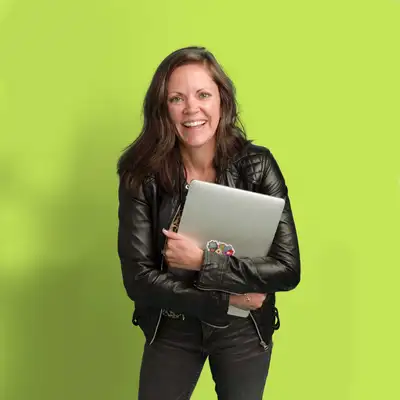
This is a show for burnt-out fashion designers (and TDs, PDs, patternmakers, textile designer and beyond) who want more flexibility in their career while still doing work they love.
You'll learn how to build a freelance fashion business, so you can do the work you love on your own terms. Freelancing in fashion is the only way to get freedom in your day (instead of being tied to a desk).
Whether you want to earn extra money on the side, fund your fashion brand, or replace your salary, the FDGP podcast will help you get there. Listen in for actionable tips and strategies to kickstart or grow your career as a freelance fashion designer, build your confidence, and create the life you want.
Hosted by $100k+ fashion freelancer Sew Heidi, the show features interviews and strategy sessions with successful freelance fashion designers from around the world who've ditched toxic fashion jobs and taken control of their own destinies. This is the only place to get REAL insights from REAL freelancers who have built REAL careers on their own terms. (Formerly the Successful Fashion Freelancer podcast.)
In this episode, I'm chatting with Kristen Anderson, a freelance fashion designer specializing
in lingerie and swim for startup brands. Over the last three years, Kristen's freelance
career has grown so much, it's transitioned in a big way. She actually wound
up turning her freelance career into a full fledged fashion design agency.
Our conversation took many interesting turns, but some of the key things we talked about
include how she built out her agency and started hiring other
freelancers to work for her. How she's optimized her LinkedIn
profile and website so clients can find her easily. How she
switched to a retainer only pricing model after hourly and project
based pricing were not working for her. And last, how she's building her own
intimates brand on the side, which includes spending five weeks in Sri
Lanka earlier this year. It is a super fun and inspiring
conversation. You're going to love it. Let's get to it. Kristen, welcome to the podcast
again. You and I were just chatting before I record. It's been about three years
since you were on the show and there are a lot of exciting updates
that I cannot wait to hear with you and your freelance career, your freelance
business. Let us know. First, we'll point everybody back to the original
episode where you came on so people can get the full backstory. But
first, please introduce yourself in a few sentences and let us know who you are
and what you do in the fashion industry. Sure. My name is Kristen Anderson and
I've been in the industry for about 14 years now. I work
with emerging and startup brands to help them build and
develop their collections from beginning concept through
production. And that's a little bit about me.
Yeah, and you're pretty niche because before,
as soon as we got on the call, I was nerding out on your
zoom handle, literally says lingerie and
swim expert. Yeah. You specialize in that
space. Yes, absolutely. I have been
pretty much dedicated to the swim and intimate space for my entire career.
So I decided to cancel any other projects
in ready to wear and or baby kids, anything like that,
because it doesn't light me up and I am not very experienced in
those realms. So anytime I feel like I have that kind of
job come up, it gives me a lot of stress. And also it's
not my zone of genius. So I feel like, why would I want to spend
my time doing the things that are really challenging and don't light me
up versus the things that I know I'm really talented at and what
I love doing? Yeah, totally. Okay, so
as you and I chatted about in your first interview, which I'm going to double
check here with episode 117, so we'll link
to that in the show. Notes, everybody, but just
double checking that now. I had it in my head, of course, yeah, 117,
you had a career in the industry. You worked in house, you dabbled in
freelancing. It was a little bit of a mess. You didn't totally know what you
were doing. Then you kind of figured things out. You started getting a lot of
traction. You quit your full time job. You leaned into
freelancing. That was when we chatted three years ago. So
three years ago, you had left your job. You were
freelancing exclusively. Now
you have a team. You work with other freelancers, get
us up to date on sort of what's happened over the past three years, and
then I'm going to dig into each of those things. I'm going to ask you
how you actually got that success. Yeah, absolutely. So last time we
met yeah, I was pretty much I had one intern
at the time that we had last spoke, so her name is
Jasmine. She's actually still part of my team. Yeah, she
went from being an intern and she was with me for her student
co op at Drexel, and then
she stayed on as a part time assistant. And when she graduated, she ended
up becoming my first full time employee. So that was really amazing.
But so I only had Jasmine that was helping me as an intern when we
last spoke. So over that course of time, I
had hired a virtual assistant. I think actually, no, I had a virtual
assistant at the time, but I think I went through some transition periods with
different virtual assistants and trying to figure out what did I actually need when it
comes to virtual assisting, it's. A serious learning
curve. Yeah, you just don't know
until you start dabbling into had. I had my virtual assistant
and I had Jasmine last time we spoke, but since then we've grown. We have
a few more people on our team. I traded off the virtual assistant for somebody
with more of a marketing background. Instead,
I found that I didn't really need the virtual assistant as it was
mostly doing things around my personal life schedule that I just
didn't have a whole lot of time for, like setting up doctors appointments and
making things that I would not make the time
for. Doing things that I would not make the time for. But yeah,
at the end of 2020, I feel like it wasn't
much different. But by 2021, I had met
Monica, who is a technical designer that is also part of my team now.
Okay. And Monica and I have been working together since early
2021. How'd you guys meet? So it was kind of
interesting. She replied to
a job feeler I kind of had put out on LinkedIn for a
CLO 3D designer. Okay. It was interesting because
at the time, she didn't have any experience in Clow 3D, but she was
really keen on technical design and wanted to learn it.
So she kind of just reached out and told me that she was
interested, wanted to learn, wanted to see what I thought about that,
and honestly, we kind of just started
trying each other out almost immediately. It was like two months
later, maybe. And she was like, okay, I'm thinking about leaving my full
time job. Can I have some project based work for
you at the moment? And we can see how that feels.
We clicked so immediately, so I just kind of gave her the shot,
and eventually she actually took some time off and went on
her own little sabbatical journey because I had done that previously.
And when Monica came back at the end of 2021, she had
really known figured out all of Chloe and how to
use it. And so she left and came back as a
transformed designer. So it was really cool. That's cool. Okay.
And I love that this is all happening, like peak Pandemic.
Okay, so you get Monica and
keep going. Yeah. So, I mean, Monica came on in March of
2021. I had also been working with
Riley, who is now the marketing side of my business.
She had reached out in October or November of
2020. People just reach out to me, and
if I vibe with them, I try to meet them. If I
feel like Synergy, then I'll tell them like, hey, I don't have anything for you
right now, but stay close by. Remind me. Don't
forget that. Tell me you exist every now and then so that I could come
back to you. And if I could give you a project, and if I could
throw you a project right away, I mean, I will, but if I can't,
just don't let me forget you. So Riley had reached out in
2020, and then she lost her job. At some point through the
Pandemic, there was like another period, and then it came back.
So Riley was trying to figure out what she was going to do. She actually
had taken one of your courses, I believe, which had made her reach out to
me, which is kind of like a funny full. Oh, is
she in Fast, my freelance program? I think it was
fast. Yeah. That's the only program we have that would
actually initiate someone to do Reach Out. Yeah.
Otherwise the programs are more technical, like Illustrator
and tech packs and stuff. I'm pretty sure that is what she
did. You launched that in the Pandemic at the beginning of it?
Kind of. I mean, it existed before the Pandemic, so
yeah, it would have been ongoing then. It would have been available then. Yeah, she
could have been in it. Okay, yeah. Then definitely that was the one she had
because she told me about you and how she had
heard about reaching out to people and all of your thoughts on
just try just put something out there and see what they say.
And so she did that, and then
her full time gig was not lighting her up, so she was working a full
time job and side hustling with me as much as she could. And she
was working at a uniform company, and she's a designer and she
lived in Ohio, so there wasn't a whole lot of opportunities for Riley
to go out and find new fashion jobs. So
once we started working together for a little while, a new opportunity kind of
arose where my virtual assistant at the time was leaving.
And I was like, I don't know if I actually need another virtual assistant or
if I need somebody else that actually knows more about fashion
and knows how to talk the lingo and speak about it
on social media, because that was kind of what I was struggling with at
the time. And social media was really important for the business, it seemed.
Anyways. Lots of different tangents there. Okay, yeah, I
want to talk about that. Let's just pause and talk
about that. Social media was really important for the business.
I mean, it seemed yeah.
Honestly, I think social media is already, like, going through this
really weird renaissance of things.
I don't know what to do with it. I feel like we put time and
energy into it and it kind of goes into the void. And
I also recognize that you have to have a presence because
there's this thought of, like, if I can't find you on social media,
you're not real. Right? Yeah. So you have to put
yourself out there. You have to be a content creator if you have a business
in this kind of space. And it still feels
very much like you have to do these things even if
they are sort of devoid of. Payoff,
even if you're directly not getting the clients through that, it's
like you feel this higher level obligation to just keep doing
it. Absolutely. Because if you die on social
media, are you dead in real life? You die in real
life. That's literally what I was thinking. Yeah. Are you specifically
talking instagram? I am semi specifically talking Instagram because
I think Instagram is like the pits right now, for sure. I mean, I
was looking at yours right before this call, and I noticed you took some kind
of breaks off of it too. It seems like six months
has been the best decision of my life. And guess what? It's not me posting
on there now. Yeah, I have someone on my team doing it.
It's a very toxic place for me. I do not
want to be there. It's not healthy. Yeah, I totally agree. And if it
was up to me, social media with
I don't think it's doing benefits for us at this point in a lot of
ways, and I think it's also not beneficial to brands at the
moment that much either. I don't feel like they're flourishing because
of social media. So are you guys still kind of
trying to actively, regularly post? Yeah. I mean, we have a
presence, and I think we post like it's our portfolio
and we show off our clients and we talk about the things we're working
on and relevant blog posts we have, but we're not.
Necessarily. There was a point in time where I was making a whole bunch of
reels and it was
like I don't think I ever once got business
from one of my instagram reels either. I think almost
nothing came back from it. Yeah, not in a
real fully tangible yes, that came from
Instagram. Yes, that was 100% from there.
It's always hard to tell where, but most of my inquiries and most people find
me on either LinkedIn or Google. Okay, so
yeah, let's talk about that because I think it's
easy to get sucked down this like, oh, I have to have this Instagram presence.
And I teach that you don't I very adamantly say,
forget it if you really want to be on there, because you
are going to be reaching out to brands there, or something like set up a
nine by nine grid or three by three nine square grid that just
feels like a portfolio. Like you don't need to be posting regularly. Just get that
presence up there that feels really cohesive and niche and then be done.
So let's talk about clients then. So clients are
finding you on LinkedIn and Google. What talk about this
because I hear the LinkedIn thing sometimes. I don't hear
a lot of people on Google unless they're super niche, which you
mean. I think that definitely helps. I think being hyper
niche is somewhat helpful. I think it's also tricky. I mean,
Google in general, it's hard when you have a service based
business and it's also
tangentially connected to the e commerce space because when
it is, it actually becomes hard to find people like us.
Because when you search for a lingerie designer, you
find designer lingerie, not a lingerie designer.
Oh, right, okay. I guess unless they're putting
the qualifier like freelancer in there. Yes,
you have to have either that word or something else. I did have the
word freelance in my web page for a long time, but I
also took it off more recently because it didn't feel
connected quite to what I am now. Because I'm your business.
Like an agency. Yeah, I don't know what you call. Yourself, but
yeah, I call it an agency at this point. But it's
just so weird because it's like people do find me on Google. I think part
of why they are able to find me on Google is because I've been building
a lot of educational content and blog posts over the I think, you
know, if you look for what are lab dip? That is
something that almost nobody ever covered on the internet. And that's something
that people find on my website and they go to it
and there's just weird little things kind of like those
that are just like, this is so freaking random. And nobody ever
talked about it. Totally. So that's so
interesting. Okay, so you've built out your blog, which sounds like is
mostly an educational platform. You work with smaller startup brands,
so you're specifically thinking, like, what types of things
might they be? Googling? And then you create that resource and then they Google it.
You come up because like you said, a lot of these topics are stuff that
a lot of people aren't really blogging. There's not a ton of content out there.
It's not super saturated. It's not like how to lose weight or how to get
a six pack that's super saturated. But in our niche, I think there's a lot
of interesting opportunity. So, okay, you've got these blog posts
and people are finding you that way, and then they've got some type of
contact form or something. And is that the funnel? That's part
of it, yes. We have a contact form for clients. We have a
contact form for newsletter, like people who just want to sign up and subscribe
for a newsletter. Sure. We also have a couple of different
courses available on our website, lead Generation things
as well, to help people find us and get
us. We have a checklist for fashion
founders who are just starting off the fundamentals that you kind of need
to have for building a brand. Another one we have is
like an entrepreneur quiz to tell you what kind of fashion entrepreneur
you are. And it gives you guidelines for if this is you, then
you might struggle here. And if you're struggling here, then get help
with somebody that has this experience or
yeah, okay. I have to throw out a disclaimer to everyone listening
because I know it could turn into very
shiny object syndrome or overwhelm of
like, oh, well, then I need to start doing all this blogging, and I need
to start like I need a lead magnet and a quit. It can get really
overwhelming really quickly. So I want to be mindful that this is not how you
started your freelance career. This is how
you've now strategically built it out once you were
established. Now you have a team, you have help. It takes
time to build out this type of a presence and platform.
Absolutely. This is not an overnight thing. I was
literally just on a call with my team earlier and we're building SOPs
for our whole business, basically, and just trying to streamline things.
And I'm telling them I'm like, guys, this is not something that I expect you
to finish in a day. It's going to be like a long process and that's
what it is like, creating content, creating anything. It's like
a long time before you see the churn of success that actually
comes from it. And you do not need all of this to get started.
Yeah, no, like, you got started as we talked about,
doing just basic outreach. Like some, I think cold some
through your network. But you didn't have this massive presence or anything?
No, I barely had a portfolio
website when I started. Barely. And you were able to build up enough
to quit your job and have this amazing
so, all right, so you're getting people through Google, and then you said
LinkedIn to talk to me about that. How's LinkedIn working for
you? Well, I've realized recently that I've become kind
of more influential on LinkedIn versus Instagram
especially. I cap myself getting a
lot more followers on LinkedIn versus Instagram.
I'm more interested in the content on LinkedIn personally because it's like
business related and I'm always interested in new books and finding
out what's going on in the industry and whatnot. So I just find myself on
there more. And when you're on a platform
and I have a very filled out portfolio
or not portfolio profile on LinkedIn, I tried to
get reviews and recommendations and as much as I could,
I tried to fill out the fullest profile on LinkedIn I
could so that I can be found. And I think at the end
of the day, it's just posting content and putting it out there and
repeatedly asking people, do you need
help? If you're looking for somebody, here's what our team does, and
you just have to put yourself out there again and again. And I know it
feels painful sometimes. Okay, what exactly does
that look like, though? Because you're like, okay, I am posting
content regularly and then saying, hey, if you need help, walk
us through exactly that process. What are you posting? Well,
most often I would say we are posting our blog
posts. That would be like, educational content we share. But
it also might be like, I read a news article and I thought it was
interesting, and I might not necessarily put a clear
call to action, and it might just be like me commenting on it, but people
still see me commenting on stuff about sustainable
fashion and how she in is
disgusting. It's all of the things.
So I think that's part of it. But another example is
a few weeks ago, it was a picture of my
face and it was just me, like, saying, hello. It's been a while since I
put my face out here. I usually am behind the scenes doing
the stuff that you don't ever see. And
if you're interested in learning more, we have
an opening in July or something. Like, I put a little thing at the end
of it. We have space available if you're
interested. It works sometimes, and sometimes
it's like a flop on LinkedIn. Your
posts don't always magically take off, but sometimes they're successful.
And usually I find that pictures of your face, people
like seeing faces. So I would definitely
suggest, if you're trying to get your face out there, trying to network, put your
face out there and say who you are and introduce yourself and tell
people what you like. To work on and what you're good at and sell
yourself right there. Yeah. And you're doing this
on your personal profile? This is not a business page.
Yeah, I do it on my personal profile because that's where I have the
following engagement. Yeah. I honestly don't think that a lot of people
interact very much with business pages on LinkedIn either.
They like them and they'll like a post, but they don't comment on things
as often. And I feel like those things end up in the dead zone.
I would comment do it as yourself, try to build
connections, get your face out there. Yeah. It's
really nice when you do it enough because if you are in a
niche and you niche down enough, people actually start
to know you. And they do. Totally. And
yeah, I think it's nice to think about doing a well
rounded having a well rounded type of presence there. Right. Like you said, sometimes
you're maybe commenting on an article or maybe you're sharing it to
begin with and you're sharing some of your opinion like an op ed type of
piece. Right. And then sometimes you're
sharing content of your own that you've created, which is like educational.
And arguably you could do that without having created that whole blog post in the
first place. So for people that to not get overwhelmed with creating a whole blog
is like, hey, here's a tip on, think
about what is your ideal customer, where they're stuck, right. Or
what's something, a question they ask a lot and then just post that as like
a little educational tip, right, directly in LinkedIn. Yeah,
absolutely. That's a great idea. I've also seen other people and I
just need to take up myself on this, but little image
carousels or galleries of instructions and tips and ideas that they made in
canva stuff that's simple, easy, not super
crazy wordy. Just like big step instructions.
Like do this if you want that. Totally.
And then the third type is being a little bit more
personable and then sharing about who you are, what you do with some type of
soft call to action. So it's a variety of all the different things.
Are you active on there regularly? Are you posting or
doing something every day? I would
say I don't always post things
on my own posts every day, but I would just generally
say I'm poking around there just about every day making
comments. Not always like
commenting though. Sometimes it's just liking things throughout the day.
It just depends on my mood too and how much time I have to do
that because I tend to do it in the morning and I also tend to
just post in the morning in general on LinkedIn because I feel like that's
when I actually think I learned something a long time ago. And
it's like something about CEOs are on LinkedIn early because that's when
they wake up and they're like and then the
people who are on LinkedIn at noon and lunchtime, and they're like the
slackers who don't care about oh, my gosh.
Wow. Okay, so you're that CEO
that's up there every morning. Well, I'm an early waker,
and I just find that I'm looking at it for news more
than fashion news and headlines in our space more than
anything. But yeah, I don't know. I think that
commentary got warped in my brain at some.
So then you're getting clients through that
various engagement on LinkedIn as well as Google.
Are you doing any more outreach, or is everything pretty much inbound these
days? A lot of it is inbound these days. Although I would have to say
that I probably should be doing more outbound because I
feel like I have totally slacked on that. And we're kind of
in a little bit of a lull where we're not super duper
busy. But I also kind of designed that by nature because I've
been crazy stressed lately, because on top of
this, I also have another business of my own brand that I've been working on
for two and a half years. And it's crazy,
and it's been so hard. Is it lingerie
or swim? Yes, it's lingerie. Well, not lingerie
necessarily, but, like, bras and underwear. Okay. Got you
underwear, dressy. Yeah. Okay. And so what are you
doing with that? Well, it's become this crazy
beast, but I have been trying to
make a more comfortable underwire alternative along
with me and my team, not just me, but I have a co
founder, and we've been working on this for quite some time. We've been
using 3D printing to reengineer what an underwire
bra essentially could be and give you the shape of
an underwire without the feeling of an underwire, because
underwires are like they're
garbage. They're garbage.
Also, at the same time, there's a large degree of women
who a can't not wear underwires because they
need just like, they want the
look that an underwire gives, you know, because it's
a squishy bralette. Yeah. Shape and round.
Barbie boobs is what we like to call them. Barbie boobs. Yeah.
Okay. I'm like, I don't care how they look. I just need
to be comfortable. I feel you. I
mean, some women are less care.
But I get what you mean. We all have different feelings about our bodies and
shapes and whatnot. Okay, cool. So where are you guys at
with. Actually, it's funny because
Bridget and I, my co founder, we went to Sri Lanka in
March for five. Yeah, it
was crazy pants. We worked directly with a manufacturer
there. We basically found out that the manufacturer that we were working with was not
going to work, which was very disappointing.
We also didn't get quite as far as we had expected,
which was also not the best. But we have
recently engaged with somebody locally that is helping us, and so
we're trying to wrap up what we have in our
roster right now in the next six weeks. By the end of
August, I am hoping that we have something that we can take as
a file and give it to an injection molder so that we can actually make
a physical mold of the thing. We've been 3D printing for two years
because basically we've never seen it in the real material.
We've only seen it in 3D printed materials. And we need to get to this
next step so that we can get there. Oh my gosh. Wow.
Five weeks in Sri Lanka. That's amazing. Were you doing other stuff
for their clients there or was that exclusively for your brand? I was
pretty much exclusively there for the brand iteration, our
brand. But at the same time, I mean, I met with other factories
and I didn't make a waste of the trip.
It's never a waste. Yeah. Okay. Wow.
Crazy. That is wild.
I'm sure the date is fluctuating, but when do you
hope to try to launch this? Are you going to do like a Kickstarter? How
are you going to launch this? Originally, a long time ago, we thought about doing
a Kickstarter, but we learned that Kickstarter is actually really fundamentally
difficult these days just because you need to have like $2
million basically in the bank for your advertising
of a Kickstarter to be monumentally successful. It does.
It takes a really big backing to actually have it be successful
on paper. And you're like, oh, but I spent all this money. Yeah,
it's very challenging. But no. As of right now,
I believe that we are probably on the path for
if our summer plans work out, we should be able to jump into
wear tests before the end of the year with our community
of users. We have around 1200 users right now in
the community that we created to help us build this product. That's
amazing to do. Bring them behind the scenes with you and
actually develop it collectively to get real input from a bunch of
different people. Wow. Creation. How did you get
1200 people? I mean, it's been working on the community
since last summer. I would say we launched it about a
year ago, maybe eleven months ago. Okay.
A lot of it's just been grit and heads down.
My co founder has done a lot of outreach and trying to get
people interested in this from other communities and different groups and
whatnot. We were also part of Everlane's next
collective last year. So that was part know,
something that helped get us some traction last year, I would say.
And that helped get us a few people in our community too.
But yeah, a lot of it's like. It'S hard work, it's
a mean and look at you're running an agency
and doing this really big undertaking. You're not like, oh, let
me not just but go cut and sew another
bra. It's like a really
massive technological. Undertaking. But that's really exciting.
It is. It's massive. It's exciting. It's also so
crazy. And I think that's part of why I've been like, I need to take
some chill, time, a break, and not
feel. So I don't know. I think the interesting
thing about it, having felt it as myself as a founder, and also having
seen it from other founders, is that there is this pressure and
this desire to go as fast as you
can no matter what. And why can't
I just keep going fast? You want to control the situation so much and you
want to be the one who says this is when it's going to happen and
this is when it's going to be done. And honestly, the reality of things is
when there's projects like this and you're trying to do something really different
and not just like the standard fabric cut
make into something. You never know when the end
is. I keep telling I use the analogy of
climbing the mountain all the time and I'm like, I feel like I'm
at the top. I'm near the top of the mountain. It's starting to get like
cloudy and not sure. False summit
again. No, it's not the one. But I feel like when I do get to
the top, eventually it will be okay and the sky will clear and I'll know
my way down. But
there's no other explanation other than you have this
idea that you want to bring into the world and
you know that you are the person that is meant to do it. And
the fact that you have it just sitting on the back of your brain, just
like, get it out there, get it out there. Do it, do it, do it.
It's just mind boggling. Okay, so I
have two questions leading off of that, and I know this conversation is taking a
whole different turn. I don't like to really prepare stuff in advance, and I know
you had sent me a few talking points in advance, but how are you funding
all this? I got to ask self.
Okay. Yeah. So I don't want to plant any
seeds, but one of the benefits of freelancing or
running your own business agency, however you have it structured,
is you have this foundation where you're able to still make
money, right? But then you have the freedom and flexibility to then also do this
project on the side. Like, could you do this if you were working full time
in house? I mean, how would you go to Sri Lanka for five weeks? I
don't think I would. Yeah, I don't think I would be able to do what
I had done if I had been working full time. Yeah, I'm a big proponent
of freelancing. And so what I'm trying to say here is
and I think for some people who want to do their own brand,
freelancing is a great companion to that. Right. Because you
have that income, but you also have all the flexibility to do
what you want. Oh, absolutely. I definitely
hear you on that. And I think that is exactly how I went into this
with that mindset. Because when I started my
very first business brand, I did everything by myself.
It sucked, it was hard. I tried so much
and I failed miserably. And then I realized that I do really good design
stuff. Why don't I just do that for people who need it? And
it was so clear that
that's what I should be doing. But also when I
had the idea for iteration, when I decided I wanted to work on this company
and I was like, well, I had
already tried my own brand at one point a few years back and I was
like, but I've now been doing this for other people. I have more confidence now
because I've been doing it again for more people again. And
I'm like, I don't actually have to do it quickly. I could do it at
the pace that it takes and I could do it on the side and I
can go whatever time it takes, it just takes and I don't
really need to make it go fast. That was my original
inclination when I had started it. So take it
for what it is. I also now have a co founder. I didn't have a
co founder when I started it and when I had told myself I could go
slow. And when you have another person that's also depending on you, things change.
But sure, at the end of the day, it creates
an amazing basis for you to do your
freelance and also build your brand because you've got some sort
of income coming in that helps you stabilize. And you
also have the idea that I can still work on something that lights
me up and is totally, fully mine at the end of the day.
Because I think we all want ownership
of something at the end of the day because it's how you
become wealthy and how you develop money or compensation
for yourself is like ownership. Everybody knows that
if you can own that and make something that you can own, that's
magical and even if it takes ten years, at least
it's yours and you've done it. And that's kind of how I have always
been thinking about both of my businesses in the sense just
like, it's never going to be somebody else's, so
it's going to be mine and I'm going to sit through the consequences of
it and any of the challenges and also
enjoy the benefits and the rewards. Totally.
Okay. So that whole conversation kind of leads me to something else that you had
brought up that you thought could be insightful for listeners was
like working with startup brands and people that are kind
of sew to the industry because that's a lot of the brands that you work
with. You said interestingly enough, and this is something I
talk about is like I don't want you to mislead your clients in any
way, but oftentimes working with a bunch of clients, you
can use that as a learning curve to then do your own
brand a little bit with a little bit more intelligence, right? You can
kind of see the mistakes that they're making firsthand and you can learn
while getting paid. You can't go into it completely blind, right? Obviously you have to
have some skills and some knowledge and a base. And again, don't
mislead your clients about what you are capable of, but it's always going to be
a learning opportunity. And so, like you said, you've worked with so
many startups and small brands over the past few years that
it's helped you in developing your own brand. So
can you talk a little bit about some of the lessons that
you've learned and maybe even challenges too of
working with these small brands
that haven't launched yet that maybe don't know much about the fashion industry?
What does that look like from a freelancer or like an
agency perspective? That whole process.
I think you have to realize that most people who are
coming into it, at least for me, most
people who are coming into it and are really interested in being
successful as a brand owner, they're going to
be somewhat curious about the whole
process. And we have to honor that
curiosity in some way and teach them
about what they're doing because
I don't want to help build the brand and put
something into the universe. And then at the end of the day, still not
have fully educated the person who's owning the brand on
what they're selling. At the end of the day, I'm not expecting to
give her or him my full set of experience because I can't
do that in the time we work together. But the idea that we
have to be people who can help
others to learn the lingo and to understand what they're doing so
that they don't look silly if they had an interview with a
magazine or something so that they can talk right about
it. You don't want them to be like, I don't know, we made
that. Yeah, it could just be
so bad for them if they don't know what they're saying. And so
I think understanding that, most of it comes from a curious
place and if you don't think it comes from a
curious place, try to remember it comes from a curious place. Because
sometimes I think that clients will like, I've done it so many times,
I've done this so many times and they'll be like, well, why are we doing
this and why are we doing that? And I'll be like, well, that's a good
question and I should absolutely be able to tell you why. But
initially, years ago, I would get sort of frustrated by those and I'm like, why
am I getting frustrated. It's like things they don't know,
they can't learn from thin air. So part of it
is just letting people be educated, giving them the
education when they need it, being open and honest and
transparent with your feedback so that you're not like if you're having issues with a
client or if a brand is not clear on what you're
doing and how you're helping them conversation. It's like talk to
them. Empathy. And just looking at people and
saying, this is what I'm thinking you're meaning by this? Is this what you
mean? That can go a long way. Just communication. Yeah. How
do you manage? Because I know this is where people
get stuck here, is like when you're working with these
smaller, independent brands and they do have a lot of questions, right.
And it's coming from a place of curiosity. And again, they just don't have the
knowledge, but building
time into the project to make
sure that you're getting compensated for.
Because and I don't know if you're doing any projects that
are quite this small, but let's say someone hires you to do one tech pack,
right? And so it's like hourly, maybe, or
like a set price, right? But then they have like 800 questions, and they want
to spend an hour on the phone. And that could arguably scale
up with a twelve tech pack project or I don't know, whatever it might look
like, right. But managing that balance between
here's kind of what I had originally quoted and
then Scope Creep, where we are now, getting sort of I
get that you're curious and stuff, but at the end of the day, it's taking
a lot of time. How do you manage all that? It's a good
question. I don't know that it's ever been in so much excess
that I felt like I couldn't answer the questions.
I'm also like, a super people pleaser, so
I don't know if that's part of that, too.
I would say that as far as requests
go,
this will probably be a different tangent that we go down. But I don't do
project based pricing, and I don't do hourly based pricing anymore. Oh, good.
Packages. I basically have a retainer based
pricing. Okay. It's really based on the number of styles
that you're developing and how many you're doing at once. Are you
working on different categories? Are you working on one category? Is it like one
delivery? Three? It just depends on the client.
But at the end of the day, Scope Creep is so hard.
Pricing by project is hard. Pricing by hour is hard because
it's a race to the bottom for pricing by hour because they want you to
be as fast as you possibly can be. And you're like, I need to put
time and energy and effort into this to make it good. And project
based pricing, you're hoping that you can get it done in the completed amount of
time. So that you make a decent bottom line on it. But it's also just
like a fairy wish right now. I don't know how much is and
it always ends up being bigger than it is. So for me, I found that
retainer based monthly project sort of linked
to projects is the best way for us to limit
that. And so we have our smallest package.
It still comes with unlimited questions, basically.
Okay. And that's never turned into a problem. It's never turned into a problem. And
honestly, I think part of it is just how I
manage my own systems, is I am very upfront with everybody. When
we start working together, we have rules of engagement. We explain that what
our communication is like in our rules of engagement, and you can
expect a reply from me within 24 to 48 business hours if you send
me an email. And I'm not going to race to send you a reply to
your question. So that's part of it. I will get to it as
soon as I can, but that might not be my top priority. The other you're
setting those expectations up front. Yes. And one of
my last one for my rules of engagement is that I don't work with
assholes. So if you are an asshole, I won't work with you. So
honestly, I think it's fun. I think it's cheeky.
Totally. People don't need to I don't need to pretend like I'm
somebody who's just going to be stomped around. I'm not going to work with you
if you're a jerk. No jerks, please. So
this is really interesting. When do you present
the rules of engagement? It's as part of a contract.
So once they want the contract and they're ready to sign,
I send it along with like a schedule of here's what you can expect
in month one, month two, month three. If we're doing the development
of something, it usually takes about a year. So we just kind of map out
all the things. Okay. And I've never had somebody not
sign it because they thought I'm an asshole.
I'm really curious about that. And I want to talk about the retainer model, too,
because I love retainer models, but they can be a little bit more advanced. I
don't think it's great when you're first starting, necessarily. There's a lot of nuances
to it. Yeah. But for sure, the rules of engagement,
so it's setting expectations for your
response time. Yeah. Don't be an asshole. What else you got in there? I'm going
to pull it up right now. Pull it up. I don't know what I have
in there right now. This is so interesting to me. I've never
heard this before. You're the first person. It's like one of my favorite
things. I also shared it with my team because I was like, I want you
guys to know what I request of our clients so
that you know what I am. The standards are of you
too. I love it so much because one
of the things I talk a lot about is communication and setting expectations. Because here's
the thing. If you are that freelancer that replies in like five minutes to
everything and then the next week or the next month, you're really
busy and you're not replying so quickly. Your client, you've trained
them to expect that you respond really
quickly, and as soon as you don't, they're feeling like
abandoned. Oh my gosh, she's letting the ball drop on
the project. Like she's not performing and stuff. So setting these
expectations, and I hate to say this way, but you're kind of our training people
that this is how it works. Totally. You say much more nightly rules of
engagement. Not like training, but okay. Did you get it pulled up? I want to
hear. Yes, I've got them. So number one is trust and
mutual respect. Pretty straightforward there. I outline these
a little detailed too. I'm not going to give you the whole thing. These are
just the headers. Okay. Yeah. Trust and mutual respect, shared values,
timeliness, communication, forward thinking and playing
nice. Okay. I like this. I also like the
timeliness one because it's not just about how quickly you respond, but we all
know how annoying it is to be nagging a client for the thing and you
can't get the thing. Yeah, I'll read you
these two because I do think they're good. Okay. For timeliness, I wrote, the design
and development process are incredibly deadline driven. We commit to
responding to questions and emails promptly within 24 to 48 business hours to
continue moving things forward. That's basically them
agreeing to it and. Us agreeing we commit too. Yeah. I love how you
totally position this as like a very team effort. Yeah. Okay. And
then the communication is communication. We believe in communicating well
is essential. If something isn't working, let's talk. Having partnerships where we can speak our
minds without worry is part of what makes us great at working together. We prefer
using email whenever possible to allow for easy searchability. Okay.
I don't want people to text me and stuff and that's why I put that
one. No. Yeah. Okay. Oh, this is beautiful.
I love this. I'm really nerding out on this right here.
Okay. So the rules of engagement set a really
get tone and expectation for the project. So everybody's on the same page.
That's fabulous. Talk to us a little bit more about the retainer
because you said it's typically a year. So
are you getting most brands to sign on to working with you for a full
year? I would say that no, it's not
necessarily that they sign up for a full year. I think it's something right
now where I think it's like a three month period of sign on. Okay. But
that's still great. Yeah. Because
we don't want to start a project and then stop or keep
that press stop. Generally speaking.
I've never had somebody come on and sign off halfway through, so
I've always retained a client when we start the process.
Unless I was the one to fire them. I've only done it once. But
you did do it just once. Do
you know who you are? I
hope you're not listening. Awkward. I'm just
kidding. They probably have no idea. They probably have no idea.
It was a project very early into it. Okay.
They got no clue. Okay, but three months?
And how do you structure these packages? You said it's kind of based on
a number of styles or something. Yeah. So we have our
baby package is like a bootstrapping package, and it's just like, one to three
styles. So it's like if you're working on a Hero product and
this is the thing you want, and that's it. But
basically, we kind of have a baby package, and then we have all the way
up four package levels, all the way up to Enterprise, which is, like, if
you're doing a lot of stuff, making stuff.
But basically we just kind of they're slightly different based
on roughly. I mean, I have a calculation of something
like around $1200 to $1,000 per
style per month, basically, if I'm being fully transparent, which I
clearly am. Okay, so roughly $1,000
per style per month to work with them? Roughly, yeah. I
mean, it changes based on how much volume you have. If you have more volume,
it's more or less. So then how do you
manage that workload wise? Because arguably, you
could certain parts of the process
go faster, and then others, like
design and tech packs, is totally in your control, and you can
perhaps bust those out pretty quickly. Then you send it off to the
factory, and you're just sitting there waiting for samples to come back. Right. And then
you send the proto and the comments back, and then you're waiting, and there's a
lot more downtime. But how do you really
think about how to manage that from a workload perspective from your
team? How much time are we actually putting into this for that? Let's
just say $1,000 per style per month. It's probably
not a good answer because I
don't really have a great way to fully manage it other than I've
been doing it for a while, and I kind of know what it's like to
have the push and pull of, like, okay, we've sent out samples. Okay. Now we're
waiting for them. And my team is
constantly developing their skill set as well. So I would say that in the
times that we're low or down or we're not as busy,
they're working on teaching themselves. Chloe and becoming more
useful and working on making block
patterns. And we try to use the space
in between to make it more helpful for the times that we're busy.
So even right now, one of the things that we're
sprinting on in the next month is that we're mapping out all those,
SOPs we're going to have a database of all the SOPs we
had somebody come on a new designer came on in February of this year. Her
name is Trudy Gardner and she's a 3D designer. She's a fast
student. Yeah. Oh, my gosh. Wait, I think
you put this in the email and I totally forgot. Yeah.
Okay, hold on. Shut the front door because I'm interviewing
her on the podcast, like, tomorrow. Oh, my God. Amazing.
No, Thursday amazing. Thursday. Oh, my God.
Wild. So someone told me you guys were working
together. Either you told me or she told me, but she's one of my yeah.
Yeah, it was probably her that told you because you and I haven't talked
too much lately. I thought maybe you put it in one of the emails or
something and I read the email chain. Yeah. Anyways, that's fine. Okay. I don't know.
Yeah. Trudy, how'd you guys connect? Same story
as basically everyone else. Like, Trudy somehow found
me on the Internet okay. Emailed me, and she basically
well, she wanted to understand she emailed me like a
year and a half, almost two years ago now, and she was
just learning intimates design, and she was like, I
know you're in the intimates world. And she wanted to know what she should work
on because she's like an. Air pilot, like an Air Force
pilot or something. Like she comes from a whole different yeah.
Yeah. Canadian Air Force. Crazy. I know. And then got
into fashion, like totally DIY. Yeah. Okay. So she wanted
to learn about intimates. Okay. Yeah. And so she reached out.
We had like a zoom call. She explained what she know? Trying to
kind of I'm pretty sure at the time I told her, you should work
on Chloe if you're not working on it already, because I had already been working
in Chloe since 2021. And so I
was like, it's the thing or no, 2020. I started working in
it, not myself, but having things done in Chloe for me. And
I'm just like, this is crazy. You need to be working in
it if you're not already. And she did end up start she got
into really into Chloe after our conversation. She's been
basically Cloing up a storm. And
she's also part of the Intimate Apparel
Collective, and so she is part
of that, and I'm part of that as well. And so I've been seeing her
participating in that for the past year and a half. Okay.
And then recently at the beginning of this year, I was we one of
my clients was expanding their size range, and we were kind of
going deeper into grading and stuff. And I was like, Trudy might be somebody I
should think about having. Come on and see if she could help us with this.
And so she joined in February of this
year right before I went to Sri Lanka for five weeks. And
so it was a hot mess expressed. And
that's part of why we're making the SOPs now because when she get.
On okay to come.
It was a hot mess. This conversation makes me so happy.
I love hearing too, like the whole story and
evolution of like, she reached out,
you told her Chloe, then you saw her active. What is this? Intimate
collective? It's like a slack channel and
community that meets via zoom calls like once
a month. It's run by Nicola
now I'm like blanking on her last name
and I don't know where her name is on. My
have to I'm going to find out about this from you. I'll email you to
follow up. Okay, so okay. It's a slack community. Wow, that's the first time I've
ever heard someone say slack in the fashion industry. I love slack. Oh,
I love slack. I love
so you get so then you kind of saw her in there being engaged. You're
like, oh, look, she took this seriously. She's actually doing it. She's building her skills
out and now she's working with you guys. Yeah. How cool.
Honestly, I really do. I love
people who are motivated and want to really want something. I love
that. That is so inspiring to me and as somebody who has done that
in my life, when I see people who just go for
what they want, I'm going to try and help them get it. Because
if we're vibing and I can help you and I can get you to the
next level, I want to do that. I love that. If you are curious
about anything in the industry, I'm a good person to connect with because I'm very
friendly and I'm very happy to mentor and teach younger
designers. And it's not ever like a guarantee or
anything, but things lead from one thing to another.
Basically everyone was hired the same way. So if you
need something, if you want to learn about it, let's talk and we can figure
it out. Fabulous. I was just thinking another of my students,
Ashika, she does custom lace
design for lingerie. Is her last name
Chakrabarti? Yeah. She's in this community, actually. I
sew. She's amazing. She's like super.
She she lives in India, but she travels to the States periodically. I don't
know the exact logistics, but yeah. And she has
designed custom lace for lingerie for a really long
I don't I just thought of her because I was like, if any of your
clients ever like if you have any high end clients that want to do something
really special, that's her specialty. That's pretty cool.
Yeah. Oh, what a small world she's in there. Of course she is. That's amazing.
Yeah. It's called the Intimate Apparel Technical Collective. As
a full name. I kind of janked that up earlier. Just.
Collective. Okay, I'm going to figure this out. I love that.
Amazing. Kristen, it's been so fun catching up with you and hearing all the
things so much going on, it's really exciting. What's the name of your
brand? I want to follow that. It's called iteration. Our
domain is iterationera.com. Iterationera.com,
okay. Building a new era of intimate. Yeah. Amazing. Okay, we'll link
to all this in the show notes. Where can people find you and your design
services? At my website,
Kndrsn.com. That's the best way,
because social media. Is it is the pitch. And
don't text her, guys. Don't text her. Not giving out your phone number, but don't
text her. This has been so wonderful. Thank you
so much. Yeah. I have one final question.
The question I always ask at the end. What is one thing people never ask
you about freelancing and fashion that you wish they would? Or
running an agency. When do you sleep?
Yeah. You're also, like, launching this whole brand,
but okay. No,
I wish people would ask me probably what makes
you motivated to keep going and doing this? Because I think
the answer is why I keep doing it. And that's because I love
making women and everyone feel good in their
skin. Everyone deserves to feel beautiful.
For so long of my life, I struggled with feeling good in my own
body, and I don't think people deserve that. So if I
can influence people and make a positive impact on how they feel about
themselves, then I'm doing my job. And
so I would like people to know what motivates us, actually, to
make beautiful clothes. Yeah. I love that. That's a fabulous answer. Thank you
so much, Kristen, for sharing and coming on the show. Again, thank you so much.
It was so wonderful. Heidi, have a great one.