Subscribe
Share
Share
Embed
hol+ with Dr. Taz MD is redefining modern medicine through a comprehensive, evidence-based holistic approach; integrating functional medicine, integrative medicine, and time-tested healing systems to treat the whole human, not just symptoms.
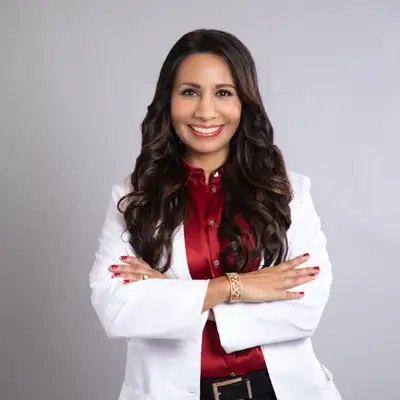
Hosted by Dr. Tasneem Bhatia (Dr. Taz), triple board-certified physician in integrative, functional, and holistic medicine, bestselling Penguin Random House author, and founder of hol+; a comprehensive evidence-based holistic medicine platform with clinics in Atlanta, New York City, and Los Angeles, and virtual care available nationwide.
At the heart of hol+ is a revolutionary framework: the Five Body Map- physical, mental, emotional, energetic, and social/community bodies that create whole health. This whole-human approach connects hormone imbalances, gut dysfunction, microinflammation, cortisol dysregulation, metabolic disease, autoimmune conditions, perimenopause, and stress-driven illness to the full spectrum of who we are; body, mind, and spirit.
Each episode explores Dr. Taz’s original clinical frameworks ;The Cortisol Loop, Microinflammation, and The Invisible Load alongside conversations with leading experts, celebrities, and thought leaders including Sophie Grégoire Trudeau, Katherine Schwarzenegger, Cameron Mathison, Carol Alt, Jane Seymour, Tamsen Fadal, and Kris Carr.
Topics include hormone health, gut health, GLP-1 and metabolic therapy, thyroid dysfunction, weight loss, inflammation, autoimmune disease, mental and emotional wellness, energetic health, and the future of holistic medicine.
This is the show where science and spirit converge- driving health, happiness, relationships, and family ecosystems.
Want to go deeper? Join Dr. Taz’s private community, the hol+ Circle ; medicine beyond the exam room. (holplus.co/circle)
A 2025 Webby Award honoree, recognized alongside the Mel Robbins Podcast in the 29th Annual Webby Awards, hol+ is built on the foundation of Super Woman Wellness, which surpassed 1 million downloads over 8 years.
This is medicine beyond the exam room. Welcome to hol+
[0:00] If you look at the mechanisms of how stem cells work and I think that's the bottom line you have to look at the functions of stem cells the huge part is
[0:07] anti-inflammatory. So messenymal stem cells has been demonstrated incredible anti-inflammatory [music] effect and as you know diseases chronic illnesses
[0:15] inflammation right or aging process is all tied to inflammation. So when you can calm the inflammation you can really allow the body to go into the
[0:24] regenerative process. I actually think stem cell therapy is a form of energy therapy. It's not we're not injecting
[0:31] molecules. It's not a pharmacological is energetic [music] because I'm injecting DNA and the DNA with its intelligence is sending signals
[0:40] through that intelligence. [music] So intelligence is a form of energy, right?
[0:44] So wow, it's the first time in human history that I'm injecting [music] intelligence into the body back into the body of my patients.
[0:51] Wow, that kind of like blows my mind a little bit to be 100% honest. That's so incredible. Almost every day in practice, I get asked about stem cells.
[0:59] People want to know what they are, where to get them, and honestly, so many of you are traveling all over the world to get stem cells. I want to get educated
[1:08] on this topic, too. And that's why I invited my next guest. Please meet Dr.
[1:13] Joey Kong, who is a triple board certified anti-aging physician and a stem cell specialist. She's renowned for
[1:20] her expertise in stem cell therapy and a commitment to educating both physicians like me and the public. With a strong
[1:27] presence in the industry, she has established herself as a trusted voice through her extensive lecturing at national and international conferences
[1:35] as well as her publications in scientific journals. Please welcome Dr.
[1:40] Kong. So, what what's going on? This I feel like the stem cell thing came at me out of nowhere. What's happening? What are stem cells? you know, how did you
[1:49] get into stem cells? Give give us a little peek into all of that.
[1:52] So, I got bitten by the stem cell bug about eight years ago. So, I was like every other doctor having no awareness
[2:00] of what's going on in the real world when it comes to stem cells because in medical school all we were taught was that there were stem cells and you can use them and there's research going on.
[2:09] That's all I knew. So, I was a practicing actually a psychiatrist. So after residency I was practicing for
[2:15] seven years and um I knew what I knew uh which does did not include stem cells until I met this doctor at the end of um
[2:25] like a addiction training and um he said hey you know I'm a anesthesiologist but I use stem cells I
[2:33] do anti-aging medicine I was like really what's anti-aging medicine and what you're using stem cells I thought they're doing research what what's going
[2:40] on so that was really interesting that shows you how even somebody like me who's really open to integrative
[2:48] medicine eastern western integration still uh I had no idea that people are
[2:55] actually conducting stem cell therapy already in this country that was eight years ago that was eight years ago so what he told
[3:02] me was look at what happened with this autistic kid I give him umbilical cord stem cells and look at all these changes
[3:10] that the teacher have noted down about 40 different changes, behavioral, you know, uh just yeah uh accomplishments in school, etc.
[3:21] And those are the things I could not uh make much of a difference in even though I was a psychiatrist. We were trained in
[3:29] treating autism. So that was mindblowing to me because you know unfortunately a lot of doctors these days are not
[3:37] curious enough. if their patient got better because of stem cell treatment.
[3:41] They're just like, "Oh, whatever." Or or whatever alternative treatment, right?
[3:45] They're still the brushing it off as one off. But to me, that was a turning point because there's something I didn't know
[3:53] that's so powerful that if I don't tap into it, then I'm not doing my patients justice. So, when I saw what he did for
[4:02] the autistic kid, even though he wasn't trained in autism, that's when I realized, okay, I need to dig into this.
[4:07] I need to find out what kind of research are done and what kind of evidence how how does it even work? Why why did it help this kid that I don't know how to help?
[4:15] That's amazing. I didn't even, you know, this is my ignorance again, but I didn't realize stem cells were being used for conditions like autism. I was thinking
[4:22] about it more or at least in my head it was more about like anti-aging maybe or longevity type stuff. I didn't realize
[4:30] it's being used very condition specifically.
[4:32] Oh my goodness. And that's the whole point of me setting up a academy, American Academy of Integrative Cell Therapy when I teach doctors. Yeah. We
[4:41] have like over 30 categories of organ systems and dis disease categories from head to toe. Wow. You know, from set this organization up.
[4:49] Yes.
[4:50] Okay. Tell Okay. [laughter] Tell us about the organization.
[4:53] Uh if people are interested, just look up a.org.
[4:57] Okay. So that's the American Academy of Integrative Cell Therapy is about providing cell cell therapy and teaching
[5:04] doctors how to do it but also doing it under the the kind of philosophy of respecting the body as a very complex
[5:13] hole. So we're not just oh stem cell therapy is end all be all. No, we're doing it in a complex web of
[5:20] relationship that's called the biology of the human body. so important because even like if you look at the HRT community it's like HRT for all HRT for
[5:28] all hormone replacement therapy but you have to look at it holistically otherwise you can do more harm than good I think is arrogance if we only say my
[5:37] method is fantastic this is what everybody should do okay yeah maybe for most people it's going to be amazing but
[5:45] for some they may need something else stem cells can help everybody that's not a question But there may not be enough
[5:54] benefit for some people if they have a lot of underlying toxicity, maybe infection, hidden infection if you don't
[6:01] address those or if their their microbiome is completely out of whack, right? You need to adjust your nutrition. They don't have enough
[6:09] vitamins or or or minerals, then they can't really get to the place you want them to be. So that's why you have to address everything.
[6:16] Everything. It's all connected. We say that all the time.
[6:19] Yeah. But the thing is from head to toe you know in our clinic 90% of our patients actually are coming in for a
[6:26] severe and you know devastating condition. So it could be from autism, from dementia, um autoimmune conditions,
[6:33] all kinds of brain issues, traumatic brain injury, ALS, Parkinson's, um it can be internal organ issues, heart,
[6:41] lung, kidneys, liver, just testicles, really throughout the body. Muscular skeletal is the bread and butter of stem
[6:50] cell therapy. That's what people know most about, right? Kobe Bryant, right?
[6:53] Going overseas. But anti-aging is a small portion. Maybe somehow it you know got the best buzz
[7:00] not loud right got the best buzz. uh it is a really important part because my
[7:06] goal really is people can get uh various modalities incorporated so they don't
[7:13] get sick, right? So they start to do things that really can enhance their health and stem cell therapy is a powerful tool so you can keep your body
[7:21] functioning at a younger state so you never get to the decline which is the precursor of disease.
[7:28] Interesting. So let's start with some basics 101. What is a stem cell?
[7:33] A stem cell is a primitive cell that has the capability to replicate itself but
[7:41] also make a copy of itself that's a little different that can replenish tissue. So if we go back to the very
[7:48] beginning I always like the the very beginning which is the fertilized egg.
[7:52] So both you and me as amazing and complex as we are we came from a single cell
[8:00] and what the [snorts] hell's going on in that single cell? How did it know to become a full-fledged human with such complex organ systems all talking to
[8:09] each other somehow we are all walking talking you know generating thoughts I mean it's a miracle right so what was in that cell and that's what
[8:17] we're tapping into that first cell contain this DNA right the DNA is the blueprint for life is the most energy
[8:26] dense substance in the universe and what is energy and what's intelligence are they intertwined Do we know the answer? Not exactly. But you
[8:35] can imagine if there's information probably that's what the where where the entity is contained in, right? The
[8:43] information, this power that's within this capability to respond to the environment to generate
[8:51] changes. So, so that's what we're tapping into. So the first the fertilized egg is the first stem cell
[8:57] and from there downward um you start to form different structures right the the embryology the different layers we
[9:07] remember uh it's [clears throat] a complex complex process I think I did okay I [laughter] think so I'm trying to remember now
[9:15] it's a pain it's a pain right it's very complex so when you start to develop different organs
[9:22] there's a process where you go down the de developmental pathway to gain specialization and you lose capacity. So
[9:31] when you're very young early stem cells you you can become anything. The embryionic stem cells or the first the when we talk about embryionic stem cell
[9:40] therapy is really the cells that's in the inner cell mass um in the the in day five to seven okay of the the em embryo
[9:48] formation. Okay. So inside the the embryo there are the all these cells that you can obtain and each can form a full-fledged human being right so
[9:57] they're they're that potent but as they develop they start to lose the capability to become anything but then they gain function so they're
[10:06] gaining you know let's say heart they start to go toward the pathway of the heart until they reach the end stage of
[10:14] a stem cell which is a tissue specific stem cell in your heart you have heart specific stem cells. So that's at the very very
[10:23] end um end of the stem cell pathway and from there on embryionic stem cells which are from the beginning.
[10:31] Yes.
[10:32] Then you have different germ germ layers that each can develop into different uh stem cell lines.
[10:39] Gotcha. And then you have tissue specific stem cells.
[10:41] Right. So each of your organ types basically.
[10:45] Exactly. Okay. Gotcha. So each of your organ already have stem cells that can regenerate cells in that organ. This is
[10:53] the premise of how we're doing stem cell therapy right now. We're really not giving you a organ specific stem cells.
[11:00] And we may not need to because by giving you something called hemat uh the messenymal stem cell,
[11:09] we're actually able to send signals to your own tissue specific stem cells. So they can replenish the tissue.
[11:16] So it's like a commanderin-chief now being able to direct somebody further down the road. Exactly. Because they have the resources and the energy to do so.
[11:25] They have the information.
[11:26] And the information. Gotcha. It's like blasting your body with clear instructions. And a lot of times as we age, it is a miracle. That's why it's so
[11:35] incredible. It's so fun. And I see in practice that it actually works. So what's really interesting is when we were born, these messenymal stem cells,
[11:43] I mean, this is one type of stem cells, but they're very powerful because they're strategically positioned
[11:50] in every part of your body. So anywhere you have blood vessels, blood supply, these cells are hovering, well they're
[11:58] holding on to your blood vessels like a gecko on, you know, holding on to a wall and they will sense what's going through your blood vessels and then they will
[12:08] also sense what's going on in the neighborhood in the tissue. So they and they also talk they have their hands on the local tissue specific stem cells. So
[12:15] they're like hearing what's going on in the blood and then they're sensing what's go what you need in the tissue.
[12:22] Sometimes they can send signals into the blood so your entire system your immune system can respond. It's like gathering
[12:29] an army sending out this rescue signal so your your immune system will send what's necessary to help local repair.
[12:37] But at the same time if there's an area that is screaming of injury or inflammation
[12:44] those signals will be floating through the blood and the stem cells can sense it. So these messenymal stem cells when they sense these strong signals they can
[12:53] squeeze themselves into the blood vessel and actually swim upstream to find the signal. Once they find the highest density of the signal, they will squeeze
[13:02] themselves out and then that then they can produce all their signals to tell local cells what to do but also send signals
[13:10] into the blood. Fascinating. That's why meenyal stem cells so powerful. And what's interesting is the number of stem cells these messenymal stem cells I'll
[13:18] just call MSC's for short the number decline as we age. M when we were born you had one in 10,000
[13:27] cells as MSC's but by the time you're a teenager it's already down to one in a 100,000 right you have onetenth as far
[13:35] as proportion of number of cells and by the time you reach your 40s is one in 400,000 by the time you reach your 80s is one in two million
[13:44] so no wonder people are wrinkling and their organ functions are declining they can't repair as fast they have ulcer
[13:52] arthritis you think it's a wear and tear disease.
[13:54] Just look at the little kids how much they are wearing and tear in their body. Nobody is having osteoarthritis. Right.
[14:00] Right. So, it's a degenerative inflammatory condition because your body cannot keep up with repair because you're just running out of good signals.
[14:07] I love that. I hope everybody heard that. Aging is a degenerative inflammatory condition due to lack of the ability to repair. I think that's a
[14:15] really different way to think about aging and I think that's almost a hopeful way to think about aging because we can improve the way we repair and we
[14:22] can reverse inflammation. Those things are definitely possible. So when it comes to actual use of stem cells in
[14:31] clinical practice, what has the history of that been? Has it been used or known about for a while but was just kind of
[14:38] hush hush? Was it used in other systems of medicine or other countries? you know what's the background you know before we
[14:45] jump into how it's being actually used today.
[14:49] Yeah, the very first stem cell transplant really was the f first bone marrow transplant that was I think is
[14:56] the the right around 1960s. So right right at the the transition point uh so
[15:03] people did not know that they were transplanting stem cells. They thought there's something really important in the bone marrow that you one person needs you know there's good things in
[15:11] the bone marrow that's that's all they knew and then they realized oh there are these blood forming units uh from the bone marrow so there are hematopoetic
[15:18] progenitor cells all these immune cells uh very primitive immune cells so the bone marrow was the very first one and
[15:27] that's one reason that bone marrow stem cell treatments was kind of the um almost like the standard for some time.
[15:36] That's why there are still so many doctors doing it even though later on we discovered other types of therapy that possibly are
[15:45] better are superior such as birth tissue derived stem cells. Um especially if you are looking at transplanting between two
[15:54] people within the same person. Um, some people may say, well, you know, I want my own stem cells. But still, your own stem
[16:00] cells have declined as far as quality, right, compared to the local cord in the newborn because the in the newborn, the
[16:09] cord is really much younger than the baby's stem cell. So, you're not just getting the baby's stem cell. You're actually getting what's in between the
[16:17] embryionic stem cell, that first egg, that fertilized egg, and the baby. So, they're in between in their characteristics. when you look at
[16:25] cellular markers, they have um a lot of the embryionic markers that have dissipated, disappeared in the baby's
[16:33] stem cells. So these are very special group. Um so as far as the emilical cord
[16:40] stem cells that have been used probably only in the last 20 years or so. Okay.
[16:44] Yeah. So that's fairly new. The fat derived stem cells was a little bit u a little bit earlier than the birth tissue derived stem cells. That's why they're,
[16:53] you know, they're popular. Um, they're really not getting cells from the fat, right? They're they're getting the cells from the blood vessels that's supplying
[17:02] the fat. That's why they're they were spinning. They were processing them to free these cells up that they were trapped in the matrix and that's in the
[17:10] fat, but they were really along the blood vessels. So, these are the messenyal stem cells. So there's been some controversy around, you know, acquiring stem cells, stem cell
[17:18] harvesting, you know, uh, cleanliness of stem cells in that harvesting process.
[17:24] Can you talk to us a little bit about that? Like what what is the controversy?
[17:28] And then how are we getting stem cells that we're using today? How do we know we have a good quality stem cell versus not? And for somebody who's listening
[17:36] and and is interested in stem cell therapy as a consumer, you know, what should they be thinking about or looking for as well? Yeah. So I always say there
[17:44] are only two things that matter in stem cell therapy. One is the cells, the other is where to put it. So so one is
[17:51] the original healing factor. The second is the art of how to provide that healing. So the quality of stem cell is
[18:00] paramount. So if you are looking at your own stem cells, maybe is not as potent as the younger birth tissue stem cells.
[18:07] But if we're just looking at birth tissue stem cells still, I think you're maybe alluding to incident that happened a few years back.
[18:15] Well, wasn't politics too. It became a campaign issue around stem cell therapy and birth harvesting of stem cells and stuff like that. So, just wondering what what that's all about, you know.
[18:26] So, first of all, um there shouldn't be controversy to harvest stem cells from the the tissue that's usually thrown
[18:33] away after birth. Right. Right. So, we don't do anything with the umbilical cord. [laughter] So, yeah.
[18:38] Right. So, and the baby's healthy, you know, we don't we don't try to get anybody to abort, right? We in the US, we only obtain the tissue after a life
[18:46] healthy baby's born. They clamp the cord. Usually, they just throw it away.
[18:51] But now, we have an option to give to the mother. Do you want to save it for your baby or do you want to donate it?
[18:56] So, most of the time, they actually choose to to donate because they don't want to spend the money to keep the, you
[19:03] know, the tissue and etc. So when you have these birth tissue and there are all these companies that want to extract
[19:11] these incredible cells from the tissue um and it's it's like a gold mine that people are jumping it's like a gold rush
[19:19] you know that the new western gold rush right so and I see all kinds of actors jumping in um a
[19:27] lot of businessmen I have nothing against businessmen I'm a business woman myself however the priority of why you're doing It needs to be to bring good.
[19:37] Yes.
[19:37] And for healing and to give people the best possible, right? But that's one thing I saw as lacking. That's why I started my own
[19:45] stem cell company because I realized that a lot of these people have their priority wrong. That they will cut
[19:51] corners and uh sacrifice quality and sacrifice just the the scientific um the
[19:58] composition of the product in order to gain more profit. So one of the companies they were trying to uh you
[20:06] know the the demand was high right so they were selling a lot and they weren't really keeping up with what's necessary
[20:14] which is the st sterility of a product that's really the basics right you're giving a human anything whatever you know drugs supplements you want to have
[20:23] something that's pure you don't want to give people contaminated um substance so what they did was that they
[20:30] actually do not go through testing because they cut corners. You usually after the cells are separated from the
[20:37] tissue, you're supposed to send it to third party sterility lab and it takes two weeks for the results to come back because they were supposed to grow the
[20:46] cells to see if any bacteria would grow, any endotoxins would be secreted. Yeah.
[20:51] Um so they didn't do that and they just started selling and it turned out that they were contaminated with E.coli and um a lot of people got hospitalized.
[21:00] So, so that's unfortunate. Um, however, it will be um it will be unfair to shut
[21:10] or or to shoot down a whole industry just because they're bad players, right?
[21:14] Let's say as as something is really good for your health, let's say vitamin C, right? And there's one company that did something that's really bad and
[21:22] contaminated the product. You don't shut entire vitamin C, right? Same thing as if the doctor is not doing something
[21:29] right in stem cell therapy, you don't say that we shut down the stem cell therapy. Just like if a surgeon did something bad for knee replacement and
[21:37] the person suffered a lot, you don't shut down. You don't say we don't you know we should we should ban knee replacement, right? So same same
[21:44] philosophy. So unfortunately um that's one example and I've seen some companies cut corners as well but I think majority
[21:53] of them are trying to do the right thing. Yeah.
[21:57] Well, how do you know who's trying to do the right thing and who's not?
[21:59] So how do we know Yes. which company's good?
[22:02] Yeah. How do you That is tough. So I work with various laboratories and I personally inspect
[22:08] them and you know I really uh validate what their products contain. Um but for
[22:16] a lay person or for just regular doctors who want to use the product and everyone says they have the best product so it becomes it becomes difficult.
[22:24] Well is the key it sounds like the key though is is look for companies that have done testing that have submitted themselves for testing. That sounds like
[22:31] something everybody can at least ask you know like what type of third party testing have you done you know. Yeah. So, you know, okay, so we
[22:39] have this industry now or this option of stem cell and stem cell therapy. Maybe talk through while we're still in just
[22:46] kind of the mechanics of it, like how's it done? Is it injected in the blood? Is it the same thing as like PRP and exoomes? Is it, you know, put on
[22:56] topically? Like what how how are we actually doing this?
[23:00] Yeah. So, now you're talking about the art. Yes.
[23:03] First it was the product, now it's the art. So now you have to look at what are you trying to target. Okay.
[23:10] So if you look at the mechanisms of how stem cells work and I think that's the bottom line you have to look at how the cells work and from there you can decide
[23:18] what to do with it. So the functions of stem cells the huge part is anti-inflammatory. So mezzenyal stem cells has been
[23:26] demonstrated incredible anti-inflammatory effect and as you know diseases chronic illnesses inflammation
[23:34] right or aging process is all tied to to inflammation. So when you can calm the inflammation you can really allow the body to go into the regenerative process.
[23:44] And then second really huge part is immune uh balancing the the immune u
[23:51] reactivity. Yeah, immune regulation, right? So, you are allowing the immune system to calm down if it's overactive
[24:00] and to boost the system if it's underactive.
[24:03] And then there are some other really cool properties like anti-yrotic properties and I've seen that over and over again. I've seen that in COPD,
[24:11] liver cerosis, in nodules in the thyroid or testicles or peronis, you know, coverage of the penis from the the
[24:18] plaques. Breaking down scar tissue, it's powerful and we don't have anything in medicine that can do that at this point. So, I mean, how stem cells help that?
[24:27] Yes. How fun is that, right? So, you can actually break down scar tissue and they can also promote angioenesis. So, new
[24:35] blood vessel formation, so many diseases, right? If you bring more blood circulation now, you can help regenerate
[24:42] and it does the tissue no good to have new cells with no blood supply, right?
[24:47] So for the heart, you know, for for really any anything there's you can generate more blood vessels and then you
[24:54] can um uh there's anti-cancer properties. So the cells have been shown meenyal stem cells have been shown to
[25:01] secrete um certain liand to trigger program cell death in cancer cells. Wow.
[25:08] Yeah. So, why are we not using it more with this epidemic of cancer that we're having?
[25:12] Well, I think that what do they call the big C word is a little bit uh of a taboo subject. Uh however, we can talk about
[25:20] research because there's plenty of research from all around the world using meeny stem cells to treat various types
[25:28] of cancer and there's been very promising results. So, so the the anti-cancer properties, there's also antimicrobial properties. Besides
[25:37] boosting your immune systems uh immune system to fight microbes, it can also secrete antimicrobial peptides directly
[25:45] killing microbes and it can also provide something like uh mitochondria transfer which I think is super cool fascinating
[25:52] because imagine these young cells from the umbilical cord having very vibrant fresh mitochondria and these new cells
[26:02] getting into the body can kind of spit out the mitochondria either into space or put in a vesicle diffused with the
[26:09] with your cells and elevating the energy you know kind of the life force yeah of your cells everything becomes you know
[26:17] more forceful right as far as regeneration and uh it can also salvage damaged tissue so there there's systemic
[26:25] benefits and their local benefits of course can trigger your local stem cells to go into regenerative wow replication so so if you look at all
[26:34] these um aspect aspects of how the cells work, then you will you want the systemic benefit, right? Right. You want the inflammation to calm down. You you
[26:43] want your immune system to come on board. So for me at our clinic, one of the keystones of stem cell therapy is IV stem cell therapy.
[26:51] IV stem cell therapy.
[26:52] Exactly. Okay. Because what I'm doing really is what the cells were doing in the body before.
[26:57] The cells were hovering around the blood vessels waiting for signals, right? And then they will squeeze themselves into the blood vessels to find where the signals are at. So if I put them into
[27:06] the bloodstream, right, I'm really doing something similar to what the cells were doing in the body before anyhow. So then they will find their way to where
[27:13] they're needed. So it doesn't matter where your problem is, the cells will be attracted to those signals. But of
[27:21] course, if you have a lot of injury, a lot of inflammation, and they're only this much cells and put in the body, they're going to be diverted, right?
[27:29] It's like an army that's divided into many battlefronts. So then it's going to be harder to fight battles and that's
[27:36] why there's dose dependent um stem cell treatment. So you want to calculate how
[27:43] many cells you need by just how much damage you're trying to fix. So I've heard a lot I've heard about IV.
[27:51] Is IV the most aggressive form or the most I think is the most comprehensive form.
[27:56] Yeah. I have helped people even with chronic knee pain. Right. chronic um rotator cuff injury without touching those joints and they recover better.
[28:08] Yeah. Plantar fasciitis. So yeah those are the muscular skeletal a lot of people think oh you have to put the cells there. Apparently not because I've
[28:17] had great success success just by putting it through the IV wrap through the IV wrap because I think even is there uh intratheal or within the
[28:25] spine stem cell therapy for doctors who are willing to do that.
[28:30] I don't do that in clinic. You do have more risks. Yes, you have more cells directly into the spinal canal and that
[28:37] can, you know, flow through and into your your brain.
[28:40] Um, but that does pose more risk. That may not be necessary. Okay?
[28:45] Because we do something called intraasal. Uh, you can inject stem cells through the intraasal route or you can use exosomes intraasally.
[28:55] Um, I think that's a much safer way of delivering cells into the brain.
[28:59] Besides, we also use something called manitol pre-infusion to open up the blood brain barrier. So when we actually infuse stem cells, so there's a technique to all of this.
[29:09] You can't just go and So what about the beauty? Okay, not to get super light now, but what about like the beauty treatments of PRP and exoomes? I've
[29:17] actually had facial exoomes done and I and I like it, but what's your thought on all the stuff being applied topically?
[29:25] Yeah, I think they're great. Um you do want to regenerate everything underneath. Yeah. But topical uh you
[29:33] know breaking down scar tissue right to release wrinkles uh to help resurface basically improve collagen production
[29:41] decrease inflammation promote the regeneration you know building more skin cells newer fresh uh and healthier
[29:49] tissue. So definitely I think they're very very a wonderful tool. Okay. However, I'm still a huge fan of IV stem cells
[29:58] because what about the fat pad underneath your your skin, right? What about the ligaments and the muscles? If you don't address those, those atrophy
[30:06] and sag, now you've got perfectly smooth skin, but just a little sagging. So, you really want true youth and rejuvenation.
[30:16] You want to go from the inside out. And but the outside, you may need a little bit more, you know, TLC, right? because you get more
[30:24] damage by being exposed to Yeah. this toxic environment. So interesting. So let's talk a little bit about what you're
[30:31] seeing in clinic like what is what is the patient coming in and asking for by the time they ask for stem cells? What is the average person looking at? And
[30:40] then I kind of want to dive into some of the conditions that even we see in practice where we get stumped or we kind of hit a roadblock
[30:48] um and see if you actually see some improvement there. But talk to me a little bit about your like what's happening in your clinic.
[30:54] You just reminded me of because I've trained a lot of physicians and they come to my course. I remember there's one time I was going through the
[31:02] different organ systems and the the the different clinical research and my staff was telling me the sounds the doctors
[31:10] were making. They were like, "Whoa, wow." They were they were they were just shocked because I think in their mind
[31:17] it's like, "Oh my god, this is possible. this patient I have that I haven't been able to help. Now I just see they've done research on this.
[31:24] This actually helps. So it it's really powerful to go through all these evidence. So in my clinic people
[31:32] basically who have tried everything most of the time, right?
[31:36] Um unfortunately you know you and I are both trained in traditional medicine and it's very drug oriented. Yes.
[31:42] Um a lot of times it doesn't really address why the disease happened in the first place. Right. So it it targets how
[31:50] we can relieve symptoms and and that brings about a whole other you know slew of potential problems. Right. Right.
[31:58] Because we're we're it's like us throwing a a like a wrench you know and this intricate uh system a system that communicates with each
[32:06] other. A system that is so biologically and physiologically complex.
[32:11] You can't band-aid here and then band-aid here and expect the two not to communicate with each other, you know.
[32:16] Yeah, that's why you have these powerful side effects. They're very, you know, very severe and and and frightening sometimes. And I always said if stem
[32:25] cell therapy has even one of the the severe side effects of any of the FDA approved drugs, we would have been shut down.
[32:33] But it's so safe and and it it it's also gentle on the system. But as far as going back to what it has, you know,
[32:42] been helpful for really from head to toe. So when people come to me they've already tried you know all the traditional approaches right so let's
[32:50] say people with diabetes right blood sugar I've had people even doing biohacking some people have done you know everything the traditional medicine has to offer and then everything the
[32:59] alternative medicine has to offer and still the blood sugar was not budging and then they come in they really want you know to do some you know help with regeneration right
[33:07] and lo and behold there goes the blood sugar start to come down and I had somebody with uh lymphoma also tried
[33:14] everything and tried alternative treatments for over four years and then came to our clinic and did one stem cell
[33:21] treatment. The the the white blood cell count started to come down. First time in in over four years and the second
[33:29] test coming down even further. I mean he was ecstatic and not just coming down but the energy level, the immunity, the kind of you know vibrancy he was able to
[33:38] to notice. Yeah. So um but people come to me yeah all kinds of all kinds of conditions
[33:45] yeah so muscularkeeletal autoimmune um let's talk about cancer for a second because I feel like that's a big one and
[33:53] then we you have to go there huh I [laughter] have I am so curious you're fearless I'm so curious I I do want to talk about cancer and then I do want to
[34:01] talk about kind of cognitive health brain health mental you know like that because that's such a problem I think these are two big epidemics that's why I want to go there I feel like these are
[34:09] two very big epidemics. First, it was impacting maybe somebody over 40 or over 50, but now it's a conversation for even
[34:18] our teenagers and young children. So, what's happening with cancer in the world of stem cells? What are we seeing?
[34:25] Can is it an option for something like breast cancer which almost I don't know how what percentage of women today face
[34:32] it but it's pretty big or for prostate cancer in men or for any of the other solid type tumors. Is it an option?
[34:42] Um there's actually a little bit of controversy when it comes to cancer and stem cells because there were uh
[34:50] concerns about cancer possibly being uh promoted you know
[34:57] basically cancer growing more uh of the bad cells.
[35:02] Yeah. Growing into even more virulent or or larger quantity because you're putting cells in there that promotes growth. Right.
[35:12] However, um people need to be very clear about what kind of cells we're talking about because if we are getting cells
[35:20] from your own body, that's where the vast majority of the evidence come from of the cancer promoting properties of
[35:27] stem cells. Because your own stem cells, even though you love them, you think your own, you know, everything is great within your body, but you have to
[35:34] realize you have aged, right?
[35:36] We all have aged. And by the aging process, you have learn lost certain type of intelligence within the cells.
[35:46] they're losing capabilities including abilities to recognize cancer because the research for example one uh research
[35:54] was very um you know kind of a providing this resounding evidence when they put
[36:02] umbilical cord MSC's next to cancer cell versus putting fat derived MSC's next to cancer cell the fat derived of course is
[36:09] from an adult right umbilical cord from early tissue so when you put them next to cancer cells both in a petri dish And in a live animal's body in both cases
[36:18] the fat derived mic's make the cancer grow and then gloccoore derived mic's make the cancer shrink and go away and
[36:26] this is the to glyobblastoma right very v v v v v v v v v v v v v v v v v v v v virulent form of cancer.
[36:31] So you have to look at what form of cells you're using. So would I recommend somebody use their own stem cells if
[36:39] they have any concerns of a family history of cancer or recent history of cancer? I would say don't please don't
[36:46] do that. However, the evidence is overwhelming when you use early ambulive stem cells that is actually anti-cancer.
[36:55] So, initially I didn't, you know, I I got caught up in what people were saying to avoid until I looked at the evidence
[37:04] much more closely. Then I realized, okay, it's actually type of temp. Yeah, I'm actually going to help people.
[37:10] Are there risks? There are always risks in life. you know it will be um it will be foolish right as a doctor to not you protect yourself
[37:19] basically because cancer happens all the time with or without stem cells so you need to you know you know basically
[37:26] allow the person to understand that that's a possibility is that a possib well maybe there is a remote possibility
[37:34] using umbilical core cells although I have yet to see research showing that right there's no evidence in a human that these ambul ical core cell is
[37:43] actually going to promote cancer. The overwhelming evidence is that they're actually anti-cancer. Interesting. So whether or not it's for any specific
[37:50] type of cancer, I think there are different studies on different types of cancer and they've shown a lot of benefits. I I I you know breast cancer,
[37:58] pancreatic cancer, there u different forms of cancer, solid tumor or or um or blood cancer. They have shown benefits.
[38:06] They have shown benefits. Yeah. So and what about glyopblastoma? Have we seen benefits with that? such a lethal. Yeah. Not, you know, Yeah. the top.
[38:14] Is there So, if someone's watching us and and they have someone they care about who's dealing with cancer and and they've tried a lot of things, is there
[38:21] a resource for them to go to to learn more about stem cells and cancer?
[38:26] Well, uh yeah. Well, I have a not very long a video about stem cells and cancer specifically on YouTube. So, people can look that up. Just put in cancer
[38:35] Joycon Kong, you know, that that you know, stem cells. It should pop right right up. So, I go through the evidence procancer, anti-cancer, the controversy.
[38:43] Um, however, when it comes to using stem cells, um, when a patient has cancer,
[38:50] we've done that. We've actually just a very recent case about two weeks ago, one of our doctors actually drove over to San Diego to deliver the treatment to
[39:00] a cancer patient who is in Kaiser, uh, basically dying. There was nothing that can be done. She was lethargic for
[39:07] a few months barely talking right and uh Kaiser had nothing to offer. They just said there's absolutely zero therapy we can give you. So they have a
[39:16] policy if they have nothing to offer a patient then they are allowed to pursue alternative forms of therapy. So the
[39:23] family were desperate and they wanted the treatment. So we delivered it and uh within one hour
[39:30] the color was coming back to the patient's face. And not only that she started to get feisty. She was I saying she didn't want something on her arm.
[39:38] She started just talking. Her personality was coming back and now you know she's been eating and she's, you know, she's living her life.
[39:45] So I mean that's when somebody was dying.
[39:49] Um but of course I talked about the lymphoma patient how the number was was decreasing because you're elevating your immune system. You're able to fight the
[39:56] cancer better. Not to mention these cells actually have direct a direct anti-cancer properties. So the combination of boosting your life force,
[40:05] right, and your ability, that's a great way to think about it.
[40:07] It's it's not necessarily a cure, but it's boosting your body's ability to hopefully at the end of the day shut these cells down, you know.
[40:16] Right. And that's pretty much the only thing we can talk about right now because just like supplements, right?
[40:20] Right. You can't talk about diseases, right? But you can boost you can you can you can always boost and augment the [laughter] body. Okay, let's
[40:26] flip to uh mental health, cognitive health, brain injuries. We have a
[40:33] problem. What is the role of stem cell therapy in this massive epidemic impacting children, teenagers, adults,
[40:42] seniors as we're seeing the decline of our brains?
[40:46] Yeah, unfortunately, there hasn't been a lot of research, okay, on brain conditions and stem cells. There just
[40:52] not enough. Um there's one animal research that's really cool about addiction,
[40:59] alcohol addiction in they they used animal model and was seeing dramatic decrease in addictive behavior in in alcoholic rats.
[41:09] Um but for humans I I think there just not enough we're not there yet research. But part of the beauty of
[41:15] being educated as doctors that we can uh we we can conduct deductive reasoning, right? We know how the cells work. We
[41:24] know what happens in mental health. And just like addiction, neuroinflammation is part of the underlying mechanism for
[41:31] a lot of the problems. So the stem cells because it can calm inflammation because it can balance your immune system which
[41:38] also has a lot to do with mental health and because it can help promote tissue regeneration and it it's very
[41:45] neuroprotective. It actually secretes um different uh molecules to that have been demonstrated to have neuroprotective
[41:54] properties. That's why it's so helpful for um after stroke or traumatic brain injury. So or or even
[42:02] Alzheimer's, right? So knowing what they can do for the brain, uh we can deduce that it may be helpful.
[42:10] Um but there hasn't been enough research yet behind it. Yeah. Okay. Let's go a little bit lighter and a little bit maybe more fun. What about skin and hair
[42:20] and you know wrinkles and uh all the stuff that both men and women today care
[42:27] about when it comes to our aesthetics where yeah where's the role of stem cells for that?
[42:32] Well, I definitely think if you really care about being youthful, you should look into IV infusion of stem cells.
[42:40] Yes. And I've been doing that every three months for the last eight years. Oh wow.
[42:44] Yeah. And I can show you pictures because I'm 53. I'll show you pictures of when I was 43 of what happens, you know, to my skin and to my overall just the even just the the facial fullness.
[42:56] Yeah. And the youthfulness. Yeah.
[42:58] Because even though I didn't want to admit when I was 43, when I look at the pictures now, I Oh my goodness, I was
[43:06] aging. I didn't know I was aging at that time. I just thought I my camera wasn't was no good. The lighting was terrible. Yeah. But now I realize is stem cell.
[43:16] [laughter]
[43:16] Where's your clinic? Like so when can I get it?
[43:20] So So yeah, so you want to rejuvenate, right? You want to replenish tissue from the inside out.
[43:24] Um on top of that, you can do procedures to help with the regeneration of your skin and you can definitely do either
[43:32] stem cell injections. I was teaching doctors. No, you you want to inject the cells into the skin because the cells are very big. If you just put it on
[43:40] surface, even if you micro needle, um there are going to be very few cells that actually get inside of your skin.
[43:46] But if you inject, they're there. They can migrate. They can, you know, diffuse. So they can go to places, you know, they they they will they will sit
[43:54] there and start to secrete all these regenerative signals.
[43:58] Um but you want to inject cells into the skin or the scalp and then you can do micro needle on the surface. But if you
[44:07] don't want to do that, some people are afraid of needles. Um, and it is a little bit painful, have to admit. So,
[44:14] you may not have to, you can just use exosomes because they're nano particles. They go across the skin um right away.
[44:22] Micro needle those into.
[44:23] Yeah. So, you can So, we have a product um called Charox Exo SST. It's it's only for topical use. And then we can uh
[44:33] dilute that. We can basically dissolve this liophalized exosomes with this liquid that contains
[44:41] hyaluronic acid GHK copper peptide and also biotin, right? All very beneficial for skin regeneration. You can mix the
[44:50] two together and do this incredible facial treatment. So you because the the hyaluronic acid will produce a little bit of viscosity. So you can put it on
[44:59] your your skin or or scalp and do micro needle and then they will uh penetrate much
[45:06] deeper once you are doing micro micro needling but micro needling also is going to uh produce all these signals to to to
[45:13] repair and regenerate. So your cells will come alive much more so that now you have the signals from the exoomes
[45:21] and the copper peptide and etc. Now you can work synergistically together. So that's very effective and it's not very
[45:28] painful. It's actually you know hair loss where that's a big complaint for so many people where I have I'll be remiss not to mention IV
[45:37] route for hair loss especially if you have autoimmune or infectious origin
[45:44] infections sometimes can trigger autoimmune issues. So people have clumps of hair coming out and I've treated uh people with those type of hair loss.
[45:54] Yeah. and they all of a sudden they stop losing hair and they barely are, you know, seeing much hair loss when they when they shower, right? Now they have a chance to actually grow their hair back.
[46:04] So you want to address your system, right? You you have always have to look at where is the problem. Um but if you
[46:12] want to target locally, you're always going to get more signals from the cells if you put the cells or the signals from the cells which are the exoomes when you
[46:21] put them just in the local area. Top topical uh you know application saying like topical NIV will be that will be
[46:30] power punch. That would be the Yeah, I love that. And then okay, last one. Weight loss.
[46:37] um you know I don't know if there's direct evidence for weight loss.
[46:41] However, I've seen people with um with stem cell IV infusion usually they have
[46:48] so much more energy and so much more this feeling of a vitality.
[46:54] Previously they may be almost incapacitated by pain or just sluggishness. All of a sudden they feel
[47:01] like they're they feel good. they're able to work out and all of a sudden the weight just comes off just starts to just because their overall life force I love that you use
[47:10] the word life force we use that all the time really in Chinese medicine like chi right or prana or this like energetic field whatever we want to call it
[47:18] improves and that in turn allows like behavior to change and along that line I actually think stem cell therapy is a form of energy
[47:26] therapy it's not we're not injecting molecules right we're not it's not a pharmacol ological is energetic because
[47:35] I'm injecting DNA and the DNA with this intelligence is sending signals through that intelligence. So intelligence is a
[47:44] form of energy, right? So so you are infusing I'm I'm it's the first time in human history that I'm injecting intelligence into the body
[47:52] back into the body of my patients.
[47:54] Wow. That kind of like blows my mind a little bit to be 100% honest. That's so incredible. you know where where is I'm
[48:01] afraid to ask this question but I'm going to do it anyways. Uh where are the me where is the medical community
[48:10] when it comes to stem cells and where is the pharmaceutical company when it comes to stem cells because
[48:17] oftentimes they will try to monetize or turn a modality into a prescriptive modality. So tell me what's happening in
[48:27] the landscape of the place that we came from traditional medicine.
[48:30] Yeah. Um it's interesting. Um one funny part you were mentioning pharmaceuticals. So they they definitely want to capitalize on this
[48:39] and what's funny was that they were so stuck in the traditional pharmaceutical uh line of thinking.
[48:46] Yeah. That they are trying to replicate cells as if they're making a drug.
[48:53] Right. But cells don't live forever. You can't just make the drug and and standardize them in a way that because
[49:02] some comp there's a company that were trying to get FDA approval. They were using the same line of cells, right? So you keep replicate these cells. You
[49:09] think that now I have control because these are good cells, right? So when I did my first group of study phase one, it's great, right? Got good results and
[49:18] then they do phase two. But you keep replicating cell these cells, right?
[49:22] They don't just keep growing and with no changes. These are biological systems that they have a finite lifespan. They
[49:30] can't just replicate forever. You know, these are not, you know, like a particular molecule that these are complex systems. So, they start to
[49:38] degrade and then by phase two, whoops, not didn't work as well. By phase three, it failed. Yeah.
[49:44] So, it just it's funny, right? So if you keep using your uh conventional way of looking at this new way of doing
[49:52] medicine then you probably won't do very well right. So yeah, there are companies who are capitalizing on it, but you
[49:59] could get products from the cells. So you can allow the cells to secrete certain molecules and then you use those
[50:07] that's I'm talking about exoomes in particular, these little packets that contain um probably thousands of different kinds of molecules.
[50:16] You can use that um to to help with healing. Um but that's still, you know, how do you standardize it? So I think the FDA is having trouble regulating it.
[50:27] They're going to because it's a dynam dynamic system.
[50:29] Well, it's the same problem they have with supplementation or Chinese herbs or any of these modalities because all of these are based on what does your
[50:38] particular body do or organize around this particular herb or supplement. You know, you can't use the same philosophy
[50:46] like drug A creates reaction B, therefore it works. you know, a lot of like the herbal literature and the
[50:53] supplement literature is much more around augmenting providing energy to the body in different ways and that's
[51:01] going to look different on different people. So, it's very difficult to standardize it across the board. So, it's almost like the field of energy therapies if we're going to throw stem
[51:09] cells into that too, I would throw supplements into it. I would throw acupuncture into it. I would throw craniosacral therapy. you know, all
[51:17] these different things I would throw into this bucket of energy medicine that needs a different form of research to
[51:26] kind of prove effectiveness, you And I do believe that the conventional way of breaking everything down to the the
[51:35] really granular part of A to B relationship A to B, it it ends up driving you crazy because I don't know
[51:42] if you've seen those doctors trying to explain pathways of drugs. Oh yeah.
[51:47] And you're trying to determine what this drug eventually does to this particular um let's say this behavior. And this behavior is affected by all these
[51:55] different chains of right and then this drug could be increasing this neurotransmitter and this neurotransmitter will decrease the other
[52:03] neurotransmitter and then [laughter] you have this web so so you are driving yourself crazy and you can't figure it
[52:11] out because it's need to be a system approach and I do think that AI artificial intelligence at this point
[52:18] is probably going to help us decipher these complex relationships that our human brain cannot comprehend.
[52:26] I think that will be the next next generation of where medicine is going. Yeah. But but coming to your question, back to your question about
[52:34] how the medical community is receiving stem cell therapy, I would say um there are always
[52:42] open-minded and um kind of brave doctors, brave souls who want to embrace
[52:49] new therapies. There are always people who are pioneers who are willing to look beyond the box, right? But majority of people, the doctors still have their
[52:58] blinders on. I would say 90% of the doctors unfortunately right now are still practicing very old medicine. That doesn't work very well.
[53:05] 20-year-old medicine at least.
[53:07] It doesn't work too well. That's why so many doctors are quitting. Not to mention that they're are very poorly compensated. their ability to make a
[53:15] good living is getting more and more diminished where the stress just keeps mounting because they're not effective.
[53:20] Yeah. But still they're locked into the system and they don't even want to look outside. And what's interesting is that this whole generation of providers unblock is going to be left behind.
[53:31] So there's a whole other way of doing medicine. These doctors are going to form the new wave of medicine. The other one just gonna gradually die off. Yeah.
[53:39] Yeah. That that's it. So the either you come on board, join the new wave or you'll be a part of the old one.
[53:46] Yeah. No, and you know that I was telling you earlier that's my mission. I think there needs to be a new way to do medicine. I think a lot of us have to
[53:53] come together and create a new system whether it's starting with medical homes and then having novel specialty care
[54:00] that actually makes a difference. I think this is the future and I think for anyone to continue to point fingers, you
[54:08] know, I've come a long way from being called a quack in my early days, you know, so, you know, we've come a long way from that, which is fantastic. But I
[54:16] think I don't think anybody in the conventional medicine academic community can point fingers anymore because it's obviously not working, you know, and the
[54:24] consumer, the patient is desperate for alternatives while the doctor is desperate for a way to express their
[54:33] skill and their talent and their creativity because healing is a gift.
[54:38] And in the current system, doctors are not allowed to express or to use that gift. And that in itself is incredibly
[54:45] wrong. So, so I I see the future. I can see it, you know.
[54:48] And I think patients are the ones that are driving this wave totally because I have%, you know, multiple doctors approaching
[54:57] me saying, "Dr. Kong, I have a few patients.
[55:02] They all are trying to get stem cell therapy. They've all asked me and I don't know what to do. I don't know how to do it. Can you teach me?" So they would not have come to me on their own
[55:10] because pay they're like they realize these people are asking for they have they have to catch up right so yeah because people are desperate they're desperate speaking of which is
[55:19] stem cell therapy expensive um the range is uh quite uh quite a
[55:26] spread is between $5,000 to $50,000 within the US and overseas. So that's kind of the, you know, there are companies probably can charge more, but
[55:35] that's the range depending on what you're doing, right? Are you just doing a joint injection? Are you doing a facial? Are you doing IV? So, but if
[55:43] we're talking IV treatment, yeah, generally is probably, yeah, the range is is going to be about the same. It's a little bit more expensive, probably, you know, $7,000 up to $50,000.
[55:54] And um yeah, people think that um things are better or cheaper overseas and
[56:02] that's just not true. Sometimes they're a lot more expensive. It's not uncommon for people to be charged $ 35 $50,000 overseas.
[56:09] And is the quality maintained overseas or how the problem is that overseas the reason that they are overseas is because they
[56:16] are trying to avoid certain regulatory constraints within the US. Because in the US if you start to grow the cells
[56:24] cell expansion that means that you are changing the cells in certain way which is true. The moment you start to grow
[56:31] the cells the cells will make changes such as genetic expressions. They go down different pathways and they start
[56:38] to secrete different types of growth factors and signals and they can sess right. They can get older. They can even
[56:47] be become inflammatory. um and then they can cause more rejection once they start to express different proteins on their
[56:54] surface because they're gaining function because they're going down a particular pathway now you have more chance for
[57:00] rejection. So that is the problem and this probably is part of the reason FDA says the moment you start to expand and
[57:08] grow the cells in culture and you want to give it to people well now you have to do clinical studies because now we think you're making a drug because so
[57:16] many things can change so we need to study it but all these companies are saying no earlier research are using this large
[57:23] number of cells so we need to use this large number of cells and we can only do it if we grow the cells and we have to do it overseas. However,
[57:32] what's happening in the US is that because of the constraint, all these doctors are using cells that are not expanded. So they are just the original
[57:42] cells in the tissue. So once you carefully separate them out and you cryopreserve them, that's just the way they are. They've never been grown in a
[57:49] culture. So they preserve the earlier characteristics. So they don't have the kind of potential to cause rejection and
[57:57] they have not gone through genetic changes. So there's very little side effects especially when we're talking about MSC's which is very immune calming
[58:04] but if you go overseas you think you're receiving 100 million 200 300 million cells but how many of those cells are
[58:12] actually still the original MSC's not very many because the cells have a tendency that's
[58:18] the characteristic of a stem cell they divide asymmetrically they divide into if you imagine one cell divide into one
[58:26] of itself and the second one is the daughter cell that's more differentiated and now you have two cells, right? And that original cell will develop divide
[58:34] into a copy of itself and a daughter cell. The daughter cell can only divide into daughter cells. It can't go backward. So now you've got four cells
[58:41] with only one stem cell, right? So then you keep going. Now you got a soup of differentiated cells that have been
[58:49] changed. Then it doesn't have the original characteristics and you give that to people. It can work. Um people have achieved some good results. But you
[58:58] also have increased the chance of rejection and side effects and that's what we've seen.
[59:04] Fascinating stuff. I could talk to you all day about this and there was more we wanted to get into but we are out of time. But thank you so much for being
[59:11] here. I do want to before we leave you I ask every guest this question. You talked about energy, you talked about life force. What maintains your life force? What keeps you whole?
[59:23] Um that's a daily process. So that's a great answer right there. It's a daily process. It's not something that's a destination, but keep going.
[59:32] It's a pursuit.
[59:33] It is a pursuit for sure. [laughter] So eating healthy is really important.
[59:38] Don't put junk in your body and move your body in some ways. Um I'm not always, you know, perfect in that. Some
[59:47] days get so busy and I forget to to exercise. And then um yeah, some kind of
[59:54] a centering process, right? Whatever you do, meditating, you know, going out for a jog, whatever you have to do, you
[1:00:01] know, hug your pets and uh um and of course for me, I love stem cells for me is one of the greatest hacks because it's so easy, so fast. Yeah.
[1:00:11] And I only have to do it a few times a year.
[1:00:14] So that that's my great hack. Um because I'm actually not very consistent. Um sometimes I I slack off like supplements
[1:00:23] I take I rarely take anything a long time because I just I don't remember and I get annoyed. So but there's something that's that's really simple and then
[1:00:32] yeah that that's uh my uh my big tool for maintaining youthfulness and vitality stem cells. All right. Well, I've
[1:00:41] learned a lot today. So thank you so much for educating me. I'm hoping any of you watching or listening know a little bit more about stem cells. And if you
[1:00:48] are thinking about it, you have a little bit more guidance now on how to go about it, what to look for, the questions maybe to ask. Dr. Kong, if anyone wants
[1:00:56] to connect with you, what's the best way for them to do that? Yeah, so my uh website is joyongmd.com.
[1:01:05] Um or my Instagram is dr_joy_ong.
[1:01:09] So Kong is ko n. And um if anybody's interested in taking a deep dive in stem
[1:01:16] cells or any other modalities of healing um I do have a podcast, the Dr. Joy Kong podcast and then I have a YouTube
[1:01:24] channel um just Joy Kong MD. I have lots of videos. I probably talk more about stem cells and different aspects of stem
[1:01:30] cells than anybody I know. So that could be a great place for as a resource for people.
[1:01:37] Incredible. Well, thank you for being here and spending some time with us