Subscribe
Share
Share
Embed
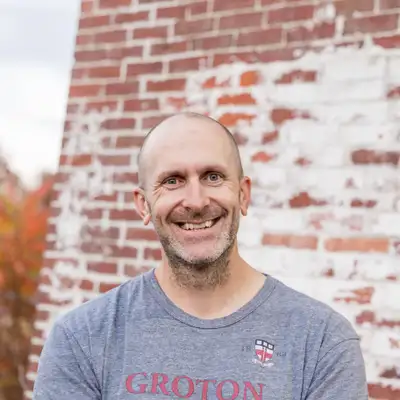
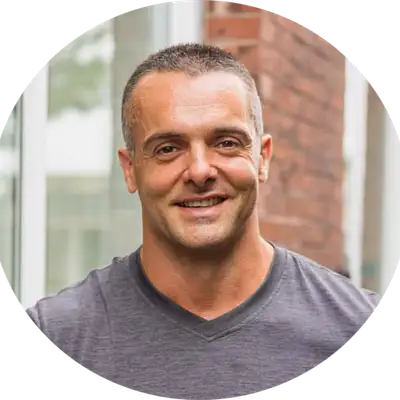
Most people don’t need more motivation. They need a different approach. Hosted by Gary Donia and Peter Brouillard, Different Life draws on years of experience helping people navigate pain, movement, recovery, and performance — but the conversation goes far beyond health alone.
We talk about:
• Strength training as a life skill
• Back pain, mobility, and injury recovery
• Pelvic floor health and durability
• Sleep, stress, hormones, and energy
• Performance and longevity over 40
• Discipline, habits, and identity shifts
• Parenting and modeling health
• Relationship-based healthcare
We discuss these not as isolated topics, but as part of a bigger question: What does it look like to live differently, not just try to live better?
If you feel stuck in patterns that no longer fit who you want to become, this show is for you. Because better often keeps you in the same cycles. Different changes your trajectory.
Gary Donia (00:01)
Okay. We have returned again. Peter, we're not alone. Yep. The airs as you say it. think you're back to the airs. I think one thing we've realized in our multiple attempts at podcasting is we're better when we're not alone. We always need another person to bounce things off of. Yeah. I think we might be a little bit boring. Female in nature. Yeah. Or is this going to be a punching bag? Is that what you two need? Yeah. No, I'll be the punching bag. Yeah. Even better. We should talk to our old co-host and see how things went for her.
so we are introducing Jianna today. Hello everyone. Jianna, tell everybody a little bit about yourself. Hmm. I can say a lot about myself. I'm a physical therapist. can say a lot about a lot of things. can say a lot about a lot. can yap. Chatty New Jersey girl. There it is. I love New Jersey where I was born and raised and now I live in Massachusetts and now I know you two And that's my life. You've known us for a while. Yeah, I know. How did you, how did you first meet us?
I was Gary's student back at their old clinic. actually how I first met you guys was you two came in and did a presentation in one of my classes. And I was like, my goodness, they talk about physical therapy. Like they love it. Cause we do. Yeah. And every other person that came in there talked about it kind of dryly. It's fucking boring. Yeah. And I was like, it like these guys came in shorts, hats, I was like, okay.
And was like, all right, I'm going to sign up to go to clinical. You know why we talk about physical therapy like we love it? Because you do love it. Yeah. But you know why that's different? Because there's a lot of people who love physical therapy. Yeah. All right. I mean, what I think you should expand upon this, Peter. The passion just flows through. It's one of the most important things that we do that is fulfilling for me in my life that I can help other people with their health and wellness. And so when I talk about it, it's just it's extremely exciting to be able to.
think through and then also educate a new generation that has no idea. Right. Because I think for us it's not like you just alluded to, it's not physical therapy. ⁓ Like the way that most people see it. yeah, because when you two came in, the first thing I noticed was a different outfit, Usually when we'd have physical therapists come in and talk to us, they're in these tight pants that they can't move in. They're in a little button down shirt. Just to be clear, mean, Peter wears the tightest. It's like, on, tight. He dresses like Spider-Man.
Like every day. Yes, but at least he can move in that costume. malleable clothing. Malleable. You weren't in like these like stiff khakis. Yeah. If you weren't stiff khakis, I'd be like, okay, they're just. So what does the outfit say to you? You're different. Yeah. Than the status quo. And I think in general, physical therapy for us is a portal to help people. It's just a way for us to get like to meet people that then we figure out how we can best help them. Sometimes it's through things that we learned in physical therapy school, but many a times it's not.
And I think that's why we speak about it so differently. So when you met us for the first time in your classroom, we speak about it very differently than maybe a traditional physical therapist is because we have discovered that. you just defined yourself as a physical therapist as the number one descriptor. You're not really, know you happen. I know you happen to have a license as a doctoral physical therapy. You technically practice that, but you really don't because in the traditional way that physical therapy is practiced in the way that you were referring to with the stuffiness and all that.
It's just, it's not what this product is at all. It's not this service, right? This is something that we're helping people far more than just physical therapy and the scope of practice that you learn in school. We incorporate the whole person. don't, we're not put in a box in any way. And then so in that way, and you know that, you know how this is, is we get to actually really help people with their overall long-term health. And so when we describe it like that, and because we get real results with from people, boy, it's really fulfilling.
I actually had a therapist ask me this question once and I think it's very valuable. It's tell me who you are without telling me what you do. Yes. And that has become so much easier for me to answer. Yes. Since working here. Yeah, it's great. And I think like if you take that, like expand that out a little bit. So you go to a party, right? A bunch of people you don't know. Somebody comes up to you and says, Jianna, like, what do you do for work? What would be the traditional answer? I'm a physical therapist.
It also ends the conversation. And many, can be like, okay, like, you know, not that not the job itself, but like, I'm a lawyer, I'm a physical therapist, I'm a whatever. That's sort of like a great way to stop a conversation because it's, it's just like, okay, you've answered the question, right. But if you change that, so let's try this. But we'll try. We'll roll. Yeah, but if you role play it, but the person would still ask the same question, what do you do? Right? So Hey, Jianna, nice to meet you. Nice to meet you, Gary. Oh, what do do for work? I help people.
have a different and improve their life. So now what do think I do with that? I'm like, whoa. What do you mean? Yeah, what do you mean? Tell me. Right. now there's a real conversation, but it's also more true to what you really do. Right. So anyway, so we do speak about it differently because it is different. And I think for people listening to this, I think that's a great thing to try to take into life is like when people meet you, don't define yourself by like the title of the job.
Define yourself more around like what is it that you really do in your job, right? And for every job there's meaning behind it. So talk about the meaning and then let the conversation go from there. And one thing too, when you guys came to visit, you made me laugh. Like we had fun and that was something that was also different than any other presenters we had. Which one of us made you laugh, did you say? Not me. If you had to pick. It was, okay, it was Gary at the expense of Peter. What?
It's weird that that happened. I know, I know. You know what funny is like. Did you do one before that without me? It was with me. You and I went together when I was a student. Oh, it was her and I one time. And then me the next time? Correct. Anyway, I remember you saying to me, hey, I want you to come do this thing with me. And I was like, OK, sure. And he goes, really, I just want you to be like the comic relief. He's like, I'm going to do the thing.
He's like, I'm gonna get caught up in my slides. I need you to break it up and just make people laugh. And I was like, nah, I could do that. Yep. That's literally what, like that's exactly how that works. I don't know how to bring the funny. You know how to bring the funny out of me. And it's a nice combo. Yeah. I lack the serious. Yeah. I'm way too bring the serious. Yeah, it's a nice, yeah. It's like a perfect combo. So, okay, moving on. I saw something this morning and I thought this was actually pretty funny. Okay. But not funny, but just weird. The universe. So I have a little calendar. My sister gives me one of those little desk.
calendars every year, right for Christmas. She's been doing it since I was like a kid, right? Since since we were both. Does it have like all of the family pictures? No, not like one of those like you get a fact a day. Yeah. So this one is like a more like a daily inspiration, if you will, or oh, sure. Or like advice if you want to think of it that way. So every day you peel off the next one, you peel off the next one. So like our trailer for the show, we had some conversation. Yeah. And then specifically about things that we were trying to change or do different. Right.
So then there was yours. Just a quick reminder, like what was yours? It was just more patience with my kids when I'm trying to teach them things. Okay. So today's message, February 19th from life's little instruction calendar, cherish your children for what they are, not for what you'd like them to be. Yeah, that's perfect. And so we talked a lot. I was like, we're recording today. The calendar knew it. A little piece of advice and wisdom for Peter. Yeah. It goes about being a dad. I constantly think about it.
When I go home today, I'm going to like set an intention of meet them where they're at because otherwise it's easy to not and it's easy to set the other expectations of should have, would have, could have. And as soon as you put intentions onto any circumstance, you immediately assign a value to it. And so in the other way, if I can just walk into it with a blank slate and it tends to be much better, those interactions immediately. So anyways, that's what I'm practicing. we go. So my calendar knew
Always providing some advice for you today the universe. Yeah. All right. So today's show we're gonna talk about habits Right. So I feel like this is a great place to kick off a show like ours because much of what maybe we're gonna talk about in the future kind of the foundation of Most things in life our habits. Mm-hmm. Yeah, I say so
Yeah, don't know. I'm not really good at defining stuff. You're way better at this. Well, just so OK, fine. So I think it's important your wheelhouse, buddy. Take it. Take it from here. So a habit is something that we employ on a regular basis to get a desired outcome, I believe, because otherwise, what's the point of a habit? Now, most habits for people aren't intentional. Most of them are just things that they happen to find themselves doing on a regular basis. Right. So give me an example, potentially, Julia.
Yeah, so I'd like to call you Julia. I don't He was getting to Julia, Juliana. Yeah. Excuse me. So what's great about this is like we have this conversation all the time. Like, who does Peter like the best? I think he Freudian just told us. mean, we've always said Julia. Yeah. Julia said Julia. Yeah. So Julia is another person who works here. So anyway, I ranking at Julia's first?
Yeah, I think I think Peter just I love you all the same. I have no favorite today. Said that if we hire someone else who you talked to, that they would get to number one. right away. Yeah. The new girl that we might bring in for marketing loves needling. Yeah, she's great. He loves to get right away. Favorite new favorite. This is actually a good spot because you're working on something yourself, Jianna. Hold on. Hold on. Well, answer the question. What am I doing? I know, she should give.
the habit of like what she is potentially trying to work on. Okay. Don't you think like as a sure sure like as a habit fine. Go ahead. Yeah, we could try. Well, okay. So backstory, when I moved in with my boyfriend, I noticed out of the two of us, I'm the slob. And I didn't like that. So people who work with you have also noticed that you're the slob. And I've been improving. I think we have had to have like an intervention at some point. did. And she and to your credit. you did a good job.
Yes, you have been improved. You took ownership of the slavery. feedback and I know. But just not in your home life. So the home life is improving. all right. So what I notice is that when I do laundry, just I dread it. takes me a long time. I'm not happy when I'm doing it. So I try to find the quickest way to make it not happen. Either it stacks up in my laundry bin or I do it, leave some in the dryer, and then it just sets me up for a week of
my goodness, where is this sock? Where is that shirt? And then it just gets annoying. My side of the room gets a little messy. And that's something that I've noticed about myself, honestly, probably since I was a kid. It gives you anxiety that the fact that the room isn't clean. Yeah, but it's funny. Like one of my habits is making the bed in the morning. I love a made bed. So I was thinking, OK, if I like a made bed, I would probably be way happier if I also had all my clothes done and put away for the week.
Where do they normally sit, like beside the bed on the floor? Clean clothes on the floor. Mm-hmm. Just like... Wait, so you clean them. I clean them. But then you just don't put them away. Yeah. She doesn't take that next What happens about the stack of dirty stuff? Is there also a stack of dirty stuff? So I usually have to do multiple loads at a time.
So first load always gets done put away.
And then usually the second go around, that one will stay in the dryer for a little bit because I just got tired. I didn't want to put it away. So half the clothes get put away. The other half, then usually Matt, my boyfriend, will have to use the laundry, too. So he'll see all my shit in the dryer and be like, well, take this out. Put it on, you know, the bed. And I'm like, great. It's gracious. And then I will see it. I don't want to do that right now.
And that goes on the floor. it just sits on the floor. on the floor. So I told Peter this and I was like, Peter, I need help with this habit of not doing my laundry fully. what did you change? So wait, hold on. So let's just say, OK, so the bad habit here is what? The bad habit is that my personal space where I should be relaxing becomes messy. Right. So the bad habit is just not doing the thing where you should do it and things pile up. Correct. The good version of this would be
What just give me not the solution, not how she should go about it. But what is like the good version? What would be a good outcome be a good outcome and she gets peace of mind. Well, ideally, what would she do? She would stack it to a habit that she already does. So, I mean, she already identified the bed making in the morning. Right. You could do it that way. Or if you wanted to do it in the evening when we did is we identified the thing that she normally does every single like Sunday evening anyways. And then what's the next step to get that laundry off the floor?
So the good outcome here is that it's just done right away. It's just done right away. So what then the solution then is what Peter's talking about is trying to like find a way to get to that good outcome. Bad outcome is the mess, the clutter, the lack of peace of mind. The good outcome is it's just done and you have peace of mind. The problem is, well, how do we get to that point? Because I remember when I was talking to Peter about this, I had said,
I know this sounds stupid. Like I just want I want to be better doing my laundry. Like that's ridiculous. I should just be good at it. But I was like, well, no, I want to be able to fix this in my daily life because a clean space does just make me feel better. So it's not really about the laundry. It's just like going home and be like, OK, wow, my space is clean. Right. Which I'm sure is how you go home. It provides a benefit to mental health.
Correct. So this kind of gets into the crux of it. The idea that where you just try to be better at it usually doesn't solve the problem. Correct. Right. So this is where we talked about in the trailer and sort of a lot about what the show is about is not trying to be better. It's trying to be different, try to do something different and take action, do something different that allows for a better outcome. But this idea that you just have to be as a person, I just need to be better about this typically doesn't.
solve the problem. Those are all of the best intentions, but it generally doesn't. It ends in the mind. So really, to make improved habits, you have to first set the intention of, what do I want to be different? What outcome would I like to achieve? And then instead of saying, well, I'm just going to gut it out, or I'm going to employ my willpower or discipline because that didn't work. and they don't work for most people. They do for some. But for the average, for the average person, for most of us, it's more important
to be smart about it and do what's called habit stacking. So we all have these small habits in our life that we do on a regular basis. You identify the ones that are automatic that you will do no matter what. And then you say, okay, when is a time during the day that I can add that I can, this other thing that I'm trying to work on that I don't do right now, what can I stack that on top of? either at the beginning or the end of it. And then so now you just pair it. So now in your mind, the thing that you do automatically, you now also know.
that you're going to do the other thing that you have an intention of changing. And when you do that, it becomes so much easier because it's not this arbitrary concept in your mind of I have to get to this thing that I never do, and then you forget about it and you don't have time. So I find when people have it stuck, they're far more likely to actually act upon their intention.
And then what is required is, know, everybody's heard the cliche, like a habit requires 30 days to be, I think it's longer than that. I think it's on average, it's, it's much, much longer because it requires the brain to actually change the routine of how you live your life. And when you do things far more often, more consistently with habits, stacking patterns, those eventually the thing that's hard eventually becomes easy. And then now that's a new habit in your life that you no longer have to think about. And then you can then turn your attention to something else. Right. And so it's.
It's kind of like the idea of 1 % better every day. If you have these things in your life that you'd like to change, stack a habit, do it consistently, it becomes automatic, then turn your attention maybe to something else instead of trying to change everything all at once and having it be overwhelming and then quitting like people do in the New Year's. One thing at a time usually works better than many, many things at a time. Yeah. I also like you said, like, you usually it takes 30. I don't like putting
the days on it because then you're just motivated by, okay, well, in 30 days, this is gonna become a little bit more automatic. I'd say what you and I really talked about is that you're gonna fail. there's gonna think about this weekend. You came up to me on Monday, you go, you didn't text me about your laundry. And I was like, yeah, because I didn't do it.
And that's gonna happen. it's like, right, cool. Like, it's fine. then what's your plan now? I was like, all right, well, it's Monday. So I was like, I already knew I have a plan Monday. It's literally like plan to fail. Like, like, so so so have the best intentions. This is the plan of action. Know that life will happen. And then sometimes the best intentions will be undone and you won't do it. And that's totally cool. And then just you literally get back on it the next day or the next time that you're supposed to try again.
and then try again and it becomes a little bit easier over time. But it does require the intention and the focus, right? So sometimes people have a diary or like a dream board or whatever it is that allows you to turn your attention back to the thing you said you wanted to change so that you don't lose focus. Those are those are tools for people as well to change habits, I think. So what I want to know is, so what was the plan? So you had this issue, we have the negative thing that's happening, you're trying to do something different to get a better outcome. You went to Peter.
And you guys came up with a plan. So what was the plan in your case? Because I think this can be applied. This will be a good example of, know, for for other people, yours is laundry for other people's for other people. It could be whatever they're trying to exercise more. Maybe they're trying to eat better or trying to meal prep. It doesn't really matter. Save money. doesn't, you know, whatever the thing is, this thing can be applied to to all of those things. So what was your plan? What did you so?
First we came up with, what is a habit that I have that stays pretty consistent week to week? And that was meal prepping on Sundays. So I said, okay, well, while I'm meal prepping, why don't I also do laundry at the same time? Because obviously like, yeah, like I can go in the kitchen, cook up some stuff while something is in the wash. It's downtime during meal prep. Exactly, exactly. So that was kind of what we did. We stacked that on my habit of meal prepping on Sundays. So.
we then established, every Sunday while you're meal prepping. now it feels foreign that if I'm in the kitchen meal prepping that I'm not also doing laundry. So that kind of like is how it's shifted where I'm like, okay, I have food to make and I also have laundry to do. So I'm gonna do those together. So then what happened this weekend where it didn't happen? So what happened this weekend, which I in my mind kind of planned for, I love a vacation. So I was in Florida.
I was in Florida so that threw off my work week. So I worked from Wednesday to Saturday. Okay, so it was an outlier. It was an outlier. Exactly. So that's but you know outliers gonna happen. I I hear when I hear the plan I actually hear like an inherent flaw with the plan. ⁓ but maybe I'm wrong because when I first heard you describe your problem, it wasn't doing the laundry. It was folding and putting away the laundry. Correct. So
to me that if you're meal prepping, like you have to be, and maybe I don't know what you meal prep, but it feels like you would have to be present with the food. Right, you're cooking, you're packaging, you're doing whatever. Using your hands to do that, how can you also then fold and put away laundry if you're doing that? Because it wasn't.
doing the laundry. If it was just putting it in the machines and walking away, then that makes sense to me. But like you have to fold it and put it away. You can't do that while also meal prepping. Am I missing something? So what you're missing is that, yes, like usually the way that I time it is that it's all getting washed while things are happening in the kitchen. Once everything is put away in the kitchen, okay, now time to go to the bedroom and put every fold and put everything in the bedroom. It was more like do the laundry.
Wow, it's after the food was made then it's go put it away. Okay, and have you was this the first weekend that you tried this? Or has this been going on for a bit going on for like a month? Okay, and has it been working up until that point? Yes. Okay. Has boyfriend noticed? Yeah. does he say? Yeah. He's like, see, look at that. Isn't it not that hard to put your laundry? Oh, he's getting a little passive aggressive. Good response. That's not a good response. If he's listening to this. That's not a good response. What should you should almost not even say
Like anything. Generally speaking, from somebody who's been married for a long time, just get her flowers. Yeah. Matt, leave it alone. Which I don't do either, by the way. Yeah, leave it alone. Can I say one thing about that? Yeah, of Just real quick. Yeah. And I think I've shared this on the Fout & Brogue podcast. Yeah. I'll share it again. One thing I noticed in my relationship a long time ago with Stacey, and so we'd been married 10 years at this point, is the incessant noticing of the thing that annoys.
that you get annoyed about your partner so pet peeves, right? The thing that they do that you wish they did different. So instead of noticing them and then bringing it up and then having them never change, just accept them for who they are that that is what it is, right? Like literally in your brain, turn the switch off of like, I'm annoyed that she didn't X and it is what it is. And this is a part of the contract of my relationship that I'm with her that this is also this other thing that she does that I don't desire.
but fine, I'm happy to do it. I'm happy to pick up the slack, right? And then in your relationship, you have strong points, he has weak points, so on and so forth, vice versa, you just do for each other where each other lack, right? And that's, think the value of so when you start doing it, and it's a great result for him, you know, he's he's happy to the best thing is kind of don't say anything about it. Yes, because you know why, like, for instance, if I was you, and he said that to me.
You know what I would do immediately? Peter knows what I would do. You would stop doing it. Not only would I stop doing it, I would probably go to my drawers and take everything out and just throw it on the floor and be like, yeah, how do like, know, that's nice, right? Because I'm defiant and I don't like, I don't like, if I did it, I did it because I wanted to do it. I wanted to do it, right?
And so if you tell me like, ⁓ see, isn't that like, that night? That wasn't so hard. Like whatever, I'd be like, okay, well that was, I hope you enjoyed it. Cause it's never happening again. He knows that that's why he never like says stuff to me like that. Yeah. I try and figure out ways to get them to do the thing by agreeing to it as opposed to telling him. So anyway, okay. So great. So I actually have one. So, so, know, when I lost all my weight back years ago, like I tracked my food every day. Yeah.
And remember I celebrated like a thousand days of tracking or something ridiculous. It's like so proud of it. That's a lot of track. Almost since then I've been unable to track to get back on. can't do it. And you've had a few times where you're like, I'm gonna try again. I can't. I'm almost like resistant to like tracking food now and I can't figure out why. Why? And I get really mad because I feel like it's like, oh, like I had all of that, if you want to call it like discipline and willpower to do it the first time. And I can't.
do it this time. Like I do a couple of days, I almost have resentment towards the stupid app. I've tried multiple apps. was like, well, maybe it's just the color of this one. Like maybe I don't like the orange app. I'm going to try the blue app. Let me try this other app. When was the last time you tried? A few months ago. Why do you want to track? Well, because I put on a little bit of weight, not a ton, but I want to get down about a little bit, like just for my own.
Right, he to lose like eight pounds for his it's very specific his own self-benefit. I don't know. He looked at you and said yeah, just He literally just hide me up and down like he needs to lose eight ish pounds. Yeah, it's kind of what I do We can't all be in maintenance like you We're going on our own little thing. I know I'm So anyway, so so what are your thoughts on that? It's cuz I like it's I know I'm capable of doing it
I don't know why I can't restart a habit that I've had forever. So what's the resistance? what? So I don't know. find myself resenting doing it when I do, when I go to do it. Like when I go to put it in, actually find myself like, why are you getting so angry? don't know. I don't like, I think maybe because maybe it's because I feel like I failed. That's why I have to do it again. Do you know I mean? Like, cause I went into maintenance, maintenance, maintenance mode. I enjoy, I enjoy, I enjoy maintaining like take five.
So I don't know if it's that if it's like I just when I start to do it again I'm like, you loser like you have to do this again because like you did it before. like you failed? Are you not happy with? So I don't know so I know I want to achieve this goal. Yeah, right So I don't really think of it as like I failed like I like ⁓ like I didn't do great on maintenance I gained a little bit of weight. It's fine It is what it is, but I think when I restart the thing it makes me feel like I failed I think I don't know that's only thing I try. So we have to remove the emotion from
So what's your why? Listen, dear Abby, I'm asking the expert over here. I'm just giving my feedback. So what's your why? Not I want to lose weight. Why? I'm like this one bit. I shouldn't have said Now you're the punching bag. So my why ultimately is health. I don't have a desire around like I'm not a vain person, as you can tell by my hair and my dirty hat.
and my baggy clothes. Missing a tooth. And I'm missing a tooth. Yeah, I don't I don't think of myself as being I mean, everyone has some vanity. Like I have a little bit of that. I think it's more for my like long term health. Okay, like I'm just a little heavier than I want to be. Okay, great. So then so and then that why goes to like, of course, for Jess, and the boys like I want to be around for a long time, right? Like my ultimate why always comes back to like them. Yeah, you know, but I to get to them, I have to be helped. You know, mean, totally. Yeah. And then okay, so then
How often like when you when you restart, how often do you normally track until you start until you quit? It seems like less than a week. Less than a week. Like a week ish. And then I'm just like, are you consistent when you first start? Like you're going to do this again. You're great. You first couple of days like nail it. And then you slowly Peter out. Yep. OK. You just use your name. Yep. When Peter out Peter, you petered out. Yeah. I'm Peter. I like the way that sounds at all. So after a few days when you stop opening it, what do you what do you what do you see?
Like why? So that so I guess that's in. Yeah, I don't know. haven't really. I just like you. I know I think about you intentionally. No, I intentionally don't do it. Like I think about it and I'm like, no, define. I don't want to press the button. Yeah. And then I started to then I was like, well, this thing's stupid. Like there has to be an easier way. You did talk about how you're lazy but efficient. I'm lazy by nature. Yes. That's going to be an episode. So a year ago you asked me for help. Yeah.
And you are pretty, I haven't talked to you since on purpose. Yep. And you, you are really compliant. And then the few times that I've tried to like re-engage with you, you want nothing to do with it. Yeah. Including right now. You brought it up. did break it up. But I think this is an important one because like, so yours is like, you're trying to start something totally different and new for you. Like you have a history of this going back to high school. Mining is something that I've already done and had a lot of success with and was really proud of that. I was able to do that for a long period of time.
It seems like I should just be able to do it again. And I can't, and I bet you there's a lot of other people out there that probably happens. Peter, you do a lot of health coaching and stuff with people and meet a lot of people. This probably happens a ton with people who have exercised for years, stopped for a little bit, can't get back on it, or did healthy eating for a long time, stopped. I'm guessing I'm not alone. So I wanted to bring up this example because I think it's a little bit different than yours, Jianna, but also very pertinent to a lot of people. So go ahead and start back to what you were saying. So why don't we solve...
your problem right now. Would you like to reengage? would love to do that. Okay. Do you do well with accountability? Meaning like you have something set up outside of your own self in your own like, like discipline where you have to be accountable and doesn't have to be me, but to somebody that you respect and that you will take their feedback.
Yes, in general I do well with accountability. Okay, so who would you like that person to be? It can be you, it's fine. Do you want it to be me? well Gary, me and Peter are going on this journey next week so we can all be No, I'm not looking to get cut.
whatever you two do have to stop assuming you to do. That's you keep saying. That's what you keep saying. just want to see some more muscles. Yeah, you know, you literally been like, we're gonna get like, what do you keep saying? Like, we're gonna get jacked or getting cut or whatever. Yeah, sure. That's not my reason. That's okay. So I don't want to do your thing. I don't want to part of that little group. But this is happens. This is exactly what would happen if you tell me to like, good job putting your laundry away. That's something else that we need to dive deeper into.
Listen, Jianna, this is my time. Do you think daily accountability would be helpful? What would that look like? So it would basically be at the end of the day, you just like I did it. Like, just whatever did what? Like tracked track your day. So it's tracking the only way for me to accomplish. I would know what it meant. So so the reason why it works for you really well is because you you will you will follow the rule that you've set forth if you have the number that you know will get you to the goal.
then you won't go over it, I know that. So that's why tracking is helpful for you. And so really the solution is just that you have to find a way to consistently track for like a month. What if you, what do you think the most efficient way to do that is for this, for this stated goal? you wait, would it be using like an app and entering things in? Would it be just user version of this where I can just talk? if they're, on, use the app that you're the most familiar with.
Mm-hmm and just and just just accept that I think that app makes me feel like I failed I think that's part of the problem. I use lose it historically What just use so so here's what here's what happens? So here's what happened. I don't like back or sex. Why? ⁓ I find it like cumbersome. But anyway when I go on to lose it I think it makes me feel bad like in the sense that it literally says like welcome back like the first time I Think they should get rid of that feature It almost reminds you that you suck
Do you know what I mean like it's like welcome back like loser yeah Fancy seeing you again. Your last tracking date was like 66 days ago. I'm like and we're gonna shut that Yeah, just accept it about yourself that you're the type of person that needs to track periodically to get back to where you want to be and that's okay. Hmm Nothing wrong with it. It doesn't mean anything negative about you. I Just want to say welcome back. Can you open it for me the first time?
Yes, I can open your tracking app for you. Thank you. And then so let's commit to do it for a month. We're just at the end of the day, you're just going to text me the thing that you did it and then that will tell me you did and if you didn't. I'm texting you that I tracked. Would you like me to do it on Macrosac so you can just see it? Or do you think texting is like an important part of it? Texting important part of it. I want you to do it on the app that is the one that you're most likely to want to use. Which one do you like? Jianna? This is my first time doing it. I've never done it. You've never tracked food before?
What are you gonna use macro sex? guess and let me let me just be clear tracking isn't for everybody and not everybody has to track Yeah, but I think the strategy of tracking for Gary is really helpful because he will be beholden to the number that he agrees upon He just has to do the act of actual tracking Yeah, I totally understand why some people who are on a weight modification journey losing some weight increasing muscle mass don't want to track They have some scale fair they think that they don't want to get too obsessed fine There's always a strategy that you can do but more
More data is better and the more data that you have to work off of the more objective decisions that you can make. And so I know for you what you've had success with in the past is we just have to replicate it, which means you just have to find some consistency of being beholden to the task that you set forth, which is tracking. So is the goal right now just to track or is the goal to achieve the calorie part of it? I think you can do both at the same time. I mean, do you feel like you're in a place where you want to be a bit more like a bit tighter and a bit more disciplined? Is Jess?
gonna be on board with Jess is always on board with whatever. Because I know you too. Jess is on board. Like if I want Jess to eat a candy bar and have a beer, she'll do that. she'll sit, And if I want to eat a salad, she'll do that. yeah, Jess. She's easily influenced, as am I. Sometimes we're not great for each other. fine. And if we're gonna do this. 30 minute naps. Yeah, 30. those are great. That did sound really nice the other day. So if we're gonna do this, then let's just establish a baseline again. All right. Okay. There you go. Sounds good. It's not good. I hate this podcast already.
okay. So I think then, so those are two good examples are a little bit different, ⁓ as to where we're each at in our different journeys. But I think it gives like a different approach. And I think what we talked in and around is this idea that, you know, habit formation or habits don't have to rely on trying to be better at willpower discipline. Right. It's about trying different things. And I think we identified here like different approaches that we could do. It's problem solving.
in finding a way to work with your own personality, everybody has their own unique thing that drives them and their own unique skills and so on and so forth. And no one way works for everybody. So it really is a different process for every single person. And it's the problem solving nature of coming up with how to do it right, as opposed to trying to fit into a box of what like everybody else does, which is why like I find social media influences, like I don't find those very helpful for the general populace because
Not every strategy works for every one person, which is why like, you know, a health coaching program like us is specific to the human being, which is why I think people have success with it. Oh, yeah, because lots of people will know, OK, I have to eat whole foods. I have to exercise. But that looks different for everyone. I think that's what's the social media just doesn't show the uniqueness of how that looks different for every. There are some fundamentals that everybody can generally fit into, but the actual path in the process.
that is the best for the individual is absolutely different for each person for sure. All right, so before we wrap this episode up, Peter, what are you going to do different in order to read more? Because you stated this in a text to me the other day. You want to read more? That he wants to read more. I so I've stated this for a long time. You've stated it for a long time. I know, know He has yet to achieve said goal, so.
Yeah, fine. You know, he gives us advice. So I want to hear what advice. Yeah. Or maybe Jianna and I may be able to help you. So let's see. So so the barrier, I know exactly what the barrier is. The barrier is that I have trouble sitting still and I also feel guilty about sitting down. And so like, so for instance, when I'm at work, I'm not going to read when I'm at home. I want to be spending time with my children. And so then therefore, the only time in my brain that I have to do it is when I've entered my bedroom to go to bed. So
So I think that that's probably the first barrier I need to cross is maybe I just literally start with 10 minutes. I plug my phone in, I lay down, I take out whatever book it is that I have. I have a reading light. I just have to open the pages, start with a tiny little amount of time that is like super easy to get to. And just like we said to him, he has to make it through a month. If I can just make it through a month of consistency most days of the week.
then it will be far easier and I'll actually start to get some reward because in general when I used to read, when I was much younger, I enjoyed it. And so I know I'll enjoy it again. Literally the barrier is just that I don't. So I think that that's probably the best and most likely way that I'll be successful with at least starting some type of consistent reading. Why do you want to read? Because I want to learn. I think I love to learn and reading is a great way to learn.
I'm kind of a slow reader, so it requires some time to do that. But it is what it is. That's my excuse. That's what I tell myself. But yeah, it's because learning is great. And I think that I would learn a lot if I read. So I have a couple thoughts on that. Are you open to suggestions? So I have a problem with you doing right before bed because sleep hygiene is super important. And there's some data behind reading right before bed is actually disruptive to sleep.
And because you're putting like sort of information, thoughts, ideas into your head right before you're about to lay down. so it's not as disruptive as say like scrolling on social media or something like that, but it can be disruptive to sleep because it's like you're using your brain, like you're activating your brain and then you're trying to like stop. so what most people suggest when it comes to like sleeping well is to kind of wind that stuff down like an hour ahead of time and not picking up the book like right before you're about to.
go to sleep. I guess it depends on the content, right? But it does. But it's still you're still putting information into your brain. Right. So anyway, I think it's a great place to start and you can certainly do that. But I just want you to be aware of the fact that it could affect your sleep. But two, I think there is nothing wrong. And I think that maybe sometimes you think this that there's nothing wrong with audiobooks. And for you, for instance, like you hop sometimes in here, you'll hop on the bike in between clients. Maybe it's like just because you don't have somebody for
15 for 30 minutes or something. You hop on the bike and you just ride. Why not throw your headphones in and just listen to an audio book? Because you're still going to learn. I know it's not reading with your eyeballs, but it's reading. You're still getting the information. You listen to audio books? I do sometimes. I prefer the real book. Do you find that you can download the content into your brain the same way as hearing it as reading it? So I can. I also listen to a lot of podcasts, so I'm kind of used to that. But you listen to don't
Yeah, so it's kind of similar for me. You have to stay focused on it. You certainly can't get distracted by your phone and like do other things because otherwise you'll tune it out. You have to go at it with the intention of I'm going to process this information. But I think now you're moving, right? You're like you're exercising, which you enjoy your stat, habit stacking because you're doing something that you enjoy while also trying to do the new thing. Right? So you're exercising and then adding the reading to something you already enjoy.
You're doing it in a time that you wouldn't normally be doing the other things that you mentioned, like spending time with your kids or whatever. So I think there's a stigma sometimes for people around like audiobooks isn't reading and I don't think that that's true. I've just never tried it. I have no... So it's an alternative for you. And then you can really set a time that, okay, it's gonna be 10 minutes. So 10 minutes of me focusing on this.
10 minutes of the audiobook. So I'm gonna need some help from you then. I don't know how to listen to an audiobook. Like I don't know what software so and so I've literally never tried. just after the podcast, just like tell me the software to get how I would get these books and so on and so forth. And I'll give it a try. It's an option, right? You have two options. figure it out. So we'll hold each other accountable, Jana, holding you accountable to the laundry. Well, Peter's holding you accountable to the laundry. Peter's holding me accountable to tracking.
And then we're both holding him accountable to some sort of reading. great. And then we'll follow up on this in future episodes. I like it. Very good. That is the end of the pod. with that. very helpful. ⁓ Different life. Nope. Nope. Be different. We're working on it. She knew. She wasn't even on the first episode. Be, I have no memory. Be different. Yeah. Yes. We're not doing better every day. Be different. Yeah, we're doing be different. So Peter, with that. Be different. Be different. Be different.