Subscribe
Share
Share
Embed
Most small and medium businesses (SMB) struggle to sell — employee ownership is a proven exit path. Hear real stories from business owners who transitioned through employee ownership. Whether you're an owner, advisor, or investor, we dive into expert insights, practical strategies, and how technology is reshaping exit planning.
Linda (00:05)
I saw some online calculators, but I didn't really think they made much sense. But when I looked at Zolidar's, I thought that this would have been great. It makes sense. It's very straightforward. And it would have been nice to be able to plug in different numbers like what is our value now?
Matthew (00:27)
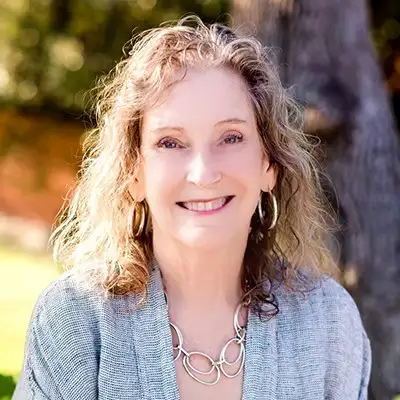
Today's guest is Linda Wurzback, founder and president of Resources for Learning, an Austin, Texas based team of educators dedicated to making schools places where teachers love to teach and students love to learn. In this episode, Linda shares her journey of transitioning from a single member LLC to a worker co-op owned by nearly all of her 12 full-time employees. She explains how this model ensures a fair selling price for her while benefiting workers and customers alike.
Some other takeaways from this episode include how having long tenured employees signals a strong fit for employee ownership, financing an EO transition with revenue-based financing when you're a service-based business, stepping back from final decision-making, and the importance of a deal team that truly understands your business. And with that, let's ride.
Matthew (01:26)
How are you today, Linda?
Linda (01:27)
I'm great. Glad to be here, Matthew.
Matthew (01:31)
Awesome. So thank you so much for being here. And I wonder, could you start us off by describing resources for learning?
Linda (01:37)
Yes, so I started resources for learning 26 years ago. As you might guess from the name, we are involved in education. We're focused on K - 12 education and I started resources for learning because I saw some gaps in terms of what states were providing to districts and what districts were providing to teachers.
And so my real interest was professional development and teacher learning. And so that's what I started out to address in my company, to assist with setting high but reasonable standards for teachers and
valid ways of measuring those standards.
As our main clients, State Departments of Education and large school districts, we also have some clients who are nonprofit organizations that are interested in and have missions related to education. And it's been a great ride. It's turned into so much more than I would have thought at the beginning.
Matthew (02:41)
Yeah, that name for the business now seems incredibly appropriate. These are definitely resources for learning. So I appreciate all that you've done with that. Could you also mention maybe a little bit about your scale, as revenues and number of employees?
Linda (02:53)
Yes. So we have 12 employees right now. We're flexible and can increase and decrease. We also have a pool of consultants who we draw on as needed. A lot of those folks have been with us for a long time. And many of my employees have been with us for a long time. There are six who have been with six of the 12, been with
us 10 years or more, one basically since the birth of the company. So she's been with me 25 years.
Our revenues for this year around two and a half million. That also varies. But that's a good solid number for us.
Matthew (03:39)
Sure, absolutely. So I'd like to start at the earliest stages of your process before you even knew about worker co-ops and or even decided to become a worker cooperative. So what prompted you to consider selling your business?
Linda (03:52)
Well, I was getting older and I wanted to, I still love the business, still to this day and without other demands would probably have never even thought about selling it. But my husband had some health problems and a few other family members needed a little extra help. And so I felt like I needed more time to spend with them
you know, my husband, I've been fortunate. We've been able to travel quite a bit, which everyone says they're going to do in retirement. Of course I like to keep doing that. but, you know, I just felt like it, it was time and I had gotten a few calls from people who were interested in perhaps purchasing the company, but I didn't feel like any of them were good fits for us.
I wanted to be sure that the employees were taken care of. And I'd heard from other people that that was not always the case when they had sold their businesses. And so I just started looking around, Googling and seeing what other options were out there. I knew about co-ops.
housing co-ops and grocery co-ops and such, but I never really thought about an employee owned co-op. So I just kind of happened upon that idea and started reading and I was like, this might be for us. And so that really got my interest.
Matthew (05:18)
Yeah, and that I think right there is something that a lot of our folks, you know, maybe for whatever reason, don't have that organic exposure to co-ops to necessarily know. But I also hear you saying that like you knew about co-ops, but you didn't know about worker co-ops and necessarily specifically. it mostly would you say like your exposure was from being in Austin and that there's sort of a co-op ecosystem there?
Linda (05:38)
Yeah. So I mean, my husband lived in a housing co-op all through school. We occasionally shop at Wheatsville, a grocery co-op. You know, we live in a rural area and we have a cooperative that provides our electrical service.
was definitely not something I was familiar with from the employee owner side.
Matthew (06:04)
Yeah, and so was there maybe like a certain moment you mentioned, you know, that you were Googling, you were already kind of familiar with other types of co-ops, but like, how did those connect with each other that maybe worker co-op might be the idea?
Linda (06:16)
I just came across it. I was reading things about employee ownership because I had thought, this would be great for the employees to own the business. And they would have great opportunities. But I was stopped and never really pursued it because I didn't want any of them to have
to sign any personal liability statements. And so I just thought, you know, that's something I wouldn't want to put on them. And that would be the case if they just bought it outright. And then when I learned about this and that they wouldn't have to take on any personal liability and that there might be tax benefits, I thought, let's learn more about this.
Matthew (07:04)
Got it. Okay, so yeah, what I'm hearing is that personal liability was a concern, but also like taking care of your employees. Were there any other sort of priorities or values that were top of mind for you in that period?
Linda (07:16)
I guess, you know, I wanted to get a fair value for, you know, all the risk that we had taken over all this time and what we had built, which, of course I'm very proud of and the employees are very proud of. But yeah, the finances were part of it.
You know, I didn't expect to get, some huge, huge amount, but, I knew what we had was, was worth something. I had no idea what at the time.
Matthew (07:50)
Yeah, so to that point, were there maybe tools or methods that helped you think about the value of the selling price and how it might be financed?
Linda (07:58)
I did have, I did engage someone to do a valuation. And, you know, again, in the early stages, I didn't have a network and, would just be finding people's names or getting them like talk to. So I paid.
not the most expensive amount for a valuation, but a fair amount. And I saw some online calculators, but I didn't really think they made much sense. But when I looked at Zolidar's, I thought that this would have been great. It makes sense. It's very straightforward. And it would have been nice to be able to plug in different
numbers like what is our value now? Well, we have these new contracts and you know, I think next year at this time our revenue is going to be X. It would have been nice to have something that I could really trust without paying someone a lot of money to you know, kind of play around with the figures and what different scenarios might look like.
Matthew (09:05)
Yeah, so if I'm hearing you, so it sounds like putting yourself in the driver's seat a little bit with that process, being able to play with your numbers could have been really helpful for you. I'm curious, so on the sort of other side of preparation for succession, we also think about people and processes, you know, on the, in the day zero moment, were there tools that you had for that kind of, that side of the getting ready to sell?
Linda (09:28)
Mostly my tools were people that they were, you know, I kind of talked to anybody and everybody who would talk to me. I found some, founders who had transitioned to an employee co-op, worker co-op and just talked to some of them.
talk to organizations like Project Equity and things like that. I was very fortunate in that the city of Austin, where the business is located, has an initiative to support co-ops in Austin. And as you said, Matthew, it's kind of a co-op-y place. But there's really not very much overall in Texas.
in terms of co-ops yet. but I was fortunate to, participate in some courses that the city of Austin was offering. And there I met one of the people who the city contracts with to provide support to co-ops. And that was Annelies Lottmann. And she is with us still too
You know, and it's been great in terms of helping us find resources and who to talk to and, you know, what the next steps might be. So she's been so, and that's what's a free resource that the city's been providing us for now for two years. So I have a great deal of appreciation for that. That there was someone right here.
who had that interest and passion for co-ops that she could share with us.
Matthew (11:05)
Yeah, I've also had the pleasure of meeting Annelies. She's certainly amazing. I was going to mention, some owners use the term quarterback as a way to describe someone who maybe is like the most sort of hands on. Would you say Annelies was your quarterback?
Linda (11:18)
Well, we also connected with ICA group and they have, I'd say they work really well with Annelies and so we've been fortunate to have them.
both on the financial side and on the more like documents transition policy side that they've been helping us with. So I know you can only have one quarterback, but we've had a team that's been really helpful to us.
Matthew (11:54)
Yeah, and we also use the term, certainly with Zolidar, we use the expression deal team. So it's great to hear that that was also a perfectly viable way to go forward for you. was curious, you alluded to this first valuation that you had. Could you talk about maybe some aha! moments with that first valuation?
Linda (12:15)
I guess I was not so much surprised about the dollar amount that they came up with.
How the deals cuts with different ways a deal could be structured for this conversion was surprising to me. You know, and thinking about.
I guess I had thought that I might have to fund the whole thing, which was a little scary just because I didn't really want to be that involved anymore. And so as I learned about the first gentleman who did the evaluation, the first one,
as he started talking about, you know, how deals could be structured. I was like, oh, well, this, you know, could be good. Cause I wouldn't mind carrying some of the risk, but I didn't know that there were banks that help fund co-ops, you know, and there were just these resources out there to help either businesses transition.
to co-ops or start out as a co-op. So those were surprising to me, good surprises that there really was help out there to make this happen.
Matthew (13:32)
Yeah, that sounds like a relief. Yeah, certainly you thought, I have to 100 % seller finance this, but then you found out maybe that's not the case.
Linda (13:38)
And so that's.
kind of a long way of circuitous way of answering your question, but that aha! came really from learning about this whole employee owned co-op initiative.
Matthew (13:50)
Absolutely. Yeah. And it sounds like, know, through, through Annelies through ICA group and, you use the word network. We've been using the word community also, I think with a very similar meaning. you maybe say a bit more about sort of how you were understanding community and how that changed? And maybe we're, guess I'm also specifically curious, like where there may be, um, uh, skillsets or people that you didn't know who to, reach out to, or maybe missing gaps in the community for you.
Linda (14:19)
I would say we knew we needed an attorney. We knew we needed a CPA who could work with
co-ops and.
It wasn't easy to find those people, even with recommendations and engage with them. And there aren't that many people who specialize in co-op work, and they're very busy. And so it was kind of hard to get hooked in to those community members or those people we knew we needed to help us. And I'd ask our CPA about it.
And she's like, I don't know anything about co-ops. I'm really not interested in learning about co-ops. So I knew we had to find somebody else. we have now. Of course, found we did find the attorney earlier. those people are kind of completing our team of.
supporters, I would say. We also have some consultants who are change management experts who are helping us with sort of,
like that big dip, part of the change process and how we get to the other side. This, you know, every person in the company has a different feeling about where we are, where we're going. And so they're helping us bring all of that together. And I don't think I thought about that so much at the very beginning, because we're very familial. And
I just thought that this would be, that there would be some changes that might be difficult. But I don't think I gave enough thought early on to what people's needs would be, what all people's needs would be, the ones who were the
co-op founders, the people we've hired since then, people who were not interested in being an employee owner. There are a lot of different needs out there. I think that's one area maybe other people thought more about early on, but that's something that we really needed early on.
You know, I did present this to after I'd done all this exploration and such in the beginning and talking to people and finding out if this was even a viable option for us. We had a retreat in September of twenty twenty two where I shared this idea with my staff and.
There was, you know, also, I guess they know how old I am. They know I can't live forever and work forever, but it kind of became real to them. And at that time.
that I shared with them my journey up to that point in terms of talking to potential buyers and this idea of an employee-owned cooperative. And most of them were very excited about it. I think we had seven people, including me at the time.
No, eight people at the time and seven wanted to be worker owners. And so we proceeded with them. We've hired several people since then
our policy that we've set is that people have to be with us a year before they can be considered to be invited to join as an employee owner. So we have people now coming up upon that. We're trying to get fully transitioned legally and financially. And then we can then talk to these others about
you know, joining. this is all also I should mention this also come at a time of huge growth for our company. Like I said, we came off of the pandemic, which really impacted schools, impacted some of our projects at the time, picked up and came back really quickly.
But then that just kept building and building and we were getting more and more work at the same time we were trying to make this big transition. in hindsight,
That might have been something to go easier on, the growing part.
I think I would have slowed down on that. I wanted to give them every opportunity they can have to be successful and have all the revenue that they need. But I think it was too much to do all at once.
Matthew (19:25)
Yeah, thank you so much for bringing us through your journey as you have. I want to mention, so yeah, so now we're moving into sort of a new phase of the conversation. now we know that want that, know, Resource for Learning wants to be a worker cooperative and we're talking about the steps to actually sort of in the transition itself. And so I want to unpack a little bit more about where you introduced this in the retreat and, you know, you're getting excitement and you've got seven who are like, absolutely sign me up and I'm curious about.
You know, certainly not to go into like the personal aspects of like when people or this particular person wasn't maybe interested. But could you say a bit more about that difference between, you know, some employees becoming owners and maybe some who don't?
Linda (20:04)
Well, the one person who did not want to be is one of the really senior employees. And she just, it was difficult for her to tell me, think. But she just said, I have too much going on in my life. I'm trying to really simplify. I just know this would be, you know, because she's
of a worrier person and she said you know I know I'd be like really worried about are we doing everything right and all of that and I just don't think because I'm the way I am I should take on that stress right now. So I hope that I still have hopes that she will change her mind once when she kind of sees how things are rolling.
I think for the most part, people's work is not going to change. Those people who are on the board and the people who are now managing the business, they have additional responsibilities.
Yeah, I hope she still does. And I hope the new people are interested too, because I just think that makes us better. The more people who are part of the co-op, they have a bigger picture understanding of the company as a whole and not just their one particular area that they work on.
are their projects that they work on.
Matthew (21:40)
Yeah, and thank you for mentioning that kind of how both like the day to day doesn't necessarily shift that much. And yet at the same time, there is this kind of bird's eye view that a new employee owner now has they didn't have before. you talk about like that balance? I mean, are folks feeling like it's adding a lot to their plate to have that bird's eye view?
Linda (21:59)
So what we decided, the stakeholder group, was that we would hire two managing directors, one with responsibility for more internal operations, day-to-day management, one with responsibilities for business development primarily.
I think it's been pretty overwhelming for them to... So the way we have always worked is all managers still work on projects like I did until a couple of years ago. And over the last five years, I've...
backed more and more out of employee, I'm sorry, out of project work because I wanted the clients to know the employees. And now some of them don't even know who I am or anything about me. And those project managers are the face of the company. And that was, I think, a good plan.
But so they still have some responsibilities to clients. And then they're trying to learn all of this new stuff. so I think they find that that's challenging. And we've been working. We put them in place at the 1st of May. So they've been working.
transitioning more and more into those management roles. But I think they are feeling definitely that there's a lot more. the employee owners, I think we're just now, we're really forming our formal board now. So we met as a stakeholder group.
for two years. And I wouldn't say that's probably been a huge burden to them.
But there's, I think once a board forms and the people who are board leadership, I think they'll find that that is at least initially a heavier weight. I hope it doesn't continue to be, but I think at first there's gonna be a lot.
Matthew (24:04)
Yeah, and you know, something that we sometimes hear in this space is that when employees take on that bigger role, like such as joining a board of directors, that it actually does have an impact back on the day to day operations because they take on, you know, some say is the ownership mindset. Have you already kind of seen that happening?
Linda (24:20)
Yeah, a little bit. I expect to see it more and more. So we are hoping to get our financing and close. We'll, know about all of our financing by the end of this month and close within the following month. as that full.
legal, financial, everything's in place. All the documents are signed. I think as that happens, that will happen more and more. So I think they've all really cared about the company and really care about our mission. And but In terms of running the company,
and making financial decisions. You know, I always did all of that, almost always with their input in terms of projects we propose on and strategy It was collaborative in that way, but they always knew that I was going to make the final call and
as I'm not going to make the final call I think that's a big shift because they're used to me and the way we've done things and how we've done things is going to change somewhat It's a challenge.
Matthew (25:31)
Yeah, absolutely. And so you alluded a little bit to sort of the finalization of lot of different types of documents. I'm curious, how did you find out what documents would be necessary in the transition?
Linda (25:43)
I think we depended, you know, kind of on that team, on Annelies, ICA, and the attorney. So she is with Jason Weiner and
So yeah, they've pretty much told us what we need. And here are all the key decision points within these documents. This is where you need to weigh in. This is where you need to, these are the decisions you need to make. one tool, you asked me about tools. I think one tool that's been really helpful is a,
kind of a decision guide. And it's just really simple in concept. Who makes the decision? Who's informing the decision? Who implements the decision? It's really the differentiating between the roles between the board and the
management operations of everyday work. And so that's led, and I really do believe that conversations that we had were really the most important thing. Yeah, we went to get the right thing down on all these documents, but I think the conversations really helped us to clarify.
who we were gonna be as a co-op and what that was gonna look like.
Matthew (27:07)
Yeah, and I'm sure, mean, so here that, you know, so I see it was definitely helping and not only I'm sure it was helping with you sort of understanding those documents and where to look at them more closely. I'm curious, would you say, was it a priority for you to like, feel like you fully understood all the documents involved? And did you feel like you were also needing to like translate those in some way for the employees?
Linda (27:27)
Well, I felt it was important for me to understand them for sure and to look at them from the perspective of the employees and from my own perspective as we move forward through the process.
think it's probably been more an issue of time and people finding the time and taking the time to review all the documents. So of these 12 employees, 11 have graduate degrees. so it's just like if they take the time to sit down and read them, but they're really busy.
That's kind of the rub. So they count on a lot. feel like other people too have been facilitating those conversations and saying, well, if you do this, this might happen. If you do this thing, make this decision, this might happen. Another one's like, well, you can make this decision now, but that's easily changed. Or you make this decision now, and it's more complicated to change it.
So that's the kind of thing where I wouldn't have known or been able to provide that level of guidance. I wouldn't say any of them ever told us what to do, but they helped us understand the implications of decisions that we made. And that was really helpful.
Matthew (28:56)
Yeah, that like sort of guide on the side, not stage on the stage, I've heard it called. You mentioned, so you're saying that the decision guide was very helpful. I noticed that you also said in concept. So that made me wonder, has the reality been a little different from the concept?
Linda (29:00)
Right.
Well, when I said it's simple, you you look at it and it's a table. I think for all of us, because we are so small, we wear employee hats, employee owner hats, manager hats, director hats, board member hats,
It's like, which hat am I wearing at which time? So I think that it does look very straightforward. But we all share a concern about how it's going to look like when we're fully implementing and how are we going to all these things straight in terms of what our roles are and when we're acting.
in each role. So that's what I meant by in concept.
Matthew (30:03)
Yeah, thank you for that clarification. I'm curious. So what qualities were you seeking in your advisors? I mean, I you mentioned that being local priority, so I'm sure it was a priority for you. there other priorities in terms of how you were thinking about the process of assembling your deal team?
Linda (30:19)
Well, I wanted people who got us, realized that we, for example, we're highly educated group. We're highly passionate about our work. And I think a lot of co-op conversions are larger.
They have, they're larger. Some people are really interested in the co-op, others not.
So we're not like that. Everybody almost is pretty interested in everything and has an opinion. you're, you know, it's like I've heard people say that sometimes it's really hard to engage employees and employee owners in being on the board and things like that. Well, we have everybody on the board. So I mean, all the worker owners on the
on the board. I just I think it was kind of like a maybe different from what they might be used to. I thought that we needed. So with ICA helping us with our financing, we're different from a manufacturer who is going after funding because they have big equipment and
all of this, well, our collateral is in all those smart people's brains. We don't have machinery. We each have a computer. Like, that's our collateral. I felt like it was hard. know, it could be hard for people to understand that and to
Matthew (31:50)
Not a fixed asset, right?
Linda (31:59)
help us negotiate that financing with. Because obviously we had the revenue for it, but there was not going to be any collateral if we bailed on the loan or something. So I felt like they needed to understand that upfront.
And I know everybody thinks they're unique, and they are. I just thought from what I knew about a lot of co-op, what co-op transitions I knew about that we were quite different, and I wanted people to understand that.
Matthew (32:39)
Yeah, and so I hear you. Yeah, you've definitely thought a lot about, you know, the more day to day advisors who have been working with you through this process. I'm curious, did you have sort of priorities for evaluating your financiers and like questions you wanted to ask them that were kind of in your mind at that time? Besides, obviously, the collateral was a huge question, but
Linda (32:57)
Anything
else? Will you please give us the money?
Matthew (32:59)
That was a key question,
Linda (33:02)
We have been very fortunate, I think, in this regard. So ICA and their related funding group, which I can never say quite right, jobs.
Matthew (33:13)
Fund for jobs worth owning,
Linda (33:15)
Yes. You know, they they've been great and they helped us find the LEAF LEAF I can't anyway, the LEAF group, whatever they are to help with the rest of the financing. So. I think that. Without them, you know, it might have been really hard to.
for us to make our case. Even though we have this 26 year history of success, we're entering into one of our most successful periods yet. so there was a lot going for us, but I know kind of what bankers care about. So even though they're great to focus on cooperatives and lending,
to cooperatives that I felt like it could be a hard sell. And so I thought they really need to understand what we do bring to the table and be able to help convey that to others.
Matthew (34:10)
Yeah, so yeah, certainly for ICA, they're already in that technical assistance role, so they already know you very well and that they have a fund probably is a, yeah, not too much of a sell there. I'm curious with like, so when you were introduced to LEAF though, did you feel like, was that any different or did they also get you also easily, just as easily, just as quickly?
Linda (34:31)
I don't know how much.
I do think we've been fortunate to find those people. I do think the funding, the way we were thinking of it at the beginning, we were talking to some of the co-op funders before we, early, early on, I think before we even connected with ICA. And it's like we were getting their loan requirements and their applications.
of the things we needed.
It was much more.
formal, traditional, then I think it might have been easier for us having ICA that kind of ran interference and could speak their language, whereas we don't speak that language. So yeah, I do think we've been.
You know, I felt like LEAF, before we ever talked to them, already knew a lot about us. And so that really helped. Rather than just coming to the table cold and, you know, saying, hey, we want you to lend us some money. So it made it easier.
Matthew (35:38)
Yeah, having your advisor already speaks your language and also speaks their language. So translation makes a lot of sense there. I'm sure you are you previously already had a banking relationship of some kind, I assume, right? So like who you're checking account is with. Yeah. Did you talk to those folks at all or you just kind of assumed like, I should really go with a co-op focused lender.
Linda (35:56)
Well, I talked to them, but it was a short conversation because they were going to require personal liability. Someone was going to have to sign off and say, I'm going to cover this if the company doesn't.
I just feel like in the spirit of co-ops that that's not aligned. I, you know, they were obviously not interested in exploring anything innovative. It's a big bank, you know, it's, they weren't interested in doing anything innovative, even though, you know, they have a big publicity campaign about how much they help small businesses, but.
And I'm sure they do. But this would be a different path for a large banking institution to go down.
Matthew (36:49)
Forgoing that personal liability isn't necessarily what they mean. Maybe when they say helping small businesses. I'm curious, can you speak about the percentage of the financing of like how much was third party from lenders and how much from yourself as the seller?
Linda (37:01)
It's about
I'd say 2 thirds from the lenders. The buy-in on the employees' side probably provides another 5 % to 10%. And then the rest of it's mine. So I think mine is about.
20, 25%.
Matthew (37:33)
I wasn't a math major but that makes sense.
Linda (37:35)
It seems very fair. It's, you know, I'm glad that there's that distributive funding, even though bulk of it is not all coming. Well, I mean, even though there's the larger lender, one's providing more than the other.
but I feel like that would be, that it was very.
I don't know, I think it's a stronger model than if we just had one funder funding that whole thing. Because then we have the interest of both funders and support. And I know they want to have regular touch bases and hear how things are going. And why not get that support from two people or two organizations instead of one?
Matthew (38:23)
Right, absolutely. More minds, more folks contributing there.
So, you know, one thing you mentioned that I definitely wanted to come back to is that you said 100 % of your employee owners are on your board of directors. So hearing you laugh, there's something to that, right? So I just pointing out for us, so the audience's benefit, right? That's not always the case. So how did you all kind of land on that?
Linda (38:41)
Well, so there are seven of us employee owners. it was like, and the two managing directors are owners, but they are not voting members of the board. So that left five people. And it was kind of like, OK, like, are we going to take this down to a board of three?
and say, you two, whoever you are, you two are not going to be on the board, and other five of us are going to be on the board, even though two of us are non-voting members. like I said, we're kind of like a family, and we just couldn't do that. So that's where we ended up. I hope we'll grow where we can
You know, for a lot of reasons, for time reasons, all kinds of reasons that we can get a representative board.
And so I was going to be on the board because that's part of the deal of financing part of the loan. So that really meant there were really only two other seats. And it just became hard to figure out without feeling like we were leaving somebody out. So that's why we made that agreement. And I do think as we get more members,
will definitely cap the board membership and not have all new members becoming members of the board. But that kind of remains to see how we work that out.
Matthew (40:19)
Yeah. And then I also wanted to touch back on this. mentioned the 5 to 10 % was also arising from the employees contributing equity. How did you all arrive at how much that would be?
Linda (40:32)
Well, this first advisor we had who did the first valuation, I was telling you how he kind of came up with these models of funding and what that might look like. And it was kind of his suggestion of, know, given the price of the company, the value of the company,
this would be a reasonable amount for employees to contribute. And I know that for a lot of co-ops, it's a very small number, like $10 or $25 or something like that. For us, it's a significant amount.
I guess the value and the salaries that people are making.
So at first it was going to be, I don't want this to scare future founders who are gonna convert to transitions, but this original advisor suggestion was $12,000 for our buy-in. And as time has gone by, we changed that to,
$6,000 up front and the other $6,000 could be an employee.
Matthew (42:13)
Like a payroll deduction?
Linda (42:14)
Yes, thank you. That's the word I was looking for. term. So yes, and then the rest could be payroll deduction or something like that. so it would be, so everyone felt comfortable with that. so $6,000 times the six other employee owners would be part of also what I would get.
closing.
Matthew (42:43)
so wanted to move to our final phase. So we've moved through the transition more or less to where we are today, preparing to close the transaction, thinking about the future and reflecting on the journey so far. What would you say were the biggest pain points during the transition? And if you could go back, what solutions would you implement?
Linda (42:59)
gosh. So I think the biggest, well, so one was really just the announcing that, you know, I'm going to be retiring in the next few years. And what are we, you know, here's, here's some options. This is the way it could be this, it could be this, it could be this. But this is what I think is best.
So that took a while for people to process and understand. I do think getting our team in place, I mean, if we'd have had them on day one, how wonderful that would have been. But finding the right people, interviewing them, that took a while also.
I think that, like I mentioned, being a time of growth for us has made it probably is one of the main contributions to how much time it took for us to get this together. Because we were super busy. And we were hiring, and we were starting new work.
So in hindsight, I think that's one thing that I would have changed is maybe backing off of seeking new work at the same time we were trying to do this.
I
And on the other hand, I know that change is hard. Change is really, really hard. And it doesn't matter if you're changing.
to an employee-owned cooperative or whatever the change is, it's hard. And maybe I'm a little too cavalier sometimes and like, hey, we're off, we're gonna do this and it's gonna be great. Maybe I should have stepped back some more and then.
more cognizant of just in general how hard change is and that this really is a big change. So those are a few things that come to mind. I think that.
the kinds of tools that y'all are putting together at Zolidar can really be helpful for owners to think about. I think a great addition, and I don't know how you would do this, but tools to guide owners through the change process.
and what happens on the sort of interpersonal side of making this change. I don't know what that would look like, but that's something I'm sure I'm not the only founder who would need help with. And that is something that we've shared with our advisors, like, okay, great, you helped us get the forms done and all of these things, but we need help.
with these other things that are really the much harder things. And I don't know that they had been asked for that before or knew how much that was needed. And so I think tools like that in the future could really help at least more, at least getting it out there, how really hard the people side can be.
Maybe it's not for others, but I think it's been hard for me.
Matthew (46:31)
Well, just for our last question, thank you so much, Linda, for your time today. Is there anything else that you would maybe offer to a selling owner who might be in a position like you were two years ago? Anything else you'd say to them?
Linda (46:41)
Don't be afraid. Don't just shut your business down because you think that nobody else can run it the way you did. don't think that you can, that it's an easy thing to sell a business because it's not. And I think any business owner who's made it like,
five or 10 years, you know, they took a lot of risks and I think it is one more risk, but I just think there's so much benefit to keeping your business going and you know, those employees not all having to go find new jobs and you know, there's benefit for the founders in terms of.
their future too. So I just want to encourage more people to explore and find. There are a lot of resources out there. become a resource too if you decide to do it. I think it's going to be really worthwhile. I think for all our employees, they have a
opportunity, you know, maybe they turn around and sell it 5 or 10 years or 26 years and whatever and you know, they have a better
more resources for the rest of their lives. So I just encourage people to at least look at this option and see whether it might be for them.
Matthew (48:05)
Awesome. Well, yes, you've obviously been a resource for learning for so many folks. And now you're also that for the small business community. So I thank you so much for your time today, Linda.
Linda (48:13)
Thank you, Matthew. All right, bye bye.
Matthew (48:15)
Take care.
Matthew (48:18)
Thank you so much for listening. If you found this valuable, you can subscribe to the show on YouTube, Apple Podcasts, or Spotify. Also, please consider giving us a rating or leaving a review as that helps other listeners find the podcast. You can find all past episodes or learn more about the show at zolidar.com slash podcast. Also, we'd love to feature your voice in an upcoming Mailbag episode. Maybe you've got a question for us. Leave us a voicemail at 650-
203-6565. Or if you prefer, send an email to social at Zolidar.com. But remember, voicemails make for more engaging episodes. We really do want to hear your actual voice. All right, y'all. See you in the next episode.