Subscribe
Share
Share
Embed
Ducks Unlimited Podcast is a constant discussion of all things waterfowl; from in-depth hunting tips and tactics, to waterfowl biology, research, science, and habitat updates. The DU Podcast is the go-to resource for waterfowl hunters and conservationists. Ducks Unlimited is the world's leader in wetlands conservation.
Can we do a mic check, please? Everybody, welcome back to the Ducks Unlimited podcast. I'm your host, doctor Mike Brasher. I'm your host, Katie Burke. I'm your host, doctor Jared Henson.
VO:And I'm your host, Matt Harrison.
VO:Welcome to the Ducks Unlimited podcast, the only podcast about all things waterfowl. From hunting insights to science based discussions about ducks, geese, and issues affecting waterfowl and wetlands conservation in North America. The DU podcast, sponsored by Purina Pro Plan, the official performance dog food of Ducks Unlimited. Purina Pro Plan, always advancing. Also proudly sponsored by Bird Dog Whiskey and Cocktails.
VO:Whether you're winding down with your best friend or celebrating with your favorite crew, Bird Dog brings award winning flavor to every moment. Enjoy responsibly.
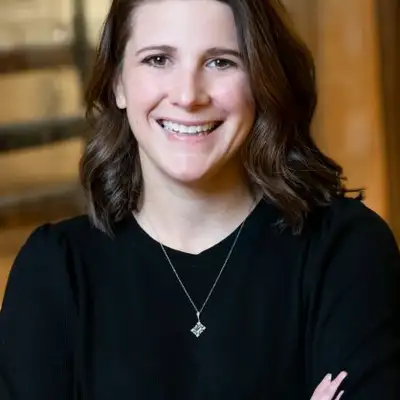
Katie Burke:Hi, everybody. Welcome to the Ducks Unlimited podcast. I'm your host, Katie Burke. And today on this show, I have call maker Ronnie Turner. Welcome to the show.
Ronnie Turner:Well, thank you. Glad to be here.
Katie Burke:Before we go into your story, let's talk about where we are.
Ronnie Turner:We are Well, how do you wanna start it? We're we're at a We're
Katie Burke:random place. Know? We're at
Ronnie Turner:a random no. Real Foot Lake. Yeah. You know, rich waterfowl history. Yes.
Katie Burke:And I know y'all do, like, Callmakers and Collective Associates of America. Y'all do a few, like, meetups throughout the year. But this one, I like because it's here at Real Foot, which has such a big history of call making for so long. I mean, like, whereas everywhere, like Chicago I mean, Chicago's
Ronnie Turner:cool.
Katie Burke:But it's just it's just Chicago. But so with this one, it has so much history here.
Ronnie Turner:It does. You know?
Katie Burke:I'm glad y'all keep it going just for that only. And that's
Ronnie Turner:one thing is this when I first started making calls or got into, you know, call making the scene, it was a fairly large festival. It's it the whole they shut down the whole little town of Sandberg, and we had booths lined up. It kinda drifted away, and it's fun funny you mentioned it's we've always kept it going, but there was I think it was two years, and mister Brian Byers set it all up. Only 12 of us showed up to this thing. So 12 call makers, we still got together and still try to carry on the tradition.
Ronnie Turner:And that's when we got the the Callmaker Collectors Association of America to get involved a little bit bigger, and they picked it up and ran with it.
Katie Burke:So Yeah. Well, hopefully, doing these, like these we've done you know, this is the third interview I've done today, like, will bring a little more awareness to this. I mean, I don't think it's so close to so many waterfowlers. Like, that's the one thing I like about it. I mean, yeah, well, Callapalooza, now they did that.
Katie Burke:That's great because it's right there in the heart of duck hunting. But, you know, Chicago's pretty far for a lot of
Ronnie Turner:Oh, it is?
Katie Burke:Yeah. It's there's not a lot of waterfowl hunters right there. I mean, even, like, in WTF, it's got a lot competing with it. It's not just
Ronnie Turner:a It gets, yeah, it gets overshadowed there.
Katie Burke:Yeah. And you also have seaweed the same year. Like, it's a lot you got a lot competing with people this. And this is a great time of year for this. Like, there's not really a lot going.
Katie Burke:Like, you're has duck season end started.
Ronnie Turner:Well, yeah. Teal season ended. Duck season hadn't started. You you know? Yeah.
Katie Burke:It's a good So, hopefully, this will bring some more awareness and get y'all some more people coming this way.
Ronnie Turner:The thing is the key, which is where a lot of the focus is, getting some of the younger generation. Because if you look, the original founders and a lot of the members are let's say, we're getting older. Right? So getting some of the younger generation involved is is is we're progressing that way, and there's a lot of kids picking up call making now.
Katie Burke:Yeah. And we can talk we can get into that more. But yeah. And I think and I've talked about it with, I think, almost every call maker that's come on the show over the years, like because, like, I do talk to a lot of decoy carvers too, but I think with call making, it's so much more accessible compared to, like, decoy carving. I well, I I don't know why, though.
Katie Burke:I haven't, like, come up with a good reason, but it just seems y'all do a better job.
Ronnie Turner:It's a lot more, let's say, interactive. When you make a product, you can actually
Katie Burke:Okay.
Ronnie Turner:That's a lot I more mean, there's a lot more, let's say, research and design, you know, on a duck call. Yeah. Believe it or not, making new tone boards and this and the other, which is decoy carbon. No more wrong. It's beautiful
Katie Burke:Yeah.
Ronnie Turner:Art in itself. But, you know, younger kids aren't looking to
Katie Burke:Well, and also, I guess and I when you say that, I think about it now as like maybe it also is like, okay. If you want, say you're a duck hunter and, you know, you call in your first duck and that's a big deal and then you kill your first band, that's big deal. You kill, you know, whatever it is and you're like, well, the next challenge is I wanna make my own duck call and then I do that. But you probably it's easier to go make a duck not easier, but, like, it's one item to make well to get to duck to come in. Whereas if you become a decoy carver, you have to, like, make a whole
Ronnie Turner:Exactly. And making a duck call is probably a lot quicker than carving a decoy. Right? And then I mean, you get instant gratification pretty much.
Katie Burke:Yeah. Exactly. And you get that right then and then, like, instead if you make one decoy oil, now I need to make 13 more.
Ronnie Turner:Like Yeah. Exactly. So if I really want a full spread, I gotta
Katie Burke:Yeah. So maybe that has part of it to it. But I don't know. But I've always noticed that, like because that's when we talk about carving and waterfowling and collecting too, the big issue and even with DU, like, DU membership, the big thing is the next generation, the next generation, the next generation. And I have found of the, like, maker side, I think call makers are doing the best job at bringing people over.
Katie Burke:Yeah. There it seems to be more
Ronnie Turner:of them. Yeah. There there are. Yeah. And it's true.
Ronnie Turner:Duck call making used to be very tight lipped. Yeah. But now we're not yet now the Internet, all the social media pages, people are willing to help the younger generation or wanna get And they don't show them everything, but they kinda give them hints and tips and tricks and work with them. I have a lot reach out to me, and it it's it's kinda fun to watch them progress over the Yeah. You know, the year.
Ronnie Turner:So it it is. It's it's more accessible. You can reach out to people easier. Yeah. So it's becoming a
Katie Burke:Yeah. That's true. And that is y'all have such a great presence on Facebook, which is great because more people can find you.
Ronnie Turner:Exactly.
Katie Burke:Whereas a lot of decoy makers don't even have cell phones. So they're not really helping themselves in that sense. The only one I know that's doing a really good job on that side is Jerry Touton. Like, he does a really great job of posting stuff and bringing people in and what he does over there in North Carolina, he's doing he's really doing a good job. But, yeah, like, none of them like, I know I'm really good friends with Cameron McIntyre, and he has a flip phone.
Ronnie Turner:Oh, wow.
Katie Burke:And when you email him, you have to email his wife. So I
Ronnie Turner:So yeah. Well, if well,
Katie Burke:if you look at
Ronnie Turner:it too, it's you know, the decoy carbon most are an older generation. It's it's, you know, it's I don't know if it's the it's slower. It's, you know, it's it's it takes I don't know if it's the length of time that, hey. I I like to put more time into a project and plus, you don't have people beating down your door. Know, duck haul makers, I mean, there are people beating on your door.
Ronnie Turner:Well
Katie Burke:and it helps to and, like, we'll come back to where I'm putting it, but it helps to and I said this with collectors as well. Like, to get a a single wooden carved decoy is a thousand dollars at minimum.
Ronnie Turner:Oh, well, yeah. And it's a it's a pretty lengthy time to get it. Right?
Katie Burke:Yes. And it's a minimum of a thousand dollars from some of these guys. Maybe some of these carvers are doing, like, aren't doing, like, as much of it hand done, so it's, like, you know, $500 at minimum. But you can get a custom call. It's so much more accessible financially.
Katie Burke:Like but, like, to start, you there is a lower you can start in lower and then you're you're not reaching, like Yeah.
Ronnie Turner:You're not going from ground zero to a grand slam. Yes. Yeah. Get it. Yeah.
Katie Burke:And I think that helps it a lot too because, like, you know, you get a $300 decoy, but, like, if you really want a good one, you gotta spend a couple thousand bucks. Yep. You're not gonna do that with a call. You're gonna slowly walk your way up.
Ronnie Turner:And, Alexa, and the calls generally, yeah, aren't that they have the price, let's say, you know.
Katie Burke:Yes. So I think that adds a lot to it's the same. And how would you say would you say pricing wise for custom calls because I've never thought about this. For custom calls versus the anti calls, are you think, like, is it pricing wise the same how they upgrade in price? Like, would you say, like, they're similar or is custom tend to be less
Ronnie Turner:Versus your antique calls?
Katie Burke:Your antique calls. I mean, yes, there are some antique calls that go for super high dollar.
Ronnie Turner:Super high dollar. And it all depends on, let's say, the maker themselves, how sought after they are. Yeah. I I and believe me, I don't know why my calls seem to be fairly sought after. People are willing to pay secondhand.
Ronnie Turner:They're willing to pay quite a bit of money for them. Crazy, I think, because I can you know?
Katie Burke:But no.
Ronnie Turner:They're it's you know, when you look at all the old calls, there are certain ones you think about when you or a stone or the you know, those are the guy GloDo's. Those are the guys who go, okay. Those are the guys that stood out. They they do cost more. Same thing with the contemporary.
Ronnie Turner:The ones that stand out are the, you know, Brad's Amples, the Brian Byers, and things like that. They go, people will pay the extra dollar for us.
Katie Burke:Yeah. So it is it's It's a comparable, but not, yeah, like, not the antique stuff is, of course, going
Ronnie Turner:way higher. Antique stuff's pretty much, yeah, pretty much higher consistently. I mean, oh, yeah. But you got contemporary, the same thing, though. The people with the name, just like Anti Call, people with the name, you know, rarity, that's what
Katie Burke:you're gonna
Ronnie Turner:that's what the money
Katie Burke:is gonna be. Okay. So now sorry. I have more questions. This is see, this is what happens.
Katie Burke:I say, used to write down questions for interviews, but I do this.
Ronnie Turner:And yeah. Go down a rabbit hole.
Katie Burke:Yes. So okay. When it comes to contemporary carvers and say, like, someone passes away, how does that affect does it jump up immediately or is it, like, how does that affect those calls? Like, I'd I'm just in think about how it has happened with certain like, the Schmidland decoys, all of sudden, they're, like, crazy high since he passed away in last, you know, since ten years since he died or so. I can't remember when he passed away, but they've gone up in value, like, a lot over the years.
Katie Burke:Is it happening the same with calls?
Ronnie Turner:I would I would I would say so. If you look back, like, you know, the Butch Rich and Back calls Mhmm. Or Taylor Alvin Taylor calls. You know, let's say those are pretty much will just say, still call them contemporary because I knew them. I've met them.
Ronnie Turner:And they were you know, I've I've talked to them and so forth. So, yeah, when those guys, you know, those you're not getting any more of their calls.
Katie Burke:Right?
Ronnie Turner:Right. So there's a limited run out there or a limited supply. And, yeah, they tend they generally do go you know?
Katie Burke:They jump up.
Ronnie Turner:They start jumping up. It might take a couple of years, but, yeah
Katie Burke:Yeah.
Ronnie Turner:They do. They start
Katie Burke:jumping when I'm sure, like, after people like like Ryan who like like those collectors who hop on things really quick. Once they've gone and, like, grab stuff, there's not that many left anymore. I'm sure they they start to the supply
Ronnie Turner:Oh, yeah. They yes. Yeah. You know, supply and demand. Exactly.
Ronnie Turner:So and there are people yeah. They they generally look for maybe there's some that's or I click two call maker kinda guys. You know? I'm gonna get the most of these or the most of these and yeah. So the the supply really starts to dwindle.
Katie Burke:Yeah. That's interesting too. Because, yeah, I assume also you think of contemporary in the same way, like because people that's always like a thing, like, is contemporary? And I was like, I would think, like, one, they're alive. Like, you can go meet the person or you could have gone and met them in the last so many years.
Katie Burke:Yeah. Exactly. Eventually, we do have to say they're not contemporary anymore.
Ronnie Turner:But how long is that?
Katie Burke:Is that I think it
Ronnie Turner:Twenty? Is that ten, fifteen, twenty year, twenty five?
Katie Burke:I don't know. I think it depends on who you're talking to. Right?
Ronnie Turner:Yep.
Katie Burke:You could say now, like, you think of those people, but they may be, like, a 20 year old in ten years probably is gonna start saying they're not contemporary because they are so, like, removed from that person. Right?
Ronnie Turner:Mhmm.
Katie Burke:Like, I think it depends on how, like, removed you are from the person of knowing that person.
Ronnie Turner:Exactly. Or just hearing stories or whatever.
Katie Burke:Yeah. People ask that question a lot. They ask, like, what is the contemporary? And I'm and I'm like, there's not really a good answer.
Ronnie Turner:No. I you know, I never really thought about that because you think, I guess those are you know, if you did know him or at one time met him or something, yeah, are they contemporary still? Or how long is that? Like,
Katie Burke:I I'm trying I'm gonna go he's a call maker decoy carver. I'm gonna interview I'll I'm trying to interview Oliver Tutz Lawson when I go up to Easton. But, technically, he he learned from the Ward brothers. I don't think he's gonna call the Ward brothers contemporary. But if he learned from them.
Katie Burke:Yeah. He did know them.
Ronnie Turner:Exactly. So, there is a it's kind of a gray area, I guess, where a
Katie Burke:contemporary we have to say, yeah, it's not contemporary anymore. But yeah. And I don't know if you would say Oliver is contemporary, but he is contemporary, but I don't know if they would put him in that category one. Yeah. Because he doesn't make that much anymore.
Ronnie Turner:So it's it's yeah. It's a gray area.
Katie Burke:Yeah. Let's go back because that's interesting. That was a fun rabbit hole. You're from 10 are you from Tennessee?
Ronnie Turner:I am from Tennessee.
Katie Burke:Yeah. So did you grow up in the outdoors in tennis where in Tennessee did you grow up?
Ronnie Turner:Did I so I I born and raised in, I guess, could say in the North Part Of Memphis. Fraser. I'm a good old Fraser boy. Okay. You know?
Ronnie Turner:So born and raised in Fraser, fairly large family. There were seven kids.
Katie Burke:Yeah. Where are you in that mix?
Ronnie Turner:I am the youngest of seven.
Katie Burke:It's good to be the youngest.
Ronnie Turner:Yeah. Good to be great to be the youngest. But I was the one that you know, we always hunted and fished, and my dad I was the one that was always, I'm going with you. You know? Yeah.
Ronnie Turner:My other brothers, actually, they didn't hunt much. My sisters never hunted, so it was just it was me mainly. Don't worry. My other brothers hunted a little bit.
Katie Burke:Yeah. No. I mean, I have kids. Like, my middle one, he's got it. Like, some kids just wanna do it, and some kids are like, meh.
Ronnie Turner:Yeah. So but and I was thinking my dad was always there to take me hunting and fishing. We we, like I said, did all kind of hunting. You you start with dove and squirrel, you know, a little rabbit hunting, then you move to deer hunting. Actually, I had a a waterfowl hunt when I was eight.
Ronnie Turner:That was my first waterfowl hunt. But my dad wouldn't don't know. He did it all. He didn't he wasn't a big, like, except
Katie Burke:Any, like, specific? Yeah.
Ronnie Turner:Well, he started the older I got, it seemed like he always wanted to go deer hunting.
Katie Burke:Yeah.
Ronnie Turner:And when I hit 16 years old, when I was able to drive, I'm like, I'm sorry. I I I'd rather go chase waterfowl or whatever else versus deer. I'm I'm more of a, let's say, a bird hunter.
Katie Burke:So Yeah.
Ronnie Turner:That's that really got my heart pretty young
Katie Burke:Yeah.
Ronnie Turner:Being a a bird hunter. So about been hunting.
Katie Burke:Where were you hunt where were you bird hunting since you're at Fraser? Like I
Ronnie Turner:said, we well, Fraser so we hunted
Katie Burke:Where'd you duck hunt?
Ronnie Turner:We hunted mainly we did hunt Mississippi River Uh-huh. Quite a bit, Shelby Forest Yep. You know, and the large reservoir lakes, Sardis, Enid, those type of things. So we did more, let's say, big water hunting except for Shelby Forest. You know, that was some some good hunting, but it was more big water hunting.
Katie Burke:Yeah. Interesting. I was I I just wanted to know because, I mean, not all of our listener knows, but some of them are local and they will be interested. Yes. So but, yeah, it's funny.
Katie Burke:I run out at Shelby Forest all the time now. It's swampy out there.
Ronnie Turner:It is. It is. And, you know, when it's it's but that's I hadn't been out there in years. You know? That's what saying.
Ronnie Turner:Once I was let's say I let's say mid twenties, I started
Katie Burke:Did you start going to Arkansas?
Ronnie Turner:Going to Arkansas. And, you know, once you start going and and traveling a little bit and seeing different stuff, it kinda hooks
Katie Burke:So That's what I was wondering. So, yeah, so you started going to Arkansas in your twenties. Yeah.
Ronnie Turner:In my twenties.
Katie Burke:So did you have a friend that took you over there? When how'd you get to in Arkansas?
Ronnie Turner:Yeah. Actually, a friend that he's a little bit older named Les Hudson. So Yeah. Knew him locally. We played pool, did stuff together, and started hunting, started duck hunting together.
Ronnie Turner:And I've actually hunted don't run. I hunt all around. Yeah. But I've got a club over in Monroe, Arkansas. Yep.
Ronnie Turner:I've been there for twenty eight years. Nice. Yeah. Twenty eight years. He introduced me to that club, so I've been there for twenty eight years now.
Ronnie Turner:So no. Love the area. It's not far from Clarendon. You know?
Katie Burke:It's yeah. You're not far
Ronnie Turner:at all. Far off from Clarendon. So that area has some really rich waterfowl history, and it's just I fell in love with the place and the people. And Yeah. And that's also kinda started where I started making the I'll I'll we'll get into that where some of my inspiration to make duck calls
Katie Burke:Yeah. Came So how many people were in your club when you got in?
Ronnie Turner:I think when I got in, there were 16. Okay. How many there now?
Katie Burke:12. Oh, even better?
Ronnie Turner:We kinda narrowed it down. Yeah. That was good. You know? Some people attrition in here.
Katie Burke:Know if it's gonna go way or that way.
Ronnie Turner:Yeah. No. So, yeah, we I think
Katie Burke:there's Twelve's a good number.
Ronnie Turner:Twelve's in there.
Katie Burke:How many acres are you dealing with?
Ronnie Turner:It's right around a thousand.
Katie Burke:Okay. Yeah. Yeah.
Ronnie Turner:12 acres. So it's pretty good pretty good.
Katie Burke:Are they good at hunting together?
Ronnie Turner:We are. It's you know, I've been actually, I I've always had this club. I've been in other clubs. Yes. But this one here is when I say laid back, it's no there you know, lot of clubs
Katie Burke:have making rules all
Ronnie Turner:the rules. No. There there's not like you have to go to this hole and you can only hunt this hole on, you know, in a full moon and you're holding your mouth right. Now we we're eating dinner like, hey. Where are you going tomorrow?
Ronnie Turner:Well, I'm thinking about doing this. Well, I'm thinking about doing this. We try to Yeah. But it's it's Yeah. That's gets along.
Ronnie Turner:It's that's what I'm saying. That's why we we've whittled it down to 12 that get along great. We have fun.
Katie Burke:Yeah. That's great. So we I grew up in the Delta, and that's where we live. And we had this we had two camps growing up. One who I know was her, but we used to be a part of York Woods in Tallahatchie County, and it's the best place to grow up hunting, like, but then we had another camp, and I guess it starts similar.
Katie Burke:It starts, like, sixteen, went down to twelve. But we used to get so tickled by it because, like, so like, it was so many lawyers in that group. My dad's name is Ronald, and we were, like, every year we called him, like, what are the new Ronald rules? Because everyone else lived far like, didn't live in town, but we're the only ones who lived in town. So we always knew where the ducks were.
Katie Burke:Like, we knew where everything was because he was there.
Ronnie Turner:He was easy to scout and
Katie Burke:go. Went every day. He went and looked, and, you know, they only can hunt certain days and stuff. So but he went every day and every year, like, they were like, what are the new Ronald rules to keep to give him a disadvantage to the duck? And, eventually, it's that boat hour I mean, we love that club and but and it's a great club, but we have our we eventually bought out and have our own place, is great because we were only allowed three guns per morning there just because it was so many people.
Katie Burke:Yeah. But now and that was fine when it was just me and my brother and my dad, but now there's grandkids and yeah. So now we have the run of what we get to do. Not as good at hunting. It will be.
Katie Burke:My kids will have great hunting.
Ronnie Turner:Yeah. Well, yeah. Exactly. You'll start yeah. Yeah.
Ronnie Turner:You know, take care of the land and and and and improving it. But that's one thing. And that's one thing we're real open on is every you know, we we do let's say we limit guests. Yeah. Everybody does.
Ronnie Turner:We say that. You know, like, not on the opener, not on holiday.
Katie Burke:Yeah. Yeah. Yeah. And that's typical.
Ronnie Turner:You can bring a kid anytime. Doesn't matter if the kid's your own kid. It could be your nephew. It could be your neighbor's kid. Oh, that's right.
Ronnie Turner:So we do really encourage the kids hunting in. And my girls grew up hunting there. They do. They it's amazing. So and we love like you said, bringing the bringing the next generation up to do it right, that makes you that makes
Katie Burke:you I know, like, before we start recording, you mentioned your girls shoot trap, but did they do they hunt as well?
Ronnie Turner:Oh, yes.
Katie Burke:Oh, great.
Ronnie Turner:And, you know, my my oldest, she really enjoyed it. But when I say my youngest, she's 15 and and she they I started them both at seven years old. She will not if she thinks I'm going hunting, she's already at she's almost like one of the dogs. She's at the truck and ready to you know, she's ready to go. So I love it.
Ronnie Turner:And her mother, she does encourage it. She she's like, are you not taking her this weekend? Because she's begging to go. And I'm like, well, I was gonna take, you know, one of my buddies, and she's like, oh, she really wants to go. So she loves it.
Ronnie Turner:She's, you know, shot ducks since she's probably started to actually probably killed her first duck at eleven.
Katie Burke:Yeah.
Ronnie Turner:But she Thanksgiving Day we don't my wife, like I said, we we don't do a she's from California. They didn't do Thanksgiving. Yeah. So me and my daughter leave on Wednesday. We always have.
Ronnie Turner:The kids, me and the girls leave on Wednesday.
Katie Burke:Y'all are open Thanksgiving Day. Yes. We are. Yeah. We're not.
Katie Burke:So Mississippi opens Friday.
Ronnie Turner:Oh, so we open the weekend before.
Katie Burke:Yeah. Yeah.
Ronnie Turner:So we always go on Wednesday night. Don't come home till Sunday. So it it's always me and the girls having Thanksgiving dinner at the lodge. Oh, yeah. And she it was just me and Gracie is my youngest, and she shot her at 14 this past year, shot her first banded duck on Thanksgiving Day.
Ronnie Turner:Yeah. At full. But now she's ruined. You know? Every duck we pick up, she got a band.
Ronnie Turner:She got a band. I tell you what, it was it was pretty darn special to see her get her band, especially so young because I didn't kill.
Katie Burke:Outright got it too? She had oh, 100%. 100%.
Ronnie Turner:It was oh, I I didn't it was just me and her, and I wouldn't shoot in that afternoon. Yeah. Was just letting her shoot. Perfect. So, yeah, she's and it was it was amazing to see her get that.
Ronnie Turner:She was so excited. So and, of course, I sent it to a couple buddies. I'm excited. This and that, they go, no. She didn't.
Ronnie Turner:I was like, oh my gosh. She did. You know? Because they're mad because we have people in even you know, some of my hunting buddies are in my club that have never. We call him Papa Smurf, the oldest man in the club.
Ronnie Turner:He's 72 or 73, and he's hunted ducks, I mean, hard for, you know, fifty five years. He's never shot banded ducks.
Katie Burke:That is some kind of jinxed. Yeah.
Ronnie Turner:I know it. Yeah. Exactly. You've been living a bad life,
Katie Burke:you know. Yeah. That's a lot. So I mean, I haven't gotten many. I mean, I got mine I think I got mine about the same age.
Katie Burke:I was like 15 or 16, and there was I got it, but my brother's friend who likes to claim everything
Ronnie Turner:Oh, yeah.
Katie Burke:He had no. He still likes that.
Ronnie Turner:Probably when he's shooting in that direction.
Katie Burke:Yes. He still likes to claim it. And then my next one, I was the only one because I had we had, like, kind of repositioned into this one spot, so I was the only person. We were, like, around like, on this, like, basically this part in the lake where the it's like a high water part, and we were kinda around it because they were, like, out in the open field, and I'm the only person shooting on that side. So I know I got that one.
Katie Burke:But I don't think I've gotten another one since I mean, I was, like, in I'm almost 40. I was in my 20 early twenties.
Ronnie Turner:Oh, wow. It's been a while. But like I said, there's people that are lucky and kill them frequently
Katie Burke:Yeah.
Ronnie Turner:Than there are people who, you know, unlucky.
Katie Burke:Now in the early nineties and early two thousands, we were killing bands. Like, it was Yeah. Well yeah. Like, a couple years ago. Not because I was not that good of a shot then.
Katie Burke:But, like, my brother has a ton of bands. Like, he killed because he got a black duck that was double banded.
Ronnie Turner:Oh, wow.
Katie Burke:And it was like a whole thing. Like, yeah, it was. But there was I just don't see them anymore.
Ronnie Turner:Like I said, they're I don't know. We've seen we've seen I've seen quite a few of the past couple of years just
Katie Burke:Oh, good.
Ronnie Turner:Hunt in different areas. Like, you know, like matter of fact, I had a friend. We were in a blind. He killed a transmitter. Yeah.
Ronnie Turner:Was it last year? Not this past year, year before.
Katie Burke:Yeah. That's cool.
Ronnie Turner:So yeah. I mean, there were, I don't know, four or five bands get all that blind that year. So it's it's a pretty good bit. So
Katie Burke:Yeah. That's that's but still, it's it still feels low. I feel I think I'm again, if the banding commune the banding centers would like
Ronnie Turner:Like more input from us?
Katie Burke:Yeah. If they would like funding, I then I can put it together. I got I think I could round up some folks that
Ronnie Turner:get some funding. Nice to have a trophy in there. A little bling on the end of that that foot.
Katie Burke:I mean, it's the only trophy as duck hunters we really get.
Ronnie Turner:Yep. Well
Katie Burke:I mean, they're like ducks that people want and they mount, but, like, it's it's the only real yeah. It's the only real bragging thing we can
Ronnie Turner:And something you can actually, you know, put it on your lanyard, walk around with.
Katie Burke:Let's take a quick break, and then we'll come back and get more into the call making.
VO:Stay tuned to the Ducks Unlimited podcast, sponsored by Purina Pro Plan and Bird Dog Whiskey. After these messages.
Katie Burke:We are back here with Ronnie Turner, call maker. We had a lot of tangents, but let's go into so when did you learn that you could make a call? Like, when did that even, like, come across that that Learning how thing you could do?
Ronnie Turner:Well, I tell you what, how it all started. Like I said, there are a couple, and I'll name the the the couple, let's say, legendary or or well known call makers Yep. That I had I wouldn't say I had access to. So like I said, I started hunting over near Clarendon, Arkansas twenty eight years ago. Yep.
Ronnie Turner:So there's a man there by the name of mister Jim Stinson. Yep. Very well known. He's a well known duck call maker. He was the mayor.
Ronnie Turner:He was a duck guide. He owned the liquor store. That's how I met him. So at the liquor store but at the side of liquor store, he had a he had a shop and he made duck calls. He sells duck or used to sell duck calls.
Ronnie Turner:He didn't have a liquor store anymore, but he used to sell duck calls at his liquor store. I started talking to him about it and he he's the one that kinda introduced me into, oh, at least they're not that hard to make. You know? And Yeah. I I would hang around the liquor store, and me and him would talk about it.
Ronnie Turner:I got to see a shop, and it kinda excited me. I I do love waterfowling so much, and I was looking for something to fill that void because when you stop at the January or conservation with February Yeah. There's nothing to do for months. Nope. Yeah.
Ronnie Turner:Mean, you're So
Katie Burke:think Labor Day. I could yeah.
Ronnie Turner:If I could make duck calls, that'll extend my duck season. Yeah. It'll be something fun to do. Also, one of my best hunting buddies in town lived in Bartlett, Tennessee, lived across from a call maker named Tyree Black.
Katie Burke:Yeah. Okay.
Ronnie Turner:So we would come home from hunting the river or whatever, putting the boat up, and we would hear mister mister Ty out there making duck calls, quacking on duck calls in his shop. So we would always venture over there after a hunt on a Saturday or Sunday, and he's out in the shop. And that really inspired me. He he he probably showed me more of just like I said, or let me watch more of making a call versus what mister Tinson
Katie Burke:So when was that? Like, when did how long ago did you start doing that?
Ronnie Turner:I started making calls, and I actually turned my first one in 2004.
Katie Burke:Okay.
Ronnie Turner:So before that leading up to it, like, that was probably in the, you know, early two two thousand one, 02/2003. I Yeah. I started getting that itch, and I, you know, decided to make that given an attempt in 2004. But so those those few years leading up to that, so I'd say from 2000 up to 2004, me watching him and visiting those guys, that's when I said, you know what? This this was something I think I could do.
Ronnie Turner:It'd be fun. It'd be worth it trying.
Katie Burke:Yeah. So what did you try what was your, like, first what were you attempting to accomplish on that, like, first call? Like, what was what was what was what were you trying to do?
Ronnie Turner:Tell you what, it's very ugly. Yeah. I mean
Katie Burke:I mean, it should be.
Ronnie Turner:When you turn it yeah. When you turn a don't wrong. When you make it yourself, you think it's gorgeous. You know? This is a great piece of art right here.
Ronnie Turner:In in retrospect, you look at it now, you go, man, that thing's terrible. I wanted something that halfway sound. You know, trying to get a sound out of a duck call is is is hard if you're you let's say, starting from scratch. Of course. And and when I started, I started with a a public jig called a Whiskey River, it was terrible.
Ronnie Turner:I mean, I wanna say it's one of the worst, but it helped you just get a a cork notch and Yeah. Cut semi what a tone board should look like. They sounded terrible, but that's how a lot of guys that that I let's say I grew up with in coal making started. Yeah. But you're just looking for something that'll make up a decent quack at that point in time, and you'll be happy.
Ronnie Turner:Like, oh, man. It made a sound. This is great. It sounds terrible now if you go back to it. You know?
Katie Burke:Yeah. Absolutely horrible. I can't remember who the the decoy maker is. It's like, but you should throw away the first one.
Ronnie Turner:You don't throw away your first duck call. That way, you know, if if I'm ever one of those guys that passes away, you know, oh my goodness. Well, will be. But his first call is gonna be worth, you know, $5. Know?
Ronnie Turner:So
Katie Burke:That's right. Yeah. So alright. So then how do you adapt from there? Like, how do you evolve from that call?
Ronnie Turner:You know, that's the thing is
Katie Burke:Do do you still wanna do it? Like, were you, like, still amped to do it?
Ronnie Turner:No. You're you're absolutely don't wrong. Duck probably making a duck call is probably one of the most frustrating things I've ever done. I mean, you can you can go from hero to zero quick with a swipe of a of a, you know, sandpaper file or or, you know, screwing it up when you're turning it. It's frustrating, but so rewarding.
Ronnie Turner:You know, once you gradually start getting better and better. And then when you actually make your own when I say make your own first turn board, you you cut it off what we call a flat jig. Well, at least I do. A lot of guys do. Some guys make their own homemade jigs.
Ronnie Turner:Yeah. I did and I just bought a metal flat jig and then you cut, you know, you start filing and shaping the tone board to make your own unique sound. Mhmm. There's a lot of comb. I mean, that is probably and it does take it takes you years to get to that point.
Ronnie Turner:Yeah. But that's the best thing about it. Once you once you get the sound you actually want that you made, and then you can reproduce, you know, send it off and get a jig made of it. That way you can reproduce that sound. But that's the that's the reward.
Ronnie Turner:You start out with something, let's say, a public, and then you start start making my own sound and progress. And it's golly, it's it's so rewarding.
Katie Burke:How do you know what you want your sound to be? Like, what what is do you just hear it and you're like, that's what I want? Like, that's what goes good or I how do you know?
Ronnie Turner:There's a here and a and a feel when, you know, when you're pulling a call, you can feel like, hey. I've got the right back pressure. I got
Katie Burke:the right shoulder. Finding a call that works for you?
Ronnie Turner:A 100%.
Katie Burke:Okay.
Ronnie Turner:What so that's the thing. And it's I commend the guys who make a a call that can fit the the bulk of the general population. That's hard to do. Yeah. My calls, I think, maybe fit 50% of the peep 50% of the people like them.
Ronnie Turner:50% of people can't blow them. They fall flat if you don't keep pressure on them. So it's but for me, you know, my style of blowing, when I find a call that, you know, has a certain, like I said, hurt certain amount of back pressure, hold in it and hits, I don't want it too raspy. I don't want it too high pitched. I don't want there are certain things you look for, and it's it don't worry.
Ronnie Turner:Like, I was tuning some yesterday with Rob Proxima, the call maker stayed with me. And when I popped him out of the jig, you know, I might take a few he goes, man, it sounds good. I said, it's not right. He goes, that thing sounded good. I said, no.
Ronnie Turner:Because I can, you know, feel and know what's in the call when I'm blowing it. So it's a it's a it's a personal preference now. There's some calls that I think I'm gonna throw away, and I'll have somebody come by and grab them and go, that thing sounds absolutely amazing. I'm like, well, you can have that one. Here it is.
Ronnie Turner:That was it was about to go to the garbage. So it's a lot of personal in how people present air. So it's it's Yeah. It's hard to hard to fit everybody. But I know what I like in one, so, hey, that's what I'm gonna try to achieve every time in a call.
Katie Burke:Yeah. So do you make calls for people that are gonna hunt with them? Do you do that at all? Or do
Ronnie Turner:you Yeah. Well, I do.
Katie Burke:Do you so when you do that, how do you accommodate, like, the different way they wanna sound? Do you or do you accommodate the different way they wanna sound?
Ronnie Turner:Very like
Katie Burke:That's really it sounds really like
Ronnie Turner:So you don't know all the backstory on my calls. Nope.
Katie Burke:But, like, that just sounds really hard. Yeah.
Ronnie Turner:So, yeah, I don't personally, I don't. I will try to accommodate how a person blows, and we do that. If you it's easy for me if you're in the shop easier for me
Katie Burke:if you're the shop with me.
Ronnie Turner:In the shop with me, I can go, you sound a little bit of this. Let me take a little off here, this, the other. But if somebody says, I want a call that does this. I want a call that has squeak in it. It does this.
Ronnie Turner:It does that.
Katie Burke:You're like, that's not the call I make?
Ronnie Turner:Well, no. I can make it do it, but I don't know if I could do it for you because I didn't heard you blow the call.
Katie Burke:Yeah.
Ronnie Turner:So that's like, hey, I give you like, you you give somebody a guitar. You know what it's supposed to sound like. Give it to them and they they don't know to play guitar. It's like, oh, shit. I don't I don't know what to do.
Ronnie Turner:Yeah. So if somebody tells me they want all that, I can do it for you in person because I can listen and go, okay. I need to do a little bit of this, a little bit of that. But if just sending it off to you and telling you it's gonna be perfect for you, that's not gonna happen. It's not
Katie Burke:gonna happen. I mean, I would think so. I was just thinking about that. I guess I was just because I was talking to Pharrell about it, and I was like, how do you do that?
Ronnie Turner:Talk to Pharrell?
Katie Burke:Yeah. Pharrell just a minute ago.
Ronnie Turner:You actually understood him? No. I love
Katie Burke:that guy. To be fair, my mom is from South Louisiana, so I I know that language very well. So but I was like, yeah, that just seems almost like you'd have to have them there.
Ronnie Turner:You do. Yeah. I mean, like I said, I commend the guys who were there are guys out there that make a
Katie Burke:Like a more universal call.
Ronnie Turner:Mean, there are some that a lot let's
Katie Burke:say Stevens that is good at that. Oh, yeah. That's how we roll out.
Ronnie Turner:The RN oh, he is. He his calls are they a lot of
Katie Burke:people can
Ronnie Turner:pull them. That's why he's, you know, he's so good at it.
Katie Burke:But He also was trained under R and T, which made universal calls. So that makes sense. Like, that's the where he come that's his background. Oh, yeah. So I'm sure even Stevens calls it the same way.
Ronnie Turner:And let's say that's why R and T let's say they're one of the the the, you know, higher end call maker or top call makers because a lot of people can blow them. Exactly. You take mine, you know, whether it's 50% or this or that or the other or whatever. I you know, like I said, there's some people out there that really make a call that the bulk, the general public can blow, which is good.
Katie Burke:Yeah. That makes sense. Yeah. I just I never I guess till today, I and I've talked to call makers a lot, but I just never thought about, like, doing custom orders for people on and thinking about sound.
Ronnie Turner:Sound. Custom order yeah. Custom order
Katie Burke:on a
Ronnie Turner:type of wood or something is easy.
Katie Burke:Yeah. Because, like, you're paying a lot of money for that. So you if if your goal is to hunt with it, you gotta make sure sounds good when you blow it. Like, you you gotta be able to blow the call. Right?
Katie Burke:Whereas I because most of time, I guess, I think when I think about custom call making, I think about it in the decorative sense more. I think it's, oh, they're buying it because it's pretty. Like, it's gonna sit on the shelf. Like, they like the way it looks. They're a collector.
Katie Burke:They want one of those calls.
Ronnie Turner:And I hate to say I hate to
Katie Burke:say that. Different art forms. Oh, it is. Yeah.
Ronnie Turner:But that's one thing is every one of my calls, I think, is is a should be well, I'll take that back. All the calls I normally make, you should be able to take them out and hunt them. They are huntable, sound quality call.
Katie Burke:Yeah.
Ronnie Turner:But unfortunately, a lot of my calls are just for collections. Yeah. Now some of the longer calls, you know, longer barrel call that I do for decorative stuff, yeah, that's not gonna sound as good. But my short regular call, they are made for to hunt. But unfortunately, don't think, let's say, half of them aren't.
Katie Burke:They're just Yeah.
Ronnie Turner:They're shelf queens.
Katie Burke:Well, I mean, there's a that's a lot of it's like that in all things. Yeah. Like, I mean, when you start getting into uniqueness of stuff, you're gonna get people to put things on shelves because it's rare. And how many calls does the person really need? I mean, at but but I mean, as a
Ronnie Turner:collector As a collector, you need a lot.
Katie Burke:But, like, to to actually duck cut with.
Ronnie Turner:That kind yeah. You need a couple.
Katie Burke:You need a spare. You can only really hold so many.
Ronnie Turner:And I I don't know if most of my calls are probably 95% are for charity. So that's all I do is charity. So maybe some point in my life, I'll be good enough to, you know, do it for something else. But, hey, it's for charity. So
Katie Burke:Yeah. That's not bad. We talked about how you think about sound and stuff when you're making a call. So how, like, stylistically not in sound, but the looks of your calls, how have they changed and evolved over time? Like
Ronnie Turner:You're talking about the the looks of the call?
Katie Burke:Yeah. The the carve, the wood style, like that sort of thing. How have you
Ronnie Turner:It's it's the shapes you know, when you first start out, you're very inconsistent. At least I was, you know. A lot of guys are. They they start, you know, playing with different shapes and it's not particularly fun for me to turn the same shape all the time. Yeah.
Ronnie Turner:So anyway, I was trying I was turning a lot of different ones. And then I did settle on the shape that I have now is like I said, it's gone from skinny calls to fat rounded, you know, let's say rounded calls to, you know, flat pieces on them to you know? Or it's it it morphs over time. But I've been pretty consistent, let's say, the past probably ten, twelve years. I've I've settled on a shape that I really generally like.
Ronnie Turner:So but it's
Katie Burke:And what what made you settle on that shape? Like, does it feel or do you just like is it aesthetic or is it feel or is it all of the above?
Ronnie Turner:I think it's all of the above. You know, I I like, you know, the way it feels in the hand, of course, the way you're holding it. You know? But the barrel aesthetically, it's a little bit different. It has a big swoop for a lanyard groove that I really like.
Ronnie Turner:It's but and I but it comes out to I don't know if you've known mine. They come out to a point. Well, it's and the different finishes, you know, it it my shape is not gonna do so for a CA finish. A lot of guys like pretty CA finish. You know?
Ronnie Turner:They oh my god. Trying to do it on your sharp pointy calls or, you know, that have points to them, it it's difficult. So no. I just like the like you said, the aesthetics of, I guess, more than anything. Yeah.
Ronnie Turner:You're looking for something that's kinda eye catchy in mine or I tried to when you're coming up as a as a, let's say, a custom call maker, you try to stay away from other people's shapes. You know? People get bent I mean, there are people that get bent out of shape if if it's remotely similar to their call. Yeah. It's like, know, did you see that guy make a call the shape of mine?
Ronnie Turner:Or you know? So There's always so
Katie Burke:much can him.
Ronnie Turner:Exactly. There's always so much you can do him. But, you know, that's one thing. I and I know if the the guys listen to it that I rag all the time. I'm saying you're gonna get mad at somebody that said you think they're copying your shape, but yet you copied the Arkansas style tone board that you didn't make.
Katie Burke:Yeah.
Ronnie Turner:You know, you didn't develop it and they, you know, they kinda start going, okay. I see
Katie Burke:your point. Yeah. No. It's true. And you can't you can't get bit up at well, I can't remember who I had this conversation with.
Katie Burke:I can't remember if it was a call maker or a decoy carver or it could have been like a flat artist. Like, don't know who I had this conversation with. But all art is copied in some way. They are influenced by somebody.
Ronnie Turner:Ain't that supposed to be the, like, the That best flattery if if No somebody copies
Katie Burke:one has a true original Anything. Anything.
Ronnie Turner:Except for the person at first and then
Katie Burke:But that person looked guess, the cave painter maybe, but I'm sure they looked at something and then they looked at you know, like, they all like, it's all even like art movements were still developed off something else. Like, they still looked at something and then they changed it. They reinterpreted it. They took something and they reinterpreted Like, it's the same so I don't know why people get bit up. Like, that that's just the way it works.
Ronnie Turner:It is. Don't wrong. If somebody made an exact replica model No.
Katie Burke:Exact replica to
Ronnie Turner:they're trying to pull a forgery on, you know, so it's No.
Katie Burke:But, like I get it. And Brian and I were talking about this out of the tent, and I was like, I think that's what I really have liked about the Call community lately is, they're willing to y'all willing to help each other, like, which no, they're not copying exactly, but they're they're taking advice from someone or they're like, oh, he figured out how to fix this problem or let me see how if I can do it or if I can do it in a different way or better or I can come with a better solution to this problem. Like, I like that about how this
Ronnie Turner:community is something. Yeah. Yes. Exactly.
Katie Burke:I think it's it's good, and I think it helps from what we said earlier, I think it helps new call makers. Like, that openness helps new call makers get in because it's like they're not starting from like really scratch, you know. I mean they are, but they but they can see what works. They can see, oh, he was able to do it this way and but they did it a little bit this way. And, like, maybe if I can try to do something a little bit, like Tweak it a little bit.
Ronnie Turner:Yeah. Always better things. Right?
Katie Burke:Yes. It it it it makes it much easier for them to get into it.
Ronnie Turner:Oh, yeah.
Katie Burke:Okay. So the one other thing I wanna talk about so you do wood and you do acrylics too. Right? Like a little bit.
Ronnie Turner:Acrylic is like a bad it's like saying a bad cuss word to me.
Katie Burke:Oh, is it? You don't do any No. I would do some of them. Have you? How do
Ronnie Turner:you I've done
Katie Burke:How do you do it?
Ronnie Turner:I've done 13 acrylic calls in twenty one years.
Katie Burke:Only 13 on your Facebook.
Ronnie Turner:No. I do not.
Katie Burke:You do not? What is that then? Why is
Ronnie Turner:it I might have had one no.
Katie Burke:What are you making it out of then?
Ronnie Turner:What what what are you talking about? I mean, I've got a lot of I do a lot.
Katie Burke:I do. Alright. Hold on. Hold on. Hold on.
Katie Burke:I gotta pull it back
Ronnie Turner:up. You gotta pull it back. Yeah.
Katie Burke:Because now I need to know what they were because I was like, well, what am I call it thinking is acrylic that's not acrylic? Because now I'm thinking a lot of people do this.
Ronnie Turner:No. Don't worry. There's 13 of them in twenty one years. Yeah.
Katie Burke:Well, it kinda looks like almost like you had one on here that looks like a
Ronnie Turner:Red, white, and blue.
Katie Burke:There was a red, white, and blue. And then there's like a Wheaties looking one, but it's kinda swirl, like, it's got
Ronnie Turner:a That's that's micarta.
Katie Burke:Micarta. That's That that
Ronnie Turner:was micarta corian in Delray.
Katie Burke:So okay. No acrylic. I was that's why I'm confusing. So that's my stupidity. But it's yeah.
Katie Burke:Because then you had the one that's got, like it's not a Wheaties soap. It's got a Wheaties vibe to it. Like, it's really colorful on there.
Ronnie Turner:What is I'm sure.
Katie Burke:It's cool looking. It's really it's probably like another type of micarta. It's knee it's a knee call. Explain to the so that I got this confused, then if I if I confused
Ronnie Turner:seem lie on
Katie Burke:the No. No. No. If I confuse this, and I'm sure other people have confused this as well. So what, like, what is micarta?
Katie Burke:Like, why is it different?
Ronnie Turner:It's micarta is a I think they call it's a phenolonic resin. It's so it's
Katie Burke:Oh, it's a so
Ronnie Turner:a resin. It's a resin, but generally, it'll have be made of layers of paper, layers of linen, layers of canvas that are in a resin. And it's now that is acrylic. That's from yeah. That's from Deadshot.
Ronnie Turner:We did that for autism. That's the autism culture.
Katie Burke:Oh, okay. Yeah.
Ronnie Turner:Sorry. Yeah. They had to really you were there when we signed all that up at Collapalooza a couple years
Katie Burke:ago. Okay.
Ronnie Turner:Well, we talked about it with Deadshot, and we got, I think, 16 call makers signed up to
Katie Burke:do it. And that's the red white blue one. That's my card.
Ronnie Turner:No. That's Corian. That's Corian. That's countertop Corian. So
Katie Burke:Oh, okay. I'm learning things. Okay.
Ronnie Turner:So micarta, yeah, it's more and if you can get something called Westinghouse, old school micarta, they don't make it anymore. Hard? It is. It's it's very hard. It's, you know, it smells like a dirty Band Aid when you're turning it.
Katie Burke:So what makes you want to use those? My like, okay. So let's talk about that. Why use micarta and coriant over wood? Like, why do you go between
Ronnie Turner:People like different things. You know? It's just the collectability or, you know, micarta is generally, you're not gonna find a lot of run of calls. I mean, don't run. It makes a really good call.
Ronnie Turner:And when I say virtually indestructible, those are great calls. They're harder. They do have a little bit different sound. It's not as crisp as acrylic, but it's not as probably, it's probably a little sharper than what a wood color would. Okay.
Ronnie Turner:Yeah. That's I generally I just I like using wood.
Katie Burke:Yeah. Because mostly you do wood and you like color you have a lot of colored wood and stuff like that in there.
Ronnie Turner:Yeah. Just the beauty of
Katie Burke:of what
Ronnie Turner:God makes. You know?
Katie Burke:Well, yeah. And like, we were talking about that with Pharaoh. Like, we're talking, like, you don't know what you're gonna get with wood. Like, it's kind of like Could
Ronnie Turner:be good or bad.
Katie Burke:Could be good or bad. Yeah. You don't know. You you could look at the outside of the block you have and you're like, oh, this will be great, but you don't know what's in there.
Ronnie Turner:Get down there and there's a big hole void in it and you're like, what am I gonna do with this? You know? I just I've got one of those. I I just had to it was terrible. It was terrible.
Katie Burke:Yeah. So, yeah, I was wondering that because, like and I guess is it just, like, aesthetically what you're looking for? So you are picking well, I mean, with wood, there's a challenge, obviously, if you don't know what you're gonna get. But if you use a material like those other like, micarta and accordion, are you thinking, like, when you're doing that call, you're like, this is aesthetically what I'm going for in that particular call? Like
Ronnie Turner:You're talking about with the material? Yes. A lot of them will match themes. Okay. Like I
Katie Burke:said, I'm gonna see my charitable stuff.
Ronnie Turner:July 4. You know? That's gonna be, of course, a red, white, blue. You know? Whether it's micarta, whether it's Corian, that autism theme, you know, that's the colors for autism.
Ronnie Turner:So pink call for breast cancer or
Katie Burke:So you just yeah.
Ronnie Turner:You I try to match it to that or it just depends on the if there's something that will match the event or the charity that I'm doing, then we'll yeah. I'll I'll try to put the color with it or whatever.
Katie Burke:I was just wondering because I was looking at that and you had all these other costumes like, what is I'm sorry. I called it acrylic.
Ronnie Turner:Oh, no. I've done acrylic. It's just I hate it. You asked me about it. Ronnie and acrylic don't go together.
Katie Burke:Well, no. But most custom guys, like, don't or have the same feelings about acrylic.
Ronnie Turner:I mean, you get a lot of good ones out there that still they I'm I call myself acrylic challenge because if anybody comes to my shop, they'll tell you, I grab a tool. I grab I I turn with cheaper high speed steel. Yeah. That's a cheaper tool. You can bear down on wood and I can make a chips fly.
Ronnie Turner:Acrylic, you barely make passes. You stick it in there and it shatters.
Katie Burke:Well, it gets well, also, like
Ronnie Turner:It's slow.
Katie Burke:As a if you're making a custom call, like, it scratches and stuff, like, later as to use, like
Ronnie Turner:Oh, yeah.
Katie Burke:Yeah. Like, you want something that's gonna hold that what you made. Yeah.
Ronnie Turner:Yeah. But when when wood ages
Katie Burke:It well, it's got its own
Ronnie Turner:yeah. It's got character. Yeah. Look. I mean okay.
Ronnie Turner:Here's a well
Katie Burke:It doesn't dull.
Ronnie Turner:Like of the high end old calls, are they acrylic?
Katie Burke:They're wood.
Ronnie Turner:They're wood or yeah. I mean, they're they're wood. They're you know? So wood is just natural beauty, it's got history with it. You know?
Ronnie Turner:There's so
Katie Burke:And an old call is different. It's
Ronnie Turner:It's a whole different animal. Yeah. And it's got a different whole background. You know that.
Katie Burke:Well, and then, like, it's also, like, it's a nostalgic call. Like, I mean, my my dad blows a d two. He's bowed in his whole life.
Ronnie Turner:Does he flip around and did he did he cut it down? Did he did
Katie Burke:not. He not. He blows the original. The original. And I and I still look for them every once in while if they're in there, like, thing.
Katie Burke:If he well, not in the box. Just though, he'll use it.
Ronnie Turner:Oh, okay.
Katie Burke:Because he's like because he's down to one. Oh. When he had like, when the factory went, we bought him something, now he's down to the last one. And he's like and he'll be out there blowing on it and he'll get spit all in it and he'll be shaking it. I'm like but he won't blow anything else.
Katie Burke:That's That's
Ronnie Turner:good though. I mean,
Katie Burke:He says he can't. He's like, I can't. I've learned to put this much air in a call because he had to put so much air in that stupid call. Oh, it's I can't blow that call. It's too much.
Katie Burke:I don't have the lungs for it, but he that's what he loves. And I mean, he sounds good.
Ronnie Turner:You just need to find him a custom guy that can make him one that sounds exactly the way
Katie Burke:he's He probably would like no one hear me 70. He'd probably be like, no. It's not the same. True.
Ronnie Turner:I mean, but that's that's that's the whole thing about, you know, duck hunting tradition and and calm even. Yeah. You know, guys hold on to tradition. Like, that's a I'm sure that's that's pretty cool, though. Your dad still blows a note
Katie Burke:to the he blew in high school.
Ronnie Turner:That's what I'm saying. So that's good. That's good. You know? It's something Well,
Katie Burke:it's so funny. He I think he also just gets attached to things because he also has a striker that he won't get rid of for turp yarning. He like, he'll get a new slate and stuff, but he's like, not this striker's the best striker. It's probably from some, like, knight in hell box he got in the eighties. I'm sure.
Katie Burke:Yeah.
Ronnie Turner:Turpin made it years ago.
Katie Burke:Yeah. But it's yeah. It's like yeah. This I'm sure it's like he probably bought it from Will Primo. It's like at a thing.
Katie Burke:Because he's friends with him. He's like, he probably got it from him somewhere. But no. He I think also maybe it's a little bit of that hard headedness in him too. Yeah.
Ronnie Turner:You know, you you it's you're used to stuff. It's comfortable. Right?
Katie Burke:Alright. So before we go, is there anything we had talked about that you would like to talk about? I'm sure. Yeah. I know.
Ronnie Turner:No. So
Katie Burke:Well, hold on. Let me I have a question. Since you do a lot of stuff for charities, how do you choose like, if somebody wants how do you choose do you get requests for them, or do you or do you choose what you wanna do for them?
Ronnie Turner:I do I do get requests. Okay. And there's a lot that I me and my wife are really do a lot. I mean, love she got me into it years ago. We do a lot of charity work.
Ronnie Turner:Yes. But there's there's times when people reach out and say, hey. Look. I've got this going on, whether it be a family that lost like, my last two. Let's say I did Moscow.
Ronnie Turner:We had tornadoes back in April.
Katie Burke:Yep.
Ronnie Turner:Family lost a husband and a daughter.
Katie Burke:Oh,
Ronnie Turner:wow. So it was a the the mother and the two boys survived it. The mother was beat up pretty bad. She still but the local he's a one of the volunteer firefighters that was the first on the scene. He's the one that told me about it.
Ronnie Turner:I'm a friend with him. Yeah. He said, man, his family really they they need all the help they can get. I said, dude, I I can do a call. Yeah.
Ronnie Turner:So that call raised 5,700 for that one duck call. Yeah. Great. So then Fate Outreach, they reach out to me all the time. They support.
Ronnie Turner:And this year, they were the first year they were able to get into the school. Okay. I think it's what is that? La Grange Mhmm. Elementary?
Katie Burke:Yeah. Like yeah.
Ronnie Turner:So they're able to get there, and that's
Katie Burke:Yeah. We drove I drove through there. Lot.
Ronnie Turner:Yeah. And they need a you know, that's a very poor area, let's say, and a very Small. Yeah.
Katie Burke:Small area.
Ronnie Turner:And she goes, we need books. We need backpacks, food for the kids foods for the kids on, let's say, for the weekends Yeah. And things like that. Said no problem. So I made a call and that was my July 4 call this year.
Katie Burke:Okay.
Ronnie Turner:So it's for them. So it's a lot of people call on me, then I have some that are pretty, you know, near and dear to my heart. My wife runs Animal Rescue in Fayette County and every once in while I do that, but wherever I can help.
Katie Burke:Yeah. No. That's great. That's an easy way to, you know not easy, but, like, it's a it's a it's a good way to make your hobby, like, meaningful.
Ronnie Turner:It does. It it means a lot I could make a call for charity in no time flat. If somebody and I don't take orders. You know, people, But people all the time call me and say, would you make this? Would you when I say every once in a while, I'll say yes, and I dread going out there and making a call because it's not something I'm pouring my heart into.
Ronnie Turner:Right?
Katie Burke:Yeah. Yeah. Yeah.
Ronnie Turner:So but charity is really it's it's, you know, I guess God gave me the gift to and and really it's making a difference. It's something Yeah. That I do well, and it's making a difference.
Katie Burke:Well, you know, we all have these silly I mean, I'm not saying your hobby is silly, but we all have these silly hobbies that we do for fun. Yes. And if we can make that thing that we do that makes us happy for fun and make others. And help others
Ronnie Turner:Oh, yeah.
Katie Burke:Well, all the better.
Ronnie Turner:And that's why I've, you know, I've met tons of people even, you know, through the charity thing, you know, just the charity portion. And what I try to do is if it's especially, you know, nonprofit is and it's the way to make more for the charity, let the guys pay directly. They get the tax write off. They get the call.
Katie Burke:Yeah. So that's my next question. So if because you have people who collect your calls. Right? Oh, yeah.
Katie Burke:Yeah. You have a you have your own audience. So if you're gonna, like, do this one for the family of Monroe, do you let your people who collect your stuff are they able to
Ronnie Turner:Oh, yeah.
Katie Burke:Okay.
Ronnie Turner:100%. And, you know, there there are certain guys who are gonna matter of fact, there there are now I've got there's let's say there's collectors on my calls that they say, hey. Look. You know, even though I'm not gonna don't even put me in a bidding on the call, I'm just gonna give to
Katie Burke:charity Yeah.
Ronnie Turner:Under this purpose or,
Katie Burke:you know,
Ronnie Turner:what I'm searching for. So it's it's good. And, of course, you know, the guys that do collect calls, of course, I'm gonna hit them up and say, look, I got a great charity going. Yeah. If you're interested in and they do.
Ronnie Turner:They always
Katie Burke:come through. Because, you know, that I have you know, there's been times, like, with local events and stuff that I have been, like, they have a decoy that comes up. I'm like, guys, the audience is in here. We need to open this up to bid outside, like, for outside bidders because we'll make so much more money because, yeah, Ducks Unlimited people like decoys, but they're not but this is a collectible decoy. Yeah.
Katie Burke:And we could ask all these folks over here to come in.
Ronnie Turner:Exactly. Let let's let's and it's funny. Myself and John did one last year for
Katie Burke:Stevens.
Ronnie Turner:Yeah. John Stevens collaborated on the call. It was funny. A a friend of mine's wife runs it's it's for rural health care outside of Little Rock, you know, because so many men, especially in rural areas around there, you know, they don't go to the doctor. They won't go to the doctor.
Ronnie Turner:So they have a mobile unit that goes around. And when she he told her about it. She brought it to their board, said, hey. This we're gonna do a duck call too. They do a big live auction at duck derby.
Ronnie Turner:They go, a duck call? That's not gonna get us anything. And it wound up, you know, teaming up with John, we we raised a really good amount of money, and they were, like, in awe. They were
Katie Burke:in shock
Ronnie Turner:that a duck call, but what we did
Katie Burke:was this community exists. Exactly.
Ronnie Turner:So what we did, you know, like you said, we bring in the outside to come in.
Katie Burke:Allow that, and it makes huge difference.
Ronnie Turner:Yeah. People all over it. So that's a good thing.
Katie Burke:Yeah. Well, that's super awesome. I'm really glad you did that. That's really such a great way to kinda fuel your hobby too. Like and, also, I'm sure it helps you with being inspired to do stuff.
Ronnie Turner:And Oh, yeah. It it does. It keeps me going. It drives me.
Katie Burke:Do you have any coming up? Do you have done or you're making I've
Ronnie Turner:got them all coming. Actually, do. We do have a pretty big one coming up for somebody who works RNT. Their significant other has been diagnosed with stage four esophageal cancer. Young guy.
Ronnie Turner:Act really young. So we're doing a pretty big one coming up in November. So I'm working with R T, John Stephens.
Katie Burke:So it'll be sold through R and T?
Ronnie Turner:It'll be going through well, R and T's putting it together. Of course, one of their employees, it's going through a nonprofit cancer center in Stuttgart. So how
Katie Burke:would they find out if they wanted
Ronnie Turner:to They are gonna find out for me. I'm gonna put a big post on Facebook and do a live video and we're gonna talk about it. And I think we're gonna have some pretty big call makers in.
Katie Burke:Okay. Awesome. Alright. Well, Ronnie, this has been super fun.
Ronnie Turner:It has been fun. I I appreciate you
Katie Burke:having nervous about this, and it was so easy. Was never
Ronnie Turner:I was never nervous about it. It's just I didn't know if, hey. We're gonna do a regimen of, you know, hey. What you what you know, with this. And you were gonna ask me stuff I couldn't answer.
Katie Burke:I told you. Oh, it was so easy. Well, thank you for doing this. This was really fun.
Ronnie Turner:Thank you so much. Alright. Enjoyed it.
Katie Burke:Thank you, Ronnie, and thanks to Chris, our producer, and thanks to you, our listener, for swearing wetlands and waterfowl conservation.
VO:Thank you for listening to the DU podcast, sponsored by Purina Pro Plan, the official performance dog food of Ducks Unlimited. Purina Pro Plan, always advancing. Also proudly sponsored by Bird Dog Whiskey and Cocktails. Whether you're winding down with your best friend or celebrating with your favorite crew, Bird Dog brings award winning flavor to every moment. Enjoy responsibly.
VO:Be sure to rate, review, and subscribe to the show and visit ducks.org/dupodcast. Opinions expressed by guests do not necessarily reflect those of Ducks Unlimited. Until next time, stay tuned to the Ducks.