Subscribe
Share
Share
Embed
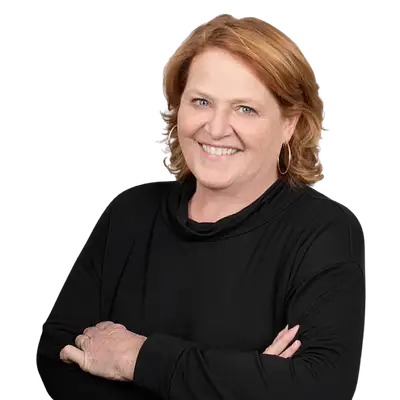
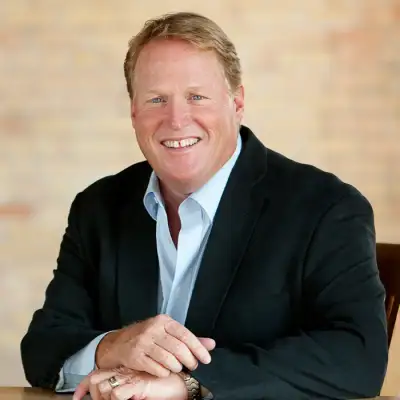

Former U.S. Senator Heidi Heitkamp and her brother, KFGO radio talk show host Joel Heitkamp, engage in animated discussions with newsmakers, elected leaders, and policymakers who are creating new opportunities for rural Americans and finding practical solutions to their challenges. Punctuated with entertaining conversations and a healthy dose of sibling rivalry, The Hot Dish, from the One Country Project, is informative, enlightening, and downright fun.
Heidi Heitkamp [00:00:05]:
Welcome to the Hot Dish, comfort food for rural America. I'm Heidi Heitkamp.
Joel Heitkamp [00:00:09]:
And I'm Joel Heitkamp. We have a great guest with us today, but before we introduce her, please remember your thoughts and opinions matter to us. We want to hear what's happening in your rural community and what you want to hear from us.
Heidi Heitkamp [00:00:24]:
Email us at podcast@onecountryproject.org.
Joel Heitkamp [00:00:29]:
And follow the One Country Project on Bluesky and Substack to keep up with us.
Heidi Heitkamp [00:00:34]:
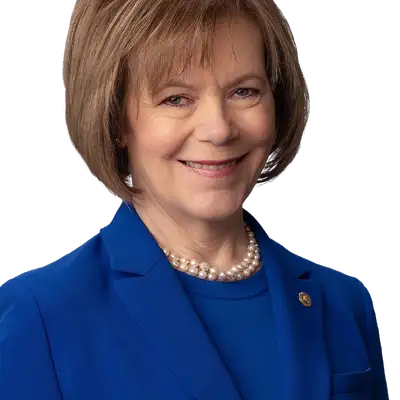
We have a great guest today, Senator Tina Smith, who I got to know when she first came to the Senate. I didn't really know Tina beforehand, but, man, she is a dynamo. She's one of those quiet but quick kind of studies, and she made a huge impact during her time in the Senate, which is still ongoing. And so, Tina, thank you so much for joining us.
TIna Smith [00:00:58]:
Well, thank you, Heidi, and hi, Joel. It's so great to be with both of you, and I love this podcast, and I just love what you're doing.
Joel Heitkamp [00:01:07]:
Well, my mother told me not to have favorites, but you're certainly one of mine. So thank you, Senator Smith, for joining us. We have a lot to get to today, and I know your time is limited. Unlike a lot of people on the other side of the aisle, you actually work during government shutdown. So let me just ask you this to kick things off, you know, this shutdown, you know, when you look at it, what do you think the public thinks the reason is?
TIna Smith [00:01:35]:
You know, it's sad to say that government shutdowns are not, like, the latest anymore. It's, you know, people are. And I think in some ways have kind of gotten a little used to them, which I think is just terrible. Having worked at the state government level and the local level, like, you just figure out how to pass your budgets and how to fund your operations, and there's just no question about it. But I'll tell you, I've been home in Minnesota for, you know, four or five days, and, like, more often than not, what people are doing is sort of saying, tina, keep fighting. So I think the fact that Democrats.
TIna Smith [00:02:15]:
Democrats are holding firm to. Because we think that we need to take action to lower people's health insurance premiums that are skyrocketing right now. I think that that is getting through. The Republicans are basically saying, just like, vote with us, we'll, you know, we'll, we'll work it out with you later. And I'm kind of like, you know, maybe I would have believed that a few months ago, but not anymore.
TIna Smith [00:02:38]:
I need to really know that we are going to have, we're going to be able to find common ground to do something about these skyrocketing health insurance premiums. Especially, I mean, when grocery costs are up, energy costs are up. And now health insurance premiums are doubling or in some cases tripling. And we know that it is worse in rural communities because people generally pay more for their health insurance in rural communities than they do in the big cities.
Joel Heitkamp [00:03:04]:
You know, Heidi, I'm going to, Heidi, I'm going to ask you quick. First off, you told me about this, Heid. You told me what was coming. You know, right now my listeners are talking about soybeans and they really haven't thought about healthcare, but they're starting to, I mean, they're starting to realize where they get their healthcare from. And Heidi, you told me to start talking about that on the radio.
Heidi Heitkamp [00:03:25]:
Well, you could see this coming from a long way away. Back when the big, so called Big Beautiful Bill basically took millions of people off Medicaid. I said, you know, that's only half of the story because if they don't extend the Obamacare subsidies, that is going to double, triple a lot of farmers and a lot of people's health insurance rates. And the thing that I don't get, and maybe Tina, you can enlighten me. This is going to hit red districts and red states a lot harder than it's going to hit blue states. So why aren't they equally panicked? We're seeing, seeing people like Marjorie Taylor Greene kind of getting religion about this. But why aren't the rest panicked about this?
TIna Smith [00:04:11]:
Well, I mean, first of all, you are so right that this is not a Democratic or Republican issue. This is an everybody issue. And it is a now issue because just today in Minnesota, people got their notices about what their insurance rates are going to be. And there's been a really interesting analysis that showed that something like three fourths of of the people who are gonna see these skyrocketing rates, they live in districts that are represented by Republicans in Minnesota. Yeah, it's a really, really big deal. And so I don't know, I just feel like the Republicans, honestly, I mean, to be really blunt, I think they kind of thought the Democrats were gonna fight for a few days and then just give up.
Joel Heitkamp [00:04:52]:
Well, let me ask this. They're wrong because what you spoke to earlier, Senator Smith, was, you know, we can do this. We can. Why in the world would you trust them? I mean, what have they done to earn your trust so that, hey, come November we'll fix this.
TIna Smith [00:05:10]:
Yeah, well, so this is the thing. You know, a lot of the Republicans are saying, you know, just give us your vote to reopen the government and then we'll talk about this later. But, I mean, think about where we've been over the last year. I mean, in March, we had another budget crisis, and enough Democrats voted with Republicans to keep the government open. And then what happened since then? Well, one, President Trump basically repealed a lot of the spending that Congress had passed in a bipartisan way, and nothing got done about that. Then they passed the big beautiful bill, so called, which just decimated Medicaid. And then, you know, not only that, but now we have National Guard getting deployed to cities all over the country. And I think about those National Guard members who did not sign up to be law enforcement.
TIna Smith [00:06:02]:
And now here we are, and they're saying, just trust us. And our attitude is like, no, we need to negotiate. This is how things get done in government. Both parties negotiate. And in the Senate, you need 60 votes right now to get something done. And they need to negotiate with us. That's all we're asking. And as you point out, it'd be good for them to solve this problem.
TIna Smith [00:06:23]:
Problem, too.
Joel Heitkamp [00:06:24]:
And I think you dealt with this, Heid, in your time in the Senate as well. And either one of you, go ahead and speak to this. But what's the plan? I mean, the whole thing is, you know, trust us, trust us. During the first Trump administration, I was told there was a plan. And then the four years he said he was president when he really wasn't, I was told there's a plan. And then, you know, upon the new election, there's a plan. And then all of a sudden, the word concept came up. So, Heidi, explain to me.
Joel Heitkamp [00:06:55]:
Yeah, no, explain to me what concept is, you guys?
Heidi Heitkamp [00:06:59]:
Well, I think it's so interesting because didn't the speaker of the House, Mike Johnson, say, we're working day and night, and if you could holler down the halls, and it would echo back because he sent everybody home because he doesn't want to deal with the Epstein file, and he doesn't want to swear in a duly elected congresswoman from. From Arizona because he knows that's the last signature on a discharge petition. And so this is. This is complicated. But let me tell you, I say that all the time. People say, well, you know, those Democrats and Obamacare, I don't like it. I said, you, you know, we were told you would have an alternative. You've never, ever, ever come up with an alternative.
Heidi Heitkamp [00:07:44]:
And so, you know, this is on you. Show us the alternative, go to the negotiating table. But the fact is they don't have an alternative. And they are gonna sit and watch lower income Americans lose their health insurance. And what's gonna happen, and Tina knows this as well, is that healthy people are gonna drop their health insurance.
TIna Smith [00:08:04]:
That's exactly right.
Heidi Heitkamp [00:08:06]:
But sick people are gonna find some way to pay it. And so all of a sudden there's gonna be fewer premiums paid into the healthcare system and people are gonna be sicker who are, who do have health insurance. And that is a formula, especially for rural hospitals, a formula for disaster on top of what they're doing to Medicaid.
TIna Smith [00:08:25]:
Boy, I mean, that is so true. I think our healthcare system is already pretty messed up and it costs too much. It's not working in so many ways. And what will happen when these premiums go up, as you're saying, Heidi, is this is a perfect example. I was talking to this young woman a couple of like a week or so ago. She had been getting health insurance on her father's because she had been under 26. That's another benefit of Obamacare, the Affordable Care Act. You could keep your kids on your insurance until they were 26.
TIna Smith [00:08:58]:
Very popular. Now she's paying for her own insurance through the exchange. She's a daycare provider, so she doesn't make very much money at all. And she's young and she's healthy. She'd like to start a family, but she can't afford twice as much for her health insurance premiums. And so probably what she'll do is she'll postpone starting a family, she won't get health insurance. And she's exactly the kind of person that we want in this big health insurance pool that helps us spread the costs for everybody else. And when you think about the fact that I've been told that roughly 25% of farm families get their health insurance through the health insurance exchanges around the country, probably a lot of the rest of them have an off farm job so that they can get health insurance.
TIna Smith [00:09:43]:
And while you're right, Joel, right now, at least in Minnesota, people are in the fields, the weather's been nice and dry. They're doing, they're, you know, just working 12, 14, 16 hour days. But when they open up the mail and they see what their premiums are going to be, it's going to be a huge shock.
Joel Heitkamp [00:10:01]:
Yeah. One other thing I want to say though, and you guys understand this, but for everybody out there listening to and watching the hot dish. I want to talk just a second and get you guys take about Oaks. Oaks is this little town in the fly pattern between Aberdeen, South Dakota and Fargo, North Dakota, which is the main flyway to go ahead and pick people up and get them to Fargo, to Sanford. Oaks has a hospital now. They have a hospital right now. And you know, this big beautiful bill and where it's going with, with Medicaid. Oaks is afraid of losing that hospital.
Joel Heitkamp [00:10:37]:
They're already on the edge already. Senator Smith, you know, how do you know where Oaks is? I mean, this town's scared right now.
Heidi Heitkamp [00:10:46]:
The other thing that you need to know about Oaks is they've been able to have a hospital because of the Conrad 30. And the Conrad 30 is an immigration policy that allowed high skilled workers to come. And they're disrupting all of that. They're telling people, don't come. You know, we've got Americans who can do that work. Let me tell you, in rural America, that visa program makes a huge difference in delivering healthcare and making sure our rural hospitals stay open. And so it's not just your reimbursement, you know, and uncompensated care, it is workforce. But I want to talk, Tina, a little bit about soybeans because we talk a lot about soybeans, we talk a lot about farmers and we talk a lot about trade.
Heidi Heitkamp [00:11:27]:
And I want to ask you, is there any appetite among the Republicans to stop this trade nonsense to bring back control to Congress for tariffs? What is going on there? What are your colleagues saying on the other side who really for years have opposed tariffs, who have opposed this kind of trade interaction?
TIna Smith [00:11:50]:
Yeah. So you know what the President did, what President Trump did when he came into office is he used his executive authority. He signed this executive order declaring a national emergency around trade, which in order to impose these tariffs and completely decimated the market for American soybeans in China, which is a huge multi billion dollar market. You all know this. And I mean, not a single bean has been sold to China since like May. And here we are, we're having this bumper crop. It's, you know, yields are very high. And Minnesota farmers and I'm sure around the rest of the Midwest are going, what am I going to do with my beans? I can't even find a place to store them, let alone sell them.
TIna Smith [00:12:36]:
It is, I think potentially a huge disaster. And so this is all happening because of the Trump tariffs. And your question is, what are my Republican colleagues doing? And you know, I mean, I'm sure you can relate to this, Heidi, you know, behind closed doors, they'll sort of shake their heads and say, I'm not really sure this is the right thing. And they will. Even in the Finance Committee where I serve, they might, you know, kind of ask some tough questions about tariffs, but they never actually do anything. And they certainly aren't reclaiming congressional power when it comes to imposing tariffs, which is the role of Congress. So not only are they hurting their constituents, but they are also undermining the authorities of Congress in a way that I think are going to have real long lasting impacts. And I don't know.
TIna Smith [00:13:24]:
You know, a lot of the farmers that I talk to are sort of. I mean, right now they're just so busy trying to figure out how to get their crops, you know, out of the field. But like, they don't. They literally, they don't want to pick up the phone because they're afraid it's their banker.
Joel Heitkamp [00:13:38]:
Yeah, I'm not going to say that. It completely switched, uh the 73% of the individuals that voted red. You know, that's not what I'm about to say. But what I am about to say is they're ticked. They're really ticked when they heard that $20 billion was going to Argentina. $20 billion, you guys. You know, and then Argentina takes off their tax and the next thing you know, their soybeans are going to China.
Joel Heitkamp [00:14:07]:
You know, nobody even is talking about the Secretary of the Treasury's relationship with the hedge fund. I mean, my point is, Heidi, they're ticked.
TIna Smith [00:14:17]:
Yeah, that is very, very true. And that, yeah, I think the slap in the face of sending that $20 billion to Argentina at the exact same time that China is shifting all of its purchasing to Brazil and Argentina is just like beyond the pale.
Heidi Heitkamp [00:14:34]:
Well, I saw the Senate Majority Leader, Senator Thune, who is our neighbor to the south and your neighbor to the west, basically saying, well, he's kind of come up with a plan. And I'm like, you can stopgap this. You can throw some money at it. It will make a lot of people in rural people think that everybody in rural America likes these kinds of bailouts. That is not true. Including a lot of the farmers don't like it because they need markets. And so the question is, now we in essence are double cropping because we can't sell this year's crop. Right.
Heidi Heitkamp [00:15:10]:
And China has, has purchased record number of soybeans and they're storing soybeans. I mean, everybody knows that. And so now we've got a double crop, further depressing soybean prices even coming into next year. And Tina, I think one of the funniest things, not funny, but one of the clearest things that you, that is they don't answer the phone because they're afraid it's their banker.
TIna Smith [00:15:34]:
Yeah, yeah. I mean that's the level of, you know, how are you going to get the working capital loans? How are you going to be able to pay back the loans that you had when you can't sell the crop? That was supposed to be the money to pay back the loans. And it's just like the whole system is built on sand right now. And you know, I remember in, you know, when we had the last Trump tariffs and farmers would say to me, trade not aid, Tina, we want trade not aid. But of course if you are looking at losing the five generation farm or a two generation farm and you have the choice between getting a little bit of relief, you're going to take the relief so that you can live to fight another day. But we all know how this goes. Even if you could find a way, and they probably will, they'll find a way of finding some money and it won't cover people's costs and it'll go to some farmers and not to other farmers and it'll really, really be a rough road to hoe for especially the small farmers and especially at the time when you're trying to build long term equity and when you're just getting going and you don't have any cushion. It's these kinds of things that really are the make or break.
TIna Smith [00:16:53]:
And you might just decide this is just too much. I can't do this, I can't make this work. And that's what breaks my heart as I think about how hard American producers work, you know, under the best of circumstances.
Joel Heitkamp [00:17:06]:
Well, land sales are up, farm suicides are up. All of these things are happening because of financial stress. And of course that bank that holds the operating loan is knocking on the door saying, look, you move those soybeans and the problem is they don't have any place to sell.
TIna Smith [00:17:21]:
There's no place to go.
Joel Heitkamp [00:17:22]:
You know, in my home country there's, there's, you know, you guys both know what a unit train is. But a unit train, ladies and gentlemen, 100 railroad cars all together and that's one unit train or plus. One of the guys down here deals in that he normally by now would have sold nine unit trains. He sold one. And that was before this latest fight. So I mean it's, it's that bad out there.
TIna Smith [00:17:48]:
Yeah, yeah, it's really. And you know, we should be talking about, we should be having a completely different conversation in the sense that we should be talking about what incredible potential there is in rural communities, how hard people work, the opportunities. We should be talking about what we can do to add, do more value add in farm communities. We should be talking about how these rural hospitals that are so incredibly entrepreneurial, what we can do to help keep them open so that moms don't have to drive 45 minutes to deliver their babies. These are the kinds of problems that we should be solving so that folks that live in small towns and rural communities can see a future not only for themselves, but for their kids. And those are the problems that I want to be working on and solving. And it feels, instead of this sort of defensive action that we're in right now, because I honestly think that people in the White House don't have any clue what it's like to live in a small town or a rural community in this country. And I mean, Scott Besant sure doesn't.
TIna Smith [00:18:52]:
When I was talking to Scott Bessent about becoming treasury secretary and he knew I was from an ag state and he, he basically is trying to establish rapport, but with me by telling here's this like hedge fund guy from New York City, he says, oh, well, you know, I own farms all over Montana.
Joel Heitkamp [00:19:06]:
And he owns them in North Dakota.
Heidi Heitkamp [00:19:11]:
That is as tone deaf as you can get.
Joel Heitkamp [00:19:16]:
Yeah, I mean he, he owns land here in North Dakota. And that's the other part. There's a lot of people here that are starting to believe that one of the things that is best, after you see an administration that isn't even bashful about, you know, raising wealth for its buddies, you know, they're afraid that they're going to lose land over this. You know, they're afraid. You know, they saw what happened in the 80s, Heidi. I mean, they're afraid.
Heidi Heitkamp [00:19:40]:
Tina, you and I served on the Ag Committee together and there was always that, that very important coalition between nutrition and the farm program and that was created by Bob Dole and George McGovern. Dole understood that eventually there wouldn't be enough people in urban America to support a Farm Program. So he created this coalition. There's been a lot of lost faith and trust now given that they did the so called skinny farm bill and the Big Beautiful Bill, and I use that term ironically. So where are we at with that coalition and how do you see the chairman over in the House still thinks he can get a Farm Bill done by the end of the year. What's, what's your sense?
TIna Smith [00:20:26]:
Yeah, well, I mean, it's hard to be optimistic about that, to tell you the truth, because, as you say, this grand coalition between people who care about nutrition programs and who don't represent big ag districts and people who care also about that, but also care about how to make sure that farm, you know, farm families have a, you know, have the kind of risk management tools and that rural communities have the kind of tools that they need in order to be successful. That was the grand coalition, and it was broken when these unilateral cuts were made to the nutrition programs. And how do you put it back together again? It's interesting, isn't it, Heidi? Because you and I remember on Ag Committee, the alliances are not so much like party as they are regional. And so when you think about this grand coalition, shoot, there are Republicans in the House who never support and in the Senate who never support a Farm Bill because they, they don't, it's not their, it's not their gravy, you know. And so, you know, this is something, of course, this.
TIna Smith [00:21:30]:
The ranking member of the Ag Committee is my dear friend and colleague, Senator Amy Klobuchar from Minnesota, a very, you know, longtime friend of yours in the Senate also. And she is wrestling with this right now. And if you, you know, one of the things that we've been talking to people about is, well, if you. If we're going to put together this big package to help farmers, maybe this is also a time to try to mitigate some of the problems that some of the problems that were caused by the big, beautiful bill when it comes to SNAP and the nutrition program again, another program that is really relied on in a lot of rural communities. And it's not just a city thing. It's an all of America thing. It's a one America thing. So I don't know what's gonna happen, but I think the fact that that big coalition is broken apart is going to be hard to put it back together.
TIna Smith [00:22:22]:
And we can. We can put it back together again. But without that, you gotta. You gotta be able to find the votes to pass these things.
Joel Heitkamp [00:22:30]:
So how do you administer any aid to farmers if the FSA office is closed?
TIna Smith [00:22:36]:
Yeah. Yeah. Well. And, you know, you know, this Joel and Heidi, the FSA offices were kind of a mess because of all of the rifts and DOGE cuts and everything. And a lot of people left. And so there was a lot of uncertainty and challenge. And now, of course, with the government shutdown, those FSA offices aren't open. So, you know, and you know, the USDA is in a lot of turmoil because of this unilateral decision that Brooke Rollins is making to kind of basically ship people out of Washington and without any, like, without a ton of advanced planning on how to do that.
TIna Smith [00:23:14]:
So how you administer these things is a really good question. And you need those FSA and hopefully those FSA officers who have some experience and some knowledge in their communities and aren't brand new.
Joel Heitkamp [00:23:26]:
You know, working for a roll water system. And your dad did, too, Hyde, you know, seeing how we had the same one. But you know, what the, what the Senator said about. Here's what we should be talking about in rural America. We should be talking about building water systems and, and sewer systems and repairing.
Heidi Heitkamp [00:23:43]:
The ones we have. I remember when I was in the Senate, one of the first rural water systems, which was in central eastern North Dakota, came in and they brought in a pipe and it was all corroded. Joel. In the inside, they said that they lose about 30% of the capacity of the water that goes through that pipe because of slow leaks and because the system is aging. And so even if you built the system, it's time to basically do maintenance on the system. And that, that if we're going to save rural America, we got to provide these. That level of services. We got to provide the broadband, we got to provide the rural health care, we've got to provide the water system, we've got to provide housing.
Heidi Heitkamp [00:24:23]:
Not us, but we have to make sure that these places have housing, that they have the livelihood and that they have the quality of life to maintain population. And if we don't do that, I guess hedge funds will own our farmland and we'll just give them as much money as what they want because there won't be anybody left in rural America to sustain our rural communities.
TIna Smith [00:24:45]:
Yeah, yeah. It's the course. I've been really worried about this, how in these kinds of economic crises, like are being created by the Trump tariffs in rural America, that it does lead to more concentration, more land owned by fewer people, you know, more, you know, across the board. We see this increasing concentration in agriculture and we see it in healthcare as well. And, you know, at the end of the day, what that usually means is there's more money. There's more money for a few people and everybody else is left with less.
Heidi Heitkamp [00:25:22]:
Yeah, I think we should all be terrified when one of the richest men in the world says, I own one out of every 4,000 agricultural acres in America.
Joel Heitkamp [00:25:32]:
Yeah, so, so let me ask you this, because obviously there's help needed, and if you look at it, we talk in terms of red and blue a lot. But I grew up where Democrats were winning in rural areas. You know, I did. How do you fix that, Senator? Senator Smith, how do you get Democrats elected in rural area again?
TIna Smith [00:25:55]:
Yep. Well, this, you know, we've had a lot of conversations about this. Heidi and I talked about this a lot, and obviously there's no easy answer. I will say, you know, I, I can be a little critical of my party when it comes to this. I think that sometimes my party can be a little tone deaf. And, you know, my mother came from a very small town, a town of 345 people in Northern Indiana, and she had this. She, she traveled all over the world, but she always had this attitude. She could sniff a mile away when somebody thought they were better than her.
TIna Smith [00:26:32]:
You know what I mean? Somebody's like, oh, you know, that kind of elitist attitude. And I honestly do think that there has been a problem with some of our national Democratic leaders just coming off as a little bit tone deaf and a little bit out of the loop and not really knowing what it is that they're talking about when it comes to rural America. Now, I'm painting a broad brush statement, and there are some, like, we have some really good leaders who are not falling into that trap, but I think that that's part of it. The second thing that I've been thinking a lot about right now is I think, you know, I do really think that the messenger is the message in some ways. And when you have a strong rural leader who can relate to people and who can connect to people, I mean, I'm thinking a little bit about, like, you know, Dan Osborne in Nebraska. Now, he's not a farmer, he's a union guy, but he can connect with people. This oyster farmer in Maine who is just a regular guy who also has incredible talent when it comes to really talking about what people are looking for in their elected leaders. I think the leadership and the messenger that we need needs to be different.
TIna Smith [00:27:41]:
And then I just think we need to get out there and we need to compete. And I mean, Heidi, I can't believe I'm talking about this with you because you ran and won in a state that was long represented by Democrats and also always a very rural state. And I mean, I'd love to know what you think about this, because, I mean, I think the challenges of trying to outrun the national Democratic Brand right now for Democratic leaders is a pretty big challenge, but it's huge.
Heidi Heitkamp [00:28:14]:
It's huge because you can say, well, I'm not that Democrat. I'm a, I'm a North Dakota Democrat. And people say, oh, well, you know, what's the difference? You're going to go and you're going to vote with Chuck Schumer and you're going to toe the party line, which you've never done and I've never done. But yet it's really hard to get that message across when especially these Senate races have gotten so nationalized. You know, I remember a woman came to North Dakota and she was talking to the head of the corn growers in North Dakota, and she asked her, well, what do you think about that, Heidi Heitkamp? And he, oh, we love her. We go, we gave her a national award. She's been great for our industry, great, great for our producers.
Heidi Heitkamp [00:28:52]:
And she said, so you're gonna vote for her? And he goes, oh, no, she's a Democrat. And, you know, it is. I will tell you, during those times, though, it was pretty good, that things at the farm were pretty good economically. People didn't see an economic imperative. And I think that we have an opening now with the disastrous economic policies for rural America to actually ignite that, that, that dialogue and that discussion. But you have to show up. And you have to show up. I guess what I would say is, you know, know how to fix the tire.
Heidi Heitkamp [00:29:29]:
Know how to, you know. I mean, you know. No, I think that way too often our party's represented by people who've never been in rural America. And, and it's tone deaf. It, they, they don't get it. They, they, they make broad assumptions about the character of people in rural America, and they have forgotten that everybody pretty much in this country wants the same thing. They want a government that works. They want to be able to feed their kids and send them off to college and give them a better life or pass on the farm.
Heidi Heitkamp [00:30:01]:
They want good health care, and they want to know that something stays behind. And quite honestly, we don't talk enough about those things because right away we're labeled as something else.
Joel Heitkamp [00:30:15]:
But that's the point, isn't it? We only end up talking about what they want us to talk about, and they push this agenda. They want us to talk about A, B or C, which have nothing to do with everyday life. And then here we are, we're talking and defending ourselves on a, B and C, which are incredibly unpopular when it comes to the rest of America. But we're going to do it because we're going to stand up for the little guy. That's our nature. Now here's the thing, Senator Smith, that just absolutely drove me nuts during the presidential race. Okay, Where I live, those farm to market roads where I live, you know, high speed Internet where I live, I mean, all of these services matter. They were in the infrastructure bill, they were in what Joe Biden had done in the infrastructure bill.
Joel Heitkamp [00:31:01]:
And you voted for. And I mean, it was all right there. We never talked about it once during the presidential race. Not once did that get brought up during the presidential race. And I'll tell you what, in the rural area, it would have helped. I really believe that.
TIna Smith [00:31:16]:
Yeah, well, you know, a lot of what we did in that bill, which was, you know, was bipartisan, by the way. Not, not highly bipartisan, but a little bit bipartisan. You know, a lot of those things take time for people to see and people to feel. And I could respect that. People's lives are, are really, you know, hectic and busy. And, you know, I get that. And then, of course, you had a lot of. And this, this is what really drove me crazy is, you know, I.
TIna Smith [00:31:41]:
My members of Republic, Republican members of Congress in Minnesota who voted against the Bill, but then were happy to show up at the ribbon cutting and claim credit for the new transmission line project or the new broadband project or whatever it was. So there was that. But I would say that in the Presidential Election in 2024, we were not hearing clearly enough until it was too late, that people were very unhappy. They were saying to us loudly and clearly, the status quo is not working for me and my family. I can't aff my life. I don't know, I don't have that sense of security that I would have if I really believed that my kid's life was gonna be better than my life, which is sort of the American dream. And we didn't respond to that enough. And in fact, I think too often our leaders were saying, no, let me just explain to you how things are actually better than you think.
TIna Smith [00:32:37]:
And I mean, who likes that? Nobody likes that. That's like, again, you're arrogant. You think you know me better than I know myself. And, you know, I'm a firm one for believing that. Our differences right now, the Democratic Party, it's not so much a left or right thing. It's about whether you're defending the status quo or whether you really believe that we need to make big changes. And I think a lot of people voted for Donald Trump, because they think we need to make big changes. And, you know, they're not wrong about that.
TIna Smith [00:33:03]:
I'm not sure, I don't, I don't necessarily think the changes that he's making are what they wanted, but it's a sign of their frustration.
Heidi Heitkamp [00:33:12]:
And they say, at least he's doing something. Yeah, at least he's doing something. So, Tina, you've already announced that you're not running for reelection, which is very sad. You've done such a terrific job for all the people of Minnesota, and you've been such a huge member, important member in the United States Senate. So I'm going to ask you, what advice do you have to your successor? What advice would you give them, you know, the day after the election, doesn't care. I don't care if it's a Democrat or Republican, they call you up and say, okay, Senator Smith, what, what, what should I do next?
TIna Smith [00:33:50]:
I would say, don't be chicken shit. If I can say that on your podcast.
Joel Heitkamp [00:34:01]:
No, you can say it again. Say it again.
TIna Smith [00:34:05]:
Don't be chicken shit. Do not, you know, there's sometimes we get this. You know, we work so hard, it's so expensive to run for Congress, and then you get there and you feel like you have this precious Senate career in your hand that's very breakable, and you need to be so careful not to break it. And you get this idea that the risks of taking action are too great, and so you just need to be cautious. And what I would advise anybody who has the. The incredible privilege and opportunity of serving in the United States Senate is to don't be afraid. Like, be bold.
TIna Smith [00:34:41]:
Understand at the end of the day that the risks of not doing anything are far greater than you actually can appreciate right now. And don't listen to all the people that are telling you to go slow, because that's not what Americans want right now. Whether they identify as being a conservative person or a liberal person, they don't want to go slow moment. They want a change it. Make it work for me moment. That's what I would say.
Joel Heitkamp [00:35:05]:
Senator, it's great to visit with you. It really is. It's never too late to change your mind.
TIna Smith [00:35:12]:
Joel is always lobbying me whenever I go on the show, the radio show. It's like, incredible.
Joel Heitkamp [00:35:17]:
I never called you quitter today, you know. But I'll tell you what. Heidi's right. Thank you. Great conversation. And, Heidi, I'll let you say goodbye as well.
Heidi Heitkamp [00:35:29]:
Well, Tina, you are just such a great friend, and it's sad to think you're not going to be there, because quite honestly, you have never been chicken shit. You have never been chicken shit. You came in hot and you're going out hot, and you know what you think, and you tell people what you think and don't worry about, you know. And I think you've earned just such a tremendous amount of respect from your colleagues because of it. And, you know, recognizing that we get at a point in our life where it's time to make that transition and spend a little more time with your husband, I made my own transition. I can appreciate it. But, boy, they're going to miss somebody who stands up and tells the truth to power.
TIna Smith [00:36:12]:
Well, and I am not done making good trouble. So stay tuned.
Joel Heitkamp [00:36:16]:
We'll have you back. Okay, thank you, Senator.
Heidi Heitkamp [00:36:18]:
Thank you so much.
TIna Smith [00:36:19]:
Thank you all.
Joel Heitkamp [00:36:26]:
I'll take any US Senator that says the word chicken shit. In fact, I already knew one. It's just, she used to be in the Senate.
Heidi Heitkamp [00:36:35]:
Well, listen, one of the things, you saw her, you know, you saw her march up to anyone who belittles the people of Minnesota. You have seen her, you know, and it's interesting because I think she came in and obviously, you know, in the shadow of a great Senator, Al Franken, and in the shadow of Amy Klobuchar, she has made her mark, and people respect her, respect her for what she knows, but also respect her for her principles. She's an amazing leader, and it's really too bad. But I think if the Democratic Party would listen to her advice, we'd be a lot better off in rural America, Joel.
Joel Heitkamp [00:37:14]:
Well, and I tell people all the time because they think that she's gotten a little more free once she announced that she's not gonna seek reelection. That's not true. I've known Senator Smith for quite a while in my radio show, and that's who she always was, Heidi. Well, you know that, that's who she always was.
Heidi Heitkamp [00:37:32]:
Well, she's kind of, uh, she was never going to be a politician. You know, she came from the corporate world. She was very active in Planned Parenthood, Chair of the Board, I think, and was plucked out of kind of obscurity by Governor Dayton to become the Lieutenant Governor. And that really catapulted her. And so she doesn't have those, those, you know, those kind of mealy political instincts. She's just going to tell you what she thinks, because that's the world that she lived in. And so but I think she's painting a pretty bleak picture of what's happening in the state of Minnesota. You know it from being around North Dakota, I know it from being around North Dakota.
Heidi Heitkamp [00:38:10]:
But it's not just our states. It is the whole soybean corn belt. But it also is rice. The rice farmers can't sell their rice in Arkansas. And so this is the kind of devastation that you're seeing to American agriculture right now is really frightening. And it's going to be ripe for land takeovers, it's going to be ripe for bankruptcies. And as you mentioned during the show, Joel, suicides.
Joel Heitkamp [00:38:43]:
Well, you know, and let me say this, that one of the things I'm going to walk away from our conversation with Senator Smith, the moment or remember the most is we're saying this isn't what we should be talking about. We should be talking about where we're going, what we're going to do. We should be talking about crushing plants and ethanol plants and we should be talking about, you know, expansion of what we do as a rural area. And instead we're talking about how we fix going backwards. And I can't figure out how in the world we can send $20 billion to Argentina and then look at ourselves in the eye and say, oh, by the way, we've got to send a bunch of money to farmers that we've undercut them through the word tariff.
Heidi Heitkamp [00:39:28]:
Yeah, it is a very, very tough time right now in agriculture. And you know, it's always hard because you get excited about big yields, you get excited about taking the crop off, crop looks good and then, you know, it's not worth anything. And just so people understand, because I want to reiterate, guess what? There's no market. I mean, you can say, well, they're going to have to sell at a lower commodity price. There's no market. And so what's going to happen when we see soybeans and China right now is buying a record number of soybeans, they're stockpiling soybeans. And you know, I think Xi is playing a long term game and the president threatening 100% tariffs, you know, against Qi, against China. That just plays into their hands.
Heidi Heitkamp [00:40:15]:
I think.
Joel Heitkamp [00:40:16]:
Well, and the one other thing that I want to add to that is, you know, in the, in Trump 1.0, he lost big time market share to Brazil with soybeans, he lost that market share. Now what we kept hearing time and time again from the administration was they'll be back, they'll be back. You know, the art of the deal, I know how to make deals. They lost that market share and it never did come back. And now China's building infrastructure in Brazil, they're building infrastructure in Argentina. They're setting up for these countries to be manufacturers of what they need in terms of soybeans long term. And we're never, Heidi, we're never going to get a percentage of this market back.
Heidi Heitkamp [00:40:59]:
Yeah, well, and I just want everybody to understand how much money's been invested in creating these markets with the checkoff programs, with all of the federal dollars, you know, with all of the trade trips that farmers, when they least afford the time, get on, get on airplanes and go make personal relationships. That is hundreds of millions of dollars down the drain of relationship building. That is now you can say, well, build it back. Well, it took decades to build up that relationship. And I'm not sure you're ever going to get it back.
Joel Heitkamp [00:41:38]:
Do you or did you ever know the politics of Dr. Kippen, the man that was in the room when both you and I were born.
Heidi Heitkamp [00:41:46]:
Did he deliver me? I don't remember that.
Joel Heitkamp [00:41:48]:
He delivered you because he came out yelling, it's not a boy.
Heidi Heitkamp [00:41:52]:
Yeah.
Joel Heitkamp [00:41:55]:
Wait, I'm the last one. So I wouldn't know that for sure. But my point is this. What do you think, Dr. Kippen? Because I never knew his politics, but he was my family physician for a long time. What do you think he would say about what's happening in medicine? Listen, what's happening with RFK Jr. What's happening with, you know, some of the closures that are gonna be happening to long term care facilities? I mean, this man who dedicated his life to basically helping people, lived in a rural area where he made less money than what he would have if he lived in a big area. What do you think he'd be saying right now?
Heidi Heitkamp [00:42:31]:
Well, I think you also have to remember what he lived through. I mean, he lived through the polio epidemic and he saw people maimed and he saw people basically, you know, like our grandmother in a iron lung. And then all of a sudden this miracle, this miracle comes out and it's a vaccine that will in fact eradicate polio. And he would. I mean, I think that those guys who live through epidemics, who live through that would just say, how did we forget this? How did you know? That's the problem with success? Because success, you know, people forget why things were successful. And look at the farm program and look at the market creation. Those programs were successful and now people are willing to jeopardize them. And it really requires, I think, a lot of pushback by the medical community.
Heidi Heitkamp [00:43:31]:
And you saw now there's literally physician groups coming out and calling for the removal of Secretary Kennedy, basically saying he is going to injure public health long term. And so, you know, but it's a bigger issue, Joel, because it's about the death of expertise. People no longer will listen to experts. They will listen to crackpots. And I think that was always true in the past, but I think it's a lot easier for crackpots to send their message out, out than it used to be.
Joel Heitkamp [00:44:06]:
Yeah, well, you mentioned experts. You know, to me, you look at what's happening. I, I don't believe John Thune agrees with Donald Trump. I don't. I, I've met John Thune, I've talked to John Thune. I'm not trying to put him up on some pedestal, but he's smarter than Donald Trump. And, and, and these guys, that. What separates them from the rest of America in terms of what they want? America just wants good governance, right? What separates them and puts them in a position where they don't govern and keep their branch of government still a player in all this is they're afraid.
Joel Heitkamp [00:44:44]:
I mean, Heidi, they're just so afraid of this man. And is it because they want their job that bad that they're not willing to punch him in the nose and say you're wrong.
Heidi Heitkamp [00:44:55]:
And you know, to be kinder than maybe that? I think that they think, I think I can still do some good, and if I'm not here, I can't do some good. But the question is, if you're not here, maybe somebody be there that would push back against using emergency authorities to impose taxes on the American public, against decimating a public health system, against all of the things that are happening right now. Big stories about senior people in very important positions all through government who are retiring rather than dealing with all of this. In fact, a third of the workforce could be gone. And you can say, I mean, there's people maybe listening to our podcast saying, yippee, get rid of those public employees. You forget who they are. They're policemen, they're firemen, they're, you know, ag specialists, they're ag economists.
Heidi Heitkamp [00:45:42]:
They're, they're people who are doing a job for the people of this country. And, you know, along the way, bipartisan Congress has decided those jobs are important. And it is really, it's a, it's a dangerous time that we live in, because at what point do we become ungoverned? What, at what point does the American public become ungovernable?
Joel Heitkamp [00:46:02]:
Well, I'm going to keep to my plan. I think they're chicken. I really do. I mean, I'm serious. I think they're afraid of them and they just so desperately want to keep a job that they were elected to. And so it. I've never thought of term limits. I mean, I, I've always heard the, you know, we have term limits.
Joel Heitkamp [00:46:20]:
It's called elections, you know, maybe. Because the only person, people that are going to fix this is the GOP in the legislative branch, and they're not willing to. And so you're going to sit there and say, well, we have an election coming up. Well, it's not going to turn the Senate. There's no way it's going to turn the Senate. It might turn the House. And I stress that.
Heidi Heitkamp [00:46:39]:
No, no, Joel, I have more hope right now than I did six months ago. But the question that's on everyone's mind, Joel, how did the pumpkin patch work out this year?
Joel Heitkamp [00:46:52]:
Well, yield was bountiful. How's that? You know, and here's the thing. We don't sell our pumpkins to China, you know, and so we're, we're safe there for what? Many of you that are just listening to the podcast for the first time. I raise pumpkins about half an acre, so it's not. I just do it for fun. And then my grandkids go around and they, they post and they advertise what they call porch packages, which means that they go around with the pumpkins and the gourds and everything I raised, and then they decorate people's porches with them. And it cost me around 300 bucks in seed every year and all my time and, you know, water system and that type of thing, and they pay me absolutely nothing back. And they sell all of this stuff and buy new tennis shoes for their basketball games and football games.
Joel Heitkamp [00:47:41]:
So it works out pretty good for them.
Heidi Heitkamp [00:47:43]:
Are you counting the stitches in the emergency room?
Joel Heitkamp [00:47:46]:
You didn't have to tell them about that, that you didn't have to. Let's just say I was cutting some pipe out in the pumpkin patch, got a little too aggressive with my buck knife. So the upside is I have a daughter who sewed it back up. She works in the medical field. And I went straight to her clinic about 8 o'clock at night and said, this one ain't good. And she just shook her head like I would have done to her about 30 years ago. And yeah, I got it sewed up.
Heidi Heitkamp [00:48:14]:
Well, listen, Joel, thanks so much. I think, you know, you know Tina almost as well as I do, but I think that we can tell everybody that she is one of the good ones. She is one of the good ones. And we're so grateful that she came on the podcast today.
Joel Heitkamp [00:48:29]:
Yeah. No question about that. She will be missed. She will, really well.
Heidi Heitkamp [00:48:36]:
Thanks for joining us today on the Hot Dish brought to you by One country, making sure the voices of the rest of us are heard in Washington.
Joel Heitkamp [00:48:44]:
Learn more at oncountryproject.org. That's one countryproject.org. We'll be back next week with more Hot Dish, comfort food for rural America.