Subscribe
Share
Share
Embed
In Episode 56, I continued the conversation with Georgie Bell, The Heart Cut's co-founder from Ep.55. She has extensive industry experience, having previously worked at Diageo, Bacardi, and the Scotch Malt Whisky Society.
We discussed how to explain a product, starting from a liquid, going into taste profile, storytelling, and target occasions. We closed with a dive into the life of a start-up with learnings and course correction to build bottom-up. I hope you will enjoy our chat.
Time Stamps
0:00 Intro
0:24 Where Do You Start
4:46 Importance Of Follow Up
7:41 Importance Of Normal Bars
13:05 Importance Of Off-Trade
15:18 When To Wholesale?
17:09 One Bottle, One Case, One Pallet
23:40 Building Demand With Partners
30:56 The Drinks Ecosystem
34:20 Start Up Challenges
47:34 Contact Details
49:19 Outro
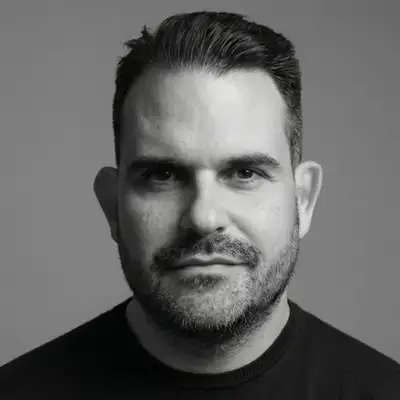
About The Host: Chris Maffeo
About The Guest: Georgie Bell
In Episode 56, I continued the conversation with Georgie Bell, The Heart Cut's co-founder from Ep.55. She has extensive industry experience, having previously worked at Diageo, Bacardi, and the Scotch Malt Whisky Society.
We discussed how to explain a product, starting from a liquid, going into taste profile, storytelling, and target occasions. We closed with a dive into the life of a start-up with learnings and course correction to build bottom-up. I hope you will enjoy our chat.
Time Stamps
0:00 Intro
0:24 Where Do You Start
4:46 Importance Of Follow Up
7:41 Importance Of Normal Bars
13:05 Importance Of Off-Trade
15:18 When To Wholesale?
17:09 One Bottle, One Case, One Pallet
23:40 Building Demand With Partners
30:56 The Drinks Ecosystem
34:20 Start Up Challenges
47:34 Contact Details
49:19 Outro
About The Host: Chris Maffeo
About The Guest: Georgie Bell
The MAFFEO DRINKS Podcast is a leading drinks business podcast delivering actionable insights for drinks leadership.
For founders, directors, distributor MDs, and hospitality leaders navigating the tension between bottom-up reality and top-down expectations.
20+ years building brands across 30+ markets. Each episode features drinks builders: founders, distributors, commercial directors, sharing how the drinks industry actually works. Not the conference version. Honest conversations.
Insights come from sitting at the bar.
Beyond episodes: advisory for leadership teams, subscription with episode deep dives and principles to navigate your own reality.
Beer, wine, spirits, Low and non-alcoholic.
Bottom-up Insights & Episode Deep Dives at https://maffeodrinks.com
Welcome to the Maffeo Drinks podcast. I'm your host, Chris Maffeo. In episode 56, I continued the conversation with Georgie Bell from the heart cut from episode 55, so feel free to listen to that as well. I hope you will enjoy our chat. One last thing, if you enjoy this podcast, you will also like the Maffei drinks guides.
Chris Maffeo:You can subscribe free or paid on maffeidrinks.com. We spoke a little bit like about targeting outlets and places and typologies of outlet. You mentioned before the hotel specific hotels, bars, hotel bars, specific type of place in, you know, whiskey bars and so on. So how do you start when building your brand? I mean, you've been working previously on big companies where, you know, the distribution was pretty much done, I guess, unless it was a new launch, so to say.
Chris Maffeo:But how do you target? Like, we got without going into, you know, trade secrets of the hard cut, but just like where do you start? Do you start from from a city, from a country, from you know, I discussed in a previous episode, like, Ilias Mastrojanis, like, had this thing, like, say, like puddled ponds, lakes, sea, you know, like to really grow in that, that kind of element. So what's your, what's your take on that? What's your approach to that?
Georgie Bell:So we, for the HeartCut are taking a city led approach. It's multilayered actually. Apologies. When the heart cut came into fruition and launched originally in September. So September 2023, it was very much behind the scenes.
Georgie Bell:Hardly anyone's heard about us. That's wonderful because it's meant that over the last six months, we've been able to tinker behind the scenes and actually figure out what's working, what's not working, figuring out our distribution, figuring out logistics, figuring out timings, etcetera, etcetera, which I'm sure we can get into later on. But we've also had a DTC focus the first six months. So selling through our own website, and that's been sort of almost the primary is DTC. So for DTC, less of a city approach, but more of a country piece.
Georgie Bell:We are a UK based brand. We know that that's where our audience will be. That's where we can distribute from, from our D to C setup with the, third parties that we're working with, help us bring that to life. Now, as we're starting to go into on and off trades, because not only are we set up as a company to do B2B so we can filter bars, to, to off trade accounts, but we've also been able to set ourselves up with two wholesalers who have taken a chance on us. And I say that because coming from big corporations and big company backgrounds, you really take for granted distribution.
Georgie Bell:You really take for granted distribution and then you start your own company and you go, gosh, I'm starting from nothing here. Even if you're launching a new brand within a big company, you already have those relationships in place and you already have sort of deals in place with certain accounts. So you can be like, Hey, I've got this new brand, Bring it in as part of that deal. So you already do have it set up. But we're starting with a, a city approach of London because that's where my husband and I are based.
Georgie Bell:And then we're also looking at Edinburgh as well because that's where I lived for ten years, and it's where we have some relationships and where there are some brilliant cocktail bars that we know that we have friends behind the bars there who love our brands. When we're looking at the right venues to go in, and I think when you're, when you're doing your distribution list, you can look at it in terms of three different lenses. You want to be in bars that are helping build your credibility. You want to be in, or I say bars, but accounts that are helping build your authenticity. And you want to be in accounts that have geographical proximity.
Georgie Bell:So what I mean by that is obviously credibility building. So those award winning accounts that are out there that, know, will help build your credibility within the trade because you're found behind those bars for places such as lioness in London, for instance, authenticity is you building up your space within the category. So for us, that's very much your whiskey bars. So in London, we're looking at dram and also mill rights, which are really important to us. And so her whiskey club and BlackRock and all of these other brilliant whiskey bars that are in London.
Georgie Bell:And then geographical proximity, which is sort of helping that mental availability for a consumer through a neighborhood. So really that's that puddles approach, you know, building up in a postcode. Now you can write stuff down on paper and you can save, and I'm talking now from a hardcore perspective, we can write down, right. We want to be in all of these accounts. These are our dream accounts.
Georgie Bell:These are the ones we're going after. That's a well and good if there are accounts, but what matters, and I know you've written about this Chris is the bar manager already knows what brands they want to bring into their bar. And if they've not heard about you, well, you're not gonna get in there. You've gotta make it your job in your might to be able to get that bar manager to hear about you, to then bring you in. But not only get the bar managers hear about you to say that they're gonna bring you in, but then get them to place the order that isn't gonna bring you in further.
Georgie Bell:And that's, that's another stepping stone is getting them to place that order. So we've picked accounts first of all. For the heart cut that very much focus on credibility and authenticity. So first and foremost is the authenticity bars. So our whiskey bars in London, because we know that that is where people want to drink our whiskey, where the bartenders get what we're doing and get they get why the hard cut is doing something very different to all other independent bottlers out there.
Georgie Bell:With this new world whiskey approach, with the collaboration, with the distilleries and with the education aspect that we're bringing in, which you don't see across the others. And we're also focusing on credible accounts. Some top 50 accounts, top a 100 accounts, but also accounts where we have friends behind the bar where we're like, cool. You know us, you know what we're about. You know that we're pouring our heart and our souls into these brands.
Georgie Bell:And you know that at the end of the day that the whiskeys that are in these bottles are incredible whiskeys. And so that's that's what we're going after right now.
Chris Maffeo:Nice. No. That's very that's very interesting. And we discuss it offline in the sense, like, with, you know, with the with the Maffo drinks guys, like, when I send out these emails, I know that it it lands on something now because it's it's very it's very interesting. I've been doing these strategies for many, many years now, like, CD strategies.
Chris Maffeo:And and what I felt and always as as an issue when when I was, let's say, I was getting a deck from the global team in any company I was working in. And then it's like, okay, I know the theory. I know more or less what this is about. I know I need to pick the right accounts, but then how do I do it? In Italian, we say like between saying and doing this, there's a c in between.
Chris Maffeo:And it's just like, I know it. And and I know that that bartender promised to buy a bottle, but my wholesaler hasn't received that order anyway. You know? So, you know, there is something in between. So I've done all the steps right.
Chris Maffeo:Now it's not up to me, but then, of course, I I need to go back and remind to place that order, no, kind of thing.
Georgie Bell:You need to go back in and remind and place the order, but you also don't want to be there sort of being like, hey, hey, remember me? You said you placed that order, you know, picked that annoying brass.
Chris Maffeo:And that and that and that's the that's the thing. But also it's important, like listening to you to what you said about, you know, where you have, let's call it like a friends and family of the bartending scene, know, that sometimes it may, they may not have to be super fancy bars and, you know, award winning bars, but they are the ones in which you have a relationship and you can test waters. No? And also like what one thing that I'm I I write about this in the guides because I I've I've done it myself and I I saw the mistake in that thinking is that I used to think I'll give you a tangible example. I used to live in Stockholm and I there was a neighborhood that I really loved and we were used to call it, like, Restaurant Street because all the restaurant, it was really, like, in and out of restaurants and bars and so on.
Chris Maffeo:When I did the strategy on on Peroni back then, I blindly I said, that's the that's one of the neighborhoods that I want to focus on. But then when I placed the ping on the pins on Google maps, I realized it was just like five places because I I did my own segmentation on, has to be this type of venues. So it's not like I don't care where geographically they are sitting. I want to have that type of venues. And I realized that there was another neighborhood in Stockholm that I would have never thought of, you know, from a top down perspective that was really like over indexing on those type of places.
Chris Maffeo:So sometimes you have to challenge yourself and you have to let the map tell you back what the reality is versus what you thought, because you, you may think, okay, this is like Shoreditch, or this is like totally Mayfair, or this is totally Soho. Then all of a sudden you find out, I don't know, Clapham is maybe a better suitable place for those particular venues that you're looking for. Because maybe those people with that mindset open the bar that are looking for that particular type of offering, They were looking for, I don't know, cheaper rent than short ditch. And then they went to club. And I think we, we, we discussed that on what you think is your target and what your actual target is.
Chris Maffeo:You know? There is always a bit of a lag and a difference.
Georgie Bell:Yeah. I I would also say that when you're starting a brand and you're you're the brand owner and you're in the very early day, you can't be too precious. We're counting bottles. You know, we're not counting cases. I think I, I saw one of your postings talking about how to sell your first a thousand cases.
Georgie Bell:I'm like, trying to sell my first a thousand bottles here, let alone cases. And when you're selling bottles and counting bottles, which we're very much doing. And I mentioned before, we're going to the wild whiskey awards tonight. We have to buy a ticket and buy that ticket. I'm like, cool.
Georgie Bell:How many bottles do we need to sell to be able to buy a ticket to go to this? But when you're doing that, you can't be too precious and it's all very well and good having down on paper. As I just said, you know, we want to be in our credibility and authenticity building accounts. That's wonderful. Then.
Georgie Bell:And I said, we want to be in London and Edinburgh and we have this narrow and deep approach into it. But then there's this wonderful spirit shop in Bristol called spirited who have heard about us. They're like, we'd love to stop your brand. I'm not gonna say no. Amazing.
Georgie Bell:The woman Katie who runs a shop is incredible. Of course. Yes. We want to be in there because you've got the right mindset for us. So what I mean by you can't be too precious is you can have a city approach a 100%, and you can try and go after your puddles and then ponds, etcetera.
Georgie Bell:But you also have to go where there is desire with the right mindset for what you're doing. And when you're trying to do something different, which is again, what we're trying to do with our whiskey, you have to go where people understand you and why they have appetite for that. And appetite isn't restricted by geography.
Chris Maffeo:Absolutely. Absolutely. And, and let's say the, the only caveat to that, you know, like just to clarify is that you need to be able to have a supporting route to market to enable. Yes. Because that's what many brands do wrong at the same time when they go after opportunities.
Chris Maffeo:But then sometimes these opportunities are in another markets, you know, in another country, in another state, you know? Then all of a sudden it's like, do you have that distribution? And then don't appoint a wholesaler just because you have one account and you're still like a tomb people band kind of brand. So try to focus on that particular place, but nevertheless, nowadays, like, you know, there, there are ways to bypass that, like with, you know, either D2C or, you know, shipping a bottle and so on, because I think that the important thing is also to clarify, you know, what kind of categories are, you know, some categories like yours are value adding categories. No.
Chris Maffeo:You know, like they are probably like more expensive bottles than like a random, I don't know, gin brands or vodka brands. You drive value before volume, you know, but with some other brands it's more like they need to to build a little bit more scale. So there is also like a, you know, a clarification to be done on that now. But what is it like? You you you mentioned before, like, what what is your take?
Chris Maffeo:Because I used to be known as a non trade guy and now I'm I'm pushing this, you know, bottom up trade kind of approach now that that actually merges on trade and off trade together where you can do the brand building, you know, because I must say like before working on whiskey brands, I didn't really include those kind of like bottle shops and more like off trade independent off trade outlets. And then I, I started working with whiskey brands and then I started to challenge my own thinking on this. And then it's like, actually, they play a huge role in the brand building aspects because a shop clerk or a shop owner is playing exactly the same role as a bartender or a bar manager, you know, in that sense. So what's your take on that one? Like what, what is the importance of, of trade outlets in building the brand?
Georgie Bell:For us, trade outlets are hugely important and independent off trade as well, because that's where we're gonna be able to, again, as a small brand that's driving, as you said, value instead of scale, we we have in 2,000 bottles right now. We've bottled six casks of whiskey from around the world, from brilliant distilleries, and we have in total about 2,000 bottles. I mean, we don't have all of those right now because we have sold quite a few. So independent off trade is hugely important. Also, because the people that have often built those accounts, own those accounts, understand what we're about.
Georgie Bell:And they look up they look for good flavors. They look for brands that are doing something a bit different. And brands with value added components to it, which is what ours is because the hard cut is full of those social currency stories. Something a little bit different. That means for an off trade venue, they can go to their regulars that come in.
Georgie Bell:Hey, we've just had this whiskey brand. It's super cool. It's new on the market. Let me tell you a little bit about it. And for them as an off trade account, that's brilliant.
Georgie Bell:We've given them something that's different that they can then pass on to their consumers. And also in some of these off trade outlets, you are sat amongst your peers, you know, from a whiskey perspective, there are people behind those shelves that you want to be seen with. Yeah. So they are really important. And I say independent there more than chain only because often it's easier to work with one venue than it is with three, five, just right now for us, because we don't have that scale and we don't have that manpower too.
Georgie Bell:As I said before, one massive thing we didn't overlook, but one thing that has become more and more and more important is route to market and distribution. You can be the most brilliant market share. You can be the most brilliant whiskey person. I'm not, but you can be, you can have the most brilliant idea. You can have the most incredible whiskeys, which I really do believe we do.
Georgie Bell:But if you don't have the right route to market, if you don't have the right belief from a wholesaler, because as I said, we're set up to sell to bars and we do sell to some bars, but a lot of bars will only buy through wholesalers. So if you're not set up through the right wholesalers who take a chance on you, because you are new, If you don't have the right connections with the accounts you're going after, if you don't have the time to go into those accounts, to chase those accounts, to get them to go from, we're placing an order to actually placing an order. That's such a big area that if I was to go back and relook at how we were planning this as a brand, I wouldn't change actually anything for the world, because I do think we we've built this brand in the right way from the bottom up from very, very small learning along the way and also not within our own echo chamber, which is important. But one big thing would be placing more of an emphasis on how are you gonna get a conversion from, yes, I will take your brand to actually having it behind the
Chris Maffeo:bar? Mhmm. Yeah. And this is this is like what I what I often stress about what I call the unsexy stuff when creating a brand because, of course, it's it's more fun to create, you know, the label and the story and and everything. And that's why like I don't work with that part because I just inherit whatever the brand owner has has developed.
Chris Maffeo:Like, I don't want to challenge anything. You know, I I could I could say whatever like about I like it, I don't like it or whatever, but then it would be like a subjective conversation. What I'm interested in is is to really convert that into a what I call a commercial essence, you know, from a brand essence to a commercial essence. So what does that mean in terms of bars? What does that mean in terms of typologies of bars and typologies of people?
Chris Maffeo:And then you deep dive and you go into what is the occasion there? Who are we fighting in the menu? Who are we going after? And then, you know, you really make it available. No.
Chris Maffeo:And to, and to your previous point, like, you know, the, the step between being, you know, the, the non wholesaler type of stage. I call I call it the one bot I I it's funny because I'm I'm building a course, a a digital course about this. It's taking me a long long time because of time struggles, but I call it the one bottle stage. And then there's a one bottle, one case, one palette, and these are the three stages of a brand. And it's funny because you mentioned that, like when, when you read my post and I was like, we're talking about the one case, 1,000 cases, no?
Chris Maffeo:And then the first there's there's 1,000 bottles. And there is that moment that that is a one bottle stage, which you're thinking in bottles, you're not thinking in cases, and you probably haven't appointed a wholesaler because no wholesaler wants to talk to you.
Georgie Bell:We are. Yeah, we are in, we're in bottle stages, but we are dealing with a, like we had a, had a six case order from the wholesaler, six cases. Oh my goodness. Oh, it's huge. That will pay for our PR company for a month and a bit in my past life.
Georgie Bell:If you were to say to me in a sort of Bacardi, if it's I am sure if it's like, oh, we've sold six cases to a wholesale, I'd be like, Nothing. But for us, we're like that's six cases. It's so much. So at the end of the day, Chris, honestly, and I hope you're getting it. Owning your own business.
Georgie Bell:Yes. It it's incredibly stressful and everything, but it it's so fun. It is so fun. And it's so exciting because it's challenging you in so many different directions that you've never been challenged in before. And you're figuring stuff about out about your brand.
Georgie Bell:You're building it as you go, because with every new conversation that you have with a wholesaler, an account with each time for me, we do a consumer tasting. We're like picking up what are what's dropping, what's sticking, what's sticky here. Right. And you're building as you, your brand, as you go along. And as long as you can have that flexible mindset and a mindset that's based on absorbing information and then filtering it out into your brand in different ways.
Georgie Bell:It's, it's really fun.
Chris Maffeo:Absolutely. No. And I I mean, I'm I'm smiling because I I like, what you say about six cases or, like, one bottle or whatever that that amount is is that it reminds me of let's say, for me, it's the same thing with, let's say, listeners or subscribers to the guides or, you know, like sometimes even when I saw that message, it wasn't a message, it was like a post that you did about you listening to the podcast while, you know, watching your twins and it's one of those things and I really urge any listener to reach out to me, you know, if you feel that way, you know, because what I feel is that I I save all those messages, by the way, you know. I have a a screenshot of every single message that I receive. Because for me, it's like, it's first of all, it's the fuel to keep me going because sometimes like it's a lonely work, you know.
Chris Maffeo:I mean, I'm sitting in front of a screen typing or, you know, recording and everything. But it's also like when, you know, when you think, okay, if somebody took the time to actually go out there and either write me a note or write me a review or write a message or share it with their peers. It means something because it's it's an effort. I mean, it may take five minutes, but it's an effort, you know, from from people. So it means you touched something on that person.
Chris Maffeo:No. And it's the same thing when they want to get a bottle from you. It's just like, you know, they love your story. So I bet that at the beginning, it's almost like when they say I'll place an order, like you almost don't believe it. No.
Chris Maffeo:You know, it's just like, no. Okay. Like he said it, but he didn't mean it like, okay, let's let's carry on on the conversation. Yeah. I want it.
Chris Maffeo:You know, I'm buying it. And then it's just like, really? You know, because that's the the power of that moment. No. But one thing that I want to say about what you were saying before about the, let's say, big players is that don't underestimate the fact that even big brands, they are bought in bottle quantities because we think in, okay, like wholesalers, of course, they're buying pallets of brands.
Chris Maffeo:But when I work with big brands, I am also surprised sometimes that, you know, the majority of the outlets, they buy bottles. Maybe they buy a bottle per week, but they buy bottles because they don't want to have stock. You know, very few people buy a case or something unless they know that they're gonna sell three or four bottles out of those six bottles. So, you know, sometimes there is this thinking that there is this kind of like small brands versus big brands and so on, but ultimately at the bar, it's a pretty even fight. That's the whole thing about building bottom up that if you, if you think top down, of course you're thinking palettes and importers buying a container and ultimately, especially in spirits, I mean, I come from beer and beer was, you know, it's really like a bigger volume business.
Chris Maffeo:But in reality, on spirits, people still buy cocktail by cocktail that makes a bottle and so on because there's so many bottles on that back bar that is quite challenging. Then it's another story of actually being in the cocktail menu and being able to support with, you know, money or investment and so on. But that's another story. But like, what I'm interested in knowing is like you mentioned before that bartenders, like they already know what, what they want to get. So how do you build that demand before you enter the bar?
Chris Maffeo:Because you're working with other distilleries, because you're a bottler, You know, how do you play with their demand? So to say, you know, like, because they've probably built already, you know, they are a step ahead of you in building that demand. So how do you work with that and how do you partner with those distilleries to actually build a kinda like a mutual demand and and get in?
Georgie Bell:Yeah. Great question. So as I said before, collaboration is really important to what we're doing at the Harbour Cup. So where some independent bottlers stop, we start or we carry on. So obviously an independent bottling model is we buy casks from distilleries and then we bottle them.
Georgie Bell:And for the most part, I'm saying for the most part here, because it's not everybody, but you'll see the independent bottler name front and center. And then you might see tiny little typo underneath the distillery from which the whiskey inside or the spirit inside came from, but it's about the in pan and butter. And if you look at our labels, our labels are split in half. One half is about the heart cut. The other half is about the distillery.
Georgie Bell:It's a collaboration. We pick our casks in collaboration with them. We're here to help tell their story of their distillery through a different voice, through our voice, using the whiskey that we have from that bottle. So the whiskey is the storyteller as it were again, leading with the liquid. Why does it taste the way it does?
Georgie Bell:Because of some of the, the way it's made. And let's talk about that from a distillery perspective. And we, as a heart cut are creating that And by helping consumers explore new old whiskey through the single cask collections that we create. Now, with that in mind, in that model, we're looking to be seen as a force for good as it were for that distillery to help them get more share on the back bar. So you'll be able to see on our, for instance, our bottle number six is from the Cotswolds distillery just outside of London.
Georgie Bell:So for the Cotswolds, the brilliant thing about our bottling is that they might already have two bottles on the back bar, and then they'll have the hard cut bottle, says the Cotswoldt. That's another bottle for them. It's great for us and it's great for them. So in an ideal world, in the way that we carry on this conversation with the distilleries, okay, we've bought a bottle from you. That's a cast from you.
Georgie Bell:Sorry. That's wonderful. Can we send a bottle to your brand ambassador? That's based in The UK. Hey, are they doing any tastings?
Georgie Bell:Can we give you some of our stocks so that they bring that in? Because ultimately our bottle is just a different guide. So what your whiskey that you've made, we are here because of you. Let's work together on this. We're an extended voice for you.
Georgie Bell:We are almost an arm of your marketing department because of how we're positioning ourselves as the heart cut. So as we grow, that is one piece. And we've started doing it now with some of the six distilleries that we're working with to date. And we have some more lined up. But as we grow, it's about working with those distilleries to say, hey, you have a relationship with this bar.
Georgie Bell:Brilliant. Would you mind giving us an intro? Would you mind, you know, if you're again doing a training with them, would you bring us in as part of that? But Hey, you want to be in this bar? We've already got conversations over here going.
Georgie Bell:So why don't we bring you in and talk about it? We have an event coming up where, they want to start with cocktails and we're like, cool. We're not a cocktail brand, but Stowning, one of our partner distillery, an incredible distillery from, from Denmark. You might've heard of it before. Their whiskey is wonderful in a highball.
Georgie Bell:So why don't we start with Astounding highball to begin with again, as a way of talking about their brand. So basically the way we're looking to work with our distilleries is who holds the relationship where, and let's play this as a force for good to help both sides out. But yes, we're talking to bars, but there's also a massive online audience as well. And there's also a massive consumer audience, especially with whiskey, with whiskey clubs and whiskey shows. Right.
Georgie Bell:And that's one area I think with whiskey clubs and whiskey shows that you perhaps don't see as much with our cause spirit categories. So that's why yes, for whiskey bars are important, but also, and also off trade is important. And these whiskey clubs and whiskey shows. So as we're doing whiskey club tastings, like I have a tasting with a women's whiskey night at dram coming up. I'm gonna be talking about the partner.
Georgie Bell:I'm talking about the hard cup 50% of the time, but 50% of the time I'm talking about these other distilleries. And these distilleries might not have had a chance to speak to this club before. So that's where the nice mutually beneficial piece comes into play.
Chris Maffeo:Yeah. I I love that because it's an evolving relationship, I would say now, because especially when there is that element of like who holds the relationship. And then there's another element that with those distilleries growing most probably at a higher pace than, than the hard cut, because, you know, it's obvious that they will be like that, you know, like just from a production perspective, they will, at some point, whether they have done it already or not, like they will lose control of their distribution. What you are doing there with, you know, you are basically like a a reminder. Like what I have in my profile now on LinkedIn is like I I help brands secure and sell repeatedly their first 1,000 cases in a city because that's what brands do wrong now that, you know, they forget about the, the foundational 1,000 bottles and cases in a city when they grow.
Chris Maffeo:When you become like a 100,000, 500,000 bottles or cases brand, you know, you forget about first fundamentals. And you will be a constant reminder of the first handful of brand building, bottom up trade accounts. And maybe, you know, that particular distillery in that particular account is becoming a little bit dusty. And you are like, they're like to remind them and to take the dust off their other two bottles that they have with your shiny new bottle, you know? So it becomes like a constant reignition.
Chris Maffeo:It's a little bit like when a in a fireplace, you know, when you put the new wood in, you know, and then the older woods, you know, gets light up a little bit more at the beginning.
Georgie Bell:A 100%. It is that, and it us talking about the other expressions within their range. And every time we get a mention from a journalist, it's not just about the hard cut, but it's the hard cut X bottling, HeartCut's Dowling bottling, Heiru bottling, East London liquor company bottling. It's always a reminder of this other brands. That's why, as I said, always a collaboration.
Chris Maffeo:I love that because it's it's part of what I always talk about about the drinks as an ecosystem, know, because there is this tendency, to, to think in silo, like the sales versus marketing and the sales and marketing together against production in the S and OP meeting. And then, okay, like the logistics are late and this one is late and so on. But ultimately we all part of the ecosystem, but also with importers, wholesalers, distributors, chains, bottle shops, and everything. You know, we are all there together and it's very difficult to to know where, you know, to attribute, you know, where that sale came from, you know. It could be that you sell a bottle because somebody listen this episode or it could be that they were on a on a stand and they saw they were in an airport and they saw an Instagram post about maybe it was the distillery that mentioned in their profile that you were launching it.
Chris Maffeo:You know, it it can be anything. And, you know, like getting out of this attribution thing and getting more into this, like my friend calls it like karma points. No? You know, it's just like you just do something good for others and then somehow it will go back to you. I I I remember one of the best feeling when I well, I used to live in Antwerp, when I did my thesis.
Chris Maffeo:And one of the best feelings there was was that, you know, I I used to go in a into a pub and they have this pincher, like these small pints, like they have zero two. I would be sitting at the bar and then I was ordering around for people, but you would buy around for your friends and then people would buy another round and another round. So it was that kind of like buying around, but to the extreme level, because at some point during that night you were buying it to random people. And some random people came to you like knocking on your shoulder, giving you a beer for free. You had never met that person.
Chris Maffeo:You know, it wasn't like part of your inner circle. It was just like a random set because everybody were always at that. So we were all regulars of that pub. So at some point, you know, I would have paid back that pint, you know, and but you were not doing for the immediate return of, like, okay. I'm by some nights I bought 10 pints and got back two, you know, some other nights I got in and I drank for free all night because I never get I never got the chance to actually pay that round back and then you pay it to a random people.
Chris Maffeo:And I I like this feeling about the on trade as an ecosystem now, because it's not about like getting a commission or getting anything. It's just like, you know, you're doing something, you know, like sometimes you just mention a name and you get a listing because, you know, you just did it that way. Sometimes like you did the extra work. You, you brought the bottles of your partner distillers to that training and they got a listing with their products on top of your product, you know, and it's this nice mutual looking after each other because ultimately there is space for everyone if you are differentiated enough to actually know what you're looking for and communicate to consumer what to expect from your liquid and brand. Just to wrap up, we were smiling before because one of the questions that I wanted to ask you was if you have a team and then we laughed together about that.
Chris Maffeo:What is your take on the challenges of this startup and building with the team, with not having a team? And tell us about that because this is something that resonates with a lot of people. And I was talking to a girl from Texas the other day that is a listener of the podcast, and and she said, you know, she said, like, I love to hear these stories on the podcast because, of course, when you're bootstrapping, you're always kinda like in in that continuous struggle even in a positive way. You know? And she told me, you know, it's so nice to hear that everybody has similar kind of like struggles, you know, that I'm not the only one.
Chris Maffeo:And she said something that resonated with me. It says like, I hear that in their voice when they're explaining, you know, their passion, but also like what they're going through. And we all this in in it together. No. So I I want to give you some space to to talk about you, but also like to alleviate the pain of many other listeners in a solo or duo band.
Chris Maffeo:And they say, okay. This is not only me. I mean, like, this everybody has similar challenges than than we do.
Georgie Bell:Yeah. So, Chris, as I was mentioning before, when you own a startup, you are always on. You are always on. There is no nine to five. So it's my husband and I that that own this company and it's just us working on it.
Georgie Bell:And yesterday we had an email through from a Japanese distillery and they were like, hey, we'd love to, we'd love to work with you. And we're like, oh my goodness. Instead of us reaching out to a distillery distillery to come to us, which is wonderful. And in the email, they said that they're coming to London and they'd like to meet us and our offices. And I'm reading this email on my phone and I look around me and I'm standing in the kitchen.
Georgie Bell:I don't know. My husband, we're on day two of weaning. So my husband's trying to feed the girls pureed potato. We have a whiteboard next to us, which is just a dumping ground of everything to do with the business scribbled on so many times and then to do lists cross off. Then what if we do this?
Georgie Bell:How about we change the story that way? You know, it's incredibly dynamic because you have to be dynamic in these first instances. You can't be too precious on one sticks. This is us, you know, everything is changing in this flexibility. And I'm like, wow, this, this kitchen right now is, this is our office right now.
Georgie Bell:And I don't really think they're gonna want to come here. And we took a picture of it. We've got bottles. We've got the whiteboard. We've got the girls eating potato, you know, stuff on the floor, me answering emails while trying to prep for the day ahead while prepping for this podcast as well.
Georgie Bell:Putting in an order through our ordering system. We don't have a team. We have us. And we have a way of working. And actually, we haven't spoken about this, but when you're working husband and wife together, you have to be that's a different working environment as well, which, as I said, you know, with this brand has been building up for a long time.
Georgie Bell:So we found a really good way of working together and we both own certain parts of the business. I he is very much sales and operations, and I am marketing and brand and distilleries. Right. And that's kind of how we split it out, which works really well. We each have the primary voice on it, but then the other will come in and check over if it's a sensitive email or brainstorming.
Georgie Bell:And, you know, we always run things past the other, but we also also have own relationships that we own and parts of the business that we own. And if things get a little bit heated and we don't understand, we're like, cool. Let's just take a break. Let's step out couple of minutes. And then we come back and we're like, okay, how do we actually see this coming to light?
Georgie Bell:There can be challenges within that. As I said, I, I, I loved your podcast with Paul, the founder of few spirits. We've bottled from few spirits, incredible whiskey number five for us. And he said that as a founder, his main job as he grew was to fire himself. He needed to fire himself from every role that he had picked up.
Georgie Bell:Where are the other end as founders? We need to hire ourselves. So every day is a school day. We're learning new things all today. Right.
Georgie Bell:I have to do social media. How do we do this? What songs do we need to put on our reels to capture attention that can be quite challenging, but it also helps you realize that when we do get investment in and we will be going out for investment. What are the type of people that we're looking to hire that could not only fit within that I'm not just talking about being in our kitchen, flinging potato around, but, you know, within the dynamic ecosystem that we're in. But because we've had to learn some of those skills, what are the skills now that we're looking from for these people that when we do eventually hire that we'd like to bring in?
Chris Maffeo:And to build on what you're saying is that because when you said that I got it right away, what you wanted to say, because it's I'm doing the same but from a kinda like software perspective, no? So to say, you know, like
Georgie Bell:Yeah.
Chris Maffeo:I started with I I was editing my own podcast. I look for the right platform. I changed. I'm a little bit of a nerd, probably like I could write about like software and microphone and everything because I dig into everything that I wanted to buy. But you know, when you want to offload yourself with things, it's a totally different way of doing it if you have done it.
Chris Maffeo:Because you mentioned like choosing the music for the reels. What is the volume? What is the thumbnail? What is the thing where the software that we are recording now on? Know, I had another software.
Chris Maffeo:I didn't really like it. Now I like this one better. I cannot just hire a digital agency or someone that will come in with their tool because I know all of them. So whenever I have an, let's call it like an interview with anybody that I want some help from, I already asked them which tools you're using. What is this?
Chris Maffeo:This is my practice. I have all my systems. I have all my nerdy things for saving files, Dropbox, all these kind of things. So you have to match with me, but also you have to match with the flexibility that I've developed in that and juggling many balls at the same time, which makes it tougher to hire someone because you just don't hire someone blindly because you know what to expect, you know if they're organized or not, you know if they are doing certain things or not, which makes it very, very challenging for a founder led business to really fire him or herself. Because all of a sudden, you know, and and this is what we were discussing before, like about, do you sell by yourself?
Chris Maffeo:No. Obviously you do, but sometimes it's a bit of a chicken and egg because we were discussing this before. Sometimes it's like, I am self funded, you know, I pay for this podcast, you know, I don't I don't have sponsors. I don't want sponsors. So I want to keep it independent.
Chris Maffeo:So I pay for now for the editing of the podcast and and everything, all the softwares and everything. But what if I had done a different choice in the beginning? What if I had half €1,000,000 funding because I had pitched the podcast to someone? Would I do the same things that I'm doing now or would I do them differently? And I wouldn't change anything, but probably I would have done many things differently because I would have hired people relying on their knowledge.
Chris Maffeo:Now it's my knowledge and I want to transmit it to the people that will be hired in my business. And there's no right or wrong, don't get me wrong. It's just like between bootstrapping and being funded and so on, but it's just like that you need to be able to have a clear understanding of what what you are going to get in for, you know, be careful what you wish for. I always say, you know, because, you know, do you want to get, you know, sometimes like I I get some not really offers, but people like asking me, like, to do businesses with. And I was like, I don't want funded businesses because I left corporates to be on my own and to manage on my own and not not to not have any boss because in the end, your clients are your bosses, your listeners are your bosses, your subscribers are your boss, you know, you always have a boss anyway, but it's just like on what you want to do.
Chris Maffeo:And I want to be able to adjust the strategy. I don't want to have a corporate meeting with investors to decide that I want to change certain things in my company. But you may want to do that because you may be a different person than I am. And then you may not want to have that freedom. You may want to have more of those signposts to guide you.
Chris Maffeo:And that's totally fine.
Georgie Bell:There is a brilliant book. You've probably read it. It's called the founder's dilemma, and it talks about why you're setting up your company. You're setting up for money. It's I think it talk about being money or power and kind of the two don't go together.
Georgie Bell:It's a, it's a, it's a brilliant book, that book. I mean, we've kind of believed it so many times, but I think, you know, ultimately you can't wish for the other thing. I'm so happy we've done what we've done with our business, that we've set it up just us and we funded it just us because it's meant that we've been able to be dynamic, to learn as we grow, to grow as we learn and actually really shape the business out into what it is now compared to what it was six months ago. Right. And we've been able to be incredibly fluid with that.
Georgie Bell:And we've also been able to be on our own timescale again, working out logistics, working out really the practicalities, getting a cask from a country to our bottling hall, to our distributor, to get it to the photographer, to then realize there's a packaging problem to get it back here, to get it back there. You know? Now, if you've got investors coming on and they're expecting things to go out as clockwork, when you say they're gonna come out at the right pace, well, you got a bit of a problem. So I love that we've, we've done what we've done over the last, you know, that the business has been through that over the last six months. And now that we've been able to iron some of those pieces out now you can go.
Georgie Bell:And for us, I'm just talking us as a business now we can go, okay. Now we figured some of that out. Now we could probably look at bringing investment in because now we have our ducks in a row. We thought we had them in a row and we very much didn't. So I'm keen to speak to many other founders on this.
Georgie Bell:And what point did you get investment in? Did you know it was the right time? How do you know it's the right time to bring investment in? Is there ever a right time? Do you just go with it?
Georgie Bell:But as I said, I do not regret a single thing about how this business is growing to what it is today, because it's been really helpful actually being on our own dime and figuring that out from the get go rather than exposing ourselves too quickly.
Chris Maffeo:Yeah, I can imagine. I can imagine. This is also something that I, I mentioned toward you, to you earlier, like you just need to go with 80% good. It's better than a 100% perfect, especially because no matter if you are a perfectionist or not, it's a matter like that perfection doesn't exist, you know, like, and you cannot get it because until you go and test the market, it doesn't work. If, if it was, you know, if it was a science, it would be much easier for big brands to nail every single launch right.
Chris Maffeo:You know, but they don't, you know, they still do mistakes with billions of dollars of investments cumulative all around the world. There are still huge companies that do really bad launches, big mistakes and so on, because it's ultimately like human interactions. We trade with wholesalers, with distributors. There are opportunities that are saying, and the important is to be agile. That's the first thing, you know, like not to build that big infrastructure that you cannot really move anymore, but also like to really be able to get opportunities and, and just play with it and then see, okay, does it work?
Chris Maffeo:I was reading something about Spotify, you know, you know, they don't launch a novelty, know, they launch maybe in one market only to some people. They test it, they let you test the updates and then they roll it out to other people, you know. So you could test something in five bars, see if that works and then you roll it out to your other thirty, fifty, 100 bars. You know, it doesn't have to be like we are used to thinking big companies on, we're gonna launch in 600 wholesalers on the same day, you know, because it, it doesn't have to be that way. And especially like you cannot even do it as a, as a small brand anyway.
Georgie Bell:You literally don't have the time or the manpower. You, you just, you just can't do it. You can't.
Chris Maffeo:So let's wrap it up. I don't want to steal more of your, of your time. I want to give you some space to tell our listeners where they can find you, the hard cuts, you know, anything you want to mention on here.
Georgie Bell:Thank you. Well, the hard cut, as I've mentioned a couple of times during this chat, is an independent bottler that spotlights New World whiskey distilleries. And what we do is create a range of incredible single cut bottlings to help consumers explore and discover new distilleries that they might not have come across before. So we are very much an age to consumer discovery of this new world whiskey landscape. We have six casks out to date, all incredible whiskey, very, very different, depending on your taste from our header smoked single malt finished in a Madeira cask from scowning distillery in Denmark, all the way through to our rye whiskey from few spirits in Chicago.
Georgie Bell:That's been finished for three years in a Sauterne cask phenomenal. We're available via our website, theheartclub.com. We're also available through the whiskey exchange and you can find us from a wholesaler perspective through specialty and three drinks one.
Chris Maffeo:Fantastic. So thanks a lot Georgie for your time. And I hope to be you through in person at, at some point.
Georgie Bell:For a whiskey?
Chris Maffeo:Absolutely. Of course. There was a given.
Georgie Bell:For a whiskey. Of course. All right. Take care, Chris. Thank you.
Chris Maffeo:I will count to one of your tastings so I can taste them all, in a in Great. The same time. Thank you so much, Georgie.
Georgie Bell:Thanks. Bye.
Chris Maffeo:That's all for today. Remember that this is a two part episode fifty five and fifty six. If you enjoyed it, I have a small ask. Please rate it, comment, and share it with friends and come back next week for more insights about building brands from the bottom up. One last thing, if you enjoy this podcast, you will also like the Maffei drinks guides.
Chris Maffeo:You can subscribe free or paid on maffeiirdrinks.com.