Subscribe
Share
Share
Embed

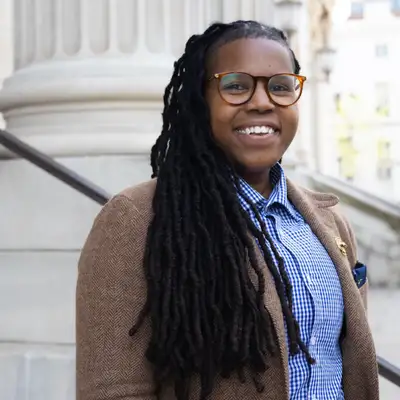
How I Got Here with Dreena Whitfield goes beyond the highlight reel with Black women founders, executives, and leaders. Real conversations about the pivots, the setbacks, and the purpose behind the work. From bootstrapping a beauty brand with $500 to leading a professional sports franchise, each episode explores the moments that shaped who they became and the cost of building something meaningful.
For women navigating leadership, business ownership, career reinvention, and the cost of ambition.
New episodes biweekly on Wednesdays.
Host: Dreena Whitfield
Executive Producer, Writer & Creative Director: Keena Williams / Struxa
howigotherewdreenaw.substack.com
HIGH_S4_E10_Dr. T.M. Robinson-Mosley on Sports Psychology, Building The Playbook, and Why Ready Is Not a Feeling
===
[00:00:00] Meet Dr. T.M. Robinson-Mosley: From Boxing Rings to the NBA and Building The Playbook
---
[00:00:00] Dreena Whitfield: Today on how I got here, I'm sitting down with Dr. Mosley. She's a counseling psychologist, a former athlete and the founder of The Playbook, a mental health performance platform, helping athletes track their wellbeing in real time from rugby at LSU to winning medals and boxing to supporting athletes across the N-B-A-N-F-L-W-N-B-A and.
[00:00:20] Dreena Whitfield: Her work has always been rooted in care, purpose, and possibility. In this conversation, we talk about identity, resilience, and belonging, and what it means to create a future where mental wellness is a shared responsibility. This is Dr. Mosley, and this is how she got here.
[00:00:36] Dr. Mosley: You know, I'm in industries of pre predo that are predominantly male.
[00:00:41] Dr. Mosley: Mm-hmm. Especially when you think about tech, when you think about digital health. Sport. I'm in the middle of like the intersecting of all of these different verticals and it's hard Key components come together that either boost or diminish performance. Whether you are an athlete, whether you are a publicist, a parent it [00:01:00] doesn't really matter.
[00:01:01] Dr. Mosley: Either you have the conditions that are be gonna be conducive to you performing your best or you have a lot of things that are gonna diminish that. If you're waiting to feel ready, you may not ever feel. Ready and ready is not something you can identify as like, well, what does it look like? How will you know?
[00:01:16] Dr. Mosley: You may not get there, but I
[00:01:18] Dreena Whitfield: love that. Ready is not a feeling, it's a decision.
[00:01:20] Dr. Mosley: Indeed.
[00:01:21] Dreena Whitfield: I'm gonna share that with my 10-year-old son.
[00:01:26] What was it like growing up in a home where psychology and sports lived in the same space?
---
[00:01:26] Dreena Whitfield: Moley, thank you so much for joining me today. I really appreciate it. We've been trying to do this for a year, so thank you. We've made it happen. I
[00:01:34] Dr. Mosley: know. Thank you for having
[00:01:34] Dreena Whitfield: me. Hey, I'm excited for this conversation, so take me back to little Moley for a minute. Okay. You grew up in home where psychology and sports lived in the same space.
[00:01:45] Dr. Mosley: Absolutely.
[00:01:45] Dreena Whitfield: So what do you remember about that feeling growing up in that house?
[00:01:49] Dr. Mosley: Yeah, you know, I think. I have to credit my family when I think about this. So my mom and her twin sister were two of some of the only black psychologists in the [00:02:00] state of Alabama when I was growing up.
[00:02:01] Dreena Whitfield: Oh, wow.
[00:02:02] Dr. Mosley: And then on my dad's side, my dad is a Vietnam vet.
[00:02:05] Dr. Mosley: But my uncle on my dad's side caught the last out in the 69 rule series. Oh wow. For the Miracle Mets, my uncle's Cleon Jones.
[00:02:12] Dreena Whitfield: Okay.
[00:02:12] Dr. Mosley: And that. Kind of, connection really influenced me for a few reasons. One, I grew up in a household where feeling confident and capable were experiences that I had because my mom knew that in terms of having a positive sense of self, you had to build that sense of confidence early.
[00:02:32] Dr. Mosley: Mm-hmm. And so there were opportunities for me to grow and develop and be curious. And try things and fail things. And doing that as a, you know, a kind of way of understanding how the world worked on my own terms. Mm. And that perception being really important. And then on the other side of it, thinking about sport, recognizing both, I think sport and music are some of these great kind of equalizers these.
[00:02:56] Dr. Mosley: Spaces where people come together mm-hmm. Regardless of [00:03:00] difference, to cheer for something that feels bigger than them. Yeah. And so having that understanding, it was around, okay, well how do we think about belonging? How do we think about connection? What does that look like in terms of the first groups that we learn, which are family, so the family system, and then how do we inherit.
[00:03:20] Dr. Mosley: Have those values and how do we take them and have them show up in other ways? How do you do your best? And so it's not just about what's on the scoreboard, it's like, did you do your best? How do you feel about your performance? Yeah. How do you identify these metrics that matter to you so that success and winning is on your own terms.
[00:03:39] Dreena Whitfield: I love that. And when you look at your life now what parts of that early world make the most sense in who you became?
[00:03:46] Dr. Mosley: Ooh, that's a good question.
[00:03:48] What parts of that early world make the most sense in who Dr. Mosley became?
---
[00:03:55] Dr. Mosley: Um, I think, you know, I'm in industries that pre predo that are predominantly male. Mm-hmm. Especially when you think about tech, when you think about digital health.
[00:03:59] Dr. Mosley: [00:04:00] Sport. I'm in the middle of like the intersecting of all of these different verticals and it's hard. Yeah. It's really challenging and if you aren't careful, you will use metrics that are not in your best interest to measure your success. And that's often where people,
[00:04:17] Dreena Whitfield: what do you mean by that?
[00:04:18] Dr. Mosley: Well, thank you. So what I mean is, if we are letting people define what success looks like for you, it can always be moved. You'll always be chasing it. Like the goalpost can continuously be moved for you and you'll try playing like a game of whack-a-mole, trying to figure out how do I fit into this versus you saying, you know what?
[00:04:37] Dr. Mosley: Small wins are important to me. If I'm able to show improvement 1%, 2% at a time, this incremental. Progress over time based on what's important to me. You can track and measure those metrics in ways that are really meaningful and really can push your success outside of being distracted by what people think you should be doing.
[00:04:56] Dreena Whitfield: Mm-hmm.
[00:04:57] What did years of rugby, boxing, and competing show Dr. Mosley about strength and pressure?
---
[00:04:57] Dreena Whitfield: you so you were an athlete long before you were a [00:05:00] psychologist. Rugby boxing, training, winning. What did those years show you about your own strength and the way you show up when the pressure is real?
[00:05:08] Dr. Mosley: Oh man. So, you know, I had a really, really great coach when I was boxing and he trained Lay Ali which is awesome.
[00:05:15] Dreena Whitfield: Okay.
[00:05:16] Dr. Mosley: And Coach Barry, he also is like a surrogate dad for me too. And he said when I was training, like when I was getting ready, I think it was for the Golden Gloves, and he said, there are three things you need to remember anytime you're training as a, as a boxer and. Regardless of what weight class I was in, even though I am the tallest woman in my family, I am short.
[00:05:34] Dreena Whitfield: You're the tallest one in your family?
[00:05:35] Dr. Mosley: Yes, I'm the tallest woman in my family.
[00:05:37] Dreena Whitfield: Oh,
[00:05:38] Dr. Mosley: oh. And so that also, thinking about positive regard, right? Like I grew up not feeling that things weren't attainable. I. I'm five two. I didn't feel five two. Okay. So, but regardless of when I was fighting, it didn't matter what weight class I was in, I was always the shortest fighter.
[00:05:54] Dr. Mosley: So he was like, you can't fight tall. You always have to lean into what your strengths are. Even if you think [00:06:00] they're your weaknesses or your insecurities, you're short. You can fight like Mike Tyson. You know, hooks, upper cuts. You do things really, you fight like you're in a phone booth. Mm-hmm. Like that's your strength.
[00:06:09] Dr. Mosley: You make people come down to you, you don't try to box up to them because it exposes you. And so the three things that he said, and I was like, what are the three things? Don't get hit in the face a lot. He was like, no, the three things are you will be successful in your training outside of just the physical aspects of the sport. But you have to have timing, you have to have balance, and you have to have desire and passion. Mm. And I've taken those. Things with me a lot because as we know in business or otherwise, things are often based on the timing. Sometimes the timing isn't right for you. So when timing is right, you have to maximize that opportunity.
[00:06:42] Dr. Mosley: Be prepared for that. The balance piece is really important because there are always going to be things that are gonna pull your attention in different ways. So how do I make sense of sometimes some balls? You know, we talk about juggling a lot of balls, right? Some of those walls are glass, some of them [00:07:00] will bounce.
[00:07:00] Dr. Mosley: Yeah. Some of them will shatter. You need to know what the difference is. So how do I prioritize what's important, whether this is in sport or in a fight or otherwise. And then the passion, the hunger, the desire, like you have to want it. Mm-hmm. And you have to show up that way. And so that's translated to me in terms of growing businesses, working with folks, working in sport.
[00:07:20] Dr. Mosley: Things may change and there are a lot of things outside of your control, but if you can hone in on some of these areas it's really helpful.
[00:07:27] How did Dr. Mosley build a consulting practice with a private practice inside it?
---
[00:07:27] Dreena Whitfield: How did that, like thinking show up when you started building a consulting business?
[00:07:32] Dr. Mosley: Yeah well starting the consulting practice. So I had a private practice inside of my consulting firm.
[00:07:38] Dr. Mosley: Okay. And so, that is very unusual because, but on my end it made a lot of sense because when I think about. Performance. And I think about sport key components. It's agnostic. Key components come together that either boost or diminish performance, whether you are an athlete, whether you are a publicist, a parent it doesn't really matter either.
[00:07:59] Dr. Mosley: You [00:08:00] have the conditions that are being. Gonna be conducive to you performing your best or you have a lot of things that are gonna diminish that. Mm-hmm. And so that is true in sport or otherwise. So I started a private practice, put my little shingle out there after I left a career of higher ed, that's actually where I started my career.
[00:08:17] Dr. Mosley: Okay. I started as a, an associate dean and professor. I started my career at Dartmouth College. Okay. And. Worked my way up. Last full-time role was Associate Vice Chancellor and Dean of students at uc, Santa Cruz. Oh my God. Was not my favorite thing, but what I loved was I had a small private practice on the side.
[00:08:34] Dr. Mosley: And since I'm typically most places the only person kind of dual trained and like sports performance and clinical mental health that was my niche.
[00:08:43] What happens when you become an entrepreneur you never planned to be?
---
[00:08:48] Dr. Mosley: High performers, so people who work in high intensity, high performing environments. How do we get them to maximize their performance, but also most importantly, how do we help people identify warning signs of distress?
[00:08:55] Dr. Mosley: Yeah. In very accomplished people. Mm-hmm. I always say like, [00:09:00] athletes, entertainers are extraordinary. They can do extraordinary things, but they're ordinary people.
[00:09:05] Yeah.
[00:09:05] Dr. Mosley: And people get hung up on those extraordinary things. And so on our end, it's like, how do we help people recognize that there are things that they can do to take care of themselves even when they may not?
[00:09:15] Dr. Mosley: Feel like, they need that. Yeah. And so, that yeah, so that was a large part of like putting the private practice in the consulting because I wanted to be able to see different types of people in different types of roles. And that allowed me to be able to then build from and determine how do I help this?
[00:09:34] Dr. Mosley: This group, this environment, this demo this. Mm-hmm. Yes. This demographic. And how do I build things specifically to address their pain points and their problems.
[00:09:42] How did watching her mother earn a PhD at age six shape Dr. Mosley's entire career?
---
[00:09:42] Dr. Mosley: Mm. The last thing I'll say about that is for me, when I think about, you know, when you said, like, when you started building your consulting practice, because I did not think I was gonna be an entrepreneur, that was not the plan.
[00:09:52] Dr. Mosley: What was the plan? I thought for my life, my plan was, you know, I've known since I wanted to be six that I wanted to be a psychologist, so I knew I wanted to do that.
[00:09:59] Dreena Whitfield: I'm [00:10:00] six
[00:10:00] Dr. Mosley: and Yeah, because '
[00:10:01] Dreena Whitfield: cause of the, how she grew up.
[00:10:02] Dr. Mosley: So listen. Yeah. And so my mom got her PhD, finished her PhD around the time when I was in like six and we went to her graduation.
[00:10:11] Dr. Mosley: And so all the pump and circumstance, I was like, I don't know what these people are doing, but I wanna do it. Because it, the fancy robes and all those things. So I was like, I wanna do that. Like, I wanna be a psychologist
[00:10:22] Dreena Whitfield: at six.
[00:10:22] Dr. Mosley: At six. And I didn't know what that was gonna look like or where, but I saw people who looked like me, who did it.
[00:10:28] Dr. Mosley: And so that was really powerful. Mm-hmm. For me. And so. When I thought about, you know, consulting and starting a business one of the things from sport that's really important, it doesn't matter whether you're ready to go or not, when that bell hits, yeah, you gotta go. Yeah. And so the kind of reframe I always say to folks that I work with is that ready is not a feeling, it's a decision.
[00:10:49] Dr. Mosley: And so it's like if you're ready or you stay ready and you've decided I'm gonna be ready, you don't have to feel ready. We divest those things. You don't have to feel like you're ready to go, but if you've made the decision that you're [00:11:00] gonna move forward, we're moving forward and you will fall in however that looks like.
[00:11:05] Dr. Mosley: But if you're waiting to feel ready, you may not ever feel ready.
[00:11:09] Why does Dr. Mosley say ready is not a feeling but a decision?
---
[00:11:09] Dr. Mosley: And ready is not something you can identify as like, well, what does it look like? How will you know? You may not get there, but
[00:11:16] Dreena Whitfield: I love that Ready is not a feeling, it's a decision
[00:11:17] Dr. Mosley: indeed.
[00:11:18] Dreena Whitfield: I'm gonna share that with my 10-year-old son.
[00:11:22] What is The Playbook and how does it track athlete mental health like a wearable device?
---
[00:11:22] Dreena Whitfield: Uh, so talk to me about the playbook, because the playbook, it brings things like stress, mood, and resilience into light.
[00:11:28] Dreena Whitfield: Right? Especially when you're thinking about the athletes and these are things they don't really talk about.
[00:11:32] Dr. Mosley: Absolutely.
[00:11:32] Dreena Whitfield: So why was it important for you to give athletes a way to, to see and name what is happening beneath the surface? Oh
[00:11:40] Dr. Mosley: man, that's such a great question. You know, it's this a little dark, but I'm gonna bring it up.
[00:11:44] Dr. Mosley: But we know that more than 50% of elite athletes report battling depression and anxiety so severe. They find it difficult to function mm-hmm. Let alone perform. And as recently as this week, we had a death by suicide. Yep. Marshawn kneeling with the Dallas Cowboys. Yep. And unfortunately. [00:12:00] The rates and the deaths by suicide have worsened.
[00:12:03] Dr. Mosley: So we know that between the ages of 10 and 24 these rates have more than doubled in the last 20 years
[00:12:09] Dreena Whitfield: as young as 10,
[00:12:10] Dr. Mosley: correct?
[00:12:11] Dreena Whitfield: Oh my God.
[00:12:11] Dr. Mosley: Correct. We've even had kids as young as nine having suicidal ideation, and that will continue to worsen if we don't meet the moment of this mental health crisis.
[00:12:20] Dr. Mosley: Yeah.
[00:12:20] Why are more than 50% of elite athletes battling depression and anxiety?
---
[00:12:20] Dr. Mosley: And emergency that we're in. And so, suicide is the second leading cause of death before. Young people, 10 to 24. And so on my end it was like, okay, this is an obvious crisis. People often really hyper index on the physical performance of athletes and really neglect everything else. Yeah. And we already know that.
[00:12:42] Dr. Mosley: Sport is a mental game. It's, we say it's 90% mental, 10% physical, but that's not how we track or train people. Mm-hmm. And so on my end, I was like, how do we develop something using technology so that we can do this safely? Do it at scale, also do it so that it's an extension of what we're seeing in sports [00:13:00] technology, like with Fitbits or Aura rings, or whoops.
[00:13:03] Dr. Mosley: How do we give people quantifiable metrics around mental health? And so that's what we built our platform, our app quantifies mental health status using gamified psych assessments and emojis. So we can give people an overall score and also individual metrics. And we literally track you like a wearable device based on how you answer these instruments and questionnaires that are pretty brief.
[00:13:28] Dr. Mosley: Yeah. And they are designed and validated for ages 13 and up. So we're able to go down from peewee to pro.
[00:13:34] Dreena Whitfield: I love that from peewee to pro. So talk to me about how you were able to afford some of these partnerships. I mean, you've got partnerships with the N-B-A-N-F-L WNBA. Who else said that's MLB?
[00:13:44] Dreena Whitfield: Like come on.
[00:13:45] Dr. Mosley: Oh gosh. Oh, way
[00:13:46] Dreena Whitfield: too humble. Stop it. Stop it.
[00:13:49] Dr. Mosley: Well, so how these things came about. You know, I got my first. Big break in sport because I was, I had my private practice, as I mentioned in the consulting firm. Yep. And [00:14:00] when I was out at uc, Santa Cruz one of my former men, well one of my mentors and also former professors at LSU, was now an executive at the NCAA.
[00:14:10] How did a mentor at the NCAA give Dr. Mosley her first break in professional sports?
---
[00:14:10] Dr. Mosley: And so she had been following what I had been doing, just kind of putting a shingle out there. Working on the side with like coaches and athletes. First responders and she was like, listen, there's this project, we're trying to get more women in the pipeline to be head coaches and athletic directors that were former athletes.
[00:14:27] Dr. Mosley: Mm-hmm. But they're either burning out or they don't have the leadership experience. So we are looking to build this program to give them a pathway to have this experience, but we need something to really address how we are getting them connected so that they can take care of themselves. Mm. And she was like, do you think you can help?
[00:14:44] Dr. Mosley: Can you like helicopter in here? And like, join this team that you've never met and build this program. And I was like, absolutely. And so I did it and it went really, really well. And that was my break into sports. So after I did that for NCAA headquarters opportunities with the NBA and the Brooklyn [00:15:00] Nets and of these other, the Brooklyn Nets, oh my gosh.
[00:15:04] Dr. Mosley: NBA headquarters around there. Ecosystem which happened a lot during COVID. So during COVID our business did the opposite of what several other businesses did which was fortunate for us is, and very challenging for colleagues who were having a difficult time with their businesses.
[00:15:20] Dr. Mosley: But our demand went up tremendously. We are one of the few folks in the space. And so we grew to a team of like, 36 licensed mental health and medical providers working across Olympic College and pro sports could not keep up with demand. Like the year of COVID, I flew like 120,000 miles. Like
[00:15:38] Dreena Whitfield: the year of COVID.
[00:15:39] Dr. Mosley: That is correct. So on a plane it was usually like me, a flight attendant and the pilot, like it was very. Apocalyptic. It was very strange. But ended up being all over the place internationally and otherwise worked across the NBA's kind of global ecosystem.
[00:15:53] How did The Playbook scale to 36 providers across the NBA, NFL, and MLB during COVID?
---
[00:15:53] Dr. Mosley: Worked with the basketball African League, their offices in South America and the UK kind of all over.
[00:15:59] Dr. Mosley: Well, sweet. The G [00:16:00] League, it was. An incredible experience, but what we realized very quickly is like, this is not a sustainable model. Yeah. Like, I can, this is not healthy for me. And it also isn't a way for us to deliver this level of care that is safe and consistent, give people kind of what they need at a larger scale.
[00:16:17] Why is building a winning team culture everybody's everyday work?
---
[00:16:17] Dr. Mosley: So we had to build technology. And been very fortunate. I have an incredible team. And this would not be possible without them. And I think that also is back to the aspect of thinking about sport. Yeah. It's a, I mean, I always say like winning is a team sport. Building a healthy team culture, building a winning team.
[00:16:35] Dr. Mosley: Culture is everybody's everyday work. Mm. And so you let people recognize that, say that they have
[00:16:41] Dreena Whitfield: Say that again. Just say that again.
[00:16:42] Dreena Whitfield: We gonna pull it because it was something I was like, look, I need to say that to my team
[00:16:46] Dr. Mosley: every day. Building, building a winning team or building a winning team culture is everybody's everyday work.
[00:16:51] Dreena Whitfield: You remember that?
[00:16:53] Dr. Mosley: And so it's like helping people identify the areas that they are passionate about, that they're [00:17:00] interested in, that they're good at, and also connected to the work that needs to be done. And so, and that's how I hire, that's how I think about building a team. Mm-hmm. And being very clear about what are we building, why are we building it?
[00:17:13] Dr. Mosley: And then what role do you get to play in that?
[00:17:16] Dreena Whitfield: Okay, so you've given me so much.
[00:17:19] What does Dr. Mosley want people to say about her legacy?
---
[00:17:19] Dreena Whitfield: Um, and so when people talk about Dr. Mosley years from now, what do you hope they say about you? Not your titles, not your projects. You,
[00:17:28] Dr. Mosley: I think I want people to. Know that I cared. And what's most important to me is people are really struggling.
[00:17:36] Dr. Mosley: It doesn't matter whether you feel excellent and you're great at what you do or if you feel like you're not enough. People are so lonely. Mm. And so if people can say, she gave me a safe place to land. She gave me tools and resources to help me take care of myself so I could show up and take care of the things and the people that I care about the most.
[00:17:53] Dr. Mosley: That's what's most important to me.
[00:17:55] Dreena Whitfield: I love that. So we're gonna do three quick fire questions. Ooh,
[00:17:58] Quick-fire questions
---
[00:17:58] Dr. Mosley: all right. Let's do it.
[00:17:59] Dreena Whitfield: Gimme the first [00:18:00] response that comes to mind.
[00:18:01] Dr. Mosley: Okay.
[00:18:01] Dreena Whitfield: Rugby or boxing?
[00:18:03] Dr. Mosley: Boxing.
[00:18:04] Dreena Whitfield: One. Wellness ritual you stay committed to, no matter how busy life gets,
[00:18:09] Dr. Mosley: no matter how busy life gets. Oh, I have a few of 'em.
[00:18:14] Dr. Mosley: What's a good one? Just
[00:18:15] Dreena Whitfield: one.
[00:18:16] Dreena Whitfield: Quickfire.
[00:18:16] Dr. Mosley: Quickfire no social media before bedtime or before breakfast.
[00:18:20] Dreena Whitfield: Okay. And what's the song that gets you into your Let's build energy mode.
[00:18:24] Dr. Mosley: Let's build energy mode
[00:18:26] Dreena Whitfield: or like what's your hype song?
[00:18:29] Dr. Mosley: I have, I have so many Beyonce, the one on the car. Oh my God.
[00:18:34] Dr. Mosley: I like, I've walked out to the song multiple times. The one
[00:18:36] Dreena Whitfield: on the car.
[00:18:37] Dr. Mosley: I'm sorry. I see it. I want it.
[00:18:41] Dreena Whitfield: What song is that? Formation.
[00:18:42] Dr. Mosley: Yes, formation. Wait, that's it. Why do I know all the lyrics to the song? But the, that's real black. You know, all the lyrics to the song. Gonna name the song yourself, but like, it's on the car.
[00:18:54] Dr. Mosley: That's it.
[00:18:54] Dreena Whitfield: The, it's the one on the car.
[00:18:54] Dr. Mosley: It's the one, you know, because it's like she's in the floodwater. Beautiful. Anyway. Yes.
[00:18:59] Dreena Whitfield: [00:19:00] Okay.
[00:19:00] Dr. Mosley: So it would be formation. Beyonce.
[00:19:01] Dreena Whitfield: Dr. Moley, thank you so much for joining me today.
[00:19:03] Dr. Mosley: Thank you for having
[00:19:04] Dreena Whitfield: me. I really appreciate you and your time and the work that you're doing.
[00:19:06] Dr. Mosley: Thank you. This was amazing.
[00:19:09] So tell me the story, how.