Subscribe
Share
Share
Embed

Your no bullsh$t guide to divorce with experienced attorneys from New Direction Family Law and guests and professionals who have been there. Unfiltered discussions to help you move from victim to victorious and from bitter to better.
83 - Exit Strategy
===
[00:00:00]
Veronica: we're, we are very well-resourced in the fact that we do have UNC as- Mm-hmm ... what has been one of three inpatient psychiatric facilities for perinatal, and they have been around for a long time doing- They do
incredible research. So we in North Carolina are really lucky, and people come to the UNC program from many states. Oh. There had only been three. There's now up to five- And that's- ... with the two more ...
Sarah: in the nation? Or in the- Um, in the
Veronica: nation,
Sarah: yes. In the nation. In the nation. Oh, my gosh.
Elizabeth: Hi, I'm Elizabeth Stevenson.
I'm one of the partners at New Direction Family Law, and my partner in crime is here
Sarah: Hello, that's me, Sarah Hinck. Always a pleasure, and today we have a couple guests. Yeah. We have an associate attorney from our firm- Woo-hoo ... Tyler Kesner joining us. Hello. And he'll be on the next few recordings with us, and, [00:01:00] um, spotlight on one of them.
But our main guest for this episode is Veronica Mc- Kemeny. Did I pronounce that right? Kemeny. Kemeny. I did not pronounce that right. This is why, like, my, my first internship as a DA's office, they made me go down the roll of everyone's, calling them in court. Yeah. And I was like, "I don't wanna do this ever again."
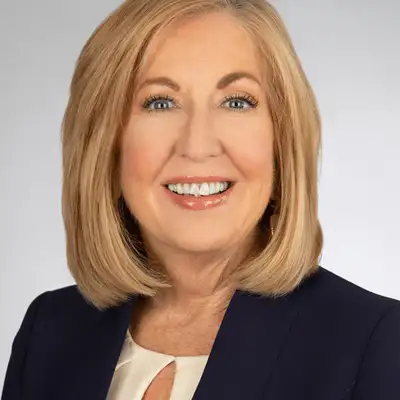
And she is a licensed clinical show, social worker, and one of the owners of Anchor Perinatal Wellness based here in Raleigh. And you have clients from Raleigh and then all over, correct?
Veronica: All over the state
Sarah: of North Carolina, yeah. Yeah. So that's great. So is this Perinatal Awareness Month, or is that last month?
Yes, it's Maternal
Veronica: Mental Health Awareness Month. It's in May, yes. And in May.
Sarah: Yeah. And we are here in May. There we go. So this is perfect timing. Perfect timing. Perfect. So Veronica, tell us a little bit about yourself and your practice. Yeah, sure.
Veronica: Um, so I am a parent to two children. I myself have gone through a divorce.
I'm now remarried. I am a licensed clinical social worker and certified in perinatal mental health. Awesome. So pretty much I've been focusing on this, um, s- exclusively for about 10 years plus. And Anchor [00:02:00] Perinatal Wellness is a mental health facility founded by myself and two other clinicians. So we saw a need in the community for folks who needed more than once-a-week therapy, but less than psychiatric hospitalization.
So we have been, um... our doors have been open for four years, and we have a office here in Raleigh. But we also provide teletherapy f- across the whole state of North Carolina. So as long as you're physically in the state, you can access our services- That's good ... which is really nice. And we have had folks relocate temporarily for our services- Right
just because of how- Yeah ... unique they are.
Sarah: Yeah.
Veronica: Um, so yeah, we have an intensive program, which is about 10 hours of group therapy, and everyone in the group is either pregnant or up to two years postpartum. Um, and it is about eight to 10 weeks. Um- Wow ... but it is an intensive program, but we're trying to ma- make sure folks are stabilizing.
Mm. We're, you know, making sure they're not getting worse, they're learning coping skills, and they're in community, which is always very healing. And we integrate the family as well, um, into our treatment, and we have on-site childcare. So child- Oh, wow ... care isn't a barrier. That's huge. So we try to really hit all the barriers and make sure that- Mm
[00:03:00] none of them, um, are going to be g- getting in the way of them admitting and getting the care they need.
Sarah: So how do people come to you? Like, what are the signs- Right ... they first notice of themselves, and what are the steps they take to say, "Okay, I"- need to address this, that this is something real and happening.
Veronica: Yeah. So, um, first I guess I'll define perinatal mental health. I was going to ask you. Yeah. What does that mean exactly? Yes, and yeah, so w- perinatal is a more inclusive term than, let's say, maternal mental health. Um, so perinatal is gonna be inclusive of pregnancy and postpartum- Okay ... and really I would say around the reproductive journey.
So it could be trying to conceive, pregnancy, postpartum. I would include adoption, surrogacy, anything like that. Mm-hmm. And perinatal specifically is, um, it's gonna be non-gendered. So it could be the birthing person, so a person who has, you know, given birth to a child, but it could be the non-birthing partner, however they identify gender-wise.
Yeah. So it is an inclusive term that we make sure that everyone knows- Mm-hmm ... to be as inclusive as possible. So, um, ultimately most often it's gonna be in that [00:04:00] period of that trying to conceive, pregnancy, and postpartum. Um, and about over f- I would say about 50% of mental health conditions do emerge during the pregnancy.
Um, and there are some folks who ex- experience symptoms after. Mm-hmm. So it is something to keep an eye on, and I think oftentimes we think about, oh, those first couple weeks and then it's gonna subside. Actually, there's a lot of our folks, um, and in our practices that we see that are three, six, nine months postpartum- Mm-hmm
and only then are symptoms emerging, 'cause by then we should have figured it out. Yeah. We're back at work. No one's checking on us anymore. Yeah. And so that's where we really start feeling the weight. So ultimately, you know, there is a shift, and it's hard to know is this, you know, am I just anxious because I'm a new parent?
And this is just what new parenthood is, right? Right. Right. Versus, you know, for us, we really think about from the therapy perspective, is it getting in the way of your functioning, right? Mm. Are you really struggling to connect to your children in the way you want to? Are you struggling to enjoy them? Are you, um, struggling in, at [00:05:00] work?
So some of our clients, especially for the intensive program, are most often, if they're back at work, they're taking a m- um, a medical leave.
Tyler: Right.
Veronica: So we really think about that level of impairment. Um, and so sometimes honestly the family notices first, where they're like, "Hey, you know you're not letting anyone else take care of that kiddo," right?
Mm-hmm, mm-hmm. You know, "We really wanna give you a break, and that's really hard for you to accept, and we worry that, that, you know, you're gonna get so burnt out." Mm. So families will often see the concerns, and I think usually the wording that we hear a lot is postpartum depression, which is why perinatal is wider.
Mm. And I don't really talk about just depression, because it can be anxiety. Yeah. It can be OCD. Um, it can do, be PTSD, bipolar, or psychosis. So- That's what I was gonna ask you is like- Yeah ...
Elizabeth: like if you are a family member or someone who, who cares about that person, what is it that should cause you- a red flag or concern.
Veronica: Yeah. So thinking about, you know, n- normal ups and downs. I mean, I, I think it's important to say here, in the early f- um, about first month postpartum- Mm-hmm ... there is something called the [00:06:00] baby blues, which is really normal. That's not diagnostic. We're not concerned. Mm-hmm. We're gonna keep an eye on it. So you- There's a lot of
Sarah: hormone changes.
Yeah. Yes, a lot of hormone- Yeah ...
Veronica: changes as your body goes through it. Um, and even if you didn't deliver, but let's say it's an adoption or you're a non-birthing partner, it's like you are also going through the identity shift. Mm-hmm. You're exhausted. Mm-hmm. Right? So it, it impacts the whole family system.
So in those first couple weeks, we really take a, like, wait and see approach, unless things are really scary, right? Mm-hmm. Like, they're talking about scary thoughts, um, and they're unable to sleep.
Tyler: Right.
Veronica: Um, monitoring sleep is actually really important. Sleep and making sure they're getting nutritious food- Nutritious
is really important, and sleep is often an indicator of when the baby is taken care of or the baby is sleeping, if they can't rest and it's very limited, sometimes that can be a trigger for a bipolar episode, or it could be a sign of a psychosis that's brewing. Mm-hmm, mm-hmm. So keep an eye on their sleep.
Yeah. Really do your best to protect- It's hard, though ... their sleep. It is, I know. It feels so counterintuitive, which is why- Yeah ... it's also really tricky to diagnose because they're like, "Well, of [00:07:00] course I'm not sleeping, I'm a parent of a newborn." Yeah. Um, but the reality is I really try to think about it with that qualifier of, when given the opportunity- Opportunity, mm-hmm
and people are, either baby is sleeping or others are taking care of the monitor and the baby, can you, um, you know, rest your mind? And that's where I'd be more concerned if they're really struggling to turn off their mind. Um, I do wanna normalize scary, intrusive thoughts. It's actually quite common.
Mm-hmm. So thinking about you're walking down the stairs and you're, like, envisioning dropping them. Yeah, I,
Elizabeth: I remember that. Right? Exactly. Yeah. It's something
Veronica: that people even nowadays rarely talk about. Mm-hmm. But our brain is, like, hyper-focused on keeping this baby alive. Yeah. And so we see- Yeah ... every risk.
I had- Yeah ... a,
Sarah: a li- To bring it into the legal world, I had a case where- Yeah ... My client had a thought like that.
Tyler: Yeah.
Sarah: And she opened up to her husband, who should've cared for her. Mm-hmm. But instead he filed a domestic violence protective order against her- Oh, great ... and took the children away and took the baby away.
I remember that. And she had a breakdown and ended up being hospitalized. [00:08:00] It all happened around this one thought that she opened up about, about dr- Hmm ... you know, dropping the baby. And well- Yeah ...
Elizabeth: and as I rec- and I was, and I may be wrong about this, but correct me, I think the judge wouldn't let her see these children or something- Well-
which would've been- Eventually,
Sarah: eventually. But it was hard because she was hospitalized, so she couldn't come in and testify. Uh-huh. And I was the only voice for her. Right. So I had to have a quick education on- Yes ... postpartum depression- Right ... postpartum psychosis and- Yes ... and this whole world that I, you know, I had actually just come back from a maternity leave.
I remember that. Oh, wow. So I was
Tyler: like, I was like, "
Sarah: Oh my gosh." And like I really felt for my client and like how can I break this wall down to- Yeah ... like educate the other attorney, to educate her, you know, husband- Yeah Yeah ... um, to be a little bit more caring and- Then to the court. So that was a whole process.
Mm-hmm. And that's why this topic became really important to me was- Yeah ... you know, that case, you know, my own journey into motherhood. Mm-hmm. And when you, when you see it, then you start to look in all your cases and you see it, you know? I know, I know. Yeah. Any case where I have a young child- A young baby, yes
infant involved, the other side, you know, the non-birthing parent is often like, [00:09:00] "Oh, they're, they're crazy because they had a baby." Right. "So you have to believe me that they're crazy." Mm-hmm. "And everything they say right now is not true." Yeah. But I digress. No, that's all right. That is some good information.
That's incredibly important. But that, like, just invasive thoughts, they are normal.
Veronica: Yeah. And it is very... And it's hard because as a mental health therapist, I'd want to be able to say, you know, "Just ask for help," but it does matter who you talk to. Yeah, I was gonna ask you. Is
Elizabeth: it there has to be, and I think there still continues to be, my, my child is 23 years old, but there has to be some shame around this.
Oh, for sure. Like, surely there's no other mother that feels like me. Yes. There must be something- Yes ... terribly wrong with me.
Veronica: Yeah. And that's why I think normalizing, like, the brain is meant to do this. And I think, you know, there's a lot of ways to assess it, but I mean, my primary question is often going to be how do you feel when you think that?
Mm-hmm. If you are horrified, if you're feeling ashamed- Mm-hmm ... if you're like, "I just wish it would stop," I'm not at all concerned for the safety of the child, right? Mm-hmm. Yeah. If this is something that they are thinking like, "That is gonna be relief. I'm gonna save the baby from, I'm a terrible mother," [00:10:00] right?
"And I'm going to spare them, you know, a life with me," right? Then it's like, okay, that is psychosis. And we're, that's a psychiatric emergency, and we're going straight to the emergency room. Right, right. So I, that's a really important thing of how do you feel when you f- um, when you think those? And I mean- a huge percentage is it, it, it makes them uncomfortable and they feel ashamed- Okay
to the point. Yeah. So there is still a stigma, and that's why, you know, talking about this on platforms- Talking about it's huge ... like this is huge.
Tyler: Mm-hmm.
Veronica: Um, so as, you know, meeting with someone who is trained- Mm-hmm ... is important because the reality is you can tell someone who, a therapist who's not trained, and they can get scared by it, or a pediatrician who- Mm.
isn't that well-informed and now they're calling CPS. Right. So it's hard because I would love to say, "Just tell anyone." Yeah. And you're like, well, this is one of those that we can really, you know, ourselves and other colleagues who are trained- Right ... can really tease out when to be concerned. Right. And when to ring the bell of concern.
Um, and so yeah, we, we know how to tease that out. Yeah.
Elizabeth: So
Veronica: s-
Elizabeth: so we have, you know, you go to Lamaze classes, you know how to have this baby. Yeah. [00:11:00] But before you have this baby, or is the medical profession or the counseling and therapeutic profession educating women who are- I don't recall anyone
Sarah: talking to me about it.
It, I can- In my, like, doctor's office. Uh-uh. No. No.
Veronica: It's, um, yeah, I gave birth two and a half years ago and, you know, I was curious- Mm-hmm ... 'cause I had delivered, um, in New England for my last child, so I wasn't local. And so I was like, "Let me see how this goes." Mm. And you know, there was only so many questions they ask.
Mm-hmm. And they give you, um, usually postpartum they'll be giving you the Edinburgh Postnatal Depression Scale. Okay. That ev- people are like, "Oh yeah, I know what this is. I see it." But the reality is, you know, on the medical provider side, even if they're doing a great job screening- How can you catch it?
they often, they often struggle to know, okay, but then what? Mm. What number should I be concerned about? Who do I send them to? Right. And that's why our partnership with OBs and pediatricians are some of our sort of most developed and nourished, um, and we haven't-
Sarah: And it's self-reporting, right? So there that shame comes in.
Right. Absolutely. Are you gonna open that?
Elizabeth: To you go, then I tell you, and then you report me? Why would I tell anybody else? Yeah. Right. You know? I feel like the pediatrician
Sarah: asked me more questions about my mental health than, like, my [00:12:00] own-
Veronica: Yeah ... doctor. Oh, interesting. Mm-hmm. I have heard that. Yeah. And those are kudos to those pediatricians.
Yeah, absolutely. I actually heard that recently from someone. Mm-hmm. That they said, "Because I have a history of mental health, my pediatrician is checking in on me every visit." And I was like, "Who is that pediatrician?" Interesting. And they should be seeing them more often too. They are doing their job.
They do, yeah. Like, you don't go to your OB- Yeah ... until
Sarah: six weeks later. Like- Yeah. Yeah ... just like, whatever. But you go to the, the baby appointment- What, three days later or something? Yeah. Yeah,
Elizabeth: I guess. That makes sense.
Veronica: Yeah. And I think the thing that's interesting is there are folks, you know, there's some risk factors- Mm-hmm
you know, that, okay, I'm more likely to maybe struggle during pregnancy and postpartum. Like, if there is a history of infertility and loss, if I have a history of mental health- Mm-hmm ... even if it's been stabilized, it's like, okay, you're a little more at risk. Um, marital struggles, financial struggles, insurance barriers, um, things like that, and not having a support system.
Um, if there is a preexisting diagnosis, you know, making sure you have a really good treatment plan. Right. Um, especially around sleep. Sleep is so crucial. Yeah. In addition to But yeah, I would say that there are, is not enough conversation unless you happen to already be with a [00:13:00] therapist who is trained.
And so you've been with them for a while and you're now pr- you know, trying to conceive. Right. You're in the right place. But oftentimes folks are with a therapist who's been a fantastic, but they're not specialized. Right. And so, um, you know, there's definitely, I will say there are resources for sort of more of that like prep around the mental health.
There's a wonderful organization called Postpartum Support International- Mm-hmm ... that has over 55 support groups, and they have a newer class in the last year ... No, actually the last three years, 'cause I actually took it with my husband, um, as we were pregnant sort of talking about how to- Hmm ... keep an eye on and what are the signs for mental health- I like that
for the couple. Mm-hmm. So there are ways on the prevention side, but the reality is a lot of people don't know they exist- Right ... and don't know that this is actually something, um, we should focus on. 'Cause usually they, it's like, "Not me." Right. Yeah. I'll be at conferences and parents are like, "Thanks," and they walk on by.
It's sort of like, "Not me. It's not gonna happen to me." Well, '
Elizabeth: cause what you hear about are these horrific cases- Right, right ... and just like- But I- ... clearly that's not me. I'm not gonna like- Right ... go and kill my baby. You know, I'm not doing that. Right. So it couldn't, I [00:14:00] couldn't be like that. Right. And
Sarah: that's a very small percentage that- It is
that are affected- Oh, absolutely ... by this perinatal, the, the postpartum psychosis, right? Yes. And in those situations, that's when you're like you want, you need to go to the hospital. Yes. Resources are low in that. My understanding is that a lot of hospitals don't have training in that. True. True.
Veronica: [00:15:00] So really interesting for those of us who are in North Carolina, listeners and, and providers, you know, we're, we are very well-resourced in the fact that we do have UNC as- Mm-hmm ... what has been one of three inpatient psychiatric facilities for perinatal, and they have been around for a long time doing- They do
incredible research. So we in North Carolina are really lucky, and people come to the UNC program from many states. Oh. There had only been three. There's now up to five- And that's- ... with the two more ...
Sarah: in the nation? Or in the- Um, in the
Veronica: nation,
Sarah: yes. In the nation. In the nation. Oh, my gosh. Which is [00:16:00] why- Really?
Wow ...
Veronica: UNC's unit and other units similar to them are receiving folks from all over the country. Right. Yeah, that's wild to me. Um, and ev- exactly. Mm-hmm. And even folks like, you know, programs like ours that are more intensive, when we opened four years ago, we were the 15th state to have a program like this.
There is now 25 states. In four years it's jumped. So there is more awareness around- Mm-hmm ... this is a specialty. You need to be treated as such. And then we're haven't even talked about the medication piece, right? Yeah. Right. 'Cause people are so afraid to take medication. Right. They might wean themselves off.
They might hear from a provider, "Well, that's not safe."
Sarah: Yeah, the breastfeeding, if you're breastfeeding. Right. Right. But a
Veronica: lot of times it is safe. It is safe. But you don't
Sarah: know until you have that conversation.
Veronica: Yes, and if there are risks, it's something to also balance with untreated mental health also has an impact on you- Yeah.
Absolutely ... as well as the baby in utero. Yeah. Right. So weighing those conversations. But, um, unfortunately I hear a lot of folks who are like, "I'm getting off my medicine," either recommended by a provider- Right ... or on their own. Yeah. And we're like, "Whoa. Hold up." When they have preexisting
Sarah: m- mental health issues- Yes
[00:17:00] they get off their medication- Yes ... which kind of makes that, the postpartum perinatal- More exacerbated. Yeah ... it just worse. Right. Yeah.
Veronica: Because you're adding that hormone and the sleeplessness and the conflict and disconnect with partner. Mm-hmm. Right? Like, it's like a sad thing. It's like a perfect s-
Elizabeth: It's a perfect storm for something to happen
exactly. It
Veronica: is a s- perfect storm. And so, um, that's why I think, you know, having these conversations and saying, "It's normal. It's a really hard period." Absolutely. It is normal. And even if we sort of ignore diagnoses, like this is gonna be a really hard time period for your mental health as a person- Mm-hmm
and as a couple.
Sarah: So that's- For how normal it is- It is ... for there to be s- the amount of resources is just insane. It is. Right, but then you
Elizabeth: look on... Sorry, I'm getting off topic. But then when you look on social media and you see all these perfect families with all these children- Yeah. Yeah ... and they're all, they got their makeup on.
They're all dressed. They're out there making their own bread. Yeah. It's like, well, I can't do any of that. I feel like the uglies are starting to sneak out more. I haven't been out of my pa- I haven't been out of my pajamas in, like, a week, and we need to- Yeah. Yeah. Yeah. Take
Veronica: a
Elizabeth: shower.
Veronica: What's
Elizabeth: that?
Veronica: Yeah. You know?
Yeah. And I think there is definitely, especially I've seen, like, on Instagram, um, and I, I hear on TikTok, I'm, I'm not on that one. But I [00:18:00] hear there's is this- M- even over the last years, there are a lot of accounts that are like, "This is the real parenthood," right? Absolutely. Yeah. And they're talking about the scary things.
Right. They're talking about mental... So there are those accounts, but I think, you know, once you, whether it be in your social circle or whatever- ... it's like you get a particular feed. But yeah, as a therapist, my feed is all therapy things, right? Yeah. So I see all that stuff. So there are places to really feel seen, whether it be in a support group that's virtual- Right
or in person, whether it be some social media accounts that you follow. Um, but yeah, social media in and of itself, we do a lot of talk about- Oh, okay ... just limiting social media because it is, when you're feeling so insecure- Mm-hmm ... it, you, you do. You open it up and you see all the beautiful birth announcements.
Mm-hmm. You see all the, you know, the, the pictures- Right ... that people have staged. So it is, um, it's, it, it... You often fall into the comparison trap- Yeah. Right ... with social media. Social media's
Sarah: terrible. Yeah. But it, it's there. It's there. Um, so bringing this to the divorce world- I was going to say, coming back to divorce.
Yeah. So like in your experience- Yeah ... what do you see about how [00:19:00] this affects marriages- Mm-hmm ... um, or just relationships in general? Mm-hmm. Obviously, it's a trying time with a baby, but then throw in some, you know, mental health concerns. I mean- Yeah ... what can happen to families? What have you seen?
Tyler: And just to tack on that as the non-birthing parent, what can I do to be supportive to, in my case, my wife or the birthing parent, um, to help them through that time as well?
fact
Veronica: that you're asking that question is fantastic. Um, so yeah, I'd, you know, I wanna reiterate how normal it is, um, to have mental health up ands, ups and downs, both the birthing person and the non-birthing person.
Um, whether you have a history or not, you do not have to have a history of mental health to struggle. Mm-hmm. Um, so I think really normalizing how do we come up with a plan to take care of ourselves individually and as a couple. So I often like to talk with folks and say, "Okay, what makes you feel like you?"
Right? So if, you know y- you are a cyclist, an avid cyclist, you know, how do we make sure... And sure, you maybe can't go for a two-hour ride- ... every Saturday like you're used to. But let's make sure it's still a part. It's, [00:20:00] you know, it's, it's happening. Right. Because that makes my partner who they are. That's their stress relief.
That's, you know, their sense of identity. Um, and so figuring out those sort of things for both partners on the f- on the forefront, thinking about support systems of like, who are our supports? Mm-hmm. Some people have local family that is, you know, physically available, emotionally available. There's also doulas, which are fantastic- Yeah.
Mm-hmm ... both for pregnancy, for b- birth and postpartum. Um, and you know, support groups and things like that as well. So I would say, you know, really normalizing this is gonna be a hard season- Yeah ... in our marriage. Mm-hmm. Let's just go in and let's know that. Yeah. We are a team. Mm-hmm. Let's make sure that I'm keeping an eye on you, you're keeping an eye on me, um, and that we create some sort of a system of being able to say, "I'm, I'm hitting a wall.
Step in." Right. Right. And like, I'm now removing myself from this moment. I'm feeling very frustrated and overwhelmed, and I'm tearful. Partner, you know, l- eventually learning those cues. Mm-hmm. And, and depending on the length of your relationship, you may already know those, but you're gonna see a different side, [00:21:00] right?
So part of it is really on the forefront, and that's where this conversation does not happen on the forefront- Right ... which is why so many people say, "No one told me." Told me. "No one told me." Yeah. It's like a conspiracy. And you- You're so
Sarah: focused on the baby, right? Keeping the baby alive. Alive. I know. You have this baby- Yeah.
Yeah ... and we have to take care of that thing. Right. But it's funny, I saw, like, this interview with Luke Combs, who's a musician. Um- Mm-hmm ... and I, you know, follow celebrity stuff all the time. But he was... They had just had their third baby, and the interviewer asked him, like, you know, "What do you do to help the baby?"
And he's like, "No, I help my wife. Like, I am, like, 100% at her needs." Right. Yeah. Like, what does she need? 'Cause she's the one, like, breastfeeding. She's the one taking care of the baby- Right. Right ... like, for the most part. Like, what does she need me to do? Yeah. That's the first person I report to. What does she- But I think, but I think even- It's great
the questions
Elizabeth: you're asking, like getting If couples learn to do that or parents learn to do that as a newborn, when they're six years old, you're still using those- Oh, yeah ... strategies. Yeah. Yeah. It's like, "I've hit this wall," and it's even worse, you know? That's right. So go, "I've hit this wall. You need to step in."
But you've been doing that for all those years- Yes ... so it's a great skill to learn. It is.
Veronica: It is, and really that team, [00:22:00] you know. I... There's couples who like physical touch has been shown, like during an argument- Mm-hmm ... to sort of just chill out the nervous system- Mm ... and be like, "Okay, we're a team here." A lot of people
Sarah: don't wanna be touched after- Yeah, that too
the, the baby. Like,
Veronica: get away from
Sarah: me. Yes, yes. I just was having that conversation this morning in a therapy session where you eavesdropped.
Veronica: Don't touch me. Um, so yeah, I think part of it is, you know, figuring out how to make a plan on the forefront. Right. Noticing, you know, um, hearing your partner if they're concerned, you know protecting sleep, protecting sleep on both ends.
Again- Mm-hmm ... you know, I keep saying sleep, but it is really crucial. Um, being open to mental health support as needed. Mm-hmm. If folks have maybe been in therapy before, it might be a good sort of refresh to say, "Hey, it's toward the end of the pregnancy. Let me reestablish my care." Yeah. "And I can see you as needed, and maybe I don't need you, but at least I've seen you once or twice."
Right. "I've talked about my, you know, normal anxieties." Um, so really bringing in your village if you are already on medications, making sure that you are talking to someone who's trained in [00:23:00] perinatal psychiatry- Mm-hmm ... so you can feel at ease. Um, so, you know, lots of things and really thinking about having those conversations, like visitors, right?
Yeah. It's like, "Okay, well, I want my mother to move in for three months- ... because she lives out of the country." Thank you. And the other partner is like, "No thank you," right? Yeah, absolutely
Sarah: not.
Veronica: So visitors is a big one, so th- and obviously these are sort of the immediate aftermath. Right. But these are the sort of things that people don't think about, similar to planning for the wedding but not the marriage, right?
Sure. Yes. It's like the birth is the event. Yeah. But it's like, okay, let's talk about the actual transition- Right ... to becoming parents. It rocks your world, and it will rock a relationship.
Elizabeth: So what happens? So- Yeah ... I would assume that not every, not every couple is on the same page, and someone- Yeah ... may want your services and the other partner may not want your services.
Yeah, great question. Is that okay?
Veronica: Yeah. Well, you know we only serve folks who are over 18 who can consult for or consent for their own treatment. Right. So in that sense, we don't need permission. Okay. Um, so we do integrate family support, and if for s- whatever reason our client doesn't want their partner involved or the partner themselves isn't making themselves available, we just say, "Who...
[00:24:00] Could we bring in another support person, your mother- That's good ... your sister- Mm-hmm ... your best friend?" So we integrate- Yeah ... whoever it may be, so c- because, you know, for the future success of their stability, we want someone in there who is able to ask these questions. Say, "How can I help them when they're in the middle of a panic attack and, and my sister's calling me," right?
Mm-hmm. So we wanna be able to provide psychoeducation and support. Ideally, whoever they live with, um, you know, a partner would be ideal, but, um, it is in no way mandatory for treatment. Okay. Yeah, it's just the ideal. Um, so yeah, I would say generally just Um, really thinking about, I just, I'm dreading waking up.
I'm, especially a lot of anxiety right before the nighttime. It's like, "What sort of night am I gonna have?" When it's really getting in the way of your ability to enjoy it all, um, there's a lot of tearfulness, there's, you can't slow down your mind, right? Things like that. Mm. I'd be more concerned. Um, breastfeeding is really hard, so if they plan on- Mm-hmm
trying that and there's struggles, um, that's, you know, a real, um, concern that [00:25:00] can, um, impact their sense of self as a mother. Right. Yeah. Yeah. Of like, I can't do this most natural thing. This- Right. You get so obsessed with it, too. Yeah. Yes. You start measuring. Yeah. So yeah. So I think the most, you know, grace, compassion, the check-ins with your partner, um, which is, you know, hard when the day is really busy and focused on this little being.
Right. Um, but slowing down- Mm-hmm ... and sort of if baby is resting, you know, eye to eye. Right. However you've had those conversations in the past, hopefully have some good tools in your toolkit as a couple. Mm-hmm. Really leaning into how are we each doing? What do we each need? What's one thing I did really well this week that you want me to do again?
Mm. Or, how could I have helped you a little bit better this week? Like, seek feedback- Mm-hmm ... from your partner. Um, and do more of that. Yeah. And remember that
Sarah: this is a phase. Yes ... you know, in one of my cases, I had a judge and the other attorney didn't understand that this is not a long-term situation when there's postpartum depression or postpartum psychosis.
Right. Like, it's treatable.
Tyler: Right. Yes. So it's like, And
Sarah: you get treatment, and you get- Yes ... you get better, and you can be an amazing [00:26:00] mother or father. Right. Like, this is not- Who you are. You're right ... gonna forecast the future. You're right. So, you know, I was looking for doctors to come testify and educate the judge.
Mm. Is that something you've, you've done in the past, or
Veronica: would... Um, I am not trained in that, but our clinical director, Roxanne Rosenberg- Oh, you must have- ... has undergone that, and she's local. Um, and through Postpartum Support International, which is that wonderful organization- Mm-hmm ... I referenced earlier, they have a whole legal team, folks who are trained as psychotherapists to- Nice
attend. And they will. And, you know, um, usually, I mean, they're very cost-prohibitive, right? So that's the hard part. Yeah. Right. Right. Um, but yes, there are experts, and so that, that, add that to your team, and we have had clients who have had to do that during custody things when p- their perinatal mental health has sort of come up on the stand.
Yeah. Right. Because
Sarah: it's, it's, it's so biased, people just hear it and they, like, shudder. Like, they think of those extreme cases about- Yeah ... mothers- Correct ... killing their children. It's like, that's not what's happening here. Not what this is. Right. Right. And this person's been treated, and they're on medication.
Right. Right. They're a good parent. Like- Yeah ... it's
Veronica: not... And even if they have been hospitalized- Yeah ... [00:27:00] they underwent treatment, which is really a thing in their favor that they're getting the care. That's good. Yeah. That's absolutely true. Right. So even if there is a history of hospitalization, and it probably did not reach, you know, that level that we're talking about of the scary headlines- Mm-hmm
that are, you know, so scary, um, and overwhelming, um, even w- as long as they're getting treatment and they are following the recommendations, there really shouldn't be a fear. But of course, it's understandable, and that's where I think lawyers reminding your clients, getting, taking care of yourself- Yes
getting treatment, that is going to be actually really good for your case- Yeah ... versus holding back and- Correct ... suffering in silence, right? I agree. Exactly. I agree. But I
Elizabeth: have a lot of ca- not a lot of cases, but a fair amount of cases where they are, where either s- they're pregnant, they separate or right after- Mm-hmm
and that sort of thing. And so you don't have this other person, you know? Mm-hmm. And- And you're going through a
Sarah: separation on top of that ... and, and on top
Elizabeth: of that. Yeah. And judges don't know what to do, you know? Well, can't... You're breastfeeding, so you can't have this child overnight. And sometimes they'll say, "Oh, yes, you can.
Just pack up your breast milk and take it." I mean, there's a lot of education that needs to [00:28:00] be done. Mm-hmm, there is. I'm just telling you. Yeah. It's scary out there sometimes. And,
Veronica: and that's, I think, you know, it adds to the maintaining of the shame, right? Right. It, it is. It's like who- people that are hearing your struggles are not o- going to always empathize- Right.
Mm-hmm ... or are going to really be able to make some accommodations. Right. You know? So it is. It, it is, you know, I think the, the moral of the story really is to, you know, lean on the supports that you feel safe with. Um, you know be open to help. We're not even saying- Mm-hmm ... you have to commit to help.
Mm-hmm. But be open. Talk to a therapist. You just entertain the option. Right? And know that that, especially if you're with someone who is trained in perinatal mental health, that there is a certification that you can get as a therapist, which is really nice for a client to know if they have those letters, PMHC- Yeah
like I do, as well as, um, pretty much all our staff does, perinatal mental health certified, they get it. They're highly trained. I can be honest, and they can tease out what is really concerning and what isn't- Right ... so that you [00:29:00] know it can sort of diminish the risk of someone getting really fearful about what you're sharing.
Right. 'Cause unfortunately, it does happen. Yeah. Yeah. I remember
Elizabeth: back in the day, 'cause I have a, um, I'm not a licensed social worker, but a master's in social work. Nice. And I headed up a program in North Carolina. I started it here, helped it. It's called Healthy Babies. I can't remember. Yeah, yeah. But they were in the hospital, and then they, they would go.
They were volunteers that were trained, and then they would go visit you three days after you- Yes ... gave birth. And so I said, "If you wanted something- Mm-hmm ... we can help you. Cost you nothing." Yeah. Yeah. You know, give you resources. And I know h- it started in Hawaii. Yeah,
Veronica: yeah.
Elizabeth: So I don't, I don't even know if it's still here or not, but it's- It's, It is
what a fabulous program. It is? Yeah, so nurse
Veronica: visiting programs- Yeah ... is basically the umbrella sort of term for those- Mm-hmm ... sort of programs, and they are fabulous, and they are most often free. They are. And it is a nurse who is trained to come into the home, you know? And I mean, this is the standard in other countries.
I know. Yeah. Like Europe. That's what I'll just say. No one mentioned that to me. Well, th- Yeah. Yeah. Yeah, let's not even compare because it will just be too sad. Sad. Um, but this is... It works. Mm-hmm. It really, um, diminishes, you know, the risk of the mental health- [00:30:00] Correct ... on the parent. We're ch- we're catching up and making sure baby is meeting their milestones, so if there's any concerns.
Yeah. So those programs work. Work. And they're free. They don't even check your income. So even if you're potentially way over the income limit for a lot of free programs- You are eligible You can get this It's not even, like, only Medicaid recipients Right There is no income, you know, checked. Do you need the support?
Do you want the support? Are you welcoming it? Right. So yes, those sort of programs are fantastic. Right. Yeah. You're, you're a great
Sarah: resource for us to educate- Absolutely ... you know, judges, other attorneys- Yeah ... and connect our clients with you. But if someone's listening out there today in North Carolina- Yeah
that wants your services or wants to know more- Yeah ... what should they do? How do they reach out? Reach out to me, too. Yeah. Um,
Veronica: so our website has a lot of information- Yeah ... anchorperinatal.com. I would say the thing that is most accessible to everyone across the state is we do have free maternal mental health walk-in clinic.
Oh, nice. So whether it be physically walking in during our walk-in hours, whether it be scheduling that appointment in person or scheduling a virtual appointment- Nice ... we're happy to just get a sense of what's going on with you, what are the supports, what are your [00:31:00] symptoms, and we can provide a recommendation and resources.
Oh, nice. You never have to see us again, but we've given you a bunch of resources that you now have the tools to step forward and, and, and accept some help. Um, and so I would say that is probably going to one of our screenings, speaking with your doctor if you're concerned. Many a relationships, we have lots of relationships with OBs and pediatricians.
Nice. So going to them, they probably have some trusted referrals. Um, and yeah, I would say, um, our walk-in clinic, you can submit through, you know, our website. And, um, yeah, just reach out. We're, we're here to listen, and we've had folks reach out from other states. And we will make sure you get connected in your state as well.
Yeah. So we just try to make sure. You're not alone. Yeah. Yeah. Not at all. There are resources.
Elizabeth: That's wonderful. Thank you so much for coming. Of course. We appreciate it. It's a subject we don't talk about enough. Yeah. For sure.
Sarah: I'm glad to talk about it this month. Yeah, yeah. Yeah. Thank you, Veronica. Yeah, thank you.
Thank you for your time. You're welcome. Really appreciate it. Thank you. And bringing, bringing life into this world is hard. It is hard.
Elizabeth: Ain't that some- Keeping them alive is hard. Ain't that some shit.
All right. Real quick [00:32:00]