Subscribe
Share
Share
Embed
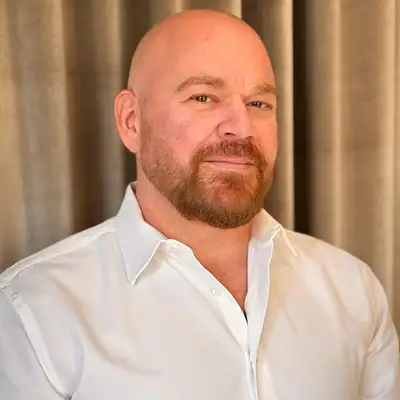
David Strickel examines consciousness, fear, judgment, and how humans orient themselves in a rapidly changing world.
His perspective is shaped by his ongoing relationship with Source consciousness known as the Stream.
These episodes provide context, inquiry, and reflection through conversation and lived experience.
The podcast exists to support clear thinking and sovereignty of mind during periods of uncertainty.
(00:00:01):
The Tya Podcast,
(00:00:03):
discover the daily practice that makes spirituality actually work,
(00:00:07):
going beyond law of attraction to turn struggle into prosperity and success into
(00:00:12):
real happiness.
(00:00:14):
Tya is an advanced operating system for life, and you're about to learn it right now.
(00:00:20):
We are going to talk about Tya versus Scientology.
(00:00:26):
And the first thing I want to get out of the way is this is not pro or anti
(00:00:32):
Scientology or anything else.
(00:00:34):
Tya is not pro or anti anything.
(00:00:36):
You will never hear me say that something shouldn't exist or shouldn't be.
(00:00:40):
That's the core of Tya is appreciation of all things.
(00:00:43):
So if we practice appreciation of all things, that means we find appreciation for all things.
(00:00:49):
And I will even get in this episode,
(00:00:51):
of how I found deeper appreciation for Scientology.
(00:00:54):
So before we dive into it, this isn't about bashing Scientology or promoting Scientology.
(00:00:59):
It's not even about promoting Tya.
(00:01:01):
I would much rather share Tya and let people figure out for themselves whether
(00:01:04):
this is for them or not.
(00:01:06):
But I have a guest that I hope is a more frequent guest in the future.
(00:01:10):
He's been on in the past.
(00:01:12):
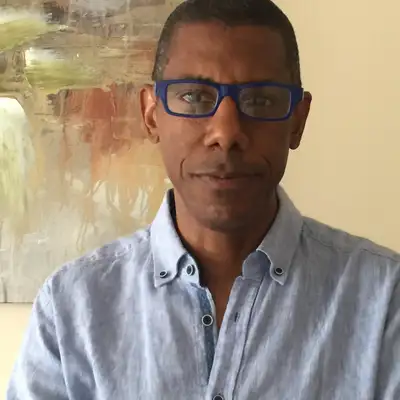
Derek Johnson is one of our Tya Academy coaches.
(00:01:14):
He specializes in appreciation.
(00:01:17):
He also has a scientific background.
(00:01:18):
He has a degree in physics and works in more of a computer science mode these days.
(00:01:24):
But he brings the science flavor.
(00:01:26):
We talk about Tya being metaphysics, psychology, and science combined these days.
(00:01:36):
We lean on Derek to be our stress test for the scientific edge of Tya.
(00:01:43):
So welcome.
(00:01:44):
Okay.
(00:01:46):
Thank you, David.
(00:01:47):
Was that description accurate?
(00:01:48):
Did I get everything?
(00:01:49):
Yeah, I do my best, but you know.
(00:01:52):
Well, I didn't call you a physicist.
(00:01:54):
Okay.
(00:01:55):
Although you have an education in it.
(00:01:57):
I do.
(00:01:57):
And I have friends who are physicists because they went further with it.
(00:02:01):
But, you know, life took me in a different direction.
(00:02:05):
Well, you can study physics without a formal education, period.
(00:02:12):
Again, I don't think there's anything wrong with formal education.
(00:02:14):
I did not follow that route.
(00:02:15):
I am self-taught in every facet or everything you can imagine.
(00:02:19):
But not only do you have this scientific, and this is probably what drew you to this, right?
(00:02:24):
You actually dabbled in Scientology a little bit.
(00:02:29):
Would you say dabbled in is the way to say that?
(00:02:32):
I explored it.
(00:02:34):
I explored it.
(00:02:34):
I think, uh, I explored it and I was very interested.
(00:02:38):
And to be honest with you,
(00:02:40):
if,
(00:02:42):
if I could have afforded it,
(00:02:44):
I would have,
(00:02:45):
I would have,
(00:02:46):
uh,
(00:02:46):
jumped right into it actually at the time.
(00:02:50):
And,
(00:02:50):
uh,
(00:02:50):
I think I mentioned it to you before,
(00:02:52):
when I went through,
(00:02:52):
while I was a college student,
(00:02:54):
I went through this,
(00:02:55):
this period where I kind of had a,
(00:02:58):
a crisis of belief,
(00:03:00):
you know,
(00:03:00):
I wasn't sure what was real anymore.
(00:03:03):
Whether or not I believed in a God,
(00:03:07):
it was kind of a crisis where up until that point,
(00:03:12):
all of my belief had been in science at that point.
(00:03:16):
So you weren't raised in a religion?
(00:03:19):
No, no.
(00:03:20):
My grandparents were Baptists,
(00:03:21):
but my mother and father weren't really actively attending church or anything like
(00:03:28):
that.
(00:03:28):
And it wasn't pushed on me.
(00:03:30):
So I was free to go if I wanted to, but I didn't need to go.
(00:03:34):
I did go to Catholic high school.
(00:03:35):
So I got some of the teaching and programmings around that there.
(00:03:41):
But I never really attended church other than with my grandmother.
(00:03:50):
And I had a lot of questions and problems with it, things that didn't make sense to me.
(00:03:56):
And so I just kind of decided that
(00:03:59):
I had more trust in science because it was what we could observe,
(00:04:02):
what we could test,
(00:04:03):
what was proven or what I thought was proven at the time.
(00:04:07):
And I just felt more comfortable.
(00:04:08):
I felt safer with it.
(00:04:11):
And later,
(00:04:12):
after I went through this crisis while I was in college,
(00:04:16):
then I started thinking,
(00:04:17):
well,
(00:04:17):
there's definitely a lot more out there beyond what science is ready to acknowledge
(00:04:22):
at this point.
(00:04:24):
And I had to make a decision.
(00:04:26):
Okay.
(00:04:27):
Am I going to
(00:04:29):
live my life strictly following science and ignore these other things that are
(00:04:33):
presenting themselves and close my mind to them?
(00:04:36):
Or is it more important for me to have what's real and what's true?
(00:04:41):
And which may mean that I'll need to go beyond what science is ready to acknowledge
(00:04:46):
at this point in time.
(00:04:47):
And I decided to do the latter.
(00:04:49):
And one of the things was is that I was really panicked at that time because I
(00:04:54):
didn't know if religion was or God was real or not.
(00:04:59):
And then I had a couple of strange experiences happen.
(00:05:01):
And then I thought, well, wait a minute, maybe I need to sort this thing out.
(00:05:04):
And then if I do need to sort it out, which religion is the correct religion?
(00:05:08):
Well, I don't know.
(00:05:09):
So now I have to explore them.
(00:05:12):
And then I started exploring and studying different religions.
(00:05:15):
And Scientology was one of the things I explored while I was a student.
(00:05:20):
And, uh, and that was it.
(00:05:22):
And it was really, and I do appreciate it.
(00:05:25):
Like I'm not talking about, you know, all of the, uh,
(00:05:29):
all the stuff around the,
(00:05:31):
the politics or the,
(00:05:32):
the hierarchical structure there that,
(00:05:35):
that,
(00:05:36):
you know,
(00:05:36):
people have left the church for and things like that.
(00:05:39):
Those,
(00:05:40):
the abusive practices that have been,
(00:05:42):
there are rumors about,
(00:05:43):
or people have written books about.
(00:05:45):
I don't know anything about that.
(00:05:46):
I was strictly exploring like what, what was kind of the philosophy behind it?
(00:05:51):
How does it work?
(00:05:53):
And what are the benefits?
(00:05:56):
And it,
(00:05:58):
it was a nice angle because L. Ron Hubbard was also a science fiction writer.
(00:06:06):
And so he had written things, and then he had come up with these practices.
(00:06:14):
And I wasn't deep enough into it to actually understand if what he was writing
(00:06:19):
about was a way for him to cloak his
(00:06:27):
his beliefs in a way that could be acceptable by society don't forget this this
(00:06:31):
happened back in the 50s 60s 70s and so back then people weren't as open-minded and
(00:06:40):
as embracing uh metaphysics and uh spirituality outside of the standard you know
(00:06:47):
standard religion at that time so i could see why if you wanted to put uh teachings
(00:06:53):
out
(00:06:55):
related to things like extraterrestrials or things like that,
(00:06:58):
then it might be a good idea to,
(00:07:01):
you know,
(00:07:03):
say it's science fiction.
(00:07:05):
And in that way, people will leave you alone because it's fiction.
(00:07:09):
You know,
(00:07:09):
whereas if you were trying to put those ideas forward and say,
(00:07:12):
this is the reality,
(00:07:13):
this is the way it really is,
(00:07:14):
people would just call you a kook,
(00:07:16):
because it was too far of a stretch or too far of a jump from what they've already
(00:07:22):
uh, been conditioned to believe or, or used to believing.
(00:07:26):
So,
(00:07:26):
and whereas I think nowadays,
(00:07:28):
like we have,
(00:07:29):
uh,
(00:07:30):
like the Gaia channel and the,
(00:07:32):
um,
(00:07:32):
ancient,
(00:07:34):
uh,
(00:07:34):
what is it?
(00:07:34):
Ancient aliens,
(00:07:35):
or we have like TV programs that explore like evidence of,
(00:07:39):
uh,
(00:07:41):
uh,
(00:07:42):
evidence of advanced technologies that,
(00:07:44):
that predate,
(00:07:46):
you know,
(00:07:46):
modern civilization.
(00:07:47):
And a lot of those technologies we can't reproduce.
(00:07:51):
And so today,
(00:07:52):
even with our tech,
(00:07:53):
so people start to stretch their minds a bit that people may start to entertain the
(00:07:58):
idea that there could have been extraterrestrial involvement in human history on
(00:08:04):
Earth before modern times.
(00:08:06):
You know what I mean?
(00:08:07):
So people have a little bit more open mind, a little bit more open minded these days.
(00:08:11):
But I think what actually blocked me from exploring Scientology at the time was is that
(00:08:19):
They have this process called auditing.
(00:08:21):
And I don't know if I'm jumping ahead too much too quickly.
(00:08:25):
No, go ahead.
(00:08:26):
I think the auditing thing is, you know, it's a cornerstone.
(00:08:29):
It's key to it.
(00:08:29):
Let's kind of talk about that a little bit.
(00:08:32):
I think basically,
(00:08:33):
and I'm not a Scientologist,
(00:08:36):
but I think basically how it works is the idea is that humans are ultimately divine
(00:08:42):
beings and we can't,
(00:08:46):
see or realize our divinity because it's been overlaid with layers of conditioning
(00:08:54):
or trauma or other things.
(00:08:56):
And Scientology has its own specific jargon or terminology for these types of things.
(00:09:04):
I think they call them engrams or imprints or things like that.
(00:09:08):
But we have these things that restrict us from making
(00:09:14):
being fully aware and making free conscious choice moment to moment because we jump
(00:09:21):
into repetitive reactive patterns from this previous conditioning or limited
(00:09:27):
beliefs.
(00:09:27):
And so they have these processes or exercises that they practice to help you learn
(00:09:35):
to free yourself from those structures.
(00:09:38):
And they have a process where you can clear away
(00:09:42):
some of this past stuff by working with another person who's called an auditor.
(00:09:47):
And they use a biofeedback device that helps clarify where you're blocked.
(00:09:54):
And then you work through these processes with an auditor to clear these blocks.
(00:10:01):
And there are levels of clearing and different things that you clear.
(00:10:06):
And the clearer you become, the more of your
(00:10:10):
uh,
(00:10:11):
natural divinity or,
(00:10:12):
or whereas in Tya,
(00:10:14):
we would say the more access to,
(00:10:17):
to source consciousness you gain or more up the spiral you would go.
(00:10:21):
And so things become clear to you.
(00:10:23):
So from my understanding,
(00:10:24):
there's not a lot of teaching in Scientology about religion or what to believe.
(00:10:30):
The real focus is on these,
(00:10:31):
uh,
(00:10:32):
clearing practices,
(00:10:33):
because as you do these,
(00:10:35):
your direct experience will be,
(00:10:37):
you know,
(00:10:38):
what teaches you.
(00:10:40):
Well, you are our appreciation.
(00:10:43):
If you're new to this podcast, Tya runs on a foundation of four pillars that never change.
(00:10:50):
Everything else is always evolving and getting better and evolving with time.
(00:10:54):
And that's an element of Tya that I think can be somewhat unique compared to other things.
(00:10:58):
But appreciation, source, polarity, and intention are our four pillars.
(00:11:03):
And those have been stress-tested
(00:11:05):
For eight years,
(00:11:06):
not a long time in comparison to most of the things that are out there,
(00:11:09):
but for eight years,
(00:11:10):
we have stress tested those things and those four pillars have held up and they
(00:11:14):
were created in my imagination of what's going to work a thousand years from now
(00:11:21):
and what would have worked a thousand years ago and beyond that.
(00:11:25):
Because my intention with Tya is to create something that is useful in modern day life,
(00:11:34):
And something that could continue to evolve because technology continues to evolve.
(00:11:39):
Our world continues to evolve.
(00:11:41):
And a lot of these ancient practices...
(00:11:45):
get changed over time in a way that is more of an ego driven preference influence
(00:11:52):
being added on to them.
(00:11:54):
And I don't want that to happen to Tya.
(00:11:56):
So the four pillars, that's all Tya is.
(00:11:59):
So one of the reasons I want to have this podcast is because we do get compared to
(00:12:03):
Scientology and
(00:12:05):
And before you run away screaming in fear of your judgmental of Scientology,
(00:12:11):
there's a lot of ways that we're not like Scientology.
(00:12:13):
We'll be very clear about that in this episode.
(00:12:17):
But usually I hear it at what I call the surface level.
(00:12:21):
We don't do a lot of social media posting.
(00:12:23):
Every time I start doing social media posting, I think, why am I doing this?
(00:12:27):
The serious people out there are finding us on a podcast or reading the book or
(00:12:31):
doing something like that.
(00:12:32):
I don't need to put memes out and little one-minute videos and things like that.
(00:12:36):
I've done it, but I don't like to do a whole lot of it.
(00:12:39):
And what we get there are comments from people who are just sampling what's there
(00:12:43):
and responding,
(00:12:44):
which I understand.
(00:12:46):
And so,
(00:12:46):
you know,
(00:12:47):
one of the common comments,
(00:12:48):
this sounds like Scientology,
(00:12:49):
especially when we talk about detuning.
(00:12:52):
Because detuning sounds a lot like auditing.
(00:12:54):
Because we are detuning our transgressors in Tya,
(00:12:58):
meaning any person,
(00:13:00):
circumstance,
(00:13:01):
or event that we do not view in authentic appreciation is something that we want to
(00:13:06):
detune.
(00:13:08):
And what happens when we do this detuning is, yes, our general vibration rises.
(00:13:13):
We have more source and less ego flowing.
(00:13:16):
Life gets better.
(00:13:18):
And the whole reason I created this is because I wanted to learn to quote unquote manifest.
(00:13:23):
Why can't I manifest in this area when I can manifest in these other areas?
(00:13:27):
I've been a student of what people call the law of attraction.
(00:13:30):
I call it conscious creation since I was 14, really before that.
(00:13:33):
I remember one of my first memories at age six,
(00:13:36):
knowing that I could have something that my parents told me I would never be able
(00:13:40):
to have.
(00:13:40):
It was a car.
(00:13:41):
But I remember that moment where something in me said, don't listen to them.
(00:13:45):
You can have anything you want.
(00:13:46):
That was there then.
(00:13:47):
Now we call that the stream because I continue to lean in and listen to that
(00:13:51):
throughout a lifetime.
(00:13:52):
But I created the practice originally to remove what we call the abundance blocks.
(00:13:58):
And of course,
(00:13:58):
it just morphed into so many of the areas that really the practice now is intended
(00:14:05):
to improve every area of your life with continued practice.
(00:14:08):
So, yes, we do detuning.
(00:14:11):
We don't hook anyone up to a machine.
(00:14:13):
You don't have to necessarily.
(00:14:14):
This is something you do that's actually very personal.
(00:14:17):
We guide you.
(00:14:18):
And Derek is our coach that helps guide this.
(00:14:22):
And the guidance,
(00:14:24):
though,
(00:14:25):
is all about helping someone uncover what they may not be acknowledging or even
(00:14:30):
aware of.
(00:14:31):
So that's different than auditing.
(00:14:33):
And we're not using machinery.
(00:14:35):
Tya is about not using anything external whatsoever.
(00:14:37):
It's all inner work.
(00:14:40):
So how do you,
(00:14:41):
am I comparing that accurately in your view since you have more information about
(00:14:45):
both of these things?
(00:14:48):
These two practices.
(00:14:51):
I think, yeah, detuning would be the Taya equivalent of clearing.
(00:15:01):
uh clearing but it's it's it's really in involved in in scientology and that's the
(00:15:08):
bulk of of what's being done there whereas and then also there the focus is on you
(00:15:17):
have to do this you have to clear and the way it's structured is as you get to
(00:15:23):
different levels you gain access to different clearing processes and practices so
(00:15:29):
You won't know.
(00:15:30):
So someone external to you is controlling basically your growth pattern.
(00:15:36):
And Tya has other elements to it.
(00:15:41):
Like our clearing is quite simple.
(00:15:43):
We're appreciating.
(00:15:45):
We're mining things for the benefit.
(00:15:49):
And we're raising our vibration.
(00:15:51):
We're firewalking.
(00:15:52):
We're doing other things.
(00:15:54):
So our clearing is kind of simple.
(00:15:57):
organic and source assisted.
(00:15:59):
And I think that's a huge difference.
(00:16:02):
One major difference between Scientology and Taya is that source is a pillar in Taya.
(00:16:12):
As you move up the vibrational spiral,
(00:16:16):
you gain more access to this stream of source consciousness within you,
(00:16:22):
which helps guide you to the next thing that you need to clear when you're ready
(00:16:25):
for it.
(00:16:27):
As you grow stronger, more layers come up for you to clear.
(00:16:30):
So it's a very organic, I think, source-driven process as you do the work in Taya.
(00:16:39):
And that source is internal, not external to you.
(00:16:44):
Right.
(00:16:44):
That's why we don't really need anything external from us.
(00:16:46):
It all exists in us.
(00:16:48):
Tya really just helps you discover what's already there and has always been there.
(00:16:51):
And access it.
(00:16:52):
Yeah.
(00:16:52):
And access it.
(00:16:53):
And really, and one of the things...
(00:16:56):
So we are different in that way.
(00:16:59):
I will come back around.
(00:17:00):
There's one thing I want to mention, though.
(00:17:01):
You mentioned the term firewalking.
(00:17:02):
And just for everyone that's listening out there, we're not talking about walking on hot coals.
(00:17:06):
I'll leave that to Tony Robbins.
(00:17:07):
He does it.
(00:17:08):
Be careful.
(00:17:08):
I don't know if they still do that or not, but that's a Tony Robbins thing.
(00:17:12):
Our firewalking is something we do at the academy level.
(00:17:14):
There's things that we do at the academy level that would be irresponsible for us
(00:17:18):
to tell someone to do at the book level or the
(00:17:21):
it's okay i don't mind mentioning it but it's not something i would say oh go try
(00:17:25):
this because we don't know you we don't know what's going on with you and it would
(00:17:28):
be very irresponsible for us so firewalking is a is a higher level of detuning that
(00:17:33):
we do but i won't go any further into that so it's good that you mentioned it it
(00:17:37):
brought it out but i just want everybody to know that it's not walking on hot coals
(00:17:41):
which you know it's kind of i've never done it i've known people that have done it
(00:17:44):
they say it's a really cool experience so
(00:17:48):
The similarities, because anytime I find something that I'm judging from,
(00:17:55):
any way i want to detune it well how how do we detune it we appreciate it well what
(00:18:00):
do we mean by appreciate it we don't mean saying that something that we think is
(00:18:04):
horrible is suddenly just great it's instead of rushing to judgment because
(00:18:09):
judgment often sends energy it spikes energy when you're judging something it
(00:18:15):
should not be you feel that energy spike when you're triggered by something
(00:18:18):
especially and
(00:18:20):
you feel an energy spike.
(00:18:21):
So now what are you doing?
(00:18:22):
If you believe in conscious creation,
(00:18:24):
and Taya is all about that,
(00:18:26):
you are now activating the energy of exactly what you don't want,
(00:18:30):
what's triggering you in your life.
(00:18:34):
And if you believe that we're a collective consciousness,
(00:18:37):
you are actually feeding exactly what you don't want.
(00:18:39):
And if you want proof of this,
(00:18:42):
Look at the elements, and I say this all the time, I'll say it again.
(00:18:45):
Look at the things going on in society that a lot of people say shouldn't exist.
(00:18:51):
You can have a whole list of them and look at how they grow in intensity.
(00:18:55):
The more we focus on them and judge them and they don't get solved.
(00:18:59):
There's a lot of things that don't get solved because we want to demonize it and we
(00:19:02):
stop at the demonization.
(00:19:04):
They begin to get solved when we tire of the demonization and we move into,
(00:19:09):
okay,
(00:19:09):
why is this happening?
(00:19:10):
What's the origin of this?
(00:19:12):
How can we be more preventative around this instead of just saying that person's
(00:19:16):
evil and terrible and must be stopped or they're demonic or,
(00:19:19):
you know,
(00:19:19):
there's just not a lot of,
(00:19:21):
solving energy there when you're just demonizing something.
(00:19:25):
So when we say appreciation,
(00:19:26):
instead of rushing to judge something as this shouldn't exist,
(00:19:30):
especially when it already is or was,
(00:19:32):
why don't we reframe it in such a way that I want to understand this on a deeper
(00:19:36):
level.
(00:19:37):
And we do this automatically.
(00:19:41):
Think of the things in your life that you once demonized that ended up being a
(00:19:46):
blessing in disguise or a big turning point or turned you in a direction that ended
(00:19:50):
up being good.
(00:19:52):
And what happens?
(00:19:52):
That thing that you were judging at one time completely changes energetically to
(00:19:58):
something that was a gift,
(00:19:59):
the silver lining,
(00:20:00):
if you will.
(00:20:01):
So with Taya, we're doing that with detuning.
(00:20:04):
And that's what Derek's coaching is really centered on is that appreciation piece.
(00:20:10):
And that's what detuning is.
(00:20:11):
And the more you do that, the more you are detuning your ego, which is all about preference.
(00:20:16):
But when it's really activated, it can be about judgment.
(00:20:19):
And when you detune your ego, more of your source being automatically becomes realized.
(00:20:24):
So that's the core of Tya right there.
(00:20:27):
That's what the four pillars are all about.
(00:20:32):
As far as similarities to Scientology, my detuning of Scientology was to first not judge it.
(00:20:42):
The celebrities that I'm aware, I don't know a lot about Scientology.
(00:20:44):
I know there's some well-known celebrities that are really into it that seem to be
(00:20:48):
very successful at what they do.
(00:20:50):
There are some others that have left that have said a lot of negative things about it.
(00:20:55):
I have no reason not to believe them.
(00:20:57):
All of it is possible.
(00:21:03):
It is really a closed door, kind of a gated thing, right?
(00:21:06):
You've got to get on the other side of the gate to really learn it.
(00:21:10):
Even once you're in it,
(00:21:12):
the upper levels are also,
(00:21:16):
you know,
(00:21:16):
closed doors to people at the lower levels.
(00:21:19):
Secret society type of, yeah.
(00:21:21):
So we...
(00:21:24):
We were just talking about this the other day.
(00:21:26):
And the interesting thing was,
(00:21:27):
is that the moment I got off the meeting,
(00:21:30):
it was a group meeting,
(00:21:31):
a Tya Academy group meeting that we were on and we were talking about Scientology.
(00:21:35):
We rarely do.
(00:21:37):
And if ever, I don't think we've ever talked about it before.
(00:21:39):
And I get off of that meeting and I look at my email and I have one email address
(00:21:44):
where everybody hits me up for being a guest on this podcast.
(00:21:46):
We don't do that.
(00:21:47):
Everybody on the podcast is talking about Tya.
(00:21:49):
I don't accept outside guests at all, but I still get hit up a couple of times a day.
(00:21:53):
And so the first one,
(00:21:56):
I saw it in that,
(00:21:57):
uh,
(00:21:57):
I don't even open the emails,
(00:21:58):
but you know,
(00:21:58):
that little sentence they give you as,
(00:22:00):
you know,
(00:22:00):
the previous sentence I saw,
(00:22:02):
uh,
(00:22:02):
like prominent Dianetics,
(00:22:04):
uh,
(00:22:05):
expert wants to be on your podcast.
(00:22:06):
I thought I've never seen the word Dianetics in my email feed before.
(00:22:10):
And here I'm seeing it right after this conversation.
(00:22:13):
Maybe there's something there.
(00:22:15):
And I had already thought that I wanted to do this.
(00:22:17):
In fact,
(00:22:18):
I already think I had this on the calendar and you chose it because you had a
(00:22:21):
little bit of knowledge about this.
(00:22:23):
What an interesting synchronicity is all things are for us to talk about this.
(00:22:27):
So my detuning of Scientology came when I read Lisa Marie Presley's biography.
(00:22:35):
Uh, fascinated by her because we were born same month, same year.
(00:22:38):
Um, you know, always found her interesting, you know, talk, talk about very different lives.
(00:22:43):
I was born very unknown and very poor, you know, abusive parents, that sort of thing.
(00:22:47):
And she was born,
(00:22:48):
you know,
(00:22:49):
into great privilege and wealth and notoriety and all of these things.
(00:22:52):
So this biography was written by her and her daughter because she passed away,
(00:22:57):
unfortunately,
(00:22:58):
before it was able to be finished.
(00:23:00):
And she talks about in this biography how when she was little, she was raised in Scientology.
(00:23:06):
Her mother became a Scientologist right after she left Elvis or maybe even before
(00:23:10):
that,
(00:23:10):
I'm not sure.
(00:23:12):
And how for her,
(00:23:14):
Scientology gave her all of the structure,
(00:23:16):
but eventually she sort of tired of it for whatever reason and left it.
(00:23:21):
And then her life sort of unraveled after that because she didn't have the structure.
(00:23:25):
which is what we're talking about all the time with Taya being an evolution of religion even.
(00:23:33):
That religion used to be the canon that people would live by because you would be
(00:23:37):
indoctrinated in and said,
(00:23:38):
this is what you're supposed to believe,
(00:23:39):
and people would just believe it.
(00:23:41):
And now that we have access to so much more information,
(00:23:44):
there's just so many other people and ideas and we're just so much more mobile than
(00:23:49):
we used to be.
(00:23:50):
People just naturally are questioning more and more and more.
(00:23:52):
And we're starting to see the flaws in religion show up.
(00:23:55):
It's starting to sort of crumble.
(00:23:56):
Less people every year are identifying as religious.
(00:24:00):
But if you don't move on to some other system to operate your life by,
(00:24:06):
you can really feel like you're out in the wilderness.
(00:24:08):
And what people usually do is they say, I'm an atheist.
(00:24:11):
If it's not scientifically proven, I don't believe it.
(00:24:14):
I'm an atheist.
(00:24:15):
There's nothing else.
(00:24:16):
You live, you die, and that's it.
(00:24:17):
I totally understand that.
(00:24:18):
And I think it's fine to be an atheist, by the way.
(00:24:21):
But what I've noticed is I know a lot of people that say they're atheists.
(00:24:25):
And when you start talking to them about how they run their lives,
(00:24:27):
it's always a mixture of politics and commerce and status and identity.
(00:24:32):
And it's sort of this cobbled together system that,
(00:24:35):
you know,
(00:24:35):
as long as I have money,
(00:24:36):
I feel okay about my life in the world.
(00:24:40):
As long as I have my title,
(00:24:41):
my position,
(00:24:43):
my health,
(00:24:43):
my looks,
(00:24:44):
my,
(00:24:44):
you know,
(00:24:44):
whatever it is,
(00:24:45):
there's always these identity markers and wealth security and,
(00:24:50):
you know,
(00:24:50):
all of those things.
(00:24:51):
And then you start talking about politics and you find out immediately which
(00:24:54):
polarized side they're on.
(00:24:56):
And, you know, my side good, everyone else bad, all that sort of talk.
(00:24:59):
So, you know, everyone runs on a system no matter what.
(00:25:02):
And I don't want to run on a matrix-driven, ego-driven system.
(00:25:08):
So Taya is that, is a system.
(00:25:10):
Is it completely scientific?
(00:25:13):
No.
(00:25:14):
In fact,
(00:25:14):
up until you got involved,
(00:25:18):
the science was really proving it to yourself that you are doing,
(00:25:23):
I always say,
(00:25:24):
if you do a little bit of this,
(00:25:25):
see that it works,
(00:25:26):
do some more.
(00:25:27):
And it's always your choice whether you do it or not.
(00:25:30):
So there's no penalty for dipping in and out of the Taya practice, and there never will be.
(00:25:35):
And the science part of it,
(00:25:37):
to me,
(00:25:38):
the most important scientific part of it is the experimentation that we do for
(00:25:41):
ourselves.
(00:25:42):
Prove it to yourself.
(00:25:44):
Because certainly there are things going on that science would love to prove or
(00:25:47):
disprove and cannot.
(00:25:49):
And all of that is metaphysics.
(00:25:52):
Source,
(00:25:53):
I don't believe Source will ever be proven or disproven because I believe what we
(00:25:56):
call Source is,
(00:25:57):
I don't think it's a deity.
(00:25:58):
I don't think it's human-like.
(00:25:59):
I don't think it's gendered.
(00:26:00):
I don't think it's looking to be worshipped or obeyed.
(00:26:02):
But I do think that there is a creative energy of the universe that exists in everything.
(00:26:06):
And really, that's what Source is.
(00:26:09):
So those are the similarities.
(00:26:10):
And I see the need, if you choose it, to have a system to operate your life by.
(00:26:16):
And the gift of the system is the ongoing continual clearing that creates an
(00:26:24):
ongoing increased vibration,
(00:26:27):
which means more and more of a source-like existence where fear and judgment and
(00:26:31):
need and identity just become more and more detuned in your life.
(00:26:36):
But I'm still not taking it to that place where we are just sitting and meditating
(00:26:42):
all day and being source.
(00:26:43):
Because I do believe that we came here for a physical experience and that we came
(00:26:49):
here to experience physical at the time that we're here.
(00:26:53):
And our world is heavily material.
(00:26:56):
And we do operate in a system of exchange.
(00:26:59):
So I am not going to pretend like Taya is something that you're supposed to just go
(00:27:03):
completely detune,
(00:27:05):
all need, all judgment, all desire, and just be.
(00:27:10):
If you want to do that, fine.
(00:27:12):
But Taya gives you the leeway to still have a human experience in our current reality.
(00:27:19):
You get to play in the matrix.
(00:27:20):
You just don't have to be controlled by it.
(00:27:22):
And I think that's a sweet spot for a lot of people.
(00:27:25):
I like the way Taya was described as an operating system before.
(00:27:33):
A way to navigate life
(00:27:35):
in a way that allows you to experience more of what you prefer and to be less
(00:27:45):
affected by the hiccups or speed bumps or road bumps that life or curveballs that
(00:27:54):
life throws at you.
(00:27:56):
And I think it's really good for that, actually.
(00:27:59):
And I think this focus on
(00:28:05):
I think really the focus of Taya is kind of like basically that.
(00:28:08):
It's a way of navigating life.
(00:28:12):
And when hiccups do come up,
(00:28:15):
then you detune and you clear what's in you that's pulling that particular
(00:28:22):
experience to you vibrationally.
(00:28:25):
And you clear it.
(00:28:26):
So there's a lot of ownership,
(00:28:28):
self-responsibility,
(00:28:30):
and acknowledgment that to some degree you are
(00:28:34):
creating your experience and taking responsibility for that.
(00:28:41):
And that we are all part of source.
(00:28:43):
So there are a lot of elements that are built in there that make it a very nice
(00:28:49):
foundational system for navigating life.
(00:28:51):
I think it's really, really good for that.
(00:28:54):
It's not as complex as Scientology.
(00:28:57):
You don't need to lean on external authority to dictate how far you can go.
(00:29:04):
like it's a very, I think it's a very elegant practice with just those four pillars.
(00:29:09):
And I think if your intention was to design something that could go beyond you and
(00:29:15):
not be limited by,
(00:29:17):
you know,
(00:29:18):
egos that come into play along the way,
(00:29:20):
I think you've,
(00:29:21):
I think you've succeeded.
(00:29:22):
Yeah.
(00:29:23):
And I think that like what you mentioned before about the church or traditional
(00:29:28):
churches and religions that people get into,
(00:29:31):
especially like the Christian and Catholic religions, things like that.
(00:29:36):
I think that's exactly,
(00:29:37):
and probably Scientology too,
(00:29:38):
that's probably exactly what's happened is that egos have come on the scene and
(00:29:44):
decided that things needed to be a certain way because they went for their
(00:29:49):
particular agendas or reasons.
(00:29:51):
And I think it corrupts the pure teaching that was probably given in the beginning.
(00:29:57):
And so I can only imagine that probably what I'm sure
(00:30:01):
What the Church of Scientology has evolved into today is not what L.
(00:30:06):
Ron Hubbard envisioned in the beginning.
(00:30:08):
If he were strict about the protocols or practices in the beginning,
(00:30:12):
I'm sure it was to keep it pure.
(00:30:14):
And I think somewhere along the way,
(00:30:16):
ego creeped in and I need to be at the top and I'm the one in charge and I'm the
(00:30:20):
boss.
(00:30:22):
And I think to some degree, probably that's also happened to Christianity too.
(00:30:25):
I don't believe that when Jesus walked the earth, his intention was for there to be a middleman.
(00:30:31):
you know, like the Pope or someone between God and man.
(00:30:34):
Yeah,
(00:30:34):
we could do a whole series of podcasts on modern Christianity versus what Jesus
(00:30:39):
probably was all about.
(00:30:41):
Yeah, that creep, that ego creep that you were talking about, I think that's in a lot of things.
(00:30:47):
And it's very, it's nice that you had that in mind when you were designing this.
(00:30:53):
And so it's simple for a reason and the practices are clear for a reason.
(00:30:59):
And I think that's one of the things that drew me to it and why I kind of sped
(00:31:05):
through the book once I got my copy of it,
(00:31:08):
the Taya book.
(00:31:10):
And yeah, so I appreciate that.
(00:31:12):
But I can see why a lot of people are becoming disillusioned with kind of
(00:31:17):
mainstream religion because science has reached a point where it's proving a lot of
(00:31:21):
things.
(00:31:21):
And then when you go back and you look at some of that stuff from a logical
(00:31:25):
perspective,
(00:31:26):
it just doesn't make sense.
(00:31:29):
Yeah, I questioned it.
(00:31:30):
I remember in the fourth grade,
(00:31:31):
I got kicked out of Sunday school for questioning about why dinosaurs didn't exist
(00:31:34):
in the Bible.
(00:31:36):
Well, when they wrote the Bible, they hadn't discovered the bones yet.
(00:31:39):
And I remember my older brother saying, well, God put that in there to test you.
(00:31:42):
I'm like, that kind of sounds like bullshit to me.
(00:31:44):
I don't know.
(00:31:45):
I'm not buying that.
(00:31:48):
I'm not buying it.
(00:31:49):
So it's very easy to disprove, but people...
(00:31:55):
want that identity.
(00:31:56):
Uh, there's a mega church out here by, by our house.
(00:31:59):
And,
(00:31:59):
uh,
(00:32:00):
you know,
(00:32:01):
we were driving by one Sunday and,
(00:32:02):
you know,
(00:32:02):
they have to have like,
(00:32:03):
you know,
(00:32:04):
people directing traffic in and out.
(00:32:05):
It's just, just huge parking lot, all these cars, you know, waiting to go in and things.
(00:32:08):
And,
(00:32:09):
And, you know, somebody said, I can't believe that many people still fall for this stuff.
(00:32:13):
I said, you know, what it is, is it's social.
(00:32:17):
There's probably a networking business arm to it.
(00:32:21):
You know,
(00:32:21):
it gives people sort of a foundation to live by and maybe raise their kids by,
(00:32:27):
you know,
(00:32:27):
that you're going to burn in hell thing works,
(00:32:29):
you know,
(00:32:29):
pretty well to keep people in line,
(00:32:31):
at least some people.
(00:32:32):
Yeah.
(00:32:33):
And I don't know what this church even teaches.
(00:32:35):
I don't even know any of that.
(00:32:36):
But again, the detuning, right?
(00:32:38):
The value of it is this.
(00:32:40):
It's community.
(00:32:40):
It's identity.
(00:32:41):
It's social networking.
(00:32:42):
There's probably some business networking that goes on there.
(00:32:46):
It's a place to go and a thing to do and an identity of this is who we are and what we believe.
(00:32:51):
And I think that we are...
(00:32:55):
We are technology enough ourselves that we need the system to run on because
(00:33:00):
everybody runs on some kind of a system.
(00:33:01):
You call it a belief system.
(00:33:03):
Really, that's what it is.
(00:33:05):
Everyone has this set of beliefs that they operate on.
(00:33:08):
And I look at AI and all of that and realize that we are that.
(00:33:16):
We are creating in our own image.
(00:33:17):
We're just trying to create a more efficient version of ourselves that thinks more
(00:33:21):
efficiently than we do.
(00:33:23):
And it runs on a system.
(00:33:24):
There's programming.
(00:33:25):
I use ChatGPT and I use Claude and I use something.
(00:33:29):
I use three, but primarily ChatGPT just because I've been using it for so long.
(00:33:33):
It's so dialed in to what I want to talk about.
(00:33:37):
But obviously it's still programmed.
(00:33:39):
There's bias in there and it's always telling me how right I am about everything.
(00:33:44):
It can give me something,
(00:33:45):
tell me that it's absolutely the best output and then I can question it and it will
(00:33:48):
turn right around and tell me I'm right to question it.
(00:33:50):
which for me is maddening.
(00:33:51):
I've told it so many times, stop telling me that I'm right or I'm smart to ask.
(00:33:56):
I don't care.
(00:33:56):
I want to hear from you where I'm wrong.
(00:33:59):
know what isn't working you know i'm all about stress testing everything so if i
(00:34:03):
have a new idea let's stress test this against you know what you know about me and
(00:34:08):
i i have to really work at getting that from it so there's a lot of flaws in ai
(00:34:13):
because it's it's sort of created like a social network you know that we're
(00:34:16):
designed to make us you know dopamine to make us feel good and you know why do we
(00:34:20):
need that there's plenty of things that offer that we don't we don't need that from
(00:34:23):
ai
(00:34:24):
I think one big reason that people are still drawn to mainstream religions is
(00:34:29):
because there's still truth in it.
(00:34:33):
Like those religions sprung up from,
(00:34:36):
you know,
(00:34:37):
divinely inspired teachers and and people can still see that truth.
(00:34:42):
Yeah, I think everyone innately knows that we're more than just this.
(00:34:46):
And there's some sort of creative power.
(00:34:48):
Absolutely.
(00:34:49):
there's a lot of wisdom and uh valuable teachings in those religions that that
(00:34:55):
people appreciate it's just nowadays it's just packaged it comes with a layer of of
(00:35:02):
other stuff too and so if you if you are one of those people who can go to church
(00:35:07):
and weed through the uh the dogma and the uh
(00:35:13):
uh, what's been, what's been put on top of, of the core of the teaching.
(00:35:17):
If you can get to the core of the teaching, there's still, it's still in there.
(00:35:20):
I mean, and I think it's the same for, for Scientology and the other religions as well too.
(00:35:26):
And that's what, that's another reason that people are drawn to it.
(00:35:29):
They can feel it,
(00:35:30):
you know,
(00:35:30):
there's something to it,
(00:35:31):
but it just comes with,
(00:35:33):
uh,
(00:35:33):
it's had that ego stuff added into it that you mentioned earlier.
(00:35:37):
Well, and I will, I will say that, um,
(00:35:41):
I understand as someone who has started something like this,
(00:35:45):
that is not a,
(00:35:46):
it's not a coaching program.
(00:35:48):
A lot of people, it's funny because I used to kind of struggle to even define it for myself.
(00:35:53):
And I think now,
(00:35:54):
like right now,
(00:35:55):
we're getting really dialed in on how we describe it and what it really is.
(00:36:00):
Again, eight years is nothing in the creation of something like this.
(00:36:03):
But I think we're at a turning point right now where we're getting really dialed in
(00:36:07):
on what it is,
(00:36:07):
how it operates,
(00:36:08):
who it serves.
(00:36:09):
how you do it best and, you know, who it's not for.
(00:36:13):
And people would say, are you a life coach?
(00:36:16):
And I'd always,
(00:36:17):
you know,
(00:36:17):
kind of recoil from that saying,
(00:36:18):
no,
(00:36:19):
I'm not telling people how to run their lives.
(00:36:20):
I'm not a life coach.
(00:36:21):
I'm not going to tell you what your exercise, you know, who am I to say that?
(00:36:24):
So it's not life coaching.
(00:36:26):
It's not even coaching.
(00:36:28):
I started out in the coaching world,
(00:36:29):
but that only lasted a very brief time with abundance breakthroughs.
(00:36:34):
This coaching program turned into Taya
(00:36:38):
in a few months.
(00:36:40):
And the intent,
(00:36:41):
because my intentionality was to take all of these things that I already understood
(00:36:46):
and
(00:36:47):
and teach a system because I'd already created the system for myself to start
(00:36:52):
teaching the system to other people.
(00:36:54):
Well, then it came in, well, okay, how do I, I've got to be able to explain it.
(00:36:58):
I didn't need four pillars.
(00:36:59):
I just knew what I was doing every day.
(00:37:01):
But once I start trying to communicate that to other people,
(00:37:04):
that's where the four pillars came in and the terminology and all of those things
(00:37:08):
that make it easy for someone to absorb and apply if they choose to.
(00:37:13):
But I will be very clear when,
(00:37:16):
from this day forward, if there's any lack of clarity around it, this is not coaching.
(00:37:21):
I call you a coach.
(00:37:22):
We have coaches that work within the system.
(00:37:24):
This is an operating system for your life.
(00:37:26):
And it's not a good thing for dabblers.
(00:37:31):
I think you should dabble in it long enough to decide whether it's something that
(00:37:33):
you're aligned with or not.
(00:37:35):
But you need to move forward with it if you're really going to apply it because
(00:37:40):
it's designed to continually regenerate at higher and higher and higher levels.
(00:37:46):
So you don't just go through an eight-week program and learn it and you're done.
(00:37:54):
You've got to keep going with it.
(00:37:55):
So in all of these years that we've had hundreds of people come through our program,
(00:38:01):
A lot of them have fallen away and probably gone on and done other things.
(00:38:04):
Again, we don't have a penalty for that, so they're free to do that.
(00:38:07):
Others have practiced on their own, and I hear from them, and they seem to be doing fine.
(00:38:14):
Others continue working with us in different ways.
(00:38:18):
And the people that are sort of in my inner world that have worked on this,
(00:38:22):
like Matt,
(00:38:22):
who's on here all the time,
(00:38:24):
and especially people that work with me,
(00:38:27):
They are deep, deep, deep into the practice.
(00:38:29):
And I see just such magical things going on for them because they have put the
(00:38:36):
effort in to continue practicing this.
(00:38:39):
I like what you told me in the beginning was everything is in the book.
(00:38:43):
I made sure everything is in the book.
(00:38:45):
You're transparent about the practice.
(00:38:46):
If someone does want to get really familiar with Taya and
(00:38:53):
start the practice or do the practice learn the practice they just need to tie your
(00:38:57):
book and then that that's their way that's your way in if you can read the book or
(00:39:02):
listen to the audio book and actually practice some of the material on your own you
(00:39:07):
will start to see it work in your life and i think what you were saying earlier was
(00:39:13):
that you know as you the difference between dabbling with this practice and and
(00:39:19):
doing it consistently is that when you when you dabble
(00:39:22):
Basically, you have a conditioned version of you that thinks and operates in a certain way.
(00:39:28):
And when you dabble, there's basically two versions of you that are creating.
(00:39:35):
And the version of you that's dabbling,
(00:39:38):
you're playing with it,
(00:39:39):
and you will start to see some results from it.
(00:39:42):
But for the most part,
(00:39:43):
you'll still be your normal self,
(00:39:45):
vibrating at the normal way you vibrate in the world,
(00:39:48):
attracting the experiences to you that you do.
(00:39:51):
And so as you start practicing these four pillars consistently,
(00:39:57):
then there'll gradually be a shift where it will start to become your way of
(00:40:02):
operating and navigating the world.
(00:40:04):
And you'll more consistently draw these better experiences and results to yourself,
(00:40:09):
and you'll see the fruit from it.
(00:40:11):
And with these extended programs or more like deeper dives into the material that
(00:40:19):
allow you to really
(00:40:21):
Embody embody these practices and go deeper with them and take them to a higher
(00:40:27):
level and it's just an overall upgrade to your life and your life just keeps
(00:40:31):
upgrading and upgrading with these deeper practices,
(00:40:35):
so I mean there's a definitely.
(00:40:38):
a lot of benefit from it, but you don't need the deeper practices right away.
(00:40:42):
You can start with the book.
(00:40:44):
And it's recommended that you do start with either the podcast or the books because
(00:40:49):
you'll be familiar with it.
(00:40:50):
You won't be overwhelmed with the material when you come into the deeper program
(00:40:57):
because it's serious.
(00:40:59):
There's a lot of work in there that you'll need to do.
(00:41:03):
And if you already have some experience with the teachings,
(00:41:06):
it's easier for you to take it deeper,
(00:41:11):
to dive into it,
(00:41:11):
because you've already seen some results from your experimentation with it.
(00:41:17):
So yeah, it's absolutely worth it.
(00:41:22):
And it does just keep getting better and better.
(00:41:24):
So I do recommend people start wherever they are, if you want to start.
(00:41:33):
To your point, I think as you do the practice, you will become better resourced.
(00:41:39):
As you start applying the value and investing in this instead of,
(00:41:44):
you know,
(00:41:45):
it's funny when sometimes we meet people,
(00:41:48):
your coaching program is $10,000.
(00:41:50):
That's insane.
(00:41:50):
How much did you pay for your car?
(00:41:52):
Oh, it's 80,000, 60,000, 50,000.
(00:41:53):
Okay.
(00:41:54):
So a system that you're going to use for clarity and sovereignty and prosperity for
(00:42:02):
the rest of your life is not worth what the BMW lease payment,
(00:42:06):
you know,
(00:42:07):
Really?
(00:42:07):
Yeah.
(00:42:08):
Well, again, that's a threshold, right?
(00:42:10):
Oh yeah, you're right.
(00:42:11):
I do value the car more than I value that.
(00:42:13):
Okay.
(00:42:13):
Then this is not the thing for you.
(00:42:16):
It's not the thing for you.
(00:42:17):
And if you are not quote unquote,
(00:42:19):
well resourced and you're still in that sort of the world isn't fair.
(00:42:25):
Yeah.
(00:42:27):
It's not fair that I'm here.
(00:42:30):
That kind of mindset, the academy is going to kick your ass if you're there.
(00:42:35):
Stay at a different level and I will do that stuff for you at no charge until
(00:42:40):
you're ready to say $10,000 is nothing.
(00:42:43):
$100,000 is nothing.
(00:42:44):
So somebody that I did a session with this morning was saying that he had pledged
(00:42:48):
$100,000 to somebody to start learning a system and started learning it.
(00:42:52):
And he likes this one better.
(00:42:55):
And I said, I'm not ready to just ask for $100,000 pledge, but I like that as kind of a test.
(00:43:00):
If this costs $100,000 over a lifetime, do you see that?
(00:43:06):
And if the answer is no, then why not?
(00:43:11):
Because if it's doing for you what you believe it will do,
(00:43:15):
that should just be nothing,
(00:43:17):
inconsequential.
(00:43:19):
But if it's not, then why are you pursuing it?
(00:43:21):
So what I'm trying to communicate here is being in the headspace of this is going
(00:43:27):
to be something that I'm choosing.
(00:43:29):
It's a chosen system, not mandated.
(00:43:31):
There'll never be dogma.
(00:43:33):
And I see how it can serve me already.
(00:43:37):
I want it to serve me more and more and more.
(00:43:39):
And the money will just arrive for me to keep doing higher level work as we keep
(00:43:44):
building out these higher levels of it.
(00:43:46):
And that's something that...
(00:43:48):
I think on the other side of the gate,
(00:43:49):
Scientology probably has dialed in really well because you have all these – I don't
(00:43:53):
want these identities.
(00:43:54):
I don't want an ego-driven identity of, well, I'm above you because I've done this.
(00:43:58):
It's not that at all.
(00:43:59):
But there is something to be said for,
(00:44:02):
okay,
(00:44:02):
I'm going to do this specific work to achieve this level and then to keep going
(00:44:07):
higher because we see the value in going higher,
(00:44:09):
right?
(00:44:10):
Right.
(00:44:10):
I'm going to then do that.
(00:44:11):
So that will be part of Taya for sure.
(00:44:14):
It already is,
(00:44:14):
but that will be more fleshed out as part of Taya to give people sort of an A to Z.
(00:44:19):
This is what this looks like.
(00:44:21):
That's more that what you described earlier is more like in karate.
(00:44:26):
I'm a yellow belt.
(00:44:27):
I'm a red belt.
(00:44:29):
Well, it's just kind of understanding what level of work are you doing?
(00:44:32):
What level of training do you need?
(00:44:34):
Who do you need to work with?
(00:44:36):
There is value.
(00:44:36):
This is a system.
(00:44:37):
The scientific part of this is that it's a system.
(00:44:41):
And it's very important to have a system because right now,
(00:44:45):
most people are running on a system that they're not even aware that they're
(00:44:48):
running on.
(00:44:49):
And there's a lot of fear and judgment peppered into it.
(00:44:52):
And if you're tired of fear and judgment and you want to detune those elements out
(00:44:55):
of your life,
(00:44:56):
not completely,
(00:44:57):
but mostly and live a relatively fear-free life,
(00:45:00):
especially in an era where there's so much fear being peddled to us every day that
(00:45:06):
they're just going on social media or the news can be terrifying.
(00:45:11):
I don't want to live like that.
(00:45:13):
I want to be a sovereign being, no matter what's going on around me.
(00:45:15):
I know that I'm, I'm protected.
(00:45:18):
I'm good.
(00:45:19):
I'm cared for.
(00:45:19):
My wellbeing is guaranteed.
(00:45:21):
That has worked for me for 58 years.
(00:45:23):
So, and honestly, honestly speaking, even just if you just had the ability to just detune,
(00:45:31):
world events and the things you see on the news that alone is is invaluable yes
(00:45:37):
especially yeah well and you know part of taya too is that ultimately for a while
(00:45:41):
you might want to turn those things off and cleanse yourself but now i don't have
(00:45:45):
to hide from any of it yeah plus once you understand once you understand how life
(00:45:50):
treats you once you're up your spiral vibrationally versus down and then you're
(00:45:55):
able to just
(00:45:56):
Wipe away all the anxiety,
(00:45:58):
fear and anger from these external events that are always trying to trigger you in
(00:46:03):
some way.
(00:46:04):
I mean, that's that's gold by itself.
(00:46:07):
Yeah, it is.
(00:46:09):
Yeah, that's that's what I want the rest of my life to look like.
(00:46:12):
The financial health and all that stuff is secondary to clarity and sovereignty,
(00:46:17):
emotional mastery,
(00:46:19):
so that I'm not being batted all over the place with judgments and things like
(00:46:23):
that.
(00:46:23):
That's why we talk about emotional mastery so much.
(00:46:25):
So we are shifting some things a bit.
(00:46:27):
We're getting a little more structured than we have been because we need to be at this point.
(00:46:32):
Uh, Ty is maturing.
(00:46:33):
Uh,
(00:46:34):
I've gotten into doing some things that were pulling out of us in an email out
(00:46:37):
about that this week that I'm backing out.
(00:46:39):
I was doing too much.
(00:46:41):
Um, this is the place to consume it casually.
(00:46:44):
The book is a little more of a commitment and then the Academy is much more of a
(00:46:48):
commitment and the,
(00:46:49):
uh,
(00:46:49):
the session work that I do.
(00:46:52):
That's something I very much limit.
(00:46:54):
And it really is for somebody who just doesn't want to go do the academy level work.
(00:46:59):
They want to come have a conversation.
(00:47:00):
But if you're going to have a conversation,
(00:47:02):
then we're going to have a series of conversations and you're going to apply what
(00:47:05):
we're talking about and you're going to come back.
(00:47:07):
And it's not a money saving thing because it costs the same.
(00:47:11):
You've got to buy a block of 10 for a thousand dollars a piece to do that.
(00:47:14):
Because you need to be...
(00:47:16):
Yeah, it's $10,000 either way.
(00:47:17):
You pick your lane.
(00:47:18):
If you want to go do modules and group work and get to know people and community
(00:47:23):
and go really deep and one-to-one coaching with different coaches,
(00:47:26):
that's academy.
(00:47:28):
If you just want to talk to me,
(00:47:29):
if you just want to talk to the founder of the whole thing and apply and come back
(00:47:32):
and stress test and do this over a period,
(00:47:34):
a long period of time,
(00:47:35):
then that's the session work.
(00:47:37):
But they're both the same price to start.
(00:47:41):
Something you said was funny earlier.
(00:47:44):
And you,
(00:47:44):
you mentioned the guy who had pledged,
(00:47:46):
uh,
(00:47:47):
a hundred K for,
(00:47:48):
to learn a different system.
(00:47:50):
And after he had learned that, then he found Taya.
(00:47:53):
Yes.
(00:47:54):
And it, and, and actually there's something vibrationally going on there.
(00:47:57):
The same thing happened to me.
(00:47:59):
I did a 10 K program, uh, the year before I joined bootcamp.
(00:48:04):
And right after I finished it,
(00:48:07):
right after I finished it,
(00:48:09):
I found the Taya book and joined bootcamp.
(00:48:11):
And oh, I thought, oh my God.
(00:48:14):
Why did I spend the 10K for the other thing?
(00:48:16):
Because this is what I was really looking for.
(00:48:19):
Well,
(00:48:19):
you know what I like to say,
(00:48:21):
though,
(00:48:21):
because a lot of people,
(00:48:23):
this is not their first rodeo.
(00:48:25):
It's not their first program they've taken.
(00:48:27):
We see that a lot.
(00:48:29):
Some people it is, but a lot of people haven't.
(00:48:31):
I always say don't demonize those things.
(00:48:34):
What Taya will do is give you the foundational structure to allow all of those
(00:48:38):
other things to come online and have more value.
(00:48:41):
And I do believe that.
(00:48:42):
Unless it was just a complete,
(00:48:43):
and I can't imagine you or anybody in Taya to be taken advantage of in such a way
(00:48:49):
that you took a complete BS program.
(00:48:50):
And they're out there, especially the get rich quick type stuff.
(00:48:53):
But I can't imagine anybody in Taya,
(00:48:57):
they're a long way from that space,
(00:48:59):
you know,
(00:48:59):
if they were ever in it at all.
(00:49:00):
So it was probably something legitimate that this just gives you the foundation to actually.
(00:49:06):
What you said, what you said is accurate, actually, because that program was good.
(00:49:11):
But I wasn't in a place where I could take full advantage of it.
(00:49:15):
And I think that if I if I entered into it now after having gone through through
(00:49:19):
this training,
(00:49:20):
then it would be a very different experience.
(00:49:22):
I'm just in a completely different space now.
(00:49:24):
So, yeah.
(00:49:25):
Yeah.
(00:49:25):
Well, you know, I did create Taya to be the only thing you ever need.
(00:49:29):
But again, that's up to the student.
(00:49:32):
But the only thing you ever need,
(00:49:34):
meaning these four pillars have proven to do everything that any human being needs,
(00:49:39):
if they choose it,
(00:49:40):
to just keep you on this evolutionary,
(00:49:43):
just increasing spiral of greater clarity,
(00:49:47):
more sovereignty,
(00:49:48):
and a more joyful existence endlessly.
(00:49:52):
I don't see an end to this.
(00:49:53):
Yeah.
(00:49:54):
Well, I want to take this opportunity to thank you for helping out here on this episode, Derek.
(00:50:00):
Very knowledgeable about a lot of things.
(00:50:02):
It's always good to have you on.
(00:50:03):
Hope to have you on more soon.
(00:50:04):
We're going to be doing some group discussions with more than just two of us soon.
(00:50:09):
We have the other coaches and mastermind members on here to share all this with all
(00:50:12):
of you and all of you that made it all the way to the end.
(00:50:16):
This is a longer episode for us, but it was a loaded one.
(00:50:19):
So thank you for making it all the way to the end.
(00:50:21):
If you didn't skip ahead,
(00:50:22):
if you did skip ahead,
(00:50:23):
go back and listen in the middle because that was the juicy part.
(00:50:25):
Thank you so much.
(00:50:28):
That's it for today.
(00:50:29):
Taya is a system of elite emotional mastery.
(00:50:33):
The work lives at tyacademy.com.
(00:50:36):
That's tyacademy.com.
(00:50:39):
I'll leave it there.