Subscribe
Share
Share
Embed
The top CPG podcast in the world, highlighting stories from founders, buyer spotlights, highly practical industry insights - all to give you a better chance at success.
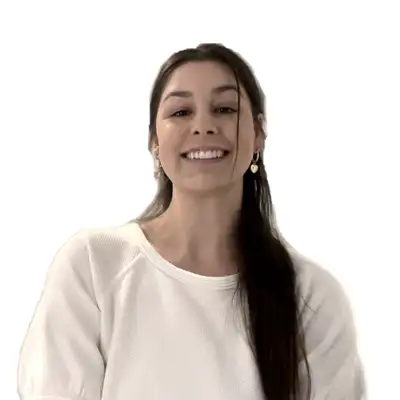
Ellen Gorra
One thing I would try to learn early on just understanding cap table math because it can be very convoluted and hard and it surprised a lot of people. So having a good grounding in that, understanding debt resources that are out there, whether it's an SBA loan or different financing partners. But I think that is an interesting thing to learn about, especially as an investor. And I kind of like have a hate love relationship. I think a lot of people do. With LinkedIn, it's like you go on and someone's just raised a huge fund or someone's exited and you know, blah, made a ton of money and it's just like everyone's high fiving themselves and others, whatever, which is great. And oftentimes I do like that. But I think sometimes you can feel like sometimes it can rub you the wrong way.
00:51
Hannah Dittman
Hey everyone. I'm Hannah Dittman, Finance and Operations host of the Startup CPG podcast. And today I'm excited to be joined by Ellen Gorra from Whole Foods Marketing. Ellen leads Whole Foods equity investment and warrant partnership efforts, partnering in different strategic ways with emerging brands as they grow within the retailer. In this episode, we explore how Whole Foods evaluates and invests in emerging brands, how his investment approach differs from and overlaps with traditional venture capital firms, and the categories and trends currently capturing Ellen attention. She also shares lessons from her career, practical advice for founders looking to get their products into Whole Foods, and the best ways to connect with the team.
01:31
Hannah Dittman
Whether you're preparing for retail expansion or want to better understand how one of the industry's most influential retailers identifies, evaluates and supports emerging brands, this episode is packed with actionable insights you won't want to miss. Enjoy. Hey everybody. Welcome back to the Startup CPG podcast. This is Hannah and today I'm excited to be here for an investor spotlight with Ellen Gorra of Whole Foods Market. Ellen, welcome to the show.
01:59
Ellen Gorra
Thank you, Hannah. Thanks for having me.
02:01
Hannah Dittman
We're so excited to have you here today and really excited to learn a little bit more about the interesting things that you're doing with Whole Foods and how this all works. I'd love to kick us off with a brief background of your career and the path that led you to where you are today.
02:16
Ellen Gorra
My background I, career wise, started off in financial services, so I worked at Piper Sandler out of college, not in traditional investment banking, which is where a lot of people investing start, but I was in equity research, which the whole intention of that was like, get a grounding in the financial markets. I was actually covering Financial services at the time, which maybe for people don't know, but a usual bank that reports earnings actually doesn't have a P and L. So it's a very different type of financial model and of course, business model, but a good place to get started. So I was there for about four years and then wanted to switch and get more exposure to the buy side.
02:52
Ellen Gorra
So I work in a company that was covering kind of like more exposure to hedge funds and private equity funds and different types of strategies, sovereign wealth funds. And there. Then after that, I went to go work with El Catterton in Asia. So I was covering everything from India to Australia. Mostly focused though on Northeast Asia, so Japan, Korea, Taiwan and Hong Kong. I helped start the Hong Kong office. This was like 2014. So I was a VP there and mostly did broadly consumer, so. So restaurant investing, restaurant chains, a lot of beauty, especially with Korean and Japanese markets and some entertainment. And so I made an investment. We invested $80 million in a public company that is a K pop manager. Technically, I'm K Pop Entertainment, let's say K Entertainment, mostly music.
03:36
Ellen Gorra
And they're actually the managers of Blackpink, which some people might know, but it's called YG Entertainment. So I made an investment or helped with Valkato to make an investment in that company. And I kind of like took a step back thinking, this is gonna be the coolest thing. I love music. I played cello in college. I listened to a range of, you know, hip hop. But I was like, this is gonna be so cool. I would love to do more entertainment investing. And so as things unfolded, I had the opportunity to go work at Live Nation Entertainment. So I was with them in la and I guess I love music, but being purely rooted all day long in entertainment, I just was not for me.
04:09
Ellen Gorra
And one of the takeaways, I guess I'll get to a punchline early, is like, I think the food industry is fantastic. So after Live Nation, I left and came to Whole Foods and have been investing and partnering with food brands that we work with and sell. And it's just a phenomenal industry. I'm so happy to be spending now majority of my day in food.
04:25
Hannah Dittman
You're now the music of taste buds.
04:27
Ellen Gorra
Yes. We have rapid.
04:29
Hannah Dittman
Yeah, what a great background. And you've seen a lot of really cool, interesting things in your life. I'm sure there's a lot of different lenses that you pull insights from and thoughts as you're navigating the consumer world and the avenue that you're focused on now. I'd Love to better understand your role with Whole Foods, how this all kind of works out. Obviously, we all know Whole Foods is a retailer, but how does the kind of investment and brand partnership side of their ecosystem work within the broader company?
04:59
Ellen Gorra
Yeah, what I would take as like what attracted me about Whole Foods is our positioning. And this is Ellen's distillation of what makes Whole Foods special, but really on the quality standard side. So we are a destination for shopping in the United States that has really unprecedented way of distinguishing products like that. We sell with this lens of quality standards and wanting to ensure, really trying to sell products with the highest health benefits or implications for customers. And that's what customers are demanding as well. So I lead an equity and warrant program that we have, and one of the big thing on quality standards and as part of that is also supporting independent brands. So that's something that's very important to Whole Foods Market as part of that journey, supplying, you know, in the local and just broadly emerging better for you brands.
05:44
Ellen Gorra
So as part of that support, we have a number of programs. But for example, we have a lending program that my colleague runs. But another way to do that is occasionally we invest. So we invest capital in strategic partners. So that's our equity program. And then we have another program called the Warrant Partnership program, which most of these are confidential or portfolio companies. I can mention some of them. But our warrants are really interesting. And I had never done warrant investing before coming to Whole Foods. So it's essentially the way you can think about it is sales in exchange for equity. So as we achieve more sales at Whole Foods Market for the brand, then we can get usually single digit equity into the brand's business.
06:25
Ellen Gorra
And the whole point of this though is not just to have ownership stakes in small brands or emerging brands or even big brands, but when that brand or company sells, that stake that we have in the business is actually donated. The proceeds are donated to the foundation, to the Whole Foods Market Foundation. So we're all about win partnerships at Whole Foods. And this is, we like to think of it as like a win, win, because if we can achieve more sales with the company, we're winning as a retailer, they're winning as a brand. And then also now the foundations, which do wonderful great work around the world, ranging from supporting African female entrepreneurs to school lunches in the U.S. so it's just, it's a really neat way to give back to the communities.
07:05
Hannah Dittman
That's so awesome and exciting. So when you're thinking with your investor hat on, I Just want to make sure I'm fully understanding how you guys are thinking about investing. Oftentimes typical things that will come up, like returning a fund right, or needing a certain multiple in your deals, and that's determining check sizes that you're writing and all of these kind of structural things. How are you all thinking about deal structuring and what does that look like, given the unique mandate that you're all focused on?
07:34
Ellen Gorra
Yeah, it's interesting because usually you'd think in our equity program, we're actually giving companies cash. In our warrant program, we're not giving them cash upfront, but we are committing to more an operational commitment, you know, an enhancement to drive sales. But that being said, the warrants program, in fact has more of this lend or, you know, mandate to return capital because of the foundations that we want to fund them. The equity side, while we want to invest, make investments in companies where there will be a financial benefit, a lot of it is driven by strategic purpose.
08:04
Ellen Gorra
So one of the companies that we invested in on the equity program is Vital Farms, and that was around this quality standards of raising the quality standards for raising hens and delivering eggs to consumers and that they like up leveled it for themselves, but also the broader industry. And so that was a really successful example of an equity investment and how it aligned with our values. And equity tends to be more of a strategic type of brand that we partner with or company strategic to our core business. Whereas warrants, we can kind of like partner across the store. So maybe a smaller category, but we could do a warrant partnership with a popcorn brand and try to see benefit and both benefit from upside.
08:43
Hannah Dittman
Very interesting. And you know, now that we understand a little bit more about how that works on your all end, when you're canvassing or sourcing partnerships or brands or deals to work with, are those only from the Whole Foods ecosystem for both equity and warrants, like, you have to already be in Whole Foods or are you kind of out there looking at brands to then partner with and bring into Whole Foods? What categories or sizes or growth trajectories are you focused on?
09:12
Ellen Gorra
Yeah, I am not a merchandiser and I do not pretend to be one on tv, so I do not bring brands into the store. But like you said, the former example, so I'm working with really brands and companies that are existing partners to Whole Foods. And our merchants do a wonderful job of onboarding incredible, innovative, cool companies. In terms of stages, I would say on the warrant side, typically we're looking for usually to start a partnership with like A seed or a series a stage business. But that being said, I'm also working one with a public company right now. On the equity side, it can also be a variety of businesses equity. What's really interesting right now is areas more the perishables business.
09:53
Ellen Gorra
So the way that we think about usually classify the store is center store, which is what it sounds like, center store and perishables, things that are perishable. So dairy, produce, meat, seafood. So where I'm spending a lot of time on the investment side is more on a perishable side at the moment. And then warrants is really anything in the store.
10:10
Hannah Dittman
What kind of trends or consumer behaviors or market shifts are you focused on or getting really excited in perishables? What are themes or theses that you're thinking about on a regular basis right now?
10:23
Ellen Gorra
Yeah, perishables is really interesting. It is, I would say like the headline there is around the branded IP types of breeds and strains that you're seeing of produce going on. So for example, a company, Row seven has badger, flame, beets and different types of garlic, which is a mix of a garlic and a leek. But Rose 7 is a company, it was founded by Dan Barber, a chef and it's really driven for produce for taste and health. You know, there's produce historically especially in the US there's a lot of factors where commercialization, financial return or squeezing like the financials out of produce business because it is a low margin business and it's incredible but are incredibly hard, I should say. So I have a lot of regard for people in any value chain of the producer business.
11:08
Ellen Gorra
But row seven is just trying to shift things away and basically provide to customers maybe some types of products, whether it's potatoes or pumpkins or squash that historically haven't really been focused on by big produce businesses because they might not be as like resilient to weather changes and stuff like that and need more kind of love and care by different farmers. So maybe they do cost more money, but they are usually more health and flavor forward. But so a company like that is a really good example of what's going on in produce in terms of really leading with differentiation and flavor. And also this branding like customers know now a honey bomb or different types of tomatoes and like by name. And that historically hasn't been the case and I think it'll continue to shift that way.
11:52
Hannah Dittman
Very interesting. If I'm a founder who's selling in Whole Foods and I'm really excited about something like this, what do you think the benefits of partnering with you or getting into one of these programs would be for me as a founder, what kind of things should I be thinking about as I might be thinking about future benefits or ways that I want to build my business in a way that would beneficial for this?
12:16
Ellen Gorra
I guess a couple things and as they relate to, you know, what I'm working on or different parts of the business like the lending program or leap, which is an accelerator program we do, took two cohorts a year. I would say ask yourself if like Whole Foods Market really is a key destination, a key retailer that you want to partner with because you might be giving up dilution to us or might be committing in terms of. None of these programs necessarily require you to be exclusive.
12:43
Ellen Gorra
But once you decide yourself, hey, this is going to be a retailer that I really want to partner with, there's certain like longer term decisions that you make around the communication with your merchant and how you know if you do want to offer exclusives to a retailer like Whole Foods Market or keep yourself more flexible to others. But yeah, so I would say is Whole Foods Market really a strategic partner? And then the benefits are that we have 550 stores. So there are other incredible retailers. Erewhon, Bristol Farms, Wegmans. We just have a different, I would say obviously a footprint number of stores. So just something to consider as you look at the different programs.
13:18
Ellen Gorra
And one thing I would note too, especially around the lending side and one thing to cover is just more and more an emphasis on or I think the ability hopefully to bootstrap or to raise via debt early on is something that I think is being impressed upon founders and like early stage businesses more and more. So yeah, like our lending program is interesting for that matter.
13:37
Hannah Dittman
Very well said. Obviously brand product market evaluation is a huge part of the job. As you're thinking through these things, how are you typically approaching that diligence or evaluation side of the equation? What are the core pillars that you're looking at or Target benchmarks or other things that really matter for you as you're deciding what would make sense for.
14:00
Ellen Gorra
Whole Foods on the warrants program? I kind of work backwards. So if a merchant internally raises a brand like as a potential candidate, that's most of how I source partners or externally, if an investor contacts says, hey there's I made a new investment and maybe they're good for the warrant program. One of the first questions I ask about that business is kind of like what's the exit scenario look like? On one hand, I think and this goes to your question about trends. On one hand, consumers like more artisanal products, more Nichy products, and that's great. On the exit side, sometimes a company can be growing, but it's like, if it's too niche, will it really exit? Will Hershey's or Pepsi want to buy it or will a PE fund back buy it and create a secondary liquidity moment for that company?
14:45
Ellen Gorra
So, so that's one thing that I start with in terms of the warrant program thinking, okay, is this something that would potentially have a liquidity event? And then working backwards, there's a lot of factors, but usually it's thinking about the balance of with our stake at today's valuation, can we get a return that we want have kind of a threshold that we try to target again for the foundations. So can we get a return based on today's valuation with where the potential exit might be?
15:11
Hannah Dittman
And when you're thinking about liquidity events or returns, how are you kind of understanding or wrapping your head around that question? You know, if I'm a founder trying to answer that question proactively for myself with my own business, how would I go about understanding whether I would be a potential target for a strategic acquirer down the road one day? And how would I go about understanding whether or not my company would be able to drive a return for an investor?
15:38
Ellen Gorra
I mean, in terms of the strategics, you can do things like it sounds silly, maybe old school, but and ChatGPT can help with this. But you know, what are the companies saying in their public, in their quarterly earnings, what are they saying that they're looking for? What do they just acquired and even just doing scans of recent two year acquisitions, you know, just looking in the market of okay, are they, everyone's talking about like I want to be the next simple mills of X, Y, Z almond flour. And they were at almond flour. But like do you want to be that kind of brand? And so I think kind of looking at it from that and trying to really be honest about is there a market out there that would buy this business?
16:12
Ellen Gorra
But another channel is the selling to a private equity fund, if you can be, I would say like that's where profitability. I would say typically most investors are not going to look at a company that's like less than 5 million in EBITDA. So just seeing if like there's a path to get there for your business and then once you do kind of like what a multiple would be on that ebitda because there's a range and it's a range for what kind of margin you're creating and what category you're in. But yeah, if you're over 5 million, anybody. You could also think about the strategic financial path.
16:42
Hannah Dittman
And when you're thinking about does this make sense from a returns perspective, how do I go about thinking about that? Obviously there's some component of fun math that's going into that, but also there's drivers behind the growth and the trajectory of a business that also equally matter to make that math work.
16:58
Ellen Gorra
Yes. And so I guess thinking about it, for example, there's Frozen Food company that was raising capital and talking to them about a partnership, but they were raising just at a very high valuation. And so when I think about if we could get to a place we're agreeable on a position, if I have a 3% stake in this business that is valued pretty highly today, I'll probably get diluted down. So they'll raise more money. Let's say my stake goes to 2% or one and a half. So when I have one and a half percent of a business and if they only grow by, you know, their valuation or where they get acquired only grows two, three fold, will I make my return that I'm targeting on that now diluted stake?
17:40
Ellen Gorra
So I think just thinking a little bit about that, putting yourself in the investor's shoes, if you're a brand on how to help what they call underwrite their return. So painting a picture as much as you can. I always advise companies to do that. If you're raising capital, like spell it out for me about how I'm going to make this money back. And most funds want to see, I want to over four times return on their capital. Some private equity funds want to see less than that. But a lot like to underwrite at least that three and a half times, three times going lower.
18:06
Hannah Dittman
That makes a lot of sense. And when you're thinking about, you know, if I'm an operator and I'm a founder and I'm like, okay, I understand what the growth goal or need would be, what do I then have to think about what has to happen in my own business to achieve that, even if it was outside of Whole Foods or something like that, are these the kind of things that you're talking about with companies or that a company is thinking about itself or is it a little bit more broad or different than that?
18:33
Ellen Gorra
I was talking about this with, I don't know him super well, but I'll quote Josh golden from ACG and they're unaccomplished. They're on their stat 6 fund now. He and I were talking about the exit universe now and I was asking him how he thinks about it. I can't answer across the board how a company's going to build it. Likely they'll have to go to another retailer. But were talking yesterday about how, you know, maybe five, 10 years ago you could be $50 million and sell 50 million in revenue, sell to a strategic. And now it kind of feels like it's gone up. And so you need to get to like an a hundred million revenue standpoint and be profitable, which wasn't as much of an emphasis two or three years ago.
19:09
Ellen Gorra
And so that's just some of the things that's like, I don't know how X brand is going to get there, but those are some of the things that we're seeing in the market, the shifts of higher revenue. That's at least the strategic world again, because I think there is a universe of PE funds that will still buy brands.
19:21
Hannah Dittman
Is that something that you're talking about when you're evaluating a brand, understanding their operating model, their forecast of the levers that they're going to pull to achieve the growth that you're looking for them to achieve or that you've underwritten essentially, Even if that happens maybe outside of Whole Foods or outside of the current state of the business, Is that something that you're taking into account and that typically businesses are doing that you're working with?
19:46
Ellen Gorra
Yeah, as part of the diligence process. I always have a business plan, like a financial business plan and in that it'll usually, sometimes it's shown by retail or even just classification of retail, natural channels, conventional grocery, different types of distribution that they may have and also by category. So if it's an olive oil brand, they'll have their olive oils, but then maybe they're going to go in vinegars as well in different product lines.
20:10
Hannah Dittman
And I'm sure you have a huge leg up in that process. Having being able to see so much of the back end information on the retail side and being able to like intimately understand what the performance has been like for that brand, but also being able to see so many other brands and really understanding what's going on in the store and what the competitive landscape or category landscape really is like that a company is competing in. Yes, you've had a really interesting long career and you've seen the world and the investing world in a lot of different interesting ways. Obviously in very Unique ways as well from media and now from a very strong specific angle at Whole Foods and in a really unique capacity there.
20:53
Hannah Dittman
Reflecting on your career investments or your time in the industry, are there any lessons learned or compelling anecdotes that you think other people could really learn from based on what you've seen?
21:04
Ellen Gorra
One thing I would try to learn early on just understanding cap table math because it can be very convoluted and hard and it surprises a lot of people. So having a good grounding in that, going back to something I said before, understanding debt resources that are out there, whether it's an SBA loan or different financing partners. But I think that is an interesting thing to learn about, especially as an investor. And one takeaway I get, I kind of like have a hate love relationship. I think a lot of people do. With LinkedIn, it's like you go on and someone's just raised a huge fund or someone's exited and you know, blah, made a ton of money and it's just like everyone's high fiving themselves and others whatever, which is great. And then oftentimes I do like that.
21:42
Ellen Gorra
But I think sometimes you can feel like, I don't know it, sometimes it can rub you the wrong way. And what I'll say is if one ever feels like that also having worked in different industries, even within consumer, I'll just say like that the food and CPG ecosystem is like, I think one of the better ones out there. So if they're ever having kind of a day where you get snarky about it, I think it's a really nice one and really collaborative from what I've seen. So hope they can stay with it.
22:09
Hannah Dittman
Is there anything you wish founders or operators knew or understood better about working with Whole Foods specifically?
22:17
Ellen Gorra
Yeah, we love you to market and no Whole Foods. You know, I think one thing is having an open dialogue about what your strategy is with other retailers is always appreciated with merchants. I think a lot of times getting surprised by like launching a product at a different retailer and giving no heads up or you know, different pricing strategies at different retailers, I think even if it's like a hard thing to say, sending a courtesy email to someone saying, hey, we're actually going to do this. We can discuss or we cannot. And I'm just doing it. But I wanted to give you a courtesy heads up, I think that goes a long way because I've just heard of those issues kind of arising where there's a surprise factor.
22:56
Hannah Dittman
Well, Ellen, this is such an awesome Chat. You have a ton of wisdom and a really unique lens. I'd love to give the floor to our Slack channel for a second. As you know, startup CPG has the largest Slack community in the industry with now over 35,000 members. I'd love to pull a question directly from our channel and have you answer it as a case study for any founders that might have a similar question. Today's question is what do investors actually find impressive? What makes you stand out the most?
23:23
Ellen Gorra
A brand can impress at an early stage with a really clear view of where they're going to go product wise and making that if there are extensions or if there are, you know that the roadmap is there. Making sure that it's like intelligently thought through obviously, but more so that it's not too broad also. So it's kind of like finding this happy medium of hey, we have a path to grow. Here's our product pipeline. A lot of times I see a deck and it's like today's products and you know, as especially early you want to know where is this going to be in four to five years? And that's not often I feel like teased out.
23:57
Ellen Gorra
But you know, I'm working with a portfolio company now that's reducing they're in five categories and they're going back down to three because the one, you know, two aren't profitable. So two, just having a good handle on which ones you also want to operate in is a good one.
24:09
Hannah Dittman
Yeah, I think that's such a big part of kind of getting behind the vision and the mission of a company is understanding the product pipeline of what they're bringing into the world and that you're really aligned and excited about it, especially having additional layer of a retailer perspective on top of it as well. And I totally agree. I think it's a really hard balance for a lot of companies and founders to think through, which is growth and meeting their customers needs and extending their platform as well as execution and focus and clarity in what they're doing and feeling like a company has really got that balance right and has a right to play in all the categories that they're going after or the product lines that they're focusing on.
24:53
Hannah Dittman
I think is a big differentiator and kind of the art and the science of cpg. In a lot of ways it's hard.
24:58
Ellen Gorra
It is art and science and I kind of thought about some of the trends that I was going to maybe mention here, but one of the ones speaking about art and science is just like the artisanal kitchen couture. That's happening, you know, that's continuing to happen. We're at a place where there's beautiful branding agencies. I was on dialine today.com and it's just like absolutely impressive what is happening in a lot of packaging in different firms that have come up to support in different packaging and branding. But with that also comes like then does it get too niche and do you get too niche where maybe if your intention is to sell the business and it's like, is this too niche to then sell? Which I think is a hard balance to have. Maybe that's like a little art and science.
25:37
Ellen Gorra
But some of the brands I think doing that really well. Like one is Costa arena, the olive oil brand. It's just really pretty and nice to have on your counter. But then another, a couple other trends just to segue into that real quick, the freezer fine dining that we've discussed. So at Whole Foods Market at least you have Blue Zones Kitchen, which is, you know, more premium in the freezer aisle, something fun like Alex ice cream. And then also Capello's which is offering like a great gluten free product. And then there's a couple others.
26:05
Hannah Dittman
But yeah, it's so hard to get behind a brand that you don't feel like has just like a knockout product. And I'm sure you're a big believer in all of the products that you guys are backing and bringing into the store in the first place. It's almost like a double vet in your role because they had to like first meet the standards of getting into Whole Foods and then have to almost like exceed those standards to then get a partnership with you. So it's like a double stamp of approval. And I'd love to know all the companies that you're partnered with. That's my next shopping list. I'm sure it's gotta be all the standouts.
26:38
Ellen Gorra
You do already shop though.
26:41
Hannah Dittman
Well, Ellen, this has been such a fun chat. It's been so awesome to get a little tiny peek behind the curtain of what you've got going on in Whole Foods and the exciting things and ways that you're partnering and supporting brands and giving back to the community as well. I'd love to give the audience a chance for any founders that might want to get in touch with you, have additional questions or think they might be a great fit for what you're working on. What's the best way for them to get in contact? And second part of My question do you have any advice for those interested in joining Whole Foods or investing in.
27:11
Ellen Gorra
General, given your experience on the getting in touch with me, I would say check if we. And I would say this, if they're trying to get in touch with anyone, always check if you have a mutual connection with someone and ask that person for an intro. It's like the best way to get actually someone to open an email. And I would say LinkedIn. I guess you can send me a message and keep it short and I'm more likely to respond. I think on the investing side, it's kind of tricky to jump into it out of undergrad usually. I mean, it's not. Or out of whatever education or wherever you are in life.
27:42
Ellen Gorra
But I think sometimes going to a service provider, like meaning going into an accounting firm or going into an investment bank or a law firm that services private equity or venture capital, if you ultimately want to end up there is a good way to do it. And I think you learn a lot in those roles. And getting into Whole Foods, just keep being so persistent. Talk to everyone you can. Any intro you get to Whole Foods, just like be annoying as. Just do that. Talk to anyone, everywhere in the store, in corporate, whatever it is. Go to Austin. Do whatever you need to do.
28:16
Hannah Dittman
Yeah, I feel like it's that founder grit and tenacity shines through when you've got a pound pavement and aimless.
28:22
Ellen Gorra
Yeah.
28:22
Hannah Dittman
You got to shame and cut through the noise and there's so much out there. To really grab the hearts and minds and eyeballs of people is not easy.
28:30
Ellen Gorra
No. And it's so annoying to get an email that's like a hundred sentences about why your brand is amazing and can you get an intro to the merchant? And it's like, that's way too long. And like, let's keep it snappy here. Keep it entertaining. Compel me to want to help or compel someone to want to help. You know, give them product, whatever it is.
28:47
Hannah Dittman
I was speaking of a sales leader one day and she was telling me when she was trying to get into an account, she mailed them one shoe. Just like a single shoe. The note was like, now that I've got one foot in the door, I'm. I'm hoping to get the other. Can we have a conversation?
29:01
Ellen Gorra
I love that.
29:02
Hannah Dittman
I love that.
29:03
Ellen Gorra
I'd respond to that.
29:05
Hannah Dittman
Well, Ellen, thanks again so much for your time today. This has been a lovely chat and a great introduction to everything you've got going on. I'm looking forward to continuing along the journey and seeing all the exciting ways that you partner with brands and connect. Continue to give back. I'm excited to learn more about the warrant program and feel like that's a really unique offering that Whole Foods has that everyone should take a closer look at.
29:26
Ellen Gorra
Yes, it's so nice to chat with you. Thank you and well done on supporting early stage brands. You guys put out such great content and I think, you know, people really value it. So thank you.
29:35
Hannah Dittman
You're now part of that content. And thank you so much for being part of the Startup CPG community.
29:40
Ellen Gorra
Thanks.
29:42
Hannah Dittman
Well, friends, we've now arrived together at the end of another episode of the Startup CPG Podcast, the top globally ranked podcast in cpg. And if you love this podcast, you'll love our Slack community even more. Here at Startup cpg, we're a community of brands and experts and you should join. Sign up @startupcpg.com you'll then get an invite to our online Slack community of over 35,000 All Star CPG members, hear about amazing events near you and all our special opportunities to get you in front of buyers, investors, brands and more. It's a free community. So what are you waiting for? I'll catch you on the next episode and I'll see you on the Slack.