Subscribe
Share
Share
Embed
The Hydrocarbon Engineering podcast: a podcast series for professionals in the downstream refining, petrochemical and gas processing industries.
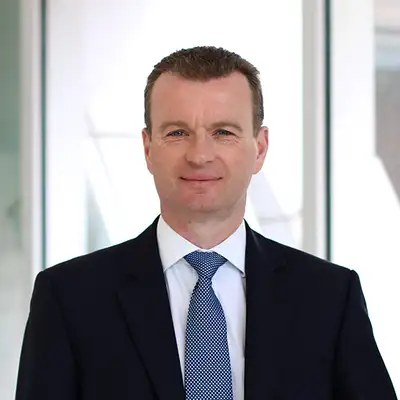
Hello, and welcome to the Hydrocarbon Engineering podcast, the podcast series for professionals in the downstream refining, petrochemical, and gas processing industries. I'm your host, Calum O'Reilly, senior editor of Hydrocarbon Engineering. And in this episode, I'll be sitting down with Alan Gelder, senior vice president of refining, chemical, and oil markets at Wood Mackenzie. We're going to be taking a look at how the downstream sector fared in 2024 and considering what lies in store for the industry in 2025. I hope you enjoy this episode.
Callum O'Reilly:Hello, Alan, and welcome to the Hydrocarbon Engineering Podcast. And let me take the opportunity to wish you a happy New Year if it's not too late to be saying that in mid January.
Alan Gelder:Hi, Callum. Pleasure to be here. Thanks for the invitation. Belated New Year probably works, I mean, I think, at this time, just before the president Trump's inauguration.
Callum O'Reilly:A belated happy New Year. That's the best way to put it. Well, we always like to consult with Wood Mackenzie at this time of the year to see what the downstream sector has in store for us in the year ahead and also get your reflections on the year that has just passed. And on that note, Alan, perhaps we could begin our discussion today with a look at how the downstream sector fared in what turned out to be a rather tumultuous 2024. Now there were obviously a number of events that impacted global energy market.
Callum O'Reilly:So what were the implications for the refining and petrochemical sector?
Alan Gelder:Gassay, it's certainly tumultuous with a a lot of events, huge number of elections on, but we had a lot of the geopolitics around Israel, Hamas, the conflict, sort of Red Sea disruption. But for for the downstream sector, it's really a story of for refining very much a return to normal from the abnormal from the abnormal years of 2022 and somewhat into 2023 around the Russia, Ukraine conflict and fear of loss of supply. The geopolitical events around resi disruption, sort of 50 rebels added some tensions and certainly made trade more complicated and a lot more inefficient because the traffic through the Red Sea was significantly reduced, so much much longer voyage times. But broadly for refining, it was a a return to normal where it was more about the balances between demand growth and supply growth. And we had a a number of capacities.
Alan Gelder:And so a number of projects come online and go through commissioning and margins sort of significantly weakened despite the Red Sea disruption because the downstream sector is remarkably resilient because towards the end of the year, freight rates were very strong for products, crude freight rates were very low, and we saw something unusual in that, VLCCs were clean, taken out of crude service. I knew for products, some of those have gone back, but you just sort of see how adaptable the system the system is. So refining was more of a return to normal for sort of commodity petrochemicals. It was a very, very difficult it was a very, very difficult year. Margins were were very, very weak.
Alan Gelder:Demand growth was was modest, but the the whole sector was suffering from the significant amount of capacity that had been added in in China. If you look at 2024 on its own, there wasn't much capacity growth, but there's a huge amount of capacity that had been that had been added that was sort of driving rationalization in other parts, in other in other regions of the world. So if you weren't pet for commodity petrochemicals, if you hadn't got an advantage feedstock, 2024 was was a difficult year.
Callum O'Reilly:So, yeah, as I mentioned, the defining feature was the fact that 2024 seemed to be the year of the election, with over half of the world's population taking to the polls. So, obviously, one of the final elections of the year was quite a significant one taking place in the US. And as you mentioned earlier, we're talking just a few days before the inauguration of president Trump. So a tough question for you, but can you give us your thoughts on what a second term Trump presidency is likely to mean for the sector?
Alan Gelder:It's a simple question. It's a very, very difficult thing to answer because there's been a lawful lot of things said and a lot of things that contradict each other. What we're certainly expecting is a lot of volatility in news and in headlines that the sector will need to respond to. So we're looking at a world that's gonna be much more volatile in terms of news flow. There is the threat of tariffs because we've had threat of tariffs being imposed immediately on, on Canada and Mexico and China, which won't be good for sort of global global economic growth.
Alan Gelder:We've done some work that suggest it could be quite good for US refining in the short term, depending upon the impact it has on economic growth. So tariffs, how they're imposed, who who they're imposed on. What we saw last week and has been rippling through the oil market this week was with the Biden administration tightening sanctions on the dark fleet, sort of shadow fleet that's moving Russian volumes, which has caused a spike in oil prices over the past week. And that won't be clear as to how the impact that has for at least until March until what those sanction are in place because there's there's a time lapse on them. You've got Scott Besson, who I think is, confirmation hearing yesterday for treasury position.
Alan Gelder:He was quite vocal on the needs for tighter sanctions on Russia to bring us to negotiating table. So there's a lot of them. There's a lot of uncertainty on things were said. We have things around sort of drill, baby, drill, was very much a phrase throughout the election that we're not expecting a huge amount of impact on given shareholder pressure to to add value means, actually, we we think that might have a a limited impact as then what happens around sort of subsidies around electric vehicles. How do those play out?
Alan Gelder:Potential impact on climate change if the US removes itself from the Paris Accord. There's probably there's lots of bullish sentiment around LNG with, you know, the prospect of which projects that have been stalled or put for review get get fast tracked, but how fast can this project be completed? So the the challenge we're we're facing with president Trump coming into office in the next week or so is just what happens in the next couple of days, that he does by executive order, how material, those will be, what are the broader implications on it. So to a degree, we're very much in the wait and see mode, but it's likely to drive a lot of volatility in the sector over the coming years months. And things hopefully will become a bit clearer as to the direction of travel in the coming weeks.
Alan Gelder:But we suspect next week might be quite busy for us in thinking through the implications of the new presidency announced and and acts immediately.
Callum O'Reilly:The the fact that we're talking at the time of the year that we are here, Alan, makes that question particularly challenging for you. So of apologies for that. But I as you mentioned, we're talking just a few days before, the inauguration of president Trump. I mean, I think we're both very conscious that a lot can change over the course of the next week or 2. I really appreciate you giving a good go at your best kind of predictions at what what we may see.
Callum O'Reilly:And, obviously, there's a lot of volatility there and and, and a lot can change. Let's maybe turn to slightly firmer ground, and maybe we can reflect slightly on last year. We noticed that oil demand reached a new high in 2024 despite economic and geopolitical challenges. So what factors drove this growth? And do you expect these trends to continue into this year?
Callum O'Reilly:Well,
Alan Gelder:last year, there was lots of fears early in the year around US recession, global sort of recession, because we were in a period of high, high inflation that needed to be tamed through sort of sustained high interest rates. 2024 economic growth has continued to as the data has come through sort of surprises to the upside. The US economy has been remarkably resilient, in terms of job jobs growth and all those sort of thing. Europe continued to struggle, and you see challenges with some of the election with the elections and the forthcoming elections instead of France and Germany through high energy costs and competitive weakness. China had challenges about stalling economy, property sector challenges.
Alan Gelder:But we've seen sort of strong growth or demand services. We've, if we think of what's happened in terms of oil demand growth, then last year was was actually reason reasonably strong, probably about sort of 1.3, 1.4 1,000,000,000 barrels a day in terms of in terms of demand growth. Demand growth expectations came down as we went through the year. There was a lot of diversions of opinion between OPEC and the IEA, and that sort of largely remain. But we saw demand growth for petrochemical feedstocks predominantly in Asia through the commissioning of facilities in China, some demand growth for gasoline.
Alan Gelder:Again, law large largely in the US, but strong demand growth for the jet fuel with sort of increased mobility of people. Diesel demand globally actually declined, and that that's really reflecting the global economy was very much focused on services, not manufacturing. And we saw some strength in fuel oil given the Red Sea disruption and lots of ships now needing to go much further. And there were times last year where the sort of Panama Canal was, disrupted, so that was causing sort of longer journey time. So there was a bit of a mix across the sort of the demand barrel, but economic activity was stronger than many, many feared in 2024.
Alan Gelder:And the US might seem to have managed broadly what you say is probably a soft landline. If we think about 2025, we've talked about all of the uncertainties around the impact of the president presidency, and you get retaliatory tariffs. But our sort of broad expectation is that 2024 global economic growth is the lowest, and we're gonna improve in 2025, compared to 2024, not not massively so. Recent stats show that China managed to hit its magical 5% target. We're not quite sure they'll make it again this year.
Alan Gelder:But broadly, we're looking at slightly stronger economic growth this year rather than last year, subject to, not a huge imposition. Selective tariffs probably is about is a is a better way a better way of putting it. So a lot of the trends that we saw were, growth in petrochemical feedstock demand, growth in gasoline, growth in jet fuel, those remain. The thing that we've got this year in our in our expectation is actually the global economy starts to rebalance a bit. So we get a growth in manufacturing, manufacturing and movements of goods.
Alan Gelder:And so actually, we get some growth globally in diesel gas oil compared to to this year. So we've got global oil demand about 1,200,000 miles a day this year and more broadly balanced across across the across the demand barrel. And, again, growth in petrochemical demand. So the trend of oil demand continuing to hit record. We're expecting that again in 2025.
Alan Gelder:So, yeah, further 1,200,000 barrels a day, addition additional demand. So that should be broadly supportive to the sector. The risks really are whether that's rebalancing of the economy towards manufacturing. When does that kick in? That's probably a factor that most at risk if we get a sanction tariff war breaking out as a result of change in US policy.
Callum O'Reilly:OPEC plus delayed easing supply cuts in 2024, citing weak demand and price concerns. So how might this strategy evolve given the projected demand and supply dynamics for 2025?
Alan Gelder:That's a very good question. We saw OPEC struggling to bring back volumes in 2024 because oil demand growth was largely being met by growth in non OPEC supplies. So the the opportunity for OPEC to bring back barrels, particularly towards the end of the year, we saw it as being very, very challenging. Unfortunately, that that situation doesn't really change very much on a sort of fundamentals basis this year. We've got, oil demand growth, we said, about 1,200,000 barrels a day.
Alan Gelder:And that's very similar to the non OPEC supply growth that we're expecting now. The non OPEC supply growth, most of it is conventional projects. So there's always uncertainties around when around when projects are completed and they're commissioning. But we think sort of base outlook is it's gonna be challenging for them to bring back significant volumes or return volumes quickly to the market without depressing price. That we've got the uncertainty of what happens, with President Trump coming and a further complexity of what's happened in last week on the sanctioning of vessels for the shadow fleet because a number of analysts are reporting that that could result in a reduction in supply from Russia that's over a 1000000 barrels a day.
Alan Gelder:We think there will be an impact. We think it is going to be temporary. We expect the, Russian oil to largely largely continue to flow. So OPEC is in a difficult position because the certainty around the Russian volumes, that won't appear for another 6 weeks or so, which is probably about the time of their meeting. We think they're in a very difficult challenging position because things will be highly uncertain when they come to meet.
Alan Gelder:We struggle to see them be able to put much more volumes back. So those dynamics that we saw of non opaque supply growth being equal to or greater than demand growth, we think 2025 is very, very similar. We've then got how do they respond? If the US tightened sanctions on Iran and Venezuela, does that give space? And then how does the the sanctions on, on Russian volume?
Alan Gelder:So lots of things to watch, but it's more around geopolitics driving the opportunity for OPEC rather than demand rather than demand growth.
Callum O'Reilly:Okay. And I I wanted to now turn to refining margins, which returned to pre pandemic levels last year. So what are the implications of this, and what do you expect to see in 2025?
Alan Gelder:Refiners had a wild ride, from the Russia Ukraine war in terms of the in terms of the, the for those operating in terms of the margins that were like, the return to sort of pre pandemic levels means that for many who saw this as temporary, it wasn't temporary. It didn't change their investment thesis, the way they operate. They need to go back to for those who haven't, but it's it's the focus on controlling what you can do, being very diligent in your expenditures, making sure your maintenance is very effective. It's again being operational excellence, minimizing spend. It's the classic challenges that the refining sector was dealing with pre pandemic of generating positive cash flow in the market when arguably there is an overcapacity of refining.
Alan Gelder:And so not all refineries will be running at high utilization rates. So it's being the best you can be in a very sort of challenging world. So thinking about that, we're expecting 2025 margins to be similar to 2024, given the spike in crude prices. Refining margins haven't collapsed that much. We think they're probably at about floor levels now.
Alan Gelder:That remains through 2025, and then things start to improve. So after 2025, because there's limited capacity additions being added from now on. The demand growth we're seeing this year, we're expecting to be met by the commissioning of projects being largely completed, increasing operation rate of those that are that have been commissioned recently. We think that broadly balances the market through 2025 and early 2026. And then as demand growth continues through 2026 without much capacity additions, that's when things start to improve.
Alan Gelder:So we think 2025 is gonna be another tough year for the refining sector, but we expect it to manage it. But it needs to go back to focusing on operational excellence, buying and selling the right things. So integrated with with the trading activities, being very diligent on their expenditures, and just make ensure they maximize the value of their assets in what's gonna be a challenging market.
Callum O'Reilly:And turning to the petrochemical side, Alan, the global olefins market continued its expansion in 2024, and the polyethylene market saw rapid capacity expansion. So how do you see these markets developing this year?
Alan Gelder:We think this year, again, remains quite tough because there's another capacity wave that is coming on in China. So we've got some fairly significant capacity growth numbers that are coming back on. That means margins that we've seen in 2024 are likely to prevail through 2025 and stay at those sort of levels. Significant overcapacity, large parts of the world, operating rates are going to remain low. Margins are going to remain low.
Alan Gelder:There's the risk the risk of rationalization stay remains in sort of China, which the government will facilitate closure because they don't fit their longer term aspirations and their efficiency criteria and various rankings. There will be some likely further closures across Europe and bits of North Asia. It's quite a tough operating environment for the chemical sector. In 20 3, we think things really don't ease till about 2027, 2028, given the build out, that we've seen in in Chinese capacity. Some of the things, if we think about tariffs, we get, anti dumping duties being perhaps raised.
Alan Gelder:If the if the Red Sea disruption eases through the recent announcement of the ceasefire between Hamas and Israel, arguably, that starts to put pressure on some of the on some of the European players because freight from Asia to Europe gets cheaper. So petrochemicals in Europe is going to be quite challenging. A larger Asia is challenging. For those in North America, they're using ethane based. Similar to last year, they're probably the most resilient to the lots given the advantages they've got on their feedstock.
Alan Gelder:Chemicals this year is gonna have another difficult year largely because of the significant old overbuilt.
Callum O'Reilly:Okay, Alan. A final question for me today. And I wanted to glance a little bit further ahead and ask you what you consider to be some of the long term trends that you're seeing now. And what can the refining sector do to add value to its assets?
Alan Gelder:Question is how long term is long term? So if we think of the next through to 2030, early 2030s, we think the sort of refiners that get through this year, then things start to improve because effectively a rising tide lifts all boat because there's limited refinery capacity additions coming on compared to demand growth. So actually, we've got global utilization goes up and then sort of hits a peak. So refining margins, we think broadly will improve. But once we get through peak oil demand in the early 2030s, then we're on a downward slide.
Alan Gelder:So there's gonna be some help from, rising oil demand gross, rising oil demand for the next turnaround cycle or 2. But if we go to the very much longer term trends, 2 or 2 2 slash 3 themes. Firstly, petrochemical demand growth is far more resilient than transport fuel demand growth. And so our megatrend is an increasing need for shifting towards petrochemicals. So that's an opportunity refiners always need to consider.
Alan Gelder:The other one is, again, a trend to greater circularity on that by the liquid that's why the liquid renewables, plastic recycling of petrochemicals, chemically. We see see opportunities there. They're very much policy driven, but we're expecting tighter mandates on things like sustainable aviation fuel, greater requirement of liquid renewables in transport fuels. And so that whole biofuel sector, we think, is going to be something like drive value long term long term secure supplies of the right feedstock. That's going to be quite critical.
Alan Gelder:And then, actually, this whole the whole thing about emissions, emissions intensity. And so, yeah, one of the things we're we're expecting the sector to to do is to lower the emissions associated with operations and generally decarbonize. Those often require significant investments that would be selective as to where those are made because it'll only likely be made on the site where the owners are very comfortable that these sites have a 20 a 20 year life. That's not necessarily adding value. That's more securing, market access.
Alan Gelder:So but the value additions are petrochemicals and then liquid renewables and petrochemical recycling.
Callum O'Reilly:Great stuff. Alan, thank you so much for taking the time to to talk to us today. It's always really interesting to get your insights into how the sector is shaping up. So thank you very much. Lots to think about there, but we we really appreciate your time today.
Alan Gelder:Colin, pleasure. Thank you.
Callum O'Reilly:My thanks again to Alan for taking the time to share his reflections on the downstream markets in 2024 and for providing Wood Mackenzie's outlook on what may be in store for the sector in the year ahead. Alan and his colleagues from Wood Mackenzie prepared an in-depth article for the January 2025 issue of Hydrocarbon Engineering, focusing on some of the key topics that we have just heard about. If you already have a subscription to hydrocarbon engineering, you can go ahead and download your copy of the January issue now by signing into your account over at our website, hydrocarbonengineering.com. And if you do not already have a subscription, we'd like to offer all of our listeners a free trial today. Simply visit hydrocarbonengineering.comforward/magazine and follow the on screen instructions.
Callum O'Reilly:Thank you for listening. And if you enjoyed this episode, please remember to like and subscribe.