Subscribe
Share
Share
Embed
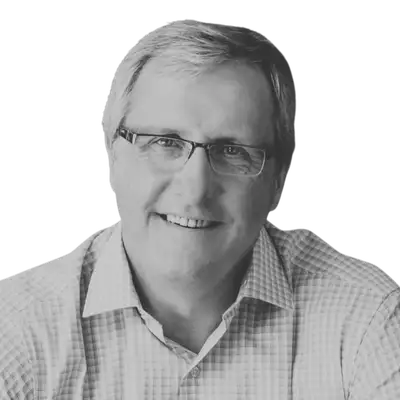
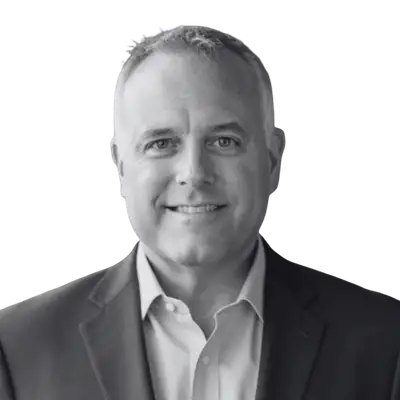
It’s human-friendly banter about code, culture, and CEO reality checks—served up by Mike Richardson, Ryan Niemann, Mark Redgrave, and Tom Adams. No jargon. No hype. Just real talk from four guys who’ve seen it all, and aren’t afraid to say what everyone’s thinking.
Episode 9
===
[00:00:28] Tom Adams: Welcome, welcome, welcome to, uh, this episode of Prompt and Circumstance. We are glad you're here, gentlemen. Uh, thank you for being back. How is everyone, uh,
[00:00:38] Mike Richardson: Happy New Year.
[00:00:39] Ryan Niemann: Hello, Tom.
[00:00:41] Tom Adams: I.
[00:00:41] Mark Redgrave: Yeah, happy.
[00:00:43] Tom Adams: It.
[00:00:43] Ryan Niemann: doing, Mike? Mark?
[00:00:45] Tom Adams: Yep. So good to see you all. Uh, I am delighted to be joined by you today 'cause uh, you guys are some of my favorite people in the planet.
Uh, and I'm just gonna introduce everybody here because I think it's an important start. we're really starting 2026 with a lot of signal and not a lot of noise if possible. And we're gonna go through our biggest hits of 2025. We're gonna do our predictions for 2026, and then we're gonna make some personal commitments for 2026.
So, but let me introduce, uh, my, uh, my, my hallowed co-hosts. Ryan Neiman is most likely to turn a PE deck into a sci-fi. Plot. He blends boardroom gravitas with Agentic world building equal parts. CEO, coder and chaos coordinator. All in a tailored blazer.
[00:01:35] Mike Richardson: AKA one smart dude.
[00:01:38] Tom Adams: Mr. Neiman, uh. Uh, I, I know, I know. We also have, uh, the distinguished Mark Redgrave most likely to turn a whiteboard into a war room for turning every client puzzle, be it AI Agile or a VP into a live strategy dual, and still walking out smiling Mr.
Redgrave.
[00:02:01] Mike Richardson: We are the funny accent.
[00:02:03] Tom Adams: Yes, the, uh, the illustrious, uh, Mike Richardson is in his car today with his handheld microphone. We don't know where he is. He could be anywhere, but he's in his car, uh, and he's most likely to be the AI laggard who still outruns. Everyone narrating the play by play and steering the conversation like an air traffic controller.
[00:02:26] Mike Richardson: Oh my gosh. I am stationary. I'm in my car. This is my second office, but I am stationary everybody. So relax.
[00:02:34] Tom Adams: It is a beautiful thing and, leading the charge today, Tom Adams, uh, I'm most likely to automate myself out of a job. I turn every conversation, podcast and field note into a workflow or piece of software. So there you go.
[00:02:49] Mike Richardson: There'll just be a robot here next time. That's
[00:02:51] Tom Adams: Yeah. Yeah. Well, I'm not even sure you know this, but this isn't me.
This is just my AI avatar. So we're good.
[00:02:58] Mike Richardson: very good, Tom. It's very good. Well done. It's very good.
[00:03:00] Mark Redgrave: No. You know, I wonder, Tom's normally not this funny, so I think.
[00:03:05] Tom Adams: He, he, yes. Yes. So, uh, he's sitting in on my behalf today, so that's cool. Uh, so, um, you know, at the end of the year, I don't know if you guys get this, but I get this whole Spotify, uh, wrapped and, some of those introductions actually came from chat, GPT Unwrapped. Or wrapped or whatever they call it.
I got it from Peloton, I got it from tons of other companies. They just sort of say what the year looks like, but they always kind of come back with sort of a hit or a top hit or your top thing or your, your big thing. So I wanna start today with. what was the AI hit for you in 2025?
What was the most impactful thing for you, uh, related to ai, related to your understanding of what's the thing that just grabbed you in 2025 that sort of becomes the thing you carry into 2026? Um, as, as kind of a foundation, like, uh, let's, let's kind of give our perspectives on 2025. Mark. Let's start with you.
[00:04:03] Mark Redgrave: it's funny, Tom, 'cause I kind of spent, um, you know, a few days over Christmas not doing anything, which is amazing actually. Like completely, uh, like well overdue. I, I was thinking the same thing and I, I'm gonna, I'm like, it feels like I'm gonna start the year on this conversation on a bit of a downer, but like when
I think about the, a summary of last year, I think it's quite hard for it to feel like real progress.
Right. Let me just explain that. So. Lots of activity, lots of noise, lots of people doing things, lots of good intent, lots of investment, lots of energy, lots of activity, but I think a lot of it got people into cul-de-sacs. One way streets very little outcome. So when I set, when I sat at the end of the year, I'm like, wow, that was like, that was actually a, like a little bit of a chaotic 12 months.
And I think that sets up some really interesting kind of questions for this year, which I think we'll go on to talk about in a second. But that was actually like when I, where I sort of, where I got to on it was like, wow. not failure. I'm not saying it was a failure, but boy, there was an incredible amount of energy and activity with not a lot of progress.
Right. So that was sort of, that was sort of a feeling I had. So, um, that was, that was the thing that stuck with me through the, through the Christmas period.
[00:05:25] Tom Adams: Beautiful. Beautiful. Thank you, Ryan, what, uh, what was your big hit from 2025?
[00:05:30] Ryan Niemann: I was reflecting on it as well. I, I think I'll take a, a little bit different tact. I, I thought the impact of a agentic AI really transformed my ear, and it really was a game changer just watching agents accelerate and change in organizations. I think a lot of that change happened very dramatically for very few enterprise customers.
[00:05:58] Tom Adams: Yep.
[00:05:58] Ryan Niemann: Enterprise organizations, smaller organizations just saw a dramatic, uh, change with agency and AG agentic ai. And you know, me personally when I reflect on this year, I think of right around the end of March, getting into April and starting to AG Agently code, and just the velocity at which we were able to prove out.
Then actually have production code, that acceleration, and then looking at the way with agents you were able to accomplish tasks and having that evolve into agent to agent, uh, was just exciting throughout the year. I will amplify. I think Mark, I mean there are a number of organizations that still struggled with it to, to really be able to make tangible benefit to the organization.
I think there was an immense amount of. Challenge, I would say in like Q2 Q3 to understand what this really means for an organization in various industries. Uh, and, and I think we'll start to dive into a little bit more what that really means for software industries and SaaS companies and the like.
but when I think of this year, it was how AG agentic AI really impact, uh, impacted me.
[00:07:12] Tom Adams: Yeah. Very cool. Um, Mike, what, uh, what out to you in 2025?
[00:07:18] Mike Richardson: Yeah, kind of a convergence of things over the holidays, and not least of all, one of my Christmas presents was the new Google Pixel Watch, which has Gemini, you know, embedded. So I can now just, you know, while I'm driving, I can just raise my wrist and I'm talking to Gemini just like that. I also, uh, you know, have applaud, uh, uh, note.
Um. You know, uh, thing that I really started using, uh, uh, for the first time properly, I was hosting a shareholder dinner. For a board that I'm on, and I just, it was three hours and I just took that and I got everybody's permission to put it, you know, put it on and recorded the whole thing and just made a fabulous summary of all kinds of different, um, extracts, uh, which was fantastic, but most of all, just before my December CEO forum meeting in, in Temecula where I live.
One of the CEOs emailed me and said, Hey, Mike, any chance you could carve out 15 minutes from the meeting? I'd like to do an AI demo of something that I've been working on. And one of the members, uh, does a sort of monthly process with each of his direct reports and actually several levels below of people reporting against their smart goals.
You know, everybody knows the SMART acronym specific, measurable, et cetera, and he says it's a lot of work. So what he did is he started working on an agentic system to, uh, receive those incoming uh, submissions, assess them and give feedback on how well they live up to the SMART acronym. And Tom, you would be so proud. Because halfway through this demo, he says, and this was all inspired by Mike, by the speaker Tom Adams, who we had, who came here and gave us a real time demo using N eight N. And, uh, he, he pulled up his N eight N working agent and showed us the cogs turning, uh, of a real submission of a smart, smart goal submission from one of his employees. that was very useful, I thought, because now, now that resolves the question fully of who was the best speaker that I had last, last year. There's no, there's no doubt left anymore. Uh, but the most telling thing that I think everybody got from his 15 minute demo was he started with this kind of statement.
He said, I started from nothing. I had no idea how to do this. So I went to chat GPT, and I just started asking chat, GPT. If I was to want to be able to build an agent for this, how would I get started? And if I wanted to do it in N eight N, how would I do that? And chat, GPT, you know, gave him a lot of content that he then copied into the AI coach in N eight N.
And before you know it, N eight N is producing a version one of the agent. And then he's, you know, refining and iterating and, and optimizing it
[00:10:32] Mark Redgrave: This is how the end of the world begins.
[00:10:37] Mike Richardson: and uh, it was just a fantastic light bulb that came on for everybody around the room. 'cause it kind of gave them permission to start from nothing and see what can take shape.
[00:10:50] Tom Adams: So good, so good. Well, that's, uh, that's delightful. Uh, I think for me, the, uh, the biggest thing, and I've shared it with you and anyone who you know, are mothers who listen to the show, um, and are, are significant, others who don't, um, that um, 'cause they hear it all the time. To me, the, the, the thing that was so striking in 2025 is.
I can write software, not just ag agentic workflows. 'cause N eight N is a workflow product, but a software that, that, that integrates all of it. And, um, I feel like specifically Q4 of 2025 is where it all kind of came together for me with Opus four from Anthropic, where that, that thing just 4.5 just writes code in a really cool way as long as you know how to structure it.
But for me. Actually good, productive working software that now I use every day and literally have POCs with clients operating them that are software that I wrote. And I don't know how to write code and stuff like that, but that's, that's old news. So anyways, that was my big hits. So we've got some great big hits from uh, 2025, but really the focus of our show today is where do we think this is all going in this year?
We're gonna round robin this. Um, I want two to three predictions e from each of you, but one at a time and we'll go around. And so the rules are this. Um, one sentence, first of the prediction, then some rationale for that. Like, who, this focused on? Where's it going? What's it about? what's a mid-market translation?
Because that's kind of where our focus is. Um, so let, let's begin this. Um, let's begin this one. Uh, Ryan, I'm gonna start with you on this one. Um, what's your first prediction for 2026?
[00:12:33] Mike Richardson: To smartest guy in the room first, shall we? Let's
[00:12:36] Ryan Niemann: I dunno about this guys, that, that's just, that's just bringing it up a little. Let's just, I'm gonna, I'm gonna lower expectations here.
[00:12:43] Tom Adams: Yep.
[00:12:44] Ryan Niemann: Yeah. So, I have three. Um, the first is around agents, the second is around SaaS, and the third is what I think will capture attention
[00:12:54] Tom Adams: Okay, so let's, let's do one at a time. So let's start
[00:12:56] Ryan Niemann: Yep. You
[00:12:57] Tom Adams: your
[00:12:57] Ryan Niemann: I was just given the, given the foundation
[00:12:59] Mike Richardson: by the rules please, Ryan.
[00:13:01] Ryan Niemann: Yeah, I, I just, that was the table of contents. Here, here, here it comes.
[00:13:06] Tom Adams: right.
[00:13:06] Mark Redgrave: What if we've read the table of contents and we don't wanna read the book, what
[00:13:10] Ryan Niemann: That's why I said it first, mark. I wanted feedback. That. That was the whole intent.
[00:13:16] Mark Redgrave: Okay. I'll read the first chapter, man. Okay,
[00:13:18] Ryan Niemann: Okay. I'll see how I do in the first chapter. All right, sounds good. So first, I think with the amount of effort and spending in 24, 25 has created what I'll say in a lot of taillights on the road. And I think that's gonna translate into better decisions that companies either enterprises or mid-market will make in where they invest.
And I think it's gonna get much more focused, meaning how do we translate what we've learned, what others have learned into demonstrable benefit? And what I think that will go to very naturally then is a leap into agents and systems of agency at, at. Better speed, better quality than what we've seen in the past.
And so if you look at how those systems start to Maybe just like what Mark said, right? We, we, we don't know all the answer, but we're gonna start down that path and we build one agent, we build another agent. Then maybe we have an agent that's checking that agent for quality security or maybe compliance for instance.
I think those will all start to evolve into a dynamic decision making network with inside companies. And we'll start to see some proof points, which will be important. Um, that importance is that. Where is that demonstrable benefit to the business? Where are we generating better profitability? Where are we seeing better customer retention?
Uh, how are we better enabling employees? Not just AI efficiency, but actually starting to see some level of work being completed That frees up time for other things.
[00:15:02] Tom Adams: Thoughts response.
[00:15:04] Mike Richardson: Set a very high bar.
[00:15:08] Mark Redgrave: There's a lot to unpack in that though, right? cause I, my, like, my, I've got a couple of predictions, Ryan, which feel completely adjacent. I'm sure we're all the same, right? Like, there's definitely themes. So I think that some of those themes are about to come out as we go through this, right?
Because I'm sat here going Yep. I agreed. Like I've got a slightly different lens on it, but so may maybe we'll keep going Tom. And I think it's
[00:15:28] Tom Adams: Okay, so let, let's jump,
[00:15:30] Ryan Niemann: But, but that's, that's, but that's the role we play, right? I'm the optimist. We got the pessimist, we got the pragmatist,
[00:15:36] Tom Adams: right, and so,
[00:15:37] Ryan Niemann: we.
[00:15:37] Tom Adams: uh, mark that. And then there's Mike. Um, so Mark, you said there's something that you've got, so let, let's play off that. So, RI Ryan had something, what, how would you add to it?
[00:15:49] Mark Redgrave: Yeah, so, so my first prediction for 2026 is like, this is the year leaders can no longer hide
[00:15:55] Tom Adams: Hmm.
[00:15:56] Mark Redgrave: that. That's my prediction. Okay. So like, because the excuses that leaders have been using. In 2025, you know, our, our, it feels, it feels early. We need to see how this goes. Uh, I need to see how regulation's gonna fall.
It's like, Don, dude, like that's done.
[00:16:13] Tom Adams: Hmm.
[00:16:13] Mark Redgrave: it's, my prediction is like leaders. 2026 is the year leaders can no longer hide. They have to move. Okay. And, and I think this is, a really important point because you know this, that sort of, when I said at the beginning of this podcast, that 2025 for me felt like that a lot of huff and puff.
Right. A lot of shiny AI labels on, but like, not a lot of actual commitment. A lot of, Second layer activity with no leadership mandate.
[00:16:48] Tom Adams: Hmm.
[00:16:48] Mark Redgrave: And it's dangerous because nothing gets done. Yeah. Like, like I'm chatting to clients and they're like, yeah, well my SVP, I'm like, okay, if your SVP is doing this in isolation, it will fail.
[00:16:59] Tom Adams: Hmm.
[00:17:00] Mark Redgrave: because you need a CEO mandate for this stuff, and it has to be aligned. Remember, as we've said before, Strat, like everything in support of strategy, it's not aligned to strategy. It's not, you know, so, so it's like all these things. So, so, so there's my prediction. Yeah. This is the year. Leaders can no longer hide.
[00:17:17] Ryan Niemann: and I agree with you completely. So you know, actually, when you started saying those things, what comes to mind is 10. 12, 13 years ago about cloud computing. Right? And what I remember about that is just the decade long that it took for regulation, and we're not ready. We're not putting our data in the cloud and it took a long time to move through that.
What you just said and I agree with is it'll be a breakthrough. I mean, it's just like that is no longer it, and I don't remember anyone ever saying anything that compellingly about cloud computing, but we are saying that about what we're seeing around this era and I, I think we'll move through that quicker.
And I think once other companies. are similar to mine, start demonstrating a compelling narrative on what they're seeing. And all the hyperscalers and the large organizations, Microsoft, Salesforce, Google AWS, all start putting together the case studies and saying, you're behind. You're not doing what your competitors are doing.
We'll, we'll just take this into another
[00:18:23] Tom Adams: Yeah.
[00:18:23] Mark Redgrave: Yeah. And, and, and Ryan just on that right, cloud computing, what drove cloud computing economics, right? What is driving AI adoption economics right.
[00:18:31] Ryan Niemann: Right, right.
[00:18:33] Tom Adams: Well, I'm gonna, I'm gonna add to that in my prediction, then Mike will go to you. But my, my prediction came along those same lines, but it's, to me, 2026 is gonna be the year of the split between the AI. Native, um, aligned, however you want to call that. 'cause, but the people who say I'm in versus the AI skeptics and the laggards, I think we're gonna see the split in the companies, like the entities, but it's also in the people like.
Like I'm seeing in, in a lot of even smaller businesses that I work with, like even the divide between the two people sitting in the seats of the company are starting to become evident. There's the people who go, oh, no, no, no, it's not for me. Um, and, and I think that that split is gonna happen. You know, a a lot of CEOs that I talk to still think half their people are wrong in the, the, you know, the wrong people in the wrong seats.
It's becoming more evident today if you're not willing to be in the aligned and native or at least engaged with it. I, I think we're gonna see a massive, um, distinction. You guys were talking about cloud, but remember when, when people started moving into Excel versus sort of traditional ways of looking at spreadsheets and how that.
You know, all of a sudden the people who knew how to look, use Excel, sort of leapfrog ahead of people who didn't have a CL and sort of were still trying to do it with calculators.
[00:19:57] Ryan Niemann: But Mike, do you remember that? I, I don't remember
[00:20:03] Tom Adams: yeah, it was just Mike,
[00:20:03] Mike Richardson: I.
[00:20:06] Tom Adams: But I, I think it's ha, it's, I'm already starting to see it. You see companies that are, are fully baked in it, and even if they're not native and they're not, but they're, they're using it. They're leveraging it. They're going, how do we improve ourselves? We're starting to see this happen.
So I,
[00:20:20] Mark Redgrave: Hundred percent. Hundred
[00:20:21] Ryan Niemann: Yep.
[00:20:22] Tom Adams: Mike?
[00:20:22] Ryan Niemann: it's crossing the chasm, right? It's just another crossing the chasm and we're, you know, seeing the early adopters and now you can just kind of see as you look behind you that there's, there's definitely. Uh, the chasm.
[00:20:35] Tom Adams: Yeah, yeah.
[00:20:35] Mike Richardson: to me, it seems like the chasm is emerging again in this next phase of, of technology uptake. And you know, we'll have those who, who are on the other side of the chasm and then making progress. They're, they're getting into that kind of early majority, you know, um, phase where they're really starting to make progress.
They're really starting to build the infrastructure and, and rearchitect their business, you know, as close as they can to an AI first, somewhat AI native, and there'll be those who are stuck on this side of the chasm. Just, just wondering, how on earth do you get over there? And, for me, what I wrote down was on a similar vein was I think this is the year where collective intelligence, I'm about, I'm about to speak in here and do a, a keynote around collective intelligence.
This is the year where collective intelligence will get exposed
and we'll see those who are on the other side of the chasm and they're making progress. With the collective intelligence between artificial intelligence and human intelligence, and there'll be the, those on this side of the chasm where they get increasingly exposed that they are collectively unintelligent, they are stuck.
They're going about this the wrong way. Um, Everything that we sort of talked through progressively compounding last year, you know, they look at AI as magic. Uh, remember when we were speaking to, um, Marvin de Jean, you know, no data, no ai, right? Uh, and then when we were speaking to Riley Strickland, you know, he was saying that, you know, the first 80% of their process really has nothing to do with ai.
It has to do with understanding workflows, understanding strategies, understanding processes, and then ultimately, you know, figuring out how we can apply AI to this thing. And, you know, he told that story, didn't he? That you know, we get people in the room and we process map everything out, and people are shocked
[00:22:49] Tom Adams: Right.
[00:22:50] Mike Richardson: at how ridiculously unintelligent their process map is.
Because they've never really had to do that work before. So I think for me, this is the year where the chasm is going to emerge and we'll see those who, who can, uh, develop collective intelligence on the other side and those who are being collectively unintelligent on this side.
[00:23:13] Tom Adams: Beautiful. That's great.
[00:23:14] Ryan Niemann: would, I would amplify that and say it's, the, strategy and, and the process and people and culture.
[00:23:22] Mike Richardson: Yeah.
[00:23:23] Ryan Niemann: included in that, those things that you need to work through before you even get to, is it technically feasible?
[00:23:29] Mike Richardson: Yep.
[00:23:30] Mark Redgrave: So, so should, should we, 'cause there's a build. Should we just keep building Tom? 'cause I've got my, my, my, my, my prediction too builds nicely, I think. Right. My second prediction for 2026 is that this is not the year where everyone wins with ai, but this is the year where winners and losers separate and they will never come back together.
[00:23:52] Tom Adams: Hmm.
[00:23:53] Mark Redgrave: so, so what that means is like the gaps that emerge in 2026 are irreversible for business.
Now, you know, that sounds a bit dramatic. It's not because if you rebuild your business, you know there's ways to economically rebuild your business using this technology that will give you an unassailable competitive advantage.
If you don't it literally you'll be in three, four years time, you'll be going, this is fat. This has been fatal. We made a fatal mistake in 26. So that's my prediction for 20. That's my second prediction is like this is the year. It separates exactly what you guys are saying. This is the year winners and losers separate and they will never come back
[00:24:34] Tom Adams: Yeah, yeah, yeah. Well, and I'd, I'd add to yours because mine was, Shane Leg, who's one of the, uh, leaders at Google DeepMind. Um, he, he coined this term called the AI Laptop Test. The AI laptop test. And the AI laptop test basically suggests the jobs fully. Uh, that are fully remote where somebody sits in front of a computer all day long and they type in things and they use their brain cognition, language reasoning, pattern matching.
Um, that's what advanced AI excels at. And basically what not just companies, the split, it's gonna be the split in people, which is if you fail the AI laptop test, start looking for another job or change how you're doing stuff because you're looking. Uh, down the barrel of a, a really, uh, bad future, uh, or change your whole approach to things.
But I, I align with you, but, but I'm coming in at the human level, not just at the corporate level. Like with, with, they're obviously deeply interconnected, but if you're a CEO and you are living in a laptop test, um, figure yourself out and your executive team needs to make sure they're not doing the same thing either.
'cause it's gonna be bad news otherwise.
[00:25:47] Ryan Niemann: I actually think that then leads into my second thought for the prediction, which was around SaaS and how the SaaS industry starts to evolve and no longer a. Tool or a system of engagement, but a partner for outcomes.
[00:26:01] Tom Adams: Mm.
[00:26:02] Ryan Niemann: And that has deep impact on pricing. And there'll be winners and losers in, in the SaaS industry.
And I think every one of our listeners in some fashion is a consumer of SaaS in some way. And you, you'll, you'll just see those that are able to adapt. Not only in the technology and the feature and functionality that's being offered, but then in the pricing strategy and the like and getting it right.
Um, and really producing those demonstrable outcomes. Um, and that becomes a different relationship with a, a SAS provider, um, and those that can adapt, uh, and lead a company through that kind of change. Uh, we'll be successful and others that are struggling or not able to adapt. Uh, there's this interesting kind of size of SaaS company that obviously if you're very small, you can be adapt and nimble and move and, and quickly adjust and capture revenue and capture those productivity outcomes.
And then, you know. Through acquisition or uh, a buy and and build strategy. Some of those larger SaaS companies will, you know, stay ahead because they have an immense foothold. We all know those large names in the industry, and then there's some others that will continue to struggle, but they'll be winners and losers for
[00:27:25] Mike Richardson: Yeah, and I'll, I'll build on that because the, the theme I wrote down for my second one was the more things change, the more they stay the same.
[00:27:34] Tom Adams: Hmm.
[00:27:35] Mike Richardson: In that there's nothing new here in that every previous phase of change that we've had to navigate through. It sorts out the winners from the losers.
Those who can, from those who can't, the victor and the victims, uh, the leaders and the laggards. Uh, whether it's technological change, whether it's, you know, uh, a pandemic, uh, whether it's regulatory and political and economic change. Um, what the difference is, and we've talked about this, is that, that that change is now coming at a thicker and faster than ever before.
So that grand sorting out is gonna happen bigger, faster, sooner than, than everybody thinks. Um, and for me, what it does again, is it exposes the point that most businesses are not as innovative as they think. They don't have the innovation culture. And methodology and flow that they think, um, and, and that is just gonna get found out bigger, faster, sooner than ever.
And so for me, it, it's always about, you know, for CEOs and C-suite executives, how can you truly get your arms around and your head around your innovation process? 'cause you need it now like never before. If it's disorganized, chaos, you know, shoot from the hip, um, you know, run like crazy, it's just not gonna get you where you need to be.
[00:29:16] Tom Adams: Yeah, that's good. Really good. Good. Any, uh, any, uh, uh, additional ones that kind of play on that, or your third ones kind of, 'cause Ryan, you said yours is kind of off the wall for number three, so, uh, anything that, that layers on top of where we've been or. Um, do you have predictions that are kind of off the wall ones now?
Something a little bit different?
[00:29:37] Mark Redgrave: I, I don't, I don't, I don't think, dunno if this is off the wall, but, um. You know, and, and this, I think it, but I think it layers great with the conversation we're having. But like, my, my number three was, is simply like AI adoption will not be democratic. So if you are sat there right thinking, oh, it's okay, like, um, our time will come, this will, this will come to us.
That's not what's gonna
[00:30:05] Tom Adams: Mm. That's
[00:30:06] Mark Redgrave: All the indications are that like, this is not a democratic process. Right? Like, and that, and that I think goes to the, the things we've already said right around like, winners, losers, Mike, to your point, guys, like you gotta, you know, like this is about, you're about to be found out.
So my, so my sort of prediction, my third prediction is just that like, um, you know, it's gonna be binary. Right. In 2026, you're gonna see a binary split of the haves, the haves, nots, the wills, the will nots, the can, the cons.
[00:30:39] Tom Adams: It's
[00:30:39] Mark Redgrave: And um, if you're an executive of any company today, like think very hard about which side of the fence you're sitting.
It's not too late, but like by the end when we have this conversation next year, too late, in
[00:30:53] Mike Richardson: And I I'll, and I'll jump back on that if I may. In other words, this isn't about artificial intelligence at all. This is about human intelligence and this crazy wave of change that we're going through that we call artificial intelligence is just gonna expose the human intelligence or lack of,
[00:31:18] Tom Adams: Hmm.
[00:31:18] Mike Richardson: that exists in the leadership and the team and the organization and their ability to raise their culture, raise their game, raise their leadership.
Raise their collective intelligence, raise their conversation flow to now what's coming at them to stay on the front foot and not get caught flatfooted or, or on the back foot. Uh, and, you know, stumble, maybe they're not gonna fully stumble this year, but this will be year one of maybe a, a two year or a three year catastrophic stumble.
As Mark said, perhaps they might not ever recover from if they're not careful.
[00:32:01] Mark Redgrave: the thing is. I'd add in there the, creativity, curiosity, and resilience. Those were themes from different podcasts we've had that I think complement. Um. You don't need to know at all, but you do need to have that curiosity and you do need to have a bit of creativity. And if you have the resilience, much like Tom has demonstrated, you may not know code, but Tom, I think you know code now, right?
[00:32:33] Ryan Niemann: You, you know, the modern way of building code, but you, all those things combined, you hit a tipping point where. Now it's, it's, it's, it's not as hard as it was, and now you're seeking leading edge technologies in personal enablement and enabling your business and your clients that you work with. And I, I think that's the exciting element is you can take your own personal journey, but you, you just have to, you have to stick with it and kind of break through, start small and uh, you know, that can turn into a big impact.
[00:33:08] Mark Redgrave: We've gotta, we've gotta decode this stuff though, right? So look like, like Mayor Culper, I am like, I use curiosity, resilience. I use this in the way I coach leaders, the way I develop teams, right? Like I'm a massive, I'm a believer, but I think there's a real danger that that looks really soft. And what we talked about here is not soft.
We, we've just spent 25 minutes talking about, hey, there's about to, there's a chasm forming. Yeah. Like there's gonna be winners, losers. So like we say, Hey guys, you need to be curious. And like, which is true, but like if I'm, I'm worried about kind of mid-market CEOs that might listen to that language and feel like, oh, it's a bit, it's all a bit amorphous and a bit soft for me.
Talk to me about and, and like, we're sat here going, dude. Is about a path that might be irreversible. So how do we, how do we, how do we kind of resolve that? Because I see that right when I talk to leaders.
[00:34:03] Mike Richardson: Yeah, and I'm, I'm a big fan of the idea that we live life forwards and we understand it backwards. And I, and I think that's why a, a sort of annual check-in like this is really valuable. If I think about myself, you know, the modest things I'm doing with AI now compared to a year ago. Is a complete step function.
I mean, a year ago I was barely tickling the surface, let alone scratching it. And now, you know, I'm still very modest by by comparison to you guys. But as I said earlier, I'm starting to compound some really pro productivity enhancing. Approaches and things that I can do with ai. My, you know, the, I'm, I'm, I'm giving a, the speech I'm giving in here, you know, a little later today, I'm, I'm using no PowerPoint.
It's a TED style speech and I've used AI to help me really craft it and refine it and, and iterate it, and, and I'm not gonna do it with any notes. That was really just taking myself to the gym as it were, and giving myself the workout. I'm doing it notes free. Um, but AI made it incredibly productive in terms of my preparation that I'm doing for that.
So, you know, I, I just, I just want CEOs and C suite executives who to look back and ask themselves that same question both individually for themselves. But also most importantly, for their organization, what is your organization doing today with AI that it wasn't doing this time last year? And if the answer is not much,
[00:35:47] Mark Redgrave: Yeah,
[00:35:47] Mike Richardson: you've really got to shift gears real fast.
[00:35:50] Mark Redgrave: I really like that. That's a really good little test, isn't it?
[00:35:53] Tom Adams: Yep. Yeah. Well, and I think Mark, the, the, the add-on to that is curiosity has to breed commitment somehow. Like, they're like, like, I'm open to what is, but you gotta, you, you've gotta take action steps. Like if you're not taking action step, and we've, we've gone over that before in terms of how to do that, like skunk works and people doing, like, jumping in and testing and trying stuff.
But ultimately, um, curiosity is, I think the, the, the mindset action is the, the, the sort of driver of it. You can't live in curiosity. You have to live. Curiosity breeds action and commitment.
[00:36:31] Mark Redgrave: Yeah, and I look, I look, I, look I, curiosity is such an important, like mindset is massively foundational for any organizational change. And as Mike said a few minutes ago. This is just, the more it changes, the more it says the same. This is organizational change at a massive scale. Really fast, super hard. I said, I hope you've got, I hope you've got the mindset in your teams to adopt and adapt.
Most don't. So it's like, so, so that's really hard. I think, I think the, you know, like, like why this is really interesting is, is you know, like, like the, if, if we're saying this year is gonna be a winners, losers sort out. Right. If you are a leader and executive today, and Mike, you've asked yourself that question, which is like, Hey, like 12 months on, are we far enough down the road?
It's like, what are the steps you need to take now, because it's not too late. We're not sat here going, oh, I'm sorry guys. Like, like, you missed it. You haven't missed it. But I'll tell you, we don't wanna be having this conversation in 12 months time. Right.
[00:37:30] Tom Adams: Right, right.
[00:37:31] Mike Richardson: No, I think that that's where, I think that's where I was also gonna go, mark, which is, look, you know, so far this, this podcast episode may feel a bit heavy and a bit doom and gloom. But it absolutely is not too late. Yes, this train is leaving the station, but it hasn't left yet. Um, if you don't do much this year, or, and certainly next year, then you probably missed the train.
Um, but it's still not too late. But you've gotta start running down the platform and hopping on board and, and doing some, you know, finding ways to do real things like that. CEOI talked about at the start, it just, he just decided. I don't, I, I have no idea how, how to do this. I'm gonna start from nothing.
[00:38:16] Tom Adams: Yep.
[00:38:17] Mike Richardson: And he was amazed at how he was able to make progress and then show a demo in a room full of CEOs.
[00:38:24] Tom Adams: Beautiful.
[00:38:25] Mark Redgrave: for
[00:38:25] Ryan Niemann: I, I would actually compliment what you said, Mike, by saying, I don't know if it's doom and gloom, but if I think back to some of our earlier conversations, um, we would talk about how we felt compelled to share this. With either a family member, multiple family members, or other CEOs and leaders that we work with just, and, and, and I think we've hit that next level of conviction and that level of conviction is coming through in our words that, you know, whereas before we were trying to compel, now we're urgently telling you,
[00:38:58] Tom Adams: Right.
[00:38:59] Ryan Niemann: um,
[00:39:00] Tom Adams: Right,
[00:39:01] Ryan Niemann: now's the time.
[00:39:02] Tom Adams: right. Yep.
[00:39:03] Mark Redgrave: Ryan, a question for you mate, because just thinking, so one of the big criticisms at the end of last year, right? Lot, lots of press was like, we're in pilot purgatory. Yeah. Just, just everyone, all these companies are spawned all these pilots. Like they're, they're not really showing ROI. It's all a bit.
And my belief there is that, you know, like. The CEO mandate is so critical. Okay. It's just no good. It's just so, so talk. What are you seeing, because you're so close to this with some really awesome companies at scale. Like how do what, like if you were to give, give people listening some advice on like, moving from this, we've done some stuff, but like, I'm stuck in pilot purgatory.
How are you seeing this?
[00:39:42] Ryan Niemann: I believe that you need to ensure that you've got top down alignment from the board to the CEO. The CEO needs to be like Mike. In a sense of willing to explore and use and demonstrate that in what it means to be working AI first with the leadership team that needs to transcend into individuals. And my, my thesis on why we continue to see C reports that AI is not producing results is. Somewhat true, meaning various departments had gone out, made decisions, bought some AI in some fashion, tried it out, maybe it worked, maybe it didn't. Maybe it did work. that into hard dollars so that I know that if I spent a million dollars, I got $2 million. A benefit is not always overtly there.
And so what I think we'll see is a thinning of spend. things that are, you know, Hey, this is shelfware. We're definitely gonna stop spending here. And then it's getting really thoughtful about focusing on vertical solutions. And there's vertical solutions that are specifically addressing demonstrable challenges and inefficiencies. And tying that to specific EBITDA dollars is critical. And you want to go.
[00:41:23] Mark Redgrave: Strategy Ryan, right? Like in, in, for most companies, that's where it aligns to strategy,
[00:41:28] Ryan Niemann: Of course, this is all, this is, you know, let, let's just make a, make sure you've got a good, solid strategy. You've got the board alignment, CEO alignment, you, you, you understand and, and are not a skeptic, but now you're like, okay, we, we need to do something. We've tried things. Now it's about aligning those resources to the few top two that are going to really break through and drive demonstrable.
Ebitda. So you got the strategy that it's all lining. You gotta make sure you've got that vertical approach and you're aligning the resources. Anything that's shelfware, I don't know if that's really bringing value. Whatever, harvest those dollars over into the things that are gonna drive that. And I think where earlier this year I had a disagreement with a report.
It was saying horizontal, no value, all vertical and. I actually think the horizontal, when done well, you need to make sure you understand the change enablement, the learning and development, the communication and, and as we've seen individuals can great gain great productivity. You may or may not be able to quantify that.
There are, there's tooling and telemetry that could say, you know, how much it's being used, and you can translate those into dollars. But beyond that, it it, it creates an enabling factor and almost a litmus test in your organization where you can see those individuals, teams and departments that could lean in.
And when they start to build agents on their own, that almost becomes fertile ground that we can. Look at and harvest those ideas and put it into our backlog of larger vertical solutions that you should drive in earnest.
[00:43:10] Mike Richardson: yeah, I'm, I was speaking to Riley Strickland again a couple of days ago because he's speaking at my. CEO group in San Diego next week, you know, in person. And, um, so I was refreshed with what he said. If you remember, he said there are really three areas of low hanging fruit. If you have a help desk, customer help, knowledge base, intensive operation, number one, if you have a a, a, uh, document intensive operation.
Bids and proposals, uh, law, law firm kind of things. Number two, and if you have, uh, a sales intensive, you know, CRM, kind of, you know, sales process intensive, uh, you know, operation number three, and of course. I was saying Tim was, well, to some degree, every business
[00:44:11] Tom Adams: Is those?
[00:44:12] Mike Richardson: is, is some combination of those three things to some level of intensity.
So, um, you know, uh, that, that I think is what we're trying to get across everybody, listeners, that, that you've just gotta choose a piece of low hanging fruit and get on with it.
[00:44:28] Tom Adams: Yep.
[00:44:28] Ryan Niemann: I would say bringing your like CEO, listening, bring your executive team together and make it a priority. I think Mark had mentioned that previously. It's gotta be a priority. Then what are we gonna do? We've gone through our 2026 planning. Now you wanna put it into action. You've got a laundry list of ideas. Right. And you start to think of what has the greatest alignment to our strategy? What has the greatest alignment to demonstrable benefit EBITDA to the organization? And then you look for those things that are big enough to be meaningful, but not so big
[00:45:03] Mark Redgrave: Small enough to do. Yep.
[00:45:05] Ryan Niemann: And that that balance of finding, you know, actually I think this one is bigger than a bread box, but it's certainly not the refrigerator of problems we gotta go solve. And even better if it's something fairly manual, right? That that isn't highly processed already. That's a great, that's a great starting point. Um, and maybe, maybe it's just break even, right? Maybe you just kind of get to break even and like, but I think we could break even in nine months on this, but that architecture that you start to work off of gives you the. Ability to flex into other areas of your business, other departments. And that's where you start to get to the compounding effect of these solutions, being able to work together.
[00:45:53] Tom Adams: Yep.
[00:45:53] Ryan Niemann: And then that's how the flywheel starts. We get more confidence. We've earned, we've earned the right to go to the next step. Uh, we've proved it.
And, and that's, that's the journey
[00:46:05] Tom Adams: Yeah, it's beautiful.
[00:46:07] Ryan Niemann: Organizations in 2026.
[00:46:10] Tom Adams: any final 2026, um, predictions before we land this plane today?
[00:46:17] Mike Richardson: I I'll have one a, a very modest mo, very modest one, uh, uh, that I noticed the other day. I dunno if you guys noticed this. I'm, I'm going skiing twice, uh, in the next few months, once in February and once in March to the same resort, Telluride in Colorado, which is on strike right now.
[00:46:34] Mark Redgrave: No. They fixed it. They fixed it
[00:46:36] Mike Richardson: Oh, okay. Well, I went into over the, over the holidays, I went into chat, GBT and I, I said, Hey, tell me about what this is all about. The strike Telluride, all of this, it gave me the whole backdrop and I said, please keep me updated on a weekly basis with the very latest, and I didn't notice. That it actually had that option.
Now it has a little agentic option, uh, where you can ask it to do that. And, uh, it certainly pushes me a notification, if not an email and it, and you can tell it. I want that in my inbox on Friday at 9:00 AM and boom, there it is. So I, I think that we're gonna see more. AgTech stuff showing up all over the place that we don't have to build ourselves, that is, is implicit in some of these platforms that, that we can start to leverage more and more and more
[00:47:32] Tom Adams: beauty.
[00:47:32] Ryan Niemann: Mike, what, what, what you don't know is that we, we knew you were going on vacation and, and Tom and, and
[00:47:39] Mike Richardson: it.
[00:47:40] Ryan Niemann: Yeah. Tom said Tom created the agent and said, fix it. And then the agent fixed it. So you're, you're welcome. Enjoy your
[00:47:48] Tom Adams: Enjoy. Enjoy. Uh, Ryan, you said you had kind of an off the wall one or a, a back, I don't know, some something. What, what do you have?
[00:47:57] Ryan Niemann: Yeah, thematically, what I think will be exciting to see in 2026, because it'll, it'll capture a lot of median headlines, is what I'll just say is physical ai, where AI starts to influence just your surroundings and clearly Mike's self-driving car that he is in right now, as an example. But yeah, so, but, but even more interestingly, will be.
Um, robotics, for instance, and that autonomous, and we're seeing that type of technology being put into industries, manufacturing, automotive this year and such. They're, they're being piloted, but I think that'll, uh, I think I'm, I'm sure it's gonna be, you know, a topic, consumer electronics show and the like, and you're just gonna see how that manifests.
Um, and, and I don't know, I'm, I'm waiting for the. I waiting for the first, uh, you know, movie star to have a, you know, a companion that walks around with them or something. Or a CEO that's like, we'll start,
[00:48:55] Mark Redgrave: Have you not?
[00:48:56] Ryan Niemann: no, I don't, I don't, I, yeah, I'm still working on it. Thank you.
[00:49:01] Tom Adams: Well, if, if, if you look at anything coming outta CES, like you're, you're seeing all the demos of it this week are actually quite impressive. I've, I've watched, I mean, I realize they're demos, but Boston Dynamic, some of these other companies are, are doing some really interesting stuff with, with the,
[00:49:19] Ryan Niemann: Oh, without question. And then I think the other element of physical AI is just AI's influence in life sciences. And I, I think that's just gonna continue to accelerate and, uh, uh, you know, uh, become a, a benefit to. All of our health in some way. Uh, but those breakthroughs, the critical breakthroughs on, you know, those elements that are affecting a loved one and, uh, the, like, you know, we can only hope, uh, for the benefit of all the things we're talking about.
At its core, we're improving humankind in some way.
[00:49:53] Tom Adams: Okay. I've got one tiny one to add. it kind of plays onto that one. It's, but it's, I see 2026 and this is my tiny one. That voice becomes a primary interface, not
[00:50:04] Ryan Niemann: Oh yeah.
[00:50:05] Tom Adams: Um, and I mean, I use it all day now and I'm, I'm, I'm voicing thousands of words a day with my Claude Code agent.
I'm just talking to Claude Code. Um, and that's all happening. Um, but like, just what's, what's happening with realtime dialogue coming out of, uh, open AI and, uh, even grok? I mean, it's pretty cool to watch GR or Gemini. Mike, you already said you're talking to your watch. Now it's just voice is, to me, becoming a, a fundamental mission critical layer.
Uh, you talk agents, respond agents, talk back, all of that.
[00:50:40] Mark Redgrave: indicator, Tom. Here's a leading indicator. I get just as many WhatsApp messages as voice now than I do written,
[00:50:50] Tom Adams: Hmm.
[00:50:50] Mark Redgrave: Like this is flipping.
[00:50:52] Tom Adams: Yep,
[00:50:52] Mark Redgrave: And it's flipped in the last quarter. I'm, I'm, I think we all a hundred percent agree with you any minute now. By the end of, by the end of 2026, we will all just be talking to these systems.
Like that's, that's an awesome prediction by you, I think.
[00:51:06] Tom Adams: yep.
[00:51:06] Ryan Niemann: Yeah, good one.
[00:51:07] Tom Adams: All righty. Well, let's lay on this plane because, uh, Mike has a speaking gig and, um, so, uh, and he's gotta get out of his car, uh, to get there. And the walker, it, you know, it takes a bit to move that walker. So, um, so
[00:51:23] Ryan Niemann: the, he's at the Bojangles on I nine
[00:51:26] Tom Adams: yes. So
[00:51:27] Ryan Niemann: Bojangles, on I
[00:51:28] Tom Adams: we're ending today, and I'm gonna make it very personal because, you know, I, I realize all of us are very.
You know, we, we tend to help other people and so we give a lot of advice to people. But I'm gonna put you on the spot and say, what's your personal pledge commitment, uh, for 2026 related to AI or whatever. What are you gonna do? So when we're talking at the, this episode next year, what are you gonna say you did with AI this year?
What's, what's your commitment? Um, Mike, I'm gonna start with you.
[00:52:00] Mike Richardson: I am fed up being the slow guy in the room. I'm coming for you.
[00:52:07] Tom Adams: Got
[00:52:07] Mike Richardson: least, at least, at least with the combination, uh, of things I put together for my own personal productivity system, I'm coming for you. I'm gonna be the fast guy in the room
[00:52:24] Tom Adams: Bring it,
[00:52:24] Mike Richardson: voice, this, that and the other. Not least of all, watch out people.
[00:52:29] Tom Adams: Bring it. All right, mark.
[00:52:31] Mark Redgrave: Um, num, like, based on what Ryan's just said, uh, get out of your SaaS stocks, buy robotics.
[00:52:40] Tom Adams: Hmm.
[00:52:41] Mark Redgrave: It does not constitute investment advice,
[00:52:43] Tom Adams: No, no, no, no. It's not. It's just, it's opinion, it's opinion.
[00:52:48] Mark Redgrave: what am I gonna do this year? You know what, Tom? I'm focusing on creating CEO level mandates for clients because that is what will move the needle.
Right. Too many people are operating below the CEO level to get to, to, to try and get this stuff moving. We've gotta get that alignment, that mandate that we've spoken about. That's what I wanna do this year for, for on behalf of my clients.
[00:53:10] Tom Adams: beautiful. Ryan.
[00:53:13] Ryan Niemann: I would say, uh, leaning in on agents, systems of agency, and actually producing demonstrable business benefits. That's my laser focus.
[00:53:22] Tom Adams: beautiful. And, uh, I, I'm gonna stick with my, my previous prediction, which is, uh, I'm going to, one week this year have an entire week where I put my keyboard away and I never use my keyboard. It's all done, all done just with my presence or my voice. That's it. That, and so I'm gonna go really practical, which I know you guys don't like in me.
I, I, I'm always practical, but that's what I'm
[00:53:45] Mark Redgrave: How are you gonna put your dinner order in with your wife though? If you can't type something, how are you gonna do that?
[00:53:50] Tom Adams: it's all gonna be done. It's all gonna happen. So gentlemen, uh, love you to death. Thank you for, uh, all your predictions. Thank you for, uh, being, uh, you know, co cohorts on this crazy journey of, uh, AI and life. And, I wish for you an amazing 2026. Thank you for being here.
[00:54:08] Ryan Niemann: Happy New Year everyone.