Subscribe
Share
Share
Embed
The top CPG podcast in the world, highlighting stories from founders, buyer spotlights, highly practical industry insights - all to give you a better chance at success.
Rachel Zemser
I always tell entrepreneurs when they come to me, don't start working on your R&D right away. I'm like, the first thing you need to do is find a co packer, stop your R&D process. Stop messing around in a lab and playing and fiddling with it or in your kitchen or wherever you're doing it in your garage. I'm like, stop. You've just wasted two years of your time. I'm like, stop it. Go find a co packer first. Because if you don't know who's going to make it and how they're going to make it, you're wasting your time especially. I mean, there's some exceptions, but really the first thing you need to do, especially if you're making something unique or special or different, is make sure there's someone out there who can actually make this product for you.
00:54
Adam Yee
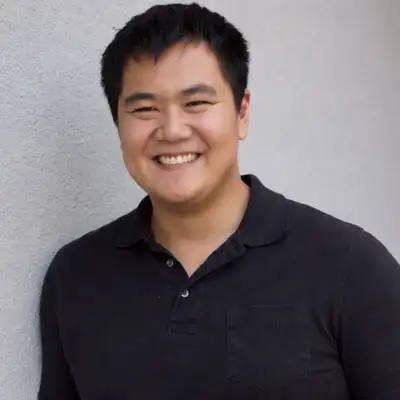
Hey everyone, this is Adam Yee, food scientist and podcast host of Startup CPG's new podcast section R&D RADIO where you interview product developers and what they do and how they can help you build your CPG business. Today's guest is my friend Rachel Zemser who heads A la Carte Connections which helps startups and brands bring food ideas to life from concept to market. Rachel is a certified food and culinary scientist and her services offer in lab or remote product development for any food type anywhere. Flexible, creative and science driven innovation you can trust. I've known Rachel for a while and she is a wealth of knowledge. We dive into why the all natural trend is making product stability more challenging than ever and why she believes the industry is moving towards a cleanish label that balances health with actual shelf life.
01:43
Adam Yee
Rachel also breaks down the realities of working with co packers, explaining why founders need to stop looking for a quote partner and start acting like professional customers to get their products made. Enjoy this episode with Rachel Zemser. Hey everyone, this is Adam Yee from the Startup CPG podcast. I'm here with Rachel Zemser to chat about product development. So let's get into it. Rachel, I know who you are, but for the audience I would love to know who you are and how you got your start in product development.
02:15
Rachel Zemser
Yeah, great to be here Adam. So I am what they call a gold star food scientist. I didn't become a food scientist accidentally. I didn't just fall into it or transition in from another industry. I have been a food scientist from day one. I walked into the food science department as a freshman at UMass Amherst and I studied food science and I started working as A product developer right out of college at my very first job at Dan and Yogurt in Fort Worth, Texas. And later on I worked at Kagomi, a tomato sauce company. And I've had a variety of jobs in R and D and food science and food safety. I've seen streak microbiology plates. I've done it all.
03:01
Adam Yee
Wow, you have a very similar background to me. I'm also, I guess a gold star food scientist too. I hopped in, I chose the major right away and went to Cal Poly and also been to Texas and also did streaking plates. That's why we're kind of kindred spirits in this realm of product development. But maybe this is where we differ. Rachel, do you have anything you kind of specialize in as a product developer?
03:21
Rachel Zemser
So as a consultant, which is what I've been doing for the past 15, 17 years. And I think that this kind of applies to a lot of consultants who are independent and they're not like a Kulenex or a Matson and have, you know, a massive building with lots of pilot equipment.
03:41
Adam Yee
Lots of machines.
03:42
Rachel Zemser
Yeah, yeah, lots of machines. We kind of have to specialize in things that we can do in a laboratory in an R and D type setting. Like I don't have retort equipment, so I don't typically specialize in retort or canned foods. I typically do things that I can do and I'm good at those things. I'm good at protein bars, I'm good at baked goods, I'm good at confections. I can do some pasteurization. I can do pretty much anything that can be done in a lab that doesn't require multimillion dollar equipment. Now, not to say that I can't do those things, but I would probably have to work with an outside pilot plant or maybe work directly with the co packer.
04:24
Rachel Zemser
So I guess my training as a food scientist, I can do pretty much anything, especially since I've been doing it for 30 plus years. But I guess I tend to specialize in the products that I can do more easily in the laboratory. Those are the things that I end up doing more often than not.
04:41
Adam Yee
Yeah, I recall now when I first started working industry, I think I stumbled upon your ebook or your book and I think this is the first book I've ever seen about someone kind of teaching someone how to do product development. Now you can find them everywhere in Amazon, whatever. But yours was kind of the OG I'd love to hear about essentially this product development book.
05:01
Rachel Zemser
Yeah, I wrote that book in 2000, I think 11 or 12 or 13.
05:08
Adam Yee
What's the official title of that?
05:10
Rachel Zemser
The Food Business Toolkit for Entrepreneurs. And I wrote that book back in 2011 or 12 and I still sell it as a downloadable PDF on my website. I have to update it every couple years because there's tons of links in there that are like FDA and USDA and they're constantly changing their links on me and I have lots of links to different industry locations and so I always have to go in there and update it. But yeah, it's just a basic guide and the rules don't really change that much. It's how to find co packers, how to create a formula, you know, how to basically get things started, you know, how to come up with an idea, how to work with co packers. And sometimes I think, oh, you know, I should really just do a major overhaul, a major update of the information.
05:55
Rachel Zemser
But then I read through it and I'm like, you know what? Not much has really changed. The information, the process, the rules, everything is pretty much the same. And even how I operate with my clients is very similar. Coming up with the idea, coming up with a formula, you know, coming up with finding your co packer, creating your prototypes, understanding the food safety rules and regulations that surround your product, the rules have not really changed that much. Maybe I could include some chapters on AI and how that's coming into play because that's changing the game a little bit. But you still need real people to taste and create the food though. We haven't come too far yet.
06:33
Adam Yee
AI can't taste yet, right?
06:35
Rachel Zemser
No. AI cannot tell us if it tastes good.
06:37
Adam Yee
Yeah, well, I wanted to give that shout out to that book because I think it has really helped a lot of people. I think just to give an introduction of like the different world food scientists get into versus someone who thinks they can make a food business, right?
06:49
Rachel Zemser
I think so. And I've noticed that there's a lot of courses out there that are geared towards non food scientists saying that they can. A non food scientist can just do it all on their own. But I don't know if I totally agree with that. I think that a non food scientist can maybe get started on their own, but you have to have really good math skills and you have to really be sort of tuned into the network of ingredient suppliers and co packers and you have to like, kind of understand like the game and how.
07:23
Adam Yee
Yeah, there's a language and there's a dance, right?
07:24
Rachel Zemser
Yeah, yeah, there's a language, there's a Dance. There's a network, there's a way to do things that some people get it. And you just have to be in that world for a while to understand like just how to get samples and how to formulate and how to balance out those formulas and how to talk to co packers and deal with them and set up test runs. And, you know, I think that reading my book is a great guide to be a part of like that world and that community. But you still kind of need a food scientist to be a part of your team. But it's good to be informed when to jump in.
07:59
Adam Yee
I feel like having a food scientist on your team gives you a little bit of credibility, especially when you work with like ingredient guys or co packers. Right. Having a food scientist present and having them talk in a certain, like the way they would like to be talked to. I think how it filters out the. Those who maybe are just tire kickers versus those who are serious about their food business.
08:18
Rachel Zemser
Exactly. I mean, I always tell my clients even before they hire me because I do a lot of initial consulting by the hour and I always say, you know, as you're searching for your co packer, tell them that you have a food scientist already because they'll take you more seriously. If you just tell them you're a random entrepreneur and you're doing it by yourself, they're going to roll their eyes. They're going to think you don't know anything. Right. But if you tell them, hey, you know, I've got my food scientist, I'm working with a food scientist, they'll breathe a sigh of relief because they'll know that. That you've got someone that they'll take you more seriously because they know that you're taking your R and D seriously by bringing in an expert.
08:57
Rachel Zemser
That would be like me saying, I'm trying to fix my own toilet without a plumber or I'm trying to build a house without a contractor, you know, in place. Like, I would have no idea what I'm doing. Like, I wouldn't even have like, you know, saw the wood, you know, so,
09:09
Adam Yee
Yeah, yeah, you can do it. But it's probably going to. If you don't do it right, it can be really.
09:15
Rachel Zemser
Yeah, it's better if I don't even, like, touch anything. Yes.
09:19
Adam Yee
All right, well, Rachel, I know you've worked on a ton of different products through kind of your career, and I'd love to hear a story of one of the products you worked on.
09:26
Rachel Zemser
Yeah, so I've worked on so many different Products, Just hundreds and hundreds of products. And I've talked to people and I brought so many things to market, and I brought so many things that were almost brought to market, but then the clients ran out of money or they didn't think like five steps ahead. But I guess one of my more favorite stories is something I worked on a few years ago with a guy in the Bay Area. His name was Pretty Kenny. That was like his stage name. He's a musician over in East Bay. And he came to me and he had this idea for like a cocktail mixer, like a drink mix that he had been serving to his family and his friends. And he really wanted to commercialize it. You know, he came to me and he had his own concoction.
10:14
Rachel Zemser
But we had to, you know, food science it up a bit. We had to switch from. He was using a lot of supermarket ingredients, so we had to switch to concentrates. And we had to find him a co packer, which we did, which was great. Found like a local co packer down in Santa Cruz. Then we actually even worked closely with a local sort of cocktail expert, someone who works with bars in the Bay Area to help up their game in the cocktail mixing area. So they came in and yeah, we kind of hired sort of like another outside consultant because I was doing the R and D, but, you know, I'm not really a mixologist. So we brought in like a cocktail guy who kind of made it even better by adding in some herbal extracts.
10:56
Rachel Zemser
And then went to production and he made this great cocktail mix. It had like orange and cranberry and some herbal extracts and some. Some caramelized flavors in there. And he even won some awards. I think he won best in show. Let me go back and check the tasting alliance. He was one of the finalists for the best in 2024 was called Island Vibe. And he's got an Instagram and he's done a few production runs. And I think he's planning on doing more things. Got a little expensive because he had to put it in glass bottles. So he was trying to kind of solve for that, you know, typical R and D startup problems. You know, how do we make the bottle cheaper? How do we save on costs? But. But yeah, it was great because he was a personality.
11:45
Rachel Zemser
So he kind of had like a really good story behind his product. And we got to do the whole. It was a whole pasteurized beverage. So that was fun. Bottles coming off the line. So, yeah, mostly, you know, most people do bars and baked goods and things like that. So that was A lot of fun that we got to do this Musicians cocktail mixer.
12:04
Adam Yee
Nice.
12:04
Rachel Zemser
So that was fun. Yeah.
12:05
Adam Yee
It's always great to get your, well, one. It's just amazing to see your product, like, off the factory line. It's good to see on the store shelf and it's really good to get an award for, you know, the product you made. Right. It makes you. Even though no one ever knows it's gonna. It was you, but. Right.
12:19
Rachel Zemser
Exactly. Yeah. The. The food scientist never gets any credit. So we're just like behind the scenes. So. Although I did see a post on LinkedIn the other day, a guy, I think, from Mondelez, one of the food scientists, posted something online about how one of his products had made it on the shelf. And I was really excited to see someone from a large company like Mondelez posting. You know, from the food scientist perspective, it wasn't like a marketing person. It wasn't a CEO or branding or like, you know, Mondelez, like, it was the food scientist saying, hey, I worked on this and look, it made it on the shelf. And we're so excited. We work so hard.
12:59
Rachel Zemser
And I was really excited to see that the food scientist was posting that because food sciences rarely get the credit, you know, the behind the scenes people. And yeah, someone had thought that was out there. So I was like, yeah, you go, Mondelez. Random person posting.
13:14
Adam Yee
Yes, more food scientists should share the products they made. I definitely agree with that. And the only reason why I did entrepreneurship is I do that.
13:22
Rachel Zemser
Yeah. Even if you just improved the crunchiness of an Oreo, you know, I want to hear about it. Yes.
13:28
Adam Yee
Yeah. There are some crazy inventions that take a lot of years actually to really make. So you've worked with a ton of products. You specifically met with a lot of, like, entrepreneurs who probably have zero experience. And I love to just coalesce those experiences to advice. And I'd love to hear one piece of advice that you think would be useful for entrepreneurs in CPG as they make or improve their product.
13:50
Rachel Zemser
So this is my advice. And a lot of people don't really agree with this, but I always tell entrepreneurs when they come to me, I always tell them, don't start working on your R and D right away. I'm like, the first thing you need to do is find a co packer. I'm like, stop your R and D process. Stop messing around in a lab and playing and fiddling with it or in your kitchen or wherever you're doing it in your garage. I'm like, stop. I'm like, You've just wasted two years of your time. I'm like, stop it. I'm like, go find a co packer first. Because if you don't know who's going to make it and how they're going to make it, you're wasting your time especially. I mean there's some exceptions.
14:33
Rachel Zemser
Maybe if you're making like a chocolate chip cookie or maybe if you're making a protein bar, you know, because the equipment is I guess fairly similar across the board, but not really. But really the first thing you need to do, especially if you're making something unique or special or different, is make sure there's someone out there who can actually make this product for you. If you're making a Fig Newton layered thing or if you're making something with like a new ice cream with allulose in it or you're making anything that's different that hasn't been done before, you need to make sure that there's someone out there who can make it.
15:08
Rachel Zemser
And let alone the fact that if you're a brand new entrepreneur and you don't really know like how volumes work or what you're in for, you need to understand that someone, you may not be able to find a co packer who's going to make less than like you know, a million units for you or 300,000 units. And you need to know that before you spend 20, $30,000 on your R&D. Get three steps ahead of the game and know who's going to make it for you and then, and have those conversations with the co packers and understand what your step three is going to be and then go back to step one and say, okay, food science consultant that I've just hired, I kind of already know what I'm going to be in for in step three.
15:49
Rachel Zemser
Now I want to go back to step one and I already know that the co packer that I want to work with can only make triangle fig Newtons. So and I know that it has to weigh like 1.5 ounces. So I want to backtrack and I want to kind of start knowing that information so I don't waste my time and make like a 5 ounce fig Newton that I'm going to have to redo later on. So start ahead of the game knowing because you're the process in the co packer is like 60% of your product and the R and D is like 40%. So I always tell people, unless you've like been in the business before and you're like, readjusting or you're making like a new flavor potato chip and you've already made 17 chips already with that co packer.
16:29
Rachel Zemser
If you don't know what you're doing and you've never made it before and it's like brand new and you're messing around in your kitchen, just stop messing around in the kitchen. And first steps first find the co packer. Go to keychain.com or partnerslate.com those are two of the big search engines for finding co packers. And begin your search and you don't have to seal the deal with them. You don't have to like sign a contract but know who they are, know they exist, have a conversation with them and have two or three like just on hold like in the bag waiting for you for later and understand like what their minimums are and what equipment they have and have some idea of how you're going to have to formulate your product and then at least you're not starting blind. That's my big advice.
17:15
Adam Yee
I genuinely agree with that. I do it a slightly different way. Especially if they like need help vetting a co packer or like or doing it. I like to do it in tandem with like the formula has to be in tandem with co packer. But also as a food scientist I have kind of an end in mind of what's going on like at the end product, like where is it going to be sold, how's it going to be sold, what temperatures does it be when it's sold? Right. Which I think a lot of entrepreneurs can be short sighted about as well. And I think you should talk to co packers as soon as possible.
17:44
Adam Yee
That is true because you're going to learn a lot about just how they communicate with you, the process of how they communicate with you and also just in general learning about their minimums and machines as you've talked about. So I agree there. Like you have to start building this muscle of communicating with co packers and it is almost like a very, well, it is a very expensive business decision to go with a co packer. Right. So I like your advice there for sure.
18:12
Rachel Zemser
Yeah. I mean I have a client who came to me the other day and she told me that her, she went to a co packer and her co packer is like, well I won't even speak with you until you have a formula. And then the co packer in the same breath said once you have a formula I can tell you which ingredients I can source for you and then you can swap it out. And I Was like, that makes no sense whatsoever because you can't just swap out one protein powder for another. You can't swap out one cocoa powder for another.
18:40
Rachel Zemser
And I've heard this story come from many entrepreneurs where the co packer wants to dictate to them which ingredients they need to use, but yet they want that client to come to them with a formula so they can then change it out. And I'm like, you can't do it that way. I'm like, but that makes it really difficult for the developer or the entrepreneur who might be developing in themselves because you have to go to that co packer first and say, okay, tell me which cocoa powder you're using, tell me which protein powder you're using, tell me which binding syrups you want me to use, tell me which sugars I can use, tell me which suppliers I can work with. And then you have to go to the suppliers and get all those ingredients.
19:17
Rachel Zemser
It's actually, it's really hard when you're working with entrepreneurs to source all these ingredients, figuring out if these co packers are gonna force you to work with their ingredients or if you can work with your own ingredients. And if you do work with your own ingredients, you have to buy like those moqs. So all of these questions should be known sooner than later by having conversations with the co packers from the get go. Because you could go to them with your final finished product and they're like, sorry, you can't work with any of those suppliers that you've just built, spent the last two years perfecting like, and this could be the perfect co packer. They could be like in your backyard.
19:52
Rachel Zemser
And now you have to go to another part of the country because you can't with your favorite co packer because they won't let you work with anything that you perfected. You know, find the co packer first. Yeah. And like you said, like also figure out what you're going to do after you make the product. Where are you going? To warehouse.
20:10
Adam Yee
You have 16 pallets. Yeah. What do you do when you have 16 pallets of product?
20:13
Rachel Zemser
Right, right. I mean, because there's aging. I mean, once it's made, the clock is ticking. I mean you get a little leeway with frozen, but anything that's fresh, forget it. Protein bars, in six months, they're going to be rock hard and they're not going to taste good anymore. And that's it. So clock is ticking. You need to have a plan. You can't just make it and then figure it out later. Those Bars are not going to sell themselves.
20:37
Adam Yee
The hardest thing about food is that it does unfortunately age over time compared to other goods. But yeah, I think those are all really good points in terms of like, how the search is a pretty intense process. But what I've learned from like all of these, like business entrepreneurs is that eventually you will find a good fit for you. You just have to keep on trying. Even if someone says no to this, there might be another co packer that might say yes to this. Right. And it all can be negotiable as well.
21:03
Rachel Zemser
Yeah, everything's negotiable. And I think that entrepreneurs also need to understand that unfortunately, the co packers are probably. Unless you have millions of dollars, the co packer is probably going to have more negotiating power. You know, you kind of need to bend to them a little more than they're going to bend to you. Like, they're not really going to be making out well with this deal of helping you. They're kind of doing the entrepreneur the favor. And more often than not, they're not going to make a killing. They're taking a gamble on you. What that 10 grand that they're charging you for the test run is not really profitable for them. So they're not making much. And they're going to have leftover pallets of your ingredients in their warehouse that they may have to throw away in a year.
21:52
Rachel Zemser
If you never do another run, you know, you have to consider it like a favor and be extra nice to that co packer that's willing to take you on. Unfortunately, that's usually the case.
22:01
Adam Yee
Yeah. And you never know what's going on behind the background for the co packers either. There was one client who got rejected because their credit rating didn't work out too well. And then there was another client I had that was accepted to a pretty good lollipop manufacturer. And I was just surprised how she got in there is because the lollipop manufacturer lost a lot of international clients. So you just never know. Sometimes the discussion you could have with C.O. Packers.
22:23
Rachel Zemser
Yeah. And you don't want to nickel and dime them and you want to just. Yeah. Just be grateful that they took you in if you're small and just starting out because just be glad. And you buy them lunch.
22:35
Adam Yee
There you go. So go to their plant, buy them lunch. I'd love to know, since you worked with so many different products throughout this kind of whole span, what have you seen as a trend or ingredient that you're really interested in right now?
22:49
Rachel Zemser
Well, I mean, I'm definitely Seeing the usual players, I'm seeing a lot of electrolytes I'm seeing in drink mixes. Like, you know, it started with Liquid iv, but lots of copycats are out there now. Everybody wants to make sure they're hydrated. There was a really great super bowl commercial last night about from Liquid iv about with lots of toilets flushing. And they were saying, look at your pee, is it yellow? That was funny. And you know, of course, lots of protein and fiber always on the table, lots of collagen. One thing I'm kind of noticing is while low sugar is still a thing, I think that people are getting a little frustrated with. Even though I love allulose and I don't love erythritol, but allulose and erythritol are still out there and they're still allowing us to make low sugar, no sugar claims.
23:44
Rachel Zemser
They're also letting us down a lot from a functionality standpoint. Taste wise. Not good. Allulose has a lot of problems with functionality. We can't get it to properly crystallize and erythritol won't properly brown. So I think that we're seeing the trend of a little bit of sugar coming into products. Small amounts. You know our friend Tom King from Icon.
24:10
Adam Yee
Yeah, that guy's great.
24:11
Rachel Zemser
He told me small amounts of sugar are okay, like maybe 5, 10%. Yes. We still want like low sugar. We can still use erythritol, we can still use allulose to get there and monk fruit and stevia and all those great alternatives. But we still need just enough sugar to give us the browning, to give us the texture to get. We need. Because sugar is not just about sweetness, it's about functionality. And we need small amounts. So I think we're going to see that trend where people are gonna use a little sugar to bring back the function and some sweetness. I think products are gonna be much better tasting if we just put a little bit of sugar in there and not just make it straight up.
24:50
Rachel Zemser
Like how much gut wrecking sugar alcohols can we jack up that product with so that we can't even eat it anymore? I mean, all these bars like David and bars that are just filled with maltitol and erythritol and allulose and the fat that. Yeah, the apogee. It's like all apogee fiber and allulose. You literally eat it and everything goes in one and out the other.
25:17
Adam Yee
It does hurt my stomach when I eat the David bars.
25:19
Rachel Zemser
Yeah, and it hurts your stomach. And we Need a little bit of energy. It's not even an energy bar because there's no energy, because you're not digesting any of it. So, you know, we're going to put a little bit of real food back in there, a little bit of, like, realness. And collagen is barely counts as protein anyway because it doesn't have a lot of the amino acids. So, I mean, I guess it's good for your skin and your nails, so they say. I'm a little skeptical on that, but, yeah, I mean, I guess you can't hurt.
25:46
Adam Yee
So, yeah, no, I think you're completely right about the. I don't know, I guess call it the low sugar trend. And I have gone through a few products that have said, like, oh, yeah, a little bit of sugar is okay. I think the thing is, like, we don't want to see Coca Cola, which has like, what, 30 grams of sugar per can, but like, 5 grams of sugar per can is pretty good.
26:02
Rachel Zemser
Yeah, like, five grams is okay. And it's just enough to make it taste good and better. Yeah, I mean, and I think that people are trying to use, like, date sugar because date sugar doesn't count as added sugar. I'm on the fence about that. I've had some discussions with food scientists whether date sugar is an added sugar or it's just a sugar. I'm not quite sure. I. It's a debate. But anyway, as of right now, if you put date sugar in your product, apparently the FDA says that it's not an added sugar, but it is sugar. But a little bit of date sugar goes a long way, and that can improve a product, and that count as an added sugar.
26:44
Adam Yee
I did not know that, actually. Wow. Even I learned things with this podcast. All right, well, Rachel, this has been really good to talk to you. Just the final question is, where can we find you if we want to learn more about you? You know, if you have a website, you can plug that into anything you want.
26:59
Rachel Zemser
Well, I. Apparently I am first on the CPG database because my website is a la carte connections and it begins with an A.
27:08
Adam Yee
So that's so smart.
27:09
Rachel Zemser
I didn't plan it that way. I mean, I've. I've been a la carte for a long time.
27:13
Adam Yee
So the reason why Amazon was chosen is because of the A, actually.
27:18
Rachel Zemser
So, yeah, so I'm a la Carteconnections.com. You can go to my website. There's a contact box in there. And all the inquiries are come to me and my team, and we respond I respond and I evaluate all opportunities. Happy to hear from anyone and see what they're interested in doing.
27:37
Adam Yee
Great. Rachel, thank you so much for being on the show.
27:39
Rachel Zemser
Yep, great to talk to you, of course.
27:43
Adam Yee
Thank you for listening to Stardust CBG's R&D RADIO. I hope you guys enjoyed this conversation. We've now arrived past together at the end of another episode of the Startup CPG podcast. I'm proud to be part of the team that's part of the top globally ranked podcast in cpg. As you may know, we're not just a podcast, we're a community of brands and experts and you should join. You can sign up @startupcpg.com and you'll then get invited to our online Slack community and be informed on great guests and amazing networking opportunities to get you in front of buyers, investors, brands and more. Thank you for listening and have a great day.