Subscribe
Share
Share
Embed
IMA® (Institute of Management Accountants) brings you the latest perspectives and learnings on all things affecting the accounting and finance world, as told by the experts working in the field and the thought leaders shaping the profession. Listen in to gain valuable insight and be included in the future of accounting and finance!
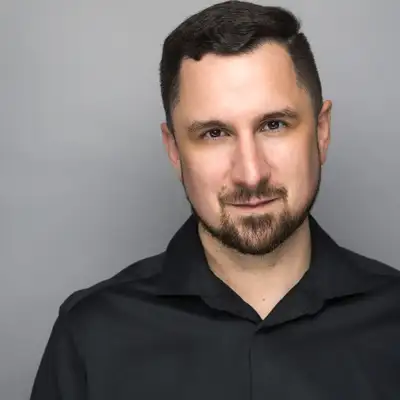
Welcome to Count Me In. I'm your host, Adam Larson, and today I'm joined by Chandelle Fastiggi head of finance services vertical at Manpower. Together, we'll dive into the complexities of today's financial services industry, including how institutions are tackling regulatory shifts, cybersecurity threats, and the rapid evolution of AI and automation. With over twenty five years in the business, Chandelle shares her expert insights on the importance of upskilling talent, adapting to economic change, and building strong data governance strategies. So whether you're leading a team or planning your next career move, this episode is packed with practical ideas to help you stay ahead in these unpredictable times.
Adam Larson:Let's jump right in. Chandelle thank you so much for coming on the podcast. We're very excited to have you today, and we're gonna be talking about a number of different things. But I kind of figure where we could start is maybe you could start by describing, like, the current economic and political climate, especially in financial services. And I I'm sure that's causing different pressures that or or it's causing different pressures on institutions because of those pressures.
Chandelle Fastiggi:Yes. Absolutely. I would say, overall, you know, the financial services industry is cautiously optimistic right now, but also, you know, very transformative at the same time. I mean, you not letting that get too much in the way, but I think it's very interesting had we met, you know, in early twenty twenty five, you know, to now, maybe, you know, the the topic would be a little bit different. But, you know, there absolutely is growth going on in the financial services industry.
Chandelle Fastiggi:It is slated to grow by 25% between now and 2028 to 45,000,000,000,000. So while it may seem, you know, tight and slow and and sometimes doom and gloom out there, there's a lot of positivity. And, you know, there are a few key things that financial institutions have to keep in mind, you know, when the economic climate or political climate changes. And, you know, right now, we're seeing interest rates fall. Right?
Chandelle Fastiggi:So when interest rates fall, obviously, that impacts financial institutions because they're not, you know, getting that, you know, money coming into the organization. And then, you see high deposits they're having to pay out, you know, to their clients for that. And so that does definitely, you know, impact their bottom line or compress their margins. But along with that, you know, we went into 2025 thinking that, you know, regulation was still going to be very much a thing. And, you know, organizations obviously always have to allot money, you know, to cover those costs that may come, you know, at any point in time.
Chandelle Fastiggi:Right? Risk regulatory issues arise, you know, at any point in time and you have to respond. And so with that, you know, deregulation also opens up, you know, some of funding and their ability to, you know, invest in other ways. The other piece, you know, that's big right now is cyber threats. We have, you know, North Korea threats.
Chandelle Fastiggi:You know, they're infiltrating many of our, you know, enterprise organizations throughout The US within financial services and outside and, you know, putting hackers in place to act as recruiters, act as developers. So banks are having to make investments, you know, to mitigate that risk. And then, the other piece I would say is, you know, in regards to fraud, that's obviously still something, you know, that is very rampant out there, especially with the implementation of AI. I think personally this week, I had three text messages from three different type of, you know, environments, I guess you could say, you know, trying to get me to engage, and potentially, you know, bring fraud into my life. So I just think that as, you know, economic and political climate change, I mean, banks just always, you know, have to stay on top of that, be ready for it, but also, you know, be able to pivot quickly where they need to, you know, either to support it or to maybe reinvest what they thought they were gonna have to invest in in regards to the climate.
Adam Larson:Yeah. The climate is constantly changing. You have to constantly keep your finger on what's happening and and all the things that you were saying of how institutions have to kindly kind of ride the waves almost. Mhmm. And does and are those waves what causes financial institutions to kind of begin transformation journeys, especially in these environments?
Adam Larson:Like, with all the different threats, there's constantly new technologies. There's so many new things that you have to be on top of and be ready for. You can't just say, well, we have a nice website, and that's it. Like, it that's that's no longer the status quo.
Chandelle Fastiggi:Yeah. Absolutely. So I think absolutely those pieces are a part of what a financial institution needs to be aware of and focused on and ready to invest in at any point in time. But I would say just in my twenty five years of being in this industry, there's a few things that are consistent, you know, that they wanna be able to make investments in or have to make investments in. Obviously, risk regulatory, like I said earlier.
Chandelle Fastiggi:They they can't say no to that. Secondly is core banking systems. They're always looking at, you know, which ones do we need to modernize, why do we need to modernize them, how do we need to modernize them, and what impacts is that gonna make, you know, to the overall organization and to our customers. And then lastly is they're always customer focused. Right?
Chandelle Fastiggi:There are tons of financial institutions out there that can meet all the different, you know, needs of an individual or a company. And so being able to really hone in on what areas are we gonna invest in that are truly going to attract and retain talent I mean, to retain talent. You can tell them in the staffing and retain customers for the long term for their organization.
Adam Larson:Well, let's talk a bit about that retaining, though, retaining that top talent because that's a that's a it's a thing all business owners are kind of really trying to trying to grapple with in this in this ever changing environment. What's what is the approach that organizations should take to upskilling and reskilling their people to actually they're meeting the demands, but also making sure they're not saying, well, you're not staying up with us to date. I'm getting out of here. Like, you wanted to keep those people and and make them a better value for the organization.
Chandelle Fastiggi:Yeah. This is a this is one of my favorite topics right now because I really don't know and that the financial services industry has figured it out at scale. Definitely a ton of great stories out there, and I'll share some of those. But, you know, historically, financial institutions, you know, have typically looked at their workforce and said, okay. We don't need these type of resources anymore for whatever reason, you know, it may be.
Chandelle Fastiggi:And, you know, they lay off those resources, and then they go hire resources, you know, in the areas they do. Because 75% of companies, you know, in in hiring managers today do not feel confident that they have the skills and resources needed to progress the organization. Now more than ever, upskilling and reskilling is gonna be very important because you may have some great resources that are sitting in another area of the organization. And so when I think of the future, you know, within this area and with the workforce, it's so important that it's an enterprise wide initiative. And it's not being siloed into, you know, consumer banking or finance or commercial banking, you know, or technology, but really at the top saying, you know, we are going to make a decision here, you know, as an organization, and we're gonna have finance aligned, technology aligned, our business lines aligned, HR and TA in the conversation, and how can we ensure, you know, that we really truly retain the talent that we believe we can upscale and rescale and and fit the organization and and don't lose all that institutional knowledge.
Chandelle Fastiggi:That's another thing that I think is really important is somebody may have been in your company, you know, for fifteen, twenty years and has a ton of institutional knowledge that's very valuable to being a part of, you know, future transformation. And just, you know, releasing them and bringing somebody in from the outside, isn't you always the answer. Sometimes it is the answer. So, you know, a couple examples I would say, I mean, just one right now we're working on with one of our clients is we have, you know, an executive that's going to be having a number of resources moved over to his organization. He's unsure, you know, that they fit and have the behavioral and technical skills for where he wants to take the organization, but they're partnering with us to say, okay.
Chandelle Fastiggi:Let's first assess the talent. So let's take them through some testing. And then once we assess them, you know, let's figure out the individuals that we believe have, you know, the aptitude, you know, or the skills for the new environment, what up skilling or reskilling, you know, can we do to keep them in the organization and position them, you know, for more opportunity with us. Another area you're seeing a lot of partnerships for upskilling and reskilling is a lot of the larger banks are partnering with HBCUs and community colleges, and we're seeing the amount of hires in that space continue to rise. One of them, I think, last year had over 4,000 hires through that.
Chandelle Fastiggi:So, you know, it's really encouraging to see that knowing that we may not have the skills within the organization or they may not be readily available out there in the marketplace, you know, that companies are getting creative on how they can acquire that talent.
Adam Larson:I think that's amazing being able to to connect with colleges and say, hey. You're coming just coming out of college. You all all that knowledge is super fresh. Why don't you come apply it right now? And being able to have that pipeline is a great way to get new talent and get that fresh blood in there, but also, like, start people off and start with a great foundation.
Adam Larson:I it's a I think that's a great way to kind of kind of connect with with with the new next generation of employees.
Chandelle Fastiggi:Well, and it's funny you say that because I think back to when I first moved to Charlotte, North Carolina, big banking city, and you would see all these groups of young people walking around Downtown Charlotte together. And I didn't come for the financial services. I didn't have that type of degree. Right? I just got into this through the recruiting industry.
Chandelle Fastiggi:And I would see them and be like, what are these? What are these people? Like, they're all together. They're, like, kind of in little clans, and they were interns. Right?
Chandelle Fastiggi:But they were interns that were hired for the investment bank. You you know, they weren't interns hired for, you know, many other areas of the organization. And so it's really cool to see now that, you know, a lot of variety of, you know, individuals in a college, you know, can benefit and not just ones that are in a specific domain, you know, or piece of the business. So I would have loved to have had that when I was in college. Right?
Chandelle Fastiggi:I got out of college and I had no clue what I was gonna do and ended up in this lovely industry. But, but, you know, I think that's really exciting to see that, you know, underserved or even just individuals that didn't take, you know, a route maybe that others took still have that opportunity.
Adam Larson:Do you think that with the ever changing environment that it kind of causes people to pause about going into the industry with the with the with all the different short term economic uncertainty, you're not sure what's happening. Like, well, I don't wanna go in there. It might not things might change so much that I might be out of a job in a year. Do you think that pauses people from going in that industry?
Chandelle Fastiggi:I think it can. I I mean, I think in general, there's a lot of that going on, right, you know, within the financial services industry and all around right now. There's so much uncertainty. Right? What is the right job?
Chandelle Fastiggi:What is the right career? I mean, what what is gonna be around in, you know, five, ten, fifteen years? Will this job be replaced? That that's, I think, in general, everybody's feeling that way. That being said, specific, you know, to what you're asking, we're seeing.
Chandelle Fastiggi:Right? I mean, there's a lot out there right now around people making bold stances against the industry. Mhmm. We're seeing, you know, a lot of political concerns, social concerns with the rise of social media and just I mean, it continues to be more and more prevalent, and people have such a platform all the time, right, to share their ideas. I think being able to muddle through that and really figure out, you what what is real, what is, you know, something to be concerned about, or what is just somebody's opinion could, you know, confuse people.
Chandelle Fastiggi:And I think too, just purely, you know, like you're saying, like, understanding, like, the direction that they're going. Developers even. Right? I mean, in the past, everybody thought, hey. If you wanna get into development, you know, go into financial services.
Chandelle Fastiggi:There's endless jobs. Right? Well, now AI is being implemented in, you know, many cases, you know, within the development organizations. And there's still a need for developers, more a need for architects maybe than entry level developers. But I look at it as an opportunity whereas in the past, you know, you had to have those skills to even get that entry level job.
Chandelle Fastiggi:Well, now the entry level jobs can be performed by AI. So you almost get the opportunity to enter into an organization, maybe at even a little bit higher level and utilize different skills, but still take on that experience and training you got, you know, within the development space.
Adam Larson:Yeah. It's interesting. I I was just thinking, like, I gotta ask her, how is AI and automation affecting this industry? Because we we keep having these conversations, and every industry, it's it's affecting it in different ways. And I figure, you know, when it comes to financial services, how is AI and automation kind of affecting and making those impact?
Adam Larson:You already said, like, you know, developers and and certain jobs, like, you have to like, AI is taking over those initial jobs, and there's so many new things out. So maybe you could talk a little bit about that.
Chandelle Fastiggi:Yeah. I mean, one that is relevant, I think, you know, to this organization is obviously CFO organizations and and finance organizations. Right? And how is AI being implemented there? And we just recently supported a transformation within a CFO line of business at, you know, one of the top five banks.
Chandelle Fastiggi:And, basically, you know, they were looking at how do we, you know, gather our data faster, report faster, provide information to executive level resources, you know, faster, you know, as these things pivot and change. Right? Like, okay. 2025 starts out and, you know, the organization has a specific plan and strategy in place and things change. I mean, money and funds move all the time in financial services.
Chandelle Fastiggi:You know, we'll have a project we have funding for and we lose it the next day. Right? But in general, you know, there are needs to pivot and be more agile and fluid, you know, within the finance organization and within the overall organization. And so finance organizations have had to look at their core banking, you know, finance applications and say, okay. You know, what do we need to do to better structure our data, make it more accurate so that we can report faster as things pivot, you know, when you get that call and somebody says, hey.
Chandelle Fastiggi:You know, I'm getting ready to walk into a meeting, and I I need you to provide me this data. And in the past, it might have been like, I need, like, two days to do that. I can't pull that together for you in the next thirty minutes. But now because of automation, you know, within the organization, you know, they're able to pull a lot of that reporting. And so, you know, their jobs are changing.
Chandelle Fastiggi:You know, the the account individual that used to sit behind a desk and crunch numbers and send it out, like, they now, a lot of times, are sitting in those meetings. And, you know, a part of, you know, talking about that, the financials and and talking about their reports and presenting because they didn't have to spend as much time crunching the numbers. So it's just like a a more active role now. That's one piece. Right?
Chandelle Fastiggi:The the other areas that we're seeing is customer service implemented over the last five, ten years in some capacities within call centers, right, to have higher call resolution on the first call. And we've had AI implemented, you know, through chatbots to support IT support questions, right, that you don't have to necessarily get on a call, you know, to support. We're seeing it on the customer side very much. We have prompts now when we go to our mobile application, you know, that that help us get through things faster. I think about just when I you know, depositing a check is easier.
Chandelle Fastiggi:I think about when I'm asked to give my credit card when I'm paying for something online. Now I can take a picture, you know, of the number and it puts it in there for me. I mean, you know, there's just a lot of things like that that are being implemented that are just making us be able to work so much faster. And listen, the faster we can get our deposits in or the faster we can pay our bills, the quicker they get what they need. So it's just, overall, you know, we're seeing it implemented.
Chandelle Fastiggi:And, you know, again, a lot of it there I mean, there is or there are areas that are absolutely implementing it and have been, and it's fully operational. Right? Another area that I think of is trading operations. You know? I mean, we're able to move a lot faster in that space now.
Chandelle Fastiggi:Fraud is another area that you can, you know, move a lot faster and catch fraud, you know, much faster. But overall, you know, there's still so many use cases out there right now to figure out really and truly where is the right place to invest and that it is gonna impact our business versus just be the next cool thing, you know, whether it's internal or putting it out to market.
Adam Larson:So with all those things that you're mentioning, all those data points, all of that data is living in a cloud, in a data center somewhere, and that increases your risk, that increases your governance that you have to keep in track of those things. You know, what are the some considerations that we have to keep in mind as we're looking at all that stuff? And because, you know, if we believe the hackers, the hackers are just like, clickity, clickity, clickity. I'm in. I've got their data.
Adam Larson:You know, is it that simple? Like, there's so many considerations now.
Chandelle Fastiggi:Yeah. Absolutely. Yeah. Cyber is everything. Right?
Chandelle Fastiggi:I mean, having investments for cyber. So, you know, as we're talking about transforming an organization, you know, within financial services, like, think of the glitzy pieces and the glamorous side, right, as a consumer, like, what are you giving me that's gonna benefit me personally? But while they are still investing in a lot of those areas to continue to attract and retain customers, at the same time, a lot of the transformation is going on in that cyberspace, in the data center space, in the cloud space, which are the ones that nobody sees but are super, super impactful to me as, you know, a customer. So when I think of, you know, cybersecurity and, like you said, you know, how easy it is for these hackers, you know, to get in, I mean, financial institutions hire hackers, which was the craziest thing to me when I learned that. Years ago, I took a client out to dinner, and we're sitting at dinner.
Chandelle Fastiggi:And he's telling me, like, the type of resource that he needs, you know, for this project he has coming up. And I'm sitting there thinking, I I swear he's talking about a hacker. Right? And he
Adam Larson:Ethical hacking. Right? They call it ethical hacking.
Chandelle Fastiggi:Yeah. Exactly. And I just I just finally said, alright. Do you need me to hire you a hacker? And, he said, absolutely.
Chandelle Fastiggi:That's what I'm I'm asking, but an ethical one. Right? And I said, oh my gosh. This is so wild. And so it's even more of a thing, you know, now in in the hacker, you know, ethical hacker of the past, like, what they have to, you know, have knowledge of and experience of now versus, you know, in the past.
Chandelle Fastiggi:And so I just think that, you know, organizations, you know, like I mentioned earlier, like, at the enterprise level, you know, they really have to pick those things that are gonna, you know, impact the broader organization, the broader customer base, and where can we, you know, invest and transform in those areas, but also still continue to bring great products to the market that are going to drive, you know, revenue and growth and positive net income, all those things.
Adam Larson:Do you think that all these new technologies and all these new things that we have to take account for, are are organizations having to shift where their budgets are going? Because you can't you have an increased cost from all these technology things. Are we having to cut elsewhere to and, like, to balance that out?
Chandelle Fastiggi:Absolutely. I mean, there's a couple different ways they're doing it, you know, but the answer is yes. So when I think of a of an, you know, a specific example, right, like, one of our customers has a $13,000,000,000 technology budget, and, you know, they wanna implement AI in their organization. Right? They can't just go ask for more money.
Chandelle Fastiggi:So they have to look at their technology budget and say, okay. You know, this modernization we were thinking about doing over here, it's not that important or it's not really gonna move the needle. It's one that, like, would be nice to have or maybe there there are some applications they wanna modernize, but some of them are tied to revenue generating versus nonrevenue generating. And so, you know, they they wanted to find $4,000,000,000 to put towards AI of that 13,000,000,000. And so, I mean, think of how many projects have to be cut to find $4,000,000,000.
Chandelle Fastiggi:The other area that we see, and and this is the unfortunate one, is layoffs. I mean, cutting SG and A costs. And so right now, you know, going kinda back to the upskilling and reskilling, a lot of times there's like, this is just easier. And I hate to say easier when we're talking about people's livelihood, you know, and it causes a lot of stress. But at the same time, you know, that is, you know, an easy way.
Chandelle Fastiggi:Our industry is an easy way to cut costs. Right? You have 500 contractors. Okay. Cut 200 of them.
Chandelle Fastiggi:You've got more money. Right? So Yeah. We definitely see shifting of, you know, priorities, projects, initiatives, people all go in to that equation for them to really be able to find those investment dollars that they wanna spend.
Adam Larson:Yeah. And I think that goes back to like you're saying, goes back to our conversation about reskilling and upskilling. It's more important now than ever as employees to say, okay. What can I what knowledge can I consume? How can I make myself more valuable and and say, hey?
Adam Larson:Well, we're adding this new technology and say, raise your hand and say, yep. I already know about it. Let me get in there and do that. And so it's like, it's it's more important now, like, not even just as leaders, but it if you're just in an organization and you see this is where they're going, make sure you're getting yourself upskilled. Learn the new thing.
Adam Larson:Get yourself in there. Get your feet wet. You can't just sit around and expect your organization to train you for everything.
Chandelle Fastiggi:Yeah. The days of learning and development, building everything for us and hosting the training or having in person or virtual or online, I mean, yes, those tools are still there, but opening your learning journey is more critical now than ever. Companies are allowing for that time in your day, which I think is really awesome, you know, that you know, you're being told, like, you need to invest a certain amount of your day in continuous learning that you do on your own, you know, teaching yourself AI and ChatGPT, Copilot, all the different tools and why different ones are better than others and how can you incorporate them into your day. I mean, I personally do trial and error, you know, sometimes, and I keep some of the things and and they make my day better and help me work faster and more efficiently. And other things, I'm like, nah.
Chandelle Fastiggi:That was a complete waste of time. Like, I could have done that faster myself. Right? So and and you have to teach it too. I mean, these tools learn us.
Chandelle Fastiggi:They learn the way you talk, the way they they learn the, you know, way you ask questions. They learn what's important to you. I mean, it's literally crazy when you think about a relationship, you know, with technology versus a relationship with a person and how, you know, even just you and I getting to know each other. Right? I mean, the more we get to know each other, we just interact better together.
Chandelle Fastiggi:And so Yeah. It's very much that same way, you know, with the tools that are out there today. So I just think, you know, internal mobility, yes, it needs to be a strategy at that enterprise level of a company. And in many companies, it is. I mean, at one of the top five banks, 12,000 employees were internally mobilized in 2024.
Chandelle Fastiggi:I mean, that's massive, and that's huge for those individuals. But also making yourself attractive to be moved, you know, internally, I think, is key in in really making it known to people with the skills that you've been acquiring and how you've been acquiring them.
Adam Larson:Definitely. And I think that's more important than ever, like organizations that are the thought leaders, you know, getting connected with your local professional body. You know, like, selfless plug, like the Institute of Management Accountants, like or any other body that has to do with your industry that you're connected with. Make sure that you're connecting with those bodies to get that knowledge, to get that thing outside of your organization, and be able to connect with other professionals so that way you're you're staying up. You're because if you talk to another professional and you're like, oh, wait.
Adam Larson:You're dealing with the same issue. How are you dealing with it? Well, this is how we're dealing, and you learn so much in those in those moments of interaction. Why and that's why it's so super important to get involved.
Chandelle Fastiggi:I love that you just said that because yesterday, I was stuck at the airport for a little bit, and I was in the Delta Lounge. And I overheard these two men talking because it was really quiet in there. And, I mean, they were talking kinda loud, and I just started listening. And, you know, I was googling things as they were talking and, you know, just, like, trying to figure out one one industry they were in because, obviously, I'm in the recruiting industry, so I was curious, what they do for a living. But, but also, you know, just listening to the topics that are top of mind for other people, and I could tell they were executives.
Chandelle Fastiggi:And so it's just very interesting how you can, you know, enhance your learning in so many different capacities.
Adam Larson:So somebody's listening to this conversation. We've covered a lot of different things, especially with organizations and getting them ready for the next their next transformation. Maybe we can finish our conversation with, like somebody's listening to this. They're like, I really wanna do this, but what's what's the first step? What's my next step if I wanna wanna bring my organization to this transformation that we've been discussing?
Chandelle Fastiggi:So I definitely think it's you gotta establish a very clear strategic vision at the top. Right? And one of the things just kinda going back to the beginning of our conversation, you know, good governance is good business. It always will be. No matter what is going on in the economy or politically, financial institutions know what good business looks like, and they know what good governance looks like.
Chandelle Fastiggi:And if organizations, you know, want to stay ahead and whether it's the government that comes after them or the news that comes after them, you know, if they wanna avoid that, the best thing to do is establish that clear vision. And, you know, when you are rolling it out, you know, you have to think of that vision uniquely with every group that's going to be implementing it. Right? If you just like AI. Right?
Chandelle Fastiggi:At the top. The CEO has stated that they want to implement AI in the organization. You can burn through a lot of money real fast. That 13,000,000,000 can get blown overnight if there's not a strategic vision, you know, at the top but then rolled out effectively to every line of business because, you know, the top five banks have 200,000 plus employees. That's a lot of people to manage a message to.
Chandelle Fastiggi:I think back to being a kid and at lunch we'd play the telephone game, the message at the end was nowhere near the message that we started with. Now I think some people had fun with it. Right?
Adam Larson:Of course.
Chandelle Fastiggi:Getting that to translate all the way down is really is really critical. Then the second piece is considering that good governance is good business and how are we not only going to implement this, but ensure that all those checks and balances are in place from a cyber perspective, a fraud perspective? You know, how are we really gonna ensure that all that is in place so that the areas we are choosing to invest in are going to make an impact and also keep us, you know, at less risk. So data, I mean, that's a huge piece of an effective transformation, especially when you're, you know, referring to AI. But before AI was ever around, one of my top clients went through a massive data transformation solely to get their core banking platforms to speak better together.
Chandelle Fastiggi:Right? So, you know, having good data is not a new thing. It's just way more important, I think, now maybe than it was in the past because we're expecting a machine, you know, to learn how to communicate, you know, the data throughout all the systems. And, obviously, now, you know, spit out reporting and ideas and, you know, investment, you know, planning, all types of things. And so, you know, then it's once you roll all that out, what are your checks and balances to make sure that it's working and that we catch that bad investment if if we did one?
Chandelle Fastiggi:Because, you know, listen. We're none none of us are perfect. Right? And so, you know, we could have something that we're going down a path with and how are we gonna, you know, check and balance that. The other thing that comes to mind, and it brings me back to, like, kind of the role of the finance organization and the CFO.
Chandelle Fastiggi:In the past, you know, they had the budget kinda reported on it probably on a, you know, monthly, quarterly basis. But now they're sitting at the table. Right? So when that strategic vision is built, you know, finance organizations are sitting there alongside, you know, the c level executives that run the business or technology, and they're a part of that conversation in looking at, you know, where we can move those investments around or areas that may be more beneficial for us to make investments in as well as more of that real time. Woah.
Chandelle Fastiggi:Woah. Woah. This is slipping. Right? Like, we're starting to just burn through this.
Chandelle Fastiggi:So it's just a lot of it really boils down to the clear vision and then the right governance around it.
Adam Larson:Well, that's that's awesome. Thank you so much, Shondelle, and thank you so much for coming on the podcast, sharing your knowledge with our audience. Like, I've learned a lot. I hope they've learned a lot, and hope we can continue the conversation online. So thank you so much.
Chandelle Fastiggi:Thank you, Adam. Have a great rest of the day, and I really appreciate the opportunity.
Announcer:This has been Count Me In, IMA's podcast, providing you with the latest perspectives of thought leaders from the accounting and finance profession. If you like what you heard and you'd like to be counted in for more relevant accounting and finance education, visit IMA's website at www.imanet.org.