Subscribe
Share
Share
Embed
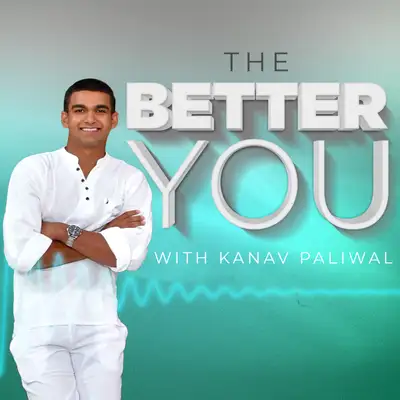
The Better YOU is a podcast for middle school and high school students—and the parents who want to help them thrive. Each episode features honest conversations with people from different careers, backgrounds, and life experiences, giving young people practical wisdom for navigating school, friendships, purpose, and the big decisions that shape their future.
Kanav, the high school-aged host, shares the questions many students are already asking: What should I do with my life? How do I overcome challenges? What does success really look like? Together with inspiring guests, each episode uncovers lessons that can help listeners build confidence, discover new opportunities, and become the best version of themselves.
Whether you’re preparing for college, considering a trade, chasing a dream, or simply trying to figure out your next step, The Better YOU is here to remind you that every journey begins with one conversation.
003 - The Better You - Rich Gilliam
===
Kanav: [00:00:00] Welcome back to the Better You podcast. This is a podcast where I get to sit down with professionals who've walked different paths and talk about their different experiences, decisions, and lessons that have helped them shape who they are today. Today, I'm joined by Rich Gilliam, who's also known as Richnovated.
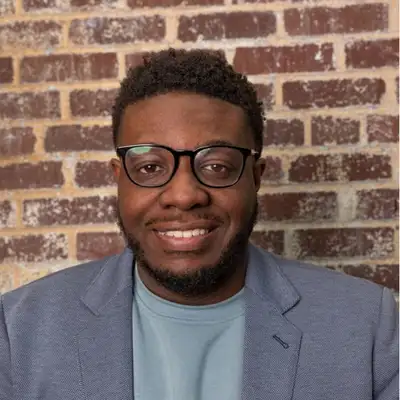
Rich has worked across science, engineering, robotics, and entrepreneurship, and today he's the founder of Stemplug, with the mission to help develop millions of innovators. What stands out most about Rich's story is his ability to keep reinventing himself and turn every new chapter into something bigger.
Kanav Paliwal: And before we get into your story, for someone meeting you for the first time, [00:01:00] who is Rich Gilliam?
Rich Gilliam: So I will first start off with Rich Gilliam, um, is a student first.
I look at myself as a, as a student of the game. I'm a lifetime learner. Um, and I'm an innovator. So I'm someone who has gone through a lot of different life experiences, but I've also been able to learn from a lot of different people, um, from environments that I've come from, um, to environments that I've been into, and been able to bring all those experiences and really bring it into innovation.
So that's how I would explain myself. I'm someone that is definitely a, a student first, a lifetime learner, and an innovator.
Kanav Paliwal: Mm-hmm. Yeah. So you said you're a lifetime learner.
Rich Gilliam: Yeah.
Kanav Paliwal: And obviously you're an innovator too- Mm-hmm ... so you've built a lot in your life.
Rich Gilliam: Mm-hmm.
Kanav Paliwal: What are you most excited about building right now?
Rich Gilliam: So I would say what I'm excited about building right now is, you know, I'm the founder of Stem Plug, [00:02:00] so we're an education technology company really helping the next generation, um, become critical thinkers and problem solvers through robotics.
So I'm excited to really lean into, um, my technical background of engineering and bridging that with education to really help the next generation. So I'm excited for the next generation of, of, of thinkers, of learners, of innovators, and to really just have a part of that.
Kanav Paliwal: All right. So I wanna go backwards for a minute.
Rich Gilliam: Yeah, let's do it. Let's go backwards. What
Kanav Paliwal: were you like in high school?
Rich Gilliam: Let's go backwards. yeah, so that's a great story. I'm glad you said that. So I was... In high school, I didn't have much confidence, I would say, in my studies, right? I had confidence in myself, but I didn't really have much confidence in that I could really, you know, be successful in, in school.
I'm gonna be honest with [00:03:00] you. I didn't really know what was the, the point of it. I was kinda caught up a lot in, um, my neighborhood that I grew up in as well. Um, so I didn't really have, have much motivation, I would say, throughout most of my high school years. Um, until probably, like, my junior-- towards, like, the end of my junior, senior year, I started-- Like, my mom got me into, like, a few programs that really exposed me to, to more, um...
And then that really started to really be, I would say I would say, like, a raindrop to just open something new into me. Something just blossomed. Like, how? Like, where did this come from? Um, so, you know, I would say it was a, it was a, it was a mixture, right? I also, in high school, um, I was a, a part of a party group, actually.
Mm-hmm. So we used to have, like, parties for, like, like, teenagers- Right ... and different things like that. So that was cool, and as I kinda can look back at it, I'm someone that transfers skills from all [00:04:00] parts of my d- of my life. Um, having to figure out how to get maybe teenagers to come to a party and kinda promote it, those same skills are the same way of maybe pitching and trying to get someone to believe in your business, right?
Mm-hmm. Something completely different. Yeah. But, you know, you still have to have that, like, kinda will power to kinda, like, keep going through it. So I'm, I'm someone that, like, I uniquely take different parts of my life that I've been through and just transfer it to, like, an- another part.
Kanav Paliwal: Yeah. So. So when you're applying to colleges, obviously- Yeah
I'm starting to get in that process.
Rich Gilliam: Yeah.
Kanav Paliwal: Colleges look at high school like it's who you are. It's-
Rich Gilliam: Yeah ... the
Kanav Paliwal: most important part of your life. When you were in high school, you said the first half you didn't really focus too much on education. What did that period fail to capture about you?
Rich Gilliam: It just really didn't fully capture how driven and motivated that I can be once [00:05:00] I'm in a particular space, right? So I didn't have the-- When I didn't have the, the confidence that I can, can do certain things, then I just had lackluster effort, right? But once I realized and see how there was a point in the connection for me being in school or different things like that, that's when it kinda blossomed more.
So I would really say that, like, my grade point average that I had didn't really, um, it didn't capture what I can, like, truly be. Mm. Right? Um, so that, that's the, that's-- And I think a lotta times, I'm, I'm not a good test taker, right? But I'm, I'm somebody that can I can be able to explain different things like that.
And a lotta times within schools, judging someone just based off of, like, maybe their, their test scores or different things like that, you can miss out on somebody that's really, um, that really can bring more things to the table. Right. If that makes sense.
Kanav Paliwal: So- Yeah ... you also [00:06:00] said at the end of your junior year t- coming into your senior year-
Rich Gilliam: Yeah
Kanav Paliwal: something bloomed for you. What caused that thing to change?
Rich Gilliam: it was just exposure, right? It was exposure. Like, um, I my mom exposed me to, like, organizations that would, like, take me on different college tours. So I started to see that. Um, started to, like, really see, like connection points of different things.
So it was really that, that exposure, right? Ex- being exposed to more that, um, I wasn't aware of, right? So then once I was exposed to college tours or different things like that, then it made me like, "Okay, I need to maybe focus in more." 'Cause, like, I didn't-- Growing up, I didn't really, I didn't have that example, right?
I didn't have anybody that was, like, in my family that had went to college, like a older brother or sister or cousin or anything. So I didn't, I didn't have that viewpoint. I didn't know [00:07:00] of any of it, right? So until I really, like, my junior year, went on those tours and then just had exposure to other things, that kinda, like, brightened my, brightened my eye a little bit.
And I was, I was playing catch-up, right? Right. 'Cause my freshman and sophomore year, I was down so much. I was, I was playing catch-up. But I really think that, like, I w- looking back at my life, like, I wouldn't had had it, wanted it any other way now looking at it 'cause bring, playing that catch-up just made me that more, like, I guess driven and just like, you know, I gotta keep, keep at it and, and doing these different things, so.
Kanav Paliwal: Mm-hmm. So how did that period of you playing catch-up-
Rich Gilliam: Yeah ...
Kanav Paliwal: shape who you are today?
Rich Gilliam: So I would say it just gave me, it just give-- It just gave me motivation, right? Like, I, I mean, so I guess my motivation started and came from like, like I graduated high school with a 1.8. Um, originally came [00:08:00] from, from Philly, and that 1.8 you know, I was told by high school counselors that I had that, um, I shouldn't go to college or, you know, um, I have a real low GPA and different other things like that.
So when I was able to get into a particular college that gave me an opportunity, um, it, it gave me motivation, right? And I, I'm someone that I guess has built off leading as a underdog. Like, if you tell me that I can't do something, then that just gives me all the will and drive power to like just do it even more.
So that kinda was my first really, um, motivation and drive was seeing someone from my-- like my high school counselor thinking that I really couldn't do much with my, that 1.8. And then, you know, coming from there, it was other steps, me coming to North Carolina, seeing how [00:09:00] my mom, um, still had that belief in me, and she supported me, you know, through, through school in the early years 'cause I didn't have any scholarships.
Um, and that gave me like even more drive. So then after that, you know, I had like a, a high GPA starting in college, and then I was able to get scholarships 'cause I was, you know, doing well. And then that, that motivation just kinda just kept, kept driving and kept pumping from there. You know, it's like, it's like you're going to a gy- to the gym, right?
Right. You might be, be out of shape, and then you're in the gym for a few days, and then you see yourself just, you know, getting more fit. And then you like, "Wow," like now you, you motivated. You just wanna keep doing it, right? Right. So that's kinda like my, my story from there. It's like just I look at it as like be- being in the gym, just kinda just keep getting my you know, my, my, my weights in, you would say.
Kanav Paliwal: Mm.
You said you graduated high school- Yeah ... with a 1.8 GPA.
Rich Gilliam: Yeah.
Kanav Paliwal: How did you go from graduating high school with a [00:10:00] 1.8 GPA to becoming the CEO of Stem Plug?
Rich Gilliam: Yeah. It sound crazy, right?
Kanav Paliwal: It's insane, yeah. Yeah,
Rich Gilliam: it sound crazy when I, when I hear about it, too. I, I mean, it's just, like I said, it's honestly, first of all, I have to give it to, you know, people that have given me opportunities, right?
Like, I have had opportunity in life. You know, I am someone that, like, when I, when I see a opportunity, I definitely slam dunk it, for sure. But, um, it goes back into that, that belief and that confidence in myself, right? I started to build that belief and that confidence in myself, and I, I firmly believe that, like, when someone can build belief and confidence in their self, like, there's nothing that can stop you but you, right?
So, like, that's even now what I do throughout STEM Plug is, you know, our-- The tool that we use is robotics, but the idea is really helping with that confidence for, for, for kids at a, at a young age. Um, [00:11:00] because, you know, if you have confidence in yourself, there's nothing that, there's nothing that can stop you, right?
Even, even if you have a, a slow start, right? Like, my story is a perfect example, right? If you have the confidence and you're willing to take the steps, you know, it's a lot of, lot of steps that I had to take to, to get to where I'm at today, you know, from, from going to school, university, and didn't have any scholarships or anything, and my mom having to find ways to, to, to pay the support in the beginning, right?
That was, that was compared to some of my classmates that may had had, like, full rides or scholarships because they had great GPAs, um, in, in high school, right? Um, so that, that is one thing that I will, you know, will say where I try to help with, like, I guess the next generation- Mm-hmm ... is, like, just being able to, um, you know, fully have that connection at a, at a, maybe at, at a earlier age and-
Kanav Paliwal: [00:12:00] Right
Rich Gilliam: different things like that. So.
Kanav Paliwal: So you said you wanted to give shout-out to the people who gave you opportunities.
Rich Gilliam: Yeah.
Kanav Paliwal: Was there ever a specific mentor that kinda inspired you throughout your life?
Rich Gilliam: I mean, I would definitely say, like, in high school, I, I, I can't really pinpoint, like, a specific mentor, but one thing that which is really interesting 'cause they're actually one of my partners right now for STEM Plug, but, um, one thing that really kinda kept me on the right track and started to expose me to a lot growing up was, um, something called YMCA Achievers.
So I, I went to l- the YMCA a lot growing up in Philly, and my mom had put me in a program called Y Achievers. And that was, like, something that kinda started to expose me to, like, college college tours. And then there was also, like, you know, people that I remember that would kinda, like, pour into us at at that age.
So that was, um, that was [00:13:00] definitely impactful. Um, also definitely, um, some of my my undergrad professors for sure, um, that, like, really helped me. I, I think for me, I turned into really a lifetime learner where, had a professor a couple professors that helped me see this, but, like, two of my professors, Dr.
Straub and Dr. Williams, shout out to them, they they helped me see how, um, science really related to my everyday life, right? I started to have that, that seed started to get watered, like, my senior year when I had did a high school project to graduate. But then once I got to college and I decided to study biology 'cause I enjoyed doing that project, um, I really started to see how science really kinda correlated to my everyday life.
Like, literally, like, so now, like, that, like I said, that turned me into, like, a lifetime learner and literally every-- I just started to just look at life differently, right? I started to see [00:14:00] how science and, and engineering and different things is all related to everything that we do. So that turned me into, like, a lifetime learner and just really having the, interest of to know more, right? Like, I, I think that, that, that, that right there is, is, is something that I will really, say is important for, like, youth growing up, um, high school or, or, or, or middle school, is just start to Have, have a, have a mind where you just wanna know more, right?
Right. Like, like ask, ask questions, like- Right ... you know,
Kanav Paliwal: so. So when you were just talking, you said that sci- Yeah ... you n- noticed that science impacts your everyday life. Yeah. Can you elaborate on that?
Rich Gilliam: Yeah, for sure. So I mean, it started for me from, like, the point of, like, um, all right, so I had to do a high school project to graduate high school.
I ended up doing that project on [00:15:00] kidney disease, and the reason I did it on kidney disease was because, um, my aunt had kidney disease, like, my entire life. So I was like, "Let me, let me just..." And I had to-- It was, like, a research project. I had to learn more. Um, but once I did that project on kidney disease, I started to learn more and understand, like, wow, like, science affects the body in this way, or science can help the body in this way of creating, like, antibiotics or different things to, to cure different things.
And then I put two and two together 'cause I was like, wow, like, my aunt had kidney disease this entire time, so now I have, like, a real life example to my life of, like, where I'm seeing science is, right? Right. So that, that one point of time for me opened up a whole 'nother side of my brain, literally, and just, like, I just start everything I look at now, I just look at how is this related to science- Mm
or engineering, right? I'm looking at this cup right in front of you. Right. How is this, this [00:16:00] how is engineering built this cup? Mm. How is, how is how is physics even making this cup stay on the, on the table? Right. Like, I, I literally look at-- I, I'm a little, I might be a little too deep, but that's how-
that's how my brain works now.
Kanav Paliwal: Right. So. So you've mentioned confidence a couple- Yeah ... times today.
Rich Gilliam: Yeah.
Kanav Paliwal: When you were getting from senior year to- Mm ... college, what changed first, your habits or your confidence?
Rich Gilliam: I mean, it's definitely a journey, right? So if I go back and say me going directly right away from undergrad to the start of college, again, it's a muscle, right? So it didn't happen, it didn't happen right away. I would say it was definitely probably habits, right? Habits I would definitely say leads to confidence, right?
Um, I do feel as though, like, I did-- My confidence also grew because I feel like I came from a... Like, being in the, the North and the [00:17:00] South I feel as though are two completely different areas. So me coming from the North and then coming down to the South, um, I definitely felt like, I felt unique, so I embraced that as well.
So I would say that kinda like, it added to my confidence. Um, but you know, I would just... One of the habits that I started to have is like, like I'm somebody like, like I had a lot of fun in college. I had a lot of fun in college. I had, I had fun in high school, too. But you know, one of the habits that I always had was early on was just like being discipline, disciplined on like just my, my studies of like if I like need to if I got a test or exam, I'm gonna make sure I can take the time to like study and put that aside.
Like even if I'm going to decide to go out with my friends or go to another university, check that out, I'm gonna make sure that I, um, have the habit of just being disciplined of like, you know, studying or different things like that.
Kanav Paliwal: Right. So when you were in college, you kinda [00:18:00] kept, um, a balanced lifestyle.
You focused on your education, but you also had fun.
Rich Gilliam: Yeah.
Kanav Paliwal: That's kind of what I try to tell my parents all the time. If I wanna- Yeah. If I'm gonna do all this education stuff, let me have a little bit of fun, right? Nah. For sure. So when you get to that point, what do you tell someone my age? What's like the most important habit to build?
Rich Gilliam: I mean, I think you just said it. Like, I definitely think you gotta have, you gotta have fun and enjoy it. Mm. Right? Because, like, one thing about life, like, it don't stop, right? Right. We got a clock right here. You see the time, it just keep ticking. Yeah. It ain't gonna stop. Mm-hmm. So, like, those years that you in high school, different things like that, you gotta have, have fun.
You gotta, you gotta be able to enjoy your, enjoy your friends. Um, you know, you're in high school right now. You may go to college. You may not see those friends again. You may go to a college in another state, different things like that. So you gotta, you gotta, you know, stay, stay disciplined in, in your goals, but also, um, enjoy the fruits of your labor, right?
Mm-hmm. You, you doing [00:19:00] all this stuff to be successful, but you gotta also enjoy it as well. Right. So, and I, and I'm definitely... That's-- I'm glad you asked that, 'cause that's something that I'm really, um, that I think is really important for, like, the next generation and kids, whether in high school, different things.
Of course, be focused on, like, your studies and what you're building, but, like, have, have fun. Mm-hmm. Like, I, I feel as though, like, technology has, has, has... Technology can be a lot, and then it can also, like, I feel as though sometimes hinder different things, right? Yeah. Because you can, you can do so much now with technology, right?
Mm-hmm. You can, in high school, you can, you can build a whole company within AI in a- Yeah ... in a, in a quick timeframe, right? But it also kinda can take away some of that, like, human connection that you could have that, like, just connecting with your friends or different other things, 'cause you're so focused on just building and doing other things.
So I think it's definitely important to really have that that balance for [00:20:00] yourself. Mm-hmm. Even though I, I don't really, I don't really like the word balance. I, I, I like, I like the word harmonize, right? Because, you know, it's always gonna be, you know, it's like a seesaw. Right. Something is always gonna kinda have more of your time-
Kanav Paliwal: Mm-hmm
Rich Gilliam: at certain seasons.
Kanav Paliwal: you're going into college, two right now.
Rich Gilliam: Yeah.
Kanav Paliwal: You look back on yourself, what do you think, like, you, you could tell your college self
Rich Gilliam: If I can go back to college, I would look back and say
I had fun, but I would go back and say, like, appreciate, appreciate the, the time that you in. Mm-hmm. The present. Yeah, I would definitely say that.
Kanav Paliwal: Right.
Rich Gilliam: For sure. 'Cause, um, [00:21:00] you know, being, being goal-driven, and I do, I do have fun, but being goal-driven and being a visionary, I can look forward a lot of times, different things.
But like I said, you can't... Those, those four years of college, undergrad, I can't get back. I can have the memories, but, you know, had a lot of, lot of, you know, it's a lot of things that happened just in that, that timeframe, you know? Ain't got bills or nothing I gotta worry about. Mm-hmm. I ain't got all this other stuff.
So I would just say really, um, I would say really stay, stay in the stay in the, stay in the present and a- Mm ... and appreciate that, that time where, um... Other than that, I, I look back at it and say that, um, you know, I think I, I really built a good, um, foundation when I was in college of just different different, different skills.
Mm-hmm. As far as, like, um, networking and, and building the skill of, of listening to others and, and wanting to, and having empathy [00:22:00] as well of, like, just understanding other cultures, things like that. So I feel like I, I feel like I built some, some good skills in college. But I would just say definitely stay, stay stay in the moment.
Kanav Paliwal: Right. A lot of kids my age are so stressed about college and all that type of stuff, they forget to have, like, fun in their high school life. Yeah. What do you tell them?
Rich Gilliam: They, well, first they need to listen to your podcast. I think, I think that, I think that'll help. Um, you know, So let, let me, let me, let me, let me go back a little bit.
Mm-hmm. Why, why, what are the particulars of why are they, why are they stressed? Like, I understand-
Kanav Paliwal: Well- ...
Rich Gilliam: applying, but- Mm-hmm ... what's the-
Kanav Paliwal: So all my friends, a lot of my friends, I'll say, they focus so much on the future. They're like, "Can I get into this school? Can I get in this school?" They're so focused on perfe- like, they're so focused on the future of college that they're forgetting to live in the presence of high school.
Matter of fact, I was talking to one of my friends yesterday. Mm-hmm. He said [00:23:00] that I took junior year for granted because he focused so much on how stressful college and the next year's gonna be, he forgot to have fun in the present. What would you tell him?
Rich Gilliam: Yeah. I would say just really... I, well, first of all, I would say just, like, sometimes you just gotta take a second and realize everything that you already did, right?
So everything that you did to get to high school, um, everything that you did to even get to the point of applying to college, right? Or even seeing different colleges as a option. That's that's something, right? Um, because as you continue, like, when you apply to a college, and then once you get into college, then you gonna be maybe looking for internships.
Mm-hmm. Then you looking for internships, then you gonna be looking for a job, right? Right. When you at a job, you gonna be maybe looking for a promotion. Then it's like, it's always gonna be something. Right. No matter where you at, continuing to build. If you alive and breathing- Mm-hmm ... [00:24:00] there's always gonna be something.
So really just gotta, I would say take I like to say take inventory on what you've already done, right? Mm. So take inventory on what you've already done, and then really just kinda, like, map out, map out a, a, a plan for yourself, right? Because I also feel like you can, you can run yourself into overdrive, right?
You're so focused on just doing all this other things, then you're not even doing anything efficient, right? Mm-hmm. Um, so it's just like look at yourself as a, like a car, right? Right. You know, a car is not gonna just keep driving- Mm-hmm ... without you putting gas in it or, you know, doing different maintenance on it.
It's not gonna just keep driving. You gonna drive it to the ground, and it's not gonna drive anymore, right? Yeah. So you gotta make, look at those different steps on how you can really support yourself, right? So whether, whatever it is, find something that, that can help you take your mind off of those different things, um, at times.
But the, the key, the key point is just, is [00:25:00] discipline, right? Right. Like, having, having discipline for yourself of where you know that you can have that, that balance of the, of the two or that- Right ... or harmony of the two.
Kanav Paliwal: So-
Rich Gilliam: So ...
Kanav Paliwal: I wanna go back to the beginning of your career.
Rich Gilliam: Yeah.
Kanav Paliwal: You started off as an engineer.
Rich Gilliam: Mm-hmm.
Kanav Paliwal: Why didn't you stop? Wha- like why did you- Yeah ... continue growing and eventually become the CEO of your company?
Rich Gilliam: Yeah. Okay, so let me, I'ma, I'ma go, I'ma go back a little bit. So I originally, actually when I first graduated undergrad, um, I was a I was a scientist, so I did I did neuroscience research for the government, and I did that for about two years.
Um, and then actually, you know, when I first graduated undergrad, I didn't know if I wanted to, like, go into a PhD program or if I just wanted to kinda go into industry and do research. So [00:26:00] I was able to, um, the, the scientist role that I was able to do, it was like a fellowship that I was able to apply to and got into, so I was able to pretty much, you know, do, do research and just really take the time to understand if if this is something that I would, like, truly wanna do or do I, like, wanna go into, like, a PhD program.
So I ended up doing that route and it kinda, um, it worked out 'cause long story short, um, I wasn't there as long as I was supposed to be there 'cause of funding purposes. But throughout that spiel it opened me to a whole 'nother world that I didn't know of, again, of when I went to a, a new role that introduced me to, um, robotics, right?
So from there, um, I was a scientist in the beginning, um, you know, in a, in a lab that had robotics, and I got to a point where [00:27:00] the way that my mind works, I'm always, I'm always again, this goes into that just, that wondering why. How, like, why does this work? Why does this do such and such? So I'm a scientist in a lab with robotics, and I got to a point where I was like, "Okay, the science part of this is cool, but, like, I'm really interested in, like, the engineering part of the robotics in the lab as well, and I'm sure this might, like, might pay more too."
So from there, I kinda got to a point where, um, I would kinda take the initiative when, like, a service engineer would come in to work on different equipment. I would I would be that kinda key person, and then that led to me being a, being an engineer and going into robotics. And then, um, for me of why you said why did I not just stay, um, I guess in corporate as an engineer, it really came from me being a, a problem solver, right?
Like, I [00:28:00] actually never, I never planned on leaving my career as an engineer. Everything that I do is I'm a, I'm a very like I said, I'm a problem solver. I, I'm a very community-driven person So I started STEM Plug when I, while I was an engineer, and it was just from a, like, first children's book that I wrote.
And I wrote that first children's book and was going to different schools and doing different events all around the South and up North, and, um, that started to grow, right? And then over time, as that started to grow, I started to get to the point of like, this is, I feel like I'm helping kids, the next generation, be exposed to different stories in STEM.
They're learning more about, like, science and engineering. But am I really helping with their confidence and their critical thinking of how they can even think this out? So from that point, that led to me now developing a robot that goes with our books and adding that within our curriculum. And as you can see [00:29:00] now, the story is kinda continuing to grow.
Mm-hmm. And from there, it started to grow as I'm doing now programs and different things like that, and me wanting to, to have to put my all into this, I have to, you know, make a decision on what I can fully do. And that's when I decided to, like, leave my career as an engineer and step fully into, um, you know, what, what I'm building, just because of the, the impact.
So that's how everything really kinda correlated and it kinda, you know, went from, went from there.
Kanav Paliwal: Yeah. So. So I wanna talk about Richnovated.
Rich Gilliam: Yeah, for sure.
Kanav Paliwal: What does that mean?
Rich Gilliam: Yeah. So I'm all about personal branding. So Richnovated is just a play on words. It's just my name Rich- Mm-hmm ... and the word innovated together.
Um, and it's just, you know, how I kinda my whole persona of how I present myself, um, looking at things in a unique way, um, and just kinda adding my feel to it. So just [00:30:00] kinda personal brand of- Right ... my name pretty much.
Kanav Paliwal: So-
Rich Gilliam: Yeah ...
Kanav Paliwal: why do you keep on growing? Like, why don't you just- Yeah ... con- like, stop
Rich Gilliam: Let's, let's, let's go deeper into that question. When you, when you asked me that. Mm. Why, what... So, stop where? Give me a, give me a example what you mean.
Kanav Paliwal: Like, for example.
Rich Gilliam: Yeah.
Kanav Paliwal: You're a CEO right now.
Rich Gilliam: Yeah.
Kanav Paliwal: Why don't you just stop? You can retire right now, but you continue to grow. Yeah. You continue to help people.
Why don't you stop?
Rich Gilliam: Got you. Well, I mean, I'm, I'm, from a, from, um, as I was saying, like, I look at things that it's alwa- it's, it's bigger than, it's bigger than me, right? Mm-hmm. It ain't, it ain't about me. Yeah. So, like, I'ma be gone from this world longer than I'm here, so what's the, what's the legacy that I can really build, right?
And that's, I think that's what is the motivation for me to continue to grow. Um, I will say for me as a founder, um, you know, in [00:31:00] February Stemplug will be five years old. Um, so I've learned a lot through the five years of me building and, um, you know, me also being full time in, in, in within Stemplug since I left my engineering role.
And, and I am, as I'm continuing to grow, I'm also learning, um, more sustainable practices as well. Because one thing I can say and from just my experience and just my upbringing, where I come from you know, a lot of things I come from, I m- I may come from a survival mindset, right? But as you're kinda continuing to build and grow something, you have to also look at things in more of sustainable practices, right?
Right. Um, so you know, that is a, a level that I would say that I'm at as a founder now, is just, you know, making sure that things that I'm building, looking at it in a, of a very more of a sustainable way. But, um, for me at, you know, the like, to answer that question directly, why do I continue to grow is, is just [00:32:00] is, is legacy, right?
Um, whether it's from I have a daughter that's two years old, building, building a, a, a legacy for her that she can stand on just to, um, the next generation that kinda comes, comes behind me, right? Right. So just looking at it as bigger than me.
Kanav Paliwal: Mm-hmm. So do you think it's dangerous for someone to become too comfortable?
Rich Gilliam: It's, it's, it's levels to it. Yeah. It's definitely levels to it, you know? It's definitely levels to it. And again, this goes for me going from a, talking from a, a survival m- mindset to a sustainable mindset, right? Um, I would say it's, I would say it's dangerous to not evaluate your options that you have, right?
So, um, I've-- It's okay to be in a, a, a, area where you're kinda sustained and different things are kinda built, um, [00:33:00] but I would say it's dangerous to not weigh your options. I'll, I'll, I'll say that. Right. Yeah.
Kanav Paliwal: Okay.
Rich Gilliam: Yeah. So- That's the answer I'm giving right now. Okay. 'Cause if you had of asked me that a year ago-
Kanav Paliwal: Mm
Rich Gilliam: I might would've been like, "Yeah, yeah, yeah. Don't, don't, don't be comfortable." But- Mm. Mm ... it's, it's, it's levels to it. I mean, you gotta evaluate everything that you, that you have around you as well. Right So.
Kanav Paliwal: , When you started STEM Plug-
Rich Gilliam: Yeah
Kanav Paliwal: from right now-
Rich Gilliam: Mm-hmm ...
Kanav Paliwal: was there ever a point where you wanted to quit? Was there ever a point where you wanted to like, "Maybe I should stop this, and I should go back to what I was doing before"?
Rich Gilliam: Oh yeah, all the time.
Kanav Paliwal: Mm.
Rich Gilliam: Yeah, I mean, I think, I think really any real entrepreneur is gonna tell you that, for sure.
Yeah. Um, yeah, definitely. I mean, def- and especially coming from something, um, comfortable. Like, I was a engineer and making a good salary, and I had everything, right? Mm-hmm. Everything was kinda all aligned there. So, um, yeah, definitely. Yeah, there's definitely times, for sure. Yeah.
Kanav Paliwal: So what keeps that kinda [00:34:00] motivation going?
Rich Gilliam: I would say really for me, again, being a, I, I like to call it a, a problem-based founder and not somebody that's just driven off of the solution that I have. That's what really kinda keeps me continue to, to go on is like really focusing on a problem of like wanting to help kids with their, their confidence and their belief in STEM.
Um, or even educators now, deeper educators, helping them with their belief of like how they can even deliver STEM to, to kids. That's something that I've really, I'm driven by. It's not just the solution of, "Hey, I have a robot that you can build." Like, I'm more- Mm ... driven on like kinda that, that results of like the, the, for the, for, for the people.
Mm. Um, that's what, that's what really kinda keeps me going, going on, right? Because, I mean, even in the beginning where like I just had books and maybe wasn't making a lot of money, but I [00:35:00] was seeing the, I was seeing the impact, right? I may meet somebody I've... It's been a lot of times that I've met someone like maybe a year later after I kinda interacted with them, and then they tell me like the, the results on different things that's happened, right?
Kanav Paliwal: Right.
Rich Gilliam: So I, I would say those are the things that kinda like definitely definitely keeps me, keeps me going.
Kanav Paliwal: Mm-hmm. So obviously you said you were, um- Yeah ... very community-driven.
Rich Gilliam: Yeah.
Kanav Paliwal: Um, a lot of my friends are community-driven, too. Is there any way that they can contribute to STEM Plug?
Rich Gilliam: That's a great question.
Yeah, I mean, I would say ways that you can contribute to Stem Plug, we're actually... So, um, again, going into the sustain- sustainability route, we're actually starting to go into a lot of, like with our program deliveries, we're starting to actually work with a lot of, like, high school students where they can be possibly the instructors or different things that can deliver [00:36:00] you know, maybe programming to, like, you know, whether it's, like, middle schoolers or different things like that.
So we have something like that that we're actually doing in Durham coming up this year with Durham Public Schools and a, um, one of our community partners, Echo. We'll be training some high school facilitators to be able to deliver our curriculum- Mm-hmm ... to, um, middle schoolers. So, I mean, I would say, you know, just plug in with us.
Mm-hmm. Plug in with Stem Plug. If you, if you see us as a resource and, um, you like the, the mission, you can definitely, um, see where we can possibly co- collaborate.
Kanav Paliwal: Right.
Rich Gilliam: So.
Kanav Paliwal: So you've changed a lot in your life. Yeah. You've moved, moved through many different transition periods.
.
What is next? Like, I'm eager to hear 'cause- Yeah ... you moved so much throughout your life. What is next?
Rich Gilliam: We got some big things coming together. Mm. I, I can't, I can't, I can't share all the, all the, all the beans, but, um [00:37:00] But like I said- Yeah ... it's, it's coming up on five years, right?
So, um, for me, and like I said, I'm, I'm really focusing in on those sustainable practices, right? Mm-hmm. And also, um, making sure I'm staying in the present, but also having to be a CEO, I have to visionary the future of how the next three years will look. Mm-hmm. Right? Um, so big picture-wise like I said, we're, we're really, um, starting to really expand our- Mm-hmm
expand our curriculum, right? Um, working with a lot of educators to, to help them understand our curriculum and help them be comfortable with even teaching STEM and robotics. Because one of the things that I've started to notice is, like, it's one thing to, you know, help a, a, a young child be able to be interested in STEM or- Mm-hmm
have confidence in it, but you gotta also help the parents- [00:38:00] Yeah ... understand as well as the, the, the educators that may not have a STEM background, but, you know, wanting them to deliver different things like that. So those are kinda some of our, our core focuses on, that I'll say that we have as we're kinda going forward.
Um, but we, we have some, some big things, I will say coming about within the next six months. I, I could say that.
Kanav Paliwal: Yeah.
Rich Gilliam: Yeah.
Kanav Paliwal: So the final thing I wanted to ask you is-
Rich Gilliam: Yeah ...
Kanav Paliwal: imagine I was your freshman self.
Rich Gilliam: Yeah.
Kanav Paliwal: He's sitting across from you right now.
Rich Gilliam: Yeah.
Kanav Paliwal: What, what would you tell him if he asked you, "Is it going to work out?"
High school, sorry.
Rich Gilliam: Oh, word.
Kanav Paliwal: High school, yeah.
Rich Gilliam: Yeah, I would say, I would say all the experiences that you're going through are all for a reason. It all is gonna build grit in you, and it's all gonna, um, lead to even more confidence for yourself when you get older, just knowing that the different things that you've [00:39:00] kind of, um, gone through.
And know that your experience is, is your cheat code, right? 'Cause even for me, like, going, going a little step back, like I would say the first half of my career, like when I first graduated, like I would never tell anybody I graduated high school at a 1.8. Mm-hmm. Like I, I would, I w- I, I try to... I mighta had a lot of things that I was kinda ashamed of.
Mm-hmm. Right? That I didn't like, and I try to put a mask on 'cause, you know, I'm, I'm corporate now, all this different other stuff. But for me, my personal brand and then my company, Stem Plug, started to really grow when I went back and embraced everything that I've been through in life, and now made a full entire umbrella of now you've seen that I've gone through this, but now I'm here, but now I've taken things from both sides, right?
So I would say just, like, keep doing you. Right. Keep having, keep having fun. [00:40:00] Have even more fun. So that's what I'll say.
Kanav Paliwal: All right. Thank you.
Rich Gilliam: For sure. Thank you.
Kanav: Rich, thank you for being here. What I really take from your story is that reinvention isn't about pretending that the old version of you never existed. It's about learning from that version, carrying forward that what mattered, and still giving yourself permission to become someone different. I think that's something a lot of people need to hear, that you don't have to stay loyal to an old version of yourself just because it's familiar.
Sometimes becoming better starts with being willing to become different. To everyone watching, if this conversation gave you a different way of thinking about your future, please subscribe to the Better You podcast. Share this episode with another student or parent, and let me know who you think I should talk to next.
Thank you for joining me on the Better You podcast [00:41:00]