Subscribe
Share
Share
Embed
Welcome to Defining Hospitality, the podcast focused on highlighting the most influential figures in the hospitality industry. In each episode we provide 1 on 1, in depth interviews with experts in the industry to learn what hospitality means to them. We feature expert advice on working in the industry, behind the scenes looks at some of your favorite brands, and in depth explorations of unique hospitality projects.
Defining Hospitality is hosted by Founder and CEO of Agency 967, Dan Ryan. With over 30 years of experience in hospitality, Dan brings his expertise and passion to each episode as he delves into the latest trends and challenges facing the industry.
Episodes are released every week on Wednesday mornings.
To listen to episodes, visit https://www.defininghospitality.live/ or subscribe to Defining Hospitality wherever you get your podcasts.
DH - Diarmaid OSullivan
===
[00:00:00]
What I do is inconsequential. Why I do what I do is I get to shorten people's journeys every day. What I love about our hospitality industry is that it's our mission to make people feel cared for while on their journeys. Together, we'll explore what hospitality means in the built environment, in business, and in our daily lives.
I'm Dan Ryan, and this is Defining Hospitality.
This podcast is sponsored by Berman Falk Hospitality Group, a design-driven furniture manufacturer who specializes in custom case goods and seating for hotel guest rooms
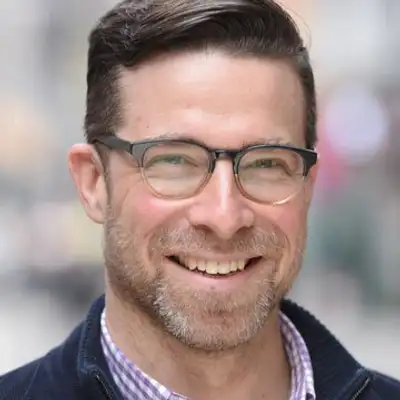
Dan Ryan : Today's guest is a hospitality marketing executive, tourism strategist, and luxury brand advisor. He has more than 30 years of international experience driving growth and brand strategy for global hospitality and tourism organizations. He's also helped shape destination marketing initiatives, global partnerships, and luxury hospitality brands across major international markets.
He is the Director of [00:01:00] Marketing at the Hamilton Princess & Beach Club, a Fairmont Hotel. Ladies and gentlemen, please welcome Diarmaid O'Sullivan. Welcome, Diarmaid.
Diarmaid O'Sullivan : Good. Thank you, Dan. Thank you for having me on your podcast.
Yeah.
Looking forward to our conversation.
Dan Ryan : thank you for being here. I will say I have been to your lovely hotel, uh, many, many years ago, and it is quite a special place in the middle of the Atlantic Ocean. And because of the insurance industry or reinsurance industry that's there, you just attract such a wealth of visitors and capital and just I'm sh- I can't imagine the types of meetings from captains of industry and allocators of capital that must happen under that roof, but I'm sure there are some great stories, um, and about how you wound up all the way in the middle of the Atlantic Ocean.
Diarmaid O'Sullivan : Sure
Dan Ryan : And I know we'll get there, but first, what does hospitality mean to you? What keeps you in our, in our lovely, [00:02:00] amazing, and incredible industry?
Diarmaid O'Sullivan : Well, I think, you know, I, it has been my only career, so I think I've had some time to really sort of think about what it is and why I'm still in the industry. You know, I love people, and I think that's the number one thing you need to, uh, be able to do when you're in hospitality. And, you know, people want to feel special they come to your hotel.
They're spending a lot of money. Um, this may be, you know, the only vacation they take, uh, this year. Uh, so always approach hospitality as, you know, you're, you're coming to stay in the home, but it's your rules. My only goal is to make you feel welcome, you know, make you feel included. You know, I think the thing about Bermuda is Ber- Bermudians are very warm and friendly, so it's really important to us to be [00:03:00] able to have a conversation, you know, with our guests.
And, um, because of the various type of guests that we get, you know, a lot come from the East Coast of the US where, you know, the pace of business and life can be very fast. Uh, it sort of stops them when someone, you know, when I just chat to someone at their table if they're looking at a piece of artwork then, you know, nine out of 10 times I actually have to introduce who I am otherwise they're a little suspicious as to why I would be talking there. But think you can just see how engaged they become you engage with them and you listen to them.
I think one thing which we're incredible successful at doing here at Hamilton Princess is picking up little snippets from a guest, uh, and then just trying to create something special for them, whether it's, you know, I see, uh, I, I notice a child looking at our Kaws sculpture out, [00:04:00] by chatting with them and discovering that, you know, uh, perhaps, um, Sleeping Beauty is their, their favorite book or something.
Well, we have a beautiful piece of artwork featuring contemporary, um, Sleeping Beauty, and we have copies of it. So we'd have that delivered to the room with a little note like, "Dear Sarah, I'm so happy to meet you today. know you told me that Sleeping Beauty is your favorite princess. Something for you to take home." I think that's all about creating special moments
Dan Ryan : Yeah. And, and I think that it's capturing those special moments and, I don't know, and imprinting them or making sure that you can bring them on. I, I love in my life to, in any interaction with anyone, I, I like to remember the unusual, small, unique things about people. And I, and then
so
I, always have this radar on for when that happens or I, I, I come across an article or an experience, I always love sending it [00:05:00] back to someone, mostly because we get a laugh about it 'cause it brings us back to that good time when we were there.
Um, but more than anything, it's just a way to, for me to create like an indelible and lasting personal connection amongst people. And in a world of relationships and where relationships matter so much, it's, it's, I don't know, it's just really served me very well. How long have you been in Bermuda?
Diarmaid O'Sullivan : Uh, it'll be 11 years in November,
Dan Ryan : Wow
Diarmaid O'Sullivan : And, um, came from Manhattan. I'd spent almost 20 years there in the industry. And, you know, when I was first approached about the role, I'm like, "Oh, Bermuda, I've always wanted to go there," but never quite made it to the top of the list. you know, the, few trips I made down and met with owners and other executives, I was floored as to how close it was, and I was kicking myself that, you know, this was a little [00:06:00] of heaven less than two hours from where I lived and completely different experience. And it was my first time going there. That, that is part of the challenge we have being in the Mid-Atlantic, you know. Um, there is a, a lack of awareness of, um, where we are and who we are, you know. Um, some of our, I suppose, uh, individuals that I meet in the US think One, Uber driver thought we were part of the Hawaiian Islands, and once I explained to him, you know, the proximity to the Carolinas, he fully understood.
But I think, um, that is the message we are always trying to get out. But to your point earlier, I think, you know, by creating that little memory and that link, that's what keeps people coming back to us. We have an enormous percentage of repeat customers, particularly in our, uh, Fairmont Gold, which is our premium, um, offering and service here, where, you know, the team [00:07:00] in Gold have been there for 10, 15 years at least, if not longer.
And you recognize the same and same people coming back, uh, and forth throughout the years, and a lot of it's because of who's up there and the experience that they have. And I think that's, you know, that's how we sort of get that personal connection with our customers and we've been-- we build generational visitation as a result of that.
And I think
Dan Ryan : So I, I love all of that. And one of the things I'm really, I was really intrigued by, um, your resume and your, your... I just watched the movie Taken again recently, and it's like the special skills that you've developed, right? You have a certain set of skills. But one of... This idea of destination marketing and finding
Mm-hmm.
Partnerships, global partnerships,
Diarmaid O'Sullivan : Yeah
Dan Ryan : and you've done that where you are now, but also at other properties internationally.
Um, and in a way it [00:08:00] creates this flywheel of... And, and it's like an attraction to other like-minded people, uh, organizations, what have you. What, h- how did you find your way into that specialty, number one? Number two is, when it's done well, how, or how do you know when you've done it well, when you've set up those, those partnerships?
Uh, like what are the, the metrics, the, um, the KPIs, the smiles on the people's faces? Or like how do you, how did you get there, and how do you know when you're, when it's all humming?
Diarmaid O'Sullivan : Well, I think, you know, the way I approach it is, uh, first and foremost, um, I look for a brand that represents the same values that we do, um, that o- obviously have the same targeted customer, uh, that we do and a fitted demographic because you, you do have to find, uh, partners that actually you can generate revenue [00:09:00] in-- with, in partnership with them.
That's just the basis for it. I think the key is to... You know, love creating partnerships that are not just regular, perhaps run-of-the-mill ones with maybe a, a shampoo company or a, you know, a, a product company. We, we like to create our own. You know, we-- Last year we partnered with a beautiful luxury luggage company called SteamLine, and we're known as the Pink Palace here in Bermuda, and have been since we opened the doors in 1885. So that brand is actually well known for its very, I guess, designed, focused luggage.
Mm-hmm.
Um, we created a cust- We worked together with, um, Riley Shehee, who was one of our artists in residence here a number of years ago, to create the custom fabric of the interior of the luggage. Then we worked with the luggage [00:10:00] company and their designers to create the unique color and look and feel for Hamilton Princess. And I think it's those experiences which are fun. You know, I had, when we were trying to content, I suppose, or just show people how fun it was. Ac- One of my team actually flew into New York, with, to and from Bermuda just to capture people's, uh, impressions of it, and everyone was just floored, I guess.
But also s- it put a smile on their face 'cause it was actually... It got the luggage awareness out there, it got Bermuda out there,
Hmm.
It obviously got Hamilton Princess. And I think the approach with partners where you have, uh, a soft outreach and a soft approach to creating that, I suppose, um, awareness a- about what your product is and what the experience you have is key. No [00:11:00] one likes a hard sell, and I think in the luxury industry, that is the approach you have to take. You have
to and sound different to everyone else.
Dan Ryan : I also have a soft spot in my heart for Fairmont because when I started my career, I was-- I did purchasing of FF&E, and s- some of the first projects I worked on were the Fairmont San Francisco, the Fairmont Miramar in Santa Monica, and the Fairmont San Jose. And so that's kind of where I, I earned my chops.
And I really-- And that kind of helped shaped my idea of what's important from the built environment with respect to design, luxury, brand, and how execution across those very specific feelings and
Institute.
Colors and tones and details can tie into not just the built environment you're at, y- we're within, but the brand at large.
Um,
good, Tim
also, so I also, I know I didn't work on this one, but I [00:12:00] just wanted to give a shout-out to Pierre because h- Pierre Jocelyn h- helped design that one and-- or design that one where you are, and, like, I'm always so amazed at those designers in the built environment who can distill down those feelings, those brand pillars, and get them to something you could walk through, experience, and live and breathe in.
So to hear this luggage story is really, really cool. I also-- One other point is there's this-- We're in this w- age of consolidation, right? So for Accor, IHG, Marriott, Hyatt. And one of the things that I noticed and really appreciated in my career, specifically with, with Fairmont and CP or Canadian Pacific Hotels.
Canadian Pacific, which is like this marquee Canadian brand, all those grand resorts and hotels that go all the way across, um, the Canadian,
Diarmaid O'Sullivan : rock is
Dan Ryan : the Rockies, but fr- you know, from the St. Lawrence all the way [00:13:00] to British Columbia, and there were stops along the train and, or the r- the railway. And what I thought was so interesting is as, as much of a jewel as that is and important to Canadian history, it was really amazing to me when CP bought Fairmont and then decided, "You know what?
We need to keep the name Fairmont." It's very rare for the acquirer to ch-
Diarmaid O'Sullivan : not want to change the
Dan Ryan : Yes. And I don't know if you have any history or, or, or any insights into, like, what might have prompted that, but I, I find that very unusual, and I'm very struck by it
Diarmaid O'Sullivan : Well, I think, you know, a- again, it's probably going back to history. You know, it was the Fairmont sisters, 1907. You know, they created this, build-- started this brand. And I think with Canadian Pacific, um, you know, they're, they're... And this, what's the word, I suppose? [00:14:00] We're the grand dame, they're the grand dame of, you know, as well.
I think if you look at it like that, it's that shows respect, and it also shows that, know, people build up the love and fondness for a brand because of name, of what it evokes. And by just acquiring that brand and suddenly putting a new name on it, you just lose all that equity that you have built up and that loyalty, but also that, you know, that familiar, uh, I suppose, experience that people have when they keep going back to the same Fairmont.
I mean, if that suddenly had a different name over it, it, you've, you've sort of wiped out the memories people that have existed,
Yeah
for all of their, you know, growing up of their life being a Fairmont brand. So I think that, I think that's where Fairmont, you know, are clever, acknowledging the [00:15:00] past. You know, look at the incredible buildings we have from Fairmont Banff to even our own here, as I said, 1885.
Mm-hmm.
And I think Fairmont architecturally, historically amazing structures. But it's when you step inside, you see how the elevated luxury contemporary experience delivered continuously moving up as our clients require and expect more
from us, and that's certainly what we do here at Hamilton Princess.
Dan Ryan : and I'm glad, like I know luxury has come up a couple times since we've been speaking, and for me, I don't really know what luxury means anymore. And I know it's kind of one of those things. I know it when I experience it, but it's the same thing as like a boutique hotel. Like what is that? Where do you
Where's the hard lines? Where's the frame around each of those things? And I feel like luxury in some way used to mean like [00:16:00] people would equate it to thread count or marble, or number of drawers in a room or steamer, and what the bathroom fixtures are like.
Yes
But now I feel like it's evolved into something else and, and it is a moving target.
But from your perspective, as you're creating these partnerships with like-minded brands and clients and guests, what does l- like what does that, what does luxury mean to you as a, as a moving target? Or does it not move in your opinion?
Diarmaid O'Sullivan : Well, you know, okay, so the audience and the guests that come stay with us, they, they do have a, a baseline expectation of what luxury is. And, um, and that is perhaps the amenities or, you know, the, a certain quality of room product. But I think ultimately, um, luxury is now defined as that connection with your guest creating an experience for them and [00:17:00] not just, you know, a four-night stay in a hotel sitting by a pool. It's all about, helping your visitor to the community. I mean, the-- that is one of the, I guess, things to me that reflect luxury.
And that's back to the luxury mindset, but also it's back to the people that are working with you because-- and just for an example here in Bermuda, so many people that I will have met, you know, I could've, I could've met them as a guest, I-- they were interested in music or there was a concert going on. That happens all the time here, where our team, you, you'll take guests out to a concert you're going to or you'll have them over for a drink because, you know, they express, uh, the love of perhaps cedar and you have some you know, beautiful cedar [00:18:00] furniture at home. But that's, to me, that's luxury because you-- it's experiences you really can't pay for.
And when I say that, it's like it-- you can't make a human connect- genuine human connection with someone, by just paying them. It-- there has to be some mutually interest and conversation there.
Dan Ryan : Yeah. A- a- and I really appreciate how you said the word connect and connection five or six times in that, in that description because to me, hosp- I don't know, hospitality, luxury, that idea of establishing that connection in a relationship, like I said, that timestamp, it just, it brings me back to, um, The Beginning of Howard's End by E.M.
Forster, where I think the first couple lines or the first words are, "Only connect," dot, dot, dot.
Yeah.
To me, so much in that relationship between humans, no matter what you're trying to [00:19:00] convey or no matter what scale, whether it's in your home or, or at the Pink Palace, um, there's something about how do you cast aside everything else and get down to what that human interpersonal connection is.
And I also love how you talked about that idea of experience, because everyone's talking about experiential travel these days, and, and, and in hospitality, it usually focuses around hotels and the built environment. I just had an experience with my daughter. We-- I went for the first time on a Backroads trip.
We went hiking through the Dolomites in Italy, and they don't... Backroads, I forget how many,
Sure
they do a year, but they own no hotels. They just partner with things, but they're really, it's truly, there's no brick and mortar. It's only that experience. And I think that was the first time I really e- I've experienced so many different types of travel and hospit- and [00:20:00] hospitality, but to go, to find a, a, a, I don't know, a purveyor of experiences that are strictly experiences was really interesting to me this past summer.
How do you... Like, what are some of the curated experiences that help establish those timestamps with guests or partners that come to your hotel and experience what you have to offer
Diarmaid O'Sullivan : we've-- Hamilton Princess is, is unique in terms of the opportunity to... You know, we're an urban luxury resort, two pools, beautiful spa, numerous restaurants, marina, we're less than five-minute walk to town.
Hmm.
You can have that, that city experience. But you jump on our jitney, our pink jitney's outside the hotel, and minutes later, you're on our 33-acre, uh, beach club with th-three separate beaches, whatever you want, ocean lagoon, it's all there.
So I think that's unique in [00:21:00] terms of what we, we can do. We can off- we can cater to both and create that experience. But I also think, you know, art is Art is incredibly important, uh, to the hotel inter- and I should say, you know, obviously our owners, uh, it's their collection, but all of my colleagues, have seen over the 11 years how they have grown in their interest the art and wanting to have that knowledge, but also wanting to be able to share it with our guests. So I think, you know, and I love to hear guests come back and like, you know, "When did that astronaut, you know, Daniel Arsham sculpture arrive in the front lawn? know, it wasn't there six months ago." So, you know, you have that, I guess, that creativity where our guests, they encounter art everywhere. It's not just in the lobby, it's down the corridor. [00:22:00] It, it could be in, in your guest room, it could be in a meeting room, it could be anywhere, down at the beach club, you know? So I think that is also another unique sort of experience that we create here. and, you know, with the art, we're not-- it's not a museum, you know? I mean, look behind me here. There's... You can just go, you can go straight up to a Matisse or a Picasso or, um, a, a Hockney or so many other amazing artists and just look at the piece and touch it. We would prefer if you didn't, but you know, there, there's... The only piece we have sort of a little, uh, protection around is, um, Storm Trooper by Daniel Arsham because it has sharp crystals and we don't want anyone running into it. But also, I- uh, Ai Weiwei's wooden sort of octagonal piece. Was having breakfast one morning a few years ago, and I saw this, uh, two-year-old child putting its head [00:23:00] in. I got up immediately 'cause I could just feel that it may move with the child in it. So we finally put up a little bit of low wire around that to prevent that. But ev- everything else is just open for you to feel and experience, and I think
that's really special. You know, we have-- And our local community constantly bringing in their friends and family who are staying with them to come and experience the art too
Dan Ryan : Yeah, I think that's oftentimes, from my experience, and ob- obviously I haven't experienced every type of travel, but the luxury properties that are able to engage and invite and welcome the local community also, and it becomes a, a part of that, that's, in my experience, a rarity. Because normally in lu- in my experience, the luxury properties are like these spaceships that land somewhere and you have this whole controlled experience.
But to be able to balance that is cool. And, uh, speaking of other balance, so you've [00:24:00] been, we've been in this industry roughly about the same time. You more on, uh, obviously on the hotel side, me on the built environment side. Um, but technology has changed so much over the past 30 years. And when you think of luxury and your property in particular,
Yeah
what's-- And now with the rise of AI and frictionless travel, some people, some- sometimes I don't wanna interact with anyone, I just wanna go check in on my phone, have the key work, go up to my room.
But what's something that you think in this acceleration of technology
Sure
you will defend forever that should be human, that you can't offload to AI or technology? Is there a hill you would die on as far as something you would defend forever as human in the hospitality experience,
Diarmaid O'Sullivan : for me, and you, you said earlier about luxury being the hotel, the amenities and, you know, the style of the room, um, that some people look at it that way. [00:25:00] But for me, it's the arrival experience.
Hmm.
Because you know what? If I have had the most incredible arrival experience from, from the doorman I met you know, the, the luggage, uh, gentleman to check- checking in front desk. To me, if my room isn't what I expected, I am much calmer about that rather than having, you know, a really bad arrival experience. you know, I had recently I, I one of the big brands, stayed there, everything was, you know, check in now on the app. The key on your app. You can bypass the fr- you know, the front desk, no reason.
And to me, that, that is something I would always defend because we're, we're a resort in an incredible, beautiful island. if you're, you know, the toughest businessman coming down here for 24 hours, [00:26:00] there's something about Bermuda and about Hamilton Princess. You, you, you actually stop for a second and look, and I think that, that starts at the door. And for me, you know, I don't want to be able to check in online on an app. I don't want to not have any interaction with anyone. I don't want to have to go through AI, you know. Oh, okay, I can... You know, the-- There's no numbers on the phone anymore 'cause they want you to, you know, "I-- May I have towels delivered?"
And you go into a loop, you know. But so for me, it, it comes down to that human connection,
and I think that's what, that's what luxury is for Hamilton Princess. want you to meet our, our, our teams. We want you to engage with them. You know, we don't want you going straight to your room and then just, you know, back and forth, and we never see you because you a- you did automatic checkout too.
I mean, you literally can do that in so many other brands and hotels around the world that it's not something that [00:27:00] I think Bermuda, the culture in Bermuda is not that.
Mm-hmm.
We want to engage, we want to, to chat, we want to connect. So I suppose I'd fight for those who are responsible for the arrival experience
Dan Ryan : One other thing that struck me as we, we were getting to know each other over the past couple months is how passionate about how you are about what our industry offers, not just as a vocation, but as a career. And I mean, and
Diarmaid O'Sullivan : Yes.
Dan Ryan : you've gone from Europe to North America to who knows where else. But I-- that's one of the things I also see is that all...
I hear so many stories in hospitality about people who have that hospitality quotient, as Danny Meyer likes to say, but they might not have a college education. They might not have a full high school education, or they might. But to me, if you come in and you're very good at that, at establishing that [00:28:00] human connection,
Mm-hmm.
Really the world can be your oyster.
And there's still so many stories of people who started as that greeter, like you said, or the, the, the door person, doorman, and then become general manager or head of rooms or head of F&B. And, and in a hotel especially like yours, there's so many different avenues of connection with people, whether it's F&B or accounting
Diarmaid O'Sullivan : attendant or an engineer or anything, it
Dan Ryan : room attendant.
Yeah. or, or,
absolutely
or pool or, I don't know, beach stuff. There, there's just so many different options that y- it's always you can try something new. So how do you in your role on marketing and, and developing these relationships also, do you allocate time to educate, impact, entice, or ensnare like
Sure
the, the next generation?
And, and if someone was considering a, a career in hospitality, [00:29:00] what might you say to them?
Diarmaid O'Sullivan : Well, I think there's a lot of, um, misperception out there of what hospitality is. You know, people just believe the they encounter, whether it be a, a server at a restaurant or a bartender or a room attendant, you know, th- think that, well, that's the job for life. And I think that's where, you know, a lot of young people look at the industry as, "Oh, well, you know, I'm not gonna do that.
You know, I want to be earning $100,000, you know, the first six months out of college." And that's not the way to do it. I think, you know, your point earlier that, look, you cannot You can teach someone the skills to how to operate a system, you know, how to make a bed, you know, uh, how to make a dish, but you cannot teach someone to have empathy or [00:30:00] to, um, be able to connect with people or engage with people or just be happy. You know, you can't teach that. I think that's where you start with hospitality. And I think, you know, your point about, well, you know, you're not educate- you ... Sorry, you don't have a college degree or anything. started a number of years ago here a leadership development program
Hmm.
Because it's very important for our owners and the hotel, we're so community focused to bring in young Bermudians to show them what opportunities are here, but then also to give them the pathway to leadership. So every year we bring in, um, a food and beverage, um, leadership, uh, development, uh, individual, and also one on the room side. And 2027 looks like we're gonna add culinary to that as well. And they go through all areas of the hotel, um, including marketing and sales, communications, IT, [00:31:00] everything essentially.
And I think that's, is a way for us here locally to communicate out that you can have a very successful career here. We always ... You know, do I measure success by training someone and mentoring someone to reach the potential where they're in a position to take a higher role based on everything that they've learned and they need to leave the hotel.
Hmm.
Because I think that that's the key. You know, no one, no one wants to keep a young person, you know, in one location and, and create such an environment that they, they don't want to leave. philosophy is, you know, promote from within, and then let them go because chances are they'll come back again,
Dan Ryan : Actually, as you were, as you were talking, and you might have just answered the question I was trying to formulate in my head, but let's say you find that [00:32:00] 20-year-old,
Yeah
and they, that 20-year-old with that quotient or the penchant for being kind, noticing someone, making that special connection
Yeah
But they're very eager to move up the ranks.
Because I think if you, if you do hold all of those skills, the career path, not the vocation path, the career path can be very steep and very fast. So when you come across someone like that, I, I think you said to let them, let them go and flourish, right? You- 'cause... But how do you, how do you teach that patience or that courage to that person who wants to move?
They may really like where they are currently with you, but what's something that as a mentor that you could either teach them to take that step, or if they were really a little reticent and you're like, "Look, you need to leave the nest," how do you give them the courage to do it? So either you pick, pick which side of that, of that scale you'd like to talk about
Diarmaid O'Sullivan : I'm an individual who loves to mentor people. [00:33:00] I've had some, and still do have some incredible mentors throughout my career, and, know, I really credit them with getting me where I am. But also, you know, being there to listen when there were doubts or give advice when could take me on different paths. So I think everyone I work with, I try and have sort of culture and conversation with them throughout their, their period of working with here. And then, you know, I think if they're-- if I can see that they really are looking to go in a particular direction, um, and perhaps we don't have that role open here right now for them, but they're ready for it and they're eager, I don't want that individual to get into a place where they hate coming to work because they're doing th- they cannot move up.
So I think in that instance, conversation by, you know, [00:34:00] telling them my story what I have done and, and, you know, the freedom it has given me and the opportunities to go where I want and, you know, whether that's going back to Ireland at some day or whatnot. But it's just, it-- I think when you're younger, you want to explore, you know? Um, you take risks. You wanna do things that you wouldn't necessarily do, you know, uh, in your 30s or 40s because, you know, in your 20s you want to experience everything. So, you know, I have several of my staff throughout my 11 years here, I've helped them find other roles. You know, they've expressed about going overseas and, know, I have-- I encourage my team to tell me when they're at that point
Mm-hmm.
So I can help them. you know, it takes them a little bit to understand that I'm genuine. But, you know, I, I think I come across as someone that I only want you to succeed, and [00:35:00] if anything, if I can help in any way, that requires you to move to another hotel, well, then let me call my contacts and see what I can do.
And think that is...
You know, I, I remember one, uh, one of our team here, very, very, um, incredible, successful individual what they do. I guess it was like last year, um, they said to me... They were mad at me or something because I-- there was a report due at a time and we weren't making it. Um, we started chatting about her career and, you know, they said to me, "Well, I want your job one day." And the tone in which it was said was attempt to be sort of like, I suppose, derogatory. And my response was, "Well, I expect that." I said, "I don't like to work with people who do not want to have my job one
Yeah
I said, "I expect you to have it, but not right now." And
Dan Ryan : there, is there a time in your career with a [00:36:00] mentor, like you mentioned before, or a boss that, a great boss you might have had that you might have had a similar conversation to and what they said to you, and how did you... Is that you paying it forward, if you would?
Diarmaid O'Sullivan : I don't know. You know, I, I remember it was almost like the opposite. I remember being, um, receiving a, a big promotion in a global hotel company, and the president of the company, you know, sat me down and he said "I don't..." He said, "I'm, you know I'm very direct." And I said, "Of course, as am I." And he said, "I don't think you're ready for this role." And I said, "Okay." Um, I said, "May I have, um, six months to, um, see how I get on and see, uh, how if I'm [00:37:00] going in the right direction that you feel this role is required?" And after the six months, and he, he began mentoring from that point. After the six months, he called me in and he sat down and he said, "I owe you an apology." He said, "Not only, uh, are you for this job," but he said, "You were capable from day one, and I
apologize for doubting you." And mean, that was the biggest boost I could ever have received,
Dan Ryan : uh, it's... Okay, so this could be really instructive for, for people coming up in their career as well. When you said, "Can you give me six months?" Did you go through an exercise with that boss of saying, "Okay, if he said yes," it's like, okay, well, let's d- let's envision what success looks like and what wow might look like,
Diarmaid O'Sullivan : Yeah
Dan Ryan : and how did that-- When did that conversation happen in that conversation?
And kind of what were the m- the milestones or the hurdles you guys [00:38:00] both came up with?
Diarmaid O'Sullivan : I think the real, the real connection we had was conversation and the engagement with each other.
Hmm.
Know, this is an individual, you know, storied hotelier globally, and, you know, he was 40 years, uh, older than me. But I, was not afraid to ask his advice or to seek his opinion. And I think that was really sort of what, what allowed me to be successful in the end, because I was open to learning from him. I wasn't trying to, you know, go out this alone and go on my own direction. Not, without even having a conversation and engage him as to what do you see as success. So it turned out that, you know, could be in my office, you know, five times a day because he wanted to see how this idea is [00:39:00] developing or, you know, "Did you follow up on what we discussed? What do you think of that?" And that to me was just so empowering. You know? It, it really, really was. And, um, you know, I think to who- anyone who's in that situation, um, don't look at your boss if they say something like that as the enemy. know, embrace them as your guide
Hmm.
To move you along that path and take advantage of the experience and counsel that they have. So I know it can be hard for young people to accept that, I'm grateful that, you know, I was able to do that. And, you know, he passed away, uh, last year, but he mentored many, many others in the hotel industry, not just in sales and marketing,
but operations, GM, and everything. So, um, [00:40:00] I was lucky, I was also lucky that he challenged me and told me I wasn't the right person for the
job.
Dan Ryan : Oh, and, and when you hear that, I also think it's a gift because it helps clarify, okay, well, what's-- why am I not? What's missing? Okay, and then what are the stepping stones to get to that place, right? And
And,
w- hmm, but
also
I also imag- oh, I also imagine that that was not in Bermuda when that happened, right?
Diarmaid O'Sullivan : No.
Dan Ryan : Okay.
Diarmaid O'Sullivan : York. It
Dan Ryan : Oh, that was in New York. Okay. So, but in New York, there's a million other places you could go, right? Whether in New York or within the United Northeast or within the United States.
Yeah
I know for instance, in, in Hawaii, I have a lot of really good friends and clients out there, and they have this thing called the Coconut Wireless, right?
Where basically what if someone is doing a good job, a bad job, um, is promising, the islands know about it really fast, right? [00:41:00] But if you are doing a good job and you want to accelerate within a company or an organization sometimes, and that, and that the job, the next stop is blocked.
Yes
the Coconut Wireless kicks in, and then the, they find other places and they give recommendations.
But I would imagine Bermuda is just a lot smaller and that might be more difficult to do. How do you network and, and, and share that information of the r- of who the rising stars might be?
Diarmaid O'Sullivan : Well, you know, I think first of all, it's the ind- conversation with the individual themself. You know, to my earlier, you know, conversation regarding, you know, when someone is ready to move and I can't, they, I can't move them up, they're ready for that role. You know, there's-- it's a small community here too, the hospitality community, but Bermuda's a small community, you know?
It's 21 square miles, 64,000 people, and remember when I first moved [00:42:00] here, the general manager at the time, he said to me, he said Just a word of advice. He said, "Don't ever talk about anyone behind their back." in Bermuda, they're probably their cousin, their best friend, their auntie, their father. So he said, "And people will know you before you know them."
Mm-hmm.
And that has been proven so many times, but in a positive way, you know, that, "Oh, you work with me auntie." And I'm like, "I had no idea that you had that connection." So I, think the word gets out when the opportunity is there. I do think that if, if you're ready as an individual to make a move, well then it's always wonderful to have international experience.
I think, you know, they always say, you know, travel, um, lightens the wallet but broadens the mind. I think when it comes to [00:43:00] hospitality, um, it's even more important to see how others do it and, you know, uh, see how you can improve in it or, you know, your own special pathway.
Mm-hmm.
But I-- and I think Bermuda is such an international community here. know, the, uh, every Bermudian travels overseas constantly, you can see that just in the wealth of knowledge and experience, and engagement they have with everyone. So we might not have the coconuts, but you know, we do have, we
Yeah
we, we do have our rum swizzles and our Dark 'N Stormys.
Dan Ryan : Oh, good. Yeah, and those usually help, um,
Diarmaid O'Sullivan : do loosen the
Dan Ryan : disseminate information and, and get everyone comfortable with each other. Being a 21 square mile island with 64,000 people, I didn't realize it was that small. Um- And being in [00:44:00] hospitality with all the, the peaks and troughs and ebbs and flows, from your position where you're sitting creating partnerships, awareness, finding those right guests, marketing, what's the biggest challenge you see in the f- looking forward from your desk?
Diarmaid O'Sullivan : Just sort of should look at it another way. I think one of the reasons for our success here is our engagement with the local community. To your point, a lot of other places, these luxury hotels and locals won't go there because they don't feel they're welcome. We go out of our way to make sure they're, they're welcome.
Our, our vision, you know, statement for the hotel is to be the front porch for Bermuda.
Hmm.
And think that put-- that's what keeps us going and, you know, what might be slower seasons, our food and beverage, our restaurants and our spas and all those other experiences and the connection they feel to [00:45:00] the hotel and community work that we as Hamilton Princess and Beach Club go out and do is incredibly personal to us because it'll, it touches our colleagues. You know, it impacts our colleagues who we work with. But if you're talking about, you know, more mainstream challenges, obviously it's the geographical awareness. is, uh, our biggest challenge and always has been, you know, I think as it relates to, to Bermuda. we have multi-gen families coming down all of the time. Um, it's like the old marketing, the gateway strategy. It's like the minute some- someone comes to Bermuda for the first time,
hooked. Hmm.
You know, I've introduced so many friends and family here and, you know, a lot of them don't want to tell their friends because it's sort of like their own private paradise.
You know, they don't want to look over and see their [00:46:00] neighbor sitting across from them. You know, they, they like that just unique sort of experience that they can have and think that's our biggest difficulty is, you know, creating the awareness that we're only two hours from the East Coast.
Yeah
once we get them here, I think they fall in love with us.
Dan Ryan : And but that also, if I'm hearing you correctly, that could be a consistent challenge, right?
Diarmaid O'Sullivan : Yes
Dan Ryan : But is there any, is, are there any new challenges that might not have been there two years ago, let's say?
Diarmaid O'Sullivan : Well, you know, I, I suppose there... We- we're always impacted by everything that happens in the United States and Canada. You know, we're... They're our biggest trading partner.
Mm-hmm.
So we've noticed an increase in Canadian tourists, which is very, very positive and, um, increase in airlift out of Canada as well. and that's something, okay, we're, we're pivoting.
We've always marketed there, but now we're pivoting a little more, putting more investment into that [00:47:00] market because and more peoples have discovered us
and
Dan Ryan : they're not too eager to go to their neighbor who's always been friendly until recently.
Diarmaid O'Sullivan : And, you know, it, it's, it, it... What we find with companies that
Yeah
at the start, I suppose, about two years ago, travel policies changed.
Mm-hmm.
You know, and, uh, conferences and meetings that traditionally may have come to Bermuda, um, remained, you know, stateside, uh, for that year or even for this year to keep the business local and to give back to, uh, their local communities as well.
Oh no, I was just gonna say, I was, uh, I'm sorry to interrupt. I, what I was gonna say, this might be, this might, this next follow-up might be kind of the other side of the same coin. I know I was talking a challenge that might not have been there two years ago,
Yeah
Dan Ryan : but I think with every challenge becomes an opportunity.
So without,
Yes.
Your question, what's the biggest opportunity you see now [00:48:00] that wasn't there two years later at the Hamilton Princess? And Bermuda, for Bermuda and Pr- uh, as well
Diarmaid O'Sullivan : Number one, airlift has increased, you know, and it's continuing to increase and it will once we have sister hotel, the Fairmont Southampton, uh, open hopefully in the next few months. And, you know, that's about 580 rooms. So the airlines are constantly telling us, you know, "Build more rooms and we will bring them." So we've been successful in doing that, and there's an even greater opportunity because of it. Uh, I also think that the, um, the hotels here on the island are constantly investing and reinventing themselves and, you know, creating even better product, you know, than it was. So I think it's, it's the experience that our visitors have when they come here. I also think it's the For in our case, the partnerships that we develop. You know, we, we've worked with Lily [00:49:00] Pulitzer, we've worked with, um, as a steamline, um, Southern Tide. We've worked with, um, many other sort of lifestyle brands that fit, uh, our demographics. And to me, you know, that's where the market is and that's your target market.
Fine, you can spend money on expanding, but don't forget about your core market. And you know, I think for us, social media, I know everyone sort of talks about that in either positive or negative, but, you know, we've been incredibly successful in creating the, I suppose, conversation out there about the Pink Palace and about the experiences that we create.
And, you know, the, uh, it's very important for us to show our staff and colleagues, you know, behind the scenes that are engaging because that connection and reality as well. So, you know, we, we started our Substack, [00:50:00] account and storytelling this year, and it's all about individuals who work here.
Hmm.
So I think that's where I see an op- huge opportunity that's only going to get better, uh, in that it gives us more opportunities to tell people who we are and we want them to come visit
Dan Ryan : I, I have a question on, for instance, on like the Lily Pulitzer, um, partnership. Or at-- You can pick the other, whichever one might feed it, uh, fit this question the best. But okay, so if I'm online, I know there's always every hotelier would prefer for anyone to make a reservation through the hotel website because you're not giving up margin and paying commissions and all that.
When you find a partnership that's not an OTA,
Diarmaid O'Sullivan : Right
Dan Ryan : do you... Is it just co-branding? Is there a way to click through and measure? Like when you-- If you, if you were to find a new corporate partner, [00:51:00] how do you know it's a win? And is there, is it measurable from like, does it, does it juice your revenue or profitability?
Diarmaid O'Sullivan : Yeah. You know, and that's, that's a great question because I'm sure you recall in the past, you know, with print advertising, estimated value or es- you know, but there was no actual to really see what business converted from that.
Dan Ryan : Yeah
Diarmaid O'Sullivan : it's still incredibly important to have that presence in a balanced marketing strategy.
But for instance, with, with Lily, uh, with Steamline, and, you know, I should also mention we don't just do product partnerships. You know, w- we've partnered with SailGP, you know, that incredible, um, sailing, uh, competition, the Formula 1 of sailing. We've partnered with America's Cup. we're partnered with the Butterfield PGA Championship, who actually bring direct business as a result of our partnership,
Mm-hmm.
But we also get to market to those individuals. And [00:52:00] now through our social and any digital marketing we do, we can create and put on a special offer just for those individuals who engage there. But we can track it through a pixel a, a pixel on the Fairmont booking engine. I should probably not say that 'cause we're one of the few ones who's been allowed do it um, I can calculate and see the direct revenue by that piece of social content
Dan Ryan : Oh, wow. And then how do you know when it's a, when it's a win? 'Cause when you, you're like, "Okay, we seem like we're good brands for each other.
Diarmaid O'Sullivan : Yes.
Dan Ryan : try something,"
Diarmaid O'Sullivan : Yeah
Dan Ryan : how do you ... Like, when does your spidey sense or when does the real measure come up and you're like, "Okay, good, we're onto something"? Like, give ... Do you have an example of something where you know you just had a, had a win-win?
Diarmaid O'Sullivan : Sure. I mean, you know, I-- look, for say, go back to the steamer, 'cause that was the most recent one I keep thinking about is, you [00:53:00] know, for us it was we really wanted to, encourage people to book their summer vacation or their quick weekends away. So, you know, we launched this the beginning of May. Uh, Good Morning America featured it as the must-have luggage to get away this season. That to me is an enormous win, you know, to get that exposure. Um, then just we were able to measure... It was only available, uh, for the first few months of last year to be purchased through our, uh, at The Hamilton, our own retail shops
Dan Ryan : Oh, wow. Not even online. Like online or just you had to be there?
Diarmaid O'Sullivan : but it only in our-- only using our online, um, retail shops and our physical shops.
We have beautiful luxury
Oh,
here. So we were the only source for you to buy that. So we were able to track the engagement and purchasing, uh, you know, habits of people through that. And it's-- what it [00:54:00] showed is, you know, we sold out in the first two months of... And they were limited edition item.
Dan Ryan : Well, I, I just wanna share with everyone, 'cause I hadn't looked at this before. I just, I typed it in, Steamline, it's up. There's, on, uh, just on the page I'm on, I think there's six SKUs, and one, two, three of them, half of them are sold out on this landing page. So that means you're doing something really good.
That's awesome.
Diarmaid O'Sullivan : Yeah. Yeah. Thank you. And
Dan Ryan : And they're really cool
Diarmaid O'Sullivan : Yeah, and I think one of the, just the, I suppose the reasons, Dan, for the success is we take our time. know, we were working on that project for, you know, over two, two and a half years.
Dan Ryan : Wow
Diarmaid O'Sullivan : You know, we created our own custom scent here, um, called Island Rose with the oldest perfumery, Lily Bermuda, here in Bermuda.
That took about another, two and a half, three years, I think, to create. I think the success is we approach partnerships as long-term,
Mm-hmm.
Not as like, you [00:55:00] know, "Well, we're gonna do these 10 partnerships. The first one will launch, you know, in two months. The second one is already lined up." We spend the time working with the part- identifying the partner and then working together to get to know each other. and eventually, you know, there's a genuine partnership and interest and results there.
Dan Ryan : okay, so the other thing, like let's say you hit, you hit a home run with Steamline Luggage or the perfumery. Uh, let's just use the luggage 'cause I'm looking at it right now and I can't smell through my computer screen. But, um, let's say you, you hit the home run, it's out there.
How do you from that point forward nurture that relationship and innovate? Or do you go into it knowing, "You know what? We're gonna do this for summer and then maybe we'll let everything sell out. We'll wait till the next summer." How do you check in with them and continue to, I don't know, to nurture and see what's next?
The narrative.
Well, you know what, what we have done, I guess, since we launched is [00:56:00] slowly introduced new pieces, you know, at various times. Um, we captured wonderful content, you know, user-generated content of guests with the luggage that they post, we post. Um, obviously we, through our, our social and through our, our shopping channels, we are able to, you know, identify the demographics that are purchasing from us. And I think it's just continuing the storytelling. You know, the-- if you, if, if you can see the lining there, if you look, can zoom in, you, you'll see the front of the hotel. You'll see our pink phone booth. you'll see our
Oh, yeah
You know, it's, it's actually the Hamilton Princess
It's pretty fun and it's so t- it's also so targeted and specific, and it's like a perfect Venn diagram [00:57:00] of what my experience many, many years... Like, it's bringing me back to having stayed there years and years and years ago
Diarmaid O'Sullivan : is. It, it's a, it's the visual emotion con- emotional connection. Like you said, you can't touch, you can't smell if you're looking at a screen, but visually it, you know, it triggers that memories for you. And that's, I think, that's why we are successful at the partnerships because we take time to ensure exactly the experience you had happens with what create and who we collaborate with
Dan Ryan : Now I can't get the image of like, I want Pierre to have the hat box. I want, I wanna see Pierre walking with the hat box down Fifth Avenue with
Diarmaid O'Sullivan : I have one of each item in my office. So, uh, uh, it forms part of our collection of various partnerships that we've done over the years.
Dan Ryan : Oh, wow. It's lovely. Um, well, listen, this has been a wonderful conversation, and thank you for letting me learn something about which [00:58:00] I feel like I do a lot of marketing, but I don't really understand it. It's just more of an organic thing to help my business and my life just through doing these conversations and just being out there.
Um, but it's really cool to think about these more specific targeted partnerships and all the great work that you guys have done there in Bermuda and as champions for Bermuda. But, um, Diarmaid, if people wanted to learn more about you or connect with you or learn about, um, the Hamilton Princess, what's a, what's a good way for them to get in touch?
Diarmaid O'Sullivan : okay, well, the, our website is thehamiltonprincess.com and email, Diarmaid.osullivan@fairmont.com.
Wonderful. And we'll
everything you want from our website, thehamiltonprincess.com
Dan Ryan : Fantastic. And we'll be sure to... I'm gonna totally put a link to that, um, Steamship, or I'm sorry, Steam Line Luggage, uh, specifically the collection you did there, um, on, on the, on the notes. So if you are listening or watching, just be sure to click [00:59:00] through. Um, Diarmaid, this has been wonderful. Thank you so much, and we'll have to catch you next time.
I, I can't wait to come down and visit at some point.
Diarmaid O'Sullivan : Thank you, Dan. We sh- I'd love to hear your ideas and other opportunities to collaborate.
Dan Ryan : Oh yeah, that would be awesome. And now I'm gonna have to go call Pierre as we hang up as well. So,
Diarmaid O'Sullivan : Dad.
Um,
Thank
you,
Dan Ryan : thank, thank, you. And thank you to all of our listeners. Without you tuning in, we wouldn't be having these awesome conversations where I get to learn cool things and have my mind blown by a really awesome collaboration.
And I'm sure-- And I know there's many more, so I don't mean to just focus on that one, but you have to click on that and just see. Um, so thank you all, and we'll catch you next time